
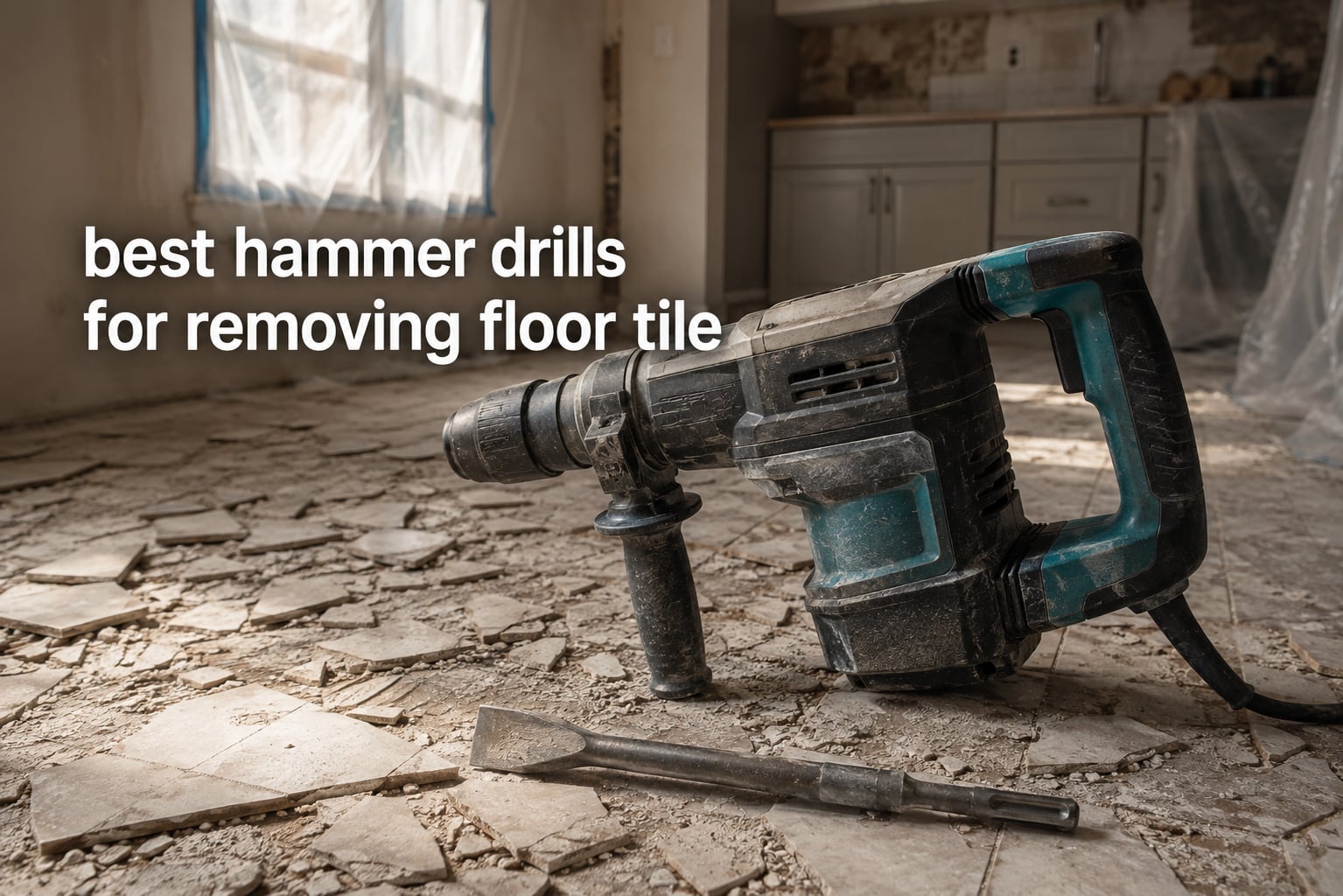
Pulling up an old tile floor sounds simple until you actually start. The tile itself cracks easily enough — one solid hit and it shatters. The problem is what’s underneath: a rock-hard bed of thinset mortar bonded to your slab or subfloor, sometimes a quarter-inch thick, sometimes an inch of old-school mud bed. That layer is what turns a “weekend project” into a three-day ordeal with a rented hand chisel and a wrist you can’t feel anymore. Choosing from the best hammer drills for removing floor tile is what separates those two outcomes.
Here’s the thing most shoppers discover about halfway through the process: the tool you actually want probably isn’t a hammer drill at all. It’s a rotary hammer. The two get lumped together constantly — even retailers file them in the same aisle — but they work on completely different principles, and only one of them will chip tile and thinset off a floor. We’ll clear that up in detail below, because buying the wrong one is the single most expensive mistake in this whole category.
To put this guide together, we looked at what actually gets recommended by people who do this work: contractor forums, tile setters, and the aggregate experience of thousands of verified buyers. Then we filtered the field by the specs that genuinely predict tile-removal performance — impact energy in Joules, blows per minute, tool weight, whether the tool has a true chisel-only mode, and how the chisel angle locks. Marketing amp ratings and drilling-capacity numbers matter far less than you’d think.
What follows are eight rotary hammers that will strip a tile floor, from a budget kit that will get one bathroom done to an SDS-Max combination hammer that will take out 800 square feet of porcelain over mud without complaining. There’s a full comparison table, per-product analysis focused specifically on floor demo rather than generic concrete drilling, a buying guide that explains which specs to weigh, a step-by-step removal process, and honest math on whether you should rent instead of buy.
Our Top 3 Picks at a Glance (2026)

DEWALT D25263K SDS Rotary Hammer
- 3.0 J impact energy
- SHOCKS Active Vibration Control
- SDS-Plus chuck
- Integral safety clutch

DongCheng DZC03-28 Rotary Hammer
- 3.6 J impact energy
- 5000 BPM
- Includes 2 chisels
- Mechanical safety clutch

Bosch RH540M SDS-Max Combination Hammer
- 6.1 ft-lbs impact energy
- Vario-Lock 12-position indexing
- SDS-Max chuck
- Dual-mode selector
Full Comparison: All 8 Rotary Hammers (September 2026)
| Product | Specifications | Action |
|---|---|---|
| DEWALT D25263K SDS Rotary Hammer |
|
Check Latest Price |
| DongCheng DZC03-28 SDS-Plus Rotary Hammer |
|
Check Latest Price |
 DEWALT DCH293B 20V MAX XR SDS-Plus Rotary Hammer DEWALT DCH293B 20V MAX XR SDS-Plus Rotary Hammer |
|
Check Latest Price |
| Bosch RH540M SDS-Max Combination Hammer |
|
Check Latest Price |
 ENEACRO ENRH3203 SDS-Plus Rotary Hammer ENEACRO ENRH3203 SDS-Plus Rotary Hammer |
|
Check Latest Price |
 Bosch 11255VSR Bulldog Xtreme Rotary Hammer Bosch 11255VSR Bulldog Xtreme Rotary Hammer |
|
Check Latest Price |
 Makita XRH04Z 18V LXT Rotary Hammer Makita XRH04Z 18V LXT Rotary Hammer |
|
Check Latest Price |
 Berserker 26FA SDS-Plus Rotary Hammer Berserker 26FA SDS-Plus Rotary Hammer |
|
Check Latest Price |
A note on reading that table: impact energy is the column that predicts tile-removal speed most reliably, and manufacturers report it inconsistently — some in Joules, some in foot-pounds. One foot-pound is roughly 1.36 Joules, so Bosch’s 6.1 ft-lbs is about 8.3 J, comfortably the most powerful tool here. Weight is the counterweight to that number, and for floor work it matters less than it does for overhead drilling, since gravity is helping you.
1. DEWALT D25263K SDS Rotary Hammer — Best Overall
DEWALT SDS Rotary Hammer Drill, Vibration Control Shocks, 115 Volts, Corded (D25263K)
3.0 J impact energy
8.5 amp corded motor
SHOCKS Active Vibration Control
SDS-Plus chuck
Pros
- Excellent 4.7 star rating across over 1500 reviews
- SHOCKS Active Vibration Control for long sessions
- Integral clutch prevents bind-up wrist injuries
- Reverse rotation for easy bit backing
- Two year free service
Cons
- Lower housing runs hot during extended use
- Not built for heavy concrete breaking work
The D25263K is the tool we’d hand to almost anyone taking on a tile floor for the first time, and it’s the best-reviewed model in this entire lineup with over 1,500 ratings averaging 4.7 stars. At 8.5 amps it produces 3.0 Joules of impact energy — not the highest number here, but well past the threshold where thinset starts breaking loose in sheets rather than chips.
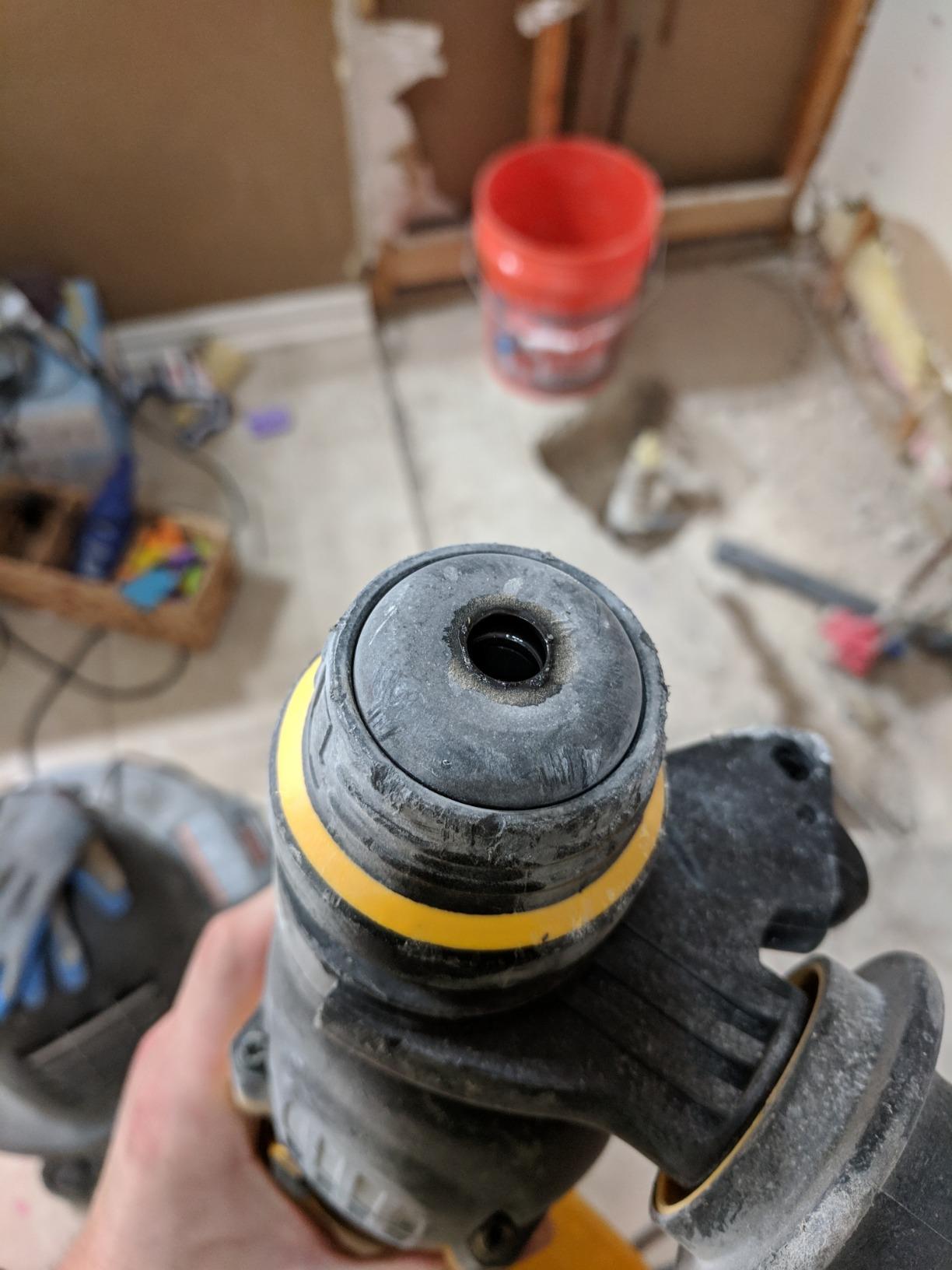
What earns it the top spot is DEWALT’s SHOCKS Active Vibration Control. Tile removal is a marathon, not a sprint: you’re going to be holding this thing at a low angle for hours, and vibration is what ends sessions early. Reviewers repeatedly single out how much more comfortable this hammer is than what they used previously, and that comfort translates directly into square footage per day. The integral clutch is the other feature that matters more than it sounds — when a wide chisel catches an edge of bonded tile and stops dead, the clutch slips instead of twisting the tool out of your hands.
The one consistent complaint is heat. The lower housing gets genuinely hot during extended runs, so plan on brief cool-down breaks every 20 minutes or so. It’s also not a concrete breaker; if you’re removing a mud bed over a slab and expect to go deep, look at the Bosch RH540M instead. For standard thinset over slab or backer board, this is the pick.
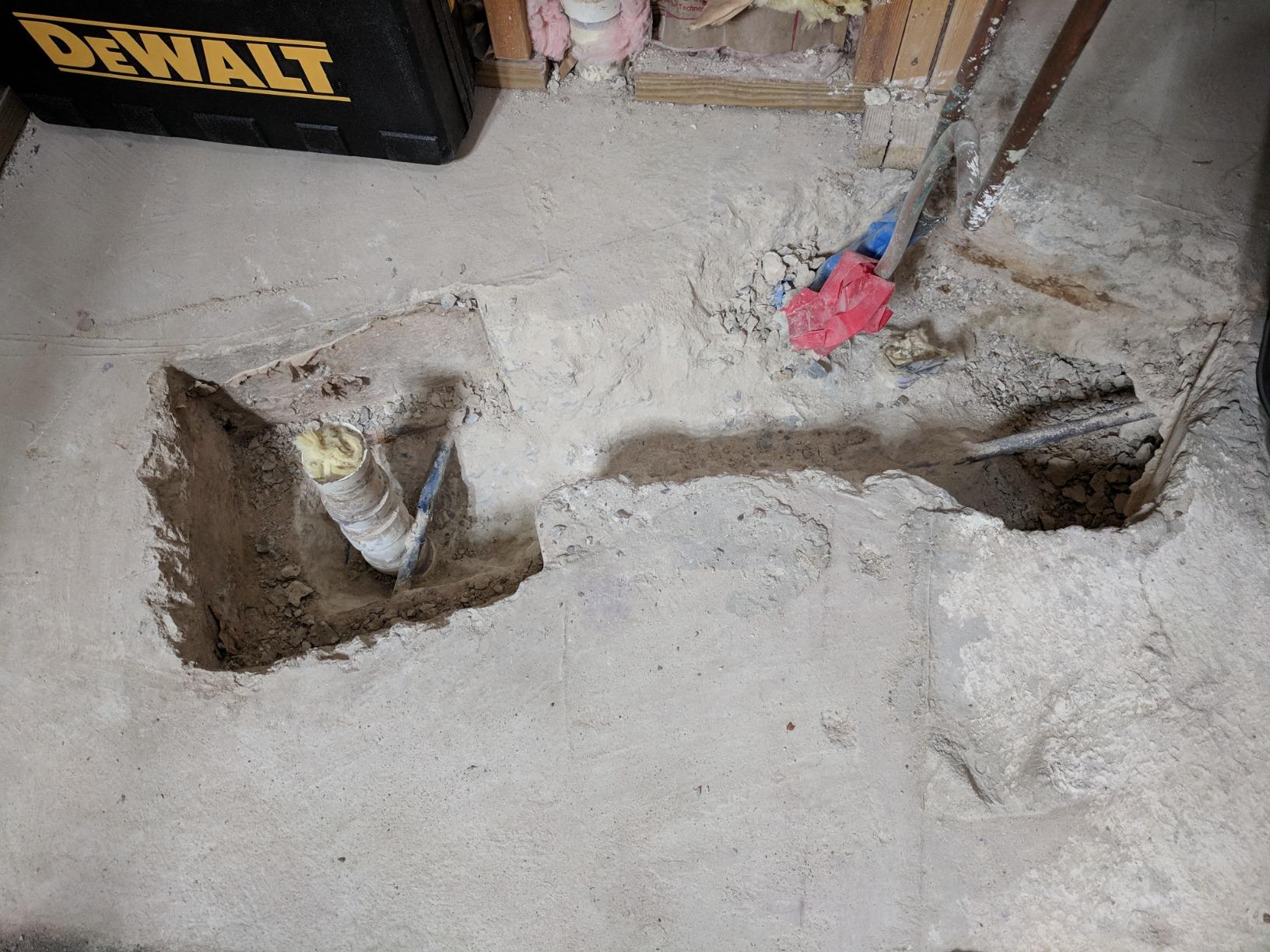
Key specs: 3.0 J impact energy · 8.5-amp motor · 0–1,150 RPM · SDS-Plus chuck · reverse rotation · dust extraction compatible · 2-year free service
Best for Whole-Home Renovations
This tool handles full kitchen and bath removals across multiple rooms without breaking down. Reviewers doing 400+ square foot projects report it still performing well after the second day. The combination of vibration control and reliable power makes it well-suited to anyone who plans to tackle a large floor over a weekend or two.
Limitations on Thick Mortar Beds
Older homes with full mud beds and wire lath test any SDS-Plus tool, and the D25263K is no exception. It will get through a mortar bed eventually, but expect to spend extra hours compared to an SDS-Max tool. For most modern thinset over concrete slab, it has more than enough power.
2. DongCheng DZC03-28 Rotary Hammer — Best Budget Kit
DongCheng 1-1/8 Inch SDS-Plus Rotary Hammer, 9.2A Motor, 3.6J Impact Energy, 5,000 BPM, with 3 Drill Bits, 2 Chisels & Case, 120V, Safety Clutch
3.6 J impact energy
9.2 amp corded motor
5000 BPM
SDS-Plus chuck
Pros
- 3.6 J impact energy rivals much more expensive tools
- Complete kit with 2 chisels and case included
- Dual-mode with hammer-only for tile work
- Mechanical safety clutch protects wrist
- Optimized cooling ventilation system
Cons
- Heavier 11 lb inline body tires shoulders on long jobs
- Brand service network is limited
If your project is one bathroom and you have no intention of ever buying another rotary hammer, this is the honest answer. You get a 9.2-amp motor producing 3.6 Joules of impact energy at 5,000 BPM — on paper, more impact energy than the corded DEWALT that ranks at the top of this guide. It also arrives as a complete kit with three drill bits, two chisels, grease, and a carrying case, which means the only thing between you and the floor is safety gear.
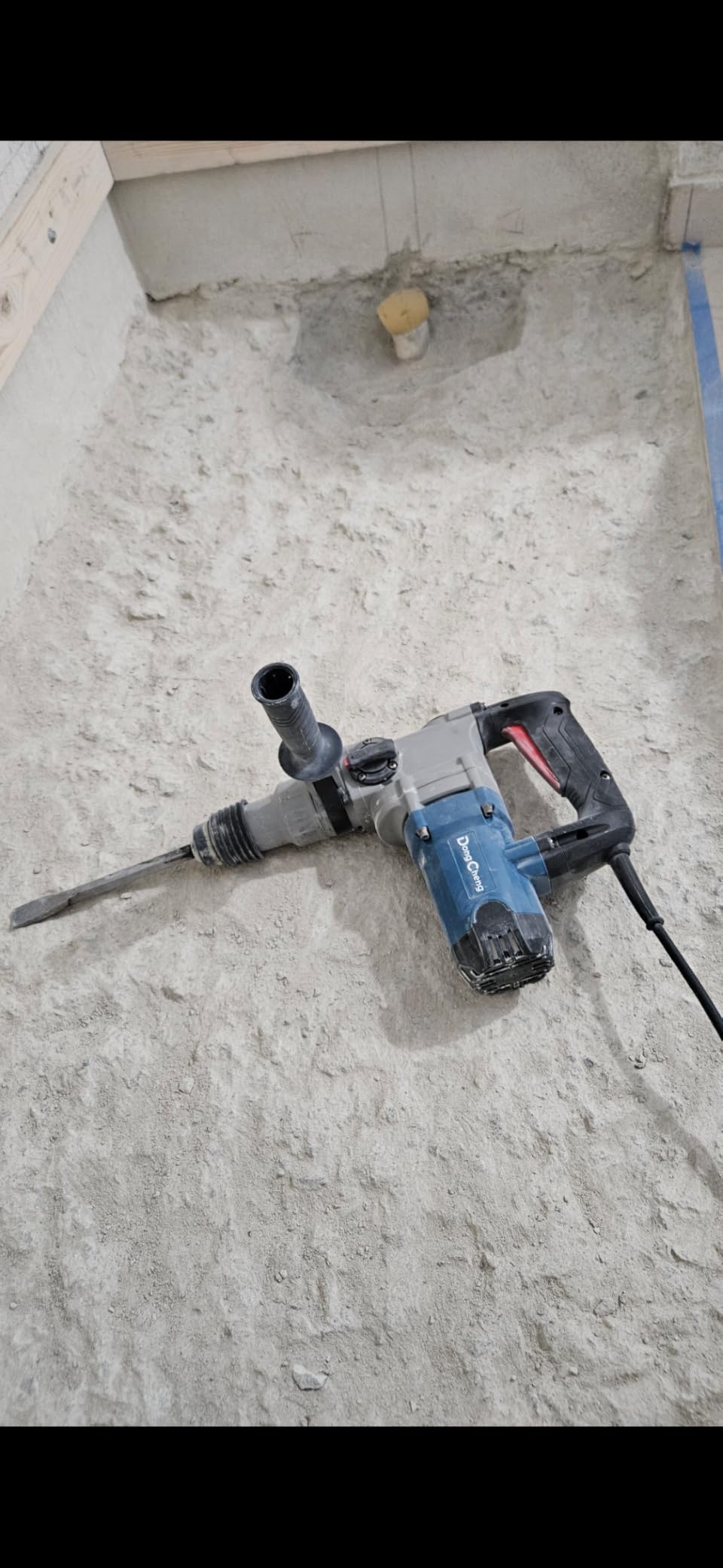
The dual-mode selector gives you rotary hammer mode and the all-important hammer-only mode, and there’s a mechanical safety clutch that disengages the drive if the bit binds. Buyers consistently describe it as feeling more solid than budget tools typically do, and the shock-absorbing handle takes enough edge off the vibration to make a full afternoon tolerable.
Where it gives ground is form factor and endurance. At 11 pounds in an inline body, it’s not comfortable for long stretches of low-angle horizontal chipping — you’ll feel it in your shoulders in a way you wouldn’t with the 8-pound DEWALT. Several reviewers note this specifically. There’s also no pretending this has the service life of a Bosch or Makita; treat it as a tool that will do a few floors well rather than a decade of jobsite abuse.
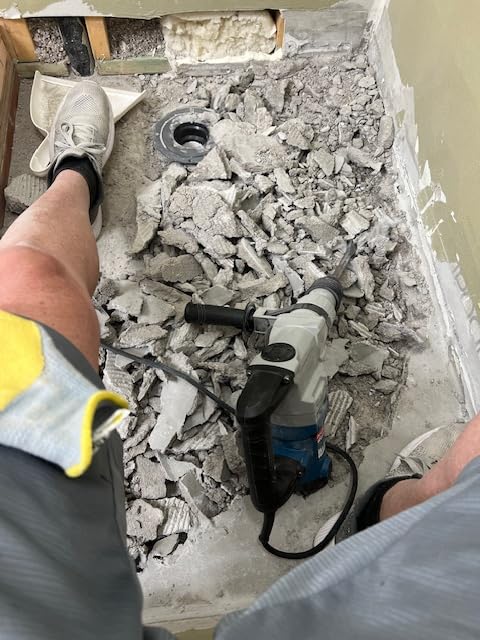
Key specs: 3.6 J impact energy · 9.2-amp / 1,100 W motor · 5,000 BPM · 1,300 RPM · SDS-Plus chuck · dual-mode · mechanical safety clutch · includes 3 bits + 2 chisels + case
Best for One-Room DIY Projects
This kit excels when you have a single bathroom, kitchen, or laundry room tile removal ahead of you. The complete kit means no last-minute trips to the hardware store for chisels or bits. Reviewers consistently note it outperforms their expectations for one-off projects and small renovations.
Limitations on Multi-Day Projects
The 11-pound inline body becomes noticeable when you’re doing hours of low-angle work across multiple days. For a single bathroom done in one weekend, it’s perfectly adequate. If you’re planning a whole-house renovation, the lighter DEWALT or the Bosch D-handle will leave you less fatigued.
3. DEWALT DCH293B 20V MAX XR — Best Cordless
DEWALT DCH293B 20V Max XR Brushless 1-1/8” L-Shape SDS Plus Rotary Hammer Drill (Tool Only)
3.5 J impact energy
20V MAX brushless motor
E-Clutch bind-up protection
SDS-Plus chuck
Pros
- 3.5 J cordless impact energy exceeds top corded pick
- L-shape body balance for low-angle work
- E-Clutch electronic bind-up control
- SHOCKS Active Vibration Control
- Dust management ready for vacuum shrouds
Cons
- Tool-only option assumes you own 20V MAX batteries
- Battery drain in chisel mode requires multiple packs
- Rubber boot on shock absorber wears over time
Cords are a bigger nuisance during tile removal than during almost any other job. You’re working on a floor covered in sharp shards, dragging a cord through them, repositioning constantly, and every extension cord run is another thing to trip on while holding a running hammer. The DCH293B eliminates that, and it does so without the power penalty cordless tools used to carry: 3.5 Joules of impact energy actually exceeds our corded top pick.
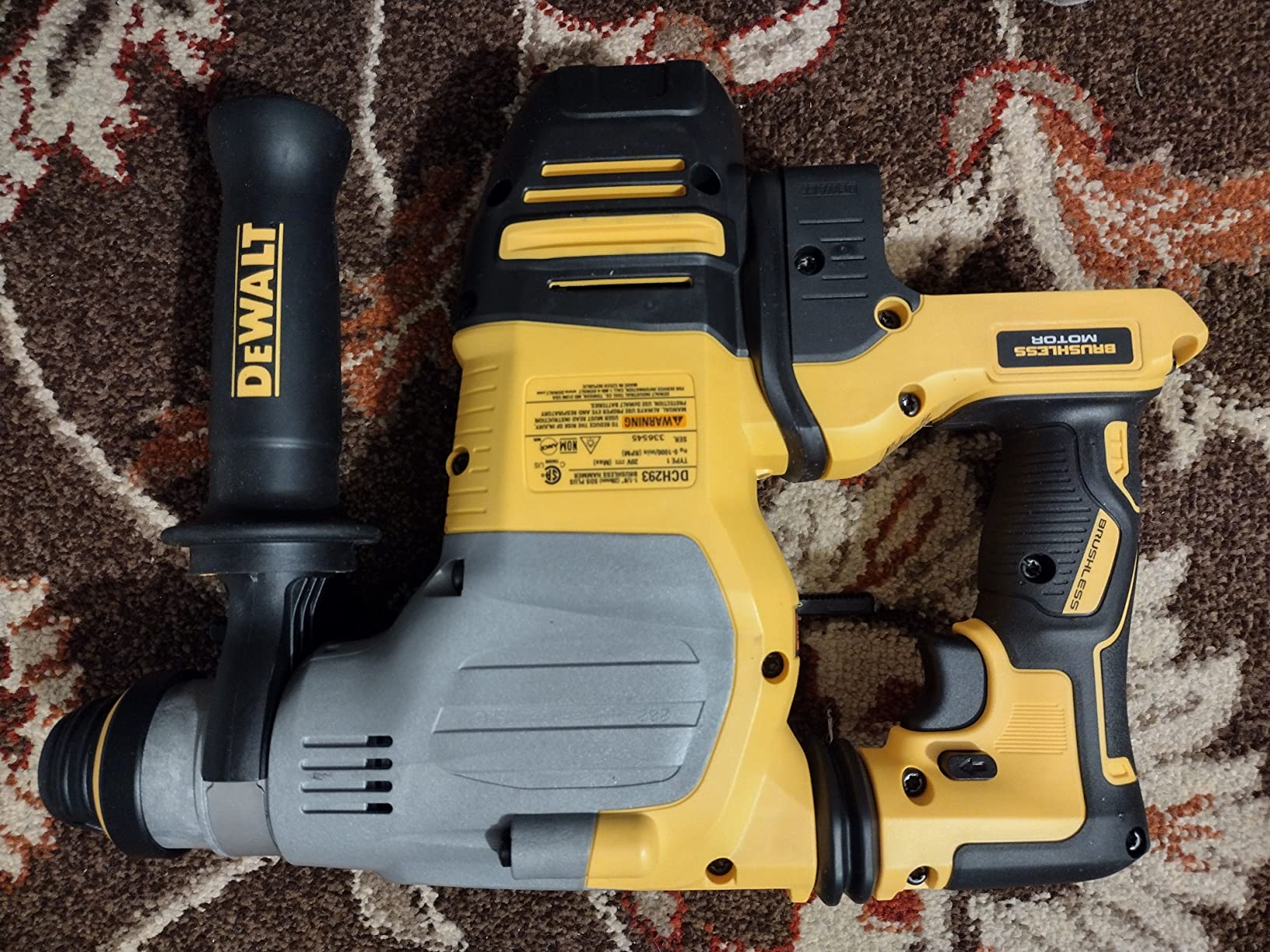
DEWALT’s brushless motor and the L-shape body give this tool noticeably better balance than the D-handle competition — the weight sits behind your hand rather than above it, which helps when you’re leaning into a chisel at 30 degrees. The E-Clutch is a step beyond a mechanical clutch, electronically sensing bind-up and shutting the motor down, and SHOCKS vibration control carries over from the corded line. It’s also dust-management ready if you want to add a shroud and vacuum.
Two caveats. First, this only makes sense if you already own 20V MAX batteries or plan to build into that platform. Second, weight — at 8.7 pounds plus a battery, it’s heavier than the Makita, and a few reviewers mention the rubber boot on the shock absorber wearing over time. Battery consumption in chisel mode is also real; budget two 5.0Ah packs minimum for a continuous session.
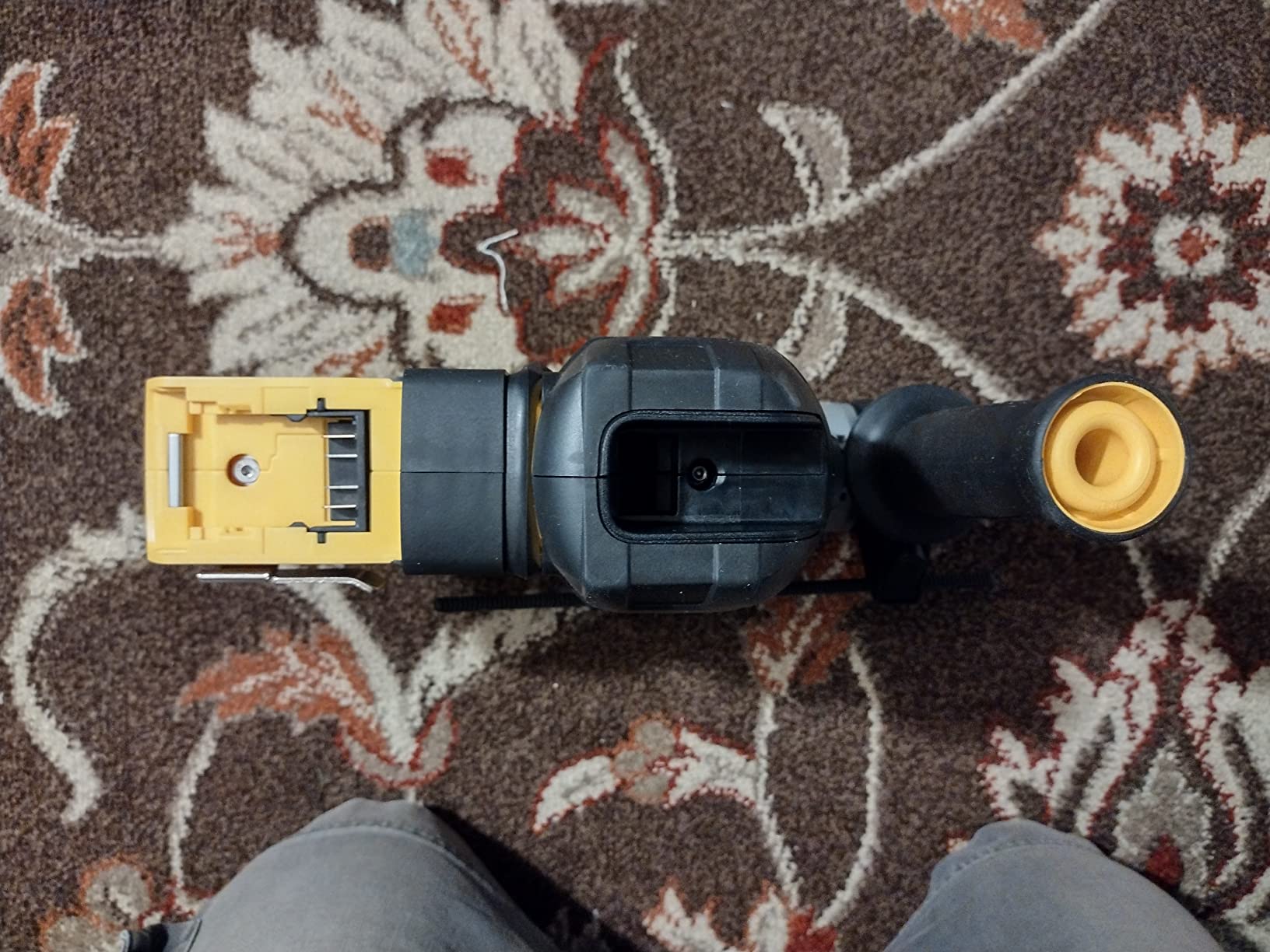
Key specs: 3.5 J impact energy · 20V MAX brushless · 0–1,000 RPM · 3-mode operation · SDS-Plus chuck · E-Clutch · SHOCKS Active Vibration Control · dust management ready · tool only
Best for Cordless Workflows
If you already have DEWALT 20V MAX batteries from other tools, this is a natural extension of your platform. The cordless freedom is genuinely valuable on a tile floor, where every extension cord is a tripping hazard. Reviewers working in finished homes with nowhere to plug in call it a game-saver.
Limitations for Budget Shoppers
The tool-only option means the entry cost is meaningless without batteries and a charger. If you’re starting from zero and don’t already have the platform, the total investment climbs fast. A corded SDS-Plus tool delivers comparable impact energy for less upfront cost overall.
4. Bosch RH540M SDS-Max Combination Hammer — Best for Heavy Duty
BOSCH RH540M SDS-max 1-9/16 In. Combination Hammer for Concrete
6.1 ft-lbs impact energy
12 amp corded motor
Vario-Lock 12 position
SDS-Max chuck
Pros
- 6.1 ft-lbs highest impact energy in the roundup
- SDS-Max handles thick mortar beds and lath
- Vario-Lock 12-position chisel indexing
- Dual-mode rotary hammer or hammer-only
- Service minder brushes signal maintenance needs
Cons
- No trigger lock for continuous running
- 15.2 lb weight requires two-hand control
- Handle edges can feel sharp
Some tile floors aren’t set in a thin layer of modern thinset. If your house predates the 1980s, there’s a real chance your tile sits on a full mortar bed — an inch or more of sand-and-cement mud, sometimes with wire lath in it. SDS-Plus tools will eventually get through that, but “eventually” means days. This is where the RH540M earns its place.
It’s an SDS-Max combination hammer delivering 6.1 ft-lbs of impact energy — roughly 8.3 Joules, about 20% more than comparable combination hammers and more than double most of the SDS-Plus tools here. SDS-Max chisels are physically larger and stiffer, so a 3-inch wide chisel won’t flex or snap the way an SDS-Plus chisel does when you’re prying under lath. The dual-mode selector switches between rotary hammer and hammer-only, and the Vario-Lock mechanism is the feature tile guys care about: it lets you index the chisel to any of 12 rotational positions and lock it there. Being able to orient a flat chisel perfectly parallel to the floor, then lock it, is the difference between clean shearing and constant fighting.
At 15.2 pounds this is a two-hand tool and it will wear you out faster than the lighter picks — though reviewers consistently say it’s smoother and less fatiguing than 15 pounds suggests, because the weight does the work for you on a floor. The lack of a trigger lock for continuous running is a legitimate annoyance over a long day, and a few owners mention the handle edges being sharp.
Key specs: 6.1 ft-lbs (~8.3 J) impact energy · 12-amp / 850 W motor · 340 RPM · SDS-Max chuck · Vario-Lock 12-position chisel indexing · dual-mode selector · 15.2 lb · service minder brushes
Best for Whole-House and Natural Stone
When your project involves more than 500 square feet, natural stone, or thick mortar beds, SDS-Max power saves days of work. The 12-position Vario-Lock is uniquely valuable for floor work where you need a perfectly flat chisel angle. Professional tile setters and remodelers consistently pick this for the largest jobs.
Limitations on Single-Room Projects
The 15.2-pound weight is overkill for a single bathroom. Most homeowners will not use SDS-Max capability often enough to justify the investment. If your project is one or two rooms, an SDS-Plus tool gets the job done at a fraction of the physical strain.
5. ENEACRO ENRH3203 SDS-Plus Rotary Hammer — Best Budget Powerhouse
ENEACRO 1-1/4 Inch SDS-Plus 12.5 Amp Heavy Duty Rotary Hammer Drill
7 J impact energy
12.5 amp corded motor
SDS-Plus chuck
3-mode operation
Pros
- 7 J impact energy exceeds most competitors in this range
- Complete kit with 3 bits
- 2 chisels
- case included
- Dual-layer anti-vibration system effective in testing
- Safety clutch auto-disengages on bind-up
Cons
- 11.1 lb heavier than compact SDS-Plus options
- Brand service network less established
- Documentation could be more detailed
Nearly 2,800 reviews at 4.6 stars makes this the most-reviewed rotary hammer in our lineup, and the spec sheet explains why people keep buying it. A 12.5-amp motor producing 7 Joules of impact energy is an outlier — that’s more than double our top pick’s output and approaching SDS-Max territory from an SDS-Plus tool.
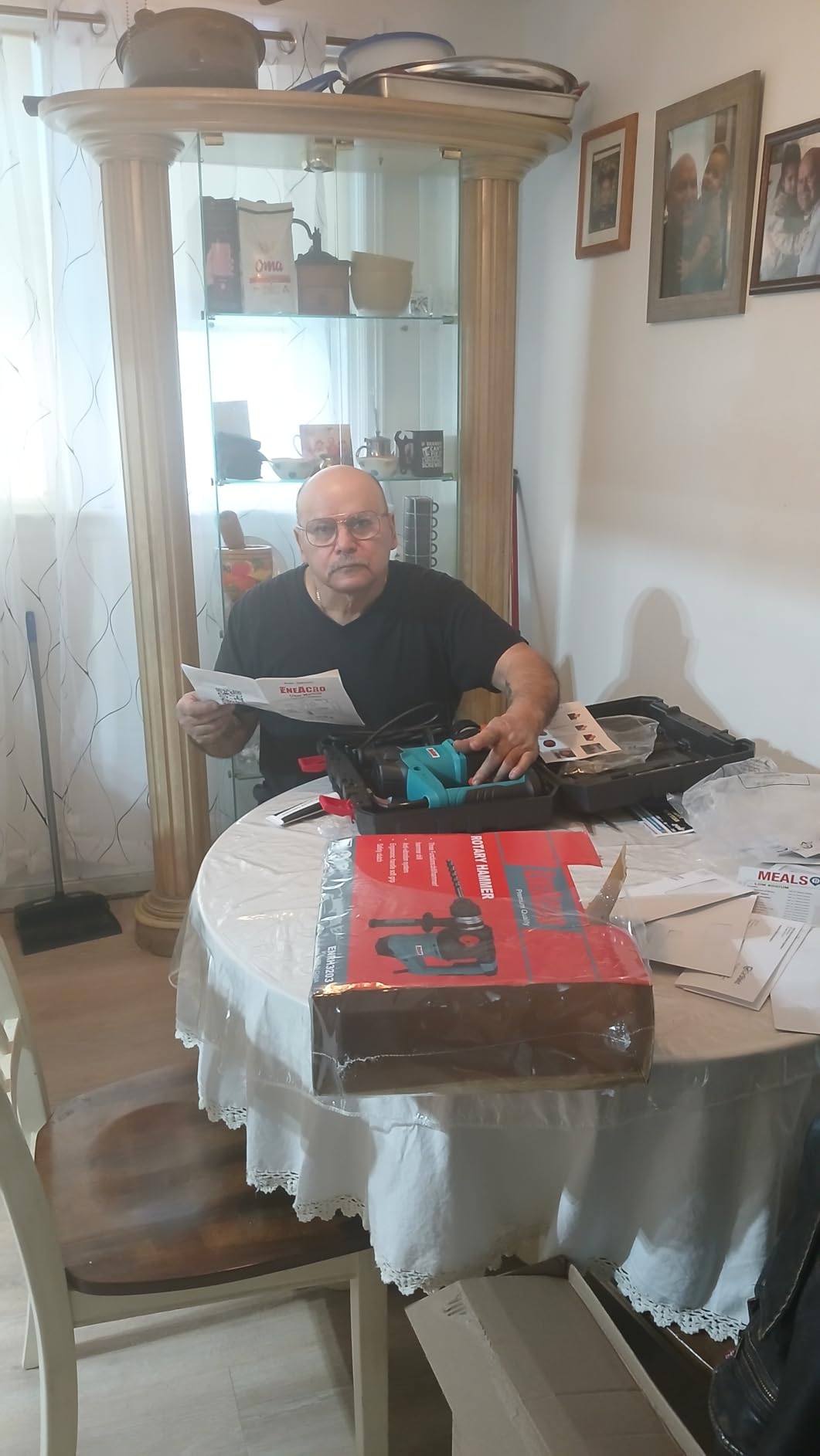
Practically speaking, 7 Joules means thinset comes up in plates instead of crumbs. It has three modes including hammer-only, an SDS-Plus chuck rated to 1-1/4 inches in concrete, and a dual-layer anti-vibration system that reviewers say genuinely works. Like the other budget-tier picks, it ships as a complete kit — three drill bits, two chisels, grease, and a case — so you can start the same day it arrives. The safety clutch auto-disengages on bind-up.
The honest caveats: 11.1 pounds is on the heavy side for an SDS-Plus tool, the documentation is thin, and long-term durability data on the brand is limited compared to Bosch or DEWALT. If you want maximum demolition capability per dollar and you’re willing to accept an unfamiliar brand name, though, nothing else here comes close on the impact-energy-to-price ratio.
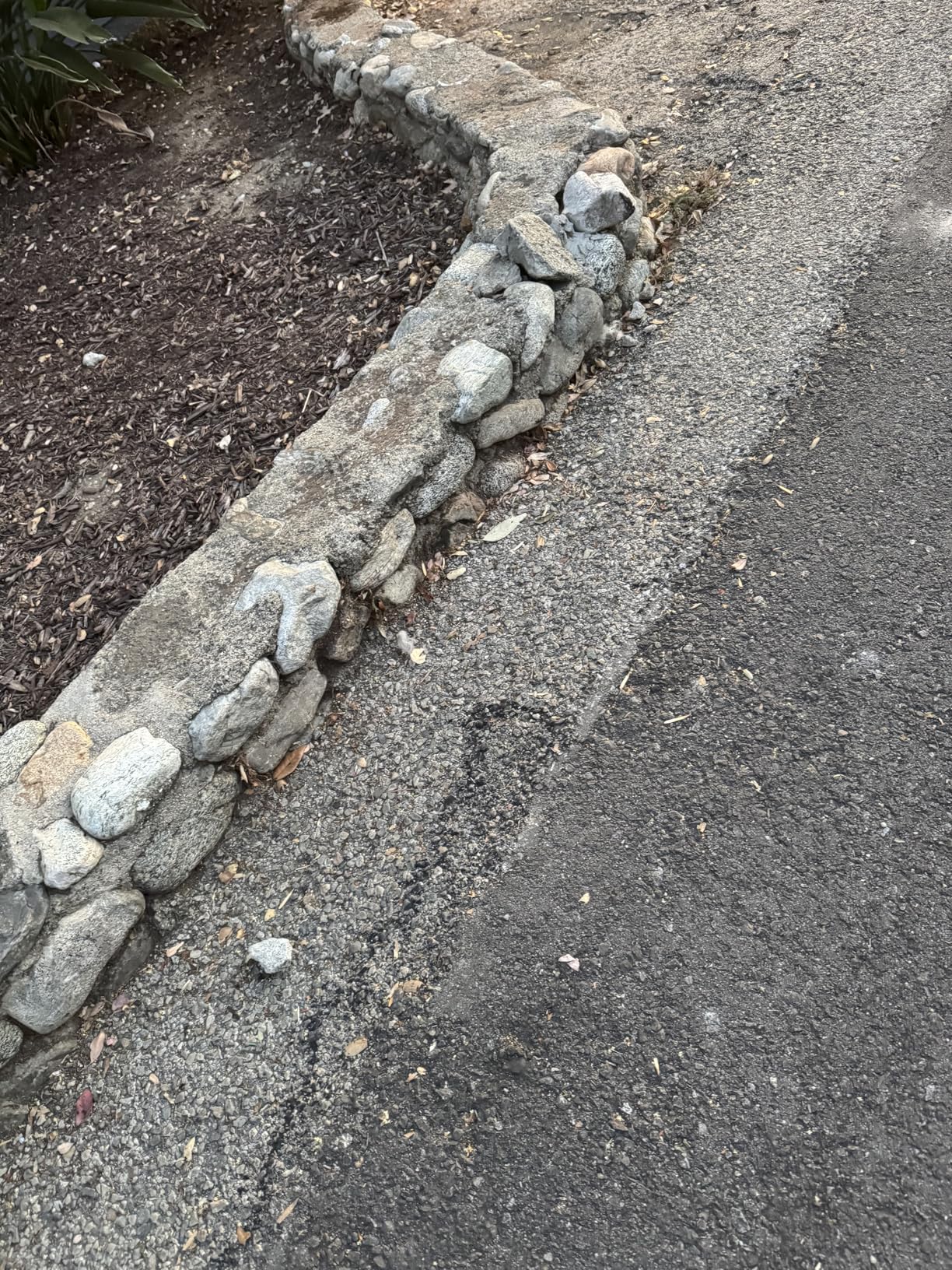
Key specs: 7 J impact energy · 12.5-amp / 1,500 W motor · 880 RPM · 3 modes (drill / hammer / rotary hammer) · SDS-Plus chuck · dual-layer anti-vibration · safety clutch · includes 3 bits + 2 chisels + case
Best for Large Floors on a Budget
Reviewers doing 600+ square foot floors consistently reach for the ENEACRO because 7 Joules clears thinset in plates rather than crumbs. The complete kit means no add-on purchases, and the vibration system genuinely reduces fatigue over long sessions. The 4.6-star average across nearly 2,800 reviews speaks to real-world performance.
Limitations on Long-Term Durability
The brand is less established than tier-1 names like Bosch, DEWALT, or Makita, and service network support is thinner. If you’re buying for a single project, this is a strong pick. If you want a tool that will survive a decade of jobsite use, the established brands have a track record.
6. Bosch 11255VSR Bulldog Xtreme — Best D-Handle Design
Bosch 11255VSR-RT BULLDOG Xtreme 1-Inch SDS-plus D-Handle Variable-speed Rotary Hammer (Renewed)
2.2 ft-lbs impact energy
7.2 amp corded motor
5800 BPM max
SDS-Plus chuck
Pros
- D-handle body pushes force straight down chisel axis
- 5800 BPM highest blow rate in roundup
- Lightweight 11.5 lb for its power class
- Renewed option with Bosch factory warranty
- Variable speed trigger for control
Cons
- Loud operation even by rotary hammer standards
- Renewed units may show minor cosmetic blemishes
- Lower per-blow energy than Berserker or ENEACRO
Ask on any tool forum which rotary hammer to buy for tile and someone will say “Bulldog” within three replies. The 11255VSR Bulldog Xtreme has been the default recommendation for years, and this renewed listing puts it at a meaningful discount with a one-year Bosch factory warranty — real savings on a tool that typically sells for considerably more new.
Its advantage for floor work is the D-handle body style. The rear handle sits directly behind and above the bit axis, so when you lean your weight onto the tool, that force goes straight down the chisel rather than trying to rotate the tool in your grip. On a floor, where you’re pushing down and forward simultaneously, that geometry is genuinely easier to control than an inline body. The 7.2-amp motor spins up to 5,800 BPM — the highest blow rate in this roundup — which at 2.2 ft-lbs per blow means it works by high frequency rather than brute force. That’s a good match for ceramic tile and thin-set thinset, where lots of moderate hits shear the bond line cleanly without hammering craters into your subfloor.
Reviewers overwhelmingly report renewed units arriving in like-new condition and drilling concrete impressively fast. The two knocks: it’s loud, even by rotary hammer standards, and renewed means possible cosmetic blemishes. Neither affects the work. Note that with lower per-blow energy than the ENEACRO or Berserker, it’s not the choice for thick mortar beds.
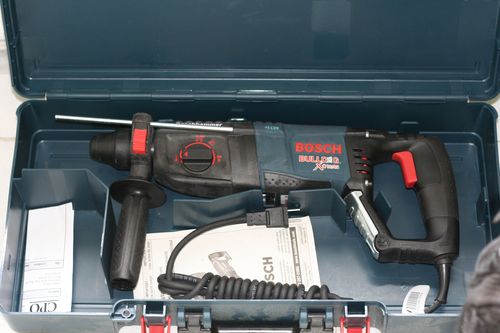
Key specs: 2.2 ft-lbs (~3 J) impact energy · 7.2-amp / 850 W motor · 0–5,800 BPM · 0–1,300 RPM · SDS-Plus chuck · D-handle · variable speed · 11.5 lb · 1-year Bosch factory warranty
Best for D-Handle Control
Users who prefer the D-handle body style find it easier to control at low angles than inline bodies. The geometry puts your body weight directly behind the chisel, which matters when you’re working on your knees for hours. Tile setters trained on older Bosch rotary hammers often stick with this style for familiarity.
Limitations on Thick Mortar Beds
The 2.2 ft-lbs per-blow energy is on the lower end of the roundup. For modern thinset over concrete slab or backer board, it’s plenty. For thick mortar beds, natural stone, or wire lath, you’ll want the higher per-blow energy of the ENEACRO, Berserker, or Bosch RH540M instead.
7. Makita XRH04Z 18V LXT Rotary Hammer — Best Lightweight Cordless
Makita XRH04Z 18V LXT® Lithium-Ion Cordless 7/8″ Rotary Hammer, accepts SDS-PLUS bits, Tool Only
2 J impact energy
18V LXT battery
3-mode operation
SDS-Plus chuck
Pros
- Lightest tool in roundup at 7.4 lb
- 3-mode operation including hammer-only
- Shock absorbent handle protects battery housing
- Torque-limiting clutch prevents gear damage
- Synchronized RPM and BPM for faster drilling
Cons
- Lowest impact energy in roundup at 2 J
- Battery drain in chisel mode requires multiple packs
- Runs warm during extended continuous use
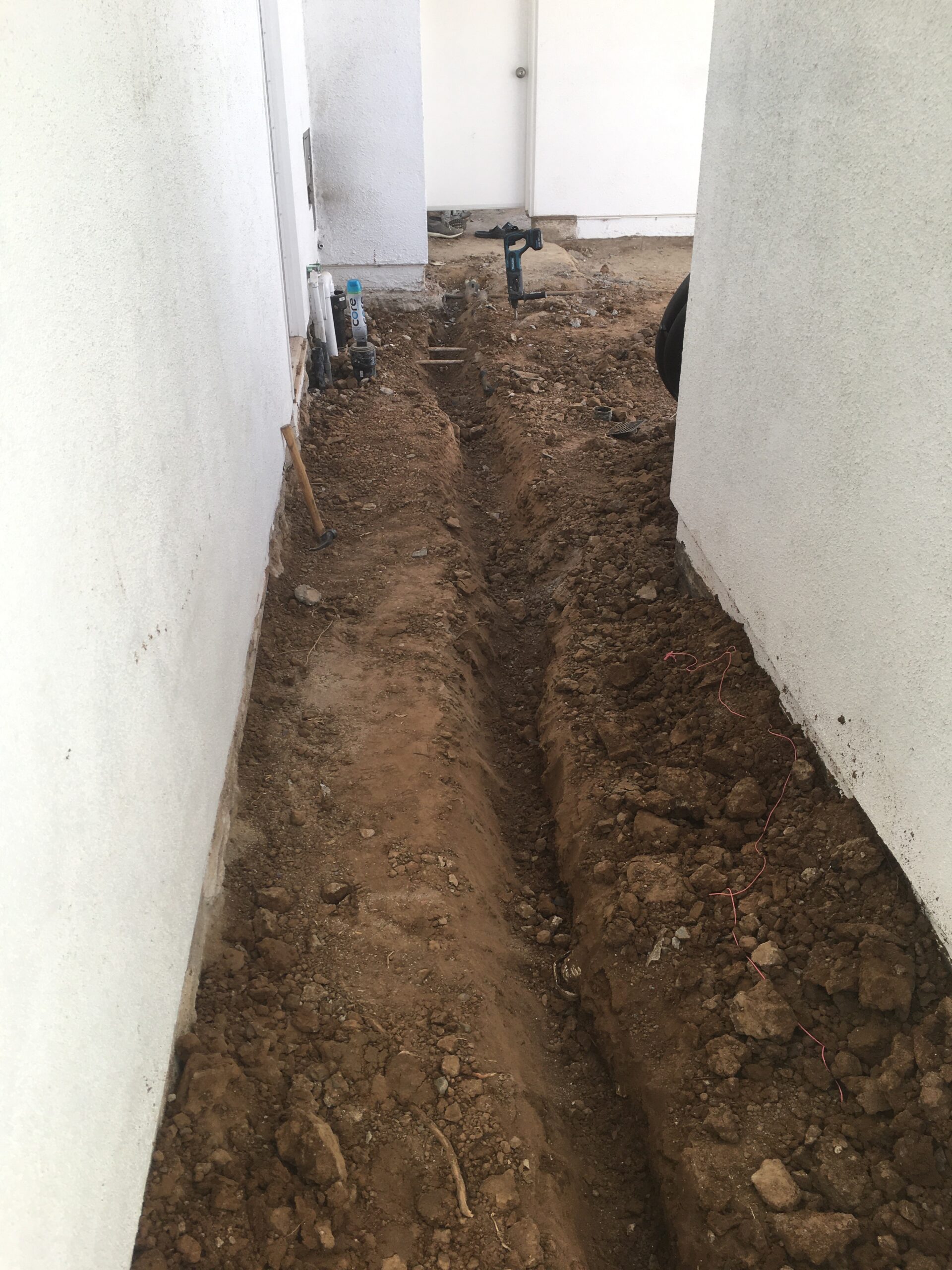
At 7.4 pounds, the XRH04Z is the lightest tool in this roundup, and weight is the spec that determines whether you finish a small bathroom in one session or three. Anywhere you have to work in an awkward position — kneeling in a 30-inch space between a toilet and a vanity, reaching into a closet, chipping tile off a shower curb — those pounds saved versus the heavier picks change the experience completely.
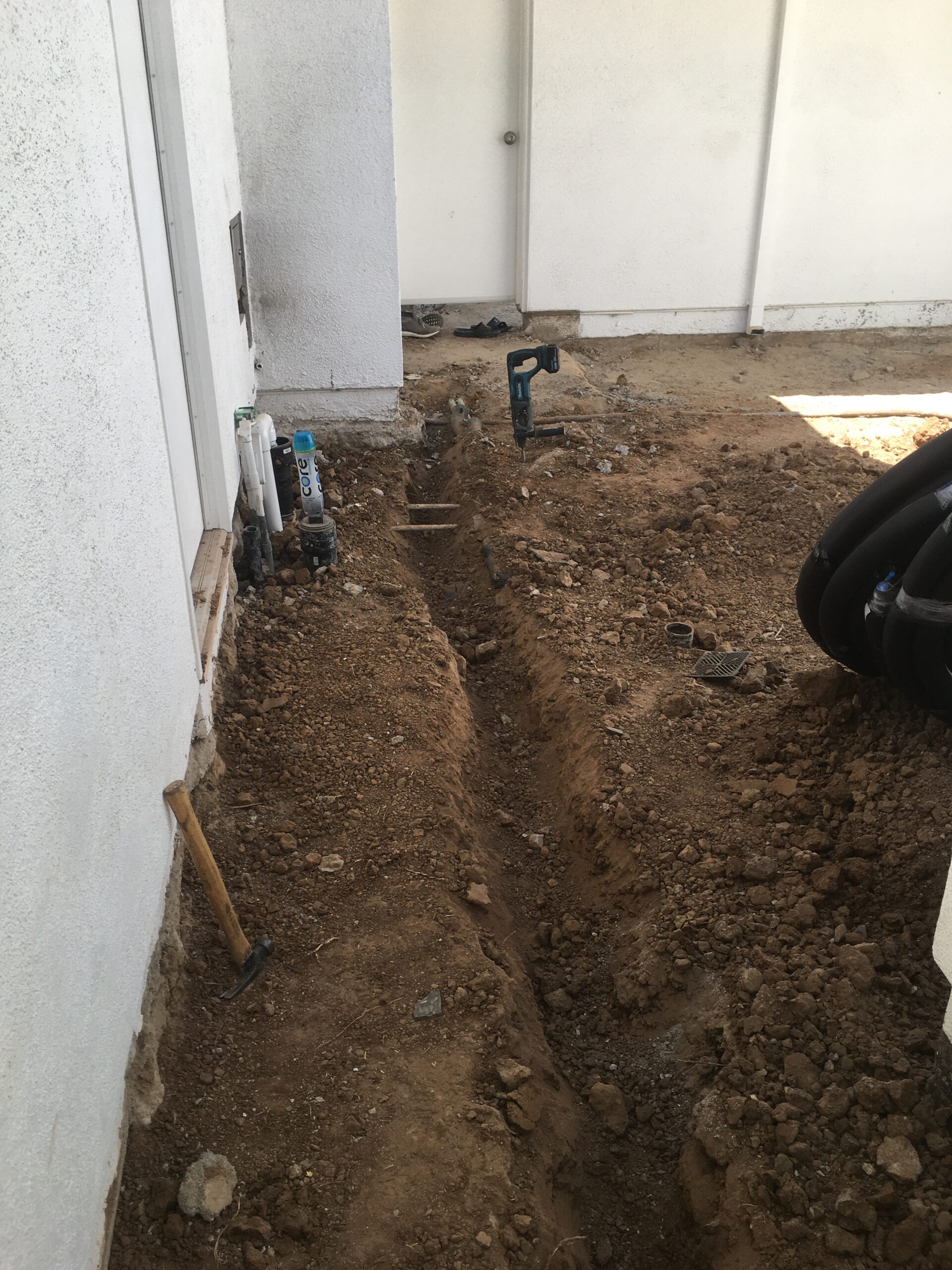
Makita’s variable-speed motor delivers 0–1,200 RPM and 0–4,000 BPM, with three modes including hammering-only for chisel work. The torque-limiting clutch automatically disengages the gears if the bit binds, protecting both the gearbox and your wrist, and the shock-absorbent handle also shields the battery housing from impact — a smart detail on a tool that gets set down on rubble constantly. Owners report drilling concrete holes in about three seconds and specifically call out its performance on tile removal.
The tradeoff for that light weight is impact energy: at roughly 2 Joules, this is the least powerful chipper here. It will handle ceramic and standard thinset, but it will struggle with thick mortar beds or natural stone. Battery drain in hammer-only mode is significant — reviewers flag it — so have several LXT packs charged. And it gets warm during sustained use.
Key specs: ~2 J impact energy · 18V LXT brushless-free variable speed motor · 0–1,200 RPM · 0–4,000 BPM · 3-mode operation · SDS-Plus chuck · torque-limiting clutch · 7.4 lb · tool only
Best for Tight Spaces and Overhead Work
The 7.4-pound weight is a meaningful advantage in tight bathrooms, closets, and anywhere you can’t get a full body stance. Reviewers consistently note reduced fatigue on multi-hour sessions. If you already own Makita 18V LXT batteries, the tool-only cost is reasonable and the platform integration is seamless.
Limitations on Tile and Thinset Density
At roughly 2 Joules, this is the lowest impact energy in the roundup. Ceramic tile over standard thinset is well within its capability. Dense porcelain, thick mortar beds, or wire lath will slow it considerably. For those situations, the ENEACRO, Berserker, or DEWALT D25263K deliver substantially more chipping power.
8. Berserker 26FA SDS-Plus Rotary Hammer — Best Compact Corded
Berserker 1-1/8″ SDS-Plus Rotary Hammer Drill for Concrete 26FA
4.5 J impact energy
9 amp corded motor
SDS-Plus chuck
3-mode operation
Pros
- Shortest body at 14.57 in. for tight spaces
- 4.5 J impact energy exceeds top pick
- 9.5 lb reasonable for a full-feature hammer
- 3 modes including hammer-only
- Overload clutch protects wrists on bind-up
Cons
- Heats up after 15-20 continuous holes
- Not built for sustained heavy demolition
- Brand name less familiar than tier-1 competitors
The Berserker 26FA solves a specific problem: at 14.57 inches long, it’s the shortest tool here by a wide margin — nearly four inches shorter than the DEWALT D25263K and over nine inches shorter than the Bulldog. When you’re trying to get a chisel under tile in a vanity kickspace, behind a toilet flange, or into the corner of a closet, overall length is the spec that decides whether the tool physically fits.
It backs that compactness with real capability. The 9-amp, 1,050-watt motor produces 3.3 ft-lbs (4.5 Joules) at 4,200 BPM — more impact energy than our best-overall pick — and it weighs just 9.5 pounds. Three modes include hammer-only, the 360-degree adjustable auxiliary handle lets you set a comfortable grip for low-angle work, and there’s overload clutch protection for bit snags. Aluminum alloy housing helps with heat dissipation. Notably, the manufacturer lists tile removal as an intended application, which is not something most rotary hammer makers bother to claim.
Reviewers describe it drilling concrete “like butter” and praise the included accessory kit. The limits are predictable for the category: it heats up after 15–20 continuous holes, and it isn’t built for sustained heavy demolition. Note also that this variation accepts SDS-Plus bits only.
Key specs: 3.3 ft-lbs (4.5 J) impact energy · 9-amp / 1,050 W motor · 4,200 BPM · 1,050 RPM · 3 modes · SDS-Plus chuck · 360° adjustable handle · overload clutch · 9.5 lb · 14.57 in. long
Best for Tight Kitchens and Bathrooms
The 14.57-inch length makes this the go-to choice when working around cabinets, vanities, and toilet flanges. Reviewers with unusually small bathrooms consistently reach for it over longer tools. At 9.5 pounds and 4.5 Joules, it punches well above its size category for impact energy.
Limitations on Heavy Demolition
Heat buildup after 15–20 continuous holes is the consistent complaint. For typical residential tile removal, this is fine — most projects involve plenty of repositioning and debris clearing that lets the tool cool. For sustained heavy demolition across hours without breaks, larger-bodied tools handle the heat better.
How to Choose a Hammer Drill for Tile Removal?
Rotary hammer spec sheets are full of numbers that don’t matter for floor demo. Here’s what to actually weigh, roughly in order of importance.
Impact Energy Is the Number That Matters
Impact energy — measured in Joules or foot-pounds — is how hard each individual blow lands, and it’s the single best predictor of how fast thinset comes up. Amp ratings and wattage describe how much electricity the motor draws, not how effectively that energy reaches the chisel; a well-designed 9-amp tool can out-chip a poorly designed 12-amp one.
For floor tile, here’s a workable scale. Under 2 Joules is marginal — fine for popping ceramic tile loose, frustrating on thinset. Two to 3.5 Joules handles ceramic and porcelain over standard thinset and covers most residential jobs. Four to 7 Joules is where thinset starts releasing in sheets, and it’s the range to target if you have more than a couple hundred square feet. Above 8 Joules, typically SDS-Max territory, is for mortar beds, natural stone, and wire lath.
SDS-Plus vs. SDS-Max
SDS refers to the chuck and shank system. SDS-Plus uses a 10mm shank and is the standard on tools up to roughly 1-1/4 inch drilling capacity. Bits and chisels are inexpensive and widely available, tools are lighter and cheaper, and it covers the overwhelming majority of residential tile removal. SDS-Max uses an 18mm shank on larger, heavier tools with substantially more impact energy. The chisels are thicker and won’t flex under prying loads, which matters when you’re working under a mortar bed.
The two are not interchangeable — an SDS-Plus chisel will not fit an SDS-Max tool, and adapters that go the other direction defeat the purpose. Choose SDS-Plus unless you have a large floor, a thick mud bed, or stone. If you’re removing 500-plus square feet, the time SDS-Max saves is worth the cost difference.
Corded vs. Cordless
Corded tools give you unlimited runtime, more consistent impact energy, and better power per dollar. Chisel mode is the most battery-hungry thing a rotary hammer does, and cordless tools drain packs fast — most users need two or three batteries in rotation to work continuously, which pushes the real cost well past the tool-only price.
Cordless wins on the things that are easy to underrate, though. A tile floor mid-demo is covered in sharp debris, and dragging a cord through it while repositioning constantly is both annoying and a genuine trip hazard. If you already own batteries on a platform, the DEWALT DCH293B or Makita XRH04Z are easy calls. If you’re starting from zero, corded is the better value.
Weight and Handle Geometry
Floor work is the one application where tool weight partly works in your favor — gravity helps drive the chisel. But you’re still holding the tool at a low angle for hours, which loads your shoulders and lower back. Somewhere between 8 and 11 pounds is the sweet spot for SDS-Plus tile work: heavy enough to be effective, light enough to reposition endlessly.
Handle shape matters as much as weight. D-handle tools like the Bulldog put the grip directly behind the bit axis, so your body weight pushes straight down the chisel — excellent control for floors. L-shape and inline bodies like the DEWALT DCH293B balance better in the hand and are more comfortable for long sessions. Either works; a 360-degree adjustable auxiliary handle is more important than which body style you pick, because it lets you find a grip that keeps your wrists neutral.
Chisel-Only Mode and Chisel Indexing
Confirm before buying that the tool has a hammer-only or chisel-only mode that fully stops rotation. Every tool in this guide does, but plenty of cheaper “hammer drills” don’t, and a spinning chisel is useless and dangerous.
The feature worth paying extra for is chisel indexing — Bosch calls it Vario-Lock. It lets you rotate the chisel to a specific angle and lock it there. On a floor you want a flat chisel’s cutting edge oriented parallel to the surface so it shears along the bond line. Without indexing, a chisel that free-rotates in the chuck will constantly twist out of alignment and dig in.
Vibration Control and Safety Clutch
Anti-vibration systems — DEWALT’s SHOCKS, Makita’s shock-absorbent handle, ENEACRO’s dual-layer design — aren’t marketing fluff on a job this repetitive. Sustained vibration causes real hand-arm problems and, more immediately, ends your workday early. A tool with good vibration damping will let you cover meaningfully more floor before you quit.
A safety or torque-limiting clutch is non-negotiable. When a wide chisel catches under a stubborn tile and stops instantly, all that motor torque goes somewhere — either into a clutch that slips or into your wrists. Every pick here has one; don’t buy a rotary hammer that doesn’t.
Dust Management
Thinset dust contains crystalline silica, and demolition generates an enormous amount of it. Tools that are “dust management ready,” like the DEWALT models, accept a shroud that connects to a vacuum. For chisel work, shrouds are less effective than they are for drilling, so plan on a HEPA-filtered shop vac running nearby, plastic sheeting over doorways, and a properly fitted N95 or P100 respirator regardless of what the tool supports.
Tier Ranges, Simplified
Budget tier: DongCheng, Berserker, ENEACRO. Complete kits with chisels included, real capability, shorter service life. Right for one to three rooms.
Mid tier: DEWALT D25263K, Bosch Bulldog renewed, Makita XRH04Z. Better vibration control, proven durability, brand service networks. Right for whole-house projects or a tool you’ll keep.
Premium tier: DEWALT DCH293B, Bosch RH540M. Cordless convenience or SDS-Max power. Justified by large jobs, repeat use, or existing battery platforms.
Chisel Bits: The Other Half of the Equation
A premium rotary hammer with the wrong chisel will lose to a budget one with the right chisel. This is the most commonly skipped part of the purchase.
Flat (wide) chisel — your primary tile removal bit. A flat chisel 2 to 3 inches wide slides under tile and shears the thinset bond over a broad area, popping tiles up in large pieces. This is what you’ll use for 80% of the job. Wider is faster on well-bonded tile but requires more tool power to drive; if you have a 2-Joule tool, stay at 1-1/2 to 2 inches rather than going wide and stalling constantly.
Pointed (bull) chisel — concentrates all the energy into a single point. Use it to break through the first tile and create a starting edge, or to punch through especially stubborn spots. Not for general removal; it cracks tile into small fragments and gouges subfloor.
Scaling chisel — very wide, typically 3 to 4 inches, and thin. Excellent for scraping residual thinset off a concrete slab after the tile is up, which is often the most tedious phase. Too thin for prying.
Tile-specific chisels — some manufacturers sell bits with a slight upward bend or offset designed specifically to run parallel under tile. If you’re doing significant square footage, one of these is a worthwhile add-on.
Two practical notes. Buy at least two flat chisels — they dull, and swapping a fresh one in beats fighting a rounded edge. And match shank type exactly: SDS-Plus chisels for SDS-Plus tools, SDS-Max for SDS-Max.
How to Remove Floor Tile With a Rotary Hammer, Step by Step
Gear up properly. Safety glasses (tile shards fly at eye level when you’re kneeling), a P100 or N95 respirator for silica dust, hearing protection — rotary hammers routinely exceed 100 dB — gloves, knee pads, and long sleeves. This is the least optional step here.
Contain the area. Tape plastic sheeting over doorways, cover HVAC returns, and remove or wrap anything you care about. Silica dust travels through an entire house and settles for days.
Score a starting point. Pick an inconspicuous spot, ideally near a doorway or where tile meets another surface. Break one tile with a hammer or a pointed chisel to create an exposed edge for the flat chisel to get under.
Set the tool to hammer-only mode. Rotation off. If your tool has chisel indexing, lock the flat chisel’s edge parallel to the floor.
Work at a low angle. Hold the chisel at roughly 20 to 30 degrees to the floor and drive it under the tile at the thinset line — not into the face of the tile. You’re shearing the bond, not smashing ceramic. Let the tool’s weight do the pushing; forcing it down actually reduces impact energy transfer.
Advance along the exposed edge. Work from your open edge outward in rows rather than jumping around. Tiles come up faster when there’s already a free edge adjacent to them.
Clear debris as you go. Shovel shards into buckets frequently. Working over loose rubble is how people roll an ankle while holding a running hammer, and debris under the chisel prevents you from getting a clean low angle.
Deal with the thinset. Swap to a scaling chisel and take the remaining mortar down flat. On plywood subfloor, be conservative — if the thinset won’t release, it’s often better to replace the underlayment than to chew up the plywood. Once you’re down to a clean surface, a thorough vacuum and wash gets you ready for the next floor; our roundup of tile floor scrubbers is useful if you’re keeping tile elsewhere in the house, and if the space is a garage or basement, garage floor tile systems for DIY installation are a much faster replacement than re-setting ceramic.
Tile Type Matters: Ceramic vs. Porcelain vs. Natural Stone
Ceramic is the easiest. It’s relatively soft and brittle, so it fractures readily and comes up in large pieces once you get a chisel under an edge. Any tool from 2 Joules up handles ceramic comfortably. The thinset, not the tile, will be your limiting factor.
Porcelain is denser, harder, and much less forgiving — it tends to shatter into sharp fragments rather than lifting in sheets, and the shards are genuinely dangerous. Porcelain is also usually set with modified thinset that bonds more aggressively. Target 3.5 Joules or more, expect the job to take longer than the same square footage of ceramic, and be diligent about eye protection. Large-format porcelain is a particular challenge; if you’re replacing it with more of the same, cutting it cleanly requires serious equipment — see our guide to professional wet tile saws for large-format tile.
Natural stone — marble, granite, slate, travertine — is the hardest case. Stone is heavy, often thicker than ceramic, and frequently installed over a thick mortar bed rather than thinset. This is legitimate SDS-Max territory; the Bosch RH540M with a wide chisel is the appropriate tool. Trying to do a stone floor with a 2-Joule cordless will take days.
Your subfloor changes the approach as much as the tile does. Over a concrete slab you can be aggressive — you can’t really hurt it, and you can chisel thinset down to bare concrete. Over plywood or OSB, be careful: it’s easy to gouge through the subfloor entirely, and aggressive chiseling can loosen fasteners and create squeaks. Over cement backer board, the usual approach is to remove tile, thinset, and backer board together as an assembly rather than trying to save the board.
7 Common Mistakes to Avoid
1. Buying a percussion hammer drill instead of a rotary hammer. The most expensive mistake in this category. A hammer drill can’t hold a chisel and has no hammer-only mode. Verify SDS chuck plus chisel-only mode before you buy.
2. Hitting the face of the tile instead of the bond line. Pounding straight down onto tile just makes fragments and drives energy into your subfloor. Get the chisel under the tile at a low angle and shear the thinset.
3. Leaning on the tool. Rotary hammers work by piston action, and excessive downward force actually interferes with the piston’s stroke, reducing impact energy. Guide the tool and let its own weight provide pressure.
4. Using a chisel that’s too wide for the tool. A 3-inch chisel on a 2-Joule hammer will bounce and stall. Match chisel width to available impact energy.
5. Skipping dust containment. Silica dust is a real respiratory hazard, and beyond health, it will coat every surface in your home and infiltrate your HVAC system. Sheet the doorways and seal the returns.
6. Forgetting hearing protection. These tools are loud enough to cause permanent damage in a single long session, and the damage is cumulative and irreversible. Earmuffs, every time.
7. Not protecting adjacent surfaces. Flying tile chips chip bathtubs, crack toilet bases, and scar door casings and adjacent hardwood. Drop cloths and a couple of scrap plywood or foam floor tiles laid over surfaces you’re keeping cost nothing and prevent expensive repairs.
Rent or Buy? A Quick Cost Breakdown
Renting a rotary hammer typically runs a daily fee that varies by tool size and market, and weekly rates are higher than the daily rate multiplied out. Chisels are usually extra, and you’ll pay for damage.
The math is straightforward. If your project is a single small bathroom you’ll genuinely finish in one day, and you’ll never need a rotary hammer again, renting is often cheaper. Two days of rental, however, and you’ve spent at the rate of a small purchase, and at the end you own nothing.
Buying wins in three common scenarios. First, projects that realistically take more than two days — and tile removal almost always takes longer than people estimate. Second, when you’d otherwise rent the same tool twice in a year; rotary hammers are useful for anchoring, deck ledgers, and concrete drilling long after the tile is gone. Third, the budget tier makes renting hard to justify at all: a complete kit with chisels included covers about a day and a half of rental in pure cost.
Renting genuinely makes sense for one situation — you need SDS-Max power for a mortar bed or stone floor but can’t justify a premium hammer for a one-time job. Renting the big tool for two days is the smart move there.
Frequently Asked Questions
Will a hammer drill remove floor tile?
A true rotary hammer with an SDS chuck and a hammer-only mode will remove floor tile very effectively. A standard percussion hammer drill will not — it can’t hold a chisel, and its rapid low-energy tapping isn’t designed to shear thinset. The terms get used interchangeably in stores, so check for an SDS chuck and a chisel-only mode specifically.
What is the best hammer drill to remove tile?
For most people, the DEWALT D25263K is the best overall choice: 3.0 Joules of impact energy, excellent vibration control, and a mid-range price. For a large floor or thick mortar bed, step up to the SDS-Max Bosch RH540M. On a tight budget, the DongCheng DZC03-28 delivers 3.6 Joules with chisels included.
What is the difference between SDS-Plus and SDS-Max for tile removal?
SDS-Plus uses a 10mm shank on lighter tools with roughly 2 to 7 Joules of impact energy — ideal for residential ceramic and porcelain over standard thinset. SDS-Max uses an 18mm shank on heavier tools with 8+ Joules and stiffer chisels that won’t flex when prying. Choose SDS-Plus for most jobs; choose SDS-Max for natural stone, thick mud beds, or floors over about 500 square feet. The two systems are not interchangeable.
What size chisel bit do I need for tile removal?
A flat chisel 2 to 3 inches wide is the workhorse for floor tile — it slides under tile and shears a broad area of thinset at once. If your tool produces less than about 2.5 Joules, stay closer to 1-1/2 to 2 inches so the chisel doesn’t stall. Add a pointed chisel for starting your first hole and a wide scaling chisel for cleaning up residual thinset.
Is a rotary hammer better than a demolition hammer for floor tile?
For most residential tile floors, yes. Demolition hammers deliver more impact energy but are heavier, harder to control at the shallow angle tile removal requires, and more likely to gouge a subfloor. A rotary hammer in chisel mode has enough power for tile and thinset while remaining maneuverable, and it still functions as a drill afterward. Demolition hammers make sense for breaking actual concrete or for very large commercial floors.
How do I remove tile without damaging the subfloor?
Work at a low 20-to-30-degree angle so the chisel travels along the bond line rather than into the substrate, use a wide flat chisel instead of a pointed one, and let the tool’s weight supply pressure. On plywood, use the least aggressive tool that gets the job done and accept leaving some thinset behind — you can often float or sand the remainder, or simply replace the underlayment, which is cheaper than repairing a chewed-up subfloor.
Can I rent a hammer drill for tile removal instead of buying one?
Yes, at a daily rate from most home centers and rental yards. Renting makes sense for a single small room you’ll finish in a day, or when you need expensive SDS-Max power for a one-time stone or mortar-bed floor. If your project will take two or more days, buying a budget rotary hammer costs about the same and leaves you owning the tool.
Final Verdict
Among the best hammer drills for removing floor tile, three picks cover nearly every situation. The DEWALT D25263K is our overall recommendation — 3.0 Joules, outstanding vibration control, and a tier that makes sense for a tool you may only use on a few projects. If your budget is tight or the job is one room, the DongCheng DZC03-28 delivers more impact energy than tools several tiers above it and includes the chisels you need to start immediately. And for large floors, natural stone, or old mortar beds, the SDS-Max Bosch RH540M will save you days of work.
Whichever you choose, remember that the chisel matters as much as the tool, that a low working angle beats brute force every time, and that a respirator and hearing protection are part of the equipment list, not optional extras. Get those three things right and a tile floor that looks like a nightmare becomes a manageable weekend.