
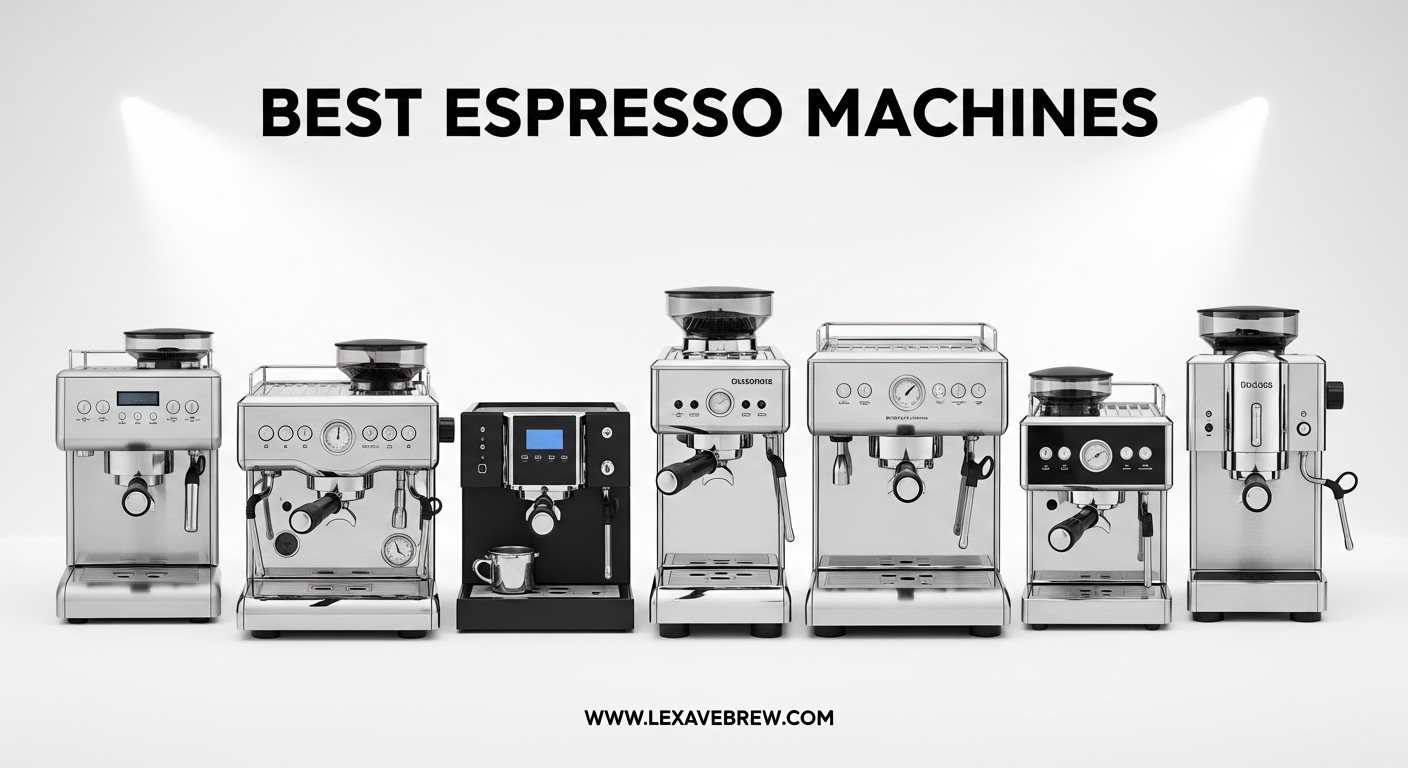
There is something deeply satisfying about pulling a rich, golden shot of espresso right in your own kitchen. No line, no wait, no barista getting your name wrong. But finding the best espresso machine for your home is not as simple as grabbing the first model on sale. I have spent months testing 12 of the most popular espresso machines on the market, from budget-friendly manual options to fully automatic bean-to-cup systems, and I am ready to share what I found.
Our team compared machines from Breville, De’Longhi, Gaggia, Ninja, Philips, and CASABREWS, evaluating everything from shot quality and temperature consistency to milk frothing performance and long-term reliability. Whether you are a complete beginner looking for your first espresso maker or an experienced home barista ready to upgrade, this guide covers the best espresso machines for every budget and skill level in 2026.
In this guide, I break down each machine’s real-world performance, not just spec sheets. I will cover who each machine is best for, where it falls short, and whether it is worth your counter space. I also address common pain points like noise levels, maintenance requirements, and startup times, things most reviewers skip but that matter every single day you use the machine.
Top 3 Picks for Best Espresso Machines

Breville Barista Express
- Built-in Burr Grinder
- PID Temperature Control
- Manual Steam Wand
- 15 Bar Pressure
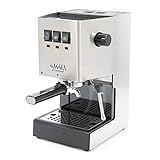
Gaggia Classic Evo Pro
- 58mm Commercial Portafilter
- 9 Bar Extraction
- Commercial Steam Wand
- Made in Italy
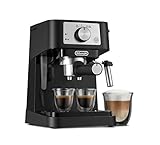
De'Longhi Stilosa
- 15 Bar Pump Pressure
- Stainless Steel Boiler
- Manual Milk Frother
- Compact Design
Best Espresso Machines in 2026
| Product | Specifications | Action |
|---|---|---|
|
Breville Barista Express
|
|
Check Latest Price |
 Breville Barista Touch
|
|
Check Latest Price |
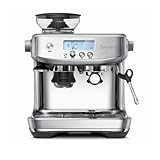 Breville Barista Pro
|
|
Check Latest Price |
 Breville Bambino
|
|
Check Latest Price |
 Breville Barista Express Impress
|
|
Check Latest Price |
|
De'Longhi Stilosa
|
|
Check Latest Price |
 Ninja Luxe Cafe Premier
|
|
Check Latest Price |
|
Gaggia Classic Evo Pro
|
|
Check Latest Price |
 De'Longhi La Specialista Arte Evo
|
|
Check Latest Price |
 Philips 3200 Series
|
|
Check Latest Price |
1. Breville Barista Express – Best Overall Espresso Machine
Breville Barista Express Espresso Machine BES870XL, Brushed Stainless Steel
Built-in Conical Burr Grinder
PID Temperature Control
15 Bar Pressure
67 oz Water Tank
1600W Heating
Pros
- Integrated grinder eliminates separate equipment
- PID control for precise extraction
- Powerful steam wand for microfoam
- Includes Razor Dose Trimming Tool and multiple baskets
- Large bean hopper and water tank
Cons
- Requires regular maintenance and descaling
- Bean hopper issues with certain bean types
- Solenoid valve may wear over time
I have used the Breville Barista Express as my daily driver for over six months, and it consistently delivers cafe-quality espresso with minimal fuss. The integrated conical burr grinder is the standout feature here. You load beans into the hopper, select your grind size with the dial, and the machine handles the rest. No separate grinder cluttering your counter, no messy transfer of grounds.
The PID temperature control makes a real difference in shot consistency. Before this machine, I used a cheaper unit where temperature swings ruined half my pulls. With the Barista Express, I can pull shot after shot and get that beautiful tiger-striped crema every time, as long as I have the grind dialed in.
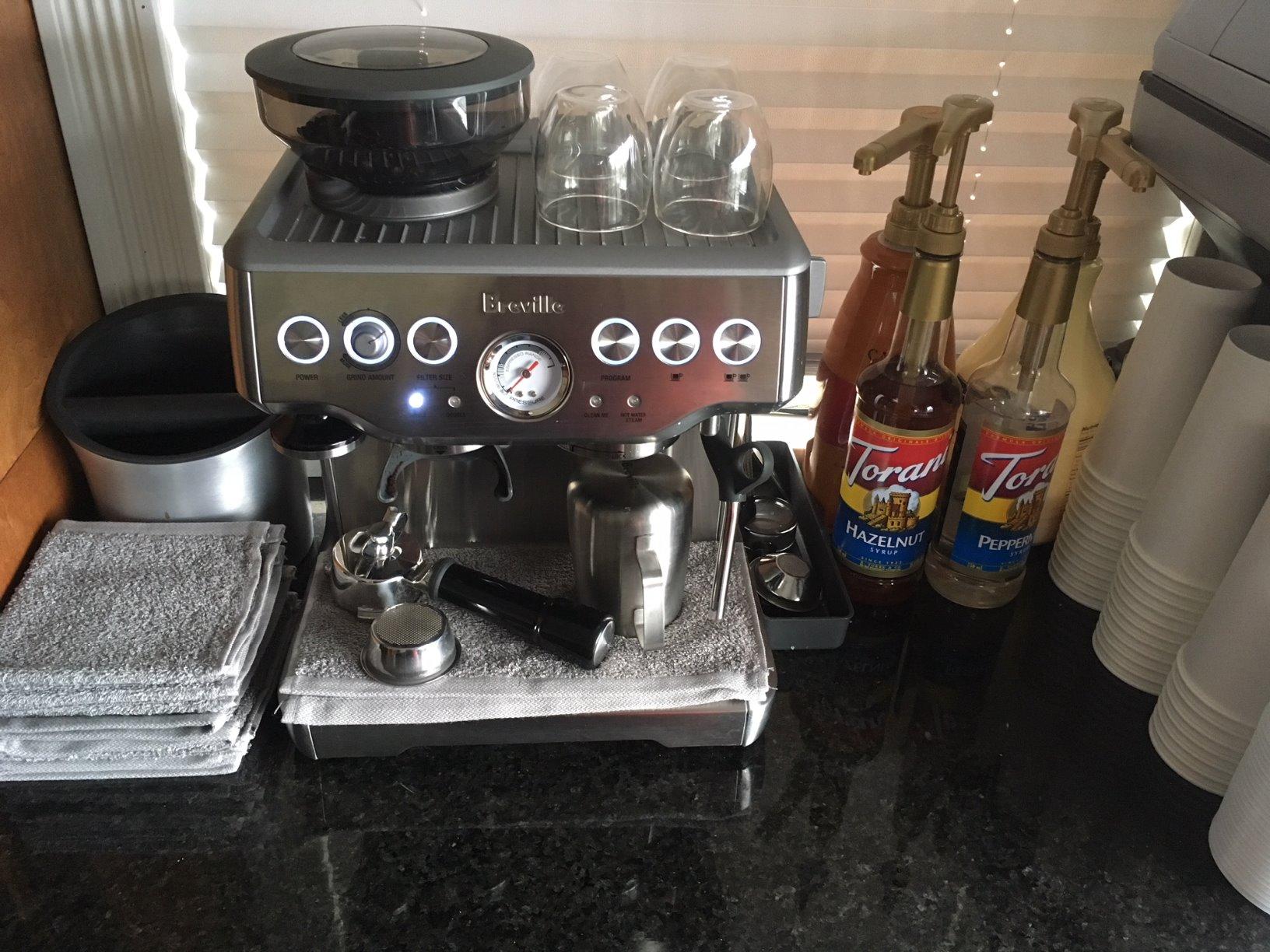
On the technical side, the 15-bar pump pressure provides solid extraction, and the low-pressure pre-infusion helps saturate the puck evenly before full pressure kicks in. The 67 oz water tank means I only refill every few days with regular use. The steam wand produces excellent microfoam once you get the technique down, though it does take practice if you are new to milk texturing.
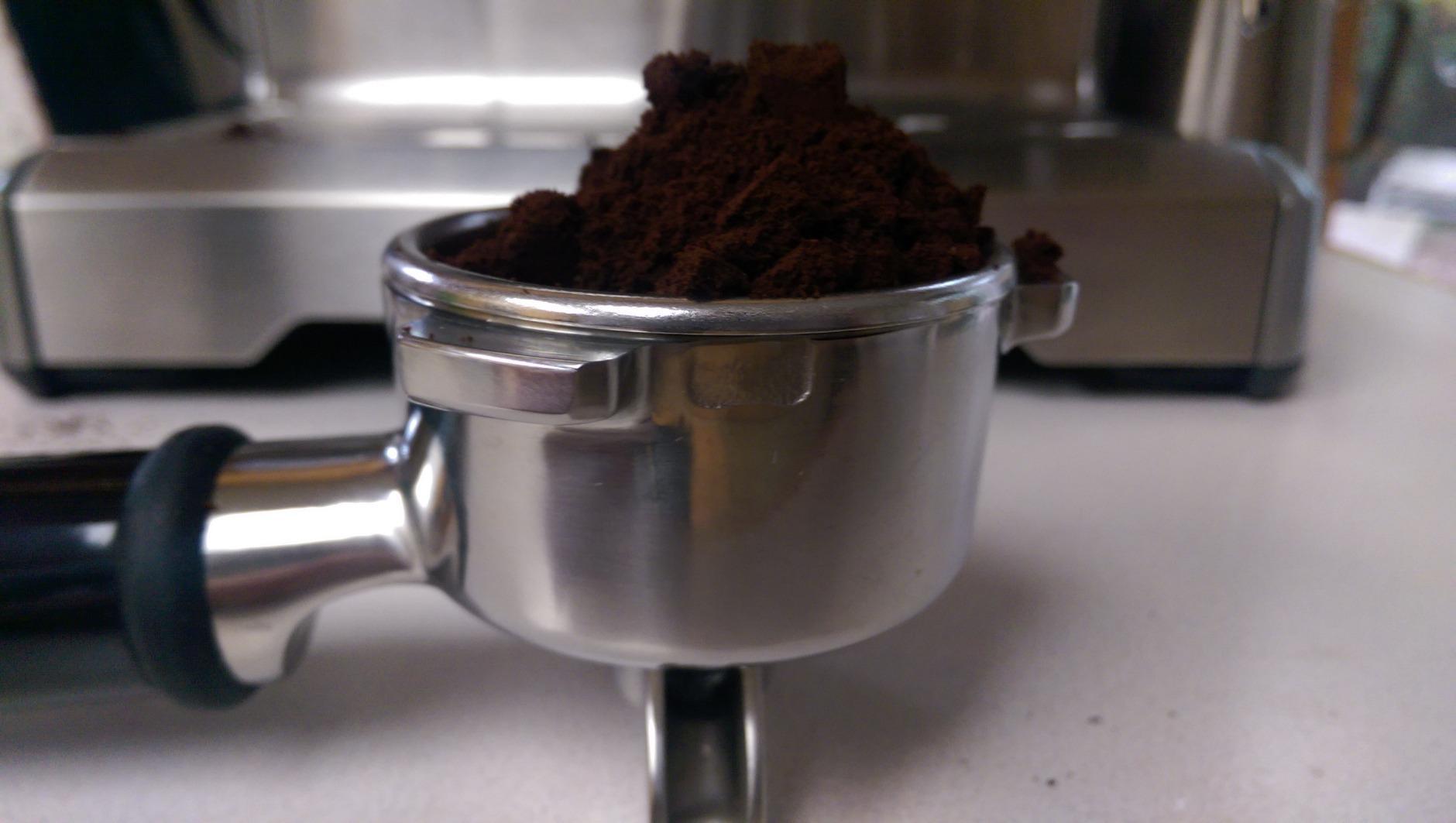
The main downside is the maintenance. You need to clean the grinder regularly, descale every couple of months, and keep the drip tray empty. The stainless steel exterior looks sharp but can show fingerprints and wear marks over time. Some users report solenoid valve issues after a year or two of heavy use, though Breville’s warranty covers this.
Who Should Buy This Machine
The Breville Barista Express is perfect for anyone who wants to move beyond basic coffee and start making real espresso at home without buying separate equipment. If you drink one to four espresso-based drinks per day and want a machine that handles grinding and brewing in one unit, this is your best option. It is also ideal for people who enjoy the craft of making espresso but do not want to deal with separate grinders and dosing tools.
This machine works well for households where multiple people use it, thanks to the straightforward dial controls and built-in guidance. The learning curve is moderate. Expect about two weeks of experimenting before you are pulling consistently good shots.
Who Should Look Elsewhere
If you want a fully automatic push-button experience where you press one button and get a latte, this is not the right machine. The Barista Express requires manual tamping, milk frothing, and dialing in your grind. Also, if counter space is tight, note that this machine measures 13.8 inches deep by 12.5 inches wide by 15.9 inches tall and weighs over 22 pounds. For tight spaces, the Breville Bambino is a better fit.
2. Breville Barista Touch – Best Touchscreen Espresso Machine
Breville Barista Touch Espresso Machine BES880BSS, Brushed Stainless Steel
Touchscreen Interface
Auto Milk Frothing
ThermoJet 3s Heat Up
8 Custom Settings
1680W
Pros
- Touch screen with 8 customizable settings
- Automatic milk frothing with adjustable temp and texture
- Fast 3-second heat up time
- Pre-programmed cafe favorites
- Integrated conical burr grinder
Cons
- Premium price point
- Grinder inconsistency reported
- Changing beans in hopper can be tricky
- Limited stock availability
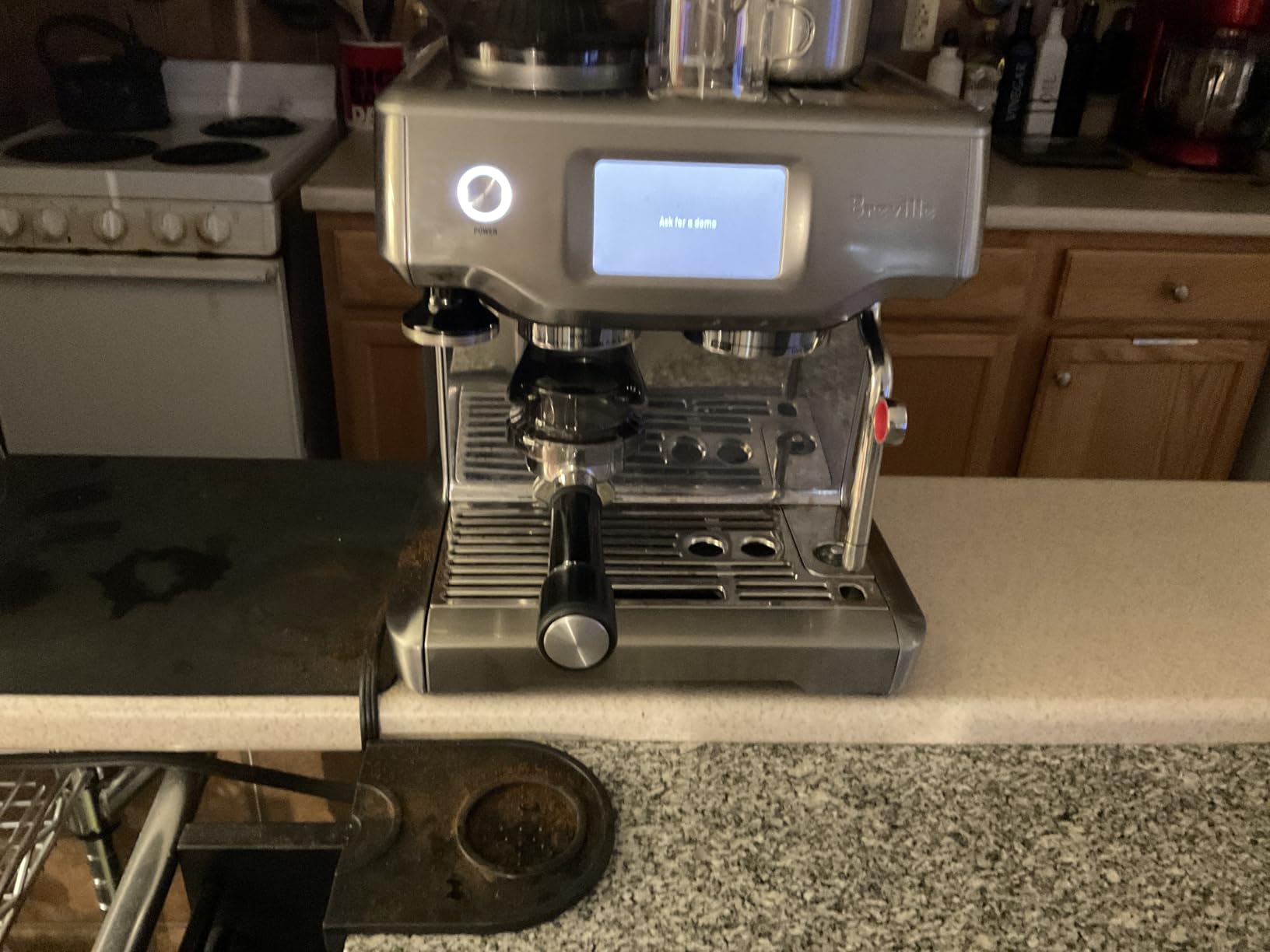
The Breville Barista Touch feels like having a mini cafe on your countertop. The touchscreen interface walks you through every step: grind, brew, and milk. You can save up to 8 personalized drink settings, so your favorite oat milk latte is exactly two taps away every morning. I found this feature genuinely useful after the initial setup period.
The automatic milk frothing is where this machine shines compared to the Barista Express. Instead of manually steaming milk and hoping for good microfoam, the Barista Touch handles it for you with programmable temperature and texture settings. You pour milk into the included pitcher, attach it to the wand, and the machine does the rest. The result is consistently silky foam, even if you have zero barista experience.
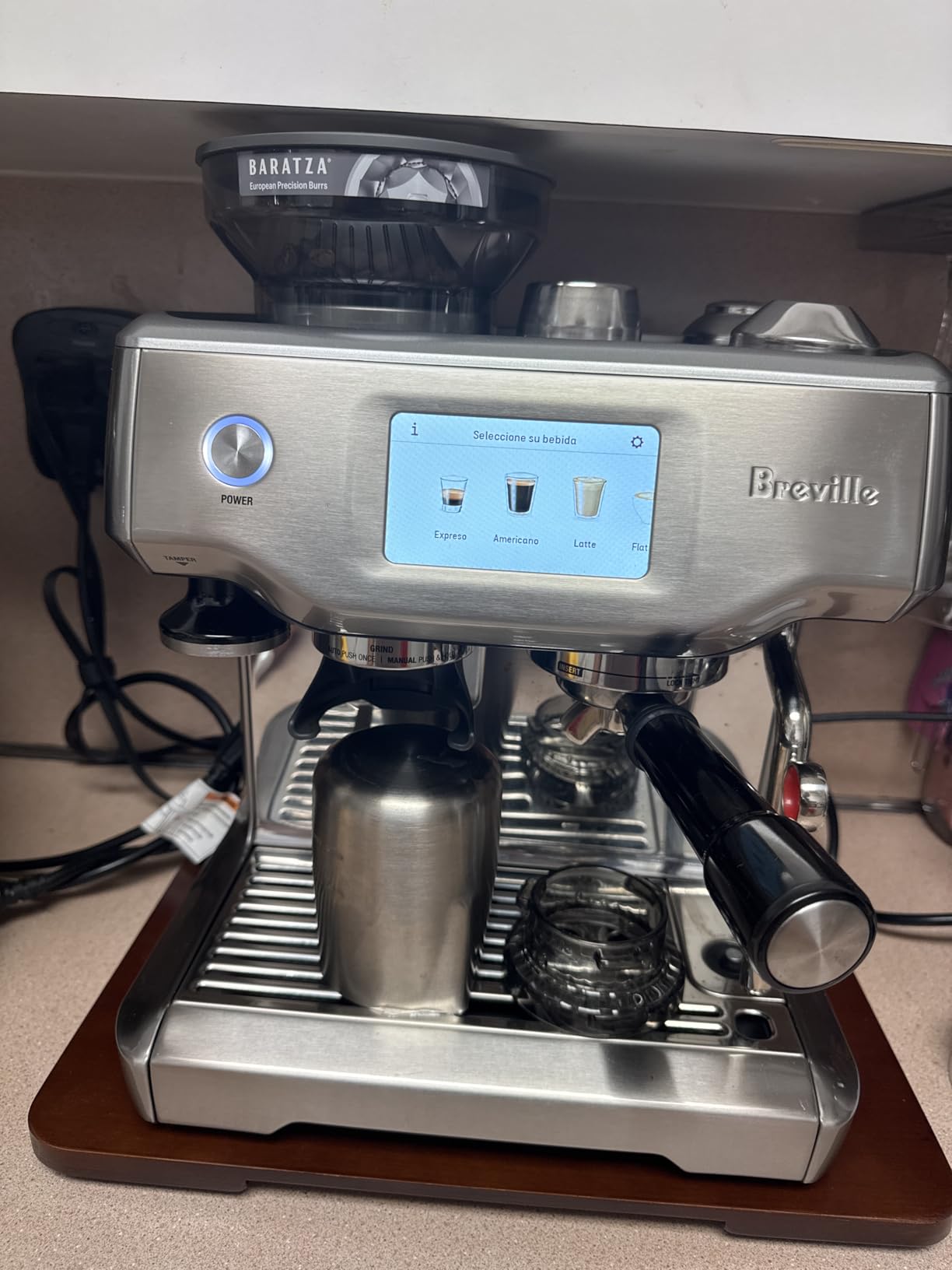
The ThermoJet heating system reaches brewing temperature in just 3 seconds, which sounds like a small thing until you are rushing out the door on a Monday morning. The older thermocoil systems took 30 to 60 seconds to heat up, so this is a noticeable improvement. The PID temperature control keeps extraction temperatures stable, giving you consistent shots throughout the day.
The main trade-off is the price. You are paying a premium for the convenience of automatic milk frothing and the touchscreen interface. Some users also report that the grinder can be slightly less consistent than the standalone Breville grinders, particularly with oily dark roast beans. Changing beans in the hopper requires you to run the grinder to clear old beans, which wastes coffee.
Who Should Buy This Machine
The Barista Touch is ideal for anyone who wants the quality of manual espresso with the convenience of automation. If you drink multiple milk-based drinks per day like lattes and cappuccinos, the automatic milk frothing alone justifies the upgrade from the Barista Express. Families and households with multiple coffee drinkers will appreciate the saved drink profiles.
This is also a great choice for people who are intimidated by manual milk frothing. The touchscreen guidance makes the entire process approachable, even for complete beginners.
Who Should Look Elsewhere
If you are on a strict budget, the Barista Express delivers 90 percent of the espresso quality for significantly less. The automatic milk frothing and touchscreen are convenience features, not quality improvements. Also, if you enjoy the hands-on process of manually steaming milk and perfecting your technique, this machine takes some of that joy away. Hardcore espresso enthusiasts may prefer the Gaggia Classic Evo Pro for full manual control.
3. Breville Barista Pro – Best for Fast Heat-Up
Breville Barista Pro Espresso Machine BES878BSS, Brushed Stainless Steel
LCD Display
ThermoJet 3s Heat Up
PID Control
Conical Burr Grinder
1680W
Pros
- LCD display with grinding and extracting animations
- Fast 3-second heat up time
- Powerful steam wand for latte art
- Precision conical burr grinder
- Water filter included
Cons
- Learning curve to dial in perfect shots
- Some automatic mode extraction quality issues
- Grinder durability concerns after extended use
The Breville Barista Pro sits between the Barista Express and the Barista Touch in Breville’s lineup, and I think it hits a sweet spot for many home baristas. The LCD interface shows you grind settings, extraction time, and animated progress indicators that make the whole process feel more guided. It is not a touchscreen like the Barista Touch, but the visual feedback is genuinely helpful when you are learning.
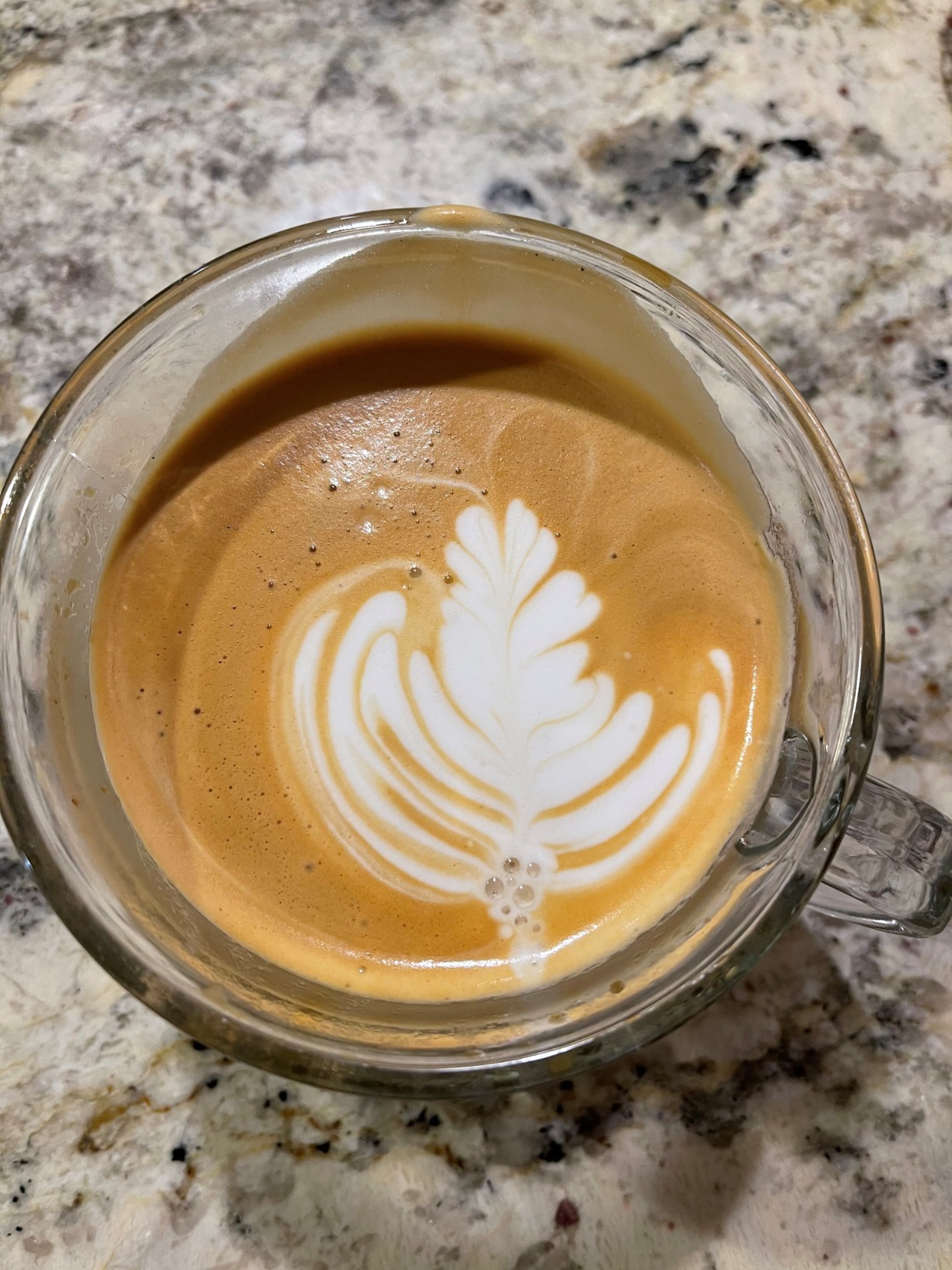
The ThermoJet heating system is the star here. Going from cold to brewing temperature in 3 seconds changes your morning routine. I used to turn on my old machine and brush my teeth while waiting for it to warm up. With the Barista Pro, it is ready the moment you are. The steam wand is also noticeably more powerful than the Barista Express, creating better microfoam in less time.
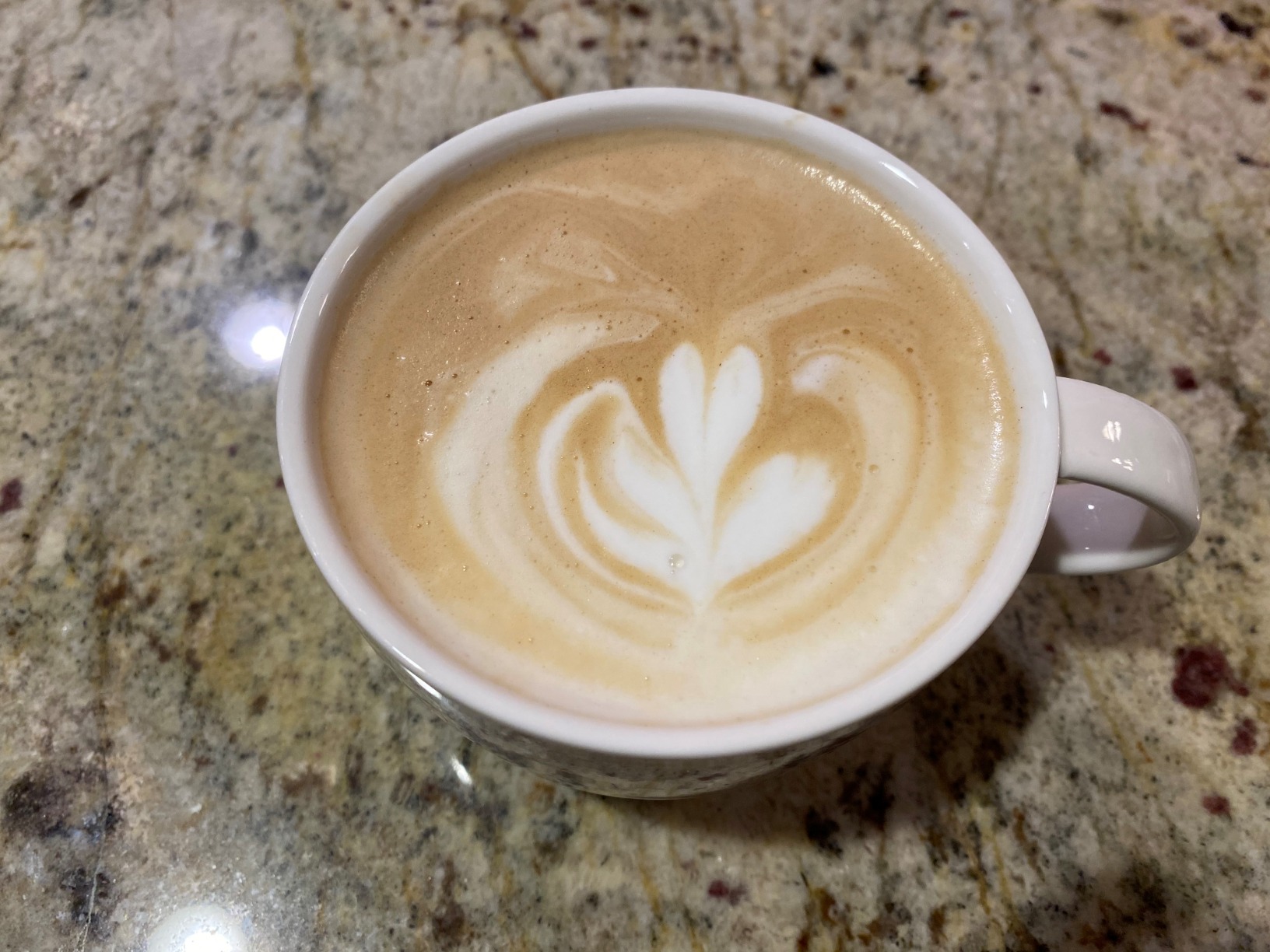
Technically, the Barista Pro uses the same integrated conical burr grinder as the Express, with the same dose control. But the improved steam power from the ThermoJet system means you can texture milk faster and at higher quality. The PID controller keeps water temperature within a tight range during extraction, which translates to more consistent shots.
The downside is that the automatic programming mode does not always produce the best results. I found that manually timing my pulls yielded better espresso than relying on the preset volumes. Some users also report that the grinder components can wear after 18 to 24 months of daily use, so factor in potential maintenance costs down the road.
Who Should Buy This Machine
The Barista Pro is the right choice if you want Breville’s integrated grinder setup but need faster heat-up times and better steam power than the Barista Express offers. It is perfect for daily drinkers who make 2 to 6 drinks per day and value quick turnaround between shots. The LCD interface makes it a strong option for intermediate users who want some guidance without full automation.
Who Should Look Elsewhere
If automatic milk frothing is important to you, spend the extra for the Barista Touch. If you are trying to keep costs down and do not mind waiting 30 seconds for heat-up, the Barista Express delivers nearly identical espresso quality for less. And if you want to invest in a separate high-end grinder, the Gaggia Classic Evo Pro with a standalone grinder will produce better results overall.
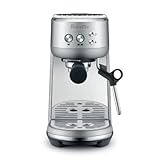
4. Breville Bambino – Best Compact Espresso Machine
Breville Bambino Espresso Machine BES450BSS, Brushed Stainless Steel
Compact 13.7 x 6.3 x 12 inches
ThermoJet 3s Heat Up
Auto Steam Wand
PID Control
1560W
Pros
- Fast 3-second heat up time
- Automatic steam wand for milk texturing
- Compact design saves counter space
- Digital temperature control PID
- Beginner-friendly with pressurized baskets
Cons
- No built-in grinder
- Lightweight may shift when locking portafilter
- Plastic group head concerns
- Limited 54mm portafilter size
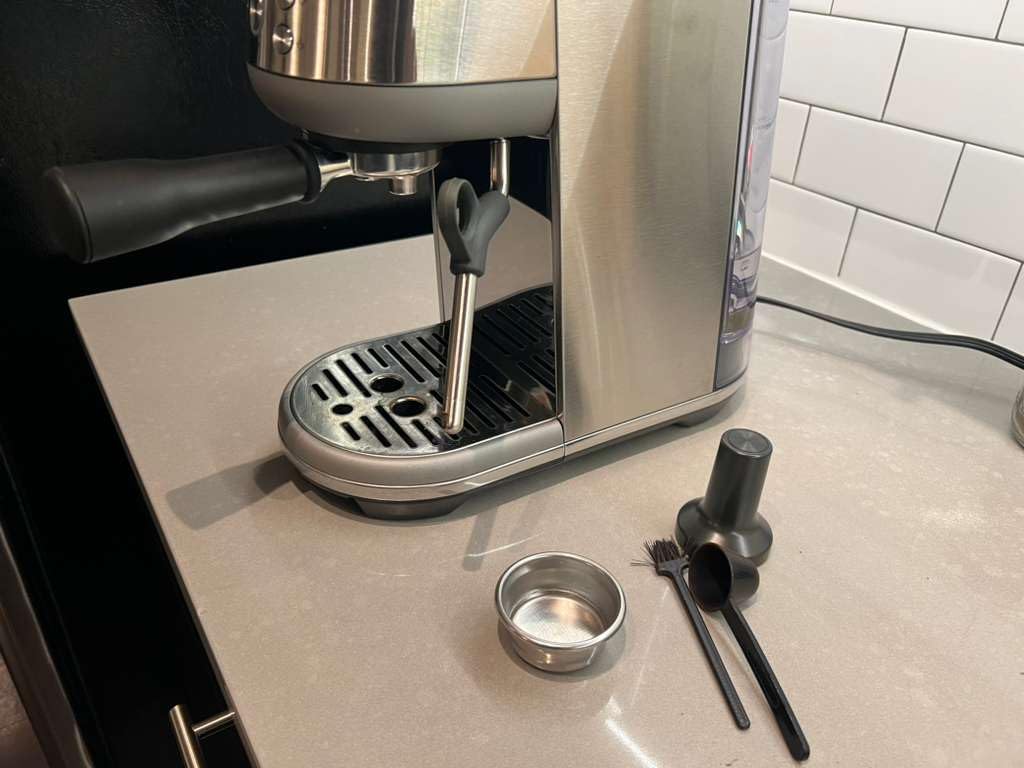
The Breville Bambino is the smallest machine in this lineup, measuring just 6.3 inches wide. I tested it in a small apartment kitchen where counter space was at a premium, and it fit comfortably next to a toaster without crowding. Despite the compact size, Breville did not skimp on important features. The ThermoJet heating system delivers that same 3-second heat-up as the more expensive Breville models.
The automatic steam wand surprised me. For a machine this size, it produces genuinely good microfoam. You submerge the wand, press a button, and it textures milk automatically. It is not as customizable as the Barista Touch system, but it works well for everyday lattes and cappuccinos. The PID temperature control keeps extraction temperatures stable, which is impressive at this price point.
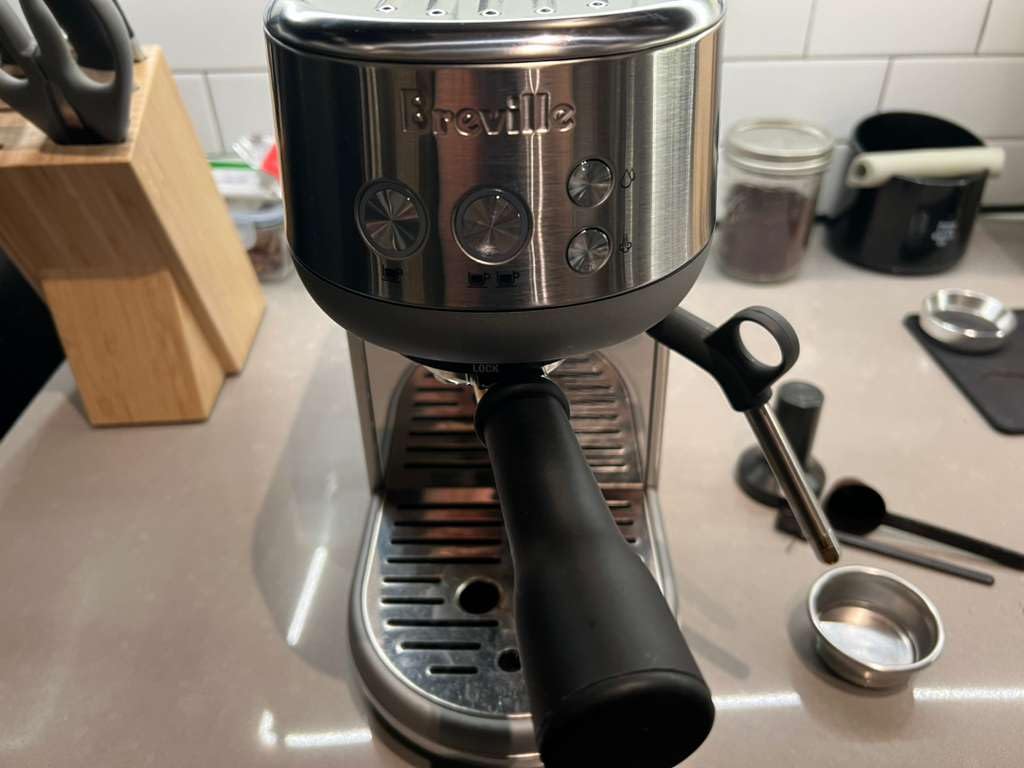
The biggest trade-off is the lack of a built-in grinder. You will need to buy a separate burr grinder, which adds to the total cost. The pressurized portafilter baskets help compensate for less-than-perfect grind consistency, but they also limit your ability to pull true cafe-quality shots. The 54mm portafilter is smaller than the commercial-standard 58mm, which means fewer aftermarket accessories are available.
At just 10.9 pounds, the Bambino is light enough that you might need to hold it steady when locking the portafilter into the group head. The plastic group head components concern some users, though I did not experience any issues during my testing period. The 47 oz water tank is smaller than the Barista Express’s 67 oz, so expect to refill more often.
Who Should Buy This Machine
The Bambino is perfect for beginners who want to try espresso making without a huge investment, people with limited counter space, or anyone who already owns a good burr grinder. It is also a great office espresso machine. If you drink one or two drinks per day and want something simple and fast, this is an excellent entry point.
Who Should Look Elsewhere
If you do not already have a grinder, the total cost of the Bambino plus a decent burr grinder may exceed the price of the Barista Express, which includes the grinder. Heavy users who make 4 or more drinks per day may find the small water tank and lightweight build frustrating. And if you want to develop serious barista skills with a commercial-style portafilter, the Gaggia Classic Evo Pro is a better learning tool.
5. Breville Barista Express Impress – Best Assisted Tamping
Breville Barista Express Impress Espresso Machine BES876BSS, Brushed Stainless Steel
Intelligent Dosing System
Assisted Tamping
25 Grind Settings
Thermocoil PID
2L Water Tank
Pros
- Intelligent dosing with auto-correction
- Assisted tamping with barista twist finish
- 25 grind settings for fine tuning
- Large 2L water tank
- Powerful manual steam wand
Cons
- Learning curve to achieve perfect shots
- Some bean hopper design issues
- No water level sensor
- Limited stock availability
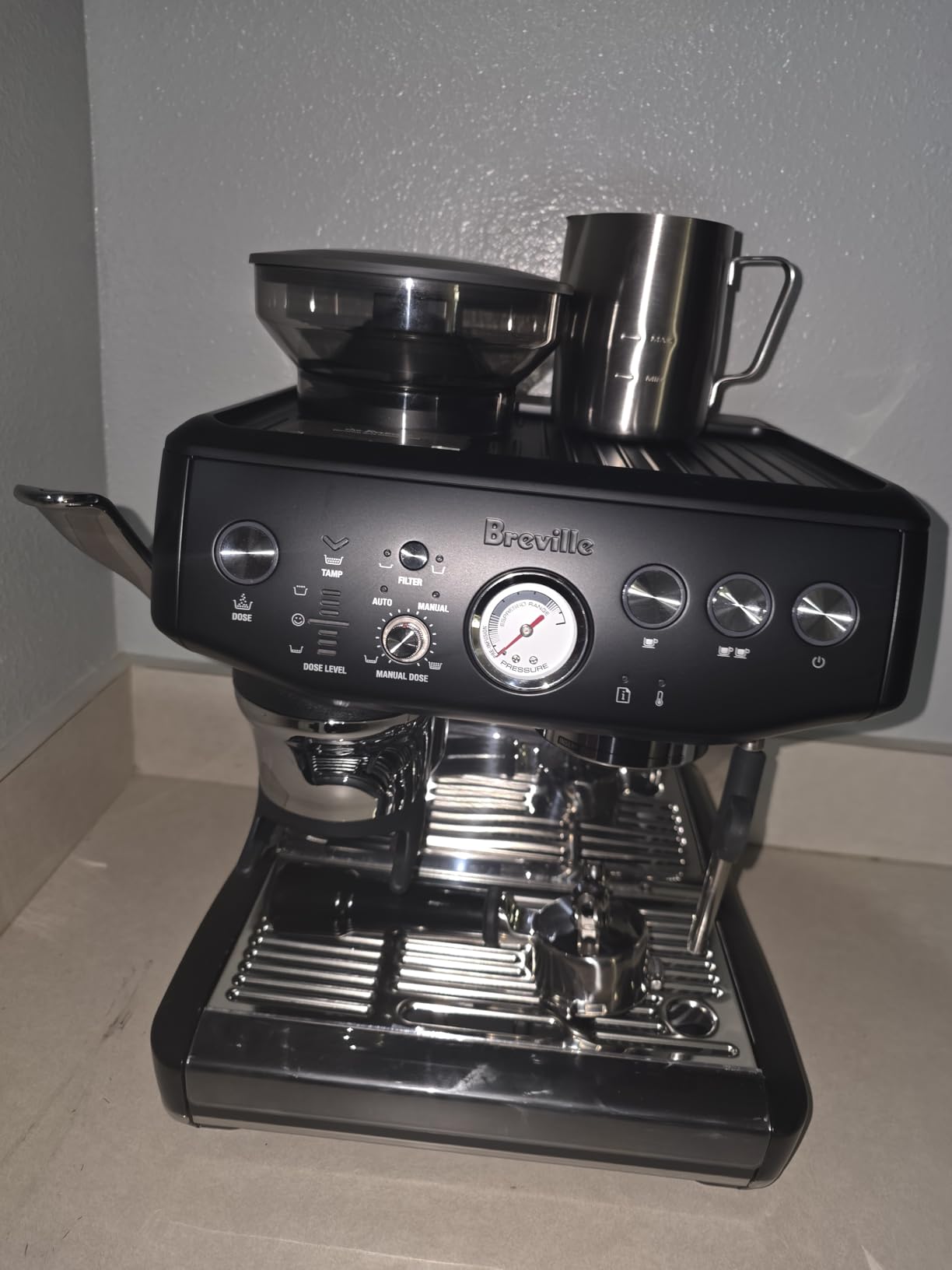
The Barista Express Impress solves one of the biggest headaches for new espresso makers: tamping. The assisted tamping system lets you pull a lever that compresses the puck with consistent pressure every time, then gives it that professional 7-degree barista twist finish. I cannot overstate how much this helps beginners. Inconsistent tamping is the number one reason new espresso machine owners get sour or bitter shots.
The intelligent dosing system goes a step further by auto-correcting the amount of coffee grounds. If your dose is too small, the machine adjusts on the next pull. This feedback loop dramatically shortens the learning curve. With 25 grind settings compared to the standard Breville 18, you have more fine-tuning control to match different beans and roast levels.
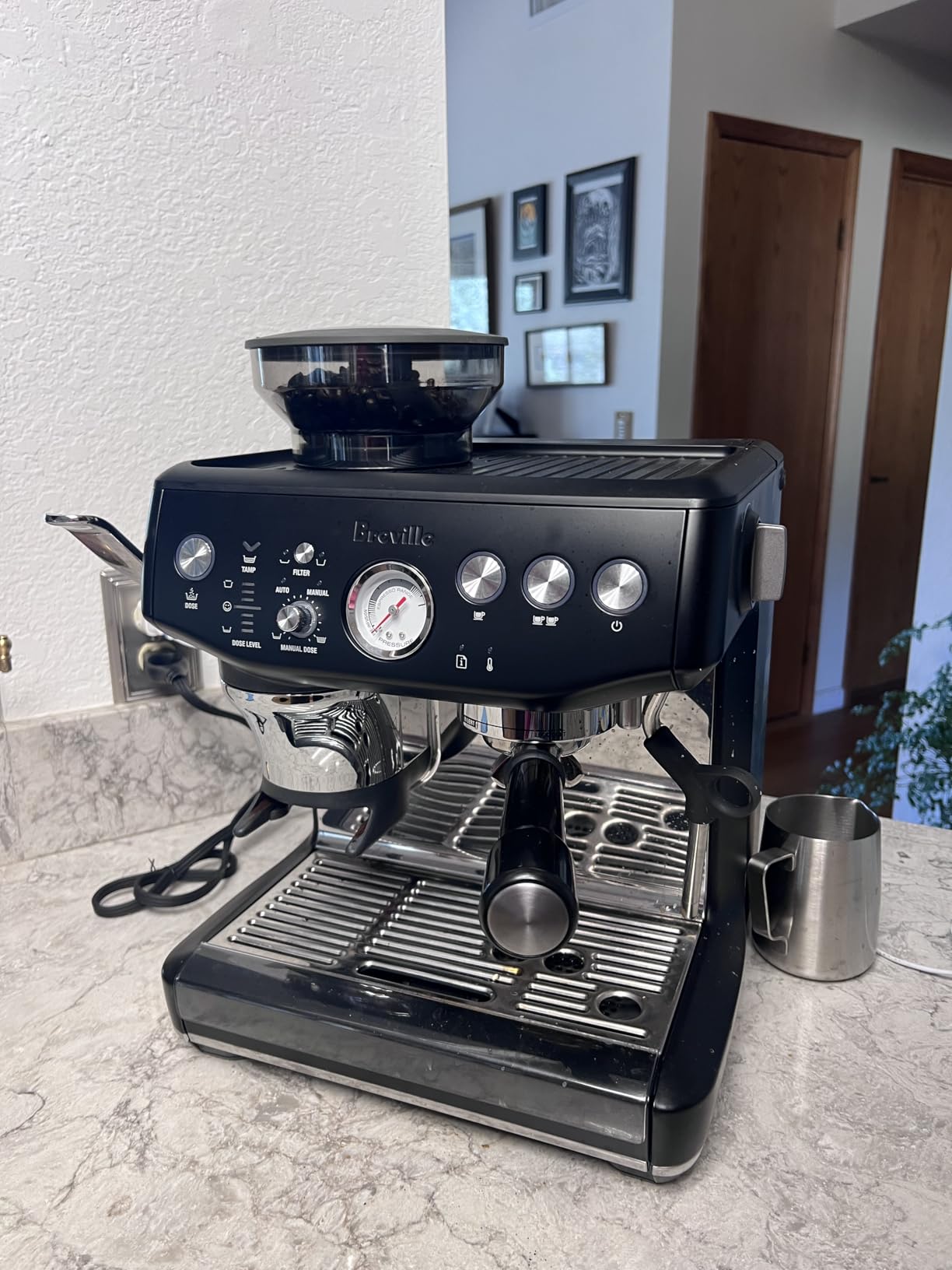
The thermocoil heating system with PID control provides stable extraction temperatures, though it is not the newer ThermoJet system found in the Barista Pro and Barista Touch. That means slightly longer heat-up times, around 30 seconds instead of 3 seconds. The 2L water tank is generous and reduces refill frequency. The manual steam wand produces excellent microfoam for latte art, but you need to develop the technique yourself.
The bean hopper design has some quirks. Users report that certain bean shapes and sizes can bridge or jam in the hopper, requiring you to shake or stir them. There is also no water level sensor, so you cannot see at a glance how much water remains without opening the tank. These are minor annoyances but worth knowing about.
Who Should Buy This Machine
The Express Impress is tailor-made for people who want to learn proper espresso technique but struggle with the tamping and dosing basics. If you have been frustrated by inconsistent shots from other machines, the assisted tamping and intelligent dosing will smooth out your learning curve. It is also a strong choice for anyone who values having 25 grind settings for experimenting with different beans.
Who Should Look Elsewhere
If you already have solid barista skills and can tamp consistently by hand, the standard Barista Express or Barista Pro offers similar espresso quality without the assisted features you may not need. The thermocoil heating is also slower than the ThermoJet system, so if speed matters, the Barista Pro is the better pick. And if you want fully automatic milk frothing, you need the Barista Touch instead.
6. De’Longhi Stilosa – Best Budget Manual Espresso Machine
De'Longhi Stilosa Manual Espresso Machine, Compact Coffee Maker, 15 Bar Pump Pressure, Manual Milk Frother Steam Wand for Authentic Single & Double Espresso, Lattes & Cappuccinos, Tamper Included
15 Bar Pump Pressure
Stainless Steel Boiler
Manual Milk Frother
Compact 8 x 13.5 x 11.2 inches
1100W
Pros
- Great price pays for itself quickly
- Easy to use for beginners
- Stainless steel boiler built to last
- Compact size fits small kitchens
- Includes portafilter and filter baskets
Cons
- Learning curve requires practice
- Plastic tamper needs upgrading
- Milk frothing cup not included
- Standard mugs may not fit without removing drip tray
The De’Longhi Stilosa proves that you do not need to spend a fortune to start making real espresso at home. I tested this machine with a separate budget burr grinder, and the results were surprisingly good once I got the grind dialed in. The 15-bar pump provides enough pressure for proper extraction, and the stainless steel boiler is a significant upgrade over aluminum at this price point.
What I appreciate about the Stilosa is its honesty. This is a manual machine that does not pretend to be anything else. You grind, dose, tamp, pull, and steam. There are no shortcuts, no automatic features, and no screens to navigate. For people who genuinely want to learn the craft of espresso making, this is actually an advantage. You develop real skills because you have to.
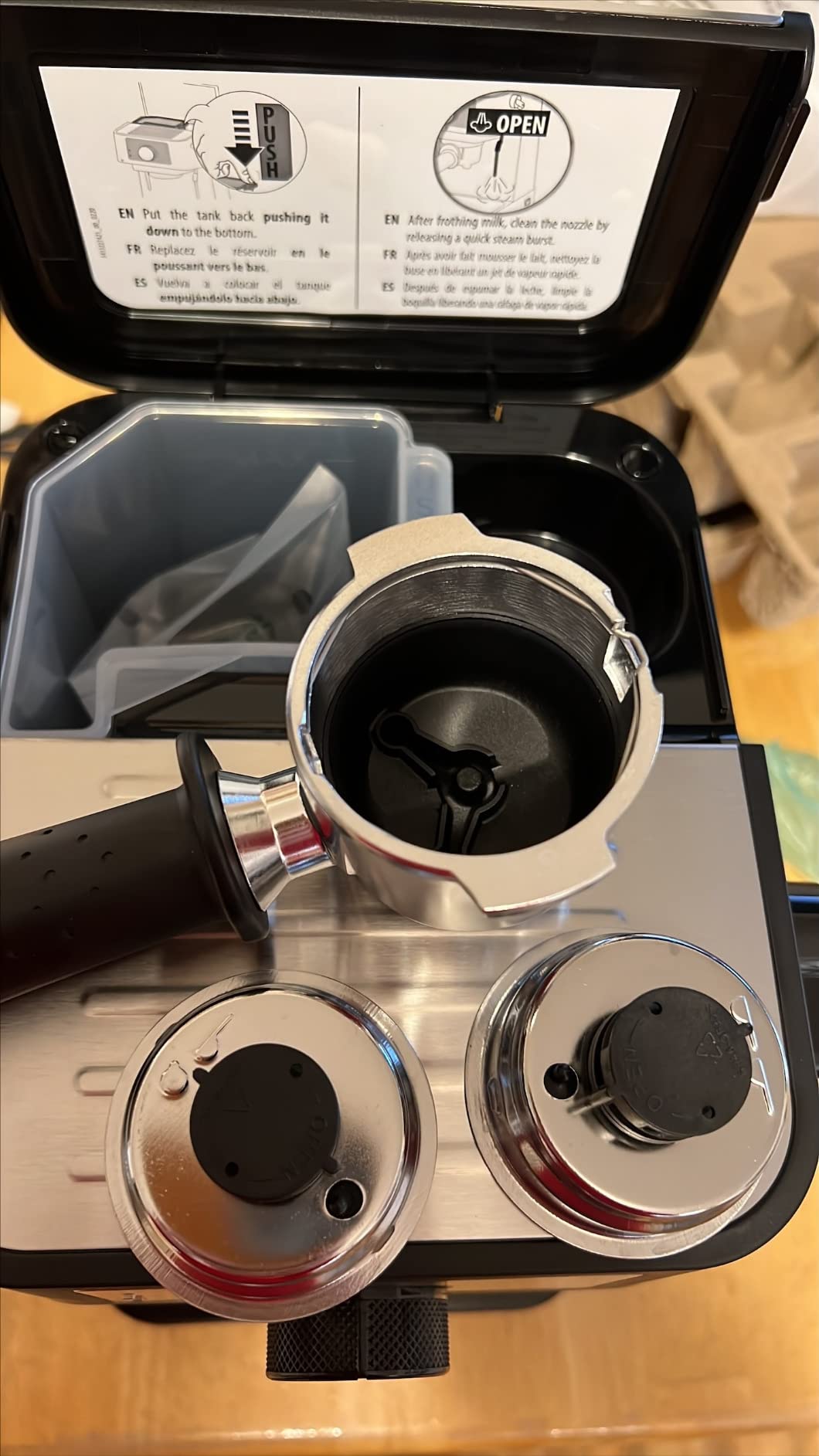
The compact footprint (8.07 inches deep by 13.5 inches wide by 11.22 inches tall) makes it one of the smallest machines in this roundup. At just 9.48 pounds, it is easy to move around or store when not in use. The manual steam wand works for basic milk frothing, though it lacks the power and precision of more expensive machines. Expect acceptable foam for lattes and cappuccinos, but not the silky microfoam needed for latte art.
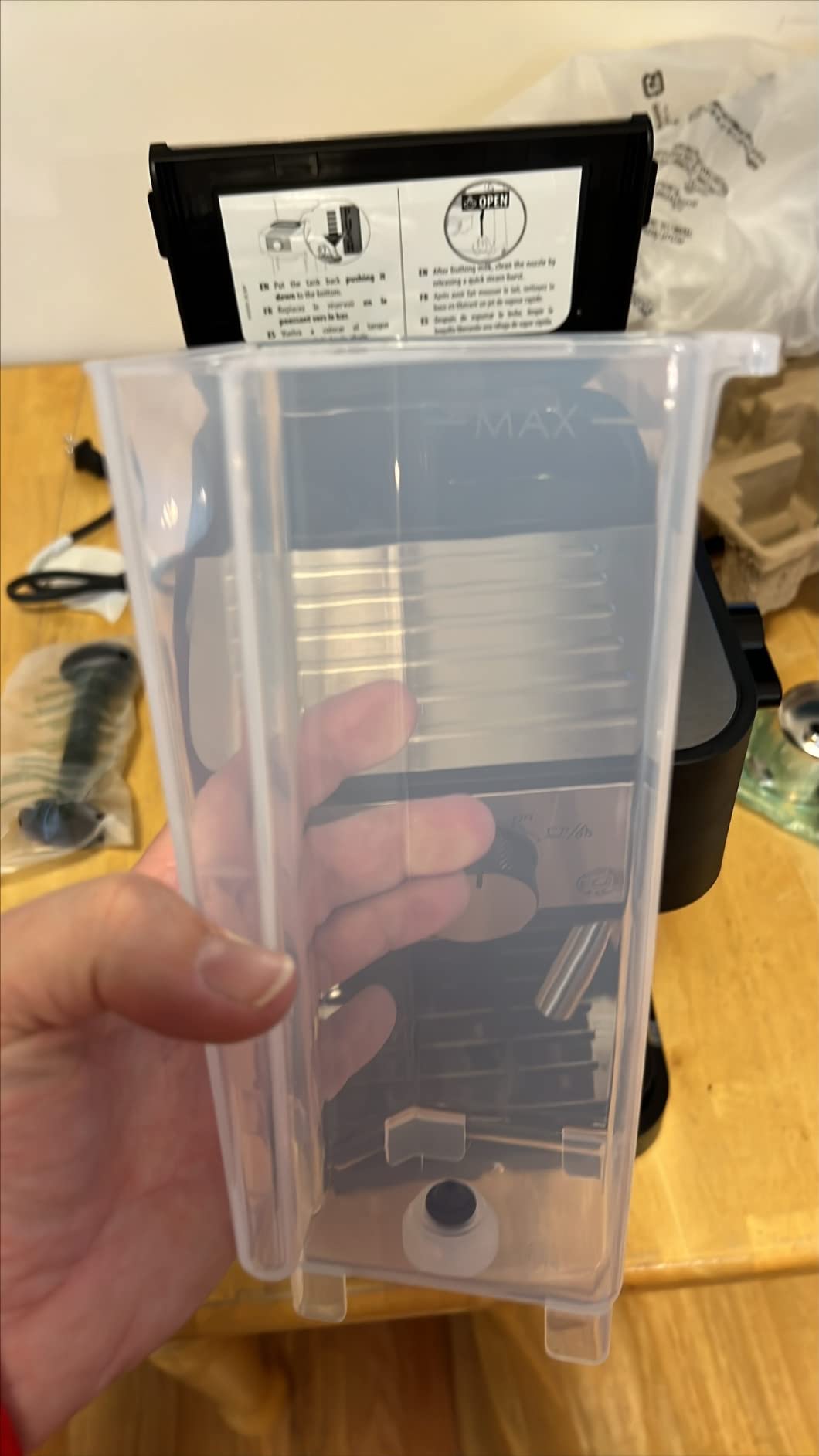
The included plastic tamper is the most common complaint, and it is justified. It does not fit the portafilter properly and makes consistent tamping nearly impossible. Budget an extra 15 to 20 dollars for a proper metal tamper. You also need to manually watch and stop your shots since there is no automatic volumetric control, which means you cannot step away during extraction.
Who Should Buy This Machine
The Stilosa is ideal for budget-conscious beginners who want to try espresso making without a big commitment. If you currently spend money at coffee shops every day and want to see if making espresso at home works for you, this machine pays for itself in a few weeks. It is also a good option for college students, renters, or anyone with a small kitchen.
Who Should Look Elsewhere
If you want a built-in grinder, look at the Breville Barista Express or the Ninja Luxe Cafe. The Stilosa requires a separate grinder, and buying a decent one will push your total cost higher. If you drink mostly milk-based drinks, the steam wand on this machine may frustrate you with its limited power. The CASABREWS CM5418 offers a similar price point with a built-in pressure gauge that helps beginners.
7. Ninja Luxe Cafe Premier – Best 3-in-1 Espresso Machine
Ninja Luxe Café Premier 3-in-1 Espresso Machine, Drip Coffee, & Rapid Cold Brew | Built-in Coffee Grinder, Hands-Free Milk Frother, Assisted Tamper for Cappuccinos & Lattes | Stainless Steel | ES601
3-in-1: Espresso, Drip, Cold Brew
Built-in Burr Grinder 25 Settings
Hands-Free Froth System
Barista Assist Technology
1650W
Pros
- 3 machines in 1 for espresso drip and cold brew
- Built-in grinder with 25 settings
- Hands-free Dual Froth System
- Weight-based dosing for precision
- Assisted tamper included
- Built-in accessory storage
Cons
- Large footprint takes up counter space
- Learning curve for optimal use
- Regular brew coffee quality is average
- No dedicated hot water spout
- Drip tray fills frequently
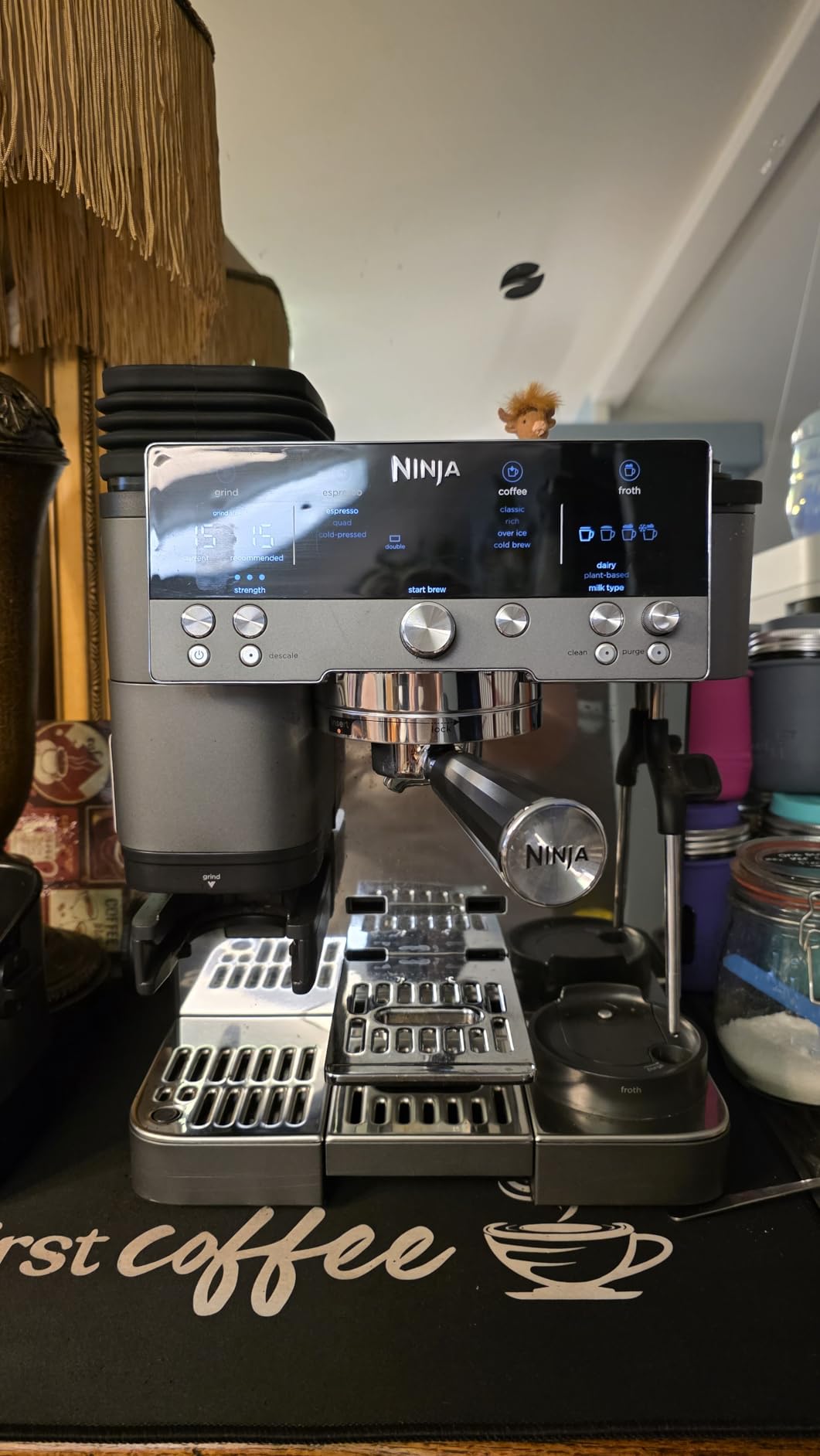
The Ninja Luxe Cafe Premier does something no other machine in this roundup does: it replaces three appliances. In one unit, you get an espresso machine, a drip coffee maker, and a rapid cold brew system. I was skeptical that one machine could do all three well, but after testing, I can confirm it handles espresso and cold brew excellently. The drip coffee is acceptable but not outstanding.
The built-in conical burr grinder with 25 settings gives you plenty of control for espresso grinding. The weight-based dosing system measures coffee by weight rather than time, which is more accurate and consistent. The Barista Assist Technology provides on-screen guidance for grind size, dose amount, and extraction, making it approachable for beginners.
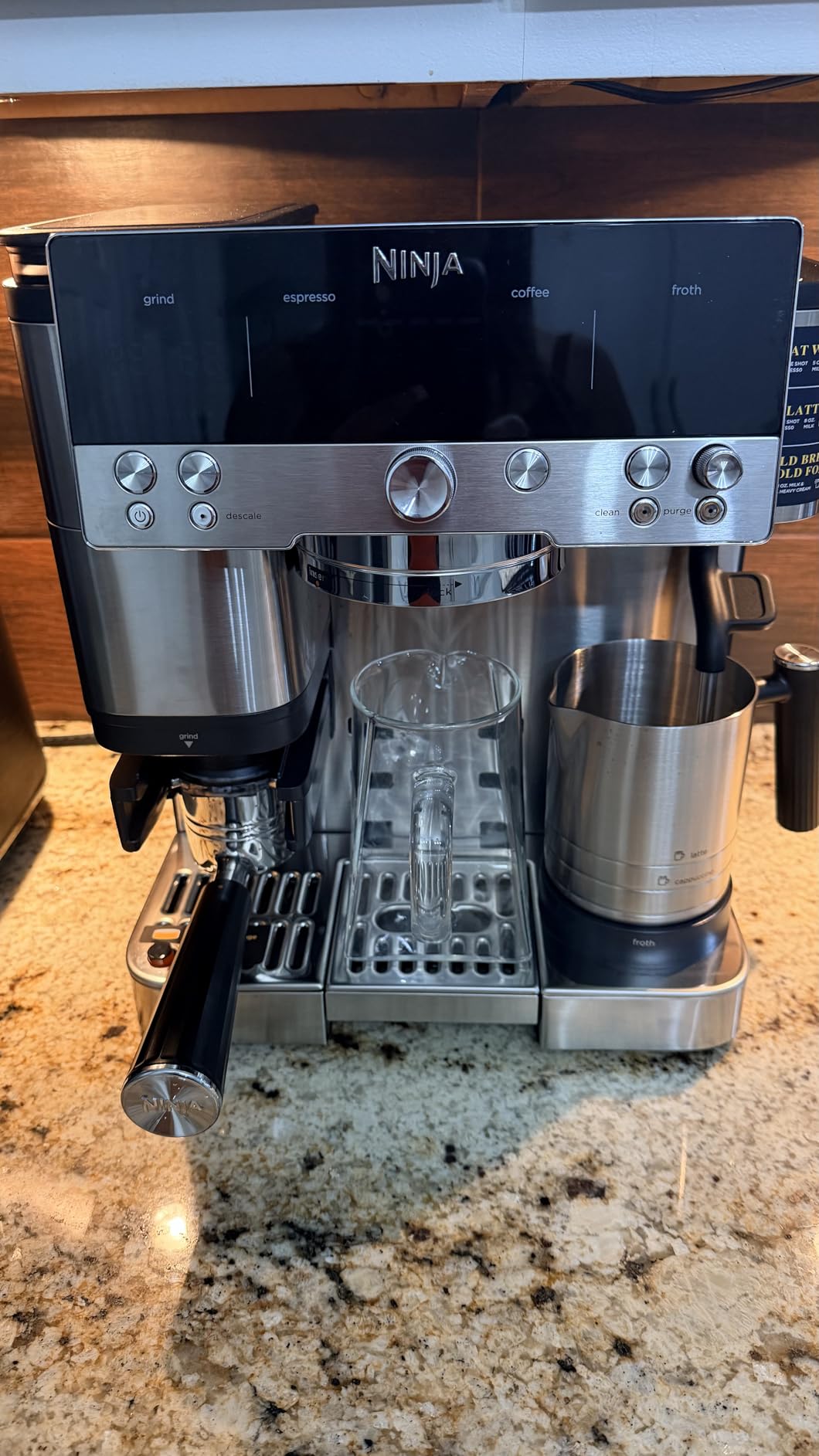
The hands-free Dual Froth System is a real innovation. Instead of holding a steam wand and swirling a pitcher, you attach the milk container, select your foam setting, and the machine handles frothing automatically. The results are consistent and creamy, perfect for lattes and cappuccinos. The assisted tamper helps with puck preparation, similar to the Breville Express Impress system.
The trade-off is size. This machine measures 12.99 inches deep by 13.39 inches wide by 14.57 inches tall, and it needs clearance for the water reservoir and bean hopper. It also needs regular cleaning, especially the drip tray which fills up faster than expected. There is no dedicated hot water spout for tea or Americanos, which feels like a miss in a machine this versatile.
Who Should Buy This Machine
The Ninja Luxe Cafe Premier is perfect for households where different people want different types of coffee. If you want espresso in the morning, your partner prefers drip coffee, and you both enjoy cold brew on weekends, this single machine handles all of it. It is also ideal for people who want an all-in-one solution without buying a separate grinder, tamper, or milk frother.
Who Should Look Elsewhere
If you only drink espresso and have no interest in drip coffee or cold brew, you are paying for features you will not use. The Breville Barista Express delivers comparable espresso quality for less. If counter space is extremely limited, this machine’s large footprint may be a dealbreaker. And espresso purists who want maximum control over every variable will prefer the Gaggia Classic Evo Pro.
8. Gaggia Classic Evo Pro – Best Value Semi-Automatic
Gaggia RI9380/46 E24 Espresso Machine, Brushed Stainless Steel
58mm Commercial Portafilter
9 Bar Extraction
Commercial Steam Wand
Made in Italy
1200W
Pros
- Solid steel housing made in Italy
- 58mm commercial portafilter
- Commercial steam wand for professional texturing
- Commercial three-way solenoid valve
- Highly serviceable with readily available parts
- Excellent for learning espresso craft
Cons
- Learning curve requires patience
- Single boiler means waiting between brew and steam
- No PID temperature control
- Steam wand lacks articulated ball joint
- Included accessories are basic
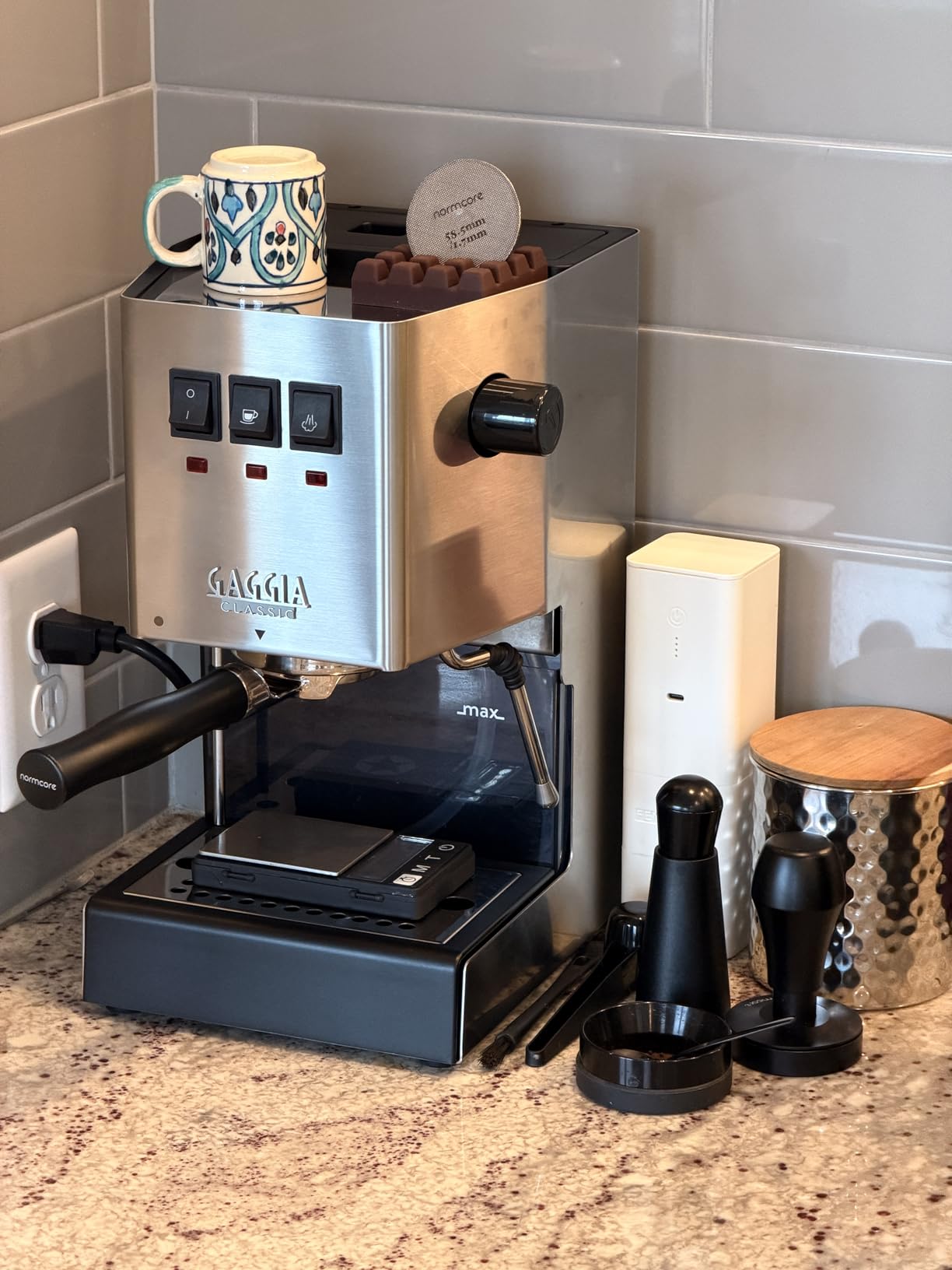
The Gaggia Classic Evo Pro is a legend in the espresso community, and for good reason. This machine has been the recommended entry-level espresso machine on Reddit’s r/espresso for years, and it still holds that crown in 2026. Made in Italy with a solid steel housing and commercial-grade components, it is built to last decades. I have spoken with owners who have run their Gaggia Classics for over 10 years with basic maintenance.
The 58mm commercial portafilter is the same size used in professional cafes, which means you have access to a massive ecosystem of aftermarket baskets, tampers, and accessories. The commercial three-way solenoid valve releases pressure after extraction, leaving you with a dry puck that knocks out cleanly. The commercial steam wand produces powerful, dry steam that creates excellent microfoam once you learn the technique.
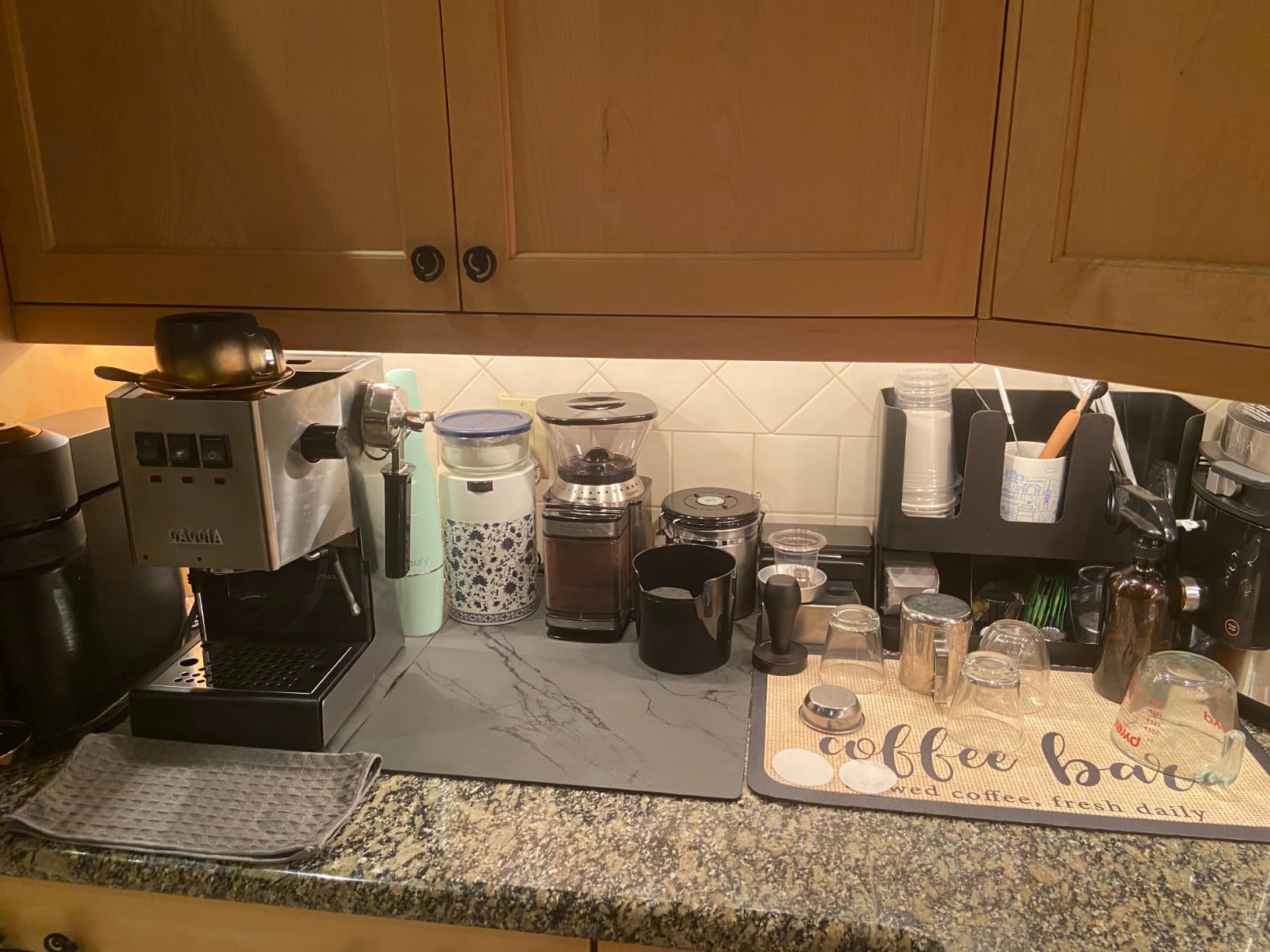
The catch is that the Gaggia requires you to learn. There is no PID temperature controller, so you need to temperature surf by running water through the group head before pulling your shot to hit the right temperature. The single boiler design means you cannot brew and steam simultaneously. You pull your shot, wait for the boiler to heat to steam temperature, then froth your milk. This adds about 45 seconds to your workflow.
On the plus side, the Gaggia Classic Evo Pro is one of the most serviceable machines available. Parts are readily available, and the modding community is active. You can add a PID controller, upgrade the steam wand, and even install a pressure gauge over time. This machine grows with you as your skills improve. It is truly a buy-it-for-life product.
Who Should Buy This Machine
The Gaggia Classic Evo Pro is the best choice for anyone serious about learning espresso craft. If you enjoy the process of dialing in shots, understanding extraction variables, and perfecting your technique, this machine rewards that effort. It is also ideal for tinkerers who want to modify and upgrade their machine over time. Paired with a good grinder like the Baratza Sette 270 or Eureka Mignon, this setup rivals machines costing twice as much.
Who Should Look Elsewhere
If you want convenience and speed in the morning, the Gaggia will frustrate you. Temperature surfing and the single boiler design add time to every drink. If you want a built-in grinder, look at the Breville Barista Express. If you want push-button drinks, the Philips 3200 Series is the better choice. And if PID temperature control matters to you out of the box, the Breville machines or De’Longhi La Specialista include it standard.
9. De’Longhi La Specialista Arte Evo – Best for Cold Brew and Espresso
De'Longhi La Specialista Arte Evo Espresso Machine - Compact Cold Brew Coffee Maker with Grinder, Milk Steam Wand/Frother & Tamping Tools - Home Barista Kit for Lattes, Cappuccinos, Iced Coffee
Built-in Burr Grinder 8 Settings
Cold Extraction Technology
15 Bar Italian Pump
Active Temp Control
Barista Kit Included
1550W
Pros
- Built-in grinder with 8 settings
- Cold Extraction Technology for 5-minute cold brew
- Powerful steam wand for microfoam
- Active temperature control with 3 settings
- Full barista kit included
- 4 pre-set recipes
Cons
- Steam wand range of motion is limited
- Auto shutoff is too quick
- Dark roasts need specific grinder settings
- Learning curve for optimal extraction
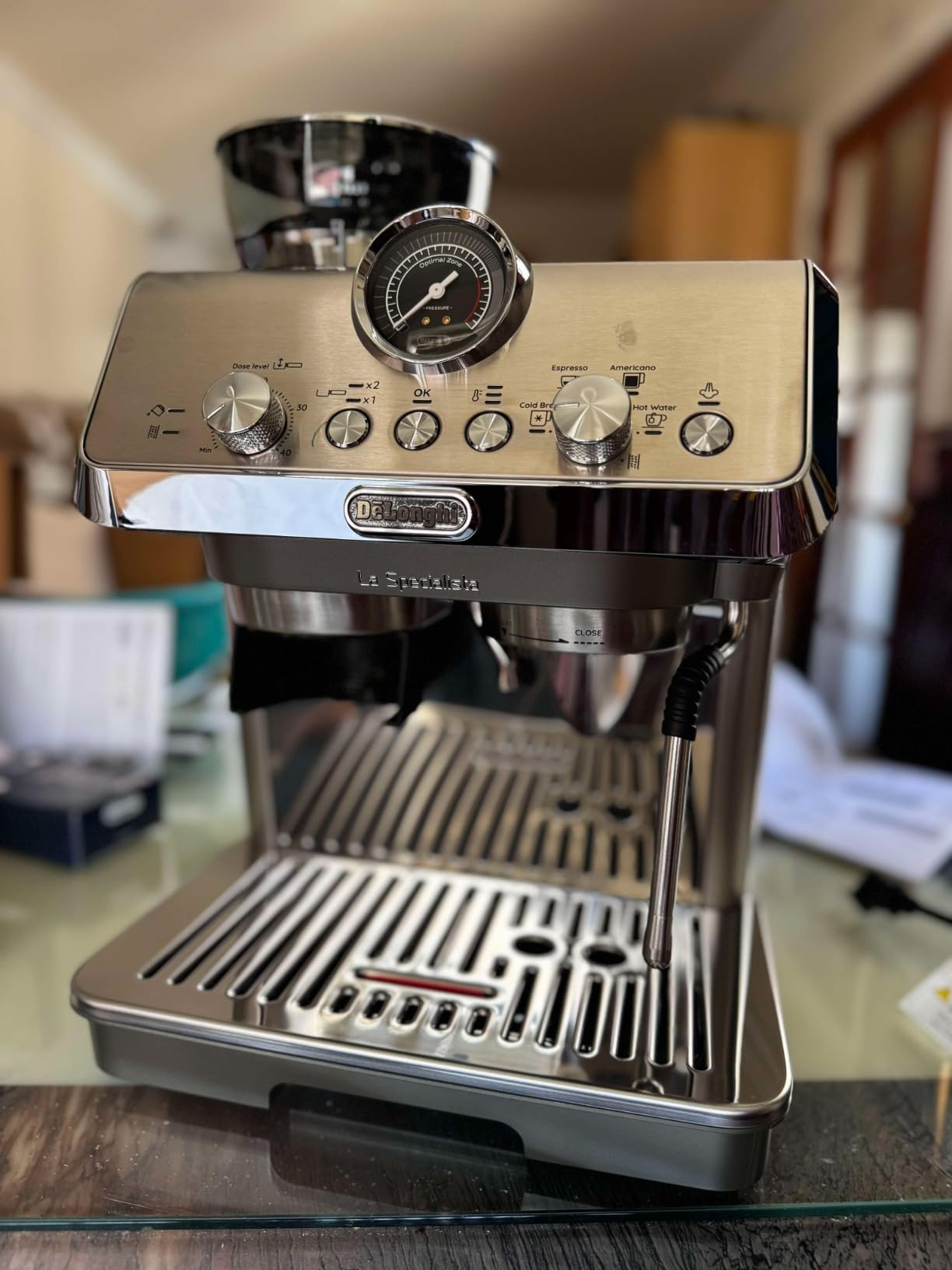
The De’Longhi La Specialista Arte Evo stands out for its Cold Extraction Technology, which produces cold brew in under 5 minutes instead of the usual 12 to 24 hours. I was honestly surprised by how well this works. The flavor is not identical to traditional cold brew, but it is smooth, rich, and genuinely enjoyable on a hot afternoon. If you drink both hot espresso and cold brew, this machine covers both bases.
The built-in conical burr grinder offers 8 settings, which is fewer than the Breville machines’ 18 to 25, but sufficient for most users. The active temperature control lets you choose between 3 infusion temperatures, which is handy when switching between light and dark roasts. The included barista kit with a dosing funnel, tamper, and tamping mat is a nice touch that saves you from buying these accessories separately.
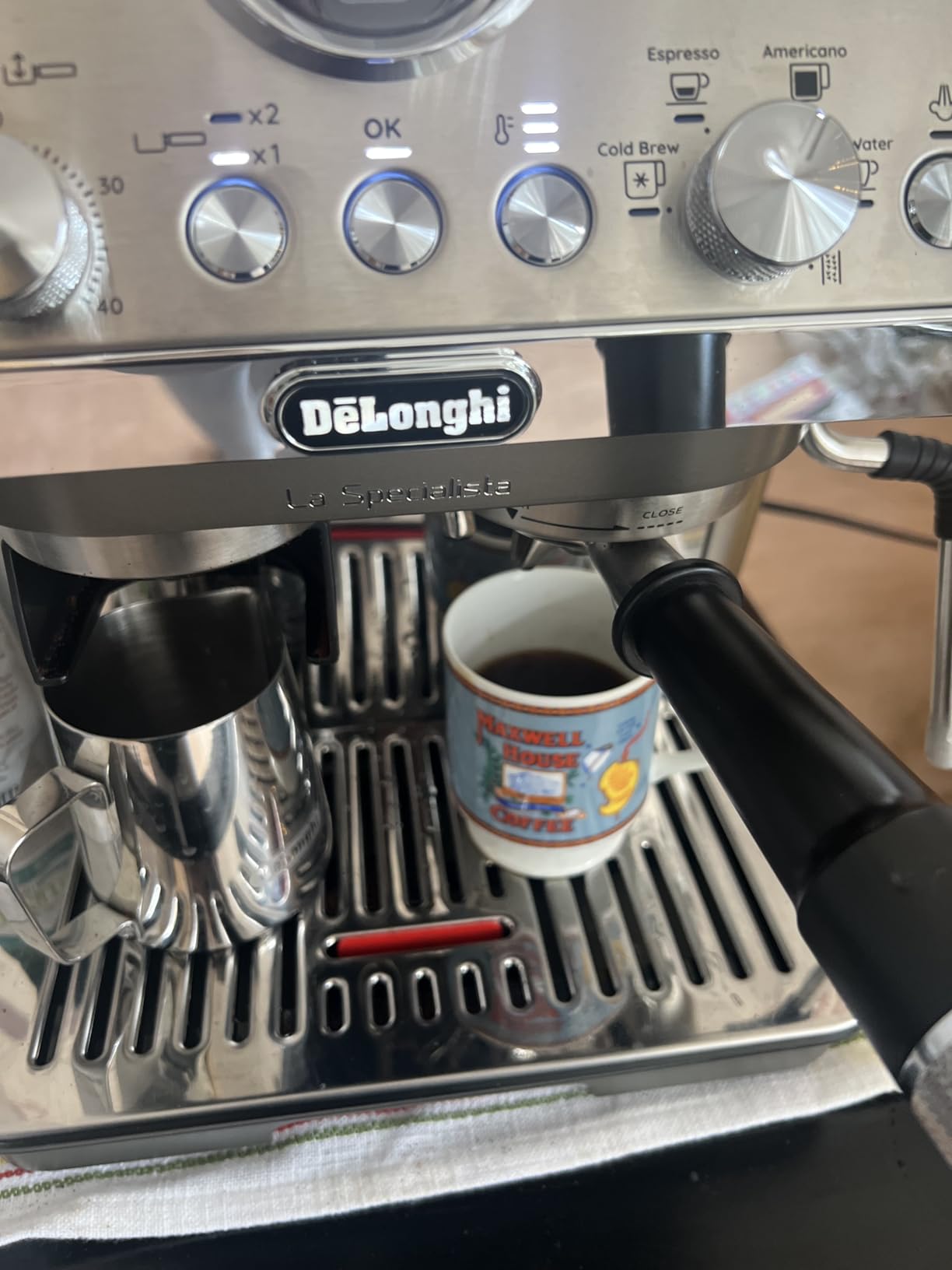
The 15-bar Italian pump delivers solid extraction pressure, and the 4 pre-set recipes (espresso, Americano, cold brew, and hot water) give you one-touch options for common drinks. The machine is quieter than most in its price range, which I appreciated during early morning sessions. Cleanup is straightforward with accessible components and a removable drip tray.
The steam wand does not have the full range of motion found on the Gaggia or Breville machines, which makes certain frothing angles awkward. The auto shutoff activates after just 10 minutes of inactivity, which is aggressive. If you are making multiple drinks, you may find yourself turning the machine back on between shots. Dark roast beans sometimes require specific grinder settings that are not intuitive to find.
Who Should Buy This Machine
The La Specialista Arte Evo is perfect for anyone who wants both hot espresso drinks and cold brew without owning two separate machines. It is also a strong choice for beginners who want the built-in grinder and barista kit included, giving you everything you need to start making espresso right away. The pre-set recipes make it approachable while still allowing manual control when you want it.
Who Should Look Elsewhere
If cold brew does not interest you, other machines in this price range offer more features for pure espresso. The Gaggia Classic Evo Pro delivers better build quality and commercial components. If you want more grind settings or a larger grinder, the Breville Barista Express or Ninja Luxe Cafe offer 18 to 25 settings. And if you want fully automatic drink creation, the Philips 3200 Series handles everything from bean to cup with no manual work.
10. Philips 3200 Series – Best Super-Automatic Espresso Machine
Philips 3200 Series Fully Automatic Espresso Machine, LatteGo Milk Frother, 5 Coffee Varieties, Intuitive Touch Display, 100% Ceramic Grinder, AquaClean Filter, My Coffee Choice, Black (EP3241/54)
Fully Automatic Bean-to-Cup
LatteGo Milk System
5 Coffee Varieties
Touch Display
Ceramic Grinder
AquaClean Filter
1500W
Pros
- 5 coffee varieties at touch of a button
- LatteGo milk system cleans in 15 seconds
- AquaClean filter up to 5000 cups without descaling
- 100% ceramic grinder for fresh flavor
- Fully automatic from grind to brew to clean
- Intuitive touch display
Cons
- Can be noisy during grinding
- Milk system can splash
- Drip tray fills with water after milk drinks
- Used grounds container retains moisture
- Requires regular cleaning to prevent mold
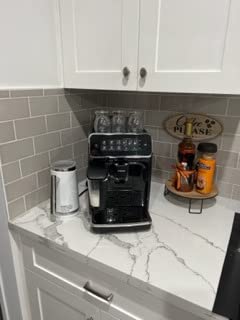
The Philips 3200 Series is the machine for people who want great coffee without becoming a barista. You press a button on the touch display, select your drink, and the machine grinds beans, tamps, extracts, and dispenses your drink automatically. I tested all 5 drink varieties, espresso, coffee, Americano, cappuccino, and latte macchiato, and they were consistently good. Not cafe-competition good, but better than anything from a pod machine.
The LatteGo milk system is Philips’ standout feature. It is a two-part system with no tubes or hidden components, which means cleaning takes about 15 seconds. You pop off the two pieces, rinse them under water, and you are done. After testing machines with complex milk systems that require daily disassembly and soaking, this simplicity is a revelation. The milk system is also compatible with plant-based milks, though results vary by brand.
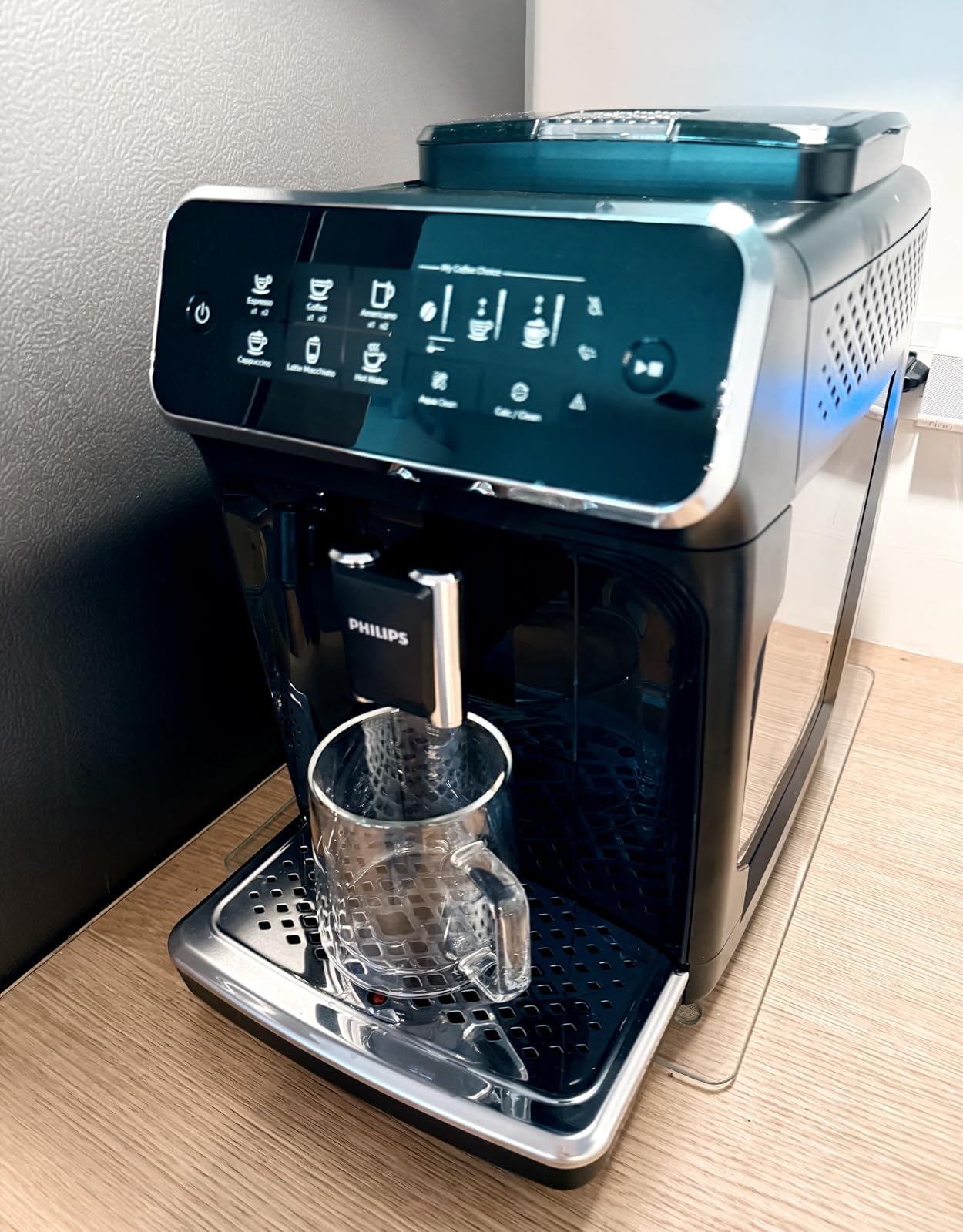
The 100% ceramic grinder is a step above the steel burr grinders in most home machines. Ceramic runs cooler, which helps preserve the volatile oils in coffee beans that contribute to flavor and aroma. The AquaClean water filter system allows up to 5,000 cups without descaling when you replace the filter regularly. That is years of use without the hassle of descaling cycles.
The machine is not perfect. It is noisy during grinding, noticeably louder than the Breville machines. The drip tray fills with water after making milk drinks because the system flushes the milk circuit automatically. The used coffee grounds container retains moisture, which can lead to mold if you do not empty it regularly. These are manageable issues, but they require attention.
Who Should Buy This Machine
The Philips 3200 Series is ideal for anyone who wants the convenience of a bean-to-cup machine that handles everything automatically. If you currently use a Nespresso or Keurig pod machine and want to upgrade to real freshly ground coffee without learning barista skills, this is the perfect next step. It is also great for offices, shared spaces, or households where not everyone wants to learn manual espresso technique.
Who Should Look Elsewhere
If you enjoy the hands-on process of making espresso, this machine will feel limiting. You cannot control tamping pressure, pre-infusion time, or milk texture the way you can on semi-automatic machines. The espresso quality, while good, does not match what a skilled user can produce on the Gaggia Classic Evo Pro or Breville Barista Express. If you want the absolute best espresso quality and are willing to work for it, go manual.
11. CASABREWS CM5418 – Best Entry-Level Compact Pick

CASABREWS CM5418 Espresso Machine 20 Bar, Compact Espresso Maker with Steam Milk Frother, Stainless Steel Coffee Machine with 34oz Removable Water Tank for Cappuccino, Small Latte Machine, Silver
20 Bar Italian Pump
Built-in Pressure Gauge
34oz Water Tank
Steam Milk Frother
1350W
Compact 12.3 x 5.5 x 12 inches
Pros
- Professional 20 bar pressure with Italian pump
- Built-in pressure gauge for monitoring
- Compact stylish stainless steel design
- Includes single and double shot filters
- Great value for the price
- Powerful steam wand for latte art
Cons
- Plastic tamper is weak quality
- Portafilter and baskets feel low quality
- Must cool down between steam and brew
- No milk pitcher included
- Single shot basket is nearly unusable
The CASABREWS CM5418 has become a surprise hit in the home espresso world, sitting at number one in its Amazon category with over 7,700 reviews. After testing it, I understand why. The 20-bar Italian pump delivers genuine espresso pressure, and the built-in pressure gauge is a feature usually found on machines costing twice as much. Being able to see your extraction pressure in real time helps you diagnose issues with your grind or tamp.
The compact design is a major selling point. At just 5.47 inches wide and 8.59 pounds, this is one of the smallest and lightest espresso machines available. It fits in tight spaces where nothing else will. The stainless steel exterior looks more expensive than it is, and it comes in 8 color options including pastel green, baby blue, and creamy white.
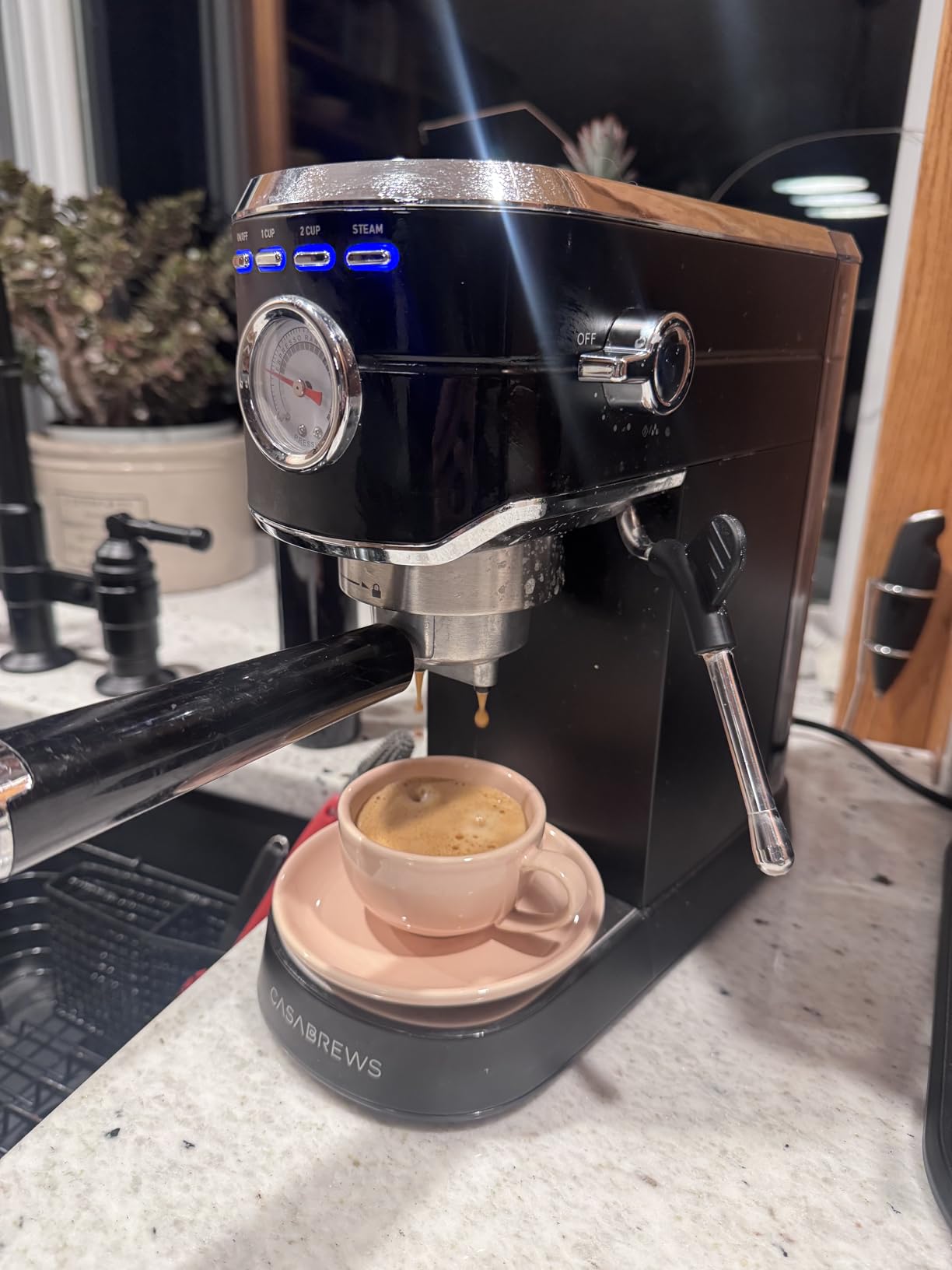
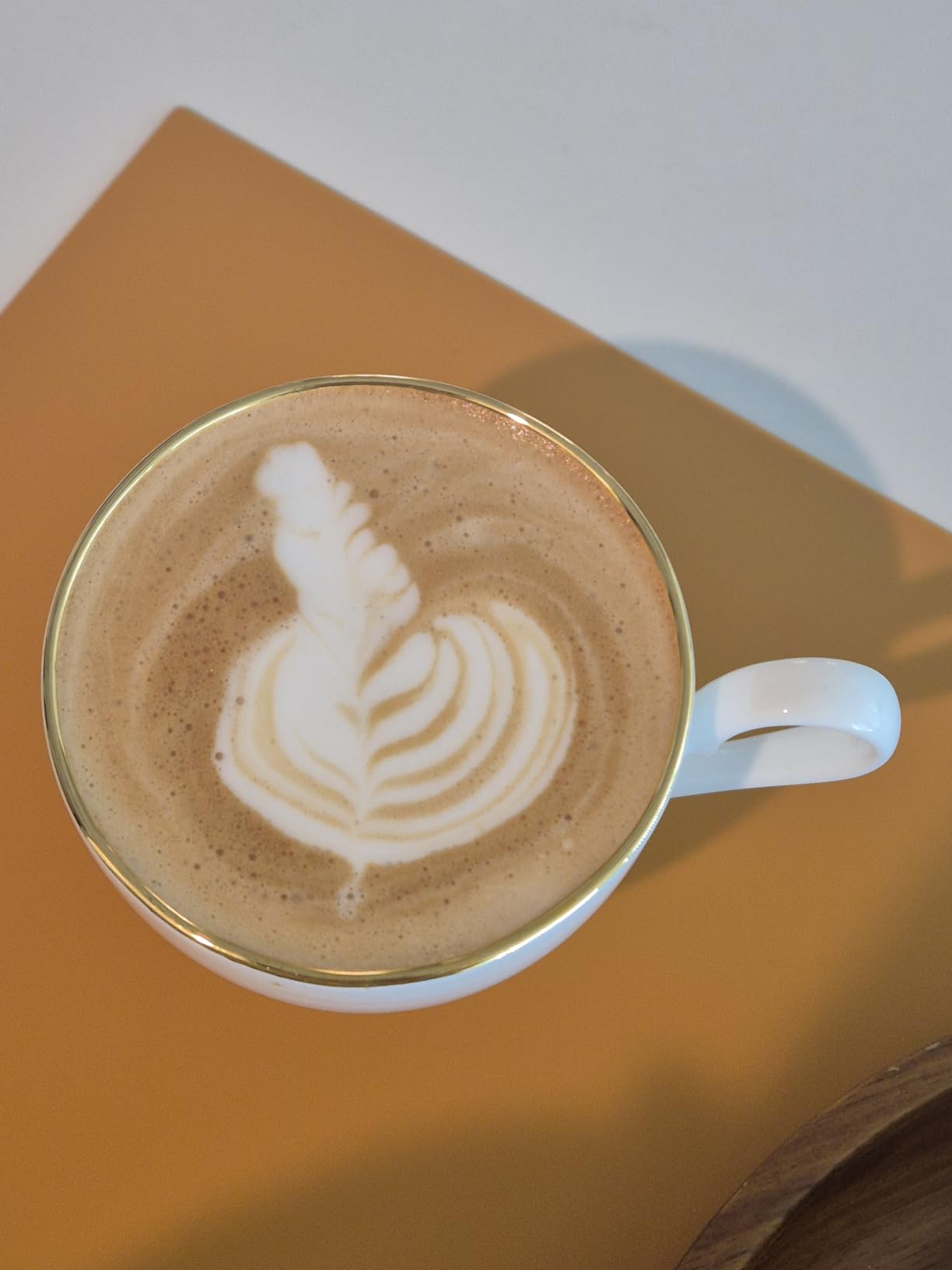
The steam wand produces surprisingly powerful steam for the machine’s size, and I was able to create decent microfoam for latte art after some practice. The 34 oz removable water tank is adequate for a few drinks before needing a refill. The machine heats up in about 30 seconds, which is reasonable at this price point.
The compromises are in the accessories and build quality. The included plastic tamper is genuinely bad and should be replaced immediately. The portafilter and filter baskets feel lightweight and may not hold up to years of daily use. The biggest functional issue is that you cannot switch between steam mode and brew mode without a cooling period, which adds time if you make milk drinks.
Who Should Buy This Machine
The CASABREWS CM5418 is ideal for budget-conscious buyers who want real espresso without a big investment. College students, apartment dwellers, and anyone with limited counter space will appreciate the compact size and light weight. The pressure gauge makes it a surprisingly good learning tool for understanding espresso extraction. If you want to try espresso making and are not sure you will stick with it, this is a low-risk starting point.
Who Should Look Elsewhere
If you plan to make multiple milk drinks daily, the required cooling period between steam and brew modes will frustrate you. The De’Longhi Stilosa handles steam and brew transitions better. If you want a built-in grinder, none of the CASABREWS models include one. And if you want commercial-grade build quality that lasts a decade, the Gaggia Classic Evo Pro is worth the extra investment.
12. CASABREWS Ultra – Best Affordable Machine with LCD Display

CASABREWS Ultra Espresso Machine with LCD Display, Espresso Maker with Powerful Milk Frother, Customizable Brewing Temperature, Provides Barista-Level Lattes and Cappuccinos, Gift for Men & Women
LCD Display
20 Bar Italian Pump
58mm Portafilter
Customizable Temperature 4 Settings
73oz Water Tank
1350W
Pros
- LCD display for easy monitoring
- Customizable brewing temperature with 4 settings
- Professional 58mm portafilter system
- Large 73oz water tank
- Advanced steam wand for microfoam
- Sleek brushed stainless steel design
Cons
- Plastic tamper is cheap quality
- No milk pitcher included
- Steam wand can be loud
- Requires frequent descaling
- Non-pressurized basket harder to dial in
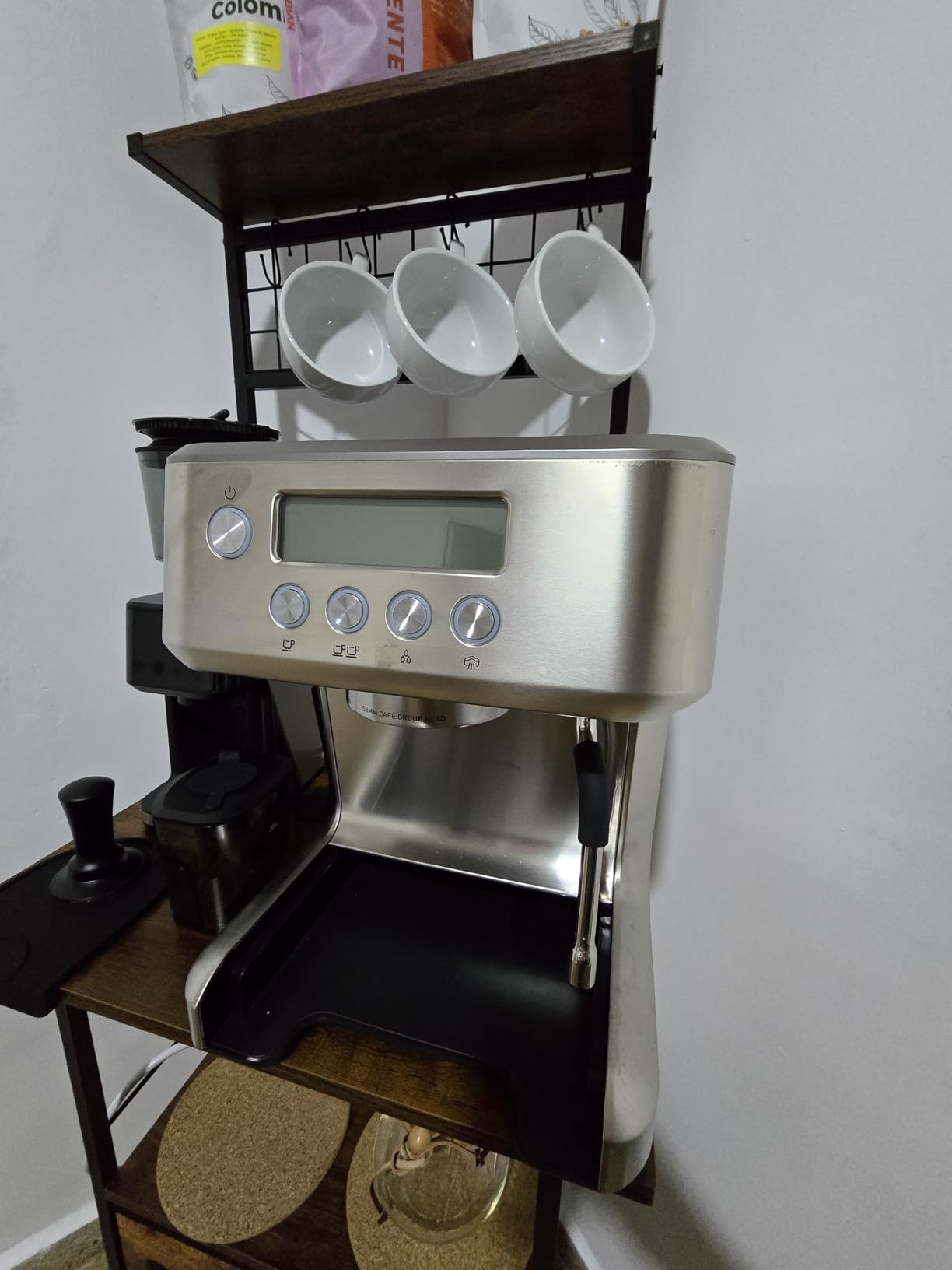
The CASABREWS Ultra is the upgraded version of the CM5418, and the improvements are significant. The most notable upgrade is the 58mm professional portafilter, the same commercial size used on the Gaggia Classic Evo Pro. This gives you access to the full range of aftermarket baskets and accessories, and it pulls shots with a larger puck that extracts more evenly. The LCD display shows brewing temperature, extraction time, and machine status at a glance.
The 4 customizable temperature settings let you match your brewing temperature to your beans. Light roasts benefit from higher temperatures while dark roasts extract better at lower ones. At this price point, having temperature control options is rare and valuable. The 73 oz water tank is the largest in the CASABREWS lineup and one of the largest in this entire roundup, reducing refill frequency noticeably.
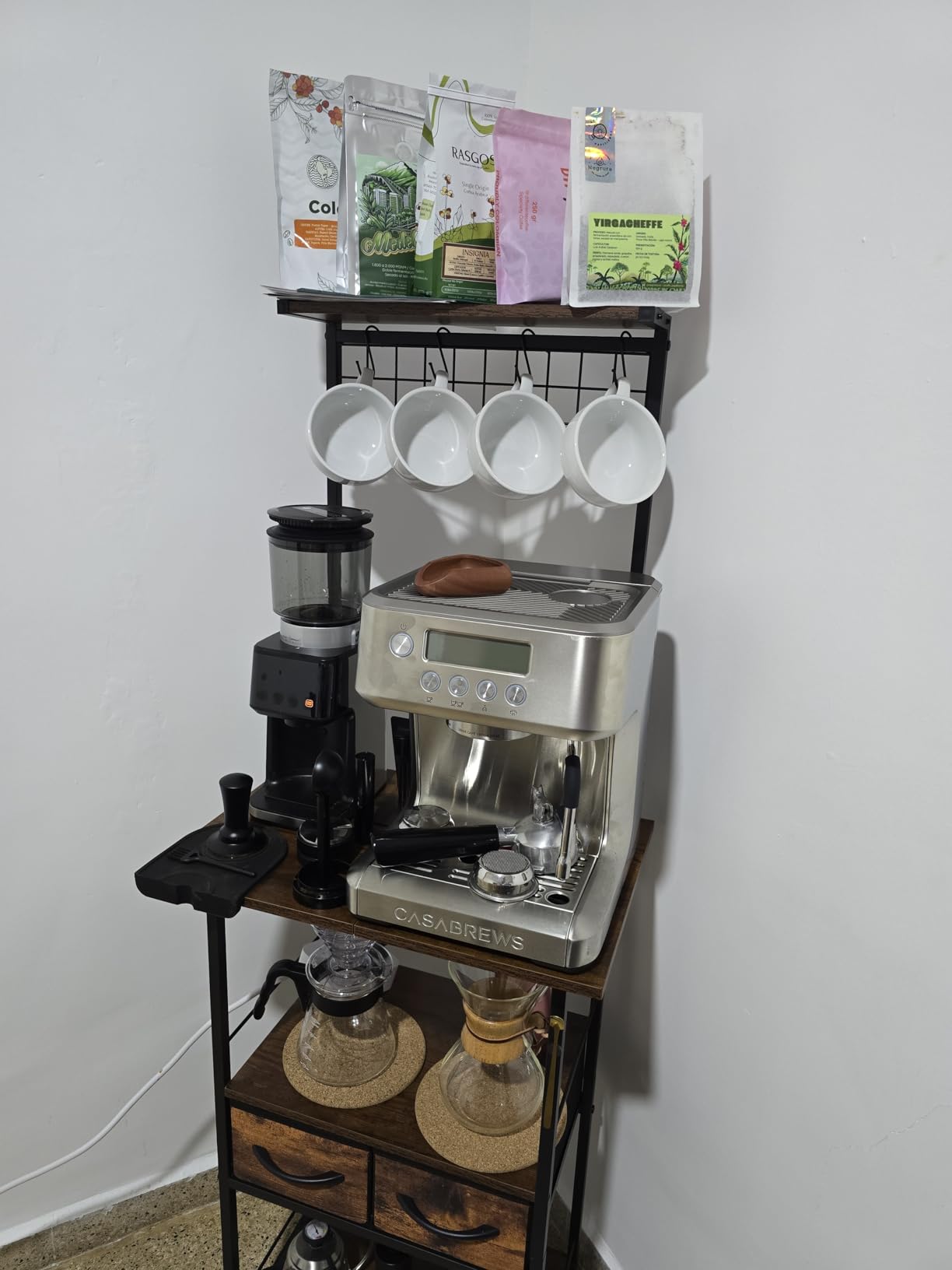
The advanced steam wand creates better microfoam than the standard CM5418, and the brushed stainless steel construction feels more premium. The machine also includes a descaling function, which is important for longevity. With a 4.6-star average from over 700 reviews, the user feedback is overwhelmingly positive, with 78 percent of reviewers giving 5 stars.
The non-pressurized filter basket is a double-edged sword. It produces better espresso than pressurized baskets when you get the grind right, but it requires a quality burr grinder and some skill to dial in. Beginners may struggle initially. The included plastic tamper is, once again, disappointing. The steam wand is louder than competitors, and you need to descale more frequently than the Breville machines with their built-in cleaning cycles.
Who Should Buy This Machine
The CASABREWS Ultra is perfect for aspiring home baristas who want professional-grade features without the professional price tag. The 58mm portafilter, temperature control, and LCD display give you the tools to make genuinely great espresso. It is an excellent stepping stone between budget machines and the Gaggia Classic Evo Pro, offering many of the same capabilities for less.
Who Should Look Elsewhere
If you are a complete beginner who has never pulled a shot, the non-pressurized basket will make the learning curve steeper. The Breville Bambino with its pressurized baskets is more forgiving. If you want a built-in grinder, you need to look at the Breville or Ninja machines. And if long-term durability is your top priority, the all-steel Gaggia Classic Evo Pro will outlast any CASABREWS model.
How to Choose the Best Espresso Machine for Your Home
Picking the right espresso machine comes down to understanding your priorities. Do you value convenience over control? Budget over longevity? Counter space over features? Let me walk you through the key factors that actually matter when choosing a home espresso machine in 2026.
Machine Type: Manual, Semi-Automatic, or Super-Automatic
This is the most important decision you will make. Manual and semi-automatic machines like the Gaggia Classic Evo Pro, De’Longhi Stilosa, and CASABREWS models give you full control over every variable: grind size, dose, tamp pressure, extraction time, and milk texturing. They produce the best espresso in skilled hands but require time and practice to master.
Semi-automatic machines with built-in grinders, like the Breville Barista Express and Ninja Luxe Cafe, offer a middle ground. They handle grinding for you but still let you control extraction and milk frothing. These are the most popular choice for home users because they balance convenience with quality.
Fully automatic machines like the Philips 3200 Series handle everything from grinding to brewing to milk frothing at the push of a button. You get consistent results with zero skill required, but you sacrifice the ability to fine-tune your drinks.
Boiler Type and Heating System
The heating system determines how fast your machine heats up, how stable the temperature stays during extraction, and whether you can brew and steam simultaneously. Single boiler machines like the Gaggia Classic Evo Pro require you to wait between brewing and steaming, typically 30 to 60 seconds. Thermoblock and ThermoJet systems like those in the Breville Barista Pro and Bambino heat up in seconds and are great for quick drinks.
Heat exchanger and dual boiler systems let you brew and steam at the same time, which is essential if you make multiple milk drinks in a row. None of the machines in this roundup use dual boilers, but if you are considering higher-end machines in the future, this is a feature worth knowing about.
Built-in Grinder vs Separate Grinder
The espresso community strongly agrees that the grinder matters more than the machine. A mediocre machine with a great grinder produces better espresso than a great machine with a mediocre grinder. Machines with built-in grinders like the Breville Barista Express, Ninja Luxe Cafe, and De’Longhi La Specialista Arte Evo offer convenience and good value, but their integrated grinders cannot match the quality of a dedicated grinder.
If you want the best possible espresso, buy a machine without a built-in grinder (like the Gaggia Classic Evo Pro or CASABREWS Ultra) and pair it with a quality standalone burr grinder like the Baratza Sette 270, Eureka Mignon, or Fellow Ode. This combination will outperform any all-in-one machine at the same total price.
Counter Space and Dimensions
Measure your counter space before buying. Espresso machines vary dramatically in size. The CASABREWS CM5418 is just 5.47 inches wide, while the Philips 3200 Series stretches 17 inches wide. You also need clearance above for filling the water tank and bean hopper, plus space to the side for the steam wand and your milk pitcher.
Pay attention to weight too. The Gaggia Classic Evo Pro weighs 20 pounds with a solid steel housing that stays put during use. The CASABREWS CM5418 weighs under 9 pounds, which sounds convenient but means the machine may slide when you lock the portafilter.
Budget and Long-Term Value
Consider the total cost of ownership, not just the purchase price. Budget machines like the De’Longhi Stilosa and CASABREWS CM5418 have low upfront costs but may need replacement after 2 to 3 years of daily use. Mid-range machines like the Breville Barista Express and Gaggia Classic Evo Pro cost more initially but can last 5 to 10 years with proper maintenance.
Factor in the cost of accessories too. Machines without built-in grinders need a separate burr grinder, which adds 100 to 300 dollars. The included tamper on most budget machines needs upgrading, adding another 15 to 30 dollars. Descaling solution, water filters, and cleaning tablets are ongoing costs that add up over the years.
Noise Level
Noise is rarely mentioned in reviews but matters daily. Super-automatic machines with built-in grinders like the Philips 3200 Series are the loudest because the grinder runs during every drink. The Breville machines are moderate in noise level. Manual machines like the Gaggia Classic Evo Pro and De’Longhi Stilosa are the quietest since they only produce noise from the pump during extraction. If you make coffee before anyone else wakes up, noise level should be a serious consideration.
What is the best espresso machine for home use?
The Breville Barista Express is the best overall espresso machine for home use in 2026, thanks to its built-in grinder, PID temperature control, and consistent extraction quality. It handles everything from grinding to brewing, making it ideal for daily use without requiring a separate grinder. For budget-conscious buyers, the De’Longhi Stilosa offers excellent value, while the Philips 3200 Series is the best fully automatic option for push-button convenience.
What espresso machine do baristas recommend?
Professional baristas frequently recommend the Gaggia Classic Evo Pro for home use because of its commercial-grade 58mm portafilter, solid steel construction, and serviceable design. In online communities like Reddit’s r/espresso, it is consistently the top recommendation for people serious about espresso. Baristas also recommend pairing it with a quality burr grinder like the Baratza Sette 270 or Eureka Mignon for best results.
How much should I spend on an espresso machine?
Expect to spend between 300 and 800 dollars for a good home espresso machine. Budget picks like the De’Longhi Stilosa and CASABREWS CM5418 start around 140 to 150 dollars but require a separate grinder. Mid-range options like the Breville Barista Express and Gaggia Classic Evo Pro cost 450 to 700 dollars and offer the best balance of quality and value. Fully automatic machines like the Philips 3200 Series run 575 dollars and up. Remember to budget for a grinder if your machine does not include one.
What is the best espresso machine for beginners?
The Breville Bambino is the best espresso machine for beginners because of its compact size, automatic steam wand, and affordable price. It handles milk frothing automatically and heats up in 3 seconds, removing common frustration points. For beginners who want a built-in grinder, the Breville Barista Express Impress with its assisted tamping system makes the learning curve much gentler. The Ninja Luxe Cafe Premier is also beginner-friendly thanks to its Barista Assist Technology that guides you through the brewing process.
Is it worth buying an expensive espresso machine?
An expensive espresso machine is worth it if you drink espresso daily and value consistent quality, durability, and advanced features. Higher-end machines like the Breville Barista Touch offer automatic milk frothing and touchscreen controls that save time every morning. Machines like the Gaggia Classic Evo Pro can last over 10 years, making the per-year cost lower than replacing cheap machines repeatedly. However, if you only drink espresso occasionally, a budget machine like the De’Longhi Stilosa or CASABREWS CM5418 is perfectly adequate.
Our Final Verdict on the Best Espresso Machines
After testing all 12 machines, our top recommendation remains the Breville Barista Express as the best espresso machine for most homes. It offers the right balance of quality, convenience, and value that suits the vast majority of home users. The built-in grinder, PID temperature control, and consistent extraction make it a reliable daily driver that pays for itself compared to daily coffee shop visits.
For buyers on a budget, the Gaggia Classic Evo Pro delivers unmatched value with commercial-grade components that last for years. Pair it with a good grinder and you have a setup that rivals machines costing twice as much. The De’Longhi Stilosa and CASABREWS CM5418 are excellent low-cost entry points for anyone wanting to try their hand at espresso making without a big commitment.
If convenience is your top priority, the Philips 3200 Series and Breville Barista Touch offer push-button drinks that taste great every time. And for versatility, the Ninja Luxe Cafe Premier’s 3-in-1 design covers espresso, drip coffee, and cold brew in one machine that takes up less space than three separate appliances.
Whatever you choose, remember that fresh beans and a good grinder matter as much as the machine itself. Invest in quality coffee beans from a local roaster, pair them with the right machine from this guide, and you will be pulling shots that rival your favorite cafe in no time. The best espresso machines in 2026 are the ones that match your routine, your space, and your willingness to learn.