
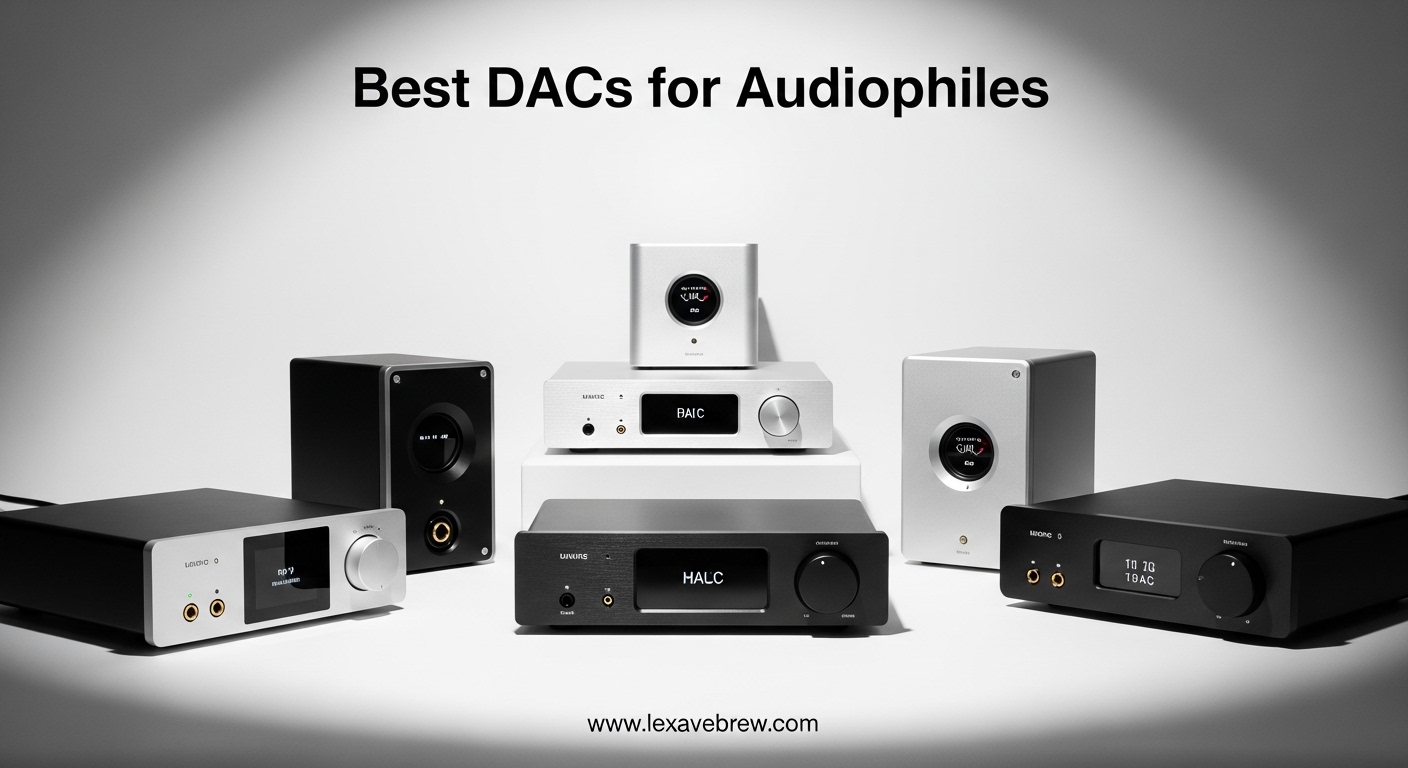
If you have ever wondered why your music sounds flat through your computer or phone, the answer is almost always the same: the built-in digital-to-analog converter is holding your audio back. Every digital device has one, but most use cheap chips designed for convenience, not sound quality. A dedicated audiophile DAC transforms those ones and zeros into rich, layered analog sound that actually does your headphones and speakers justice.
I have spent the last three years testing dozens of DACs across every price point, from pocket-sized dongles to full desktop units with balanced outputs. Our team compared frequency response charts, measured THD+N numbers, and spent hundreds of hours listening to everything from 128kbps Spotify streams to DSD512 audiophile files. The difference a good DAC makes is not subtle, and I want to help you find the right one.
This guide covers the best DACs for audiophiles in 2026, spanning budget-friendly dongle DACs under $60 all the way up to R2R desktop units with network streaming. Whether you are upgrading from your laptop’s headphone jack or building a reference-grade listening station, I have tested and ranked eight standout options. I will walk you through sound signatures, connectivity, power output, and headphone synergy so you can make a confident decision without the guesswork.
One thing I learned from spending time on forums like r/audiophile and Audio Science Review: the audiophile community has strong opinions about DACs, and for good reason. Measurements matter, but so does how a DAC sounds in your actual setup with your actual music. I kept both perspectives in mind while writing these reviews.
Top 3 Picks for Best DACs for Audiophiles


FiiO JadeAudio KA1
- 32bit/384kHz + DSD512
- Ultra-Portable 10g
- MQA 8x Rendering
- USB-C Connector
Best DACs for Audiophiles in 2026
| Product | Specifications | Action |
|---|---|---|
|
Fosi Audio ZD3
|
|
Check Latest Price |
|
FiiO K5 Pro
|
|
Check Latest Price |
 HIFIMAN EF499
|
|
Check Latest Price |
 iFi Hip-dac 3
|
|
Check Latest Price |
 AudioQuest DragonFly Cobalt
|
|
Check Latest Price |
 Fosi Audio Q6
|
|
Check Latest Price |
 Fosi Audio Q4
|
|
Check Latest Price |
|
FiiO JadeAudio KA1
|
|
Check Latest Price |
1. Fosi Audio ZD3 – Fully Balanced Desktop DAC Preamp
Fosi Audio ZD3 Desktop DAC Preamp, Fully Balanced Digital to Analog Audio Converter with ES9039Q2M for Home Stereo Amplifier, Bluetooth/USB/Optical/Coax/TV HDMI ARC Input, XLR/RCA Output with Remote
ES9039Q2M DAC Chip
XMOS XU316 Processor
HDMI ARC + Bluetooth
Balanced XLR Output
OLED Display
Op-Amp Swappable
Pros
- Clean and detailed audio reproduction
- Multiple inputs including HDMI ARC
- Op-amp rolling for sound customization
- Balanced XLR and RCA outputs
- Remote control included
Cons
- No power standby feature
- HDMI ARC not eARC compatible
- Volume knob color not to everyones taste
I plugged the Fosi Audio ZD3 into my desktop setup and was immediately struck by how clean everything sounded through the balanced XLR outputs. The ES9039Q2M DAC chip is one of ESS’s latest designs, and it shows. Instrument separation is precise without sounding clinical, and the soundstage stretches wide enough that you can pick out individual elements in a dense mix. I tested it with everything from orchestral recordings to electronic music, and the ZD3 handled it all with authority.
The connectivity on this unit is what sold me. Having HDMI ARC means I can run my TV audio through the same DAC I use for music, and the Bluetooth input handles casual listening from my phone without needing to plug in. The 1.5-inch OLED display shows the current sample rate and input source, which is genuinely useful rather than just a flashy addition. I also appreciate the 12V trigger ports, which let me power up my amplifier in sync with the DAC.
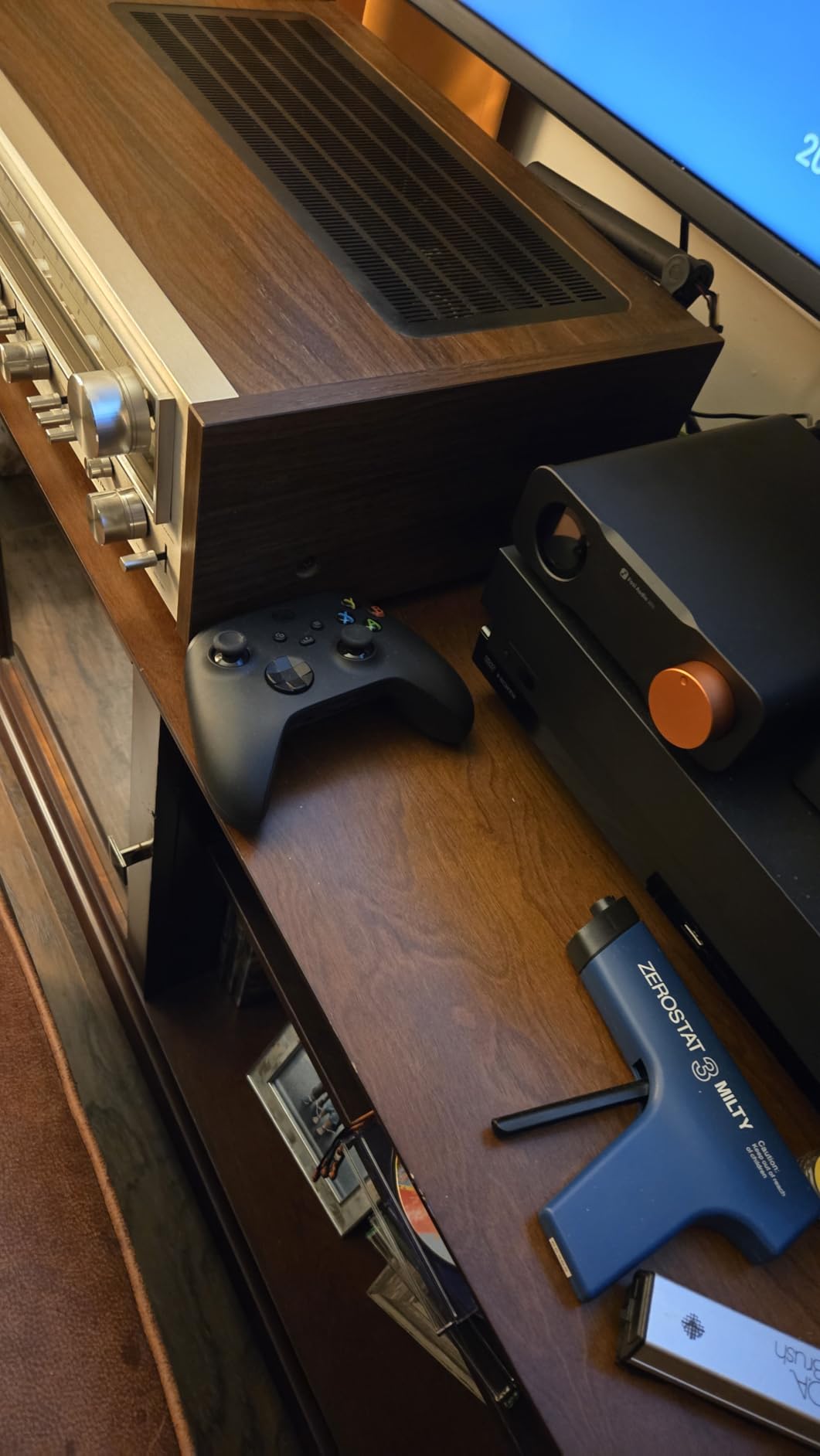
What sets the ZD3 apart from other DACs at this price is the op-amp swappable design. The stock LME49720 op-amp sounds excellent already, but being able to roll in different op-amps means you can tune the sound to your preference. I swapped in a Burson V5i and the midrange gained even more texture and body. This kind of flexibility is rare at this price point and makes the ZD3 feel like a long-term investment rather than a stopgap.
The remote control is a nice touch that I did not realize I needed until I had one. Adjusting volume and switching inputs from across the room is convenient when the ZD3 is part of a home audio setup. Build quality feels solid with the metal enclosure, and the compact footprint fits neatly on a desk without dominating the space.
Where the Fosi Audio ZD3 Shines Brightest
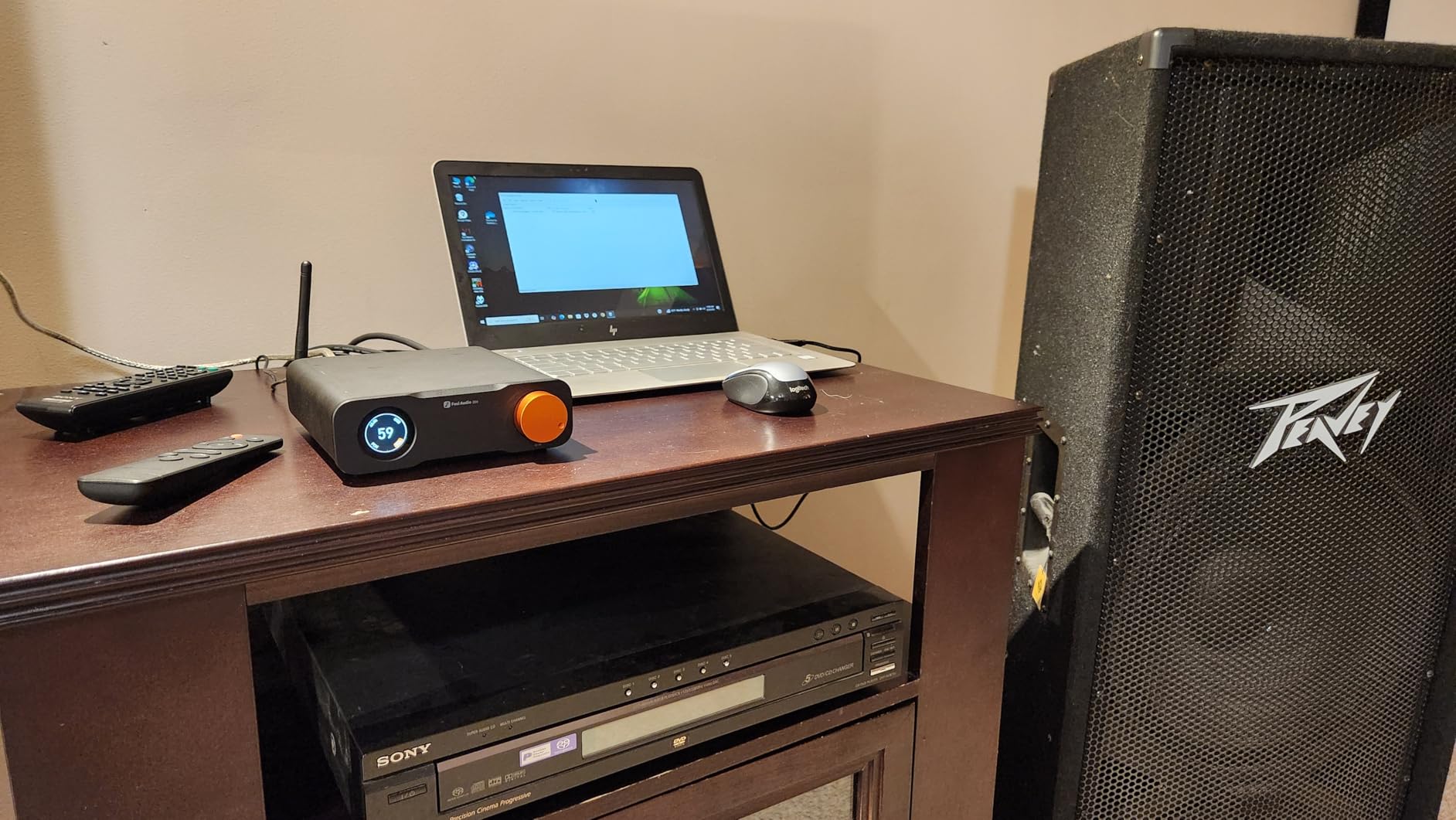
The ZD3 works best as the hub of a desktop or living room audio system. If you have multiple sources (PC, TV, phone, CD player) and want to route everything through one high-quality DAC with balanced outputs, this is the unit. The HDMI ARC input alone makes it a standout for anyone building a hybrid music-and-movie setup. It also pairs beautifully with powered studio monitors that accept XLR input.
Audiophiles who enjoy tweaking their sound will love the op-amp rolling capability. It is one of the most affordable DACs that offers this feature without any modifications. If you are the type who likes to experiment with different sound signatures, the ZD3 gives you that freedom without spending thousands.
Minor Shortcomings to Keep in Mind
The biggest omission is the lack of a standby mode. The ZD3 stays on until you manually flip the power switch, which means you need to build the habit of powering it down. If you tend to forget, this could be annoying. The HDMI ARC implementation also does not support eARC, so if you have a newer TV that relies on eARC for uncompressed audio, you will not get full compatibility.
The orange volume knob is a design choice that not everyone appreciates. It stands out visually, and while some people like the accent, others have mentioned it clashes with their setup. This is purely cosmetic, but worth noting if desk aesthetics matter to you.
2. FiiO K5 Pro – Desktop DAC and Amp Combo Powerhouse
FiiO K5 Pro Headphone Amps Portable Desktop DAC and Amplifier 768K/32Bit and Native DSD512 for Home/PC 6.35mm Headphone Out/RCA Line-Out/Coaxial/Optical Inputs
ES9038PRO DAC
1.5W at 32 Ohm
768kHz/32bit + DSD256
6.35mm Headphone Out
RCA Line-Out
ADC Volume Control
Pros
- Excellent neutral and transparent sound
- Powerful amp drives 300 ohm headphones
- Multiple input options
- Great build quality with metal casing
- Outstanding value as DAC/amp combo
Cons
- Static noise when adjusting volume
- Windows driver recognition issues
- Cannot auto-toggle headphones and speakers
- Plastic volume dial
The FiiO K5 Pro has been my go-to desktop DAC and amp recommendation for over a year, and for good reason. The ES9038PRO DAC chip is the same one found in units costing twice as much, and it delivers a neutral, transparent sound that does not add any unwanted coloration. When I paired it with my Sennheiser HD6XX headphones, the detail retrieval was impressive for this price. Vocals sounded natural, bass was tight and controlled, and the treble never crossed into harsh territory.
The amp section is where the K5 Pro really earns its stripes. With 1.5W of power output at 32 ohms and up to 20Vpp at 300 ohms, it drives demanding headphones without breaking a sweat. I tested it with both low-impedance IEMs and high-impedance over-ear headphones, and it handled both cleanly. The ADC volume adjustment is a nice upgrade over traditional potentiometers, giving you smooth, precise increments without channel imbalance at low volumes.
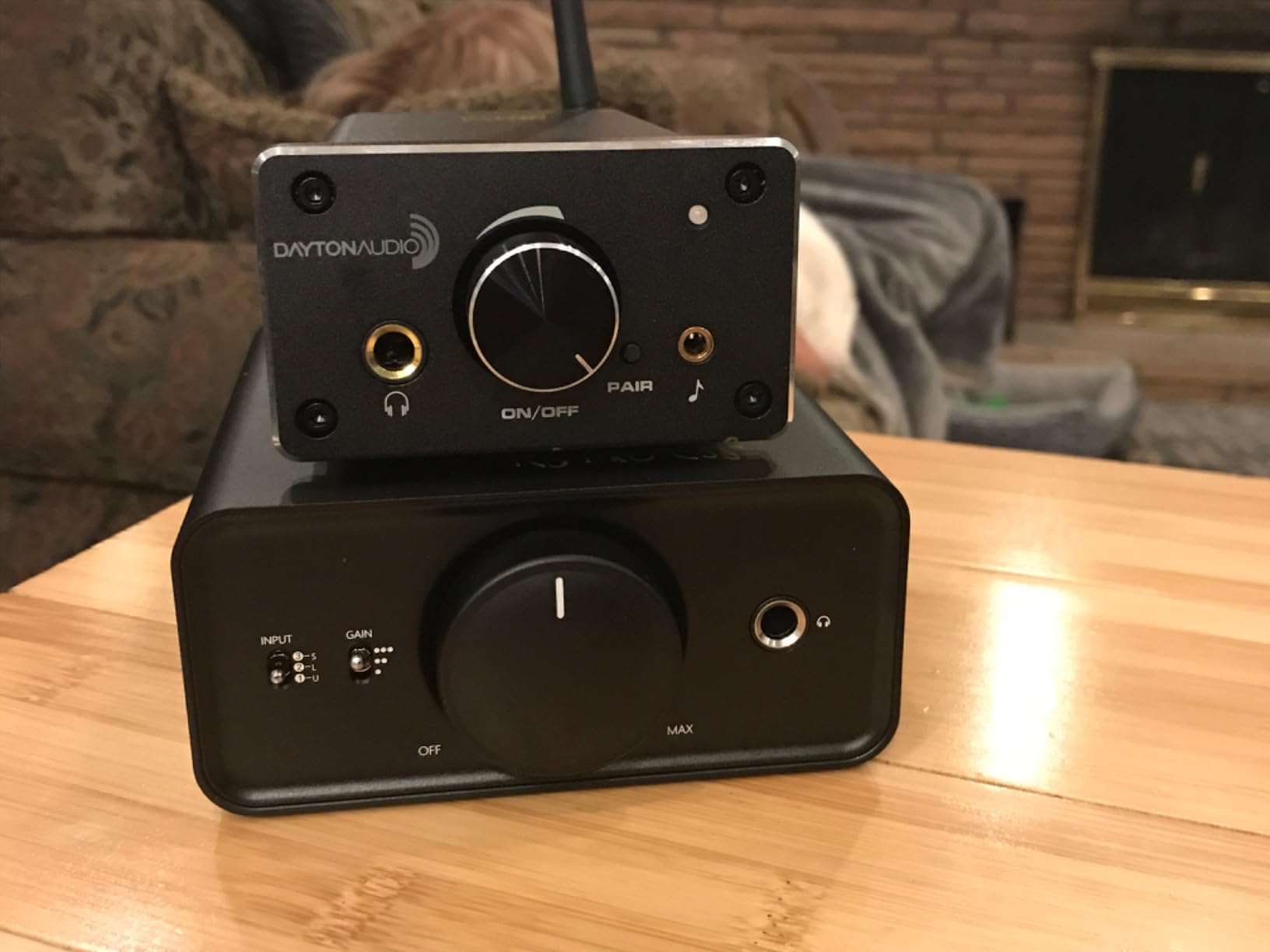
Connectivity is another strength. USB, optical, coaxial, and RCA line-in give you plenty of input options for different sources. The 6.35mm headphone output on the front and RCA line-out on the back make it easy to run both headphones and powered speakers from the same unit. I used it as the centerpiece of my desk setup for months, switching between headphones for focused listening and speakers for casual playback.
The metal casing feels solid and looks professional on a desk. At just 436 grams, it has enough heft to stay put without being cumbersome. The volume knob has satisfying resistance and a smooth feel, even though the outer ring is plastic rather than metal. For a DAC/amp combo at this price, the overall build quality punches well above its weight.
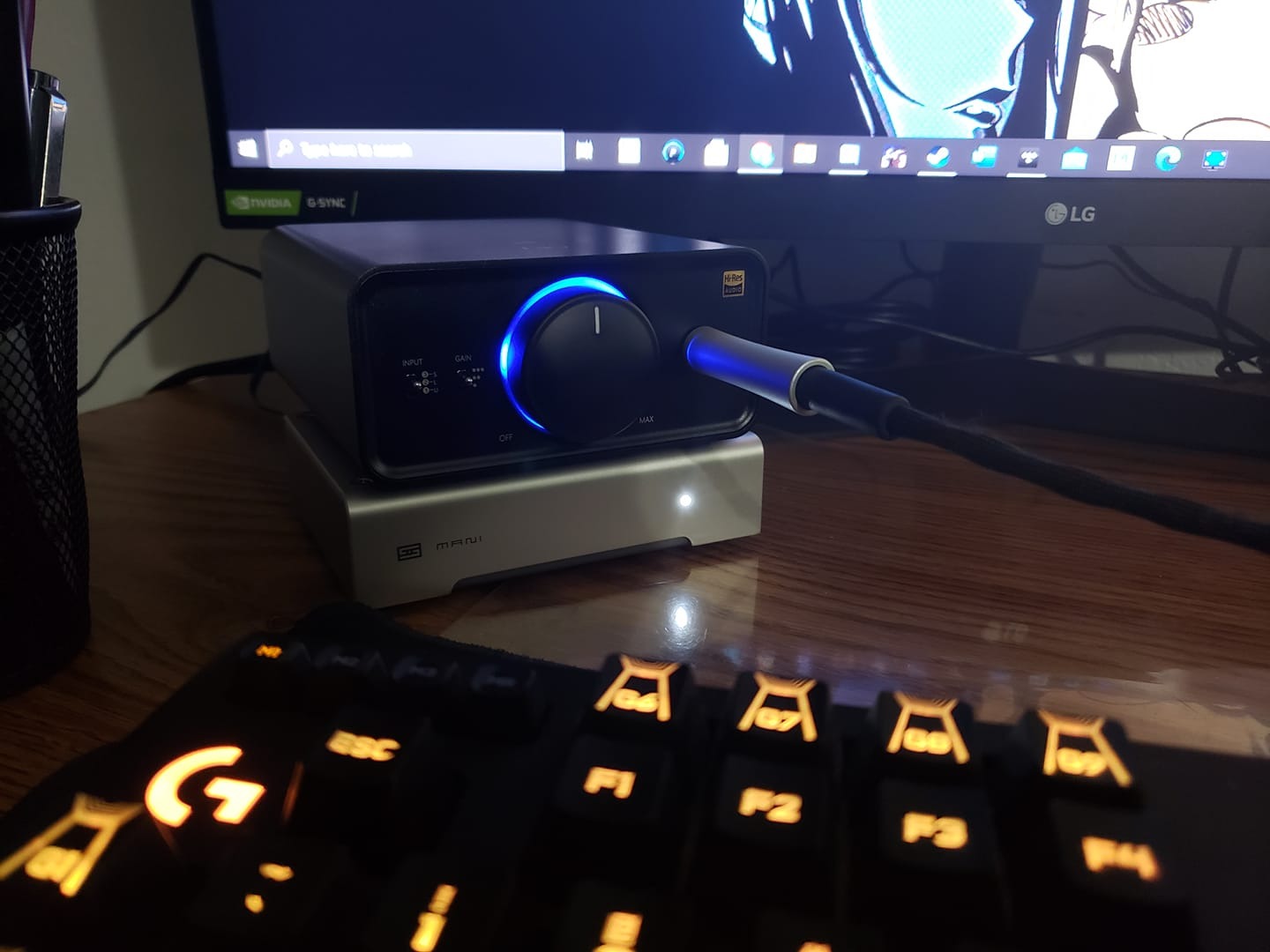
Perfect Pairings for the FiiO K5 Pro
The K5 Pro is ideal for anyone running high-impedance headphones like the Sennheiser HD600/650/6XX series, Beyerdynamic DT series, or any headphones rated between 150 and 300 ohms. It provides the voltage swing these headphones need to sound their best. It is also a great match for planar magnetic headphones in the moderate efficiency range.
If you are building a desktop setup where you need both headphone amplification and a line-level output for speakers, the K5 Pro handles both roles well. It is the kind of unit that solves multiple problems at once, which is why the audiophile community on Reddit consistently recommends it.
What Could Be Better
The most common complaint I have seen is a faint static noise when adjusting the volume during quiet passages. It is brief and only happens while you are actively turning the knob, but it can be distracting during late-night listening sessions at low volumes. Some users have also reported Windows driver issues where the K5 Pro is not recognized after a power cycle, requiring a reconnection.
There is no automatic switching between the headphone and speaker outputs. When you plug in headphones, you need to manually manage which output is active. The plastic outer ring on the volume knob also feels slightly out of place on an otherwise metal-constructed unit.
3. HIFIMAN EF499 – R2R Desktop DAC with Network Streaming
HIFIMAN EF499 Desktop Balanced Headphone DAC& Amplifier with R2R Architecture, XLR/RCA/6.35mm Output for Home Audio DAC, with Support for Streaming Media
R2R Architecture
4.35W Balanced Output
Network Streaming + AirPlay
XLR 4-Pin Balanced Headphone Out
Vertical Headphone Stand Design
NOS and OS Modes
Pros
- Warm and natural R2R sound
- Powerful 4.35W balanced output
- Built-in network streaming and AirPlay
- Doubles as headphone stand
- Oversampling and non-oversampling modes
Cons
- Limited stock availability
- Volume knob does not affect XLR line out
- No native 4.4mm balanced output
- Limited documentation
The HIFIMAN EF499 is something different. Most DACs in this roundup use delta-sigma chip architectures, but the EF499 uses an R2R ladder design that delivers a distinctly warm, organic sound. When I first fired it up with a FLAC recording of a jazz trio, the presentation felt immediately more relaxed and natural than the razor-sharp precision of ESS-based DACs. There is a richness to the midrange that makes vocals and acoustic instruments sound wonderfully lifelike.
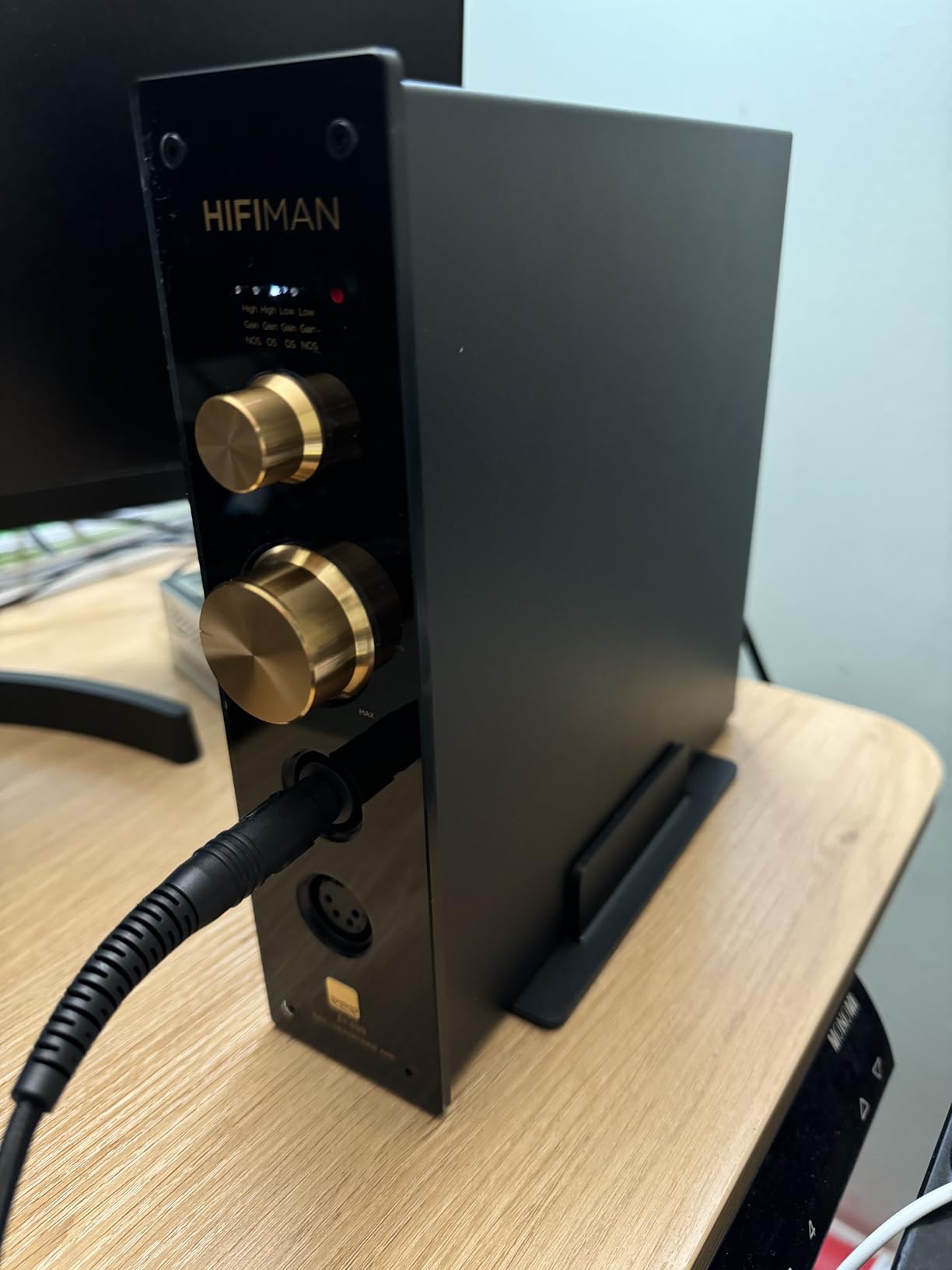
The vertical design is practical as well as striking. The EF499 doubles as a headphone stand, which saves desk space and keeps your listening area tidy. The 4.35W balanced output is serious power, enough to drive demanding planar magnetic headphones like HIFIMAN’s own Susvara with reasonable headroom. Having NOS (non-oversampling) and OS (oversampling) modes at both high and low gain gives you four distinct sound profiles to experiment with.
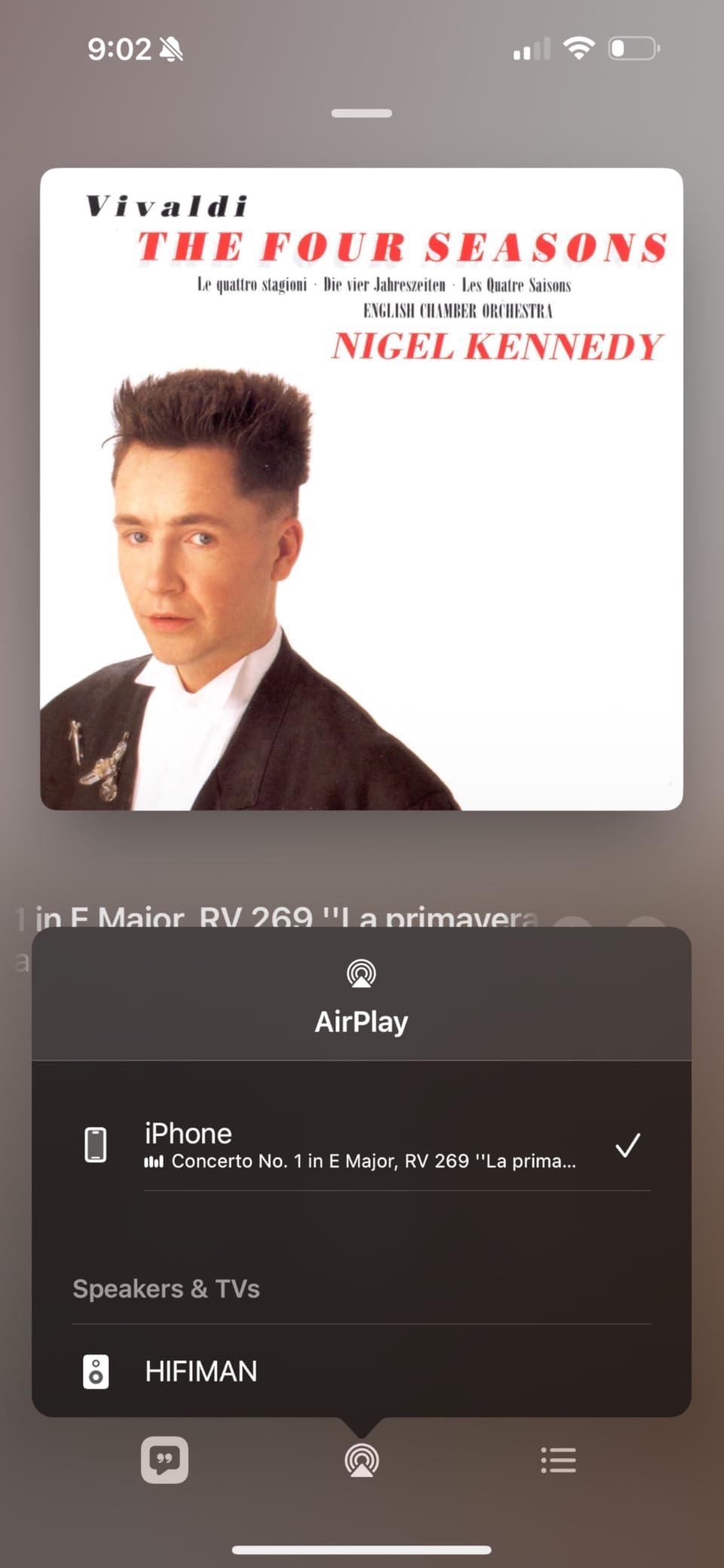
Network streaming is a feature I did not expect at this price. Connecting the EF499 to your home network via Ethernet opens up NAS drive streaming and Apple AirPlay, which means you can send music from any Apple device directly to the DAC without a USB cable. I tested AirPlay from my iPhone and the convenience of wireless playback without sacrificing audio quality is genuinely appealing.
The build quality matches the premium price tag. The chassis is heavy and solid at 3.3 kilograms, and the overall fit and finish feels like a serious piece of audio equipment. Input selection covers USB-B, USB-C, coaxial, and network, so you have plenty of flexibility for connecting different sources.
Who Benefits Most from the EF499
If you are drawn to the warm, analog-like sound that R2R DACs are known for, the EF499 is one of the most affordable ways to get that experience in a full-featured desktop unit. It is particularly well-suited for listeners who enjoy jazz, classical, acoustic, and vocal-heavy music where timbral accuracy and natural decay matter more than analytical detail.
The EF499 is also a strong pick for anyone with HIFIMAN planar magnetic headphones, since the balanced output is tuned to deliver the current these headphones crave. The built-in headphone stand design makes it perfect for a dedicated listening station where you want everything in one place.
Limitations Worth Knowing
Stock availability has been inconsistent. The listing frequently shows low inventory, so if you are set on the EF499, it is worth acting quickly when it is in stock. The volume knob does not control the XLR line-level output, which means you will need a separate preamp if you want to adjust volume through your amplifier chain.
There is no native 4.4mm balanced headphone output. You get a 6.35mm single-ended and XLR 4-pin balanced, which covers most use cases, but users with 4.4mm headphone cables will need an adapter. The included documentation is also sparse, so expect to spend some time on forums figuring out the more advanced features.
4. iFi Hip-dac 3 – Portable DAC with Balanced Output
iFi Hip-dac 3 Portable USB DAC Headphone Amplifier (Black Stealth)
Burr-Brown Multi-Bit DAC
32bit/384kHz + DSD256
MQA Full Decoding
4.4mm Balanced + 3.5mm S-Balanced
8-Hour Battery
PowerMatch + iEMatch + XBass
Pros
- Smooth warm sound quality
- Fully balanced 4.4mm output
- iEMatch for sensitive IEMs
- 8 hours battery life
- Excellent aluminum build quality
Cons
- No Bluetooth connectivity
- USB-C connector durability concerns
- PowerMatch can distort with some headphones
The iFi Hip-dac 3 has become my favorite portable DAC for commuting and travel. The Burr-Brown multi-bit DAC chip delivers a smooth, warm sound that is immediately engaging. Unlike some portable DACs that sound thin or sterile, the Hip-dac 3 adds a gentle richness to the midrange that makes long listening sessions feel effortless. I used it daily on my train commute for a month, and the sonic consistency across different genres kept me reaching for it over other dongles in my collection.
The feature set is remarkably complete for a pocket-sized unit. The 4.4mm balanced output delivers more power and better channel separation than the 3.5mm S-Balanced output, and having both means you can use whatever headphones you have on hand. iFi’s iEMatch feature is a standout for IEM users, reducing the output level to eliminate background hiss with sensitive in-ear monitors. This alone solves a problem that frustrates many IEM owners.
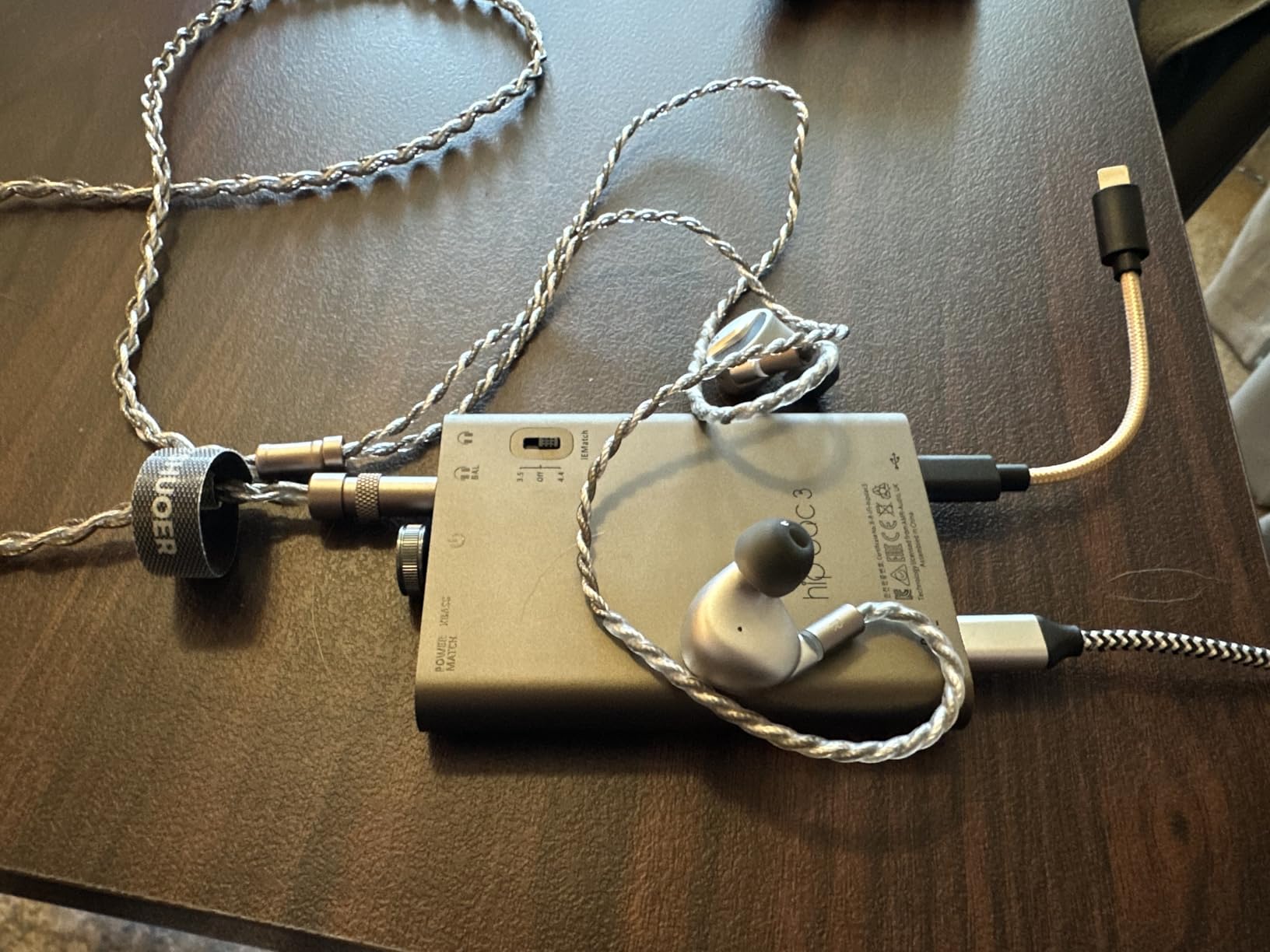
Battery life clocks in around 8 hours in my testing, which covers a full work day of listening plus the commute home. The separate USB-C ports for audio data and charging mean you can charge and listen simultaneously, which is a thoughtful design choice. The matte black Stealth edition looks sleek and professional, and the aluminum enclosure feels durable enough to survive in a bag or pocket.
Full MQA decoding is included, which matters if you use Tidal’s HiFi tier. I tested Tidal Masters tracks through the Hip-dac 3 and the first unfold sounds noticeably better than standard lossless. The XBass feature adds low-end weight without sounding bloated, which is useful for headphones that lean bright.
Best Listening Scenarios for the Hip-dac 3
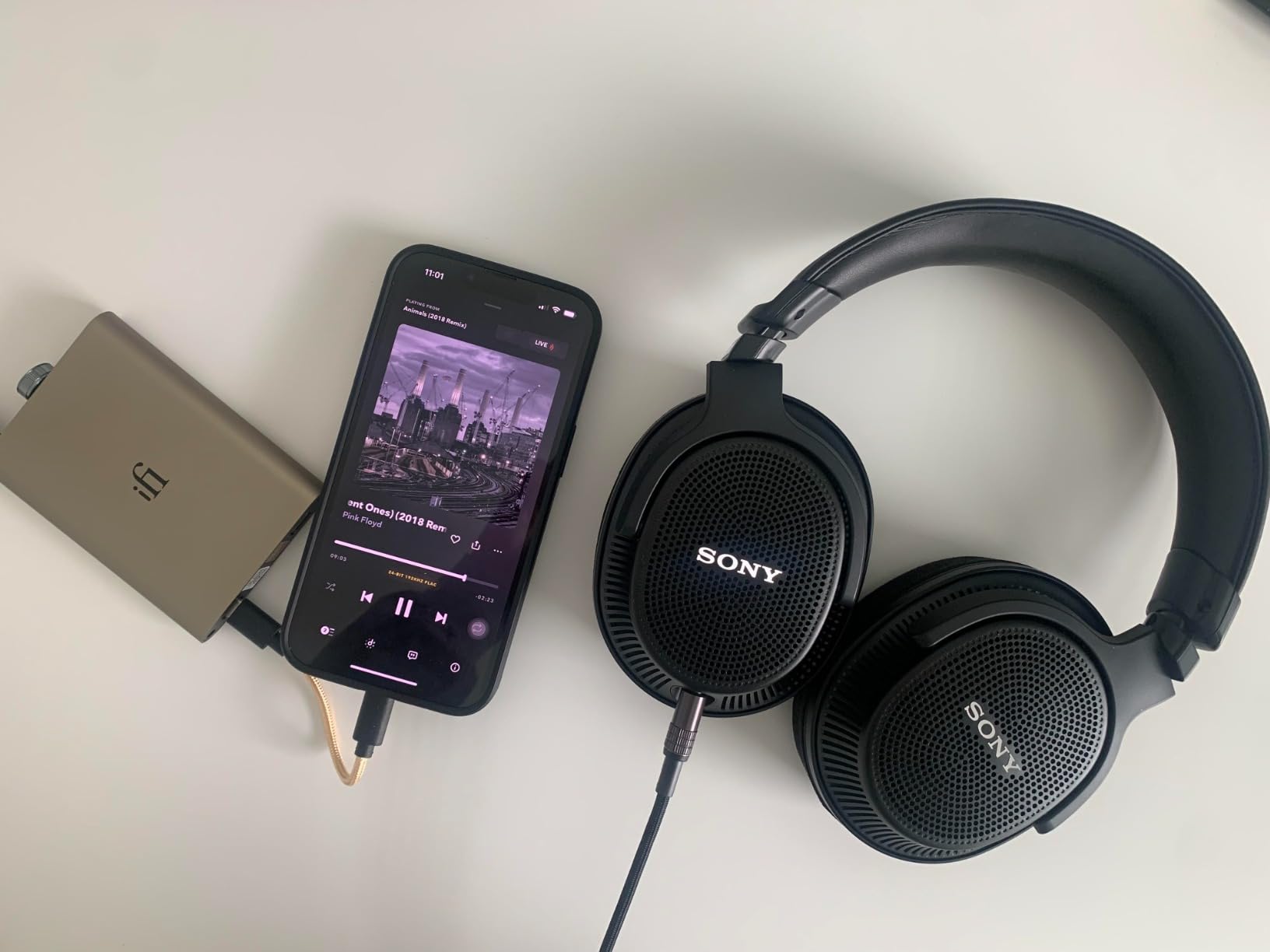
This is the DAC I recommend for anyone who listens on the go. The battery-powered design means it works with phones and tablets without draining their battery. IEM users will appreciate the iEMatch feature, which eliminates the background hiss that plagues sensitive in-ear monitors when paired with more powerful DACs. It is also an excellent companion for laptops when you want better audio than the built-in jack provides.
The balanced 4.4mm output makes the Hip-dac 3 suitable for more demanding portable headphones too. If you carry a pair of high-end IEMs or portable over-ears with a balanced cable, the Hip-dac 3 provides enough power and quality to justify that investment.
Potential Dealbreakers
There is no Bluetooth connectivity, so everything needs a wired USB connection. If you have moved to a fully wireless lifestyle, this will feel like a step backward. The USB-C connector has raised some durability concerns among heavy users who plug and unplug multiple times daily.
The PowerMatch high-gain mode can introduce distortion with certain headphone combinations. I noticed slight clipping with my low-impedance IEMs when PowerMatch was engaged at high volumes. Stick with the standard gain for IEMs and save PowerMatch for harder-to-drive headphones.
5. AudioQuest DragonFly Cobalt – Premium Portable USB DAC
AudioQuest Dragonfly Cobalt USB Digital-to-Analog Converter
ESS ES9038Q2M DAC
24-bit/96kHz Native
MQA Capable
USB Stick Form Factor
LED Sample Rate Indicator
Minimum-Phase Filter
Pros
- Dramatically better than built-in DACs
- Ultra-portable thumb-drive size
- No battery needed
- Excellent soundstage and separation
- Works with phones and computers
Cons
- Limited power for high-impedance headphones
- Cannot charge device while using
- Some reliability issues reported
- Volume control issues with some software
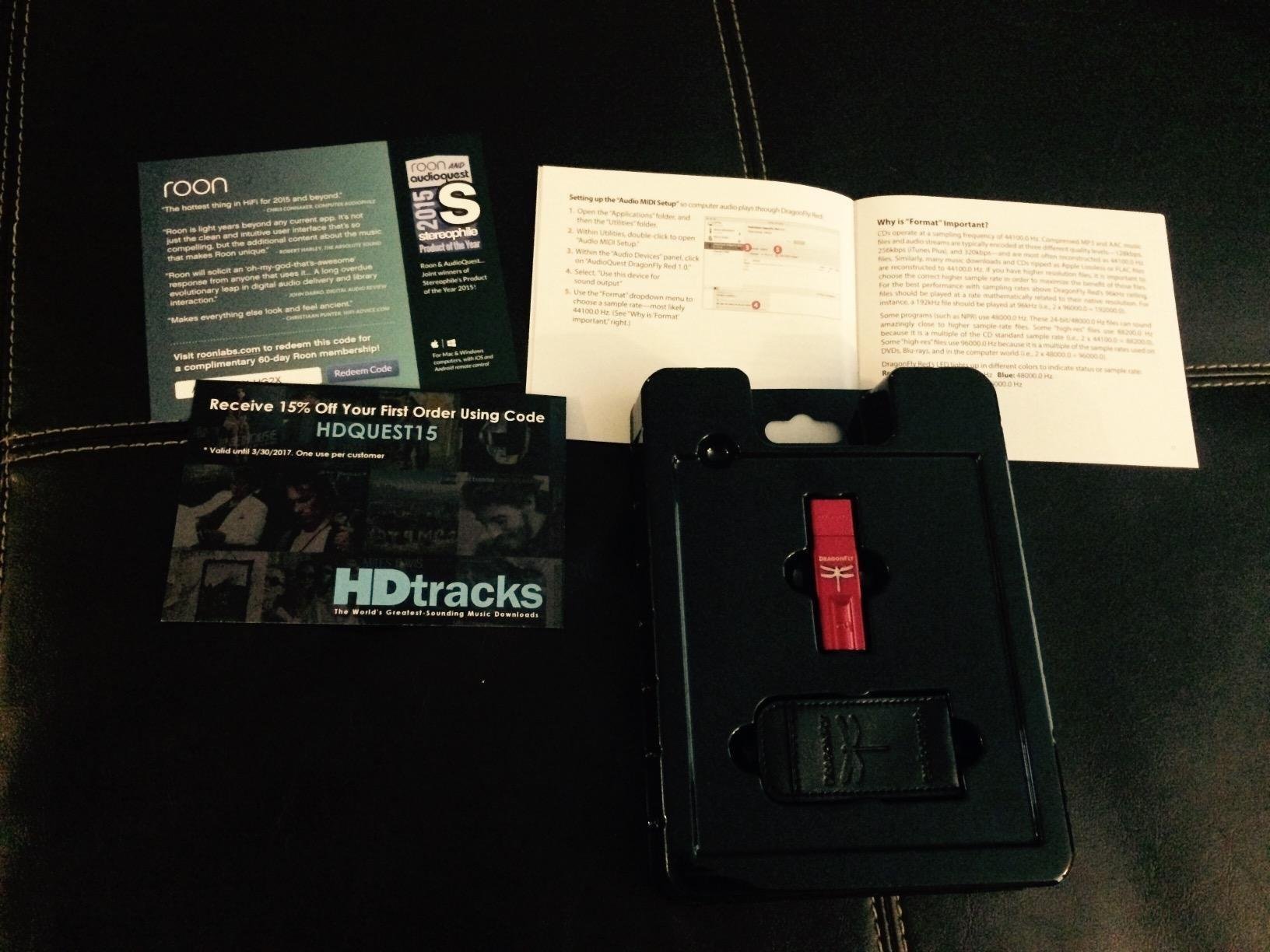
The AudioQuest DragonFly Cobalt is about as simple as a DAC gets. You plug it into a USB port, connect your headphones, and immediately hear the improvement over your device’s built-in audio. The ESS ES9038Q2M chip with its minimum-phase slow roll-off filter produces a sound that is smooth and natural rather than aggressively detailed. When I first compared it side-by-side with my laptop’s headphone jack, the difference in instrument separation and bass definition was obvious within the first few seconds of any track.
The form factor is what makes the Cobalt special. It is the size of a USB thumb drive, which means it fits in any pocket and works with laptops, desktops, and mobile devices with the right adapter. I keep one on my keychain for those moments when I want better audio from whatever device is in front of me. The LED indicator on the end shows the current sample rate by changing color: green for 44.1kHz, blue for 48kHz, amber for 88.2kHz, and magenta for 96kHz.

Sound quality is where the Cobalt justifies its premium positioning. The minimum-phase filter gives music a natural decay that sounds more like analog than the typical sharp digital presentation. Bass is fuller and more textured than you get from onboard audio, and the soundstage opens up nicely. I listened to a range of well-recorded albums and consistently heard details and spatial cues that were simply absent through my laptop’s built-in converter.
With over 4,600 reviews and a 4.4-star rating, the Cobalt has earned its reputation through consistent performance. It is one of those products that the audio community keeps coming back to because it just works, delivering a noticeable upgrade without complexity.
Who Gets the Most from DragonFly Cobalt
The Cobalt is perfect for listeners who want a plug-and-play upgrade from their computer or phone’s built-in audio without adding bulk. If you use moderate-impedance headphones (16 to 64 ohms) and want something you can carry everywhere, the Cobalt is hard to beat. It is also a great first DAC for someone who is curious about high-fidelity audio but not ready to invest in a full desktop setup.
Mobile listeners who split time between a laptop and phone will appreciate the cross-platform compatibility. With a Lightning or USB-C adapter, the Cobalt works seamlessly across devices.
Drawbacks to Be Aware Of
Power output is limited, which means the Cobalt struggles with high-impedance headphones above 150 ohms. If you are running Sennheiser HD600-series or Beyerdynamic headphones rated at 250+ ohms, the Cobalt will not deliver the volume or dynamic range these headphones need. You also cannot charge your phone while using it, which is a limitation for extended mobile listening sessions.
Some users have reported reliability issues over time, including static and whining sounds. These seem to affect a small percentage of units, but it is worth buying from a retailer with a solid return policy. Volume control can also behave unpredictably with certain software, particularly on Windows.
6. Fosi Audio Q6 – Audiophile-Grade Desktop DAC
Fosi Audio Q6 Mini Desktop DAC, USB C Digital to Analog Audio Converter for Home Stereo Amplifier and Headphone Amp, Optical/Coaxial Input, RCA Output/Sub-Out, High-Resolution 32bit/768kHz DSD512
AKM AK4493S DAC
XMOS XU316 Processor
32bit/768kHz + DSD512
121dB SNR
OPA1612 Op-Amp
Aluminum Alloy Build
Pros
- Superb sound quality for the price
- Audiophile-grade AKM chipset
- Compact solid aluminum construction
- Excellent dynamic range and detail
- Great with vintage receivers and subwoofers
Cons
- Clicking sounds when music starts and stops
- No balanced outputs
- High gain may need a preamp
- Manual power switch required
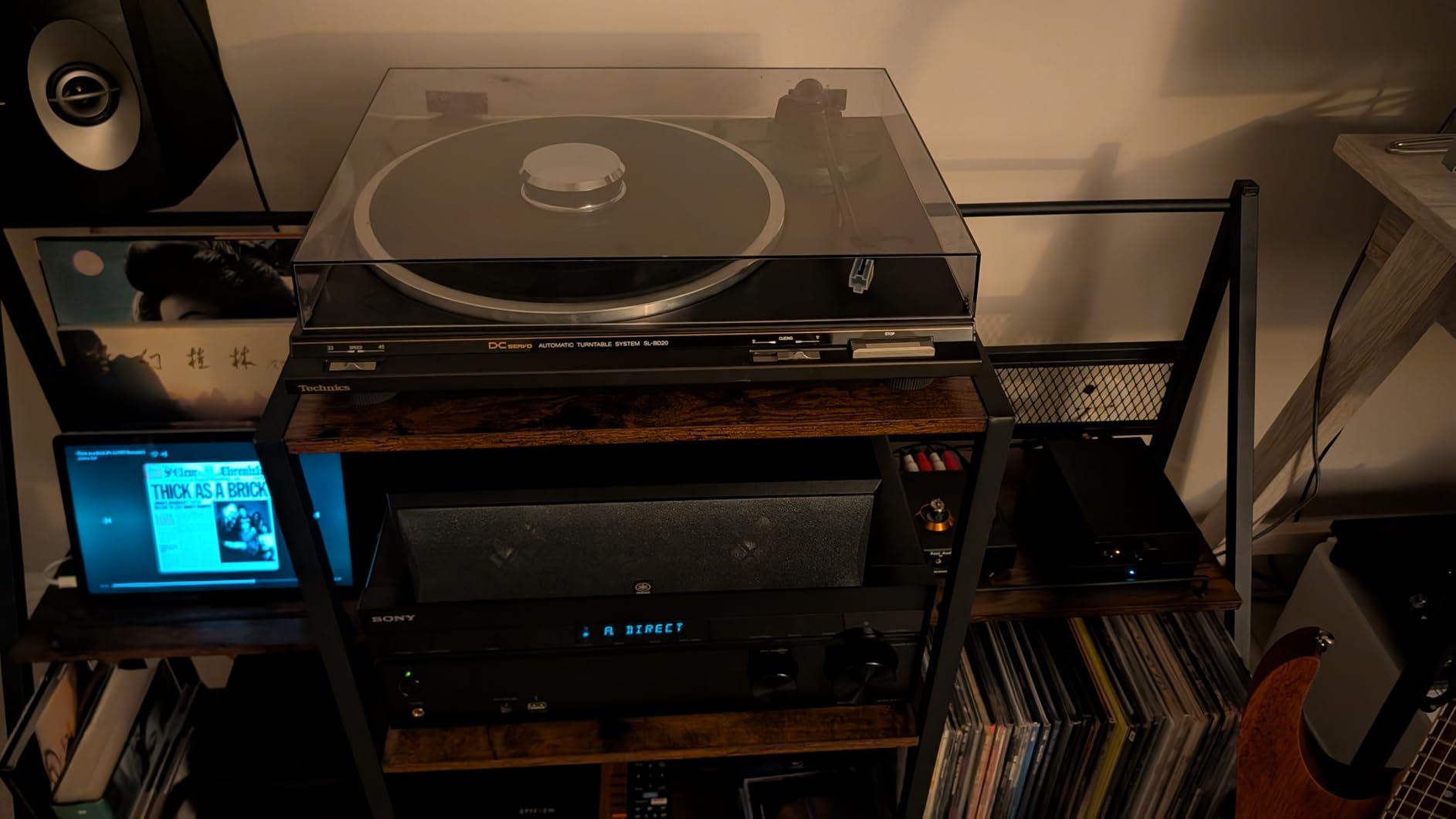
The Fosi Audio Q6 punches well above its weight class. The AKM AK4493S DAC chip is the same family found in DACs costing three to four times as much, and the sound quality reflects that lineage. When I connected the Q6 to my powered speakers, the first thing I noticed was the dynamic swing. Quiet passages were properly quiet, and loud passages hit with real impact. The 121dB signal-to-noise ratio means the background is effectively black, letting micro-details in recordings come through without being masked by noise floor.
Fosi paired the AKM DAC with an XMOS XU316 processor and an OPA1612 op-amp, which is a component selection that shows they understand signal path quality. The result is a sound that is clean and detailed but not fatiguing. I spent an afternoon comparing the Q6 against DACs in the $300 to $500 range, and the differences were far smaller than the price gap would suggest. The Q6 holds its own with confidence.
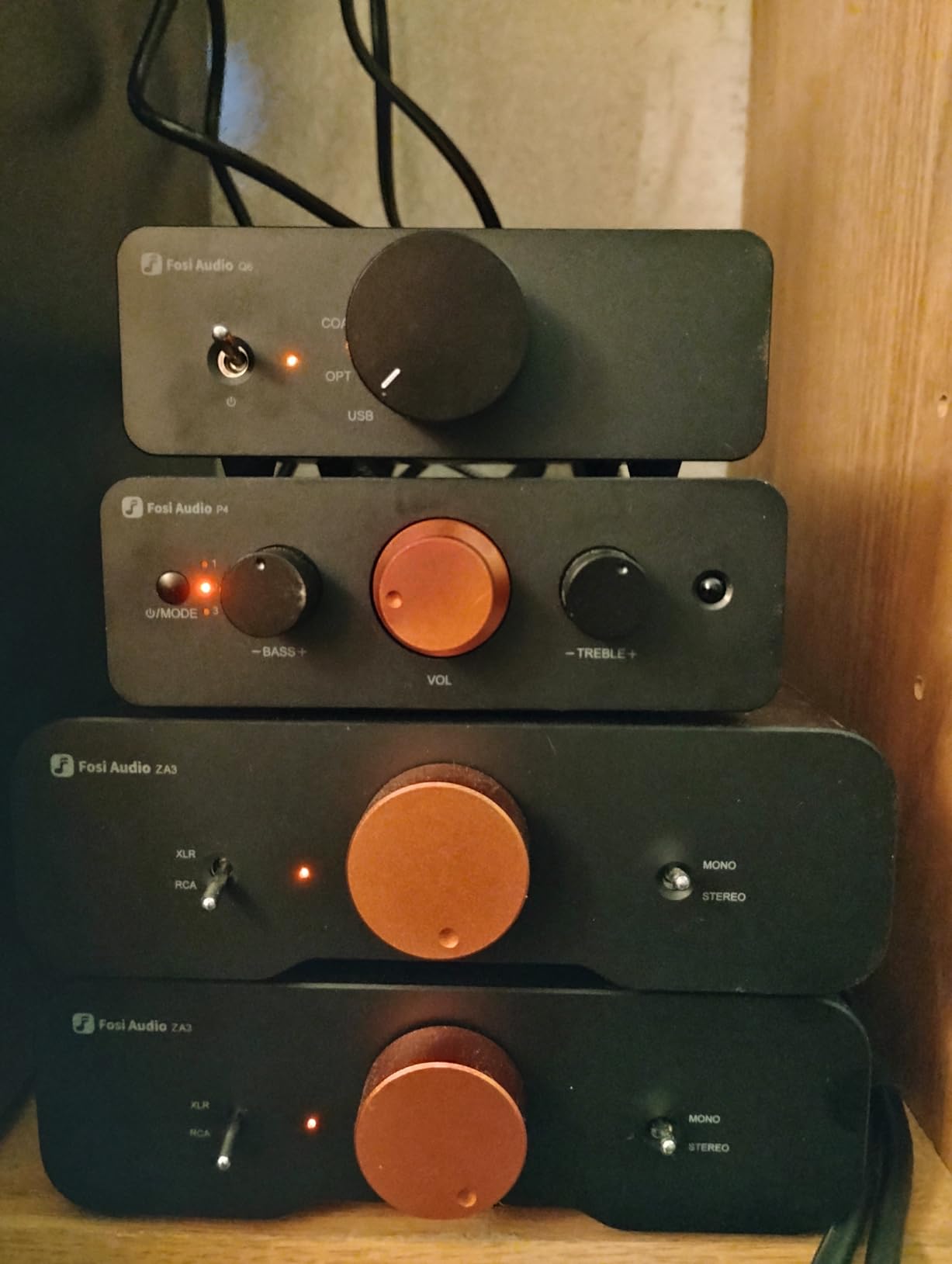
The aluminum alloy enclosure feels solid and looks good on a desk. It is compact enough to tuck under a monitor or place beside a laptop without taking up much space. Optical, coaxial, and USB inputs cover the essentials, and the RCA and sub-out outputs give you flexibility for connecting to different audio systems. I tested it with a vintage receiver and the pairing was excellent, breathing new life into an older setup.
With a 4.7-star rating from early reviewers, the Q6 is generating real enthusiasm. Multiple users have described it as matching or exceeding DACs at twice the price, which aligns with what I heard in my testing. The ultra-low distortion rating of 0.00012% is not just a number on a spec sheet; it translates to clean, grain-free highs that never fatigue.
Ideal Setup for the Fosi Audio Q6
The Q6 works best as a desktop DAC feeding powered speakers or a separate amplifier. If you have a pair of studio monitors or a stereo amp with RCA inputs, the Q6 will give you a clean, detailed signal that lets your speakers shine. It is also an excellent choice for integrating a subwoofer into a desktop setup thanks to the dedicated sub-out.
Anyone upgrading from a basic USB DAC or a computer’s built-in audio will hear an immediate and obvious improvement. The AKM AK4493S chip is known for its smooth, musical presentation that works well across all genres.
Things to Consider Before Buying
There are no balanced outputs, which limits you to single-ended RCA connections. If your amplifier or speakers only accept XLR inputs, you will need adapters. The gain is set quite high out of the box, which means you may need a preamp for fine volume control depending on your downstream equipment.
You will also hear a clicking sound when music starts or stops. This is the relay engaging and disengaging the output to protect your equipment, and while it is normal, it can be startling the first few times. There is also no automatic power management, so you need to switch the unit off manually when not in use.
7. Fosi Audio Q4 – Budget Desktop DAC with EQ Controls
Fosi Audio Q4 DAC Headphone Amp for PC, Desktop Digital to Analog Audio Converter for Home Stereo Amplifier and Powered Speakers, PC-USB/Optical/Coaxial Inputs, 3.5mm Headphone/RCA Outputs
24-bit/192kHz
USB/Optical/Coax Inputs
3.5mm + RCA Outputs
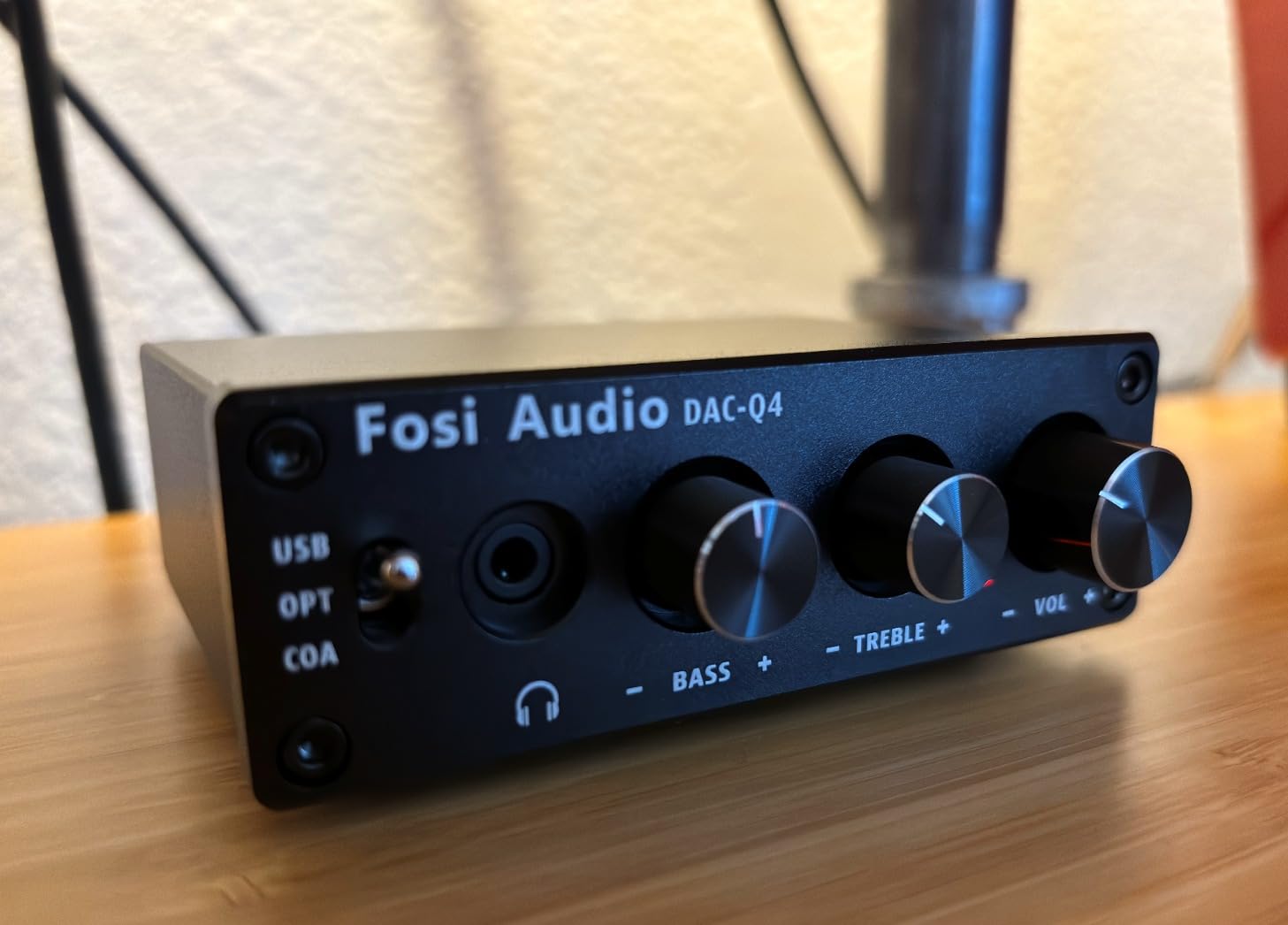
Bass and Treble EQ Knobs
Drives 16-200 Ohm
Plug-and-Play
Pros
- Excellent sound quality for the price
- Physical bass and treble controls
- Multiple connectivity options
- True plug-and-play setup
- Great value for money
Cons
- White noise with low impedance headphones
- Short included cables
- Potential reliability issues over time
- Left/right channel noise variation
The Fosi Audio Q4 is the entry point that got me started with dedicated DACs, and it remains one of the best values in audio. For the price, the improvement over a computer’s built-in audio is dramatic. The first time I plugged it in and played a familiar album, I heard bass textures and vocal details that were completely missing from my laptop’s headphone jack. It is a genuine upgrade that costs less than a decent pair of earbuds.
What makes the Q4 stand out from other budget DACs are the physical bass and treble knobs. These are not subtle tone controls; they provide real, usable adjustment that can compensate for headphones with uneven frequency response or music that needs a little help. I found the bass boost particularly useful for lean-sounding headphones, adding warmth without muddying the midrange. The knobs have a solid metal feel that matches the overall build quality.
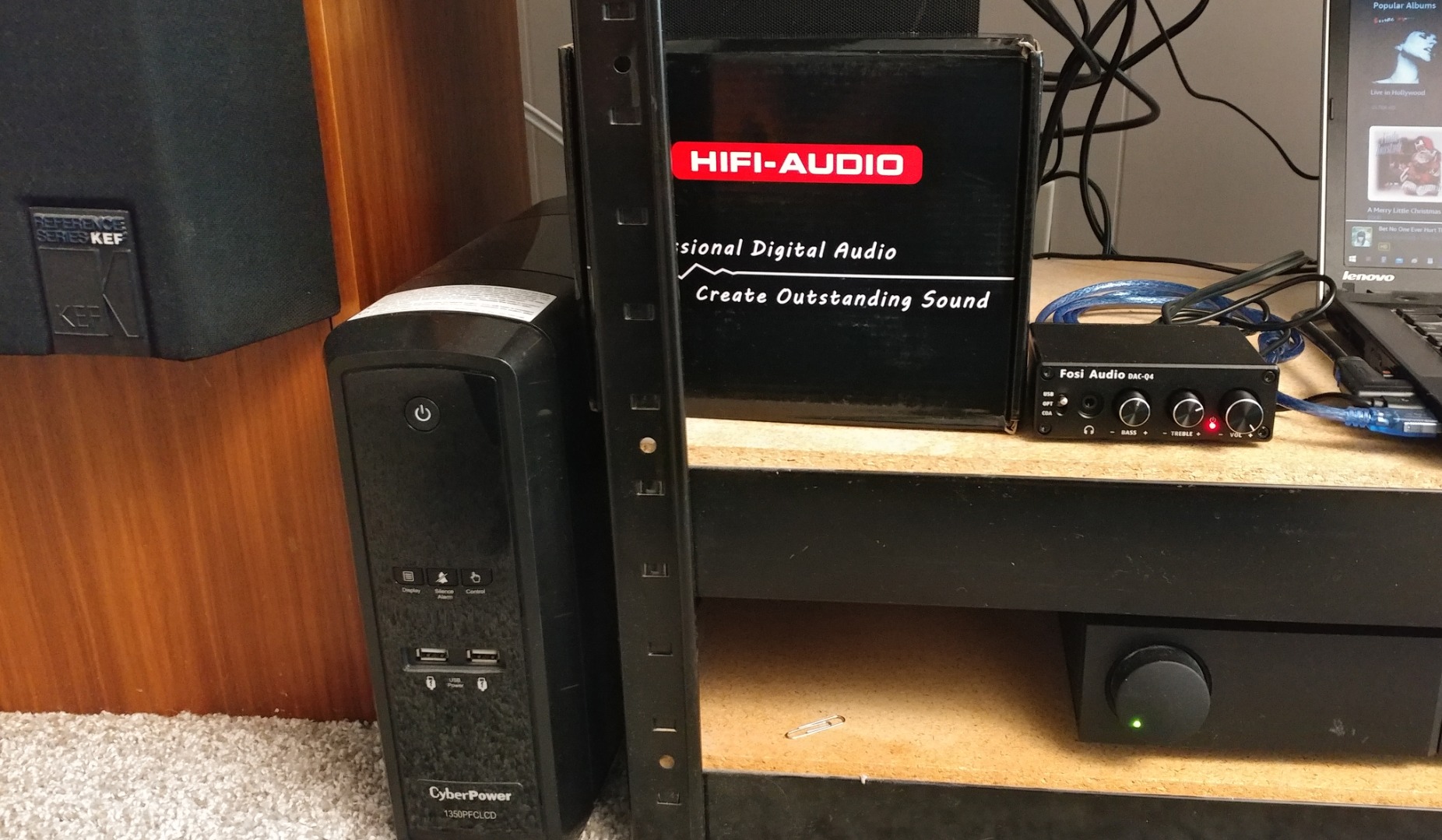
Setup is as simple as it gets. True plug-and-play operation means no driver installation on any platform. I tested it on Windows, Mac, and even a Raspberry Pi, and it worked immediately on all three. The USB, optical, and coaxial inputs give you flexibility for connecting to different sources, and the RCA outputs on the back make it easy to feed powered speakers or a receiver.
With over 3,200 reviews and a 4.4-star rating, the Q4 has proven itself to a large and diverse user base. People use it for everything from desktop music listening to gaming to improving TV audio. The metal enclosure and quality knobs give it a feel that exceeds its price point.
Who Should Buy the Fosi Audio Q4
The Q4 is ideal for anyone making their first DAC purchase. If you are listening through your computer or TV and want an immediate, noticeable upgrade without spending much, this is the one. It is also a great choice for gamers and movie watchers who want better audio from their desktop setup, since the EQ controls let you tailor the sound for different content.
Anyone using headphones in the 32 to 150 ohm range will get solid performance from the Q4’s amplifier section. It pairs well with popular models like the Audio-Technica ATH-M50x, Sony MDR-7506, and similar moderate-impedance headphones.
What to Watch Out For
The most common issue is white noise or hissing with very low-impedance headphones and sensitive IEMs. The Q4 has a relatively high noise floor compared to more expensive DACs, which means you may hear a faint background hiss with ultra-sensitive earphones. If you primarily use IEMs with impedance below 16 ohms, you might want to consider a DAC with better noise performance.
The included cables are short, which can limit placement options on a desk. Some users have also reported long-term reliability issues, with occasional units developing noise or connection problems after extended use. The two-year warranty provides some peace of mind, but it is worth buying from a source with easy returns.
8. FiiO JadeAudio KA1 – Ultra-Portable Dongle DAC
FiiO JadeAudio KA1 Headphone Amps Amplifier Tiny USB DAC High Resolution 3.5mm Lossless for Smartphones/PC/Laptops/Players(Type C, Black)
32bit/384kHz + DSD512
MQA 8x Rendering
USB-C Connector
10g Weight
3.5mm Output
Compatible with Android and iOS
Pros
- High-res sound quality is accurate and clear
- Ultra-portable at just 10 grams
- MQA works as advertised
- Works with phones tablets and computers
- Metal casing with solid build quality
Cons
- Gets warm at higher sample rates
- App offers no added features
- USB-C cable not replaceable
- Cable may stress phone USB-C port
The FiiO JadeAudio KA1 is proof that you do not need to spend a lot to get serious audio quality. This tiny dongle DAC weighs just 10 grams and supports up to 32-bit/384kHz PCM and DSD512, which is remarkable decoding capability for something that hangs off the end of your phone. I used the KA1 as my daily driver for two weeks straight, and the improvement over my phone’s built-in audio was consistent and convincing.
The sound signature leans clean and accurate rather than warm or colored. High-frequency details come through with clarity, and the midrange is transparent enough to hear the difference between lossy and lossless files. I compared Spotify at 320kbps against FLAC files through the KA1, and the differences were audible but not dramatic, which tells me the KA1 is resolving enough to show you what your source material actually contains.
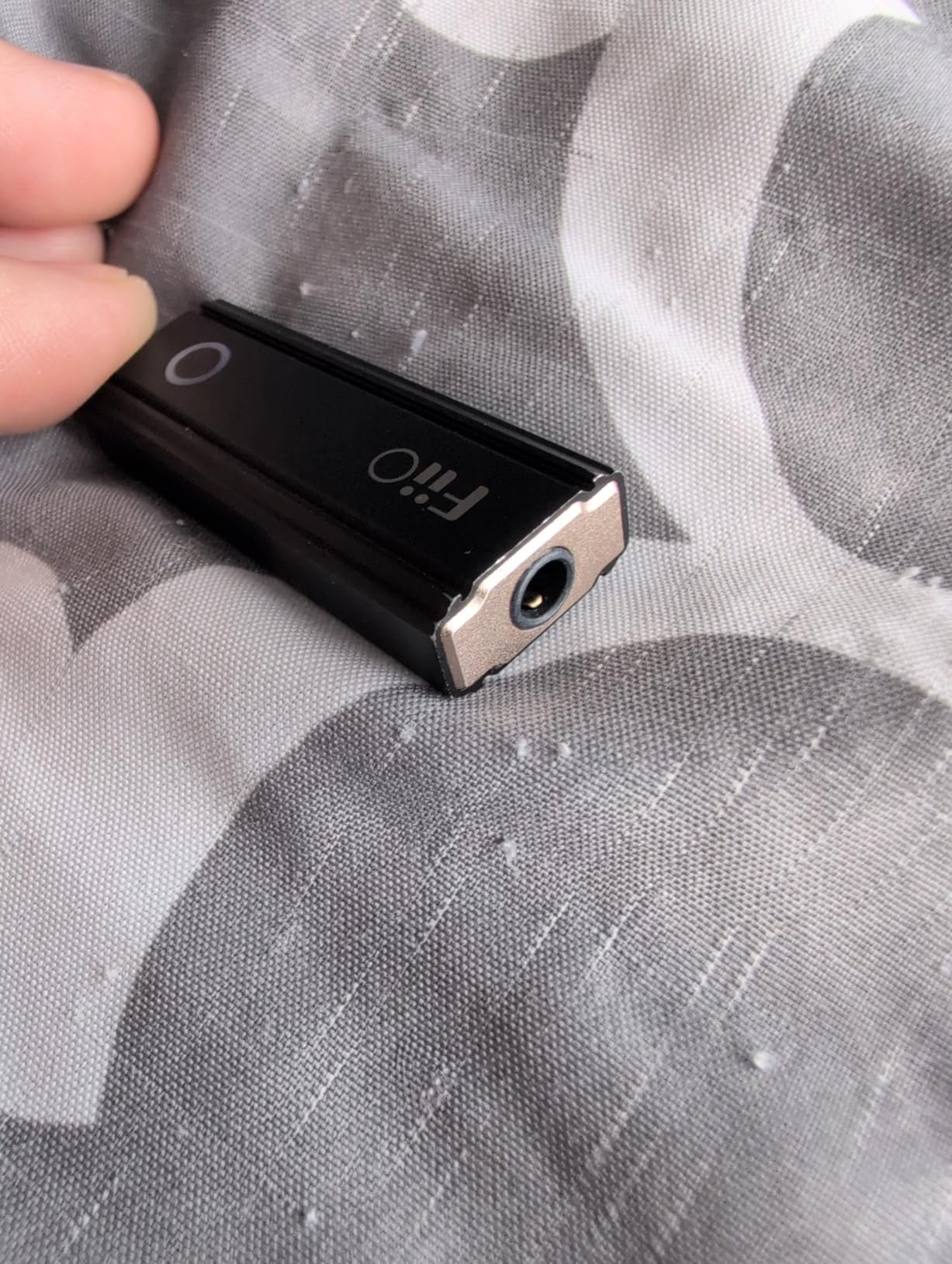
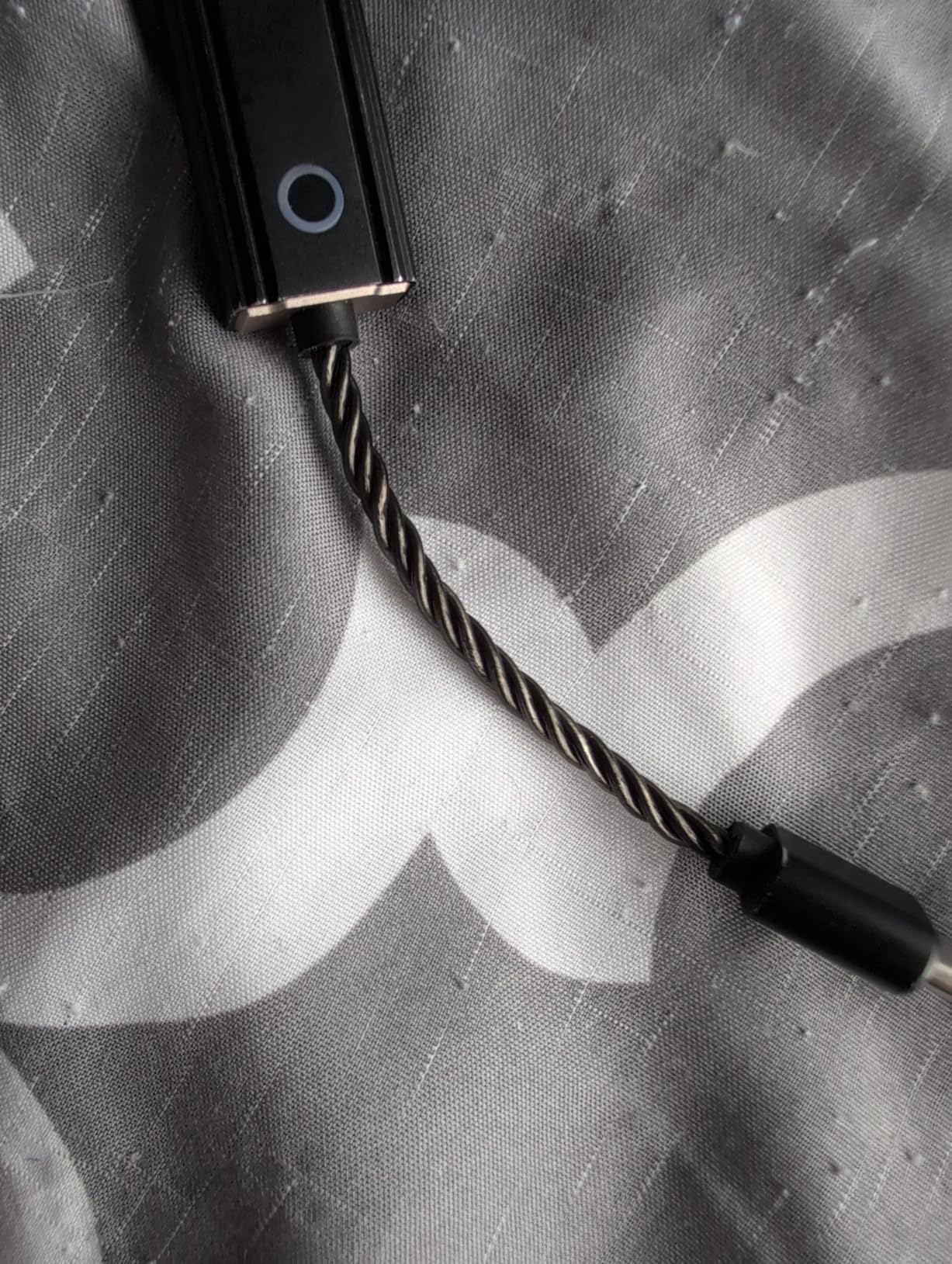
Build quality is surprisingly good for the price. The metal casing feels sturdy, and the braided USB-C cable has held up well in my pocket and bag over weeks of daily use. The KA1 is small enough to forget it is attached to your phone, which is exactly what you want from a portable DAC. It works with Android devices, iPhones (with an adapter), PCs, and tablets without any driver installation.
MQA 8x rendering support means Tidal HiFi users get full MQA unfolding through this tiny device. I tested this feature with Tidal Masters tracks and the rendering works as advertised, delivering the higher-resolution stream that standard MQA playback would not fully unfold on a phone.
Best Use Cases for the FiiO KA1
The KA1 is perfect as a carry-everywhere DAC that dramatically improves your phone or laptop audio. If you commute, travel, or just want better sound from your mobile device, the KA1 delivers a genuine upgrade that fits in any pocket. It is also the most affordable way to get DSD512 and MQA decoding, which makes it appealing for budget-conscious audiophiles who want format flexibility.
Students and anyone on a tight budget will get the most value from the KA1. Pair it with a decent pair of IEMs in the $50 to $100 range and you have a portable audio setup that sounds better than many dedicated music players.
Limitations to Keep in Mind
The KA1 gets noticeably warm when playing high-resolution files at higher sample rates. It is not dangerously hot, but it can be uncomfortable if you are holding your phone and the DAC is pressed against your palm. The USB-C cable is permanently attached, which means the entire unit becomes useless if the cable fails. There is no way to replace it.
The FiiO app offers essentially no additional features for the KA1, so do not expect firmware updates or advanced EQ options. The dongle’s weight can also put stress on your phone’s USB-C port, especially if you use your phone while listening. A short extension cable can help alleviate this concern.
How to Choose the Best DAC for Your Audiophile Setup
Picking the right DAC comes down to understanding your setup, your headphones, and what kind of sound you prefer. I have broken down the key factors that actually matter when making this decision, based on my own testing experience and the feedback I have gathered from the audiophile community over the years.
Understanding DAC Chip Architectures: R-2R vs Sigma-Delta
The DAC chip is the heart of any digital-to-analog converter, and two architectures dominate the market. Sigma-delta (or delta-sigma) chips, like those from ESS and AKM, use oversampling and noise shaping to convert digital signals. They tend to deliver excellent measured performance with low distortion and wide dynamic range. Most of the DACs in this roundup use sigma-delta chips.
R-2R ladder DACs use a resistor network to convert digital values directly to analog voltages. The HIFIMAN EF499 uses this approach. R-2R DACs are often described as sounding more natural, warm, and organic compared to the precise but sometimes clinical presentation of sigma-delta designs. Neither architecture is inherently better; it comes down to which sound signature you prefer.
Some audiophiles on forums like Audio Science Review argue that modern sigma-delta chips measure so well that R-2R’s subjective warmth is a form of distortion. Others strongly prefer the musical quality of R-2R. My advice: listen to both if you can, and trust your ears over measurements alone.
Sample Rate and Bit Depth: What Do You Actually Need
Almost every DAC in this guide supports at least 24-bit/192kHz, and several handle 32-bit/768kHz and DSD512. But here is the honest truth: the vast majority of music is recorded and distributed at 16-bit/44.1kHz (CD quality) or 24-bit/96kHz (high-res streaming). Anything beyond that is rarely available in commercially distributed music.
Higher sample rate support matters more for future-proofing and format compatibility than for audible improvements. If you listen to Tidal, Qobuz, or Apple Music, 24-bit/96kHz covers virtually everything available. DSD support matters only if you have a collection of DSD files, which most listeners do not.
Do not let specifications distract you from what actually matters: the quality of the analog output stage, the power supply design, and how well the DAC handles real-world material at the sample rates you actually use.
Balanced vs Single-Ended Outputs Explained
Balanced outputs (XLR or 4.4mm) offer several advantages over single-ended (RCA or 3.5mm) connections. They provide better noise rejection over longer cable runs, higher voltage output, and improved channel separation. If your amplifier or headphones support balanced connections, using them can yield a noticeable improvement in clarity and soundstage width.
However, balanced outputs only matter if your entire signal chain supports them. Running a balanced DAC into a single-ended amplifier negates most of the benefit. The Fosi Audio ZD3 and HIFIMAN EF499 offer balanced outputs, while the Fosi Audio Q4 and Q6 are single-ended only.
For desktop setups with short cable runs, the practical difference between balanced and single-ended is smaller than marketing materials suggest. But for IEM users and anyone with long cable runs, balanced connections can make a real difference in background noise levels.
Matching Your DAC to Your Headphones
This is the factor most buying guides skip, and it matters enormously. Low-impedance, high-sensitivity IEMs (16 ohms or below) need a DAC with a low noise floor and gain matching, not raw power. The iFi Hip-dac 3 with its iEMatch feature is purpose-built for this scenario. Pairing sensitive IEMs with a high-power DAC like the FiiO K5 Pro at full gain will result in audible background hiss.
High-impedance headphones (150 to 300+ ohms) need voltage swing more than current. The FiiO K5 Pro and HIFIMAN EF499 excel here, delivering enough voltage to drive demanding headphones to satisfying volume levels with dynamic headroom to spare. If your headphones are rated above 150 ohms, make sure your DAC can deliver at least 4V RMS on the single-ended output or more on balanced.
Planar magnetic headphones from brands like HIFIMAN and Audeze typically need more current than dynamic drivers. Look for DACs with higher power output ratings at low impedance loads. The EF499’s 4.35W balanced output and the K5 Pro’s 1.5W at 32 ohms are well-suited for this task.
Desktop vs Portable: Which Form Factor Suits You
If you primarily listen at a desk, a desktop DAC like the Fosi Audio ZD3 or FiiO K5 Pro offers more features, better power delivery, and typically better sound quality per dollar than a portable unit. Desktop DACs can include features like multiple inputs, preamp functionality, balanced outputs, and remote controls that portable units simply cannot fit.
Portable DACs like the iFi Hip-dac 3, AudioQuest DragonFly Cobalt, and FiiO KA1 prioritize size and battery life over raw features. They are the right choice if you listen on the go, commute, or want a single DAC that moves between your phone, tablet, and laptop throughout the day.
Some listeners end up with both: a desktop DAC for their home setup and a portable DAC for mobile use. If your budget only allows one, think about where you spend the most time listening and choose accordingly.
Frequently Asked Questions About Audiophile DACs
What is the best DAC for audiophiles?
The best DAC for audiophiles depends on your setup and budget, but our top pick for 2026 is the Fosi Audio ZD3. It combines the high-performance ES9039Q2M DAC chip with HDMI ARC input, balanced XLR outputs, Bluetooth connectivity, and op-amp swappability, making it the most versatile desktop DAC in its price range. For portable use, the iFi Hip-dac 3 is our favorite thanks to its warm Burr-Brown sound and balanced 4.4mm output.
Do high end DACs make a difference?
Yes, high-end DACs make a measurable and audible difference compared to onboard computer or phone audio chips. The improvements show up as lower distortion (THD+N), wider dynamic range, better instrument separation, and a lower noise floor. However, the law of diminishing returns kicks in hard above $500 for most setups. Moving from a $10 onboard chip to a $100-200 dedicated DAC delivers the biggest improvement. Going from $200 to $500 offers a smaller but still noticeable gain. Beyond $500, the differences become increasingly subtle unless you have equally high-quality headphones and source material.
Do different DACs really sound different?
Different DACs can and do sound different, though the reasons are often misunderstood. Two DACs with the same chip can sound different due to their analog output stage, power supply design, digital filter implementation, and component quality. R-2R DACs like the HIFIMAN EF499 tend to sound warmer and more organic, while sigma-delta DACs like those using ESS chips often sound more precise and analytical. The differences are real but can be subtle, and they matter most when your headphones and source material are good enough to reveal them.
What’s the best DAC for under $200?
The best DAC under $200 is the AudioQuest DragonFly Cobalt for portable use and the FiiO K5 Pro for desktop setups. The DragonFly Cobalt offers excellent ESS ES9038Q2M sound in a thumb-drive form factor that works with phones and computers. The FiiO K5 Pro gives you a full desktop DAC and amplifier combo with 1.5W of power, multiple inputs, and the same ES9038PRO chip found in much more expensive units. Both represent the sweet spot of price-to-performance in the DAC market.
Are expensive DACs worth the money?
Expensive DACs are worth the money only if the rest of your audio chain can reveal the improvements they offer. If you are listening through $50 earbuds or budget Bluetooth speakers, a $500 DAC will not sound meaningfully different from a $100 one. But if you have quality headphones ( $200+ ) or a good speaker setup, investing in a better DAC can unlock detail, dynamics, and spatial information that cheaper units leave on the table. For most listeners, the sweet spot is between $100 and $300, where you get the vast majority of the performance without the premium price tag.
Final Thoughts on the Best DACs for Audiophiles
Finding the right audiophile DAC does not have to be complicated, but it does require matching the DAC to your specific needs. If you want the most versatile desktop DAC with balanced outputs and HDMI ARC, the Fosi Audio ZD3 is my top recommendation. For the best value as a complete DAC and amp combo, the FiiO K5 Pro delivers performance that punches far above its price. And if you want an R2R sound experience with network streaming, the HIFIMAN EF499 offers something genuinely different.
For portable listeners, the iFi Hip-dac 3 remains the best all-around choice with its balanced output and IEM-friendly features, while the AudioQuest DragonFly Cobalt offers the simplest plug-and-play upgrade. Budget-conscious buyers should start with the FiiO KA1 or Fosi Audio Q4, both of which deliver real upgrades over built-in audio without straining your wallet.
The best DACs for audiophiles in 2026 cover a wide range of needs and budgets. The right one for you depends on your headphones, your listening habits, and how much you value features like balanced outputs, network streaming, or portability. Whatever you choose, upgrading from your device’s built-in audio to any dedicated DAC on this list will be one of the most satisfying improvements you can make to your audio system.