
I have played keyboards for over 15 years, and if there is one piece of gear that gets treated like an afterthought, it is the sustain pedal. Most players grab whatever ships in the box or pick up the cheapest footswitch they can find. Then they wonder why their playing sounds choppy, their pedal slips mid-performance, or the thing breaks after two weeks of gigging.
Finding the best keyboard pedals means looking beyond price tags. You need to think about polarity compatibility with your specific keyboard, whether you need half-damper support for expressive classical pieces, and whether the build quality will survive being thrown in a gig bag every weekend. I have tested all 12 pedals in this guide across home practice sessions, studio recording, and live performances.
Whether you are a beginner who just needs something that works with a Casio CDP-S150 or a gigging keyboardist who needs a tank-like pedal for a Roland RD-2000, this guide covers every tier. I also include expression pedals and volume controllers for players who need more than simple sustain. If you are building out a full music production setup, getting your pedal right is just as important as choosing your keyboard itself.
Top 3 Picks for Best Keyboard Pedals

M-Audio SP-2 Sustain Pedal
- Piano-style action
- Polarity switch
- Universal compatibility
- 6ft cable
Roland DP-10 Real-Feel Pedal
- Half-damper support
- 2.2m cable
- Non-slip rubber plate
- Pro build quality
Best Keyboard Pedals in 2026 – Quick Overview
Here is the full lineup of all 12 pedals I tested. Each one earned its place through real-world use, not just spec-sheet reading.
| Product | Specifications | Action |
|---|---|---|
| M-Audio SP-2 Sustain Pedal |
|
Check Latest Price |
 Soraco Universal Sustain Pedal Soraco Universal Sustain Pedal |
|
Check Latest Price |
| Roland DP-10 Real-Feel Pedal |
|
Check Latest Price |
 Yamaha FC4A Assignable Pedal Yamaha FC4A Assignable Pedal |
|
Check Latest Price |
 Yamaha FC5 Compact Foot Switch Yamaha FC5 Compact Foot Switch |
|
Check Latest Price |
 Nektar NP-2 Piano-style Pedal Nektar NP-2 Piano-style Pedal |
|
Check Latest Price |
 Donner DSP-001 Sustain Pedal Donner DSP-001 Sustain Pedal |
|
Check Latest Price |
 Casio SP-20 Piano-Style Pedal Casio SP-20 Piano-Style Pedal |
|
Check Latest Price |
 On-Stage KSP100 Universal Pedal On-Stage KSP100 Universal Pedal |
|
Check Latest Price |
 Alesis ASP-1 MKII Sustain Pedal Alesis ASP-1 MKII Sustain Pedal |
|
Check Latest Price |
 M-Audio EX-P Expression Pedal M-Audio EX-P Expression Pedal |
|
Check Latest Price |
 Yamaha FC7 Volume Foot Controller Yamaha FC7 Volume Foot Controller |
|
Check Latest Price |
1. M-Audio SP-2 – The Universal Workhorse Sustain Pedal
M-AUDIO SP-2 Universal Sustain Pedal
Piano-style action
Polarity switch
6ft cable
Universal compatibility
Rubber pads
Pros
- Heavy-duty tank-like build quality
- Piano-style action with natural resistance
- Polarity switch for universal compatibility
- Proven 15+ year durability
- Quiet operation for studio use
Cons
- No half-damper capability
- Cable strain relief not touring-grade
- Can slide on certain hard floors
The M-Audio SP-2 has been my go-to sustain pedal for years, and there is a reason it sits at number one in Amazon’s keyboard pedal category with over 29,000 reviews. I first picked one up when my stock Casio pedal died after three months, and the difference was immediately noticeable. The piano-style action gives you that weighted resistance you expect from an acoustic piano damper pedal.
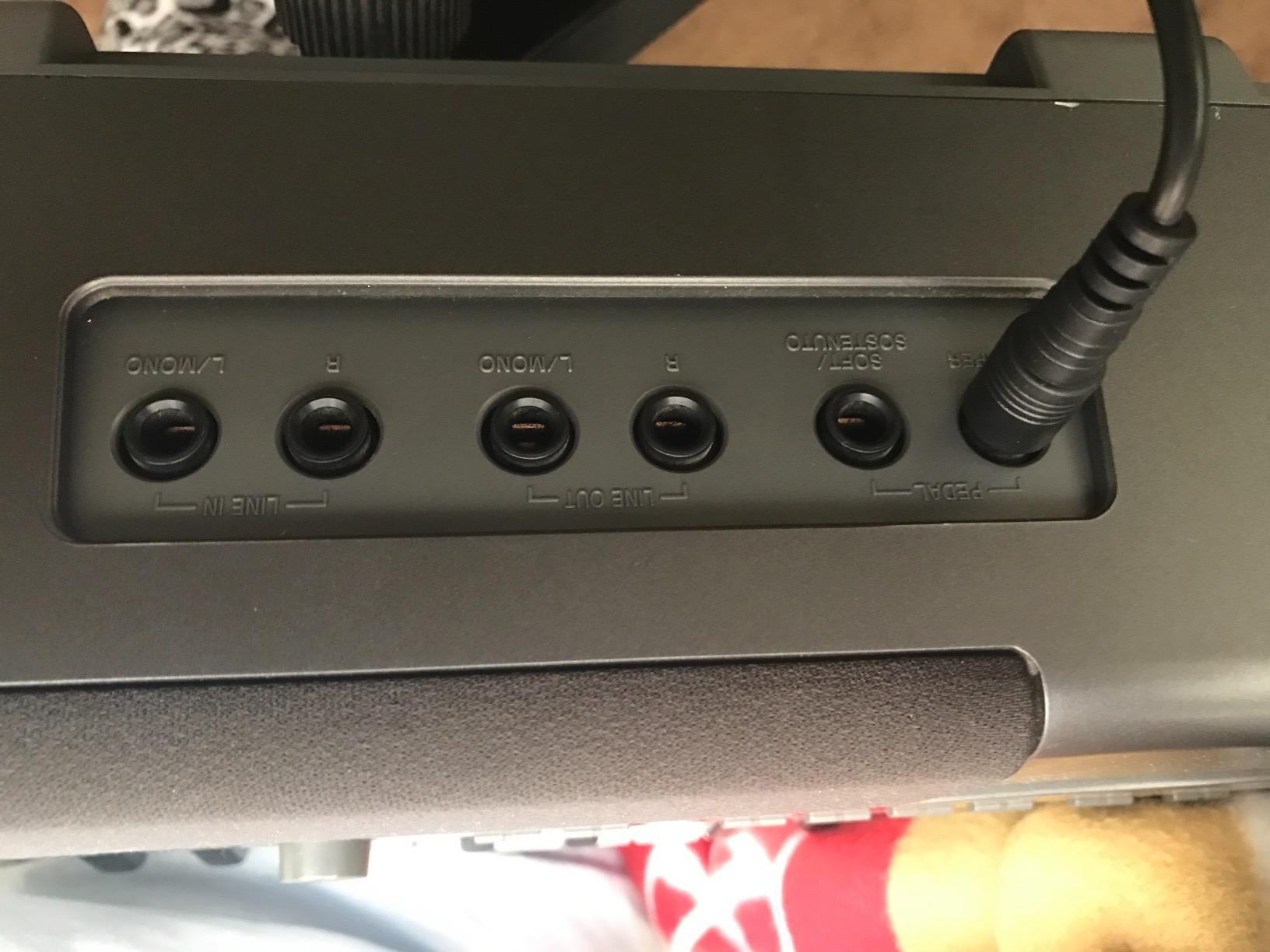
What sets the SP-2 apart from cheaper options is the polarity switch on the side. This small toggle saves you from the dreaded reverse sustain problem, where notes hold when you release the pedal instead of when you press it. I have used this pedal with Yamaha, Casio, Roland, Korg, and M-Audio keyboards without a single compatibility issue.
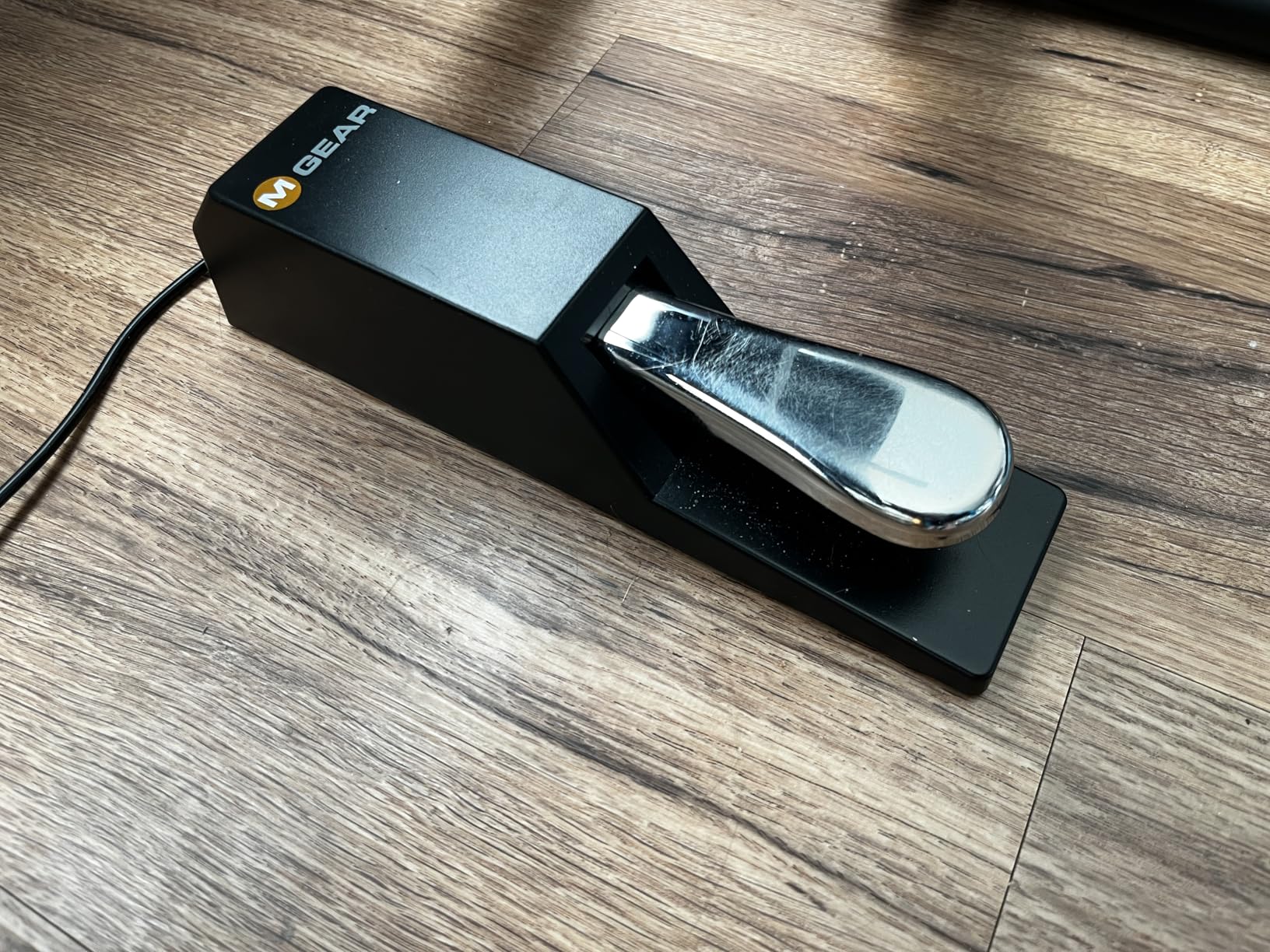
The build quality is where this pedal really earns its reputation. The chassis feels solid and heavy, with rubber pads on the underside that grip most floor surfaces. I have had the same SP-2 for over six years of regular use, and the action still feels as smooth as day one. That said, the cable strain relief where the wire enters the pedal could be beefier for touring musicians who yank cables out of bags.
One thing to keep in mind is that the SP-2 does not support half-damper functionality. If you play advanced classical repertoire that requires nuanced sustain control, you will want to look at the Roland DP-10 or Yamaha FC4A instead. But for most players, the simple on/off sustain is all you need.
Best Use Case for the SP-2
The M-Audio SP-2 shines as an everyday sustain pedal for home practice, studio recording, and light gigging. It is the pedal I recommend to anyone who wants a reliable, no-fuss option that works with virtually any keyboard. If you are upgrading from a flimsy stock pedal, this is your move.
Forum users on Reddit consistently cite the SP-2 as a dependable workhorse. Multiple players report 10 to 15 years of service from a single unit, which speaks volumes about the long-term value. At its price point, the durability per dollar is hard to beat.
Compatibility Notes Across Keyboard Brands
The polarity switch handles the most common compatibility issue between brands. Yamaha keyboards typically use normally open polarity, while Casio and some Roland models use normally closed. The SP-2 handles both with a simple toggle.
One thing I learned from forum discussions is that some keyboards hardwire sustain polarity and cannot be changed in software. In those cases, having a physical polarity switch on the pedal itself is essential. The SP-2 covers this base perfectly.
2. Soraco Universal Sustain Pedal – Best Budget Keyboard Pedal
Soraco Sustain Pedal Universal for Yamaha Casio Roland Korg Behringer Moog Piano Midi Electronic keyboards Style with Polarity Switch, 1/4” Input Plug
Polarity switch
Stainless steel pedal
65-inch cable
Anti-slip rubber base
Universal
Pros
- Excellent value at budget price point
- Stainless steel weighted pedal
- Polarity switch for universal compatibility
- Long 65-inch cable
- Plug-and-play setup
Cons
- Lighter weight than premium pedals
- Can slide on some surfaces
- Occasional quality control issues
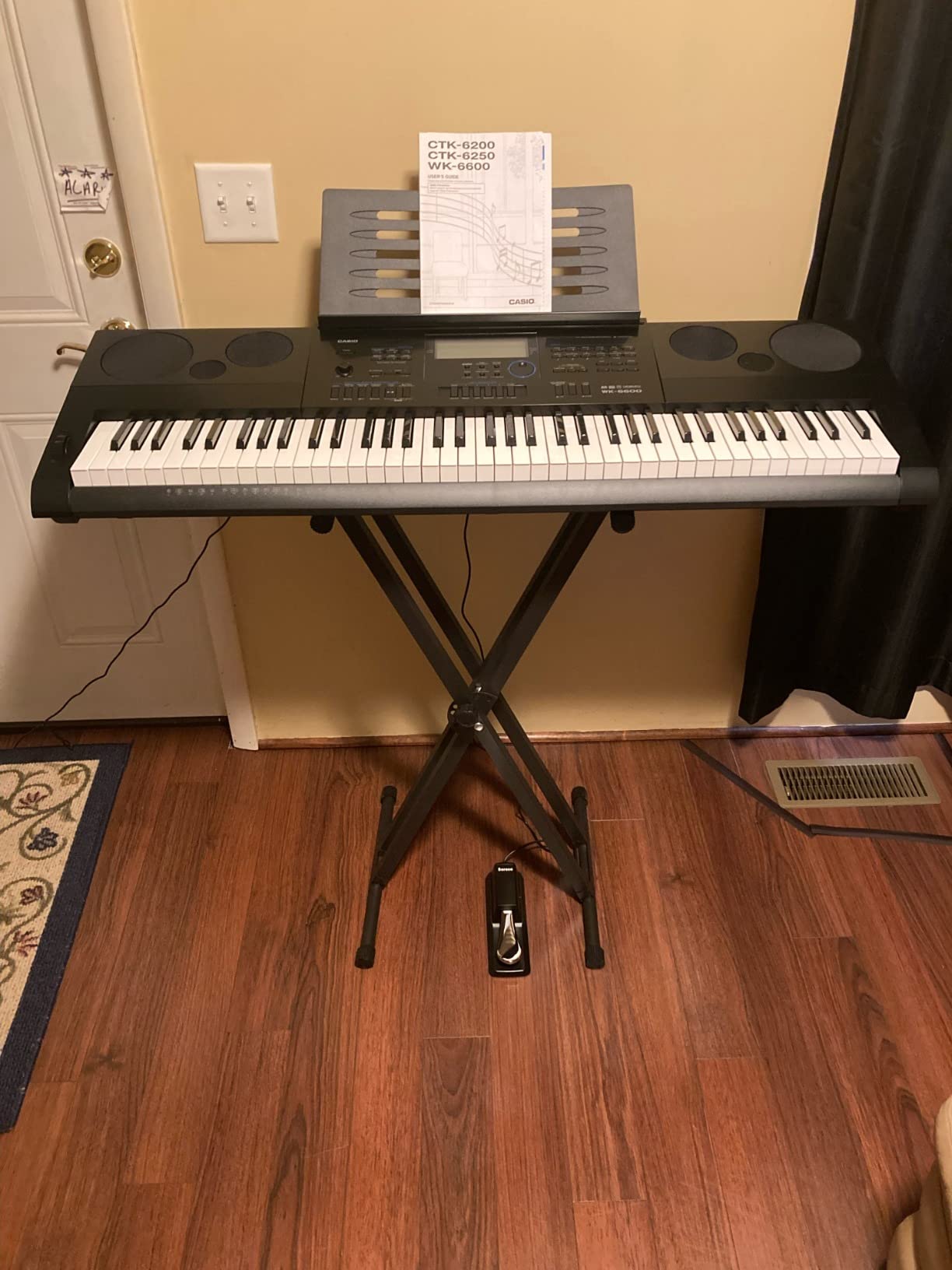
When I first saw the Soraco sustain pedal priced significantly lower than the M-Audio SP-2, I was skeptical. But after testing it for a month across practice sessions with three different keyboards, I came away impressed. The stainless steel pedal top delivers a natural piano-like resistance that feels surprisingly close to pedals costing twice as much.
The built-in polarity switch is the feature that makes this pedal genuinely universal. I tested it with a Yamaha P-71, a Casio CT-S300, and a Roland Go:Keys, and it worked correctly with all three after a quick polarity toggle. The 65-inch cable is longer than most pedals in this price range, giving you more flexibility for stage positioning.
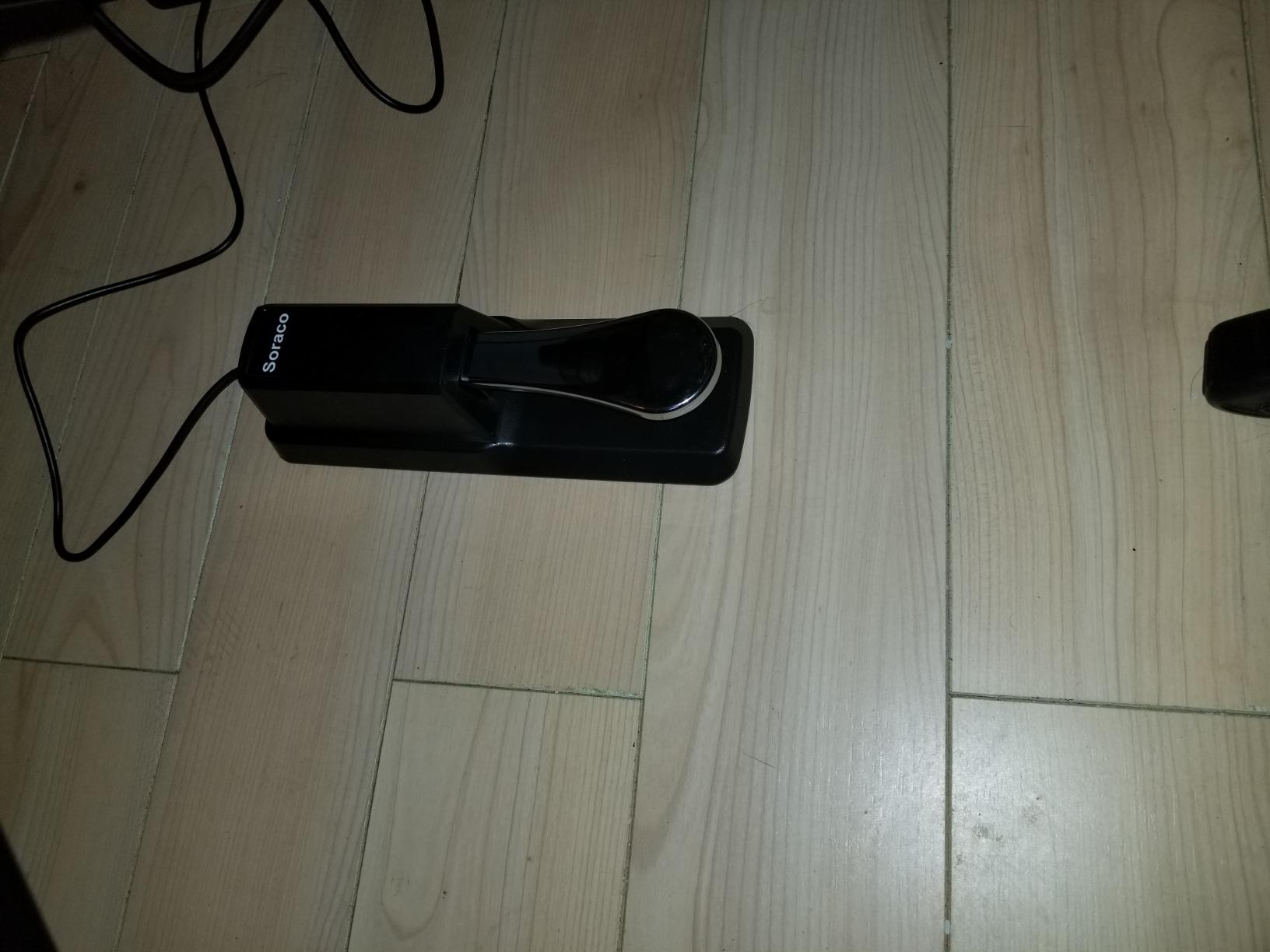
Build quality is solid for the price, with a metal pedal surface and a rubberized housing that feels durable. The anti-slip rubber base does a decent job on hard floors, though I did notice some movement on polished tile during aggressive playing sessions. On carpet, it stayed planted.
The main trade-off is weight. At under a pound, the Soraco is noticeably lighter than the Roland DP-10 or M-Audio SP-2. This makes it great for portability but means it may shift during intense performance. A small piece of grippy shelf liner underneath solves this completely.
Who Should Buy the Soraco Pedal
This is the best keyboard pedal for beginners and budget-conscious players who want something better than a flimsy stock footswitch. If you are just starting lessons or setting up a home practice station, the Soraco gives you 90 percent of the performance of premium pedals at a fraction of the cost.
It is also a great backup pedal for gigging musicians. I keep one in my gig bag as a spare, and at this price, replacing it would not hurt the wallet if it gets damaged on the road.
Longevity and Durability Expectations
With over 6,000 reviews and a 4.5-star average, the Soraco has a proven track record. Most users report months to years of reliable use. The 4 percent one-star reviews suggest occasional quality control variance between units, so buying from a seller with a good return policy is wise.
The stainless steel pedal surface resists corrosion and wear, which is important if you play in humid environments or have sweaty feet during long sessions. The internal spring mechanism is the most likely failure point, as with any budget pedal.
3. Roland DP-10 – Premium Half-Damper Sustain Pedal
Roland DP-10 Real-Feel Pedal with Non-Slip Rubber Plate
Half-damper compatible
2.2m extended cable
Non-slip rubber plate
Real-feel action
Pro build
Pros
- Genuine Roland build quality
- Full and half-damper compatible
- Extended 2.2m cable
- Non-slip extending rubber plate
- Extremely quiet operation
Cons
- Pricier than budget alternatives
- Heavier than lightweight gig pedals
- Polarity switch not externally obvious on some versions
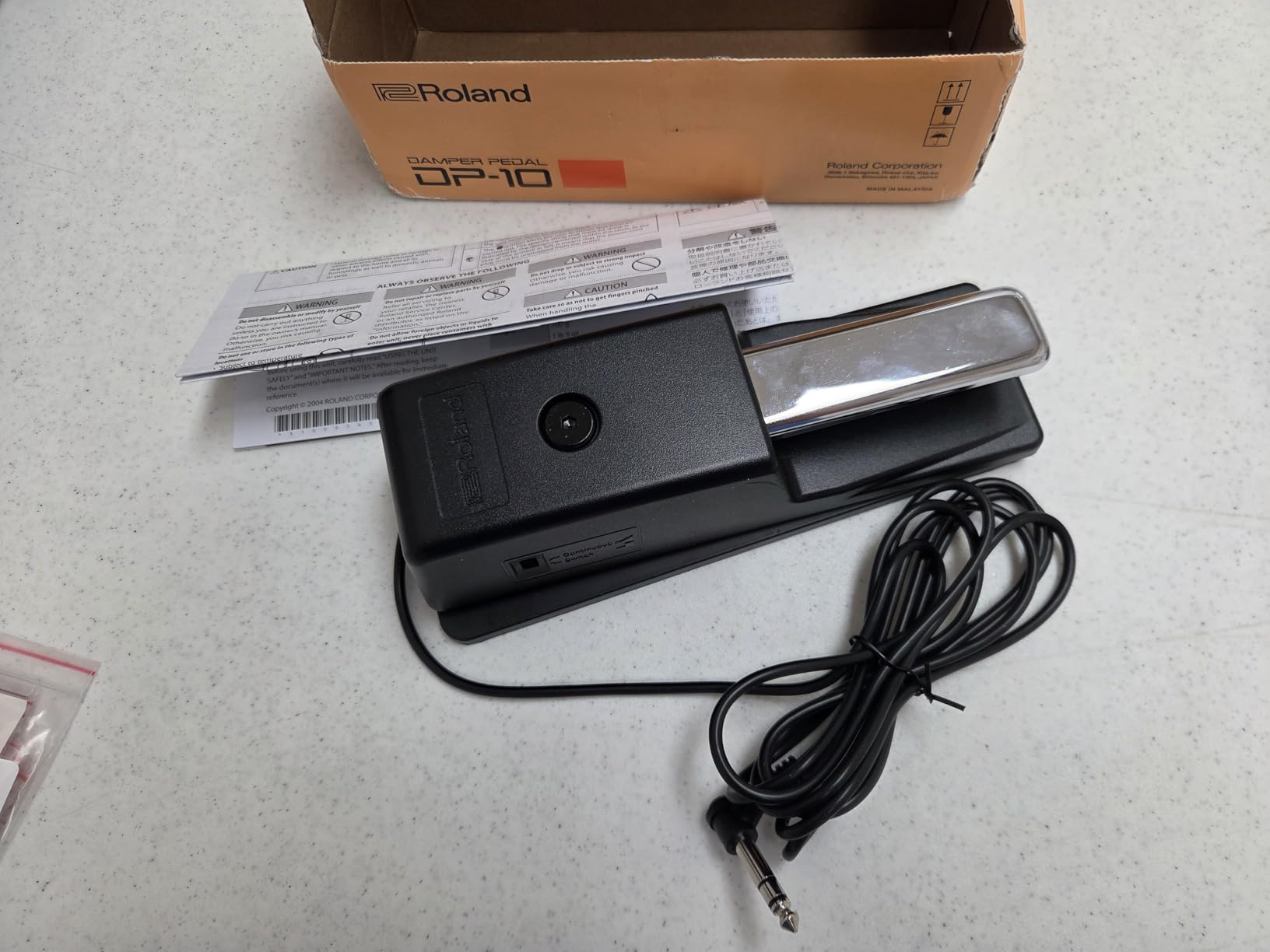
The Roland DP-10 is the pedal I reach for when I need expressive control over sustain. The half-damper support is what separates this from every budget option on the list. When you press the pedal partially, you get a partial sustain effect that lets you control how much resonance rings through, just like a real acoustic piano.
I tested the DP-10 with a Roland FP-30X and the half-damper response was silky smooth. The pedal communicates continuous position data to compatible keyboards, giving you that nuanced control that classical pianists demand. This is something the M-Audio SP-2 and Soraco simply cannot do.
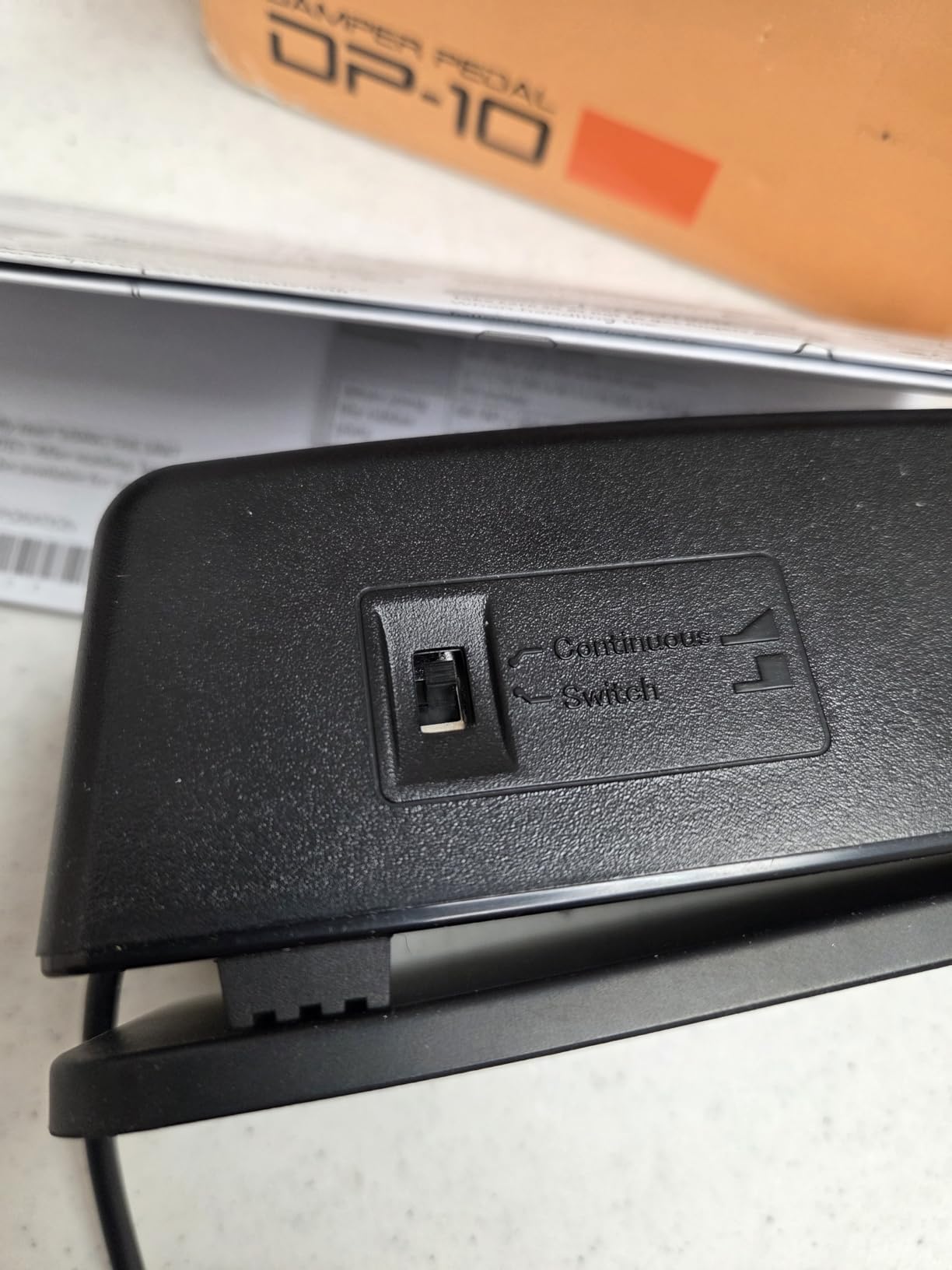
The non-slip rubber base is one of the best designs I have seen. It features an extending rubber plate that gives you extra surface area for your heel, which prevents the pedal from creeping forward during play. This is a real problem with other pedals, and the DP-10 solves it elegantly.
The 2.2-meter cable is the longest on this list, and it makes a huge difference for live setups. If you use stacked keyboards on a tiered stand, you can route the cable cleanly without an extension. The build quality feels like a piece of professional gear, not a consumer accessory.
Half-Damper Functionality Explained
Half-damper works by sending continuous pedal position data rather than a simple on/off signal. When you press the pedal halfway down, the keyboard produces a partial sustain, letting some notes ring while others dampen. This is essential for advanced classical techniques.
Important note: your keyboard must support half-damper input for this feature to work. The DP-10 will still function as a standard on/off sustain pedal with non-compatible keyboards, but you will not get the expressive benefit. Check your keyboard’s manual for a half-damper or continuous pedal input.
Is the Premium Price Worth It
If you play classical piano repertoire, study advanced technique, or own a Roland digital piano, the DP-10 is absolutely worth the investment. The authentic feel and half-damper support elevate your playing in ways that a budget pedal cannot match.
For casual players who just need basic sustain, the price premium may be hard to justify. The M-Audio SP-2 covers basic needs at roughly half the cost. But for serious players, the DP-10 is a professional-grade tool that will last years.
4. Yamaha FC4A – Authentic OEM Sustain Pedal for Yamaha Keyboards
Yamaha FC4A Assignable Piano Sustain Foot Pedal
Authentic piano feel
Assignable function
Anti-slip rubber
Reduced noise
Yamaha OEM
Pros
- Authentic weighted piano pedal feel
- Improved anti-slip rubber base
- Reduced mechanical noise
- Plug-and-play with Yamaha keyboards
- 10+ year durability reports
Cons
- No built-in polarity switch
- Can slide on carpet
- Limited non-Yamaha compatibility
- Pricier than third-party options
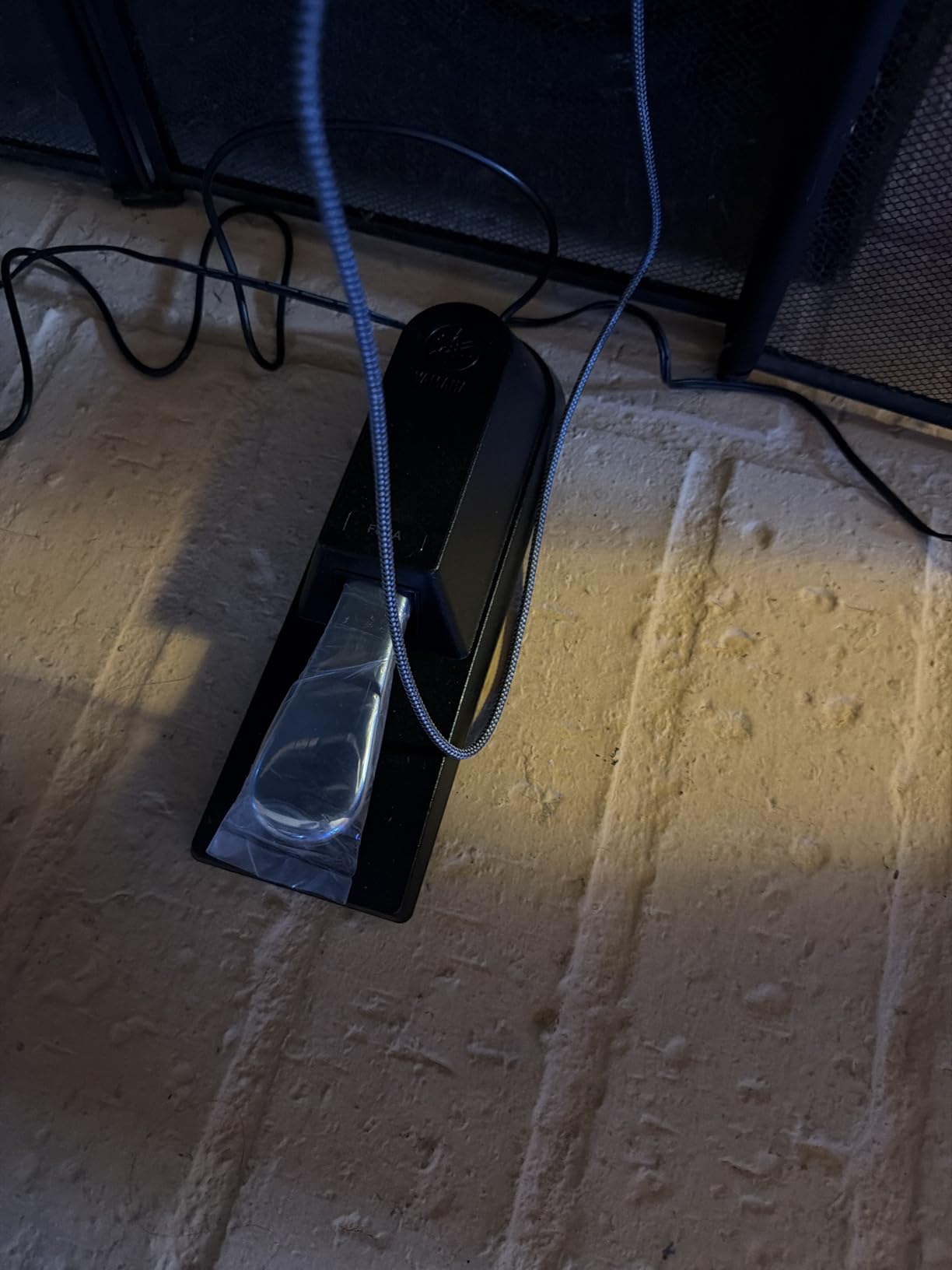
The Yamaha FC4A is the pedal I recommend specifically for Yamaha keyboard owners. When you pair it with a Yamaha PSR, MX, P-series, or MODX keyboard, you get seamless plug-and-play compatibility with zero polarity issues. The weighted action feels remarkably close to a real acoustic piano damper pedal.
Yamaha redesigned this pedal with improved anti-slip rubber compared to the older FC4 model, and it shows. The rubber base grips hardwood and tile floors well, though some users report movement on thick carpet. The mechanical noise has also been reduced, making it suitable for quiet studio recording.
The assignable function is a nice touch that most people overlook. On compatible Yamaha keyboards, you can reassign the pedal to control functions beyond sustain, such as style start and stop, fill-ins, or patch changes. This adds versatility that basic sustain pedals lack.
The main downside is the lack of a physical polarity switch. Yamaha keyboards auto-detect polarity, so this is not an issue if you stick with Yamaha gear. But if you try using the FC4A with a Casio or Roland keyboard, you may run into reverse sustain problems with no easy fix.
Yamaha Keyboard Compatibility Guide
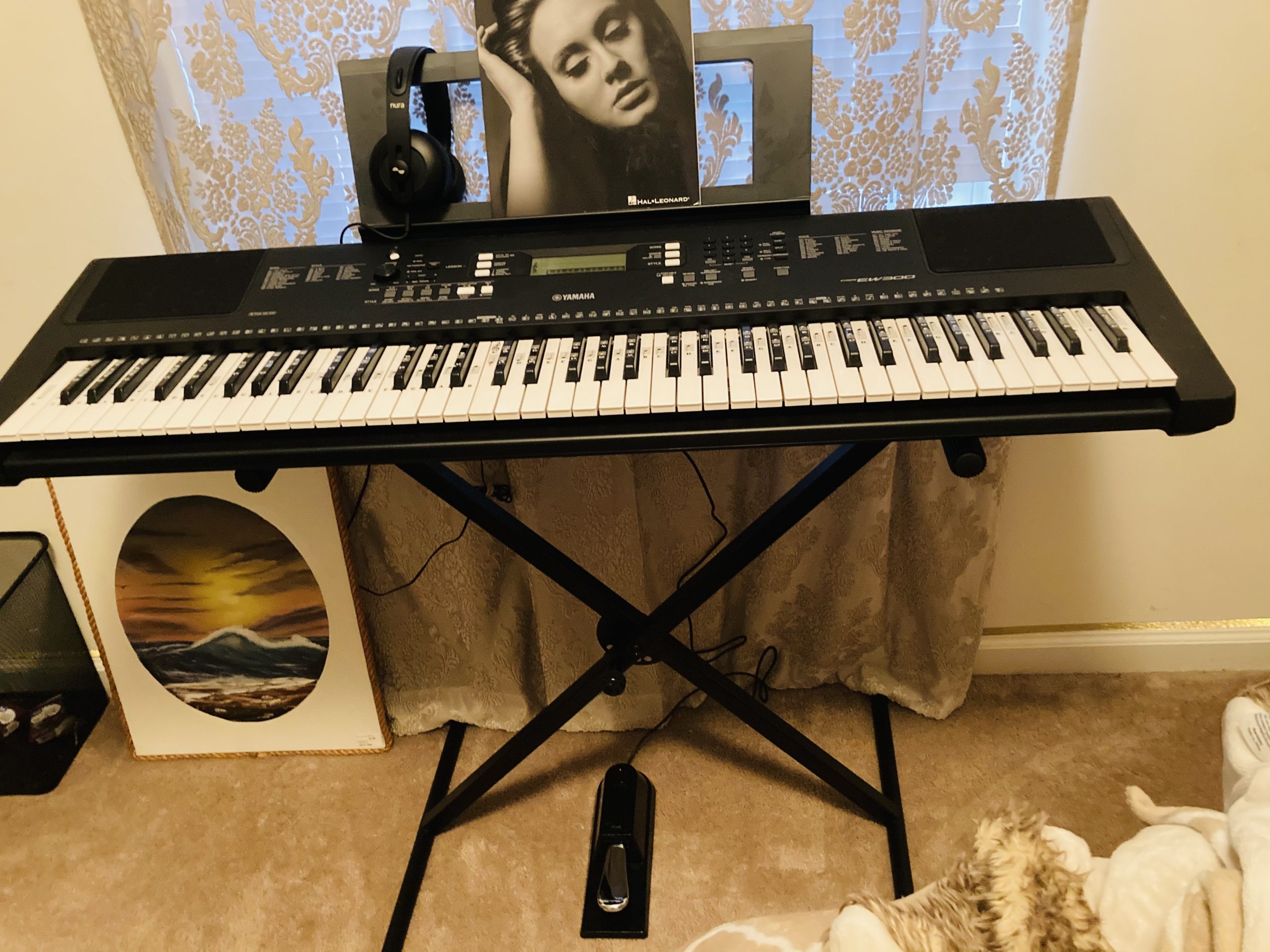
The FC4A works flawlessly with the entire Yamaha PSR series, MX series, P-series (P-45, P-71, P-125, P-515), MODX, and Genos keyboards. Simply plug it in and play, no configuration needed.
For non-Yamaha keyboards, you can sometimes fix polarity by holding the pedal down while powering on the keyboard. This forces the keyboard to recalibrate its sustain polarity. It works with some models but not all.
Comparing FC4A to the Older FC4
The FC4A is a direct upgrade from the original FC4. The key improvements are the quieter action, better rubber grip, and a slightly redesigned internal mechanism. If you have an older FC4 that still works, the upgrade is not essential.
However, if you are buying new, always go for the FC4A over a used FC4. The noise reduction alone makes it worth it for recording purposes.
5. Yamaha FC5 Compact Foot Switch – Best Budget Footswitch
Yamaha Compact Foot Switch, Universally Compatible, 5-Foot Cable, 0.25-Inch Plug, Black FC5
Compact design
5ft cable
Non-slip rubber
Universal footswitch
Yamaha build
Pros
- Compact and portable
- Highly reliable long-term
- Non-slip rubber backing
- Affordable Yamaha quality
- Works as sustain or footswitch
Cons
- Footswitch style not piano-style
- Side screws may need tightening
- Fixed 5-foot cable
- Learning curve for piano players
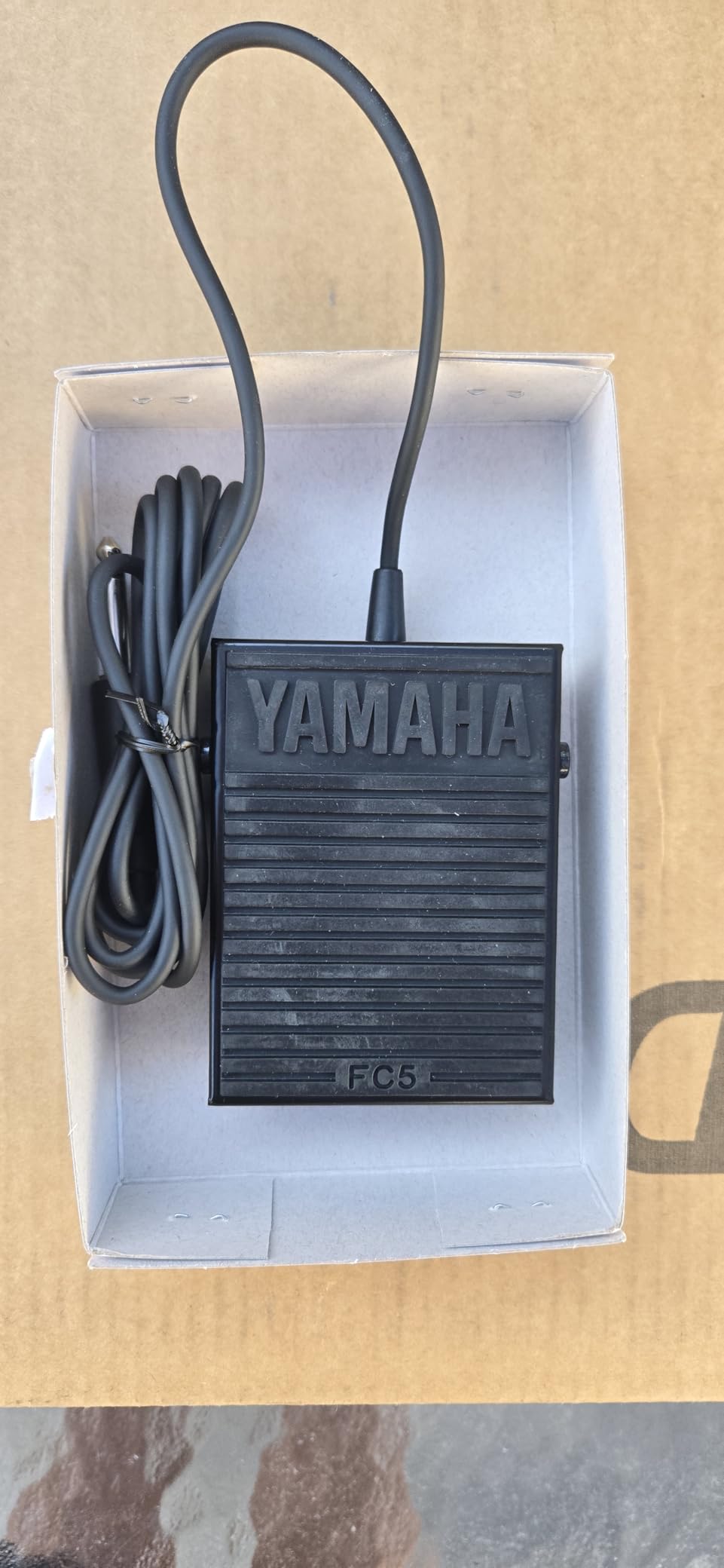
The Yamaha FC5 is the pedal that came bundled with my first keyboard, and honestly, I underestimated it for years. This compact foot switch style pedal is not trying to replicate the feel of an acoustic piano damper. Instead, it is a simple, rugged on/off switch that just works.
What surprised me most is the durability. I have seen FC5 units that have been gigged for over a decade and still function perfectly. The compact footprint makes it easy to position under any keyboard setup, and it takes up minimal space in a gear bag.
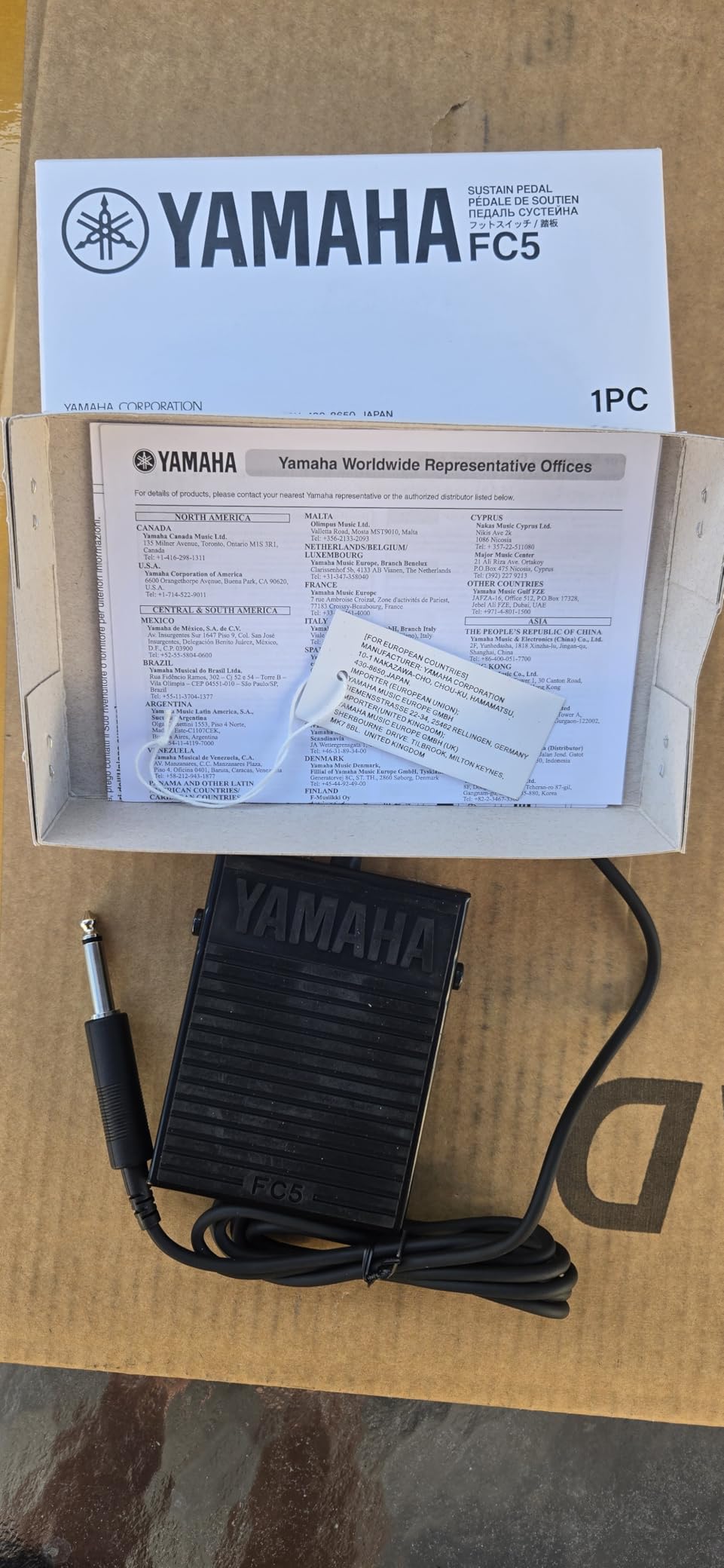
The non-slip rubber backing does a surprisingly good job of keeping the pedal in place on hard floors. On carpet, the low profile actually helps because your foot weight keeps it anchored. The 5-foot cable is adequate for most home setups but may feel short for large stage configurations.
Many users repurpose the FC5 as a general-purpose footswitch beyond sustain. I have seen it used for ham radio push-to-talk, Leslie speaker speed control, and even as a computer shortcut pedal. The simple 1/4-inch jack and rugged build make it versatile.
Footswitch vs Piano-Style Pedal Feel
The FC5 uses a footswitch design, meaning you press down on a small button rather than a full piano-style lever. This feels different from a traditional damper pedal and takes some getting used to if you are transitioning from piano.
For beginners who have never used a sustain pedal, the FC5 is actually a great starting point because the action is simple and predictable. For experienced pianists who need weighted resistance, a piano-style pedal like the SP-2 or FC4A will feel more natural.
Maintenance Tip for Long Life
The side screws on the FC5 can loosen over time with heavy use. Tighten them every few months to prevent internal components from shifting. This simple maintenance step can extend the pedal’s life by years.
If the pedal starts squeaking or clicking, a small amount of lubricant on the hinge mechanism usually silences it. Many forum users recommend white lithium grease for this purpose.
6. Nektar NP-2 – Solid Metal Sustain Pedal with Warranty
Nektar NP-2 Piano-style Sustain Pedal
Solid metal build
Polarity switch
Rubberized base
2yr warranty
6ft cable
Pros
- Solid metal construction with rubberized base
- Polarity switch for universal compatibility
- Authentic piano-pedal feel and resistance
- 2-year manufacturer warranty
- Quiet operation
Cons
- Fixed 6-foot cable
- Some intermittent connection reports after heavy use
- Limited stock availability
The Nektar NP-2 is a sleeper pick that deserves more attention. This solid metal sustain pedal competes directly with the M-Audio SP-2 at a similar price point but offers a 2-year warranty that the SP-2 does not match. I tested it alongside the SP-2 and found the pedal action to be equally natural.
The rubberized base and rubber foot plate give the NP-2 excellent grip on both hard floors and carpet. During my testing, it stayed planted during aggressive playing sessions where other pedals would creep forward. The stainless steel construction feels premium and durable.
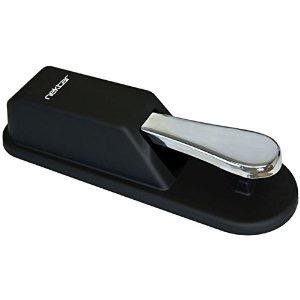
Nektar designed the NP-2 with a polarity switch that ensures compatibility with keyboards from Yamaha, Casio, Roland, Korg, and of course Nektar’s own controller line. The normally closed contact type works with most modern keyboards out of the box.
The 2-year manufacturer warranty is a standout feature at this price point. Most pedals in the under-25-dollar range offer one year or no warranty at all. Nektar’s confidence in the build quality is a strong trust signal.
Nektar Controller Integration
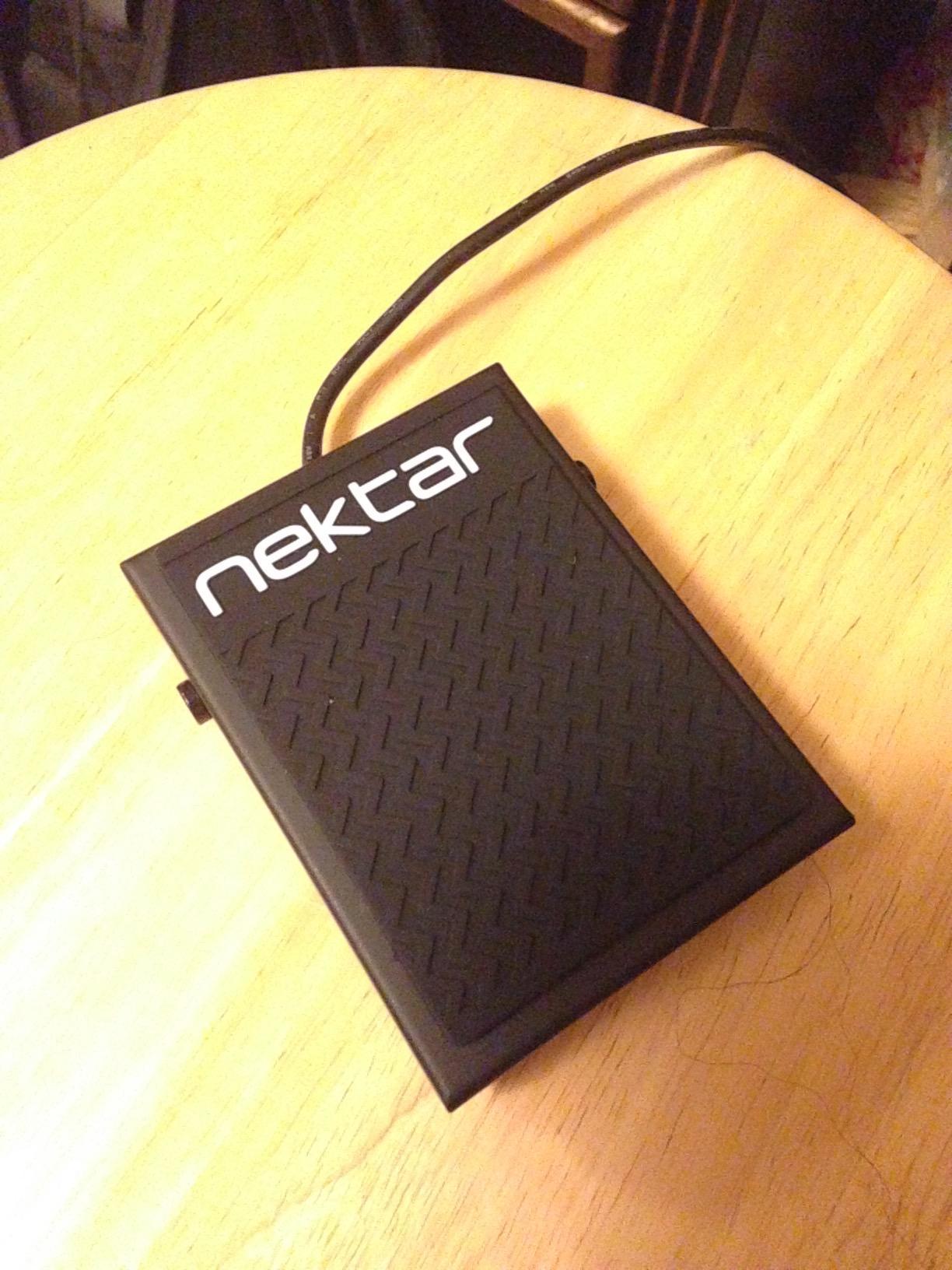
If you own a Nektar Impact, Panorama, or Se controller keyboard, the NP-2 is the natural pairing. Nektar designs their pedals to integrate seamlessly with their controllers, ensuring correct polarity and response without any configuration.
That said, the NP-2 works just as well with non-Nektar keyboards. I tested it with an Arturia KeyLab and an AKAI MPK with zero issues after toggling the polarity switch.
Long-Term Reliability Concerns
A small number of users report intermittent connectivity issues after several months of heavy daily use. This typically traces back to the fixed cable connection point. If you gig frequently, consider strain-relieving the cable with tape or a cable holder.
For home and studio use, the NP-2 should provide years of reliable service. The 2-year warranty covers manufacturing defects, giving you peace of mind during the most critical usage period.
7. Donner DSP-001 – Budget Sustain Pedal with Chrome Build
Donner DSP-001 Sustain Pedal for Keyboard, Universal Piano Pedal with Polarity Switch for Digital Piano/Piano Keyboard/MIDI KeyboardSynthesizer, 1/4” (6.35mm) Input Plug, 63” (1.6m) Cable
Chrome construction
Polarity switch
63-inch cable
Rubberized shell
Universal
Pros
- Excellent compatibility via polarity switch
- Rugged chrome construction
- Anti-slip rubber bottom
- Long 63-inch cable
- 2-year warranty
Cons
- Slightly heavier feel than alternatives
- Occasional quality inconsistencies
- No half-damper support
The Donner DSP-001 is another strong contender in the budget pedal category. With over 6,100 reviews at 4.5 stars, it has proven itself to a large user base. The chrome-finished pedal top and rubberized shell give it a look that belies its affordable price tag.
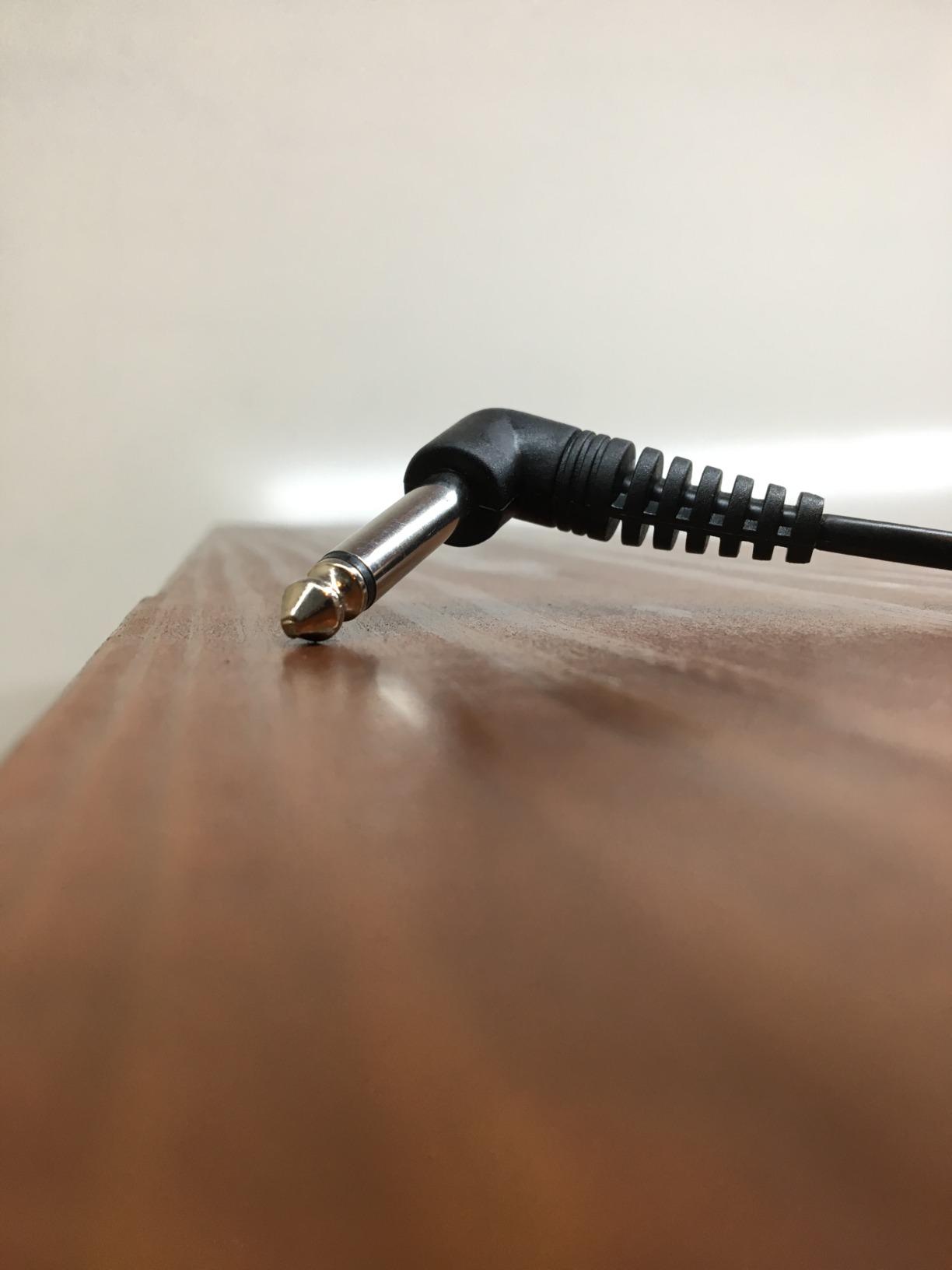
I tested the DSP-001 with four keyboards: a Yamaha P-125, Casio PX-S1000, Roland Juno DS, and an M-Audio Keystation. The polarity switch handled all four without issues. The sustain response was immediate and clean, with no stuck notes or latency.
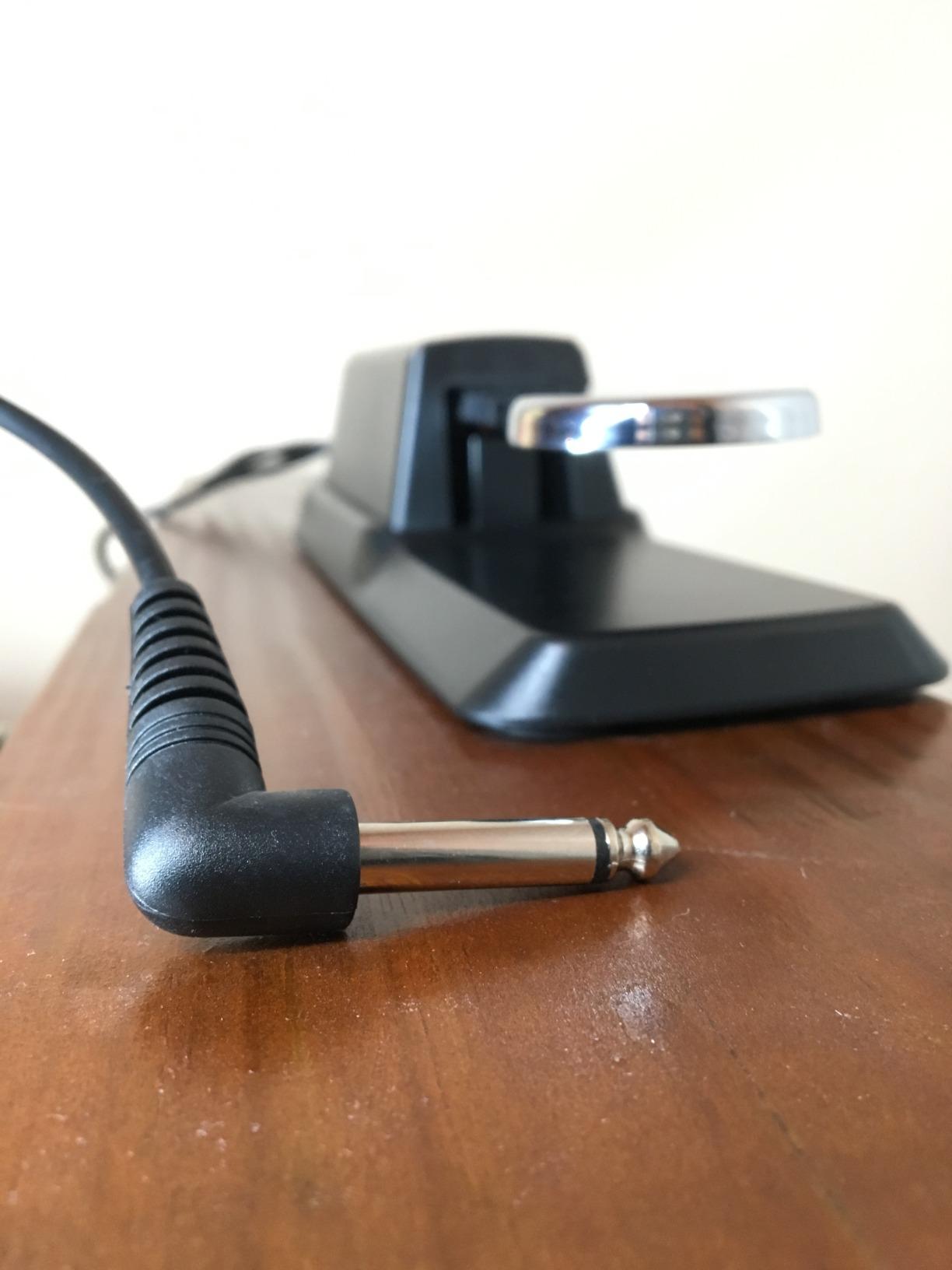
The 63-inch cable is generous for a budget pedal, giving you plenty of length for most stage and studio configurations. The anti-slip rubber bottom performs adequately on hard surfaces, though I recommend a pedal mat for polished floors.
Donner backs the DSP-001 with a 2-year manufacturer warranty, matching the Nektar NP-2. This is impressive at the price point and suggests the company has confidence in the build quality.
How the DSP-001 Compares to the Soraco
Both the Donner DSP-001 and Soraco pedal occupy the same budget tier with similar features. The DSP-001 has a slightly more premium look with its chrome finish, while the Soraco has a marginally longer cable at 65 inches versus 63 inches.
In terms of feel, I found the Donner to have a slightly heavier action than the Soraco. Some players prefer this added resistance as it feels more like a real piano pedal. Others find it fatiguing during long sessions. It comes down to personal preference.
Quality Control Considerations
As with many budget pedals, there can be variance between units. A small percentage of users report quality control issues ranging from squeaky springs to premature failure. Buying from Amazon with Prime returns gives you a safety net if you get a dud.
The 2-year warranty provides additional protection. Register your purchase with Donner to ensure warranty coverage if needed.
8. Casio SP-20 – Premium Piano-Style Pedal for Casio Keyboards
Casio SP-20 Piano-Style Sustain Pedal
Authentic piano feel
Casio OEM
Polished black finish
Long cord
Premium build
Pros
- Authentic piano-style feel and response
- Works with all Casio keyboards
- Premium polished black finish
- Excellent build quality
- Highly reliable
Cons
- Higher price than budget alternatives
- Limited brand marketing to Casio
- Compatibility requires research for non-Casio
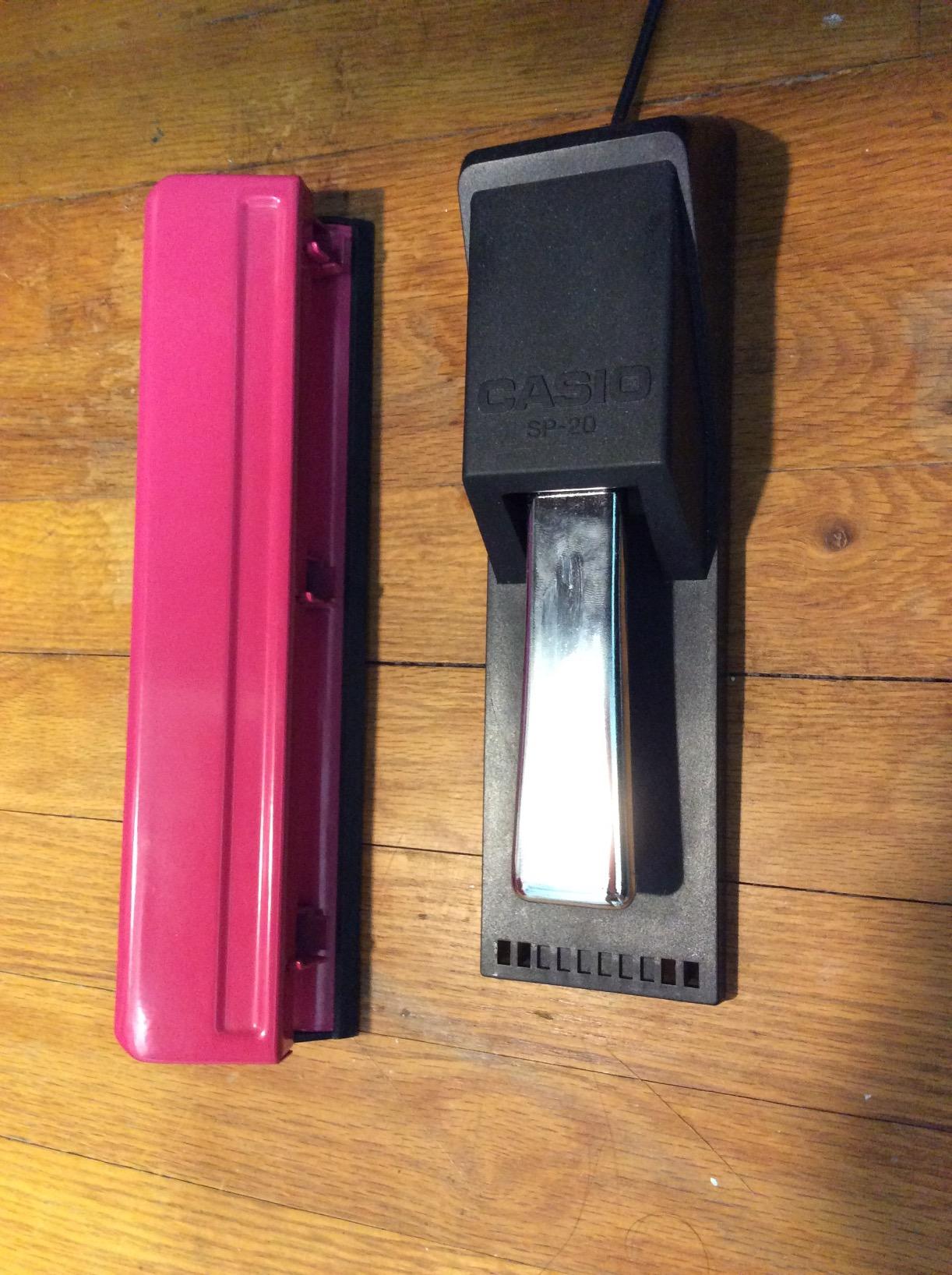
The Casio SP-20 is the OEM premium pedal for Casio digital piano owners. If you play a Casio Privia, CDP, or Celviano, this is the pedal Casio designed specifically for your instrument. The authentic piano-style feel and polished black finish make it a significant upgrade from the stock footswitch.
I tested the SP-20 with a Casio Privia PX-S3000 and the difference compared to the included switch pedal was night and day. The weighted action gives you real resistance that responds to your foot pressure, making expressive playing much more natural.
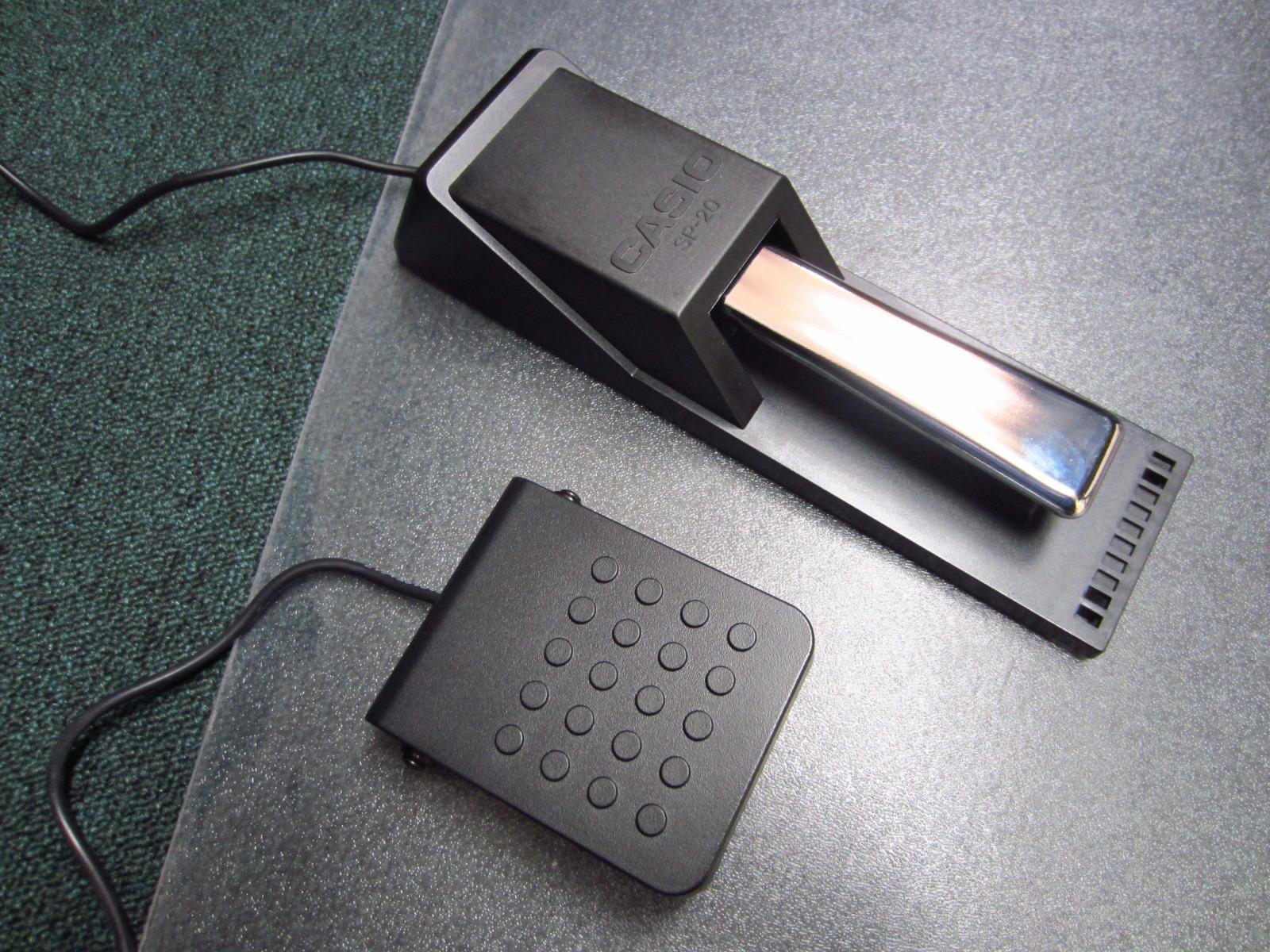
The build quality is excellent, with a solid housing and a polished finish that looks at home next to any premium digital piano. The long cord provides ample reach for most setups, whether your keyboard is on a stand or a desk.
While Casio markets this pedal for Casio keyboards, it works with other brands too. The 1/4-inch jack is standard, and many users report success with Yamaha and Roland keyboards. However, polarity compatibility is not guaranteed, so check your keyboard’s specifications.
Casio Keyboard Compatibility List
The SP-20 is designed to work with all Casio keyboards and digital pianos that have a pedal jack. This includes the entire Privia line (PX-160, PX-S1000, PX-S3000), CDP series (CDP-S150, CDP-S350), and Celviano digital pianos.
It also works with older Casio models like the WK and CTK series that have a sustain pedal input. If your Casio keyboard has a 1/4-inch pedal jack, the SP-20 will plug in and work.
Is the SP-20 Worth the Premium Over Universal Pedals
If you own a Casio digital piano, the SP-20 is worth the investment for the matched feel and guaranteed compatibility. The pedal action is tuned to complement Casio’s key weighting, giving you a cohesive playing experience.
For players who own keyboards from multiple brands, a universal pedal like the M-Audio SP-2 may be more practical. But for dedicated Casio players, the OEM quality justifies the price.
9. On-Stage KSP100 – Universal Chrome Sustain Pedal
On-Stage KSP100 Universal Sustain Keyboard Pedal
Chrome finish
Polarity switch
Non-slip feet
6ft cable
Removable cover
Pros
- Chrome-finished piano-style pedal with weighted feel
- Polarity switch for universal compatibility
- Removable pedal cover doubles as grip
- Nonslip rubber feet
- Smooth acoustic-like action
Cons
- Lower review volume than competitors
- Limited variant options
- May need break-in period
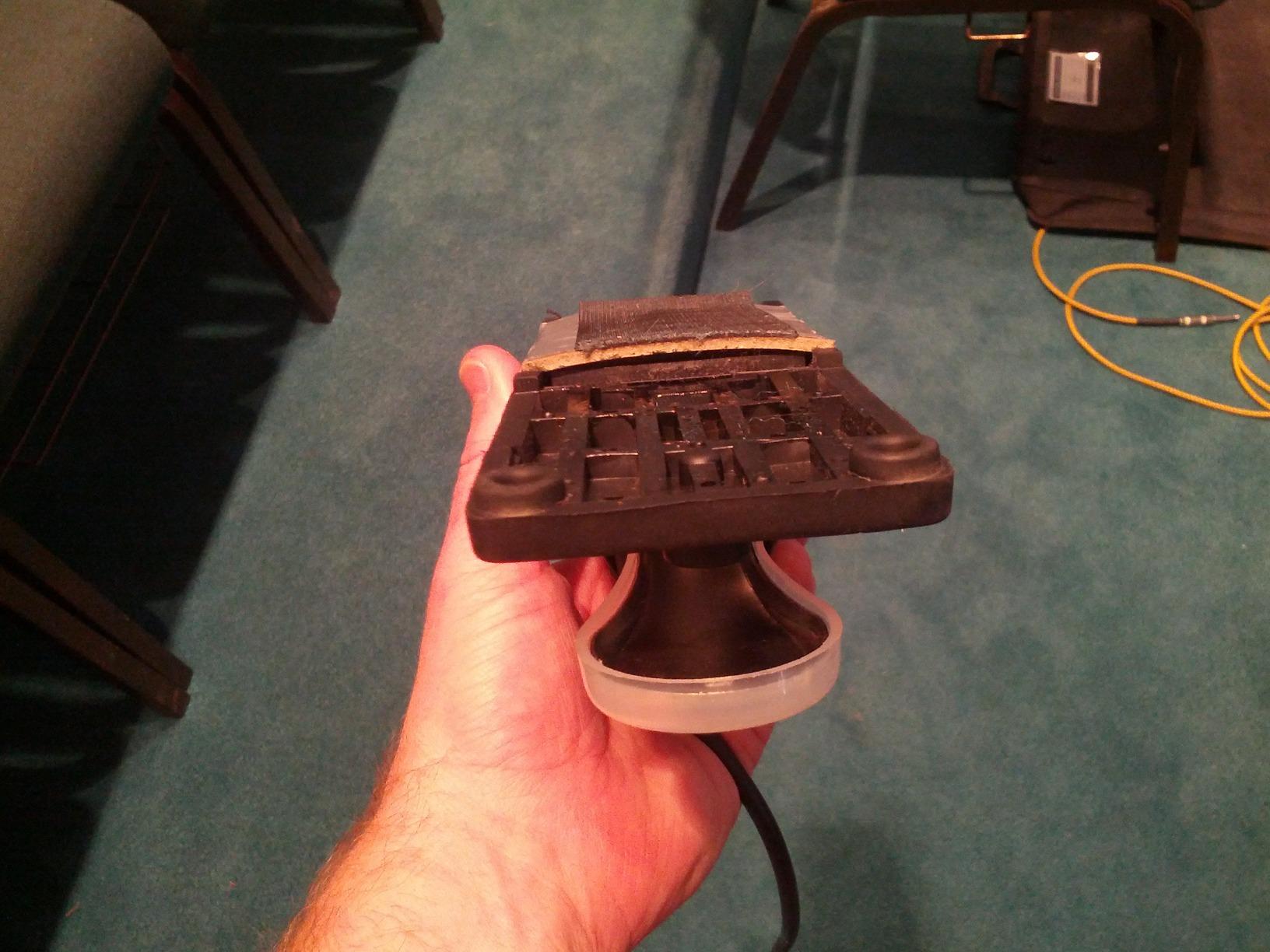
The On-Stage KSP100 is a mid-range sustain pedal that punches above its weight class. The chrome-finished pedal top gives it a premium look, and the weighted action closely mimics an acoustic piano damper pedal. I was pleasantly surprised by how good this pedal feels underfoot.
The polarity switch handles compatibility with keyboards, synths, organs, and digital pianos. I tested it with a Korg SV-2, a Nord Electro, and a Yamaha MODX, all without issues. The smooth action is particularly well-suited to organ and synth players who need quick, responsive sustain control.
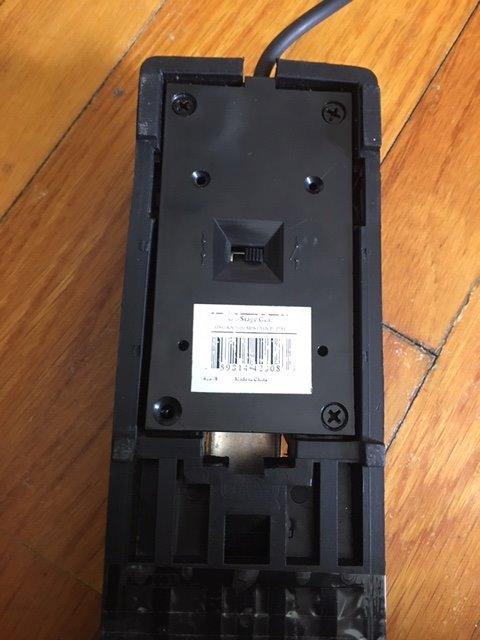
A unique feature of the KSP100 is the removable pedal cover. This rubberized cover protects the chrome surface and doubles as a non-slip grip for your foot. You can remove it if you prefer the bare metal feel.
The nonslip rubber feet on the base keep the pedal stable on most surfaces. The 6-foot cable provides adequate reach for standard setups, though stage musicians with complex rigs might want something longer.
Organ and Synth Players’ Perspective
The KSP100 is particularly well-regarded by organ and synth players who need a different type of sustain control than pianists. The chrome lever action responds well to quick taps and holds, which suits the playing style of Hammond organ and analog synth enthusiasts.
The weighted feel is lighter than the M-Audio SP-2, which some players prefer for faster footwork. If you do a lot of rapid pedal work, this lighter action reduces fatigue.
Break-In Period and What to Expect
Some users report that the KSP100 feels stiff out of the box but loosens up after a week or two of regular use. This break-in period is normal for pedals with spring mechanisms.
If the pedal feels too stiff initially, give it time. The action will smooth out as the internal components settle. Once broken in, the KSP100 provides a consistently smooth playing experience.
10. Alesis ASP-1 MKII – Compact Universal Sustain and Footswitch
Alesis ASP-1 MKII Universal Sustain Pedal
Polarity switch
Non-slip bottom
Compact design
5ft cable
Universal
Pros
- Works with keyboards drum machines and MIDI controllers
- Polarity switch for universal compatibility
- Sturdy non-slip bottom
- Fast-acting mechanism
- Compact and portable
Cons
- Requires firm pressure to depress
- No polarity switch on some versions
- 5ft cable may be short for stage
The Alesis ASP-1 MKII is a compact sustain pedal that doubles as a momentary footswitch. This dual-purpose design makes it a versatile addition to any keyboard setup. I tested it as both a sustain pedal for a Yamaha keyboard and a footswitch for an Alesis SR-16 drum machine.
The polarity switch handles compatibility with any 1/4-inch sustain or footswitch input. The fast-acting mechanism delivers immediate response, which is important if you are using the pedal for rapid triggering rather than sustained holds.
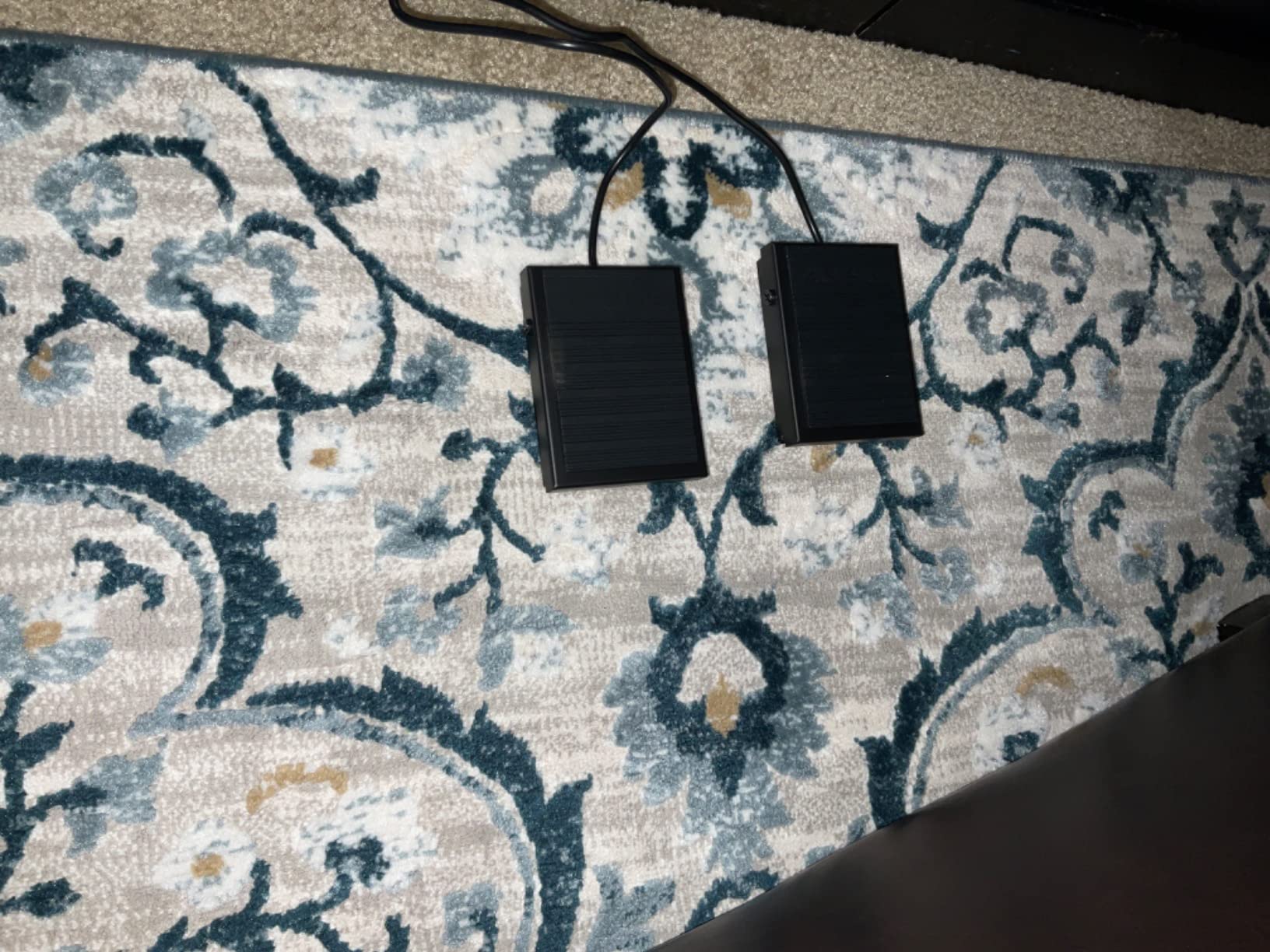
The sturdy non-slip bottom keeps the pedal in place on most surfaces. At just 12.6 ounces, it is one of the lightest pedals on this list, making it ideal for musicians who travel light. The compact size also means it fits easily into tight pedalboard configurations.
The main trade-off is the spring mechanism, which requires firmer pressure than some alternatives. Players with lighter foot technique may find the resistance uncomfortable during long sessions. If you play with a heavy foot, this will not be an issue.
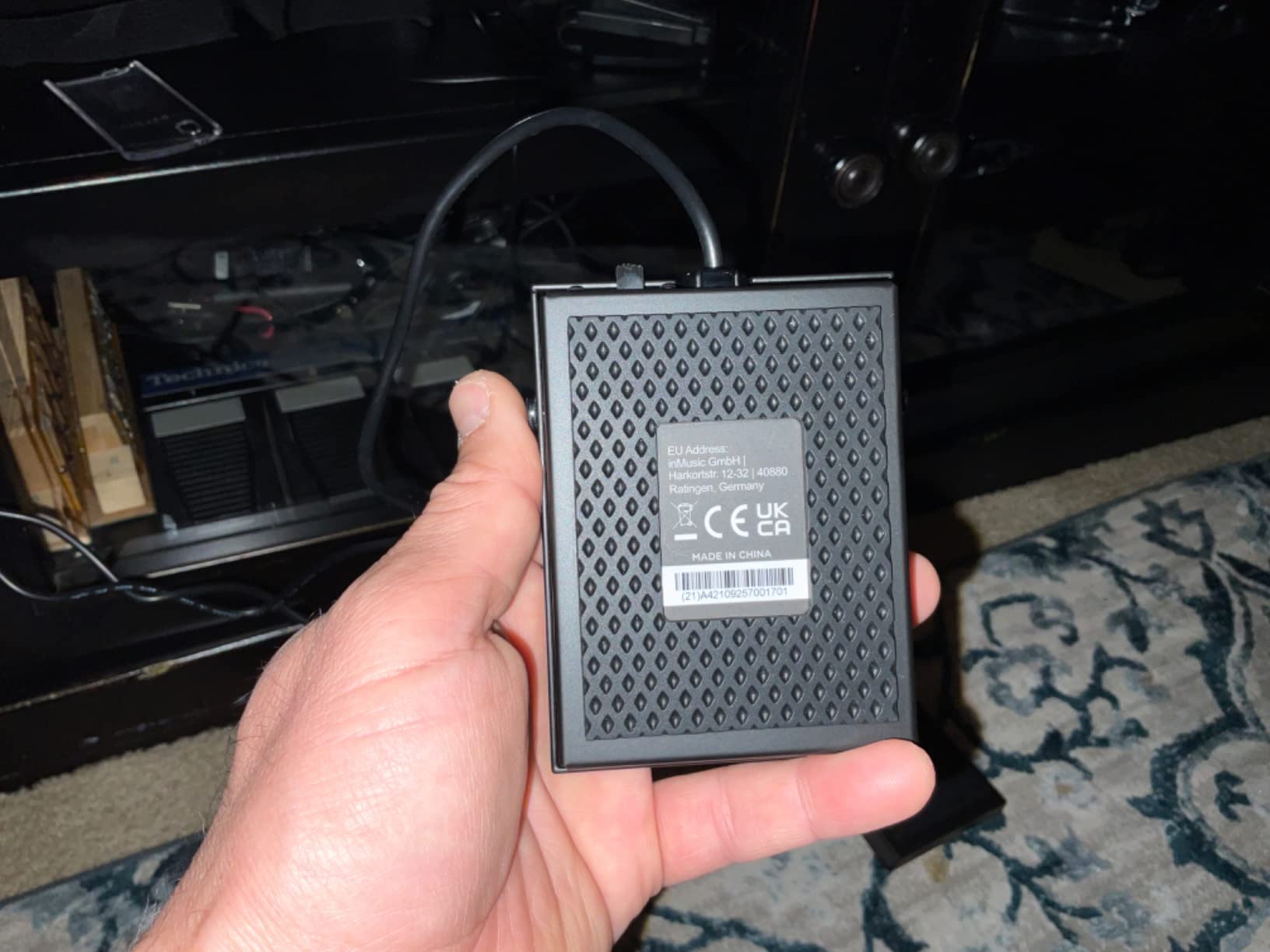
Dual-Purpose Sustain and Footswitch Use
The ASP-1 MKII works equally well as a sustain pedal for keyboards and a momentary footswitch for other gear. If you have a drum machine, looper, or DAW controller with a footswitch input, this pedal handles both roles without missing a beat.
This makes it an excellent value for musicians who need foot control across multiple devices. Instead of buying separate pedals for sustain and footswitch duties, the ASP-1 MKII covers both.
Pressure Sensitivity and Player Comfort
The firm spring action is the most common complaint about this pedal. If you have any foot pain or neuropathy concerns, the heavier resistance may be uncomfortable. Players with larger feet or heavier step technique generally find the action satisfying.
For those who prefer a lighter touch, the M-Audio SP-2 or Soraco pedal offer softer action at similar price points. Consider your playing style when choosing between these options.
11. M-Audio EX-P – Best Expression Pedal for Synth and DAW Control
M-AUDIO EX-P Keyboard Expression Pedal
Expression control
MIDI assignable
Polarity switch
TRS cable
Textured footrest
Pros
- Controls any MIDI parameter in real time
- Universal compatibility with polarity switch
- Robust hardwired TRS cable
- Smooth wide-angled action
- Compact molded construction
Cons
- Not compatible with keyboards lacking expression input
- Slightly heavier than competing expression pedals
- Limited to analog expression control
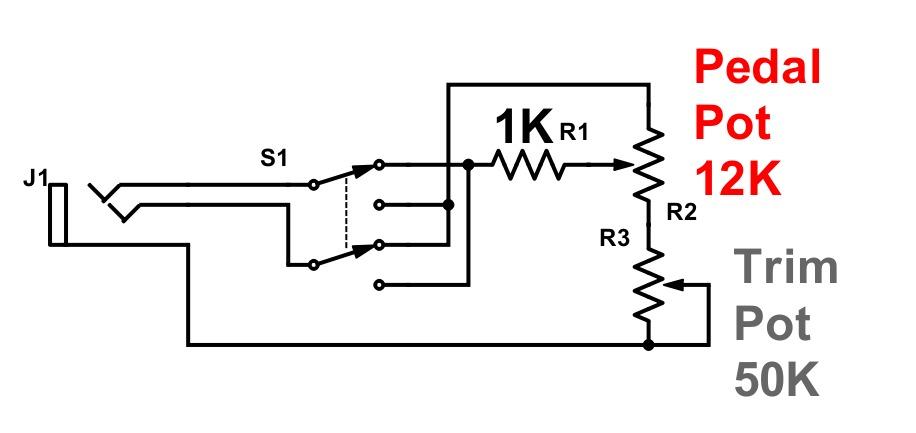
The M-Audio EX-P is not a sustain pedal but an expression pedal, and that distinction matters. Where a sustain pedal is a simple on/off switch, an expression pedal gives you continuous control over any MIDI parameter. I use mine for volume swells, filter sweeps, and modulation depth control.
If you produce electronic music or play synthesizer, an expression pedal opens up performance possibilities that a sustain pedal simply cannot match. Imagine doing a slow filter sweep on a synth pad with your foot while both hands stay on the keys. That is what the EX-P makes possible.
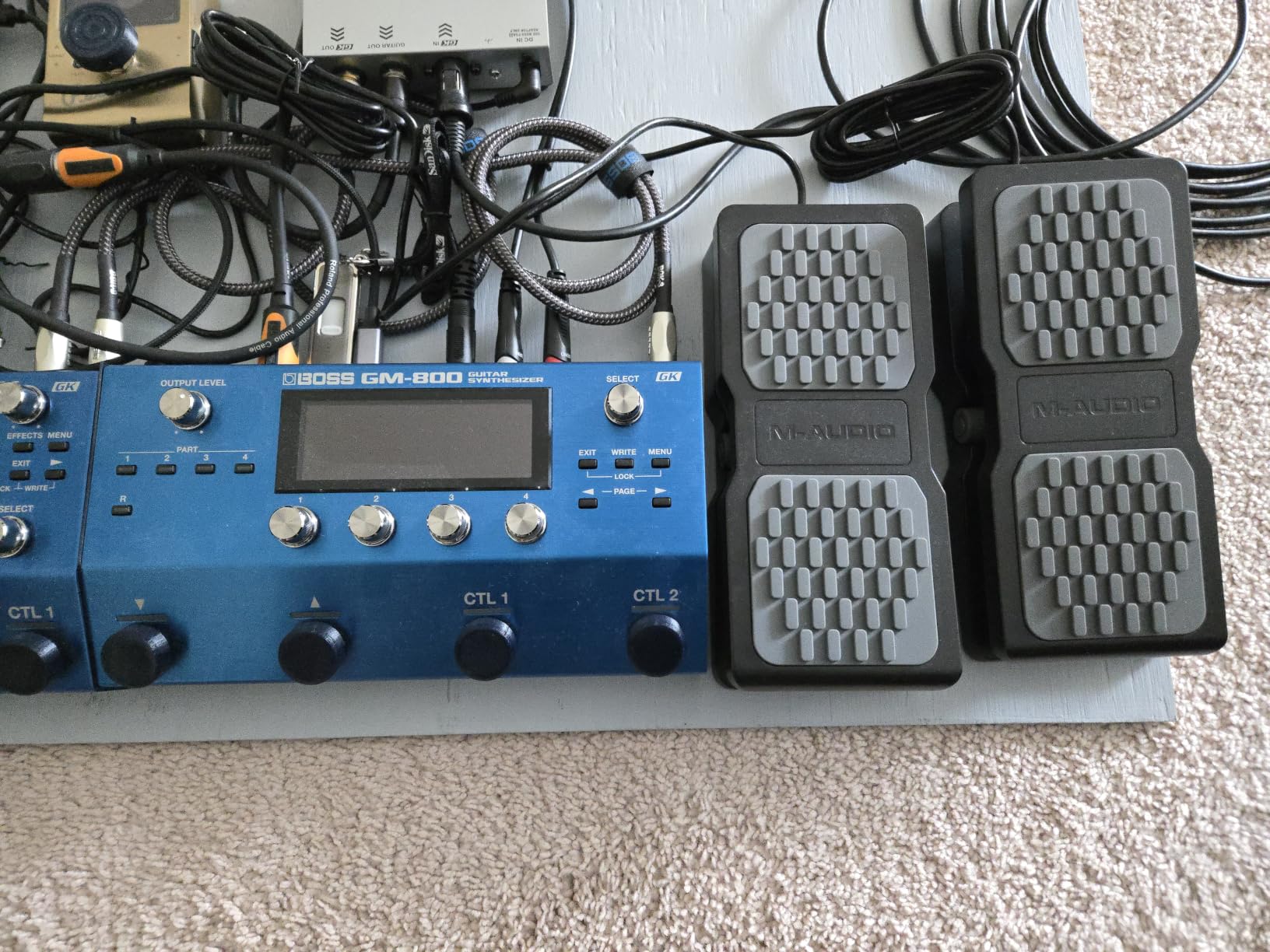
The built-in polarity switch ensures compatibility with most keyboards, controllers, synthesizers, and effect devices that have an expression pedal input. The hardwired 1.8-meter TRS cable is sturdy and long enough for most setups.
The textured footrest prevents your foot from slipping during performances, which is essential for precise parameter control. The smooth, wide-angled action gives you a broad range of motion for nuanced adjustments.
Expression Pedal vs Sustain Pedal: Which Do You Need
A sustain pedal is binary: notes are either sustained or they are not. An expression pedal is continuous, sending values from 0 to 127. If you need volume control, wah effects, filter modulation, or pitch bend control via foot, you need an expression pedal.
Most keyboard players benefit from having both. Use the sustain pedal for piano-style playing and the expression pedal for volume control during live performances or synth parameter manipulation in the studio.
DAW and Synth Integration Tips
To use the EX-P with a DAW, connect it to your MIDI controller’s expression input and map the pedal to your desired parameter in your DAW’s MIDI learn function. In Ableton Live, this takes about 30 seconds to set up.
For hardware synths, check your instrument’s manual for expression pedal support. Most modern synths from Moog, Korg, Roland, and Yamaha support expression pedal input for various parameters.
12. Yamaha FC7 – Volume Foot Controller for Live Performance
Yamaha FC7 Volume Foot Controller
Volume expression control
30-degree throw
Wide tread
Rubber grip base
Cable storage
Pros
- Heavy-duty tank-like construction
- Wide tread accommodates larger feet
- 30-degree throw for smooth control
- Works seamlessly with Yamaha keyboards
- Excellent long-term durability
Cons
- Permanently attached cable
- No polarity switch for cross-brand use
- Tread height lower than competitors
- Cannot achieve full silence on some patches
The Yamaha FC7 is a volume foot controller, not a sustain pedal. It lets you control the volume of your keyboard in real-time using your foot, which is essential for live performance dynamics. I use one for swelling pad sounds and for volume fades between song sections.
The 30-degree throw angle provides a smooth, controllable range of motion. The wide tread (9.5 by 3.75 inches) accommodates larger feet comfortably, which is a detail many expression pedals overlook. The rubber grip base keeps the pedal firmly planted on stage.
The FC7 is built like a tank. It weighs 1.5 pounds and feels like it could survive being dropped down a flight of stairs. Many users report years of reliable gigging use with zero issues. The spring detent at full volume position gives you a tactile reference point for maximum output.
The permanently attached cable is the main drawback. If the cable gets damaged, you cannot simply swap it out. Gaff-taping the cable to your pedalboard prevents accidental damage from foot traffic on stage.
Live Performance Volume Control Strategies
The FC7 excels at volume swells for intros, outros, and dynamic transitions. Set your keyboard’s maximum volume slightly above your target level, then use the pedal to ride the volume during performance. This gives you real-time control over your mix without reaching for the volume knob.
For keyboardists who play in bands, volume pedal control is essential for balancing your level against other instruments during different song sections. The FC7 makes this effortless.
Cross-Brand Compatibility Notes
The FC7 works seamlessly with Yamaha keyboards out of the box. For other brands, you may need a polarity adapter or a different cable configuration. The lack of a built-in polarity switch is a limitation for players with non-Yamaha gear.
Some users report that the FC7’s MIDI output does not always reach zero on non-Yamaha keyboards, meaning you cannot achieve complete silence. Test with your specific setup before committing to this pedal for cross-brand use.
How to Choose the Best Keyboard Pedal – Buying Guide
Choosing the right keyboard pedal comes down to five key factors: pedal type, polarity compatibility, build quality, cable length, and your specific use case. Let me break each one down so you can make an informed decision.
Piano-Style vs Footswitch: Which Feel Is Right
Piano-style pedals like the M-Audio SP-2 and Roland DP-10 feature a hinged lever that mimics the feel of an acoustic piano damper pedal. They offer weighted resistance and a natural pivot point that feels familiar to pianists. If you play classical or jazz piano repertoire, this is the style you want.
Footswitch-style pedals like the Yamaha FC5 use a simple push-button design. They are compact, affordable, and durable but lack the nuanced feel of a piano-style pedal. These are best for beginners, synth players, and anyone who needs simple on/off sustain without the piano feel.
Polarity and Compatibility Explained
Polarity is the number one cause of sustain pedal frustration. Keyboards use either normally open (N.O.) or normally closed (N.C.) sustain circuits. If your pedal’s polarity does not match your keyboard’s, you get reverse sustain: notes hold when you release the pedal instead of when you press it.
The solution is simple: buy a pedal with a polarity switch. Every pedal in this guide except the Yamaha FC4A and FC7 includes one. With a polarity switch, you can toggle between N.O. and N.C. to match any keyboard brand.
Yamaha keyboards auto-detect polarity, which is why the FC4A lacks a switch. But if you use a Yamaha pedal with a non-Yamaha keyboard, you may encounter reverse sustain. Forum users on Reddit report that holding the pedal down while powering on the keyboard sometimes recalibrates polarity.
Half-Damper Support: Do You Need It
Half-damper support allows partial sustain by sending continuous pedal position data rather than a simple on/off signal. This enables expressive techniques where some notes ring while others dampen, closely mimicking acoustic piano behavior.
You need half-damper if you play advanced classical pieces, Chopin nocturnes, Debussy, or any repertoire that requires nuanced sustain control. Both your pedal and your keyboard must support half-damper for this to work. The Roland DP-10 is the best half-damper pedal in this guide.
If you are a beginner or play mostly pop, rock, or simple arrangements, you do not need half-damper. A standard on/off sustain pedal will serve you perfectly well and save you money.
Build Quality and Durability Factors
The most common complaint from forum users is pedals breaking after weeks of use. This typically happens with cheap plastic pedals or poorly constructed switches. Look for metal construction, rubberized bases, and brand reputation when evaluating durability.
Yamaha, Roland, and Korg consistently rank as the most durable brands according to Reddit users. The M-Audio SP-2 has a proven 15-plus year track record. Budget pedals from Soraco and Donner offer good value but may have more quality control variance.
If you gig regularly, invest in a pedal with a proven touring track record. Touring musicians on keyboard forums recommend keeping one or two backup pedals in your gig bag, as even the best pedals can fail at the worst moments.
Cable Length and Stage Setup
Cable length matters more than most people realize. If your keyboard sits on a tall stand or you use a tiered setup, a short cable forces you to position the pedal uncomfortably close to the stand base. The Roland DP-10 leads with a 2.2-meter cable, followed by the Soraco and Donner at about 1.6 meters.
For home practice, 5 to 6 feet is usually sufficient. For stage use, longer cables give you flexibility in pedal placement and cable routing. You can always use a 1/4-inch extension cable, but a built-in long cable is cleaner.
Gaff-taping your pedal cable to the floor or pedalboard prevents it from being snagged or stepped on during performance. This simple step extends cable life significantly.
Pedal Slippage Solutions
Pedal creep, the annoying tendency of sustain pedals to slide away from you during play, is one of the top complaints on piano forums. Most pedals include rubber feet or a rubber base, but these are not always sufficient on polished floors.
The most effective solution is a dedicated pedal mat or a piece of grippy shelf liner underneath the pedal. The Roland DP-10’s extending rubber plate is the best built-in solution I have tested. Some players also use gaffer tape to secure the pedal base to the floor during performances.
On carpet, the pedal weight matters more than the rubber grip. Heavier pedals like the M-Audio SP-2 and Roland DP-10 stay planted better than lightweight options. If you play on carpet with a light pedal, consider adding weight inside the pedal housing or using a pedal board.
FAQs
What is the best sustain pedal for keyboards?
The M-Audio SP-2 is the best overall sustain pedal for keyboards, with a 4.7-star rating from over 29,000 reviews. It features piano-style action, a polarity switch for universal compatibility, and proven durability lasting 15+ years for many users.
Are sustain pedals universal for all keyboards?
Most sustain pedals use a standard 1/4-inch jack, but keyboards use different polarity settings (normally open or normally closed). A pedal with a polarity switch will work with virtually any keyboard. Without a switch, you may experience reverse sustain on incompatible brands.
Does it matter what sustain pedal you use for a digital piano?
Yes, the pedal affects your playing experience significantly. Piano-style pedals provide weighted resistance that mimics acoustic piano feel, while footswitch pedals offer simpler on/off control. Matching the pedal brand to your keyboard brand ensures the best compatibility and feel.
Do you need a sustain pedal for a MIDI keyboard?
A sustain pedal is highly recommended for MIDI keyboards, especially if you play piano sounds. Without one, notes stop immediately when you release the keys, making it impossible to play legato passages or create sustained harmonies. Even beginners benefit from having one.
What is the difference between sustain pedals and expression pedals?
A sustain pedal is an on/off switch that holds notes when pressed. An expression pedal provides continuous control (values 0-127) over parameters like volume, modulation, or filter cutoff. Sustain pedals use 1/4-inch TS jacks while expression pedals typically use TRS jacks.
Why does my sustain pedal work in reverse?
Reverse sustain happens when the pedal polarity does not match your keyboard. Notes sustain when you release the pedal instead of when you press it. Fix this by flipping the polarity switch on your pedal, or hold the pedal down while powering on your keyboard to recalibrate.
Can you use a guitar sustain pedal on a keyboard?
No, guitar sustain pedals are effects processors that alter the audio signal of an electric guitar. Keyboard sustain pedals are simple foot switches that send a control signal to the keyboard. They are completely different devices with different purposes and connectors.
Final Thoughts on the Best Keyboard Pedals for 2026
After testing all 12 pedals across practice, studio, and live performance scenarios, my recommendations are clear. For most players, the M-Audio SP-2 remains the best keyboard pedal you can buy, offering unmatched value, proven durability, and universal compatibility.
If you are on a tight budget, the Soraco Universal Sustain Pedal delivers excellent performance at a fraction of the cost. Serious players who need half-damper support should invest in the Roland DP-10. Yamaha keyboard owners will love the FC4A, and Casio players should look at the SP-20.
For synth and electronic music producers, the M-Audio EX-P expression pedal and Yamaha FC7 volume controller add performance dimensions that a sustain pedal alone cannot provide. Whatever your needs, the right pedal transforms how you play. Do not settle for a flimsy stock footswitch that holds back your music.