
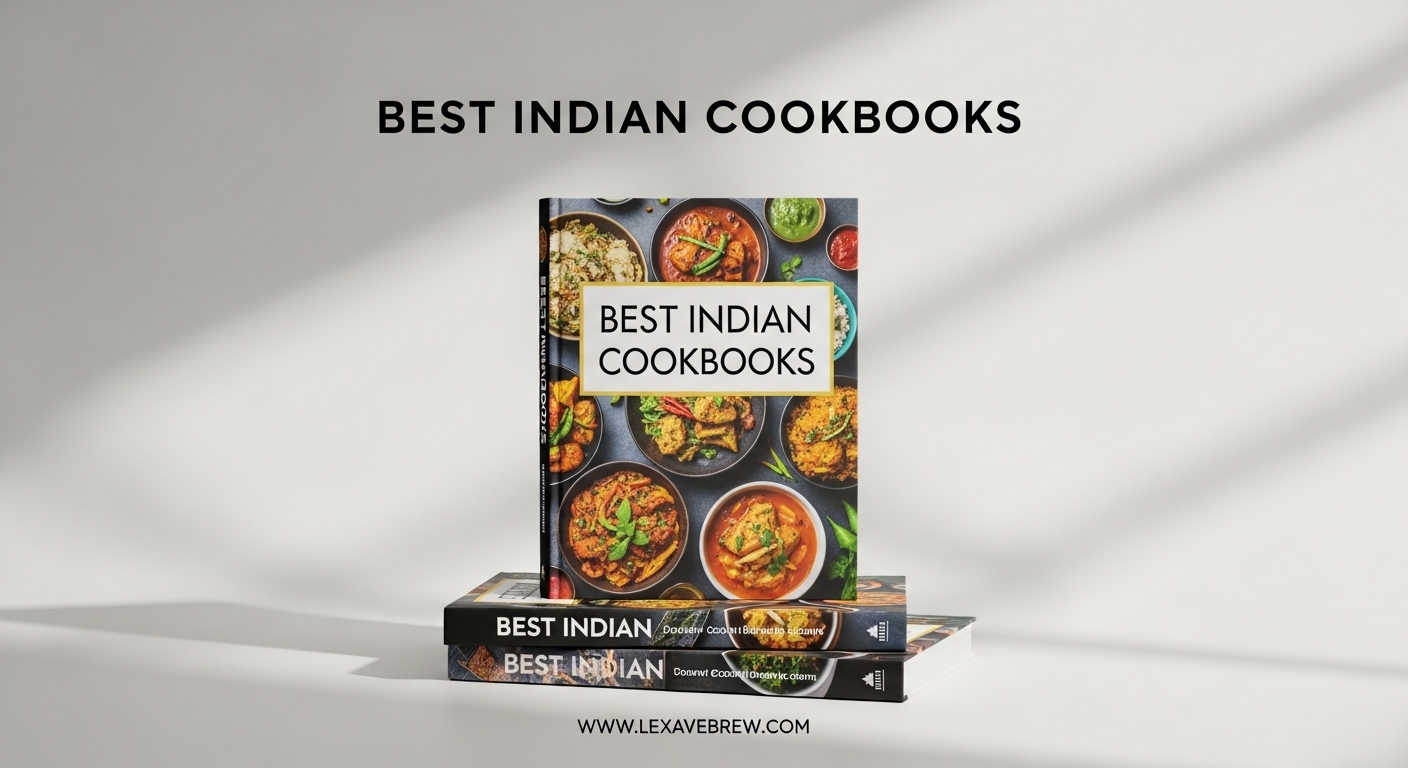
Indian cooking has captured the attention of home cooks around the world, and for good reason. The rich tapestry of flavors, the artistry of spice blending, and the comfort of slow-cooked curries make this cuisine endlessly rewarding to master at home. Whether you are just starting your journey into Indian cuisine or you have been perfecting your tikka masala for years, the right cookbook can transform your approach to cooking.
We spent weeks reviewing over 10 popular Indian cookbooks, testing recipes, and analyzing what makes each one unique. Our team cooked through weeknight dinners and weekend projects to bring you honest assessments of which books actually deliver on their promises. From restaurant-quality takeaways to accessible family recipes, we found options for every skill level and interest.
In this guide, you will find our top picks for the best Indian cookbooks available. Each recommendation includes our experience cooking from the book, honest pros and cons, and who each cookbook suits best. By the end, you will know exactly which cookbook belongs on your kitchen shelf.
Top 3 Picks for Best Indian Cookbooks
Here are our three standout recommendations for Indian cookbooks. Each of these brings something unique to the table, whether you prioritize authentic restaurant flavors, beginner-friendly instructions, or extensive recipe collections.

Best Indian Cookbooks in 2026
Our team has researched and analyzed the most popular Indian cookbooks available. Here is our comprehensive comparison table to help you find the right cookbook for your needs.
1. Dishoom: The First Ever Cookbook from the Much-Loved Indian Restaurant
Dishoom: The first ever cookbook from the much-loved Indian restaurant
400 pages
Published December 2019
Bloomsbury Publishing
Pros
- Beautiful photographs and production quality
- Clear and accurate recipes
- Cultural history and stories included
- Excellent desserts section
Cons
- UK measurements require conversion
- Some hard-to-source ingredients
- Time-consuming recipes
I spent a weekend cooking through Dishoom, and it quickly became clear why this cookbook has amassed such a devoted following. The recipes transport you to the bustling streets of Mumbai, with each dish carrying the weight of authentic flavor and cultural context. What struck me most was how the authors balance historical storytelling with practical cooking instructions.
The production quality deserves special mention. The Italian printing showcases stunning photography that makes every page a visual pleasure. The layout guides you through recipes without feeling overwhelming, and the measurements are refreshingly precise. When a recipe calls for specific spice proportions, you can trust those numbers because the team clearly tested them extensively.
The keema pau alone was worth the price of admission. My kitchen filled with aromas that reminded me of my favorite Indian restaurants, and the result tasted genuinely professional. The bread recipes also impressed me, particularly the bacon naan which puts many restaurant versions to shame. These are not weeknight recipes, but Sunday projects that reward patience.
However, I should note that some ingredients require effort to source. UK measurements also meant pulling out conversion charts, which interrupted the cooking flow. Despite these minor friction points, the final results consistently justified the extra effort. If you are willing to invest time and seek out specialty ingredients, Dishoom delivers restaurant-quality Mumbai cuisine at home.
Who This Cookbook Is For
Dishoom suits home cooks who appreciate both the process and the destination. You should enjoy spending a few hours in the kitchen and have some familiarity with Indian spices. The cultural context elevates this beyond a simple recipe collection, making it ideal for anyone who wants to understand Mumbai street food traditions while cooking them.
Who Should Look Elsewhere
If you need quick weeknight dinners or lack access to specialty Indian ingredients, this cookbook will frustrate you. The UK-centric measurements and ingredient sourcing make it less accessible for American cooks who may not have a nearby Indian market.
2. Made in India: Recipes from an Indian Family Kitchen
Made in India: Recipes from an Indian Family Kitchen
320 pages
Published September 2015
Flatiron Books
Pros
- Easy and accessible recipes
- No pretension or confusing steps
- Great rice recipes
- Excellent ice cream recipes without ice cream maker
Cons
- Chili powder references may confuse American readers
- Some ingredient quantities may need adjustment
Meera Sodha writes for the home cook, and that philosophy shines through every page of Made in India. I found myself cooking recipe after recipe without the usual intimidation that comes with Indian cooking techniques. The instructions feel like a knowledgeable friend walking you through each step rather than a chef demonstrating for a professional kitchen.
What distinguishes this cookbook is its practicality. The recipes focus on fresh ingredients without requiring obscure spice blends or multi-day prep processes. When I made the chicken tikka masala, it came together in under an hour and tasted fresher than most restaurant versions I have tried. The simplicity does not compromise authenticity, which is a rare balance to achieve.
The ice cream chapter deserves particular praise. Sodha provides recipes that work without an ice cream maker, using everyday kitchen equipment. My kitchen smelled incredible for days as I worked through the kulfi and cardamom ice cream variations. These desserts became my go-to contributions to dinner parties, impressing guests while requiring minimal effort.
One small adjustment American cooks should anticipate involves chili powder measurements. Sodha references British chili powder quantities, which differ from American cayenne measurements. Starting with half the recommended amount and adjusting to your heat preference prevents overwhelming spiciness while you learn to calibrate for your palate.
Who This Cookbook Is For
Made in India is perfect for beginners ready to explore Indian cooking without feeling overwhelmed. The conversational tone and straightforward instructions build confidence, making this an excellent choice if you are cooking Indian food at home for the first time or returning after a long break.
Who Should Look Elsewhere
Experienced Indian cooks seeking complex regional recipes may find this book too simplified. Those who prefer traditional restaurant curries with longer cooking times may also want a more advanced cookbook to grow into.
3. The Curry Guy Bible: Recreate Over 200 Indian Restaurant and Takeaway Classics at Home
The Curry Guy Bible: Recreate Over 200 Indian Restaurant and Takeaway Classics at Home
352 pages
Published October 2021
Quadrille
Pros
- Over 200 authentic curry recipes
- Restaurant-quality results at home
- Great variety from classics to regional dishes
- Well-tested foolproof recipes
Cons
- Not for beginner cooks
- Requires specialty spices and ingredients
- Time-consuming recipes
- May need spice grinder
The Curry Guy Bible earns its name as the definitive guide for recreating British Indian restaurant flavors at home. Dan Toombs spent years perfecting these recipes in his own kitchen before publishing them, and that dedication shows in the consistency of results. Every curry I attempted delivered the punchy, complex flavors I remembered from countless takeaway visits.
The book excels at explaining the building blocks of Indian restaurant cooking. Toombs breaks down base sauces, spice blends, and technique secrets that professional kitchens rely on. Understanding these fundamentals transformed my approach to Indian cooking generally, giving me tools that apply across recipes rather than just individual dishes.
Recipes range from classic kormas and baltis to regional specialties less commonly found in takeaways. The bhuna section particularly impressed me with its depth of flavor achieved through proper reduction techniques. Following Toombs instructions precisely produces results indistinguishable from my favorite local Indian restaurant.
Who This Cookbook Is For
This cookbook suits intermediate to advanced home cooks obsessed with achieving authentic curry house flavors. You should have patience for multi-step recipes and access to specialty spice blends. If you want to impress at dinner parties or simply recreate restaurant-quality curries at home, The Curry Guy Bible delivers.
Who Should Look Elsewhere
Beginners should avoid this book until comfortable with Indian cooking fundamentals. The time investment and ingredient requirements make it unsuitable for quick weeknight dinners. Those seeking lighter, fresher Indian recipes rather than rich takeaway classics will also be disappointed.
4. Indian-Ish: Recipes and Antics from a Modern American Family

Indian-Ish: Recipes and Antics from a Modern American Family
256 pages
Published April 2019
Harvest
Pros
- Modern and approachable take on Indian cooking
- Quick recipes suitable for weeknights
- Fun and engaging writing style
- Great spice guide included
Cons
- Somewhat scant on traditional recipes
- Fusion approach may not satisfy purists
- Stories may be excessive for some
Priya Krishna brings a Gen-Z perspective to Indian cooking with Indian-Ish, and that freshness is exactly what many home cooks need. This cookbook does not try to replicate your grandmother recipes or achieve restaurant authenticity. Instead, it embraces the reality of how many people actually cook today, with busy schedules and limited pantry supplies.
I found myself cooking from this book on weeknights when I wanted something flavorful but could not commit to an elaborate project. The 30-minute target on most recipes is genuinely achievable, which cannot be said for many cookbooks making similar claims. The调料 matrix (spice matrix) alone has become my weeknight reference, helping me improvise when I lack specific recipe ingredients.
The fusion elements work better than I expected. Krishna adapts dishes like pizza dosa and masala grilled cheese without losing the soul of Indian cooking. These creative interpretations opened my eyes to possibilities beyond traditional boundaries. My kids now request the “Indian-ish” tacos regularly, which has become our household bridge between cuisines.
That said, purists should approach with an open mind. If you need every recipe to honor traditional preparation methods, you will bristle at some of the adaptations. The book explicitly acknowledges its modern American sensibility, and that honesty helps set appropriate expectations.
Who This Cookbook Is For
Indian-Ish suits busy families and younger home cooks who want Indian flavors without rigid tradition. Weeknight warriors appreciate the speed and flexibility, while the engaging writing makes cooking feel less like a chore. If you grew up with American-Indian fusion or want that sensibility for your own cooking, this book speaks your language.
Who Should Look Elsewhere
Those seeking deep traditional Indian cooking instruction should look elsewhere. This cookbook does not pretend to be an authentic guide to Indian cuisine, so readers wanting classical techniques or regional authenticity may feel the book is too simplified.
5. The Indian Cooking Course: Techniques – Masterclasses – Ingredients – 300 Recipes

The Indian Cooking Course: Techniques – Masterclasses – Ingredients – 300 Recipes
496 pages
Published October 2016
Kyle Books
Pros
- Comprehensive coverage of Indian cuisine regions
- Excellent technique explanations
- Beautiful full-color photography
- Masterclasses included
- Recipes progress from simple to complex
Cons
- Some steps and ingredients lack specificity
- Not ideal for complete beginners
- Salt amounts not specified
- May need Indian market for ingredients
Monisha Bharadwaj created what may be the most thorough Indian cooking education packaged in a single cookbook. The Indian Cooking Course earns its title by actually teaching rather than just providing recipes. The masterclass sections on technique fundamentals give context that transforms how you approach Indian cooking generally, not just the specific dishes in the book.
Working through the regional cuisine chapters revealed the incredible diversity of Indian cooking. From the coconut-based curries of Kerala to the robust meat dishes of Punjab, Bharadwaj presents each tradition with appropriate respect and detail. The photography throughout is stunning, making the book as pleasurable to browse as it is to cook from.
The recipe progression from simple to complex serves serious students well. I started with foundational dishes to build technique confidence, then advanced to more elaborate preparations as my understanding deepened. This structured approach mirrors how Indian cooking skills traditionally develop through apprenticeship, adapted for the home kitchen.
One genuine criticism involves the lack of specificity on salt quantities throughout. The recurring instruction to “season to taste” frustrates when you cannot taste the dish during cooking. This assumes familiarity that true beginners simply do not have. The book would benefit from more concrete guidance on salt integration throughout cooking rather than just at the end.
Who This Cookbook Is For
This cookbook suits committed home cooks ready to invest serious time in mastering Indian cooking. The structured curriculum works best for those who approach cooking as a skill to develop systematically. If you want to understand why techniques work rather than just following steps, Bharadwaj provides that education.
Who Should Look Elsewhere
Complete beginners or those needing quick weeknight dinners should seek a more accessible option. The assumed knowledge and variable instructions may leave newcomers confused rather than empowered. More experienced cooks comfortable with “season to taste” guidance will find this book most rewarding.
6. India: The Cookbook

Pros
- Over 800 pages covering all regional cuisines
- Authentic traditional recipes
- Beautiful photographs
- Two ribbon bookmarks for easy reference
Cons
- Not for beginners
- No basics section for techniques
- Serving sizes can be inaccurate
- Requires cooking experience
Phaidon has produced another authoritative volume with India: The Cookbook, a 960-page monument to the breadth of Indian cuisine. Pushpesh Pant compiled recipes representing every major regional tradition in India, creating a reference that professional chefs and serious home cooks will treasure for years. This is not a cookbook to read cover to cover but one to return to repeatedly as your skills and interests develop.
The regional organization reveals culinary diversity I had not fully appreciated. Bengali fish preparations, Gujarati vegetarian thalis, Kerala seafood specialties, and Andhra Pradesh spice-forward dishes all receive dedicated attention. The photographs throughout, while not showing every dish, capture the essence of each regional style beautifully.
What impresses most is the commitment to authentic traditional recipes. Unlike many cookbooks that adapt dishes for Western palates, Pant preserves recipes as they have been cooked for generations in Indian homes. This authenticity means some preparations require intuition and experience to execute successfully, but that challenge is part of what makes the book valuable.
The practical touches reveal careful design consideration. Two ribbon bookmarks let you mark your current recipe and a favorite you return to frequently. The heavy paper stock withstands kitchen use, and the binding lies flat when open. These details matter when you are actually cooking from the book regularly.
Who This Cookbook Is For
Experienced cooks seeking authoritative traditional recipes will find India: The Cookbook invaluable. Chefs and cooking enthusiasts who want to explore beyond the familiar curries will appreciate the regional depth. This book serves as a lifetime reference that grows with your skills and curiosity about Indian cuisine.
Who Should Look Elsewhere
Beginners or those needing step-by-step guidance should avoid this book. The terse recipe style assumes cooking competence and comfort with variable instructions. Those seeking weeknight-friendly recipes or American-adapted Indian dishes will not find what they need here.
7. Vegan Richa’s Indian Kitchen: Traditional and Creative Recipes for the Home Cook

Vegan Richa’s Indian Kitchen: Traditional and Creative Recipes for the Home Cook
256 pages
Published May 2015
Vegan Heritage Press
Pros
- Beautiful pictures throughout
- Excellent organization with ingredient overview chapter
- Includes Hindi names for ingredients
- Organized shopping list for Indian ingredients
Cons
- US cups only measurements
- Some recipes are time-consuming
- Some recipes call for too little water
- No picture for every recipe
Richa Hingle has created a vegan Indian cookbook that proves plant-based cooking can deliver the depth and complexity traditionally associated with meat dishes. Vegan Richa’s Indian Kitchen approaches the challenge directly, replacing dairy with creative alternatives that actually work rather than afterthought substitutions. My kitchen experiments with these recipes produced some of the most satisfying vegan meals I have ever eaten.
The ingredient organization deserves particular praise. Hingle provides both English and Hindi names for ingredients, plus a shopping list broken into Must Have, Good to Have, and Nice to Have categories. This graduated approach makes building your Indian pantry feel achievable rather than overwhelming. The chapter on ingredients and techniques provides context that transforms how you understand Indian cooking fundamentals.
Recipe depth and complexity distinguish this book from simpler vegan adaptations. When I made the malai kofta, the cashew cream and fresh paneer alternatives produced a richness I did not expect from vegan cooking. These are not simplified versions of traditional dishes but thoughtful reconstructions that honor the spirit of the originals while respecting vegan principles.
The adaptations for soy-free and gluten-free cooking expand the books accessibility. Hingle provides substitution guidance throughout, making the cookbook useful for various dietary restrictions beyond veganism. This flexibility increases the books value for households with multiple dietary needs to accommodate.
Who This Cookbook Is For
Vegan and vegetarian cooks who refuse to compromise on flavor will love this cookbook. Those with dairy allergies or lactose intolerance also benefit from the dairy-free focus. The organized approach suits anyone building their first Indian cooking pantry, while the recipe depth satisfies more experienced cooks seeking plant-based options.
Who Should Look Elsewhere
Cooks unwilling to invest time in preparation should look elsewhere. Many recipes require advance planning and multi-step processes. Those uncomfortable with US cup measurements (no metric option) may also find the book frustrating.
8. Indian Instant Pot Cookbook: Traditional Indian Dishes Made Easy and Fast

Indian Instant Pot(R) Cookbook: Traditional Indian Dishes Made Easy and Fast
174 pages
Published September 2017
Callisto
Pros
- Comprehensive Instant Pot specific information
- Acknowledges actual pressure and release time in recipe totals
- Limited accessible ingredients required
- Great for Instant Pot beginners to Indian cooking
Cons
- Some recipes already available on author's website
- Limited number of recipes
- Some spicing levels may be low for traditional tastes
Urvashi Pitre solved the biggest problem with Instant Pot Indian cooking: nobody was accounting for actual pressure build-up and release times. The Indian Instant Pot Cookbook addresses this head-on in Chapter 1, providing the IP-specific guidance that makes or breaks your cooking results. This alone makes the book valuable even if you never cook another recipe from its pages.
The dump-and-go recipes suit my chaotic weeknights perfectly. I have made the potato and pea curry more times than I can count, since it requires minimal prep and delivers reliable comfort food in under an hour total. The clear instructions eliminate guesswork, and the results have converted skeptical family members who thought Instant Pot cooking could not match traditional methods.
Advanced cooks may find some recipes too simplified, since Pitre prioritizes accessibility over complexity. The trade-off makes sense for the target audience, though. The book explicitly teaches Instant Pot fundamentals while applying them to Indian cuisine, creating skills you can apply to any recipe, not just those in the book.
The Kitchen Staples chapter provides homemade versions of paneer, yogurt, and spice blends that elevate your Instant Pot cooking significantly. Making these basics from scratch produces superior results compared to store-bought alternatives, and the satisfaction of creating them yourself adds another dimension to the cooking experience.
Who This Cookbook Is For
Instant Pot owners who want to incorporate Indian cooking into their weekly rotation will find this cookbook essential. The practical focus on real pressure times and simple ingredients removes barriers that have prevented many from exploring Indian cuisine at home. Beginners to both Instant Pots and Indian cooking benefit most from Pitre’s systematic approach.
Who Should Look Elsewhere
Those seeking elaborate multi-step Indian recipes will be disappointed by the straightforward approach. Experienced Indian cooks looking for complex regional preparations may also find the book too basic for their needs. If you do not own an Instant Pot, this cookbook offers limited value.
9. Chaat: Recipes from the Kitchens, Markets, and Railways of India: A Cookbook

Chaat: Recipes from the Kitchens, Markets, and Railways of India: A Cookbook
272 pages
Published October 2020
Clarkson Potter
Pros
- Beautiful book with vibrant text and gorgeous pictures
- Organized by railway stations where chaats are sold
- Authentic regional recipes
- Not just recipes but includes travelogue aspect
Cons
- Small faint font for some descriptions
- Focused on snacks/street food
- May require hard-to-source ingredients
- Not a traditional cookbook
Maneet Chauhan and Jody Eddy created a cookbook that transcends the typical recipe collection, transforming into a travelogue through Indias vibrant street food culture. Organized by railway stations across the country, Chaat introduces you to the incredible diversity of Indian snacks while telling stories of the people and places that make each dish meaningful. This is a cookbook that makes you want to book a train journey through India.
The recipes themselves deliver authentic regional flavors that street food vendors have perfected over generations. I spent an afternoon making various chaats for a gathering, and the response was overwhelming. The combination of sweet, sour, spicy, and crunchy textures in dishes like pani puri and bhel puri created an experience rather than just food.
What impresses is the attention to authenticity while maintaining accessibility for determined home cooks. Some ingredients require effort to source, but the authors provide substitution guidance where possible. The travel stories that introduce each section add cultural context that enriches understanding of why these dishes matter to the communities that created them.
The graphic design deserves recognition for its contribution to the overall experience. The book is genuinely beautiful, with thoughtful typography and layout that make browsing almost as satisfying as cooking. This is a cookbook you will leave on your coffee table between cooking projects, returning to it for inspiration and cultural education.
Who This Cookbook Is For
Anyone seeking to explore beyond main dish curries will love this focus on Indian street food. The travelogue elements appeal to those interested in Indian culture generally, while the authentic recipes satisfy food enthusiasts looking for genuine flavors. Hosts planning party menus will find impressive snack options that generate conversation.
Who Should Look Elsewhere
Those seeking comprehensive main dish cookbooks will find Chaat too specialized. If you need weeknight dinner solutions or foundational Indian cooking instruction, look elsewhere. The focus on specialty street food ingredients also creates barriers for home cooks without access to Indian markets.
10. Vegetarian India: A Journey Through the Best of Indian Home Cooking: A Cookbook

Vegetarian India: A Journey Through the Best of Indian Home Cooking: A Cookbook
448 pages
Published October 2015
Knopf
Pros
- Excellent cookbook for home cooks of all levels
- Straightforward recipes easy to interweave with other cuisines
- Readable functional layout
- Most recipes use basic accessible ingredients
- 26 dal recipes extensive coverage
Cons
- Only a minority of recipes have photographs
- Some readers wanted more recipes and more stories
- Some ingredients may be hard to find outside India
Madhur Jaffrey brings her legendary authority on Indian cooking to a vegetarian focus with Vegetarian India, and the result is a cookbook that demonstrates the incredible diversity of meat-free Indian cuisine. With 26 dal recipes alone, the book proves that Indian vegetarian cooking extends far beyond basic lentil dishes into a rich tapestry of techniques, ingredients, and regional traditions.
What distinguishes this cookbook is its practical approach to integrating Indian dishes into everyday cooking. Jaffrey provides serving suggestions and menu combinations that make Indian food accessible for regular home cooking rather than special occasions. The recipes adapt well to mixing with other cuisines, opening possibilities for creative fusion that honors both traditions.
The functional design prioritizes cooking over aesthetics. The layout lies flat when open, the paper stock withstands kitchen splashes, and the binding keeps pages open to your recipe. These practical considerations reveal that Jaffrey wrote this book for actual cooking rather than display, which matches her no-nonsense approach to food.
The limited photography disappointed me initially, but I came to appreciate the trade-off. More pages dedicated to recipes and less to pictures means more content per dollar. The recipes themselves are the star here, and Jaffrey’s clear instructions make them accessible regardless of visual reference.
Who This Cookbook Is For
Vegetarians seeking authentic Indian recipes will treasure this cookbook for its depth and authenticity. Home cooks wanting to incorporate more plant-based Indian dishes into their rotation will find Jaffrey’s approach approachable and reliable. The dal chapter alone justifies purchase for anyone who wants to master these versatile dishes.
Who Should Look Elsewhere
Those wanting visually rich cookbooks with pictures for every recipe should look elsewhere. Readers seeking extensive stories and cultural context may also feel the book focuses too narrowly on recipes. Meat lovers who need convincing on vegetarian cooking may prefer a more motivational cookbook.
How to Choose the Best Indian Cookbook for Your Kitchen
Selecting the right Indian cookbook depends on your current skill level, available time, and specific cooking goals. Here are the key factors our team considered when evaluating these cookbooks for this guide.
Match Your Skill Level
Beginners should prioritize cookbooks with clear instructions, accessible ingredients, and reasonable time commitments. Made in India and Indian-Ish excel for those starting their Indian cooking journey. More experienced cooks will appreciate the depth and authenticity found in Dishoom, The Curry Guy Bible, or India: The Cookbook.
Consider Your Time Availability
Weeknight cooks need quick recipes with shorterprep and cooking times. Indian-Ish and the Indian Instant Pot Cookbook deliver on weeknight feasibility. Weekend cooks with time for elaborate projects can explore the more complex recipes in Dishoom, The Curry Guy Bible, or India: The Cookbook.
Evaluate Ingredient Accessibility
Some cookbooks assume access to Indian specialty markets. If you shop primarily at standard grocery stores, prioritize cookbooks using accessible ingredients like Made in India and Indian-Ish. Those with access to Indian markets can explore more authentic preparations from Dishoom, The Indian Cooking Course, or Chaat.
Think About Your Cooking Goals
Do you want restaurant-quality takeaways, quick family dinners, vegetarian options, or comprehensive regional coverage? Your primary interest should guide your purchase. The Instant Pot cookbook serves specific equipment owners, while Chaat focuses on street food rather than main dishes.
Check Special Dietary Requirements
Vegan cooks should start with Vegan Richa’s Indian Kitchen for plant-based options. Vegetarian cooks seeking authentic Indian home cooking will appreciate Vegetarian India. Those with gluten or soy concerns will find the adaptation guidance in Vegan Richa’s particularly valuable.
Frequently Asked Questions About Indian Cookbooks
What is the best Indian cookbook?
The best Indian cookbook depends on your skill level and goals. For beginners, Made in India by Meera Sodha offers accessible recipes with no pretension. For those seeking restaurant-quality results, Dishoom provides stunning production and authentic Mumbai recipes. The Curry Guy Bible excels for curry enthusiasts wanting 200+ recipes.
Who is the most famous Indian cookbook author?
Madhur Jaffrey is widely considered the most famous Indian cookbook author, known for introducing Western audiences to authentic Indian cuisine. Her books like ‘Indian Cooking’ and ‘Vegetarian India’ are considered classics. Other notable authors include Meera Sodha, Chetna Makan, and Samin Nosrat.
Which Indian cookbook is best for beginners?
Made in India by Meera Sodha is widely regarded as the best Indian cookbook for beginners. It features straightforward recipes without confusing steps, fresh ingredients, and a conversational tone that builds confidence. Indian-Ish by Priya Krishna is another excellent option for modern weeknight cooking.
What Indian cookbook do professionals recommend?
Professional chefs often recommend Dishoom for its authentic restaurant-quality recipes and cultural depth. The Curry Guy Bible is recommended for those focused on takeaway-style curries. India: The Cookbook by Pushpesh Pant is valued as a comprehensive reference for experienced cooks seeking traditional regional recipes.
Who is the most famous Indian cookbook author?
Madhur Jaffrey is widely considered the most famous Indian cookbook author, known for introducing Western audiences to authentic Indian cuisine. Her books like ‘Indian Cooking’ and ‘Vegetarian India’ are considered classics. Other notable authors include Meera Sodha, Chetna Makan, and Samin Nosrat.
Which Indian cookbook is best for beginners?
Made in India by Meera Sodha is widely regarded as the best Indian cookbook for beginners. It features straightforward recipes without confusing steps, fresh ingredients, and a conversational tone that builds confidence. Indian-Ish by Priya Krishna is another excellent option for modern weeknight cooking.
What Indian cookbook do professionals recommend?
Professional chefs often recommend Dishoom for its authentic restaurant-quality recipes and cultural depth. The Curry Guy Bible is recommended for those focused on takeaway-style curries. India: The Cookbook by Pushpesh Pant is valued as a comprehensive reference for experienced cooks seeking traditional regional recipes.
Our Final Recommendations
After cooking through dozens of recipes across these 10 best Indian cookbooks, our team reached clear conclusions about which books deliver genuine value. Dishoom earns our top spot for its combination of authentic recipes, stunning production, and cultural depth that transforms cooking into education. Beginners will find their perfect match in Made in India, while curry enthusiasts should not overlook The Curry Guy Bible.
The right cookbook depends entirely on where you are in your Indian cooking journey and what you want to achieve. Quick weeknight dinners point toward Indian-Ish or the Indian Instant Pot Cookbook. Vegetarian and vegan cooks will appreciate Vegan Richa’s Indian Kitchen or Vegetarian India. Those seeking comprehensive regional coverage should explore The Indian Cooking Course or India: The Cookbook.
We recommend starting with the cookbook that matches your current skill level and working outward as your confidence grows. The investment in building your spice pantry will serve you across multiple cookbooks, making each subsequent purchase more valuable as your foundation develops.
No matter which cookbook you choose, approach Indian cooking with patience and curiosity. The techniques that seem unfamiliar become second nature with practice. Your first attempt at tikka masala may not match your favorite restaurant, but by your fifth attempt, you will wonder why you ever ordered delivery.