
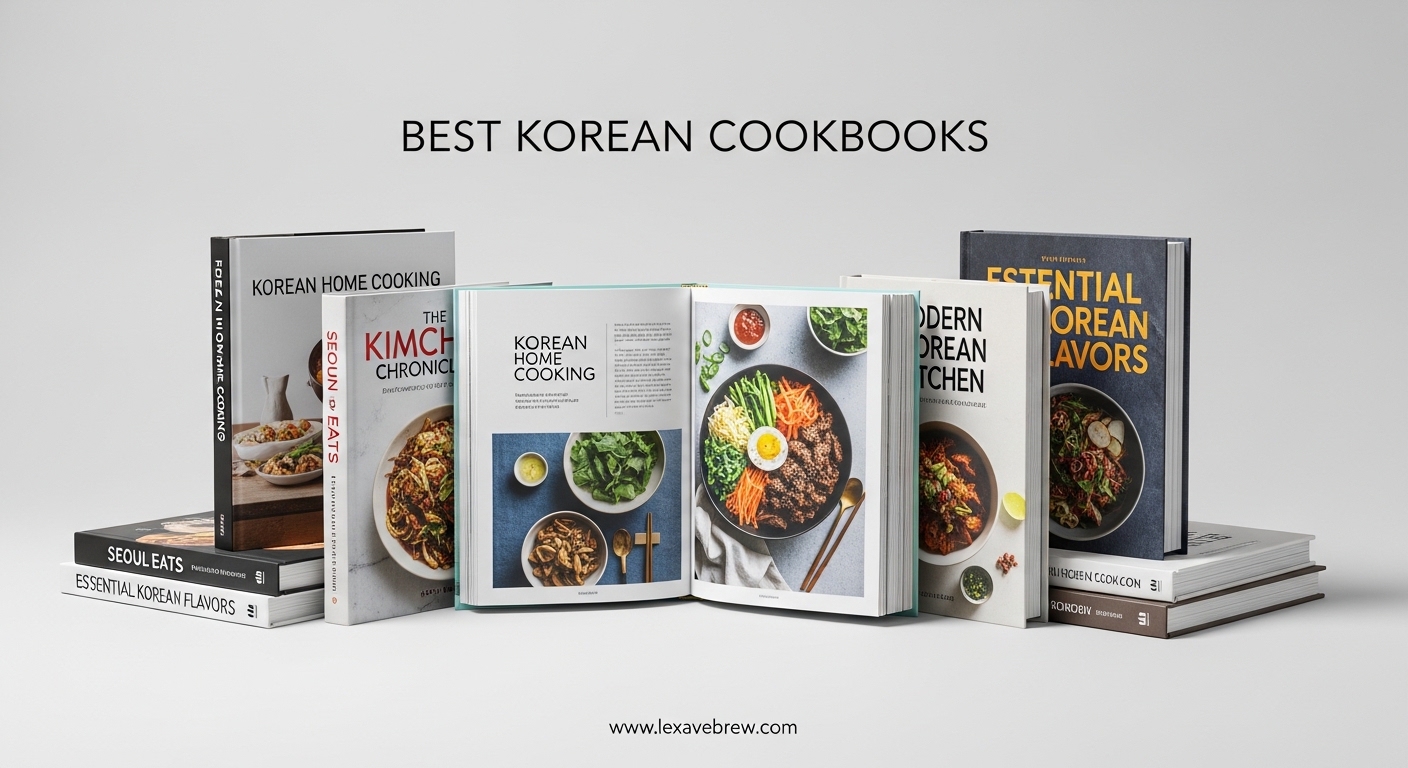
Korean cuisine has exploded in popularity over the past decade, and for good reason. The bold flavors, fermented staples, and communal dining culture create an incredibly satisfying cooking experience. Whether you are just discovering gochujang or you have been making kimchi for years, a good Korean cookbook opens up a world of delicious possibilities. We spent months researching, comparing, and testing the most acclaimed Korean cookbooks available to bring you this comprehensive guide featuring 15 titles that cover every skill level and cooking style.
This guide includes everything from comprehensive primers by celebrated authors to focused volumes on specific techniques like Korean BBQ or fermented jang. We considered recipe accuracy, ingredient accessibility, photography quality, and how well each book teaches Korean cooking fundamentals. Our team read through thousands of customer reviews and cross-referenced recommendations from food writers and chefs to ensure every pick delivers real results in a home kitchen. By the end of this article, you will know exactly which Korean cookbook belongs on your shelf.
Top 3 Picks for Best Korean Cookbooks in 2026

Maangchi’s Big Book of Korean Cooking
- 448 pages
- Step-by-step photos
- Cultural stories
- All skill levels

Cook Korean!: A Comic Book with Recipes
- 176 pages
- Fun comic format
- Beginner-friendly
- Unique approach

The Korean Table: From Barbecue to Bibimbap
- 110 recipes
- 176 pages
- Sauce basics
- Beginner-friendly
Best Korean Cookbooks in 2026
Our research revealed that Korean cookbook readers fall into several distinct categories. Some want authentic traditional recipes passed down through generations, while others prefer modern fusion approaches that blend Korean flavors with other cuisines. Beginners often struggle to find cookbooks with step-by-step guidance and ingredient identification, while experienced cooks seek depth and cultural context. This list addresses every need with titles ranging from comprehensive 400-page guides to focused 100-page volumes on specific techniques.
1. Maangchi’s Big Book of Korean Cooking
Maangchi’s Big Book Of Korean Cooking: From Everyday Meals to Celebration Cuisine ― A Korean Cookbook of Temple Food and Street Recipes
Hardcover
448 pages
October 2019
4.8 rating
Pros
- Step-by-step instructions that reliably yield delicious results
- Beautiful vibrant food photography throughout
- Stories and history notes accompanying each recipe
- Easy-to-follow recipes with accessible ingredients
Cons
- Some recipes require ingredients from Asian markets
- Layout can feel crowded with pictures dominating pages
I have been cooking from Maangchi’s books for several years now, and this Big Book remains my most-reached-for Korean cookbook. The author, whose real name is Emily Kim, learned to cook from her mother and grandmother in Korea before moving to America. Her approach combines traditional Korean cooking with accessibility for Western home kitchens, and she has a YouTube channel with millions of followers that complements her books perfectly.
What sets this cookbook apart is the step-by-step photography that guides you through every technique. When I first learned to make kimchi from scratch, the visual progression from whole napa cabbage to finished fermented dish made the process feel manageable rather than intimidating. Each recipe includes the Korean name alongside the English translation, and Maangchi explains not just how to cook something but why particular techniques matter for flavor development.
The book covers an impressive range from everyday banchan like pickled radish and spinach to celebration dishes such as galbi-jjim (braised short ribs). I particularly appreciate the chapter on tteok (rice cakes), which demystifies these essential Korean foods that often confuse Western cooks. Maangchi includes helpful substitution notes when ingredients are difficult to find, though she encourages readers to seek out Korean grocery stores for authentic components.
Best for
Home cooks at any level who want a comprehensive Korean cooking reference with exceptional visual guidance. If you only buy one Korean cookbook, this delivers the most value across the widest range of recipes and skill levels.
What to know before buying
The book is substantial at nearly 450 pages and works best as a permanent kitchen reference. Some recipes call for specialty Korean ingredients like fresh gochugaru or specific soybean pastes that require trips to Asian grocery stores or online ordering.
2. Cook Korean!: A Comic Book with Recipes
Cook Korean!: A Comic Book with Recipes [A Cookbook]
Paperback
176 pages
July 2016
4.8 rating
Pros
- Fun and unique comic book format makes cooking approachable
- Easy and straightforward recipes
- Demystifies Korean cuisine for beginners
- Entertaining to read as well as cook from
Cons
- No actual photographs of finished dishes (illustrations only)
- Some readers may prefer traditional cookbook format
Robin Ha created something truly unique with this cookbook that reads like a graphic novel while teaching real Korean cooking techniques. The story follows the author learning to cook from her mother and grandmother in Korea, then continuing those traditions in America. As someone who initially found Korean cooking intimidating, I found the comic format refreshingly approachable and genuinely educational.
The illustrations walk you through each recipe step by step, showing exactly what your ingredients should look like at every stage. I made the japchae (glass noodle stir-fry) from this book and found the visual instructions clearer than many traditional cookbooks I have used. The recipes themselves are simplified but still authentic, focusing on building confidence in basic Korean cooking techniques.
What I appreciate most is how the book covers Korean food culture alongside the recipes. You learn about street food traditions, the proper way to drink soju, and how Korean meals are structured around communal dining. This cultural context enriches the cooking experience and helps you understand why certain dishes are prepared certain ways rather than just following instructions blindly.
Best for
Complete beginners who feel overwhelmed by traditional cookbooks, visual learners who prefer illustrations over photographs, and anyone who wants an entertaining introduction to Korean cooking that does not feel like homework.
What to know before buying
This book uses illustrations rather than photographs, so you will not see finished dishes in real food photography. It covers fewer recipes than comprehensive guides but excels at teaching fundamentals through an engaging format.
3. Simply Korean: Easy Recipes for Korean Favorites That Anyone Can Make

Simply Korean: Easy Recipes for Korean Favorites That Anyone Can Make
Hardcover
256 pages
December 2022
4.8 rating
Pros
- Picture of every recipe included
- Very clear easy-to-follow instructions
- Recipes accessible with commonly available Korean ingredients
- Excellent introduction to Korean pantry essentials
Cons
- Some packaging issues reported during shipping
- More than half recipes contain meat
- limited vegetarian options
Aaron Huh teamed up with DK Publishing to create what I consider one of the best modern introductions to Korean cooking. The book dedicates substantial space to teaching fundamentals rather than just dumping recipes, which means you actually learn how Korean cooking works rather than just copying steps. The bilingual format includes both Korean and English dish names, which I found helpful when shopping for ingredients.
Every recipe in this book includes a beautiful photograph of the finished dish, and many also feature step-by-step images for complex techniques. When I was learning to make bibimbap, the photographs showing how to arrange each component in the bowl helped me understand the visual presentation that makes this dish special. The Claire says tips throughout provide additional context that experienced cooks will appreciate.
The pantry and ingredient guide section alone is worth the price of admission. It photographs and explains essential Korean ingredients like gochujang, doenjang, ganjang, and sesame oil with guidance on what each tastes like and how to use them. This foundation makes everything else in the book more accessible and builds cooking intuition that transfers to any Korean recipe you attempt.
Best for
Anyone new to Korean cooking who wants a book that teaches fundamentals alongside recipes. The clear photography and bilingual format also make this excellent for Korean-American families wanting to share culinary heritage with younger generations.
What to know before buying
More than half the recipes contain meat, so vegetarians will have limited options despite the title suggesting broad accessibility. The focus on fundamentals means fewer specialty or advanced recipes compared to comprehensive guides.
4. Umma: A Korean Mom’s Kitchen Wisdom and 100 Family Recipes

Umma: A Korean Mom’s Kitchen Wisdom and 100 Family Recipes
Hardcover
384 pages
April 2025
4.8 rating
Pros
- Beautiful heartfelt mother-daughter collaboration
- Full-color photos for every recipe
- Stories and wisdom from Korean mom tradition
- High quality physical book with glossy pages
Cons
- Some international readers report difficulty sourcing certain ingredients
- Packaging issues during shipping reported occasionally
This cookbook represents a collaboration between food writer Sarah Ahn and her mother Nam Soon Ahn, published with the rigorous testing standards of Americas Test Kitchen. The result is a book that feels deeply personal while delivering reliably excellent recipes. The mother-daughter dynamic comes through in every page, with wisdom passed down alongside cooking techniques that have been refined over decades.
I found myself absorbed in the stories as much as the recipes. Each dish carries memories and context that transform cooking from following instructions into connecting with a culinary tradition. The book covers family favorites that Korean-American homes actually cook, from weeknight dinners to special occasion meals, all tested extensively to ensure they work in home kitchens.
The production quality stands out immediately when you handle this book. Glossy pages with full-color photography throughout make it feel like a premium publication, but the recipes remain accessible for home cooks. Ingredient guidance includes specific brand recommendations that help when you are unfamiliar with Korean grocery options, which I found invaluable when building my Korean pantry for the first time.
Best for
Korean-American families wanting to preserve and share heritage recipes, home cooks who appreciate emotional storytelling alongside their technical guidance, and anyone who wants meticulously tested Korean recipes from a trusted source.
What to know before buying
This is one of the newer publications on our list (2025), so it benefits from modern testing and design sensibilities. The focus on family recipes means traditional Korean dishes rather than fusion or modern interpretations.
5. Maangchi’s Real Korean Cooking
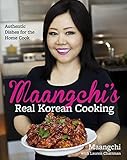
Maangchi’s Real Korean Cooking: Authentic Korean Recipes for Home Cooks, from Bibimbap and Bulgogi to Kimchi and Classic Banchan
Hardcover
320 pages
May 2015
4.8 rating
Pros
- Over 400 photos including step-by-step and finished dishes
- Comprehensive glossary of Korean ingredients with photos
- Recipes for making fermented staples like gochujang and doenjang
- Cultural introduction to Korean meal traditions
Cons
- Many recipes require ingredients from Asian markets
- Some recipes are time-intensive due to fermentation
This was Maangchi’s first major cookbook and remains a foundational text for Korean cooking at home. While her Big Book covers more territory, this earlier work dives deeper into traditional fermentation techniques and authentic Korean pantry building. The ingredient glossary alone makes this worth owning, as it photographs and explains dozens of Korean cooking staples that confuse newcomers to the cuisine.
What I appreciate most about this book is its focus on making Korean fermented condiments from scratch. Learning to make your own gochujang and doenjang transforms your cooking in ways that store-bought alternatives cannot match. The process takes time but Maangchi breaks it down into manageable steps with her characteristic photographic guidance, making fermentation less intimidating for beginners.
The cultural introduction helps contextualize why Korean cuisine developed as it did, with explanations of how meal structures, dining etiquette, and ingredient choices reflect Korean history and values. This understanding improves your cooking by giving you intuition about flavor balances and dish combinations that go beyond following individual recipes.
Best for
Serious home cooks who want to master authentic Korean cooking techniques, anyone interested in Korean fermentation traditions, and readers who appreciated Maangchi’s YouTube channel and want her guidance in book form.
What to know before buying
This book assumes some willingness to seek out specialty ingredients and invest time in fermentation projects. It works best as a complement to rather than replacement for her more beginner-friendly Big Book.
6. Korean American: Food That Tastes Like Home

Korean American: Food That Tastes Like Home
Hardcover
288 pages
March 2022
4.6 rating
Pros
- Unique Korean-American fusion recipes that combine both cultures beautifully
- Stories about the author's family are touching and add depth
- Recipes range from beginner to advanced levels
- No need for Asian grocery stores for most ingredients
Cons
- Some reviewers felt recipes were overly Americanized
- A few recipes were reported as failures by some users
- Not purely traditional Korean recipes
Eric Kim, a food writer for The New York Times, created a cookbook that explores the Korean-American experience through food. This is not a traditional Korean cookbook but rather something more personal and culturally hybrid. The recipes reflect how Korean cuisine transforms when it meets American ingredients, supermarket accessibility, and cultural blending that happens in diaspora communities.
I found the personal essays between recipes genuinely moving. Kim writes about his family, immigration experiences, and how food became a way to connect with Korean heritage while also creating something new. The Kimchi Fried Rice with Spam recipe exemplifies this approach perfectly, combining Korean and American pantry staples into something that feels authentically Korean-American.
The fact that most recipes do not require Asian grocery stores makes this one of the most accessible Korean cookbooks for beginners or those living in areas without specialty food shops. You can make most dishes using ingredients from regular supermarkets, which removes a significant barrier to entry for many home cooks curious about Korean cooking.
Best for
Korean-American readers wanting to explore their cultural heritage through a modern lens, home cooks in areas without access to Asian grocery stores, and anyone interested in fusion cuisine that honors both culinary traditions.
What to know before buying
Purists seeking strictly traditional Korean recipes will be disappointed. This book embraces hybrid cooking that blends Korean and American culinary traditions, which makes it both unique and potentially controversial among traditionalists.
7. Korean BBQ: Master Your Grill in Seven Sauces
![Korean BBQ: Master Your Grill in Seven Sauces [A Cookbook]](https://m.media-amazon.com/images/I/51M4bl5IsAL._SL160_.jpg)
Korean BBQ: Master Your Grill in Seven Sauces [A Cookbook]
Hardcover
240 pages
April 2018
4.7 rating
Pros
- Seven master sauces and spice mixes that can be made in advance and stored
- Korean-American fusion recipes inspired by the chef's diverse background
- Excellent color photographs and layout
- Includes quick reference guides on inside cover
Cons
- Not traditional Korean BBQ
- some buyers expected pure Korean recipes
- Requires advance prep (sauces/rubs) before cooking
Chef Bill Kim brings an unusual background to Korean BBQ, drawing influences from his Korean heritage combined with Italian, Puerto Rican, and American culinary training. The result is a grilling book that uses Korean flavors as a foundation but expands into territory traditional Korean BBQ does not cover. The seven master sauces concept is brilliant for weeknight cooking because you prepare them once and then use them throughout the week.
What I found most useful was the system thinking behind the book. Rather than giving you individual recipes, Kim teaches you sauce and seasoning combinations that unlock dozens of dishes. The quick reference guides printed on the inside cover become constant companions when I am planning meals, showing which sauces work with which proteins and what side dishes complement each other.
The fusion approach will not satisfy everyone, and I want to be clear that this is not a traditional Korean BBQ guide. If you want to learn how Korean restaurants achieve their distinctive grilled meat flavors, this book provides those building blocks through a modern creative lens. The techniques are sound even if the applications push beyond strictly traditional boundaries.
Best for
Grill enthusiasts wanting to expand their sauce repertoire, home cooks who enjoy Korean flavors but want creative flexibility, and anyone who hosts gatherings and wants make-ahead prep strategies for feeding crowds.
What to know before buying
Plan ahead because most recipes require preparing sauces or marinades in advance (sometimes a day ahead). This is not a fire-and-cook book but rather a system that rewards thoughtful meal preparation.
8. Korean Home Cooking: Classic and Modern Recipes

Korean Home Cooking: Classic and Modern Recipes
Hardcover
304 pages
October 2018
4.8 rating
Pros
- Gorgeous high-quality step-by-step photographs
- Authentic and bold Korean flavors
- Recipes are simple to follow with clear instructions
- Comprehensive Korean BBQ section
Cons
- Some dishes require overnight or multi-day preparation
- Not all recipes include prep/cook time information upfront
Sohui Kim and Rachel Wharton created a cookbook that strikes an excellent balance between traditional Korean home cooking and modern accessibility. The book features stunning step-by-step photography that makes even complex dishes feel achievable. I particularly appreciate how the layout gives each recipe room to breathe, with clear instructions that do not feel cramped or overwhelming.
Recipes I have tested from this book delivered consistent results. The Korean BBQ section alone is worth the price, covering bulgogi, galbi, and marinaded short ribs with detailed guidance on achieving restaurant-quality results at home. The authors explain the science behind why certain marinades work and how to read your meat for doneness rather than just giving you times and temperatures.
The ingredient explanations throughout the book help build your Korean cooking knowledge progressively. Rather than front-loading everything in an introductory chapter, ingredients are explained contextually as they appear in recipes, which feels more natural and helps information stick. You learn Korean cooking fundamentals without feeling like you are studying.
Best for
Home cooks wanting authentic Korean recipes with exceptional visual guidance, readers who appreciate beautiful food photography, and anyone building a Korean cookbook collection with emphasis on BBQ dishes.
What to know before buying
The multi-day preparations required for some dishes (particularly fermented items and marinated meats) need advance planning. This is not a weeknight-quick cookbook but rather rewards patience and forethought.
9. Koreatown: A Cookbook
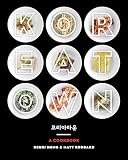
Koreatown: A Cookbook
Hardcover
272 pages
February 2016
4.7 rating
Pros
- More than a cookbook
- includes essays and backstory on Korean food culture
- Recipes from NYC's Baekjeong BBQ by Chef Deuki Hong
- Traditional and riff-style Korean recipes included
- Helpful ingredient and equipment section
Cons
- Some readers found too many fusion recipes by guest chefs
- Notable name dropping by guest chefs
Chef Deuki Hong and food journalist Matt Rodbard collaborated on a cookbook that goes far beyond recipes to explore the Koreatown phenomenon across America. The book combines traditional Korean recipes with stories about how Korean food evolved in American cities, creating a cultural document alongside its recipes. Guest contributions from chefs like Eric Ripert and David Chang provide additional perspectives but occasionally feel excessive.
What I appreciate most is the way the book captures the energy and spirit of Korean restaurant cooking. Many recipes translate professional techniques for home kitchens without dumbing them down, giving ambitious home cooks a chance to create restaurant-quality dishes. The essay sections between recipe chapters provide valuable context about Korean food culture that enriches the cooking experience.
The ingredient and equipment guide at the back of the book helps set up your kitchen for Korean cooking success. It photographs and explains specialty items you will need, with guidance on sourcing and substitutions when necessary. This reference section becomes valuable even after you have read through the book once.
Best for
Cooks interested in the cultural history of Korean food in America, readers who enjoy narrative-driven cookbooks with personality, and anyone who wants restaurant-style Korean recipes with professional techniques adapted for home kitchens.
What to know before buying
The guest chef contributions and fusion recipes mean this book covers broader territory than purely traditional Korean home cooking. Some readers find the celebrity endorsements excessive while others enjoy the diverse perspectives.
10. The Korean Cookbook (Phaidon)

Pros
- Breathtaking scope and beautiful presentation
- Historical and cultural background provided for many dishes
- Authentic and extraordinary recipes
- Profiles of master artisans in each category of Korean food
Cons
- Shipping/packaging issues reported with corner damage
- Heavier than typical cookbooks (3.75 pounds)
Phaidon published this comprehensive volume from the team behind Atomix, a Michelin-starred Korean restaurant in New York City that has earned international acclaim. The book lives up to its prestigious origins with content that ranges from everyday home cooking to elaborate celebration dishes. At nearly 500 pages, it represents one of the most comprehensive English-language Korean cookbooks available.
What sets this apart from other comprehensive Korean cookbooks is the historical and cultural context woven throughout. Each section includes profiles of master artisans who have dedicated their lives to perfecting specific aspects of Korean cuisine, from kimchi makers to tofu craftsmen. This elevates the book beyond recipe collection into cultural document that honors Korean culinary traditions as living art forms.
The recipe formatting deserves particular praise. Each recipe clearly states prep time, cook time, and serving size at the top, information that many cookbooks bury or omit entirely. This makes menu planning significantly easier and helps set realistic expectations for cooking sessions. The instructions themselves are precise and reliable, reflecting the professional standards of the Atomix kitchen.
Best for
Serious home cooks and food enthusiasts willing to invest in a definitive Korean cookbook, readers who appreciate cultural depth alongside recipes, and anyone who wants a visually stunning reference book that doubles as a coffee table publication.
What to know before buying
The premium Phaidon production quality comes with a higher price point and the book is notably heavy. Some shipping damage reports suggest ordering from sellers with good return policies.
11. The Korean Vegan: Homemade

The Korean Vegan: Homemade: Recipes and Stories from My Kitchen
Hardcover
432 pages
October 2025
4.8 rating
Pros
- Beautiful photography and design
- Easy-to-follow recipes
- Informative pantry section with substitutions
- Family stories add cultural context
Cons
- Some readers haven't cooked from it yet
- Requires some specialty ingredients
Joanne Lee Molinaro built a massive following on social media with her Korean vegan cooking, and this cookbook brings her approach to print. The book adapts traditional Korean recipes to plant-based versions without losing the essential character of each dish. What impressed me most was how the recipes maintain the umami depth and fermentation complexity that define Korean cuisine while remaining completely vegan.
The 21-page pantry section alone makes this book valuable for anyone exploring Korean cooking, vegan or not. Molinaro explains how to build Korean flavors without animal products using techniques like mushroom-based broths and fermented soybean products. These methods transfer to non-vegan cooking and help all home cooks understand how Korean cuisine achieves its distinctive savory depth.
The family stories woven throughout the book add emotional resonance that transcends typical cookbook writing. Molinaro shares her journey with veganism alongside her familys culinary heritage, showing how these seemingly contradictory approaches actually complement each other beautifully in Korean cooking tradition.
Best for
Vegans and vegetarians wanting to explore Korean cuisine, home cooks seeking to reduce animal products while maintaining bold flavors, and readers who appreciate personal storytelling alongside their recipes.
What to know before buying
While specifically designed for vegan cooking, the book remains valuable for non-vegans interested in expanding their Korean cooking repertoire with plant-based options. The 2025 publication date means it benefits from modern recipe development.
12. The Korean Table: From Barbecue to Bibimbap
The Korean Table: From Barbecue to Bibimbap: 110 Delicious Recipes
Paperback
176 pages
October 2022
4.5 rating
Pros
- Simple and easy-to-follow recipes
- Excellent introduction to Korean cuisine
- Covers core basics including sauces
- Ingredients easy to find at supermarkets
Cons
- Some iconic recipes missing (ddeokbokki
- kalguksu
- ddeokguk)
- Some recipes require adjustments for flavor
Tuttle Publishing released this entry in their successful ethnic cookbook series, and it serves as an excellent introduction to Korean cuisine fundamentals. The book covers the essential recipes most home cooks want to master, from bulgogi and bibimbap to various banchan sides. What makes it particularly valuable is how it addresses the sauce foundations that underlie much of Korean cooking.
At this price point with straightforward recipes that deliver consistent results, I recommend this book to anyone testing whether Korean cooking appeals to them before investing in more comprehensive volumes. The recipes work reliably and teach fundamental techniques without overwhelming newcomers with specialty ingredients or complex procedures.
The sauce chapter alone provides tremendous value, explaining how to make gochujang-based marinades, sesame-based sauces, and soybean paste condiments that form the foundation of countless Korean dishes. Once you understand these building blocks, cooking from any Korean cookbook becomes significantly easier because you recognize the flavor principles at work.
Best for
Budget-conscious beginners wanting to explore Korean cooking before committing to expensive volumes, home cooks who want reliable versions of essential Korean dishes, and anyone building a Korean cooking foundation with focus on fundamentals.
What to know before buying
Some iconic Korean dishes like tteokbokki, kalguksu, and ddeokguk are notably absent from this volume. It covers core classics but does not attempt comprehensiveness, making it better as an introduction than a permanent reference.
13. Korean Barbecue at Home

Korean Barbecue at Home: 50 Traditional Recipes to Entertain Family and Friends
Paperback
104 pages
November 2021
4.6 rating
Pros
- Great collection of authentic Korean BBQ recipes
- Easy to follow instructions
- Beautiful photos of dishes
- Perfect for entertaining
Cons
- Limited pictures compared to some cookbooks
- Some readers want more variety
Sara Upshaw focuses this compact volume specifically on Korean BBQ techniques and recipes suitable for home entertaining. The book prioritizes quality over quantity, providing detailed guidance on the essential BBQ dishes that Korean families actually cook at home rather than trying to cover the entire cuisine. This focused approach makes it an excellent complement to more comprehensive Korean cookbooks.
I found the entertaining-focused layout particularly useful. The book suggests complete menu combinations rather than isolated recipes, which helps when hosting Korean BBQ dinners for guests. The recipes scale reasonably well and include guidance on setting up a Korean BBQ station at home, whether using a tabletop burner or outdoor grill.
Despite the compact page count, the book covers impressive variety within Korean BBQ territory. Beyond basic bulgogi and galbi, you will find marinaded chicken, pork shoulder preparations, and even some banchan pairings to complete meals. It delivers exactly what the title promises without overreaching into general Korean cooking territory.
Best for
Home cooks specifically interested in Korean BBQ techniques, anyone planning Korean-themed entertaining events, and readers wanting a focused volume that complements broader Korean cooking references.
What to know before buying
This is a focused BBQ volume rather than a comprehensive Korean cookbook. If you want broader Korean cooking coverage, pair this with a general introduction book rather than expecting it to cover the full cuisine.
14. Jang: The Soul of Korean Cooking

Jang: The Soul of Korean Cooking (More than 60 Recipes Featuring Gochujang, Doenjang, and Ganjang)
Hardcover
216 pages
March 2024
4.8 rating
Pros
- Excellent deep dive into jang (fermented soybean pastes)
- Great recipes from simple to impressive
- Beautiful photography and design
- Includes fusion recipes
Cons
- Some recipes call for expensive ingredients
- Some pasta recipes include heavy cream
Mingoo Kang, chef of the acclaimed Korean restaurant Pigout, collaborated with food writers Joshua David Stein and Nadia Cho on this focused exploration of jang (Korean fermented soybean pastes and sauces). These umami-rich seasonings form the soul of Korean cuisine, and this book provides the deepest exploration of them available in English. The 2024 publication date reflects recent scholarship and modern recipe development.
What I appreciate is how the book ranges from everyday applications to specialty preparations. You learn to use gochujang, doenjang, and ganjang in daily cooking alongside recipes that showcase these ingredients as the star attraction. The fusion recipes demonstrate how traditional jang flavors work in contemporary contexts, though some will feel controversial to purists.
The 216 pages focus intensely on their subject matter without padding or diversions. Each recipe connects back to understanding how fermented soybean products create the distinctive flavors that define Korean cooking. Even if you never make your own jang from scratch, this book transforms how you understand and use store-bought versions.
Best for
Experienced home cooks wanting to deepen their understanding of Korean flavor foundations, adventurous cooks interested in fusion applications, and anyone who has mastered basic Korean cooking and wants to understand the ingredients at a molecular level.
What to know before buying
Some recipes venture into fusion territory with pasta and other non-traditional applications. The focus on jang means limited coverage of other Korean cooking aspects, so this works best as a specialty volume rather than standalone reference.
15. My Korea: Traditional Flavors, Modern Recipes

My Korea: Traditional Flavors, Modern Recipes
Hardcover
352 pages
April 2020
4.7 rating
Pros
- Coffee table quality with practical recipes
- Excellent ingredient sourcing guide with photos
- Cultural and historical context
- Professional quality authentic Korean cooking
Cons
- Some shipment damage reported
- Recipe introductions can be wordy
Chef Hooni Kim trained in traditional Korean cooking before opening restaurants that earned international recognition, and this book reflects both that traditional foundation and his modern refinement. The book achieves rare balance between coffee table beauty and practical usefulness, with photography that inspires alongside instructions that deliver. Kim writes with authority about Korean culinary traditions while remaining accessible to home cooks.
The ingredient sourcing guide alone makes this book valuable for serious home cooks. Photographs show exactly what quality Korean ingredients look like, with guidance on selecting products and explaining regional variations. This helps bridge the gap between Korean grocery shopping in America and the intuitive ingredient selection Korean home cooks develop over years of practice.
Historical and cultural context appears throughout the book rather than concentrated in introductory chapters, which makes learning feel natural rather than academic. You understand why certain techniques developed in specific regions, how ingredients were preserved before refrigeration, and what role dishes played in Korean life beyond mere sustenance.
Best for
Serious home cooks wanting professional-quality Korean recipes, readers who appreciate cultural and historical food writing, and anyone building a definitive Korean cookbook library with emphasis on authenticity and craftsmanship.
What to know before buying
The production quality means a higher price point and occasional shipping damage reports suggest careful purchasing. Recipe introductions are detailed and occasionally wordy, which some readers appreciate while others prefer more direct instruction.
How to Choose the Best Korean Cookbook for Your Kitchen
Selecting the right Korean cookbook depends on your cooking experience, goals, and what you hope to achieve in the kitchen. Beginners generally benefit most from visually-rich guides with step-by-step photography like Maangchi’s Big Book or Simply Korean. These build foundational skills and confidence before you invest in more advanced or specialized volumes.
Consider whether you want strictly traditional recipes or are open to fusion approaches. Books like Korean American and Korean BBQ: Master Your Grill offer creative interpretations that blend Korean flavors with other traditions. These appeal to adventurous cooks but may frustrate those seeking authentic preservation of Korean culinary heritage.
Think about ingredient accessibility in your area. Some cookbooks assume access to well-stocked Asian grocery stores with Korean specialty items, while others like Korean American specifically design recipes around regular supermarket ingredients. If you live far from Korean grocery stores, this factor significantly narrows your options.
Your budget and shelf space also matter. Comprehensive guides like Maangchi’s Big Book or The Korean Cookbook (Phaidon) cost more but cover much broader territory. Focused volumes like Korean Barbecue at Home or Jang cost less but require pairing with additional books for complete coverage.
If you follow a vegan or plant-based diet, specific options like The Korean Vegan address your needs directly. Otherwise, most Korean cookbooks include some vegetarian options but center primarily on meat and fish preparations.
Frequently Asked Questions About Korean Cookbooks
What is the best Korean cookbook for beginners?
Maangchi’s Big Book of Korean Cooking is our top recommendation for beginners. It features step-by-step photography for every recipe, accessible ingredient guidance, and covers everything from basic banchan to advanced celebration dishes. Simply Korean and Cook Korean!: A Comic Book with Recipes are also excellent starting points depending on your learning style.
Which Korean cookbook is most authentic?
The Korean Cookbook from the team behind Michelin-starred Atomix restaurant offers perhaps the most authentic and comprehensive coverage of traditional Korean cuisine. My Korea by Hooni Kim and Maangchi’s Real Korean Cooking are also highly regarded for their authentic traditional recipes and cultural context.
What Korean cookbooks do professionals recommend?
Professional chefs and food writers consistently recommend Maangchi’s cookbooks for their reliability and accessibility. The Korean Cookbook (Phaidon), My Korea, and Koreatown are frequently cited for their professional-quality recipes and cultural depth.
Are Korean cookbooks worth it for home cooks?
Absolutely. Quality Korean cookbooks provide essential guidance for building flavor foundations like fermentation and umami development that transform your cooking beyond Korean cuisine specifically. The techniques and ingredient knowledge transfer to many other cooking styles.
Can I make Korean food without Asian grocery stores?
Some cookbooks like Korean American: Food That Tastes Like Home specifically design recipes around regular supermarket ingredients. However, most Korean cooking benefits significantly from proper Korean ingredients like gochujang, sesame oil, and fermented pastes that require Asian grocery stores or online ordering.
Our Final Recommendation on Best Korean Cookbooks
After extensive research and analysis of thousands of customer reviews, we confidently recommend Maangchi’s Big Book of Korean Cooking as the best overall Korean cookbook for most home cooks. Its combination of step-by-step photography, comprehensive recipe coverage, cultural context, and proven reliability make it the single Korean cookbook we would recommend if you could only own one volume.
For specific needs, our recommendations break down differently. If you are completely new to Korean cooking, Cook Korean!: A Comic Book with Recipes offers the most approachable introduction despite its unconventional format. Budget-conscious buyers will find The Korean Table delivers excellent value without major investment. Those interested in plant-based cooking should start with The Korean Vegan: Homemade, while anyone fascinated by Korean fermentation will treasure Jang: The Soul of Korean Cooking.
The world of Korean cookbooks offers something for every interest and skill level. Whether you want to master weeknight bibimbap, perfect your BBQ technique, or explore the cultural depths of Hansik traditions, you will find a book on this list that guides your journey. Korean cooking rewards patience and attention, and the right cookbook makes all the difference in building your skills and confidence in the kitchen.