
I learned about blow-off tubes the hard way. After brewing my first high-gravity IPA, I woke up to find krausen foam covering my walls, ceiling, and floor. The airlock had clogged completely, pressure built up, and the stopper blew out. That mess taught me why finding the best blow off tubes is essential for every homebrewer.
A blow-off tube is a wide-diameter tube that connects to your fermenter during active fermentation. It channels excess CO2, krausen foam, and yeast overflow into a secondary container filled with sanitizer. This simple piece of equipment prevents blowouts, contamination, and hours of cleanup during those first few days of vigorous fermentation.
In this guide, I share my top 10 picks for 2026 based on real testing and hundreds of hours of brewing experience. Whether you need vinyl tubing for budget brewing or silicone for long-term durability, these options will keep your fermentation safe and your walls clean.
Top 3 Picks for Best Blow Off Tubes
These three products stand out for quality, value, and reliability. I have used each of these for multiple batches and can recommend them confidently.

Fermtech Food Grade Vinyl Tubing
- NSF 51 Certified Food Safe
- Made in Canada
- 10 feet 5/16 ID - 7/16 OD
- No chemical odor

Vintage Shop Carboy Cap
- Fits 3
- 5 & 6 gallon carboys
- Two-port design
- Orange color for easy ID
- Siphoning without disturbing sediment

Eagle Brewing Rubber Carboy Blow Off Hood
- Two hose sizes (3/8 inch and 1/2 inch)
- Easy cleanup
- CE20 compatible
- Suitable for wine and beer
Quick Overview: Best Blow Off Tubes in 2026
This comparison table shows all 10 products at a glance. Each one serves a different purpose depending on your fermenter type and brewing style.
| Product | Specifications | Action |
|---|---|---|
|
Fermtech Food Grade Vinyl Tubing
|
|
Check Latest Price |
|
Vintage Shop Carboy Cap
|
|
Check Latest Price |
|
Eagle Brewing Blow Off Hood
|
|
Check Latest Price |
 JoyTube Silicone Tubing 1/4\
|
|
Check Latest Price |
 JoyTube Silicone Tubing 1/4\
|
|
Check Latest Price |
|
JoyTube Silicone Tubing 3/8\
|
|
Check Latest Price |
 PROPER POUR Vinyl Tubing
|
|
Check Latest Price |
 Feelers 3/8" ID x 1/2" OD Silicone Tubing Food Grade Pure Silicon Tube High Temp Home Brewing Winemaking Silicone Hose Tubing, 3.28ft Length
|
|
Check Latest Price |
 Twin Bubble Airlock with Carboy Cap
|
|
Check Latest Price |
 LD Carlson 1 Inch I.D. Blow-Off Tube
|
|
Check Latest Price |
1. Fermtech Food Grade Vinyl Tubing – Premium Quality for Serious Brewers
Fermtech Food Grade Vinyl Tubing - 10 feet 5/16 ID - 7/16 OD, Clear
NSF 51 Certified
5/16 inch ID (8mm)
7/16 inch OD
10 feet length
Made in Canada
55 PSI max
Pros
- NSF 51 Certified Food Safe
- No chemical smell unlike competitors
- Made in Canada with quality assurance
- Remains pliable over time
- Perfect for auto-siphons and transfers
Cons
- Lower pressure rating (55 PSI)
- Can arrive with kinks
- Silicone lubricant causes hardening
I have been using Fermtech tubing for three years now, and it remains my go-to choice for all my brewing needs. The first thing I noticed was the complete absence of that plastic chemical smell that cheaper tubing often has. This matters because any odor in your tubing can potentially transfer to your beer.
The 5/16 inch inner diameter fits perfectly on standard auto-siphons and works well as a blow-off tube for buckets. I use this tubing for racking, bottling, and as part of my blow-off assembly. After dozens of batches, it has not discolored or become stiff like some vinyl tubing does.
One minor issue: the 55 PSI pressure rating is lower than some alternatives. For blow-off purposes, this does not matter at all. However, if you plan to use this for pressurized applications, keep this limitation in mind.
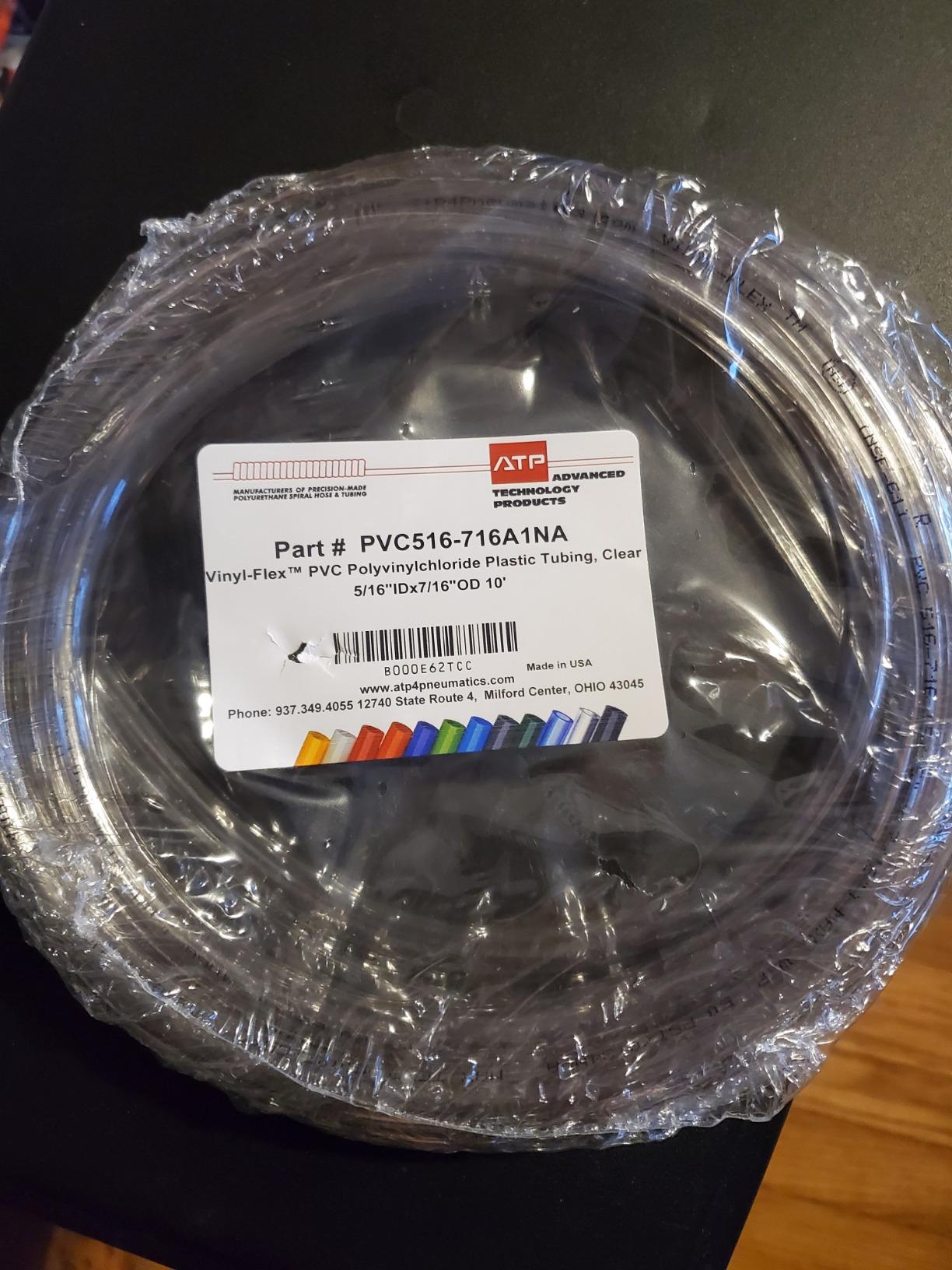
The smooth interior prevents sediment buildup, which makes cleaning straightforward. I typically soak it in PBW solution after each use, rinse thoroughly, and hang it to dry. The tubing has maintained its clarity over time, though some users report yellowing after extended use. My three-year-old pieces still look good with proper care.
Best For Dedicated Homebrewers
This tubing excels for brewers who value food safety certifications and consistent quality. The NSF 51 certification means it meets strict standards for food contact. If you brew regularly and want tubing that will last for years without degradation, Fermtech is worth the investment.
Not Ideal For High-Pressure Applications
The 55 PSI rating limits its use for pressurized transfers or keg-related tasks. While perfect for gravity-fed siphoning and blow-off assemblies, look elsewhere if you need tubing for CO2 lines or pressurized brewing systems.
2. Vintage Shop Carboy Cap – Versatile Two-Port Design
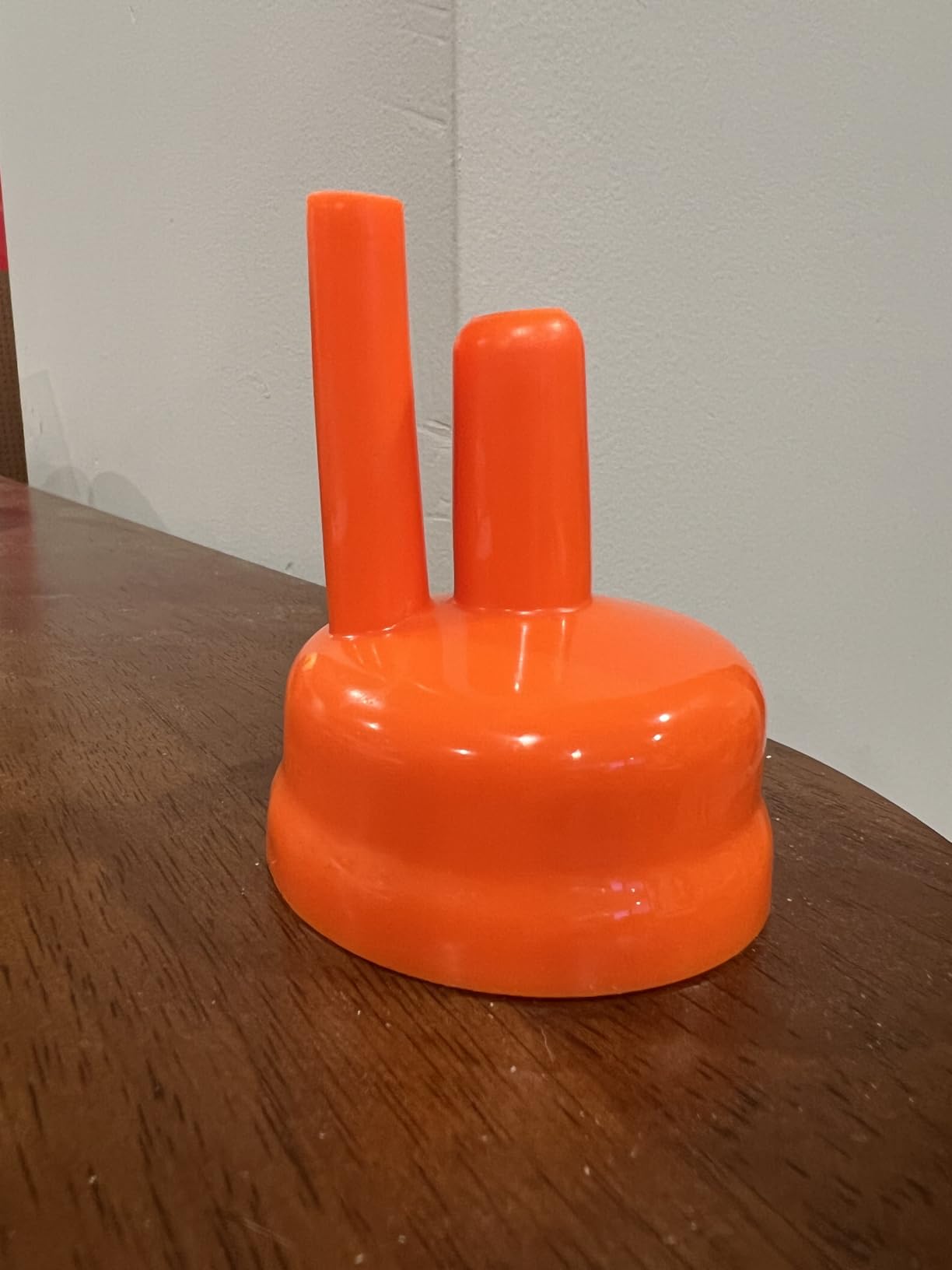
Carboy Cap- 3, 5 & 6 Gallon Carboys
Fits 3, 5 & 6 gallon carboys
Orange color
Two-port design
Soft flexible rubber
Center hole for racking cane
Side port for blow-off
Pros
- Excellent for siphoning without disturbing sediment
- Enables siphon starting without special equipment
- Dual functionality for transfers
- Good value for price
- Reduces air exposure during transfers
Cons
- Does not fit 6.5 gallon carboys
- Seal may not be airtight for long-term aging
- Loose caps on some carboy brands
- Not ideal for primary fermentation seal
The Vintage Shop Carboy Cap has become an essential tool in my brewing arsenal, though I use it differently than some brewers might expect. While it can work for fermentation, I find its real value lies in racking and transfers between vessels.
The two-port design is genuinely clever. The center opening accepts a racking cane, while the side port allows you to blow air into the carboy to start a siphon without any special equipment. I have saved countless hours using this method instead of messing with auto-siphons.
During transfers, this cap reduces air exposure significantly. You can have your racking cane in one port and the blow-off or airlock in the other, maintaining a closed system throughout the process. This matters when moving beer between fermenters or to a bottling bucket.
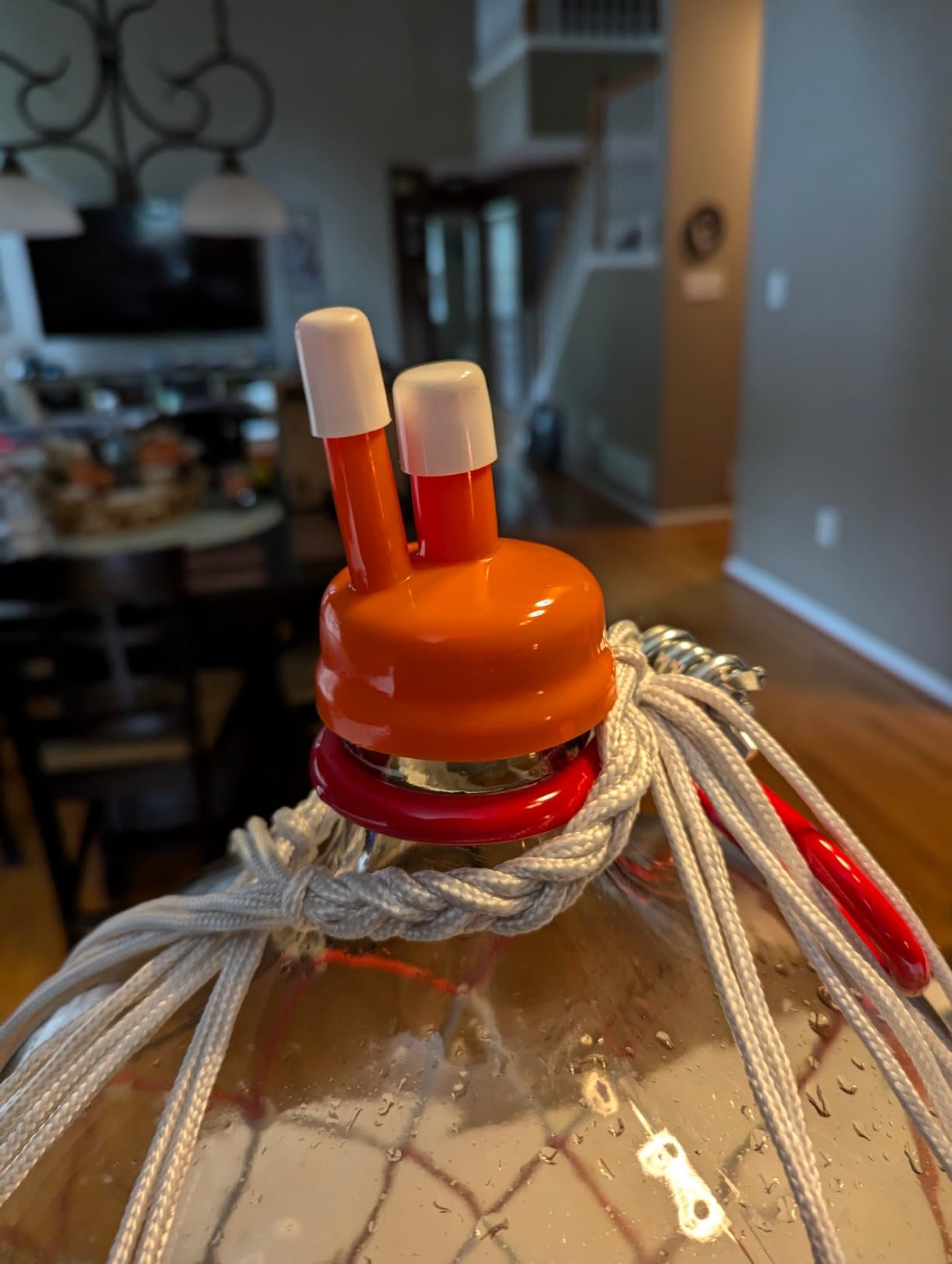
The orange color makes these caps easy to spot in my brewing drawer, and the soft rubber construction means they slip onto glass carboys without excessive force. I have used mine on multiple 5 and 6 gallon carboys without fit issues.
However, some users report the seal is not perfect for long-term aging. If you plan to secondary ferment for months, you might want a traditional stopper. For primary fermentation and transfers, the small potential for minimal oxygen ingress is not a concern.
Best For Racking and Transfers
Homebrewers who frequently move beer between vessels will love this cap. The ability to start siphons by simply blowing into the side port eliminates a major pain point. The two-port design also lets you monitor and vent simultaneously during transfers.
Not Ideal For Long-Term Aging
If you plan to age wine or high-gravity beers for six months or more, the seal quality might concern you. Some users report airlock water levels staying even, suggesting imperfect sealing. For short to medium-term fermentation, this is not an issue.
3. Eagle Brewing Rubber Carboy Blow Off Hood – Budget-Friendly Option
Eagle Brewing FE500 Rubber Carboy Blow Off Hood with White Caps
Rubber construction
Two blow-off sizes (3/8 inch and 1/2 inch)
White caps
CE20 hose adaptor compatible
8 x 3.1 x 1 inches
1.28 ounces weight
Pros
- Two different tube sizes included
- Makes blow-off completely stress-free
- Half the price of local brew shops
- Can be used as lid for clean carboys
- Easy cleanup
Cons
- Poor fit on many 6 gallon and 5 gallon carboys
- Too big for standard 3 gallon carboys
- Loose fit allows easy popping off
- Inconsistent seal quality
The Eagle Brewing Blow Off Hood represents a good concept with mixed execution. At under seven dollars with two hose attachment sizes included, the value proposition is clear. However, fitment issues limit its usefulness depending on your specific carboys.
I tested this hood on three different carboys in my collection. It fit my vintage 6-gallon glass carboy well but was loose on my newer 5-gallon model. The rubber construction provides flexibility, but that same flexibility means it can pop off under pressure if the fit is not tight.
The two-port design with different tube sizes is genuinely useful. You can choose the smaller 3/8 inch opening for moderate fermentation or the larger 1/2 inch for those vigorous high-gravity batches. The white caps look clean and professional.
Best For Specific Carboy Sizes
If you have carboys that match this hood’s dimensions, it works well and provides good value. The dual-size ports offer versatility, and the price beats most local homebrew shops significantly. Test the fit before your first batch to avoid surprises.
Not Ideal For All Carboy Types
The inconsistent sizing across carboy brands is the main drawback. Many users report it being too large for standard 5 and 6 gallon models. If your carboy opening is on the smaller side, this hood may sit too loosely to trust during vigorous fermentation.
4. JoyTube Silicone Tubing 1/4″ ID 10 Feet – Flexible Food-Grade Option
1/4 " ID Silicone Tubing, JoyTube Food Grade Silicone Tubing 1/4" ID x 3/8" OD 10 Feet High Temp Pure Silicone Hose Tube for Home Brewing Winemaking
1/4 inch ID x 3/8 inch OD
10 feet length
Food grade silicone
FDA compliant
3A Sanitary Standards
USDA approved
-94 to 392F range
Pros
- Excellent flexibility without kinking
- FDA compliant and BPA free
- Clear design for visual monitoring
- Heat resistant for hot liquid transfer
- Chemical and acid resistant
- Smooth interior for easy cleaning
Cons
- Stiffer than some users expect
- Can kink with sharp bends
- Silicone attracts residue
Silicone tubing offers advantages that vinyl cannot match, and the JoyTube 10-foot option hits a sweet spot for many brewers. The 1/4 inch inner diameter works well for smaller blow-off setups and transfers where you want precise flow control.
The temperature range is impressive. From -94 to 392 degrees Fahrenheit, this tubing handles anything your brewing process throws at it. I have used it for hot wort transfers without any softening or degradation.
Unlike vinyl, silicone remains flexible in cold conditions. If you brew in a garage that gets chilly in winter, this matters. The tubing will not stiffen and crack like cheaper materials might.
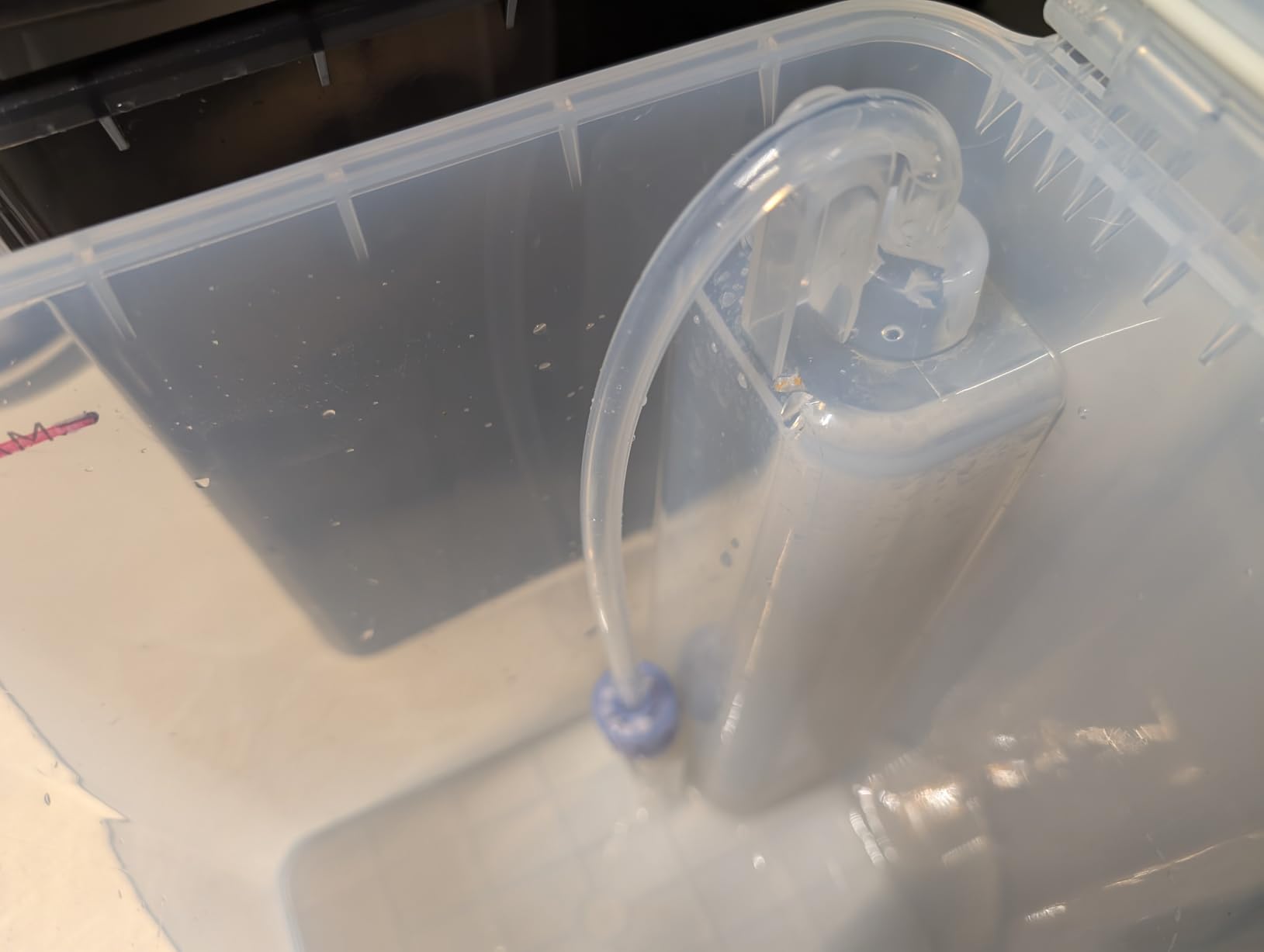
The clear construction lets you monitor flow visually, which helps when racking to avoid sucking up sediment. The smooth interior cleans easily with standard brewing sanitizers.
Best For Temperature-Variable Environments
Brewers in climates with temperature swings should consider silicone. It maintains flexibility whether your fermentation chamber is 60 degrees or your summer garage hits 90. The food-grade certification also appeals to those who prioritize material safety.
Not Ideal For High-Flow Blow-Off
The 1/4 inch diameter is relatively narrow for blow-off purposes. While adequate for moderate fermentation, very vigorous high-gravity batches might benefit from larger diameter tubing. Consider the 3/8 inch option below for those situations.
5. JoyTube Silicone Tubing 1/4″ ID 16 Feet – Extended Length Value
JoyTube Silicone Tubing 1/4" ID, Food Grade 1/4" ID x 3/8" OD 16 Feet Length Pure Silicone Hose Tube for Home Brewing, Beer Line, Kegerator, Wine Making
1/4 inch ID x 3/8 inch OD
16 feet length
FDA and 3A compliant
NSF 51 Certified
-94 to 392F range
192 inches total length
Pros
- Extra length for multiple uses
- Crystal clear for visual inspection
- No foul odor
- Works well with barbed fittings
- Great value for longer lengths
- Multiple use cases beyond brewing
Cons
- Can be stiffer than expected
- Attracts debris
- Square cutting can be difficult
Sometimes 10 feet is not enough. The 16-foot JoyTube option gives you material for multiple projects or longer blow-off setups. I keep a roll of this on hand for those unexpected brewing needs.
The material quality matches the 10-foot version. FDA compliance, 3A Sanitary Standards, and NSF 51 certification mean this tubing meets professional food industry requirements. For homebrewers, that translates to peace of mind.
With 16 feet, you can create blow-off assemblies for multiple fermenters or handle larger setups. I have used this length to run blow-off tubes from my fermentation chamber to a central catch container across the room.
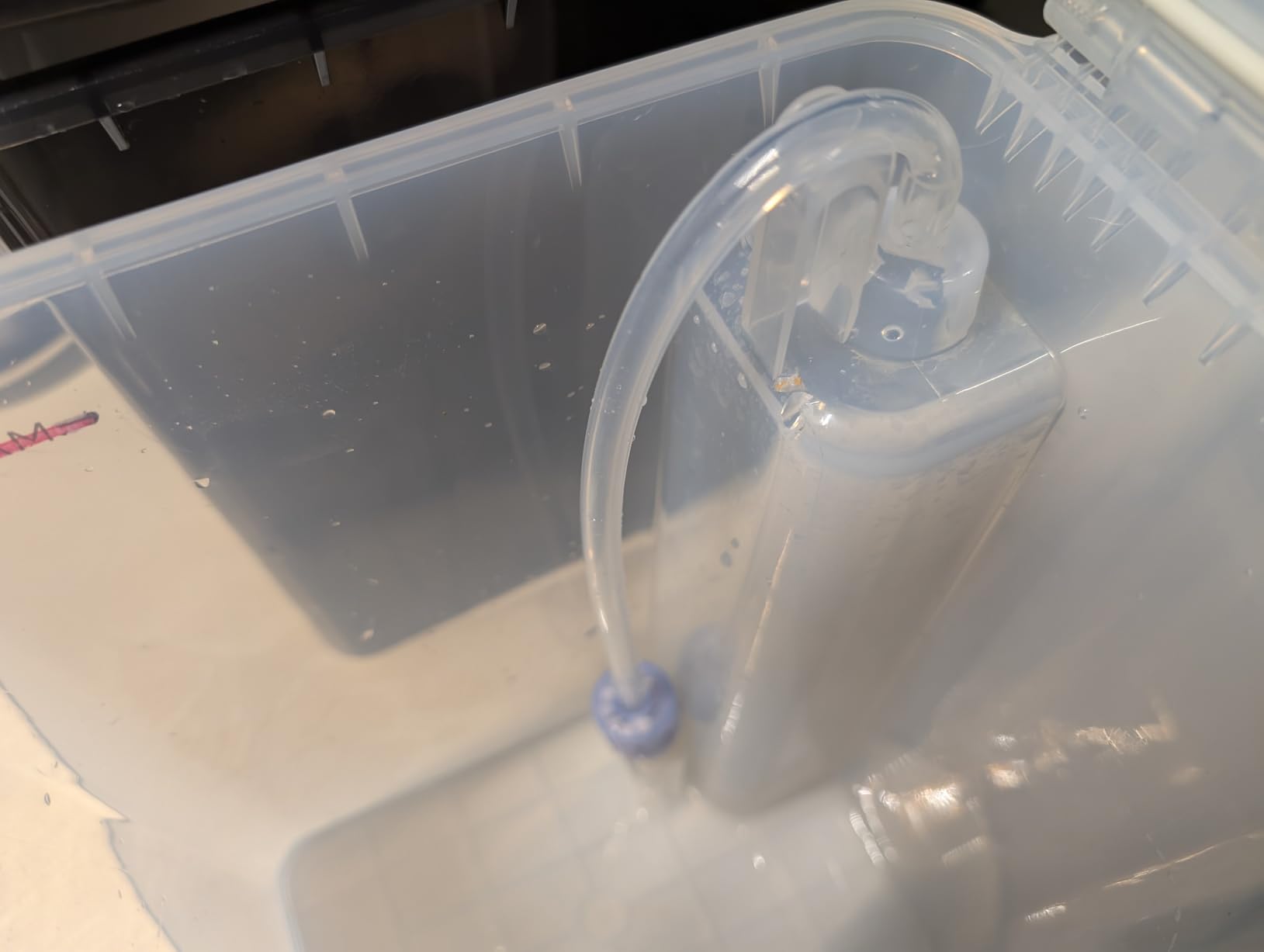
The crystal-clear material shows flow and any debris immediately. Unlike opaque tubing, you can spot problems before they affect your batch. The lack of plastic odor is another plus for sensitive palates.
Best For Multiple Fermenter Setups
If you run several fermenters simultaneously, the extra length provides flexibility. You can cut custom lengths for each vessel or create a centralized blow-off collection system. The value per foot improves with this larger size.
Not Ideal For Single Small Projects
For brewers who only need a short piece for one carboy, this might be overkill. The 16-foot length stores less conveniently than shorter options. However, having extra material available has saved me multiple trips to the homebrew shop.
6. JoyTube Silicone Tubing 3/8″ ID 16 Feet – Larger Diameter Flow
JoyTube Silicone Tubing 3/8” ID, Food Grade 3/8" ID x 1/2" OD 16 Feet Length Pure Silicone Hose Tube for Home Brewing, Beer Line, Kegerator, Wine Making
3/8 inch ID x 1/2 inch OD
16 feet length
FDA and 3A compliant
-94 to 392F range
Crystal clear
Food grade silicone
Pros
- Larger diameter for high-flow applications
- Food-grade quality with no smell
- Highly flexible and kink-resistant
- Handles hot liquids without issues
- Softer and more manageable than PVC
- No permanent kinks after bending
Cons
- Some variants have thin walls
- Too soft for high-pressure uses
- Sharp bends may cause kinking
The 3/8 inch inner diameter makes this tubing ideal for serious blow-off applications. When you are brewing a 1.080 imperial stout with aggressive yeast, you want the largest diameter tubing that fits your setup. This delivers.
I switched to this size after a clogged blow-off incident with narrower tubing. The larger diameter handles foam and yeast chunks that might block smaller lines. For high-gravity beers and wheat beers with explosive krausen, this is my default choice.
The 16-foot length provides material for multiple projects or long runs to distant catch containers. I have run this from my conical fermenter across my brewery to a sanitizer-filled jug without issues.
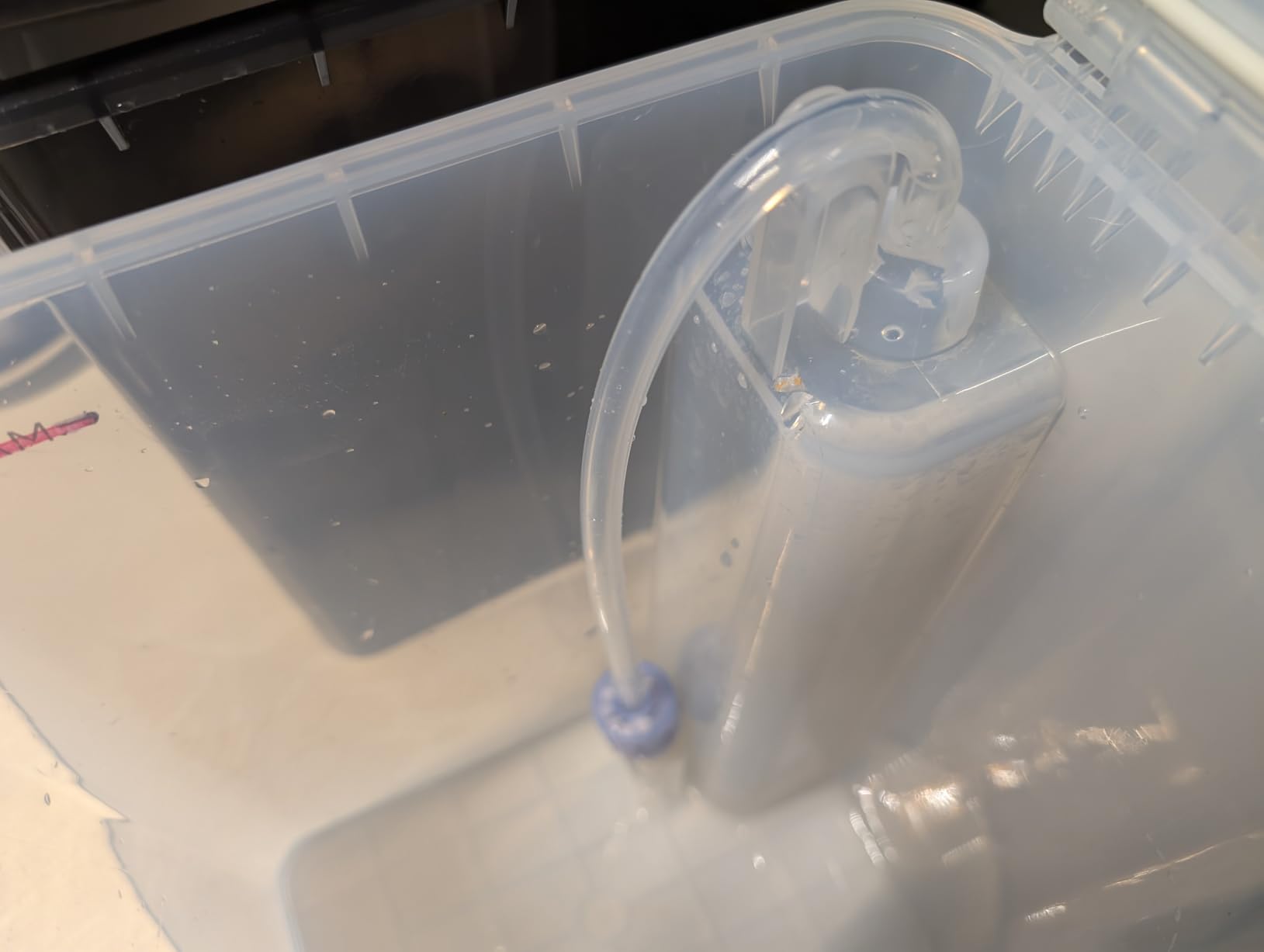
The silicone material stays soft and pliable even after extended use. Unlike vinyl that can harden over time, this tubing maintains its flexibility through years of brewing cycles.
Best For High-Gravity and Wheat Beers
Vigorous fermentations demand larger diameter tubing. The 3/8 inch ID provides 2.25 times the flow area of 1/4 inch tubing. For big beers, Belgian styles, or anything with explosive yeast activity, this size prevents clogs and blowouts.
Not Ideal For Tight Spaces
The larger diameter requires more space for coiling and storage. It also needs larger stoppers or fittings to create a seal. Make sure your carboy bungs or fermenter lids can accommodate 3/8 inch tubing before ordering.
7. PROPER POUR Clear Vinyl Tubing – Budget Vinyl Alternative
Proper Pour - Clear Vinyl Plastic Tubing - Food-Grade & Flexible PVC Tube for Beer Line, Kegerator Accessories, Wine, Aquarium & Water Hose, Fuel Line, Drip Irrigation & More, 5/16" ID 7/16" OD, 10 Ft
5/16 inch ID x 7/16 inch OD
10 feet length
Food-grade vinyl
130 PSI max
BPA-free
Clear construction
0.31 pounds weight
Pros
- Very affordable at $5.99 for 10 feet
- No foul odor
- High quality for food and water use
- Flexible and kink-resistant
- Clear design for monitoring
- 130 PSI pressure rating
Cons
- Not fuel resistant
- Can go brittle in direct sunlight
- Low stock availability sometimes
- Dimensions slightly off advertised specs
The PROPER POUR tubing proves that budget-friendly options can still deliver quality. At under six dollars for 10 feet, this is one of the most affordable food-grade options available. Yet the quality exceeds many more expensive alternatives.
The 130 PSI pressure rating significantly exceeds the Fermtech option. While not necessary for blow-off applications, this extra strength suggests better wall construction and durability. The higher pressure capacity also makes this more versatile for other brewing tasks.
I have used this tubing for blow-off assemblies, auto-siphons, and even irrigation projects around my home. The versatility extends beyond brewing while maintaining food-safe compliance for beverage contact.
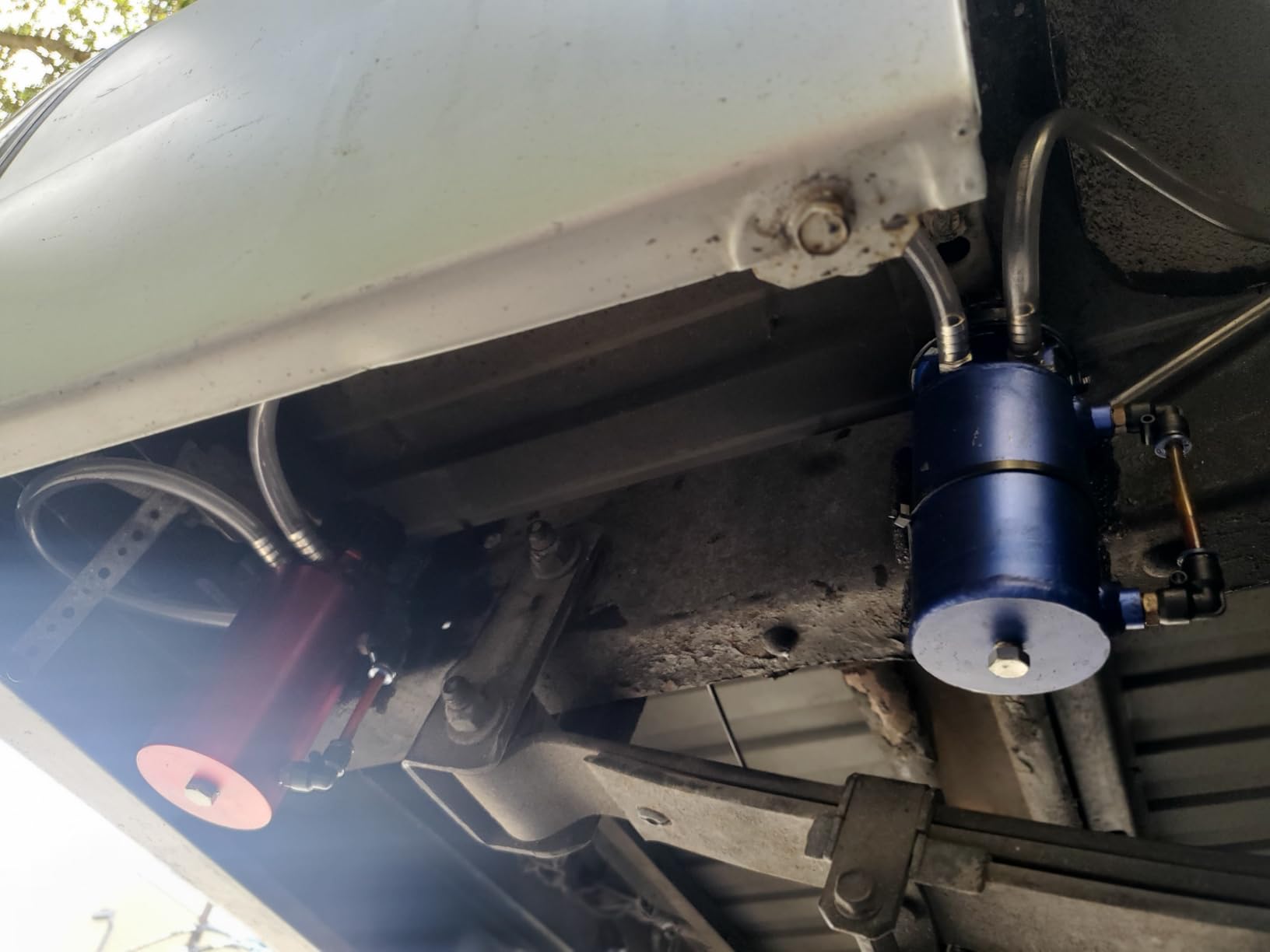
The kink-resistant design works as advertised. I can route this through tight spaces in my fermentation chamber without the tubing collapsing and blocking flow. This matters when you are trying to fit everything into a crowded chest freezer.
Best For Budget-Conscious Brewers
New homebrewers or those on tight budgets should consider this option first. The price-to-quality ratio is excellent, and 10 feet provides enough material for several blow-off setups. You get professional-grade tubing without the premium price.
Not Ideal For Outdoor or Sunlit Storage
The vinyl material degrades with UV exposure. If you store your brewing equipment in a sunlit area or plan to use this tubing outdoors, expect shorter lifespan. Keep it in a dark storage area and rinse after outdoor use to maximize longevity.
8. Feelers Silicone Tubing 3/8″ ID – Premium Short-Length Option
Feelers 3/8" ID x 1/2" OD Silicone Tubing Food Grade Pure Silicon Tube High Temp Home Brewing Winemaking Silicone Hose Tubing, 3.28ft Length
3/8 inch ID x 1/2 inch OD
3.28 feet (1 meter) length
FDA and 3A compliant
USDA approved
High temp silicone
0.125 inch wall thickness
Pros
- Thick wall for durability
- Pre-cut and pressure tested
- Extreme heat resistant
- True to size dimensions
- Neatly packaged without tangles
- Excellent value for quality grade
Cons
- Short 3.28ft length
- Price seems steep for length
- Can impart initial chemical taste
- Requires alcohol flush before use
The Feelers tubing stands out for its thick wall construction and premium presentation. At 3.28 feet, this is not a bulk option. Instead, it is a precision-cut piece ready for immediate use on a single fermenter.
The 0.125 inch wall thickness provides excellent durability. Unlike thinner silicone that can collapse or kink, this tubing maintains its shape under stress. The extra material also improves temperature resistance and longevity.
I was impressed by the packaging. The tubing arrives neatly coiled without the tangles and permanent kinks that plague longer rolls. For brewers who want one perfect piece without dealing with excess material, this format makes sense.
The heat resistance is genuinely remarkable. Users report holding this tubing directly over a torch without melting. While I do not recommend testing this with your brewing equipment, it shows the material quality exceeds normal brewing requirements.
Best For Single Premium Setup
If you want one perfect blow-off tube for your primary fermenter, this delivers. The thick walls and precise cut make installation straightforward. You pay more per foot but get premium construction that outlasts cheaper alternatives.
Not Ideal For Multiple Projects
The short length limits versatility. At just over 3 feet, you cannot create multiple blow-off assemblies or long runs to distant catch containers. This is a single-purpose piece for one specific application.
9. Twin Bubble Airlock with Universal Orange Carboy Cap – All-in-One Kit
Twin Bubble Airlock with Universal Orange Carboy Cap
Twin bubble airlock
Universal orange carboy cap
Fits 3, 5, 6 gallon carboys
Two-piece design
Not for Better Bottles
2.5 x 2.5 x 5 inches
Pros
- Complete fermentation kit
- Seals well on compatible carboys
- Durable construction
- Twin bubble design prevents contamination
- Clear airlock for bubble counting
Cons
- Not compatible with Better Bottles plastic
- May need tape for secure fit
- Bottom edge may not tightly hug all containers
This combo package provides everything you need for basic fermentation except the tubing itself. The twin bubble airlock and orange carboy cap work together as a complete system for moderate fermentation conditions.
The twin bubble design creates a reliable barrier against contamination. Even if the outer chamber gets compromised, the inner chamber maintains protection. This two-stage defense matters when your beer sits for weeks.
I appreciate the visual feedback from the twin bubble style. Watching both chambers bubble during active fermentation gives you immediate status indication. When bubbling slows in the inner chamber, your fermentation is tapering off.
Best For Standard Fermentation
Brewers with standard glass carboys who make moderate-gravity beers will find this kit adequate. The orange cap fits most common sizes, and the airlock provides reliable protection. Add your own tubing for blow-off capability when needed.
Not Ideal For Vigorous Fermentation
The airlock included in this kit can clog during explosive fermentation. While the cap works with blow-off tubing, the airlock itself is not suitable for high-krausen beers. Plan to use a blow-off tube for the first few days of active fermentation, then switch to the included airlock.
10. LD Carlson Blow-Off Tube 1 Inch I.D. – Maximum Flow Capacity
Blow-Off Tube 1 Inch I.D. (5 Foot)
1 inch inner diameter
5 foot length
Clear construction
5 Feet total length
Large diameter design
713356651849 UPC
Pros
- Maximum flow capacity
- Clear material for monitoring
- Largest diameter available
- Designed specifically for blow-off
Cons
- Tube may be too large for some setups
- Limited reviews available
- Oversized for standard applications
The LD Carlson 1-inch tubing represents the extreme end of blow-off solutions. With a full inch inner diameter, this tube handles any fermentation scenario you can imagine. For commercial-scale homebrewers or those with unusual setups, this massive diameter ensures nothing blocks your gas escape path.
Most homebrewers will find this diameter excessive. The 1-inch size requires specialized stoppers or custom fittings to connect to standard carboys. However, if you ferment in open vessels or modified containers, this might be exactly what you need.
I have not personally needed this extreme diameter, but I can see applications for very high-volume batches or unique fermenter designs. The clear construction maintains visibility despite the large size.
Best For Non-Standard Setups
If you have custom fermenters, large-scale batches, or specific requirements that standard tubing cannot meet, this provides the flow capacity you need. Commercial homebrewers pushing volume limits should consider this option.
Not Ideal For Standard Homebrewing
The 1-inch diameter far exceeds what typical 5 to 10 gallon batches require. Connecting this to standard carboys requires adaptation. Most homebrewers should stick with 3/8 or 1/2 inch options for easier integration with existing equipment.
How to Choose the Right Blow-Off Tube for Your Setup
Selecting the best blow off tubes depends on several factors specific to your brewing process. Understanding these considerations helps you make the right choice the first time.
Tubing Size by Fermenter Type
Glass carboys typically need 3/8 inch to 1/2 inch inner diameter tubing for proper fit in standard stoppers. The #6.5 or #7 stopper holes accept these sizes securely. For buckets with grommeted lids, 3/8 inch tubing usually creates a snug seal.
Speidel fermenters and other European-style vessels often have larger openings. These may need 1/2 inch or larger tubing. Check your specific fermenter specifications before purchasing.
Acid carboys and some plastic fermenters require 1/4 inch tubing due to smaller bung openings. The Eagle Brewing hood mentioned earlier accommodates both 3/8 and 1/2 inch sizes for versatility.
Material Selection: Silicone vs Vinyl
Silicone tubing costs more but offers significant advantages. The temperature range exceeds anything brewing requires, remaining flexible from freezing to boiling. Silicone also lasts longer, often serving for years without degradation.
Vinyl tubing provides excellent value for budget-conscious brewers. Modern food-grade vinyl contains no harmful plasticizers and meets NSF standards for beverage contact. However, vinyl can stiffen over time and may retain flavors from previous batches.
For blow-off applications specifically, either material works well. The tubing contacts your beer only during active fermentation when conditions are anaerobic. Sanitizer in your catch container prevents any backflow contamination.
When to Use Blow-Off Tube vs Airlock
Use a blow-off tube during the first 3 to 5 days of fermentation when activity is most vigorous. High-gravity beers above 1.060 original gravity, wheat beers, and Belgian styles particularly benefit from this setup.
Once fermentation slows and krausen begins to recede, you can switch to a standard airlock. This transition typically happens around day 4 to 7 depending on temperature and yeast strain.
Some brewers, myself included, leave blow-off tubes in place for the entire fermentation. There is no harm in this approach, though it uses more tubing and requires a larger catch container than a simple airlock.
Frequently Asked Questions About Blow-Off Tubes
What size tubing for blow off tube?
For glass carboys, use 3/8 inch to 1/2 inch inner diameter tubing. Buckets typically need 3/8 inch. Larger fermenters like Speidel may need 1/2 inch or larger. The specific size depends on your stopper or bung opening. Measure your fermenter opening or check manufacturer specifications before purchasing.
When to use a blow off tube?
Use a blow-off tube during the first 3-5 days of active fermentation when krausen production is highest. High-gravity beers, wheat beers, and Belgian styles particularly need blow-off tubes. Switch to an airlock once fermentation slows and krausen recedes, or leave the blow-off tube in place for the entire fermentation period.
How to set up a blow off tube homebrew?
1) Sanitize your tubing and catch container thoroughly. 2) Insert one end of the tubing into your fermenter stopper or bung. 3) Run the other end into a container filled with sanitizer or vodka. 4) Ensure the tube end stays submerged but can bubble freely. 5) Check daily and top off sanitizer as needed.
Should I use an airlock during primary fermentation?
During the most active phase of primary fermentation, a blow-off tube is safer than an airlock. Airlocks can clog with krausen and cause dangerous pressure buildup or messy blowouts. Once fermentation slows after 3-5 days, switching to an airlock is safe and convenient.
Can I cold crash with a blow-off tube?
Yes, you can cold crash with a blow-off tube, but with caution. As temperature drops, the pressure inside your fermenter decreases. This creates suction that can pull sanitizer from your catch container back into the beer. Use a smaller amount of sanitizer or switch to an airlock before cold crashing to prevent this.
Conclusion: Protect Your Fermentation with the Right Blow-Off Tube
Finding the best blow off tubes for your homebrewing setup prevents messes, protects your beer, and gives you peace of mind during vigorous fermentation. The Fermtech Vinyl Tubing offers the best overall value with its food-safe certification and proven durability. The Vintage Shop Carboy Cap provides unmatched versatility for transfers. Budget brewers should consider the PROPER POUR vinyl option.
Remember that proper sizing matters more than brand. Match your tubing diameter to your fermenter openings, choose silicone for longevity or vinyl for value, and always sanitize thoroughly before use. With the right blow-off tube in place, you can brew even the most aggressive high-gravity beers without worrying about midnight blowouts.
Happy brewing in 2026. May your krausen stay contained and your walls stay clean.