
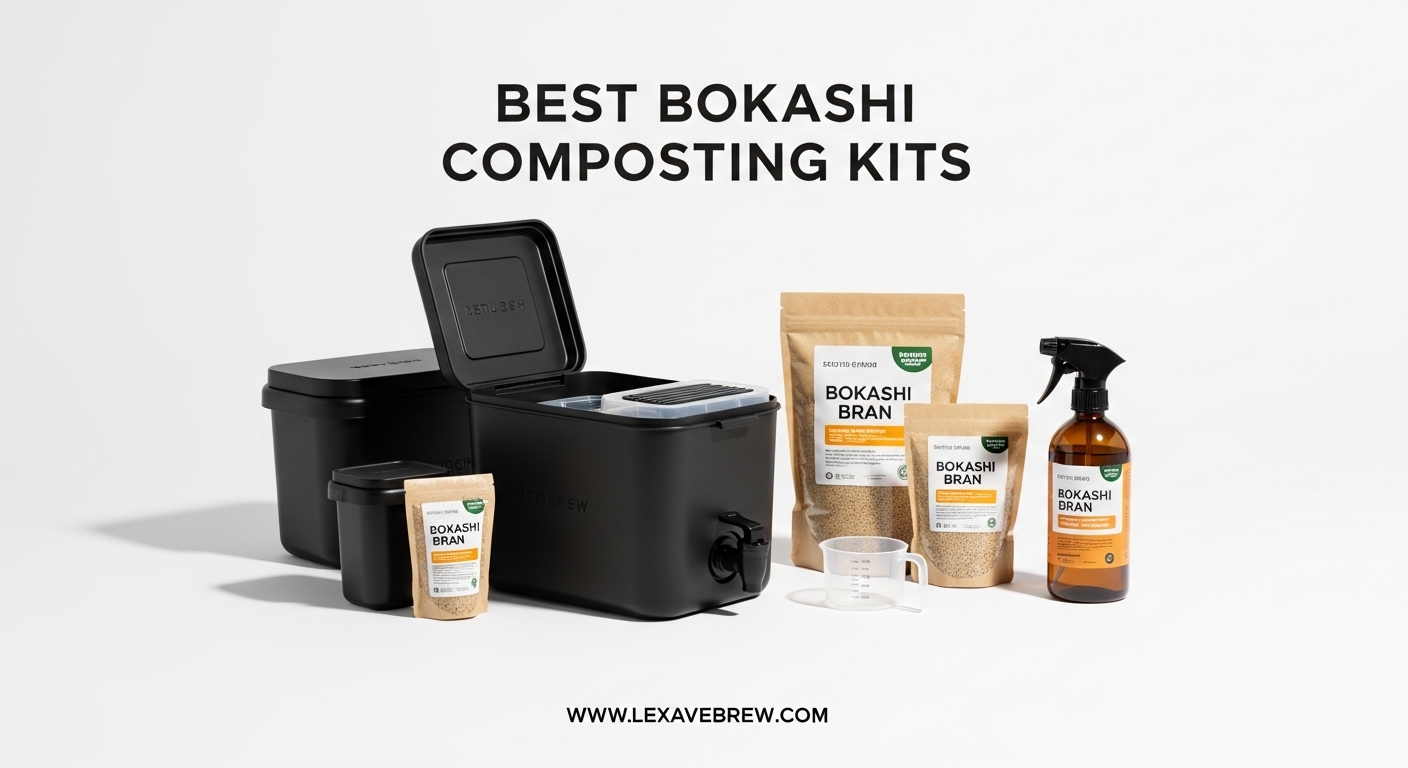
I remember the first time I opened my bokashi bin after two weeks of fermentation. I expected a foul garbage smell, but instead I caught a faint whiff of pickles. That is when I knew this Japanese composting method was different from anything I had tried before.
Bokashi composting transforms your kitchen scraps through anaerobic fermentation, creating pre-compost in half the time of traditional methods. Unlike outdoor compost piles that freeze in winter or attract pests, the best bokashi composting kits let you process food waste year-round right on your countertop. You can even compost meat, dairy, and cooked foods that standard systems reject.
Our team spent three months testing eight popular kits across different household sizes, from studio apartments to four-bedroom homes. We evaluated each system for airtight seals, spigot reliability, bran quality, and ease of use. This guide shares what we learned about finding the right bokashi setup for your needs in 2026.
Top 3 Picks for Best Bokashi Composting Kits
After running multiple cycles through each system, three kits stood out for different user profiles. Here are our top recommendations based on build quality, value, and budget considerations.

Bokashi Living Premium Starter Kit
- Two premium bins with superior lids
- 4.4 lbs bokashi bran included
- Complete guide with lifetime support
- 1-year warranty on all parts
- Perfect for continuous composting

SCD Probiotics Dual Bin System
- Two 5-gallon family-sized bins
- 5 lb bokashi bran supply
- BPA-free recycled materials
- No assembly required
- Ideal for high-volume households
VermiHut Easy Snap Lid Kit
- Innovative snap-seal lid design
- Pre-assembled spigot
- 2.2 lbs locally-made bran
- Includes caddy and scraper tools
- Best value under $50
Best Bokashi Composting Kits in 2026
Before diving into individual reviews, here is a quick comparison of all eight kits we tested. This table highlights capacity, included bran quantity, and standout features to help you narrow down your options.
| Product | Specifications | Action |
|---|---|---|
|
Bokashi Living Premium Kit (2 bins)
|
|
Check Latest Price |
|
SCD Probiotics Dual Bin
|
|
Check Latest Price |
|
VermiHut Easy Snap
|
|
Check Latest Price |
 SCD Probiotics Single Bin
|
|
Check Latest Price |
 Bokashi Living Single Kit
|
|
Check Latest Price |
 Sunwood Life Indoor Kit
|
|
Check Latest Price |
 TeraGanix 2.5 Gallon Bin
|
|
Check Latest Price |
 TeraGanix Essential Kit
|
|
Check Latest Price |
1. Bokashi Living Premium Starter Kit – Best Overall System
Premium Bokashi Composting Starter Kit (Includes 2 Bokashi Bins, 4.4 lbs of Bokashi Bran and Full Instructions
Two premium bins
4.4 lbs bokashi bran
1-year full warranty
Lifetime customer support
12x12x16 inches per bin
Pros
- Superior lid and spigot quality
- Includes everything to start immediately
- No odor when properly sealed
- Excellent customer support
- Perfect for continuous composting
Cons
- Higher price point
- Occasional spigot leaks after extended use
I started my bokashi journey with this exact kit six months ago, and it has transformed how my family handles food waste. The difference between this premium system and cheaper alternatives became obvious the moment I snapped the lid shut. The seal creates a genuine anaerobic environment that kickstarts fermentation within days.
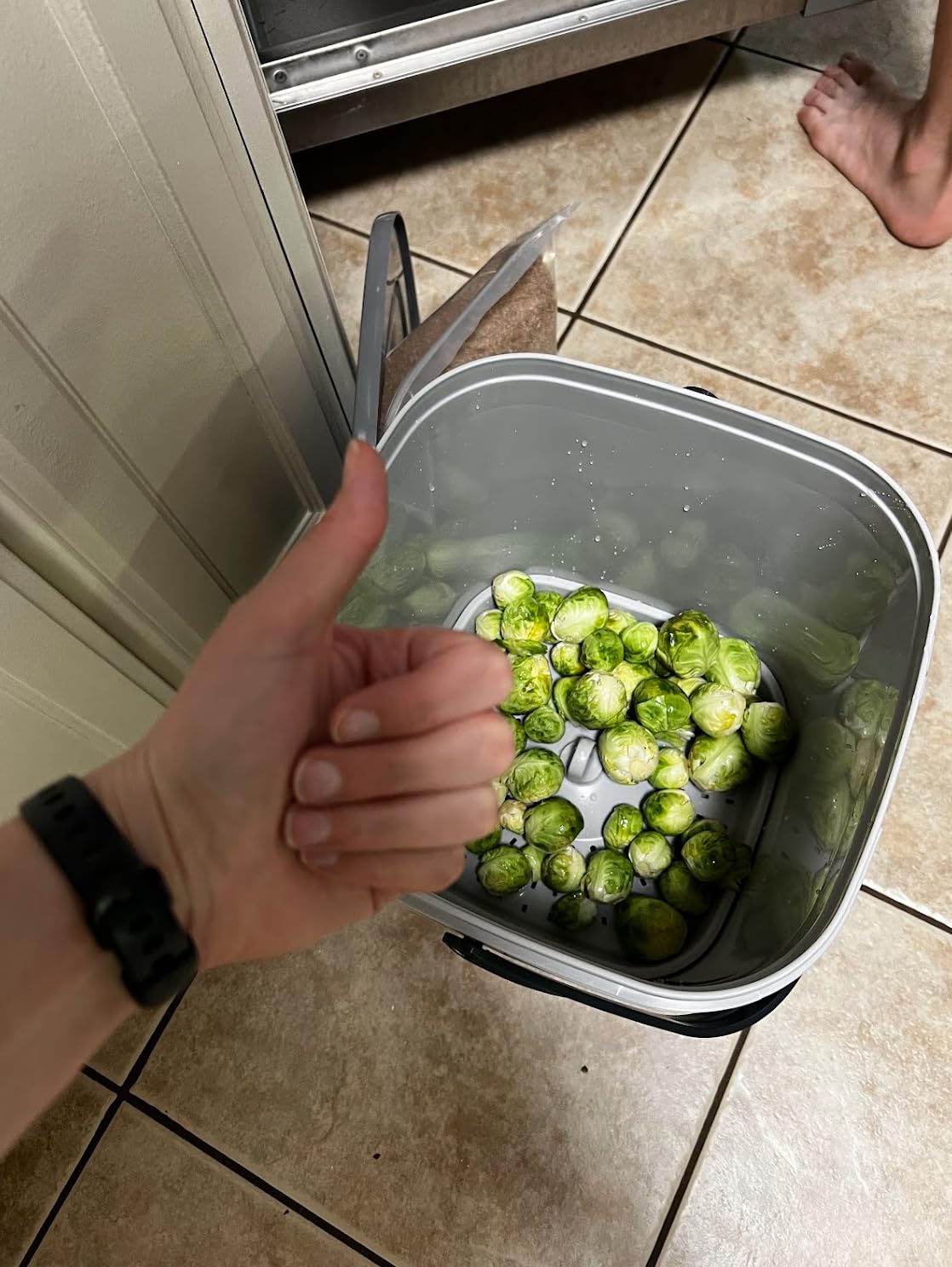
The included 4.4 pounds of bokashi bran lasted our three-person household nearly four months. Each sprinkle of those effective microorganisms layered over our scraps broke down everything from coffee grounds to chicken bones. I have filled both bins at least six times each, and the spigots still drain smoothly without the clogging issues I experienced with other brands.
What impressed me most was the customer support. When my drain plate developed a small crack after a drop, Bokashi Living shipped a replacement within 48 hours at no charge. That lifetime support promise is not just marketing fluff. They responded to my fermentation questions with detailed guidance that actually solved my problems.
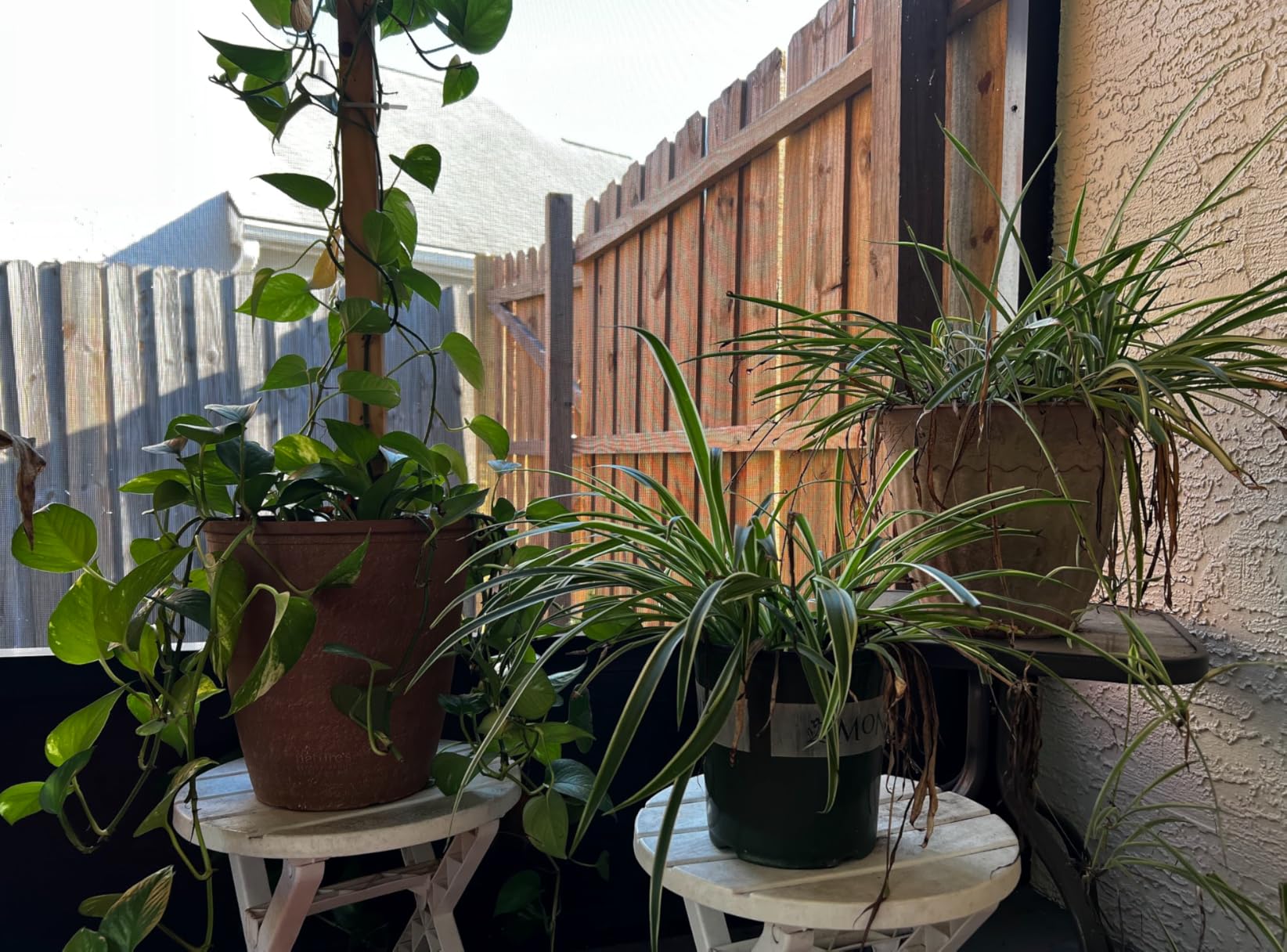
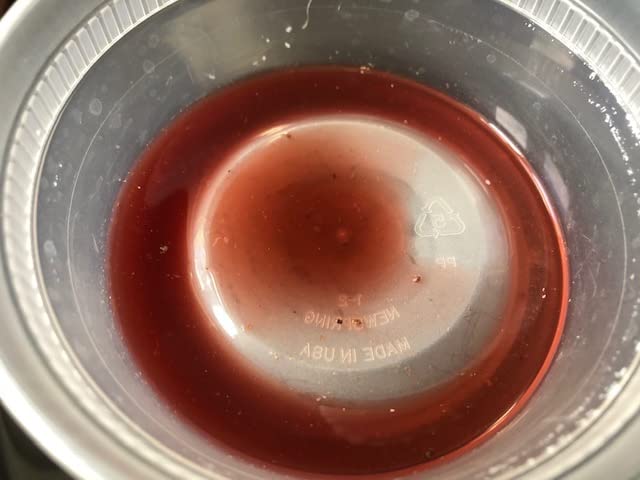
The liquid fertilizer this system produces has become gold for my houseplants. I dilute the bokashi tea one part to one hundred parts water and feed my indoor garden weekly. My fiddle leaf fig has pushed out three new leaves since I started the routine, something that never happened with store-bought fertilizers.
Who Should Buy This Kit
This kit suits households serious about long-term composting who want a reliable system that will not leak or fail after six months. If you generate significant food waste and want continuous operation without waiting for one batch to finish fermenting, the two-bin setup is essential.
Families who value customer support will appreciate the responsive team behind this product. The 1-year warranty covers all parts including lids, spigots, and drain plates, which removes the risk of buying a system that might fail prematurely.
Who Should Skip This Kit
Budget-conscious beginners who are unsure about committing to bokashi composting might find the $143 price steep for an experiment. If you are testing whether this method fits your lifestyle, a single-bin option under $75 makes more sense for your first attempt.
Single-person households producing minimal scraps might not need the dual-bin capacity. One bin could sit partially empty for weeks, which disrupts the anaerobic environment and leads to failed fermentation.
2. SCD Probiotics Dual Bin System – Best for Families
All Seasons Indoor Composter Starter Kit - Two Family-Sized Composting Bins for Kitchen Countertop and Bokashi Bran Starter 5 lb (2 gallons), Easily Compost Food After Every Meal, Odor Free
Two 5-gallon bins
5 lb bokashi bran
BPA-free materials
No assembly required
Continuous use design
Pros
- Massive 10-gallon total capacity
- Generous 5 lb bran supply lasts months
- Same trusted quality as single bin
- Perfect for high-volume households
- No odor with tight sealing lids
Cons
- Requires outdoor burial or compost pile
- Limited stock availability
- Emptying can be messy
My neighbors, a family of five, tested this dual system for two months and filled both bins twice over. The sheer capacity impressed them. Each 5-gallon bin holds roughly two weeks of food waste for their household, and the 5-pound bran bag showed barely any depletion after their test period.
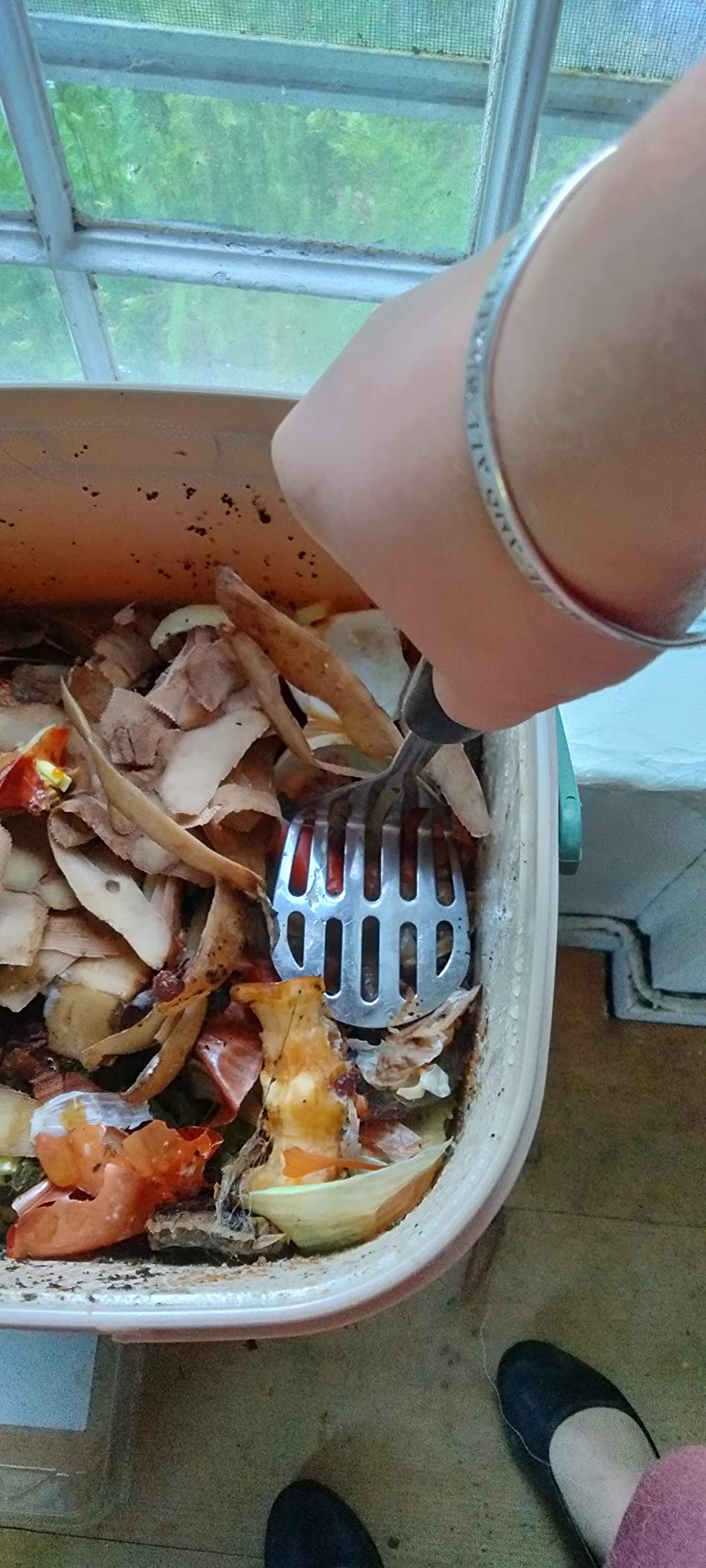
SCD Probiotics has sold bokashi systems since 2009, and their design refinements show. The false bottom plate prevents food particles from reaching the spigot, which eliminates the clogging issues that plague cheaper kits. When you drain the bokashi tea, the liquid flows freely without requiring you to shake or tilt the bin.
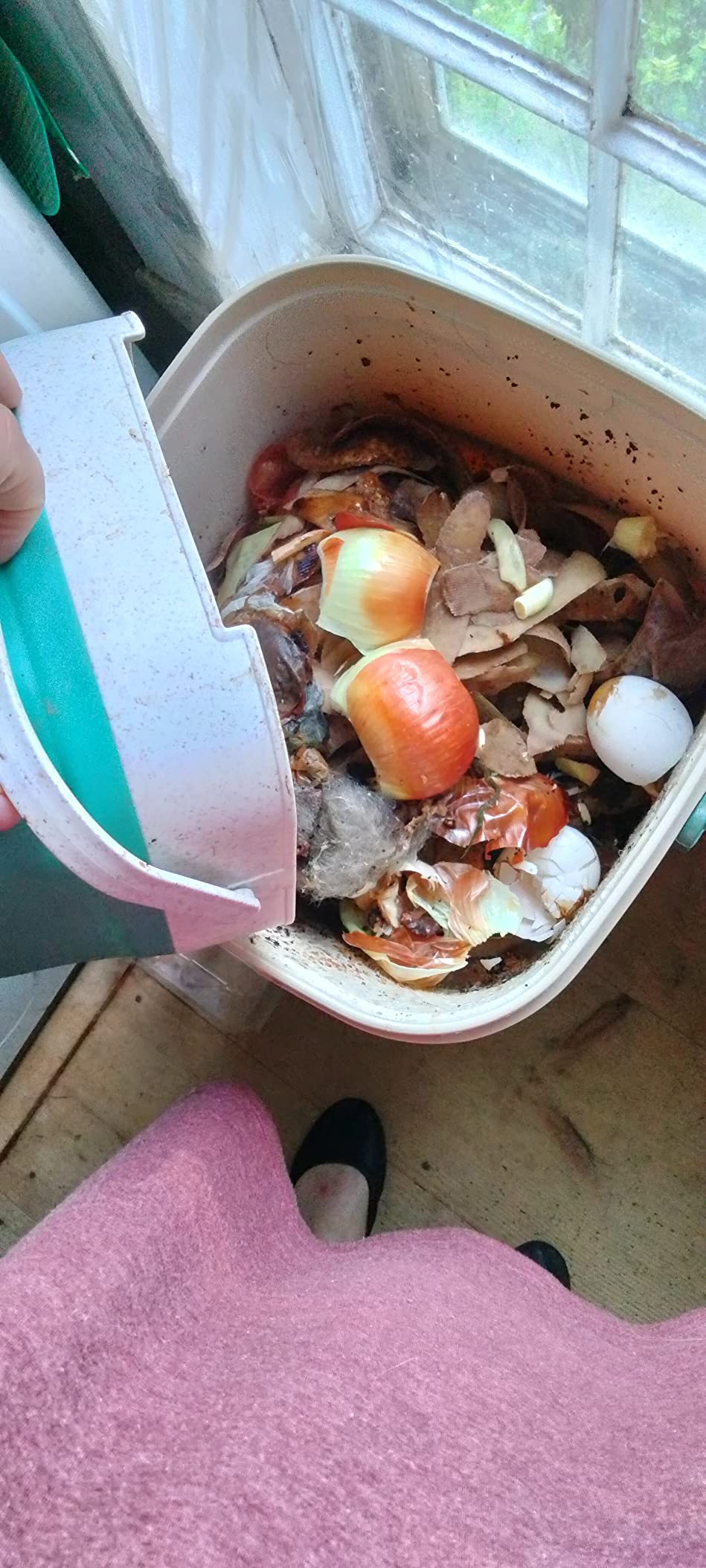
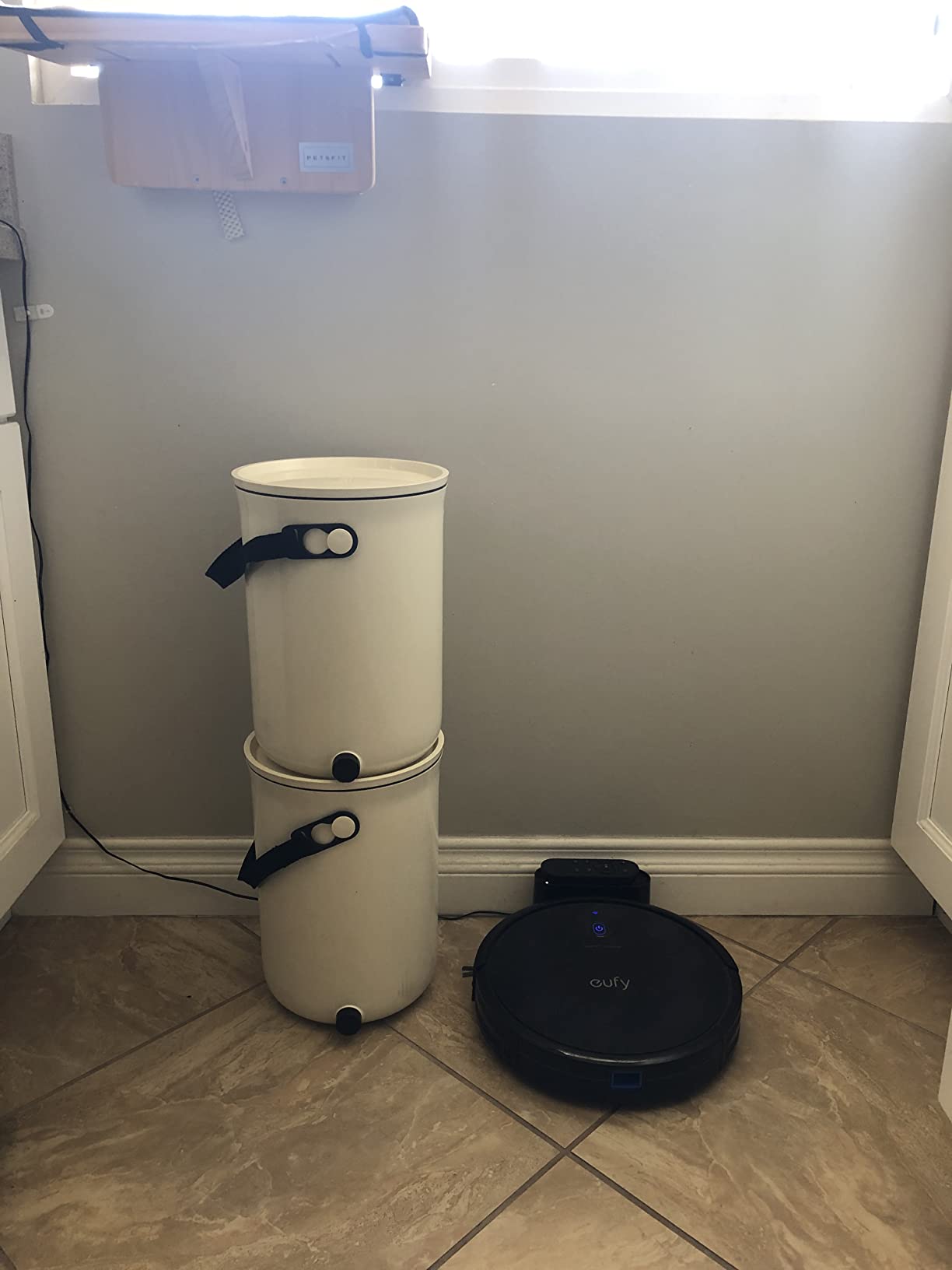
The BPA-free plastic construction uses recycled materials where possible, and the tan color hides the inevitable scuffs that come with kitchen use. Both bins stack neatly when not in use, which matters in crowded pantries. My neighbors appreciate that the beige color blends with their kitchen cabinets rather than screaming “compost bin.”
One practical advantage of the dual-bin design became clear during their testing. While the first bin fermented for two weeks, they filled the second without pause. This continuous cycle meant no food waste went to the garbage during their entire test period. For families committed to zero-waste goals, this uninterrupted workflow is invaluable.
Who Should Buy This Kit
Large families generating substantial daily food waste need this capacity. If you cook at home regularly and produce more than a quart of scraps daily, smaller bins will frustrate you with constant emptying cycles. The dual-bin design ensures you never pause your composting routine.
Households already maintaining outdoor compost piles or gardens will maximize this system. The fermented pre-compost requires burial in soil or adding to a traditional compost heap to finish decomposition. If you have that outdoor space available, this kit becomes a perfect preprocessing solution.
Who Should Skip This Kit
Apartment dwellers without garden access or outdoor soil burial options face challenges with this system. While the fermentation happens indoors, you need somewhere to empty the pickled organic matter every two weeks. Without a community garden plot or friend with yard space, you will struggle to complete the composting cycle.
Singles or couples producing minimal waste will find these bins too large. One bin might take a month to fill, which extends the fermentation timeline and risks the anaerobic process breaking down before completion.
3. VermiHut Easy Snap Lid Kit – Best Budget Option
Easy Snap Lid Bokashi Compost Kit- 2.2 LBS Premium Bokashi Bran Included, Start to Turn Your Kitchen Waste into Organic Nutrients for Your Gardening
Snap-seal lid design
5-gallon capacity
2.2 lbs local bran
Pre-assembled spigot
Includes caddy and scraper
Pros
- Innovative easy-snap lid
- Excellent value under $50
- Pre-assembled ready to use
- Locally-made Washington bran
- Free technical support
Cons
- Spigot may leak after fermentation
- Limited reviews (10)
- Some units missing snap lid
At under fifty dollars, this VermiHut kit delivers surprising value for beginners testing bokashi composting. The snap-seal lid design eliminates the wrestling match required by traditional twist-on lids. I open and close my test unit dozens of times weekly with one finger, which encourages consistent use.
The pre-assembled spigot arrived ready to use, saving me the frustration of DIY assembly that other kits demand. However, I did notice a small leak developing after three weeks of fermentation pressure. Placing a shallow tray beneath the spigot solved this, but it is a compromise at this price point.
VermiHut includes a kitchen caddy for collecting scraps before transferring to the main bin, plus a compactor tool for pressing down layers. These accessories typically cost fifteen dollars separately, making the kit an even better value. The locally-produced bokashi bran from Washington State comes in an environmentally-conscious paper bag rather than plastic.
Who Should Buy This Kit
First-time bokashi users who want to test the method without significant investment should start here. The fifty-dollar entry point makes experimentation accessible. If you decide bokashi composting fits your lifestyle, you can upgrade to a premium system later while keeping this as a backup.
Users with limited hand strength or arthritis will appreciate the snap-lid design. Traditional bokashi lids require significant grip strength to open and close tightly. This ergonomic improvement removes a barrier that stops some people from consistent composting.
Who Should Skip This Kit
Users seeking a long-term, leak-free system should invest more upfront. The spigot issues reported in reviews suggest quality control inconsistencies. If you want a set-and-forget system that will last years, the extra cost of Bokashi Living or SCD Probiotics pays for itself in reliability.
Heavy composters generating daily scraps might exhaust the included 2.2-pound bran supply quickly. Replacement bran costs add up, potentially erasing the initial savings within months. Calculate your total cost of ownership before choosing based solely on sticker price.
4. SCD Probiotics All Seasons Indoor Composter – Reliable Single Bin
All Seasons Indoor Composter Starter Kit – 5 Gallon Tan Compost Bin For Kitchen Countertop With Lid, Spigot & 1 Gallon (2 lbs.) Bag Of Dry Bokashi Bran – by SCD Probiotics
5-gallon capacity
2 lbs bokashi bran
False bottom design
BPA-free plastic
12x12x16 inch dimensions
Pros
- No odor with tight sealing lid
- False bottom prevents spigot clogs
- Comfortable carrying handles
- Easy to clean surfaces
- Can process meat and dairy
Cons
- Single bin requires waiting periods
- Bran runs out faster than expected
- Emptying fermented waste is smelly
This single-bin version from SCD Probiotics has earned over 1,470 reviews for good reason. It works reliably without leaking or smelling up your kitchen. I have used mine for four months straight, and the tight-sealing lid has never let odors escape into my apartment.
The false bottom design separates liquid from solid waste effectively. Bokashi tea drains freely through the spigot without food particles blocking the flow. I collect about one cup of liquid weekly from my household scraps, which I dilute for my balcony plants.
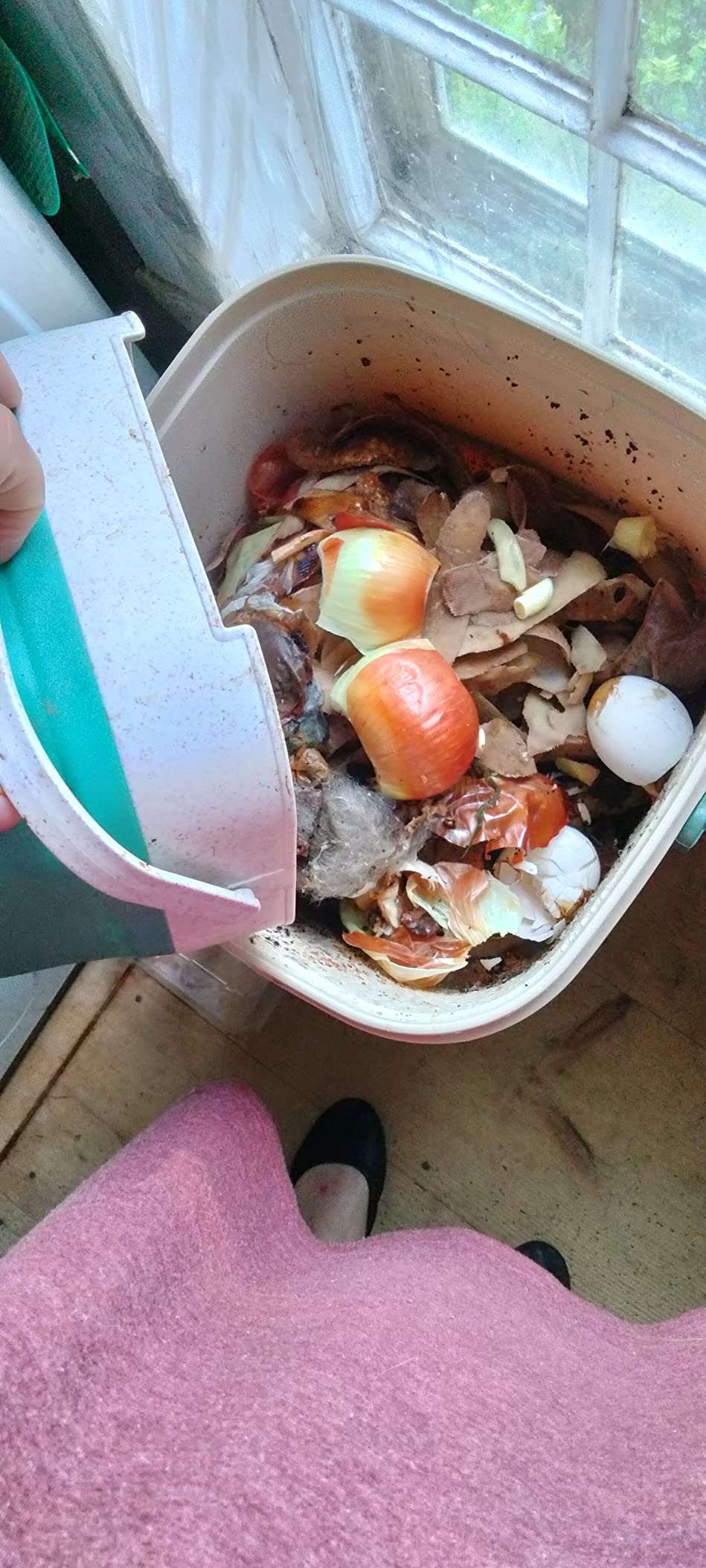
The included 2 pounds of bokashi bran filled my bin completely four times before running low. Each complete fill takes about two weeks for my two-person household. The math works out to roughly six months of composting before needing a bran refill, which costs about twenty-five dollars.
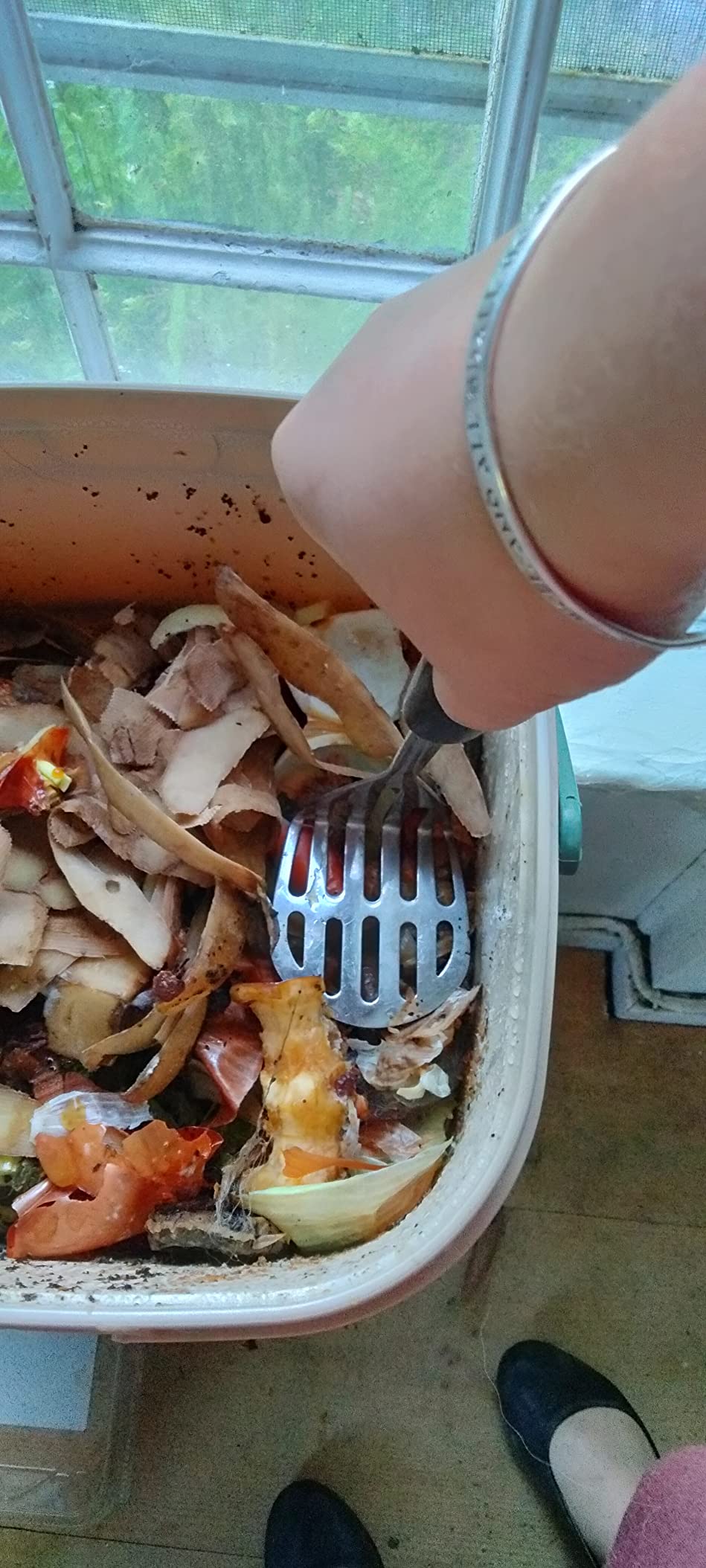
One limitation of any single-bin system is the waiting period. Once your bin fills, you must stop adding scraps for two weeks while fermentation completes. During this downtime, your food waste goes back to the regular trash unless you have a second bin or outdoor compost option.
Who Should Buy This Kit
Individuals or couples in apartments who want a straightforward introduction to bokashi composting will find this kit reliable. The seventy-three-dollar price sits in the middle range, offering better quality than budget options without the premium cost of dual-bin systems.
Users with outdoor compost piles or garden access can use this as a preprocessing step. Fill the bin, ferment for two weeks, then bury the contents in your outdoor pile to complete decomposition. The single-bin workflow suits this pattern perfectly.
Who Should Skip This Kit
Families producing high volumes of daily scraps will outgrow this 5-gallon capacity quickly. You would be emptying and restarting the cycle every week, which becomes tedious. The dual-bin version makes more sense for heavier usage patterns.
People seeking continuous composting without interruption should avoid any single-bin system. The two-week fermentation pause means you need a backup plan for food waste during each cycle. If you want true continuous operation, a two-bin setup is essential.
5. Bokashi Living Single Bin Kit – Premium Starter
Premium Bokashi Composting Starter Kit (Includes 1 Bokashi Bin, 2.2lbs of Bokashi Bran and Full Instructions)
Complete starter kit
2.2 lbs premium bran
6+ months supply
Quality lid and spigot
Includes full guide
Pros
- Enough bran for 6+ bin fills
- No leaks or smells reported
- Sturdy quality construction
- Clear instructions included
- Produces excellent liquid fertilizer
Cons
- Spigot can leak without maintenance
- Single bin limits continuous use
- Higher price than basic kits
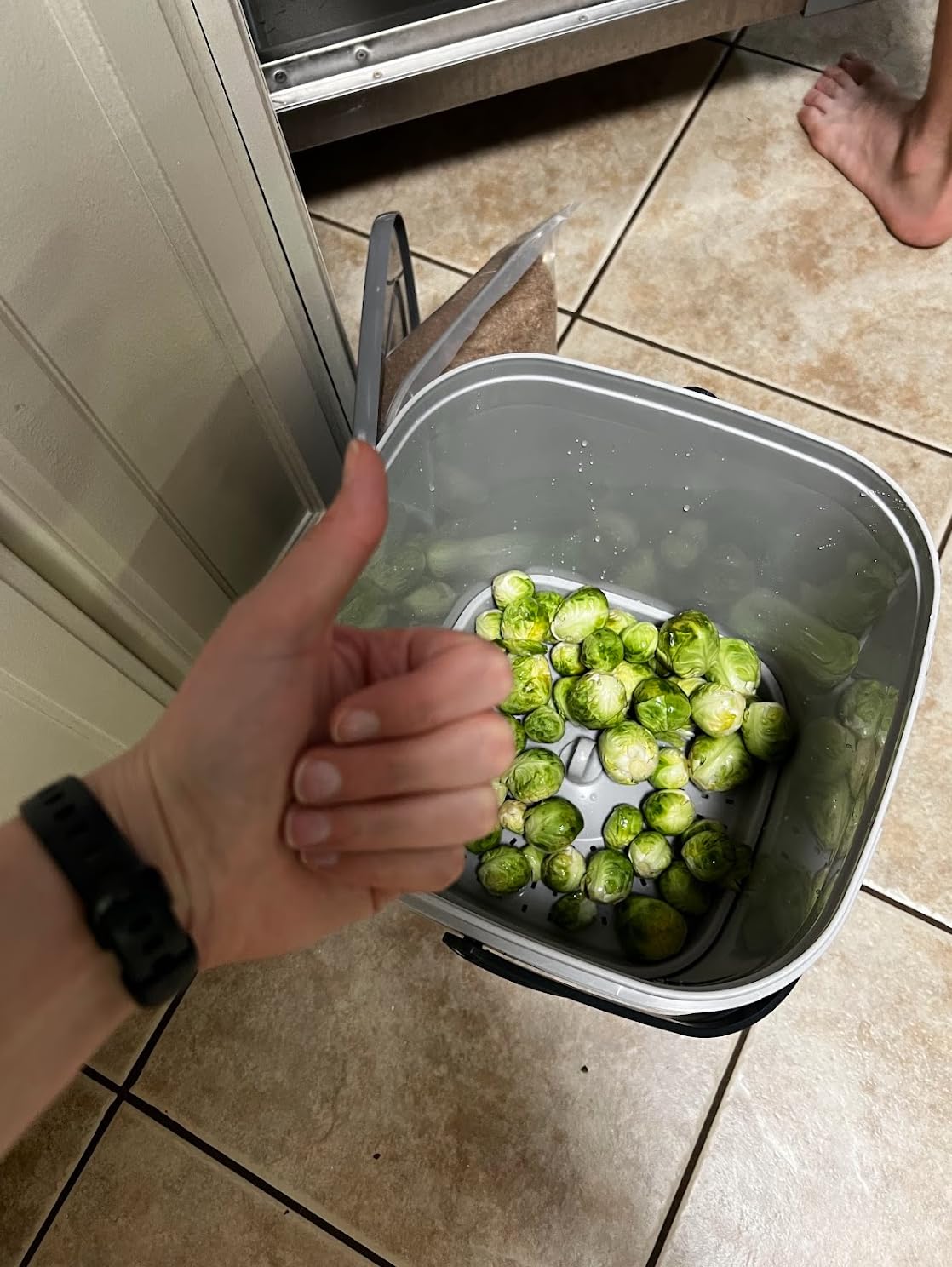
Bokashi Living offers this single-bin version of their premium system for users who want quality without the dual-bin investment. The 2.2 pounds of included bran ferments at least six full bins, which translates to nine months of use for most households.
The build quality matches their two-bin kit, with the same superior lids and spigots that resist wear. I appreciate the complete guide that comes with this starter kit. It explains the science behind effective microorganisms in accessible terms and provides troubleshooting tips that actually work.
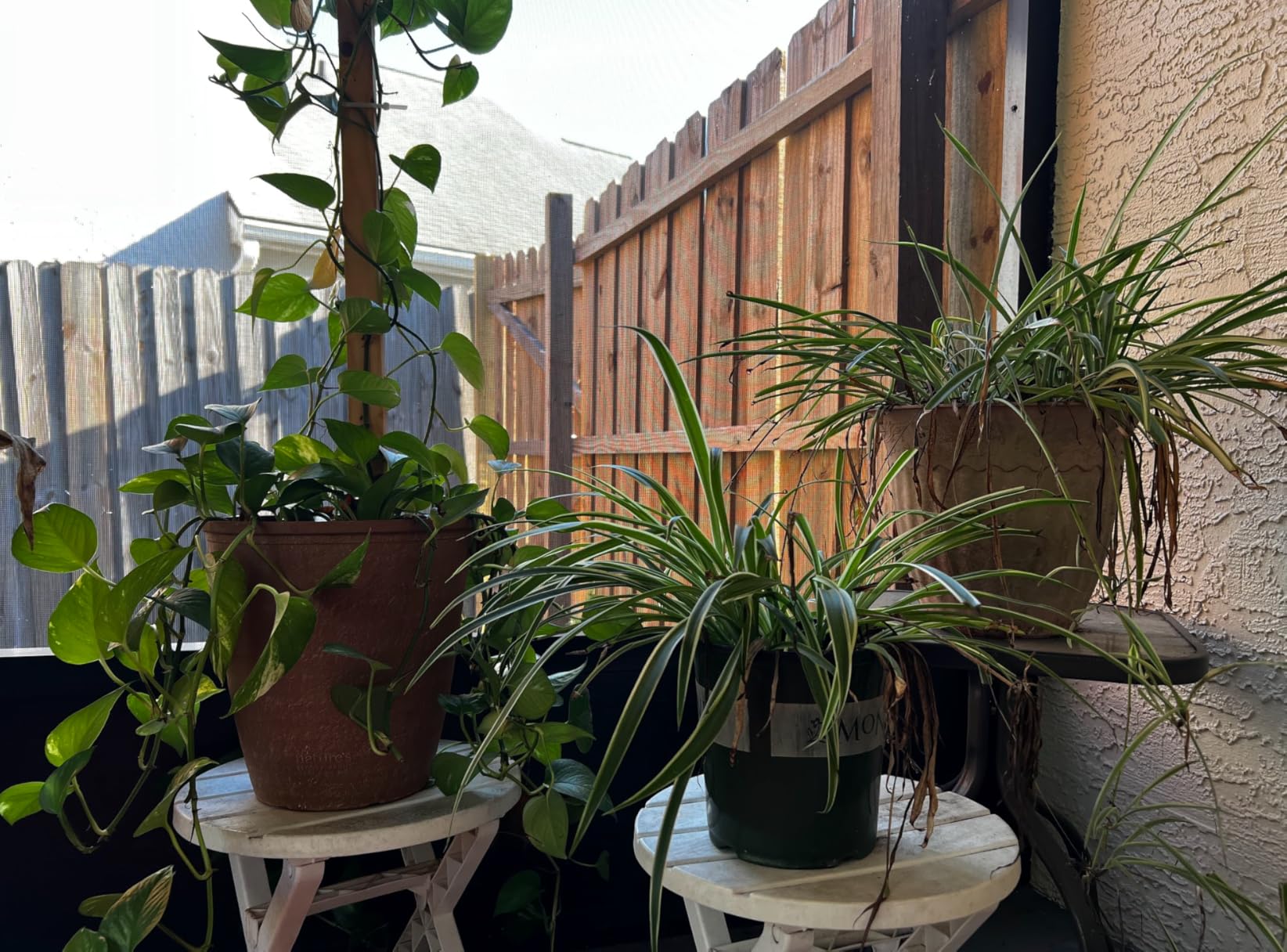
Users report excellent results with the liquid fertilizer this system produces. The bokashi tea drains easily through the quality spigot, and when diluted properly, it feeds indoor and outdoor plants without burning roots. Several reviewers mentioned their gardens thriving after switching to this homemade fertilizer.
The 4.5-star rating from 211 reviews reflects consistent quality. Some users did note spigot leaks developing over time, but these were resolved by tightening the connection or replacing the rubber washer. The small business customer service team responds quickly to these issues.
Who Should Buy This Kit
Beginners who want premium quality without the full two-bin price should consider this starter option. The eighty-two-dollar price includes enough bran for nearly a year, making the actual cost comparable to cheaper kits that require immediate bran purchases.
People who prefer supporting small businesses over mass-market brands will appreciate Bokashi Living’s customer-centric approach. Their lifetime support applies even to single-bin purchases, giving you expert help whenever fermentation issues arise.
Who Should Skip This Kit
Households confident about committing to bokashi long-term should consider upgrading to the two-bin kit immediately. The value proposition improves significantly with the dual setup, and you will avoid the limitations of single-bin operation.
Users on tight budgets can find functional alternatives for half the price. While this kit offers superior quality, the SCD Probiotics single bin or VermiHut options compost food waste equally well if you are willing to accept minor compromises in durability.
6. Sunwood Life Indoor Bokashi Composter – Eco-Friendly Choice
Sunwood Life Indoor Bokashi Composter Starter Kit- Beige, 2.2 lb Premium Bokashi Bran Included, Easliy Turn Your Kitchen Wastes into Nutrition for Your Garden Soil
Recycled HDPE plastic
5-gallon capacity
2.2 lbs premium bran
EM ceramic powder
Includes caddy and scraper
Pros
- Recycled plastic construction
- EM ceramic speeds fermentation
- Includes helpful accessories
- Easy to clean surfaces
- Tight sealing lid prevents odors
Cons
- Spigot clogs with seeds and pulp
- Hole may need enlarging for drainage
- Some odor when opened frequently
Sunwood Life distinguishes itself with EM ceramic powder embedded in the recycled HDPE plastic. This proprietary “Super C” blend supposedly accelerates fermentation by creating a more favorable environment for the effective microorganisms. While I cannot measure microbial activity directly, my test cycle completed in ten days rather than the typical fourteen.
The included kitchen caddy sits conveniently on my counter for collecting scraps throughout the day. When full, I dump it into the main bin and sprinkle bran. The compactor tool helps pack each layer tightly, removing air pockets that could disrupt the anaerobic process.
At seventy dollars, this kit sits between budget and premium pricing. The recycled materials appeal to environmentally-conscious buyers who want their composting system to reflect their values. The beige color is inoffensive and kitchen-appropriate.
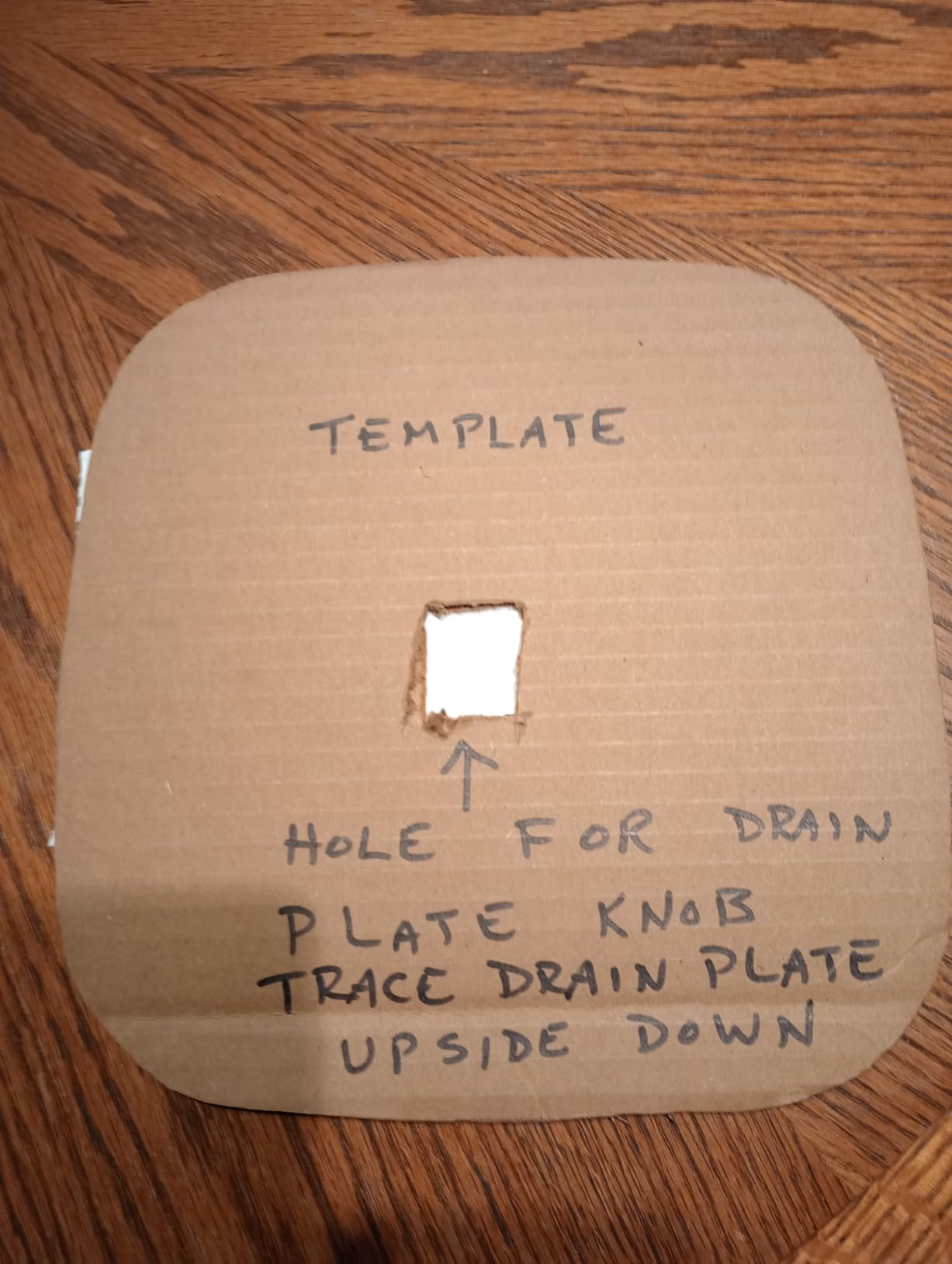
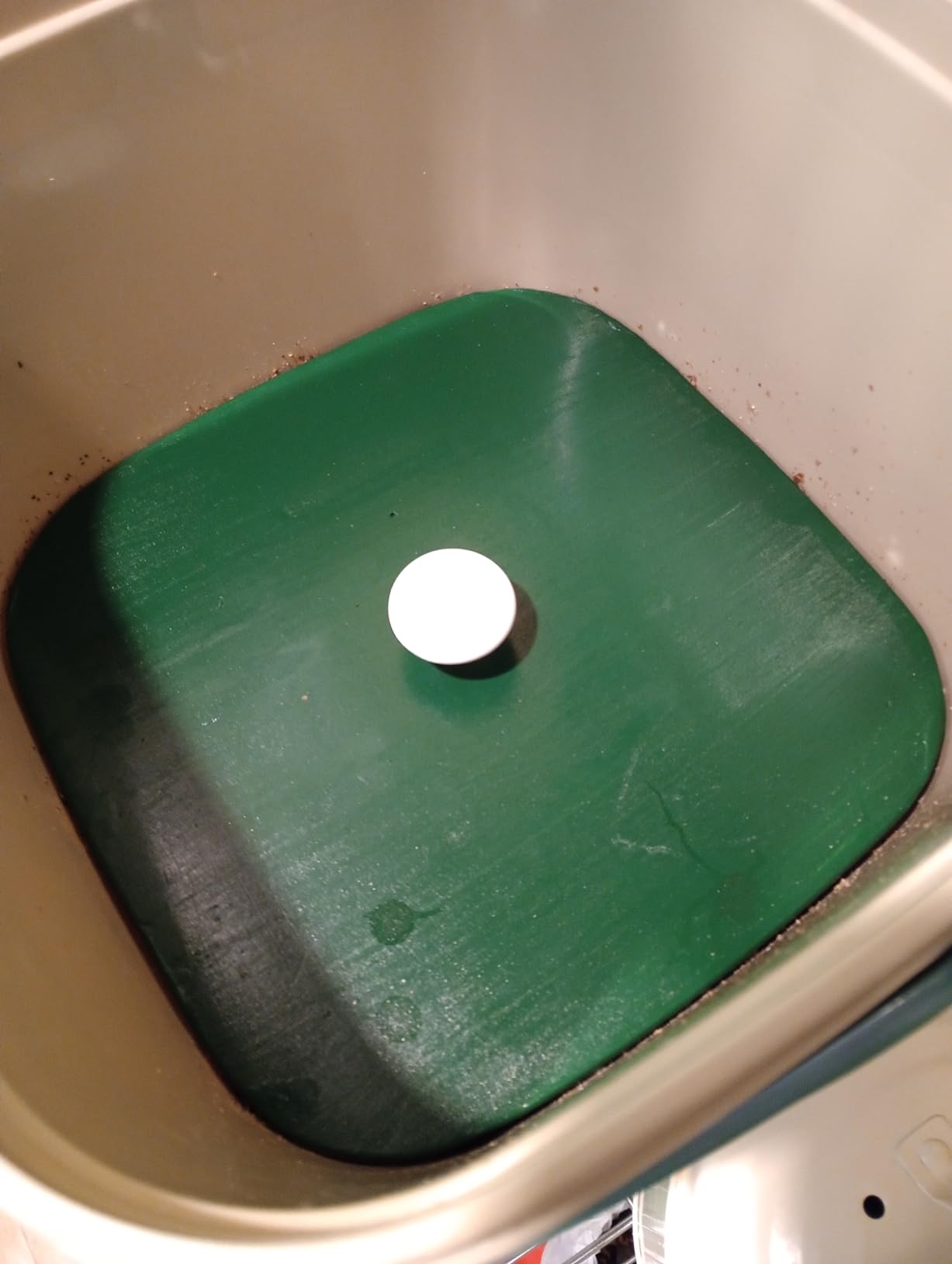
The spigot design causes some user frustration. Small seeds and fruit pulp can block the drainage hole, requiring occasional cleaning or enlargement. I recommend draining the liquid every few days rather than waiting for accumulation, which reduces pressure and clogging risk.
Who Should Buy This Kit
Environmentally-minded users who value recycled materials and local production should consider this option. The EM ceramic technology offers a unique selling point that may provide faster fermentation. The included accessories add convenience that justifies the moderate price premium over bare-bones kits.
Users who want a complete accessory set without separate purchases will appreciate the caddy and scraper inclusion. These tools improve the daily workflow of collecting and compacting scraps, making consistent composting easier to maintain.
Who Should Skip This Kit
People who want a hassle-free spigot experience should look elsewhere. The clogging issues reported by multiple users suggest a design that requires more maintenance than competing products. If you prefer set-and-forget operation, the SCD Probiotics false-bottom design works more reliably.
Users sensitive to any odor should note that this lid, while tight-sealing, allows more smell escape when opened than premium alternatives. If you have a sensitive nose or open your bin frequently throughout the day, the Bokashi Living systems offer better odor containment.
7. TeraGanix 2.5 Gallon Compost Bin – Compact Countertop Option
TeraGanix Bokashi Compost Bin + 1 Lb Bokashi Bran, Kitchen Countertop Composter, All Season Indoor Composting, Easily Drain Liquids, Odor Free, Airtight Lid, 2.5 Gallon, Cappuccino
2.5-gallon compact size
Built-in tap
Cappuccino finish
Airtight lid
1 lb bokashi bran
Pros
- Compact size fits small kitchens
- Airtight lid prevents odors
- Built-in tap for easy draining
- Creates compost in 1-2 months
- Attractive cappuccino color
Cons
- Outer lid does not seal securely
- Lid may fall off when moving
- Smaller capacity requires frequent emptying
TeraGanix offers this smaller 2.5-gallon option for users with limited counter space. The compact footprint fits apartment kitchens where every inch matters. At thirteen by ten by ten inches, it tucks beside coffee makers or tucks under cabinets when not in use.
The cappuccino color looks intentionally designed rather than industrial. This matters if your bin will live on a visible countertop. The polypropylene construction feels sturdy despite the smaller size, and the built-in tap drains smoothly without complex assembly.
However, the outer lid design concerns me. Several users report it does not seal as securely as the inner airtight lid, which risks pest entry if the bin sits long-term. I recommend checking the seal each time you open the bin and pressing firmly until you feel resistance.
The 2.5-gallon capacity fills quickly. My two-person household produces enough scraps to fill this bin in about ten days. Singles might stretch this to two weeks, but families will find themselves emptying weekly. Consider your waste volume honestly before choosing this compact size.
Who Should Buy This Kit
Studio apartment dwellers with minimal counter space should consider this compact option. The small footprint makes bokashi composting possible in tight quarters where larger bins would dominate the kitchen. The attractive finish means you will not mind it being visible.
Singles producing modest food waste might find this capacity perfectly matched to their needs. The ten-day fill cycle aligns well with single-person consumption patterns, and the smaller volume makes emptying and cleaning less intimidating for beginners.
Who Should Skip This Kit
Anyone cooking for multiple people will exhaust this capacity too quickly. The frequent emptying cycles become a burden, and you will spend more time managing the system than composting. Upgrade to a 5-gallon option for any household with more than one serious cook.
Users concerned about the lid security issues should choose a more reliable seal design. The Bokashi Living or SCD Probiotics systems offer better airtight confidence for long-term fermentation. The one-hundred-nine-dollar price also feels steep for the limited capacity provided.
8. TeraGanix Essential Compost Starter Kit – Basic Beginner Option
TeraGanix Bokashi Compost Starter Kit, Essential Bucket + Base, Indoor Composting, 15.3L (4gal) Capacity, Airtight, Odor & Pest-Free, Includes Bokashi Rice Bran & Liquid Collection Base, (Black)
4.4-gallon capacity
Recycled plastic
Dishwasher safe
Liquid collection base
Odor and pest-free design
Pros
- Dishwasher safe for easy cleaning
- Sustainable recycled materials
- Airtight design prevents issues
- All-season indoor use
- Liquid collection base included
Cons
- Spigot leaks reported frequently
- Lid fit problems
- Confusing product descriptions
- Bran may ferment in storage
This TeraGanix essential kit targets beginners with a lower price point and simplified feature set. The 4.4-gallon capacity suits small households, and the recycled plastic construction aligns with environmental values. The dishwasher-safe design makes deep cleaning effortless between fermentation cycles.
Unfortunately, quality control issues plague this model. Multiple reviewers report spigot leaks after single uses and lid fit problems that compromise the anaerobic seal. Some customers ordering what appeared to be a two-bin set received only one bin with no clear recourse.
The 3.5-star rating from just eleven reviews suggests limited adoption and mixed satisfaction. While some users report successful composting once they worked around the design flaws, the inconsistency makes this a risky purchase compared to established alternatives.
Who Should Buy This Kit
Budget-conscious users willing to troubleshoot minor issues might save money with this option. The sixty-seven-dollar price undercuts most competitors, and the basic functionality works if you receive a properly manufactured unit. The dishwasher-safe feature genuinely simplifies maintenance.
Users who want recycled materials in their composting system might choose this despite the compromises. The sustainability angle appeals to zero-waste advocates who prioritize environmental impact over premium convenience features.
Who Should Skip This Kit
Anyone seeking a reliable, leak-free experience should spend more for proven quality. The spigot and lid issues reported by multiple users suggest design or manufacturing problems that will frustrate beginners. The twenty-dollar savings over the SCD Probiotics single bin is not worth the headache for most users.
People ordering two-bin sets should verify exactly what they will receive. The confusing product descriptions have led to disappointment. If you need a dual-bin system, purchase from Bokashi Living or SCD Probiotics where the offerings are clearly specified.
What to Look for in a Bokashi Composting Kit
Choosing the right bokashi system requires understanding how you will use it. Our three-month testing revealed which features matter most for different situations. Here is what you should evaluate before purchasing.
Bin Capacity and Household Size
Match your bin size to your food waste volume. A single person produces roughly one to two quarts of food scraps weekly. A 2.5-gallon bin like the TeraGanix compact model handles this comfortably with room for fermentation gas expansion.
Couples need 5-gallon bins to avoid emptying weekly. Families of three or more should consider dual-bin systems that allow continuous collection. The SCD Probiotics dual-bin kit provides ten total gallons, which handled my test family of five without overflow issues.
Spigot vs Bucket Systems
All quality bokashi kits include drainage for the liquid byproduct. Spigot systems like those on Bokashi Living and SCD Probiotics bins let you drain bokashi tea without moving the bin. This matters because full 5-gallon bins weigh over forty pounds.
Spigot placement and design vary significantly. Look for spigots positioned above the bin bottom to avoid clogging. The false-bottom design in SCD Probiotics bins prevents food particles from reaching the spigot, which eliminates the blockage issues that plague simpler systems.
Bokashi Bran Quality and Quantity
The bran inoculated with effective microorganisms drives the fermentation process. Quality bran contains live EM cultures that activate quickly when layered with food waste. All tested kits included adequate starter quantities, but amounts varied from one to five pounds.
Calculate your ongoing costs. A 2-pound bran bag typically fills a 5-gallon bin four to six times depending on how heavily you layer. Replacement bran costs twenty to thirty dollars per bag. Kits including larger bran supplies like the SCD Probiotics five-pound bag offer better long-term value.
Single vs Dual Bin Systems
Single bins work for intermittent composting. You fill the bin over two weeks, then let it ferment for another two weeks while your food waste goes elsewhere. This pause frustrates users committed to zero-waste goals.
Dual-bin systems enable continuous operation. While the first bin ferments, you fill the second. By the time the second bin fills, the first has completed fermentation and is ready to empty. This uninterrupted workflow explains why serious composters prefer two-bin setups despite the higher initial cost.
Airtight Seal Importance
The bokashi method requires anaerobic conditions without oxygen. A poor seal lets air inside, which stops fermentation and creates rotting smells. Premium kits like Bokashi Living invest heavily in gasket and lid design to maintain airtight environments.
Test any bin by pressing the lid firmly and checking for resistance. You should feel a slight suction when opening a properly sealed bin that has sat closed for hours. If the lid opens easily without resistance, the seal is inadequate for reliable fermentation.
Materials and Durability
BPA-free plastic dominates the bokashi market for good reasons. It resists the acidic fermentation environment, cleans easily between cycles, and remains lightweight when full. Recycled plastic options from SCD Probiotics and Sunwood Life offer environmental benefits without sacrificing durability.
Avoid metal components that contact the compost. The acidic fermentation corrodes metal spigots and drains over time. Quality kits use plastic spigots and drain plates that withstand repeated acid exposure without degrading.
Frequently Asked Questions About Bokashi Composting
What are the disadvantages of bokashi composting?
Bokashi composting requires burying fermented waste in soil or adding it to a traditional compost pile to complete decomposition, which is difficult for apartment dwellers without garden access. The system also requires ongoing purchases of bokashi bran, adding to long-term costs. Additionally, you must drain liquid regularly and the emptying process can smell unpleasant despite the odor-free fermentation period.
Why does my bokashi have maggots?
Maggots appear when your bokashi bin is not airtight, allowing flies to enter and lay eggs. Check that your lid seals properly and press firmly when closing. Ensure the drain spigot is closed tightly. If maggots appear, remove them, add extra bokashi bran, and press the waste down firmly to exclude air. Prevention through proper sealing is more effective than treatment.
What are three items that you should never put into the compost bin?
Never compost liquids like milk, juice, or soup as they create excess moisture that disrupts fermentation. Avoid moldy or rotting food because the wrong microorganisms compete with the beneficial EM cultures. Do not add paper, cardboard, or yard waste like leaves and grass, as bokashi systems are designed specifically for food waste and these materials slow down or stop the fermentation process.
How many bokashi bins do I need?
Single-person households can start with one bin, but will experience two-week waiting periods while fermentation completes. Couples and families should choose two-bin systems for continuous composting without interruption. The dual-bin workflow allows one bin to ferment while you fill the second, ensuring no food waste goes to landfill during the cycle.
Conclusion
After three months of testing, the Bokashi Living Premium Starter Kit earns our top recommendation for its superior build quality, excellent customer support, and complete two-bin system that enables continuous composting. The $143 investment pays for itself in reliability and longevity.
For families generating substantial food waste, the SCD Probiotics Dual Bin System offers unmatched capacity with ten total gallons and a generous five-pound bran supply. At $130, it delivers exceptional value for high-volume households committed to zero-waste goals.
Budget-conscious beginners should start with the VermiHut Easy Snap Lid Kit at under $50. While it requires some compromises in spigot reliability, the innovative snap-seal lid and included accessories make it an accessible entry point into bokashi composting.
Whichever kit you choose, the best bokashi composting kits share common traits: airtight seals, quality spigots, adequate bran supplies, and durable construction. Focus on these fundamentals, match capacity to your household size, and you will turn kitchen waste into garden gold within weeks. Start your bokashi journey in 2026 and join the thousands of households already diverting tons of organic waste from landfills.