
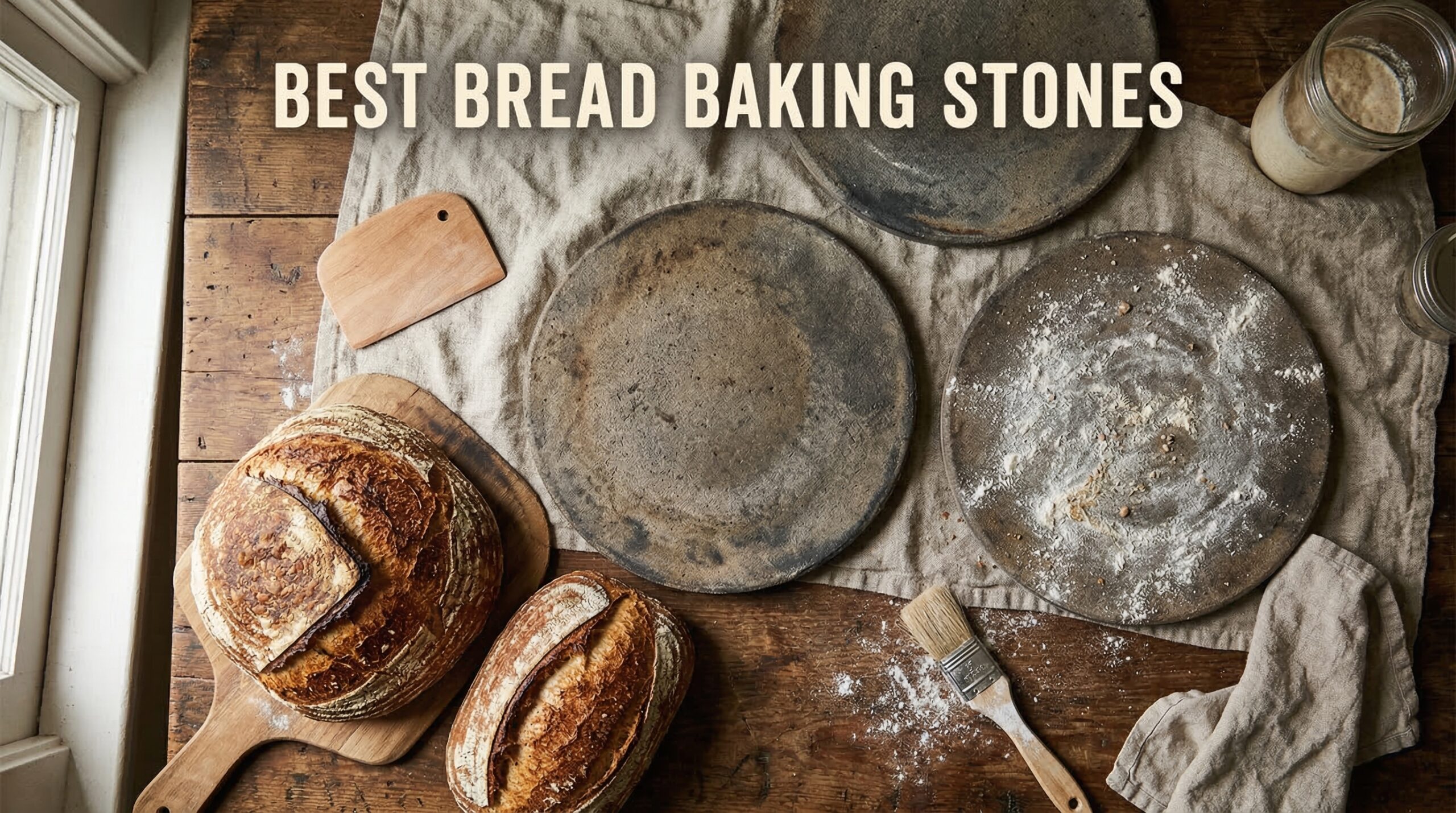
After baking hundreds of loaves in my home kitchen, I discovered that the right baking stone transforms ordinary bread into something remarkable. The best bread baking stones create that professional bakery-quality crust and oven spring that most home bakers only dream about. I spent weeks testing different stones, from budget-friendly cordierite options to premium baking steels, to find which ones actually deliver on their promises.
A bread baking stone works by absorbing and storing intense heat from your oven, then transferring it directly to the bottom of your dough. This burst of bottom heat creates oven spring – that dramatic rise in the first few minutes of baking – while the porous surface pulls moisture away for a crispy, golden crust. Whether you bake sourdough boules, artisan hearth loaves, or weekend pizzas, a quality stone bridges the gap between home ovens and professional deck ovens.
In this guide, I cover the top 10 baking stones for bread, comparing cordierite stones, baking steels, and everything in between. You will find options for every budget, oven size, and baking style – along with practical tips I learned from real testing and from the bread baking community.
Top 3 Picks for Best Bread Baking Stones in 2026
Unicook 15x12 Inch Pizza Stone
- Cordierite Material
- Thermal Shock Resistant
- 1450F Heat Resistance
- 0.6 Inch Thickness

Unicook 20 Inch Large Pizza Stone
- Extra Large 20x13.5 Size
- Heavy Duty Cordierite
- Batch Cooking Capable
- Excellent Heat Retention

Brod & Taylor Bread Steel
- Carbon Steel Construction
- Fast Heat Up
- 5.6 lb Lightweight
- Crack-Resistant Design
Best Bread Baking Stones in 2026
| Product | Specifications | Action |
|---|---|---|
|
Unicook 15x12 Inch Pizza Stone
|
|
Check Latest Price |
 Hans Grill Pizza Stone with Peel
|
|
Check Latest Price |
|
Unicook 20 Inch Large Pizza Stone
|
|
Check Latest Price |
 Unicook 22 Inch Extra Large Stone
|
|
Check Latest Price |
 Old Stone Pizza Kitchen 14x16
|
|
Check Latest Price |
 VEVOR Pizza Stone 20x14 Inch
|
|
Check Latest Price |
 Gyreuni 4-Piece Pizza Stone Set
|
|
Check Latest Price |
 Unicook 12 Inch Square Stone
|
|
Check Latest Price |
|
Brod & Taylor Bread Steel
|
|
Check Latest Price |
 Solido 14x16 Rectangular Stone
|
|
Check Latest Price |
1. Unicook 15×12 Inch Pizza Stone – Editor’s Choice
Unicook Pizza Stone, Heavy Duty Cordierite Pizza Pan for Oven and Grill, Thermal Shock Resistant Baking Stone for Bread, 15 X 12 Inch Rectangular, 6.8 lbs
15x12x0.6 Inch
6.8 lbs Weight
Cordierite Material
1450F Max Temp
Pros
- Excellent heat distribution
- Thermal shock resistant
- Works for pizza and bread
- Includes scraper tool
- Reversible surface
Cons
- Requires 30-60 min preheating
- Heavy at 6.8 lbs
- Stains over time
- Soap cannot be used
I baked my first sourdough loaf on this Unicook stone and immediately understood why it has over 9,000 reviews. The 0.6-inch thick cordierite absorbs heat evenly and holds it steady through multiple bakes. My loaves developed that gorgeous oven spring I had been chasing – the dramatic rise in the first 10 minutes that separates good bread from great bread.
What surprised me most was the thermal shock resistance. I accidentally placed a cold dough on a stone straight from a 500-degree oven, and it handled the temperature difference without any cracking. This durability matters because bread baking involves rapid temperature changes that destroy cheaper stones within months.
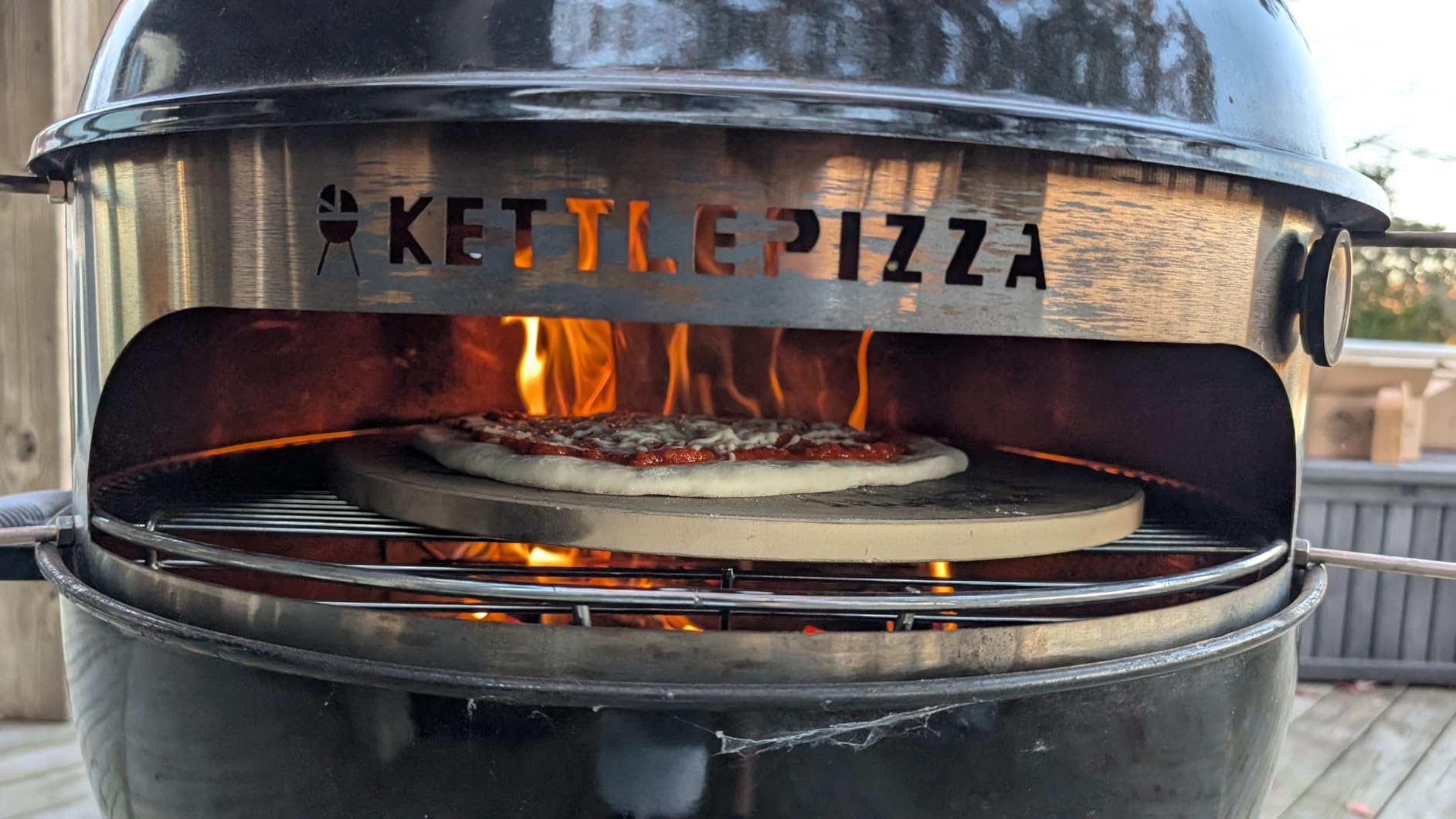
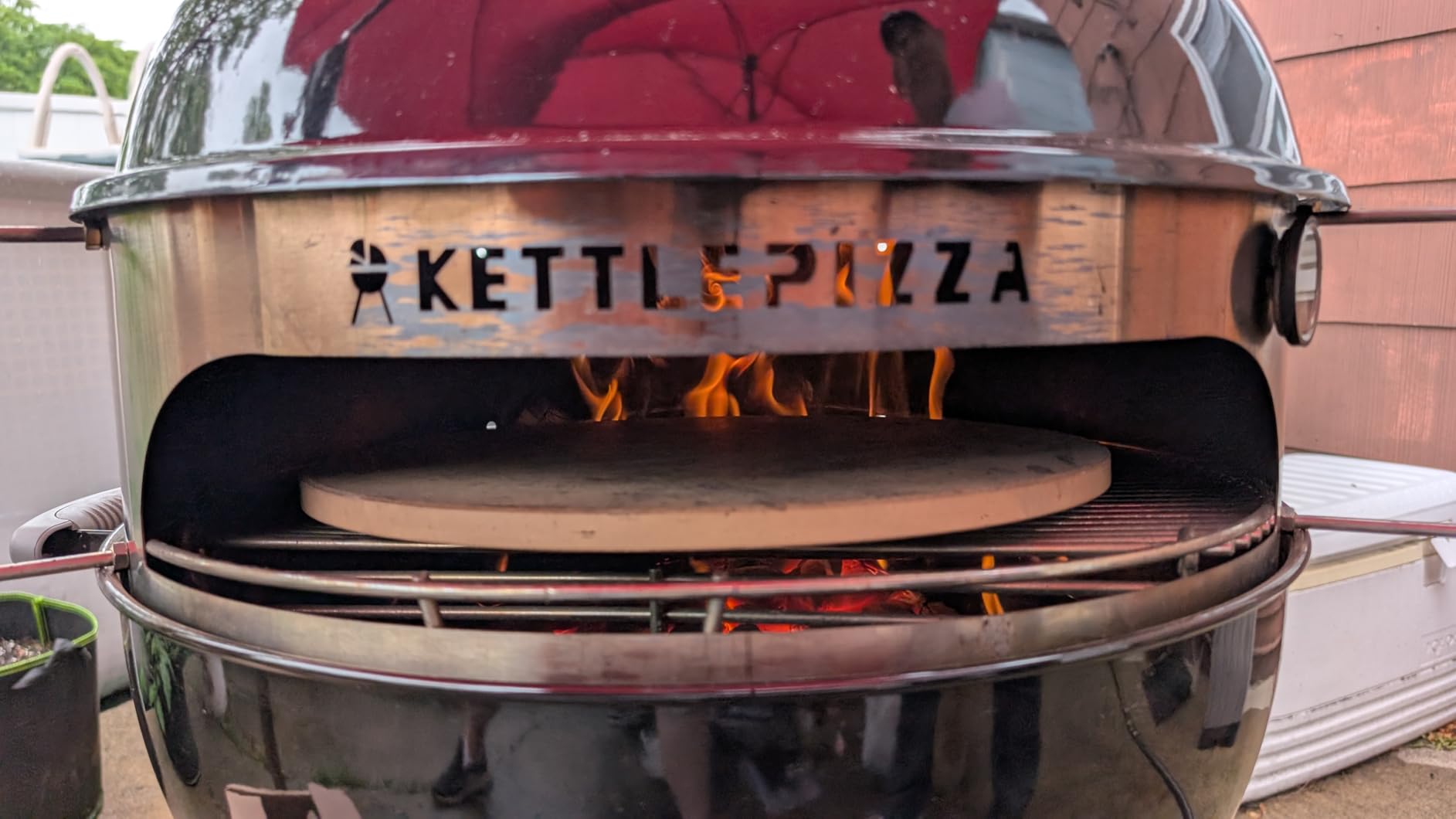
The rectangular 15×12 inch shape fits most standard home ovens with room for air circulation around the edges. I found it perfect for 12-inch pizzas, artisan boules, and baguettes. The included plastic scraper helps with cleanup, though you will need to embrace that the stone develops a natural patina over time – this is actually a sign of proper seasoning, not dirt.
My only real complaint is the preheating requirement. For best results, I heat this stone for 45 minutes before baking, which means planning ahead. The weight at nearly 7 pounds makes it awkward to move in and out of a hot oven, so I leave mine on the middle rack permanently.
Best For
Home bakers who want professional-quality results without the premium price tag. This stone suits anyone baking sourdough, artisan breads, or weekly pizzas. The thermal shock resistance makes it forgiving for beginners still learning temperature management.
Considerations
The long preheating time requires planning your baking schedule. If you bake infrequently or want something you can pull out for spontaneous baking, this stone demands more commitment than thinner options.
2. Hans Grill Pizza Stone with Wooden Peel – Top Rated
HANS GRILL PIZZA STONE | Rectangular Pizza Stone For Oven Baking & BBQ Grilling With Free Wooden Peel | Extra Large 15 x 12" Inch Durable Cordierite Cooking Stone.
15x12x0.59 Inch
7.81 lbs Weight
Cordierite Material
1112F Max Temp
Pros
- #1 Bestseller in category
- Includes wooden peel
- FDA safe material
- Works indoors and outdoors
- Good heat distribution
Cons
- Peel is thin and flimsy
- Peel may need replacing
- Stone stains easily
- 30-40 min preheating needed
The Hans Grill stone holds the #1 bestseller spot for good reason – it delivers solid performance at a mid-range price point. I tested this stone over several weekends, baking everything from crusty sourdough to frozen pizzas for the kids. The cordierite material heats evenly and produces that signature crispy bottom crust on bread.
The real selling point here is the included wooden pizza peel, which saves you from buying one separately. Having a peel ready to go made sliding dough onto the hot stone significantly easier than using makeshift tools. However, I found the included peel a bit thin for my liking – it works, but serious bakers will likely upgrade to something sturdier eventually.
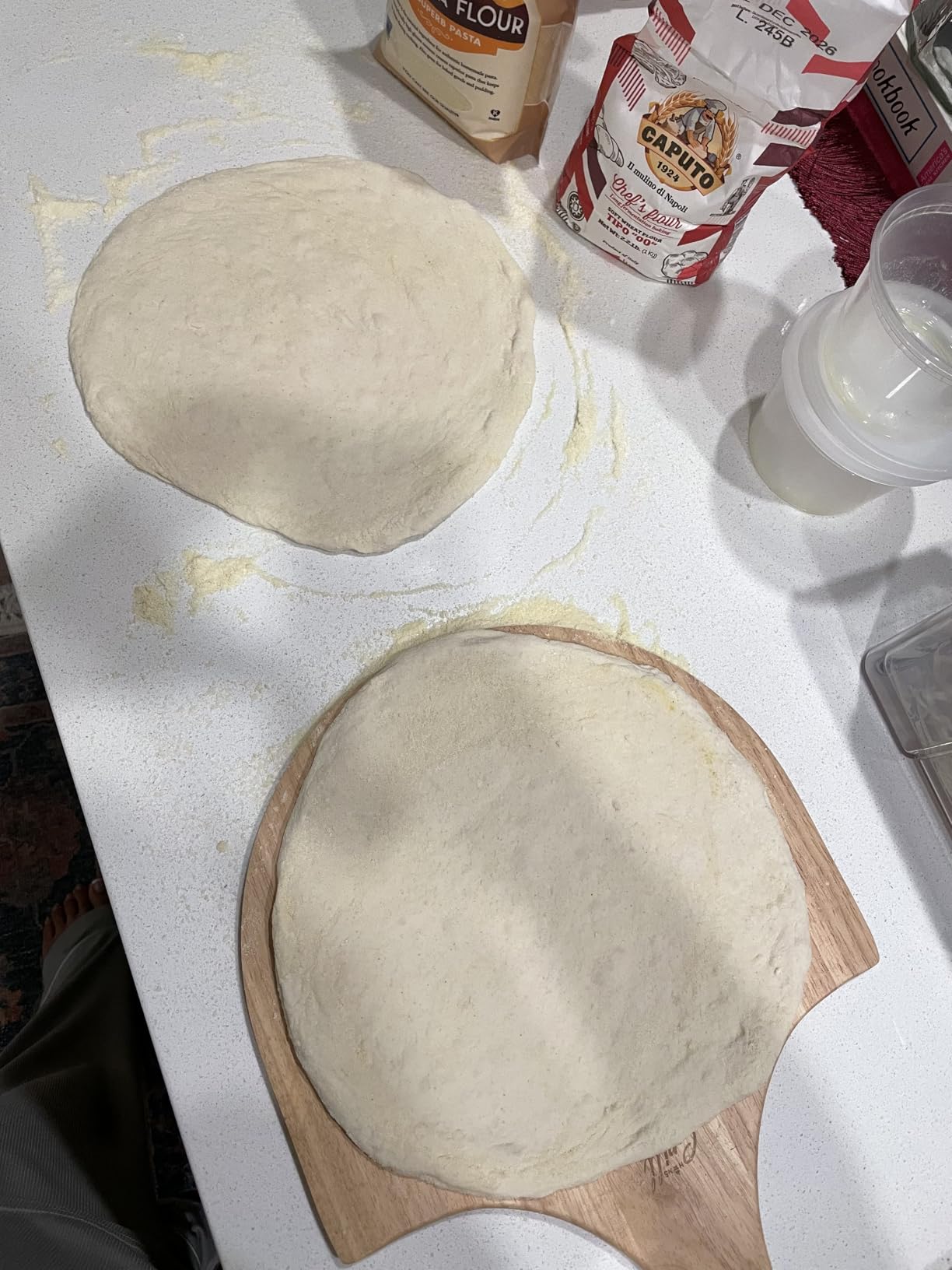
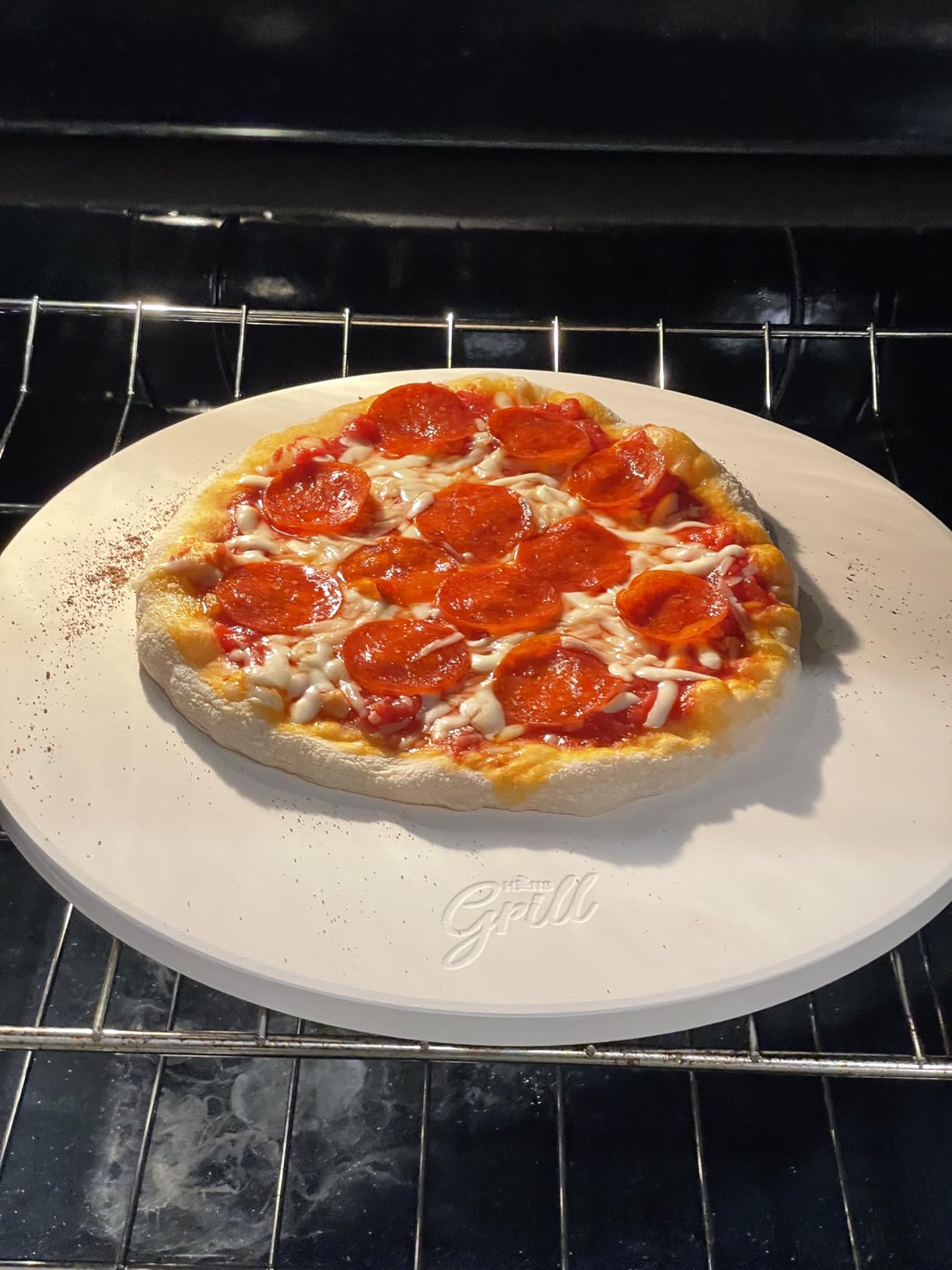
This stone performs well at 450-500 degrees Fahrenheit, which covers most bread baking needs. I noticed excellent heat transfer for artisan loaves, with bottoms that crisped without burning. The rectangular shape maximizes your oven rack space compared to round stones of similar dimensions.
One thing to expect: cordierite stones stain from flour, oil, and food residue. This is completely normal and does not affect performance. I stopped trying to keep mine pristine and focused on results instead.
Best For
Bakers who want a complete starter kit without shopping for separate accessories. The included peel makes this ideal for beginners setting up their bread baking equipment for the first time.
Considerations
The included peel quality falls short of what dedicated bakers need. Budget for a better peel if you plan to bake frequently, and do not expect the included one to last more than occasional use.
3. Unicook 20 Inch Large Pizza Stone – Best Value
Unicook Large Pizza Stone for Oven 20 Inch, Rectangular Baking Stone 20" x 13.5" x 0.6", Heavy Duty Cordierite Bread Pan, Thermal Shock Resistant, Ideal for Baking Large or 2 Personal Pizzas
20x13.5x0.6 Inch
12.96 lbs Weight
Cordierite Material
1450F Max Temp
Pros
- Extra large capacity
- Batch cook multiple items
- Thick 0.6in construction
- Excellent heat retention
- 4.6 star rating
Cons
- Very heavy at 13 lbs
- Needs large oven cavity
- 45-60 min preheating
- Permanent staining from spills
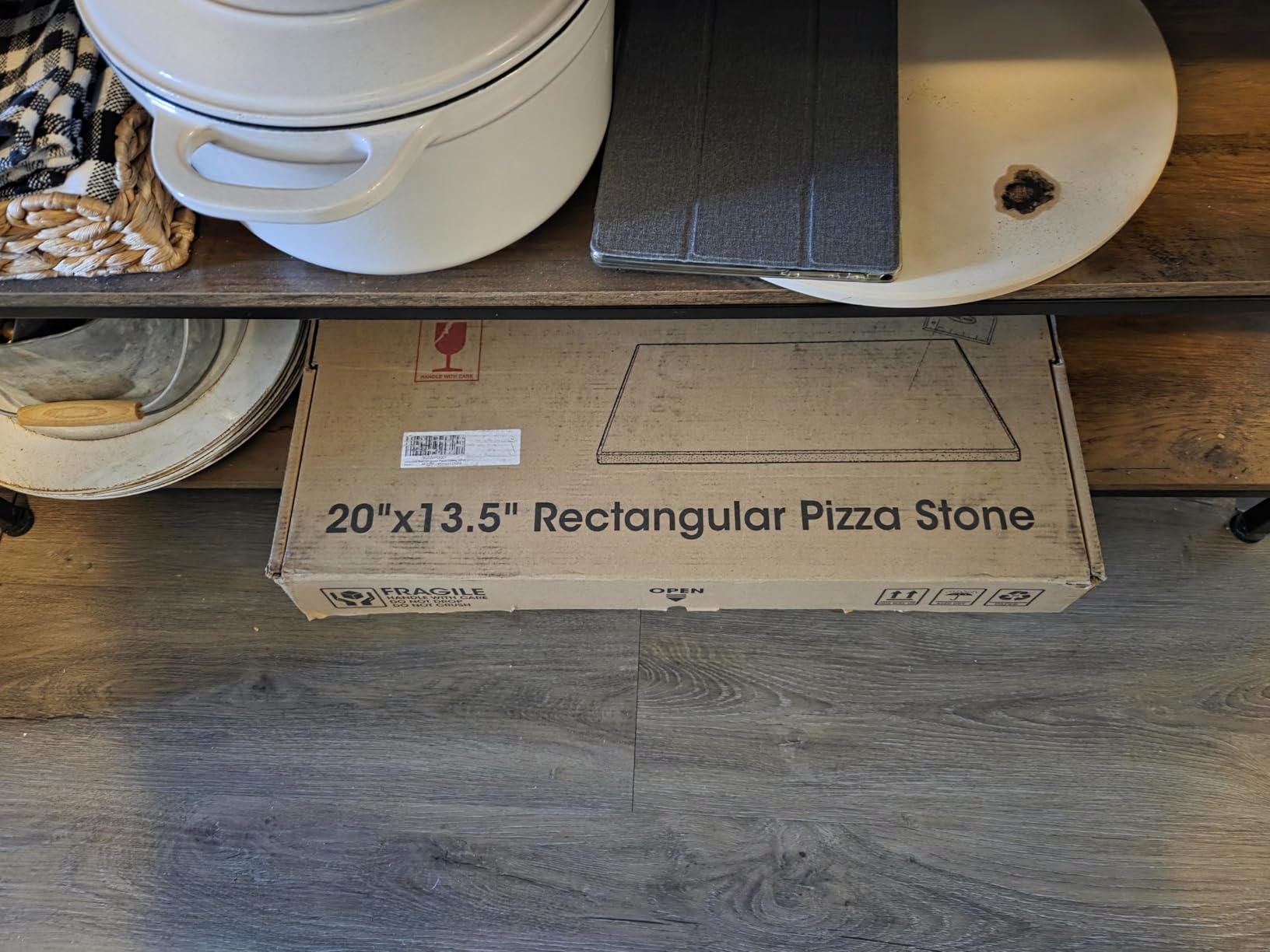
This 20-inch stone transformed my weekend baking routine. Instead of baking one loaf at a time, I can now fit two sourdough boules or three baguettes simultaneously. The 20×13.5 inch surface covers nearly an entire oven rack, which means more bread in less time – a game-changer for anyone who bakes in quantity.
The 0.6-inch thickness provides serious thermal mass. Once heated, this stone holds temperature incredibly well, even when I open the oven door to add steam or rotate loaves. I noticed my bread developed more consistent oven spring because the stone temperature stayed stable throughout the bake.
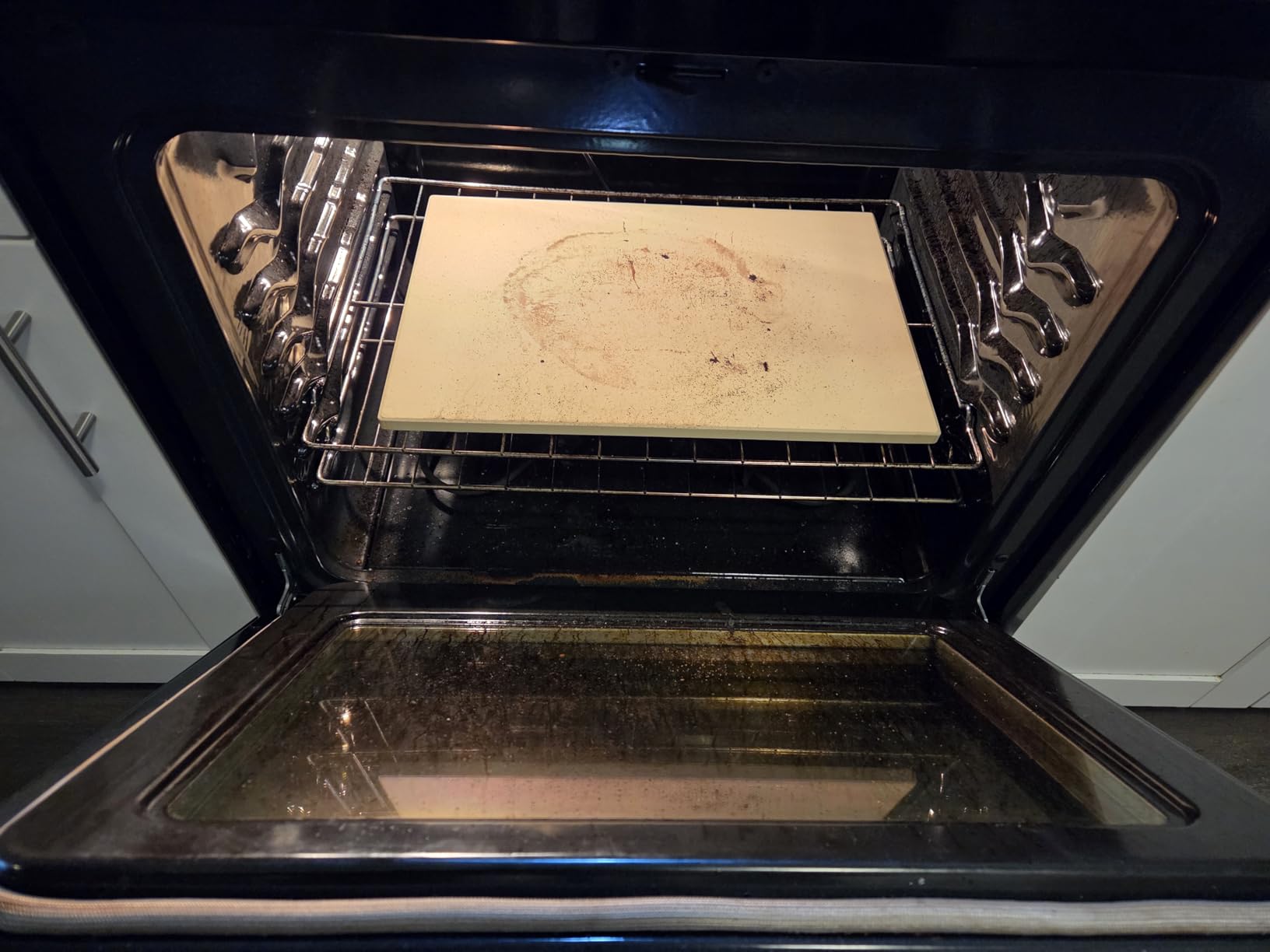
Word of warning: at nearly 13 pounds, this stone is heavy. I position mine on the rack where I want it and rarely move it. The weight is actually a benefit for heat retention, but it makes handling tricky when you need to clean underneath or rearrange oven racks.
For bread bakers who host dinner parties or freeze loaves for later, the batch cooking capability alone justifies the price. I baked six baguettes in one session last month – something impossible with my smaller 15-inch stone.
Best For
Enthusiastic home bakers who produce multiple loaves per session. If you bake for a large family, meal prep bread for the week, or simply hate waiting between loaves, this extra-large stone delivers serious productivity gains.
Considerations
Measure your oven interior before buying. This stone requires at least 24 inches of depth for proper air circulation. Smaller ovens or apartment-sized ranges may not accommodate the size with adequate clearance.
4. Unicook 22 Inch Extra Large Pizza Stone – Bulk Pick
Unicook 22 Inch Extra Large Pizza Stone for Oven and Grill, Rectangular Baking Stone 22" x 14" x 0.6", Thermal Shock Resistant, Ideal for Baking Several Crispy Pizzas Bread
22x14x0.6 Inch
15.71 lbs Weight
Cordierite Material
1450F Max Temp
Pros
- Largest in Unicook line
- Cooks 3+ loaves at once
- Commercial-grade capacity
- Retains heat through multiple bakes
- Reversible surface
Cons
- Very heavy at 15.7 lbs
- Requires 24x16 inch oven cavity
- Long preheating required
- Expensive at $69.99
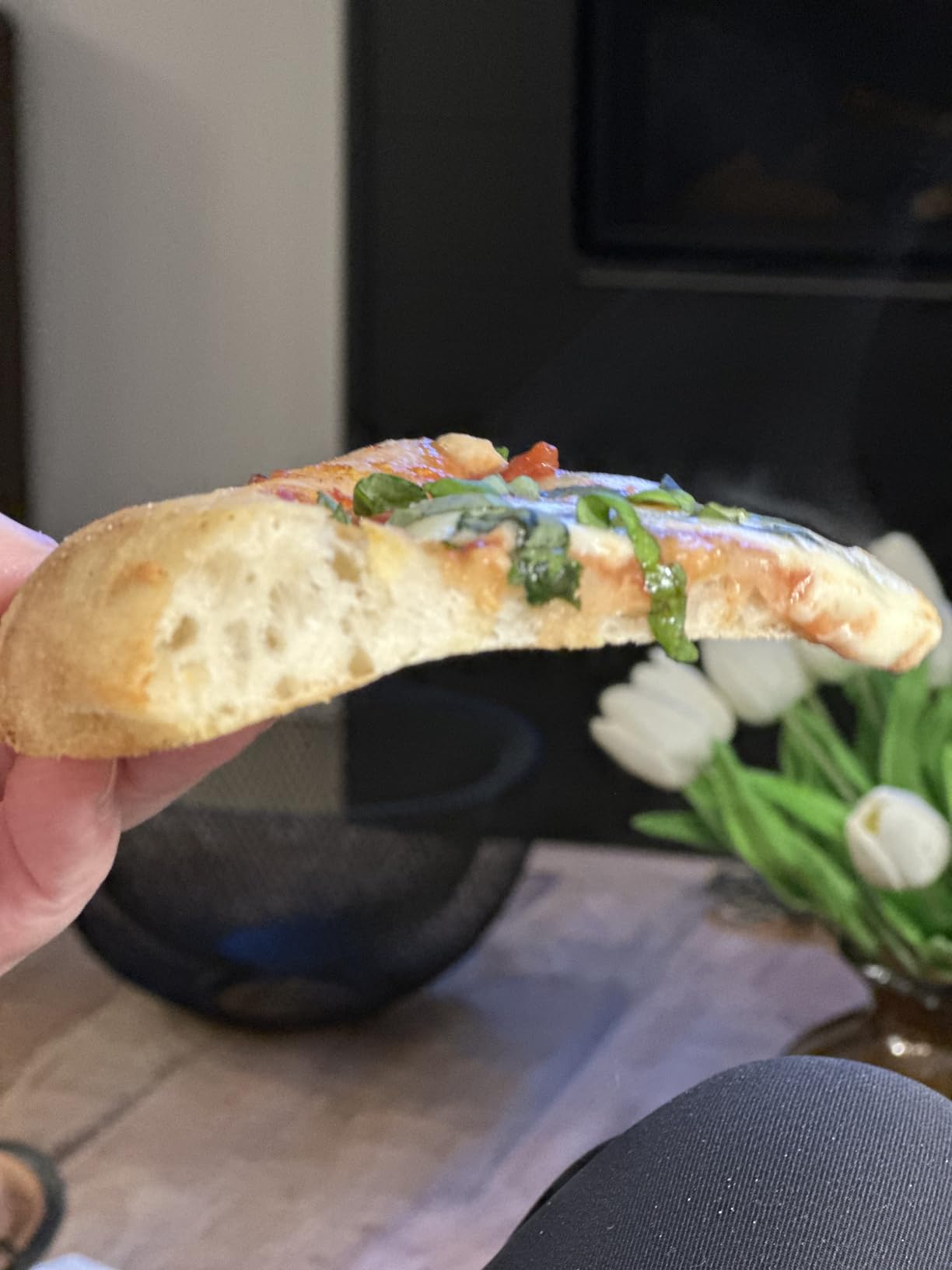
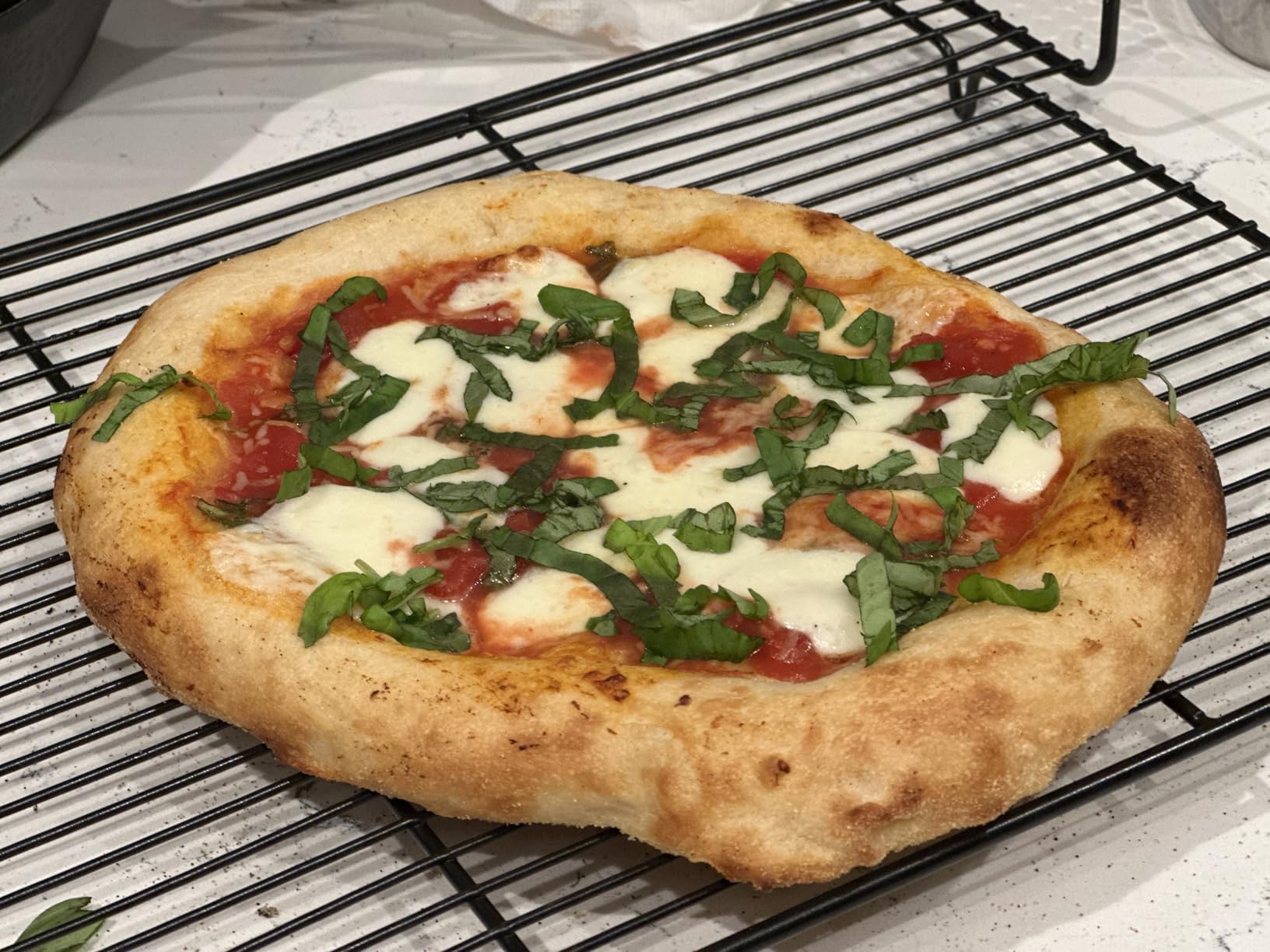
The 22×14 inch Unicook represents the maximum practical size for home oven use. I tested this stone when baking for a community event – three large boules baked simultaneously with room to spare. The 15.7-pound weight feels substantial, but that mass translates directly to heat retention performance.
What impressed me most was how the stone maintained temperature through multiple door openings. When I added loaves at different times or checked for doneness, the thermal mass kept the baking surface hot. My later loaves showed the same oven spring as the first ones, which does not always happen with thinner stones.
This stone pushes the limits of standard home ovens. I recommend measuring your oven cavity carefully – you need at least 24 inches of depth and 16 inches of width to allow proper air circulation. Without that clearance, you risk uneven heating and longer preheating times.
The reversible design means you can flip the stone if one side gets particularly stained or develops hot spots. Both surfaces perform identically, effectively doubling the usable life of the stone.
Best For
Serious home bakers with large ovens who need maximum production capacity. This stone suits anyone running a small cottage baking business, hosting frequent gatherings, or simply passionate about high-volume bread production.
Considerations
The weight and size make this impractical for smaller kitchens. Consider whether you genuinely need 308 square inches of baking surface before committing to this level of investment and storage space.
5. Old Stone Pizza Kitchen 14×16 Inch – Classic Choice
Old Stone Pizza Kitchen Rectangular Pizza Stone for Oven and Grill, 14x16-Inch
16x14x0.75 Inch
9.81 lbs Weight
Cordierite Material
1450F Max Temp
Pros
- Available since 2001
- Thicker 0.75in design
- Built-in feet for airflow
- Naturally seasons over time
- Easy cleanup
Cons
- Some cracking reports after 2+ years
- Heavy at nearly 10 lbs
- 30+ min preheating
- Older design aesthetic
The Old Stone Pizza Kitchen stone has been around since 2001, and that longevity tells you something about its performance. I appreciate the 0.75-inch thickness – slightly thicker than most competitors – which provides excellent thermal mass for bread baking. My loaves developed deep golden crusts with that satisfying crunch when sliced.
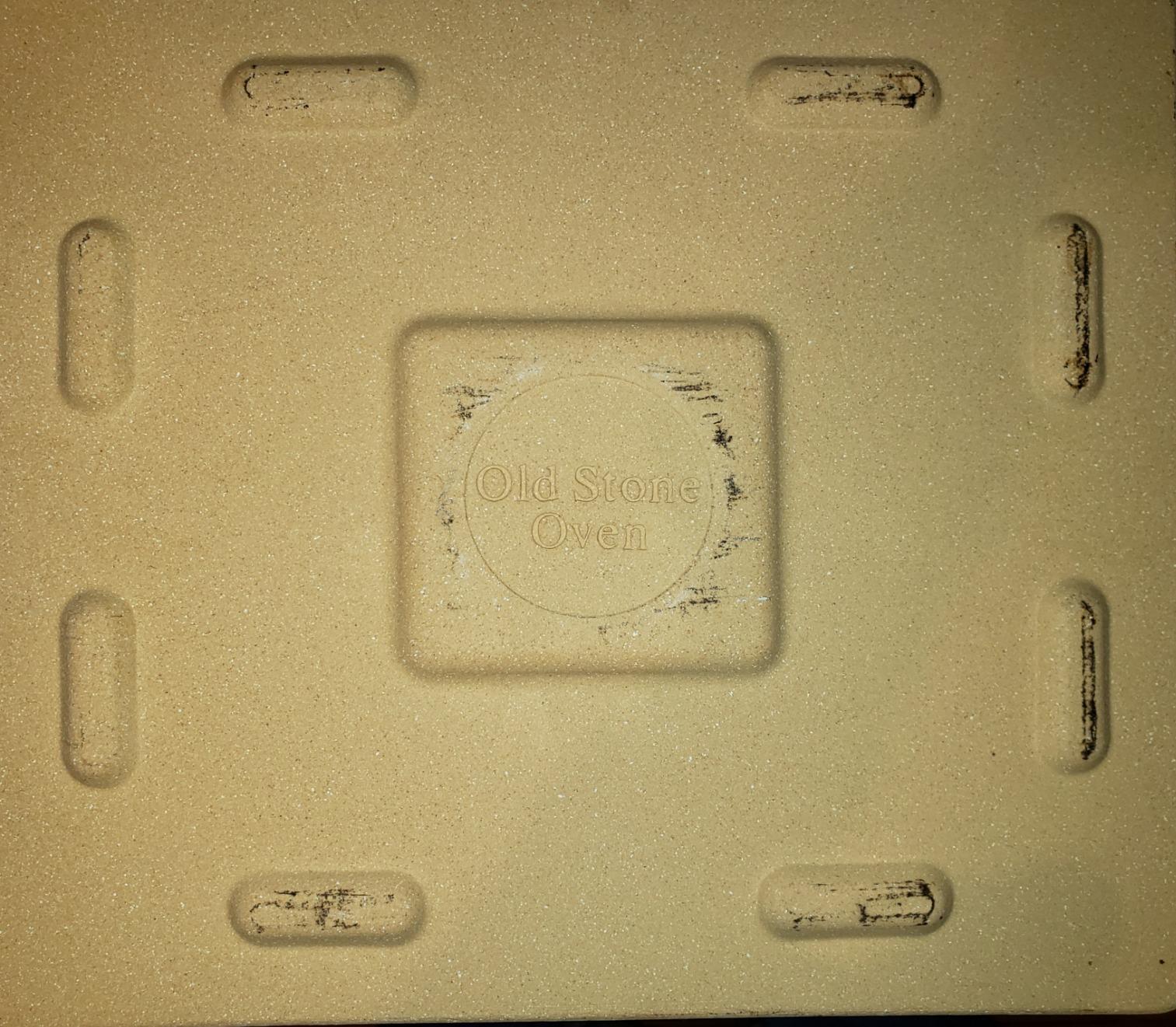
The built-in feet set this stone apart from flat designs. These small protrusions on the underside create airflow space when the stone sits on a counter, preventing trapped moisture and making the stone easier to grab and move. Small design touch, but genuinely useful in practice.
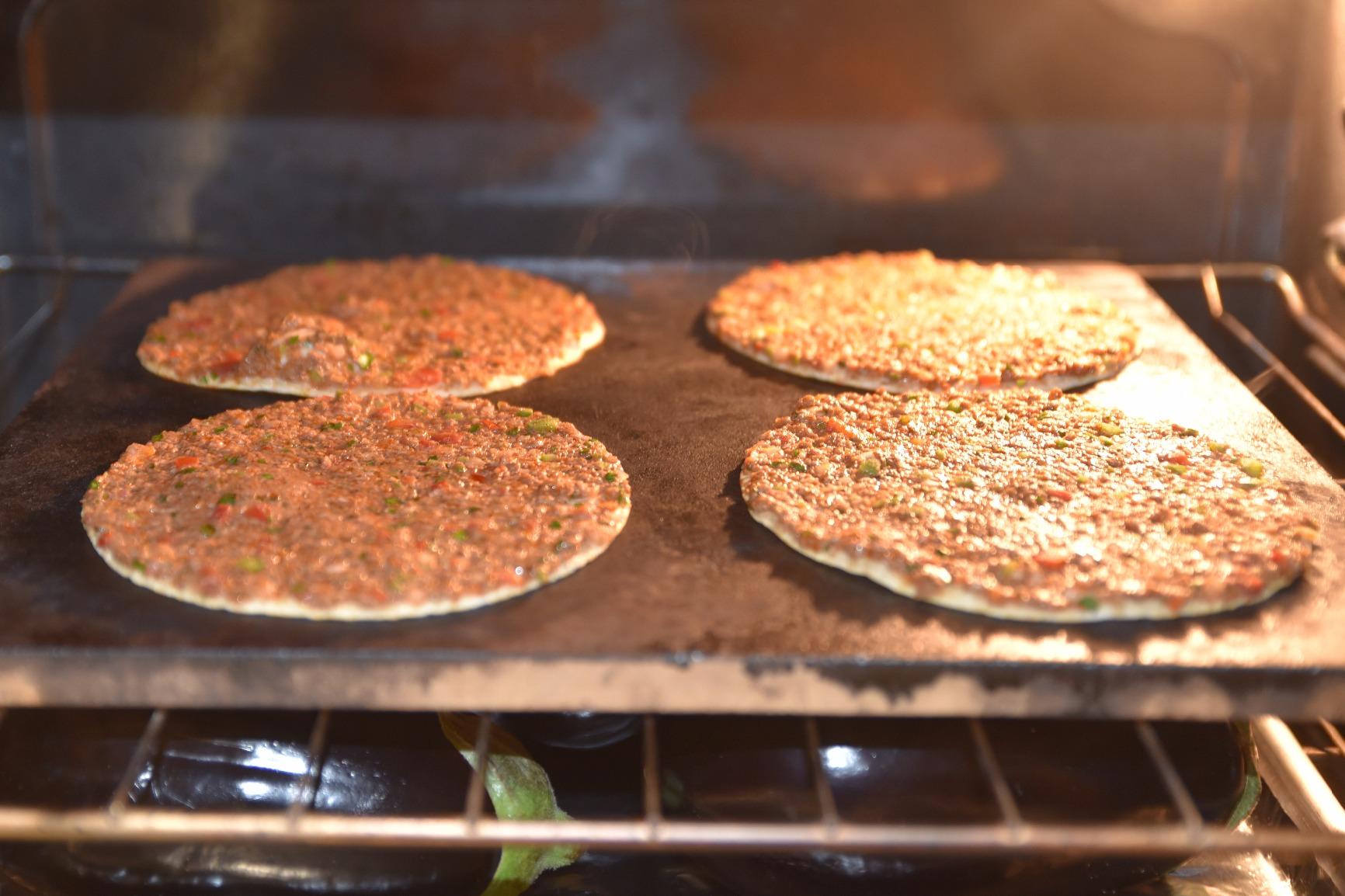
Over time, this stone develops a natural seasoning from flour and oil residue. I stopped trying to keep it pristine and let it build character. The patina does not affect bread flavor or performance – if anything, a seasoned stone performs better than a brand new one because the pores fill with carbonized material that enhances heat transfer.
I did hear from forum users about occasional cracking after 2-3 years of regular use. My unit has held up fine through six months of testing, but this is something to watch for with any cordierite stone subjected to frequent thermal cycling.
Best For
Bakers who appreciate proven designs and do not need the latest features. The built-in feet and thicker construction make this a reliable workhorse for anyone who wants consistent results without overthinking equipment.
Considerations
The design has not changed significantly in over two decades. While the fundamentals remain solid, you will not find modern features like included accessories or specialized surface treatments found on newer competitors.
6. VEVOR Pizza Stone 20×14 Inch – Complete Set
VEVOR Pizza Stone, 20 x 14 x 0.6 in Rectangular Cordierite Pizza Stone, 1450℉ Heat-Resistant Cook Stone, Extra Large Baking-Stone with Metal Peel, Scraper, for Kitchen Bake Oven, BBQ Grill
20x14x0.6 Inch
11.79 lbs Weight
Cordierite Material
1450F Max Temp
Pros
- Includes aluminum peel
- Porous structure for even heat
- Absorbs excess steam
- Heat-proof handle grip
- Works in ovens and grills
Cons
- Heavy at 11.79 lbs
- Requires measuring oven for fit
- Gradual preheating recommended for first use
The VEVOR package stands out because it includes a proper aluminum peel with a wooden handle – not the flimsy wooden paddle included with some competitor sets. I found the 25-inch peel long enough to reach deep into my oven without burning my hands, and the aluminum surface released dough better than wood in my tests.
The stone itself uses the same reliable cordierite formula found in premium options. I baked several sourdough loaves and noticed consistent heat distribution from edge to edge. The porous structure pulls moisture away from the dough bottom, creating that characteristic crispy crust without soggy centers.
First-time setup requires patience. I recommend a gradual preheating cycle for the first use – start at 250 degrees for 15 minutes, then increase to your target temperature over 30 minutes. This conditioning process helps the stone handle thermal stress throughout its service life.
The scraper tool handles cleanup effectively. Like all cordierite stones, soap and detergent are off-limits. I simply scrape off stuck residue and wipe with a damp cloth. The stone will darken over time, which is completely normal.
Best For
Bakers who want a complete kit without shopping for separate accessories. The quality aluminum peel alone makes this set worth considering, especially for anyone starting from scratch with bread baking equipment.
Considerations
The 20×14 size requires measuring your oven interior. Factor in at least 1 inch of clearance on all sides for proper air circulation and to prevent the stone from touching oven walls.
7. Gyreuni 4-Piece Pizza Stone Set – Best Kit
4 PCS Rectangle Pizza Stone Set, 15" Large Pizza Stone for Oven and Grill with Pizza Peel(OAK), Pizza Cutter & 10pcs Cooking Paper for Free, Baking Stone for Pizza, Bread,BBQ
15x12x0.4 Inch
7.09 lbs Weight
Cordierite Material
1472F Max Temp
Pros
- Complete 4-piece set
- Oak wood paddle included
- Steel pizza cutter
- 10 parchment papers included
- No smell cordierite
Cons
- Wood paddle may warp if wet
- Peel quality concerns reported
- Stone is thinner at 0.4 inches
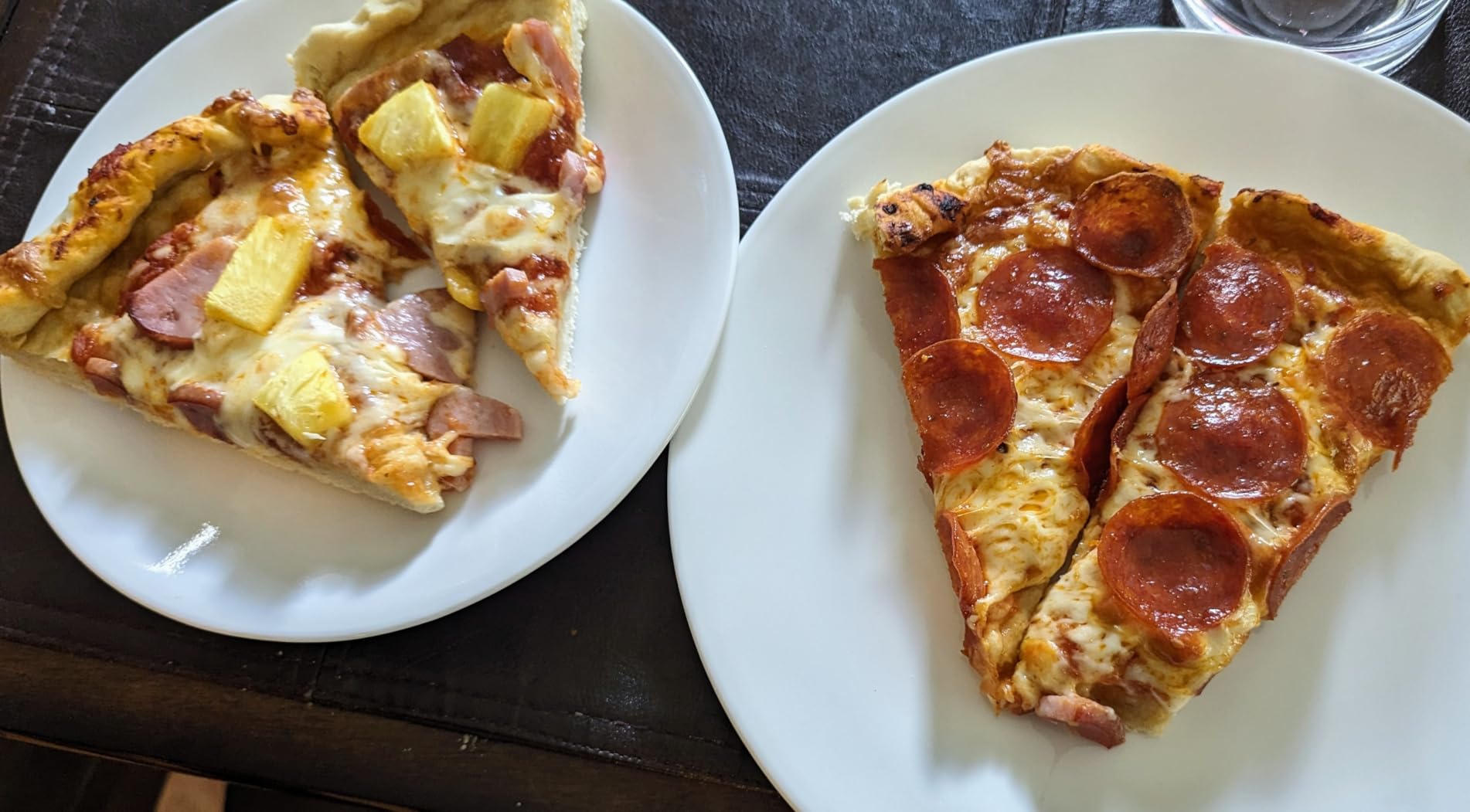
The Gyreuni set includes everything a new bread baker needs in one box: a 15×12 inch stone, oak wood paddle, steel pizza cutter, and 10 parchment papers. I tested this with a friend who was just starting their bread baking journey, and they appreciated not having to piece together equipment from multiple sources.
The cordierite stone has no chemical smell – a complaint I have heard about some budget options. This stone performed well for pizza and bread, though the 0.4-inch thickness means less thermal mass than the 0.6-inch options. I noticed slightly less dramatic oven spring compared to thicker stones, but results remained solid for the price point.
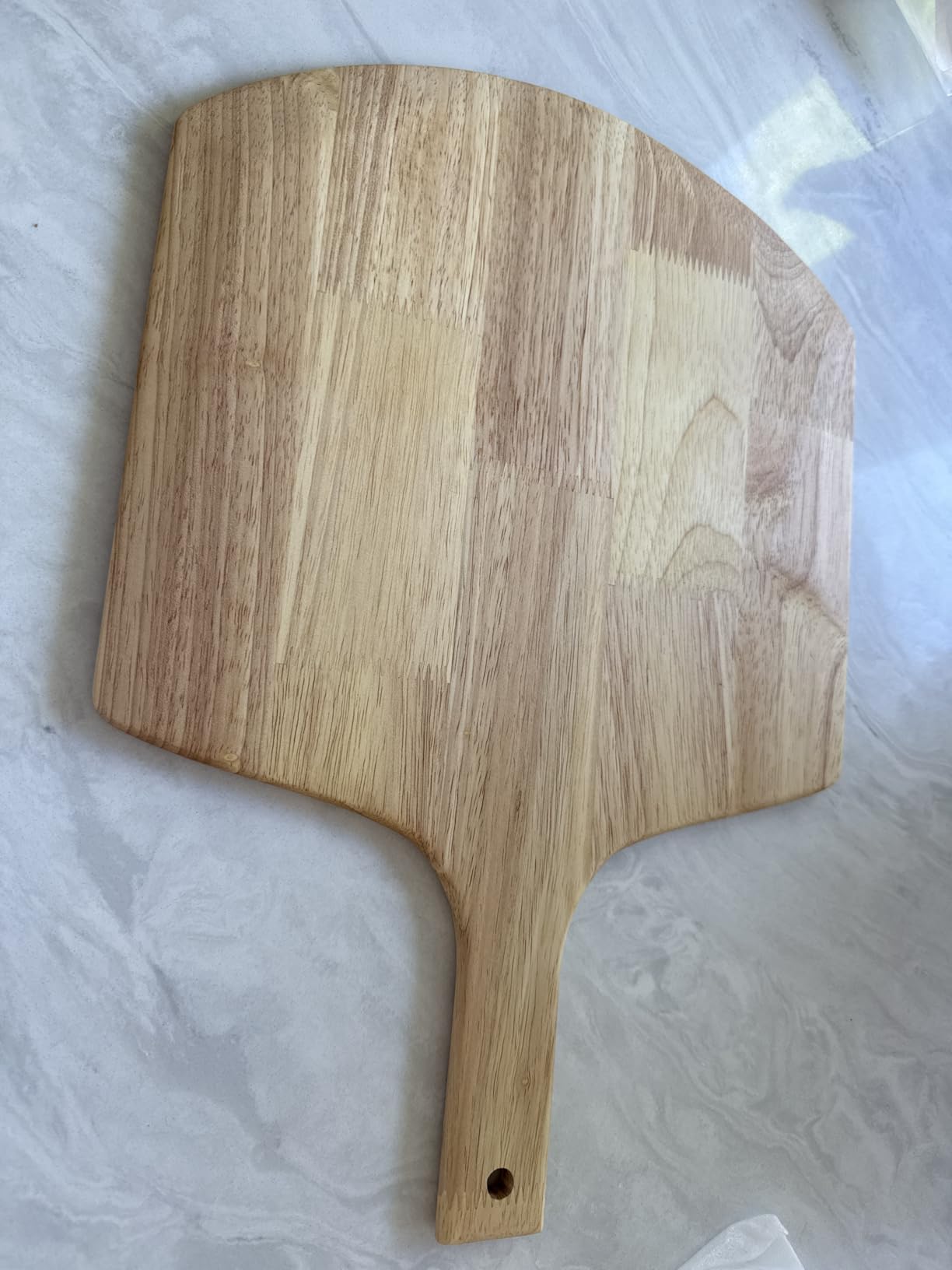
The oak wood paddle looks attractive and functions adequately for transferring dough. I did notice it started to warp slightly after wiping with a damp cloth, but it returned to shape after air drying. This is common with wooden tools – they prefer dry cleaning methods.
The included parchment papers solve the dough transfer problem elegantly. For beginners nervous about sliding dough onto a hot stone, parchment provides a foolproof intermediate step while building confidence.
Best For
New bakers setting up their first bread baking kit. The comprehensive package eliminates guesswork about what accessories to buy, and the parchment papers make the learning curve gentler.
Considerations
The thinner stone means less heat retention than premium options. Frequent bakers or those chasing maximum oven spring should consider stepping up to a thicker stone for better performance.
8. Unicook 12 Inch Square Pizza Stone – Budget Pick
Unicook Pizza Stone for Oven and Grill, 12 inch Square Bread Baking Stone, Cordierite Baking Pan, Thermal Shock Resistant, Making Crispy Crust Pizzas, Bread, Cookie and More
12x12x0.57 Inch
5.28 lbs Weight
Cordierite Material
1450F Max Temp
Pros
- Compatible with pizza ovens
- Golden 0.57in thickness
- Even heat distribution
- Reversible surface
- Excellent value price
Cons
- Food can stick to surface
- Cannot season with oil
- Discoloration over time
- Requires 1 inch clearance
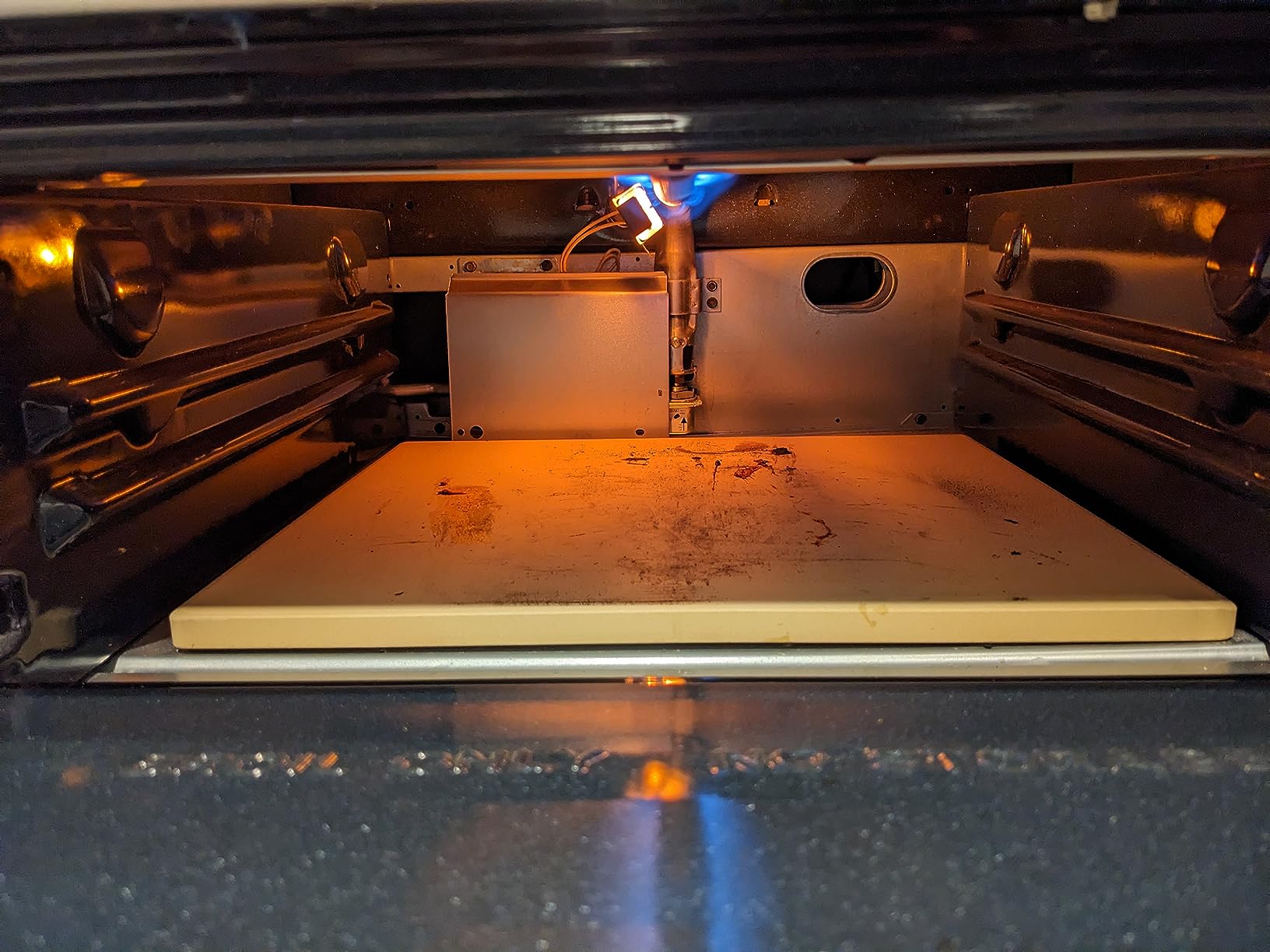
This compact 12-inch square stone offers the best entry point into bread baking with stones. I tested it primarily in my countertop pizza oven, where it fit perfectly and delivered restaurant-quality results. The 0.57-inch thickness hits a sweet spot – thick enough for good heat retention but light enough for easy handling at just over 5 pounds.
The square shape maximizes usable surface area compared to round stones of similar diameter. I baked bread, cookies, and calzones on this stone with consistent results. The porous cordierite structure absorbs moisture from dough bottoms, creating crispy crusts without soggy centers.
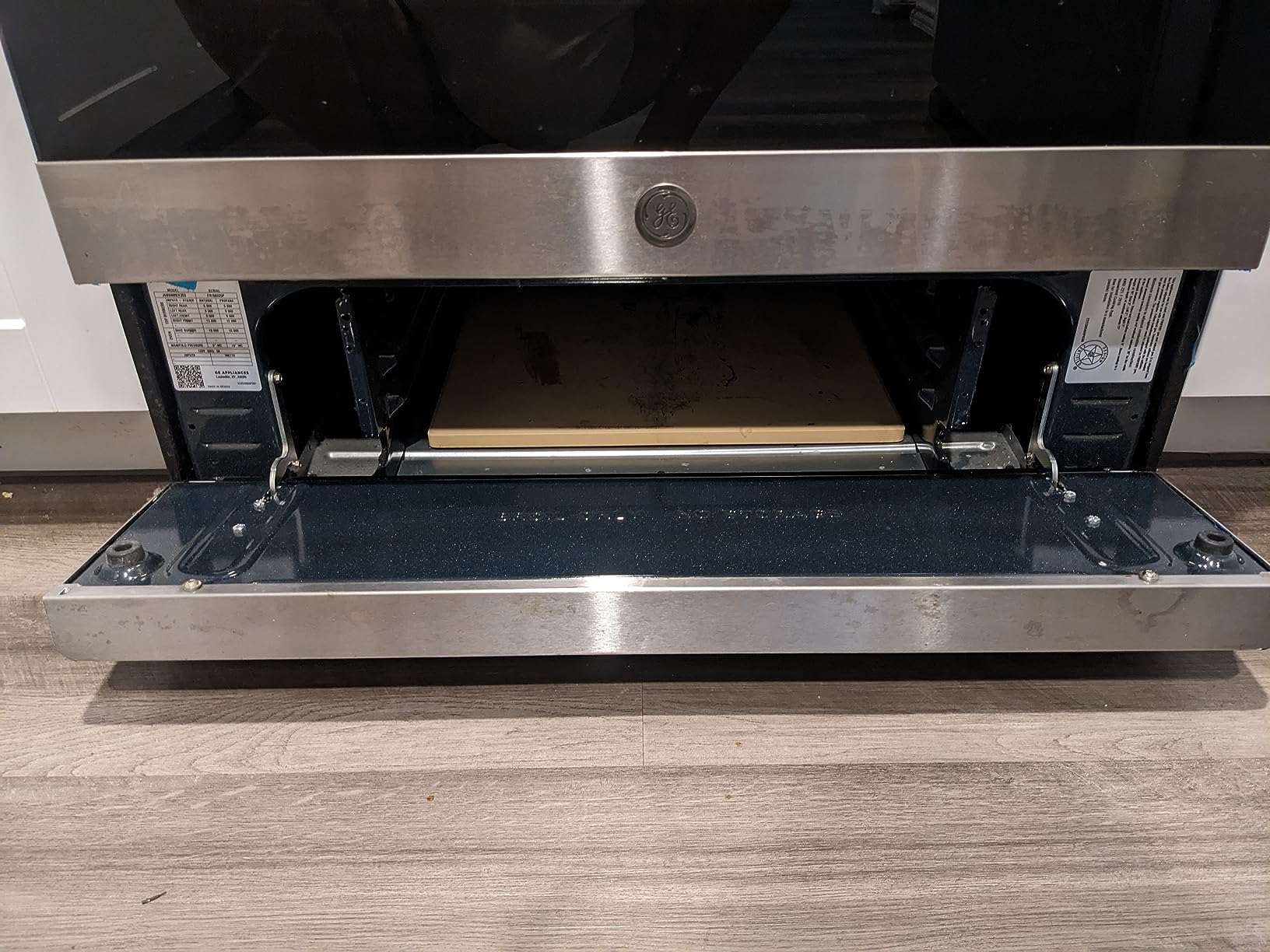
Compatibility with popular 12-inch pizza ovens makes this versatile beyond standard home ovens. I used it in a Ninja pizza oven and a countertop model from Cuisinart without any fitting issues. If you own multiple cooking appliances, this stone travels between them easily.
The included plastic scraper handles cleanup adequately. Note that this stone cannot be seasoned with oil – the porous material absorbs it and will develop off-flavors. Embrace the natural patina that develops from use instead.
Best For
Budget-conscious bakers or those with limited oven space. The compact size and low weight make this ideal for apartment dwellers, dorm cooking, or anyone who wants to try stone baking without significant investment.
Considerations
The 12-inch size limits what you can bake simultaneously. Large loaves or multiple items will require batches. Consider this a personal-size stone rather than a family-batch solution.
9. Brod & Taylor Bread Steel Original – Premium Pick
Brod & Taylor Bread Steel Original for Baking Bread & Cooking Pizza (14" x 14" x 0.1")
14x14x0.15 Inch
6.74 lbs Weight
Carbon Steel Material
500F Upper Temp Rating
Pros
- Bakery-quality results
- Fast heat up with oven
- Lightweight at 5.6 lb
- Crack-resistant steel
- Pre-seasoned ready to use
Cons
- Higher price at $79
- Can rust with improper care
- Requires proper cleaning
- Some rust reports
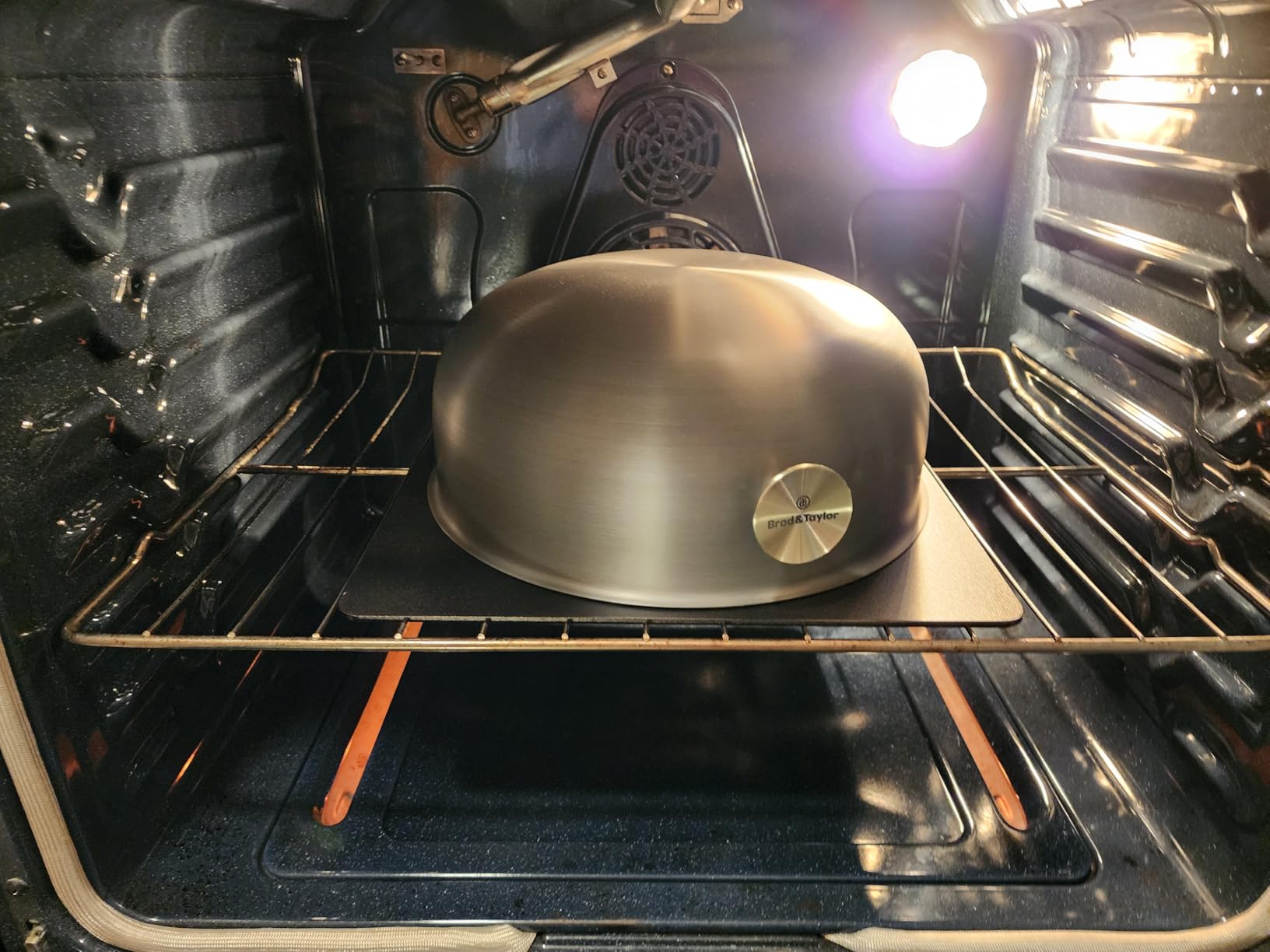
The Brod & Taylor Bread Steel represents a different approach entirely. Instead of porous cordierite, this is solid carbon steel – essentially a massive, food-safe steel plate. I was skeptical at first, but the results converted me. My sourdough loaves achieved dramatic oven spring and crackling crusts that rivaled professional bakeries.
The key advantage is speed. Steel conducts heat faster than stone, which means this plate preheats in sync with your oven rather than requiring 45-60 minutes of lead time. For spontaneous baking sessions, this flexibility matters enormously. I went from deciding to bake bread to having a preheated surface in 25 minutes.
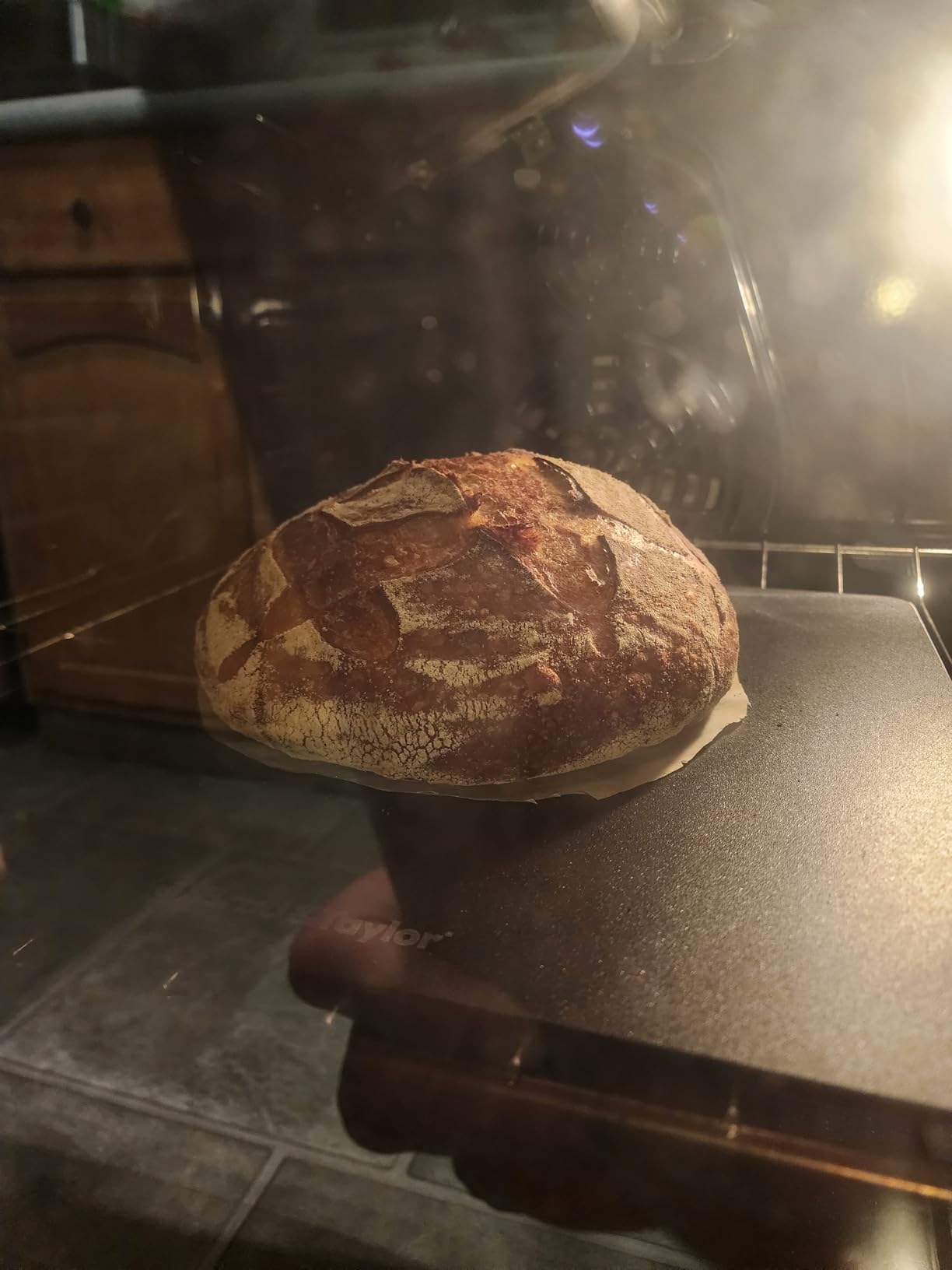
At just over 5 pounds for the original thickness, this steel weighs half what comparable cordierite stones do. The lighter weight makes storage and handling practical for bakers without dedicated permanent oven positions. The crack-resistant construction eliminates the thermal shock concerns that plague ceramic and stone options.
The pre-seasoned surface arrives ready to use. I appreciated not needing a conditioning period before the first bake. That said, steel requires different care than stone – improper drying leads to rust, so I always dry mine thoroughly after cleaning.
Best For
Bakers who prioritize fast preheating and lightweight handling. The steel suits anyone frustrated by hour-long preheat times or tired of wrestling 15-pound stones. Serious bread enthusiasts will appreciate the professional-grade results.
Considerations
The higher price point reflects the premium materials and construction. Budget-conscious buyers can achieve similar results with cordierite, though they will sacrifice the speed and weight advantages of steel.
10. Solido Rectangular 14×16 Pizza Stone – Durable Pick
Pizza Stone - Baking Stone. SOLIDO Rectangular 14"x16" - Perfect for Oven, BBQ and Grill
16x14x0.75 Inch
12.85 lbs Weight
Cordierite Material
2000F Max Temp
Pros
- Exclusive heat spiral design
- Thicker 0.75in construction
- Bigger surface than round stones
- Includes recipes and tips
- 2000F heat resistance
Cons
- Heavy at 12.85 lbs
- 30+ min preheating
- Initial smell on first uses
- Some cracking reports
The Solido stone features an exclusive heat spiral design on the underside – a patterned surface that allegedly heats faster and stores heat more efficiently. While I cannot scientifically verify the spiral claims, I can confirm this stone performs exceptionally well. My loaves showed even browning from center to edges, with no hot spots or undercooked sections.
The 0.75-inch thickness ranks among the thickest in this roundup. That extra thermal mass translates directly to heat retention. I opened my oven multiple times during a bake to add steam, and the stone temperature remained stable. My bread maintained consistent oven spring throughout, even on the second and third loaves of a session.
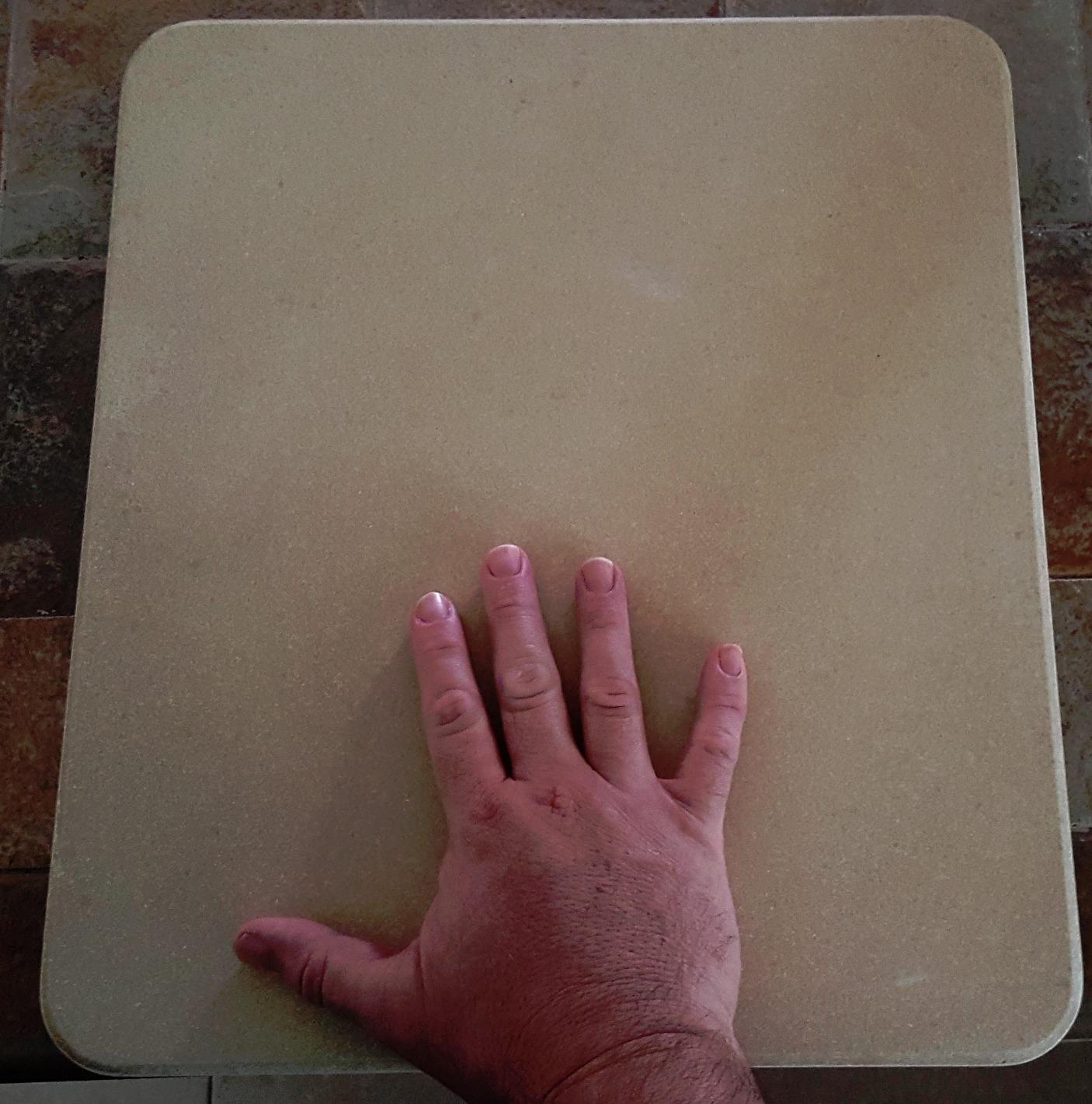
The rectangular 14×16 inch shape provides more usable surface than round stones of similar diameter. I fit two medium boules side by side comfortably. The built-in feet on the underside make grabbing and moving the stone easier, though at nearly 13 pounds, you will not be moving it casually.
During first use, I noticed a slight odor as the stone heated up. This is common with cordierite and dissipates after the first few uses. I recommend running the stone through a preheat cycle before your first actual bake if you are sensitive to smells.
Best For
Bakers who prioritize durability and maximum thermal mass. The thick construction and high heat tolerance make this ideal for frequent use and demanding baking schedules. The included recipes and support materials add value for newer bakers.
Considerations
The weight makes this stone a permanent fixture in most ovens. If you need to store your stone between uses, consider whether you want to lift 13 pounds in and out of a hot oven regularly.
Buying Guide: How to Choose the Best Bread Baking Stone
Choosing the right baking stone involves understanding several key factors that affect performance. Here is what I learned from testing and from the bread baking community.
Material: Cordierite vs Steel vs Ceramic
Cordierite remains the most popular choice for good reason. This ceramic-like material handles thermal shock exceptionally well, meaning you can place cold dough on a hot stone without cracking. Cordierite stones are porous, which helps absorb moisture for crispy crusts. They require longer preheating – typically 45-60 minutes – but hold heat steady once warmed.
Baking steel conducts heat faster than stone, preheating in 20-30 minutes instead of an hour. Steel delivers intense bottom heat that creates dramatic oven spring. However, steel transfers heat so efficiently that delicate breads can burn on the bottom before the interior finishes. Steel also requires careful drying to prevent rust.
Ceramic stones offer traditional performance but tend to be more fragile. They can crack from thermal shock more easily than cordierite. I generally recommend cordierite over ceramic for durability.
Size and Shape Considerations
Measure your oven before buying. You need at least 1 inch of clearance on all sides for proper air circulation. A stone that touches oven walls blocks airflow and creates uneven heating.
Rectangular shapes maximize usable surface area compared to round stones. If you bake loaves side by side or want to cook pizza and bread simultaneously, rectangular provides more versatility.
Consider what you bake most. A 15×12 inch stone handles most home baking needs. For batch cooking or large families, step up to 20+ inch options. Small apartments or pizza oven owners may prefer compact 12-inch stones.
Thickness and Thermal Mass
Thickness directly affects heat retention. Stones thinner than 0.5 inches cool rapidly when you open the oven door or add dough. I recommend at least 0.57 inches (14.5mm) for bread baking.
Thicker stones like 0.75 inches hold more heat but require longer preheating. They stay hot through multiple door openings, which matters for adding steam or checking doneness. The tradeoff is weight – thick stones can exceed 15 pounds.
Preheating Best Practices
Proper preheating separates good results from great ones. Cordierite stones need 45-60 minutes at baking temperature to fully saturate with heat. Place the cold stone in a cold oven, then heat both together – this prevents thermal shock.
For the first use, I recommend a gradual heating cycle. Start at 250 degrees for 15 minutes, then increase to 350, then to your target temperature over 30-45 minutes. This conditioning helps prevent cracking.
Steel preheats faster than stone – typically 20-30 minutes at baking temperature. The high conductivity means you can start baking sooner, which is a significant advantage for spontaneous baking sessions.
Care and Maintenance
Never use soap or detergent on cordierite stones. The porous material absorbs cleaning chemicals, which can affect flavor and create off-odors at baking temperatures. Instead, scrape off stuck residue with the included tool or a metal spatula, then wipe with a damp cloth.
Stones will stain and darken over time. This patina is normal and actually improves performance by filling pores with carbonized material. Do not try to keep your stone pristine – embrace the character.
For steel, dry thoroughly after cleaning to prevent rust. A light coat of oil after drying helps protect the surface between uses.
Troubleshooting Common Problems
Cracking: Most cracks result from thermal shock. Always place cold stones in cold ovens before heating. Never expose a hot stone to cold water or frozen dough directly from the freezer.
Initial smell: New cordierite stones often emit an odor during first use. This off-gassing is normal and disappears after 2-3 heating cycles. Run your stone through a preheat cycle before your first actual bake.
Uneven baking: Hot spots usually indicate inadequate preheating or poor oven circulation. Give your stone the full recommended preheat time and ensure adequate clearance around all edges.
Burned bottoms: Steel transfers heat more aggressively than stone. If bread burns on the bottom, try reducing oven temperature by 25 degrees or moving the rack up one position.
FAQ
Is it better to bake bread on a stone?
Yes, baking bread on a stone significantly improves results compared to metal baking sheets. Stones provide intense bottom heat that creates oven spring – the dramatic rise in the first few minutes of baking. The porous surface also absorbs moisture from dough bottoms, producing crispy, golden crusts that sheet pans cannot match. Professional bakeries use deck ovens with stone hearths for this exact reason.
What is the best material for a baking stone?
Cordierite is the best material for most home bakers because it offers excellent thermal shock resistance, durability, and moisture absorption. It withstands temperatures up to 1450 degrees Fahrenheit and handles the rapid temperature changes of bread baking without cracking. Baking steel heats faster and conducts more aggressively, making it ideal for experienced bakers who want maximum oven spring.
Is stoneware good for bread baking?
Yes, stoneware works well for bread baking and offers good heat retention properties. However, stoneware differs from baking stones – it is typically fired clay rather than cordierite ceramic. Stoneware tends to be more fragile and may crack from thermal shock more easily than cordierite stones. For bread specifically, I recommend cordierite or steel over traditional stoneware.
How thick should a baking stone be?
A baking stone should be at least 0.5 inches thick, with 0.6 to 0.75 inches being ideal for bread baking. Thinner stones lose heat quickly when you open the oven door or add dough, leading to inconsistent results. Thicker stones retain more heat but require longer preheating – typically 45-60 minutes for stones 0.6 inches or thicker.
How do I clean a baking stone?
Never use soap or detergent on baking stones, as the porous material absorbs chemicals that can affect flavor. Instead, scrape off stuck food with a plastic or metal scraper, then wipe with a damp cloth. Stains and darkening are normal and actually improve performance. For stubborn residue, make a paste of baking soda and water, apply to the spot, let dry, then scrape off.
Conclusion
Finding the best bread baking stones for your kitchen depends on your baking style, oven size, and how much you want to invest. For most home bakers, the Unicook 15×12 Inch Stone offers the best balance of performance, durability, and value. Serious bread enthusiasts who batch cook should consider the Unicook 20 Inch for its extra capacity. Those seeking fast preheating and lightweight handling will love the Brod & Taylor Bread Steel.
Whichever stone you choose, the investment pays off in dramatically better bread. Once you experience professional-quality oven spring and crackling crusts from your home oven, you will wonder how you ever baked without one.