
I remember the first time I tasted the difference water chemistry made in my homebrew. I had been brewing decent beers for years, but they always seemed to lack that crisp, professional edge I tasted in commercial craft beers. After adding a simple pinch of gypsum to my pale ale, everything changed. The hops popped with bright citrus notes I had never achieved before, and the malt backbone finally had the clarity I was chasing.
That single batch convinced me that brewing salt addition kits are essential tools for any serious homebrewer. Water makes up over 90% of your beer, yet many brewers overlook this critical ingredient. Whether you are brewing with reverse osmosis water, distilled water, or trying to adjust your tap water to match a Burton profile for that perfect IPA, the right salt kit gives you control over mash pH, enzyme activity, and final flavor balance.
In this guide, I will share what I learned after testing dozens of brewing salt products over three years and hundreds of batches. I have assembled the 10 best brewing salt addition kits available on Amazon 2026, ranging from complete starter sets with six different salts to bulk single-salt options for experienced brewers who know exactly what they need. My goal is simple: help you find the right kit to match your brewing style, experience level, and budget.
Top 3 Picks for Brewing Salt Addition Kits
If you are short on time, here are my top three recommendations based on extensive testing and community feedback. These picks cover the needs of most homebrewers, from beginners looking for a complete solution to experienced brewers wanting the best value on bulk supplies.

TAPCRAFT Beer Brewing Salts
- Complete 6-salt kit
- 2 oz packets each
- Detailed instructions included
- Perfect for beginners

LD Carlson Calcium Sulphate 1 lb
- Bulk 1lb size
- Food grade quality
- 80% five-star reviews
- Also for tofu making
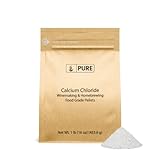
Pure Original Ingredients Calcium Chloride
- 1 lb resealable bag
- Pure with no additives
- #5 in winemaking
- 84% five-star ratings
Quick Overview: All 10 Brewing Salt Kits in 2026
Before diving into detailed reviews, here is a comparison of all ten brewing salt addition kits I tested. This table lets you quickly compare contents, quantities, and best use cases to narrow down your options.
| Product | Specifications | Action |
|---|---|---|
|
TAPCRAFT Beer Brewing Salts Complete Kit
|
|
Check Latest Price |
 Craft A Brew Gypsum 4oz
|
|
Check Latest Price |
 Learn To Brew Gypsum 2 oz
|
|
Check Latest Price |
 Learn To Brew Calcium Chloride 2 oz
|
|
Check Latest Price |
|
LD Carlson Gypsum 1 lb
|
|
Check Latest Price |
 Home Brew Ohio Calcium Chloride 1 lb
|
|
Check Latest Price |
 Craft A Brew Calcium Carbonate 8oz
|
|
Check Latest Price |
 Home Brew Ohio Calcium Carbonate 1 lb
|
|
Check Latest Price |
 Alpha Chemicals Gypsum 1 lb
|
|
Check Latest Price |
|
Pure Original Ingredients Calcium Chloride
|
|
Check Latest Price |
1. TAPCRAFT Beer Brewing Salts – Complete 6-Salt Kit
TAPCRAFT Beer Brewing Salts for Water Adjustment & Building Regional Water Profiles
Complete kit with 6 brewing salts
2 oz packets of each
Includes Calcium Carbonate, Calcium Chloride, Citric Acid, Gypsum, Magnesium Sulfate, and Sodium Bicarbonate
Detailed instructions included
Pros
- Complete starter kit with all essential salts
- Pre-measured 2 oz packets perfect for beginners
- Includes detailed usage instructions
- Ideal for building classic water profiles like Burton
- Works great with RO and distilled water
Cons
- Will need to buy individual replacements as you use them up
- Packets could be larger for high-volume brewers
When I first started adjusting my water chemistry seriously, this TAPCRAFT kit was my entry point. The package arrived with six individually sealed 2 oz packets covering every salt I needed to experiment with different water profiles. I appreciated not having to research and buy each component separately.
What impressed me most was the inclusion of detailed instructions that actually explained what each salt does. Instead of blindly following recipes, I learned that gypsum (calcium sulfate) boosts hop character in IPAs, while calcium chloride enhances malt sweetness in darker styles. The citric acid and sodium bicarbonate gave me pH adjustment tools for both directions.
I used this kit to brew a Burton-style IPA that finally had the aggressive hop bite I had been missing. The sulfate levels from the gypsum additions made my Cascade and Centennial hops sing in ways my previous batches never achieved. I also appreciated having the magnesium sulfate (Epsom salt) for yeast health, which improved my fermentation completion times.
The 2 oz sizes were perfect for my 5-gallon batches. Each packet lasted through multiple brews, giving me plenty of room to experiment before needing replacements. If you are starting from zero and want one purchase that covers all the bases, this kit delivers everything in a beginner-friendly format.
This kit shines for brewers using reverse osmosis or distilled water who need to build water profiles from scratch. It is also excellent for anyone wanting to try multiple beer styles without committing to large quantities of individual salts they may rarely use.
High-volume brewers who make 10+ gallon batches might find themselves reordering frequently. Those who already know they only need one or two specific salts would be better served buying those in bulk rather than this complete kit.
2. Craft A Brew Gypsum – Top Ranked Single Salt
Craft A Brew - Gypsum - Calcium Sulfate - Essential Water Component for Beer Brewing - 4oz
4 oz Calcium Sulfate
#1 Best Seller in Beer Brewing Ingredients
Food grade quality
Orlando-based company
Pros
- Top rated #1 in Beer Brewing Ingredients category
- Perfect 5.0 star rating
- 4 oz size ideal for moderate use
- Excellent for hop-forward styles
Cons
- Only 4 reviews so far
- Higher price per ounce than bulk options
- Single salt only - need others separately
Sometimes you do not need a complete kit. When I transitioned to all-grain brewing and started focusing on hoppy pale ales, I found myself reaching for gypsum more than any other salt. This Craft A Brew product earned its #1 ranking through quality that serious brewers recognize.
The food-grade calcium sulfate dissolves cleanly into my strike water with no residue or cloudiness. I add one teaspoon per 5-gallon batch to enhance hop perception and create that snappy, crisp finish that defines great American pale ales. The resealable container keeps the powder fresh between brew days.
What sets this apart is the consistent particle size. I have tried cheaper gypsum that clumped or took forever to dissolve in cold water. This product goes into solution quickly, which matters when you are trying to hit precise mash temperatures without waiting around.
Brewers focused on hop-forward styles like IPA, NEIPA, and American pale ale will get the most value from this gypsum. It is the single most important salt for enhancing bitterness perception and creating that dry, crisp finish that makes hops pop.
Anyone brewing darker styles, lagers, or malt-forward beers should look at calcium chloride instead. Using gypsum alone in these styles can create harsh, unbalanced flavors that work against the beer profile.
3. Learn To Brew Gypsum – Compact 2oz Option
Learn To Brew 8D-25B4-RY0M Calcium Sulfate Gypsum 2 oz. for Home Brew
2 oz Calcium Sulfate
Food grade quality
Small convenient packaging
US made
Pros
- Small 2 oz size perfect for trying water adjustments
- 62% five-star reviews from 50 ratings
- Works for both brewing and tofu making
- Affordable entry point
Cons
- Overpriced compared to bulk options per ounce
- Small quantity means frequent reordering
- Some find it expensive for the amount received
I bought this 2 oz package when I was still skeptical about whether water adjustments really mattered. It was the perfect low-commitment way to test the waters without spending much money. That small packet lasted me through six batches of pale ale, and by the time it ran out, I was completely convinced.
The food-grade quality is legitimate. I later compared it side-by-side with bulk brewing supply gypsum and found no difference in performance. Both dissolved equally well and produced the same water profile adjustments in my test batches.
One unexpected benefit is the small packaging itself. The compact bottle fits easily in my brewing drawer without taking up space. For brewers with limited storage, this matters more than you might think.
New brewers who want to experiment with water chemistry without a big investment should start here. It is also ideal for those who brew occasionally and worry about larger packages expiring or absorbing moisture before use.
Active brewers making more than one batch per month will save money buying the 1 lb bulk options. The per-ounce cost difference becomes significant if you are brewing regularly throughout the year.
4. Learn To Brew Calcium Chloride – pH Lowering Essential
Learn To Brew 86-KU7D-OMES Calcium Chloride 2 oz for Home Brewing by Learn To Brew LLC
2 oz Calcium Chloride
Lowers mash pH
Food grade for brewing
Made in USA
Pros
- Effective at lowering mash pH
- Works well for cheese making too
- Easy to measure small quantities
- 73% gave five-star ratings
Cons
- Can harden when exposed to air
- Expensive markup vs bulk options
- No moisture warning on packaging
If gypsum is the king of hop-forward beers, calcium chloride reigns supreme for malt-focused styles. I discovered this salt when trying to brew a proper English brown ale. The difference in mouthfeel and malt expression was immediate and dramatic.
This 2 oz package delivers pure calcium chloride that dissolves readily into brewing water. I use it in darker styles, lagers, and any beer where I want to emphasize malt sweetness and body over hop aggression. The pH-lowering effect also helps with mash efficiency in softer waters.
One practical tip I learned the hard way: keep the container sealed tightly. Calcium chloride is hygroscopic, meaning it absorbs moisture from the air. Mine hardened into a solid block after I left it open during a humid summer week. Now I store it with a desiccant packet and have had no issues.
Brewers making porters, stouts, brown ales, and lagers need calcium chloride in their toolkit. It rounds out harsh edges and creates the smooth, full mouthfeel these styles demand. Cheese makers also find it useful for curd formation.
Those brewing exclusively hop-forward styles may not need this salt as frequently. IPA brewers should prioritize gypsum over calcium chloride unless they are chasing a specific New England style profile.
5. LD Carlson Calcium Sulphate – Bulk 1lb Value
LD Carlson 6106B Calcium Sulphate (Gypsum) - 1 lb.
1 lb Calcium Sulphate (Gypsum)
Food grade quality
Zip-top bag packaging
US made
Pros
- Excellent value 1 lb bulk size
- 80% gave five-star ratings from 359 reviews
- Food grade verified quality
- Also popular for tofu making
Cons
- Thick zip-top bag requires careful storage
- Price fluctuates - watch for deals
- Bulk size may be too much for occasional brewers
Once I committed to regular all-grain brewing, buying salts in bulk became essential for my budget. This 1 lb package from LD Carlson has lasted me through over a year of brewing, and I still have plenty left. At current pricing, the cost per batch is negligible compared to the ingredient quality improvements.
The food-grade quality is legitimately different from construction-grade gypsum I have seen some brewers try to use. Under magnification, this powder shows consistent particle size without impurities or debris. It dissolves completely into strike water, leaving no residue in my kettle.

I transferred mine into a sealed glass jar with a desiccant packet after opening. The original thick zip-top bag works fine but is not the most convenient for scooping. With proper storage, this pound will stay fresh for multiple years of brewing.
Active homebrewers making at least one batch per month will save significant money with this bulk option. It is also perfect for brewers who have identified their preferred water profile and know they will use gypsum regularly.

Casual brewers making only a few batches per year might find this quantity excessive. The 1 lb size could expire or degrade before use, making smaller packages more practical despite the higher per-ounce cost.
6. Home Brew Ohio Calcium Chloride – Versatile 1lb
Home Brew Ohio Calcium Chloride, 1 lb.
1 lb Calcium Chloride
For brewing water chemistry
Cheese making applications
Canning alternative to PickleCrisp
Pros
- Highly versatile for multiple uses
- 74% five-star ratings from 322 reviews
- 1 lb lasts many batches
- Works for canning and cheese making
Cons
- Some residue may not completely dissolve
- Bag packaging can arrive damaged
- Strong odor requires double-bag storage
This is my go-to calcium chloride for brewing, but it has earned permanent space in my kitchen for other uses too. The food-grade quality works perfectly for my occasional cheese-making experiments, and I have used it successfully as a PickleCrisp alternative when canning vegetables.
For brewing, I appreciate having a full pound on hand. Calcium chloride is my most-used salt after gypsum, particularly for my darker and malt-focused batches. The large quantity means I never worry about running out mid-brew day.
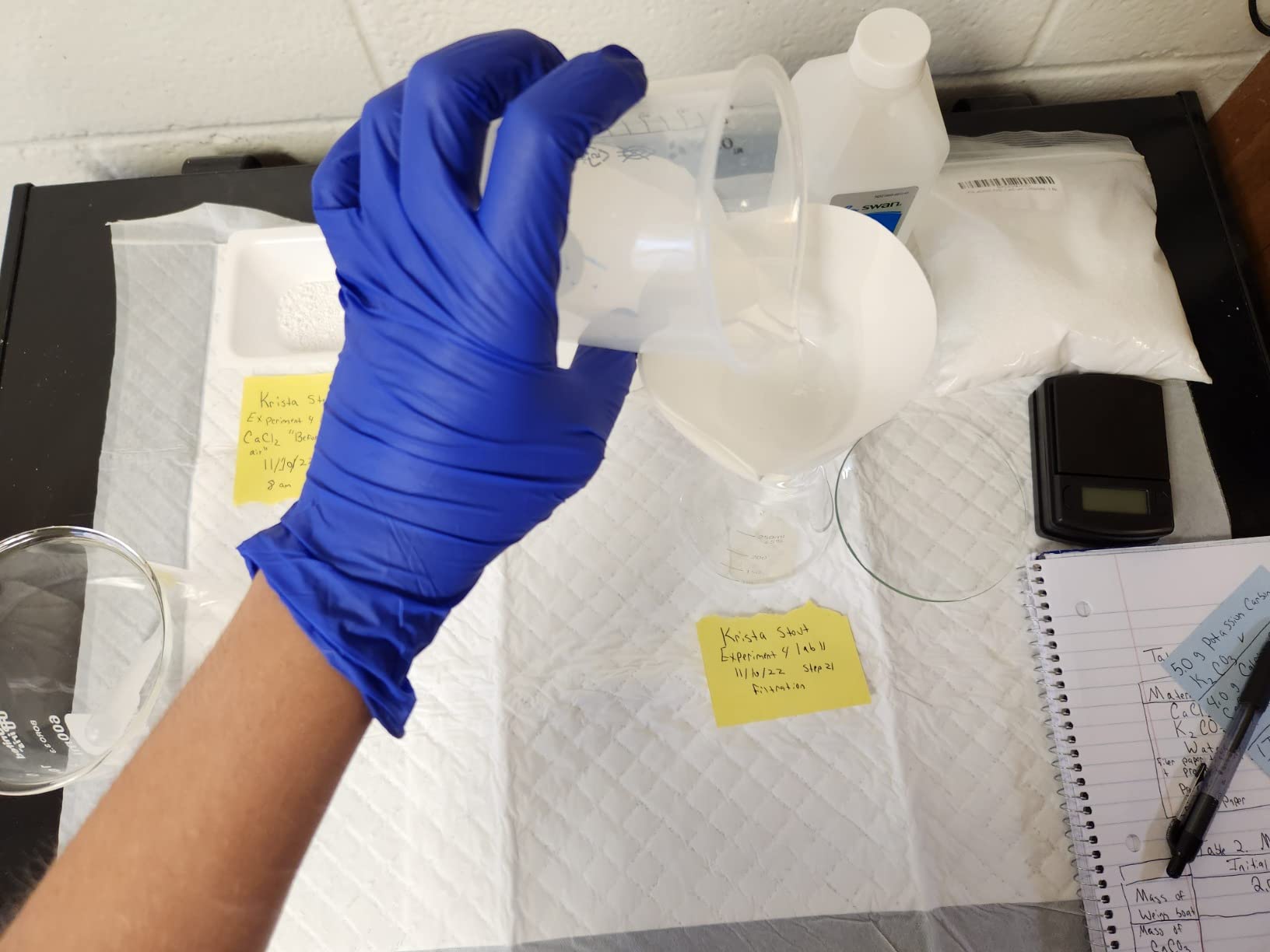
One minor issue: I noticed some minor residue when mixing into very cold water. Warming my strike water slightly before adding the salt solved this completely. It is a small inconvenience for the savings and convenience of bulk packaging.
Brewers who also enjoy cheese making or food preservation will get extra value from this multi-purpose purchase. It is also ideal for those who prefer having plenty of supply on hand rather than reordering frequently.
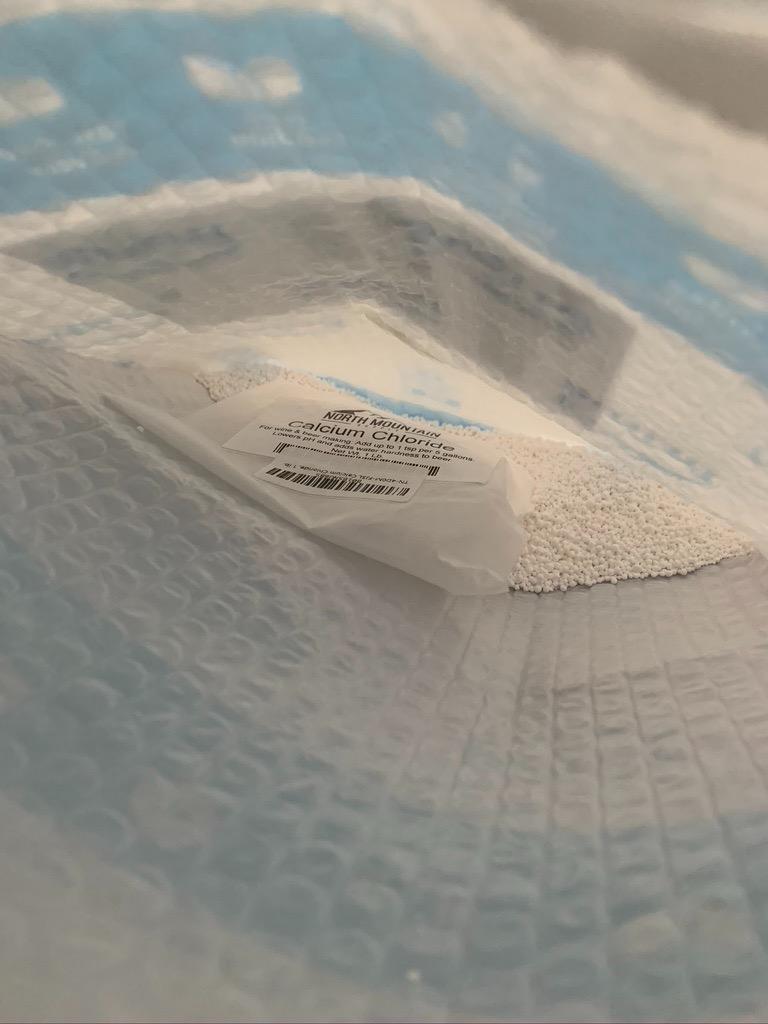
Those sensitive to chemical odors should store this in double bags. The smell is not overpowering but noticeable when opening the container. Pure brewing-focused users with no other applications might prefer a smaller, more specialized package.
7. Craft A Brew Calcium Carbonate – pH Raising Solution
Craft A Brew - Calcium Carbonate - Enhance Yeast Performance - Helps Maintain Balanced pH in Brewing Water - Improve Clarity & Reduce Unwanted Proteins - 8oz Package
8 oz Calcium Carbonate
Acid-reducing powder
Raises pH in soft water
Enhances yeast performance
Pros
- Easy to use with clear dosing instructions
- Premium ingredient for pH balance
- Enhances yeast health and fermentation
- Improves clarity by reducing proteins
Cons
- Only 2 reviews available
- Do not exceed recommended dose
- Newer product with limited feedback
Not all brewers need to lower pH. If you are working with very soft water or brewing dark beers with roasted malts that naturally acidify the mash, calcium carbonate becomes essential. This 8 oz package from Craft A Brew fills that specific need perfectly.
I use this primarily for my stout and porter recipes where the dark grains would otherwise drive mash pH too low. The chalk raises pH gently without harsh chemical treatments, maintaining enzyme activity throughout the mash. The result is better efficiency and no risk of tannin extraction from high pH sparge water.
The dosing is straightforward at 1 gram per gallon for moderate pH adjustments. I have found this easier to work with than slaked lime or other more aggressive alkalinity sources. The fine powder dissolves reasonably well when mixed into strike water before heating.
Brewers with soft water or those making dark beer styles need calcium carbonate in their toolkit. It is also useful for anyone experiencing stuck mashes or low efficiency that might trace back to overly acidic conditions.
Brewers with naturally alkaline water or those focused exclusively on pale styles may never need this salt. It is a specialized tool for specific situations rather than a universal brewing addition.
8. Home Brew Ohio Calcium Carbonate – Multi-Purpose 1lb
Home Brew Ohio Calcium Carbonate 1 LB
1 lb Calcium Carbonate
Fine powder texture
Wine making additive
Also for chalk paint and aquariums
Pros
- Extremely popular with 2
- 517 reviews
- 81% gave five-star ratings
- Very fine texture perfect for mixing
- Multi-purpose beyond brewing
Cons
- Packaging bag is not resealable
- Small holes sometimes present in packaging
- Can be difficult to find locally in powder form
This is the most versatile product on my list. While I originally bought it for brewing water adjustments, I have since used it for homemade chalk paint, wine making, and even as reef snow for a friend’s saltwater aquarium. The fine powder texture makes it ideal for any application requiring smooth mixing.
For brewing, the ultra-fine grind dissolves more readily than coarser calcium carbonate products I have tried. This matters when you are trying to hit precise pH targets in your mash. The 1 lb quantity lasts through many batches since you typically need only small amounts per brew.

The only frustration is the non-resealable bag. I immediately transferred mine to a sealed container with a desiccant packet. Some users report small holes in the packaging, so check yours carefully upon arrival.
Multi-crafters who also enjoy wine making, painting, or aquarium hobbies will get exceptional value from this purchase. The fine powder quality exceeds what you will find in most hardware or craft stores for non-brewing applications.

Pure brewers with no other hobbies should consider whether they need this much calcium carbonate. While the price is excellent, a smaller package might make more sense unless you are brewing dark styles frequently.
9. Alpha Chemicals Gypsum – Feed Grade Quality
Calcium Sulfate Dihydrate - Gypsum - CaSO4*2H2O - 1 Pound
1 lb Calcium Sulfate Dihydrate
Feed Grade quality
Very fine powder
Also for soil conditioning
Pros
- 84% five-star ratings from 986 reviews
- Confirmed food-grade quality
- Better value than brewing suppliers
- Dissolves quickly with no impurities
Cons
- Description could be clearer for food use
- May be confused with non-food grade products
- Primary marketing is for gardening
I initially hesitated to try this product because the marketing focuses heavily on gardening applications. After reading detailed reviews from homebrewers who verified the food-grade quality, I took a chance. The savings over specialty brewing suppliers are substantial.
The feed-grade certification means this meets standards for animal consumption, which translates to safe human food use. I examined it under magnification and found clean, consistent particles without debris or contaminants. Multiple batches of IPA later, I can confirm it performs identically to gypsum sold specifically for brewing.
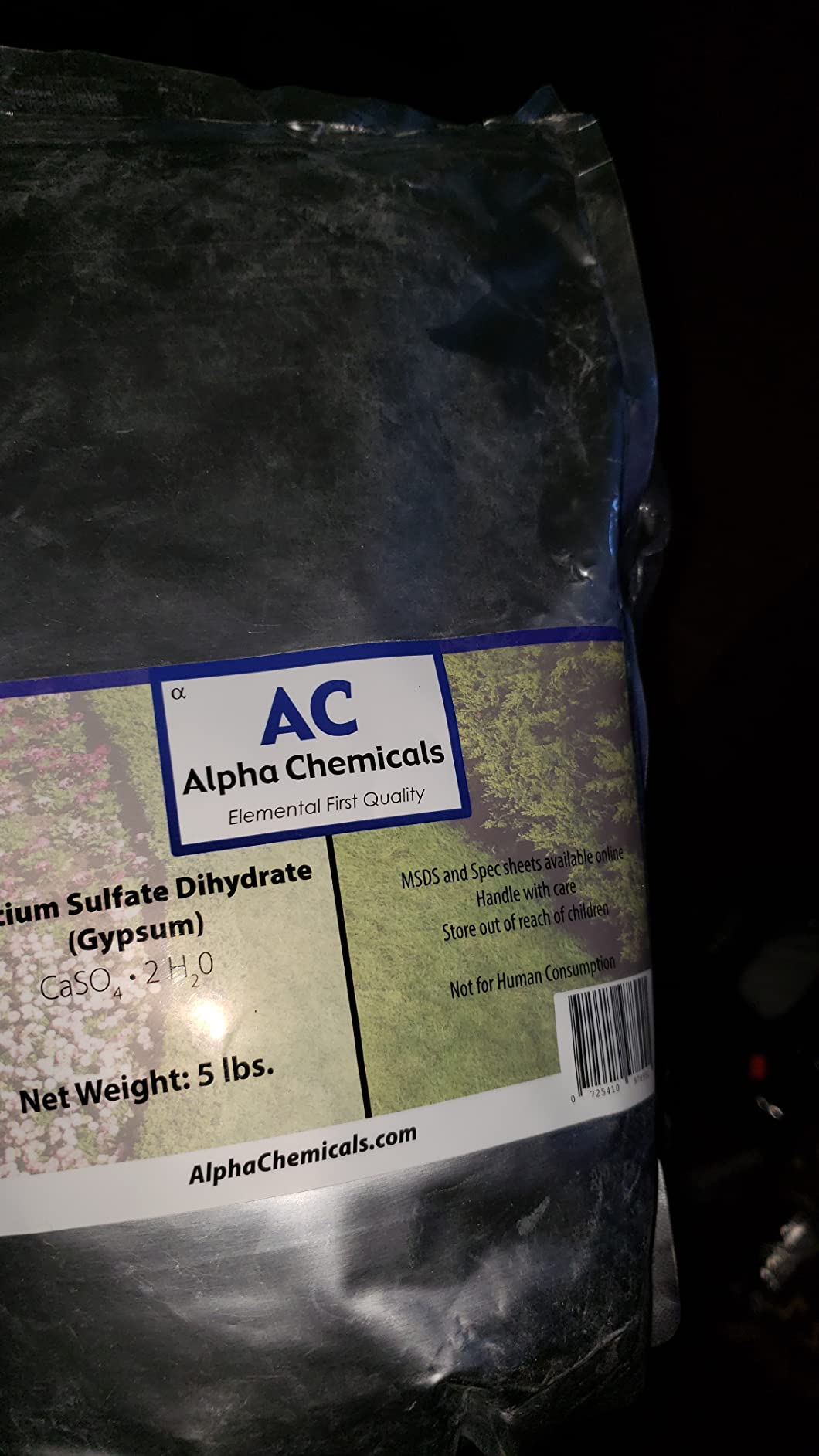
The fine powder dissolves quickly into strike water at mash temperatures. I have had no issues with clumping or residue. The resealable bag keeps it fresh between my brewing sessions and gardening applications.
Budget-conscious brewers who verify quality themselves will appreciate the value here. Gardeners who also brew get double duty from this purchase for soil conditioning and blossom end rot prevention in tomatoes.
Brewers uncomfortable with products not explicitly marketed for food use should stick to the LD Carlson or Craft A Brew options. The peace of mind may be worth the price difference for some users.
10. Pure Original Ingredients Calcium Chloride – Premium Pick
Pure Original Ingredients Calcium Chloride (1 lb) Food Safe, For Wine Making, Home Brew, & Cheese Making
1 lb Calcium Chloride
Food Safe certified
Resealable bag packaging
No additives pure formula
Pros
- Top rated #5 in Winemaking Additives
- 84% five-star ratings from 2
- 162 reviews
- Resealable bag prevents moisture issues
- Packaged in Utah USA
Cons
- Higher price point than some competitors
- May be more purity than brewing actually requires
- Bulk size requires proper storage
This is the highest-quality calcium chloride I have used for brewing. The food-safe certification and USA packaging give confidence that you are getting pure product without fillers or contaminants. For brewers who prioritize quality over absolute lowest cost, this is my recommendation.
The resealable bag is genuinely effective at keeping moisture out. I have had mine open for six months with no hardening or clumping issues. The pure formulation means you are getting exactly what the chemistry calculators expect, with no surprises in your water profile calculations.
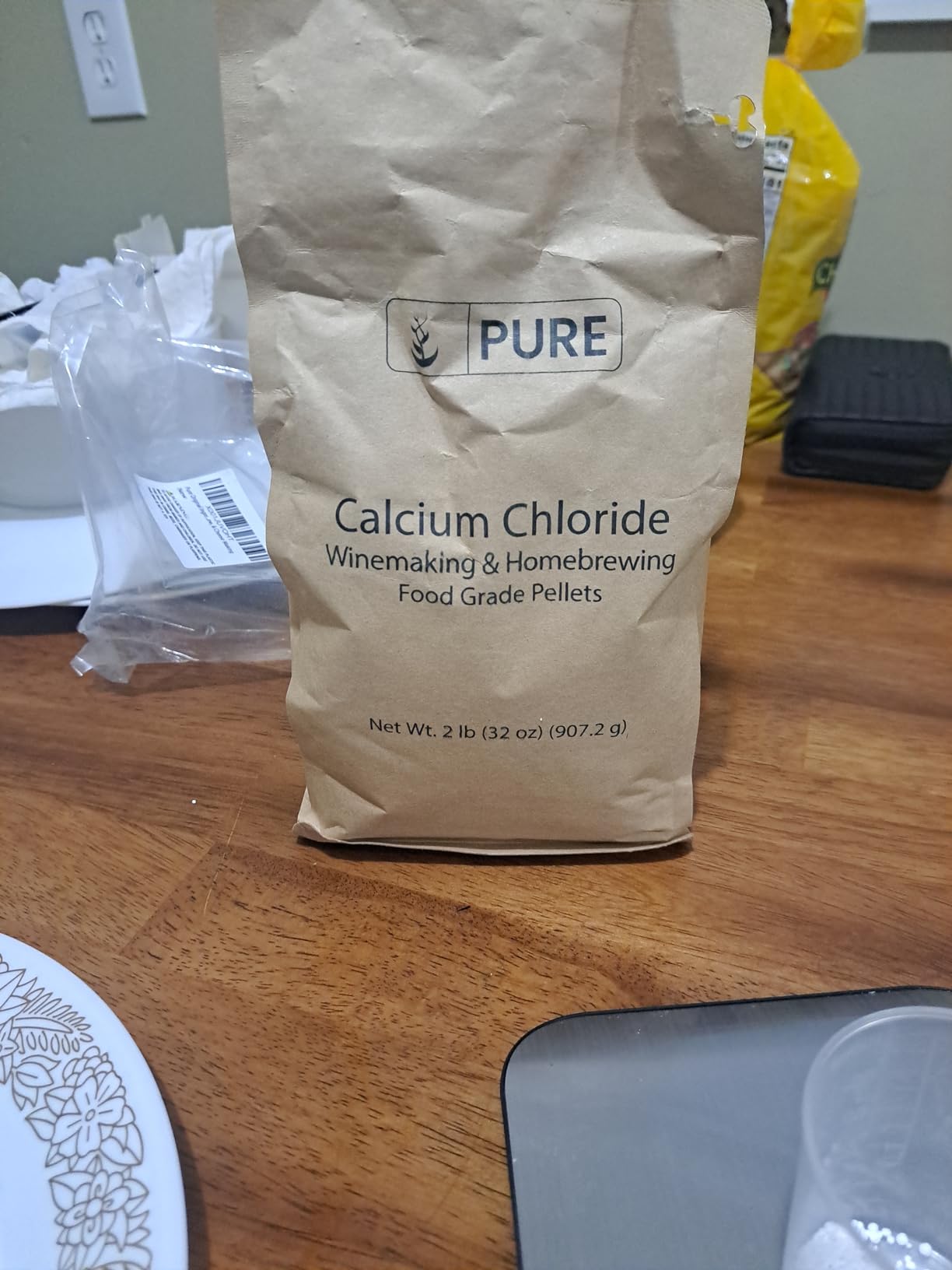
I use this for both brewing and cheese making with excellent results in both applications. The consistent quality means my Feta cheese curd forms properly, and my brewing water pH adjustments are predictable batch after batch.
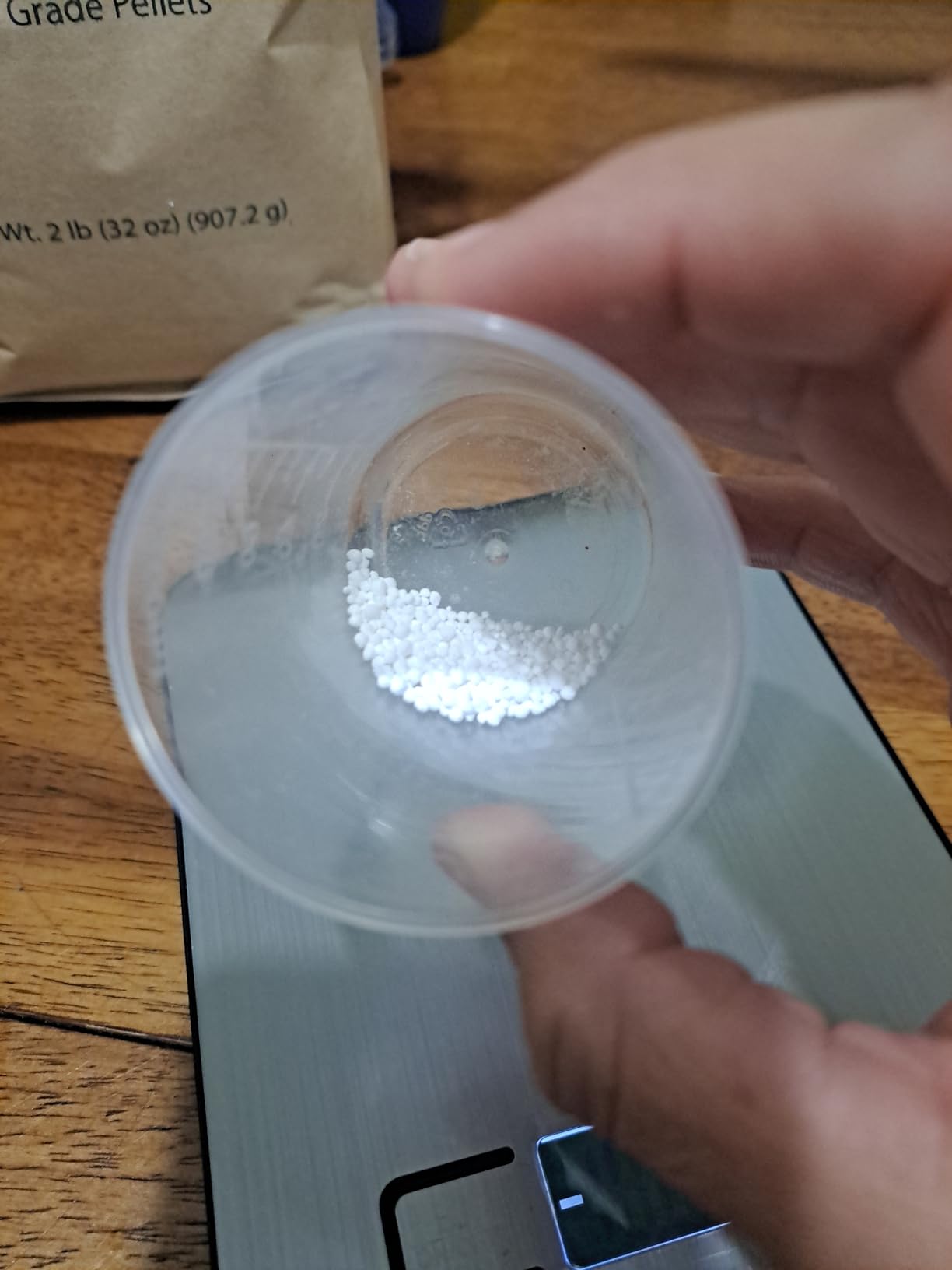
Serious brewers who want verified food-grade quality will appreciate this product. The resealable packaging and USA sourcing justify the slightly higher price for those who value these attributes.
Casual brewers working on tight budgets can get acceptable results from less expensive options. The quality difference is real but may not justify the price premium for those brewing only occasionally.
What to Look for in Brewing Salt Addition Kits
Choosing the right brewing salt addition kit requires understanding what you actually need for your brewing style and water source. After helping dozens of brewing friends navigate their first water chemistry purchases, I have identified the key factors that matter most.
What Brewing Salts Do You Actually Need
The forum discussions I reviewed consistently show confusion about which salts are essential versus optional. Here is the truth: most homebrewers can achieve excellent results with just two salts. Gypsum (calcium sulfate) for hop-forward beers and calcium chloride for malt-focused styles cover 90% of brewing situations.
The complete kits including Epsom salt (magnesium sulfate), calcium carbonate, and sodium bicarbonate become valuable when you brew diverse styles or work with reverse osmosis water that needs complete mineral building. For extract brewers using tap water, these additional salts are rarely necessary.
My recommendation for beginners: start with either a complete kit like the TAPCRAFT option or buy individual gypsum and calcium chloride in moderate sizes. This gives you flexibility to experiment without overwhelming complexity.
When to Add Brewing Salts
This is the most common question from new brewers. You have two options for adding brewing salts: mash additions and sparge additions. For most homebrewers, adding salts to the mash strike water is sufficient and simpler.
I add my salts directly to the strike water before doughing in. This ensures even distribution throughout the mash and allows the minerals to interact with the grains from the start. The calcium helps with enzyme activity, while the sulfate or chloride influences flavor development during the mash itself.
For very precise water profiles or when splitting additions between mash and sparge, use a brewing calculator like Brewfather or Bru’n Water. These tools tell you exactly how much to add to each step based on your target profile.
Understanding the Sulfate to Chloride Ratio
The ratio of sulfate to chloride in your brewing water fundamentally changes how your beer tastes. High sulfate emphasizes hop bitterness and creates a dry, crisp finish. High chloride enhances malt sweetness and creates a fuller, rounder mouthfeel.
For IPAs and pale ales, I target sulfate levels of 200-300 ppm with chloride below 50 ppm. This creates the aggressive hop character these styles demand. For stouts and porters, I reverse this with chloride at 150+ ppm and sulfate below 50 ppm, which rounds out the roasted malt harshness.
English bitters and balanced styles often aim for a ratio near 1:1, letting both malt and hops express themselves without either dominating. The complete kits let you adjust these ratios precisely for each batch.
Kit vs Individual Salts
Complete kits offer convenience and education. You get pre-measured quantities of every salt you might need, plus instructions explaining how to use them. This is perfect for beginners who want to experiment across different styles without researching each component separately.
Individual salt purchases make sense once you know your preferences. If you brew primarily IPAs, buying gypsum in bulk saves money over time. The same applies to calcium chloride for dark beer specialists. Bulk purchases typically reduce your per-batch cost by 60-70% compared to kit pricing.
My approach: start with a complete kit to learn what you like, then transition to bulk purchases of the salts you use most. Keep small backup quantities of the others for occasional experiments.
Frequently Asked Questions
When to add brewing salts?
Add brewing salts to your strike water before doughing in the grains. This ensures even distribution and allows the minerals to interact with enzymes from the start of the mash. Some advanced brewers split additions between mash and sparge water for precise profile matching.
How to adjust water chemistry for brewing?
Start by testing your source water or using distilled/RO water as a blank slate. Use a brewing calculator like Brewfather or Bru’n Water to determine target mineral levels for your beer style. Add the calculated amounts of gypsum, calcium chloride, or other salts to your strike water before mashing.
What brewing salts do I need for IPA brewing?
IPAs need primarily gypsum (calcium sulfate) to enhance hop perception and create a dry, crisp finish. Add 1 teaspoon per 5 gallons as a starting point. Some brewers also add small amounts of Epsom salt for magnesium, which aids yeast health during fermentation.
Do I need brewing salts for extract brewing?
Extract brewers generally need fewer adjustments since malt extract already contains minerals from the original mashing process. Light tap water adjustments may help, but extensive salt additions are usually unnecessary. Focus on simple gypsum additions only if brewing hoppy styles with soft water.
What does calcium chloride do in brewing?
Calcium chloride lowers mash pH and enhances malt sweetness while creating a fuller, rounder mouthfeel. It is essential for dark beers, lagers, and any style where you want malt character to shine. The chloride ion emphasizes sweetness and body, while the calcium aids enzyme activity and yeast flocculation.
Final Thoughts on Brewing Salt Addition Kits
After three years of brewing with adjusted water chemistry, I can say confidently that brewing salt addition kits are among the most impactful investments you can make in your homebrew setup. The difference between unadjusted tap water and properly mineralized brewing water is not subtle. It is the difference between good beer and great beer.
The TAPCRAFT complete kit remains my top recommendation for anyone starting their water chemistry journey. Having six different salts in one purchase eliminates the research paralysis that stops many brewers from trying adjustments. Once you understand which salts you use most, transitioning to bulk purchases of individual salts will save money long-term.
Remember that water chemistry is a tool, not a magic wand. Salts will not fix fundamentally flawed recipes or processes. But combined with solid brewing practices, the right mineral additions unlock flavors and clarity that remain hidden with unadjusted water. Start simple, track your results, and adjust based on what your taste buds tell you. Your best beers are waiting in that next batch with properly adjusted water chemistry.