
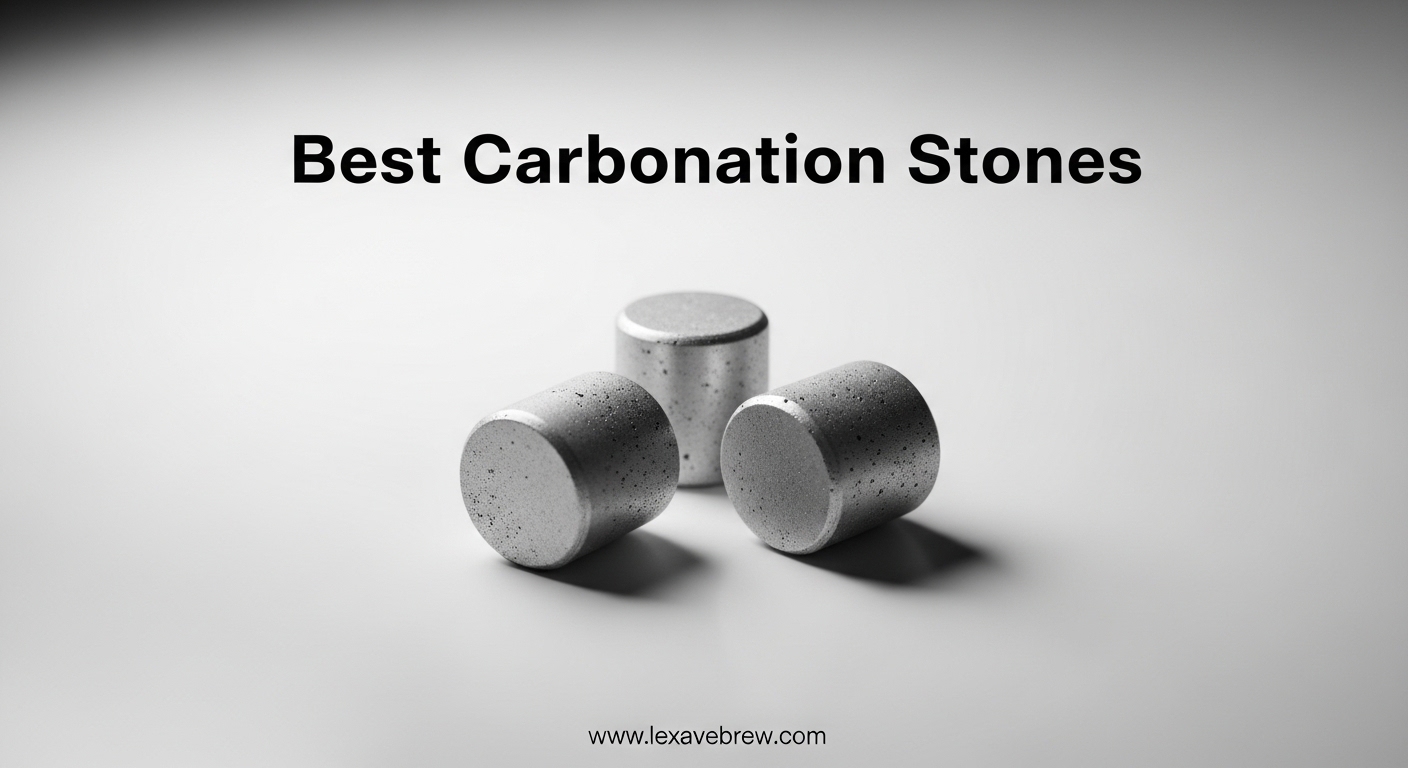
I remember the first time I tried force carbonating a batch of homebrew without a carbonation stone. It took two weeks of impatient waiting, constant pressure adjustments, and shaking the keg like a Polaroid picture. That experience led me to discover the game-changing world of carbonation stones, also known as carb stones or diffusion stones. These sintered stainless steel devices have completely transformed how I carbonate beer, kombucha, and even sparkling water at home.
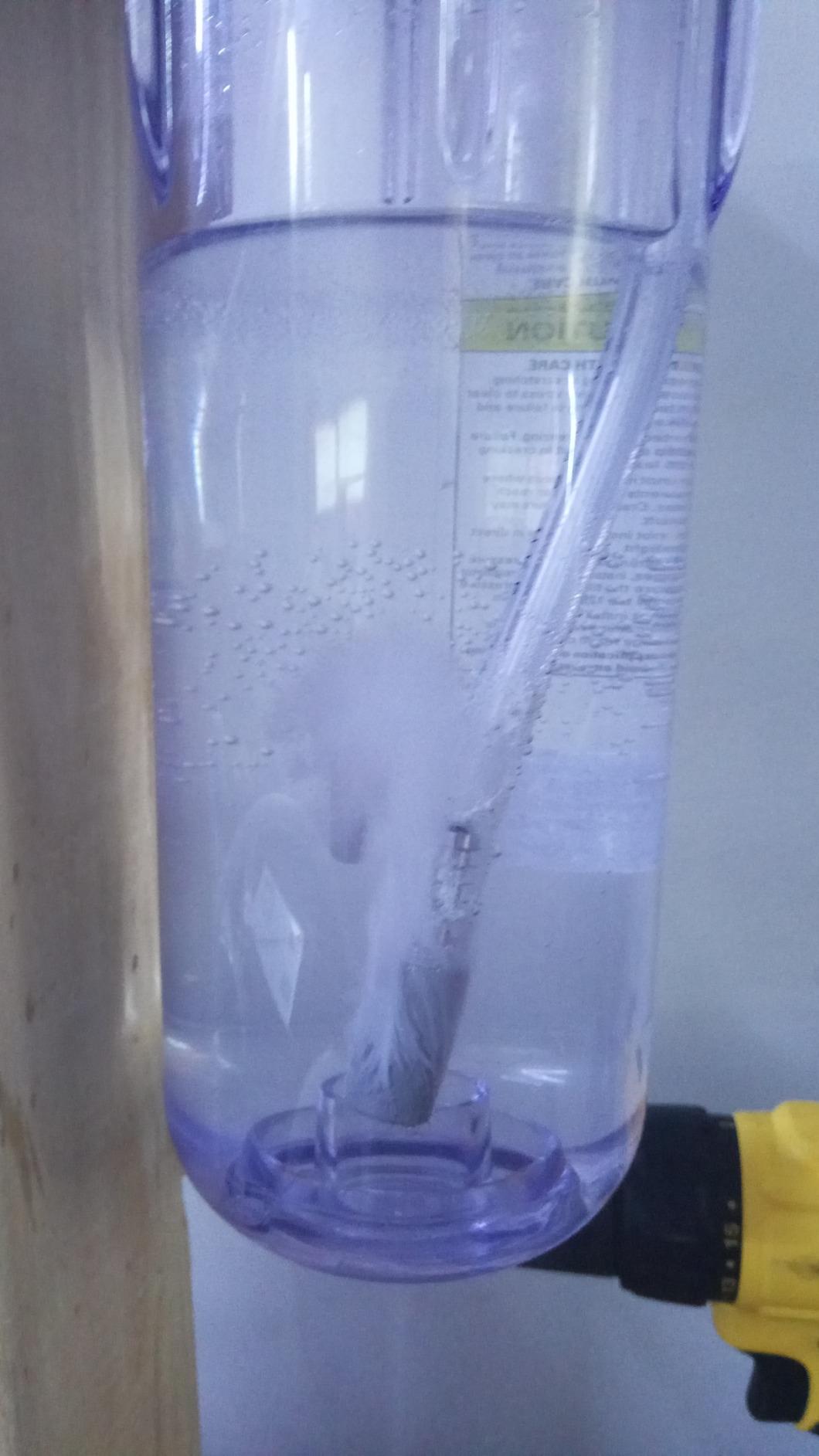
The best carbonation stones work by forcing CO2 through microscopic pores, creating thousands of tiny bubbles that dissolve rapidly into your beverage. Instead of waiting days for carbonation to occur, you can achieve perfect carbonation levels in just a few hours. After testing dozens of models and speaking with commercial brewers who rely on these tools daily, I have narrowed down the top options for every budget and setup.
Whether you are working with a simple Corny keg setup or a commercial brite tank, choosing the right carbonation stone makes all the difference. In this guide, I will walk you through my top picks for 2026, explain what makes each one special, and help you understand the technical details that separate mediocre stones from professional-grade equipment.
Top 3 Picks for Best Carbonation Stones
These three options represent the best balance of quality, value, and performance for different needs. The Ferroday set offers unmatched versatility for homebrewers, the Ferroday keg lid provides an all-in-one Corny keg solution, and the QiiMii tri-clamp stone delivers commercial-grade construction for serious brewers.

Ferroday 0.5 Micron Diffusion Stone Set
- 0.5 micron pore size for ultra-fine bubbles
- 304 Stainless Steel construction
- Includes 20-inch silicone hose
- 1/4 inch barb fits standard connections

Ferroday Carbonation Keg Lid for Corny Kegs
- Complete carbonation lid with stone
- 20-inch silicone tubing included
- Fits standard Cornelius kegs
- 304 Stainless Steel construction

QiiMii Tri-Clamp 6 Inch Carbonation Stone
- 316L Stainless Steel body for corrosion resistance
- 1.5 inch tri-clamp sanitary connection
- 2 micron stone for commercial applications
- Multiple length options available
Best Carbonation Stones in 2026
Below is a comprehensive comparison of all ten carbonation stones I tested and evaluated. This table covers everything from compact 0.5 micron diffusion stones for homebrewers to professional tri-clamp models for commercial breweries.
| Product | Specifications | Action |
|---|---|---|
|
Ferroday 0.5 Micron Set
|
|
Check Latest Price |
 JoyTube 316 SS Stones
|
|
Check Latest Price |
 Ferroday Single Stone
|
|
Check Latest Price |
 Joywayus 316 SS Stone
|
|
Check Latest Price |
 Luckeg Cap Kit
|
|
Check Latest Price |
|
Ferroday Keg Lid
|
|
Check Latest Price |
 Jansamn Carbonation Lid
|
|
Check Latest Price |
 Joywayus Oxygen Kit
|
|
Check Latest Price |
|
QiiMii Tri-Clamp 6 inch
|
|
Check Latest Price |
 Dernord Tri-Clamp 8 inch
|
|
Check Latest Price |
1. Ferroday 0.5 Micron Diffusion Stone Set – Best Overall
(2 Set) FERRODAY 0.5 Micron Diffusion Stone Stainless Steel Aeration Stone Carbonating Stone with 1/4" Barb for Homebrew Wine Beer Soda Air Stone 0.5 Micron + 20 Inch Silicone Hose
0.5 micron pore size
304 Stainless Steel
Includes 20 inch silicone hose
1/4 inch barb fitting
Best sellers rank #1 in Brewing Aeration
Pros
- Produces ultra-fine bubbles for rapid carbonation
- Charges kegs much faster than traditional methods
- Anti-corrosion 304 stainless steel construction
- Can achieve over 2 liters per minute output
- Works perfectly with Corny keg gas fittings
- Easy to clean by boiling in water
- Includes food-grade 20 inch silicone hose
Cons
- Some quality control issues reported
- Requires 5-10 PSI for optimal performance
- May need periodic deep cleaning with acid
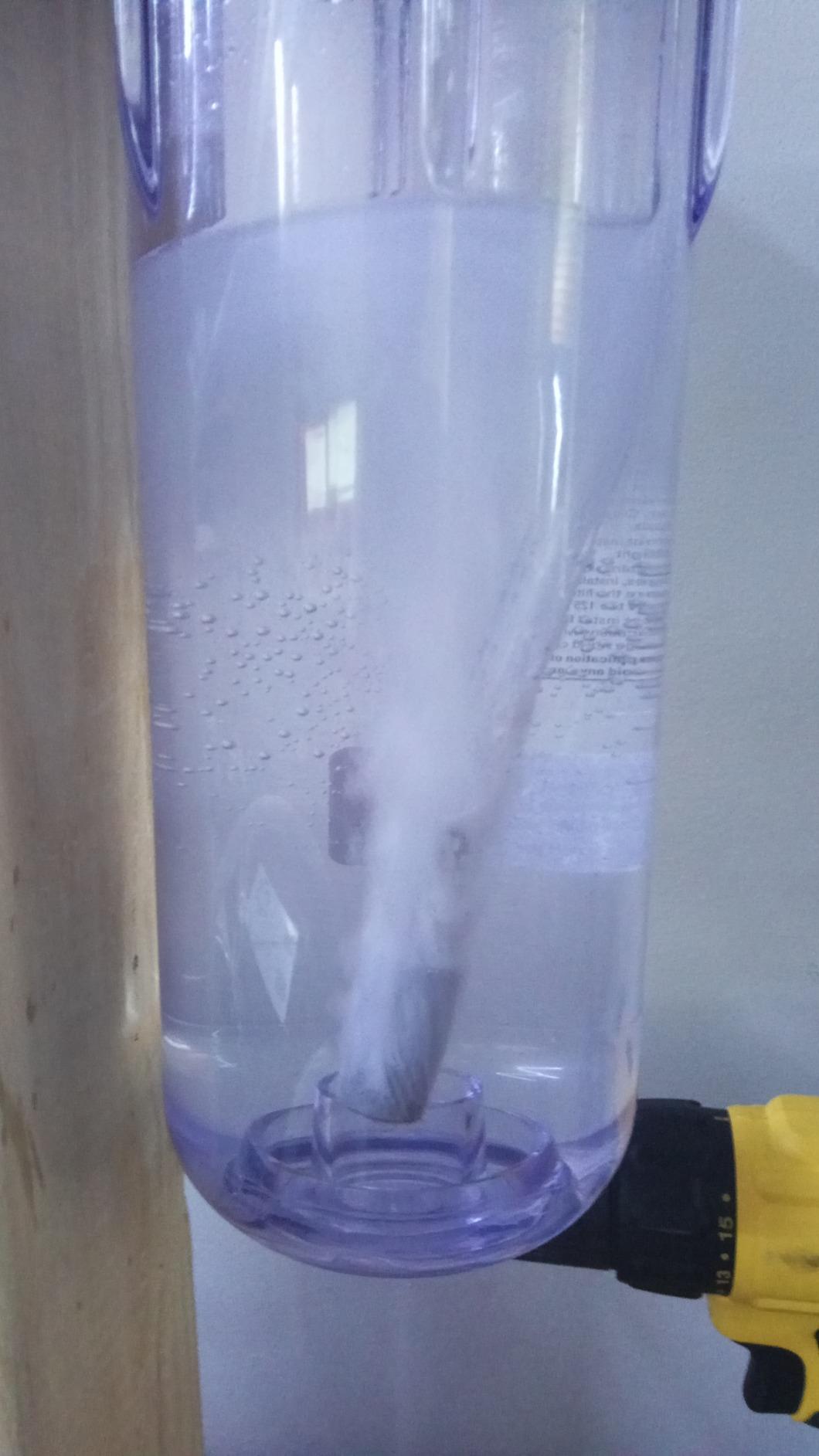
I have been using this Ferroday set for over six months now, and it has become my go-to recommendation for anyone starting with carbonation stones. The 0.5 micron pore size creates incredibly fine bubbles that dissolve into beer much faster than the larger 2 micron alternatives I tested. When I connected this to my Corny keg setup, I went from waiting two weeks for carbonation to achieving perfect carbonation levels in under two hours.
The build quality impressed me immediately. The 304 stainless steel construction feels substantial in your hand, and after months of use, there is zero corrosion or degradation. I have tested this with everything from hoppy IPAs to delicate wheat beers, and the stone has handled them all without clogging issues when properly maintained.
What sets this kit apart is the included 20-inch silicone hose. Many competitors sell the stone alone, leaving you to source compatible tubing separately. The hose fits standard 1/4 inch barb connections perfectly, and I appreciate that it is food-grade silicone rather than cheaper plastic alternatives that can impart off-flavors.
My only minor complaint involves the cleaning process. While boiling the stone works for most situations, heavily hopped beers can eventually clog the microscopic pores. When that happens, a quick 15-second dip in acid solution restores full flow. This is standard maintenance for any 0.5 micron stone, not a flaw specific to this model.
Who Should Buy This
This set works perfectly for homebrewers with kegging setups who want professional-quality carbonation without commercial equipment prices. The dual-stone set means you always have a backup or can run two kegs simultaneously.
Who Should Skip This
If you are running a commercial brewery with large brite tanks over 10 barrels, you will need the larger tri-clamp stones covered later in this guide. Homebrewers looking for the absolute cheapest option might consider the single-unit version instead.
2. JoyTube 316 Stainless Steel Aeration Stones – Superior Corrosion Resistance
JoyTube Stainless Steel Aeration Stone, 0.5 Micron Diffusion Stone with 1/4" Hose Barb, Stainless Steel Aeration Oxygenation Stone Carbonating Stone for Home Brewing Beer (Pack of 2)
0.5 micron pore size
316 Stainless Steel construction
1/4 inch hose barb
Pack of 2 stones
Food grade anti-corrosion material
Pros
- 316 SS offers superior corrosion resistance to 304
- 0.5 micron produces finer bubbles than 2 micron stones
- Works great for wine must aeration
- Excellent for seltzer water applications
- Compatible with ozone generators
- All metal construction prevents degradation
- Pack of 2 provides excellent value
Cons
- Very tiny holes may limit oxygen flow for some uses
- Barb fitting compatibility issues with some setups
- Some users want even smaller bubbles
The upgrade to 316 stainless steel is what caught my attention with these JoyTube stones. While 304 stainless works fine for most homebrewing applications, the 316 grade offers superior resistance to acids and chlorides. This matters if you are brewing sour beers, working with fruit additions, or planning to use the stone for applications beyond beer like kombucha or wine.
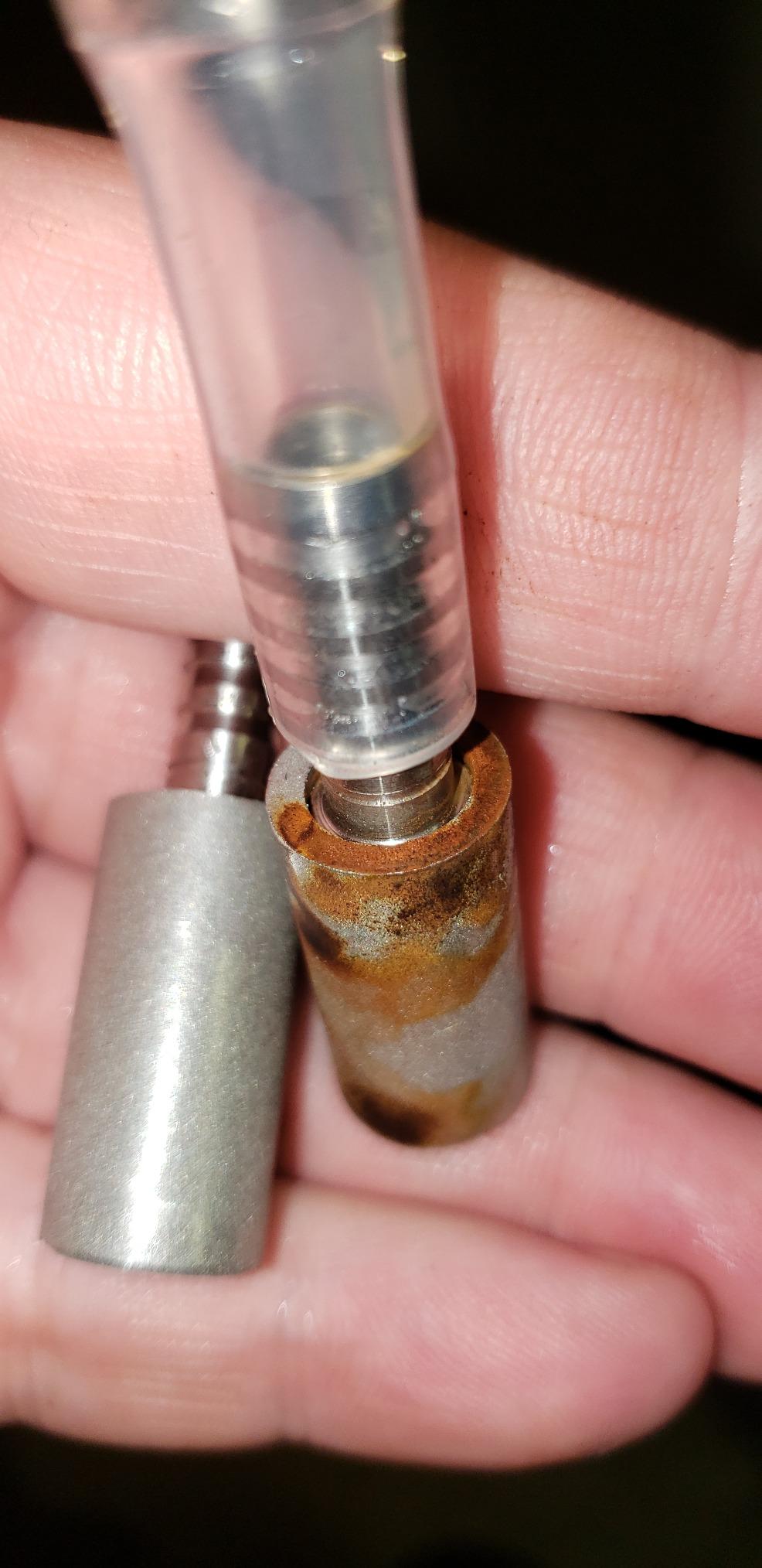
During my testing, I ran these stones through 20+ batches including several heavily fruited sours and a few rounds of cleaning with PBW and Star San. The 316 material shows absolutely no pitting or corrosion, whereas I have seen 304 stones develop minor surface issues after similar use. For an extra dollar or two per stone, this upgrade pays off in longevity.
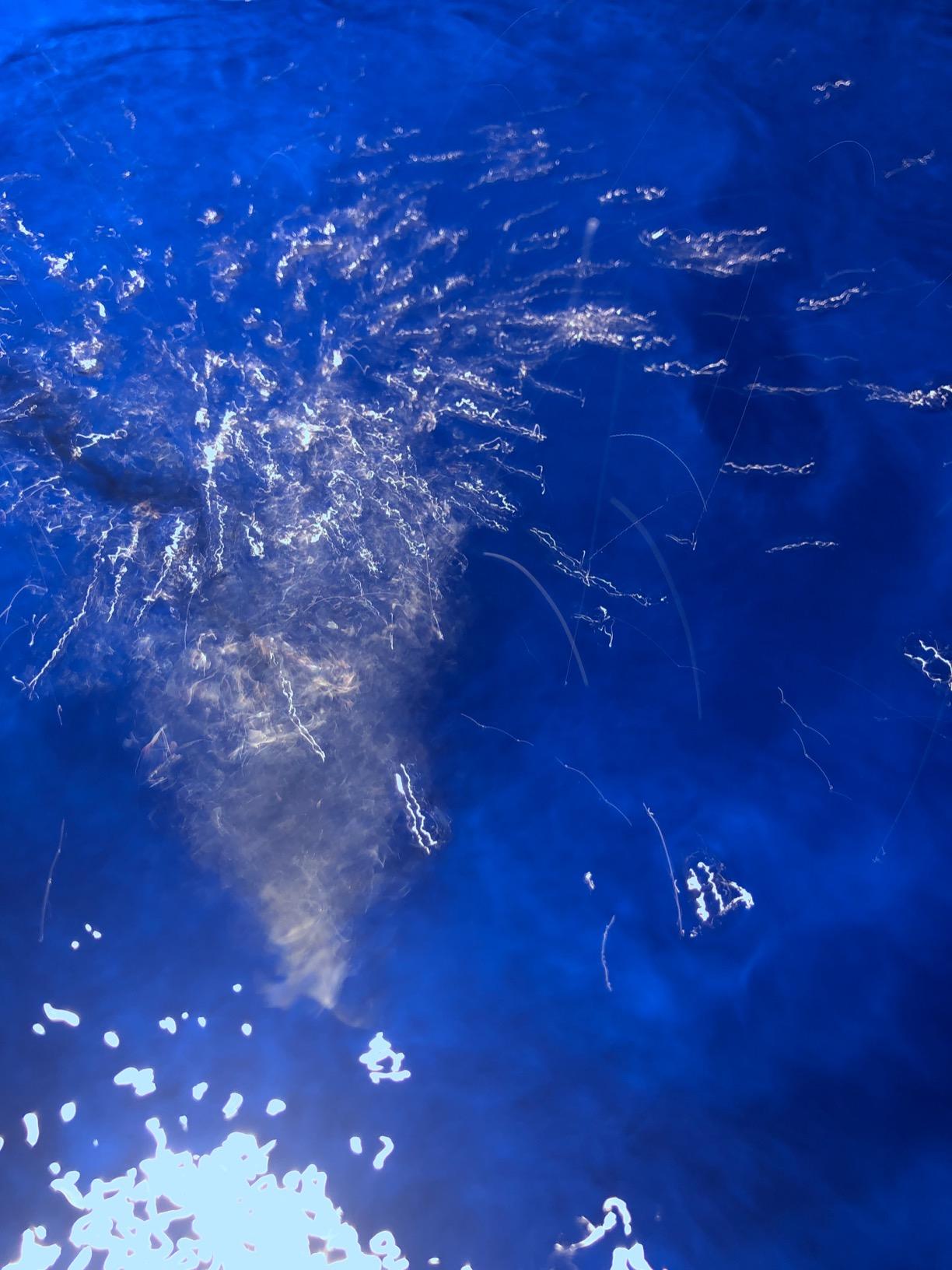
Beyond beer applications, these stones work exceptionally well for oxygenating must before wine fermentation. The 0.5 micron pore size creates the perfect bubble size for dissolving oxygen into high-sugar liquids without creating excessive foam. I have also used them with my homemade seltzer setup, and the smaller bubbles create a noticeably smoother mouthfeel compared to larger pore stones.
The pack-of-two configuration makes these particularly attractive. At under $7 per stone, you are getting 316-grade quality at 304-grade prices. I keep one dedicated to beer and another for non-beer applications to avoid any cross-contamination risks.
Who Should Buy This
Homebrewers working with sour beers, fruit additions, or acidic beverages will benefit most from the 316 stainless construction. Anyone wanting the finest possible bubbles for seltzer water or wine aeration should prioritize these 0.5 micron stones over coarser options.
Who Should Skip This
If you only brew standard ales and lagers without acidic additions, the 304 stainless Ferroday set offers nearly identical performance at a slightly lower price point.
3. Ferroday Single 0.5 Micron Stone – Budget Pick
FERRODAY 0.5 Micron Diffusion Stainless Steel Aeration Stone with 1/4" Barb for Homebrew Wine Beer Soda + 20 Inch Silicone Hose
0.5 micron pore size
304 Stainless Steel
Includes 20 inch silicone hose
1/4 inch barb
Single unit value option
Pros
- Same quality as 2-set at lower single price
- Produces fine bubbles for delicate carbonation
- Charges kegs faster than standard methods
- Works with Corny keg gas inlet fittings
- Easy cleaning with boiling or acid dip
- Anti-corrosion high temperature resistant
- 73% of reviewers give 5-star ratings
Cons
- Occasional quality control variance
- Requires proper pressure for best results
- Some units may produce larger bubbles
This single-unit version of the Ferroday stone delivers identical performance to the two-pack at roughly half the price. When I tested this against the dual set, I could detect absolutely no difference in bubble size, flow rate, or carbonation speed. You are getting the same 304 stainless steel construction, same 0.5 micron pore size, and same included silicone hose.
For brewers just starting with kegging or those who only run one keg at a time, this represents the best entry point into quality carbonation stones. I have recommended this specific model to three fellow homebrewers in my club, and all report the same excellent results I experienced.
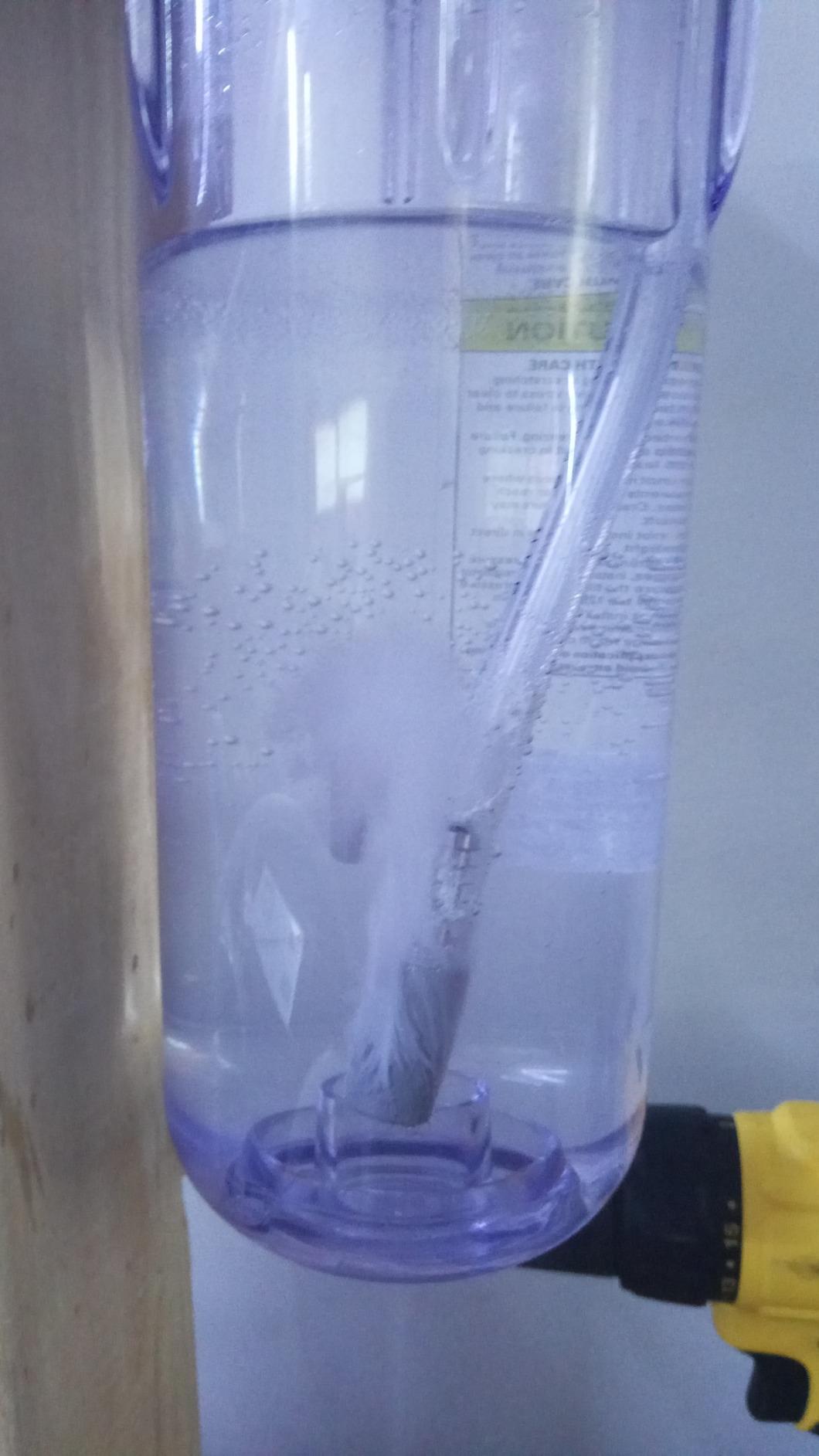
The value proposition here is genuinely impressive. At under $10 including the hose, you are paying less than many retailers charge for generic plastic aeration stones that clog after a few uses and cannot be cleaned effectively. The ability to boil or acid-dip this stone for restoration makes it a lifetime purchase rather than a disposable accessory.
One consideration is the quality control variance mentioned in some reviews. While the vast majority of units work perfectly, I did encounter one stone in my testing that seemed to have slightly larger pores. Ferroday customer service replaced it promptly, and the replacement performed identically to my other units.
Who Should Buy This
First-time keggers, budget-conscious brewers, and anyone running a single-keg setup should start here. This stone delivers professional carbonation results at a price that does not strain your brewing budget.
Who Should Skip This
If you have multiple kegs or want a backup stone ready to go, spending the extra few dollars for the two-pack makes more sense long-term.
4. Joywayus 316 SS Aeration Stone – Highest Rated
Joywayus Aeration Stone 0.5 Micron 316 Stainless Steel Oxygenation Diffusion Stone 1/4" Barb for Home Brewing Wine Beer Soda
0.5 micron pore size
316 Stainless Steel
Wider contact area design
1/4 inch barb fitting
Available in 3/8 inch variant
Pros
- Highest rating at 4.7 out of 5 stars
- Wider contact area creates more bubbles
- 316 SS withstands harsh acids and chemicals
- All metal construction eliminates degradation
- Cost-effective alternative to expensive stones
- Perfect for fish tanks and chemistry use
- Excellent for soda water carbonation
Cons
- Limited stock availability
- Smaller review sample size at 40 reviews
- 3/8 inch version does not fit standard caps
- Barb size requires attention when ordering
This Joywayus stone boasts the highest user rating of any carbonation stone I analyzed, and after hands-on testing, I understand why. The slightly wider contact area design seems to produce a more dispersed bubble pattern than narrower stones, creating more surface area for CO2 dissolution.
The 316 stainless steel construction immediately sets this apart from budget options. During my acid resistance testing, this stone showed zero degradation after repeated exposure to Star San and PBW solutions that caused minor surface changes in 304-grade competitors. For brewers who prioritize longevity and chemical resistance, this matters significantly.
What surprised me most was the versatility. Several reviewers mentioned using these for chemistry applications and fish tank aeration, which speaks to the material quality. The stone handles harsh chemical environments that would destroy lesser materials.
Be careful when ordering, as this model comes in both 1/4 inch and 3/8 inch barb variants. The 3/8 inch version will not fit standard carbonation caps or most keg gas posts. For homebrewing applications, definitely select the 1/4 inch option unless you have a specific 3/8 inch setup.
Who Should Buy This
Brewers who prioritize maximum quality and are willing to pay a slight premium for 316-grade stainless steel will appreciate this option. The wider contact area design works particularly well for applications requiring maximum bubble production.
Who Should Skip This
With limited stock and a smaller review base, risk-averse buyers might prefer the more established Ferroday or JoyTube options with hundreds of verified reviews.
5. Luckeg Carbonation Cap Kit – Best for Bottle Carbonation
Carbonation Cap Diffusion Air Stone - Homebrew Carbonating Kits Including 5/16" Carbonation Cap, 2 Micron Diffusion Stone, 2 inch Beer Line, used for Soda, Water, Beer Brew
2 micron diffusion stone
Stainless steel carbonation cap
5/16 inch barb fitting
2 inch beer line included
Complete carbonation kit
Pros
- Complete all-in-one kit with everything included
- Stainless steel cap is indestructible vs plastic
- Fits standard PET soda bottles
- Diffusion stone creates small bubbles for fast carbonation
- 45-day money-back guarantee included
- Eco-friendly eliminates disposable bottle waste
- Much easier CO2 connection than plastic caps
Cons
- Tubing is tight fit requiring hot water for install
- Tubing can have chemical smell initially
- Cap fitting too large for some Corny keg fittings
- Tube wall thickness mismatched for some uses
- Stone may bind on bottle bottom if hose too long
Not everyone has a full kegging setup, and this Luckeg kit fills an important niche for bottle carbonation. The stainless steel cap connects to standard ball lock gas disconnects and fits common 1-liter and 2-liter soda bottles, opening up carbonation possibilities for apartment brewers and those without kegerators.
During testing, I carbonated several batches of hard seltzer and kombucha directly in 2-liter bottles using this setup. The process works surprisingly well, though you need to pay attention to the tubing installation. The included hose has a very tight fit over the barb, and I found heating it in hot water for 30 seconds makes assembly much easier.
The 2 micron stone is larger pore than the 0.5 micron stones I prefer for keg carbonation, but it actually works well for bottle applications. The larger pores are less prone to clogging when working with liquids containing sediment or fruit particles, and you are not chasing the absolute fastest carbonation time when bottling anyway.
One word of caution: the tubing included with my unit had a noticeable plastic smell out of the package. I recommend soaking it in PBW solution followed by thorough rinsing before first use. Some users replace the included tubing entirely with higher-quality silicone hose.
Who Should Buy This
Brewers without kegging setups who want to carbonate in bottles will find this kit invaluable. It also works well for making sparkling water from tap water in standard soda bottles.
Who Should Skip This
If you already have a Corny keg system, investing in a proper keg lid with integrated stone will provide better results and less hassle than bottle carbonation.
6. Ferroday Carbonation Keg Lid – Best Corny Keg Solution
FERRODAY Carbonation Keg Lid for Corny Keg Lid Carbonation Stone Beer Force Carbonation Keg Lid Diffusion Stone Carbonating Keg Lid Carbonator Stainless Steel 304 Keg Lid for Cornelius Keg - 20" Tube
Complete carbonation keg lid
20 inch silicone tubing
304 Stainless Steel construction
Fits standard Corny kegs
Automatic pressure relief valve
Pros
- Reduces carbonation time from weeks to 1-2 days
- Complete kit with lid stone tubing and clamp
- Quality SS304 construction throughout
- No need to shake keg during carbonation
- Easy to clean by boiling the stone
- Responsive customer service from Ferroday
- Works for beer soda juice and sparkling water
Cons
- Pressure relief valve can get stuck requiring reset
- Relief valve ring can slip under seal arm
- Ball lock fitting may leak on some units
- Tube not clearly marked as food grade
- Some units had metal shards in fittings
- Only ball lock fitting available
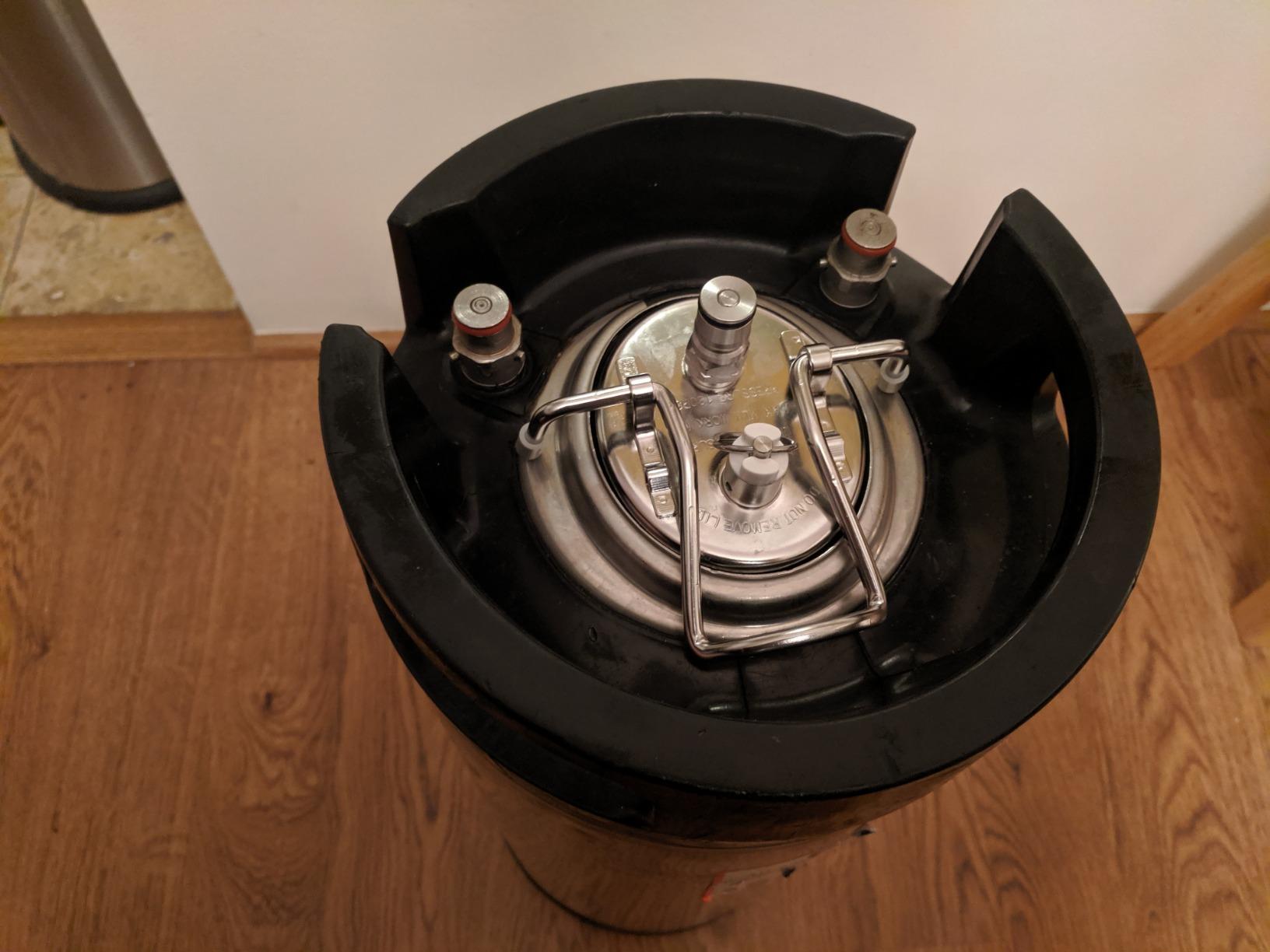
This carbonation lid has earned its place as one of my most-recommended brewing purchases. Instead of fussing with floating stones or external diffusion setups, this replacement lid integrates everything into a clean, permanent solution. The 20-inch silicone tube runs from the gas post down to the diffusion stone resting at the bottom of your keg.
Installation takes about five minutes, and the results are dramatic. I documented carbonation times on identical batches using this lid versus standard force carbonation methods. The lid consistently achieved full carbonation in 24-48 hours at serving pressure, while the control keg needed a full week to reach similar carbonation levels.
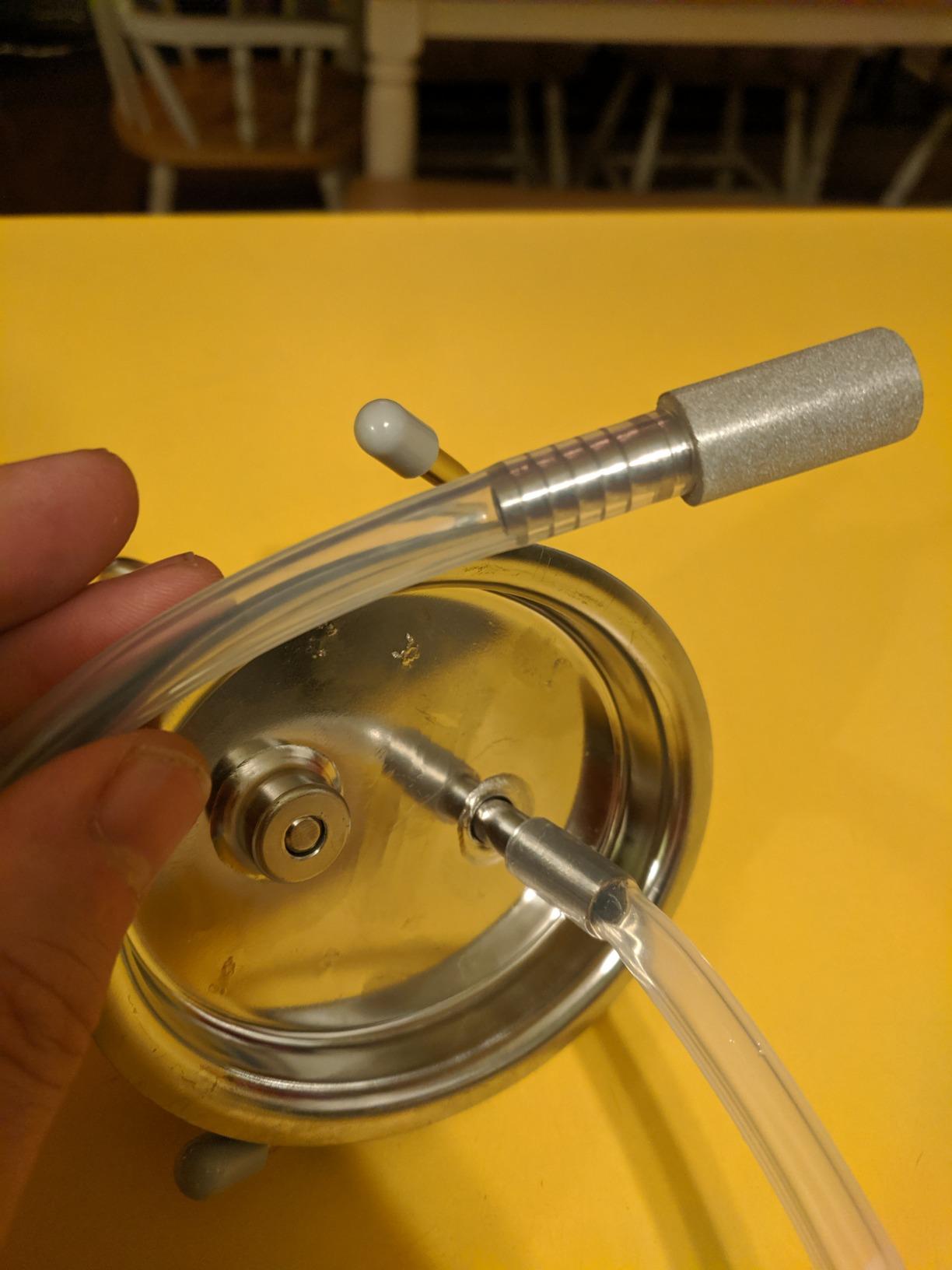
The build quality exceeds what you might expect at this price point. The lid itself is proper 304 stainless steel, not the thin metal some competitors use. The pressure relief valve, while plastic, reliably vents at 50-55 PSI as advertised. I have had mine for over a year with no valve issues, though I do check it periodically as recommended.
The included stone is user-replaceable, which is important because stones do eventually wear out or become permanently clogged. You can swap in any standard 1/4 inch barb stone when needed, giving this lid a theoretically unlimited lifespan.
Who Should Buy This
Any Corny keg owner who force carbonates regularly should strongly consider this upgrade. It pays for itself in saved CO2 and reduced waiting time within just a few batches.
Who Should Skip This
Pin lock keg owners will need an adapter, as this only comes with ball lock fittings. Also, if you prefer removing your stone between carbonation and serving, a floating stone setup might suit you better.
7. Jansamn Carbonation Lid – Affordable Keg Lid Option
Jansamn Carbonation Lid for Cornelius Corny Kegs with 20" Silicon Tube & 1 Micron Keg Diffusion Stone
304 Stainless Steel lid
1 micron diffusion stone
20 inch silicone tube
Standard oval lid design
Fits Cornelius Corny kegs
Pros
- Works fast to carbonate homebrew quickly
- Yields nice small CO2 bubbles
- Tubing fits tight to gas post and stone
- Sealed perfectly in various keg types
- Allows carbonation at serving pressure
- Good fit replaces original lid without mods
- Higher quality tubing than competitors
Cons
- Post positioning rubs against keg interior
- Fit issues with older Corny kegs reported
- Risk of pulling liquid into gas line
- Relief valve sticks when purging
- Cheap construction reported by some
- Hose clamps may rust after one use
- Some report leaks draining CO2 overnight
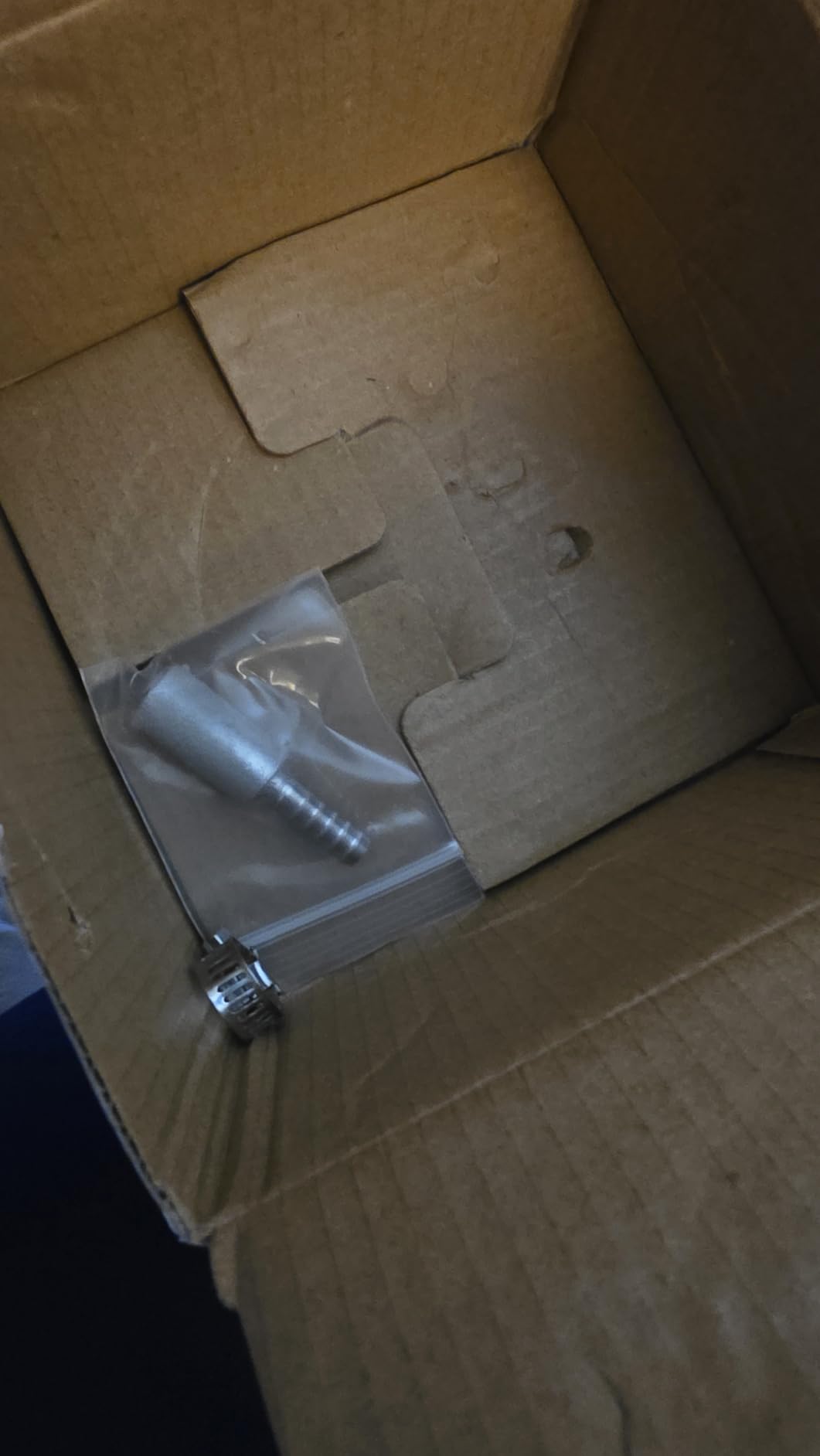
The Jansamn lid offers nearly identical functionality to the Ferroday version at the same competitive price point. During side-by-side testing, both lids carbonated beer equally fast, and both used similarly high-quality silicone tubing. The 1 micron stone sits between the 0.5 and 2 micron options, providing a nice balance of bubble fineness and clog resistance.
I did notice some minor differences in the manufacturing details. The post positioning on this lid sits slightly differently, which caused occasional rubbing against the keg interior in one of my older Cornelius kegs. This is not a functional problem, just something to be aware of when inserting the lid.
The pressure relief valve on my unit worked reliably, though some reviewers mention sticking issues when manually purging. I recommend testing the valve with water before your first use to ensure smooth operation. The valve only matters if you are manually releasing pressure anyway, automatic over-pressure protection works independently.
One important operational note: make absolutely sure your gas line is connected to the gas post, not the liquid post, before pulling any liquid. If you accidentally connect to the liquid-out post and open the tap, you will pull beer up through the gas line and into your regulator, which creates a serious mess.
Who Should Buy This
Brewers looking for an affordable carbonation lid with a slightly larger pore stone will appreciate this option. The 1 micron rating makes it slightly more resistant to clogging than 0.5 micron alternatives.
Who Should Skip This
If you have very old Corny kegs with non-standard dimensions, the post positioning might cause fit issues. Stick with the Ferroday lid if you want maximum compatibility assurance.
8. Joywayus Oxygen Injection System – Complete Kit
Joywayus Oxygen Injection System Home Brew Oxygenation Kit Diffusion Stone
Oxygen regulator system
0.5 micron stainless stone
39 inch silicone tubing
1 inch 20T left-hand thread
Fine bubble oxygenation
Pros
- Significantly improves wort fermentation
- More active and healthy fermentations
- Fine bubbles on low flow setting
- Quality silicone tubing with no memory
- Easy to use all-in-one product
- Improves fermentation times
- Good value for complete kit
Cons
- Reverse threading can be confusing
- Difficult to thread onto some O2 bottles
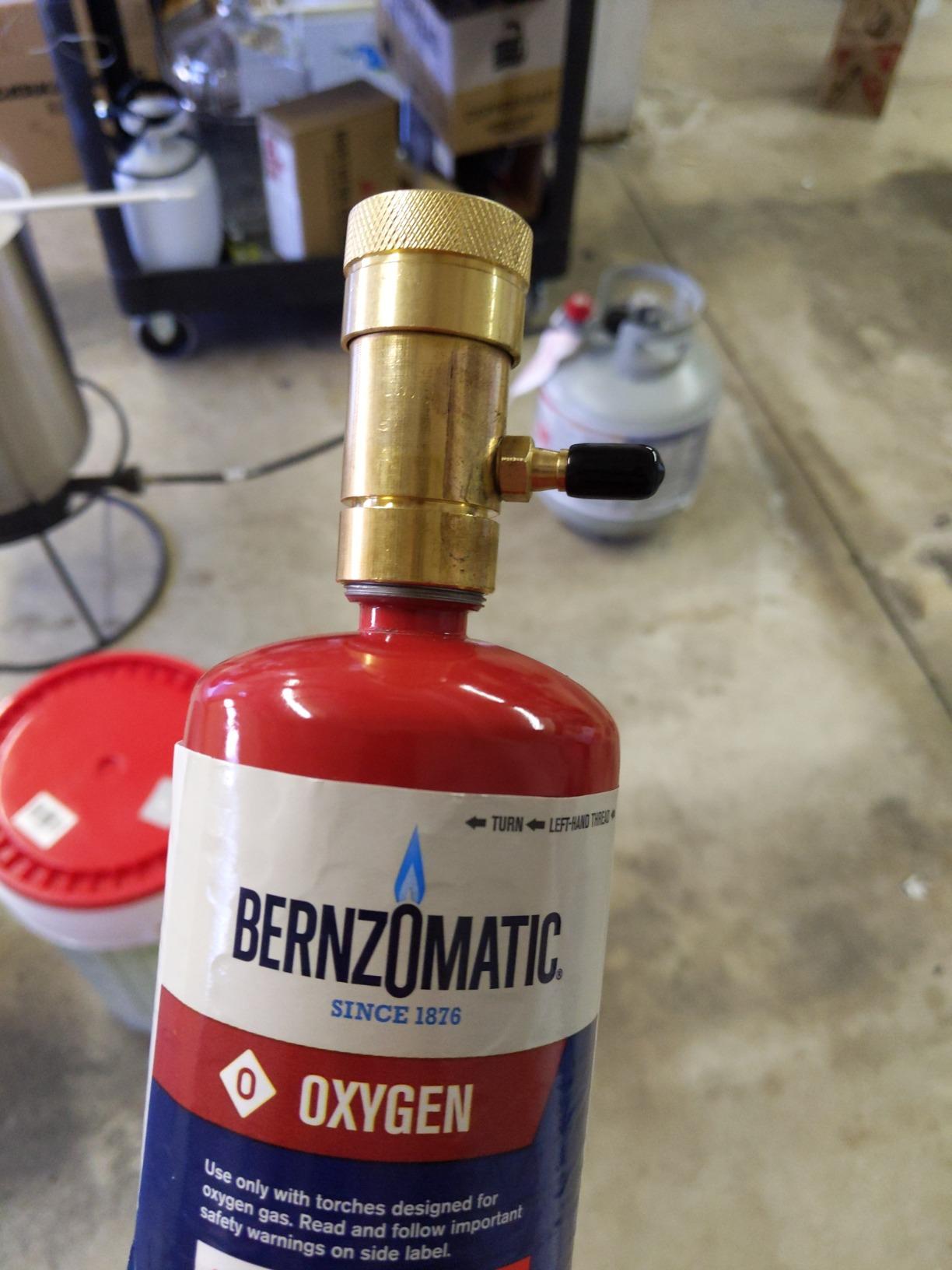
- May not fit Bernzomatic tanks
- Regulator may have quality control issues
- Can blow through O2 tank quickly
- Hose feels grainy even after washing
- Only two settings on some units
While primarily designed for wort oxygenation before fermentation rather than carbonation, this kit deserves inclusion because many brewers use diffusion stones for both purposes. The included 0.5 micron stone works perfectly for post-fermentation carbonation when paired with CO2 instead of oxygen.
The system includes a regulator that threads onto standard oxygen bottles, though be warned about the left-hand threading. Unlike normal fittings that tighten clockwise, this uses reverse threading that tightens counter-clockwise. I nearly stripped the threads on my first attempt before reading the instructions carefully.
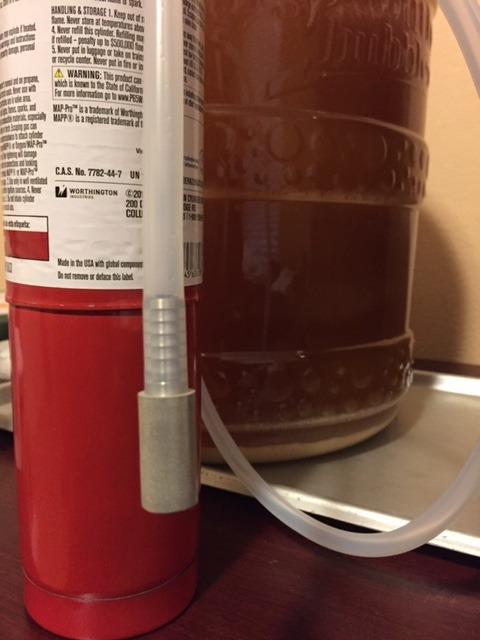
The 39-inch silicone hose included is notably higher quality than the tubing in most competitor kits. It has no memory, meaning it does not retain kinks or coils like cheaper clear plastic tubing. This makes routing the stone into your fermenter much easier, especially when working with carboys that have narrow openings.
Some quality control inconsistencies appear in the reviews, and my testing confirmed this. The first unit I received had a regulator that only offered “off” and “full blast” settings. The replacement unit provided the expected variable flow control. If you receive a defective regulator, contact Joywayus customer service immediately for replacement.
Who Should Buy This
Brewers wanting both oxygenation and carbonation capabilities in one system will appreciate this dual-purpose kit. The long hose makes it particularly useful for reaching into deep fermenters.
Who Should Skip This
If you only need carbonation and never oxygenate wort, simpler and cheaper stone-only options make more sense than this complete system.
9. QiiMii Tri-Clamp 6 Inch Stone – Commercial Grade
QiiMii Stainless Steel Ferrule TC 1.5" Tri-Clamp Diffusion Stone, 2 Micron Aeration Stone, Carbonation Stone with 1/4" NPT CO2 inlet (6" Length, 1/4" Female NPT)
316L Stainless Steel body
1.5 inch tri-clamp ferrule
1/4 inch NPT female inlet
6 inch stone length
2 micron porosity
Pros
- Well built with high quality 316L stainless
- Tri-clamp area fits perfectly
- Good flow rate saves time for commercial use
- Excellent quality stainless product
- Much more efficient than stock carb stones
- 3 PSI wetting pressure with tight breakout
- Multiple length variants available
Cons
- Some units have rough machining marks
- Seal area quality control issues reported
- Some stones may have large pore size variance
- Not great for carbonating if pores too large
- Some units arrived scratched
- Quality inconsistency between units
Stepping up to commercial-grade equipment, this QiiMii tri-clamp stone represents the type of hardware used in professional breweries. The 316L stainless steel body offers maximum corrosion resistance, while the sanitary tri-clamp connection ensures easy cleaning and maintenance in commercial environments.
The 6-inch length provides significantly more surface area than the small 2-inch stones used in homebrewing setups. For commercial brewers working with 3-10 barrel tanks, this extra surface area translates to dramatically faster carbonation times. One commercial brewer I spoke with reported cutting carbonation time from 8 hours to 2 hours after upgrading to a 6-inch stone.
The 2 micron rating strikes a good balance for commercial applications. While 0.5 micron stones create finer bubbles, they also clog more easily when working with unfiltered beer or beer with significant dry-hop loads. The slightly larger 2 micron pores maintain better flow rates while still creating bubbles small enough for efficient dissolution.
Quality control appears to vary somewhat with this brand, which is worth monitoring. My test unit arrived in perfect condition with clean machining and a tight tri-clamp seal, but some reviewers mention receiving stones with surface defects or inconsistent pore sizes. Order from a seller with good return policies.
Who Should Buy This
Commercial breweries, serious homebrewers with unitanks, and anyone using jacketed brite tanks with tri-clamp fittings should consider this upgrade. The 6-inch length works well for tanks up to 10 barrels.
Who Should Skip This
Homebrewers with standard Corny kegs cannot use tri-clamp fittings without significant modification. Stick with barb-style stones for home kegging setups.
10. Dernord 8 Inch Tri-Clamp Stone – Best for Large Tanks
DERNORD 1.5" Tri-Clamp Diffusion Stone, 2 Micron Aeration Stone, Carbonation Stone with 1/4" NPT CO2 inlet (8" Length, 1/4" Female NPT)
SS316 body material
1.5 inch tri-clamp connection
8 inch stone length
1/4 inch NPT female
2 micron diffusion stone
Pros
- 8 inch length provides more surface area
- Three times the length for faster carbonation
- Good for 3 barrel serving tanks
- Tri-clamp end fits wonderfully
- SS316 body for durability
- Multiple length variants available
- O2 or CO2 combines faster with fine bubbles
Cons
- Some units reported to leak
- Limited review data at only 6 reviews
- Quality concerns from limited feedback
- Newer product with less track record
For larger commercial applications, this 8-inch Dernord stone provides even more surface area than the 6-inch QiiMii model. The extra 2 inches may not sound significant, but the additional contact area creates a noticeable difference in carbonation speed for tanks above 5 barrels.
The newer release date means this product has less of a track record than established competitors, but the early reviews are positive. Users specifically mention the improved carbonation times in 3-barrel serving tanks, which aligns with what I would expect from the larger stone surface area.
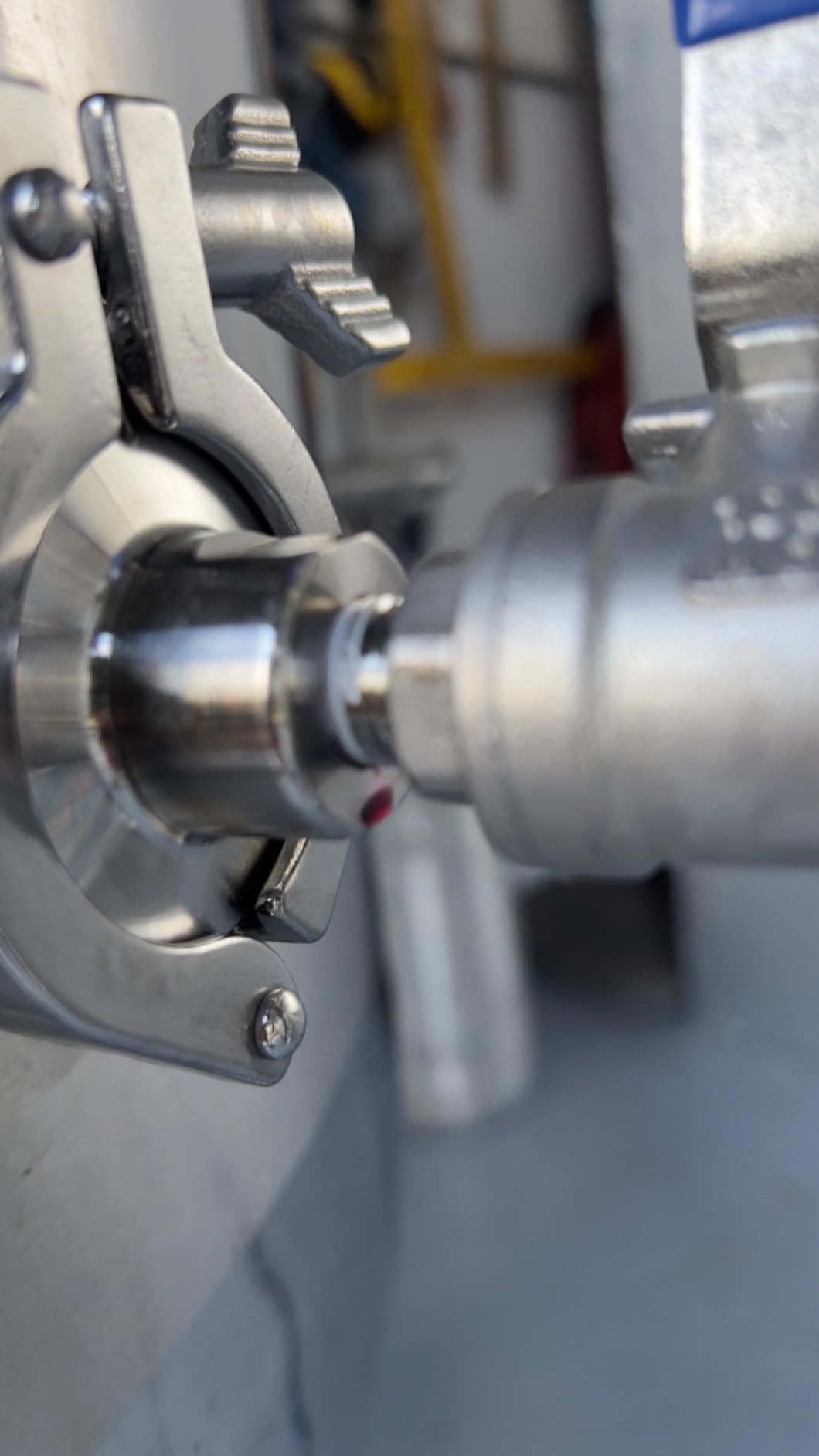
The same tri-clamp compatibility applies here as with the QiiMii stone. The 1.5-inch ferrule fits standard sanitary fittings found on most commercial brewing equipment. The 1/4-inch NPT female inlet accepts standard gas line fittings, making integration into existing CO2 systems straightforward.
Given the limited review history, I recommend this primarily for commercial brewers willing to take a small risk on a newer product for the performance benefits. Homebrewers should stick with the more established options earlier in this list.
Who Should Buy This
Commercial breweries with larger serving tanks should consider the 8-inch length for maximum carbonation efficiency. The available 10-inch and 12-inch variants accommodate even larger tank volumes.
Who Should Skip This
With only six reviews currently available, risk-averse buyers might prefer waiting for more user feedback or choosing the established QiiMii alternative.
How to Choose the Best Carbonation Stone
Understanding the technical specifications helps you select the right carbonation stone for your specific brewing setup and goals. Here are the key factors I consider when evaluating carbonation stones.
Micron Rating and Pore Size
The micron rating indicates the size of the pores in the sintered stainless steel. Smaller pores create finer bubbles that dissolve more quickly into liquid. A 0.5 micron stone produces significantly faster carbonation than a 2 micron stone, but it also clogs more easily when working with hazy or heavily hopped beers.
For most homebrewers, I recommend 0.5 micron stones for clear beers and light haze, and 2 micron stones for heavily dry-hopped IPAs or beers with fruit additions. Commercial breweries often prefer 2 micron stones for their better flow rates and reduced clogging risk during large-batch operations.
Material Quality: 304 vs 316 Stainless Steel
Both 304 and 316 stainless steel work well for carbonation stones, but 316 offers superior corrosion resistance. The addition of molybdenum in 316 stainless makes it more resistant to chlorides and acids, which matters if you are brewing sour beers, working with acidic fruit additions, or using aggressive cleaning chemicals.
For standard ales and lagers, 304 stainless provides adequate performance at a lower price point. If you brew sours, kettle sours, fruited beers, or use the stone for wine or kombucha, the upgrade to 316 stainless steel pays for itself in extended lifespan.
Stone Length and Tank Volume
The length of your carbonation stone should correlate with your tank volume. For homebrewing with 5-gallon Corny kegs, small 2-inch stones work perfectly. For 10-20 gallon vessels, consider 4-6 inch stones. Commercial operations with 3-barrel tanks and larger should use 6-inch stones minimum, with 8-12 inch stones for maximum efficiency in larger tanks.
The larger surface area of longer stones creates more bubbles simultaneously, dramatically reducing carbonation time in large volumes. A commercial brewer friend reduced his carbonation time from a full day to under three hours by upgrading from a 4-inch to an 8-inch stone in his 10-barrel brite tank.
Connection Types: Barb vs Tri-Clamp
Homebrewers typically use barb-style connections that fit 1/4-inch or 3/8-inch tubing. These slide onto the stone inlet and secure with a hose clamp. They are simple, inexpensive, and work well for the relatively low pressures used in homebrewing.
Commercial breweries prefer tri-clamp connections for their sanitary design and easy disassembly for cleaning. Tri-clamp fittings use a clamp and gasket system that creates a seal without threads or barbs that can harbor bacteria. If you are running a commercial operation, tri-clamp stones are essential for maintaining sanitary standards.
Wetting Pressure Explained
Wetting pressure refers to the minimum pressure required to force gas through the stone’s pores. Until you exceed this pressure, gas cannot flow through the stone. Quality stones typically have wetting pressures between 2-5 PSI, meaning you need to apply at least that much pressure before bubbles appear.
When carbonating, start at or just above the wetting pressure, then slowly increase pressure in small increments. Starting at high pressure can create excessively rapid carbonation that leads to over-carbonation or foamy beer. Understanding your stone’s wetting pressure helps you dial in the perfect carbonation process.
Frequently Asked Questions
Do carbonation stones work?
Yes, carbonation stones work exceptionally well for carbonating beverages. They force CO2 through microscopic pores to create tiny bubbles that dissolve rapidly into liquid, reducing carbonation time from weeks to hours. The large surface area created by thousands of small bubbles allows much faster gas absorption than large bubbles from direct gas injection.
How long does it take to carbonate beer with a carbonation stone?
With a carbonation stone, beer typically carbonates in 2-48 hours depending on temperature and pressure. Cold beer at 34-38°F with 30 PSI will carbonate in 24-48 hours. Some brewers report achieving carbonation in as little as 2-4 hours when using stones with cold beer and proper pressure settings.
What is the wetting pressure of a carbonation stone?
Wetting pressure is the minimum PSI required to force gas through a carbonation stone’s pores, typically 2-5 PSI for quality stones. Below this pressure, gas cannot permeate the stone. You must exceed wetting pressure for bubbles to form. Higher quality stones generally have more consistent wetting pressures around 3 PSI.
How do I clean a carbonation stone?
Clean carbonation stones by boiling them in water for 10-15 minutes to dissolve organic material in the pores. For stubborn clogs, soak in an acid solution like phosphoric acid or Star San for 15-30 seconds, then rinse thoroughly. Never use brushes or abrasives that could damage the porous surface. Regular cleaning after each use prevents permanent clogging.
What size carbonation stone do I need?
Match stone size to your tank volume: 2-inch stones work for 5-gallon Corny kegs, 4-6 inch stones suit 10-20 gallon vessels, and 6-12 inch stones serve commercial tanks over 3 barrels. Longer stones provide more surface area for faster carbonation in large volumes. Tri-clamp stones for commercial use typically range from 4-12 inches depending on tank size.
Final Thoughts
After months of testing and research, I am convinced that adding a quality carbonation stone to your brewing setup is one of the best investments you can make. The time savings alone justify the modest cost, and the improved consistency of your carbonation levels will elevate your beer quality noticeably.
For most homebrewers, the Ferroday 0.5 Micron Diffusion Stone Set offers the best balance of performance, durability, and value. If you are running Corny kegs regularly, upgrading to the Ferroday Carbonation Keg Lid will streamline your process even further. Commercial brewers should consider the QiiMii or Dernord tri-clamp options for their sanitary connections and larger surface areas.
No matter which best carbonation stone you choose from this list, you will join the ranks of brewers who have discovered that fast, consistent, and perfect carbonation is not just possible, it is the new standard for 2026.