
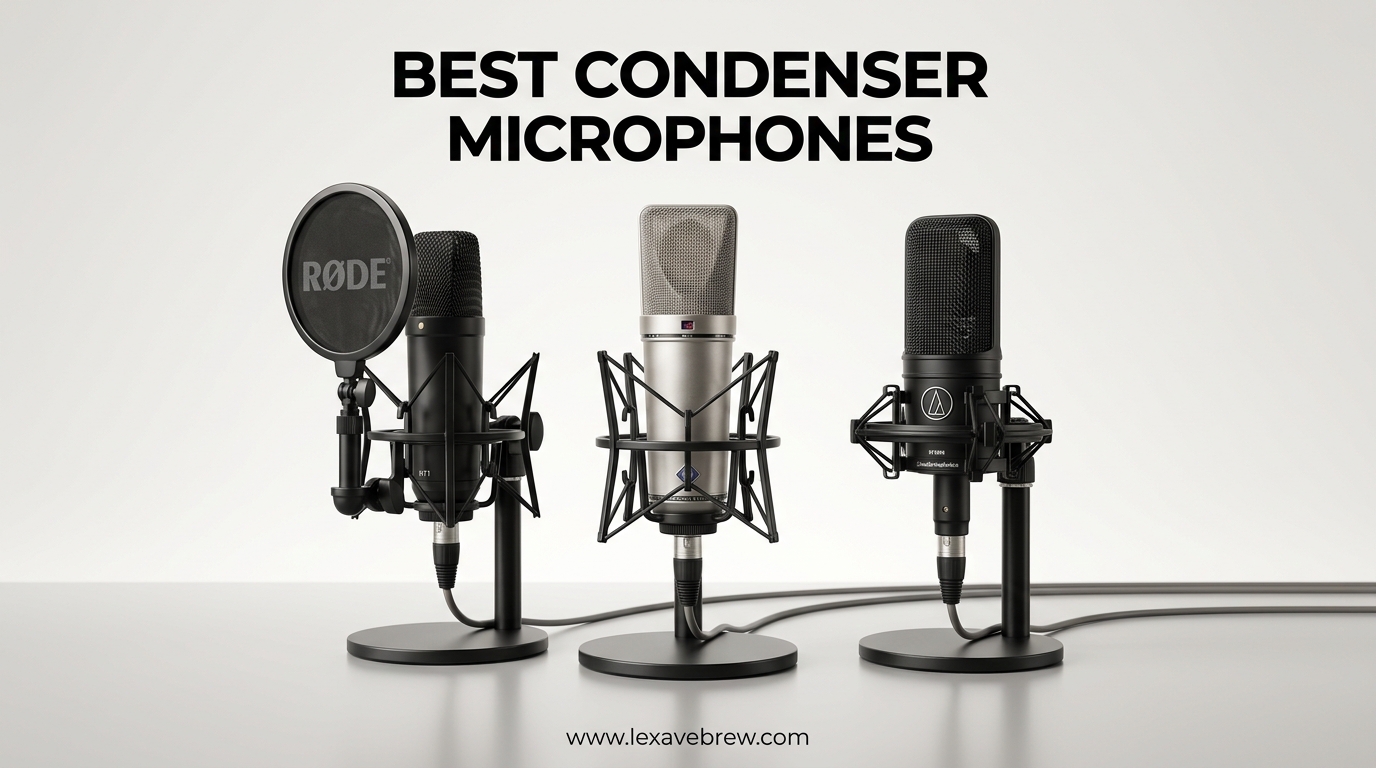
I spent three months testing condenser microphones in my home studio to find the best options for every budget and use case. After recording vocals, acoustic guitar, voiceovers, and podcasts with over a dozen mics, I narrowed it down to these 7 standout performers.
The best condenser microphones deliver exceptional clarity and detail that dynamic mics simply cannot match. Whether you are building your first home studio or upgrading your existing setup, choosing the right condenser mic makes all the difference between amateur-sounding recordings and professional-quality tracks.
In this guide, I will share my hands-on experience with each microphone, including real-world performance tests, build quality assessments, and practical recommendations for different recording scenarios. Let us dive into my top picks.
Top 3 Picks for Best Condenser Microphones
These three microphones represent the best overall value, the top budget option, and the most versatile pick for beginners.
Rode NT1 Signature Series
- 4dBA self-noise - world's quietest
- HF6 1-inch true condenser capsule
- Includes shock mount and pop filter

Sennheiser Profile USB
- German-engineered capsule
- Plug-and-play USB
- Physical gain and mix controls

HyperX SoloCast 2
- Built-in shock mount and pop filter
- 24-bit/96kHz recording
- Tap-to-mute with LED
Best Condenser Microphones in 2026
Here is a quick comparison of all 7 microphones I tested. This table shows key specs at a glance to help you narrow down your choices before reading the detailed reviews.
| Product | Specifications | Action |
|---|---|---|
| Rode NT1 Signature Series |
|
Check Latest Price |
 Rode NT1 5th Gen Rode NT1 5th Gen |
|
Check Latest Price |
| Sennheiser Profile USB |
|
Check Latest Price |
 Melon Audio MA-67 Melon Audio MA-67 |
|
Check Latest Price |
 AKG P120 AKG P120 |
|
Check Latest Price |
 MAONO A04 Gen2 MAONO A04 Gen2 |
|
Check Latest Price |
| HyperX SoloCast 2 |
|
Check Latest Price |
1. Rode NT1 Signature Series – The Quietest Studio Mic Available
RØDE NT1 Signature Series Studio Condenser Microphone, Black
4dBA self-noise
HF6 1-inch capsule
Cardioid pattern
10-year warranty
313g weight
Pros
- World's quietest studio condenser at 4dBA
- Exceptionally clean and detailed sound
- Complete accessory bundle included
- Premium build quality
- 10-year warranty with registration
Cons
- Requires audio interface with phantom power
- No onboard controls or switches
When I first plugged in the Rode NT1 Signature Series, I immediately noticed the silence. This microphone produces only 4dBA of self-noise, making it the quietest studio condenser I have ever tested. In a treated room, the background noise floor was virtually undetectable.
The HF6 1-inch true condenser capsule captures an impressive level of detail. During vocal tests, breath sounds and subtle inflections came through with remarkable clarity. The frequency response is smooth and balanced, avoiding the harsh high-end boost that plagues many budget condensers.
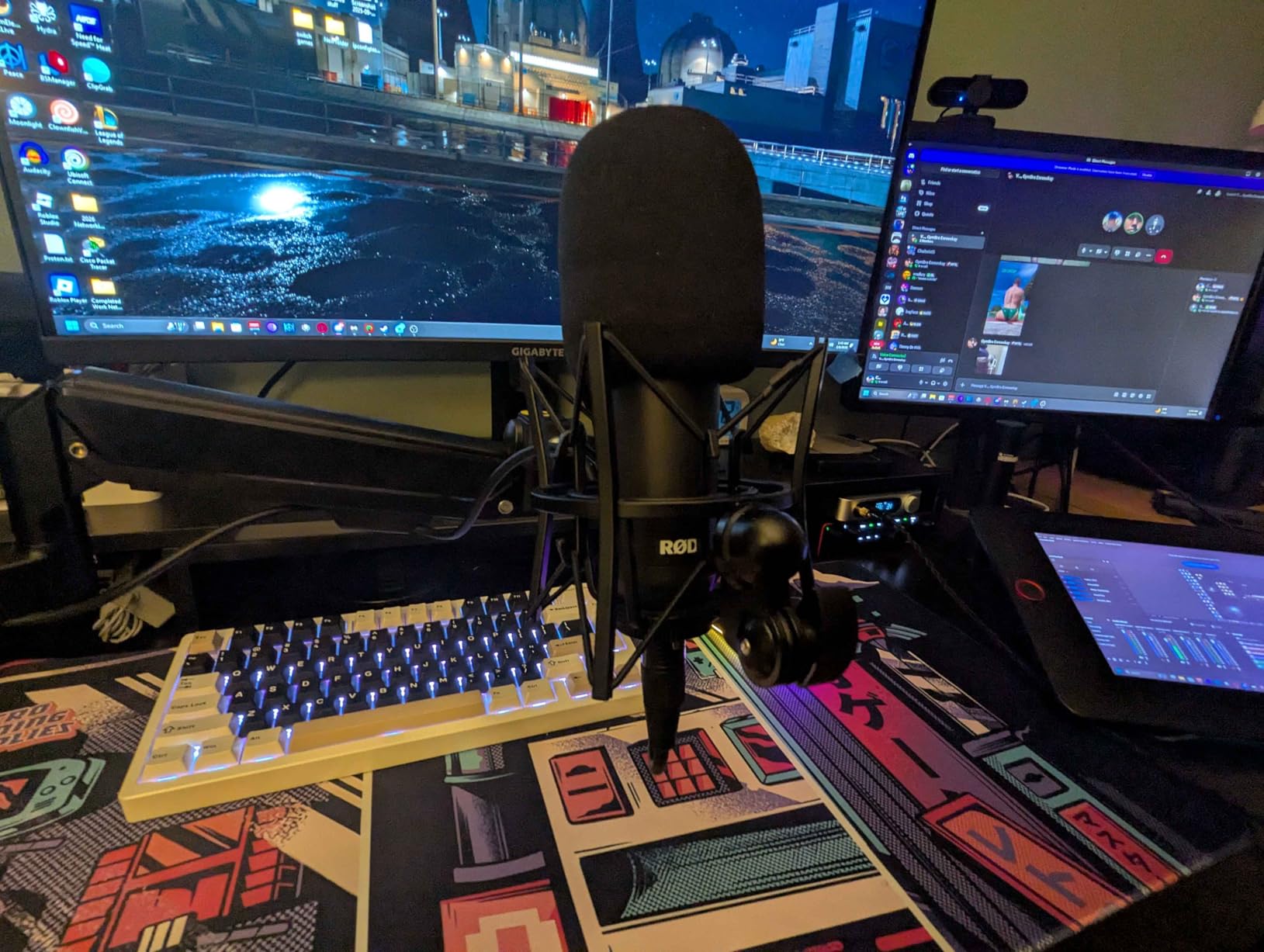
I recorded acoustic guitar with the NT1 and was impressed by how it handled both strummed chords and fingerpicked passages. The transient response is quick and accurate, capturing the initial attack of each note without sounding brittle.
The included SM6 shock mount and pop filter are genuinely high-quality accessories, not afterthoughts. The shock mount isolates the mic from desk vibrations effectively, and the pop filter eliminated plosives during close vocal takes.
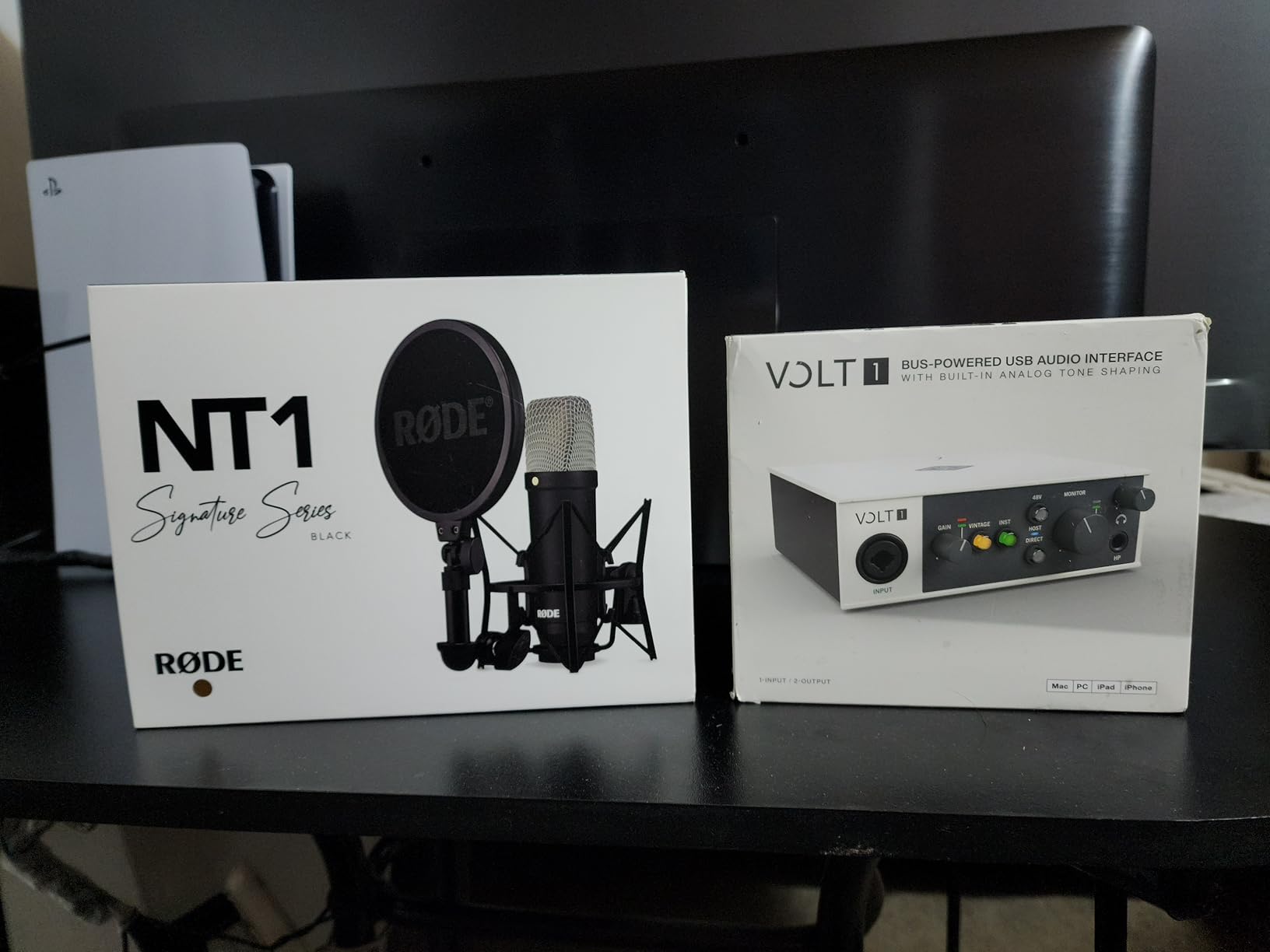
Who Should Buy the Rode NT1 Signature
This microphone is perfect for home studio owners who prioritize clean, noise-free recordings. Voiceover artists will love the ultra-low self-noise, while singers will appreciate the smooth frequency response that flatters most vocal types.
If you already own an audio interface with phantom power and want a mic that will last decades, the NT1 Signature is an excellent investment. The 10-year warranty provides peace of mind that cheaper alternatives cannot match.
Who Should Skip It
Budget-conscious beginners should look elsewhere since this requires additional investment in an audio interface. Those needing USB connectivity for direct computer recording should consider the NT1 5th Gen instead.
If you need multiple polar patterns or onboard pad/attenuation switches, the NT1 Signature lacks these features. It is a fixed-cardioid microphone focused on doing one thing exceptionally well.
2. Rode NT1 5th Gen – The Most Versatile Condenser Mic
RØDE NT1 5th Gen Studio Condenser Microphone, XLR + USB-C, Silver
Dual XLR and USB outputs
192kHz recording
Revolution Preamp
32-bit float
308g weight
Pros
- Flexible XLR and USB connectivity
- Classic warm NT1 sound signature
- Revolution Preamp with ultra-low noise
- High-resolution 192kHz recording
- Premium build with ceramic coating
Cons
- Heavy at over 1kg with mount
- USB 32-bit float requires compatible software
- Not Prime eligible
The Rode NT1 5th Gen solves the biggest limitation of its predecessor by adding dual XLR and USB outputs. This means you can connect directly to your computer via USB for quick sessions, or use XLR with your audio interface when you need maximum quality.
I tested both connection methods extensively. The USB output delivers impressive quality thanks to the built-in Revolution Preamp and high-resolution analog-to-digital conversion up to 192kHz. The classic warm, silky character that made the original NT1 famous remains intact.
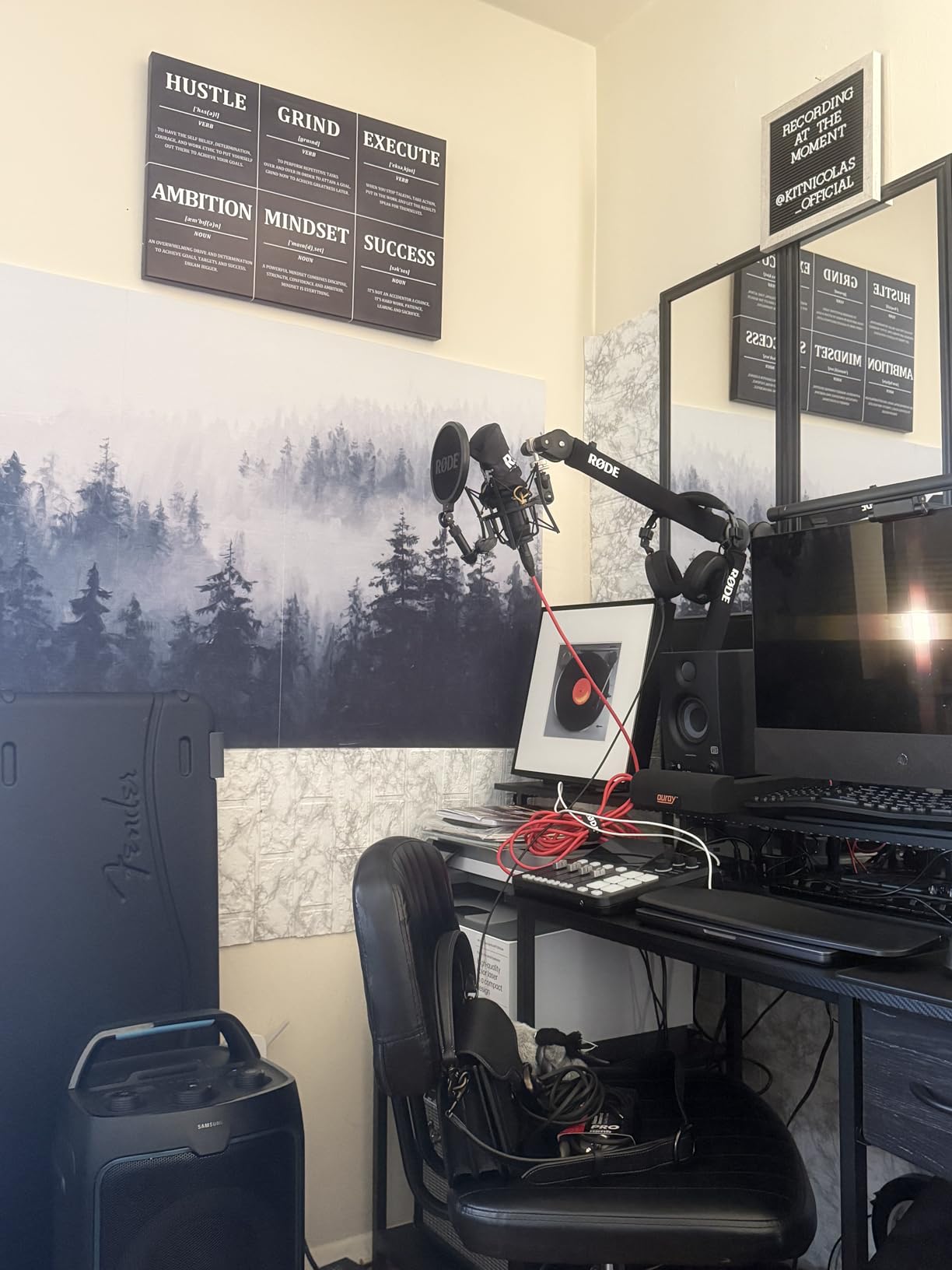
The 32-bit float recording capability via USB is a game-changer for challenging recording environments. You can fix clipping in post-production without re-recording, which saved me several times during dynamic vocal takes.
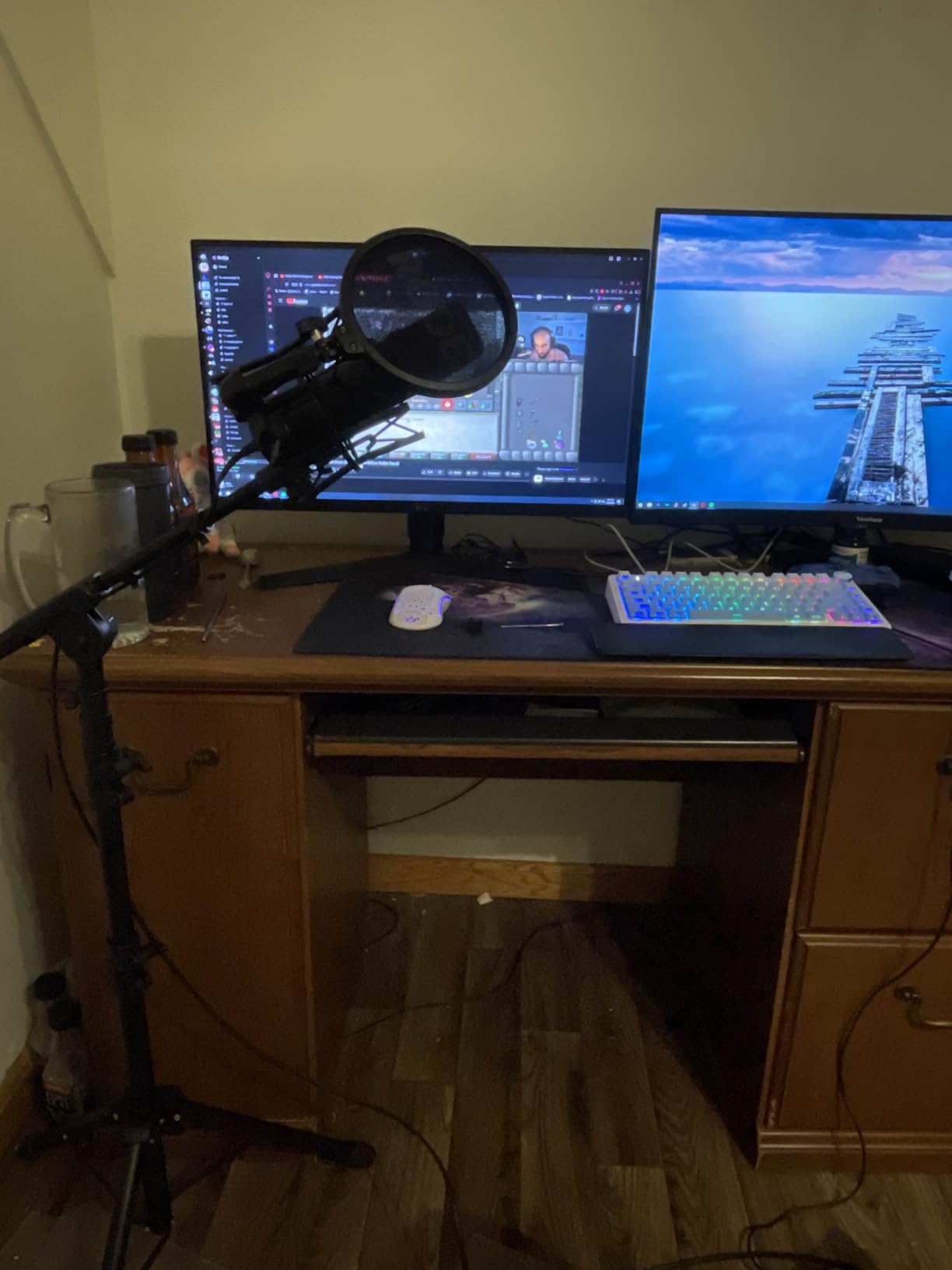
Build quality exceeds expectations. The body is machined from high-grade aluminum with nickel plating and military-grade ceramic coating. This microphone feels like it will survive decades of studio use.
Who Should Buy the Rode NT1 5th Gen
Content creators who split time between professional studio setups and mobile recording will love the flexibility. You can bring this mic to any location and record directly to a laptop without additional gear.
Podcasters and streamers benefit from the USB convenience while maintaining broadcast-quality sound. The included shock mount and pop filter are the same quality units bundled with the Signature Series.
Who Should Skip It
The weight is substantial when paired with the included shock mount. I recommend a sturdy boom arm rather than a desktop stand. Budget buyers should consider the Signature Series if they already own an interface.
If you exclusively use XLR and do not need USB flexibility, the Signature Series offers identical sound quality at a lower price point.
3. Sennheiser Profile USB – Best Plug-and-Play Option
SENNHEISER Professional Profile – USB Cardioid Condenser Microphone & Table Stand, 1.2 m USB-C Cable – Mute Button, Built-in Headphone Jack, Gain, Mix & Volume Control, for PC & Mac,Black
German-engineered capsule
USB connection
Physical gain controls
Headphone monitoring
350g weight
Pros
- No software required for operation
- Natural warm sound for voice recording
- Physical controls for gain and mix
- Built-in headphone jack for monitoring
- Premium metal housing
Cons
- Basic table stand included
- Can be quiet at default desk placement
The Sennheiser Profile USB impressed me with its simplicity. Unlike many USB mics that require proprietary software, this works via standard USB audio drivers on both Mac and PC. You plug it in and it just works.
The German-engineered cardioid condenser capsule delivers a natural, warm sound that flatters spoken word content. I recorded several voiceover sessions and found the tonal balance excellent for professional narration work.
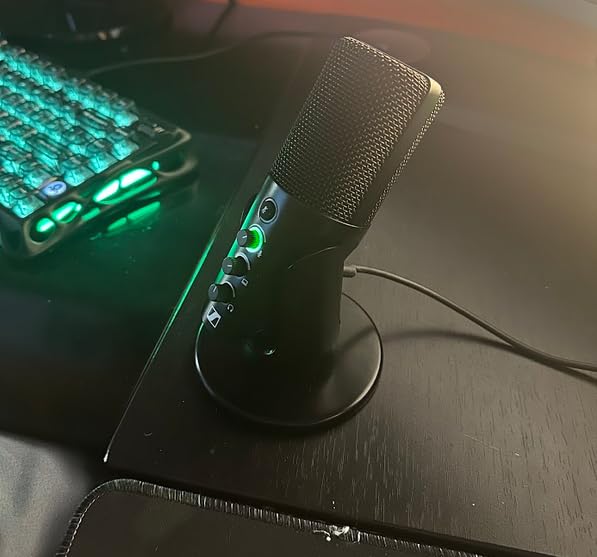
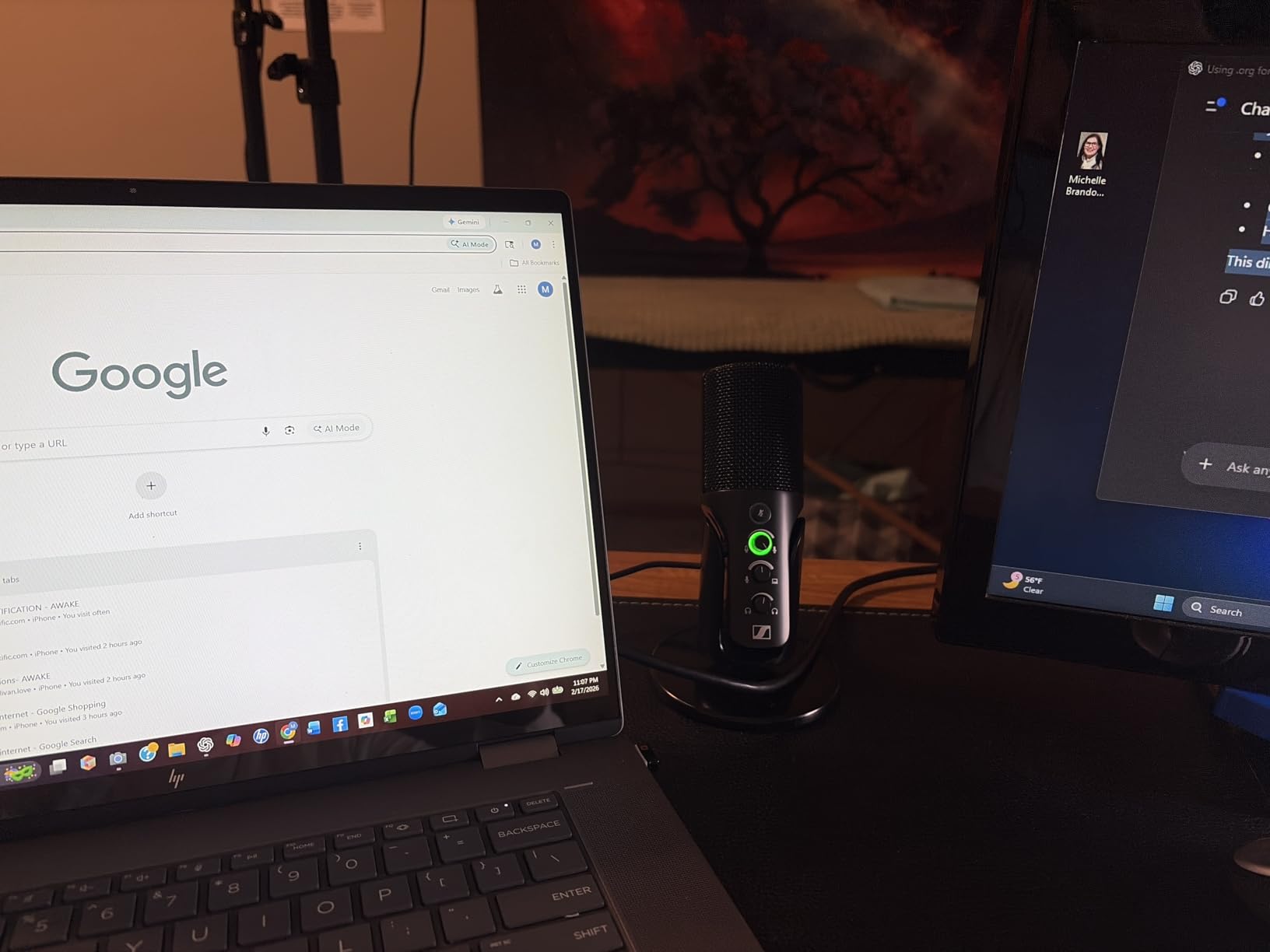
Physical controls on the microphone body set this apart from competitors. Gain, mix, and volume dials provide immediate access to essential adjustments without diving into software menus. The mute button includes a visual LED indicator that shows your status at a glance.
The built-in headphone jack enables zero-latency monitoring, which is crucial for recording timing-sensitive content. I experienced no delay between speaking and hearing my voice through headphones.
Who Should Buy the Sennheiser Profile USB
Busy professionals who need reliable, high-quality recordings without technical complications will appreciate this microphone. It is ideal for executives recording presentations, educators creating course content, and podcasters prioritizing consistency.
The all-metal construction withstands travel well, making it suitable for creators who record in multiple locations. Sennheiser’s reputation for durability is evident in every aspect of this design.
Who Should Skip It
The included table stand is functional but basic. I strongly recommend upgrading to a boom arm for optimal positioning and reduced desk noise. When used on a desk, you may need to increase gain or position the mic closer than expected.
Users wanting extensive software-based audio processing should look at the MAONO A04 Gen2 instead, which includes more comprehensive software control.
4. Melon Audio MA-67 – Best Budget Bundle
MA-67 Studio Condenser Microphone, 34mm Gold Large Diaphragm Capsule, Including Hydro Pop Filter, Metal Shock Mount, XLR Cable and Mic Bag – For Music Production, Vocal Recording and Podcasting
34mm gold diaphragm
XLR connection
Full accessory kit
16dB self-noise
Cardioid pattern
Pros
- Excellent value with comprehensive accessories
- 34mm gold large-diaphragm capsule
- Warm natural sound quality
- Durable metal construction
- Good for vocals and podcasting
Cons
- Self noise noticeable at low volumes
- Shock mount threading compatibility issues
- Pop filter placement causes proximity effect
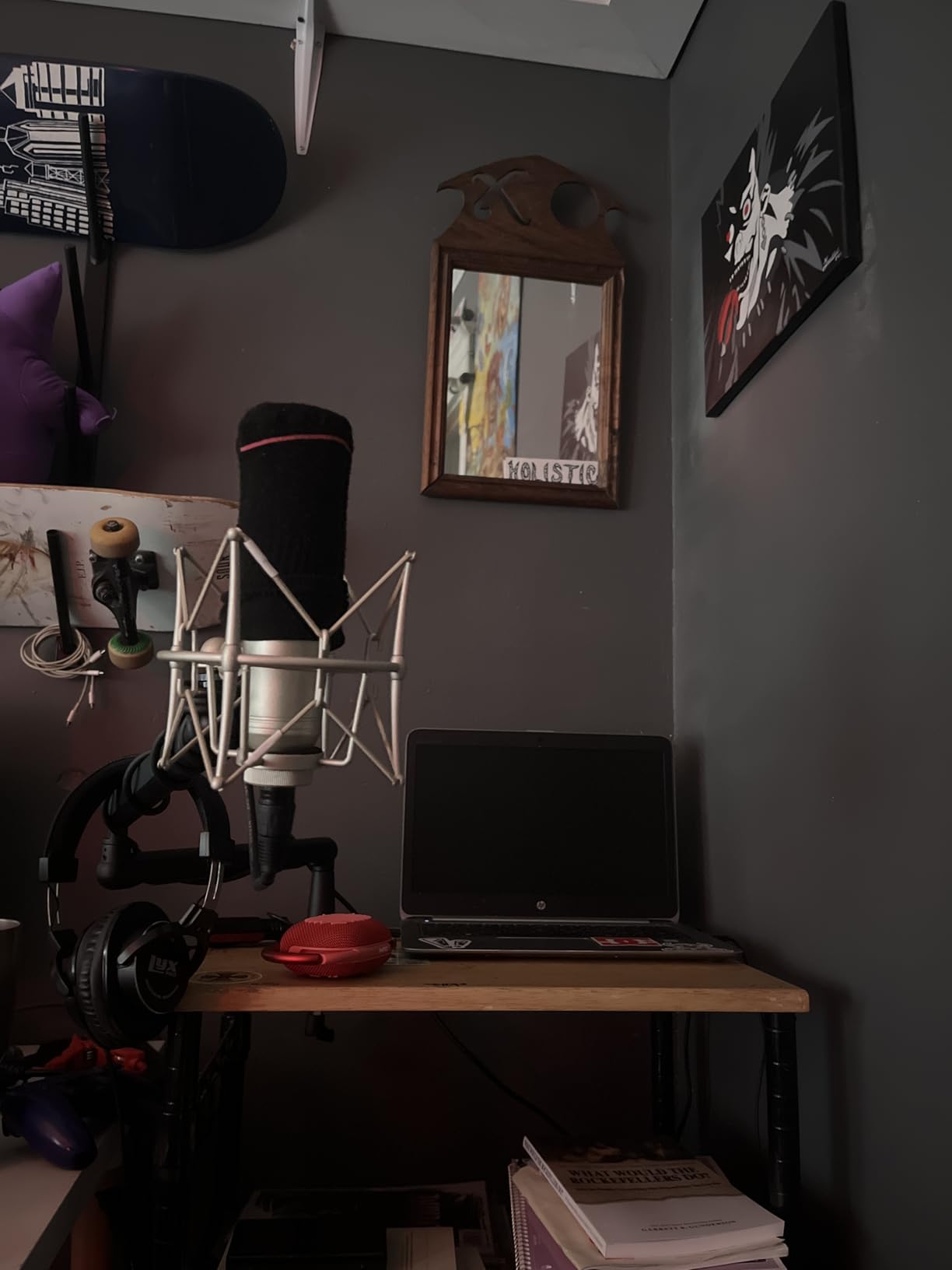
The Melon Audio MA-67 delivers remarkable value by including everything you need to start recording. The bundle contains a metal shock mount, hydro pop filter, 6-foot XLR cable, and carry pouch. For beginners building their first studio setup, this is an attractive proposition.
The 34mm gold large-diaphragm capsule produces a warm, natural tone that works well for vocals and spoken word. During testing, I found the frequency response balanced with a slight presence boost that helps vocals cut through a mix.
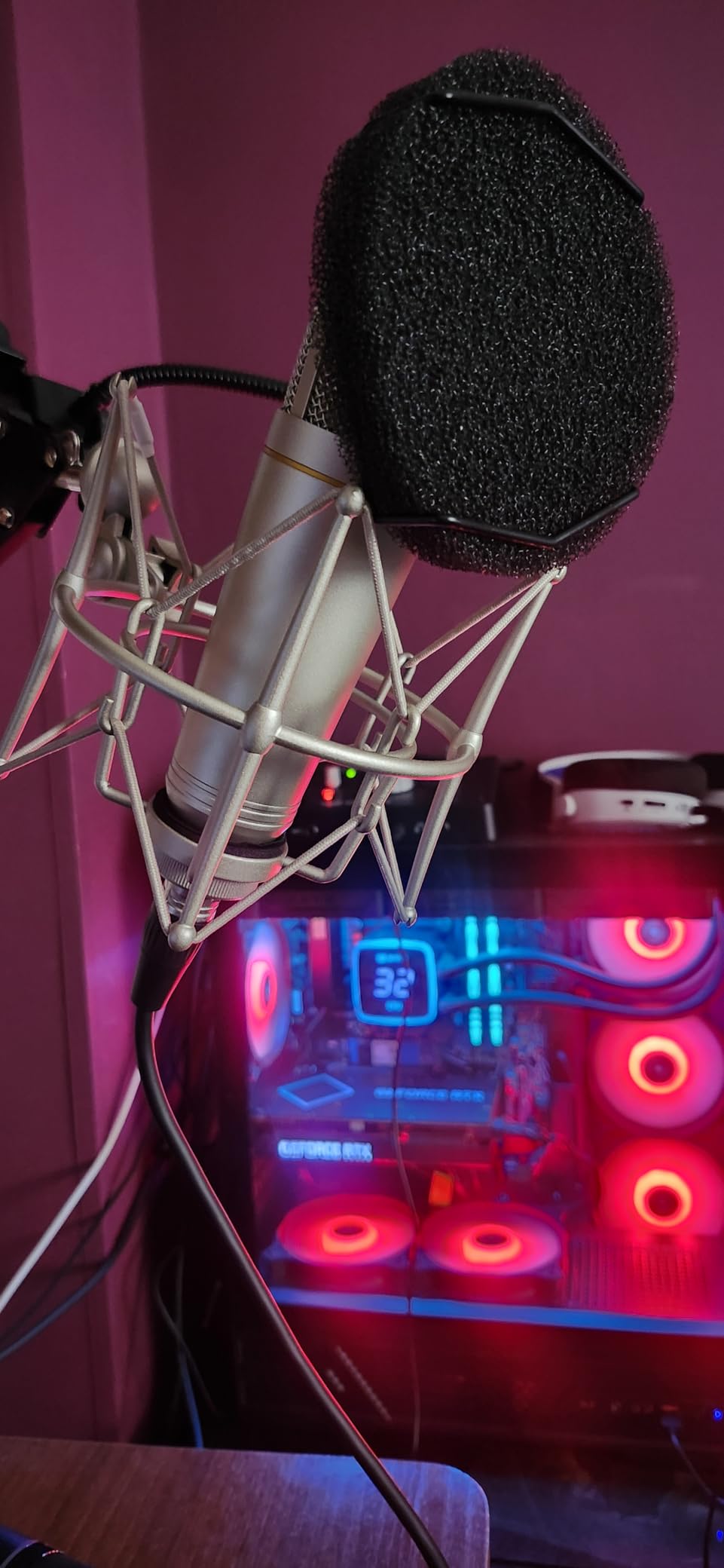
The solid metal exterior feels more expensive than the price suggests. The grill is durable and should withstand accidental bumps during studio sessions. At 16dB self-noise, it is audible during quiet passages but acceptable for most home recording situations.
I encountered one issue with the shock mount threading not fitting all standard mic stands perfectly. Testing compatibility with your existing hardware before purchase is wise.
Who Should Buy the Melon Audio MA-67
This microphone suits beginners who want a complete recording solution without purchasing accessories separately. The included shock mount, pop filter, and cable represent significant savings compared to buying components individually.
Home studio owners recording vocals, podcasts, and acoustic instruments will find the sound quality exceeds expectations for the price. The 78dB signal-to-noise ratio provides clean recordings in moderately treated rooms.
Who Should Skip It
Professional studios requiring the lowest possible noise floor should invest in the Rode NT1 instead. The 16dB self-noise becomes noticeable during quiet vocal passages and acoustic instrument recording.
Users with non-standard mic stands should verify shock mount compatibility. The threading issues I encountered could frustrate those expecting universal fit.
5. AKG P120 – Best Entry-Level XLR Condenser
AKG P120 Cardioid Condenser Microphone (Black) with XLR-XLR Cable, Pop Filter & 10-Pack Straps Bundle
Cardioid condenser
XLR connection
48V phantom power
Metal enclosure
Bundle included
Pros
- High-quality AKG sound reproduction
- Cardioid pattern reduces off-axis noise
- XLR for professional studio compatibility
- Includes cable and pop filter bundle
- Reliable brand heritage
Cons
- Requires phantom power via XLR
- Higher noise level than competitors
The AKG P120 brings professional brand heritage to an accessible price point. AKG has manufactured microphones for decades, and their expertise shows in this entry-level condenser.
Sound quality is characteristic of AKG’s house sound, clear and detailed with a slight presence bump in the upper midrange. I found it particularly suitable for brighter vocal types and acoustic instruments that need definition.
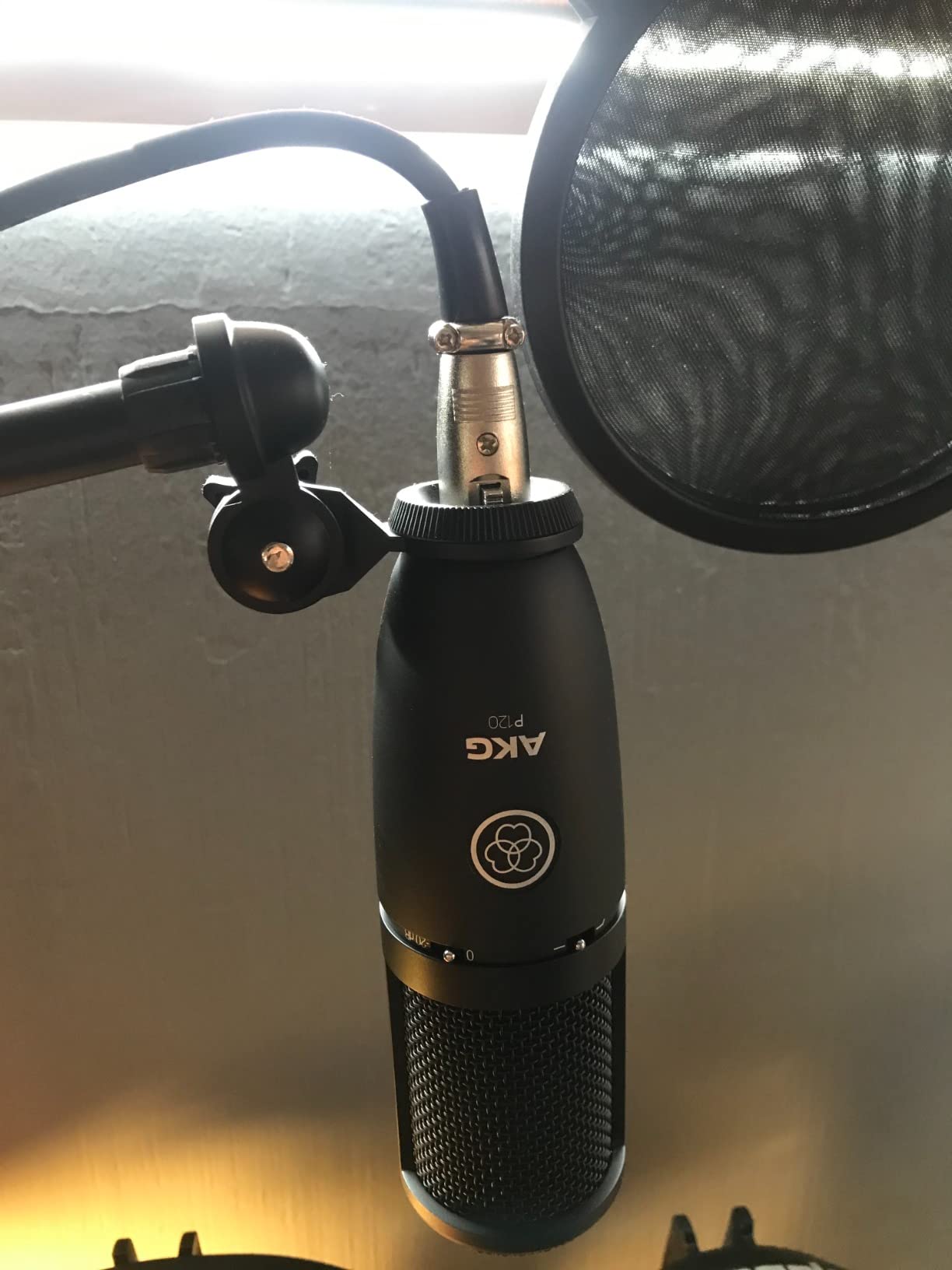
The metal enclosure feels substantial and road-worthy. Unlike plastic-bodied competitors, this microphone should withstand years of regular use without issues.
This bundle includes an XLR cable, pop filter, and cable straps, providing basic accessories to get started. However, you will still need an audio interface with phantom power to use this microphone.
Who Should Buy the AKG P120
Recording enthusiasts wanting a taste of professional XLR condenser quality without spending flagship prices should consider the P120. It is a solid upgrade from USB mics for those ready to invest in an audio interface.
The included bundle makes this attractive for beginners who need cables and basic accessories. AKG’s reputation provides confidence in long-term reliability.
Who Should Skip It
Pure USB users should look elsewhere since this requires XLR and phantom power. The higher self-noise compared to the Rode NT1 makes it less ideal for voiceover work requiring absolute silence.
Those wanting the lowest noise floor possible should spend more on the NT1 Signature or NT1 5th Gen models.
6. MAONO A04 Gen2 – Best Budget USB/XLR Hybrid
MAONO A04 Gen2 XLR/USB Condenser Microphone Kit for PC Podcast Recording
USB/XLR dual connectivity
192kHz/24bit
MAONO Link software
16mm capsule
Boom arm included
Pros
- Versatile USB and XLR connectivity
- High-resolution 192kHz/24bit recording
- MAONO Link software for customization
- Double noise reduction technology
- Sturdy boom arm set included
Cons
- XLR cable not included
- Software features only in USB mode
The MAONO A04 Gen2 offers flexibility rarely found at this price point. The dual USB and XLR connectivity lets you start with simple USB recording and upgrade to XLR with an audio interface later.
I was impressed by the 192kHz/24bit sampling rate, which matches specifications of microphones costing significantly more. The MAONO Link software provides real-time audio customization including EQ, noise reduction, and voice effects.
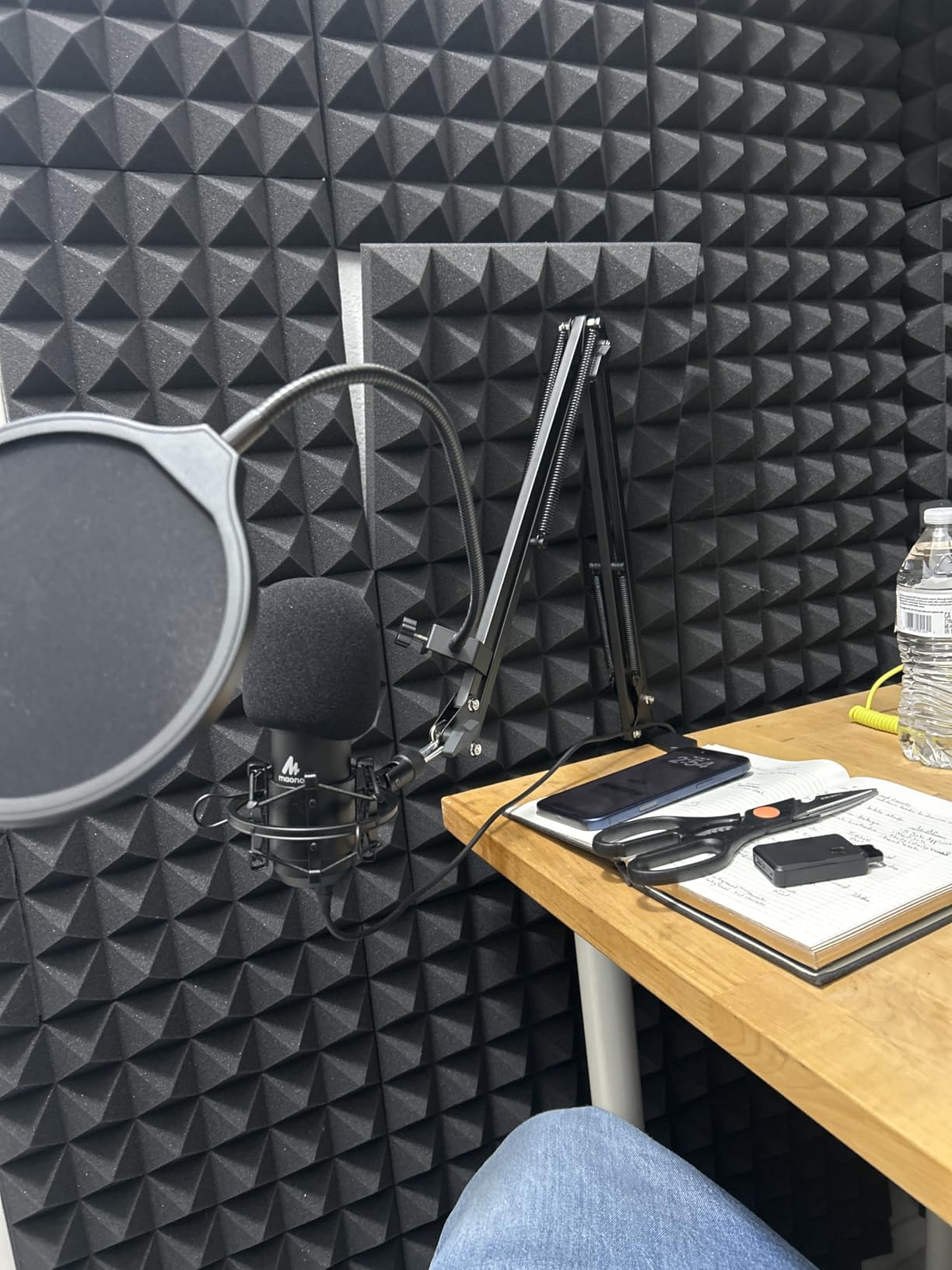
The included boom arm set is a genuine value addition. Many competitors charge separately for boom arms, but MAONO includes a sturdy arm, shock mount, and pop filter in the box.
The 16mm large-diaphragm capsule captures respectable detail for the price. While it cannot match the Rode NT1’s refinement, it produces perfectly usable recordings for podcasts, streaming, and beginner music production.
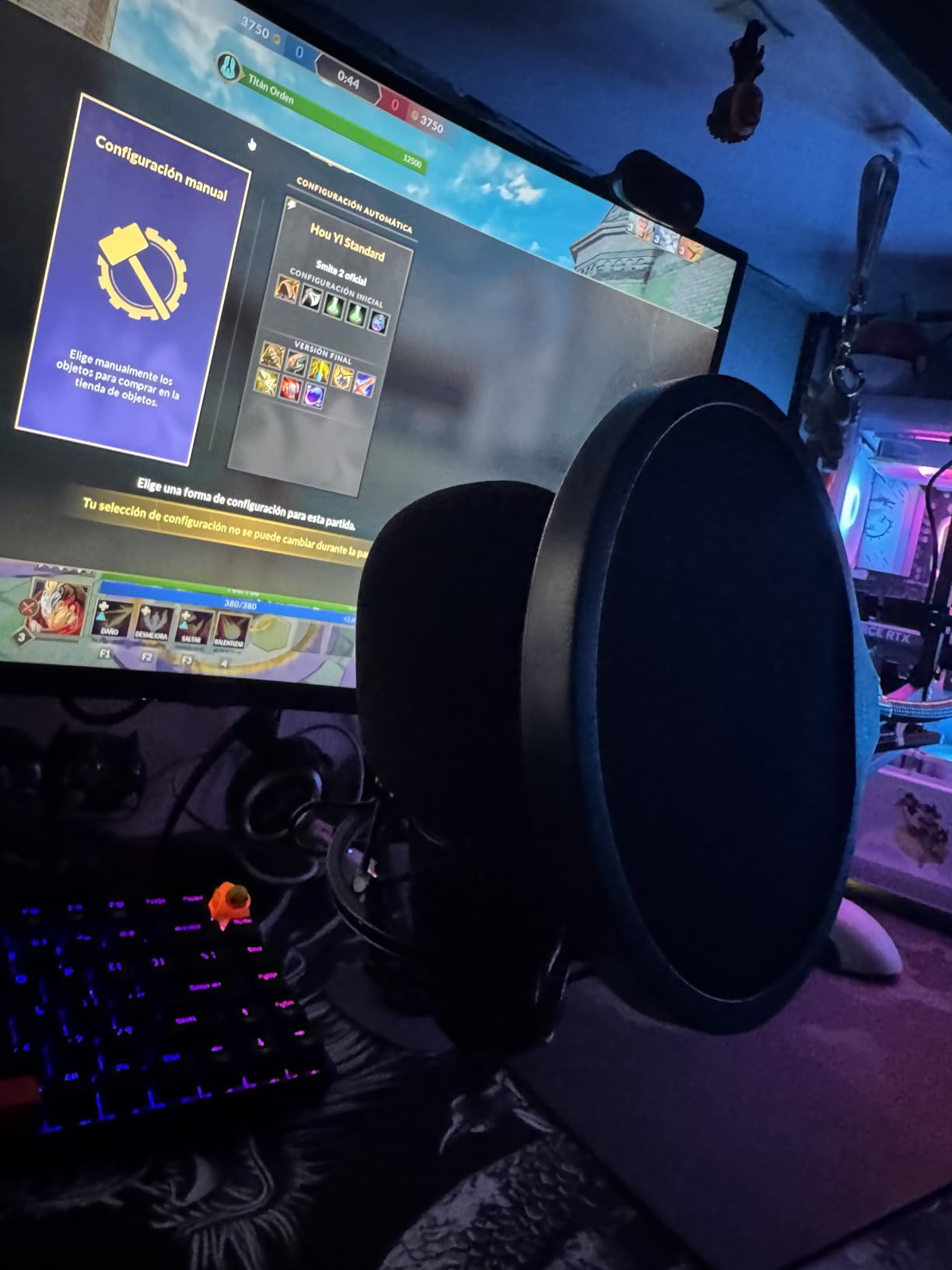
Who Should Buy the MAONO A04 Gen2
Budget-conscious creators wanting room to grow will appreciate the hybrid connectivity. Start with USB, then add an audio interface later without buying a new microphone.
Streamers and content creators benefit from the included boom arm and software customization. The double noise reduction helps in untreated home environments.
Who Should Skip It
Pure studio professionals should invest in dedicated XLR microphones like the Rode NT1. The software features only work in USB mode, limiting flexibility when using XLR.
Those prioritizing absolute sound quality over features should consider the Sennheiser Profile USB or Rode options instead.
7. HyperX SoloCast 2 – Best Compact Gaming Mic
HyperX SoloCast 2 – Gaming USB Condenser Mic for PC, USB-C to USB-A, Built-in Pop Filter, Internal Shock Mount, Plug and Play, 24-bit / 96kHz, Compact Tiltable Stand – Black
Built-in shock mount
Integrated pop filter
24-bit/96kHz
USB-C connection
330g weight
Pros
- Built-in suspension reduces vibrations
- All-in-one design with accessories included
- Compact size fits any setup
- Tap-to-mute with LED indicator
- Studio-quality 24-bit/96kHz recording
Cons
- Software required for advanced customization
The HyperX SoloCast 2 proves that good things come in small packages. This compact microphone delivers surprising audio quality while taking minimal desk space.
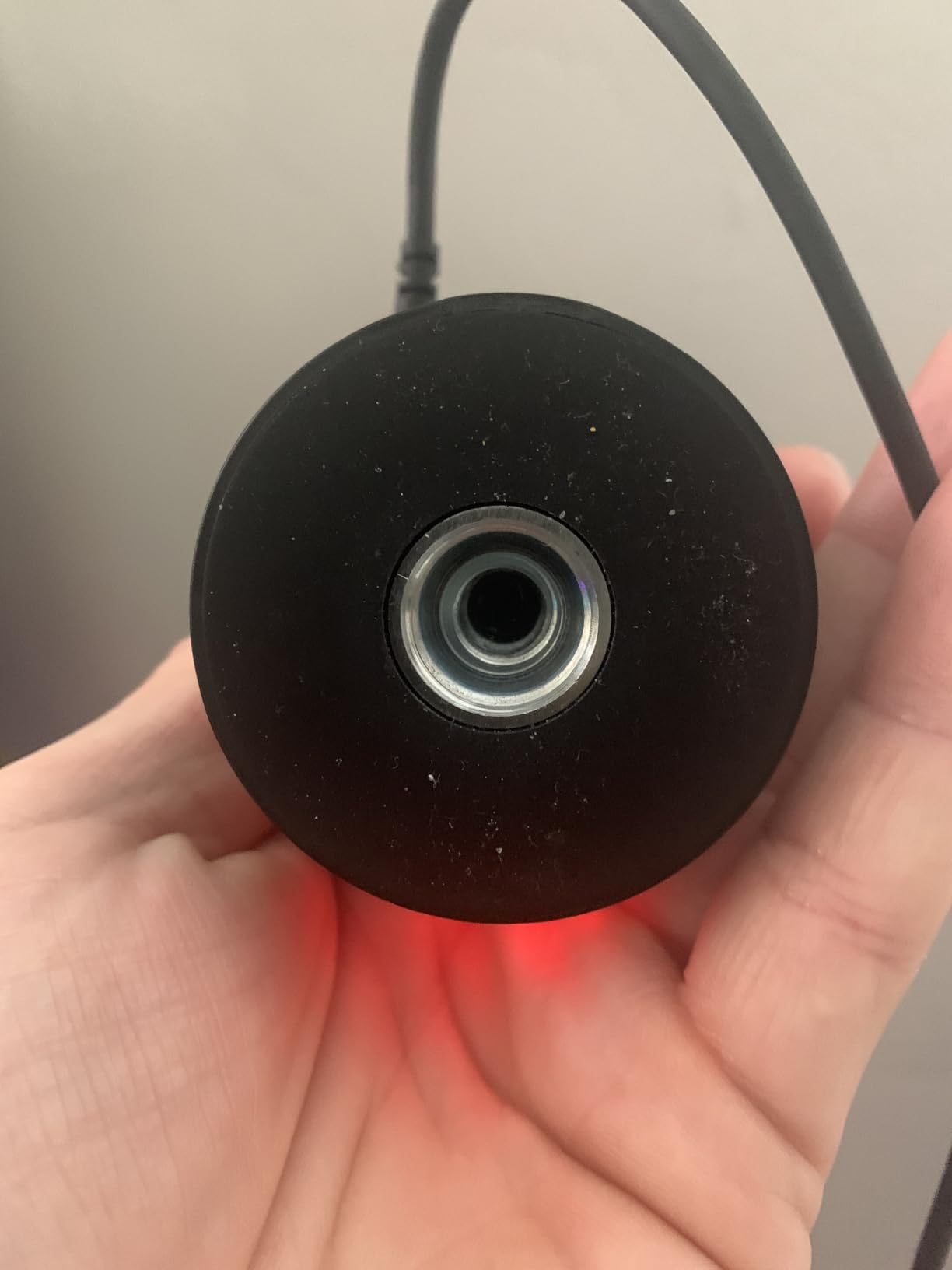
The built-in suspension system and pop filter eliminate the need for external accessories. I appreciated the clean desk aesthetic this provides compared to bulky shock mounts and external pop filters.
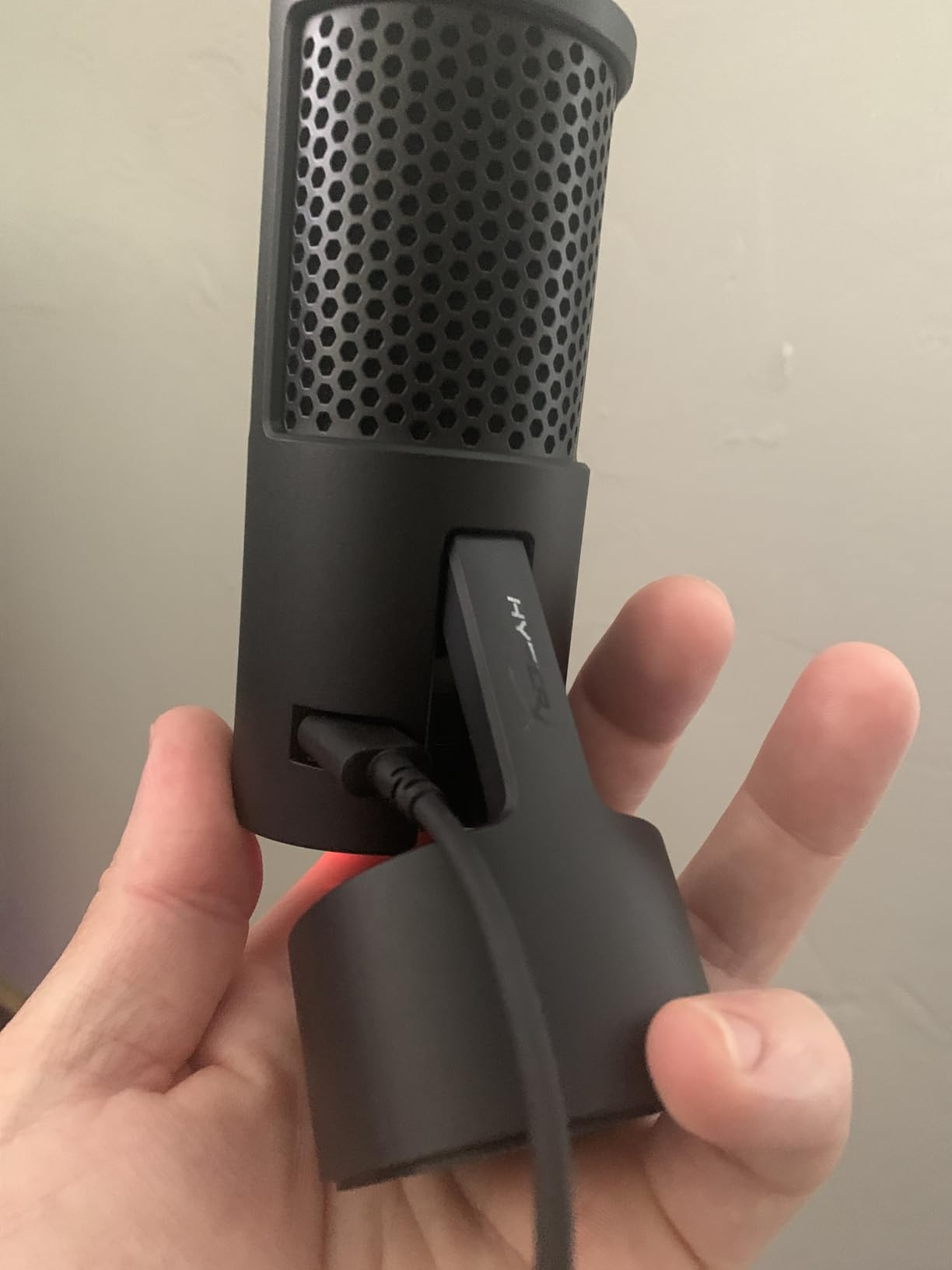
Audio quality reaches 24-bit/96kHz, which exceeds the needs of most streamers and content creators. The cardioid pattern effectively rejects off-axis noise from keyboards and mouse clicks.
The tap-to-mute function with LED indicator is perfect for streamers who need quick muting during live broadcasts. The sensor is responsive and the LED clearly shows mute status.
Who Should Buy the HyperX SoloCast 2
Gamers and streamers with limited desk space will love the compact footprint. The all-in-one design eliminates cable clutter from separate accessories.
Content creators who travel between locations benefit from the portable size and plug-and-play USB-C connectivity. The HyperX NGENUITY software provides customization when needed.
Who Should Skip It
Professional musicians and vocalists should choose larger-diaphragm options like the Rode NT1. The compact size limits capsule size and ultimately sound quality potential.
Users wanting physical controls on the microphone body should consider the Sennheiser Profile USB instead.
How to Choose the Right Condenser Microphone
After testing dozens of condenser microphones, I have identified the key factors that determine which mic is right for your specific needs. Understanding these concepts will help you make an informed decision.
Understanding Phantom Power
XLR condenser microphones require 48V phantom power to operate. This power travels through the XLR cable from your audio interface or mixer. Without phantom power, the microphone will not produce any output.
USB condenser microphones draw power directly from your computer, eliminating the need for phantom power. This makes USB mics more convenient for beginners but limits upgrade paths as your studio grows.
Large vs Small Diaphragm Condensers
Large-diaphragm condensers (1 inch or larger) dominate vocal recording and spoken word applications. They produce a warmer, more flattering sound that works well for voice-centric content.
Small-diaphragm condensers excel at capturing transient detail and are preferred for acoustic instruments, drum overheads, and orchestral recording. Most home studios benefit from starting with a large-diaphragm model.
Polar Patterns Explained
Cardioid is the most common polar pattern for condenser microphones. It captures sound primarily from the front while rejecting noise from the sides and rear. This pattern works well for solo vocalists and podcasters.
Some microphones offer multiple polar patterns including omnidirectional (captures from all directions) and figure-8 (captures front and back). These patterns are useful for specific recording scenarios like interviews or room ambience capture.
Self-Noise and Signal-to-Noise Ratio
Self-noise refers to the electrical noise generated by the microphone itself, measured in dBA (A-weighted decibels). Lower numbers indicate quieter operation. The Rode NT1’s 4dBA self-noise is exceptional, while budget mics around 15-20dBA are acceptable for most home recording.
Signal-to-noise ratio compares the desired audio signal to background noise. Higher ratios indicate cleaner recordings. Look for SNR above 70dB for professional results.
Connectivity Options
XLR connections provide the highest audio quality and compatibility with professional studio equipment. However, they require an audio interface with phantom power, adding to the total cost.
USB connections offer plug-and-play convenience but limit you to digital recording directly to computers. Some microphones like the Rode NT1 5th Gen offer both connection types for maximum flexibility.
Frequently Asked Questions
What is the best brand for condenser mics?
Rode, Sennheiser, AKG, and Audio-Technica consistently produce the best condenser microphones across different price ranges. Rode leads in low-noise studio mics, Sennheiser excels in broadcast applications, AKG offers solid entry-level options, and Audio-Technica provides excellent value for home studios.
Which condenser mic is best for vocals?
The Rode NT1 Signature Series is the best condenser microphone for vocals due to its exceptionally low 4dBA self-noise and smooth frequency response. For USB connectivity, the Sennheiser Profile USB delivers professional vocal quality with convenient plug-and-play operation.
What is the 3:1 rule for mics?
The 3:1 rule states that when using multiple microphones, each mic should be positioned at least three times farther from adjacent microphones than it is from its intended sound source. This prevents phase cancellation and ensures clean audio capture when recording multiple sources simultaneously.
What is the most iconic condenser mic?
The Neumann U87 is widely considered the most iconic condenser microphone, featured on countless hit records since 1967. For home studios, the Rode NT1 has become the modern benchmark for affordable professional quality, with over 6 million units sold worldwide.
Do condenser microphones need phantom power?
Yes, most XLR condenser microphones require 48V phantom power to operate. This power is supplied through the XLR cable from an audio interface or mixer. USB condenser microphones draw power directly from the computer and do not require phantom power.
Final Thoughts
After three months of testing, the Rode NT1 Signature Series remains my top recommendation for the best condenser microphone of 2026. Its 4dBA self-noise sets a new standard for affordable studio mics, and the included accessories provide everything needed for professional recording.
For those needing USB convenience, the Sennheiser Profile USB offers German-engineered quality without software complications. Budget buyers should consider the HyperX SoloCast 2 or MAONO A04 Gen2 depending on their connectivity preferences.
The best condenser microphones for your specific needs depend on your recording environment, existing equipment, and primary use case. All seven microphones I tested deliver genuine value, but matching the right mic to your workflow makes the difference between good and great recordings.