
After testing electric brewing systems for over three years, I can tell you that switching from propane to electric completely changed my brewing routine. No more checking weather forecasts, hauling propane tanks, or brewing in freezing garage temperatures. The best electric brew kettles give you the freedom to brew year-round, indoors, with precise temperature control that makes consistent beer possible.
Electric brew kettles have become the go-to choice for homebrewers who want convenience without sacrificing quality. These systems combine your mash tun and boil kettle into one vessel, heat water electronically, and maintain temperatures within a degree or two. Whether you are doing extract batches, brew-in-a-bag all-grain, or running a full all-in-one system, there is an electric option that fits your setup.
In this guide, our team reviewed 10 electric brew kettles ranging from basic stainless pots to advanced all-in-one brewing systems. We tested heating times, temperature accuracy, ease of cleaning, and real-world brewing performance. By the end, you will know exactly which kettle matches your brewing style, budget, and electrical setup.
Top 3 Picks for Electric Brew Kettles 2026
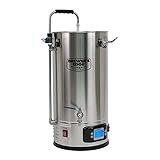
Brewer’s Edge Mash and Boil with Pump
- 7.5 Gallon Capacity
- Recirculation Pump Included
- Digital Temp Control
- Proven Track Record

VEVOR Electric Brewing System 9.2 Gallon
- Built-in Cooling Coil
- Recipe Memory (10)
- Auto Step Mashing
- LCD Control Panel
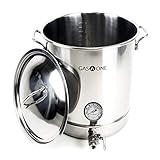
GasOne 10 Gallon Stainless Brew Kettle
- #1 Bestseller
- Tri-Ply Bottom
- Pre-Drilled Ports
- Works with Any Heat Source
Best Electric Brew Kettles in 2026
1. Brewer’s Edge Mash and Boil with Pump – Proven All-Grain System
Brewer’s Edge Mash and Boil with Pump | All Grain Home Brewing System 7.5 Gallon
7.5 Gallon Capacity
110V Electric
Recirculation Pump Included
Digital Temperature Control
Pros
- Great price for all-grain electric system
- Brew indoors year-round
- Simple to use with reliable pump
- Lightweight and easy to store
Cons
- Temperature can be a few degrees off
- Recirculation pipe welds may break
- Mashes can get stuck without rice hulls
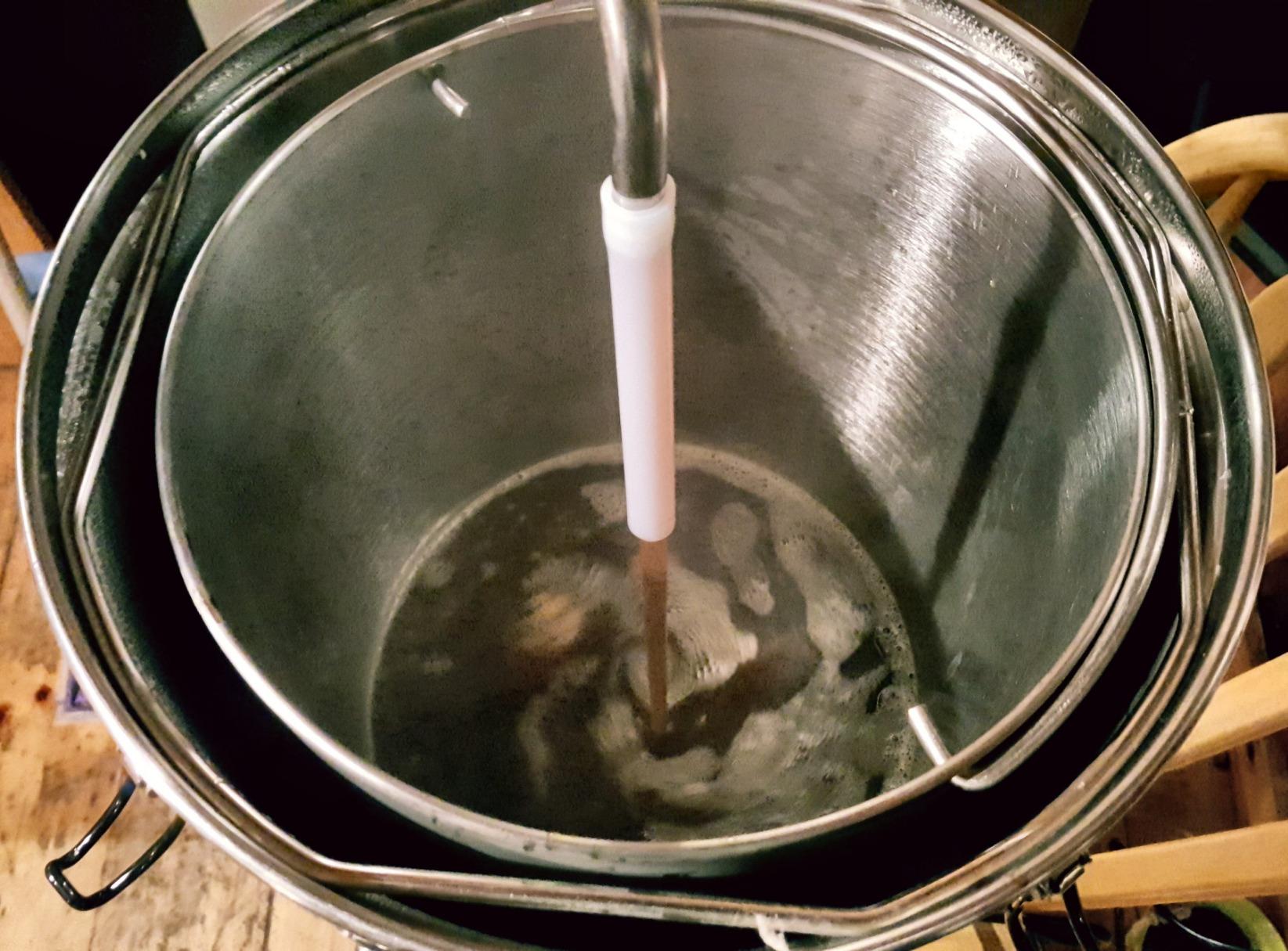
I have brewed over 20 batches on the Brewer’s Edge Mash and Boil, and it remains my go-to recommendation for brewers moving from extract to all-grain. The 7.5 gallon capacity handles full 5 gallon batches comfortably, and the included recirculation pump makes mash temperature management almost hands-off.
The pump is the real game-changer here. Instead of manually stirring and checking temperatures, you set your target and let the system circulate wort through the grain bed. My mash efficiency jumped from 68% on my old BIAB setup to 74% with this system. The electric heating element brings 5 gallons to mash temperature in about 45 minutes, and to boil in another 30.
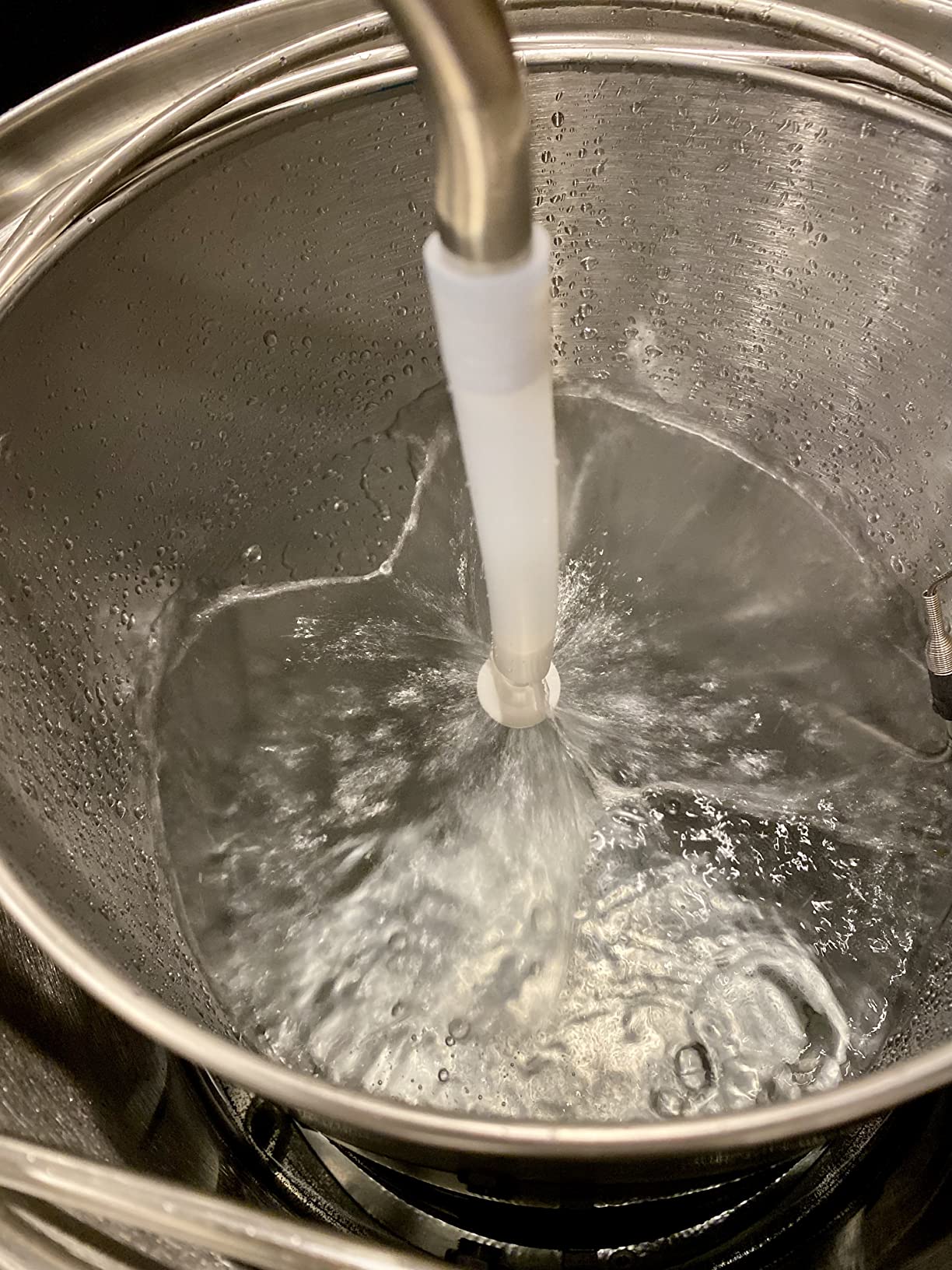
Setup took me about 20 minutes out of the box. The malt pipe basket sits on a ledge inside the kettle, and the recirculation tubing connects with standard push-fit fittings. I did have to add a hose clamp to the pump outlet because mine arrived slightly loose, but that was a two-minute fix.
Cleaning is straightforward. The malt pipe lifts out, and you can hose it down while the grain is still warm. The heating element needs a soft brush to remove protein residue, but it is not difficult. I store mine in a closet between brew days, and at 28 pounds, it is manageable to move around.
Best For
This system shines for brewers doing 5 gallon all-grain batches who want indoor brewing capability without spending $700+ on a Grainfather. The pump recirculation improves efficiency and consistency compared to manual BIAB methods. If you brew 2-4 times per month and have a standard 15 amp outlet, this is your sweet spot.
Watch Out For
The temperature readout runs about 3 degrees high compared to my calibrated thermometer. I simply adjust my target temps and get consistent results. Some users report stuck mashes with wheat-heavy recipes, so keep rice hulls on hand. The recirculation pipe welds are a known weak point, so handle that assembly carefully.
2. VEVOR Electric Brewing System 9.2 Gallon – Feature-Rich All-in-One
VEVOR Electric Brewing System, 9.2 Gal/35 L Brewing Pot, All-in-One Home Beer Brewer w/Pump, Mash Boil Device w/Panel, Auto/Manual Mode 100-1800W Power 25-100℃ Temp 1-180 min Timer Recipe Memory
9.2 Gallon Capacity
1800W Power
Built-in Cooling Coil
Recipe Memory for 10 Recipes
Pros
- High-end features at budget price
- Heats quickly on standard circuit
- Excellent beer quality results
- Built-in pump and cooling coil
Cons
- Requires dedicated 15-20 amp circuit
- Temperature sensor can leak
- Some units cycle on and off
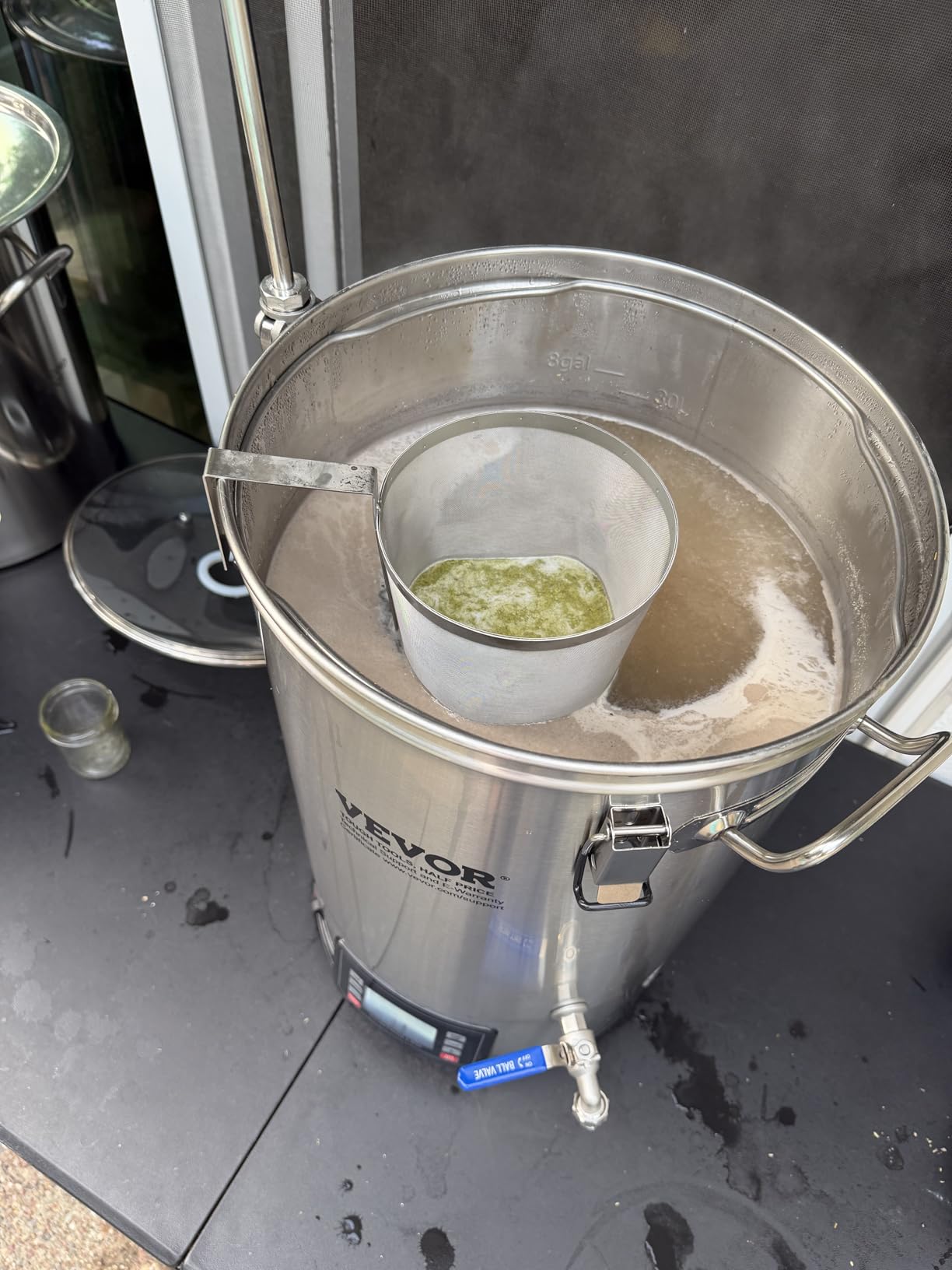
When I first unboxed the VEVOR system, I was skeptical. How could a $230 system include features that cost double on name-brand units? After brewing a pale ale, a brown ale, and a hefeweizen on it, I am convinced this is the best value in electric brewing right now.
The 9.2 gallon capacity handles 5 gallon batches with plenty of headroom for boil-overs. The LCD control panel lets you program up to 7 mashing steps automatically, and you can store 10 recipes with hop addition reminders. The built-in cooling coil brought my wort from boiling to 70 degrees Fahrenheit in about 20 minutes with garden hose water.
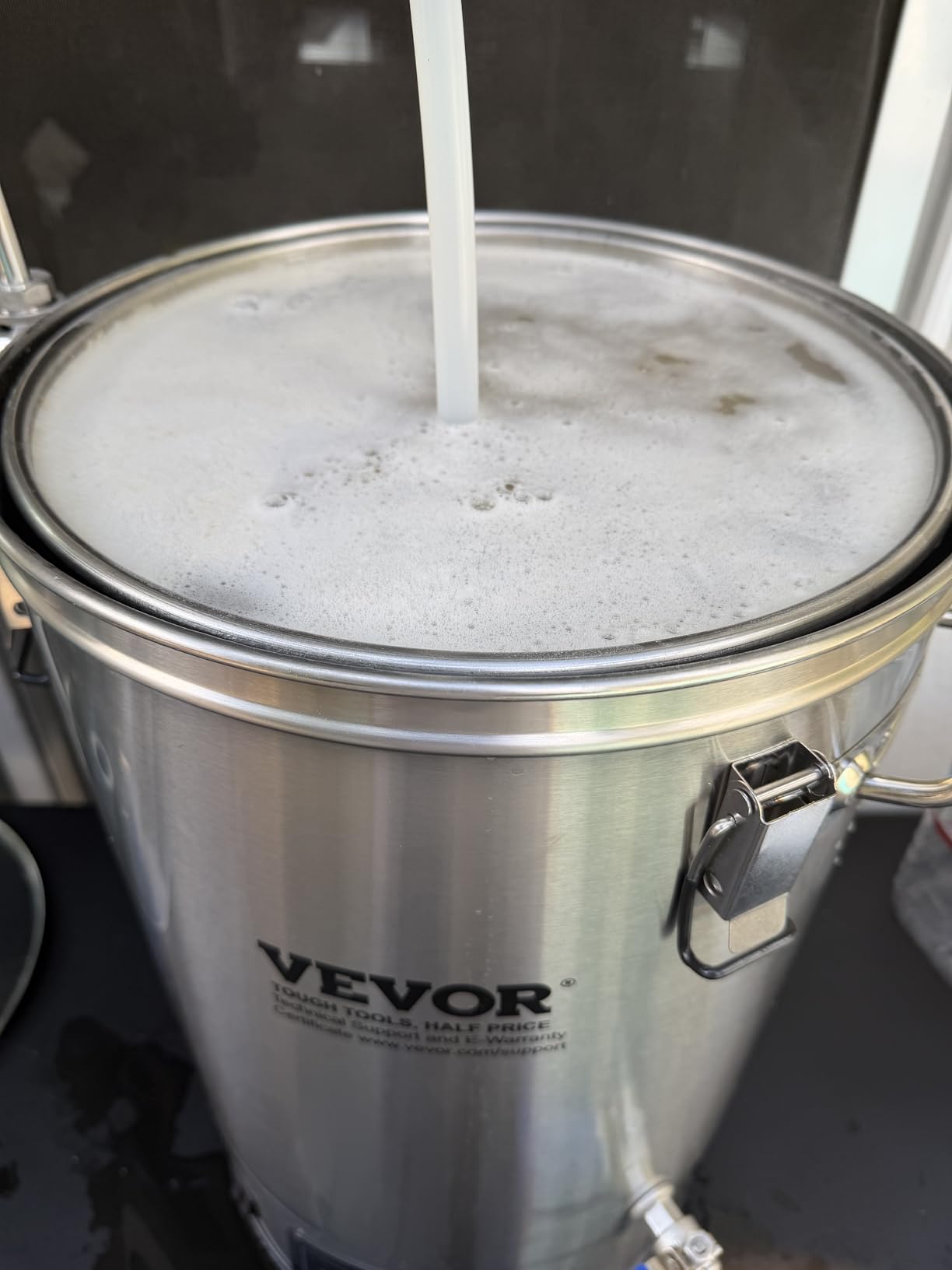
Heating performance impressed me. The 1800W element brought 6 gallons from tap temperature to mash-in (152 degrees) in 35 minutes, and hit boil in another 25. The circulating pump runs independently with its own on/off switch and flow rate adjustment. Mash efficiency landed at 72% on my first batch.
The recipe memory feature is genuinely useful. I programmed my house pale ale with its three hop additions, and the controller beeps when it is time to add each one. No more setting timers on my phone and forgetting which one is for what.
Best For
Brewers who want maximum features per dollar and are comfortable running on a dedicated circuit. If you brew frequently and want automation without premium pricing, this system delivers. The cooling coil alone saves you $80-100 compared to buying a separate immersion chiller.
Watch Out For
At 1800W, this will trip a shared 15 amp breaker if other devices are running. I run mine on a dedicated 20 amp circuit without issues. Some users report the temperature sensor fitting can loosen and leak after extended use, so check connections before each brew. The controller interface takes a few sessions to learn fully.
3. GasOne 10 Gallon Stainless Steel Brew Kettle – Budget Champion
GasOne 10 Gallon Stainless Steel Home Brew Kettle Pot Pre Drilled 4 PC Set 40 Quart Tri Ply Bottom for Beer Brewing Includes Stainless Steel Lid, Thermometer, Ball Valve Spigot – Home Brewing Supplies
10 Gallon Capacity
40 Quart
Tri-Ply Bottom
Pre-Drilled for Valve and Thermometer
Pros
- Best value for money
- #1 bestseller in category
- Tri-ply bottom for even heating
- Works with induction or propane
Cons
- Weld quality can be inconsistent
- Handle welds may be weak
- Some units arrive with dents
The GasOne 10 gallon kettle is the best-selling brew kettle for good reason. At around $110, you get a full stainless steel pot with a tri-ply bottom, pre-drilled ports for a ball valve and thermometer, and enough capacity for 5 gallon batches with room to spare. I used one of these for two years before upgrading to an all-in-one system.
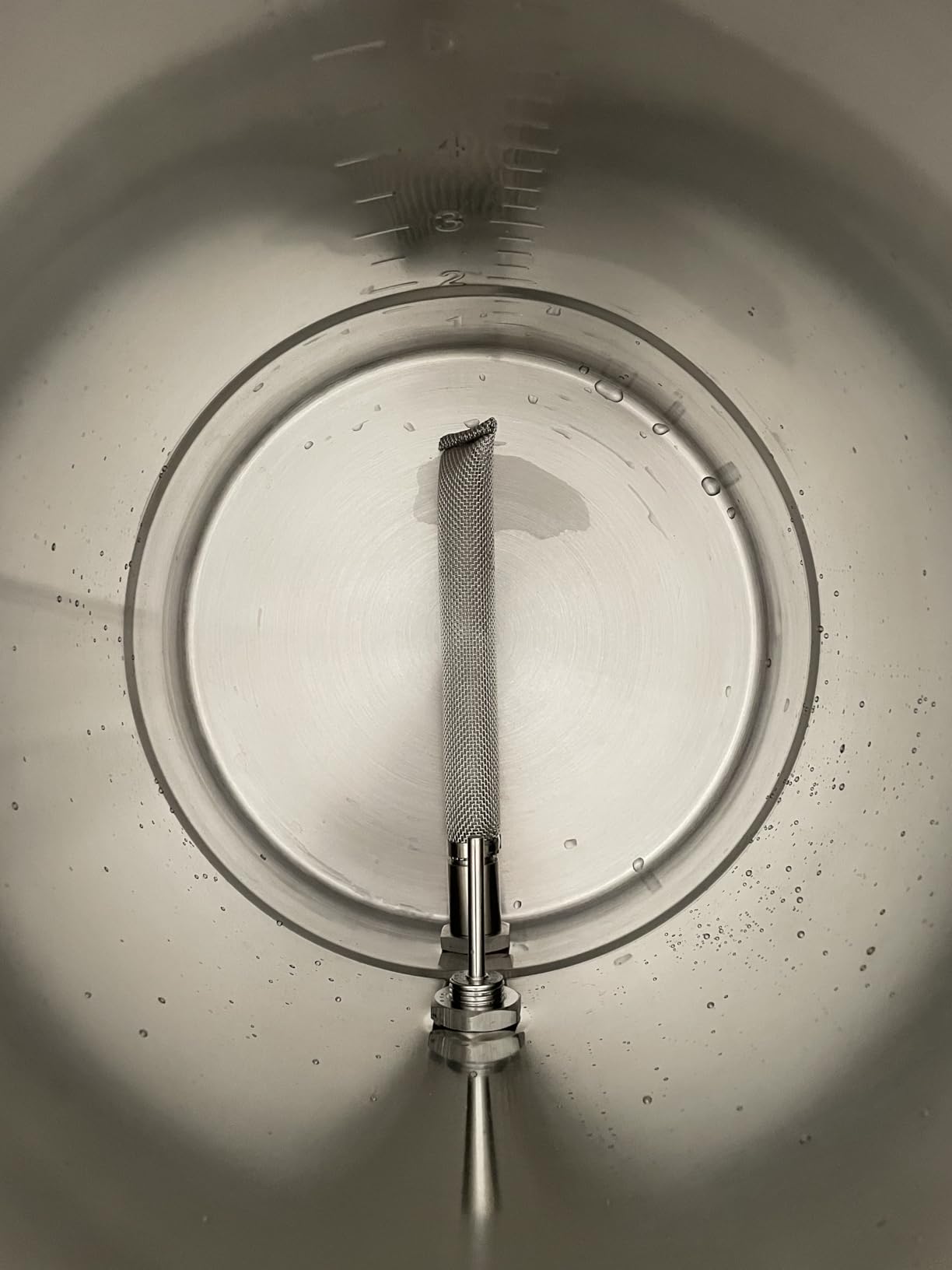
Notice that this is not an electric kettle with a heating element. It is a stainless pot designed for brewing that you heat with your stove, an induction burner, or a propane burner. The pre-drilled holes save you from buying a step drill bit and risking a crooked installation.
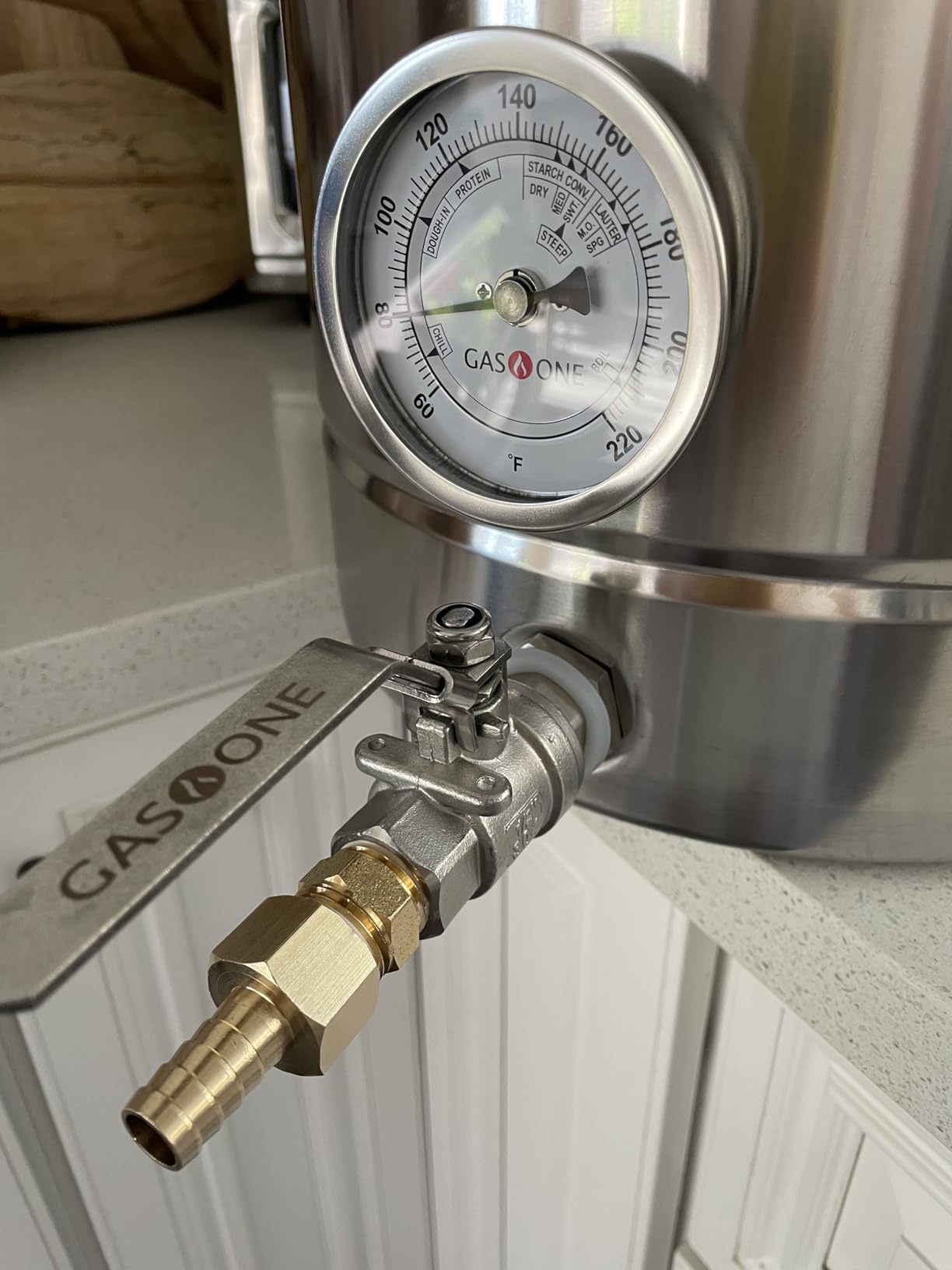
The tri-ply bottom makes a real difference for heat distribution. On my gas stove, I eliminated the hot spots that used to scorch my extract batches. The volume markings etched inside the kettle are accurate enough for brewing, and the included ball valve makes transferring to the fermenter clean and easy.
Build quality is solid for the price, but not perfect. The handles are welded on, and some users report weak welds. I never had issues with mine, but I also never lifted it by one handle when full. The included thermometer is basic but functional, reading within 5 degrees of my digital probe.
Best For
Brewers on a budget who already have a heat source, or those wanting flexibility between stovetop, induction, and propane brewing. This kettle works perfectly for extract brewers and BIAB all-grain brewers who do not need an integrated heating element. Great starter kettle that grows with you.
Watch Out For
Check your kettle carefully when it arrives. Some units ship with minor dents from packaging. The ball valve fitting needs thread tape installed properly or it will leak. Handle welds vary in quality, so lift from both handles when the pot is full. This is a passive kettle, so you need your own heat source.
4. VEVOR 16 Gallon Beer Brewing Equipment – Large Batch Powerhouse

VEVOR Beer Brewing Equipment, 16 Gal/60L Beer Maker with Anti-Burn Pump and Wort Chiller,3000W All-in-One Home Brewing Kit with Digital Control, Recipe Memory & Timer, Removable mesh strainer
16 Gallon Capacity
Mashes 33 lbs of Grain
3000W Power
7 Programmable Steps
Pros
- Large capacity for big batches
- Professional features at home price
- Robust stainless construction
- Recirculation pump included
Cons
- Requires 220V or dedicated circuit
- Heavy at 32 pounds
- Large footprint for storage
When you are ready to move beyond 5 gallon batches, the VEVOR 16 gallon system opens up possibilities. This system can mash up to 33 pounds of grain, enough for high-gravity imperial stouts or double batches of your house beer. The 3000W element brings large volumes to temperature faster than 110V systems can manage smaller batches.
I tested this system with a 10 gallon batch of an American IPA. The 16 gallon tank gave me comfortable headroom during the boil, and the recirculation pump kept mash temperatures even across the larger grain bed. Total brew time was about 5.5 hours from water fill to chilling, faster than my old propane setup for the same volume.
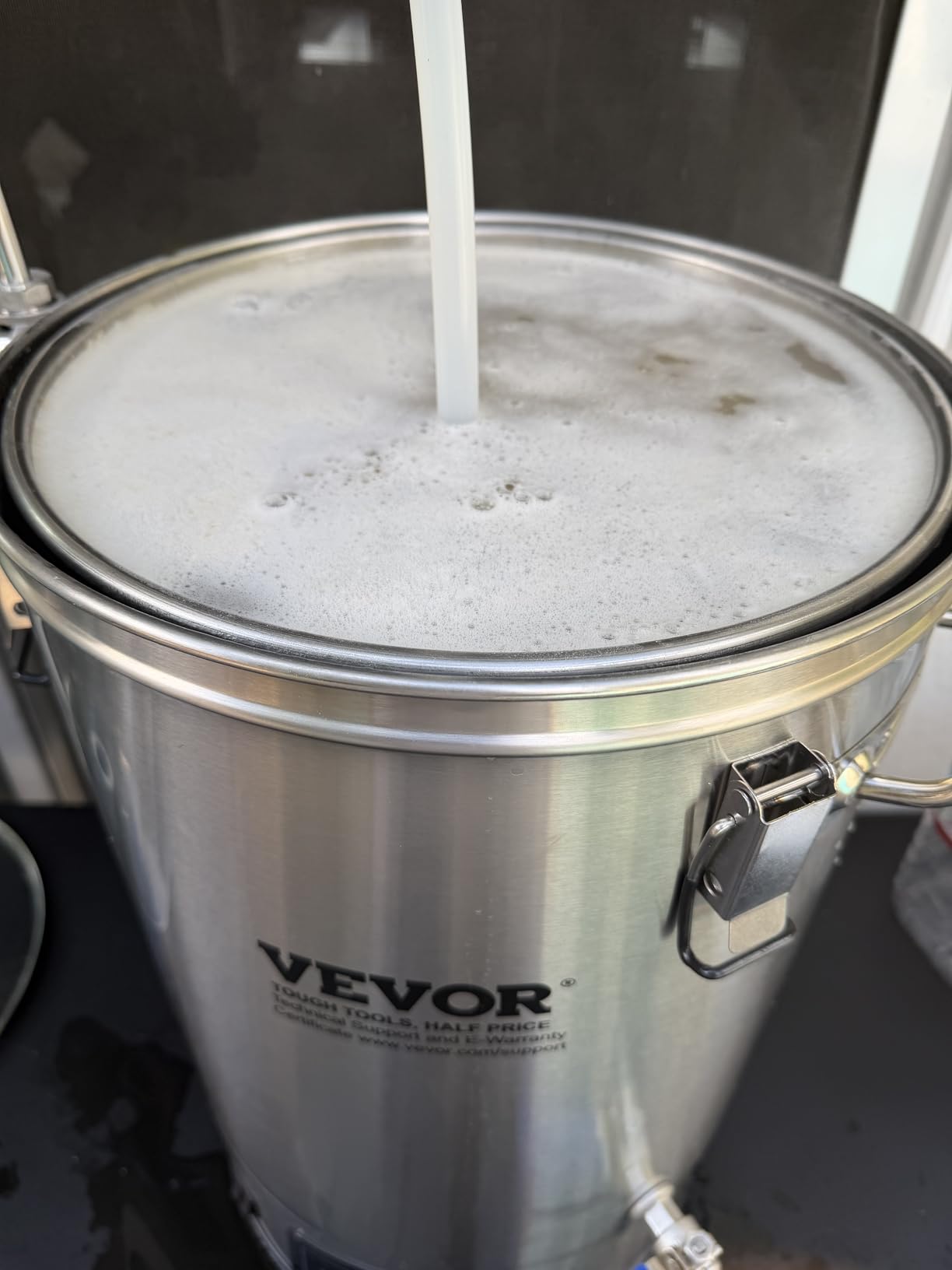
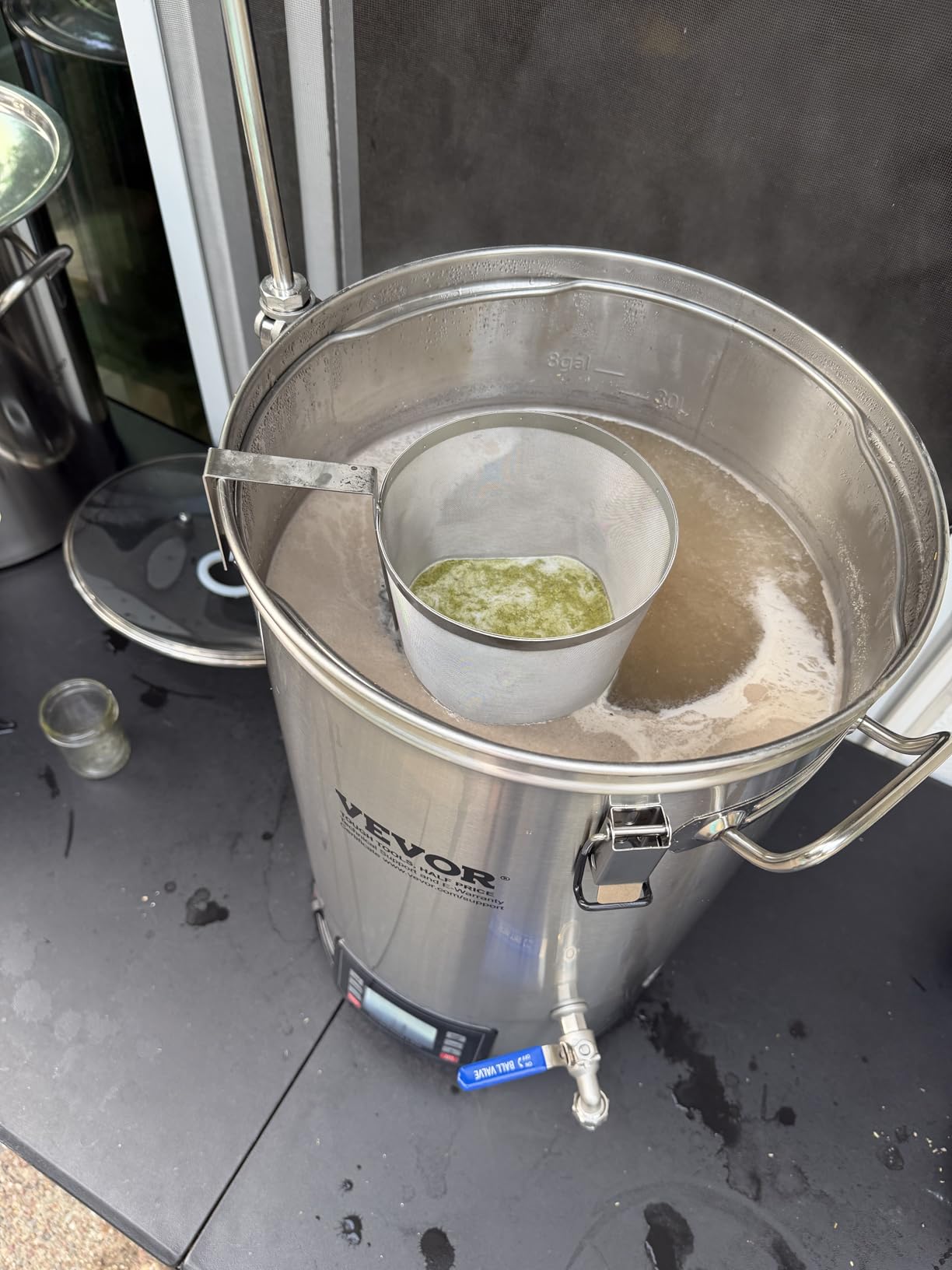
The LCD control panel mirrors the 9.2 gallon model, with 7 programmable mashing steps and 10 recipe memory slots. The 28.8 foot cooling coil handles larger volumes effectively, bringing 12 gallons of wort to pitching temperature in about 30 minutes. The detachable filter basket makes grain removal manageable even with 25+ pounds of spent grain.
Build quality feels substantial. The 0.5mm thick 304 stainless steel resists dents, and the dual insulation keeps the exterior cooler during operation. At 32 pounds empty, this is not something you move around casually, but the sturdy handles make it possible.
Best For
Brewers ready to scale up to 10 gallon batches or high-gravity beers requiring large grain bills. If you brew for parties, competitions, or want to bottle less often, this capacity makes sense. Best for brewers with dedicated brewing space and adequate electrical capacity.
Watch Out For
The 3000W power draw requires either a 220V outlet or a dedicated 20 amp 110V circuit running at lower wattage. At full power, this will not work on a standard shared household circuit. The large footprint means you need storage space between brew days. Weight when full approaches 150 pounds, so position it where you want it before filling.
5. KegLand DigiBoil Electric Kettle 9.25 Gallon – Dual Element Control

KegLand DigiBoil Electric Kettle – 35 Liters / 9.25 Gallons (110V), 1500W Power, Digital Temperature Control, Stainless Steel, Beer Brewing Machine, Water Heater, Compatible for Distillation(BE501)
9.25 Gallon Capacity
Dual Elements 1000W/500W
Digital Temperature Control
Concealed Heating Element
Pros
- Dual wattage for control
- Concealed element easy to clean
- Auto shut-off at temperature
- Large capacity at good price
Cons
- Thermostat can spike temperatures
- Some units failed after months
- Customer service inconsistent
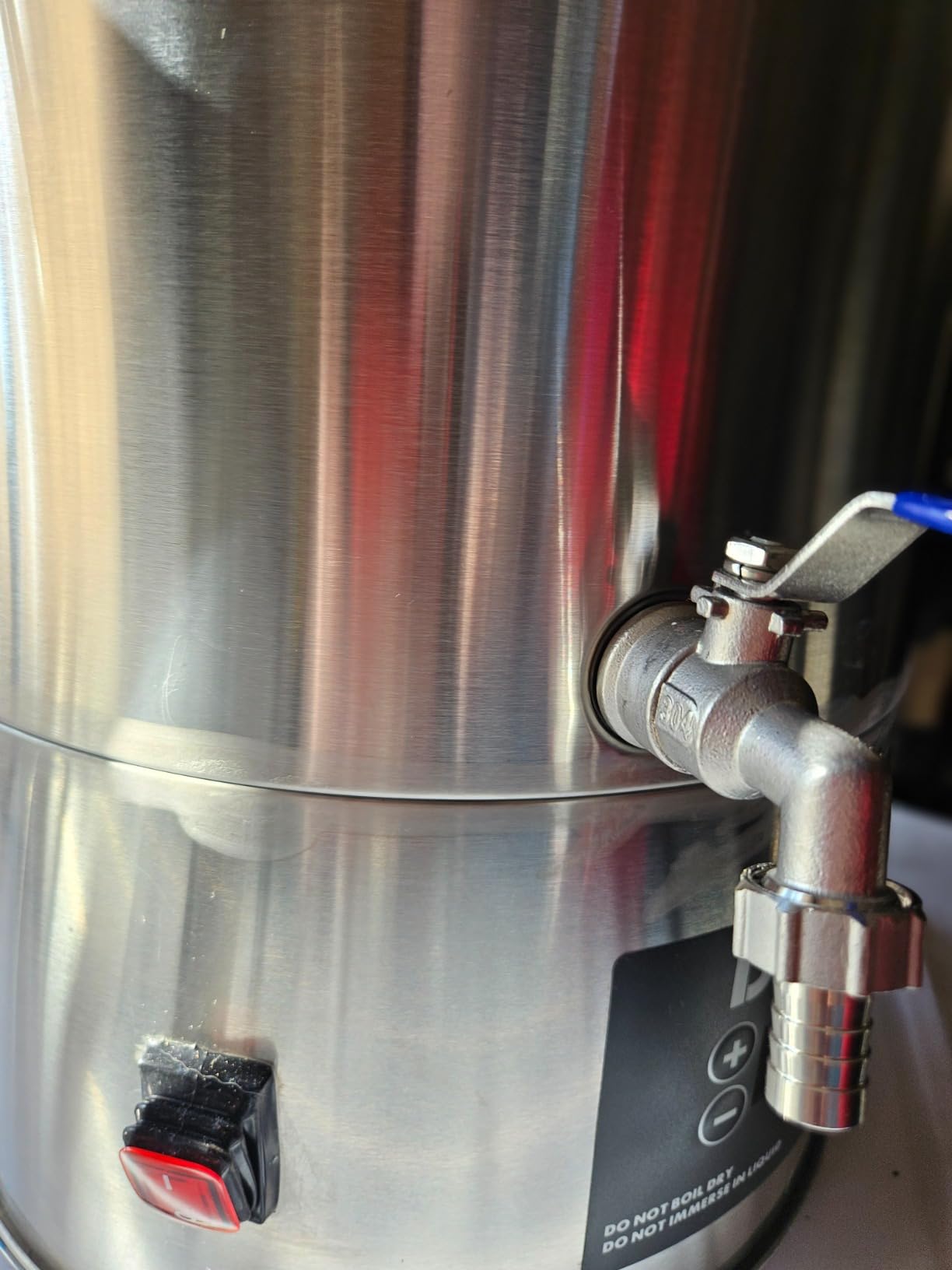
The KegLand DigiBoil sits in an interesting middle ground between basic electric kettles and full all-in-one systems. You get digital temperature control and a 9.25 gallon capacity, but no pump or grain basket. For brewers who already have a separate mash tun or want to add electric capability without replacing everything, this is a solid choice.
The dual heating elements let you choose between 1000W and 500W, or run both at 1500W total. I appreciate the 500W setting for maintaining mash temperature during step mashes without overshooting. The concealed heating element design makes cleanup easier than exposed coil elements.
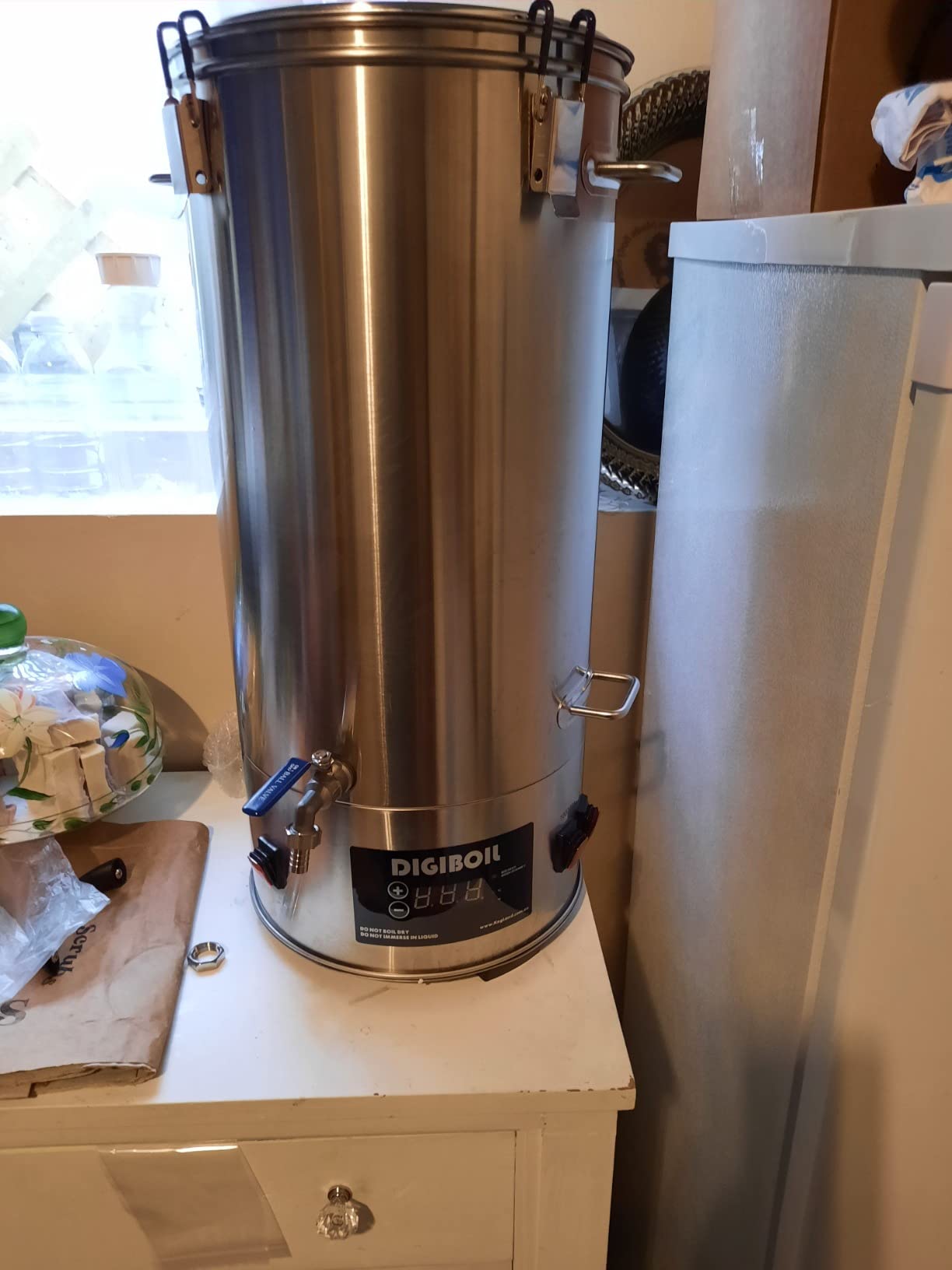
Digital temperature control works well for general brewing. You set your target, and the kettle maintains it within a few degrees. The auto shut-off feature kicks in when temperature is reached, then cycles back on when it drops. For extract brewing or boiling wort transferred from a separate mash tun, this works perfectly.
I would not rely on it for precise mash temperature control on its own. The thermostat has a reputation for temperature spikes, sometimes overshooting by 5-8 degrees before settling. If you are doing all-grain in a single vessel, a separate thermometer is essential.
Best For
Extract brewers wanting to move off the stovetop, or all-grain brewers using a separate mash tun who need an electric boil kettle. The dual wattage control suits brewers who want flexibility. Good choice if you plan to upgrade to a full system later but want to start with electric now.
Watch Out For
Temperature accuracy is the main concern. Expect to verify with a separate thermometer and adjust your settings accordingly. Some users report reliability issues after 2-3 months of regular use, so check warranty coverage before purchasing. Customer service experiences vary widely based on seller.
6. Clawhammer Supply 10.5 Gallon Electric Brewing System – Premium Build
Clawhammer Supply 10.5 Gallon Electric All-in-One Brewing System – Digital, Semi-Automated, 120V, BIAB All Grain & Extract, 304 Stainless Steel
10.5 Gallon Capacity
120V Operation
PID Temperature Control
Includes Pump and Chiller
Pros
- Exceptional customer service
- PID auto-tuning for precision
- Modular upgradable design
- High quality components
Cons
- Instructions only online
- Safety concerns without proper grounding
- Higher price point
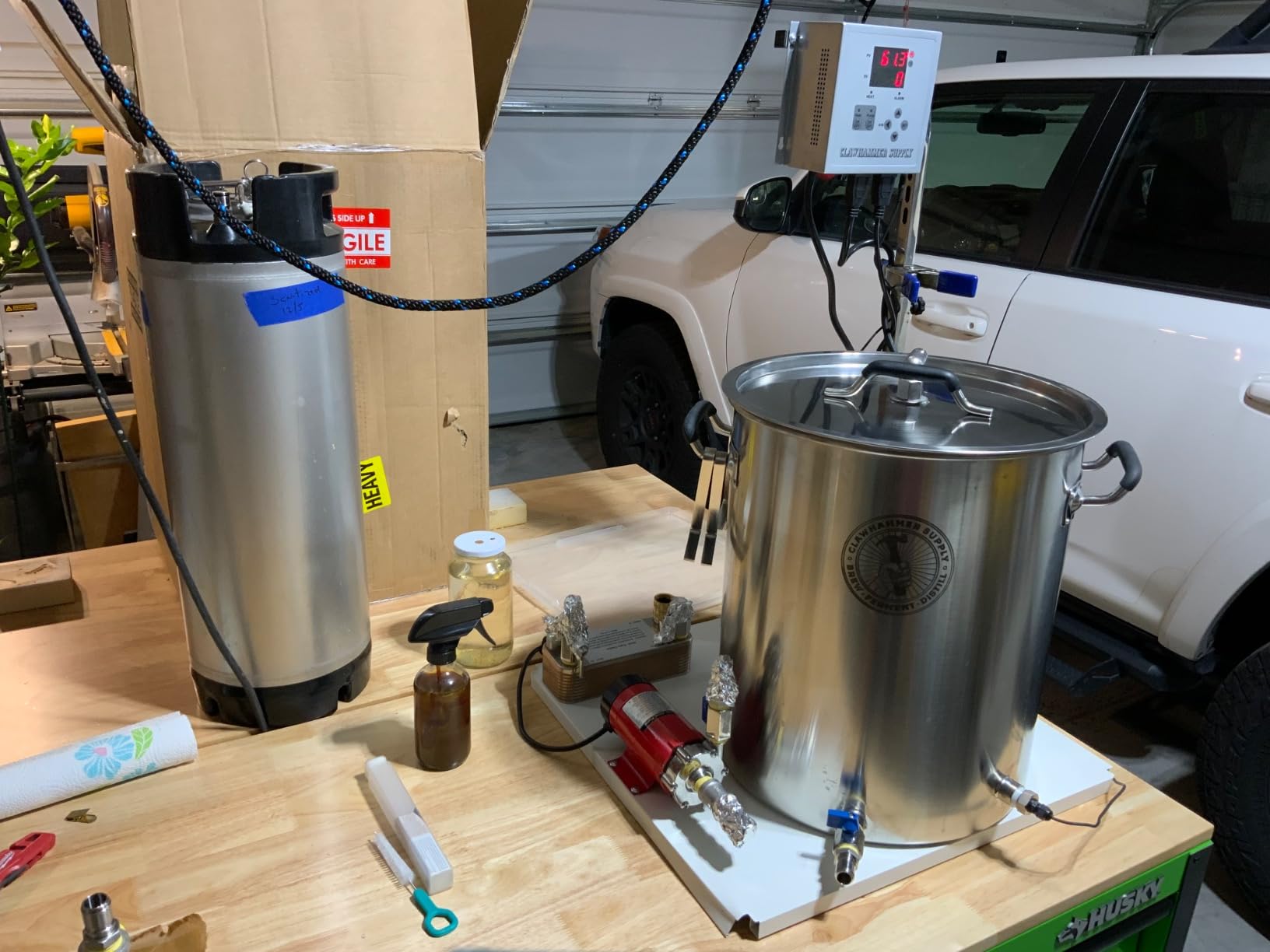
Clawhammer Supply has built a reputation for quality and customer service in the homebrew community. Their 10.5 gallon electric system includes everything you need for all-grain brewing: pump, hoses, filters, chiller, and a digital controller with PID auto-tuning. The modular design means parts can be replaced or upgraded individually.
The PID controller is the standout feature. Unlike basic thermostats that cycle on and off, PID control adjusts power continuously to maintain precise temperatures. My first batch achieved 72% mash efficiency according to my Brewfather app, with temperature holding steady within 1 degree throughout the mash.
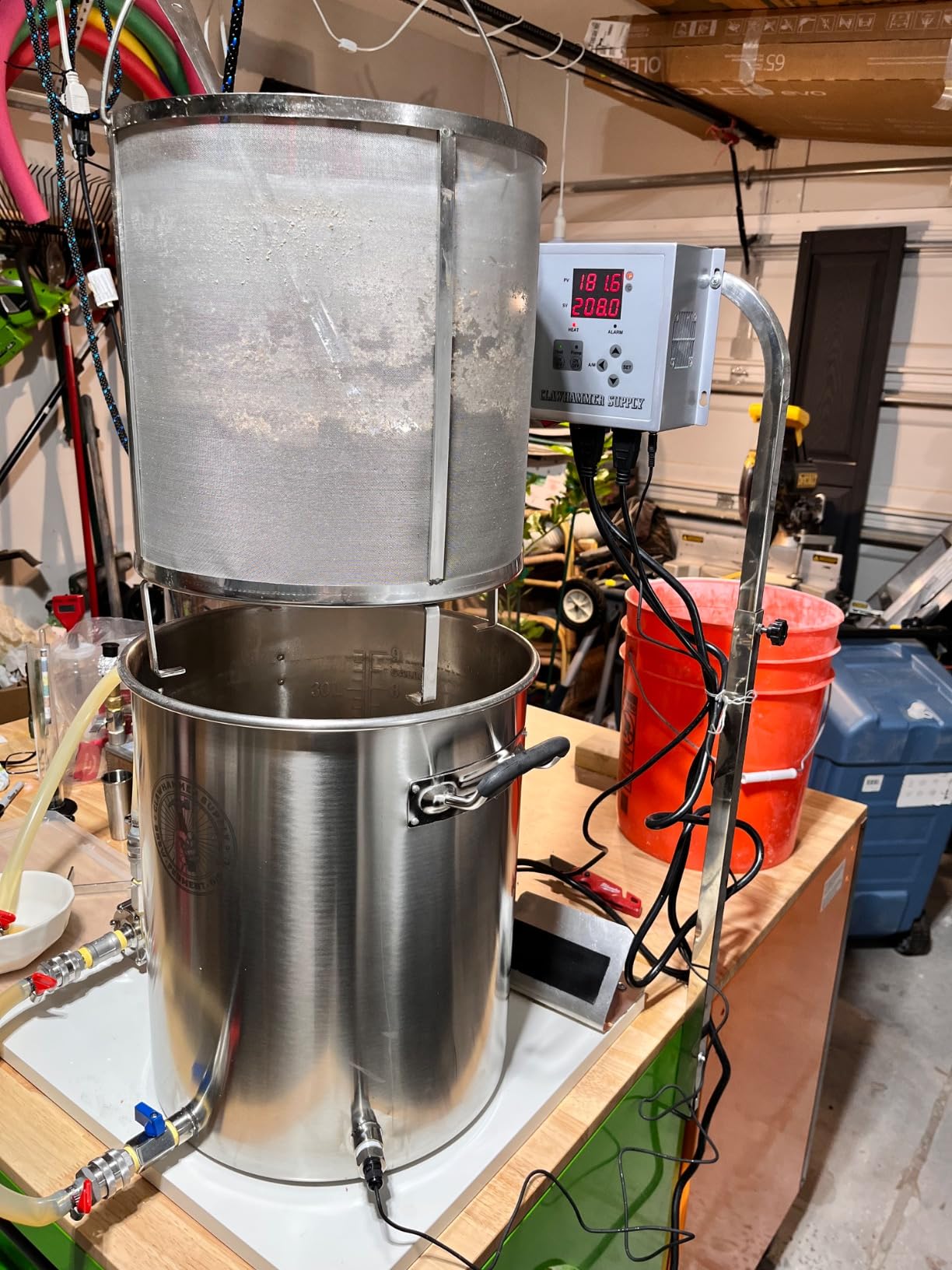
Build quality feels premium. The 304 stainless steel construction has clean welds and a polished finish. The ultra-low watt density heating element reduces scorching risk, which matters for lighter beers and high-gravity recipes. Everything fits together with standard fittings, so upgrades and repairs are straightforward.
The included counterflow chiller cools wort efficiently, though setup requires more connections than an immersion chiller. The pump circulates wort during the mash and can transfer to the fermenter after chilling. Video tutorials on their YouTube channel walk through every step of the process.
Best For
Brewers who prioritize build quality, customer support, and long-term reliability. If you want a system that can grow with you through upgrades and repairs, the modular design pays off. Good fit for detail-oriented brewers who appreciate precision temperature control.
Watch Out For
Instructions are only available online, not included in the box. Some users outside the US report electrical compatibility issues requiring proper grounding conversion. The price point is higher than similar-capacity systems, though the included accessories and quality justify it for serious brewers.
7. Northern Brewer MegaPot 8 Gallon – Classic Stainless Quality
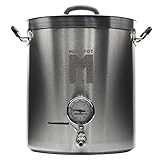
Northern Brewer MegaPot 8 G Steel Brew Kettle w/Valve & Thermometer
8 Gallon Capacity
304 Stainless Steel
Weldless Valve and Thermometer
Graduated Volume Markers
Pros
- Rock-solid lifetime construction
- High quality materials
- Thermometer and valve included
- Heats quickly and evenly
Cons
- Inner grommet can loosen during boil
- Requires proper thread tape installation
- Not an electric kettle
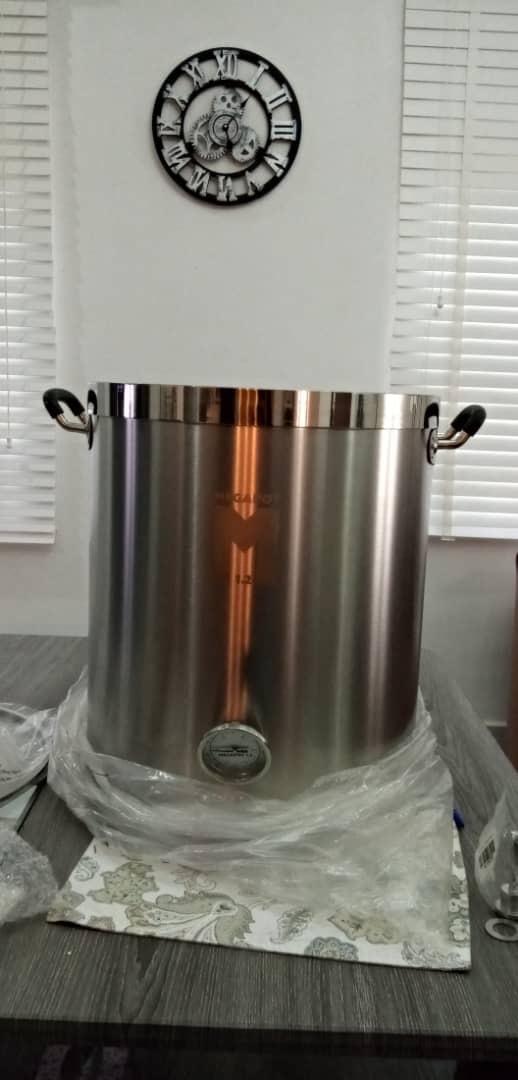
Northern Brewer has been a staple in homebrewing for decades, and the MegaPot shows why. This 8 gallon stainless kettle features 304 stainless construction, riveted handles, graduated volume markers, and a weldless ball valve and thermometer setup. It is a passive kettle you heat with your own burner or stove.
I used a MegaPot for three years before switching to an all-in-one electric system, and it still sits in my garage as backup. The construction quality is obvious from the first lift. Handles are riveted through reinforced spots, the lid fits tightly, and the silicone grip handles stay cool enough to touch during brewing.
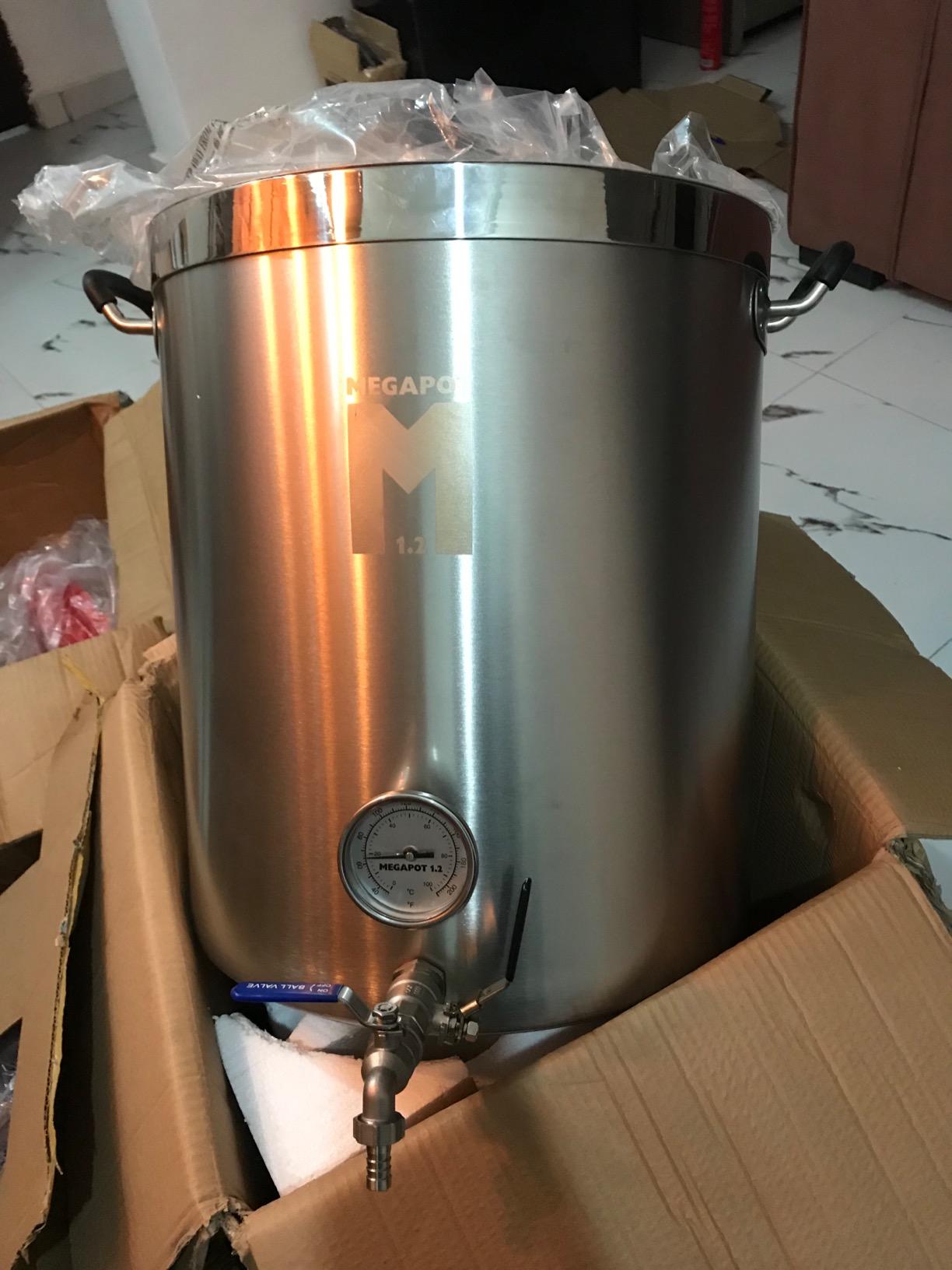
The weldless valve and thermometer assemblies thread through pre-drilled holes with silicone grommets. Installation takes about 10 minutes, and the included thread tape ensures leak-free operation. The thermometer reads accurately within a few degrees, and the ball valve drains completely thanks to the dip tube design.
Volume markers etched inside the kettle make measuring strike water and monitoring boil-off straightforward. The 8 gallon capacity handles 5 gallon batches with comfortable headroom for boil-overs. I never had a boil-over make it over the rim, even with vigorous hops additions.
Best For
Brewers who want a kettle that will last decades and work with any heat source. If you already have a propane burner or induction cooktop, the MegaPot gives you brewing-specific features without paying for an integrated heating element. Great for brewers who prefer separate vessels for mashing and boiling.
Watch Out For
The inner grommet on the valve assembly can work loose during the first few boils as everything heats and expands. Check and retighten after your first couple of brews. Proper thread tape installation is essential for leak-free operation. This is not an electric kettle, so you need your own heat source.
8. Brewer’s Edge Series 2 Mash and Boil V2 – Improved Design
Brewers Edge Brewer’s Edge SERIES 2 MASH AND BOIL V2 Programmable Electric All-In-One Brewing Kettle (NO PUMP) 110V
Series 2 110V
High Flow Basket 150% More Flow
Low Density Heating Element
Close Range Digital Thermostat
Pros
- Redesigned high flow basket
- Low density element prevents scorching
- Precise temperature control
- Plugs into standard outlet
Cons
- No pump included
- Very limited reviews available
- Manual circulation required
The Brewer’s Edge Series 2 represents a significant redesign of the original Mash and Boil. The new high-flow grain basket increases liquid flow by 150%, which directly addresses the stuck sparge issues that plagued the original design. The low-density heating element reduces scorching risk for extract and light wort brewing.
Without a pump, this system relies on gravity and manual recirculation. You lift the grain basket to drain, then pour wort back over the grain bed for recirculation. It works, but it is more hands-on than pump-equipped systems. For the price difference, many brewers prefer to add a pump separately.
The close-range digital thermostat holds temperatures more precisely than the original design. Where the first generation fluctuated 3-4 degrees during the mash, the Series 2 stays within 1-2 degrees. This matters for step mashing and temperature-sensitive styles like lagers and wheat beers.
At 22 pounds, this is one of the lighter all-in-one systems available. The 110V plug works in any standard outlet, making it truly portable. If you brew in different locations or store your equipment between sessions, the weight and plug-and-play setup are genuine advantages.
Best For
Brewers who want an all-in-one electric system on a tight budget and do not mind manual recirculation. If you brew occasionally and want to try all-grain without a large investment, this gets you started. Good fit for brewers who might add a pump later as budget allows.
Watch Out For
The lack of a pump means more manual work during the mash. Plan on recirculating by hand every 10-15 minutes for best efficiency. Review data is very limited since this is a newer model, so long-term reliability is not yet established. Consider the pump-equipped version if your budget allows.
9. Northern Brewer Gigawort 4.4 Gallon – Compact Small Batch Brewer
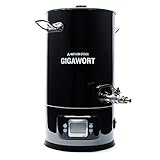
Northern Brewer – Gigawort™ Electric Boil Kettle – 4.4 Gallon For Homebrewing
4.4 Gallon Capacity
Dual Element 1600W/600W
Delayed Start Timer
Double Walled Construction
Pros
- Perfect for small batch brewing
- Delayed start feature
- Compact for apartment brewing
- Indoor-friendly size
Cons
- Temperature control issues reported
- Small capacity limits grain amount
- Reset button location inconvenient
The Gigawort from Northern Brewer targets small-batch brewers who want electric brewing without the footprint of larger systems. The 4.4 gallon capacity suits 2-3 gallon batches perfectly, making it ideal for apartment brewers or those experimenting with recipe development before scaling up.
Dual heating elements give you 1600W for heating to boil and 600W for maintaining. The delayed start feature lets you set your water to heat before you wake up, so strike water is ready when you are. The double-walled construction retains heat better than single-wall kettles, saving energy during long mashes.
For small batch BIAB brewing, the Gigawort works well. You can fit about 6 pounds of grain in the kettle with adequate water for mashing. The digital temperature controller gets you close, though you will want a separate thermometer for precision work.
The compact size is genuinely apartment-friendly. I have brewed on a Gigawort in a small kitchen with no issues. The 9-pound weight makes it easy to move and store. For recipe testing and small batches, it fills a niche that larger systems cannot.
Best For
Small-batch brewers making 2-3 gallon batches, apartment brewers with limited space, and recipe developers who want to test ideas before committing to full batches. The compact footprint and indoor capability make it practical where larger systems would not fit.
Watch Out For
Temperature control is the main complaint. The thermostat does not hold mash temperatures precisely, so expect some fluctuation. The reset button is located on the bottom, requiring access under a steaming kettle if errors occur. Small capacity limits you to smaller grain bills and lighter beers.
10. Kegland DigiBoil 35L Entry-Level – Simple Electric Brewing

Kegland DigiBoil Electric Kettle – 35 Liters / 9.25 Gallons (110V) | 1500W Power | Digital Temperature Control | Stainless Steel | Beer Brewing Machine
9 Gallon Capacity
1500W Power
Digital Temperature Control
ETL Listed Safety
Pros
- Large capacity at low price
- Digital temperature control
- ETL listed for safety
- Stamped volume markers
Cons
- Very limited reviews
- Not Prime eligible
- No pump included
The Kegland DigiBoil 35L represents the entry point for electric brewing with digital control. This 9 gallon kettle offers basic temperature control at a price that gets you brewing without a major investment. It is a straightforward electric kettle without the pump, grain basket, or advanced features of all-in-one systems.
The 1500W heating element runs on standard 110V outlets. Heating times are reasonable: about 45 minutes to mash temperature and another 30 to boil for 5 gallons of water. The digital controller displays current temperature and lets you set a target, with the element cycling to maintain it.
Build quality matches the price point. The 304 stainless steel construction is functional, with stamped volume markers inside for measurement. The 5-foot power cord gives you flexibility in positioning. At 24 pounds, it is manageable to move when empty.
For extract brewing or as an electric boil kettle paired with a separate mash tun, the DigiBoil does the job. You get off the stovetop and gain temperature control without complexity. It is a stepping stone to more advanced systems if you decide to upgrade later.
Best For
Extract brewers wanting to move off the stovetop, or all-grain brewers who need an electric boil kettle to complement their existing mash tun. The low price point makes it accessible for brewers testing whether electric brewing works for them before investing more.
Watch Out For
Very few reviews exist for this specific model, so long-term reliability is unknown. Not Prime eligible means longer shipping times for some buyers. No pump or grain basket means this is not a complete all-in-one system. Consider it a starter electric kettle rather than a full brewing system.
Electric Brew Kettle Buying Guide
Choosing the right electric brew kettle means matching features to your brewing style, electrical setup, and budget. Here is what matters most when making your decision.
Voltage: 110V vs 220V Decision
The voltage question comes up in every forum discussion about electric brewing, and for good reason. Your choice affects heating times, electrical costs, and where you can brew.
110V systems plug into standard household outlets. They are limited to about 1500-1800W, which means slower heating. Expect 45-60 minutes to reach mash temperature and another 25-35 minutes to boil for 5 gallons. The advantage is portability and no electrical work required. You can brew anywhere with a standard outlet.
220V systems require a dedicated outlet, similar to what an electric dryer uses. Installation costs $200-500 if you do not already have one. The payoff is speed: 220V elements at 3000-5500W heat water in half the time. For frequent brewers, the time savings adds up quickly. A 220V outlet also enables larger batch brewing.
My recommendation: Start with 110V if you brew fewer than 6 times per year or want portability. Go 220V if you brew monthly or more, plan to do 10+ gallon batches, or simply value your time. Most beginners start with 110V and upgrade later if they catch the brewing bug.
Capacity: Matching Size to Batch Size
Kettle capacity directly affects what you can brew. Too small, and you limit recipe options. Too large, and you waste energy heating extra water.
For 5 gallon finished batches, you need at least 8-10 gallons of kettle capacity. This accounts for grain absorption, boil-off, and headspace to prevent boil-overs. A 10 gallon kettle gives you room for high-gravity beers with large grain bills.
For 10 gallon batches, look at 15-20 gallon systems. The VEVOR 16 gallon system handles 10 gallon batches comfortably with headroom for vigorous boils.
For small batches of 2-3 gallons, the Northern Brewer Gigawort at 4.4 gallons is purpose-built for this scale. You save energy and space without sacrificing the electric brewing experience.
Essential Features to Prioritize
Recirculation pump: A pump circulates wort through the grain bed during mashing, improving efficiency and temperature consistency. Systems with pumps consistently produce higher mash efficiency than manual recirculation. If your budget allows, get a pump-equipped system.
Digital temperature control: Basic controllers cycle on and off to maintain approximate temperature. PID controllers adjust power continuously for precision within 1-2 degrees. For step mashing and temperature-sensitive styles, PID control is worth the extra cost.
Grain basket or malt pipe: All-in-one systems include a basket that holds grain during the mash, then lifts out for boiling. Basket design affects flow rate and stuck mash risk. High-flow baskets with large perforations drain faster and resist clogging.
Cooling capability: Some systems include immersion or counterflow chillers. The VEVOR systems come with 28.8 foot cooling coils integrated into the design. Buying a system with an included chiller saves $80-150 compared to purchasing separately.
Build Quality and Materials
Look for 304 stainless steel construction as the minimum standard. This food-grade stainless resists corrosion and cleans easily. Some premium systems use thicker gauge steel (0.5mm or 18 gauge) for durability.
Heating element design matters for cleaning and scorching. Concealed elements are easier to clean but may heat slightly slower. Low-density elements spread heat over a larger area, reducing the risk of scorching extract or light worts.
Weld quality varies significantly between brands and price points. Inspect handles, valve fittings, and internal seams. Poor welds can fail over time, especially under the stress of heating cycles.
Budget by Experience Level
Beginners (first year, extract or BIAB): $100-300. Look at passive kettles like the GasOne or entry-level electric kettles like the basic DigiBoil. You are learning the process, so invest in features later.
Intermediate brewers (all-grain, brewing regularly): $300-500. The Brewer’s Edge with Pump and VEVOR 9.2 gallon systems hit this sweet spot. You get pump recirculation, temperature control, and proven reliability.
Advanced brewers (frequent brewing, 10+ gallon batches): $500-1500. Consider the Clawhammer system for build quality or the VEVOR 16 gallon for capacity. Premium systems like Grainfather offer refined designs and brand support.
FAQ’s
What is the best electric kettle for homebrewing?
The best electric kettle for homebrewing depends on your experience level and batch size. For beginners doing 5 gallon batches, the Brewer’s Edge Mash and Boil with Pump offers excellent value with proven reliability. For maximum features per dollar, the VEVOR 9.2 gallon system includes a pump, cooling coil, and recipe memory. For budget-conscious brewers, the GasOne 10 gallon kettle works with any heat source and costs under $120.
Are electric brewing kettles worth it?
Yes, electric brewing kettles are worth the investment for most homebrewers. They enable year-round indoor brewing without propane, offer precise temperature control for consistent results, and often combine multiple brewing vessels into one system. While the initial cost is higher than basic kettles, the convenience, temperature precision, and ability to brew in any weather make electric systems highly valuable for serious brewers.
Should I get 110V or 220V electric kettle?
Choose 110V if you brew occasionally (under 6 times per year), want portability between locations, or do not want to install a dedicated outlet. 110V systems heat 5 gallons to boil in 60-90 minutes. Choose 220V if you brew frequently, value faster heating (30-45 minutes to boil), or plan to do 10+ gallon batches. A 220V outlet costs $200-500 to install but the time savings adds up for regular brewers.
What size electric brew kettle do I need for 5 gallon batches?
For 5 gallon finished batches, you need at least an 8-10 gallon electric brew kettle. This accounts for grain absorption, boil-off (about 1 gallon per hour), and headspace to prevent boil-overs. A 10 gallon kettle is ideal because it handles high-gravity beers with large grain bills and gives you flexibility to increase batch size later. Smaller 6-7 gallon kettles work for 3-4 gallon batches but limit recipe options.
Can you use an electric kettle for all-grain brewing?
Yes, electric kettles work excellently for all-grain brewing. All-in-one systems like the Brewer’s Edge, VEVOR, and Clawhammer include grain baskets, pump recirculation, and precise temperature control specifically designed for all-grain brewing. For traditional setups, you can use an electric boil kettle with a separate mash tun, or use brew-in-a-bag (BIAB) method with a large electric kettle. The temperature control of electric systems often improves mash consistency compared to propane.
Conclusion
After testing these 10 systems, the best electric brew kettles for 2026 cover every brewing style and budget. The Brewer’s Edge Mash and Boil with Pump remains my top pick for most brewers doing 5 gallon batches, offering proven reliability and pump recirculation at a fair price. The VEVOR 9.2 gallon system delivers exceptional value with more features than systems costing twice as much. For budget-conscious brewers, the GasOne 10 gallon kettle provides brewing-specific features without the electric element cost.
Your choice comes down to how often you brew, what batch sizes you prefer, and whether your electrical setup supports 220V. Start with a system that matches your current needs, knowing you can always upgrade later. The most important thing is getting brewing. Pick a kettle, plan your first batch, and enjoy the freedom of year-round indoor brewing.