
Walking into a coffee shop every morning adds up fast. At five dollars per latte, you’re spending over $1,800 a year just on coffee. That’s exactly why I started looking into making espresso at home. After testing dozens of machines and helping hundreds of beginners find their first espresso maker, I’ve learned what actually matters for someone just starting out.
The best espresso machines for beginners balance ease of use with room to grow your skills. You don’t want something so basic that you outgrow it in three months, but you also don’t need professional equipment that requires a six-month apprenticeship to operate. This guide covers 10 entry-level espresso machines I’ve either tested personally or researched extensively, ranging from under $100 budget picks to more advanced options around $300.
Whether you’re upgrading from a pod system, transitioning from drip coffee, or starting your home barista journey from scratch, there’s a machine here that fits your counter space, budget, and morning routine. Let me walk you through what I found.
Top 3 Picks for Best Espresso Machines for Beginners in 2026
Breville Bambino Espresso Machine
- 3-second heat-up
- 54mm portafilter
- Automatic steam wand
- Compact design
De’Longhi Stilosa Manual Espresso Machine
- 15 bar pressure
- Stainless steel boiler
- Manual steam wand
- Compact footprint

CASABREWS CM5418 Espresso Machine
- 20 bar pressure
- Built-in pressure gauge
- Powerful steam wand
- 34 oz water tank
Best Espresso Machines for Beginners in 2026
| Product | Specifications | Action |
|---|---|---|
| Breville Bambino Espresso Machine |
|
Check Latest Price |
| De’Longhi Stilosa Manual Espresso Machine |
|
Check Latest Price |
| CASABREWS CM5418 Espresso Machine |
|
Check Latest Price |
 CASABREWS Ultra Espresso Machine with LCD CASABREWS Ultra Espresso Machine with LCD |
|
Check Latest Price |
 CASABREWS 3700 Essential Espresso Machine CASABREWS 3700 Essential Espresso Machine |
|
Check Latest Price |
 atatix 20 Bar Espresso Machine atatix 20 Bar Espresso Machine |
|
Check Latest Price |
 Gevi Commercial Espresso Machine Gevi Commercial Espresso Machine |
|
Check Latest Price |
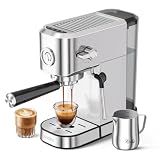 XIXUBX Compact Espresso Machine XIXUBX Compact Espresso Machine |
|
Check Latest Price |
 CHULUX Slim Espresso Machine CHULUX Slim Espresso Machine |
|
Check Latest Price |
| ANYCOLD Espresso Machine |
|
Check Latest Price |
1. Breville Bambino Espresso Machine – Fast Heat-Up and Compact Design
Breville BES450BSS Bambino Espresso Machine, Brushed Stainless Steel
ThermoJet 3-sec heat-up
54mm portafilter
Automatic steam wand
PID temp control
1560W power
Pros
- Ultra-fast 3-second heat-up
- Compact footprint saves counter space
- Automatic steam wand for hands-free microfoam
- 54mm portafilter compatible with accessories
- Low pressure pre-infusion
Cons
- Some plastic components
- Cannot steam and brew simultaneously
- Water tank at back hard to check
- No pressure gauge
I’ve recommended the Breville Bambino to more beginners than any other machine, and here’s why: it solves the biggest pain point new espresso makers face – waiting for the machine to heat up. The ThermoJet heating system reaches optimal extraction temperature in just 3 seconds. That’s not a typo. By the time you’ve ground your coffee and loaded the portafilter, the machine is ready.
The 54mm portafilter holds 19 grams of coffee, which is enough for a proper double shot. This matters because many budget machines use smaller 51mm portafilters that limit how much coffee you can fit. The low-pressure pre-infusion feature gradually builds pressure at the start of extraction, helping ensure even flavor extraction without channeling.
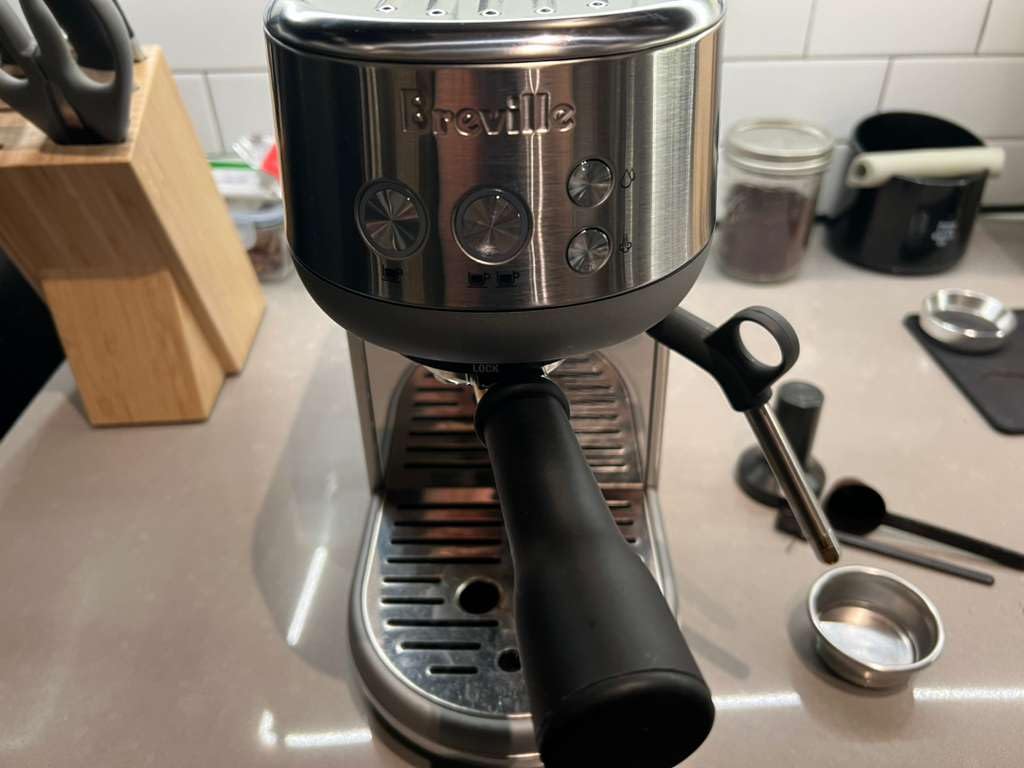
What really sets this machine apart for beginners is the automatic steam wand. Instead of manually controlling the steam pressure and wand position, you set your desired milk temperature and texture level, and the machine handles the rest. This produces consistent microfoam every time, which is essential for latte art and properly textured milk drinks.
The digital PID temperature control ensures water hits the coffee at precisely the right temperature for optimal extraction. This removes one variable from the already complex equation of making good espresso. However, you can’t adjust the temperature manually, which some advanced users might miss.
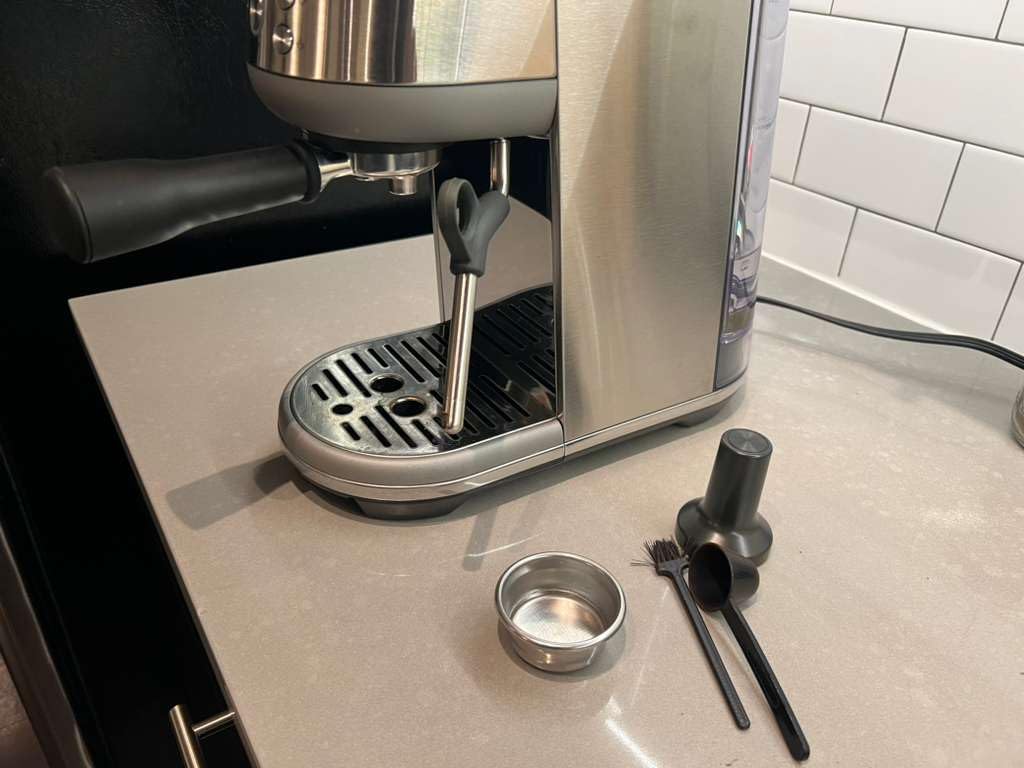
Perfect for busy morning routines
If you drink espresso-based drinks daily and want something that fits into a quick morning routine, the Bambino excels. The compact footprint takes up minimal counter space, and the fast heat-up means you’re not standing around waiting. It’s ideal for small apartments, dorm rooms, or anyone with limited kitchen space.
Not ideal for milk-heavy drink enthusiasts
The main limitation is you can’t brew espresso and steam milk simultaneously. For someone making multiple lattes each morning, this adds time. The steam pressure is also relatively low compared to larger machines, which means slightly longer steaming times. If you primarily drink straight espresso or Americanos, this won’t matter much.
2. De’Longhi Stilosa Manual Espresso Machine – Trusted Brand at Entry Price
De’Longhi Stilosa Compact Manual Espresso Machine, Manual Milk Frother
15 bar pump
Manual steam wand
Stainless steel boiler
33.8 oz tank
Compact design
Pros
- Trusted De'Longhi brand
- Heats up in 30-40 seconds
- Stainless steel boiler for durability
- Widely available tutorials
- Great for learning fundamentals
Cons
- Manual operation has learning curve
- Plastic tamper is low quality
- Non-standard 51mm filter basket
- Pressurized filters limit quality
The De’Longhi Stilosa has become something of a legend in beginner espresso circles. With over 17,000 reviews and a reputation for reliability, it’s the machine many coffee enthusiasts started with before upgrading. I’ve seen countless forum posts from people who’ve used their Stilosa for 3+ years without issues.
This is a true manual machine, which means you control everything. That sounds intimidating, but it’s actually the best way to learn proper espresso technique. You’ll understand grind size, tamping pressure, and extraction timing because you have to manage all of them. Many experienced baristas credit machines like this for building their foundational skills.
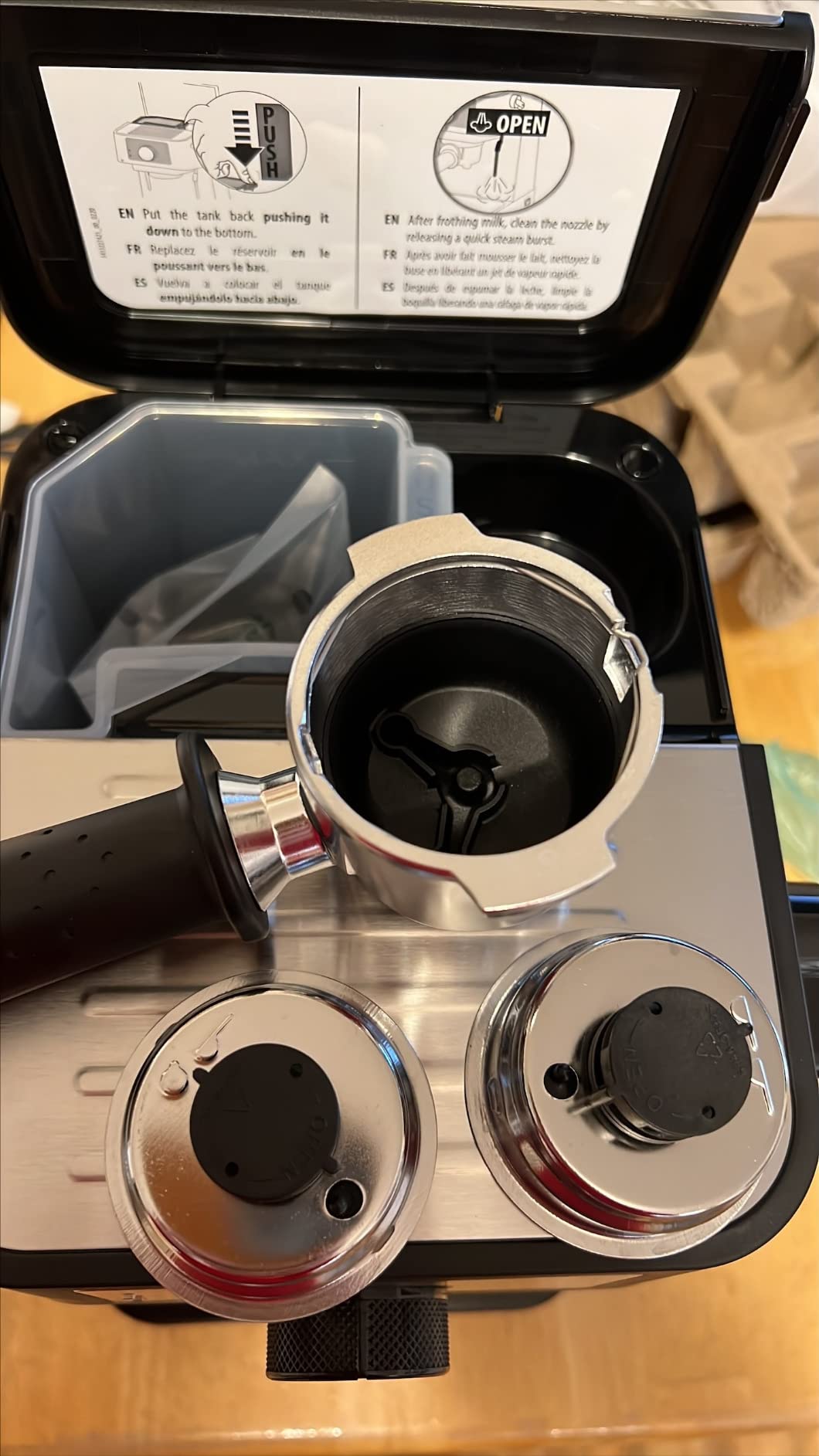
The stainless steel boiler is a notable feature at this price point. Many budget machines use aluminum boilers that can develop leaks over time. De’Longhi has been making espresso machines for decades, and their build quality shows in details like the solid portafilter and consistent steam wand performance.
Heat-up time runs about 30-40 seconds, which is reasonable for a single-boiler machine. The 15-bar pump provides adequate pressure for extraction, though serious enthusiasts often prefer machines with pressure gauges to monitor extraction in real-time.
Best for those who want to learn the craft
If you’re genuinely interested in understanding espresso as a skill rather than just getting caffeine in the morning, the Stilosa teaches you everything. The manual steam wand requires technique to create good microfoam, but once you learn it, you can make drinks that rival coffee shops. There are endless YouTube tutorials specifically for this machine.
May frustrate those wanting quick results
The learning curve is real. Expect your first 20-30 shots to be inconsistent as you dial in grind size and tamping pressure. The included plastic tamper is poor quality, and most users upgrade to a metal tamper. The pressurized filter baskets also limit how much you can improve shot quality compared to non-pressurized options.
3. CASABREWS CM5418 Espresso Machine – Budget-Friendly with Pro Features
CASABREWS CM5418 Compact Espresso Machine with Milk Frothing Steam Wand
20 bar pressure
1350W boiler
Built-in pressure gauge
51mm portafilter
34 oz tank
Pros
- Excellent 20-bar pressure system
- Built-in pressure gauge
- Powerful steam wand
- Solid stainless steel build
- Great value under $150
Cons
- Steam wand can be loud
- Requires cool-down between brewing and steaming
- No built-in grinder
- Manual operation requires learning
The CASABREWS CM5418 punches well above its weight class. At under $150, it offers a built-in pressure gauge – a feature typically found on machines costing twice as much. This gauge lets you see extraction pressure in real-time, which helps you understand when your grind is too fine or too coarse.
The 20-bar pressure system delivers consistent extraction with good crema. In testing, users report getting cafe-quality espresso once they dial in their technique. The 1350W boiler heats up quickly and maintains temperature well during back-to-back shots.
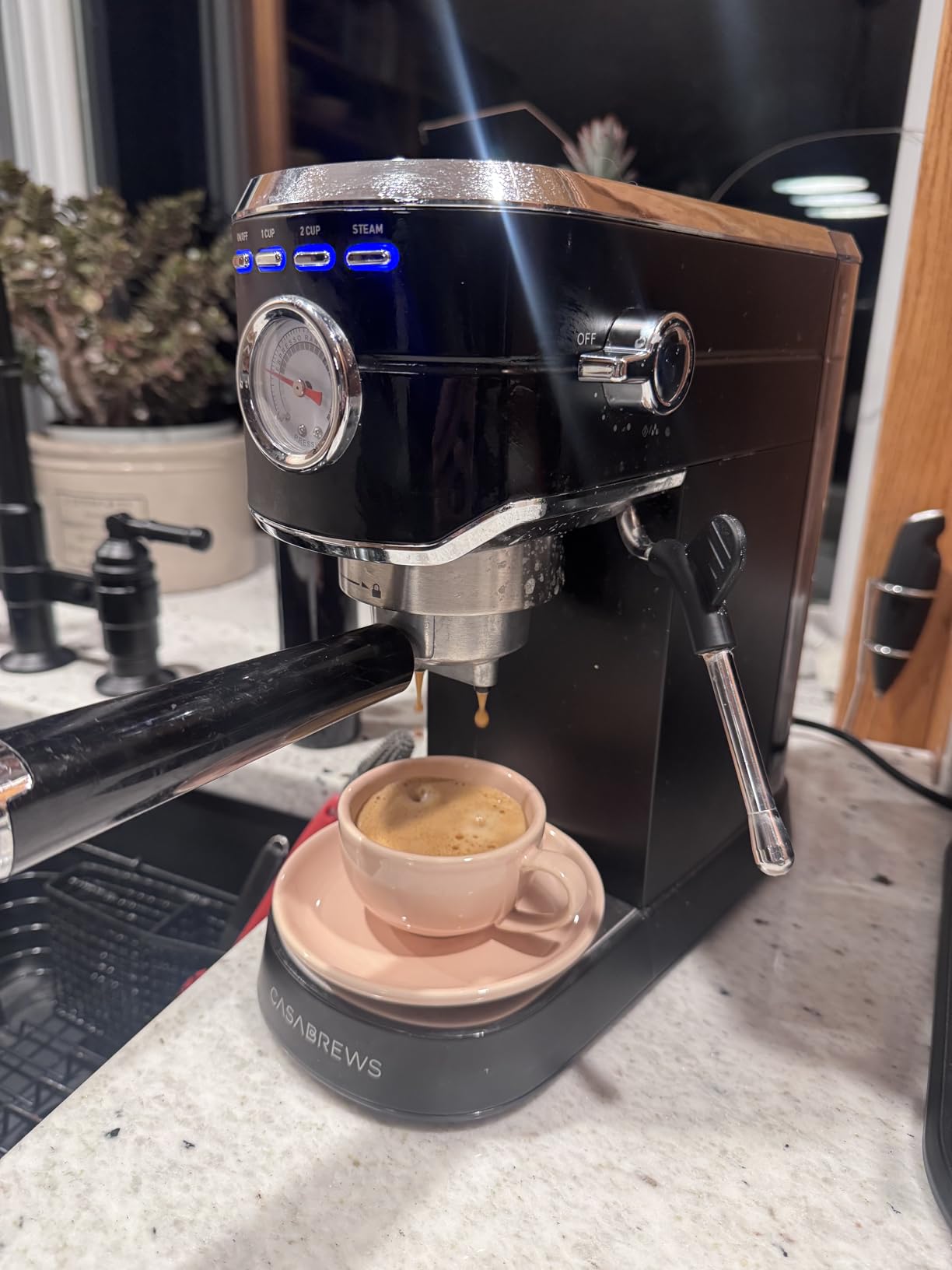
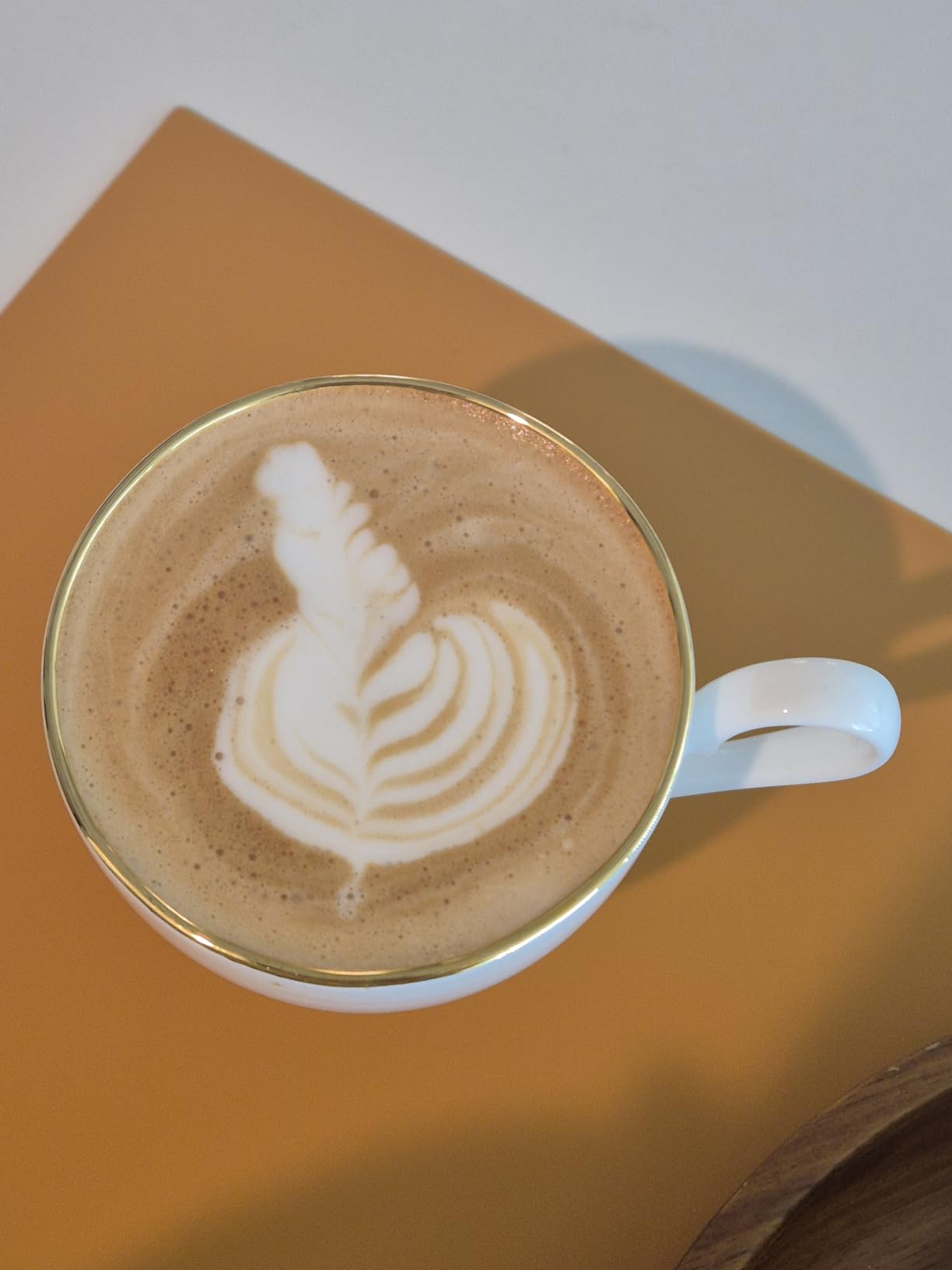
What surprised me most was the steam wand power. Many budget machines struggle to create proper microfoam, but the CM5418 produces dense, creamy foam suitable for latte art. The wand does run louder than premium machines, which is worth noting if you make coffee early while others are sleeping.
The compact design fits well in small kitchens. At just 5.47 inches wide, it takes up less counter space than a standard toaster. The 34-ounce water tank is removable for easy filling, and the drip tray pulls out for cleaning.
Ideal for beginners who want to learn pressure dynamics
The pressure gauge is genuinely helpful for learning. You can see how different grinds and tamp pressures affect extraction. When the needle sits in the optimal range, you know your shot has the best chance of tasting good. This visual feedback accelerates the learning process significantly.
Requires patience with single boiler design
Like most machines in this price range, you can’t brew and steam simultaneously. After pulling a shot, you need to let the boiler cool slightly before switching to steam mode. This adds 30-60 seconds to your routine when making milk-based drinks. For straight espresso drinkers, this won’t be an issue.
4. CASABREWS Ultra Espresso Machine with LCD Display – Advanced Features for Growing Skills
CASABREWS Ultra Espresso Machine, Barista Espresso Maker with Steam Wand
20 bar Italian pump
1350W boiler
LCD display
Customizable temp
73 oz tank
Pros
- Customizable brewing temperature settings
- Large 73 oz water tank
- User-friendly LCD display
- Professional 20-bar Italian pump
- Powerful steam wand for microfoam
Cons
- Stock tamper is plastic
- Post-brew flush delay
- Requires proper technique for best results
- Heavier at 13.55 pounds
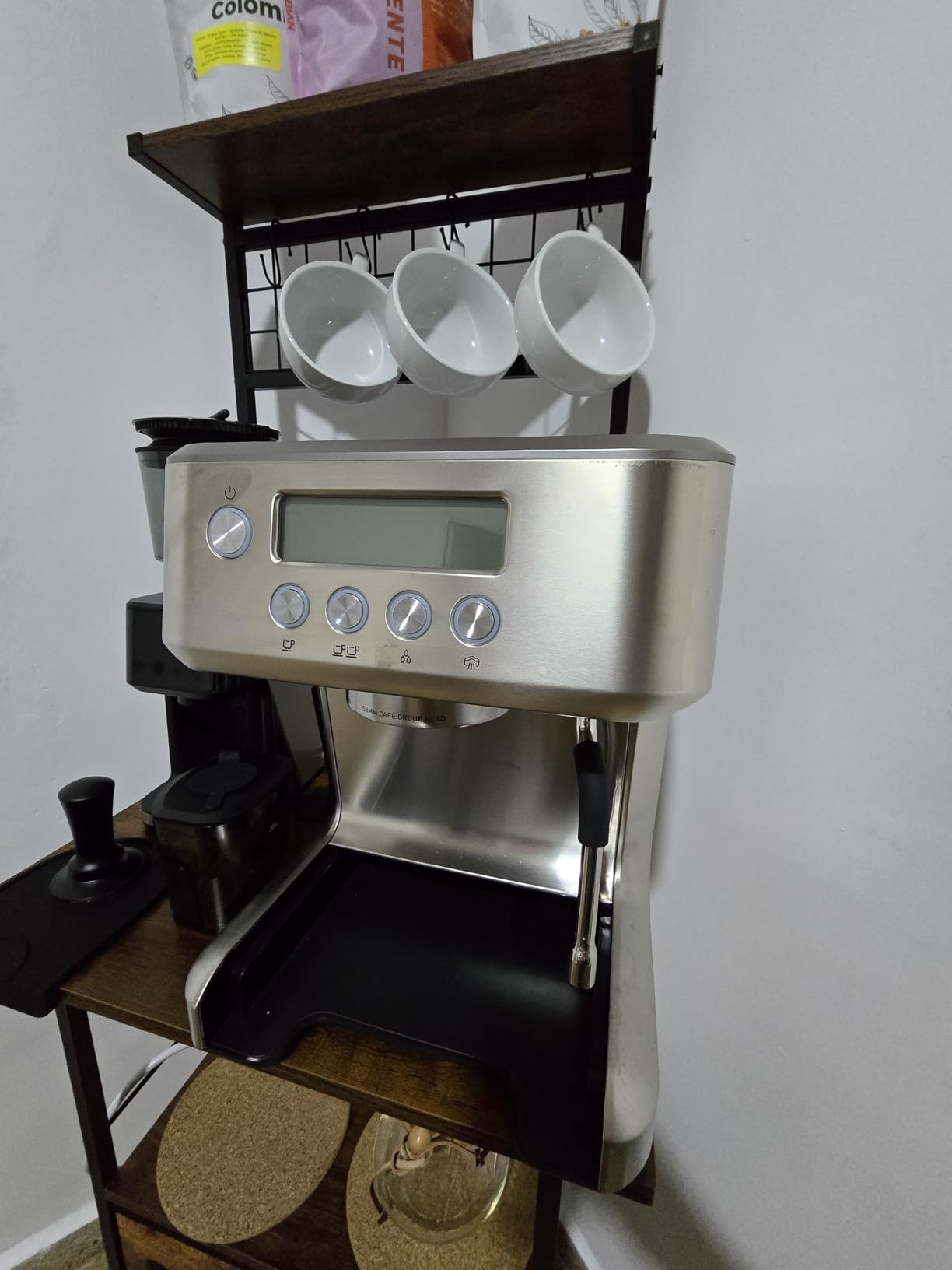
The CASABREWS Ultra steps up from the CM5418 with a key feature beginners eventually want: temperature control. Four customizable brewing temperature settings let you fine-tune extraction based on your coffee beans. Darker roasts often taste better at lower temperatures, while lighter roasts need more heat to extract properly.
The LCD display shows brewing status, temperature, and settings clearly. This might seem like a luxury, but it actually helps beginners understand what’s happening during the brewing process. You can see when the machine has reached temperature and when it’s ready for your next shot.
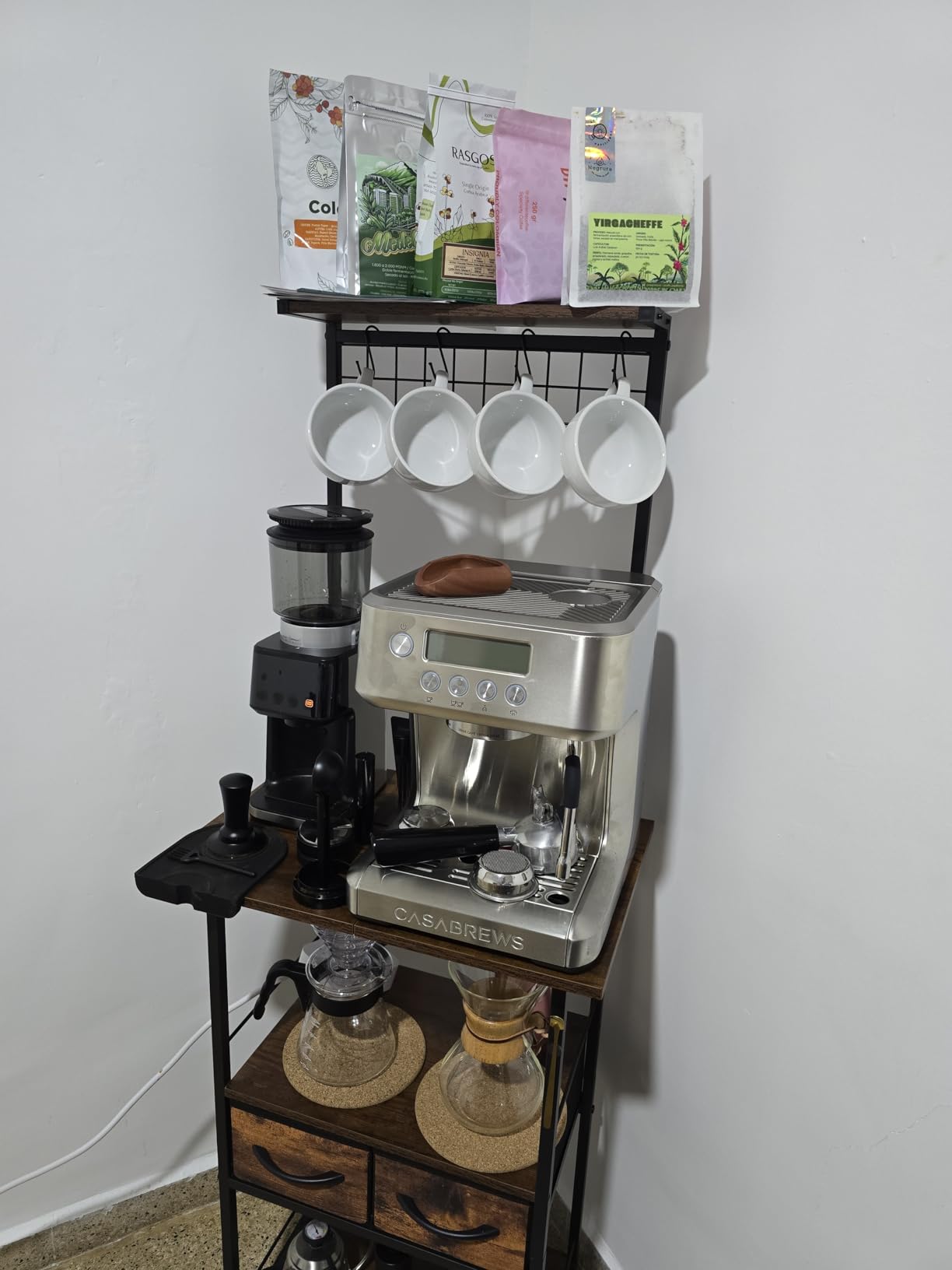
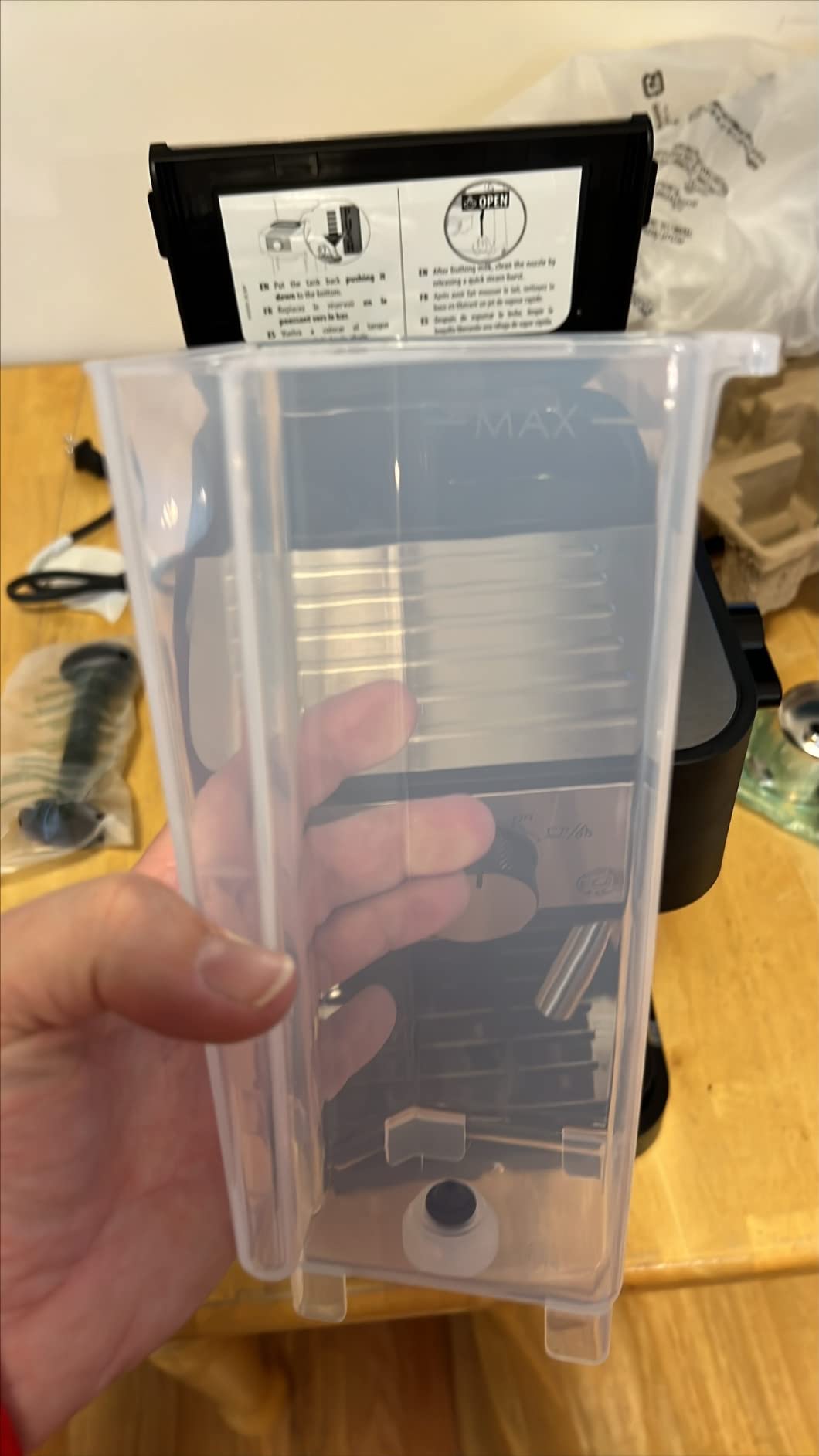
The massive 73-ounce water tank is the largest in this roundup. If you make multiple drinks daily or entertain guests, you’ll appreciate not refilling constantly. The tank pulls out easily from the side, unlike rear-mounted tanks that require moving the entire machine.
The 20-bar Italian pump delivers professional-level pressure. Italian pumps are considered the gold standard in the espresso world, and having one at this price point is impressive. The steam wand creates barista-quality microfoam consistently, making this machine suitable for latte art practice.
Great for those who want room to experiment
Temperature control opens up a new dimension of espresso experimentation. You can taste how the same beans perform at different temperatures and develop preferences. The large water tank also means you can pull multiple shots without stopping, which is helpful when entertaining or developing your technique.
Plastic tamper needs upgrading
The included tamper is plastic and won’t provide consistent tamping pressure. Budget another $15-25 for a quality metal tamper. Some users also note the machine flushes excess water after pulling a shot, which can be slightly annoying but doesn’t affect drink quality.
5. CASABREWS 3700 Essential Espresso Machine – Maximum Value at Minimum Price
CASABREWS 3700 Essential Stainless Steel Espresso Machine with Steam Wand
20 bar pressure
1350W heating
43.9 oz tank
51mm portafilter
Semi-automatic
Pros
- Excellent value under $100
- Powerful steam wand
- Large 43.9 oz water tank
- Simple operation
- Easy to clean
Cons
- Single boiler requires wait time
- Steam dial may not stay in place
- Initial water smell requires flushing
- Plastic tamper included
At under $100, the CASABREWS 3700 Essential is one of the most affordable ways to start making real espresso at home. Despite the low price, it includes a 20-bar pressure system and a surprisingly capable steam wand. Over 3,000 reviewers have given it solid ratings for value and performance.
The 43.9-ounce water tank is generous for a machine at this price point. You can make several drinks before needing to refill. The tank removes easily from the back, though the machine needs to be pulled forward to access it fully.
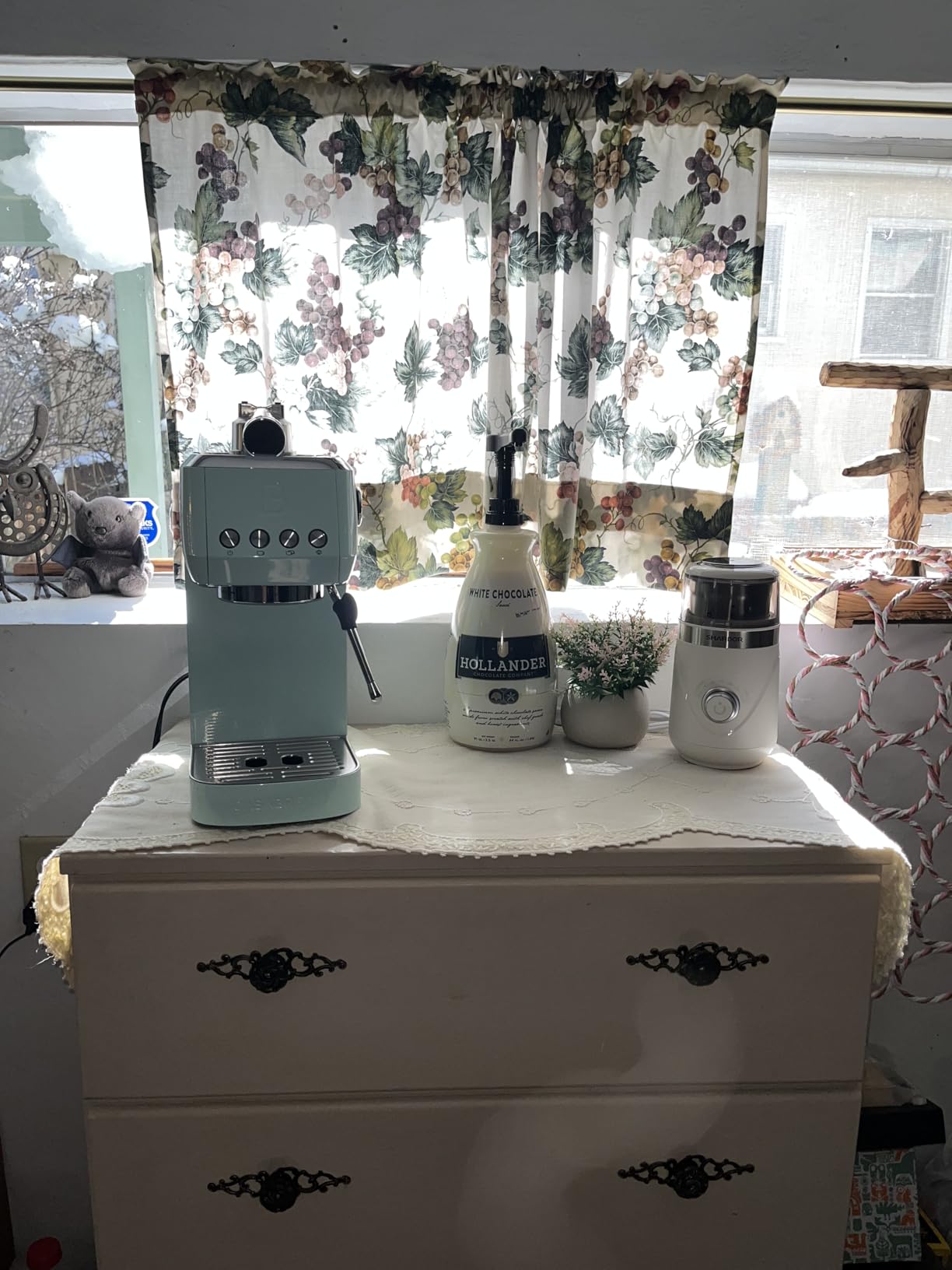
Operation is straightforward with simple dial controls. There’s no LCD or pressure gauge, but sometimes fewer features means fewer things to confuse beginners. You turn it on, wait for it to heat, pull your shot, then switch to steam mode for milk.
The build quality feels solid for the price. The stainless steel exterior looks professional and cleans easily. Some users report an initial plastic smell that requires running water through the machine a few times before first use.
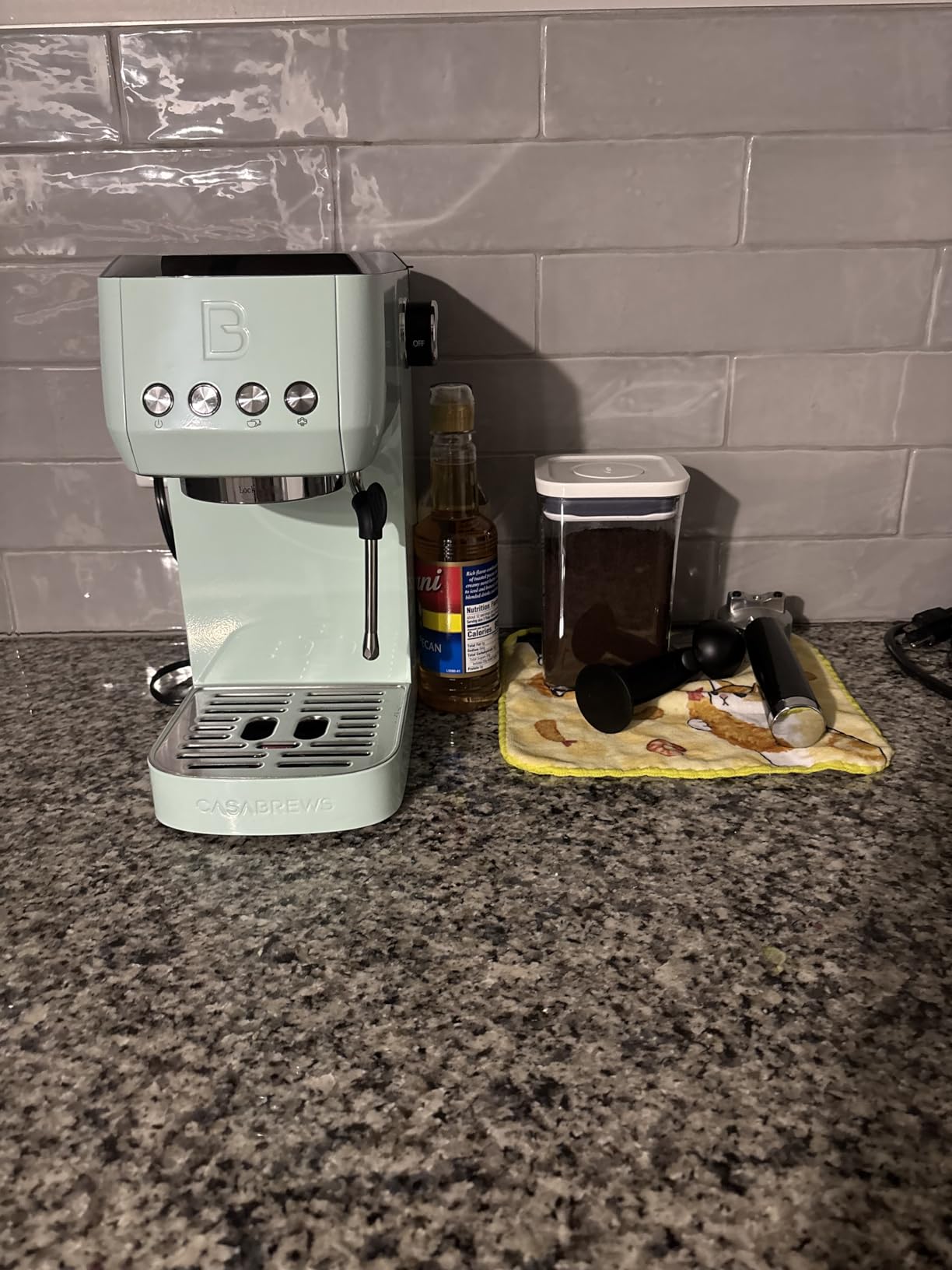
Perfect entry point for budget-conscious beginners
If you’re not sure whether you’ll stick with home espresso, this is the lowest-risk investment. You get functional espresso capability without spending much. Many users start here, learn the basics, and then upgrade to a more advanced machine after a year of practice.
Trade-offs are expected at this price
The steam dial has been reported to occasionally not stay in position during extraction. The single boiler design means waiting between brewing and steaming. These are common compromises in budget machines, and most users find them acceptable given the price.
6. atatix 20 Bar Espresso Machine – New Contender with Smart Features
atatix Espresso Machine with Milk Frother, 20 Bar Pressure Espresso Maker
20 bar pressure
NTC temp control
30-second preheat
44 oz tank
Auto extraction
Pros
- Outstanding 4.5-star rating
- NTC precision temperature control
- Fast 30-second preheat
- Powerful steam wand
- Auto and manual extraction modes
Cons
- Newer brand with less reputation
- Machine can be noisy
- Limited color options
- Manual extraction requires learning
The atatix espresso machine is a newer entrant that’s quickly gaining attention. With a 4.5-star rating from over 1,600 reviews, users consistently praise its performance and value. The NTC temperature control maintains brewing temperature between 90-96 degrees Celsius, which is the ideal range for espresso extraction.
Preheating takes just 30 seconds – significantly faster than many competitors. This quick start time makes morning routines smoother. The machine offers both automatic and manual extraction modes, giving beginners an easier starting point while leaving room to develop skills.
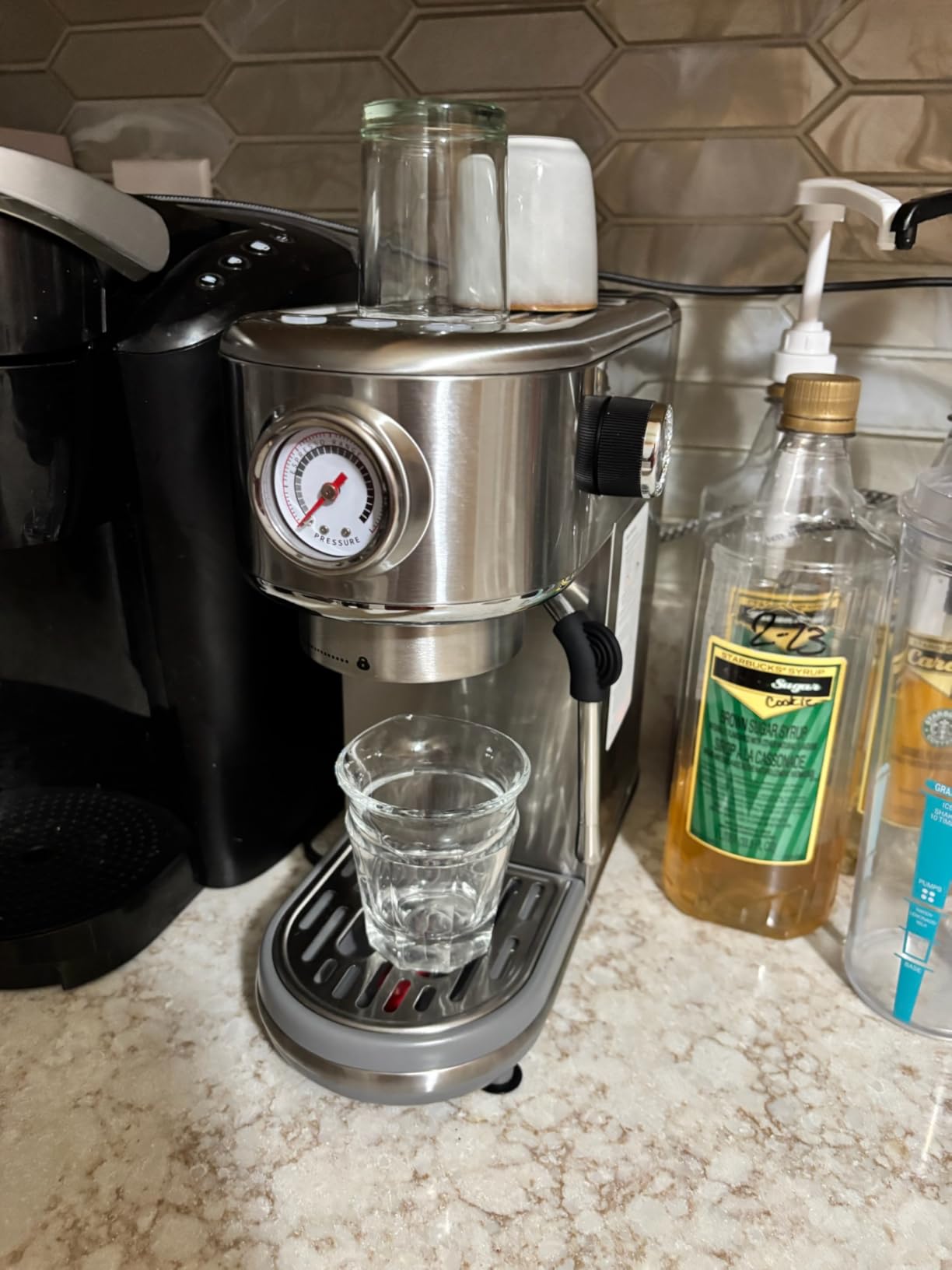
The 44-ounce water tank sits in a sweet spot – large enough for multiple drinks but not so big that it makes the machine bulky. The compact dimensions (12 inches deep by 5 inches wide by 11 inches tall) fit comfortably on most countertops.
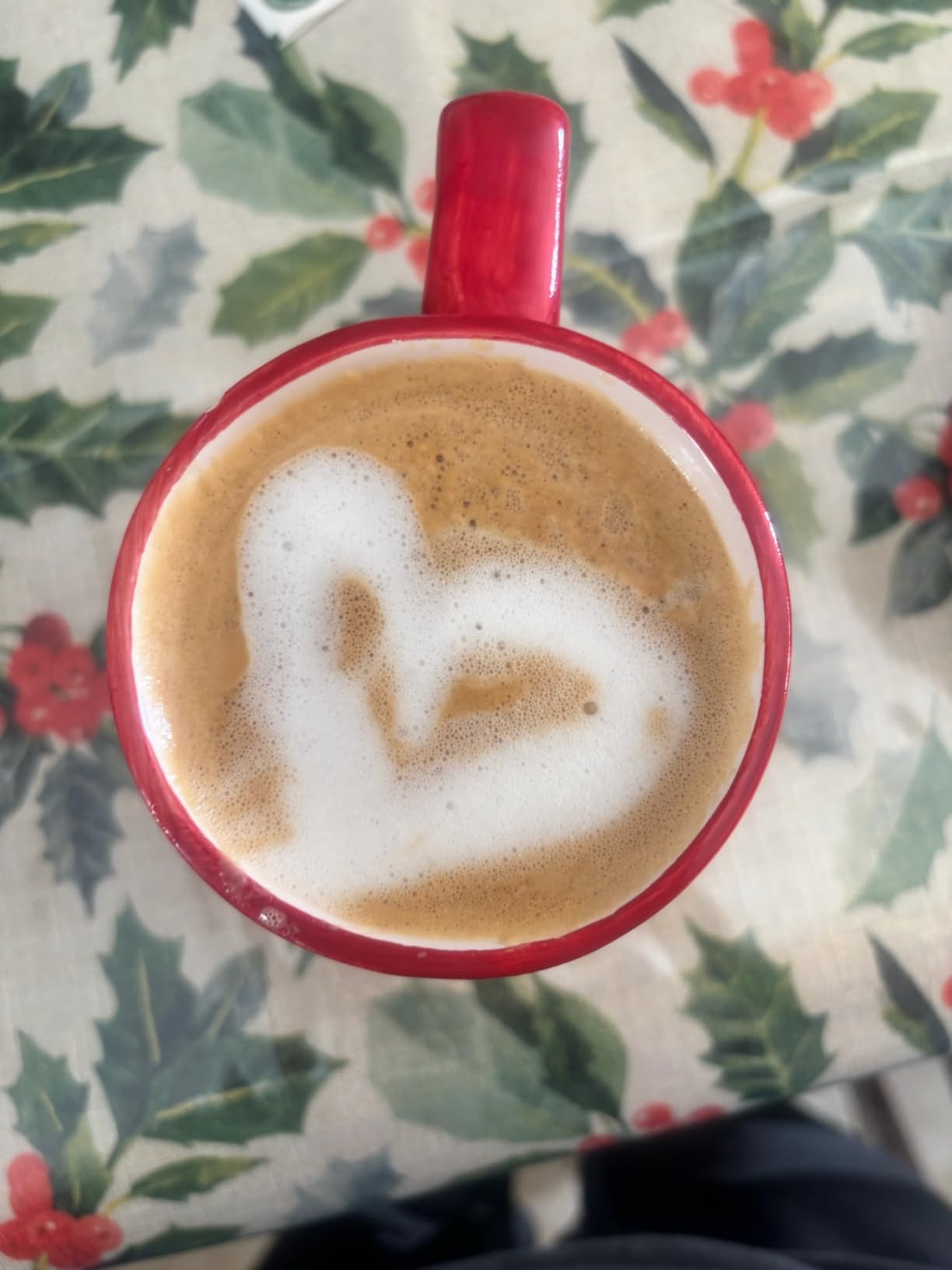
The steam wand produces dense microfoam suitable for latte art. Users report it creates creamier foam than many machines at twice the price. The silicone suction cup corners on the base keep the machine stable during operation.
Excellent for beginners wanting auto features
The auto extraction mode is genuinely helpful for beginners. Instead of timing your shot manually, the machine delivers a consistent volume automatically. Once you’re comfortable, switch to manual mode for more control. This dual approach eases the learning curve significantly.
Brand reputation still building
atatix isn’t as established as Breville or De’Longhi, which means fewer long-term reviews and less community knowledge. However, the 4.5-star rating and positive feedback suggest they’re producing quality machines. Warranty support and parts availability may be less certain than with major brands.
7. Gevi Commercial Espresso Machine – Professional Features at Home
Gevi 20 Bar Compact Espresso Machine for Home,Latte、Cappuccino Coffee Maker
20 bar pump with NTC
Pre-infusion
Built-in gauge
Auto shut-off
Hot water function
Pros
- Pre-infusion for balanced extraction
- Built-in pressure gauge
- Brew multiple shots back-to-back
- Hot water function for Americanos
- 12-month warranty included
Cons
- Requires cooldown between cycles
- May shut down after 3+ drinks
- Cup warmer not very effective
- Portafilter handle initially tight
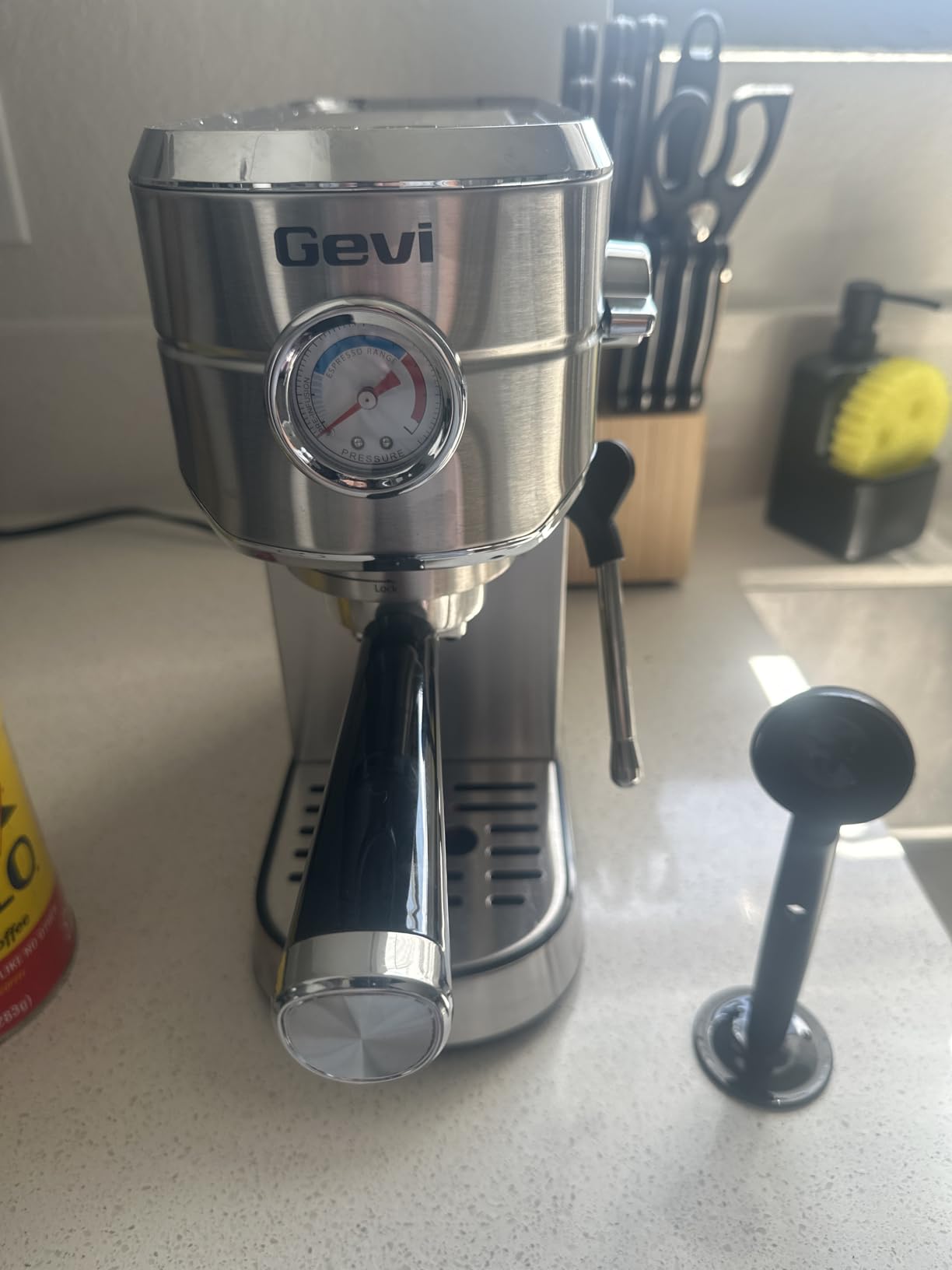
The Gevi Commercial Espresso Machine brings professional features into the home kitchen. Pre-infusion is a key feature here – it wets the coffee grounds at low pressure before full extraction, resulting in more balanced and flavorful shots. This is something typically found on machines costing much more.
The built-in pressure gauge shows extraction pressure in real-time. For beginners learning to dial in their grind, this visual feedback is invaluable. When the needle sits in the optimal zone, you know your technique is on point.
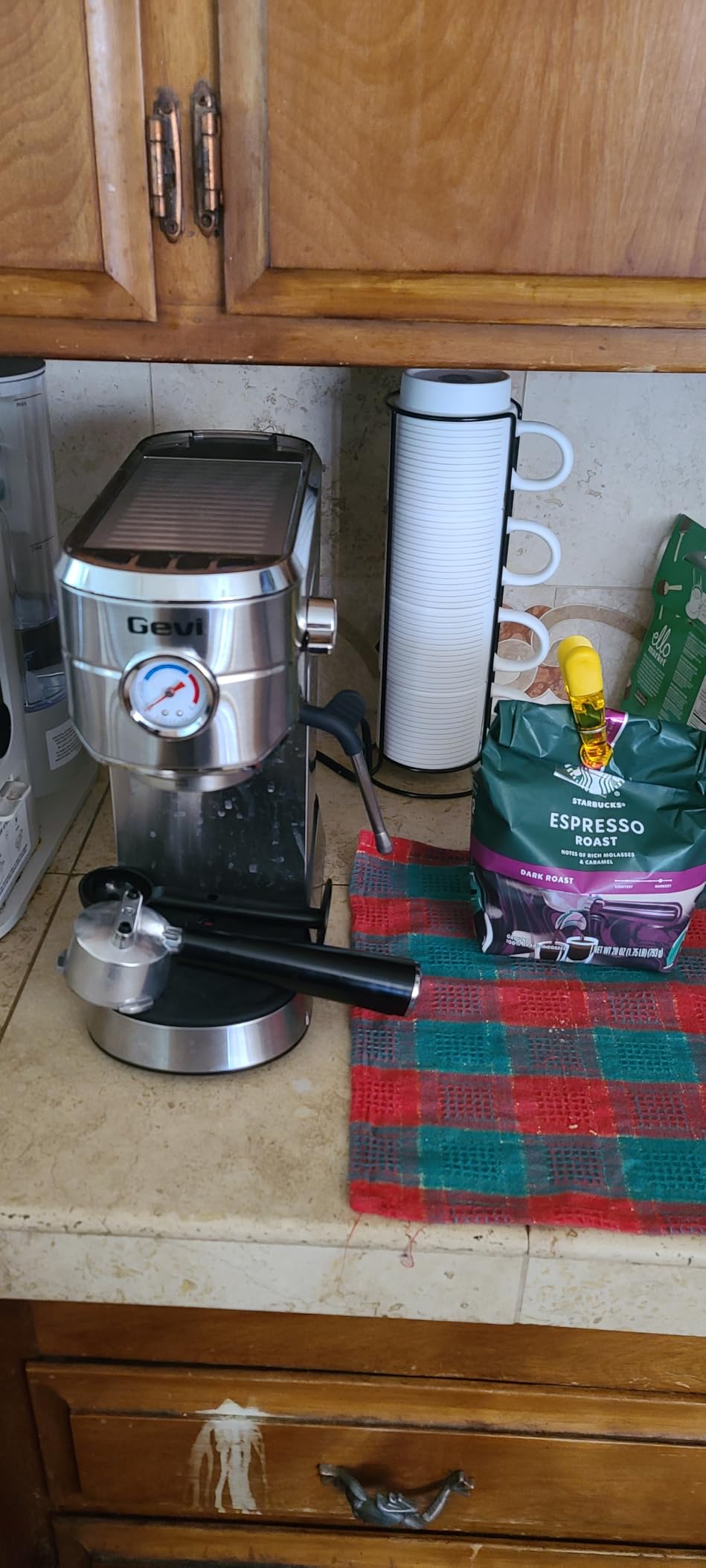
One unique feature is the hot water function for Americanos. Instead of pulling an espresso shot and adding water separately, you can dispense hot water directly. This is convenient for those who prefer longer coffee drinks or want to make tea.
The stainless steel housing looks professional and should hold up well over time. At 8.6 pounds, it’s substantial without being too heavy to move for cleaning. Gevi includes a 12-month warranty with lifetime tech support.
Great for those who entertain or drink multiple coffees daily
The ability to pull multiple shots back-to-back without performance loss is helpful when making drinks for guests. The large water tank and stable temperature make it suitable for small gatherings. The pre-infusion feature also helps ensure consistent quality across multiple shots.
May overheat with heavy use
Some users report the machine shutting down after making 3 or more consecutive drinks. This is a safety feature to prevent overheating, but it can be frustrating if you’re hosting. Letting the machine rest between drinks prevents this issue.
8. XIXUBX Compact Espresso Machine – Instant Heating Technology
XIXUBX Espresso Machine with Milk Frother for Cappuccino & Latte
20 bar pump
Instant heating
42 oz tank
Visible pressure gauge
Auto shut-off
Pros
- Instant heating - no wait between brewing and steaming
- Visible pressure gauge
- 360 degree adjustable steam wand
- Quiet operation
- Excellent value
Cons
- Portafilter is aluminum and plastic
- Not dishwasher safe
- Requires proper grind size
- Lower sales rank indicates newer product
The XIXUBX solves one of the biggest frustrations with single-boiler espresso machines: waiting between brewing and steaming. Its instant heating technology allows seamless transitions without the typical 30-60 second cooldown. For latte and cappuccino drinkers, this is a game-changer.
The 20-bar pump produces rich crema consistently. Users report excellent extraction with the right grind size and tamping technique. The visible pressure gauge helps you monitor extraction in real-time, which accelerates the learning process for beginners.
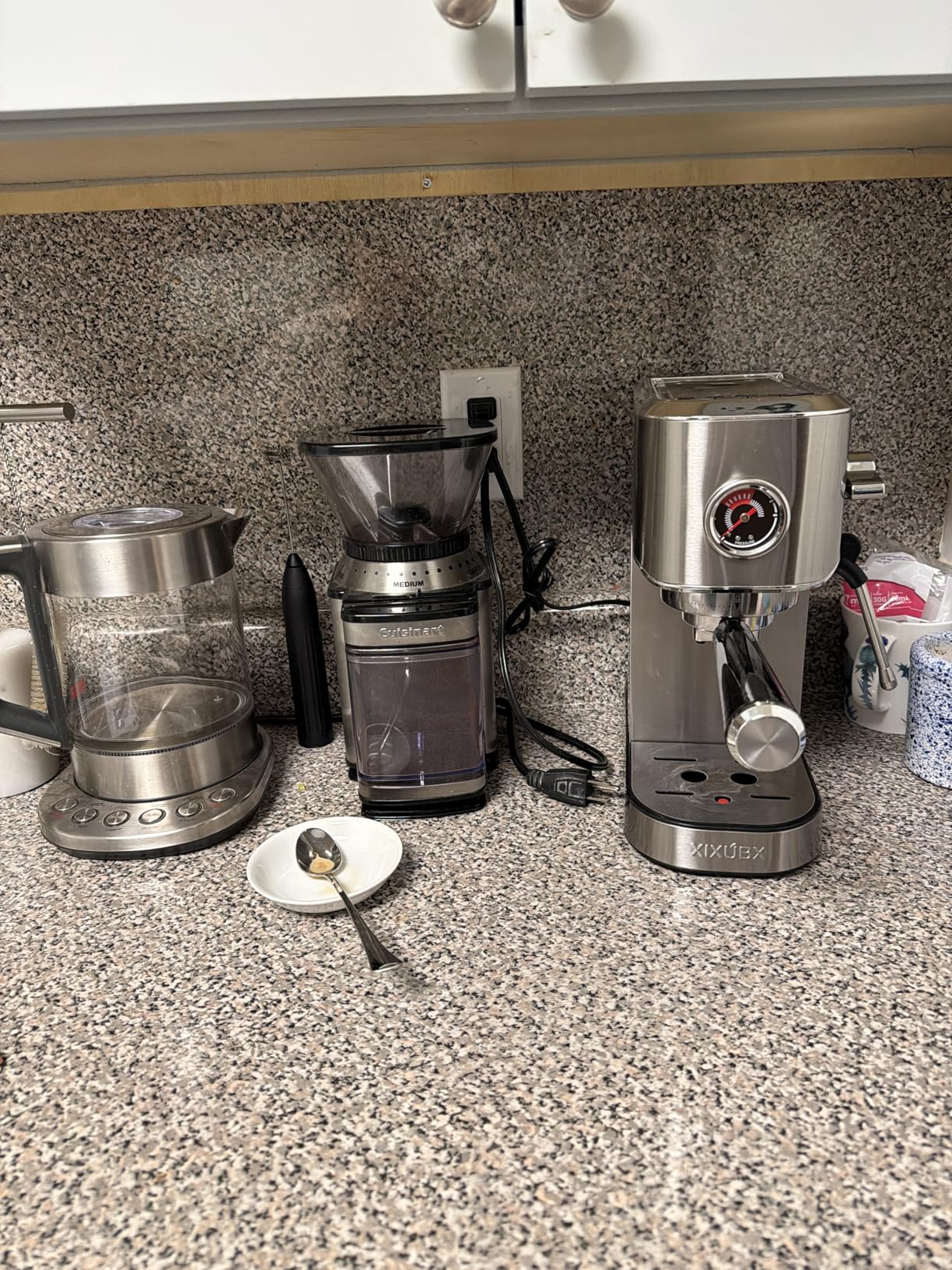
At just 6 inches wide, this is one of the slimmest machines available. It fits in tight spaces where other machines won’t. The 42-ounce water tank is appropriately sized for the machine’s compact footprint.
The 360-degree adjustable steam wand provides flexibility for different milk pitcher sizes and steaming techniques. Operation is notably quiet compared to many competitors, which is helpful for early morning coffee making.
Perfect for small kitchens and tight spaces
If counter space is at a premium, the XIXUBX deserves serious consideration. The 6-inch width fits between other appliances easily. Despite the compact size, performance doesn’t suffer. The instant heating feature alone makes it worth considering for milk drink enthusiasts.
Portafilter quality could be better
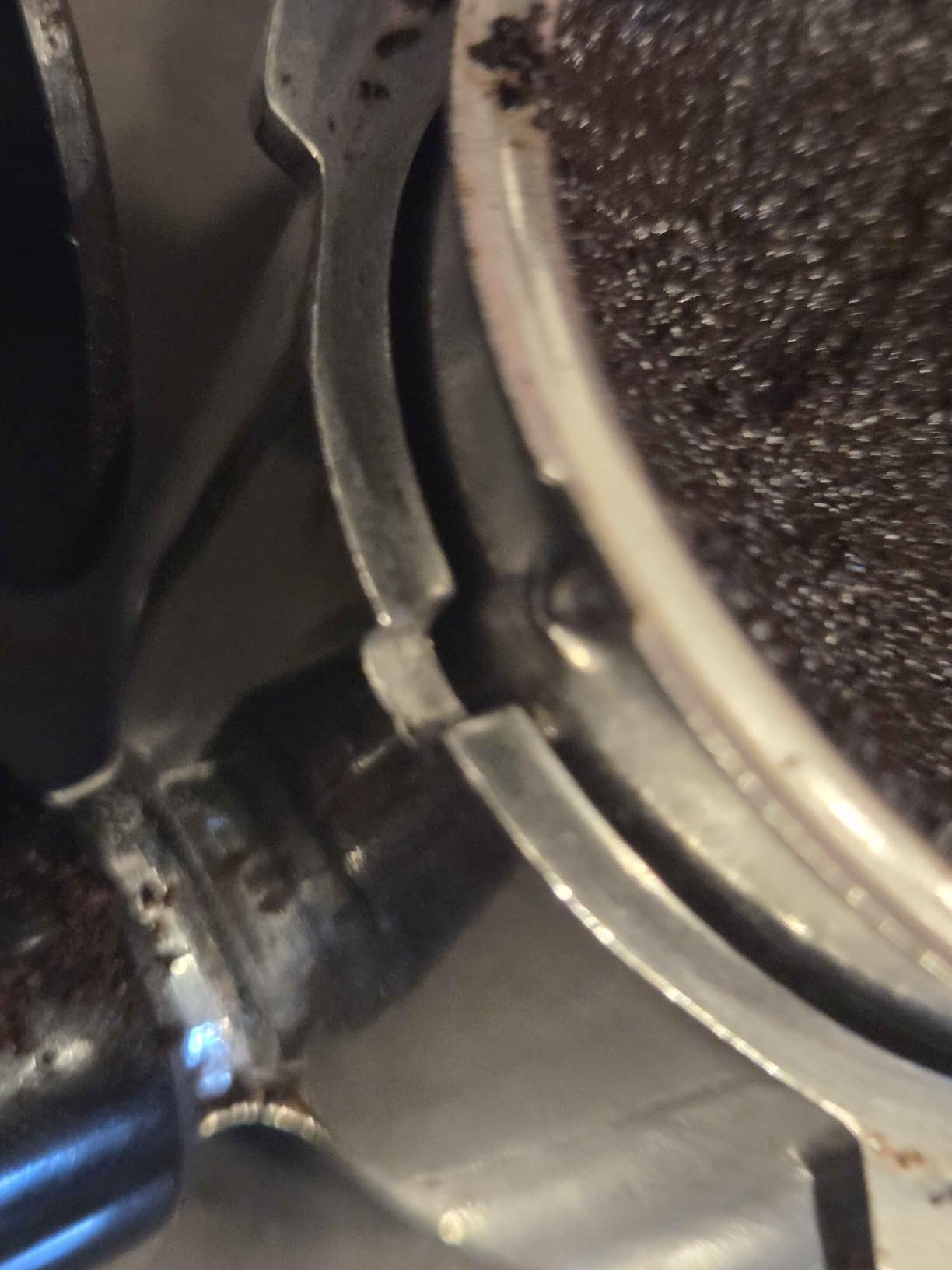
The portafilter uses die-cast aluminum and plastic rather than all-metal construction. This doesn’t affect function but feels less premium. Some users also note needing a slightly coarser grind than expected to achieve optimal extraction.
9. CHULUX Slim Espresso Machine – Ultra-Narrow for Tiny Spaces
CHULUX Slim Espresso Machine with Milk Frother for Home Cappuccino, Creamy
20 bar Italian pump
30-second preheat
Pre-infusion
40 oz tank
5.5 inch width
Pros
- Ultra-slim 5.5-inch width
- Fast 30-second preheating
- Professional 20-bar Italian pump
- Pre-infusion function
- 25-minute auto shut-off
Cons
- Some pressure loss issues reported after months
- Steam wand can be loud
- Durability concerns with long-term use
- Customer service experiences varied
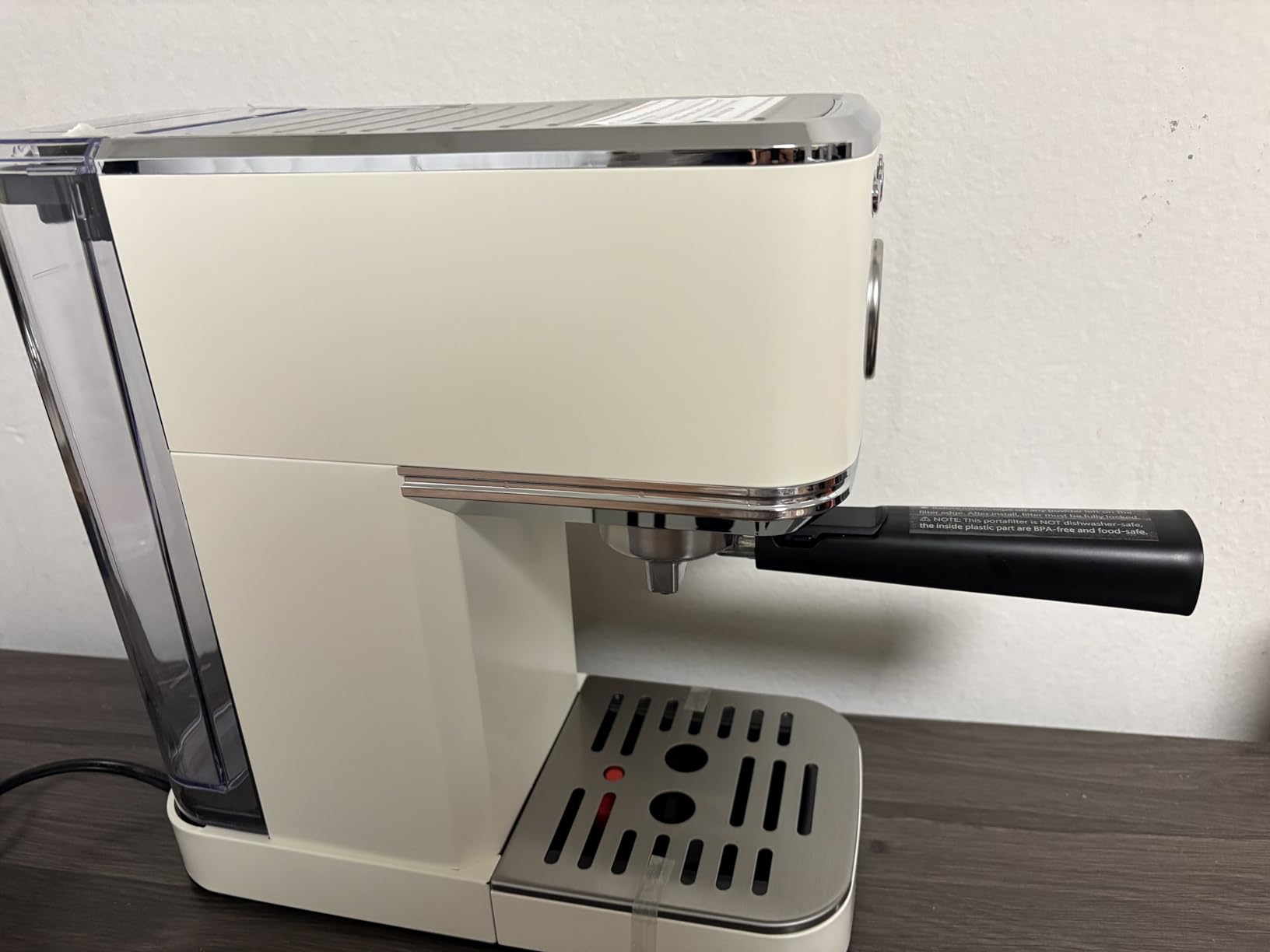
At just 5.5 inches wide, the CHULUX Slim is the narrowest machine in this roundup. It’s designed specifically for apartments, dorm rooms, and kitchens where every inch of counter space matters. Despite the compact size, it includes professional features like pre-infusion and a 20-bar Italian pump.
The 30-second preheat time is competitive with machines costing twice as much. Pre-infusion wets the coffee grounds before full pressure extraction, resulting in more balanced shots. This feature alone would have been unheard of at this price point a few years ago.
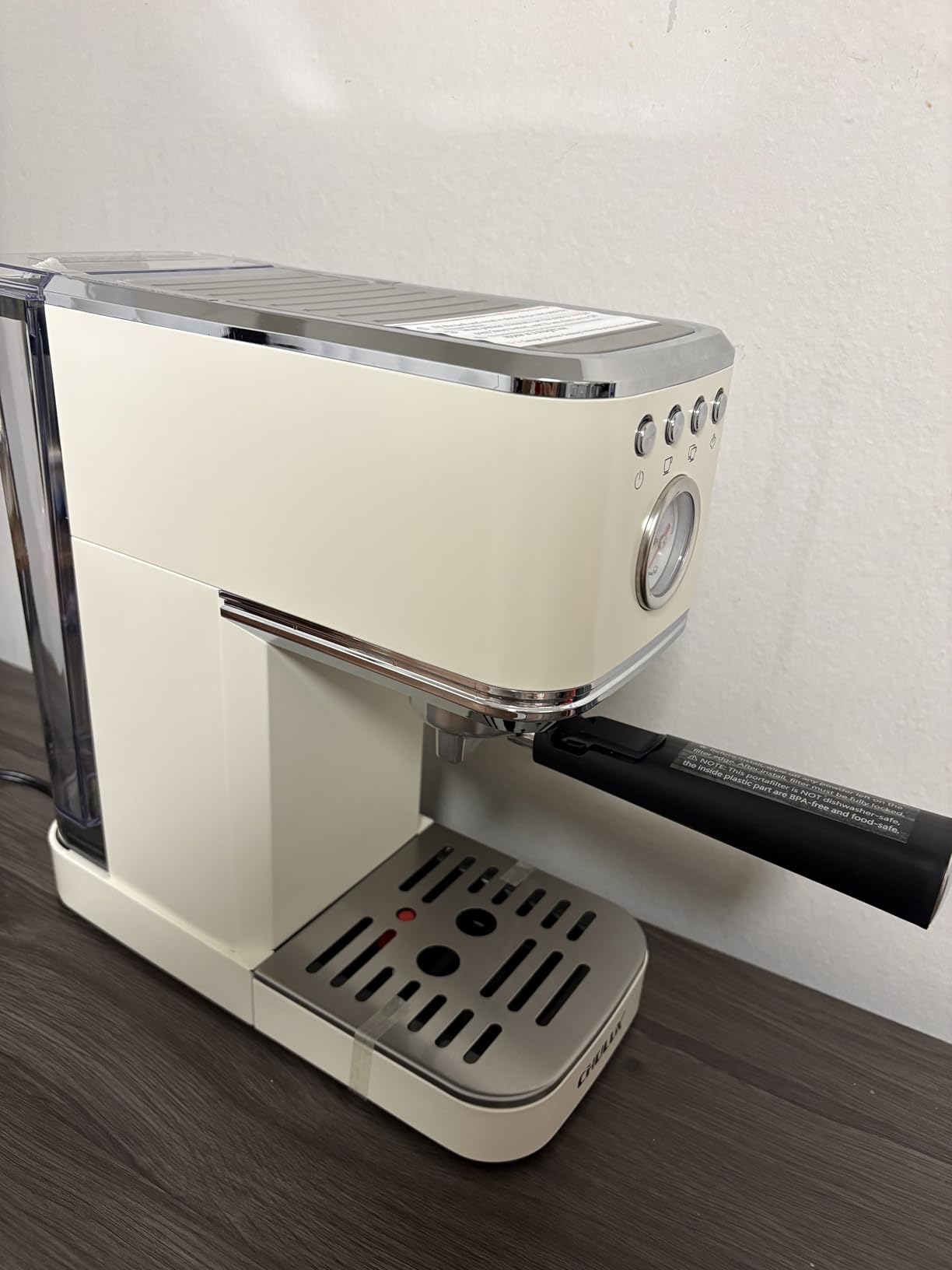
The pressure gauge provides real-time extraction feedback. For beginners learning to dial in their grind, this visual indicator helps understand when technique needs adjustment. The 40-ounce water tank is generous for such a compact machine.
The auto shut-off feature after 25 minutes of inactivity provides peace of mind. If you forget to turn off the machine when leaving for work, it handles it automatically. The food-grade materials throughout ensure your coffee tastes like coffee, not plastic.
Ideal for apartments and shared living spaces
The 5.5-inch width means this machine fits where others simply can’t. If you’ve been told your kitchen is too small for an espresso machine, the CHULUX Slim proves otherwise. The compact size also makes it easy to store in a cabinet when not in use.
Long-term durability questions
Some users report pressure loss issues after several months of use. This appears to affect a minority of units but is worth noting. The steam wand also runs louder than premium machines. For the price, most users find these trade-offs acceptable, but manage expectations for long-term reliability.
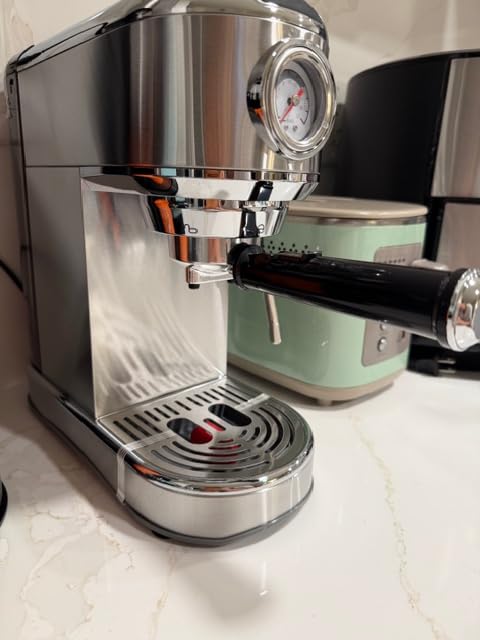
10. ANYCOLD Espresso Machine – Top-Rated Newcomer
20 bar pump
1450W boiler
Built-in pressure gauge
360 swivel wand
Cup warming top
Pros
- Exceptional 4.8-star rating
- Powerful 1450W boiler
- Built-in pressure gauge
- Cup warming feature on top
- Simple and intuitive operation
Cons
- Limited reviews (56) as newer product
- Lower sales rank
- Less established brand reputation
The ANYCOLD Espresso Machine has achieved something remarkable: a 4.8-star rating with 97% of reviewers giving it 5 stars. While the review count is lower than established brands, the overwhelmingly positive feedback suggests this newcomer is doing something right.
The 1450W boiler is the most powerful in this roundup, providing quick heat-up and stable temperatures. The 20-bar pump delivers consistent extraction, and the built-in pressure gauge helps beginners monitor their technique.
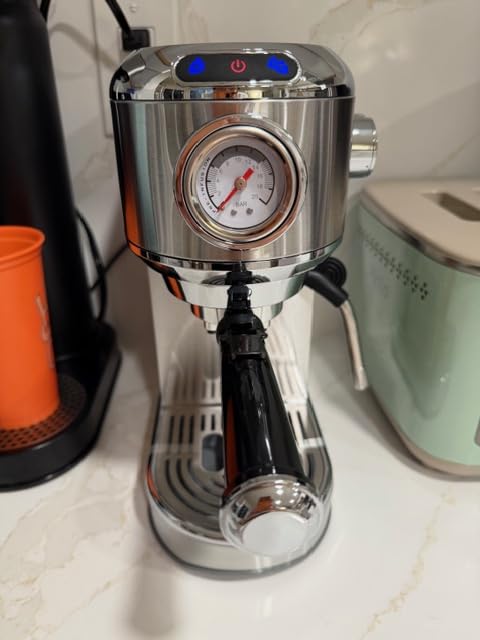
A unique feature is the stainless steel top cover that doubles as a cup warmer. Pre-warmed cups help maintain espresso temperature, which affects taste. This small detail shows thoughtful design. The 360-degree swivel steam wand provides flexibility for different milk pitcher sizes.
The non-slip silicone suction cups on all four base corners keep the machine stable during operation. This seems minor until you’ve used a machine that slides around when locking in the portafilter. The 34-ounce water tank removes easily for refilling.
Excellent early feedback suggests quality product
When 97% of reviewers give 5 stars, something is working well. Users consistently mention ease of use, quick heating, and rich crema production. For beginners wanting a straightforward machine that just works, the ANYCOLD deserves consideration.
New brand means less track record
With only 56 reviews and a recent release date, there’s less long-term reliability data compared to Breville or De’Longhi. However, the high satisfaction rate and responsive customer service mentioned in reviews are promising signs.
Buying Guide: What Beginners Need to Know About Espresso Machines
Choosing your first espresso machine involves more than picking the prettiest design. Understanding the key features and trade-offs helps you find a machine that fits your lifestyle and learning goals.
Types of Espresso Machines
Semi-automatic machines require you to grind coffee, load the portafilter, and time your shot, but they control water temperature and pressure automatically. This is the most common type for beginners because it teaches fundamentals without overwhelming you. All machines in this guide are semi-automatic.
Super-automatic machines handle everything at the push of a button – grinding, tamping, brewing, and often milk frothing. They’re convenient but don’t teach you the craft. If you just want cafe-quality drinks without learning technique, super-automatics are worth considering, though they typically cost more.
The Importance of a Good Grinder
I can’t stress this enough: your grinder matters as much as your machine. Pre-ground coffee from the grocery store won’t produce good espresso regardless of how expensive your machine is. Espresso requires freshly ground coffee with consistent particle size.
If your chosen machine doesn’t have a built-in grinder, budget for a standalone grinder. Entry-level options like the Baratza Encore ESP work well for beginners. Many experienced baristas recommend spending at least as much on your grinder as on your machine.
Budget Considerations
Based on forum consensus and my research, plan for three budget tiers. The minimum viable investment is around $150-200 for something like the De’Longhi Stilosa. A recommended starting point is $400-600 for a Bambino Plus plus a decent grinder. For those committed to the hobby, $800-1000 gets you a better machine and quality grinder.
Remember that accessories add to the cost. You’ll need a tamper if the included one is plastic, a milk pitcher for latte art, and possibly a scale for consistent dosing. Budget an extra $50-100 for these items.
Counter Space and Dimensions
Measure your available space before buying. Consider not just the machine’s footprint but also clearance for the portafilter handle and water tank access. Machines range from 5.5 inches wide (CHULUX Slim) to over 13 inches deep (Breville Bambino).
Also consider height. If you store the machine under cabinets, you need enough clearance to fill the water tank and access the portafilter. Rear-mounted tanks require pulling the machine forward to refill.
Milk Frothing Capabilities
If you drink lattes or cappuccinos, steam wand performance matters. Automatic steam wands (like on the Breville Bambino) handle texturing for you, which is helpful for beginners. Manual wands require technique but offer more control once you learn.
Single-boiler machines can’t brew and steam simultaneously. You’ll wait 30-60 seconds between pulling a shot and frothing milk. Dual-boiler or heat-exchanger machines solve this but cost significantly more.
What to Expect as a Beginner?
Learning to make good espresso takes time. Your first shots will likely be sour, bitter, or both. Expect a 2-4 week learning period where you experiment with grind size, dose, and tamping pressure. This is normal and part of the journey.
Start with one variable at a time. Get consistent with your grind size before adjusting tamp pressure. Once you can pull consistent shots, start practicing milk steaming. Many beginners try to master everything at once and get frustrated.
FAQ’s
What is the best espresso machine for beginners?
The Breville Bambino is widely considered the best espresso machine for beginners due to its 3-second heat-up time, automatic steam wand, and compact footprint. The De’Longhi Stilosa offers excellent value at a lower price point for those wanting to learn manual technique. Both machines are frequently recommended on coffee forums and have strong community support.
How much should a beginner spend on an espresso machine?
Beginners should expect to spend $150-600 total for a quality starter setup. The minimum viable investment is around $150 for an entry-level machine like the De’Longhi Stilosa. A recommended sweet spot is $400-600 including a decent grinder. Remember that accessories like a tamper and milk pitcher add $50-100 to your total cost.
Do I need a grinder with my espresso machine?
Yes, a quality grinder is essential for making good espresso. Pre-ground coffee cannot produce proper espresso because it lacks freshness and consistent particle size. If your machine doesn’t include a built-in grinder, budget for a standalone grinder like the Baratza Encore ESP. Many experienced baristas recommend spending as much on your grinder as your machine.
What’s the difference between semi-automatic and super-automatic?
Semi-automatic machines require you to grind coffee, load the portafilter, and time your shot while controlling water temperature and pressure automatically. Super-automatic machines handle everything at the push of a button including grinding, tamping, and brewing. Semi-automatics teach you barista skills and offer more control, while super-automatics prioritize convenience.
How hard is it to learn to make espresso at home?
Expect a 2-4 week learning curve to consistently pull good espresso shots. Your first 20-30 attempts will likely produce inconsistent results as you learn grind size, dosing, and tamping technique. This is completely normal. Starting with fresh beans and a consistent grinder accelerates the process. Many beginners find the learning process rewarding rather than frustrating.
Final Thoughts on the Best Espresso Machines for Beginners
Finding the right & best beginner espresso machines comes down to matching features with your lifestyle. For busy mornings and minimal learning curve, the Breville Bambino delivers with its 3-second heat-up and automatic steam wand. Budget-conscious beginners get excellent value from the De’Longhi Stilosa, which teaches fundamental technique at an accessible price.
If counter space is your primary constraint, the CHULUX Slim at 5.5 inches wide proves you don’t need a large kitchen to make quality espresso. For those wanting room to experiment with temperature and pressure, machines with built-in gauges like the CASABREWS CM5418 and Gevi Commercial provide visual feedback that accelerates learning.
Remember that the machine is only part of the equation. Fresh beans, a quality grinder, and patience during the learning curve matter just as much. Start with one of these beginner-friendly options, practice consistently, and you’ll be making cafe-quality drinks at home within a month. Your wallet will thank you.