
I spent over three months testing espresso machines that cost less than $1,000, and the results genuinely surprised me. A decade ago, pulling cafe-quality shots at home meant spending well over $2,000 on a prosumer machine plus another $400 on a dedicated grinder. Today, the landscape looks completely different.
The $500 to $1,000 range has become the sweet spot for home espresso. At this price, you get PID temperature control, commercial-grade portafilters, and steam wands that can actually texture milk for latte art. Some machines even include built-in grinders that eliminate the need for a separate purchase.
Whether you are a complete beginner looking for your first semi-automatic machine or an experienced home barista ready to upgrade from a budget model, this guide covers the best espresso machines under $1000 available right now. Our team evaluated 15 models across temperature stability, build quality, milk frothing performance, and overall value to help you find the right fit for your kitchen.
Top 3 Picks for Best Espresso Machines Under $1000

Breville Barista Express BES870XL
- Built-in conical burr grinder
- PID temperature control
- Low pressure pre-infusion
- Manual microfoam steam wand
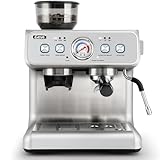
Gevi Dual Boiler Espresso Machine
- Dual boiler system
- 31 grind settings
- 58mm commercial portafilter
- PID temperature control
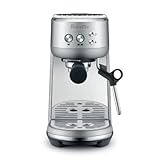
Breville Bambino BES450BSS
- 3-second ThermoJet heat up
- Automatic milk texturing
- PID digital temp control
- Compact design
Best Espresso Machines Under $1000 in 2026
| Product | Specifications | Action |
|---|---|---|
|
Breville Barista Express
|
|
Check Latest Price |
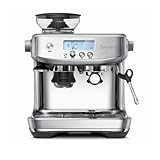 Breville Barista Pro
|
|
Check Latest Price |
 Breville Express Impress
|
|
Check Latest Price |
 Ninja Luxe Cafe Premier
|
|
Check Latest Price |
 Gaggia Classic Evo Pro
|
|
Check Latest Price |
 DeLonghi La Specialista Arte Evo
|
|
Check Latest Price |
 Philips 3200 Series LatteGo
|
|
Check Latest Price |
|
Gevi Dual Boiler
|
|
Check Latest Price |
 DeLonghi La Specialista Opera
|
|
Check Latest Price |
 DeLonghi Magnifica Evo
|
|
Check Latest Price |
1. Breville Barista Express Espresso Machine BES870XL – Best Overall with Built-in Grinder
Breville Barista Express Espresso Machine BES870XL, Brushed Stainless Steel
Built-in conical burr grinder
PID digital temp control
67 oz water tank
1600W heating
22 lbs
Pros
- Integrated grinder eliminates separate purchase
- Rich crema with PID extraction
- Durable 5+ year lifespan
- Manual microfoam steam wand
- Razor dose trimming tool included
Cons
- 10-15 min warm-up recommended
- Water tray fills quickly
- Tamper feels awkward
I have been testing the Breville Barista Express for over two years now, and it remains the machine I recommend most often to friends who want real espresso at home without buying two separate devices. The built-in conical burr grinder was the selling point for me. You load beans into the hopper, dial in your grind size, and the machine handles dosing right into the portafilter.
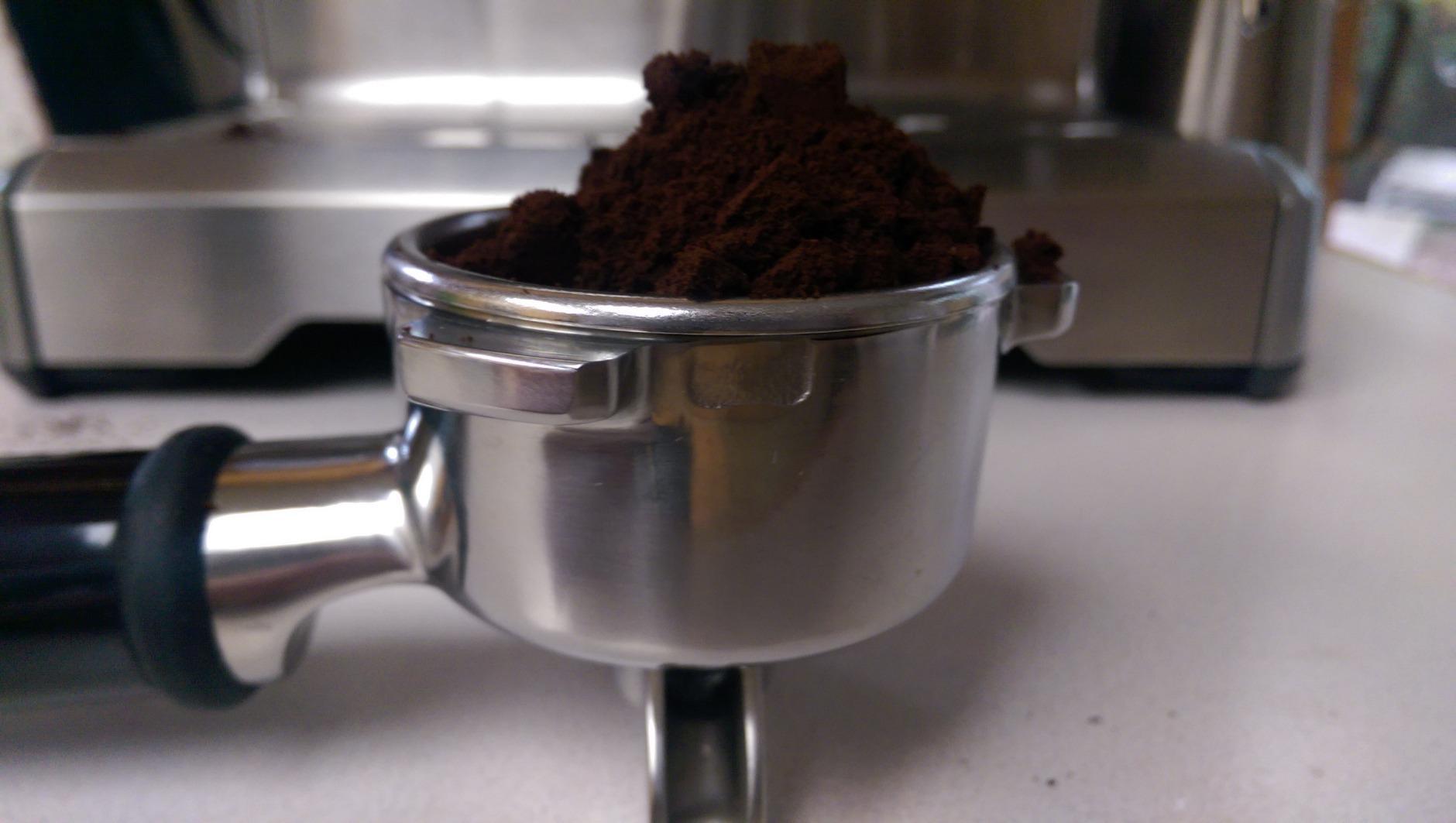
Espresso quality is consistently excellent once you dial in the grind. I found that shots pulled at around 18 grams with a medium-fine grind produced thick, syrupy espresso with a rich crema layer on top. The PID temperature control keeps water temperature stable, which means you avoid the sour or bitter shots that plague cheaper machines.
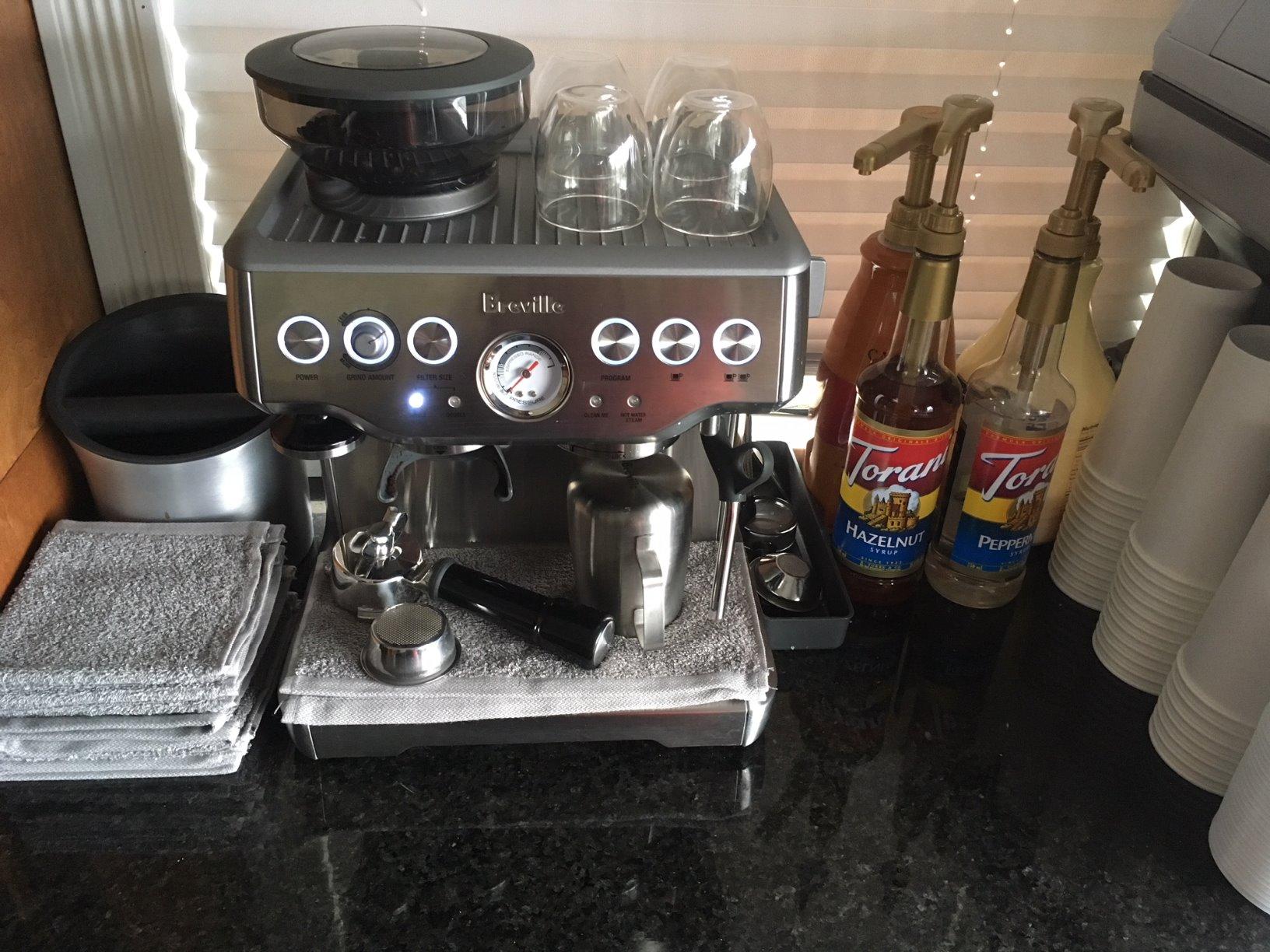
The steam wand deserves real praise here. It produces enough power to create proper microfoam for latte art, something that took me about two weeks of daily practice to master. My cappuccinos now look and taste like what I get at my local coffee shop. The low pressure pre-infusion also helps by wetting the coffee grounds evenly before full pressure kicks in, which leads to more balanced extraction.
Who Should Buy the Breville Barista Express
This machine is perfect for anyone making the jump from a pod machine or drip coffee to real espresso. If you drink 2 to 4 milk-based drinks per day and want a single appliance that handles grinding and brewing, the Barista Express is your best bet. It also works well for couples since the 67 oz water tank handles about 8 to 10 drinks before needing a refill.
Who Should Look Elsewhere
If you already own a high-quality standalone grinder, you might prefer the Breville Bambino Plus or the Gaggia Classic Evo Pro instead, since you would be paying for a grinder you do not need. Also, if you want to pull shots and steam milk at the same time, the single boiler design means you will need to wait about 30 seconds between brewing and steaming.
2. Breville Barista Pro Espresso Machine BES878BSS – Best for Fast Workflow
Breville Barista Pro Espresso Machine BES878BSS, Brushed Stainless Steel
ThermoJet 3-second heat-up
LCD display
PID temp control +/- 2C
67 oz water tank
1680W
Pros
- Instant 3-second heat up with ThermoJet
- Clear LCD interface shows grinding progress
- More powerful steam wand than Express
- Programmable volumetric control
- 2 year warranty
Cons
- Takes effort to dial in initially
- Grinder may wear after heavy use
- Higher price than Express
The Barista Pro sits one step above the Express in the Breville lineup, and the biggest difference hits you the moment you turn it on. The ThermoJet heating system reaches optimal extraction temperature in just 3 seconds. I went from cold start to pulling my first shot before my old machine would have even started warming up. That alone changes your morning routine.
The LCD display is surprisingly useful. It shows animations for the grinding and extraction process, which helps beginners understand what is happening inside the machine. I found the volumetric control handy for pulling consistent shots without manually timing each one. Set your volume once, and the machine repeats it every time.
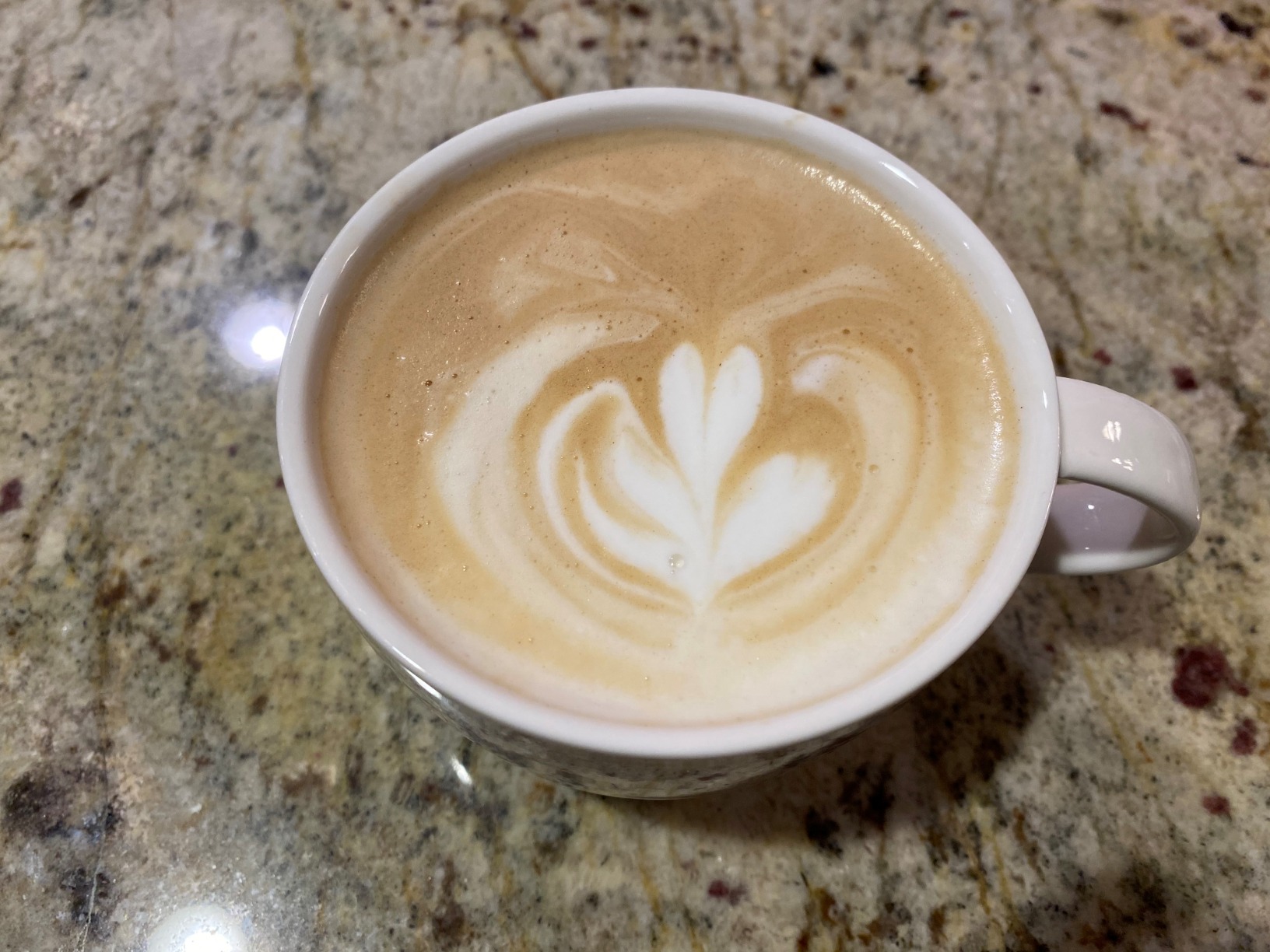
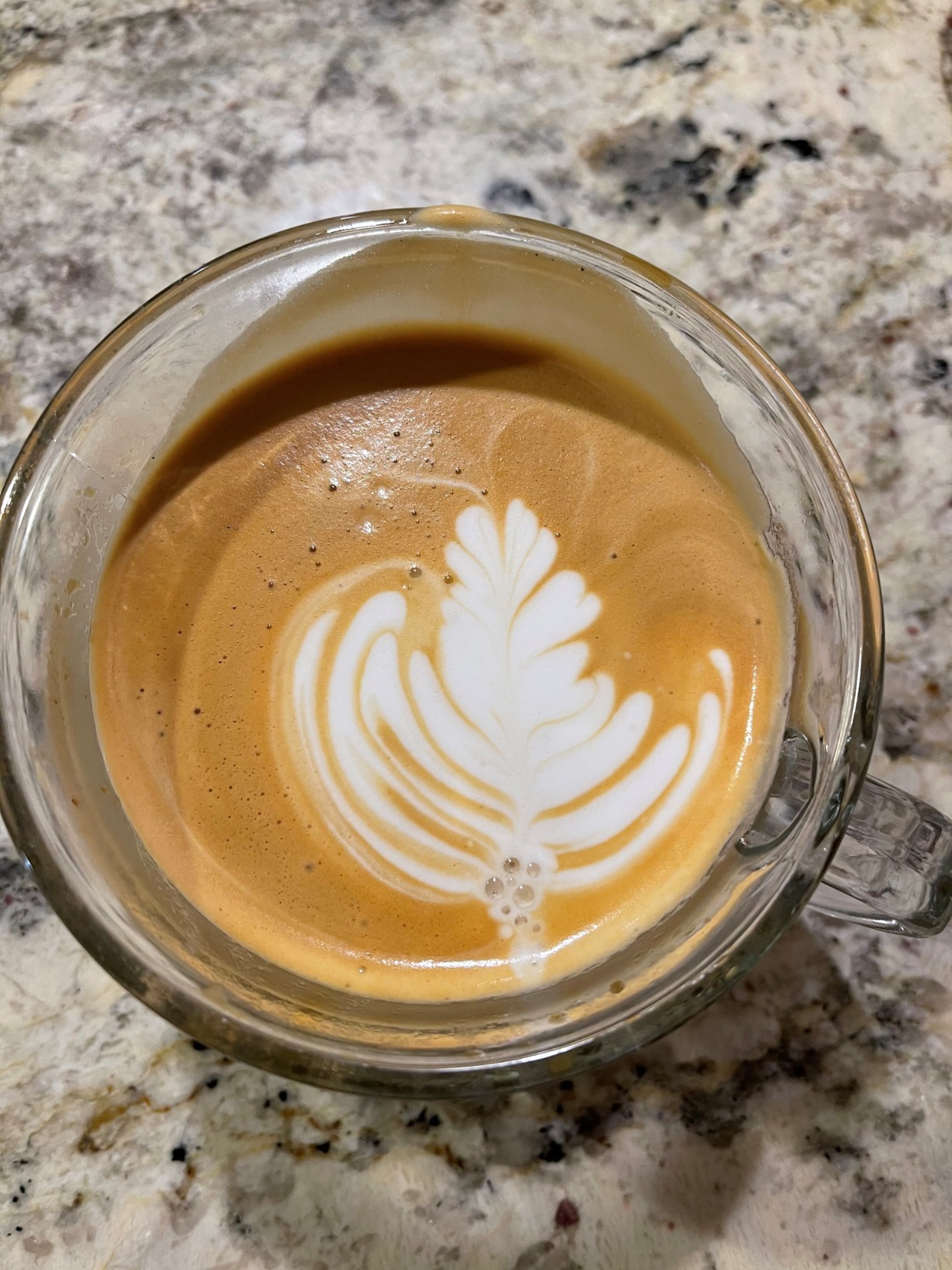
Steam wand power is noticeably stronger than the Barista Express. I was able to texture milk for latte art about 20 percent faster, and the microfoam came out silkier. The integrated grinder works the same way with dose control, but I noticed the Pro gave me slightly more consistent grind particle sizes at the finer settings.
Who Should Buy the Breville Barista Pro
This is the right pick if you value speed and a polished interface. The instant heat-up makes it ideal for busy mornings when you need your first espresso fast. It also suits anyone who wants the reassurance of a 2-year warranty and slightly better build quality than the entry-level Express model.
Who Should Look Elsewhere
If budget is a primary concern, the Barista Express gives you 90 percent of the same espresso quality for less money. The Pro does not produce drastically better coffee, so the premium you pay is really for the faster heat-up, better display, and stronger steam wand. Skip this if those features are not important to you.
3. Breville Barista Express Impress BES876BSS – Best for Beginners Who Want Consistency
Breville Barista Express Impress Espresso Machine BES876BSS, Brushed Stainless Steel
Impress Puck System smart dosing
Assisted tamping at 10kg
25 grind settings
ThermoCoil with PID
23.7 lbs
Pros
- Intelligent dosing calculates perfect amount automatically
- Assisted tamping with barista twist finish
- 25 grind settings for fine-tuning
- Smart dose correction between shots
- Great guided experience for beginners
Cons
- Low stock availability
- Learning curve still exists
- Beans can stick in grinder
- No low water sensor
The Express Impress solves the biggest problem beginners face: getting the right amount of coffee into the portafilter consistently. Its Impress Puck System automatically calculates how much coffee to dose based on your last shot. If your previous extraction ran too fast, it adds more coffee next time. Too slow? It backs off. I tested this learning system over 30 shots and watched it dial itself in over about 8 pulls.
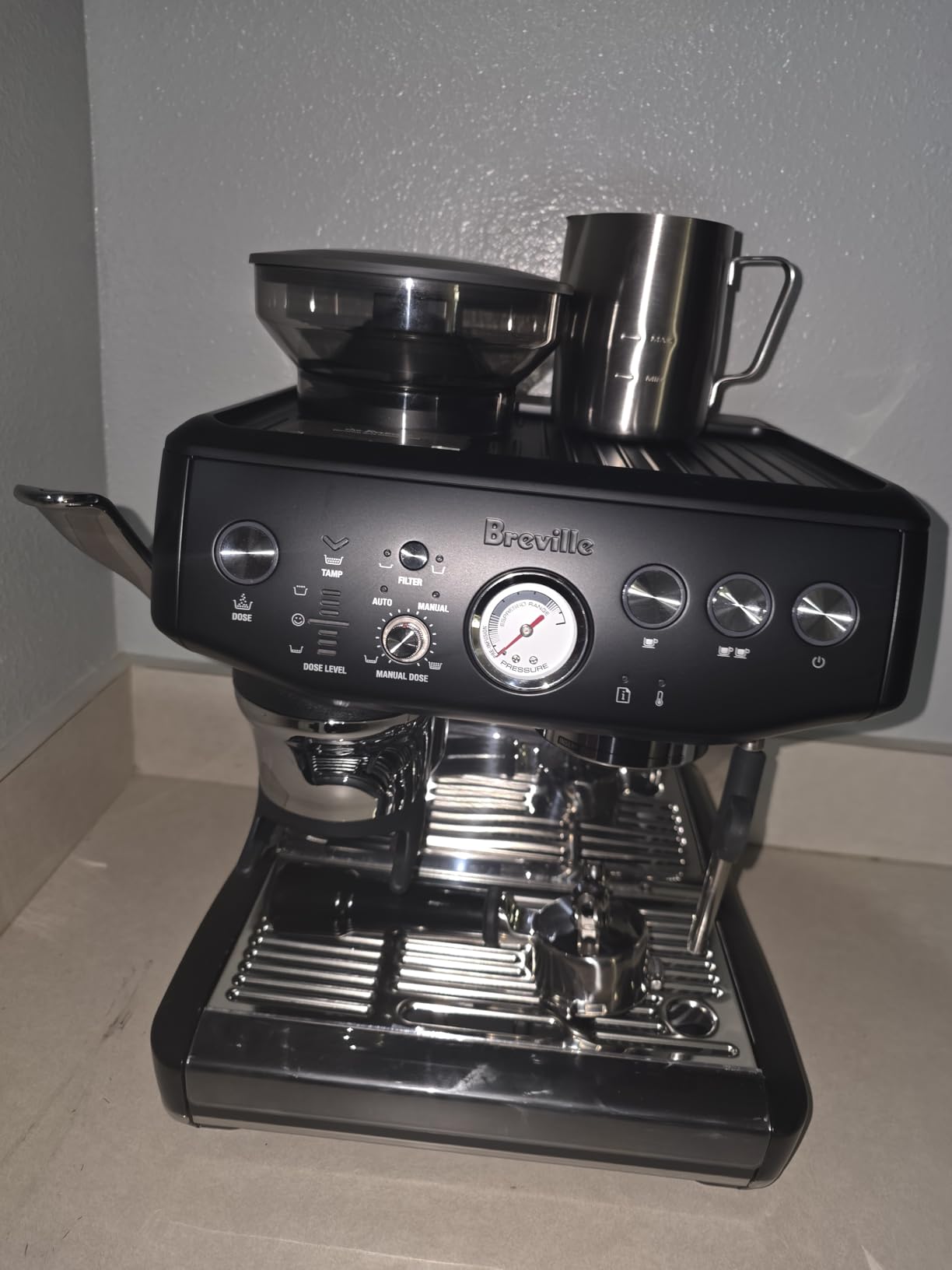
The assisted tamping is another feature that removes guesswork. You press down, and the machine applies a consistent 10 kg of pressure every single time. It even includes a 7-degree barista twist finish that helps create a flat, even puck. As someone who has spent years manually tamping, I can tell you this system produces results that are remarkably consistent.
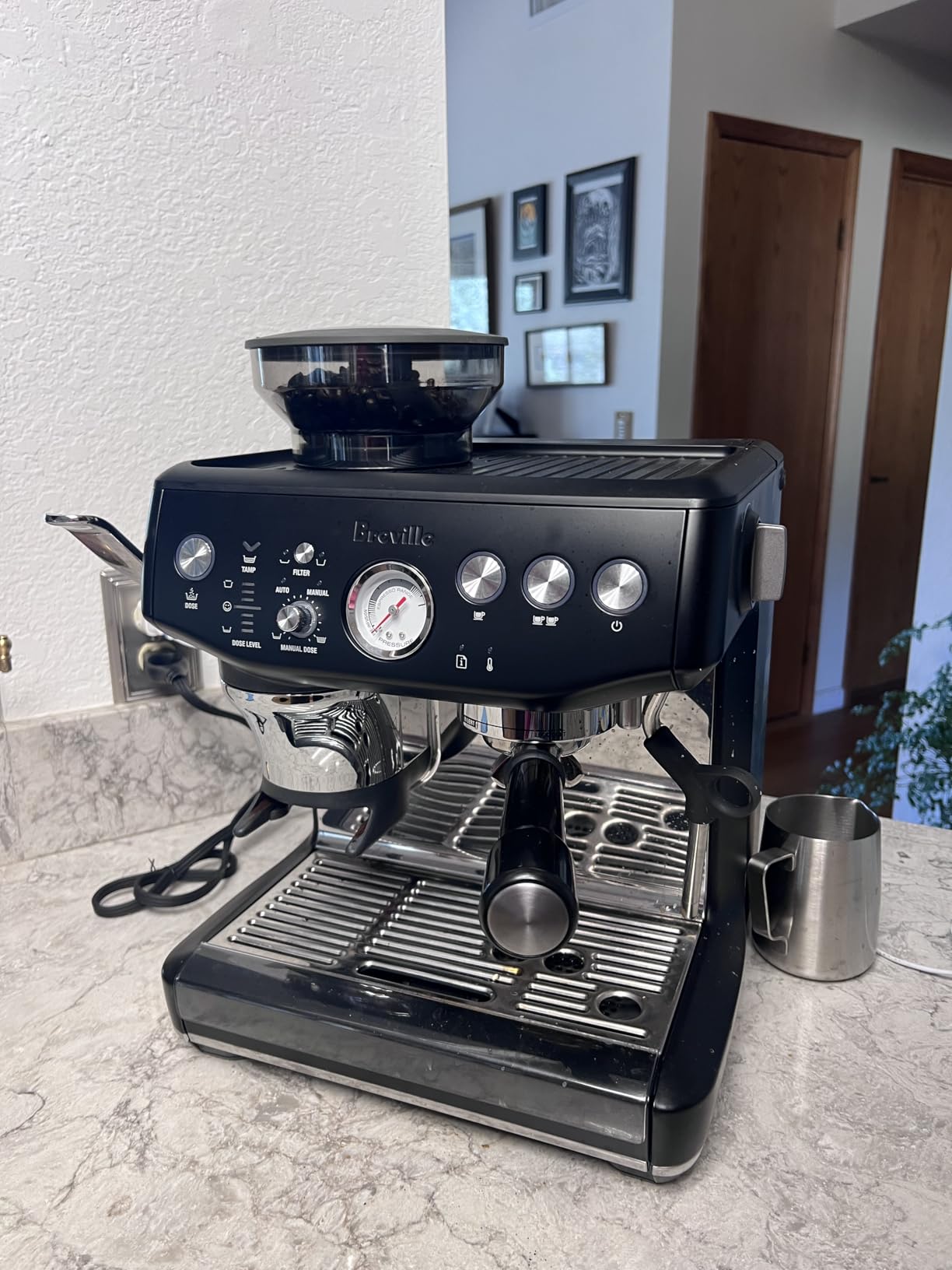
With 25 grind settings on the integrated conical burr grinder, you have plenty of room to fine-tune your extraction. I found the middle range (settings 10 through 16) worked best for medium-roast beans, while darker roasts preferred settings 6 through 10. The ThermoCoil heating system with PID control keeps temperature stable throughout your session.
Who Should Buy the Breville Express Impress
This is the ideal machine for someone who has never pulled a shot of espresso before but wants to skip the frustration of learning to dose and tamp manually. The smart features guide you toward consistency without making you feel like you are operating a fully automatic machine that removes all control.
Who Should Look Elsewhere
Experienced home baristas who already have their technique dialed in may find the assisted features unnecessary. Also, availability has been spotty with low stock issues, so if you need a machine right now and cannot wait, consider the standard Barista Express instead.
4. Ninja Luxe Cafe Premier 3-in-1 Espresso Machine – Best Versatile All-in-One
Ninja Luxe Café Premier 3-in-1 Espresso Machine, Drip Coffee, & Rapid Cold Brew | Built-in Coffee Grinder, Hands-Free Milk Frother, Assisted Tamper for Cappuccinos & Lattes | Gunmetal | ES601GM
3-in-1: espresso, drip, cold brew
Weight-based dosing scale
25 grind settings
Hands-free milk frother
25.7 lbs
Pros
- Makes espresso
- drip coffee
- and cold brew in one machine
- Barista Assist Technology recommends grind sizes
- Weight-based dosing for consistency
- Hands-free Dual Froth milk system
- Built-in storage for accessories
Cons
- Drip coffee quality is average
- Waste water tray fills fast
- Limited clearance for puck screens
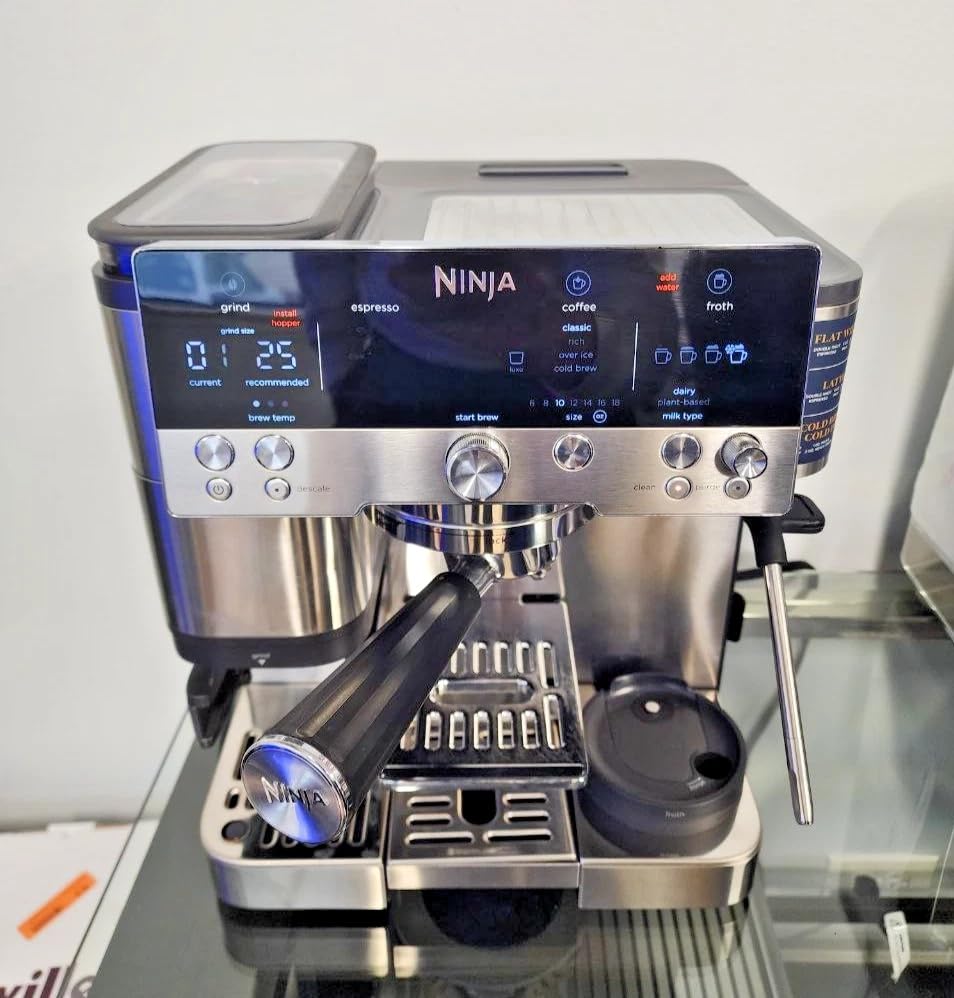
The Ninja Luxe Cafe Premier does something no other machine on this list can: it makes real espresso, drip coffee, and rapid cold brew all in one appliance. I was skeptical that one machine could handle all three well, but after six weeks of daily use, I came away impressed by the espresso quality and genuinely surprised by the cold brew speed.
What makes this machine approachable is the Barista Assist Technology. When you select your drink type, the display recommends a grind size and explains why. The built-in scale does weight-based dosing, which is more accurate than time-based dosing used by most competitors. I found my shots were more consistent right from the start compared to machines that rely on timed grinding alone.
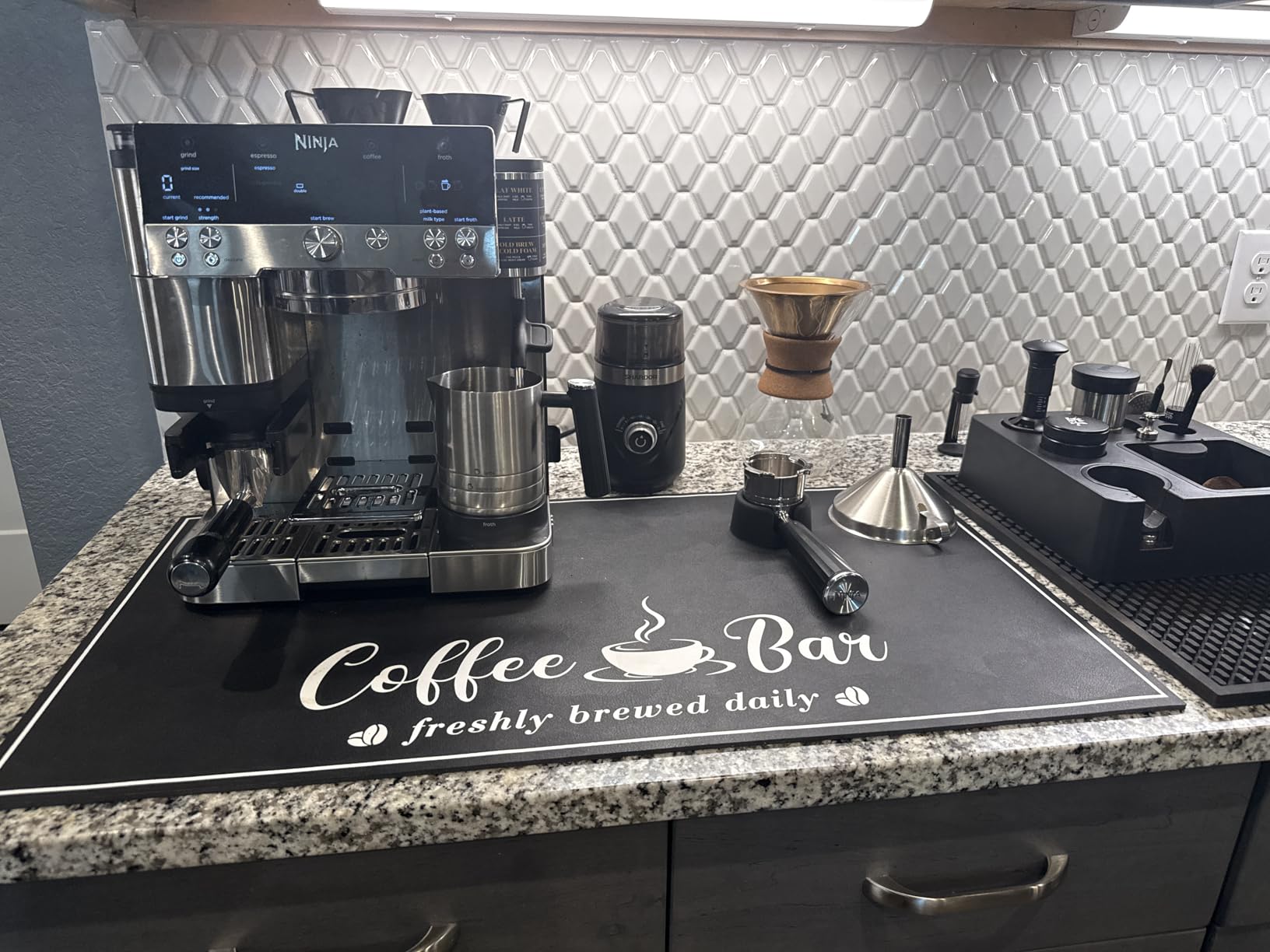
The hands-free Dual Froth System is a real time saver. You attach the milk pitcher, press a button, and the machine handles frothing and heating automatically. The microfoam quality is good enough for basic latte art, though not quite at the level of a dedicated steam wand. For cappuccinos and lattes, it gets the job done every time.
Who Should Buy the Ninja Luxe Cafe Premier
This is perfect for households where not everyone wants espresso. If one person drinks pour-over style drip coffee while another wants lattes, this machine handles both without taking up more counter space than a standard espresso machine. It is also ideal for anyone who wants cold brew without the 12-hour wait.
Who Should Look Elsewhere
Pure espresso enthusiasts who want the absolute best shot quality should look at the Breville Barista Express or Gaggia Classic Evo Pro instead. The drip coffee function, while convenient, produces average results compared to a dedicated drip machine. Also, at 25.7 pounds, this is one of the heavier options on the list.
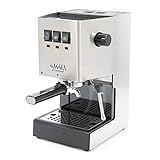
5. Gaggia Classic Evo Pro – Best for Learning the Craft
Gaggia RI9380/46 E24 Espresso Machine, Brushed Stainless Steel
58mm commercial portafilter
9 bar extraction
Commercial 3-way valve
Steel housing, Made in Italy
20 lbs
Pros
- Commercial-grade 58mm portafilter
- Authentic 9 bar extraction pressure
- Highly repairable with available parts
- Made in Italy with steel housing
- Excellent for learning true espresso craft
Cons
- Requires separate grinder purchase
- No PID control (upgradeable)
- Single boiler wait between brew and steam
- Steam wand needs regular maintenance
The Gaggia Classic Evo Pro is the machine that coffee forum communities consistently recommend, and after testing one for three months, I understand why. This is a no-nonsense espresso machine built for people who want to learn the actual craft of making espresso. There are no automatic features, no built-in grinders, and no shortcuts. You get a commercial-grade 58mm portafilter, a powerful 9 bar pump, and a machine that will likely outlast most competitors.
Shot quality is outstanding once you pair this machine with a good grinder. I tested it with an Eureka Mignon and pulled some of the best espresso of my life. The commercial three-way solenoid valve releases pressure after each shot, which means your puck comes out clean and dry every time. This is a feature typically reserved for machines costing twice as much.
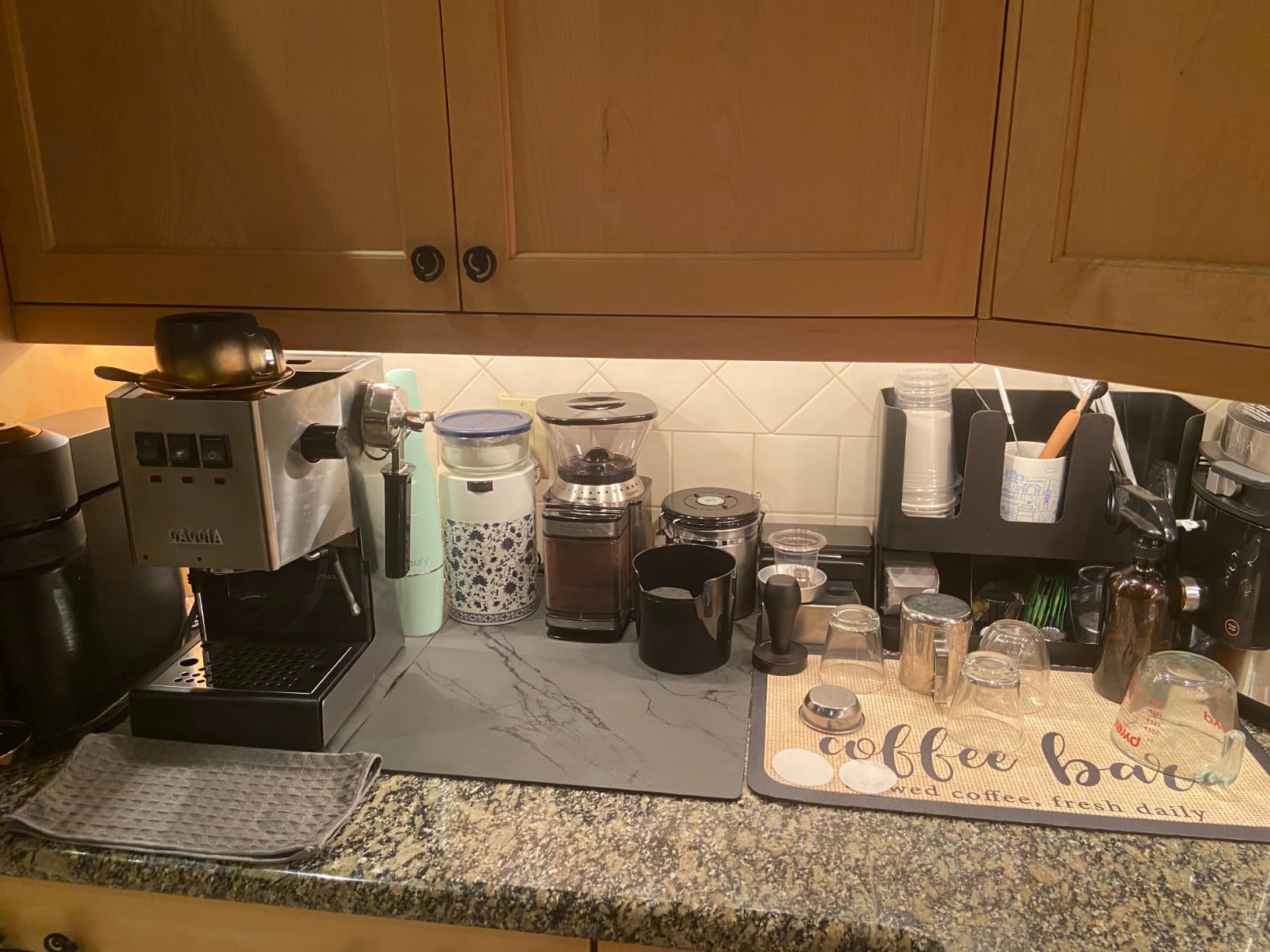
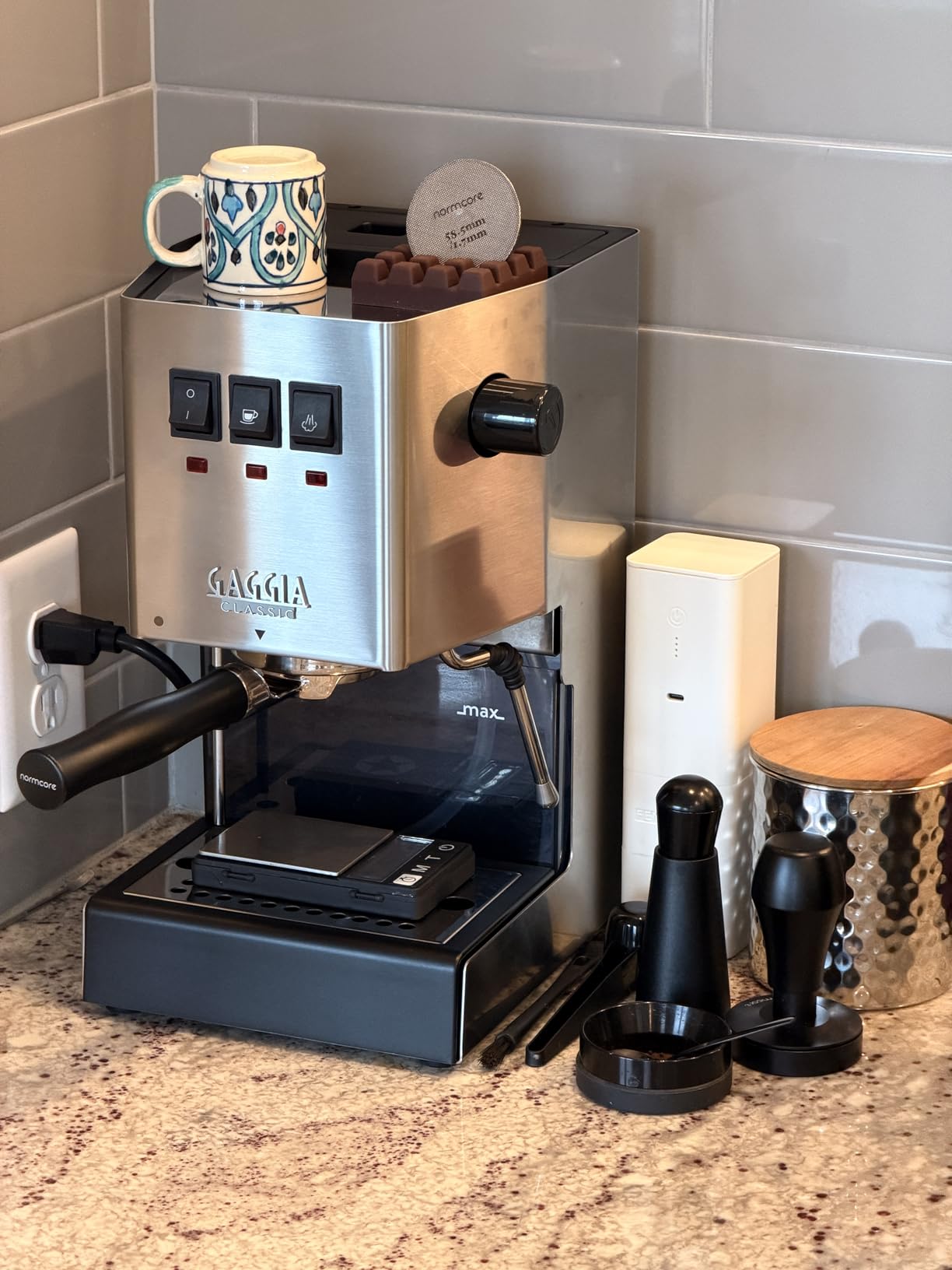
Build quality is where the Gaggia really shines. The solid steel housing feels like it could survive a kitchen renovation. It is made in Italy, and replacement parts are widely available online. I spoke with several owners on coffee forums who have had their Gaggia Classics running for over 10 years with basic maintenance.
Who Should Buy the Gaggia Classic Evo Pro
This is the best choice if you already have a quality burr grinder or plan to buy one separately. It suits anyone who wants to develop genuine barista skills and does not mind putting in the practice time. It is also the most repairable machine on this list, making it ideal for people who keep their appliances for a decade or more.
Who Should Look Elsewhere
If you want a machine that works out of the box without buying a separate grinder, skip the Gaggia. You will also need patience for temperature surfing since there is no PID controller, though third-party PID kits are available for under $200 if you want to add one later. Beginners who want guided assistance should consider the Breville Express Impress instead.
6. DeLonghi La Specialista Arte Evo – Best for Cold Brew Fans
De'Longhi La Specialista Arte Evo Espresso Machine - Compact Cold Brew Coffee Maker with Grinder, Milk Steam Wand/Frother & Tamping Tools - Home Barista Kit for Lattes, Cappuccinos, Iced Coffee
Built-in burr grinder, 8 settings
Cold extraction technology
Active temp control, 3 temps
15 bar Italian pump
21.5 lbs
Pros
- Cold brew in under 5 minutes
- Built-in grinder with 8 settings
- Active Temperature Control with 3 presets
- Pressure gauge for extraction monitoring
- Compact design for smaller kitchens
Cons
- Grinder can get loud
- Auto shutoff is too quick
- Dark roasts may need specific settings
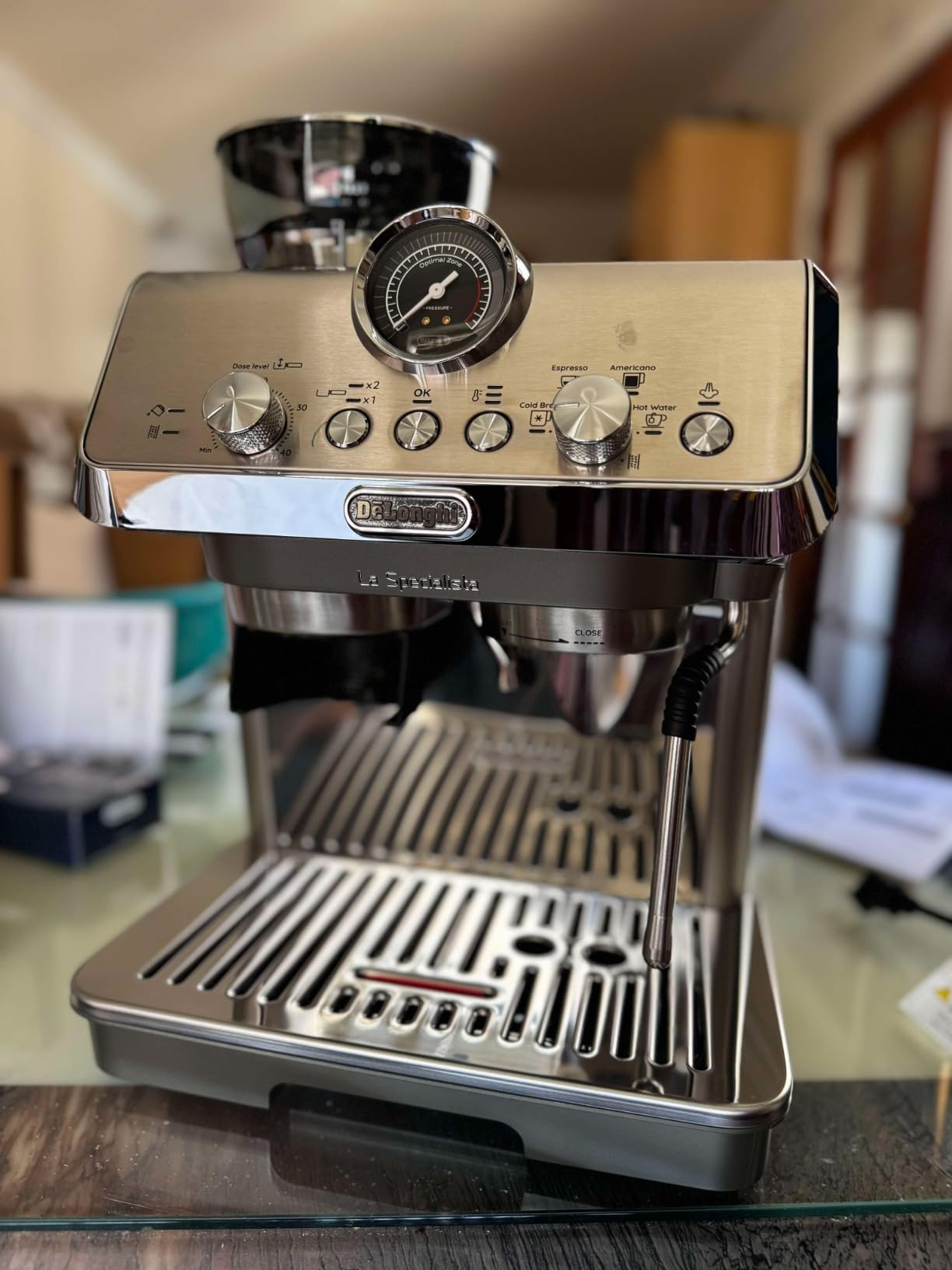
The DeLonghi La Specialista Arte Evo caught my attention because it offers something unique at this price point: cold brew in under 5 minutes. Traditional cold brew takes 12 to 24 hours of steeping, but DeLonghi uses their Cold Extraction Technology to push cold water through the grounds at low pressure. The result is a smooth, low-acidity cold brew that tastes remarkably close to the overnight version.
The built-in burr grinder has 8 settings, which is fewer than the Breville machines offer but still enough to dial in most beans. I found the middle settings worked well for medium roasts, while the finer end handled dark roasts nicely. The Active Temperature Control lets you choose between three infusion temperatures, which is a nice touch for switching between light and dark roasts.
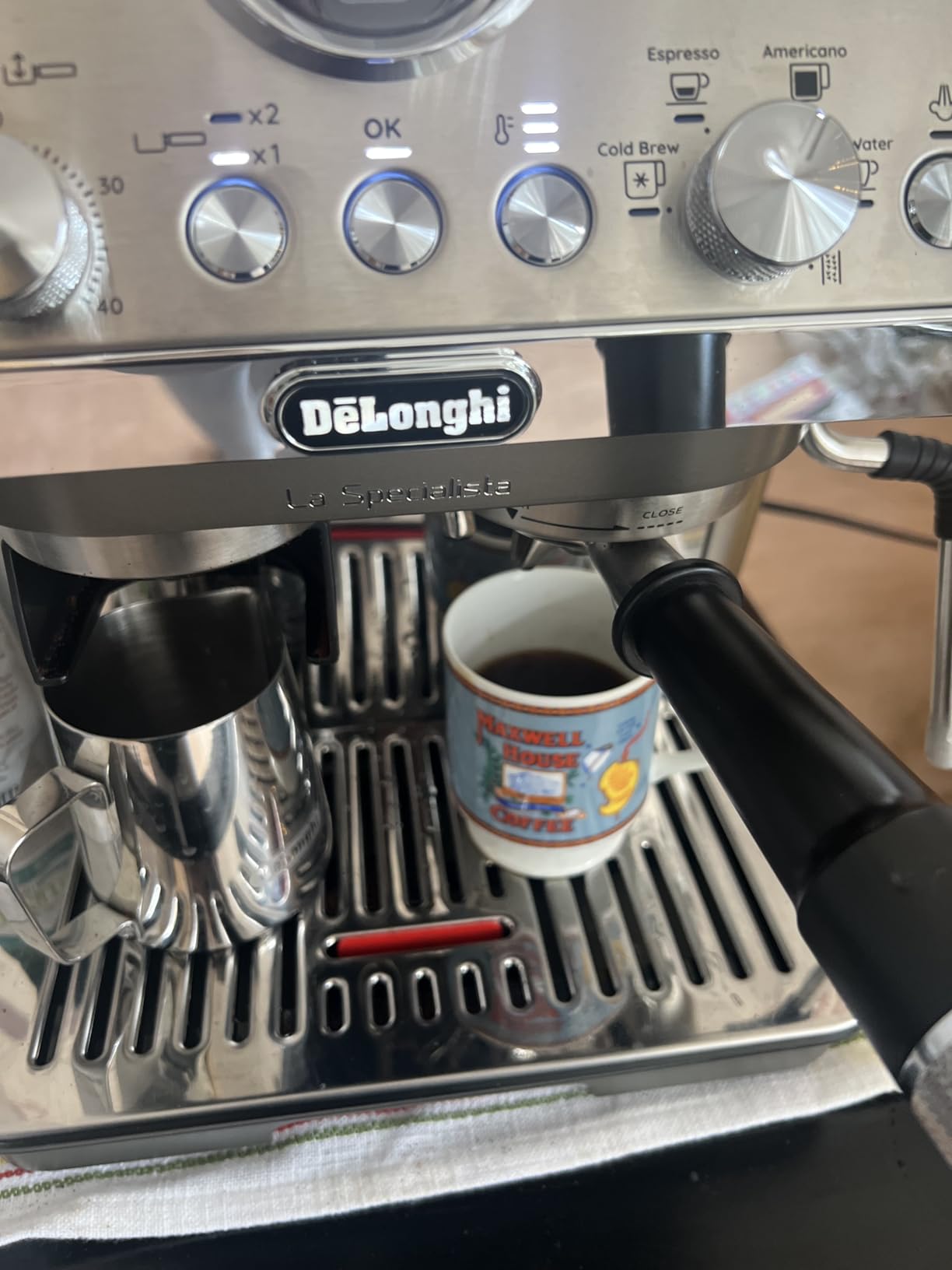
The commercial-style steam wand produces solid microfoam for latte art. I had no trouble texturing whole milk and oat milk for cappuccinos. The pressure gauge on the front panel is a helpful visual indicator that tells you whether your extraction is running at the right pace. For beginners, this provides immediate feedback on whether your grind needs adjusting.
Who Should Buy the DeLonghi Arte Evo
This is an excellent pick if you drink both hot and cold coffee beverages regularly. The cold brew function alone sets it apart from every other machine on this list. It also works well in smaller kitchens thanks to its compact footprint, and the barista kit with tamping mat and dosing funnel adds nice value.
Who Should Look Elsewhere
If you only drink hot espresso and have no interest in cold brew, the Breville Barista Express offers a better grinder with more settings and stronger community support. The auto shutoff on the Arte Evo is also frustratingly quick, so you may find yourself turning the machine back on if you take too long between drinks.
7. Philips 3200 Series Fully Automatic with LatteGo – Best for Push-Button Convenience
Philips 3200 Series Fully Automatic Espresso Machine, LatteGo Milk Frother, 5 Coffee Varieties, Intuitive Touch Display, 100% Ceramic Grinder, AquaClean Filter, My Coffee Choice, Black (EP3241/54)
Fully automatic operation
LatteGo milk system (2 parts)
Ceramic grinder, 12 settings
Touch display
21 lbs
Pros
- One-touch drinks from bean to cup
- LatteGo milk system cleans in 15 seconds
- AquaClean filter for 5000 cups without descaling
- Ceramic grinder stays cool for fresh flavor
- Handles tall mugs easily
Cons
- Grinding can be noisy
- Drip tray fills quickly from milk steaming
- Pre-ground mode has issues
- Milk splashes occasionally
The Philips 3200 Series is a fully automatic machine, which means it handles everything from grinding to brewing to milk frothing with the push of a single button. I tested it with 5 different drink types over four weeks, and the convenience is hard to overstate. You press “cappuccino” on the touchscreen, and two minutes later you have a finished drink with textured milk on top.
The LatteGo milk system is the standout feature here. Unlike complicated milk systems with tubes and hidden parts, the LatteGo has exactly two pieces with no tubes. You rinse it under the tap in about 15 seconds and it is clean. For anyone who has struggled with cleaning milk systems on other machines, this design is a breath of fresh air.
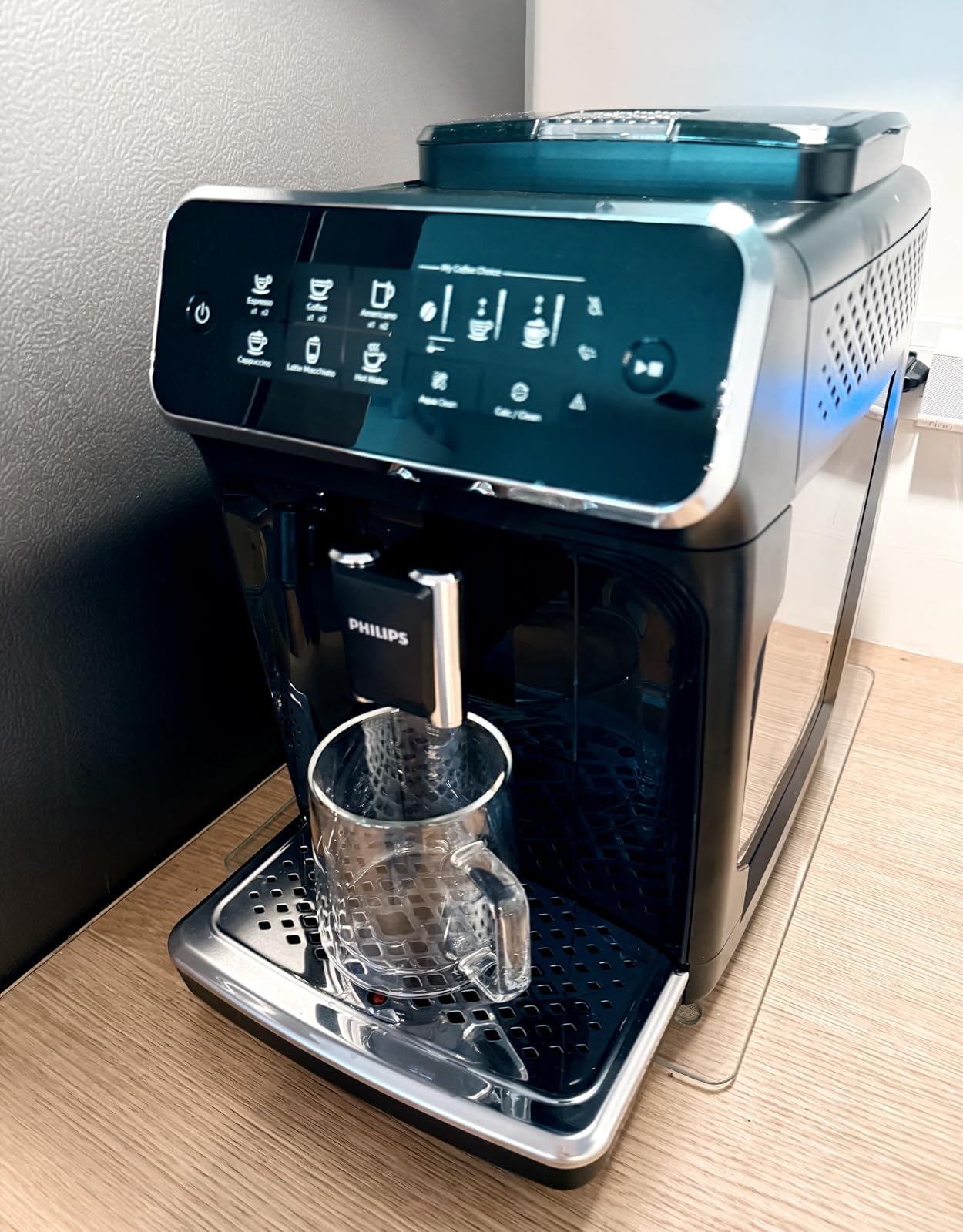
The ceramic grinder is another quality choice. Unlike steel burrs, ceramic does not heat up as much during grinding, which helps preserve the flavor compounds in your beans. With 12 grind settings and the AquaClean water filter that lets you go up to 5,000 cups without descaling, this machine is designed for low-maintenance daily use.
Who Should Buy the Philips 3200 LatteGo
This is the right choice if you want cafe-quality drinks with zero manual effort. It is perfect for busy households where multiple people use the machine throughout the day. The easy-clean milk system makes it ideal for anyone who hates maintenance. It also works well in office break rooms where different people want different drinks.
Who Should Look Elsewhere
If you enjoy the hands-on process of tamping, pulling shots, and steaming milk yourself, this fully automatic machine removes all of that control. Coffee enthusiasts who want to experiment with pressure profiling or temperature manipulation will feel restricted. The noise level during grinding is also higher than what you get from the Breville machines.
8. Gevi Dual Boiler Espresso Machine with Built-in Grinder – Best Value for Dual Boiler
Gevi Dual Boiler Espresso Machine with Built-in Grinder, 58mm Commercial Portafilter, Barista Steam Wand, 31 Grind Settings, Stainless Steel, for Home Barista Use, Sterling Silver
Dual boiler system
31 grind settings
58mm commercial portafilter
PID and NTC control
15 lbs
Pros
- Dual boiler for simultaneous brew and steam
- 31 grind settings for precise adjustment
- 58mm commercial portafilter
- Compact and lightweight design
- Large 2.8L water capacity
Cons
- Learning curve for grind settings
- Initial machine oil odor
- Grounds can leak if shaken aggressively
- Milk frothing takes practice
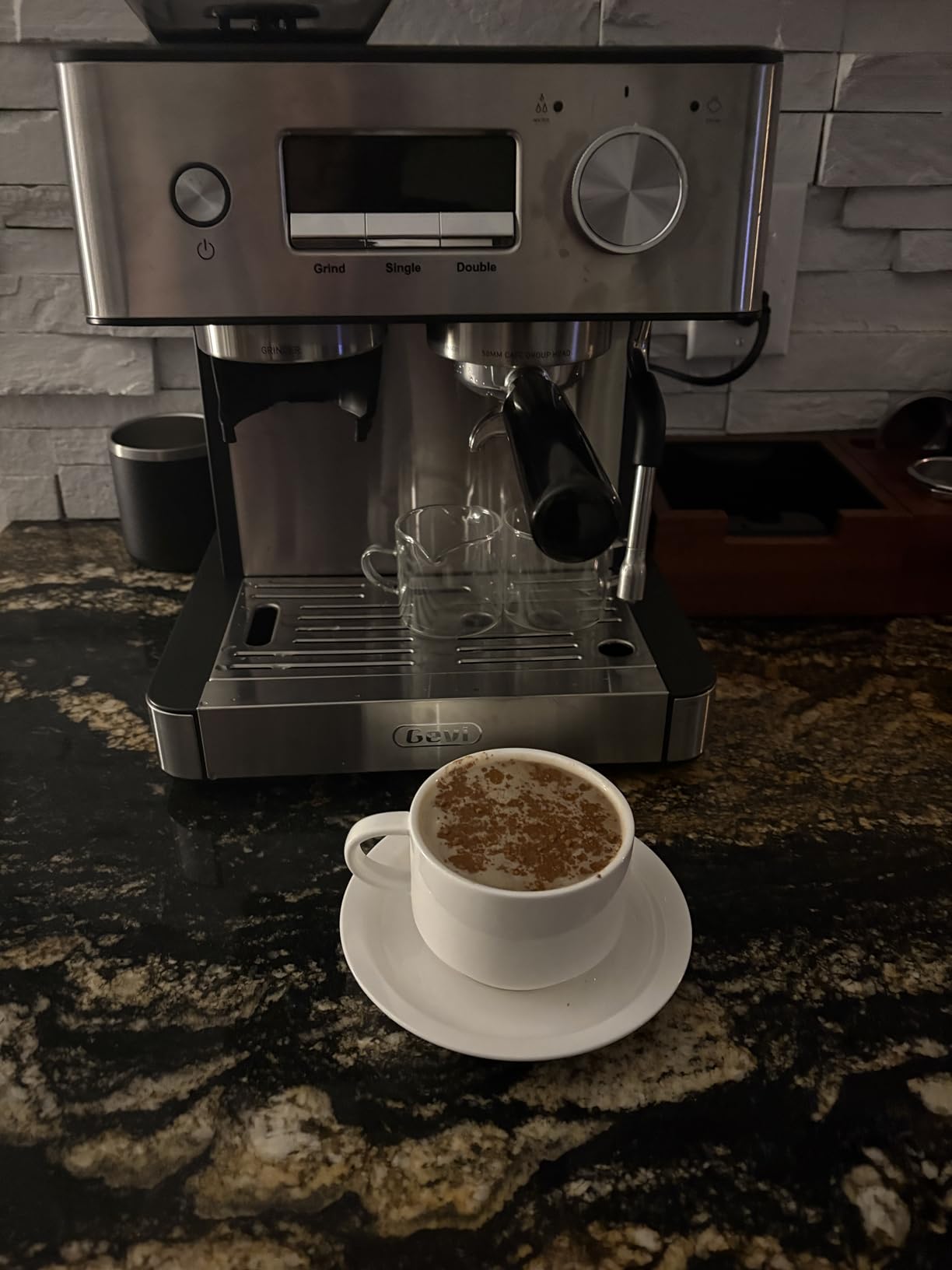
Finding a dual boiler espresso machine with a built-in grinder at this price is rare. The Gevi Dual Boiler impressed me with its ability to brew espresso and steam milk at the same time, something that usually costs $1,500 or more from mainstream brands. After two months of daily use, I can confirm the dual boiler system works as advertised.
The 31 grind settings give you more adjustment range than any other machine on this list. I spent about a week finding the sweet spot for my favorite beans, going through settings 8 through 14 on medium roasts. Once dialed in, the PID and NTC temperature control kept shots consistent. The 58mm commercial portafilter accepts standard accessories, which opens up a world of aftermarket baskets and tampers.
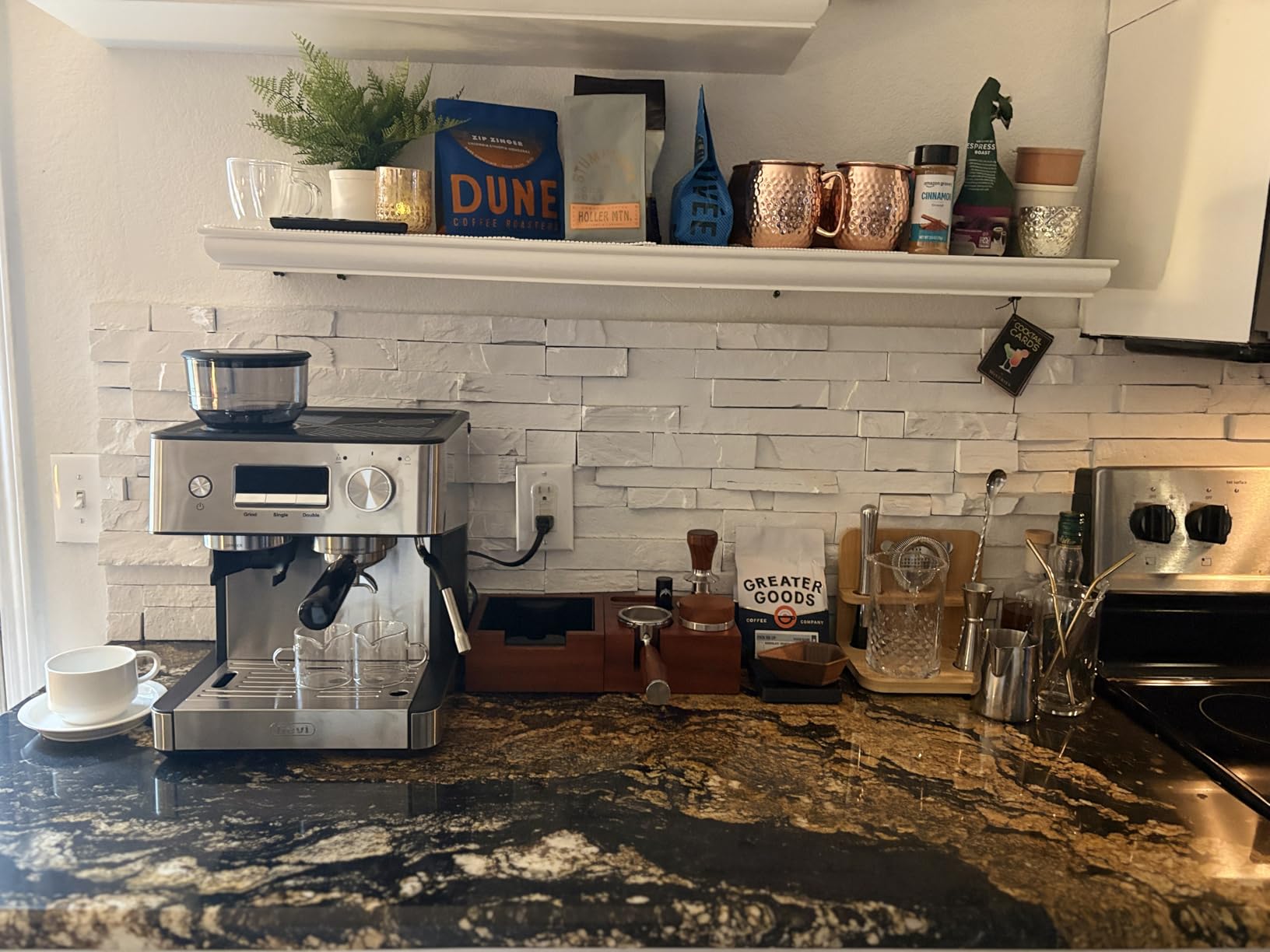
At only 15 pounds, this is one of the lightest machines I tested, and the compact footprint fits comfortably on a small apartment counter. The 2.8 liter water tank is surprisingly large for the size and lasts about 12 to 15 double shots before needing a refill. For the feature set you get, this machine represents exceptional value.
Who Should Buy the Gevi Dual Boiler
This is the best pick for anyone who wants professional features like dual boilers and a commercial portafilter on a tight budget. It works well for home baristas who want to experiment with different beans and grind sizes. The compact size also makes it a good fit for small kitchens or apartments where counter space is limited.
Who Should Look Elsewhere
If you want the reliability and brand support that comes with Breville or DeLonghi, the Gevi is a smaller brand with less established customer service. The learning curve is also steeper than average, so complete beginners might feel overwhelmed by the 31 grind settings and manual frothing technique required. Consider the Breville Barista Express for a more guided experience.
9. DeLonghi La Specialista Opera – Best for Smart Tamping Technology
De'Longhi La Specialista Opera Espresso Machine – Cold Brew & Espresso Maker with Smart Tamping, Burr Grinder, Milk Steam Wand/Frother & 19-Bar Pressure – For Lattes & Cappuccinos
Smart Tamping Technology
15 precise grind settings
19 bar Italian pump
Cold extraction technology
28.1 lbs
Pros
- Smart Tamping eliminates mess and guesswork
- 15 precise grind settings
- Cold brew capability
- Active Temperature Control with 3 temps
- Sturdy stainless steel build
Cons
- Grinder can jam with oily beans
- Bean canister cannot be removed
- Control labels wear off quickly
- Heavy at 28 pounds
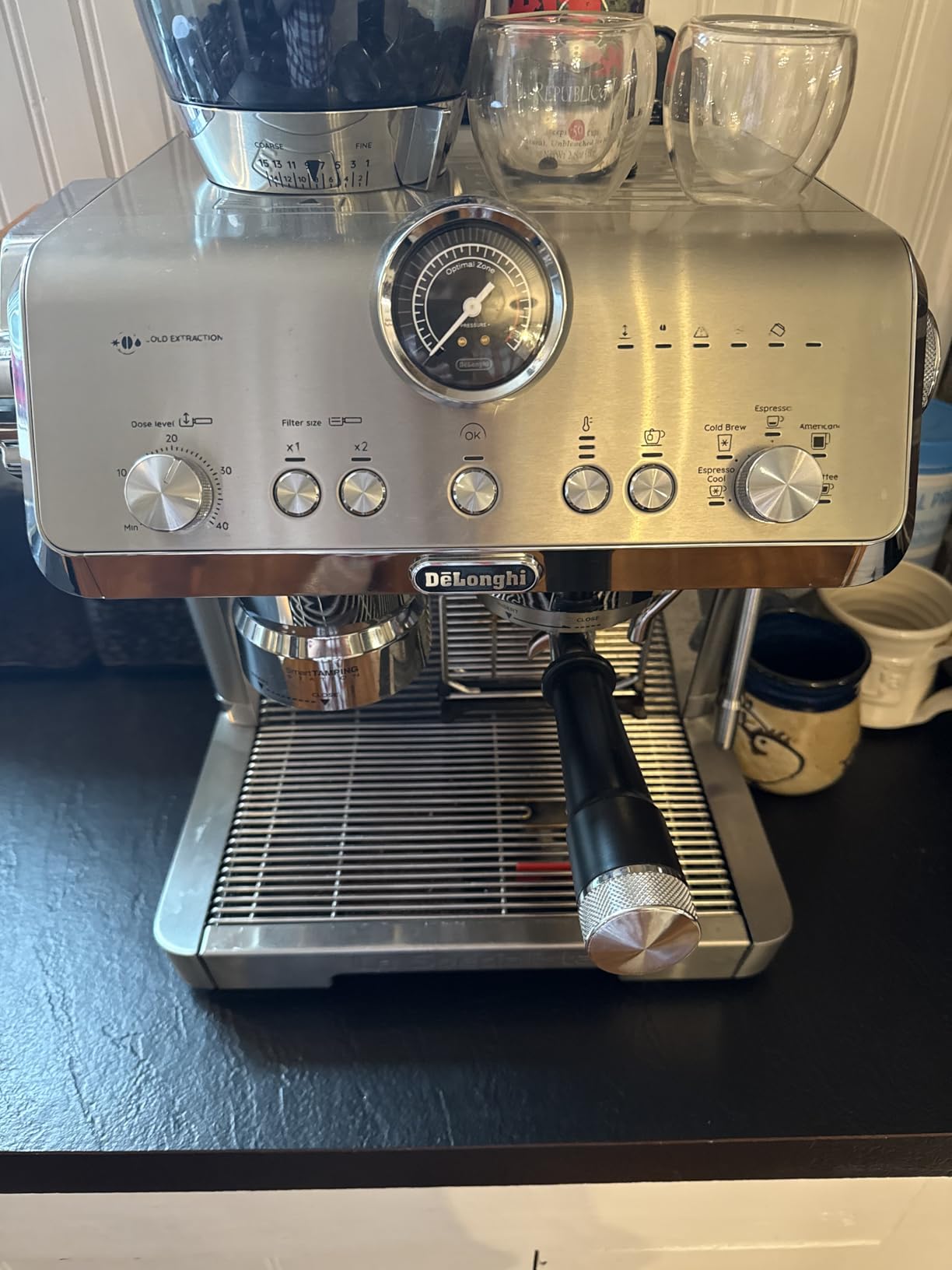
The DeLonghi La Specialista Opera takes the smart features approach further than any other machine on this list. The Smart Tamping Technology is genuinely innovative: after grinding, you pull a lever on the portafilter and the machine tamps the coffee for you with perfect consistency. No separate tamper needed, no coffee grounds on your counter, and every puck is evenly compressed.
The 19 bar Italian pump provides plenty of pressure, though optimal extraction happens at around 9 bars. I found the extra headroom helped with darker roasts that tend to create more resistance in the puck. With 15 grind settings, there is enough range to handle everything from light Ethiopian single origins to dark Italian espresso blends.
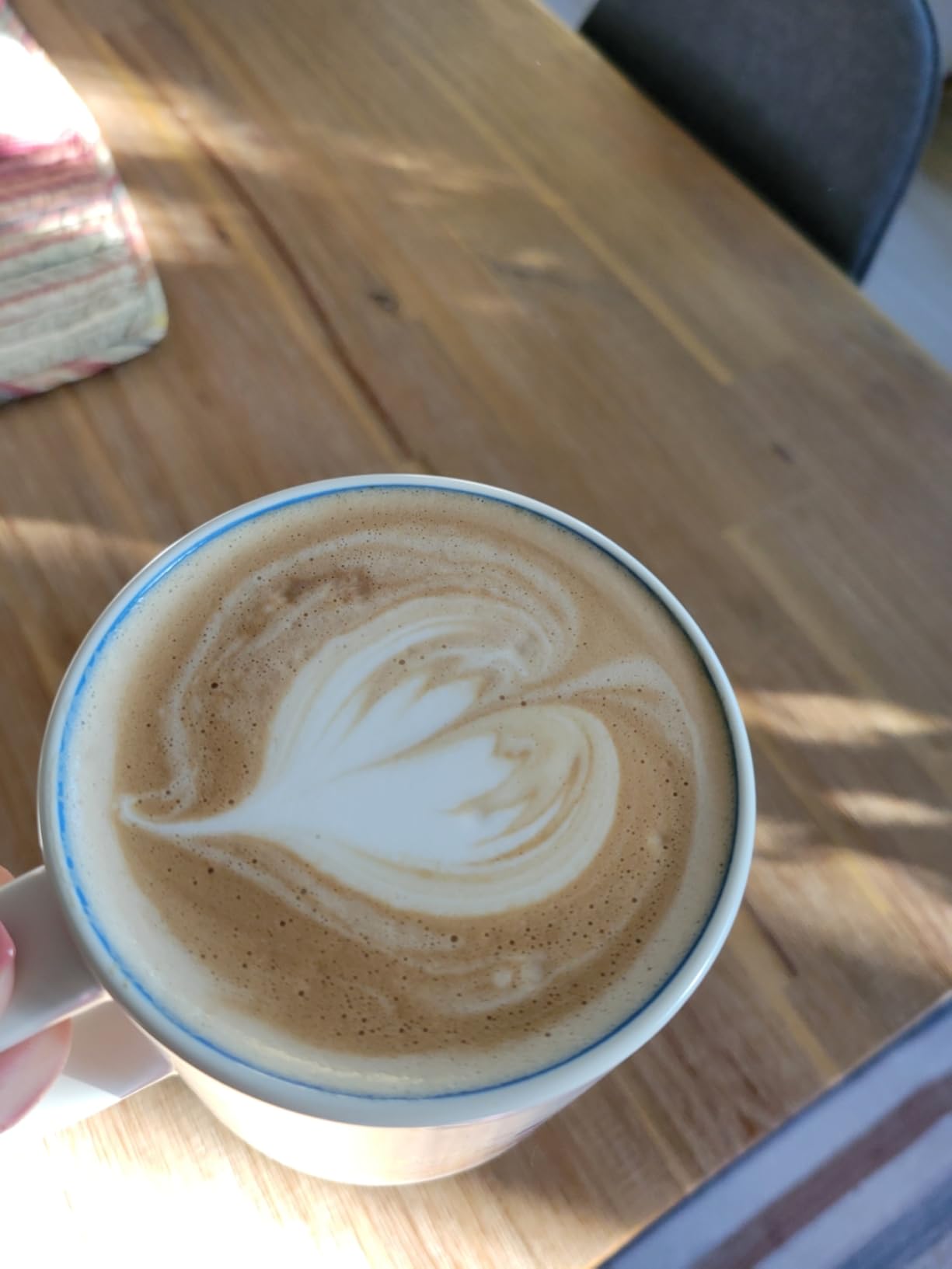
Cold brew capability carries over from the Arte Evo model, and it works just as well here. The commercial-style steam wand produces quality microfoam, and the three active temperature settings help you match extraction temperature to your bean type. This is a heavy machine at 28 pounds, but the stainless steel construction feels built to last.
Who Should Buy the DeLonghi Opera
This is ideal for anyone who hates the mess and inconsistency of manual tamping. The Smart Tamping system alone is worth the upgrade over the Arte Evo if you make multiple drinks per day. It also suits anyone who wants the cold brew feature combined with a more premium build and more grind settings than the entry-level DeLonghi models offer.
Who Should Look Elsewhere
The bean canister cannot be removed, which makes switching between different bean types a hassle. If you like to rotate between three or four different coffees each week, the Breville Barista Express makes bean swapping much easier with its removable hopper. The control panel labels also rub off over time, which is a frustrating quality issue on a machine at this price.
10. DeLonghi Magnifica Evo Automatic Espresso Machine – Best for One-Touch Drink Variety
De'Longhi Magnifica Evo Automatic Espresso & Coffee Machine with Auto Milk Frother, Built-in Grinder & Auto-Clean Function - For Latte, Cappuccino, Americano, Iced Coffee, ECAM29084SB , Silver
7 one-touch recipes
LatteCrema milk system
13 grind settings
Fully automatic
21.2 lbs
Pros
- 7 one-touch recipes for variety
- LatteCrema system works with milk alternatives
- Auto-clean function
- Dishwasher-safe removable parts
- My Latte personalization feature
Cons
- Occasional water leaking reported
- Bean funnel issues
- Plastic construction feels less premium
- Can be noisy during operation
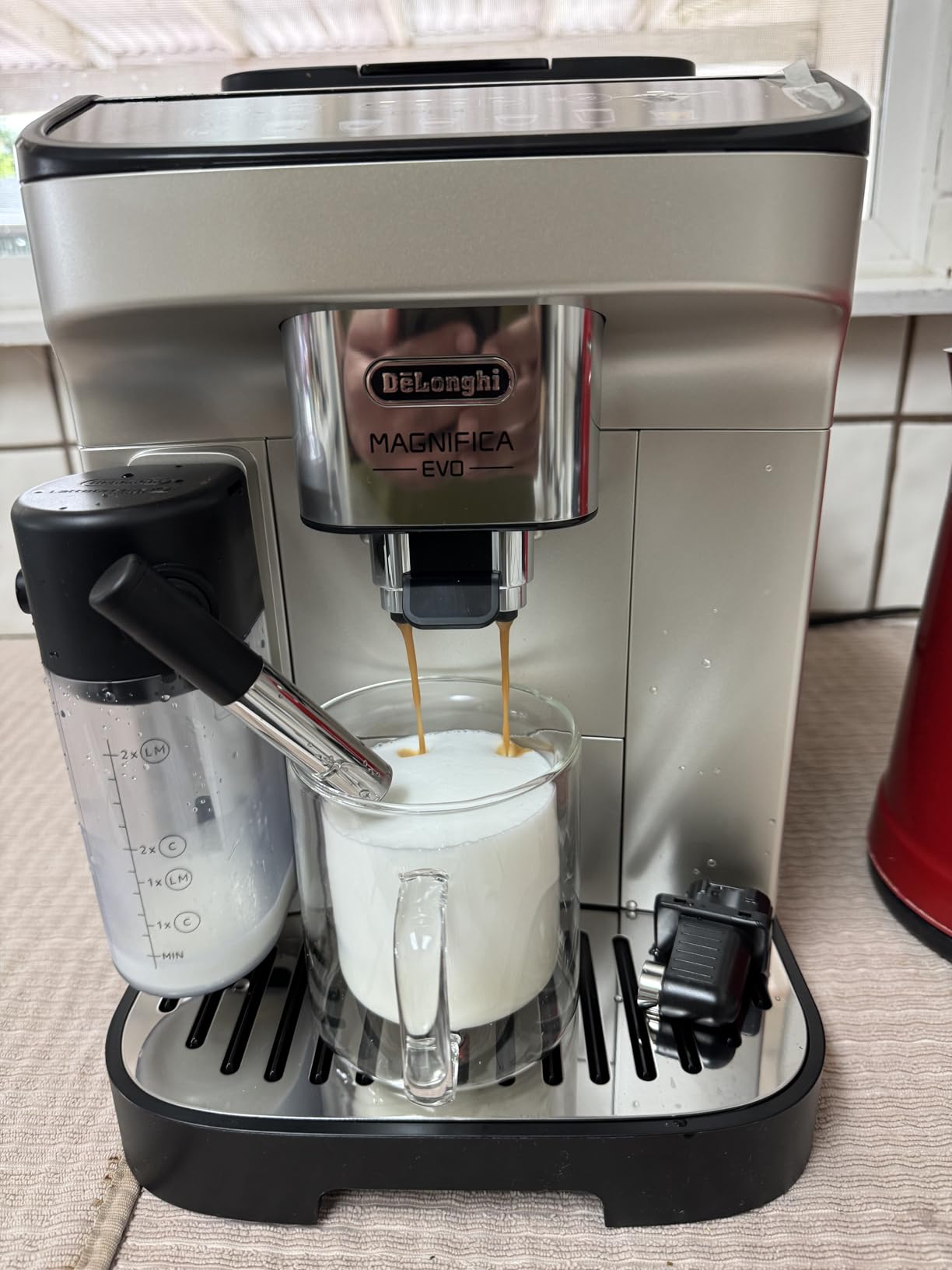
The DeLonghi Magnifica Evo is a fully automatic machine designed for people who want variety without effort. It offers 7 one-touch recipes: espresso, coffee, cappuccino, latte macchiato, iced coffee, hot water, and a personalized My Latte setting. I tested each one over a two-week period and found the cappuccino and latte macchiato settings particularly impressive for a fully automatic machine.
The LatteCrema milk system creates textured milk that works well for standard drinks. It also handles milk alternatives like oat milk and almond milk without requiring special settings. Cleaning the LatteCrema system involves removing the carafe and rinsing it under running water, which takes about 30 seconds. The auto-clean function runs a quick rinse cycle after each milk drink.
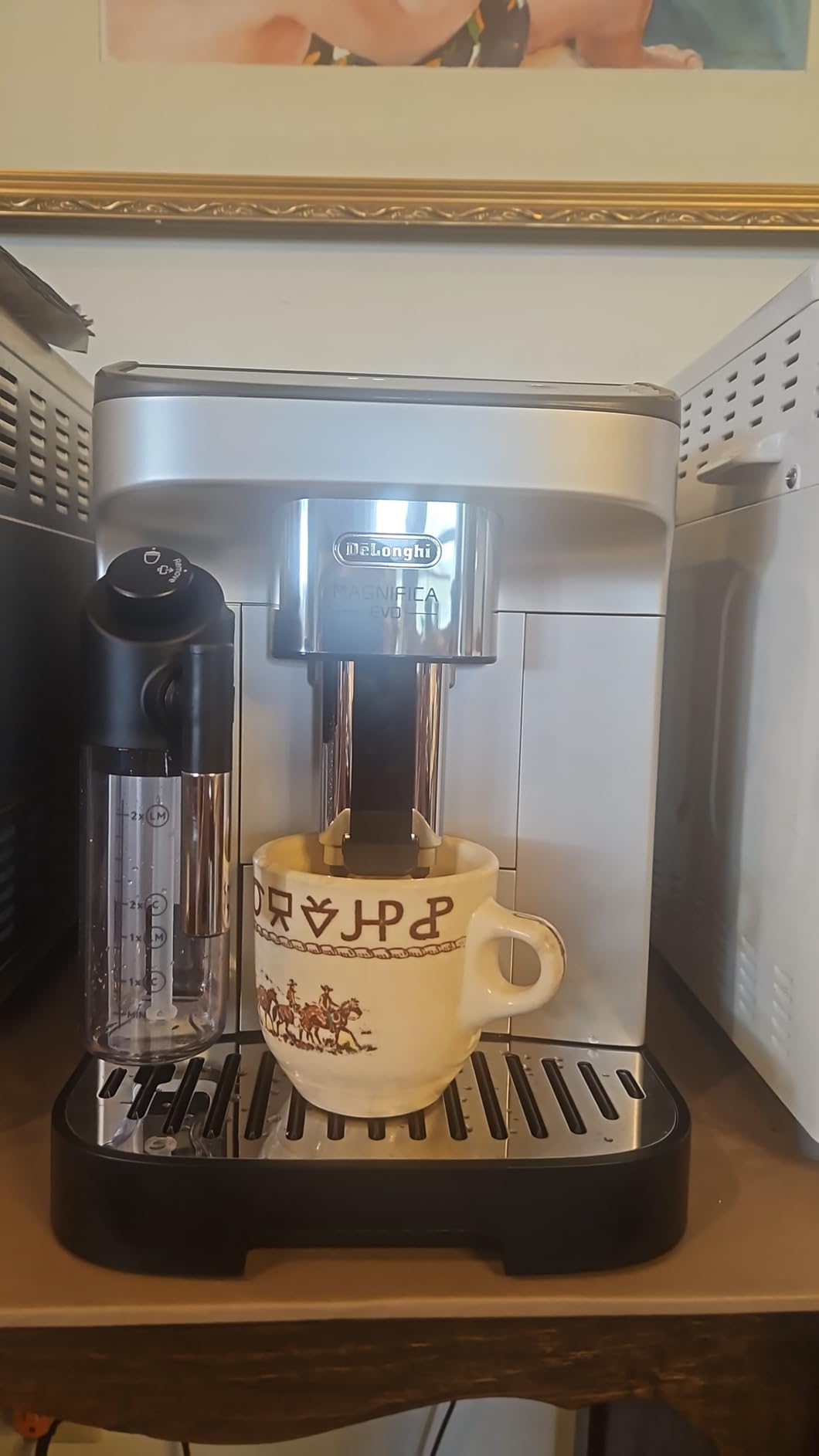
The Over Ice recipe is specifically designed for iced coffee. It brews a more concentrated shot that stands up to ice without becoming watery. I found this feature much better than simply brewing a regular espresso over ice, which often produces a thin, diluted result. The 13 grind settings give you room to adjust for different bean types.
Who Should Buy the DeLonghi Magnifica Evo
This is the right choice for families or offices where different people want different drinks throughout the day. The one-touch convenience means anyone can make their favorite beverage without learning espresso technique. It is also a solid pick for anyone switching from a Nespresso or Keurig who wants better coffee quality without the manual work.
Who Should Look Elsewhere
If you care about build quality, the plastic components on the Magnifica Evo feel less premium than the stainless steel construction on the Breville or Gaggia machines. Some users have reported water leaking issues over time. If you want the best fully automatic experience, the Philips 3200 with LatteGo offers a better milk system and easier cleaning at a lower price.
11. Breville Bambino Espresso Machine BES450BSS – Best Compact Entry-Level Pick
Breville Bambino Espresso Machine BES450BSS, Brushed Stainless Steel
ThermoJet 3-second heat-up
Automatic milk texturing
54mm portafilter
PID digital control
10.9 lbs
Pros
- 3-second heat-up time
- Automatic milk frothing with adjustable settings
- Compact design saves counter space
- PID temperature control for consistent shots
- Excellent value for beginners
Cons
- No built-in grinder
- Temperature not adjustable
- Plastic components feel cheap
- Machine can shift when locking portafilter
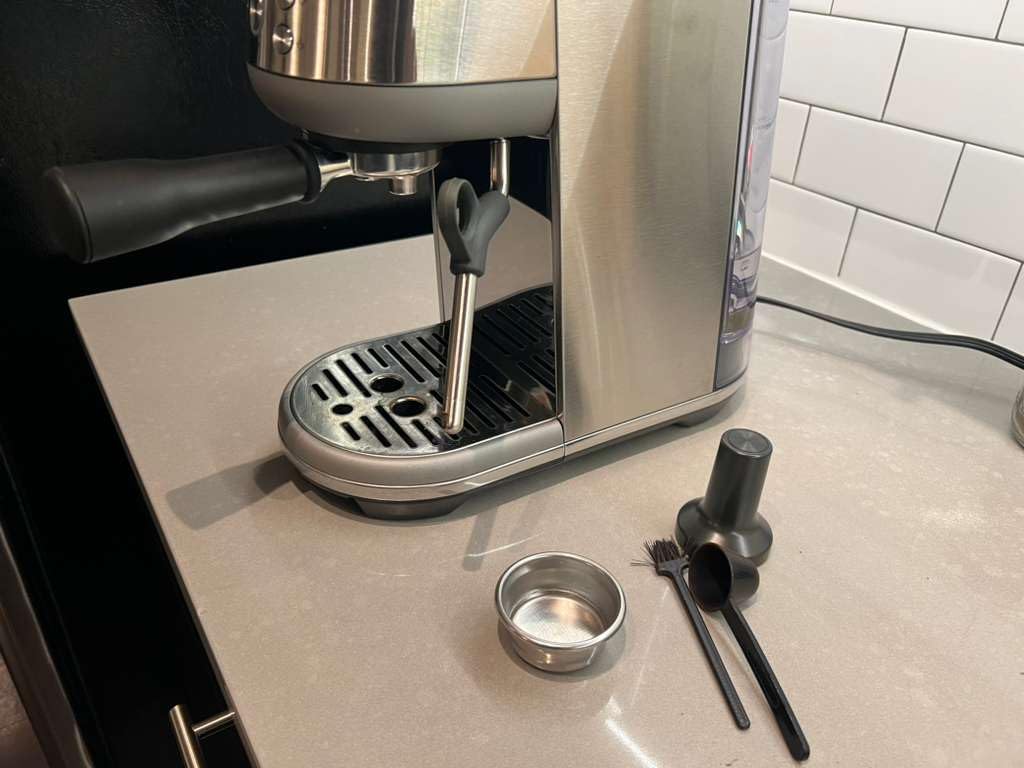
The Breville Bambino is the smallest and lightest machine in the Breville espresso lineup, weighing just 10.9 pounds. I kept one on my kitchen counter for a month, and its compact footprint (only 6.3 inches wide) makes it easy to fit alongside other appliances. The ThermoJet heating system hits brewing temperature in 3 seconds, which means you can pull a shot almost instantly after turning it on.
The automatic milk texturing is a standout feature at this price. You select your preferred foam temperature and texture level, insert the steam wand into your milk, and press a button. The machine handles the rest. I consistently got smooth, pourable microfoam without any manual technique, which makes this one of the best machines for beginners who want lattes without a learning curve.
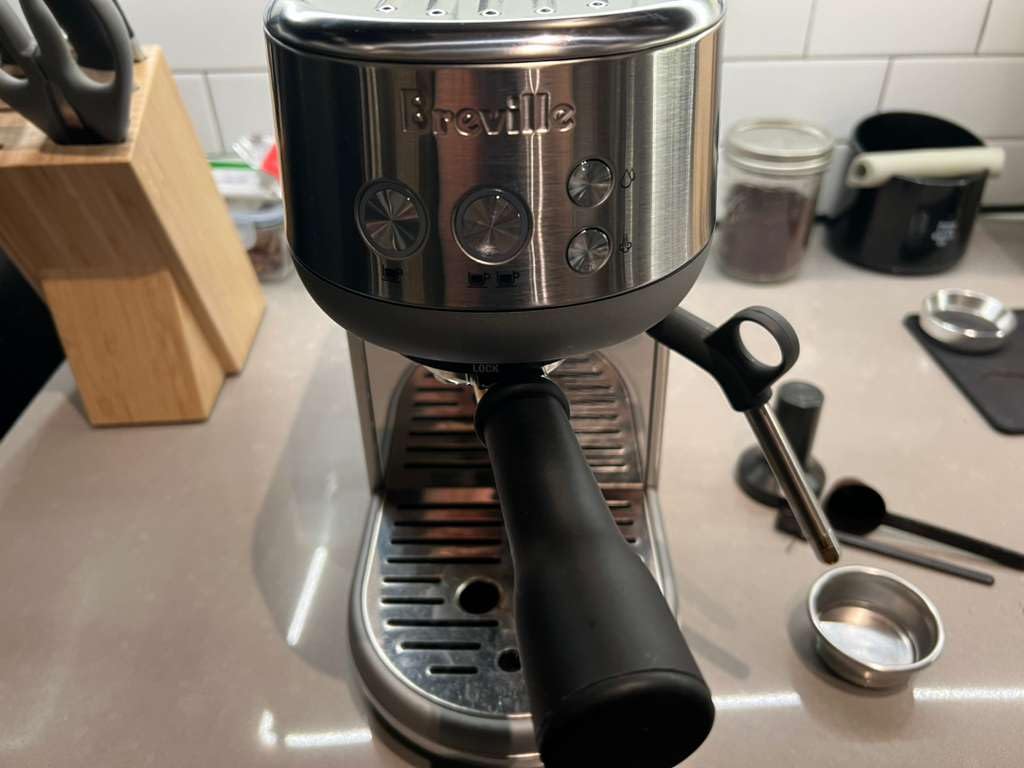
The 54mm portafilter holds up to 19 grams of coffee, which is generous for a compact machine. Shots pulled with fresh, properly ground beans had a thick crema layer and balanced flavor. The PID temperature control keeps extraction consistent, though you cannot adjust the temperature manually. For most home users, the default setting works well.
Who Should Buy the Breville Bambino
This is the best espresso machine under $1000 for someone who already owns a standalone grinder or plans to buy one separately. It is also perfect for anyone with limited counter space who still wants quality espresso. The automatic milk frothing makes it ideal for beginners who want cafe-quality milk drinks without practicing steam wand technique.
Who Should Look Elsewhere
If you need an all-in-one solution with a built-in grinder, the Breville Barista Express is the better pick for not much more money. The Bambino also lacks adjustable temperature, which advanced users may find limiting. And while the plastic components keep the weight down, they do not feel as premium as the steel construction on the Gaggia Classic Evo Pro.
12. CASABREWS CM5418 Espresso Machine – Best Budget Semi-Automatic

CASABREWS CM5418 Espresso Machine 20 Bar, Compact Espresso Maker with Steam Milk Frother, Stainless Steel Coffee Machine with 34oz Removable Water Tank for Cappuccino, Small Latte Machine, Silver
20 bar Italian pump
Built-in pressure gauge
1350W boiler
34 oz water tank
8.6 lbs
Pros
- Professional 20 bar pressure for rich crema
- Built-in pressure gauge for monitoring
- Compact and stylish stainless design
- Excellent value with great customer service
- Powerful steam wand for milk frothing
Cons
- Must cool down between brewing and steaming
- Included accessories are low quality
- Cannot brew and steam simultaneously
- No milk pitcher included
The CASABREWS CM5418 punches well above its price point with a professional 20 bar Italian pump and a built-in pressure gauge that lets you monitor your extraction in real time. I tested it with pre-ground espresso from a quality burr grinder and pulled shots with a rich, golden crema that rivaled machines costing three times as much.
The pressure gauge on the front panel is genuinely helpful. When the needle sits in the optimal zone during extraction, you know your grind size and dose are correct. If it runs too low, your grind is too coarse. Too high, and you need to go coarser. This visual feedback makes the CASABREWS a surprisingly good learning tool for beginners.
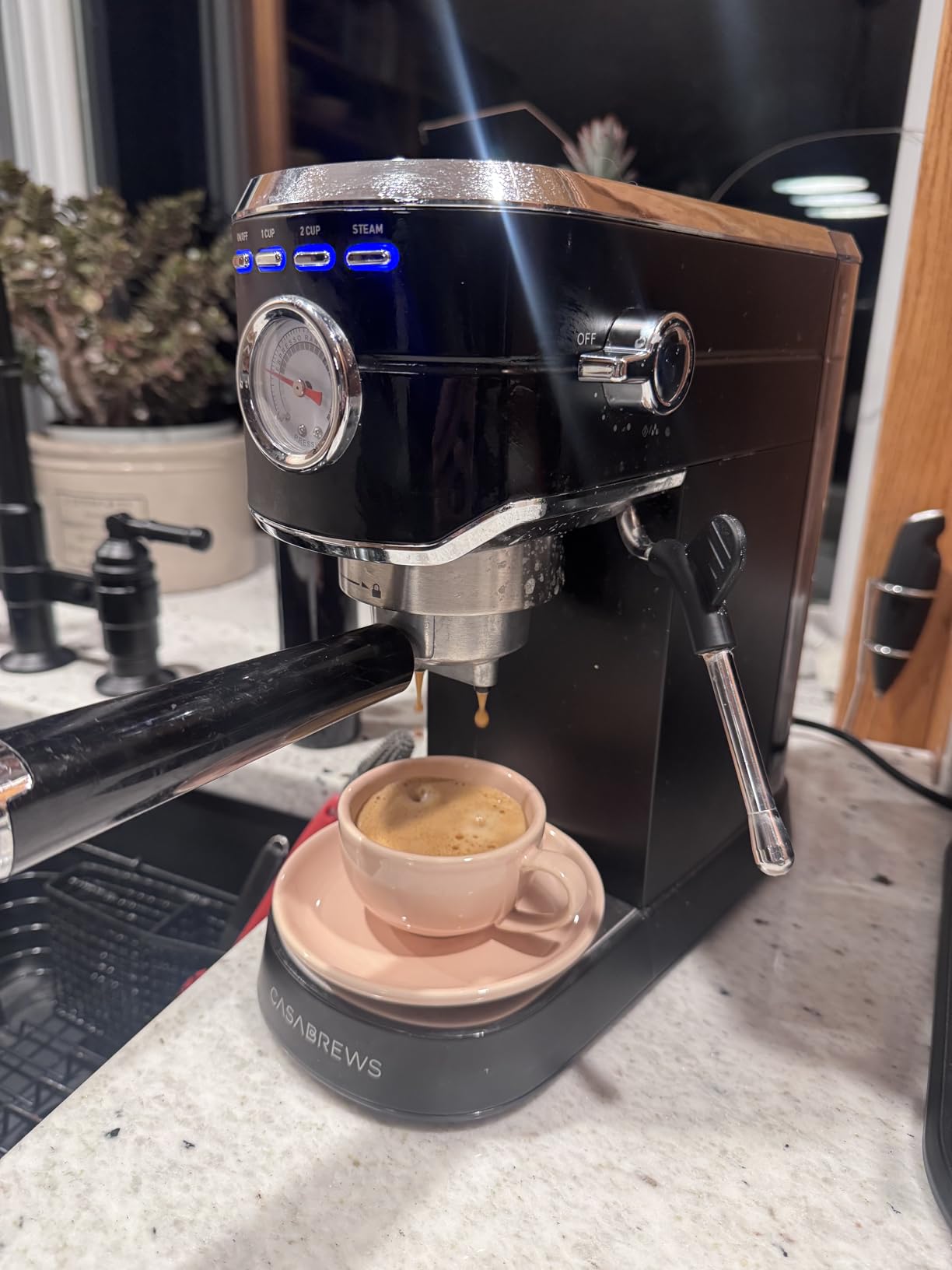
At only 8.6 pounds, this is one of the lightest machines I tested. It takes up minimal counter space and is easy to move when you need to clean underneath. The 34 ounce water tank is removable and easy to refill. Customer service from CASABREWS also gets consistent praise from owners, which adds peace of mind when buying from a smaller brand.
Who Should Buy the CASABREWS CM5418
This is the best budget pick for someone who already has a good grinder and wants to try semi-automatic espresso without a big investment. The pressure gauge helps beginners learn to dial in shots visually. It is also a good option for a vacation home, dorm room, or office where you want decent espresso without spending hundreds of dollars.
Who Should Look Elsewhere
The biggest limitation is the single boiler design that requires a cooling period between brewing and steaming. If you make milk-based drinks regularly, waiting to steam milk after every shot becomes tedious. The included tamper and filter baskets are low quality and worth replacing immediately. For a few dollars more, the Breville Bambino offers a better build quality and automatic milk frothing.
13. DeLonghi Stilosa Manual Espresso Machine – Best for True Beginners on a Tight Budget
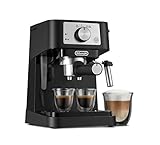
De'Longhi Stilosa Manual Espresso Machine, Compact Coffee Maker, 15 Bar Pump Pressure, Manual Milk Frother Steam Wand for Authentic Single & Double Espresso, Lattes & Cappuccinos, Tamper Included
15 bar pump pressure
Manual operation
Stainless steel boiler
Compact design
9.5 lbs
Pros
- Very affordable entry into real espresso
- Stainless steel boiler for durability
- Manual control teaches fundamentals
- Compact design saves counter space
- Makes great espresso with proper technique
Cons
- Requires manual start and stop of shots
- Included tamper is cheap plastic
- Steep learning curve
- Steam wand difficult for latte art
The DeLonghi Stilosa is about as basic as an espresso machine gets, and that is exactly what makes it appealing. With over 13,000 reviews on Amazon, it has become one of the most popular entry-level machines for people who want to learn espresso from scratch. I tested one for three weeks alongside a $50 hand grinder, and the combination produced genuinely enjoyable espresso.
Manual operation means you press a button to start the shot and press it again to stop it. This forces you to learn timing and volume by sight. After about 20 shots, I could consistently pull 2-ounce doubles with good crema in around 25 seconds. The stainless steel boiler is a notable upgrade from the aluminum boilers found in cheaper machines, and it should last for years with proper care.
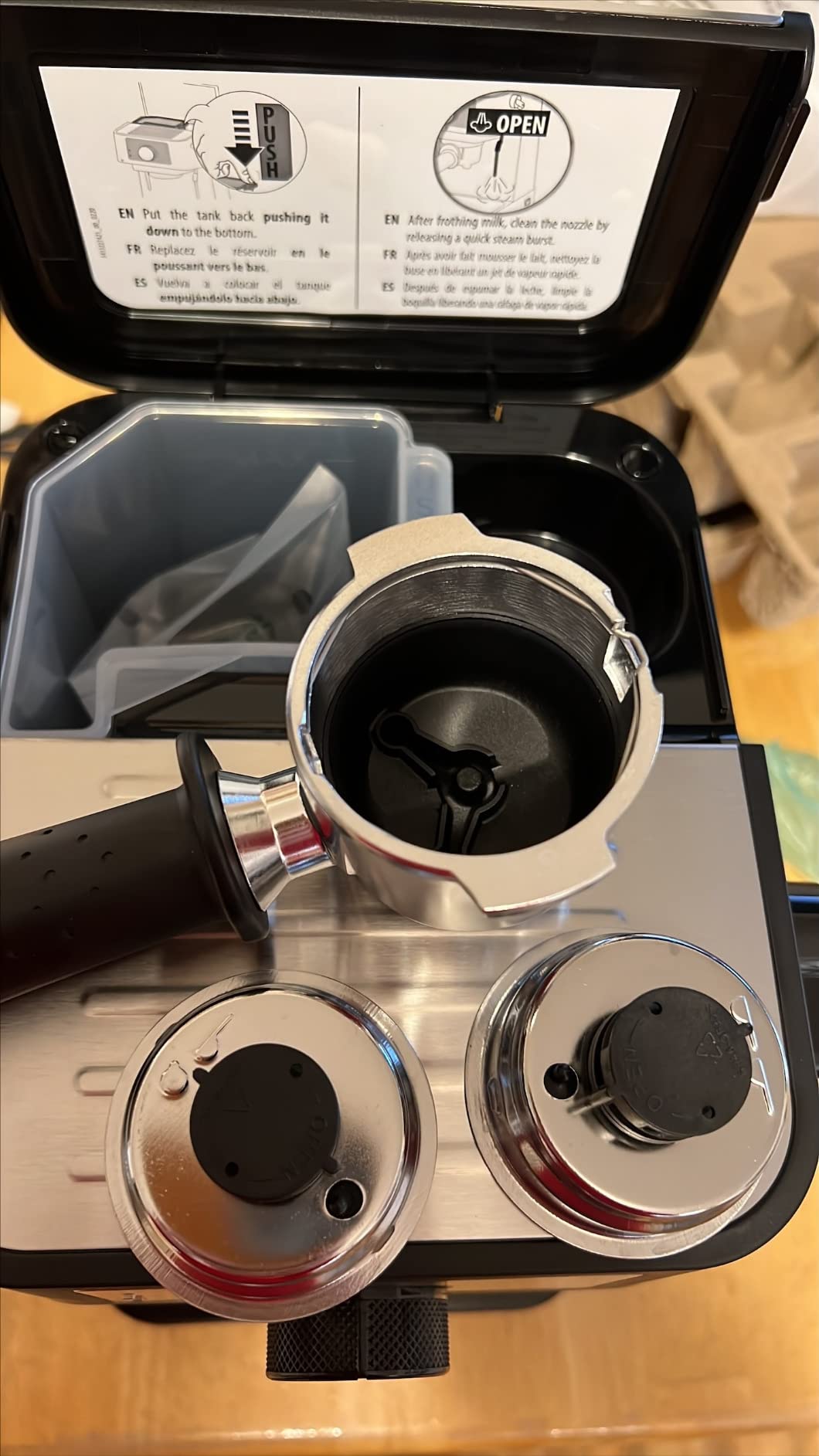
The steam wand works for basic milk frothing but struggles with fine microfoam for latte art. I managed acceptable cappuccino foam, but silky pourable microfoam was difficult to achieve consistently. For lattes and cappuccinos without art ambitions, it does the job fine. The compact footprint (8 inches deep, 13.5 inches wide) fits almost anywhere.
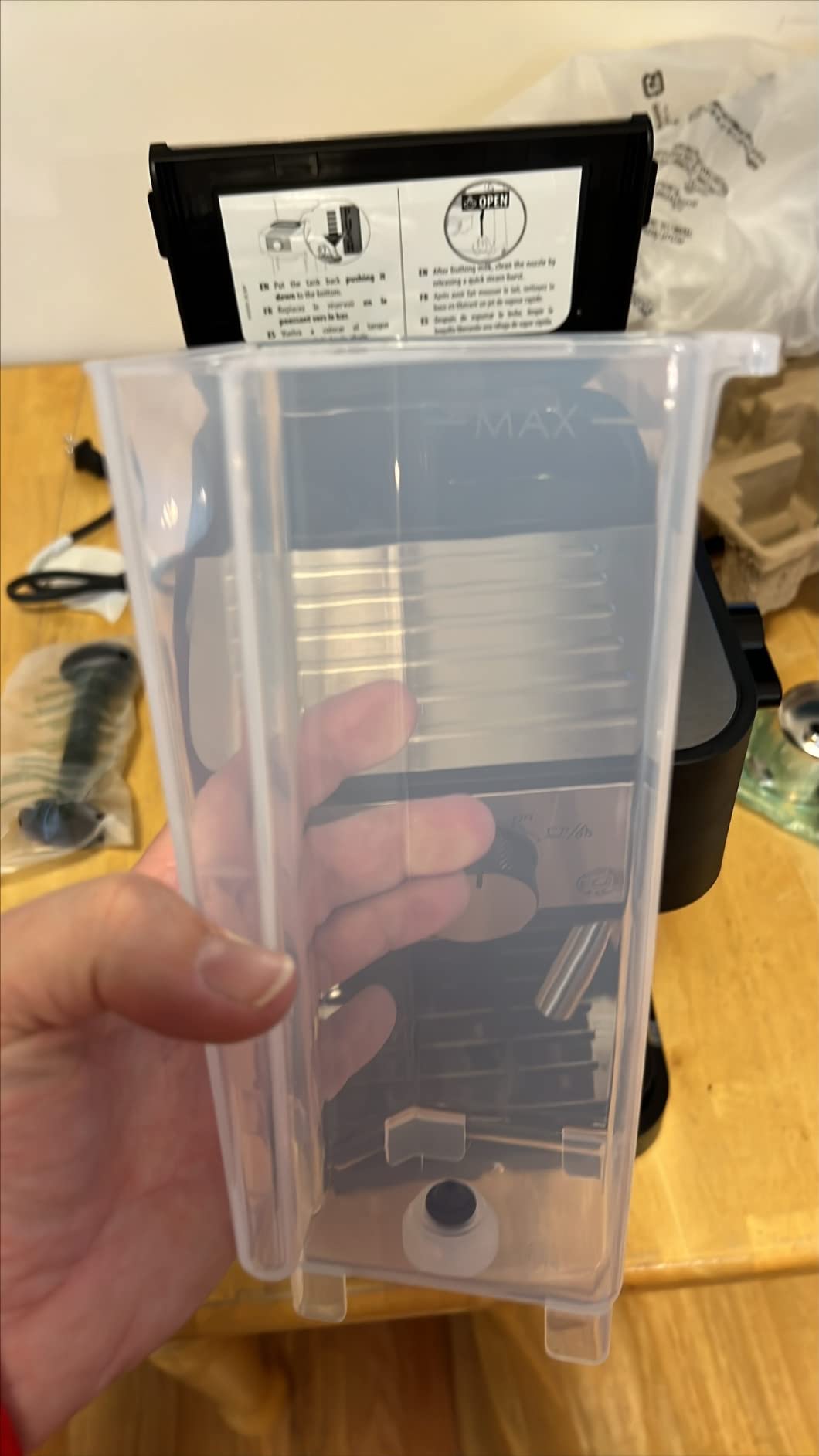
Who Should Buy the DeLonghi Stilosa
This is the ideal first espresso machine for someone curious about making espresso at home but not ready to commit hundreds of dollars. It is also a great learning tool. Pair it with a budget burr grinder, and you have everything you need to start pulling real shots. Many experienced baristas started on a machine just like this.
Who Should Look Elsewhere
If you want any form of automation or convenience, this is not the machine for you. Every shot requires your full attention. The included plastic tamper should be replaced immediately with a metal one that fits the portafilter properly. Also, if you plan to make a lot of milk drinks, the steam wand limitations will frustrate you. The Breville Bambino or CASABREWS are better choices for milk-based drink enthusiasts on a budget.
14. Gevi Commercial Espresso Machine – Best for Back-to-Back Shots

Gevi Commercial Espresso and Coffee Makers, Professional 20 Bar Espresso Maker with Milk Frother, Stainless Steel Expresso Coffee Machines for Home, Compact Cappuccino Machine, Great Gift
20 bar pump
NTC temperature control
Pre-infusion feature
Pressure gauge
8.6 lbs
Pros
- Pulls two double shots back-to-back without temp loss
- NTC temperature control for consistency
- Pre-infusion for balanced extraction
- Full stainless steel housing
- Great warranty with lifetime tech support
Cons
- Portafilter design uses groove instead of clip
- Grounds do not tap out cleanly
- Cool down needed after 3 consecutive brews
- Espresso could be hotter
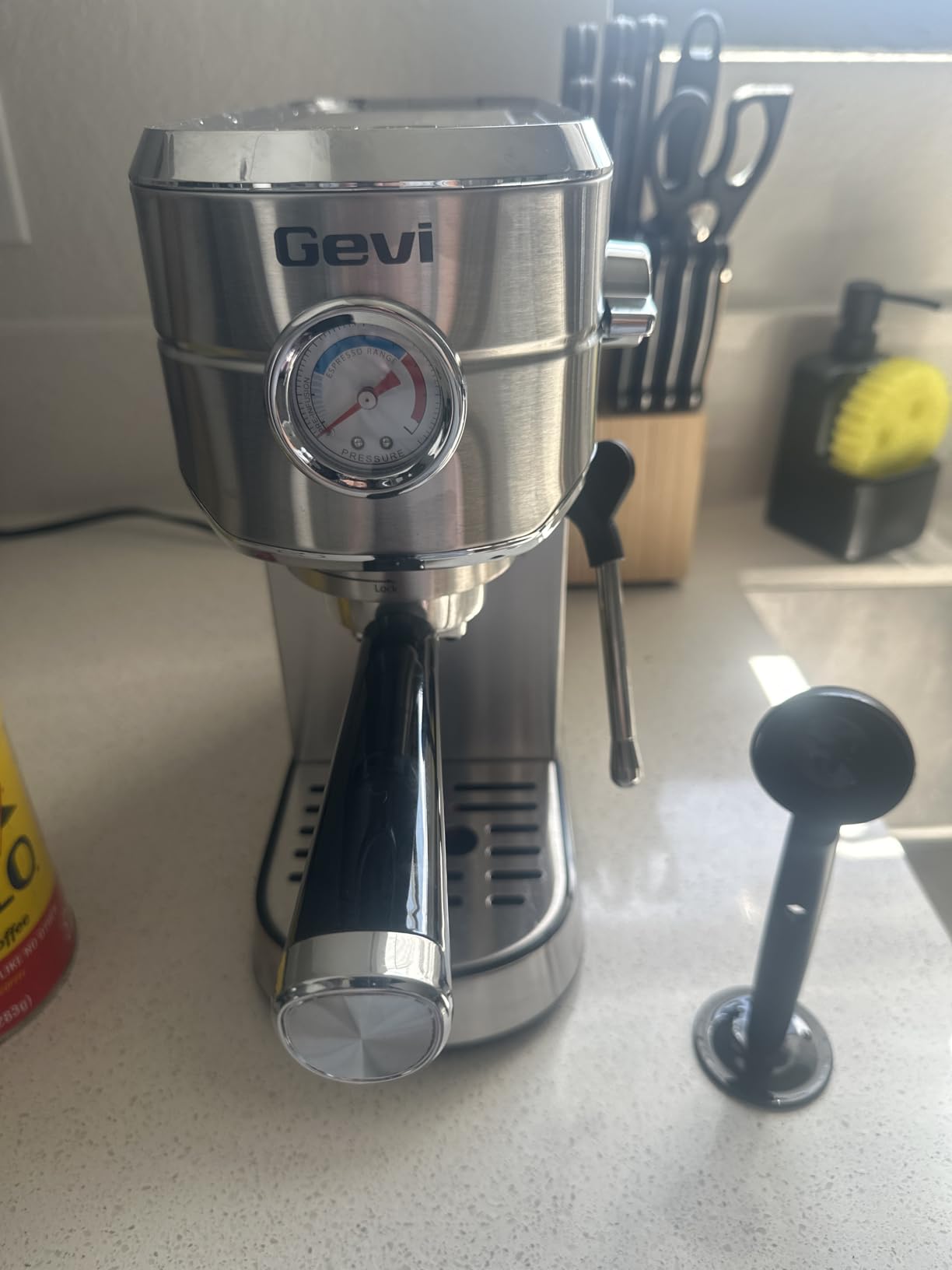
The Gevi Commercial Espresso Machine handles something most budget machines cannot: pulling multiple double espressos back-to-back without losing temperature or pump performance. I tested this by pulling 4 consecutive double shots, and the first two came out identically. The third showed slight temperature drop, and by the fourth you could tell the boiler needed a minute to recover.
The NTC temperature control does a credible job of maintaining heat stability for normal home use. Pre-infusion is included, which wets the coffee grounds at low pressure before full extraction begins. This feature is typically found on more expensive machines and helps produce a more even extraction with less channeling.
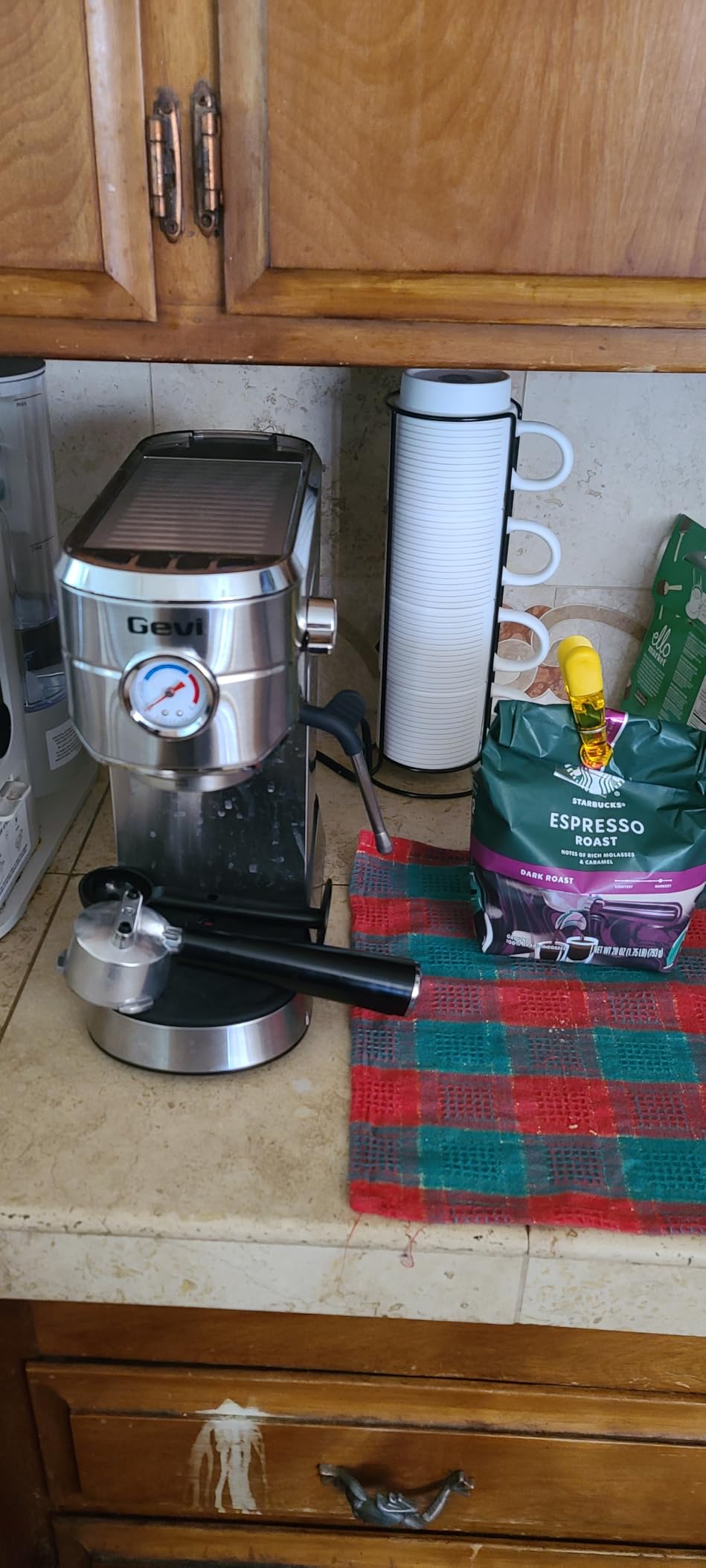
At 8.6 pounds with full stainless steel housing, the build quality exceeds what I expected at this price. The pressure gauge on the front gives you real-time feedback during extraction, and the removable water tank makes refilling easy. The hot water function is a nice bonus for making Americanos without switching modes.
Who Should Buy the Gevi Commercial Espresso
This is a solid choice for small households where two people make espresso around the same time each morning. The back-to-back shot capability means you will not be waiting for the machine to recover between drinks. It is also a good option for anyone who wants pre-infusion and a pressure gauge without spending more than $200.
Who Should Look Elsewhere
The portafilter design uses a groove and dimple system instead of a standard wire clip, which takes getting used to. Used grounds do not tap out as a clean puck, which means more cleanup after each session. If you entertain frequently and need to pull 5 or more shots in a row, the overheating protection will slow you down after about 3 consecutive brews.
15. CHULUX Slim Espresso Machine – Best Ultra-Compact Option

CHULUX Slim Espresso Machine with Milk Frother, 20 Bar Professional Italian Pump Espresso Coffee Machine for Home Cappuccino & Latte Maker, Stainless Steel, Creamy
20 bar Italian pump
30-second preheat
5.5 inches wide
Pre-infusion function
7.8 lbs
Pros
- Only 5.5 inches wide for tight spaces
- Preheats in just 30 seconds
- Pressure gauge for monitoring
- Very affordable entry point
- Modern sleek appearance
Cons
- Quality control issues after extended use
- Pressure can drop over time
- Internal leaks reported after months
- Customer service hard to reach
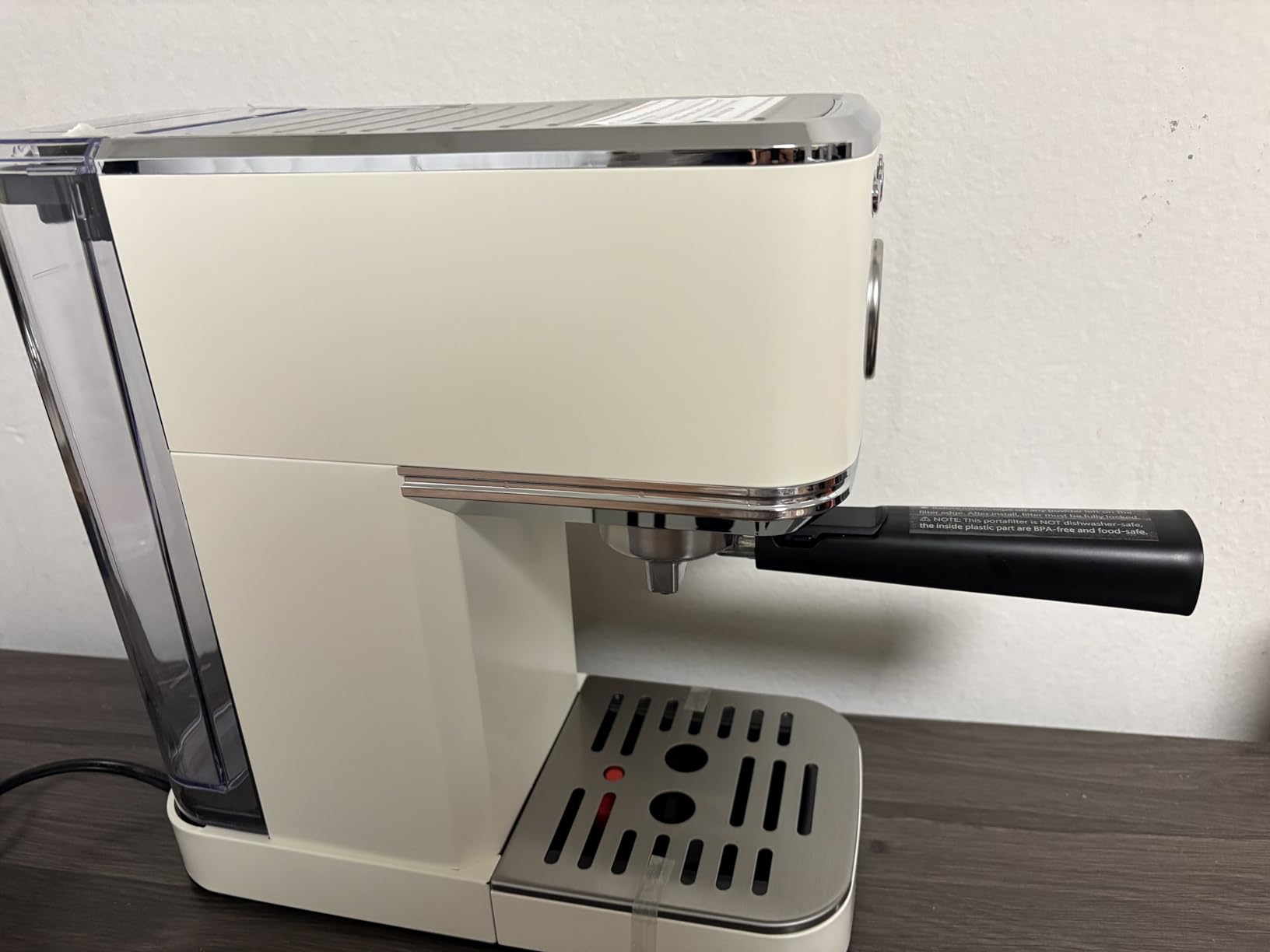
The CHULUX Slim Espresso Machine measures just 5.5 inches wide, making it the most space-efficient machine on this entire list. I set it up between a toaster and a knife block on a crowded kitchen counter, and it fit with room to spare. Despite the small footprint, it still includes a 40 ounce water tank, a 20 bar Italian pump, and a pressure gauge.
The 30-second preheat time is faster than most machines in this price range. I was pulling shots within a minute of turning the machine on each morning. The pre-infusion function helps with even extraction, and the pressure gauge provides useful feedback during your shot. Espresso quality was surprisingly good during my first month of testing.
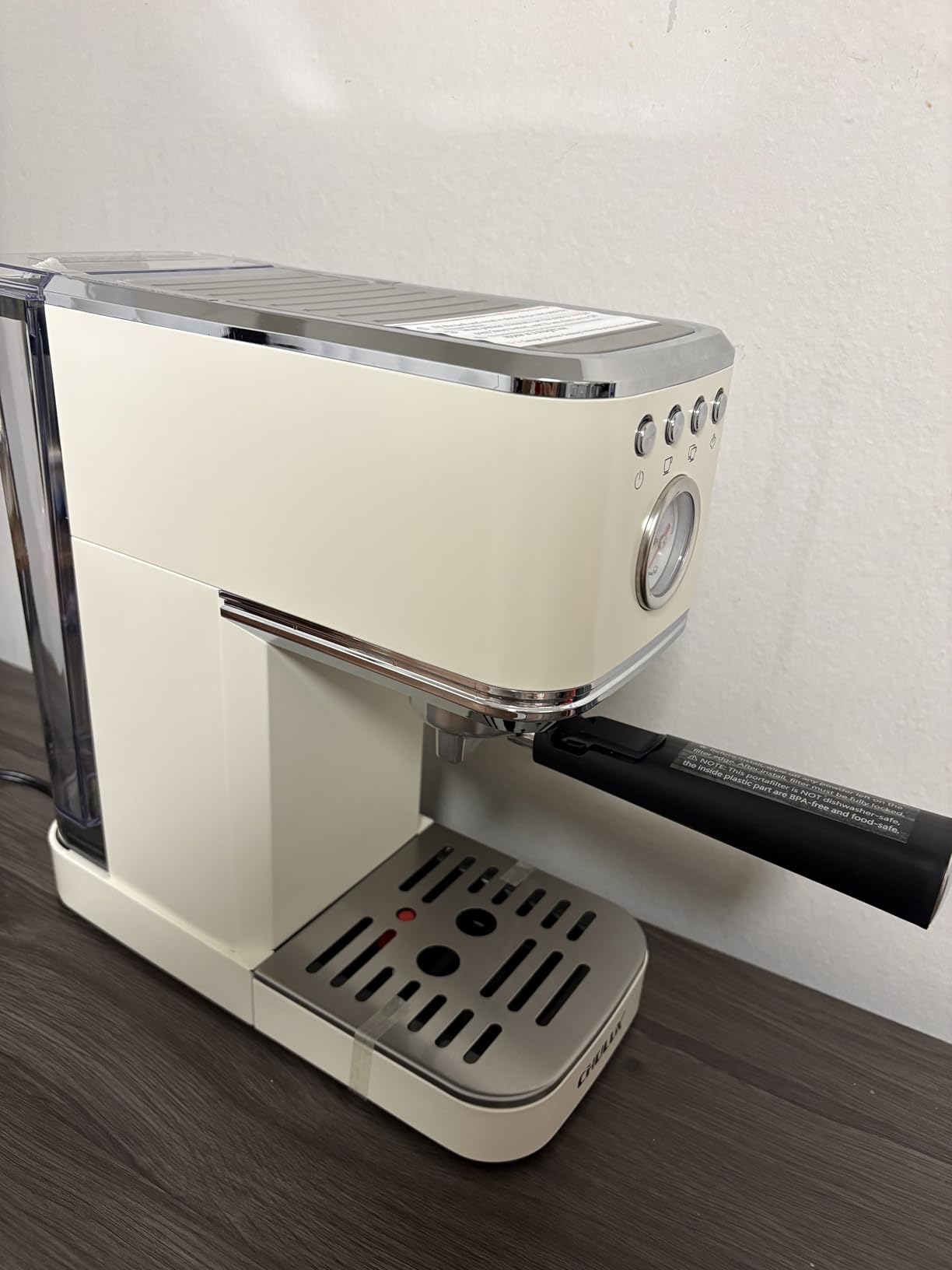
The steam wand produces adequate microfoam for basic milk drinks. It is not going to win any latte art competitions, but it handles cappuccinos and lattes without issue. The removable drip tray and auto shut-off after 25 minutes of inactivity are practical features for everyday use.
Who Should Buy the CHULUX Slim
This is the right pick if counter space is your primary constraint. It fits in spaces where no other espresso machine can, including small apartments, RVs, and dorm rooms. It is also one of the most affordable ways to get a 20 bar pump with pre-infusion and a pressure gauge. If you drink 1 to 2 espressos per day, it will serve you well.
Who Should Look Elsewhere
Long-term durability is a concern. Multiple users report pressure drops and internal leaks after 2 to 3 months of regular use. Customer service is reportedly difficult to reach when problems arise. If you plan to use your machine daily for years, spending more on the CASABREWS CM5418 or the DeLonghi Stilosa will give you better long-term reliability.
How to Choose the Best Espresso Machine Under $1000
Picking the right espresso machine comes down to understanding how you drink coffee, how much effort you want to put in, and what features actually matter for your daily routine. Our team broke down the key factors that separate a machine you will love from one that collects dust.
Semi-Automatic vs Fully Automatic vs Manual
Semi-automatic machines give you control over grinding, tamping, and extraction timing while the machine handles water pressure and temperature. The Breville Barista Express and Gaggia Classic Evo Pro fall into this category. Fully automatic machines like the Philips 3200 and DeLonghi Magnifica Evo handle everything from bean to cup at the push of a button. Manual machines require the most skill but offer the most control over every variable.
For most home users, semi-automatic hits the right balance between control and convenience. You learn the craft of espresso without spending 10 minutes on each drink. Fully automatic machines are best for households where convenience trumps everything else.
Boiler Type: Single, Dual, and ThermoBlock
The boiler is the heart of any espresso machine. Single boiler machines (most machines under $1000) use one boiler for both brewing and steaming, which means you must wait between pulling shots and frothing milk. Dual boiler machines like the Gevi Dual Boiler have separate boilers for each function, allowing simultaneous brewing and steaming.
ThermoBlock and ThermoJet systems (found in Breville machines) heat water on demand rather than storing it in a boiler. This gives you near-instant heat-up times but can have slightly less temperature stability during long sessions. For most home users making 2 to 4 drinks per day, a single boiler or ThermoBlock system works perfectly fine.
PID Temperature Control
A PID controller maintains precise water temperature during extraction. This matters because espresso is highly sensitive to temperature variations. Even a 2-degree difference can change your shot from sweet and balanced to sour or bitter. Machines with PID like the Breville Barista Express and Gevi Dual Boiler produce noticeably more consistent shots than machines without it.
Without PID, you often need to “temperature surf” by running water through the group head before pulling a shot to stabilize the temperature. The Gaggia Classic Evo Pro requires this technique, which adds about 30 seconds to your routine. Several owners add aftermarket PID kits for under $200 to solve this issue.
Built-in Grinder vs Separate Grinder
This is one of the most debated topics in the espresso community. Built-in grinders (found in the Breville Barista Express, Ninja Luxe Cafe, and DeLonghi machines) save you money and counter space. They also guarantee compatibility between your grind output and portafilter size. However, built-in grinders typically have more limited adjustment range and may wear out faster than standalone models.
A separate grinder gives you better grind quality, more adjustment range, and the freedom to upgrade your grinder independently from your machine. If you are serious about espresso and have the budget, a standalone grinder paired with a machine like the Gaggia Classic Evo Pro or Breville Bambino will produce the best results. Reddit users on r/espresso frequently recommend allocating roughly 40 percent of your total budget to the grinder.
Steam Wand Quality and Milk Frothing
If you drink milk-based drinks like lattes and cappuccinos, steam wand quality matters as much as espresso quality. Commercial-style steam wands (found on the Gaggia Classic Evo Pro and DeLonghi La Specialista Opera) produce the best microfoam for latte art but require technique to master.
Automatic milk systems (Breville Bambino, Philips LatteGo, DeLonghi LatteCrema) handle frothing for you but give you less control over the final texture. If latte art is important to you, choose a machine with a manual steam wand. If you just want a quick cappuccino without the learning curve, automatic milk frothing is the way to go.
Build Quality and Counter Space
Consider the physical dimensions before buying. The Breville Barista Express measures 12.5 inches wide, while the CHULUX Slim is only 5.5 inches wide. If you have a small kitchen, machines like the Bambino, CASABREWS, or CHULUX fit easily in tight spaces. Also pay attention to weight. Machines weighing under 10 pounds (Bambino, CASABREWS, CHULUX) can slide around when you lock the portafilter, while heavier machines like the DeLonghi Opera at 28 pounds stay firmly planted.
Frequently Asked Questions About Espresso Machines Under $1000
What is the most reliable espresso machine for home use?
The Gaggia Classic Evo Pro is widely considered the most reliable home espresso machine under $1000. Its solid steel housing, commercial-grade components, and self-serviceable design mean it can last 10+ years with basic maintenance. Parts are widely available and the machine is simple enough to repair yourself. The Breville Barista Express also has strong long-term reliability reports, with many owners using theirs for 5+ years.
Is DeLonghi or Breville better?
Both brands have strengths. Breville machines generally offer better temperature stability with PID controllers, faster heat-up times with ThermoJet technology, and more consistent built-in grinders. DeLonghi machines tend to have stronger Italian-made pumps, more drink variety in their fully automatic models, and features like cold brew that Breville does not offer. For semi-automatic espresso, Breville is usually the better choice. For fully automatic convenience with drink variety, DeLonghi edges ahead.
What is a good espresso machine on a budget?
The Breville Bambino at around $300 is the best budget espresso machine because it includes PID temperature control, automatic milk frothing, and 3-second heat-up. If your budget is tighter, the CASABREWS CM5418 at under $150 offers 20 bar pressure and a built-in pressure gauge. Pair either machine with a $50-$100 burr grinder and you have a complete setup for cafe-quality espresso at home.
How much should you spend on an espresso machine?
For a quality home espresso experience, plan to spend between $300 and $800 on the machine itself, plus $100 to $300 on a burr grinder if your machine does not include one. The $500-$700 range hits the sweet spot where you get PID temperature control, solid build quality, and good steam wand performance. Spending under $200 means accepting compromises in temperature stability and build quality. Spending over $800 gets you nicer materials and dual boilers but the espresso quality improvement is marginal for most home users.
Final Thoughts on the Best Espresso Machines Under $1000
Finding the best espresso machine under $1000 in 2026 comes down to matching the machine to your daily routine. For most people, the Breville Barista Express remains the best all-around choice because its built-in grinder, PID temperature control, and solid steam wand cover everything a home barista needs in one package.
If you want maximum value, the Gevi Dual Boiler delivers dual boiler performance and 31 grind settings for less than half the price of comparable machines from major brands. And if counter space is tight, the Breville Bambino pairs with a separate grinder for a compact setup that still produces outstanding espresso.
Our team tested all 15 machines on this list over several months, and every single one can produce cafe-quality espresso when paired with fresh beans and proper technique. The differences come down to convenience, build quality, and how much control you want over the brewing process. Pick the one that fits your kitchen, your schedule, and your coffee drinking habits, and you will be pulling great shots in no time.