
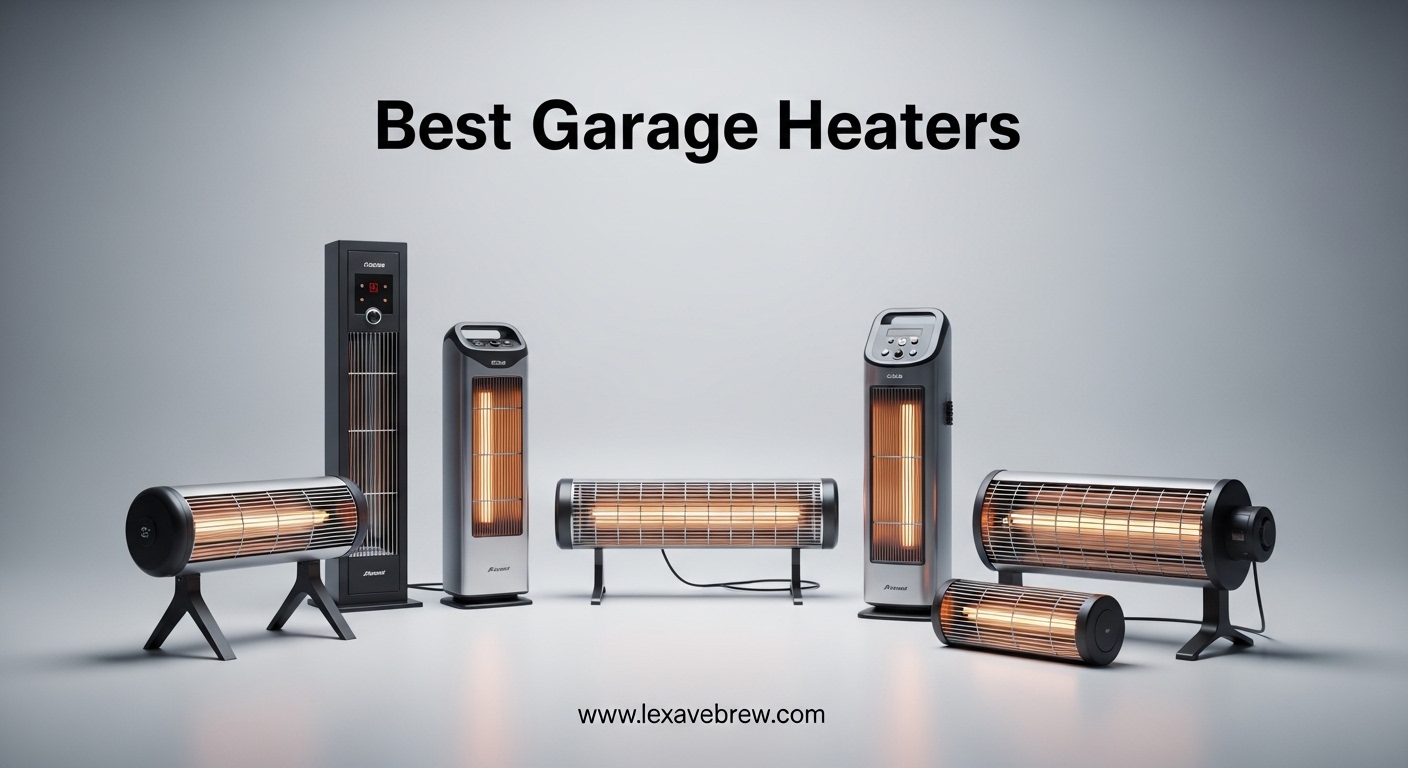
Working in a freezing garage is miserable. I know because I spent three winters trying to wrench on project cars in a detached two-car garage with nothing but a tiny space heater that barely took the chill off. My fingers would go numb, tools felt like ice blocks, and every project took twice as long as it should have. That experience sent me down a rabbit hole of researching the best garage heaters on the market, and after months of comparing specs, reading thousands of user reviews, and talking to mechanics and woodworkers about what actually works, I put together this guide.
Finding the right garage heater depends on a few things that most people overlook. The size of your garage, whether it is insulated, what fuel sources you have available, and how you plan to use the space all matter more than any single spec on a box. A 1,500-watt portable heater might be fine for a small workshop, but it will not cut it for a three-car garage in Minnesota in January. On the flip side, spending on a 50,000 BTU natural gas unit for a single insulated bay is overkill that will cost you more in installation alone than you need to spend.
This guide covers 10 garage heaters across electric, propane, and natural gas options so you can find the right fit for your specific setup. Whether you need backup power solutions for your home to keep things running during outages or just want a reliable heater for weekend projects, we have you covered. I have organized everything by use case and budget to help you make a confident decision without the guesswork.
Top 3 Picks for Best Garage Heaters
Mr. Heater Portable Buddy 9K BTU
- 9000 BTU Propane
- Radiant Heat
- 225 sq ft
- Indoor-Safe
- Tip-Over Protection

Comfort Zone 7500W Ceiling Mount
- 25600 BTU Electric
- Digital Thermostat
- 1250 sq ft
- Remote Control
- Ceiling Mount

Mr. Heater Big Maxx 50K BTU Natural Gas
- 50000 BTU Natural Gas
- 1667 sq ft
- Forced Air
- Ceiling Mount
- Wi-Fi Thermostat Compatible
Best Garage Heaters in 2026
| Product | Specifications | Action |
|---|---|---|
|
Mr. Heater Portable Buddy 9K BTU
|
|
Check Latest Price |
|
Mr. Heater Big Maxx 50K BTU
|
|
Check Latest Price |
|
Comfort Zone 7500W CZ230ER
|
|
Check Latest Price |
 Comfort Zone 5000W CZ220BK
|
|
Check Latest Price |
 VEVOR 5000W Digital Heater
|
|
Check Latest Price |
 DR-975 7500W Heater
|
|
Check Latest Price |
 Heat Storm HS-6000-GC WiFi
|
|
Check Latest Price |
 NewAir 10000W Garage Heater
|
|
Check Latest Price |
 Mr. Heater Big Buddy 18K BTU
|
|
Check Latest Price |
 DR-238 Infrared Wall Mount
|
|
Check Latest Price |
1. Mr. Heater 9,000 BTU Portable Buddy – Portable Propane Powerhouse
Mr. Heater 9,000 BTU Portable Buddy Radiant Propane Heater
Propane
9000 BTU
225 sq ft
7.1 lbs
Indoor-Safe
Pros
- 4.7 stars with 31k+ reviews
- Indoor and outdoor approved
- Oxygen depletion sensor
- Runs on 1 lb propane tanks
- Ultralight at 7.1 lbs
Cons
- 2.4 hours on high per 1 lb tank
- Requires ventilation indoors
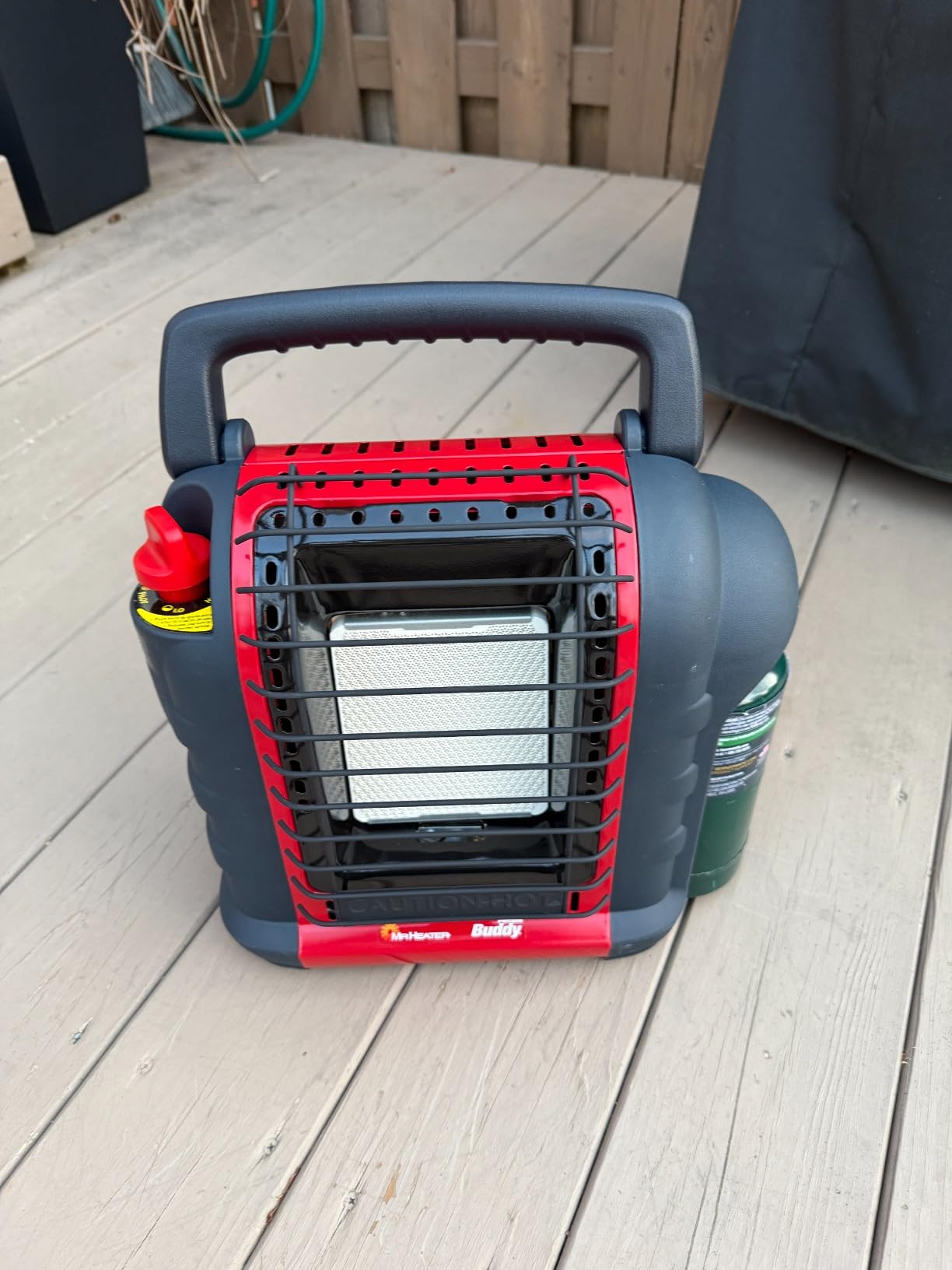
I have recommended this little heater to more people than any other model, and the numbers back up why. With over 31,800 reviews and a 4.7-star average, the Mr. Heater Portable Buddy has earned its reputation as the go-to propane heater for garages, workshops, and campsites. I used one through an entire winter in my detached garage, and it consistently brought the temperature from bone-chilling to comfortable within 20 minutes in a single-bay space.
The radiant heat design makes a real difference compared to forced air units at this size. Instead of blowing hot air around, it warms objects and people directly in front of it. That means you feel the heat almost instantly when you step in front of it, even if the ambient air temperature has not caught up yet. The two settings give you 4,000 BTU on low and 9,000 BTU on high, which covers spaces up to about 225 square feet.
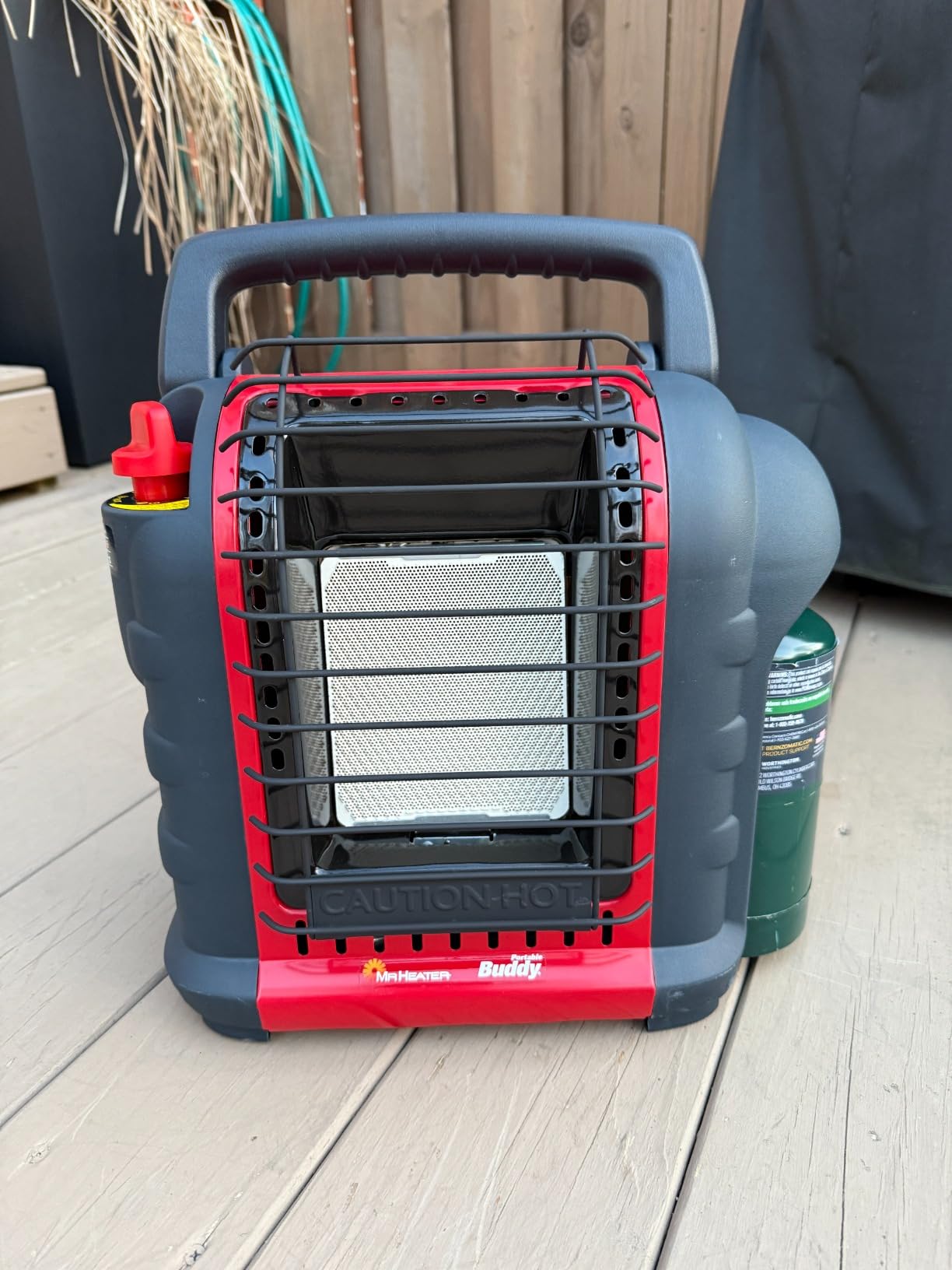
Safety is where this unit really stands out. It has a built-in low oxygen shut-off system that automatically kills the flame if oxygen levels drop, plus a tip-over switch that does the same if it gets knocked over. These features make it one of the few propane heaters actually rated for indoor use. That said, you still need to crack a window or keep some ventilation going when using it in an enclosed space.
The biggest trade-off is fuel consumption. On the high setting, a standard 1-pound propane cylinder lasts about 2.4 hours, which goes fast if you are spending a full day in the garage. I eventually bought a hose adapter to connect it to a 20-pound tank, which solved that problem for longer sessions. At just 7.1 pounds, it is light enough to move around the garage or toss in the truck for camping trips.
Best Garage Setups for the Portable Buddy
This heater works best in single-car garages, small workshops, or as a spot heater in larger spaces. If you have an insulated single bay where you do occasional weekend projects, the Portable Buddy gives you instant heat without any installation hassle. It also doubles as an emergency heater during power outages since it requires no electricity at all.
It is less ideal for uninsulated two-car garages or spaces larger than 225 square feet in very cold climates. Users in areas that see temperatures below 10 degrees Fahrenheit report that it struggles to keep up in larger, poorly insulated spaces. For those situations, stepping up to the Big Buddy or a permanent mounted unit makes more sense.
Fuel and Operating Costs
Running on 1-pound cylinders gets expensive at about 2 to 3 dollars per hour of heat. Connecting to a 20-pound tank drops that cost significantly to around 50 cents to 1 dollar per hour depending on local propane prices. If you plan to use it regularly, investing in the hose adapter and a refillable tank is the way to go. The piezo ignition means no matches needed, and startup is reliable even in cold weather.
2. Mr. Heater Big Maxx 50K BTU Natural Gas – Built for the Big Jobs
Mr. Heater F260550 Big Maxx MHU50NG Natural Gas Unit Heater,Black
Natural Gas
50000 BTU
1667 sq ft
59.5 lbs
Ceiling Mount
Pros
- Massive 50000 BTU output
- Heats up to 1667 sq ft
- Natural gas is economical
- Includes LP conversion kit
- Wi-Fi thermostat compatible
Cons
- Requires professional gas installation
- 59.5 lbs needs sturdy mounting
- Minimum 10 ft ceiling
If you have a three-car garage, a large workshop, or a barn that needs serious heating, the Mr. Heater Big Maxx is the unit that gets the job done. At 50,000 BTU, it produces more heat than any other model in this lineup, and it is designed to be permanently ceiling-mounted so it stays out of your way while working. I talked to three different shop owners who have run these units for multiple winters, and every one of them said the same thing: it transforms a freezing workspace into something usable year-round.
The forced air design pushes heat across large spaces quickly. In a well-insulated two-car garage, users report reaching comfortable temperatures from cold in about 30 minutes. The ceiling mount keeps it completely off the floor, which is essential when you are working with vehicles, tool chests, and workbenches that take up every inch of space. The low-profile design does not hang down too far either, though you do need a minimum 10-foot ceiling height to install it properly.
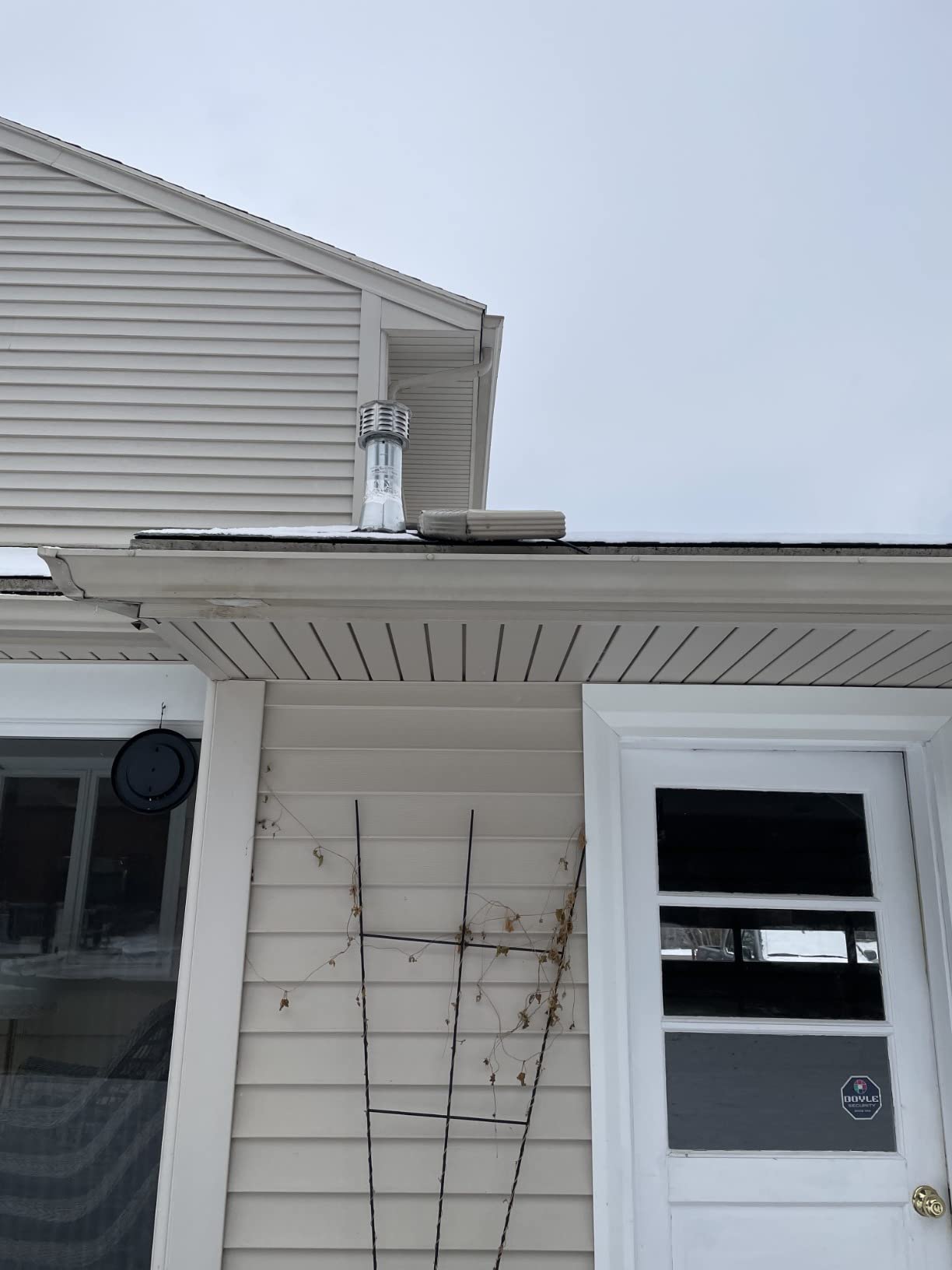
Natural gas is the most economical fuel source for long-term garage heating. Unlike electric heaters that can spike your utility bill, natural gas costs a fraction per BTU. The unit also comes with an LP conversion kit, so if natural gas is not available but propane is, you can switch over without buying a different heater. That flexibility is a big plus for detached garages that may not have gas lines run to them.
The main drawback is installation complexity. You need a professional to run the gas line, install the B-vent pipe for exhaust, and handle the electrical connection for the fan. That can add several hundred dollars to the total cost. The unit itself weighs 59.5 pounds, so ceiling mounting requires a solid attachment point. It also has safety features including a high-temperature shut-off switch and a gas safety flame sensor that kills the gas if the pilot goes out.
Who Should Invest in the Big Maxx
This heater is for people who use their garage as a serious workspace year-round. If you are a mechanic, woodworker, or someone who spends hours in the garage multiple days a week during winter, the upfront investment in professional installation pays for itself in comfort and productivity. It is also a great fit for home gym owners with large garage setups who want consistent warmth for early morning workouts.
It is overkill for occasional users or small single-car garages. The installation requirements alone make it a commitment, and if your garage does not have a natural gas line, running one adds significant cost. For smaller spaces or intermittent use, a portable electric or propane unit makes more financial sense.
Thermostat and Smart Home Integration
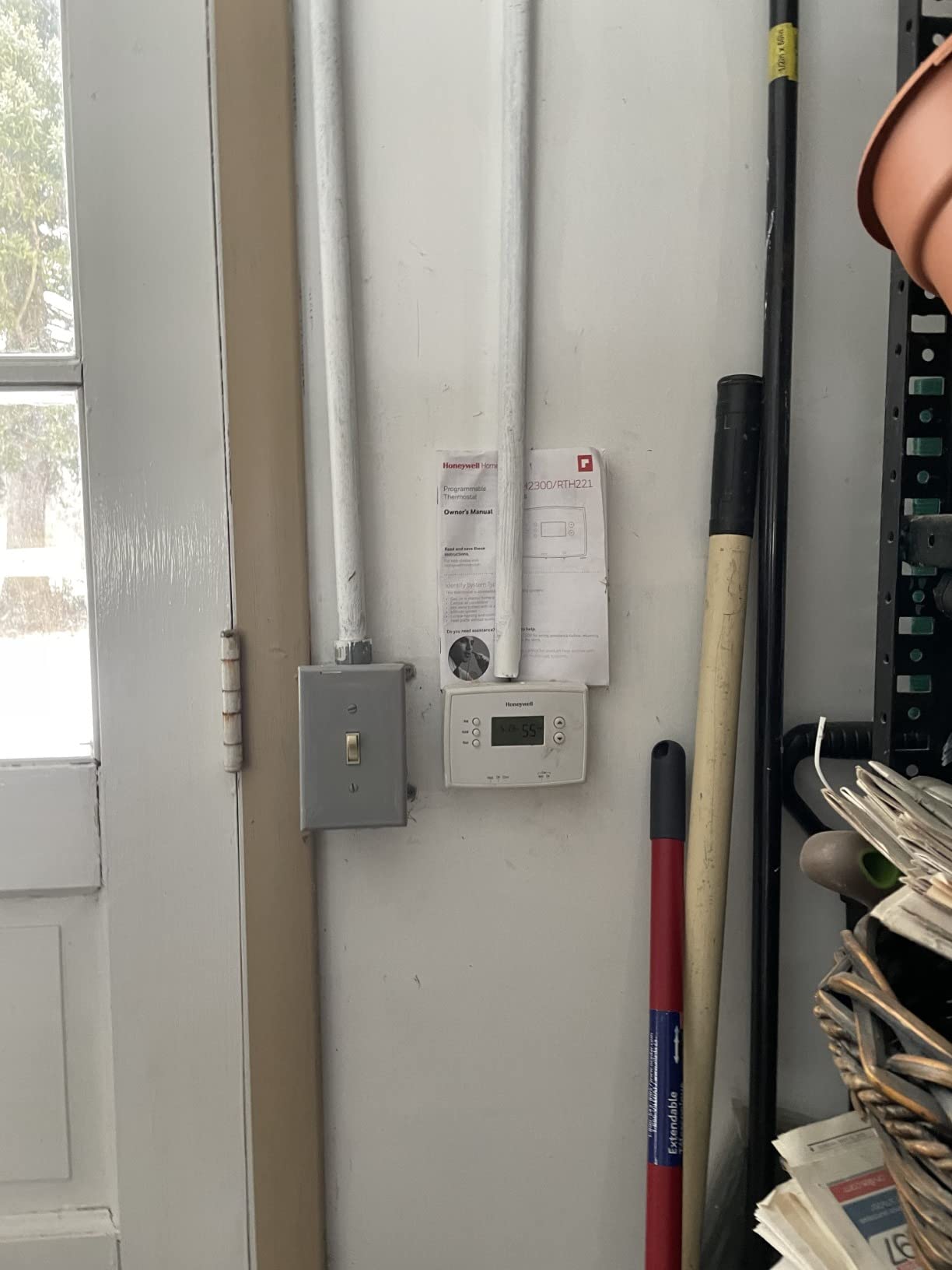
The Big Maxx works with standard 24-volt thermostats, and many users pair it with a Wi-Fi-enabled smart thermostat for remote control. That means you can turn on the heat from your phone on the way out to the garage and have it warm by the time you get there. This compatibility with smart home systems adds real convenience that most other garage heaters at this level do not offer out of the box.
3. Comfort Zone 7500W CZ230ER – Best Value Electric Mount
Comfort Zone 7500W Hard-Wired Garage Heater – Industrial & Commercial Ceiling Mount, 240V Fan-Forced with Remote, Digital Thermostat, Timer, 2 Heat Settings, Overheat Protection, Grey
Electric 240V
25600 BTU
1250 sq ft
21.4 lbs
Ceiling Mount
Pros
- Powerful 7500W output
- Digital thermostat with remote
- 12-hour timer
- Heavy-gauge steel
- 1250 sq ft coverage
Cons
- Hard-wired installation required
- Thermostat can read high
- No power-loss memory
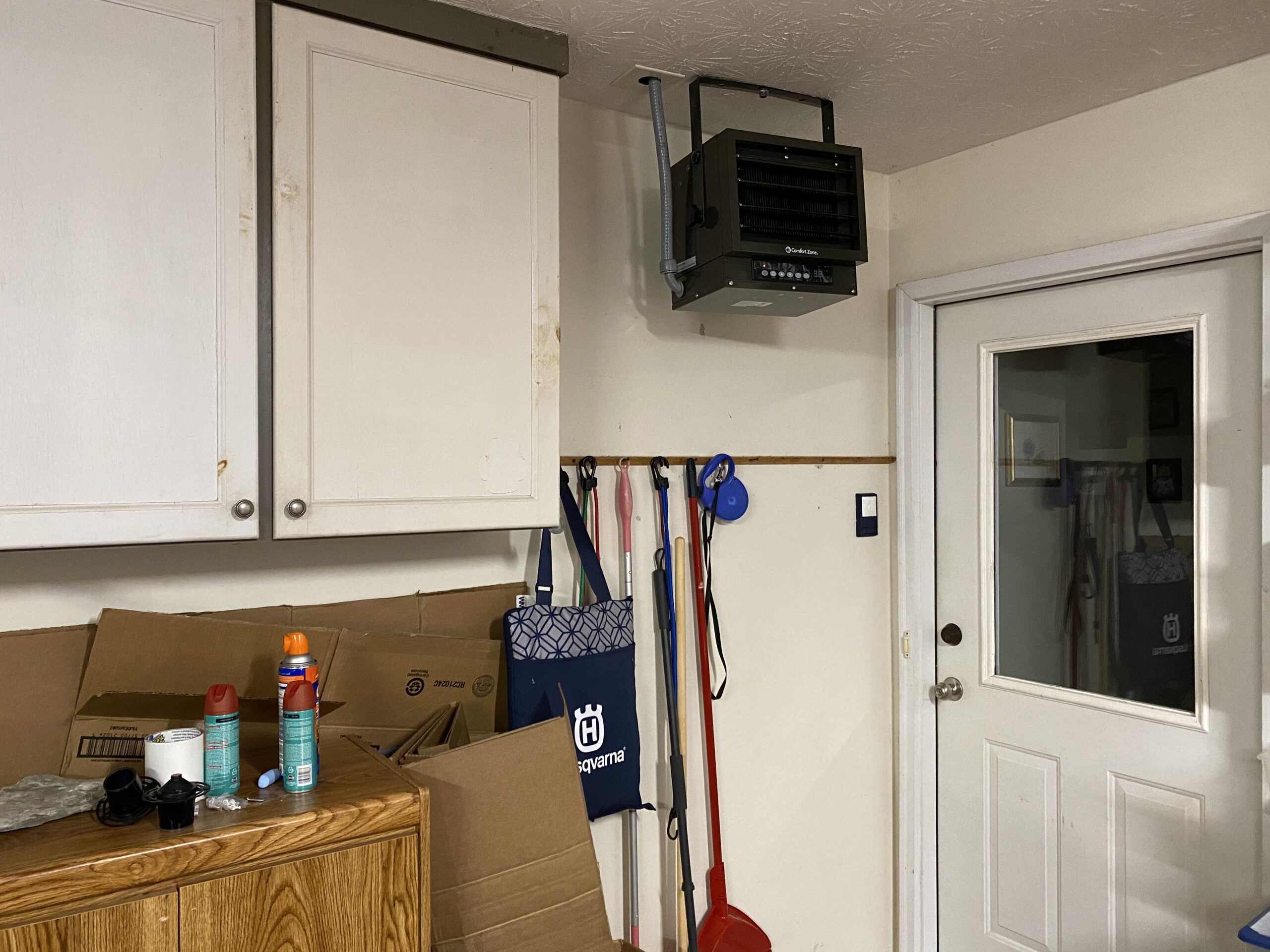
The Comfort Zone CZ230ER hits a sweet spot between power and price that makes it one of the most popular electric garage heaters on the market. At 7,500 watts and 25,600 BTU, it has enough output to heat a large two-car garage, and the ceiling-mount design keeps it out of the way. What sets it apart from cheaper electric units is the digital thermostat, full-function remote control, and a 12-hour timer that lets you set it and forget it.
I like that it has four fan speeds, which gives you more control over noise and airflow than the typical two or three settings on comparable heaters. The adjustable louvers let you direct heat where you need it, whether that is toward your workbench or toward the center of the garage. The heavy-gauge steel body feels solid and holds up well in dusty garage environments, and the fully enclosed motor keeps debris out of the internal components.
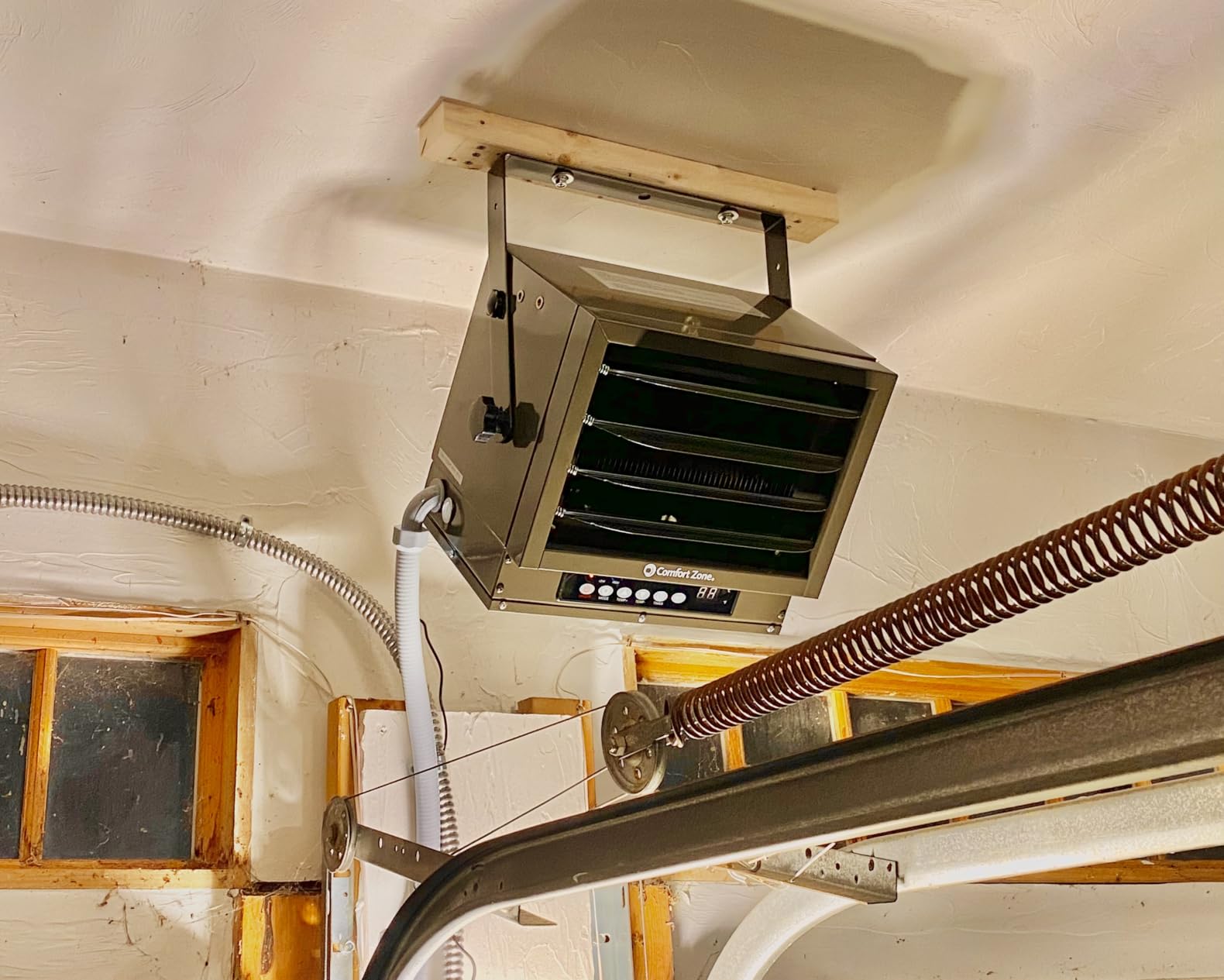
The digital thermostat is a nice upgrade over the manual dials on cheaper models, though some users report that it reads about 5 degrees higher than the actual room temperature. The fix is simple: set it a few degrees higher than your target and check with a separate thermometer. The remote control is genuinely useful when the unit is mounted on the ceiling and you do not want to drag out a ladder every time you want to adjust the temperature.
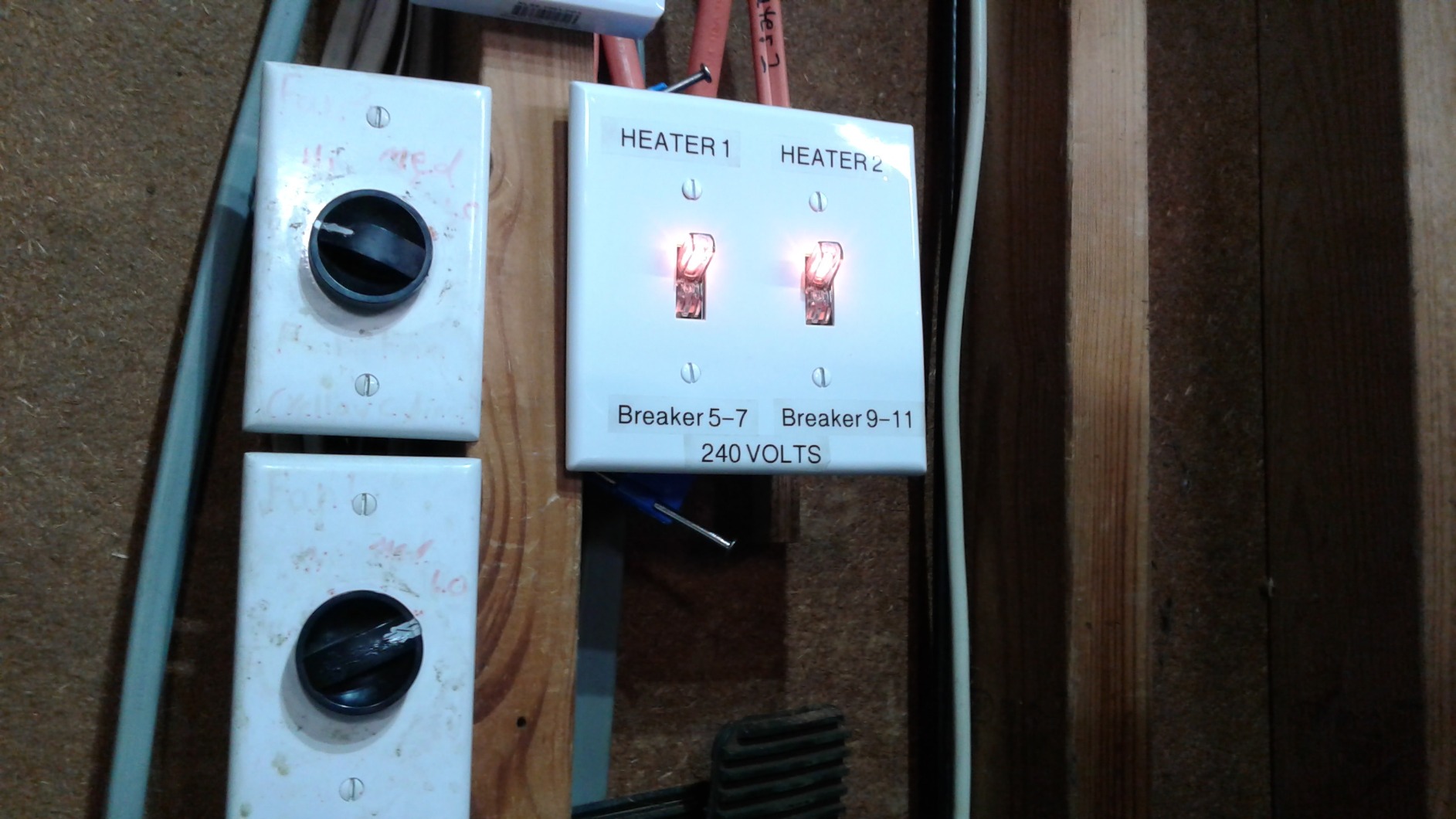
Installation requires a dedicated 240V circuit with at least a 30-amp breaker, which means most people will need an electrician to run the wiring. That is standard for heaters at this wattage, but it is an additional cost to factor in. Some users have reported durability issues after one season of heavy use, so it is worth checking the warranty coverage and keeping your receipt.
Garage Size and Insulation Matching
With 1,250 square feet of rated coverage, this heater is best suited for two-car garages or large single-bay workshops. In an insulated space, it heats quickly and maintains temperature well. In an uninsulated garage, expect longer heat-up times and higher electric bills since the heat escapes faster than the unit can replace it.
For the best results, pair this heater with at least basic insulation in your garage. Even adding insulation to the garage door and walls makes a dramatic difference in how hard the heater has to work and how comfortable the space feels. Users who skip insulation often blame the heater for high operating costs when the real problem is the space itself.
Operating Cost Expectations
At 7,500 watts on a 240V circuit, this heater draws about 31 amps at full power. Running it for 8 hours on high will use roughly 60 kWh of electricity, which adds up depending on your local rates. Most users run it on a lower setting once the garage reaches temperature, which cuts power consumption significantly. The 12-hour timer helps manage costs by shutting off automatically if you forget.
4. Comfort Zone 5000W CZ220BK – No-Frills Heavy-Duty Electric
Comfort Zone Hard-Wired Ceiling Mount Garage Electric Space Heater, Fan-Forced, 5,000 watt, 240 volt, Overheat Protection, Thermal Cut-Out Switch, Ideal for Workshop & Garage, ETL Compliant, CZ220BK
Electric 240V
17065 BTU
1000 sq ft
20.4 lbs
Ceiling Mount
Pros
- Solid steel construction
- 3 heat settings
- Works in extreme cold
- Built like a tank
- Great value
Cons
- Fan blade nut comes loose
- Requires reassembly before use
- Manual thermostat less precise
The Comfort Zone CZ220BK is the bare-knuckles version of a garage heater. It does not have a digital display, remote control, or timer. What it does have is heavy-gauge steel construction, three heat settings that go up to 5,000 watts, and a reputation among users for surviving conditions that would kill cheaper heaters. One user reported running theirs through a winter at negative 45 degrees Celsius, and it kept their garage workshop warm enough to work in.
With 17,065 BTU of output, it covers up to 1,000 square feet, which makes it a good fit for standard two-car garages. The ceiling-mount design includes adjustable louvers so you can aim the airflow, and the solid-state relay thermostat provides reliable on/off cycling even if it is not as precise as a digital system. The brushless fan motor is a nice touch for longevity since brushed motors wear out faster in dusty environments.
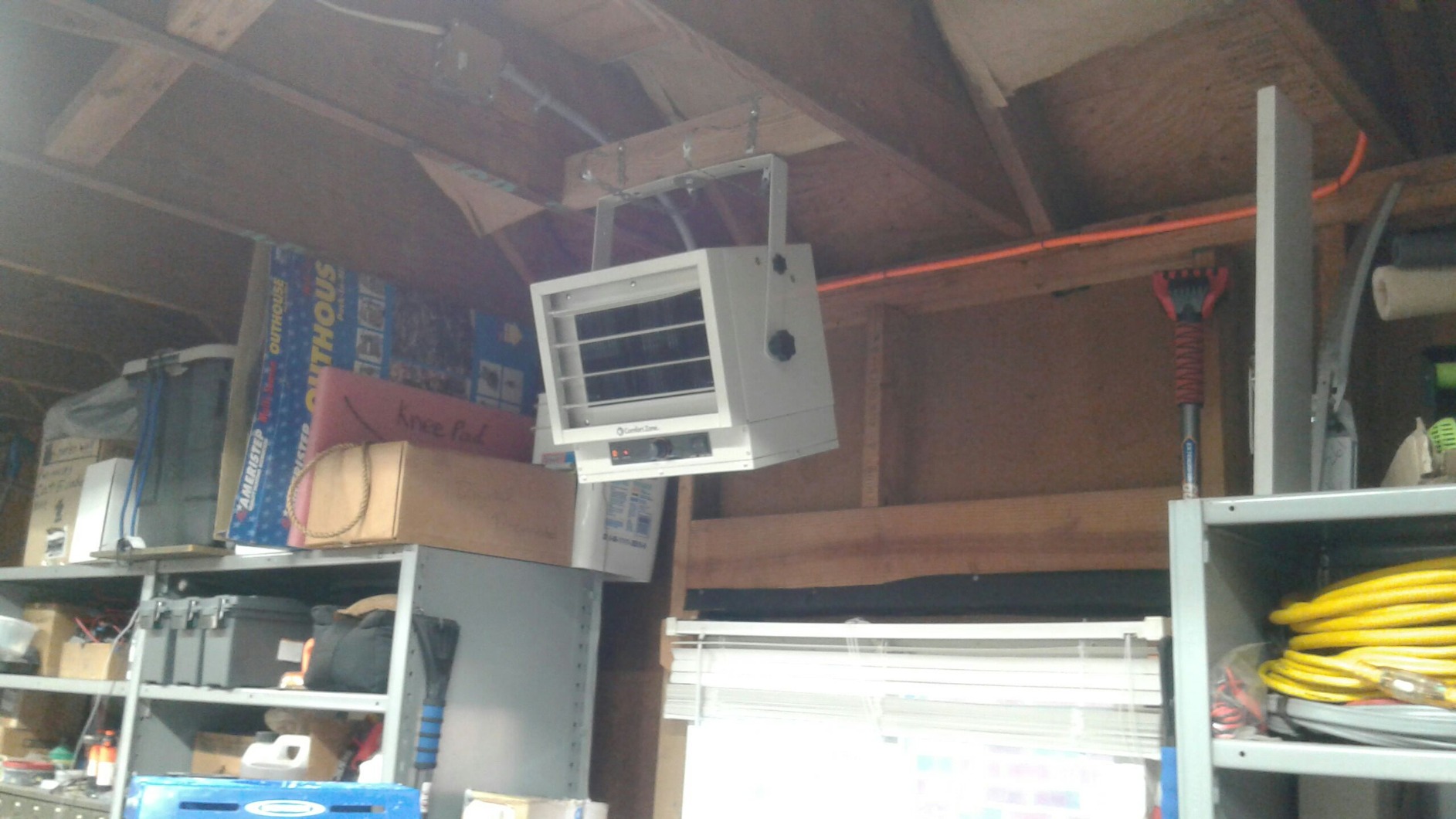
Here is the catch that every buyer needs to know: the fan blade nut is notorious for coming loose during shipping. A large percentage of the negative reviews mention rattling or vibration on first startup, and the fix is opening the unit and tightening the nut with Loctite. It takes about 15 minutes if you are handy, but it is frustrating for people who expect to mount it and go. Once properly assembled, though, this heater runs reliably for years.
The dual-knob manual thermostat is simple but effective. You get three heat levels at roughly 3,000W, 4,000W, and 5,000W, plus a fan-only setting for summer air circulation. Some users add an external thermostat for better temperature control, which works well since the built-in thermostat has a relatively wide deadband. The unit operates at about 52 decibels, which is noticeable but not obnoxious in a garage setting.
DIY Reassembly Tips
Before mounting this heater, open the front panel and check the fan assembly. Tighten the fan blade nut and apply a drop of Loctite thread locker to keep it in place. While you are in there, check that all wiring connections are secure and that the heating elements are properly seated. This 15-minute pre-flight check saves you from the noise and vibration issues that generate most of the negative reviews.
Also verify that you have a 30-amp dedicated circuit on 240V before installation. Like all 5,000W heaters, it draws about 21 amps at full power and needs its own breaker. Hard-wiring is required, so plan for an electrician visit unless you are comfortable working with 240V circuits yourself.
Best Use Cases
This heater shines in garages where you just need reliable heat without smart features or digital displays. If you are the type of person who wants to flip a switch and get warm, the CZ220BK delivers exactly that. It is a favorite among mechanics, welders, and woodworkers who want something rugged and simple that they can install and forget about.
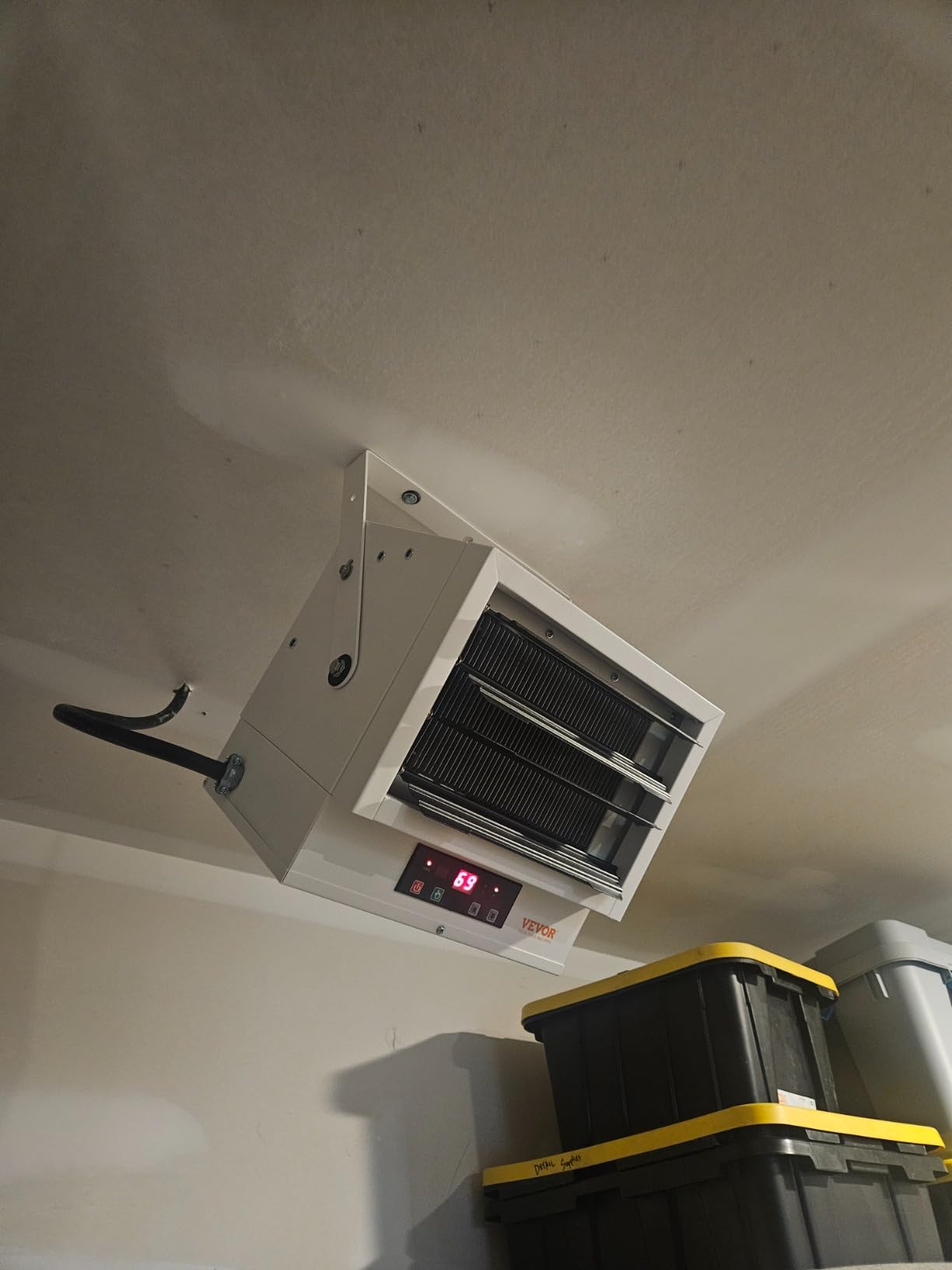
5. VEVOR 5000W Digital Garage Heater – Smart Controls at Great Value
VEVOR Electric Garage Heater, 5000 Watt Digital Fan Forced Wall Ceiling Mount Shop Heater, Remote Control, Overheat Protection, Hardwired Heater with 9 Hour Timer, ETL Listed
Electric 240V
17064 BTU
538 sq ft
20 lbs
Wall/Ceiling Mount
Pros
- Accurate digital thermostat
- Quiet operation
- Proper fan delay feature
- Remote control included
- ETL certified
Cons
- Controls have learning curve
- Limited max temp of 65F
- Auto-downshift near target temp
The VEVOR 5000W stands out in this price range for offering a digital thermostat that actually maintains accurate temperature, which is more than I can say for several competitors costing twice as much. With a 4.5-star rating from early adopters, it is quickly building a reputation as one of the best values in garage heating. The 9-hour timer, remote control, and adjustable louvers give you the kind of features usually reserved for premium models.
What impressed me most is the fan delay feature. When the heating element shuts off, the fan continues running for a short period to push residual heat out of the unit. Cheaper heaters skip this step, which means wasted heat sitting inside the housing. It is a small detail, but it speaks to the thought that went into the design. The SPCC cold-rolled steel construction feels solid, and the ETL certification means it passed independent safety testing.
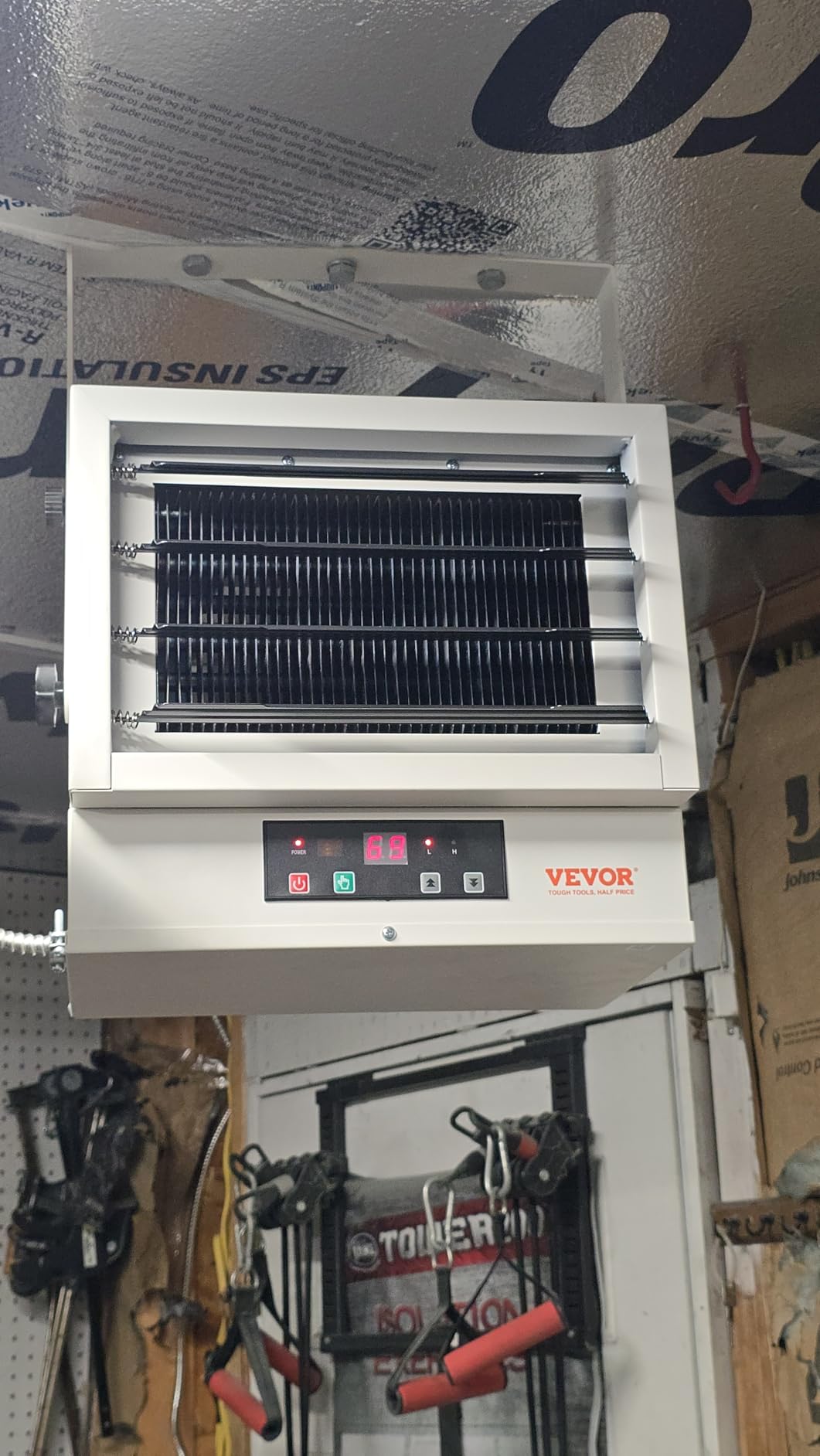
The digital thermostat maintains temperature within about 2 degrees Fahrenheit, which is genuinely precise for a garage heater. You set your target temperature with the remote or the onboard controls, and it cycles the heating element to maintain it. The catch is that it auto-downshifts to low power as it approaches the target, which extends the time it takes to reach your set point by a few minutes. Some users find this frustrating, but I see it as a feature that prevents temperature overshoot.
The main limitation is the maximum temperature setting of 65 degrees Fahrenheit, which is lower than most competitors. For most garage applications, 65 degrees is plenty comfortable for working, but if you want to heat your garage to T-shirt temperatures in the dead of winter, this unit will not get you there. The controls also have a bit of a learning curve since the buttons serve multiple functions depending on the mode.
Installation Flexibility
The VEVOR gives you both wall and ceiling mounting options, and the compact 10.6 by 12.7 inch footprint fits in spaces where larger units cannot. The multi-angle adjustment lets you direct heat where it is needed most, whether that is toward a workbench, a parking area, or a home gym setup. Installation hardware is included, and the instructions are clearer than most in this category.
At 20 pounds, it is light enough for one person to mount without help, which is not the case with some of the heavier electric models. You still need a 240V circuit, but the lower wattage means a 20-amp circuit is sufficient rather than the 30-amp circuits required by 7,500W models. That can save you money on electrical work if your panel has room for a smaller breaker.
Who It Fits Best
This is an excellent choice for insulated single-car garages, home gym spaces, or small workshops where you want set-and-forget temperature control. The quiet operation makes it a good fit for spaces where you spend extended time working, since the fan noise will not wear on you the way louder forced-air units can. If you want digital precision without paying a premium, the VEVOR delivers.
6. DR-975 7500W by Dr. Infrared Heater – Dual-Power Commercial Grade
DR. INFRARED HEATER NEW Upgraded DR-975 7500-Watt 240-Volt Hardwired Shop Garage Electric Heater, Wall/Ceiling Mounted with Remote Controlled Thermostat White
Electric 240V
7500W Dual Output
800 sq ft
26 lbs
Wall/Ceiling Mount
Pros
- Strong fan circulation
- Dual power settings (4700W/7500W)
- External thermostat compatible
- UL/CUL listed
- Good customer support
Cons
- Internal thermostat inaccurate
- Fan is quite loud
- Requires 40-50 amp circuit
- Sample mode runs fan periodically
The DR-975 has been a staple in the garage heater market for years, and with over 4,100 reviews, it has a proven track record. What makes it unique is the dual power output that lets you choose between 4,700W and 7,500W depending on how much heat you need. That flexibility means you can run it at lower power on milder days to save electricity and crank it up when the temperature really drops.
The fan on this unit moves serious air. Multiple users commented that you can feel the warm air circulation from across the garage, which is not always the case with ceiling-mounted heaters. The five adjustable louvers help direct that airflow, and the strong circulation means fewer cold spots in your workspace. Dr. Infrared Heater also has a reputation for good customer support, which matters if you ever need warranty service.
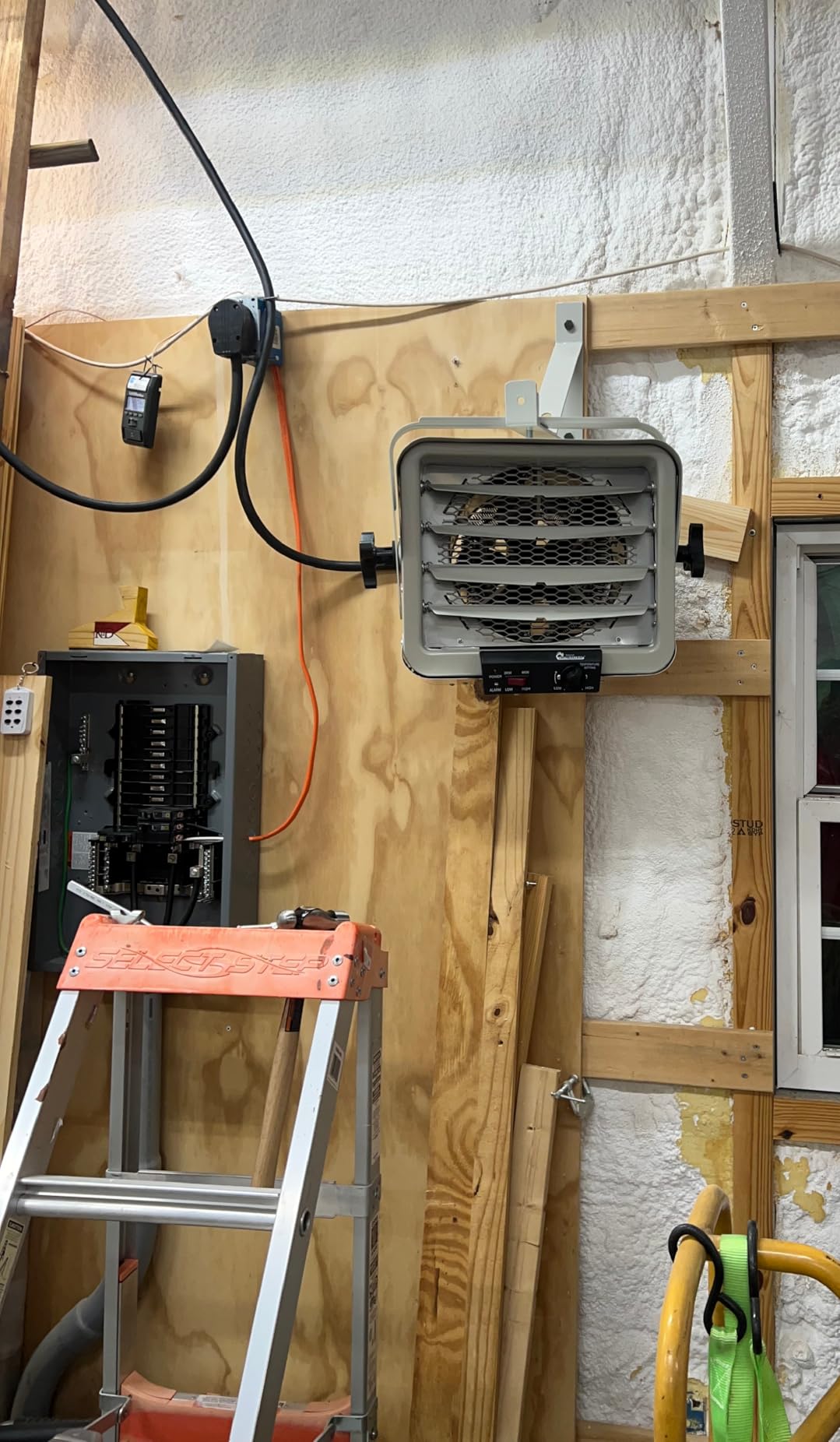
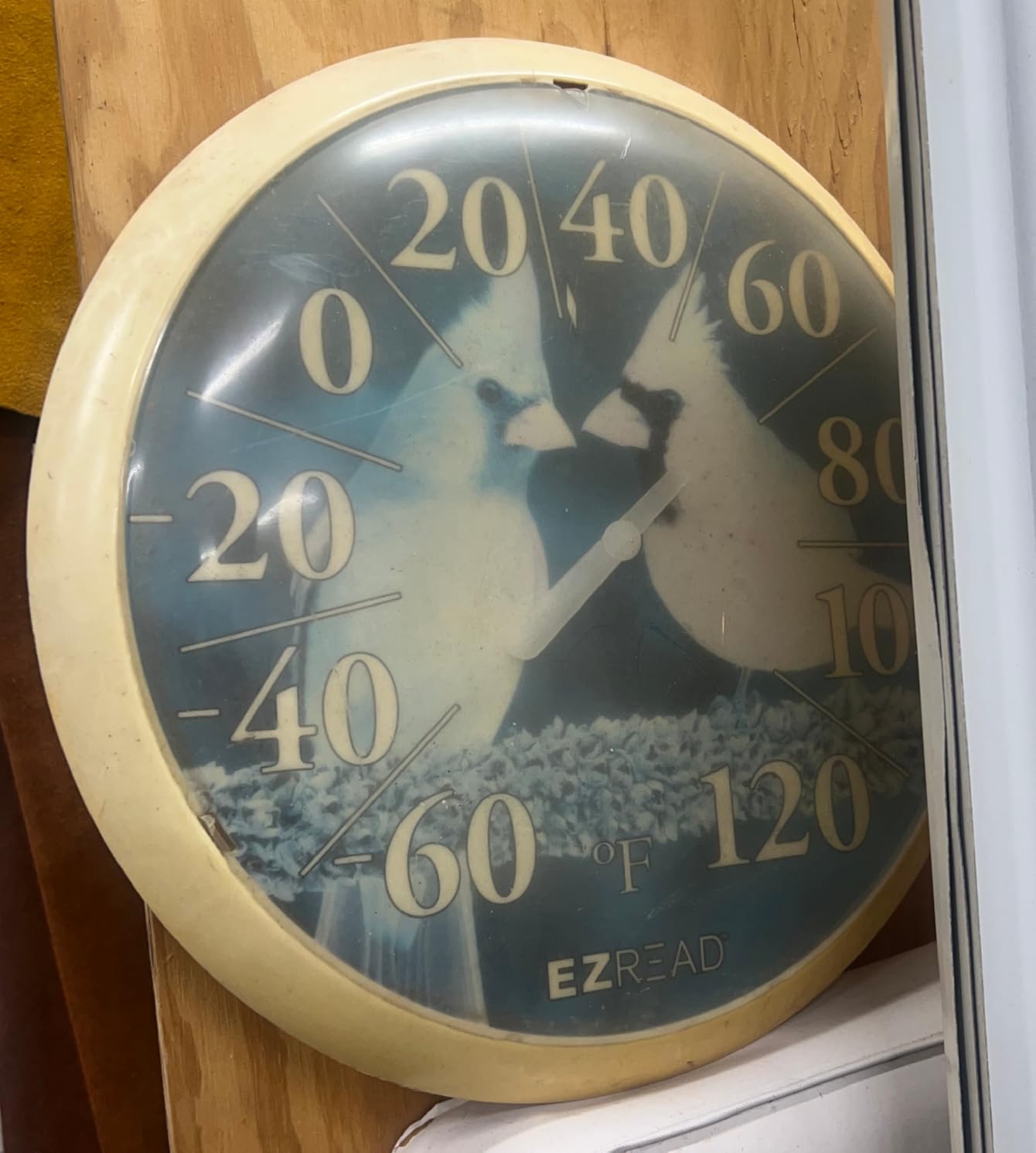
The internal thermostat is the biggest weakness. It is mounted too close to the heating element, so it reads higher than the actual room temperature and shuts off prematurely. Most serious users bypass this by adding an external wall thermostat, which costs extra but transforms the performance. Once you have an external thermostat controlling it, the DR-975 becomes one of the most effective electric garage heaters available at any price point.
The fan is noticeably louder than competitors like the VEVOR or Heat Storm, which is the trade-off for that powerful airflow. There is also a sample mode that cycles the fan every 5 to 10 minutes even when the heater is off, which some users find annoying. The unit requires 8 AWG copper wiring and a 40 to 50 amp circuit, which is heavier gauge than most electric heaters need and adds to the installation cost.
External Thermostat Setup
If you buy the DR-975, budget for an external thermostat as part of the total cost. A basic 24-volt thermostat with a relay works well, and the wiring diagram in the manual is clear enough for an electrician to follow. This upgrade takes the unit from frustrating to fantastic, since you get accurate temperature readings from across the garage instead of from inside the heater housing.
The remote that comes with the unit controls the internal thermostat, which is useful as a backup or for basic on/off control. But for maintaining consistent temperatures over hours of use, the external thermostat approach is the only way to go. Many users report that this single upgrade completely changed their experience with the heater.
Best Garage Fit
With 800 square feet of coverage, this heater is best for single to medium two-car garages. It works well in insulated spaces where the high fan output can circulate warm air effectively throughout the room. If you have a larger garage, consider the 10,000W NewAir or the 50,000 BTU Big Maxx instead.
7. Heat Storm HS-6000-GC – WiFi-Enabled Smart Garage Heater
Heat Storm HS-6000-GC Heater, Gray, 7"D x 18"W x 13"H
Electric 240V
6000W
1000 sq ft
17 lbs
WiFi Enabled
Pros
- WiFi smartphone control
- Programmable scheduling
- Compact slim design
- Child lock feature
- Remote included
Cons
- Higher price point
- App has limited functionality
- Requires strong WiFi signal
- Directional heat pattern
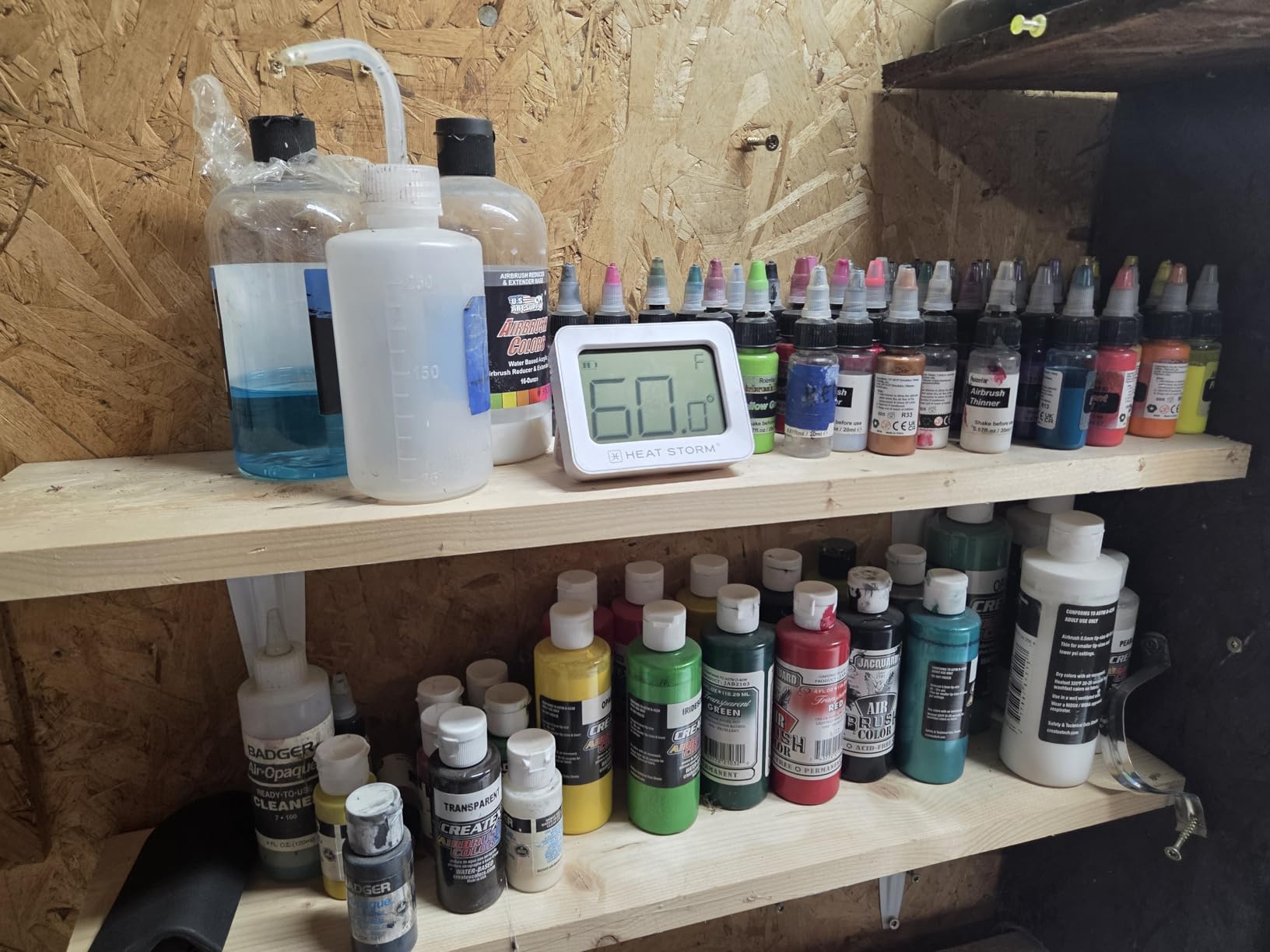
The Heat Storm HS-6000-GC is the heater I recommend to anyone who wants smart home integration in their garage. It connects to WiFi and works with the Smart Life app, so you can turn it on, set schedules, and adjust the temperature from your phone. That means you can preheat your garage from bed before your morning workout or from your desk before heading out for an evening project. It is a feature that sounds gimmicky until you use it, and then you wonder how you lived without it.
At 6,000 watts with adjustable output down to 3,000 watts, it produces enough heat for spaces up to 1,000 square feet. The slim profile at just 7 inches deep makes it one of the most compact garage heaters available, which matters when you are tight on wall or ceiling space. The build quality is noticeably better than budget options, with clean fit and finish that looks good in a finished garage.
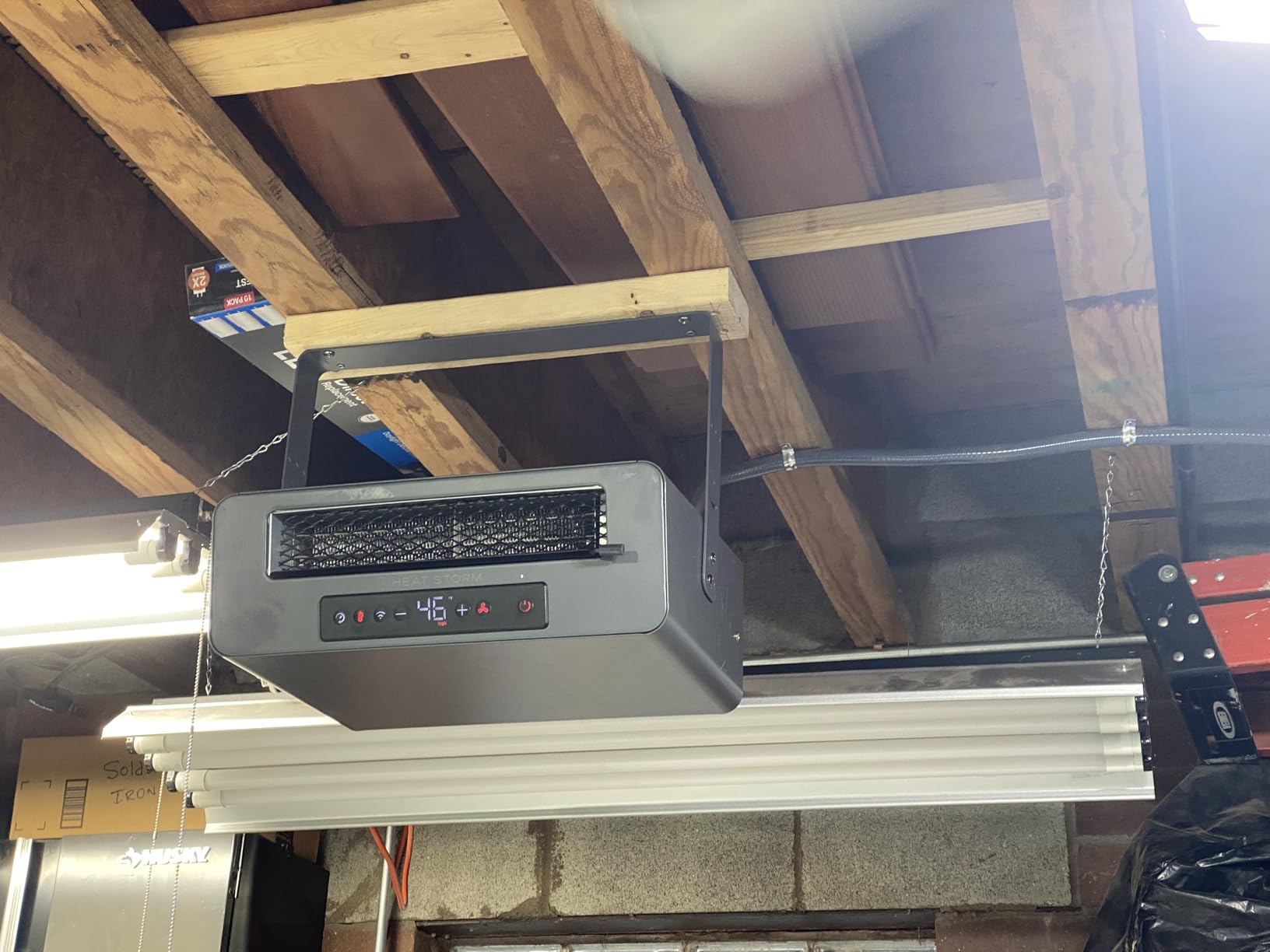
The programmable scheduling is the killer feature. You can set different temperature targets for different times of day, so the garage is warm when you need it and not wasting energy when you do not. The child lock prevents accidental changes to settings, which is a nice safety touch if kids have access to the garage. An external thermometer is included for more accurate temperature readings from across the room.
The main downsides are price and app limitations. The Smart Life app works for basic functions but lacks advanced features like energy monitoring or integration with some smart home platforms. The heat pattern is directional, so if your garage has high ceilings or an open layout, you may need a ceiling fan to help distribute the warm air. Some users also reported that the WiFi pairing process can be finicky if your router is far from the garage.
WiFi and App Considerations
For the WiFi features to work reliably, you need a strong signal at the heater location. If your garage is detached or far from your router, a WiFi extender might be necessary. The Smart Life app is functional for setting temperatures, creating schedules, and basic on/off control, but it does not offer the polish of premium smart home platforms.
Despite the app limitations, the scheduling feature alone justifies the WiFi connectivity for most users. Being able to automate your garage heating means you never walk into a cold workspace, and the energy savings from not running the heater when nobody is in the garage add up over a winter season.
Space and Installation Requirements
The compact 7-inch depth is a real advantage in garages with low ceilings or limited mounting space. At 17 pounds, it is one of the lightest hardwired garage heaters available, making installation manageable for one person. You need a 30-amp dedicated 240V circuit, which is standard for 6,000-watt heaters but still requires professional electrical work if you do not have an existing circuit.
8. NewAir 10000W Hardwired Garage Heater – Maximum Electric Power
Newair Hardwired Electric Garage Heater 240V | 10000W Ceiling or Wall Mounted Shop Heater | Heavy Duty Fan-Forced Electric Shop Heaters for Garage | for Large Space (1605 Sq Ft) with Remote Control
Electric 240V
10000W
1605 sq ft
28.2 lbs
Wall/Ceiling Mount
Pros
- Highest wattage in class
- 1605 sq ft coverage
- Digital thermostat
- Dual power settings
- Remote control
Cons
- Limited stock availability
- Mounting feet can be flimsy
- Some quality control issues reported
- Heavy at 28.2 lbs
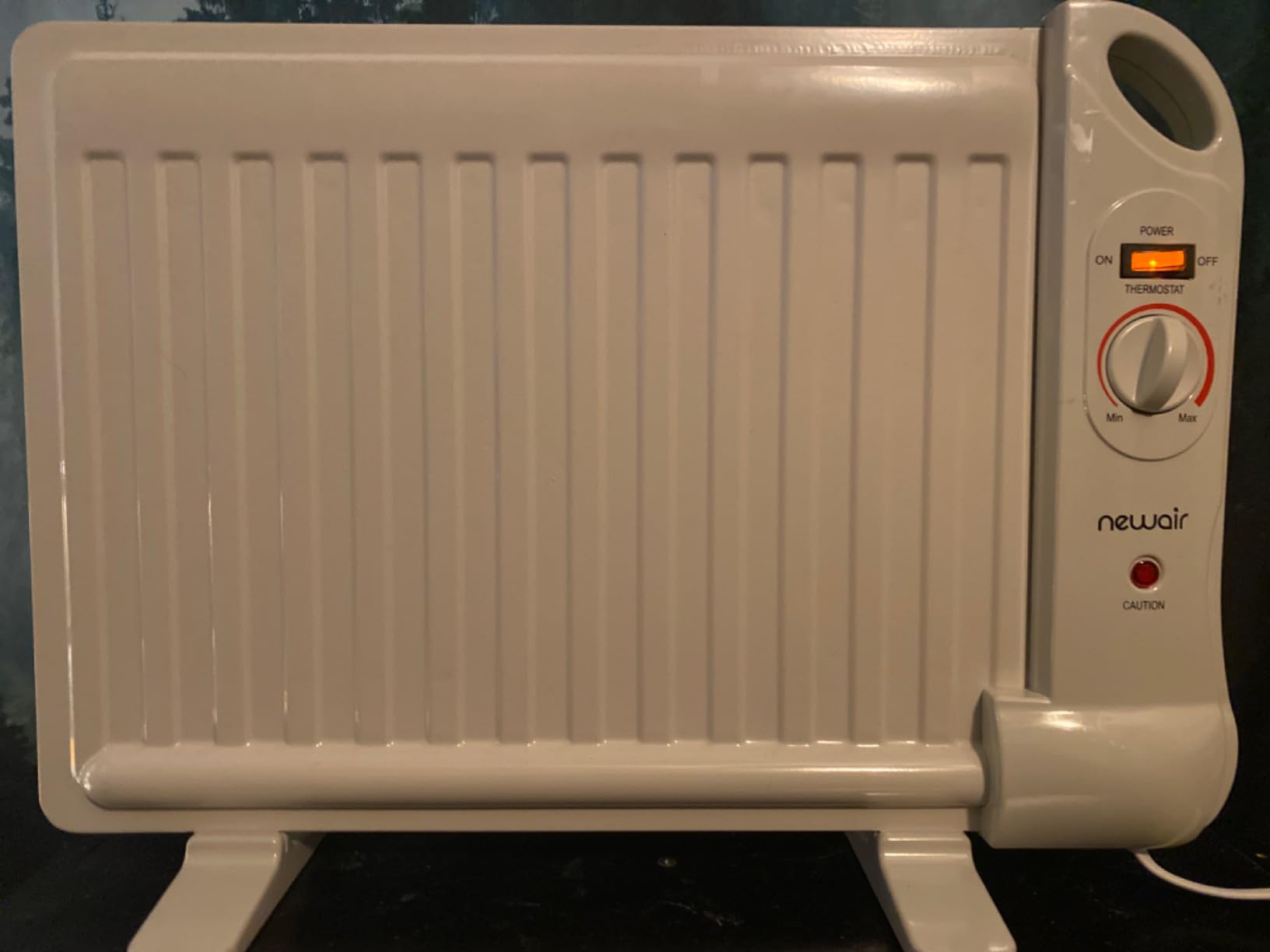
The NewAir 10,000W is the most powerful electric garage heater in this lineup, and one of the most powerful you can buy for residential use. With coverage rated at 1,605 square feet, it is designed for oversized garages, workshops, warehouses, and barns that need serious electric heating. If you have a large space and do not have access to natural gas, this is the electric unit that can actually keep up.
The dual power settings let you choose between lower and higher output depending on conditions, and the digital thermostat gives you precise temperature control. The remote control adds convenience since most installations will have this unit mounted on a ceiling or high on a wall. At 28.2 pounds, it is one of the heavier units in the roundup, so plan for a solid mounting surface and preferably two people for installation.
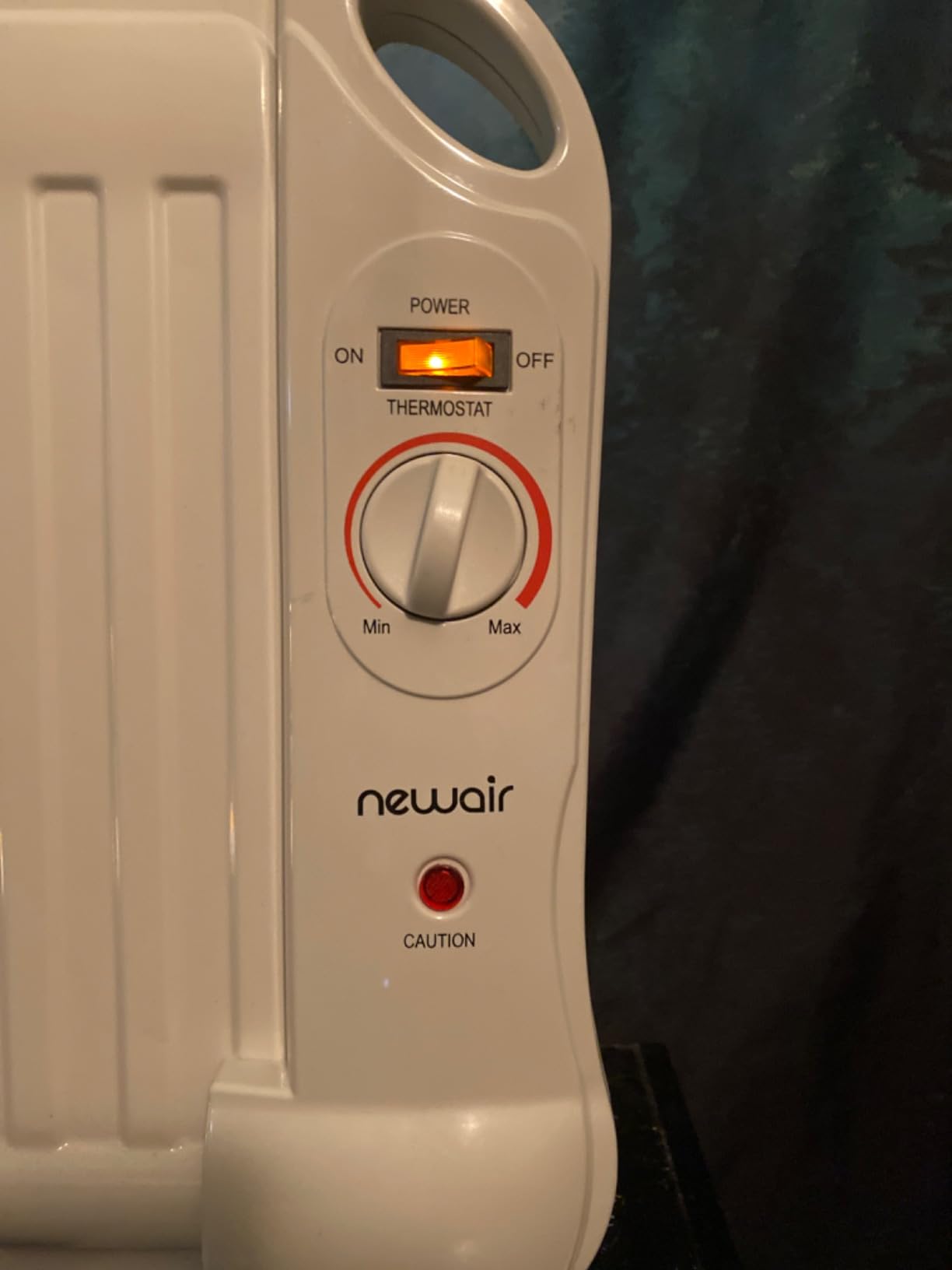
NewAir built this with industrial-grade construction and ETL certification, which means it passed independent safety testing for overheating protection and electrical safety. The fan-forced design moves air effectively through large spaces, and the adjustable louvers help direct heat where you need it most. For workshops and garages that need consistent warmth across a wide area, the 10,000W output eliminates the need for multiple smaller heaters.
The 4.0-star rating is the lowest in this roundup, and it reflects some quality control issues. Some users reported receiving units with warped panels or minor defects out of the box, and the mounting feet have been described as flimsy by multiple reviewers. Customer service experiences have been mixed, though most users who received good units report reliable performance through multiple heating seasons.
Sizing for Your Garage
With 1,605 square feet of coverage, this heater is ideal for three-car garages, large workshops, or converted barn spaces. In an insulated garage, expect it to bring the temperature from cold to comfortable in about 20 to 30 minutes. For uninsulated spaces of similar size, you may need to run it on high continuously, which will be reflected in your electric bill.
For garages under 1,000 square feet, this heater is more than you need. The 7,500W Comfort Zone or the 5,000W VEVOR would be better matches that save money on both the purchase price and installation costs. Only step up to the 10,000W NewAir if you have verified that your space actually needs that much heating capacity.
Electrical Requirements
At 10,000 watts on 240V, this heater draws over 40 amps and requires a dedicated 50-amp circuit with appropriate gauge wiring. That is a heavier electrical setup than most residential garage heaters need, and it may require a panel upgrade if your electrical service is limited. Factor the cost of electrical work into your budget when comparing this unit to lower-wattage alternatives.
9. Mr. Heater 18,000 BTU Big Buddy PRO – Triple-Setting Propane Workhorse
Mr. Heater 18,000 BTU Big Buddy PRO Series Heater
Propane
18000 BTU
450 sq ft
14.1 lbs
Portable
Pros
- Triple heat settings (4K/9K/18K BTU)
- Multiple safety shut-offs
- Connects to bulk tanks
- Built-in fan option
- Indoor/outdoor approved
Cons
- Currently out of stock frequently
- Fan requires separate batteries or adapter
- 1 lb tanks freeze on high
The Big Buddy PRO sits between the Portable Buddy and the permanently mounted natural gas units, offering 18,000 BTU of propane heat in a portable package. The triple heat settings give you 4,000, 9,000, or 18,000 BTU, which makes it one of the most versatile propane heaters for garage use. I have seen these used everywhere from ice fishing shanties to home garages to construction sites, and the 82 percent five-star rating across over 3,500 reviews tells you everything about user satisfaction.
The built-in fan is optional and runs on batteries or an AC adapter, but it helps distribute heat more evenly across the space. Without the fan, it is a pure radiant heater that warms objects and people in its direct path. With the fan running, it pushes warm air further across the garage, making it more effective in larger spaces than the standard Portable Buddy.
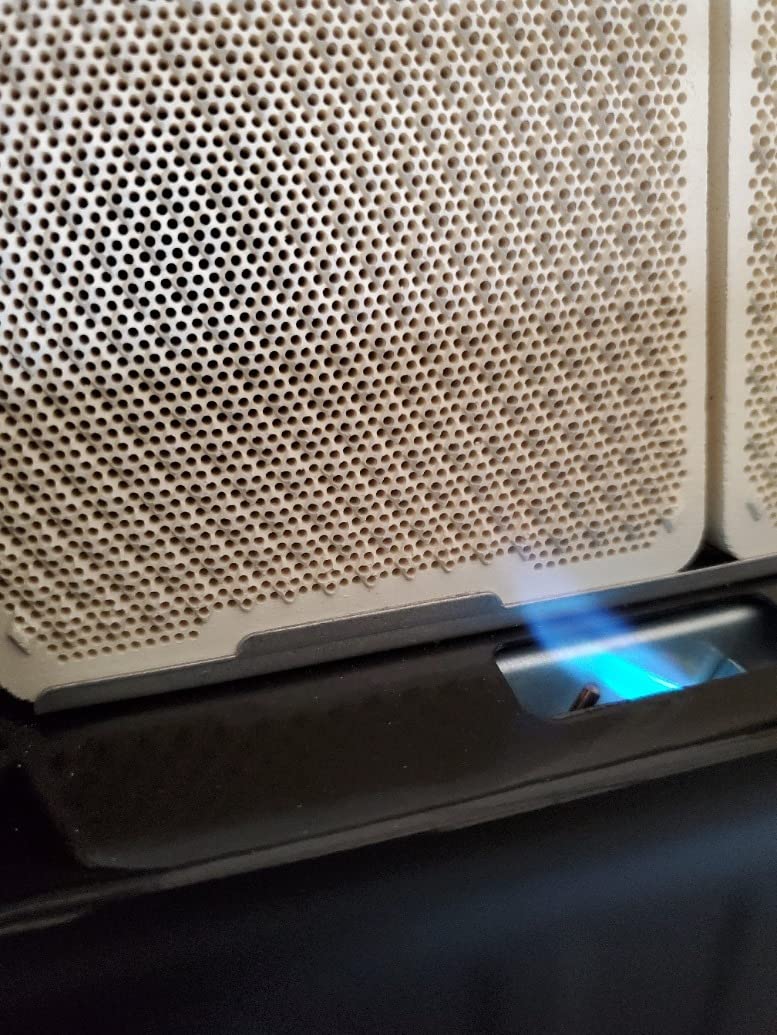
Safety features include the same oxygen depletion sensor and tip-over protection as the smaller Portable Buddy, plus an automatic shut-off if the pilot light goes out. These three redundant safety systems make it one of the safest portable propane heaters you can use indoors. It can connect to standard 1-pound disposable cylinders or to larger bulk tanks with the appropriate hose, giving you options for both quick sessions and all-day use.
The main complaint is that the 1-pound cylinders can freeze up when running on high for extended periods, which limits runtime. The solution is connecting to a 20-pound or larger tank, which provides consistent fuel pressure even in cold weather. The fan is also a weak point since it requires D-cell batteries or a separately purchased AC adapter. At 14.1 pounds, it is portable but noticeably heavier than the smaller Portable Buddy.
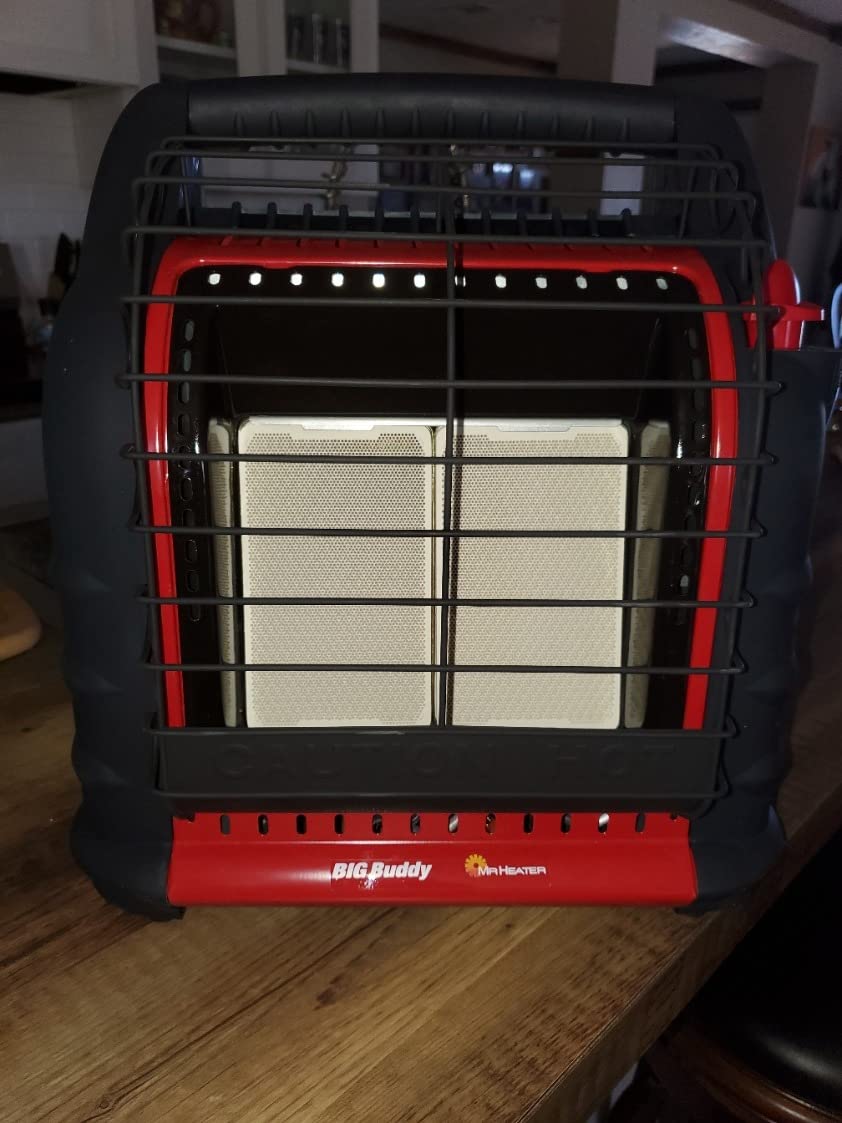
Propane Setup for Garage Use
For garage use, I strongly recommend connecting the Big Buddy to a 20-pound or larger propane tank rather than relying on 1-pound cylinders. The larger tank provides consistent fuel pressure, eliminates the freeze-up issue on high setting, and dramatically reduces your per-hour heating cost. You will need a hose and filter, which add about 20 to 30 dollars to your setup cost but pay for themselves quickly.
Keep the tank outside the garage and run the hose through a wall or under the door. This keeps propane fumes out of your workspace and is the safest configuration for any portable propane heater used in an enclosed area. Always run a carbon monoxide detector in any space where you use a propane heater, even with the oxygen depletion sensor.
Comparing to the Portable Buddy
The Big Buddy gives you twice the maximum BTU output and an extra heat setting compared to the Portable Buddy, along with the optional fan for better air circulation. If your garage is between 225 and 450 square feet, or if you need faster heat-up times, the Big Buddy is worth the extra cost and weight. For smaller spaces or occasional use, the Portable Buddy is easier to handle and less expensive to run.
10. DR-238 Infrared Wall/Ceiling Heater – Silent Infrared Solution
DR. INFRARED HEATER Portable Infrared Indoor and Outdoor Space Heater for Patio, Garage, Commercial & Residential With Remote Control, Without Thermostat, Black
Electric 120V
1500W
IP55 Rated
8 lbs
Wall/Ceiling Mount
Pros
- Zero fan noise
- Silent operation
- IP55 indoor/outdoor rated
- 90 percent reflector efficiency
- Standard 120V plug-in
Cons
- Directional heat only
- Must be in line of sight
- Mounting system tricky
- Does not heat ambient air
The DR-238 is completely different from every other heater in this lineup because it has no fan at all. It uses infrared carbon heating elements that warm objects and people directly without moving air, which means zero fan noise. If you have ever been annoyed by the constant drone of a forced-air heater while trying to concentrate on a project, this silence-first approach is refreshing. It is also one of the few heaters rated IP55 for both indoor and outdoor use, making it a true garage-to-patio unit.
At 1,500 watts on standard 120V, it plugs into any regular outlet without any special wiring or electrical work. That is a huge advantage if you do not have a 240V circuit in your garage and do not want to pay for one. The three power settings at 900W, 1,200W, and 1,500W let you dial in the heat level, and the mirror aluminum reflector achieves 90 percent reflectivity to maximize the infrared output.
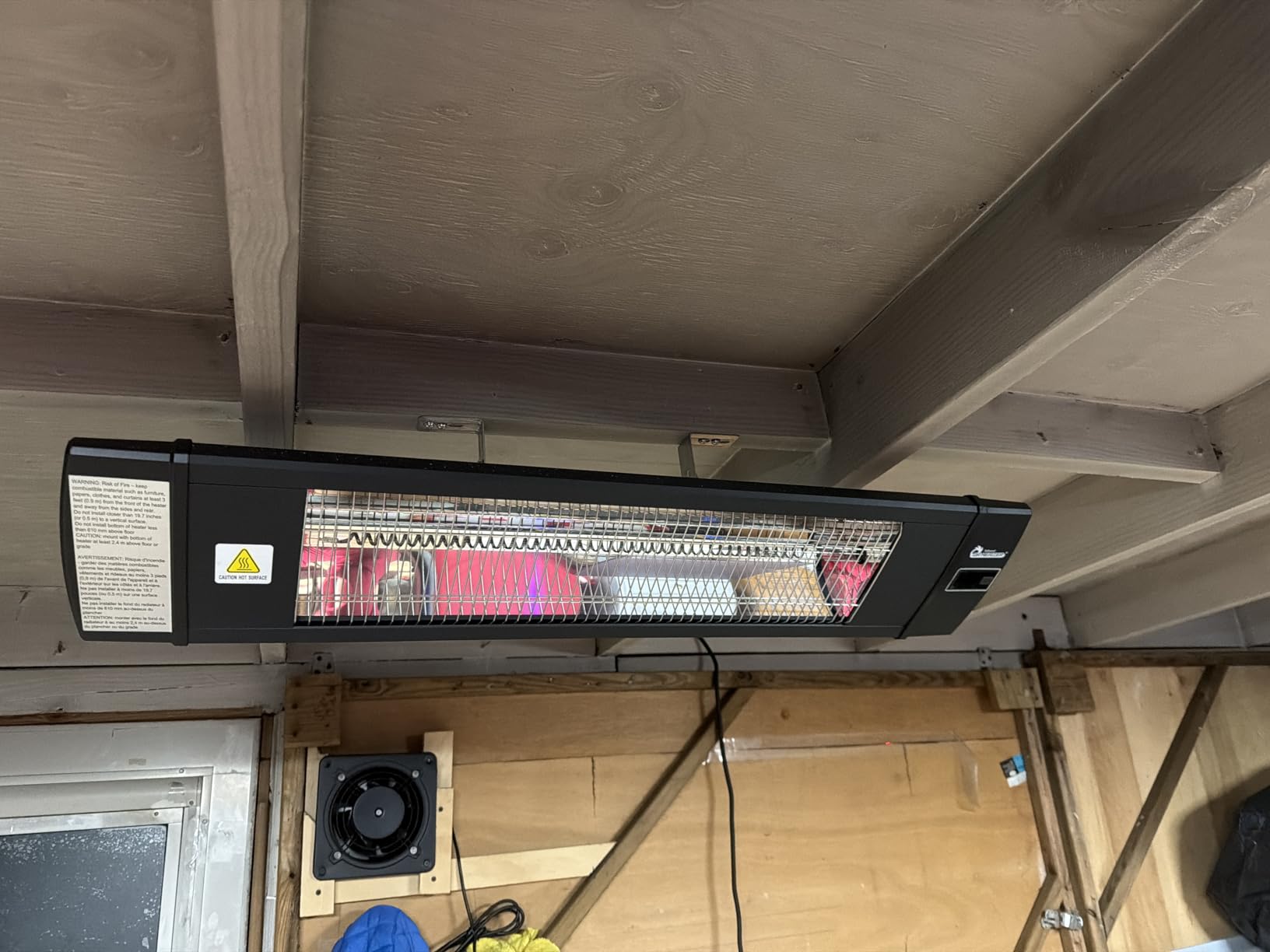
The infrared design means you need to be in the direct line of sight to feel the heat. It does not warm the ambient air the way forced air or convection heaters do. Think of it like sitting in sunlight: you feel warm on the side facing the heater, but the air temperature does not change much. For a workbench setup where you stand in one spot for long periods, this targeted heating approach is efficient and effective.
At just 8 pounds, it is the lightest unit in this roundup and the easiest to mount. The wall and ceiling mounting bracket is included, though some users found the mounting system a bit finicky to adjust. The remote control lets you change power settings without reaching up to the unit. With nearly 6,000 reviews and a 4.3-star rating, it has a proven track record, though some users noted that durability can be a concern past the one-year warranty period.
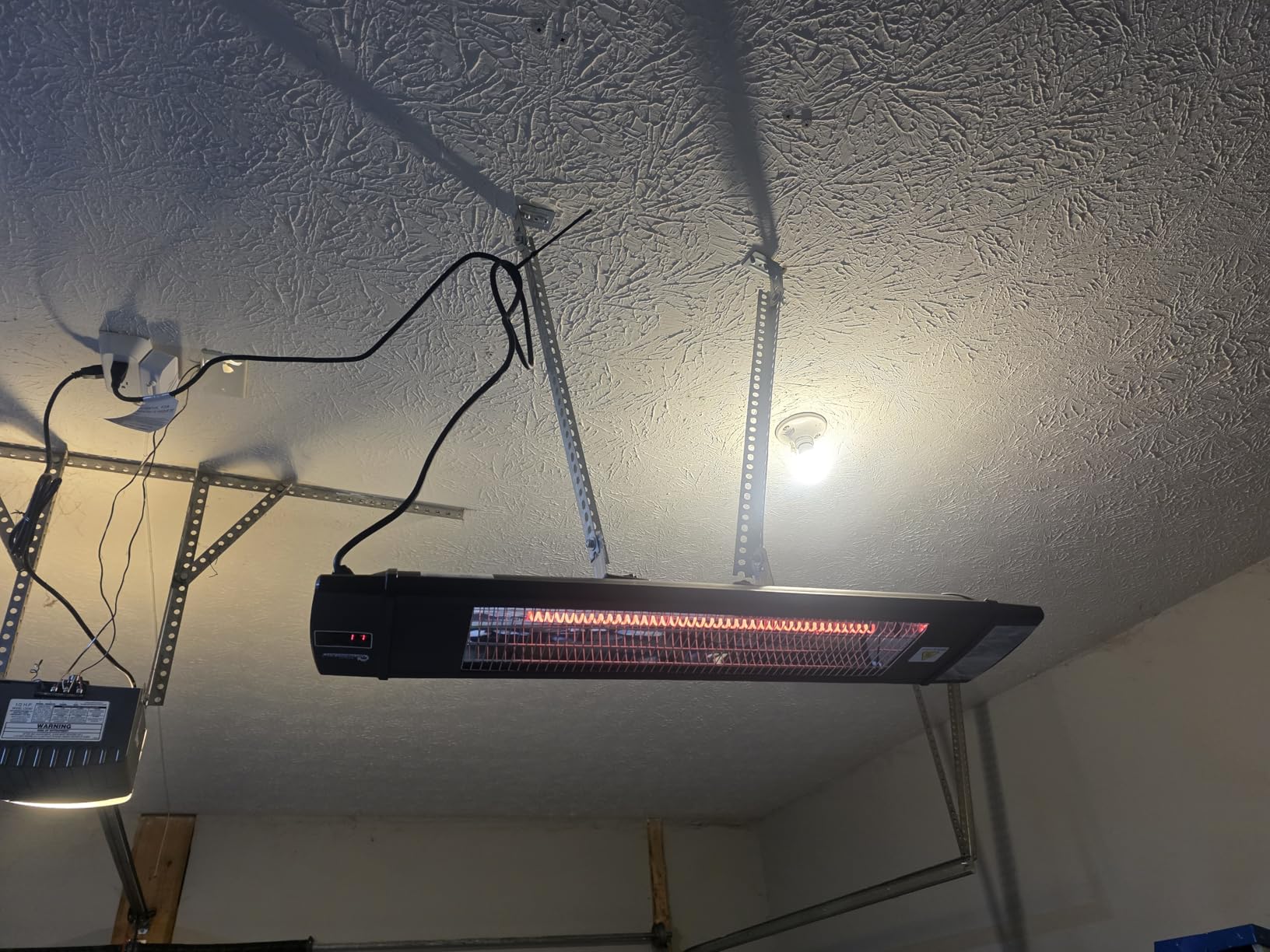
Best Placement Strategy
For garage use, mount the DR-238 on the ceiling or high on a wall angled down toward your primary work area. The infrared beam needs a clear path to where you stand or sit, so avoid placing it behind shelving, vehicles, or other obstructions. If you have multiple work zones, consider getting two units rather than trying to reposition a single heater.
The sweet spot for mounting height is about 7 to 9 feet, with the heater angled about 30 to 45 degrees downward. This gives you about an 8 by 8 foot heating zone directly below the unit. Outside that zone, the heat drops off quickly. For garages where you work at a bench or exercise in a specific area, this targeted approach is actually more energy-efficient than heating the entire space.
Indoor Air Quality Advantage
Because it does not use a fan, the DR-238 does not kick up dust, sawdust, or other particles the way forced-air heaters do. This makes it a better choice for garages used as workshops where air quality matters. It also does not dry out the air the way some electric heaters can, which is a small but noticeable comfort benefit during long work sessions.
How to Choose the Right Garage Heater
Picking the right garage heater comes down to four decisions: fuel type, heating capacity, installation method, and safety requirements. Here is how I break down each one after going through dozens of heaters and thousands of user reviews.
Fuel Type: Electric, Propane, or Natural Gas
Electric heaters are the easiest to install if you already have a 240V circuit in your garage. They produce no fumes, need no ventilation, and require zero maintenance beyond occasional cleaning. The downside is operating cost, since electricity is more expensive per BTU than gas in most areas. A 7,500W electric heater running 8 hours a day through winter can add 100 to 200 dollars per month to your electric bill depending on local rates.
Propane heaters offer the most flexibility since they require no permanent installation. You can move them between spaces, use them during power outages, and take them camping. The trade-off is fuel cost and the need for ventilation. Propane produces moisture and requires fresh air to prevent carbon monoxide buildup. Running costs vary by tank size, but expect 1 to 3 dollars per hour depending on the setting and local propane prices.
Natural gas is the most economical choice for long-term garage heating if you have a gas line available. It costs significantly less per BTU than electricity or propane, and permanent installations mean you never need to worry about refueling. The downside is the upfront installation cost of running gas lines and venting, which can run 500 to 1,500 dollars depending on your setup. Once installed, though, it is the cheapest and most reliable option.
Sizing: How Many BTUs Do You Need
The general rule is 10 watts per square foot of well-insulated space, or about 30 BTU per square foot. For uninsulated garages, double that estimate. Here is a quick reference based on common garage sizes:
A single-car garage at 250 square feet needs about 5,000 to 7,500 watts or 8,000 to 15,000 BTU. A standard two-car garage at 400 to 500 square feet needs 7,500 to 10,000 watts or 15,000 to 25,000 BTU. A large two to three-car garage at 600 to 800 square feet needs 10,000 watts or 25,000 to 50,000 BTU. These estimates assume moderate insulation and typical winter temperatures in most of the United States.
For extreme cold climates where temperatures regularly drop below zero, increase these numbers by 30 to 50 percent. Insulation quality matters enormously: a well-insulated garage needs roughly half the heating capacity of an uninsulated one. If you are choosing between investing in a bigger heater or insulating your garage, insulation is almost always the better investment since it pays dividends in heating costs every year.
Safety Features That Matter
For any heater used in a garage, look for these safety features. Overheat protection shuts the unit off if internal temperatures get too high, which prevents fires and component damage. Tip-over switches are essential for portable units, automatically killing power if the heater gets knocked over. For propane heaters, an oxygen depletion sensor is non-negotiable for indoor use. For gas heaters, a flame sensor that shuts off gas if the pilot goes out prevents dangerous gas leaks.
Always use a carbon monoxide detector in any garage where you run a gas, propane, or kerosene heater. Even with safety sensors, having a separate CO detector provides a critical backup that can save your life. If you are running electrical heaters, make sure your wiring and breakers are rated for the amperage draw, and never use extension cords with high-wattage heaters.
Installation: DIY or Professional
Plug-in 120V heaters like the DR-238 require zero installation beyond mounting brackets. These are the only heaters truly suitable for a DIY setup with no electrical knowledge. 240V hardwired heaters need a dedicated circuit and appropriate gauge wiring, which most people should have an electrician handle. Gas heaters require professional installation for gas lines, venting, and electrical connections for the fan, and this work must comply with local building codes in most jurisdictions.
If you are planning a permanent installation and want to explore whole-home power backup options, check out our guide to the best natural gas standby generators to keep your garage heater running even during power outages.
FAQs
What is the most efficient type of garage heater?
Natural gas forced-air heaters are the most efficient for long-term garage heating. They cost less per BTU than electricity or propane and provide consistent, powerful heat. For smaller spaces, electric infrared heaters are highly efficient because they heat objects directly rather than wasting energy heating air that escapes through poorly insulated walls and ceilings. The key is matching the heater type to your garage size, insulation level, and available fuel source.
How many BTUs do you need to heat a 24×24 garage?
A 24×24 garage (576 square feet) typically needs 15,000 to 25,000 BTU if insulated, or 25,000 to 40,000 BTU if uninsulated. In moderate climates, a 5,000 to 7,500 watt electric heater (17,000 to 25,600 BTU) handles an insulated 24×24 garage well. In extreme cold climates below 10 degrees Fahrenheit, step up to a 50,000 BTU natural gas unit or a 10,000 watt electric heater for reliable performance.
What is the best heat system for a garage?
The best garage heating system depends on your situation. For permanent installations in attached garages with natural gas access, a ceiling-mounted forced-air natural gas heater like the Mr. Heater Big Maxx is the best long-term solution. For detached garages without gas lines, a 240V electric ceiling-mount heater like the Comfort Zone CZ230ER or NewAir 10,000W provides reliable heat. For occasional use or portability, a propane heater like the Mr. Heater Big Buddy gives you flexible heat without installation.
Do garage heaters need ventilation?
Electric garage heaters need no ventilation since they produce no combustion byproducts. Propane, natural gas, and kerosene heaters all require ventilation to prevent carbon monoxide buildup. Even propane heaters rated as indoor-safe with oxygen depletion sensors need fresh air flow, typically a slightly opened window or door. Always use a carbon monoxide detector with any combustion-based heater in a garage, regardless of built-in safety sensors.
Final Thoughts on the Best Garage Heaters
After spending weeks comparing these 10 heaters, the right choice comes down to your specific garage and how you use it. For most people, the Mr. Heater Portable Buddy is the best garage heater to start with because it is affordable, portable, and works right out of the box with no installation. If you need permanent heat for a larger space and have a gas line, the Mr. Heater Big Maxx 50K BTU natural gas unit is the most cost-effective long-term solution. For electric-only garages, the Comfort Zone CZ230ER at 7,500 watts offers the best balance of power, features, and value.
Whichever direction you go, do not underestimate the impact of insulation. Even the best garage heater struggles against bare concrete walls and an uninsulated door. Spend a weekend adding insulation before winter hits, and whatever heater you choose will work better, cost less to run, and keep you comfortable through the cold months. Stay warm out there.