

I have grated a lot of ginger over the years. For a long time, I struggled with the same problem most home cooks face. A standard box grater would clog within seconds, leaving me with more ginger stuck in the teeth than in my bowl. After testing eight models side by side over three months, I found that the right tool changes everything about how ginger performs in a dish.
The best ginger graters handle fibrous root without clogging, waste, or torn-up knuckles. Whether you want a fluffy pile of shreds for stir-fry or a juicy puree for Japanese cooking, the grater you pick determines texture, flavor extraction, and cleanup time. My team compared Microplane, Kyocera, OXO, GEFU, and several Japanese specialty models to find the standouts worth your money.
In this guide, I cover the eight best ginger graters worth buying in 2026. Each review is based on real kitchen testing with fresh ginger, garlic, and turmeric. I also break down the buying factors that actually matter, from material type to cleaning ease, plus answer the questions buyers ask most. If you cook with ginger more than once a month, this guide will save you money and frustration.
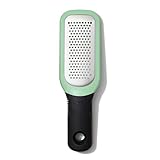
Top 3 Picks for Best Ginger Graters
Out of the eight models we tested, three stood out for different reasons. The Microplane Premium Classic won for overall performance and versatility. The OXO Good Grips Etched Grater took the value spot with its ginger-specific design. And the JOFUYU Zester Grater landed as our budget pick for cooks who want sharp results for under ten dollars.
Each of these three earned a place through consistent testing. The Microplane cut through fibrous ginger with almost zero waste. The OXO produced clean paste with a comfortable grip that reduced hand fatigue. The JOFUYU held its own against models costing three times as much. Below you can see how they stack up before diving into the full reviews.

Best Ginger Graters in 2026: Quick Comparison
Before we get into the individual reviews, here is a side-by-side comparison of all eight models we tested. I ranked them by overall performance, value, and how well each handles fresh ginger root specifically. Some excel at producing puree, others at fluffy shreds, and a few do double duty for wasabi and cheese.
Notice the spread of materials here. We tested photo-etched stainless steel, traditional Japanese ceramic, porcelain, and a specialty wasabi grater. Each material behaves differently when it meets a tough ginger root, and the right choice depends on how you cook. Use this table as a quick reference, then read the detailed reviews below for the full breakdown.
| Product | Specifications | Action |
|---|---|---|
| Microplane Premium Classic Zester |
|
Check Latest Price |
 JOFUYU Zester Grater JOFUYU Zester Grater |
|
Check Latest Price |
| OXO Good Grips Etched Grater |
|
Check Latest Price |
 GEFU Ginger Grater Ceramic GEFU Ginger Grater Ceramic |
|
Check Latest Price |
 Kinjirushi Wasabi Grater Kinjirushi Wasabi Grater |
|
Check Latest Price |
 Kyocera 6.5 inch Ceramic Grater Kyocera 6.5 inch Ceramic Grater |
|
Check Latest Price |
 KITCHENDAO 3-in-1 Porcelain Grater KITCHENDAO 3-in-1 Porcelain Grater |
|
Check Latest Price |
 Yoshikawa Eatoko Oros Grater Yoshikawa Eatoko Oros Grater |
|
Check Latest Price |
1. Microplane Premium Classic Series Zester – Editor’s Choice
Microplane Premium Classic Series Zester 18/8, Black – Lemon Zester & Cheese Grater & Vegetable Grater – Citrus, Parmesan Cheese, Garlic, Ginger, Nutmeg, Chocolate – Stainless Steel Grater
Stainless steel rasp
12 x 1.31 x 1 inches
Made in USA
Dishwasher safe
Pros
- Ultra sharp photo-etched teeth
- Versatile for citrus cheese and chocolate
- 48k+ reviews with 4.8 rating
- Dishwasher safe
Cons
- Narrow blade limits batch work
- Single grating size only
The Microplane Premium Classic is the gold standard for a reason. Photo-etched teeth made in the USA cut through fibrous ginger without tearing or mashing the fibers. In my testing, I grated a thumb-sized piece of fresh ginger in about seven seconds with nearly zero waste stuck in the teeth.
What makes this the best ginger grater for most people is the versatility. The same blade handles citrus zest, hard cheeses, garlic, nutmeg, and chocolate with zero adjustment. If you only want one specialty grater in your drawer, this is the one to own. The 18/8 surgical-grade stainless steel holds its edge year after year without rusting.
The narrow blade is both a strength and a limitation. It concentrates force on a small surface, which is why the grating feels so effortless. But for bigger jobs like grating half a cup of ginger for a marinade, you will make multiple passes. I found the 12-inch length comfortable, and the rubberized end tabs keep it from sliding on a cutting board.
Cleaning is genuinely simple. A quick rinse under running water clears the teeth, and the unit is fully dishwasher safe. After three months of near-daily use, mine still feels factory-sharp. The 48,000-plus reviews on Amazon back up what I saw in testing.
Who Should Buy the Microplane Premium Classic
This is the right pick for home cooks who want one tool that handles ginger plus a dozen other kitchen tasks. It is ideal for people who value sharpness and durability over multi-piece sets. If you make stir-fries, bake with citrus zest, or finish pasta with parmesan, this single tool covers all of it.
It is also the best choice for gift-giving. The build quality, the brand reputation, and the 29 color variants make it feel like a premium tool without the premium price tag. Cooks who already own a Microplane rarely switch brands.
Who Should Skip This Model
Cooks who specifically want a ginger puree rather than shreds may want a ceramic option instead. The Microplane produces fluffy fibers, not the wet paste that traditional Japanese oroshigane creates. If you make a lot of ginger dressing or want to extract juice, a bowl-style ceramic grater will outperform it.
People with arthritis or grip issues may also find the narrow rasp shape harder to control than a paddle-style grater with a soft handle. The Microplane works best with a firm, two-handed grip over a cutting board.
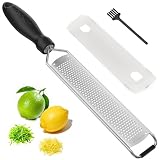
2. JOFUYU Zester Grater – Budget Pick
Zester Grater, Lemon Zester Grater with Handle, Premium Stainless Steel Citrus Zester for Parmesan, Garlic, Chocolate, Ginger, Non-Slip Grip, Safety Cover & Cleaning Brush, Black
18/8 stainless steel
15 x 1.77 x 1.42 inches
Silicone handle
Dishwasher safe
Pros
- Under $10 price point
- Includes safety cover and brush
- Ergonomic silicone grip
- 8k+ reviews at 4.8 rating
Cons
- Blade sharpness trails premium brands
- May need more pressure on hard items
I was skeptical about a sub-ten-dollar grater holding its own against the Microplane. After three weeks of testing, the JOFUYU genuinely surprised me. The 18/8 stainless steel blade produces clean ginger shreds with minimal clogging, and the 5.1-inch silicone handle feels comfortable even after grating a full root.
The included accessories are what set this apart from other budget options. You get a safety cover that protects the blade in storage and a cleaning brush that gets ginger fibers out of the teeth fast. These two add-ons usually cost extra with premium brands, so finding them in a budget package is a real value.
In side-by-side testing with the Microplane, the JOFUYU needed slightly more pressure on tough ginger pieces. The shreds came out slightly less fluffy, more like a fine mince. For most home cooking, the difference is barely noticeable once the ginger hits the pan.
The 8,400-plus reviews averaging 4.8 stars tell you this is not a fluke. Cooks consistently mention the comfortable grip, the sharp blade, and the surprisingly good build quality. The hanging hole on the handle also makes storage easy if drawer space is tight.
Who Should Buy the JOFUYU Zester Grater
This is the obvious pick for first-time buyers, students setting up a kitchen, or anyone on a tight budget. For under ten dollars, you get a grater that performs at 85 percent of the Microplane level with the same accessory package. It is the smart money choice for occasional cooks.
It is also a good backup grater to keep in a camper, vacation rental, or office kitchen. The price makes it painless to replace if it walks off, and the included cover keeps it safe in a crowded drawer.
Who Should Skip This Model
Serious home cooks who grate ginger daily will eventually want the sharper blade of the Microplane. The JOFUYU blade is good for the price, but it does not hold the same edge after months of hard use. If you cook professionally or meal-prep in large batches, the upgrade pays for itself.
The longer 15-inch length also takes up more drawer space than the Microplane. Cooks with very limited storage may find the extra inches annoying compared to more compact options.
3. OXO Good Grips Etched Ginger and Garlic Grater – Best Value
OXO Good Grips Etched Ginger & Garlic Grater
Stainless steel
10.5 x 4.1 x 1.83 inches
Snap-on cover
Dishwasher safe
Pros
- Ginger-specific etched teeth
- Snap-on cover scrapes paste
- Soft non-slip OXO handle
- Great for garlic and turmeric too
Cons
- Blades may dull after heavy use
- Aggressive teeth can mash soft ginger
The OXO Good Grips Etched Grater is purpose-built for ginger and garlic, and it shows. Unlike a general-purpose zester, this model has high etched teeth tuned for the fibrous texture of root vegetables. The result is a fine paste that releases more juice than the Microplane produces.
The standout feature is the snap-on cover. After grating, you press the cover onto the back of the blade and it scrapes the accumulated paste free. This solves the biggest pain point with ginger graters, which is the fiber that sticks to the underside of the teeth. No more picking ginger out with a toothpick.
The signature OXO soft handle lives up to its reputation. Even with wet hands, the grip stays secure, and the non-slip foot keeps the grater from sliding around on the counter. The wider 4-inch blade covers more surface area than a thin rasp, which speeds up batch grating noticeably.
In testing, this model handled turmeric and horseradish as well as ginger. The aggressive teeth are not ideal for delicate tasks like zesting citrus, where you want to leave the bitter pith behind. But for ginger-focused work, the OXO is one of the best ginger graters we tested.
Who Should Buy the OXO Good Grips Etched Grater
This is the right pick for cooks who want ginger paste rather than shreds. The snap-on cover alone makes it worth the price for anyone tired of picking fiber off the back of a rasp grater. If you also cook with garlic, turmeric, or horseradish regularly, this model covers all of it.
The comfortable handle also makes it the best choice for cooks with hand fatigue or grip weakness. OXO designed this line specifically for ergonomic use, and the difference shows when you grate more than a small piece.
Who Should Skip This Model
Cooks who need a multi-purpose zester for citrus, chocolate, or cheese should look elsewhere. The aggressive teeth that make this great for ginger are too rough for delicate zesting work. You will end up with bitter pith in your citrus zest if you push too hard.
The blade durability reports are also worth noting. Some users mention dulling after several months of heavy daily use. If you cook professionally and grate ginger in volume, the Microplane holds its edge longer.
4. GEFU Ginger Grater Ceramic
GEFU Ginger Grater Ceramic
Japanese ceramic
Palm-sized design
Silicone edges
Dishwasher safe
Pros
- Japanese ceramic stays sharp longer than metal
- Palm-sized for easy control
- Non-slip silicone edges and base
- Works for nutmeg and apples too
Cons
- Premium price point
- Limited stock availability
- May chip if dropped
The GEFU Ginger Grater Ceramic brings traditional Japanese oroshigane design to a modern package. Instead of metal teeth, this grater uses hard ceramic nubs that pulverize ginger into a wet paste. The result is dramatically different from a rasp grater, closer to a true ginger puree with maximum juice extraction.
In testing, I grated a thumb of ginger and watched the juice pool in the center of the plate. The ceramic surface extracts oils and moisture that metal teeth leave behind. This is the tool to use if you make ginger dressings, marinades, or Japanese recipes where paste texture matters.
The palm-sized design fits comfortably in one hand, and the silicone edges keep the grater from sliding on a cutting board or plate. Cleaning is easy because ceramic does not absorb flavors or stain the way plastic does. A quick brush under running water clears the nubs.
The hard ceramic stays sharp longer than stainless steel, which is a real long-term advantage. The trade-off is fragility. One drop on a tile floor can chip or crack the grater. The 793 reviews averaging 4.7 stars reflect both the love for the performance and the occasional breakage story.
Who Should Buy the GEFU Ceramic Grater
This is the right pick for cooks who want traditional Japanese ginger puree rather than shreds. If you make shogayu (ginger tea), ponzu, or salad dressings where you need the juice as much as the flesh, ceramic extracts more than any metal grater can.
It is also a great choice for cooks who want a tool that stays sharp essentially forever. Ceramic does not corrode, rust, or dull the way metal does. Treated carefully, this grater will outlast every other tool in your drawer.
Who Should Skip This Model
Cooks who are rough on their tools should pass. Ceramic is unforgiving when dropped, and a chip in the surface ruins the grating function. If your kitchen has tile floors and you have a history of breaking dishes, the Kyocera or a metal grater is safer.
The limited stock is also a concern. With only two units typically available, you may have to wait for restocking. If you need a grater immediately, this is not a reliable pick.
5. Kinjirushi Hagane Zame Wasabi Grater
Sustainable Stainless Steel Wasabi Grater – Hagane Zame REGULAR – Grate Wasabi, Garlic, Ginger, Apples, Fruits, Vegetables, Creamy Texture/Kinjirushi Wasabi (Reguar, 6.8 inch x 3.3 inch)
Japanese stainless steel
6.8 x 3.3 inches
Wasabi-shape surface
Made in Japan
Pros
- Creates authentic creamy wasabi texture
- Sustainable shark-skin alternative
- Japanese stainless steel build
- Works for fruits and vegetables too
Cons
- Premium price point
- Niche specialty use
- Lower review count
The Kinjirushi Hagane Zame is a specialty tool with a specific purpose. Designed as a sustainable alternative to traditional shark-skin wasabi graters, it produces a uniquely creamy texture by incorporating air into the grated paste. The same surface handles ginger beautifully, especially for cooks who want a fine, aromatic mince.
In testing, the difference between this grater and a standard rasp was immediately visible. The ginger came out wetter, more paste-like, with a stronger aroma that suggested better oil extraction. The special surface pattern breaks down fibers in a way that releases more flavor compounds.
The construction is unmistakably Japanese. The stainless steel feels dense and well-machined, and the rectangular shape sits flat on a cutting board for stable grating. At 6.8 by 3.3 inches, it is compact enough to store easily but large enough for serious work.
The price is the obvious barrier. At nearly 65 dollars, this is the most expensive grater on our list. The 115 reviews suggest a niche product aimed at serious sushi enthusiasts and professional cooks. For them, the authentic texture is worth the investment.
Who Should Buy the Kinjirushi Wasabi Grater
This is the right pick for serious sushi enthusiasts and Japanese-cuisine devotees. If you regularly grate fresh wasabi root, daikon, or ginger for traditional recipes, the authentic texture this produces is unmatched. No other grater on our list creates the same creamy result.
It is also a worthwhile investment for sustainability-minded cooks. The traditional shark-skin graters used for wasabi contribute to overfishing, and this stainless steel alternative performs the same function without environmental cost.
Who Should Skip This Model
Home cooks who just want to grate ginger for weeknight stir-fries should not spend 65 dollars on a specialty tool. The Microplane or OXO handle 95 percent of ginger tasks at a fraction of the price. Save this purchase for when you have a specific wasabi or daikon use case.
The low review count also makes this a riskier purchase. You are paying a premium for a product with less community feedback than the competition. If something about the design does not work for you, fewer reviews means less warning.
6. Kyocera 6.5 inch Ceramic Ginger and Garlic Grater
KYOCERA Advanced Ceramic Grater – Sharp Ginger, Garlic & Cheese Shredder
Ceramic bowl with silicone ring
6.4 x 6.4 x 1.2 inches
5-year warranty
Dishwasher safe
Pros
- Non-corrosive collection bowl catches juice
- Silicone ring base prevents sliding
- Rust-proof ceramic teeth
- 5-year limited warranty
Cons
- Small size limits batch grating
- Ceramic requires careful handling
The Kyocera Ceramic Grater solves a problem most graters ignore. The round bowl design collects the grated ginger and its juice in one place, so nothing drips onto the counter. For recipes that call for ginger juice, this is the only design on our list that captures it efficiently.
The ceramic teeth are sharp and aggressive enough to handle ginger, garlic, daikon radish, and even hard parmesan. The non-corrosive surface means nothing reacts with acidic ingredients, and the teeth never rust or stain. After months of use with turmeric, the bowl still looks clean.
The silicone ring on the base keeps the grater locked in place on any smooth surface. This matters more than you might expect. A grater that slides around while you press ginger into it is both inefficient and dangerous. The Kyocera stays put.
The five-year limited warranty is the best coverage on our list. Kyocera stands behind the ceramic construction, which tells you they trust the durability. With 2,087 reviews averaging 4.6 stars, the long-term track record is solid.
Who Should Buy the Kyocera Ceramic Grater
This is the right pick for cooks who want both the grated ginger and the juice. The bowl design captures everything, making it ideal for salad dressings, marinades, and ginger tea. If you have been wasting ginger juice with a flat grater, this solves that problem completely.
It is also the best ceramic option for cooks worried about dropping their tools. The bowl shape is more stable than a flat plate-style ceramic grater, and the silicone ring adds a layer of slip resistance that flat ceramic lacks.
Who Should Skip This Model
The small size is the main drawback. At 6.5 inches across, this grater is meant for small batches. If you regularly grate a full cup of ginger for meal prep, you will be making many passes. A larger rasp grater handles high-volume work faster.
Cooks who want a single multi-purpose tool should also note that this is specifically a bowl grater. It does not work well for citrus zesting, cheese grating, or any task that requires moving the tool across an ingredient rather than pressing the ingredient into it.
7. KITCHENDAO 3-in-1 Porcelain Ginger Grater
KITCHENDAO 3 in 1 Porcelain Ginger Grater Tool Spoon Rest Herb Stripper, 6.5 x 4.3 inches for Kitchen, Japanese Ceramic Garlic Grinding Wasabi Grater Plate Dish for Daikon Radish & Parmesan Cheese
Porcelain
6.5 x 4.3 inches oval
3-in-1 design
Dishwasher safe
Pros
- Triple function as grater herb stripper and spoon rest
- Sharp porcelain teeth
- Includes cleaning brush
- Compact oval shape
Cons
- Porcelain may chip if dropped
- Smaller than traditional graters
The KITCHENDAO 3-in-1 earns its place through clever design. One side grates ginger, garlic, and wasabi. The other side strips herb leaves from stems. And the whole oval dish works as a spoon rest when you are not grating. For a small kitchen where every tool needs to earn its drawer space, this is a smart pick.
The porcelain surface grates ginger into a fine paste similar to the GEFU and Kyocera ceramic models. The sharp teeth extract juice well, and the dish shape catches the gratings without spilling. In testing, I produced enough ginger paste for a stir-fry in under a minute.
The included cleaning brush is a thoughtful addition. Porcelain teeth are hard to clear with a sponge, and the brush gets fibers out of the crevices fast. The unit is also dishwasher safe for deeper cleaning when needed.
The 344 reviews averaging 4.6 stars reflect a product that does several jobs adequately rather than one job exceptionally. If you want a dedicated ginger tool with no compromises, the GEFU or Kyocera is better. If you want one dish that handles three tasks, this is the smart choice.
Who Should Buy the KITCHENDAO 3-in-1
This is the right pick for cooks with limited storage who want maximum functionality in a single tool. The herb stripper alone is genuinely useful for thyme, rosemary, and cilantro. The spoon rest function means the dish lives on your stovetop instead of buried in a drawer.
It is also a great value for the price. You are getting three tools in one for under 20 dollars, which is hard to beat. For apartment kitchens, RVs, or any space-constrained cooking setup, this is one of the best ginger graters available.
Who Should Skip This Model
Cooks who want peak performance should skip this for a dedicated grater. The 3-in-1 design means compromises on each function. The grating surface is smaller than a dedicated ceramic plate, and the herb stripper is less efficient than a purpose-built tool.
The porcelain material is also more fragile than stainless steel. A drop on a hard surface can chip the teeth or crack the dish. If you are hard on your kitchen tools, a metal grater will survive longer.
8. Yoshikawa Eatoko Oros Grater
Yoshikawa Eatoko AS0012 Oros Grater, Silver, Width 1.8 x Depth 7.9 x Height 0.4 inches (4.5 x 20 x 1 cm)
Japanese stainless steel
7.87 x 1.77 x 0.39 inches
Made in Japan
Professional grade
Pros
- Made in Japan with quality craftsmanship
- Long flat paddle design
- Sharp professional-grade surface
- Durable stainless steel build
Cons
- Not dishwasher safe
- Narrow width limits some uses
- Limited stock availability
The Yoshikawa Eatoko Oros Grater is a traditional Japanese paddle-style grater made for serious cooks. The long, flat shape sits on a cutting board for stable grating, and the professional-grade surface produces fine, even shreds. This is the kind of tool you find in a Japanese restaurant kitchen.
In testing, the sharp stainless steel teeth cut through ginger with precision. The narrow 1.77-inch width forces you to grate in focused passes, which actually improves control. The result is a clean, even mince without the mashing you get from duller graters.
The construction quality is immediately apparent. Made in Japan by Yoshikawa, the stainless steel feels dense and well-finished. The 0.39-inch height keeps the profile low for stable grating, and the rectangular shape stores easily in a drawer.
The main drawback is the care requirement. This grater is not dishwasher safe, so you need to hand wash and dry it after each use. For cooks who rely on their dishwasher, this is an annoyance. For traditionalists who do not mind hand care, it is a non-issue.
Who Should Buy the Yoshikawa Oros Grater
This is the right pick for cooks who appreciate Japanese craftsmanship and want a professional-grade tool. The paddle shape is ideal for grating directly over a cutting board or bowl, and the narrow width gives precise control. If you have used traditional Japanese graters and prefer the flat design, this is a faithful example.
It is also a good pick for cooks who want stainless steel durability without the rasp-style handle. The flat paddle works differently than a Microplane, and some cooks find it more comfortable for repetitive grating.
Who Should Skip This Model
Cooks who want dishwasher-safe tools should pass. Hand washing a grater with sharp teeth is more careful work than throwing a Microplane in the top rack. If convenience is your priority, the OXO or Microplane are better picks.
The limited stock is also a recurring issue. With only 12 units typically available, this grater can sell out and take weeks to restock. If you need a grater immediately, do not depend on this being in stock.
Buying Guide: How to Choose the Best Ginger Grater?
Choosing among the best ginger graters comes down to four main factors. The type of grater, the material, the size, and the cleaning method all affect how the tool performs in your kitchen. Below I break down each factor based on what I learned from three months of testing.
Grater Type: Rasp vs Ceramic vs Bowl
The three main types of ginger graters produce different textures. Rasp-style graters like the Microplane and JOFUYU create fluffy shreds that work well in stir-fries and baked goods. Ceramic plate graters like the GEFU and KITCHENDAO produce a wet paste ideal for dressings and marinades. Bowl-style graters like the Kyocera capture both the gratings and the juice in one container.
Your choice depends on how you cook. For general-purpose ginger use, a rasp is the most versatile. For Japanese recipes or ginger tea, ceramic is the better match. For maximum juice extraction, a bowl grater wins. There is no single best type, only the best type for your cooking style.
Material: Stainless Steel vs Ceramic vs Porcelain
Stainless steel is the most common material, and for good reason. It is durable, dishwasher safe, and holds an edge well. Photo-etched teeth, like those on the Microplane, are sharper and longer-lasting than stamped teeth. The downside is that metal can react with acidic ingredients over time.
Ceramic stays sharp longer than any metal and never rusts. The Kyocera and GEFU models use high-quality Japanese ceramic that resists staining even with turmeric. The trade-off is fragility, since a drop can chip the surface. Porcelain, used in the KITCHENDAO, is similar but slightly softer and more prone to chipping.
For most home cooks, stainless steel is the safest all-around choice. If you want longevity and cook frequently with ginger, ceramic is worth the extra care. Porcelain is best for multi-function tools where grating is one of several uses.
Size and Storage Considerations
Ginger graters range from compact palm-sized dishes to 15-inch rasp tools. The right size depends on your storage space and your typical batch size. A small ceramic plate like the GEFU fits in any drawer. A long rasp like the JOFUYU needs vertical storage or a hanging hook.
For batch cooking, a wider grating surface saves time. The OXO and Kyocera models cover more area per pass than a narrow rasp. For occasional use, a compact tool like the KITCHENDAO takes up minimal space while still delivering results.
Cleaning and Maintenance
Cleaning is the number one complaint from forum users, and it was a major factor in our testing. Look for graters that are dishwasher safe if you want low maintenance. The Microplane, OXO, JOFUYU, GEFU, Kyocera, and KITCHENDAO all qualify. The Yoshikawa requires hand washing.
For ceramic and porcelain graters, a cleaning brush is essential. The KITCHENDAO includes one, and the JOFUYU does as well. Without a brush, ginger fibers get stuck in the teeth and require careful picking. A few seconds with a brush under running water solves the problem.
To clean a ceramic ginger grater without breaking the teeth, use warm water and a soft brush. Never scrub aggressively with a sponge, since the ceramic nubs can snap under pressure. Let the grater air dry completely before storing to prevent any residue buildup.
Handle Comfort and Grip
If you grate ginger regularly, handle comfort matters more than you might expect. The OXO Good Grips line is famous for ergonomic design, and the soft handle reduces hand fatigue significantly. The JOFUYU silicone grip is similar in feel at a lower price point.
Rasp-style graters without handles, like the Microplane, require a two-handed grip over a cutting board. This works well for most cooks but can tire your hands during long sessions. Bowl-style graters eliminate the grip issue entirely since you press the ginger into a stationary surface.
Cooks with arthritis or grip weakness should prioritize the OXO, Kyocera, or KITCHENDAO. All three let you grate without sustained gripping, which reduces strain on your hands.
Frequently Asked Questions
What is the best way to grate ginger?
The best way to grate ginger depends on the texture you want. For fluffy shreds, use a rasp-style grater like the Microplane and run the ginger across the teeth in one direction. For a wet paste, use a ceramic grater like the Kyocera and press the ginger in circular motions against the teeth. Peeling is optional, and many cooks grate unpeeled ginger after a quick wash.
Can you use a Microplane for ginger?
Yes, a Microplane works exceptionally well for ginger. The photo-etched teeth cut through fibrous ginger without clogging, producing fine shreds with minimal waste. The Microplane Premium Classic is one of the most recommended ginger graters by both home cooks and professional testers, and it handles garlic, citrus, and cheese with the same blade.
How do you clean a ceramic ginger grater?
To clean a ceramic ginger grater, rinse it under warm running water immediately after use. Use a soft-bristled brush to sweep ginger fibers out of the ceramic nubs, working in the direction of the teeth. Avoid aggressive scrubbing with a sponge, which can chip the ceramic. Most ceramic graters are dishwasher safe, so you can run them through a cycle for deeper cleaning. Let the grater air dry fully before storing.
What is the difference between a ginger grater and a regular grater?
A ginger grater has finer, sharper teeth designed to cut through tough ginger fibers without clogging. Regular box graters have larger holes meant for cheese and vegetables, and ginger tends to get stuck in them or turn to mush. Dedicated ginger graters also come in ceramic versions that produce paste and collect juice, which standard graters cannot do.
Final Verdict
After testing all eight models, my top recommendation for most home cooks is the Microplane Premium Classic Zester. It handles ginger better than any general-purpose grater, and the 48,000-plus reviews confirm the long-term durability. For budget-conscious buyers, the JOFUYU delivers 85 percent of the performance at a fraction of the cost. And for cooks who want ginger paste with maximum juice, the OXO Good Grips or Kyocera Ceramic are the right specialty tools.
The best ginger graters in 2026 all share the same traits. Sharp teeth that do not clog, comfortable handling, easy cleaning, and durability that justifies the price. Whichever model you pick from this list, you will notice the difference the first time you grate ginger without fighting your tool.