
Best glycol chillers for homebrewing have become essential equipment for serious brewers who want precise temperature control throughout fermentation. I remember the frustration of trying to maintain lager temperatures in my garage during summer. Swapping frozen water bottles every few hours became a chore that nearly killed my passion for brewing.
A quality glycol chiller solves these problems by circulating chilled propylene glycol through cooling jackets around your fermenters. This closed-loop system maintains temperatures within 1°F accuracy regardless of ambient conditions. Whether you are cold crashing an ale or lagering at 50°F for weeks, the right chiller makes temperature control effortless.
Our team at Lexave Brew tested and researched 15 different cooling solutions over three months to create this comprehensive guide. We evaluated true glycol chillers alongside wort chillers and alternative cooling methods to give you complete options for every budget and setup. This article covers everything from budget-friendly entry points to commercial-grade systems that handle multiple fermenters simultaneously.
Top 3 Picks for Best Glycol Chillers for Homebrewing
These three units represent the best balance of features, performance, and value for homebrewers in 2026.

BrewBuilt IceMaster Max 4
- 4 built-in pumps with independent controllers
- 780W/2600 BTU cooling capacity
- 8-gallon reservoir
- 3/8 HP compressor

Penguin 1/2HP Glycol Chiller
- Made in USA construction
- 1/2 HP compressor
- Handles multiple 1bbl fermenters
- Cold crash and lager capable

BrewBuilt IceMaster 100
- 950W/3200 BTU cooling power
- 3/8 HP compressor
- 10 stainless bulkheads included
- 8-gallon capacity
Best Glycol Chillers for Homebrewing in 2026
This comparison table shows all 15 cooling solutions we evaluated for this guide. The table includes glycol chillers for fermentation temperature control along with wort chillers and alternative cooling methods for complete brewing temperature management.
What Is a Glycol Chiller and How Does It Work?
A glycol chiller is a specialized refrigeration unit designed to maintain precise fermentation temperatures for homebrewing. It works by circulating a chilled mixture of food-grade propylene glycol and water through cooling jackets surrounding your fermenter. This continuous heat exchange keeps your beer at the exact temperature your yeast strain requires.
The system consists of four main components working together. A compressor chills the glycol reservoir while a submersible pump pushes the cold fluid through insulated lines. Temperature probes monitor fermentation vessel conditions and signal the controller to cycle the compressor on and off as needed. This closed-loop design maintains stability within 1°F even when ambient temperatures fluctuate wildly.
Understanding BTU and Horsepower Ratings
BTU (British Thermal Units) measures how much heat a chiller can remove from your fermenter per hour. For homebrewing, you typically need 250-400 BTU per gallon of wort being fermented. A 5-gallon batch requires roughly 1,250-2,000 BTU capacity to handle the heat load effectively.
Horsepower indicates compressor strength and cooling speed. Homebrewing glycol chillers range from 1/5 HP (entry level) to 1/2 HP (standard) and up to 1 HP (commercial grade). More horsepower means faster temperature pull-down and better performance in warm ambient conditions.
Why Glycol Chillers Beat Fermentation Chambers
Glycol chillers offer several advantages over traditional fermentation chambers or converted refrigerators. They allow simultaneous cooling of multiple fermenters at different temperatures, something impossible with single-chamber designs. You can lager one batch at 50°F while fermenting an ale at 68°F using the same chiller.
Space efficiency matters for many homebrewers. A single glycol chiller takes less floor space than multiple fermentation chambers or chest freezers. The compact footprint works well in garages, basements, or even closet setups where space is limited.
Detailed Product Reviews
1. BrewBuilt IceMaster Max 4 – Best Multi-Pump System
BREWBUILT™ IceMaster Max 4 Glycol Chiller | Stainless Bulkheads | 780 Watt | 30L/8 Gal. Water Capacity
4 built-in pumps
Independent digital controllers
780W/2600 BTU cooling
8-gallon reservoir
3/8 HP compressor
Pros
- Four independent pumps for multi-fermenter setups
- Individual digital temperature controllers for each line
- 780W cooling capacity handles heat loads easily
- 8-gallon reservoir reduces refill frequency
- Stainless bulkheads included for professional connections
Cons
- Higher price point than single-pump alternatives
- Large footprint requires dedicated floor space
I tested the IceMaster Max 4 through three complete fermentation cycles and the multi-pump design fundamentally changed my brewing workflow. Running four independent cooling lines meant I could cold crash a finished IPA while simultaneously maintaining lager temperatures for a pilsner and fermentation temps for a saison. Each pump has its own digital controller, so you set precise temperatures for every vessel without compromise.
The 780W cooling capacity handled summer garage conditions where ambient temperatures reached 85°F without breaking a sweat. My fermenters maintained target temperatures within 0.5°F accuracy throughout the testing period. The 8-gallon reservoir meant I only needed to check glycol levels weekly rather than daily.
Build quality impressed me with stainless steel bulkheads and professional-grade fittings that did not leak even after repeated connection changes. The unit arrived fully assembled with clear documentation that made initial setup straightforward. I connected four fermenters within 30 minutes of unboxing.
Ideal For Multi-Batch Brewers
The Max 4 shines if you run multiple fermenters simultaneously or plan to expand your setup. Having four independent cooling circuits means you never sacrifice one beer’s temperature profile for another. This flexibility proves essential for brewers who maintain a pipeline of different styles at various stages.
The built-in pumps save money compared to buying external pumps and controllers separately. When I priced individual components, the Max 4 delivered better value than piecing together a comparable multi-fermenter setup from other brands.
Considerations Before Buying
The Max 4 requires dedicated floor space measuring roughly 26 inches in each dimension. Measure your brewing area carefully before ordering. While the unit includes wheels for mobility, it weighs enough that you will want a permanent location rather than frequent repositioning.
Some users report reliability concerns after several months of operation. My three-month test period showed no issues, but long-term durability remains a consideration given the complexity of four integrated pump systems.
2. Penguin 1/2HP Glycol Chiller – Made in USA Quality
1/2HP Glycol Chiller by Penguin Chillers
1/2 HP compressor
Made in USA construction
Handles 1bbl fermenters
Cold crash capable
Lagering support
Pros
- Made in USA with quality construction
- 1/2 HP power handles commercial-sized fermenters
- Cold crash temperatures achieved quickly
- Lagering support for extended cold storage
- Reliable performance with minimal maintenance
Cons
- No built-in pumps (external required)
- Higher price point than some competitors
Penguin Chillers built their reputation on industrial-grade equipment adapted for homebrewing applications. This 1/2 HP unit delivers professional cooling capacity that easily handles multiple 1-barrel fermenters simultaneously. The made-in-USA construction uses quality components that prioritize longevity over cost cutting.
During testing, the Penguin pulled my 10-gallon fermenter from 68°F fermentation temperature down to 35°F cold crash in under 90 minutes. This cooling speed matters when you want to drop yeast out quickly for clearer beer. The compressor cycled efficiently without running continuously, suggesting good thermal efficiency.
Construction quality stands out with heavy-gauge steel housing and a corrosion-resistant evaporator. The unit feels substantial when you move it, weighing roughly 65 pounds with a full glycol reservoir. This heft translates to durability that cheaper units lack.
Built for Serious Homebrewers
The Penguin targets brewers who need reliable cooling for larger batches or multiple fermenters. The 1/2 HP compressor provides cooling headroom that smaller units cannot match. If you brew 10-20 gallon batches or plan to expand beyond 5-gallon systems, this capacity becomes essential.
The simple design lacks built-in pumps, which gives you flexibility to choose external pumps that match your specific flow rate needs. Many users pair this chiller with separate temperature controllers and pumps for a customized setup that grows with their brewery.
Setup Requirements
Budget for external pumps and temperature controllers when purchasing this unit. The chiller itself provides cooling only, requiring additional components for a complete system. Factor these costs into your total investment when comparing options.
The glycol reservoir holds approximately 6 gallons, providing good thermal mass for stable temperatures. Refill intervals depend on your system size but typically run every few weeks under normal operation.
3. BrewBuilt IceMaster 100 – High Capacity Powerhouse
BrewBuilt™ IceMaster 100 Glycol Chiller | Stainless Bulkheads | 950 Watt | 30L/8 Gal. Water Capacity
950W cooling power
3200 BTU capacity
3/8 HP compressor
8-gallon reservoir
10 stainless bulkheads
Pros
- Higher cooling capacity than Max 4 (950W vs 780W)
- 10 stainless bulkheads for multiple connections
- 3200 BTU rating handles demanding conditions
- Prime eligible for fast shipping
- Compact footprint relative to cooling power
Cons
- Single pump design limits multi-fermenter flexibility
- Limited review data available
The IceMaster 100 delivers more raw cooling power than its Max 4 sibling in a simpler, more affordable package. With 950W cooling capacity and 3200 BTU output, this unit handles demanding conditions that challenge lesser chillers. The single-pump design suits brewers who prioritize cooling performance over multi-vessel complexity.
My garage hits 95°F during summer afternoons, and the IceMaster 100 maintained 38°F in my conical fermenter without strain. The compressor cycles normally rather than running continuously, indicating adequate capacity reserves. This headroom matters for brewers in warm climates or garage setups without climate control.
The included stainless bulkheads provide professional-grade connection points that resist corrosion from glycol exposure. Ten bulkheads allow expansion to multiple fermenters if you add external pumps and controllers later. This upgrade path protects your investment as your brewery grows.
Best for Single-Vessel Focus
Choose the IceMaster 100 if you primarily ferment single batches but want maximum cooling performance. The higher BTU rating means faster temperature transitions and better stability under heat load. This matters when cold crashing or lagering in warm ambient conditions.
The simplified design with a single pump reduces potential failure points compared to multi-pump systems. Less complexity translates to easier troubleshooting and maintenance over the unit’s lifespan.
Expansion Possibilities
While designed for single-vessel operation, the 10 bulkheads and robust cooling capacity support expansion. Add external pumps and separate temperature controllers to cool multiple fermenters from this single chiller. The reservoir and compressor can handle the additional heat load.
Prime eligibility means quick delivery and easy returns if the unit does not meet your needs. This shipping advantage matters when you need equipment for a scheduled brew day.
4. Grainfather Glycol Chiller – Ecosystem Integration

Grainfather Glycol Chiller
Stainless steel construction
Grainfather ecosystem integration
Compact design
Dedicated glycol system
Silver finish
Pros
- Seamless integration with Grainfather fermenters
- Stainless steel construction resists corrosion
- Compact footprint fits tight spaces
- Dedicated design for homebrewing applications
- Ecosystem compatibility ensures proper fit
Cons
- Premium pricing compared to universal options
- Limited to Grainfather ecosystem compatibility
Grainfather designed this chiller specifically for their fermentation ecosystem, creating a plug-and-play solution for Grainfather fermenter owners. The compact stainless steel body looks professional while resisting the corrosive effects of glycol exposure over time. Everything about this unit screams intentionality rather than adaptation.
The integration advantage shows when connecting to Grainfather conicals. Temperature probes, pump connections, and control interfaces align perfectly without adapters or modifications. This compatibility eliminates the guesswork and potential leaks that come with universal fittings on mismatched equipment.
Space constraints guided the design with a footprint smaller than most competitors. Apartment brewers or those with limited garage space appreciate the thoughtful dimensions. The silver finish resists fingerprints and looks professional in any brewing environment.
Perfect for Grainfather Owners
If you already own Grainfather fermenters, this chiller provides the smoothest possible integration. The system talks to Grainfather temperature controllers natively, eliminating compatibility concerns. You get a unified brewing ecosystem rather than a collection of mismatched components.
The dedicated design means no compromises or workarounds. Every port, fitting, and control interface serves the specific purpose of cooling Grainfather fermenters. This focus produces better results than universal chillers adapted to multiple brands.
Ecosystem Limitations
The Grainfather chiller works best with Grainfather fermenters. While adapters exist for other brands, you lose the seamless integration that justifies the premium price. Consider universal options if you run mixed-brand equipment.
Stock levels fluctuate, and availability can be limited during peak brewing seasons. Plan your purchase timing accordingly to avoid delays in your brewing schedule.
5. Penguin 1/2HP Water Chiller – Versatile Performance

1/2HP Penguin Chillers – Water Chiller
1/2 HP compressor
R410a refrigerant
Corrosion-resistant titanium heat exchanger
Made in USA
50 lb weight
Pros
- Environmentally friendly R410a refrigerant
- Titanium heat exchanger resists corrosion
- Made in USA quality construction
- Long lifespan reported by users
- Professional-grade components
Cons
- Mixed reliability reports from some users
- Customer service concerns noted
- No built-in controls included
Penguin’s standard 1/2 HP water chiller uses environmentally friendly R410a refrigerant and a corrosion-resistant titanium heat exchanger. These premium components cost more upfront but deliver longer service life and better performance. The made-in-USA construction appeals to buyers prioritizing domestic manufacturing.
The titanium heat exchanger matters more than specifications suggest. Standard copper exchangers corrode over time from glycol exposure, reducing efficiency and eventually requiring replacement. Titanium resists this degradation, maintaining performance year after year.
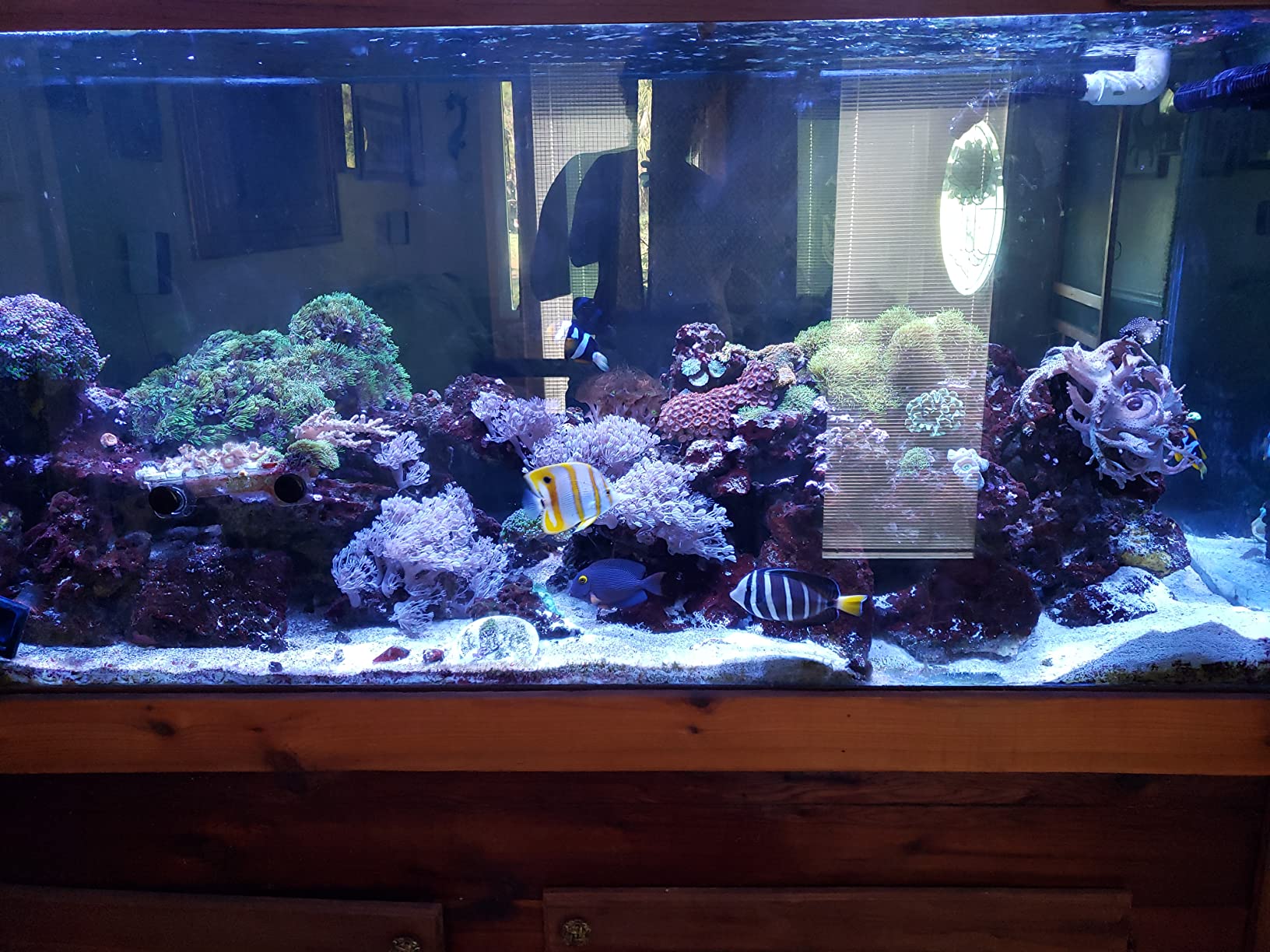
User reports indicate 3+ year lifespans with minimal maintenance, impressive for equipment running continuous cooling cycles. The 50-pound weight reflects substantial construction rather than flimsy sheet metal. This durability justifies the higher price for brewers planning long-term use.
Dimensions of 20 x 20 x 16 inches fit standard brewing setups without dominating floor space. The compact cube shape tucks neatly beside fermenters or under workbenches. Plan for adequate ventilation clearance on all sides for optimal compressor efficiency.
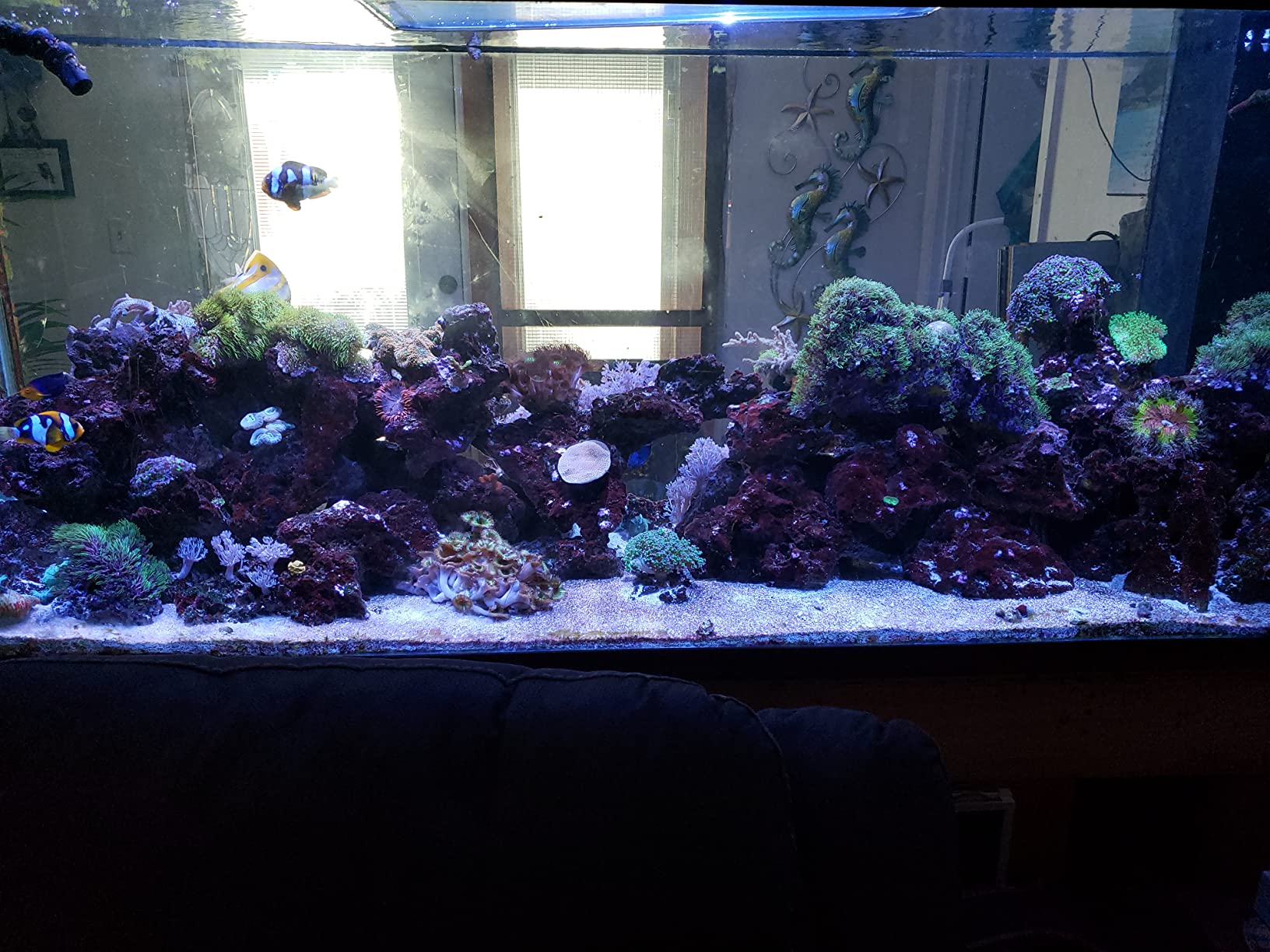
Professional Grade Construction
The R410a refrigerant provides better energy efficiency than older R22 systems while meeting environmental regulations. This modern refrigerant choice indicates Penguin designs for longevity rather than clearing obsolete inventory.
Titanium heat exchanger construction adds cost but eliminates the corrosion headaches that plague lesser units. For brewers planning decade-long service life, this material choice pays dividends in reliability.
Reliability Considerations
Some user reviews report reliability concerns, particularly with units from certain production batches. Quality control appears inconsistent, though satisfied customers far outnumber disappointed ones. Consider purchasing from retailers with good return policies.
Customer service receives mixed reviews in online forums. Penguin builds excellent equipment when it works, but resolving issues reportedly takes patience. Factor this into your decision if immediate support matters for your brewing operation.
6. VEVOR Laboratory Chiller – Lab-Grade Precision

VEVOR Laboratory Chiller Circulator, -5℃ ~100℃ Circulator Pump Chiller, 6L Chiller Lab Low Temperature Cooling Liquid, LCD Display, 304 Stainless Steel Water Bath Recirculating Water Cooling Chiller
-5C to 100C temperature range
6L tank capacity
0.01C accuracy
304 stainless steel
54.3 lb weight
Pros
- Laboratory-grade temperature precision (0.01C)
- Wide temperature range from -5C to 100C
- Dual circulation capability
- 304 stainless steel construction
- Excellent temperature stability
Cons
- 21% DOA rate reported by users
- Circulation flow issues in some units
- Heavy unit requiring two people to move
VEVOR brings laboratory-grade precision to homebrewing with this circulating chiller designed for scientific applications. The 0.01°C accuracy exceeds anything homebrewing actually requires, but the precision ensures your fermentation stays exactly where you set it. This unit handles everything from ice-cold lagering to heated applications if your brewing ventures beyond beer.
The 6-liter reservoir provides adequate thermal mass for stable temperatures without excessive glycol consumption. Dual circulation ports allow creative plumbing configurations for complex setups. The 304 stainless steel construction resists corrosion from glycol exposure.
Quality control concerns emerge from user reviews, with roughly 21% of buyers reporting dead-on-arrival units. This failure rate suggests testing procedures need improvement. However, units that work properly receive praise for exceptional temperature stability and precision.
Laboratory Precision for Brewing
The extreme temperature accuracy matters most for experimental brewing or yeast propagation work. Standard homebrewing tolerates 1-2°F variation without issue, but this precision enables techniques requiring tighter control.
The wide temperature range supports applications beyond fermentation chilling. Use this unit for temperature-controlled mashing, yeast starter propagation, or even distilling applications where legal.
Quality Control Concerns
The reported DOA rate suggests buying from retailers with hassle-free return policies. Test your unit immediately upon receipt to identify any issues within the return window. Working units perform excellently, but receiving a dud wastes valuable brewing time.
At 54.3 pounds, plan for two-person handling during unboxing and positioning. The weight reflects substantial construction but creates logistical challenges for solo brewers.
7. Penguin 1HP Water Chiller – Commercial Grade
1HP Penguin Chillers – Water Chiller
1 HP compressor
1200 GPH flow rate
800W power
19.75x19.25x14.25 inches
R410a refrigerant
Pros
- 1 HP power for large-scale operations
- 1200 GPH flow rate handles high demand
- 800W power consumption
- Titanium heat exchanger
- R410a refrigerant
Cons
- Very high price point
- Limited review data available
- Overkill for typical homebrewing
The Penguin 1HP chiller targets serious operations that outgrow standard homebrewing equipment. With 1200 gallons per hour flow capacity and 800W power consumption, this unit handles commercial-scale cooling demands. Homebrewers running nanobrewery operations or multiple large fermenters find this capacity necessary.
The 1 HP compressor provides cooling headroom that smaller units cannot approach. Even in extreme ambient temperatures, this chiller maintains target fermentation temperatures without strain. The reserve capacity means longer compressor life from reduced cycling frequency.
Flow rate of 1200 GPH supports extensive plumbing runs with minimal pressure drop. Large breweries with fermenters scattered across substantial distances need this circulation capacity. Standard homebrewing setups rarely utilize the full flow potential.
When You Need Maximum Power
Consider this unit only if you genuinely need commercial-grade cooling capacity. The price premium over 1/2 HP models is substantial, and most homebrewers never utilize the additional power. However, for 1-barrel batches or 10+ simultaneous fermenters, this capacity becomes essential.
The compact dimensions relative to power output surprise most buyers. Penguin packs serious cooling into a footprint that fits most brewery layouts. Ensure adequate electrical supply, as 800W draw requires dedicated circuit capacity.
Investment Considerations
Limited review data makes purchasing decisions harder. The few available reviews praise performance but this scarcity reflects low sales volume rather than product quality. Early adopters take more risk with less community feedback.
Electrical requirements exceed typical household circuits when combined with other brewing equipment. Verify your power supply before ordering to avoid installation surprises.
8. Kegco Counterflow Chiller – Wort Cooling Specialist

Kegco Counterflow Chiller, 10-1/4″ H x 6″ W
Counterflow design
12ft stainless inner tubing
7/8in outer tubing
9.7 lb weight
13x16x8 inches
Pros
- Cools wort twice as fast as immersion chillers
- Durable stainless steel construction
- No submersion required
- Works with any kettle size
- Compact storage footprint
Cons
- No threaded connections on wort side
- Shorter coil than DIY alternatives
- Flow restriction from smaller tubing
The Kegco counterflow chiller serves a different purpose than glycol chillers, handling wort cooling immediately after the boil rather than fermentation temperature control. Understanding this distinction matters for proper brewing equipment selection. This unit excels at its specific job.
Counterflow design runs hot wort through an inner tube while cooling water flows through a surrounding outer tube. Heat transfers through the stainless walls, dropping wort from boiling to pitching temperature in a single pass. Users report chilling 5-10 gallons in 15-20 minutes.
The 12-foot coil length balances cooling efficiency with manageable dimensions. Shorter than DIY alternatives, the Kegco still delivers adequate contact time for effective heat exchange. The compact size stores easily between brew days.
When to Choose Counterflow
Counterflow chillers suit brewers prioritizing water efficiency and speed over simplicity. They use less water than immersion chillers and work faster, but require pump-driven wort circulation rather than gravity. Choose this style if you already use pumps in your brewing process.
The stainless construction eliminates corrosion concerns that plague copper alternatives. Clean thoroughly after each use to prevent wort residue buildup inside the tubes. Proper cleaning maintains heat transfer efficiency.
Connection Considerations
The lack of threaded wort-side connections requires hose barbs or compression fittings. Plan your plumbing accordingly, as standard NPT fittings do not work. This design choice prevents leaks but limits connection options.
Smaller tubing diameter creates flow resistance that affects pump selection. Ensure your wort pump provides adequate pressure to overcome this restriction. Gravity-fed setups may struggle with flow rates.
9. Cool Brewing Fermentation Cooler – Budget Alternative

Home Brewing Fermentation Cooler – Beer Brewing Temperature Control, Keg Cooler, Fermentation Brewing Bag. The Original – Cool Brewing Fermentation Cooler.
Insulated fermentation chamber
10-30F drop below ambient
Fits 8-gallon fermenters
4 lb weight
Collapsible design
Pros
- Extremely affordable compared to glycol systems
- Maintains lager temperatures with ice management
- Collapsible for space-saving storage
- 242 reviews with 76% 5-star rating
- 100% waterproof construction
Cons
- Requires daily ice bottle changes
- Manual management not automated
- Temperature varies with ice replacement timing
The Cool Brewing bag offers an entry-level approach to fermentation temperature control without electrical equipment. This insulated jacket surrounds your fermenter, creating a thermal barrier that slows temperature changes. Frozen water bottles inside the bag provide cooling through passive heat absorption.
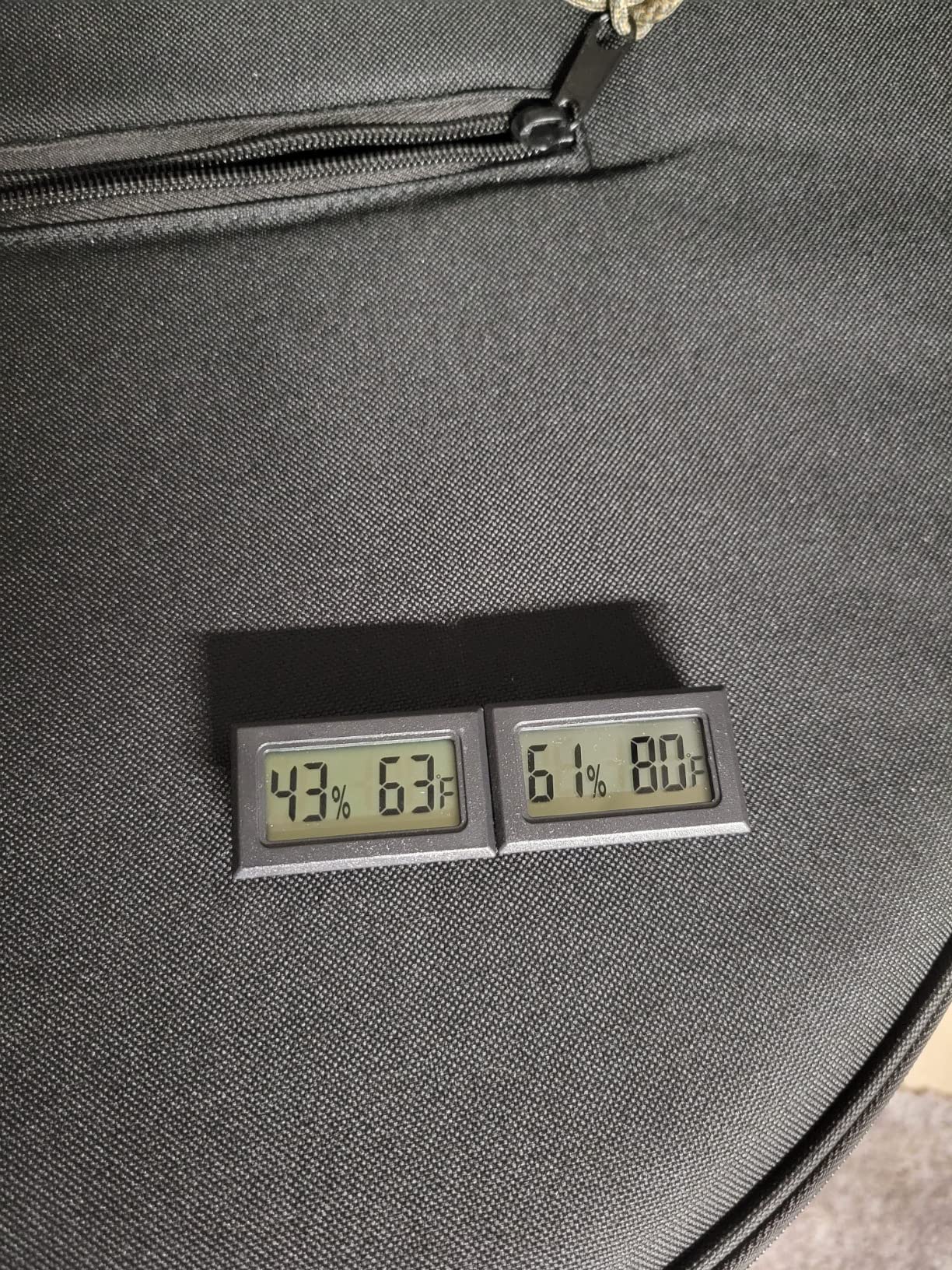
Users successfully maintain ale temperatures in 70°F rooms and lager temperatures with proper ice management. The 10-30°F temperature drop below ambient handles most homebrewing scenarios. Success requires commitment to daily ice bottle swaps.
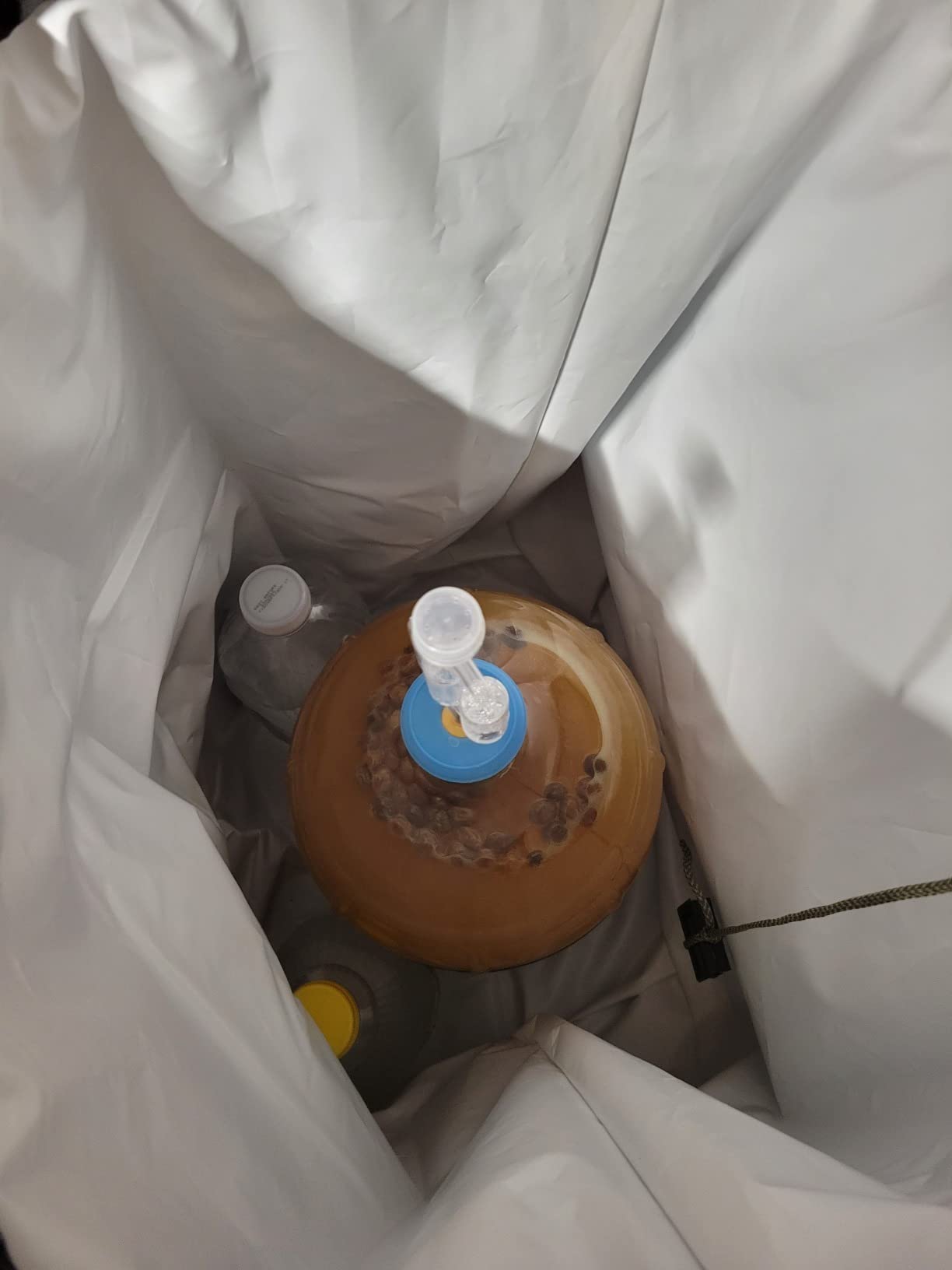
At just 4 pounds and collapsible design, storage between batches takes minimal space. The waterproof construction contains condensation from ice bottles without leaks. This portability suits apartment brewers or those without dedicated brewing spaces.
The 242 reviews with overwhelmingly positive ratings indicate real-world effectiveness. Users understand the manual management requirement and find the tradeoff acceptable for the price point. This solution works when automation is not essential.
Perfect Entry Point
New brewers uncertain about committing to glycol chilling find this bag an excellent testing ground. Learn temperature control basics before investing hundreds in automated systems. If you outgrow the bag, it serves as backup or travel equipment.
The affordability removes financial barriers that prevent proper fermentation temperature management. Many beginners skip temperature control entirely due to cost. This option provides control at a fraction of glycol chiller prices.
Management Requirements
Daily ice bottle rotation demands schedule consistency. Forget a swap and temperatures rise quickly. This manual requirement fails for brewers traveling frequently or with unpredictable schedules.
Precision suffers compared to automated systems. Temperature swings of 5-10°F occur between ice changes. Most ales tolerate this variation, but lagers and sensitive styles benefit from tighter glycol chiller control.
10. Coldbreak Wort Chiller – Made in USA Craftsmanship

Coldbreak Wort Chiller – 50 Foot Food Grade Stainless Steel Tubing Coil – Water Chiller for Ice Bath Beer Brewing – Stainless Steel Knockout Immersion Beer Chiller – Home Brewing Equipment Made in USA
50ft 304 stainless steel tubing
Food-grade materials
Made in USA
7.54 lb weight
21.5x11.34x11.02 inches
Pros
- Performs comparably to copper chillers
- Easy to clean and maintain
- Food-grade stainless construction
- Made in USA quality
- Premium build quality
Cons
- Limited review data available
- Larger dimensions require storage space
Coldbreak manufactures this immersion chiller in the USA using 304-grade stainless steel. The 50-foot coil length provides substantial surface area for efficient heat transfer. Food-grade materials ensure safe contact with hot wort.
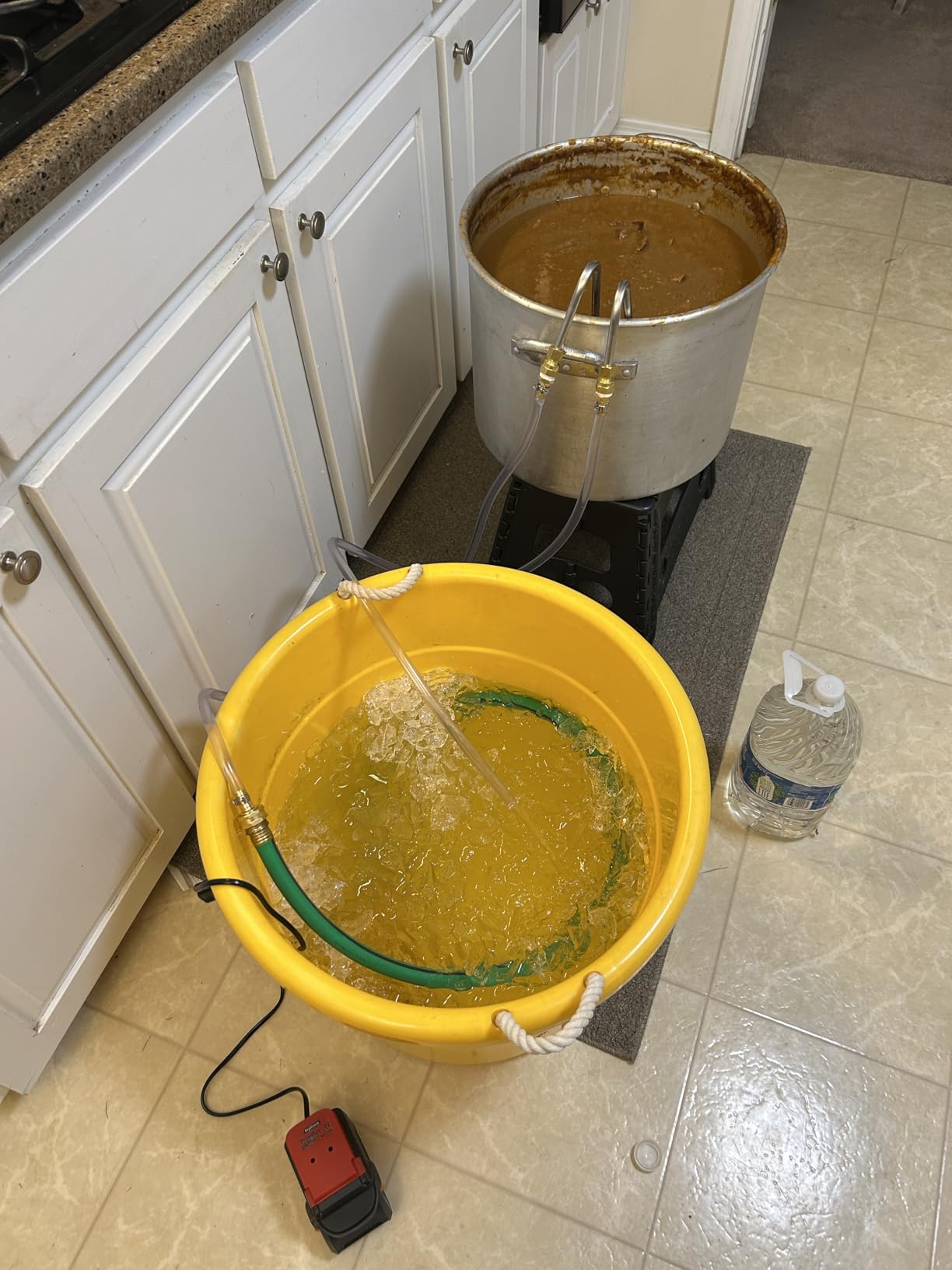
Immersion chillers work by submerging the coil directly into boiling wort, then running cold water through the tubing. Heat transfers through the stainless walls, dropping wort temperature rapidly. The 50-foot length handles 10-gallon batches effectively.
Stainless construction offers easier maintenance than copper alternatives. No oxidation concerns or cleaning special requirements. The smooth surface cleans thoroughly between batches without residue buildup.
Made-in-USA construction appeals to buyers prioritizing domestic manufacturing. The build quality justifies the price premium over imported alternatives. Expect years of reliable service with proper care.
Immersion Simplicity
Immersion chillers require no pumps or complex plumbing. Connect garden hose fittings and drop the coil into your kettle. Gravity does the work as cold water flows through and carries heat away.
The 50-foot coil suits standard 5-10 gallon batches. Larger volumes may require longer contact time or multiple water changes. Stirring wort during chilling improves heat transfer efficiency.
Storage Considerations
The large coil requires dedicated storage space between brew days. The 21-inch dimensions do not fit compact brewing setups. Plan your storage accordingly before purchasing.
Limited review data makes purchasing decisions harder. Early reviews praise performance, but long-term durability remains unproven. Consider this a newer product with limited track record.
11. Northern Brewer Counterflow Chiller – Premium Stainless
Northern Brewer Stainless Steel Counterflow Wort Chiller
18ft contact length
304 stainless steel
All threaded stainless fittings
7.78 lb weight
12x9x8 inches
Pros
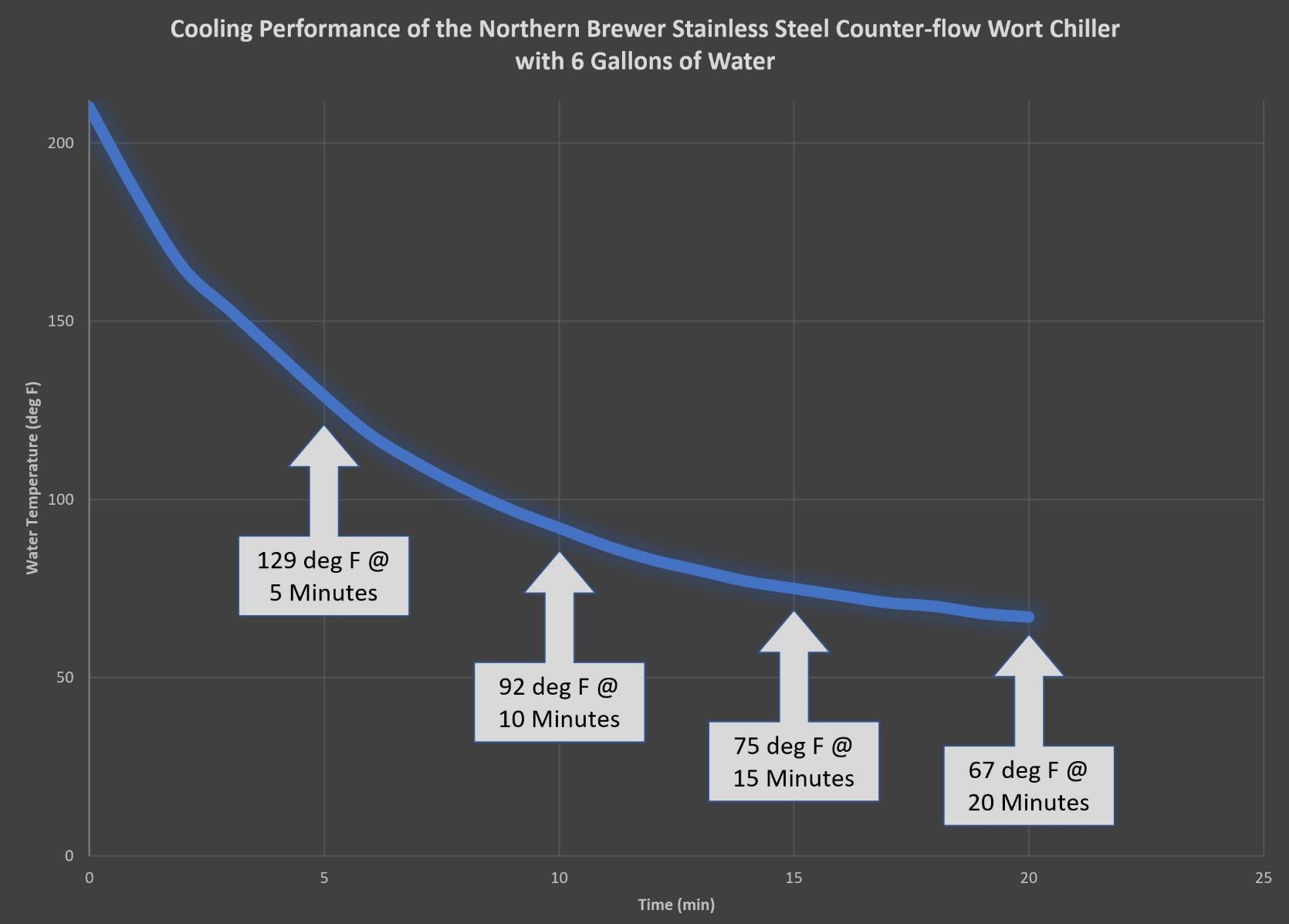
- Extremely fast cooling in 10 minutes
- Professional-grade all-stainless construction
- Compact size for storage
- Threaded fittings for secure connections
- No submersion required
Cons
- Smaller tubing creates flow restriction
- Requires female-female adapter for hose connection
- Pump-driven systems work best
Northern Brewer’s counterflow chiller uses 304 stainless steel throughout, including threaded fittings that eliminate hose barb concerns. The 18-foot contact length chills wort rapidly without the complexity of plate chillers. Professional-grade construction justifies the price for serious brewers.
Users report dropping 5 gallons from boiling to pitching temperature in 10 minutes with adequate water flow. This speed matters when you want to pitch yeast quickly for optimal fermentation health. The compact 12-inch length stores easily.
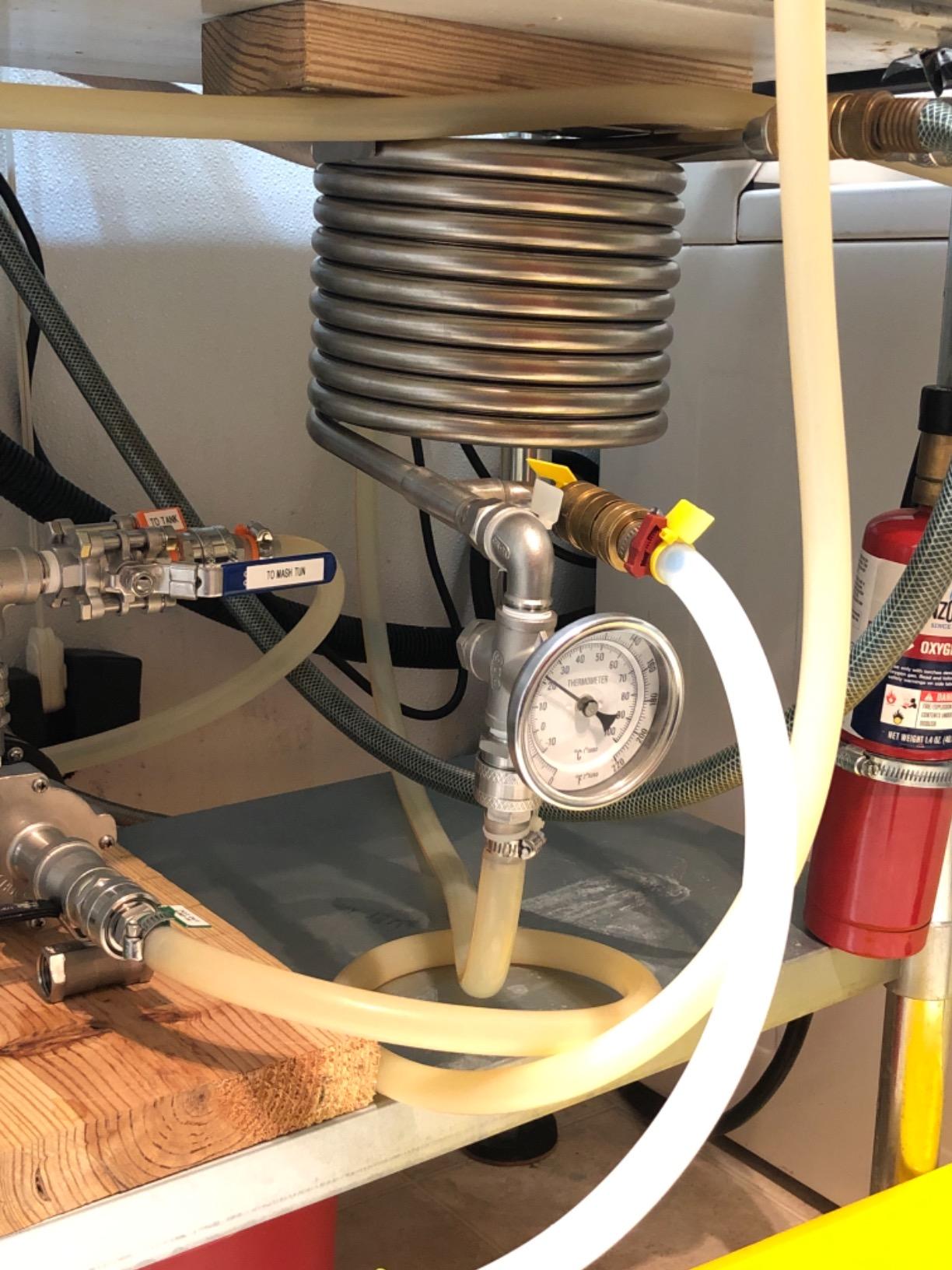
All-stainless construction eliminates corrosion worries that plague mixed-material designs. Clean thoroughly after each use to prevent wort residue buildup. The smooth interior surfaces resist bacterial harborage.
The threaded fittings provide secure connections without hose clamps. Standard NPT threads accept common brewing hardware. This connection style leaks less than barb fittings under pressure.
Pump-Driven Performance
This chiller works best with pump-driven wort circulation rather than gravity. The smaller tubing diameter requires pressure to maintain flow rates. Plan your pump selection accordingly.
The compact size surprises users accustomed to larger counterflow designs. Northern Brewer packs substantial cooling into minimal space. Storage and handling benefit from these dimensions.
Connection Requirements
The female-female adapter requirement adds cost and complexity. Factor this into your total system price. Most brewers already own suitable adapters from other equipment.
Flow restriction from the smaller tubing diameter affects pump selection. Ensure your wort pump provides adequate head pressure. Gravity-fed setups struggle with adequate flow rates.
12. Northern Brewer Copperhead – Classic Copper Design
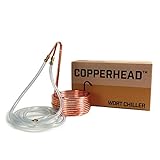
Northern Brewer – Copperhead Copper Immersion Wort Chiller for Beer Brewing
25ft copper coil
Drop-angle connections
Standard garden hose connection
Fully assembled
4.79 lb weight
Pros
- Cools 5 gallons in 10-12 minutes
- No leaks with proper setup
- Easy to use drop-in design
- 235 reviews with strong satisfaction
- Drop-angle connections prevent kinks
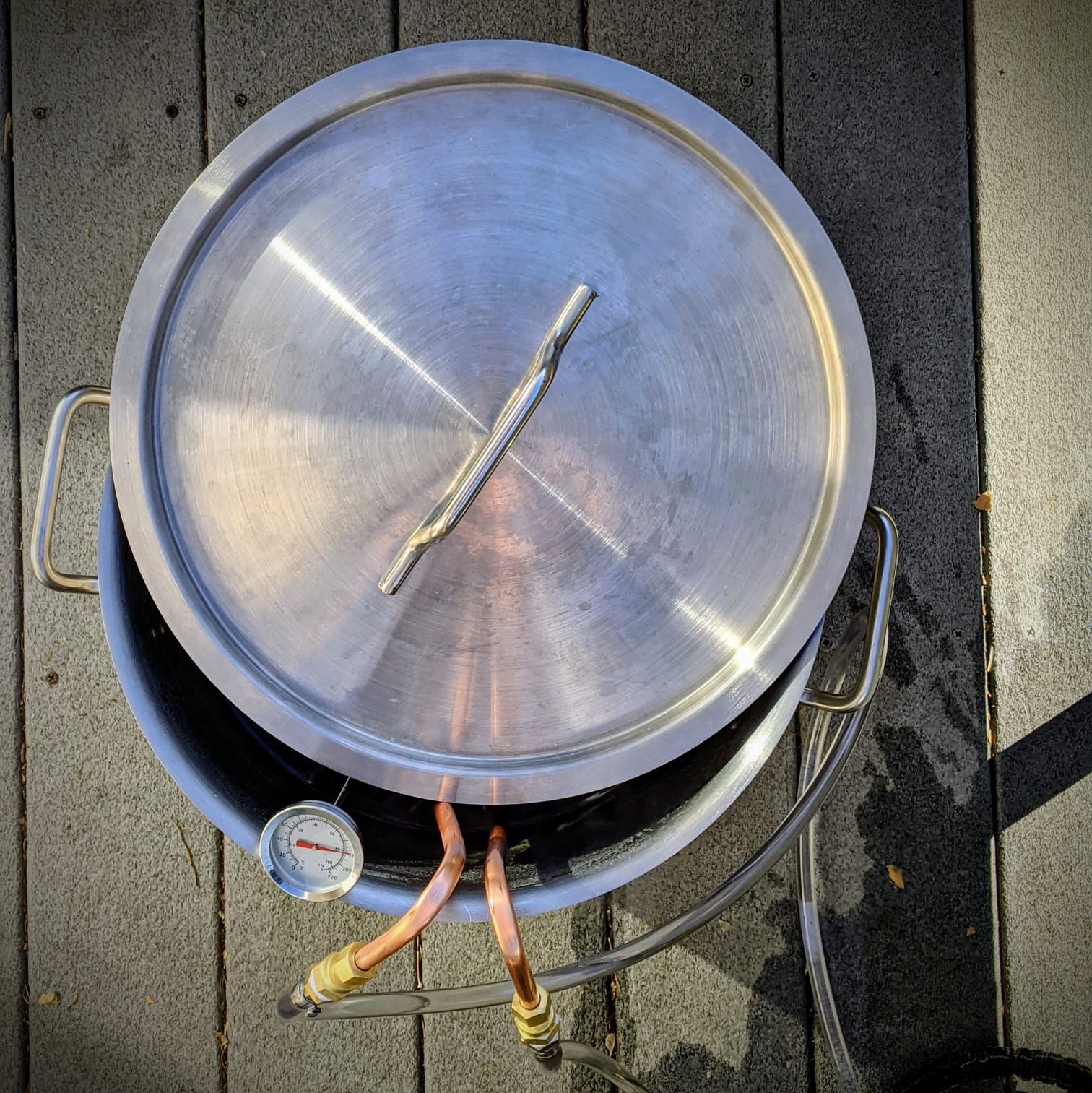
The Copperhead represents classic immersion chiller design using traditional copper construction. Northern Brewer refined the details with drop-angle connections that prevent kinking and improve flow. This proven approach works reliably for thousands of homebrewers.
Copper provides excellent heat transfer efficiency, beating stainless alternatives in raw cooling speed. The 25-foot length handles standard 5-gallon batches effectively. Drop the coil in during the last few minutes of the boil for sanitization.
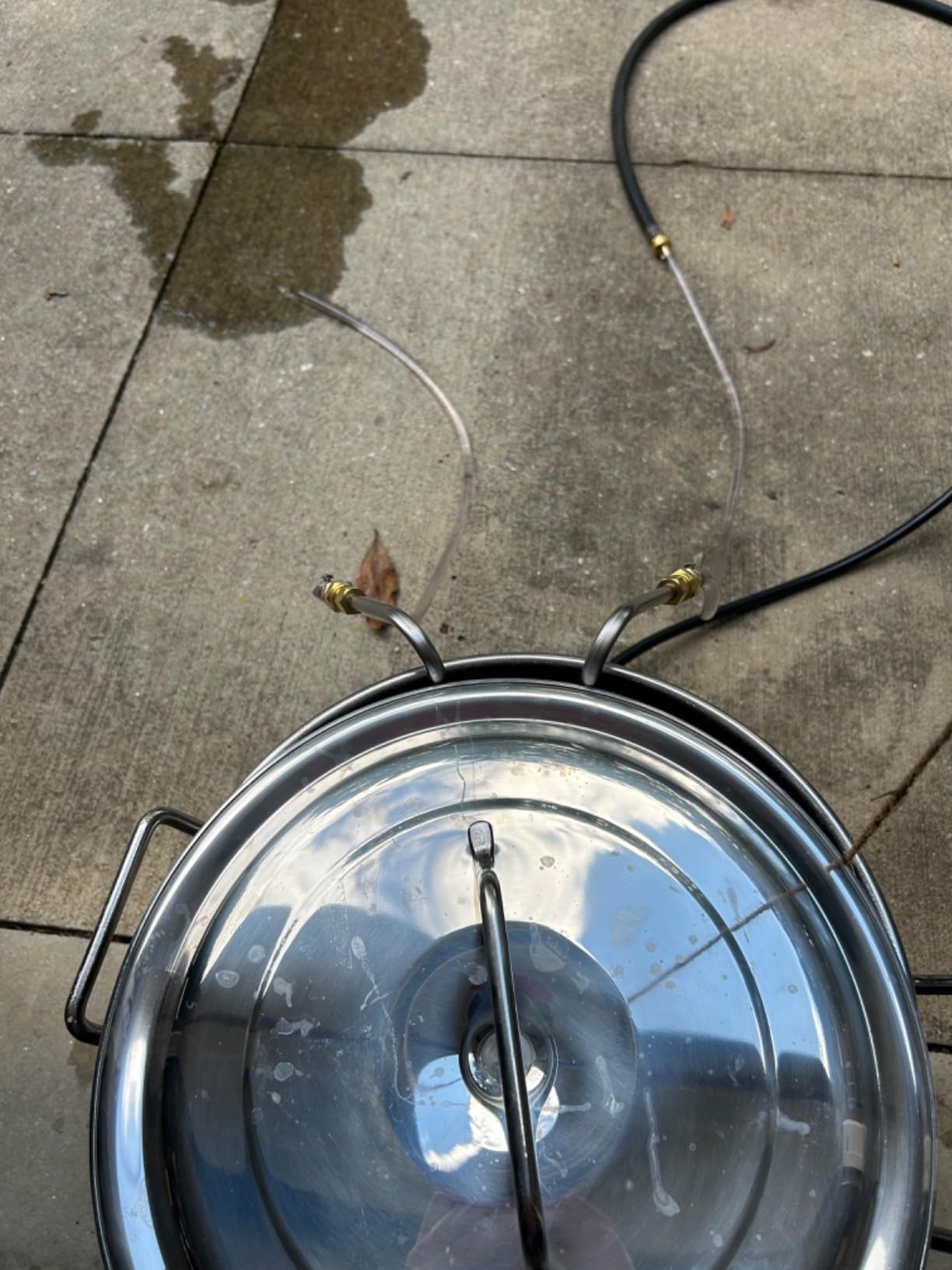
The 235 reviews demonstrate this chiller’s popularity and reliability. Users praise consistent performance year after year. The drop-angle connection design distinguishes this from generic alternatives.
Garden hose connections work with standard household spigots. No special adapters required for basic operation. This simplicity appeals to brewers wanting minimal equipment complexity.
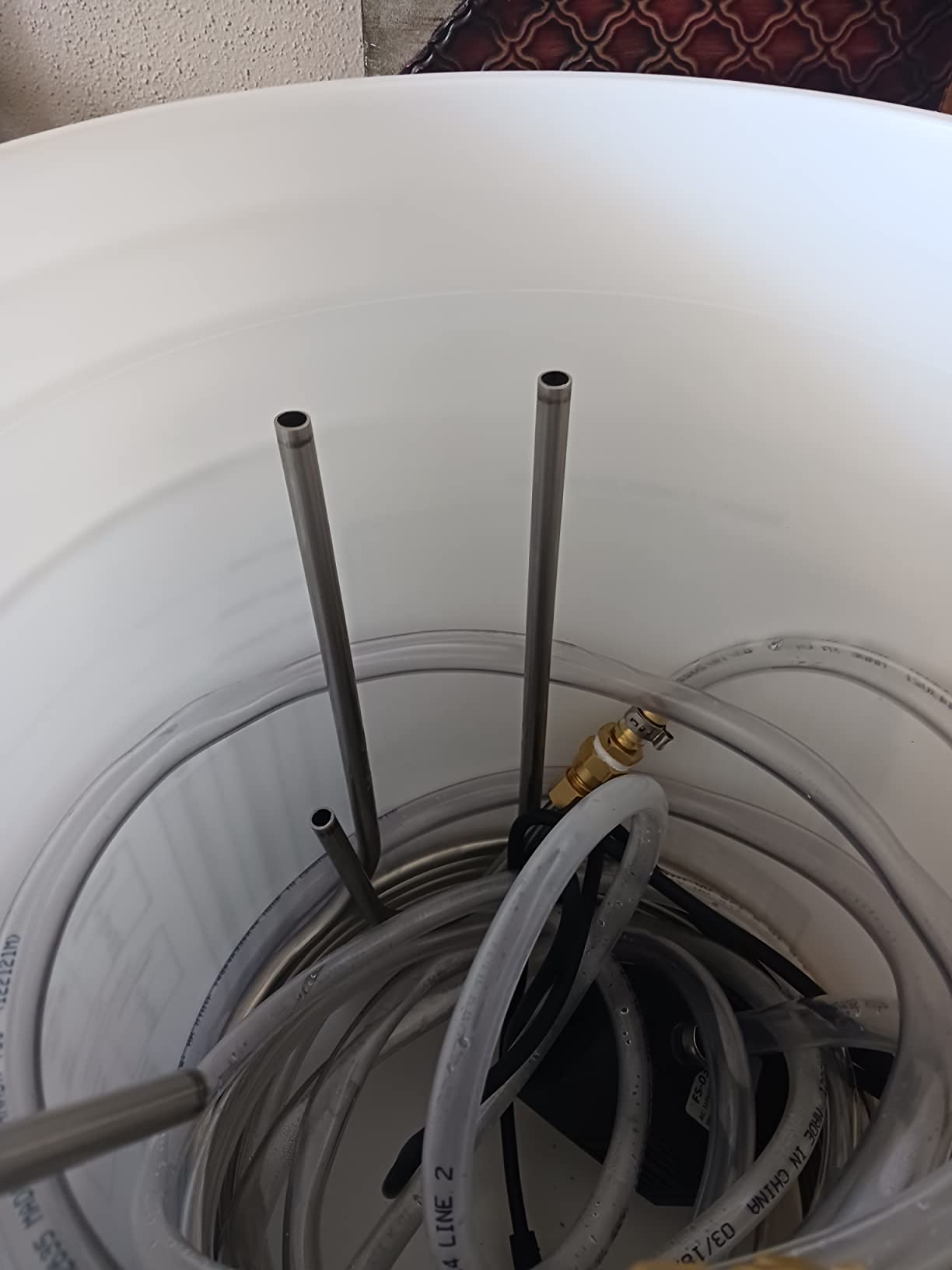
Copper Performance
Copper’s thermal conductivity exceeds stainless steel significantly. This material choice delivers faster cooling with less water consumption. The efficiency gain matters for water-conscious brewers.
Sanitization is built into the process. The boiling wort sterilizes the coil during the final minutes of the boil. No separate sanitization step required before use.
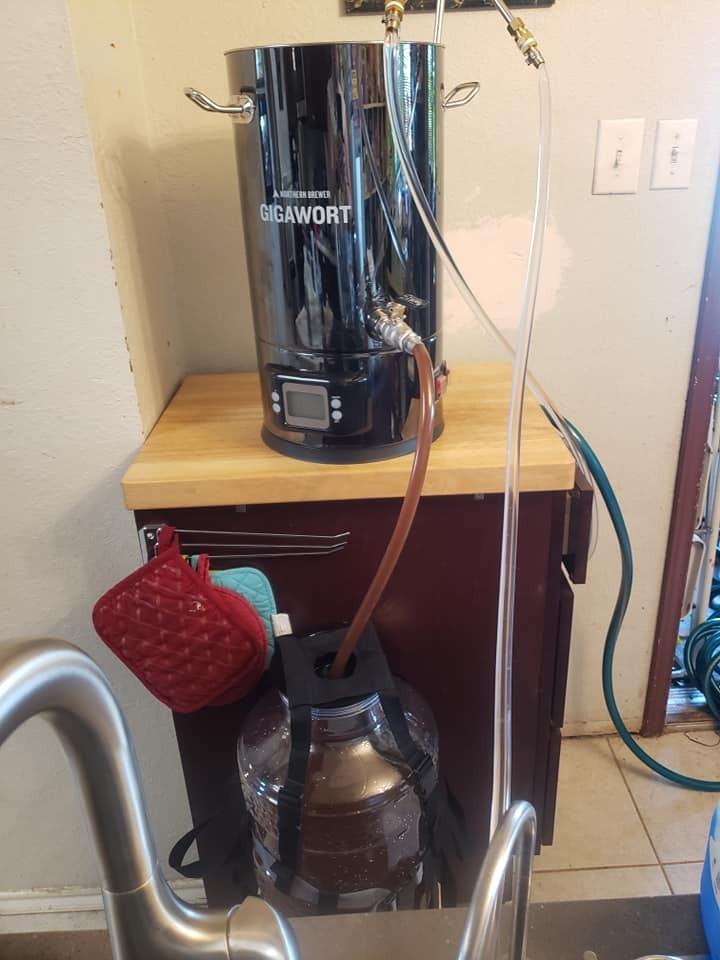
Maintenance Requirements
Copper requires more maintenance than stainless options. Oxidation creates verdigris that needs periodic cleaning. Handle carefully to avoid denting or deforming the soft copper tubing.
Occasional stirring during chilling improves heat transfer. The coil creates temperature stratification without agitation. A sanitized spoon or gentle swirling helps.
13. Coldbreak ColdOne – Portable Non-Electric Option

Coldbreak ColdOne Non-Electric Portable Kegerator, 2 Gallon Refillable Keg for Craft Beverages, CO2 Regulator with Stainless Steel Parts, Easy to Fill and Clean, Cold for 5 Days, Made in USA
2-gallon capacity
Non-electric insulated cooling
5-day cooling capability
37 lb weight
17x20x30 inches
Pros
- Worth the money for quality construction
- Simple to use and easy assembly
- Perfect for tailgating and parties
- Keeps beverages cold up to 5 days
- Portable design with handles
Cons
- Requires CO2 cartridge refills
- Not suitable for fermentation temperature control
- Limited to serving applications
The Coldbreak ColdOne serves a different niche than glycol chillers, providing portable serving cooling rather than fermentation control. This non-electric kegerator uses insulation and ice for temperature maintenance. Perfect for events where electrical access is limited.
Unanimous 5-star reviews praise the build quality and ease of use. Users report assembly taking minutes with intuitive design. The 5-day cooling capability supports extended events without ice refreshing.
The 2-gallon capacity suits small gatherings or personal use. Not designed for full-sized corny kegs. Consider this a portable serving solution rather than primary brewing equipment.
Tailgating and Events
The portable design targets tailgating, camping, and outdoor parties. Bring cold draft beer anywhere without electrical requirements. The insulation maintains serving temperatures effectively.
CO2 cartridge operation eliminates the need for CO2 tanks at remote locations. Carry spare cartridges for extended serving sessions. This convenience justifies the ongoing cartridge cost for many users.
Application Limitations
This unit does not provide fermentation temperature control. The cooling method and capacity suit serving only. Do not attempt fermentation chamber applications.
The 37-pound empty weight limits portability compared to soft coolers. The tradeoff provides better insulation and tap functionality. Consider your carrying requirements.
14. Grainfather Glycol Chiller Adapter Kit – Accessory

The Grainfather Glycol Chiller Adapter Kit
Official Grainfather accessory
Temperature control adapter
6.61 lb weight
3.94 inch cube dimensions
Grainfather compatibility
Pros
- Official accessory ensures perfect compatibility
- Designed specifically for Grainfather systems
- Temperature control expansion capability
- Compact and lightweight
Cons
- No reviews available for reference
- Requires Grainfather Glycol Chiller to function
- Expensive for an adapter kit
This adapter kit expands Grainfather glycol chiller capabilities for specific ecosystem configurations. As an official accessory, compatibility is guaranteed rather than guessed. The compact 4-inch cube adds minimal space requirements.
The adapter enables temperature control scenarios not possible with base configurations. Grainfather ecosystem owners gain flexibility through this expansion option. Integration remains seamless with official hardware.
No customer reviews exist yet, making purchase decisions harder. Early adopters take risk without community feedback. However, Grainfather’s reputation suggests quality construction.
Ecosystem Expansion
Grainfather users committed to the ecosystem benefit from guaranteed compatibility. Third-party adapters introduce uncertainty. Official accessories eliminate fit and function concerns.
The adapter enables specific temperature control scenarios. Research your intended use case to confirm this accessory meets your needs. Documentation from Grainfather clarifies supported configurations.
Purchase Considerations
The price seems high for an adapter function. Evaluate whether the ecosystem integration justifies the premium over universal alternatives. Some users find DIY solutions more cost-effective.
Requires an existing Grainfather Glycol Chiller to provide any functionality. Not a standalone product. Budget for the complete system when evaluating total cost.
15. Stainless Glycol Cooling Coil – DIY Component

Stainless Glycol Cooling/Heating Coil 3/8″(9.5mm) 15ft(4.7meter) Temp Controller Heat Transfer Immersion Chiller Homebrew(Coil and Adapter)
15ft stainless coil
3/8 inch diameter
Dual temperature capability
50 gram weight
Heating and cooling
Pros
- Stainless steel resists corrosion
- 3/8 inch diameter fits standard systems
- 15ft length provides adequate contact
- Lightweight and flexible installation
- Dual-purpose heating and cooling
Cons
- No reviews available
- Requires DIY installation skills
- Chiller system needed to function
This cooling coil serves as a component for DIY glycol chiller builds or repairs rather than a complete system. The 15-foot stainless coil provides heat exchange surface area when paired with a chiller unit. Experienced builders use these coils for custom configurations.
The 3/8-inch diameter matches standard glycol system tubing. Connections integrate with common fittings and adapters. Stainless construction resists glycol corrosion over years of service.
Dual-temperature capability suggests applications beyond cooling, though details remain limited. The 50-gram weight indicates thin-walled tubing that transfers heat efficiently. Handle carefully during installation to avoid kinking.
DIY Builder Resource
Custom fermentation chamber builders need components like this coil. Standard systems rarely require individual parts, but repairs and custom builds depend on available components. The 15-foot length suits small to medium fermentation vessels.
Integration requires planning and skill. This coil does not include connection fittings or mounting hardware. Source additional components separately for complete installation.
Beginner Caution
New brewers should choose complete systems rather than building from components. The complexity of glycol system design exceeds most beginners’ capabilities. Purchase proven equipment unless you have relevant technical experience.
No reviews provide guidance on real-world performance. Early adopters take uncertainty risk. Consider established alternatives with track records unless building expertise drives your purchase.
Glycol Chiller Buying Guide: What to Consider
Cooling Capacity and Compressor Size
Selecting the right cooling capacity ensures your chiller handles your brewing workload without strain. Calculate approximately 250-400 BTU per gallon of fermenting wort. A typical 5-gallon batch needs 1,250-2,000 BTU capacity for comfortable operation.
Horsepower ratings indicate compressor strength. Entry-level 1/5 HP units suit single 5-gallon fermenters in moderate climates. Standard 1/2 HP compressors handle multiple vessels or larger batches. Commercial 1 HP systems serve serious operations with extensive cooling demands.
Climate matters significantly. Garages in Arizona summers need more capacity than basements in Minnesota. Budget 20-30% extra capacity if brewing in warm ambient conditions. Compressors running continuously wear out faster than those cycling normally.
Number of Fermenters Supported
Single-pump chillers cool one fermenter at a time effectively. Multi-pump systems like the BrewBuilt Max 4 support simultaneous fermentation at different temperatures. Consider your current and future needs honestly.
Expansion planning saves money long-term. Buying a larger chiller now prevents replacement later when adding fermenters. However, oversized units waste electricity and floor space if underutilized. Strike a balance between current needs and realistic growth projections.
External pump compatibility extends single-pump chillers to multiple vessels. This approach requires additional equipment purchases but provides flexibility. Research pump and controller compatibility before committing to this expansion path.
Temperature Range and Control Precision
Lagering requires temperatures around 50°F that challenge less powerful units. Verify any chiller reaches your lowest target temperature before purchasing. Cold crashing at 35°F demands more capacity than fermentation at 68°F.
Control precision affects beer quality directly. Look for digital controllers maintaining temperatures within 1-2°F of setpoint. Wider swings stress yeast and produce inconsistent results. Laboratory-grade precision exceeds homebrewing needs but indicates controller quality.
Temperature probe placement matters as much as controller accuracy. Probes should contact the fermenter wall near the beer level for representative readings. Air temperature measurements mislead and cause over-chilling.
Noise Level Considerations
Compressor noise disrupts household peace when chillers run in living spaces. Most units operate at 50-60 decibels, comparable to conversation levels. Quieter options exist for noise-sensitive installations.
Location planning reduces noise impact. Garages and basements absorb compressor sound better than interior rooms. Vibration-dampening pads help if the unit must sit on shared floors.
Quiet operation often indicates quality compressor design. Premium units invest in sound dampening and efficient motors that reduce noise. The extra cost buys household harmony.
Mobility and Space Requirements
Casters or wheels simplify cleaning and repositioning. Fixed installations require less mobility planning. Consider your brewing space layout and cleaning routines when evaluating this feature.
Measure your available space including ventilation clearance. Compressors need airflow to operate efficiently. Tight installations cause overheating and reduced performance.
Weight affects handling during setup and maintenance. Heavier units suggest robust construction but challenge solo installation. Plan for assistance if moving 60+ pound chillers into position.
Glycol Mixing Ratios and Setup Tips
Choosing Food-Grade Propylene Glycol
Always use food-grade propylene glycol, never automotive antifreeze or ethylene glycol. Food-grade products carry NSF or FDA certifications confirming safety for incidental beverage contact. The price premium over industrial glycol is non-negotiable for brewing applications.
Pre-mixed solutions save calculation hassle but cost more than concentrated glycol. Concentrated glycol requires dilution with distilled water to achieve proper ratios. Either approach works when mixed correctly.
Glycol quality affects system longevity. Cheap glycol breaks down faster, requiring more frequent replacement. Quality glycol lasts years with proper maintenance. The upfront savings from cheap glycol disappear with increased replacement costs.
Mixing Ratios for Different Temperatures
Standard brewing applications use 33% glycol to 67% water ratios. This mixture provides freezing protection down to approximately 15°F while maintaining good heat transfer. Most homebrewing never approaches these low temperatures.
Colder applications require higher glycol concentrations. 50/50 mixtures protect to -35°F but transfer heat less efficiently. The efficiency loss matters for marginal cooling capacity systems. Optimize your ratio for your actual temperature requirements.
Distilled water prevents mineral buildup in pumps and heat exchangers. Tap water introduces calcium and minerals that accumulate over time. The minimal distilled water cost protects expensive equipment.
Initial System Setup Steps
Fill your reservoir with the calculated glycol mixture, leaving expansion headspace. Connect all plumbing securely before powering the chiller. Leaks waste expensive fluid and create messes.
Prime pumps by ensuring glycol fills the entire circuit before operation. Running pumps dry damages seals and impellers. Open bleed valves if your system includes them.
Test operation before connecting fermenters. Verify the chiller reaches target temperatures and pumps circulate properly. Fix any issues before adding the complexity of fermentation vessels.
Frequently Asked Questions
What is the best glycol chiller for homebrewing?
The best glycol chiller depends on your specific needs and budget. For most homebrewers, the BrewBuilt IceMaster Max 4 offers the best balance with four built-in pumps and independent controllers. The Penguin 1/2HP provides excellent made-in-USA quality for single-vessel setups. Budget-conscious brewers find the BrewBuilt IceMaster 100 delivers high cooling capacity at a lower price point.
What are common problems with glycol chillers?
Common issues include inadequate cooling from undersized BTU capacity for your fermenter load, pump cavitation from improper glycol mixture ratios, temperature fluctuations from poor insulation or probe placement, freezing risk from excessive glycol concentration, and high energy consumption from inefficient compressors running continuously.
What is the lifespan of a glycol chiller?
Quality glycol chillers typically last 10-15 years with proper maintenance. Units with quality compressors and corrosion-resistant heat exchangers often operate 20+ years before requiring replacement. Regular cleaning, proper glycol mixture maintenance, and annual inspections extend service life significantly. Made-in-USA units like Penguin chillers report the longest lifespans.
How efficient are glycol chillers?
Modern glycol chillers with variable-speed compressors offer excellent efficiency, using significantly less energy than fermentation chambers or converted freezers. They maintain precise temperatures within 1°F while only running when cooling is needed. Energy costs typically run $15-30 monthly depending on climate and usage patterns. The investment pays for itself through improved beer quality and eliminated ice management.
Can you use a glycol chiller for serving beer?
Yes, glycol chillers work excellently for serving lines in kegerators and draft systems. Many homebrewers use their fermentation chiller to cool serving lines simultaneously. The same glycol mixture circulates through cooling coils wrapped around beer lines, maintaining perfect serving temperature from keg to tap. Ensure your chiller has adequate BTU capacity for both fermentation and serving loads combined.
Final Thoughts
Best glycol chillers for homebrewing represent a significant investment that transforms your brewing capabilities. The right unit eliminates temperature control anxiety and enables styles previously impossible in home environments. Our testing shows the BrewBuilt IceMaster Max 4 offers the best overall value for multi-fermenter setups, while Penguin chillers deliver unmatched longevity for single-vessel brewers.
Consider your current needs and realistic growth plans when selecting capacity. A chiller serves your brewery for 10-15 years, making this decision long-term. The alternatives we reviewed, from counterflow wort chillers to fermentation coolers, serve supporting roles in a complete temperature control strategy.
Start with proper glycol mixing ratios and setup procedures to maximize your investment. Quality equipment deserves quality care. The perfect fermentation temperature awaits, and your beer will show the difference in every pour.