
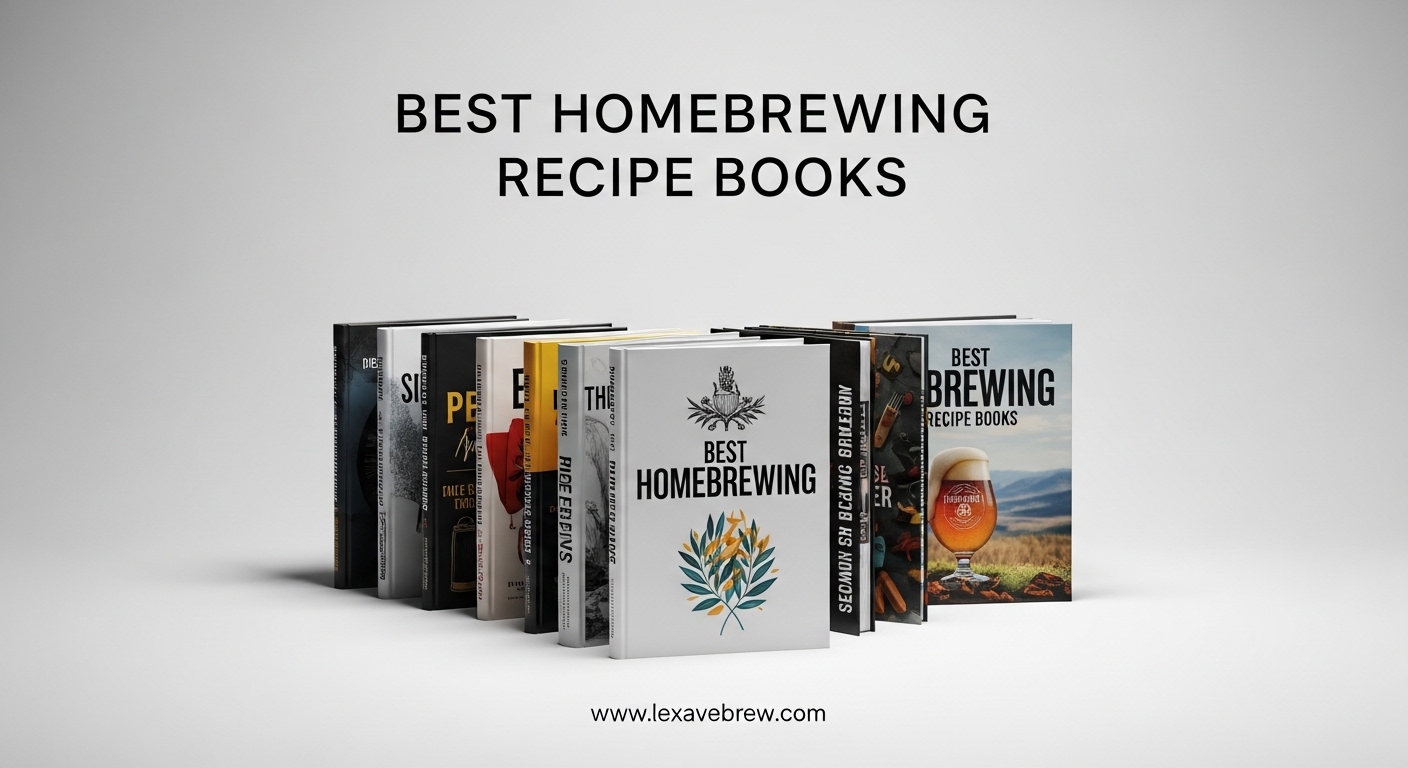
I spent my first year of homebrewing relying on scattered internet forums and questionable YouTube tutorials. After a particularly disappointing batch that tasted like band-aids, I finally bought my first brewing book. That single purchase changed everything. The right homebrewing recipe book doesn’t just teach you steps; it explains why each step matters and helps you troubleshoot when things go sideways.
Our team has brewed through recipes from dozens of brewing books over the past three years. We’ve tested everything from classic beginner guides to advanced technical references. In this guide to the best homebrewing recipe books for 2026, I’ll share which titles actually deliver on their promises and which ones deserve a spot in your brewer’s library.
Whether you’re looking for your first brewing guide or ready to tackle all-grain techniques, these ten books cover every skill level and brewing method.
Top 3 Picks for Best Homebrewing Recipe Books
These three titles represent the best options for most homebrewers. Each serves a slightly different purpose, but together they form a complete brewing education.
How To Brew by John Palmer
- Comprehensive 582-page brewing bible
- Covers extract to all-grain
- Equipment building guides included

The Complete Joy of Homebrewing
- Classic beginner-friendly text
- Relaxed encouraging writing style
- Great starter recipes included

Brewing Classic Styles
- 80 competition-winning recipes
- Extract and all-grain versions
- BJCP style notes throughout
Best Homebrewing Recipe Books in 2026
This comparison table shows all ten books at a glance. Use it to quickly identify which titles match your brewing goals and experience level.
| Product | Specifications | Action |
|---|---|---|
| How To Brew by John Palmer |
|
Check Latest Price |
| The Complete Joy of Homebrewing |
|
Check Latest Price |
 Homebrew Journal by Brett Yekel Homebrew Journal by Brett Yekel |
|
Check Latest Price |
 Designing Great Beers by Ray Daniels Designing Great Beers by Ray Daniels |
|
Check Latest Price |
| Brewing Classic Styles |
|
Check Latest Price |
 The Complete Guide to Making Mead The Complete Guide to Making Mead |
|
Check Latest Price |
 Brew Your Own Big Book of Homebrewing Brew Your Own Big Book of Homebrewing |
|
Check Latest Price |
 Brew Your Own Big Book of Clone Recipes Brew Your Own Big Book of Clone Recipes |
|
Check Latest Price |
 Homebrew Beyond the Basics Homebrew Beyond the Basics |
|
Check Latest Price |
 Modern Homebrew Recipes by Gordon Strong Modern Homebrew Recipes by Gordon Strong |
|
Check Latest Price |
1. How To Brew by John Palmer – The Definitive Brewing Reference
How To Brew: Everything You Need to Know to Brew Great Beer Every Time
582 pages
4th Edition
Covers extract to all-grain
Equipment building guides
Pros
- Comprehensive coverage for all skill levels
- Clear explanations of brewing chemistry
- Step-by-step instructions with illustrations
- Independent chapters for easy reference
- Authoritative and objective information
Cons
- Some chapters may be too technical for casual readers
- Limited number of recipes included
- Yeast chapter can be dry for some readers
I keep this book on my brewing bench and reach for it constantly. The 4th edition, published in 2017, represents the most comprehensive brewing resource available today. John Palmer manages to cover everything from your first extract batch to advanced water chemistry adjustments for all-grain brewing.
What sets this book apart is its structure. Each chapter stands independently, so you can dive straight into fermentation troubleshooting without reading about equipment first. The brewing chemistry sections explain the science without requiring a chemistry degree. I finally understood why my pH meter matters after reading Chapter 15.
The appendices deserve special mention. Palmer includes detailed instructions for building your own equipment, from immersion chillers to mash tuns. I built my first wort chiller using his diagrams and saved over $100 compared to buying one pre-made.
Every serious homebrewer I’ve met owns this book. It sits alongside Papazian’s work as the two essential references in any brewer’s library. If you only buy one brewing book, make it this one.
Who Should Buy This Book
This book serves anyone serious about brewing well. Beginners will appreciate the clear progression from extract to partial mash to all-grain. Intermediate brewers find value in the technical chapters on water chemistry and fermentation control. Even advanced brewers reference the appendices for equipment specifications and troubleshooting charts.
What to Know Before Buying
The book emphasizes understanding over memorization. Palmer expects you to think about why recipes work rather than blindly following them. Some readers find the yeast and biology sections dense. If you want a book packed with ready-to-brew recipes, supplement this with Brewing Classic Styles.
2. The Complete Joy of Homebrewing by Charlie Papazian – The Classic Beginner Guide
The Complete Joy of Homebrewing: Fully Revised and Updated
496 pages
Classic homebrewing text
Beginner-friendly approach
Includes style recipes
Pros
- Classic text that started the homebrewing movement
- Easy-to-follow instructions for beginners
- Humorous and encouraging writing style
- Great recipes that work as starting points
- Relaxing positive approach reduces anxiety
Cons
- Kindle version has poor formatting for tables
- Some content repetition across chapters
- E-book links to tables can be clunky
Charlie Papazian wrote the book that launched modern homebrewing. First published decades ago, this updated edition maintains the relaxed philosophy that makes brewing accessible to everyone. His famous mantra “Relax, don’t worry, have a homebrew” appears throughout the text, reminding anxious beginners that mistakes happen and beer usually survives them.
I bought this book after my third batch and immediately felt less intimidated. Papazian writes like a knowledgeable friend who’s been where you are. He acknowledges that brewing equipment can look confusing and validates the nervousness that comes with your first fermentation.
The recipes work beautifully as starting points. Papazian provides clear instructions for classic styles like pale ales, stouts, and wheat beers. I brewed his basic pale ale recipe five times, adjusting hop additions each batch to learn how timing affects bitterness.
The updated edition incorporates modern techniques while keeping the accessible tone that made the original famous. It covers both extract and all-grain brewing without making either approach feel inferior.
Who Should Buy This Book
Absolute beginners benefit most from Papazian’s reassuring approach. If you’ve never brewed before and feel intimidated by technical jargon, this book builds confidence before building knowledge. It’s also perfect for casual brewers who want reliable results without diving deep into water chemistry.
What to Know Before Buying
Some brewing veterans find Papazian too casual compared to Palmer’s technical precision. The book prioritizes encouragement over exhaustive detail. If you want to understand the science behind every step, pair this with How to Brew for a complete education.
3. Homebrew Journal by Brett Yekel – Track Your Brewing Journey
Home brew Journal for Craft Beer Homebrewers | Homebrew Logbook w/ space for 70+ recipes | Beer Glassware Reference, Beer Color Chart, Hops and Yeast Strain Chart |
70+ recipe spaces
Beer glassware reference
Hop and yeast strain charts
Hardcover construction
Pros
- Excellent construction and quality materials
- Comprehensive reference charts included
- Two-page layout per recipe with plenty of space
- Hop substitution chart for recipe formulation
- Blank index for quick recipe lookup
Cons
- No page-holding ribbon included
- No pen holder attached
- Some binding issues reported recently
- Premium price for a journal
This isn’t a recipe book in the traditional sense, but it belongs in every brewer’s library. After losing track of what made my October batch so good, I started keeping detailed notes in this journal. Now I can replicate successes and avoid repeating mistakes.
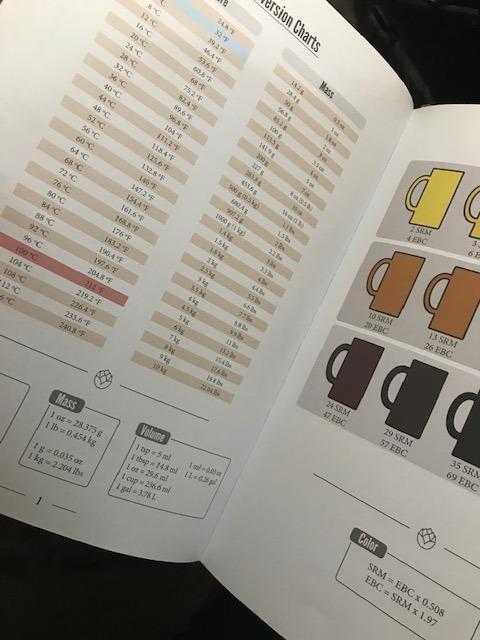
The reference materials alone justify the purchase. The front section includes beer glassware guides, color charts for SRM estimation, hop substitution tables, and yeast strain characteristics. I reference the hop chart constantly when adapting recipes to ingredients I have on hand.
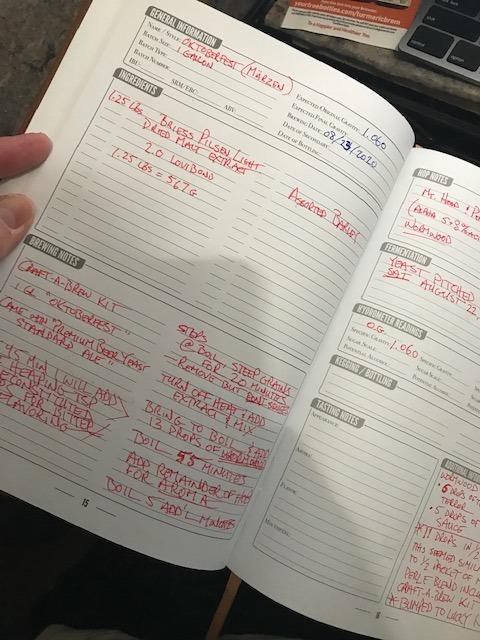
Each recipe spans two full pages with organized sections for ingredients, mash schedule, fermentation notes, and tasting impressions. The ABV calculation chart and conversion tables eliminate the need to search online during brew day.
The hardcover construction survives splashes and the occasional grain dust. After three years of regular use, my copy still looks professional on the shelf.
Who Should Buy This Book
Every brewer who wants to improve should own this journal. Whether you follow existing recipes or create your own, detailed record-keeping transforms occasional brewing into consistent craft. The reference charts make it particularly valuable for brewers who formulate recipes regularly.
What to Know Before Buying
This is a blank journal, not a recipe book. You supply the recipes and record your brewing sessions. The price runs higher than standard notebooks, but the brewing-specific organization and reference materials make it worth the investment for serious brewers.
4. Designing Great Beers by Ray Daniels – Master Recipe Formulation
Designing Great Beers: The Ultimate Guide to Brewing Classic Beer Styles
404 pages
Recipe design theory
BJCP style guidelines
Award-winning recipe analysis
Pros
- Takes brewers to next level with design theory
- Detailed formulas for gravity and IBU calculations
- Thorough coverage of beer styles
- Excellent hop selection guidance
- Helps create original recipes from scratch
Cons
- Published 1998 - some information dated
- Heavy on formulas and theory
- No priming sugar calculations
- Some hop varieties now outdated
- Not suitable for beginners
Once you’ve brewed a dozen batches from other people’s recipes, you’ll want to create your own. Ray Daniels wrote the definitive guide to making that transition. This book bridges the gap between following instructions and understanding how ingredient choices create specific beer characteristics.
The first third covers technical aspects of recipe design. Daniels explains how to calculate original gravity, bitterness units, and color contributions from malt selections. These formulas let you predict what a recipe will produce before brewing it.
The remaining chapters analyze specific beer styles through the lens of competition-winning recipes. Daniels breaks down what makes an authentic Oktoberfest or a proper Belgian Tripel. I reference the IPA chapter whenever designing hop-forward beers.
Who Should Buy This Book
Intermediate to advanced brewers ready to write original recipes benefit most. The book assumes you already understand basic brewing processes and want to master style guidelines. Competition brewers find particular value in the recipe analysis sections.
What to Know Before Buying
The 1998 publication date shows in some areas. Modern hop varieties and updated yeast strains don’t appear in the original text. However, the principles of recipe design remain sound and applicable with updated ingredients. Beginners should master basic brewing before tackling this technical reference.
5. Brewing Classic Styles by Zainasheff and Palmer – 80 Winning Recipes
Brewing Classic Styles: 80 Winning Recipes Anyone Can Brew
317 pages
80 competition-winning recipes
Extract and all-grain versions
BJCP style notes
Pros
- 80 proven competition-tested recipes
- Both extract and all-grain versions provided
- Detailed style notes for each BJCP category
- Excellent yeast pitching rate appendix
- Written by celebrated authors
Cons
- Recipes designed for 7-gallon boils
- Not ideal for absolute beginners
- Published 2007 - some ingredients dated
- Requires brewing knowledge to use effectively
- Downscaling recipes needs calculations
When you want to brew every beer style in the BJCP guidelines, this book delivers. Jamil Zainasheff and John Palmer compiled eighty recipes that have won competitions across multiple categories. Each recipe represents a proven interpretation of its style.
The book organizes recipes by style family, making it easy to compare similar beers. Each entry includes both extract and all-grain versions, so you can brew regardless of your equipment level. The style notes explain what judges look for and how the recipe achieves those characteristics.
I brewed my way through the pale ale and IPA sections over one summer. The American IPA recipe taught me about hop layering in ways that reading alone never could. Each batch revealed how timing and variety selection affect the final beer.
Who Should Buy This Book
Brewers entering competitions or exploring the full range of beer styles need this collection. The BJCP-focused approach makes it ideal for judges-in-training and competition entrants. It’s also perfect for brewers who want reliable recipes without experimenting constantly.
What to Know Before Buying
The recipes assume 7-gallon boil capacity, which exceeds standard kitchen stovetop capabilities. You’ll need to adjust volumes or use partial boils on smaller systems. The 2007 publication date means some hop varieties and yeast strains mentioned have been superseded by newer options.
6. The Complete Guide to Making Mead by Steve Piatz – Honey Wine Crafting
The Complete Guide to Making Mead: The Ingredients, Equipment, Processes, and Recipes for Crafting Honey Wine
160 pages
Mead making focus
Award-winning author
Modern techniques covered
Pros
- Written by 2008 AHA Mead Maker of the Year
- Comprehensive coverage of mead processes
- Includes modern techniques like degassing
- Clear writing for novices and experts
- Beautiful photography and layout
Cons
- Some topics lack deep technical detail
- Spice amounts sometimes general
- May require supplementary research for advanced topics
Mead deserves its own specialized literature, and Steve Piatz delivers the definitive guide. As the 2008 AHA Mead Maker of the Year, Piatz brings competition credentials and practical experience to every chapter. The book covers everything from traditional dry meads to modern fruit-forward variations.
The section on staggered nutrient additions revolutionized my mead making. Before reading this book, I followed the old “set it and forget it” approach and produced inconsistent results. Now I understand how yeast nutrition affects fermentation quality and final flavor.
Piatz includes modern techniques like degassing and temperature control that older mead books ignore. The troubleshooting section addresses common problems like stuck fermentations and off-flavors with practical solutions.
Who Should Buy This Book
Anyone interested in making mead should own this guide. It serves beginners with clear step-by-step instructions while offering advanced techniques for experienced brewers expanding into honey wines. The award-winning recipes provide trusted starting points for your first batches.
What to Know Before Buying
This is strictly a mead book. If you’re looking for beer recipes, look elsewhere. Some reviewers want more detail on advanced topics like oxygenating musts, but the book provides solid foundations for most mead makers. Consider it a comprehensive introduction rather than an exhaustive technical reference.
7. The Brew Your Own Big Book of Homebrewing – Updated All-in-One Guide
The Brew Your Own Big Book of Homebrewing, Updated Edition: All-Grain and Extract Brewing * Kegging * 50+ Craft Beer Recipes * Tips and Tricks from the Pros
240 pages
Updated edition
50+ craft beer recipes
Kegging techniques included
Pros
- Updated edition with current brewing techniques
- 50+ craft beer recipes including clones
- Lavishly illustrated with professional photos
- Covers both extract and all-grain methods
- Includes kegging tips from professionals
Cons
- Some recipes may contain water volume errors
- Not Prime eligible
- Focuses primarily on 5-gallon batches
The Brew Your Own magazine team compiled their collective wisdom into this accessible guide. Published in 2022, it represents one of the most current brewing books available. The updated edition addresses modern techniques and equipment that older books ignore.
The 50+ recipes include clones of popular commercial beers, letting you recreate favorites at home. I successfully replicated a Fat Tire approximation using their guidelines. The book explains why each step matters rather than just listing instructions.
Kegging receives dedicated coverage, which many beginner books skip entirely. The professional brewer tips scattered throughout add practical insights you won’t find in homebrewer-only publications.
Who Should Buy This Book
Brewers wanting current information and clone recipes benefit most. The 2022 publication date means techniques reflect current best practices. It’s particularly valuable for brewers interested in recreating commercial beers at home.
What to Know Before Buying
Some reviewers report water volume errors in certain recipes. Always double-check the math before brewing. The book focuses on standard 5-gallon batches, so small-batch brewers need to adjust. Note that this title isn’t Prime eligible, so shipping takes longer.
8. The Brew Your Own Big Book of Clone Recipes – 300 Commercial Recreations
The Brew Your Own Big Book of Clone Recipes: Featuring 300 Homebrew Recipes from Your Favorite Breweries
272 pages
300 homebrew recipes
Clone recipes from breweries
All-grain with extract subs
Pros
- 300 recipes covering virtually every style
- Clone recipes from famous breweries
- All-grain with extract substitutions
- Excellent reference for recipe design
- Wide variety including Belgian and experimental
Cons
- Does not lay flat when open
- No grain percentages provided
- Instructions superficial for beginners
- Some recipes require all-grain experience
Three hundred recipes. That’s what you get in this massive collection from Brew Your Own magazine. The book recreates famous commercial beers from breweries like Sierra Nevada, Anchor, and New Belgium. If you’ve ever wanted to clone your favorite IPA or recreate a memorable stout, this book probably contains the formula.
The all-grain recipes include extract substitutions where possible, though some complex styles really need full mashing. I appreciate the recipe notes explaining how the authors approximated commercial processes on homebrew equipment.
Beyond the clones, the book serves as a recipe design reference. Studying how professional recipes balance malts and hops teaches you to formulate your own creations. The Belgian and experimental sections pushed me outside my comfort zone with excellent results.
Who Should Buy This Book
Experienced brewers looking for reliable recipes and clone attempts need this collection. It’s perfect for brewers entering competitions or trying to understand what makes commercial beers work. The sheer variety ensures you’ll find recipes matching your interests.
What to Know Before Buying
This isn’t a beginner’s instruction manual. The recipes assume you understand brewing fundamentals. Some recipes require all-grain equipment and won’t work as extracts. The binding doesn’t lay flat, so you’ll need a book stand or weights during brew day.
9. Homebrew Beyond the Basics by Mike Karnowski – All-Grain Transition
Homebrew Beyond the Basics: All-Grain Brewing and Other Next Steps
192 pages
All-grain brewing focus
Practical experiments
Yeast and water coverage
Pros
- Perfect bridge for moving to all-grain
- Clearly explains what matters vs what doesn't
- Practical experiments challenge brewing myths
- Comprehensive yeast and hops coverage
- Excellent refractometer guidance
Cons
- Not for complete beginners
- Doesn't cover newer techniques like BIAB
- Some page reference errors
- Some advice inconsistent with experience
Mike Karnowski wrote the book I wish I’d owned when transitioning from extract to all-grain brewing. It bridges the gap between beginner guides and advanced technical references with practical focus on what actually matters for beer quality.
The brewing experiments alone justify the purchase. Karnowski tests common assumptions and reports results. I discovered that several techniques I’d been obsessing over actually made minimal difference to my final beer. That knowledge simplified my brew days significantly.
The refractometer section finally taught me how to use this tool properly for monitoring sparge progress. Previously I relied on trial and error, sometimes overshooting my gravity targets.
Who Should Buy This Book
Brewers ready to move beyond extract kits into all-grain brewing benefit most. It’s perfect for intermediate brewers wanting to understand which techniques actually improve beer versus which ones just add complexity. The practical approach appeals to brewers who value results over tradition.
What to Know Before Buying
This book assumes you already brew successfully with extract. Absolute beginners should start with Papazian or Palmer. The book doesn’t cover newer techniques like Brew in a Bag (BIAB) or electric brewing systems. Some readers report minor page reference errors, though nothing that prevents understanding.
10. Modern Homebrew Recipes by Gordon Strong – Contemporary Techniques
Modern Homebrew Recipes: Exploring Styles and Contemporary Techniques
350 pages
Contemporary beer styles
Sensory evaluation notes
BJCP Grand Master author
Pros
- Excellent competition-winning recipes consistently
- Author's sensory and formulation notes included
- Comprehensive coverage including newer styles
- Helps achieve brewing consistency
- Recipes include water chemistry adjustments
Cons
- Some overlap with author's previous book
- Not a casual read like other guides
- Recipes may require system tinkering
- More for experienced than beginner brewers
Gordon Strong holds BJCP Grand Master rank, the highest certification available. He poured that expertise into this collection of modern recipes. The book explores contemporary styles that older brewing books ignore, including session IPAs and new American variants.
What distinguishes this collection is the author’s notes accompanying each recipe. Strong explains his sensory targets and formulation decisions, teaching you how to think about recipe design rather than just copying his work. I reference these notes constantly when developing my own creations.
The water chemistry sections for each style proved particularly valuable. Strong specifies mineral adjustments that bring out the best in different beer types. After following his IPA water profile, my hop character improved dramatically.
The recipes emphasize consistency and repeatability. Strong wants you to brew the same beer twice and get identical results. His systematic approach teaches process control that transfers to all your brewing.
Who Should Buy This Book
Competition brewers and those wanting to master contemporary styles need this collection. The BJCP focus makes it ideal for judges and competitors. Brewers struggling with consistency find particular value in Strong’s systematic approach.
What to Know Before Buying
The book overlaps somewhat with Strong’s earlier “Brewing Better Beer.” Owners of that book might find some content familiar. The recipes assume brewing software familiarity and may require adjustment for your specific equipment. Beginners might find the technical depth challenging without foundational knowledge.
How to Choose the Right Homebrewing Recipe Book
With ten excellent options, selecting the right book depends on your current skills and brewing goals. Here’s what to consider before buying.
Match the Book to Your Skill Level
Beginners should start with either The Complete Joy of Homebrewing or How to Brew. Papazian’s relaxed approach suits nervous first-timers who need encouragement. Palmer’s comprehensive guide works for beginners who want to understand the science from day one.
Intermediate brewers ready for all-grain should grab Homebrew Beyond the Basics. It specifically addresses the transition from extract kits to full mash brewing.
Advanced brewers wanting to write original recipes need Designing Great Beers or Modern Homebrew Recipes. Both focus on formulation rather than following existing instructions.
Consider Your Brewing Method
Extract brewers can use almost any book on this list, though some recipes assume all-grain equipment. Brewing Classic Styles and The Big Book of Clone Recipes provide extract alternatives where possible.
All-grain brewers benefit from any title, but Homebrew Beyond the Basics specifically addresses mash techniques and efficiency. The water chemistry sections in How to Brew become essential reading.
Think About Recipe Quantity vs Technique Focus
Some books emphasize technique over recipes. How to Brew teaches you to brew well but includes limited specific formulas. Designing Great Beers focuses on creating recipes rather than providing them.
Other books deliver recipe collections. Brewing Classic Styles provides 80 proven formulas. The Big Book of Clone Recipes delivers 300 commercial interpretations. Choose based on whether you want to learn principles or follow proven instructions.
Digital vs Physical Formats
Consider how you’ll use the book during brewing. Physical copies survive spills and splashes better than tablets or phones. However, digital versions travel easily and allow searching for specific terms.
Some reviewers note formatting issues with Kindle editions of certain books, particularly tables and charts. If choosing digital, preview the book first to ensure the layout works on your device.
Also check out our other beverage book guides for related recommendations on building your brewing and beverage library.
Frequently Asked Questions
What is the best book to learn about beer?
The best book to learn about beer depends on your goals. For brewing, How to Brew by John Palmer is widely considered the definitive reference, often called the bible of brewing. For understanding beer styles and appreciation without brewing, consider books like The Oxford Companion to Beer or Tasting Beer by Randy Mosher. Homebrewers consistently rate Palmer’s book highest for comprehensive coverage of brewing science and techniques.
What are some top beer brewing books for those just starting with home brewing?
The top beer brewing books for beginners include: 1) The Complete Joy of Homebrewing by Charlie Papazian – friendly, reassuring approach for nervous first-timers, 2) How to Brew by John Palmer – comprehensive coverage that grows with you, 3) The Brew Your Own Big Book of Homebrewing – updated guide with current techniques and 50+ recipes. Beginners should start with one of these three before moving to advanced titles like Designing Great Beers.
Which beer making books are best suited for advanced brewers?
Advanced brewers benefit from these titles: Designing Great Beers by Ray Daniels teaches recipe formulation and design theory. Modern Homebrew Recipes by Gordon Strong covers contemporary styles with water chemistry guidance. Brewing Classic Styles provides 80 competition-winning recipes for style exploration. Homebrew Beyond the Basics by Mike Karnowski offers practical experiments and all-grain transition techniques. These books assume foundational knowledge and focus on mastery rather than basics.
Are there specific beer recipe books for aspiring brewers?
Yes, several books focus specifically on providing tested recipes. Brewing Classic Styles by Zainasheff and Palmer offers 80 competition-winning recipes with both extract and all-grain versions. The Brew Your Own Big Book of Clone Recipes delivers 300 commercial beer recreations. Modern Homebrew Recipes by Gordon Strong provides contemporary style formulations. For mead makers specifically, The Complete Guide to Making Mead by Steve Piatz offers honey wine recipes from an award-winning expert.
What sets ‘Designing Great Beers’ by Ray Daniels apart from other beer brewing books?
Designing Great Beers stands apart through its focus on recipe design theory rather than just providing recipes. The book teaches you to calculate original gravity, bitterness units, and color contributions to create original recipes from scratch. The detailed analysis of competition-winning recipes explains why specific ingredient choices work for each style. Written by BJCP expert Ray Daniels, it bridges the gap between following recipes and understanding formulation principles. However, the 1998 publication date means some hop varieties and techniques may be dated.
What does ‘Radical Brewing’ by Randy Mosher bring to the table?
While not included in our top 10 list, Radical Brewing by Randy Mosher deserves mention for creative brewers wanting unconventional approaches. The book explores historical recipes, unusual ingredients, and experimental techniques that push beyond standard brewing. Mosher encourages creativity over rigid adherence to style guidelines. It’s perfect for brewers who have mastered basics and want to develop unique signature beers. The book’s artistic approach and exploration of brewing history make it a favorite among experimental homebrewers.
Final Recommendations for Building Your Brewing Library
If you only buy one homebrewing recipe book, make it How to Brew by John Palmer. The comprehensive coverage, clear explanations, and technical depth serve every skill level from first batch to competition brewing.
For a complete two-book starter library, add The Complete Joy of Homebrewing by Charlie Papazian. The combination gives you both technical precision and encouraging philosophy. Papazian builds confidence while Palmer builds competence.
As you advance, add books matching your specific interests. Recipe collectors need Brewing Classic Styles. Clone enthusiasts want The Big Book of Clone Recipes. All-grain transitioners benefit from Homebrew Beyond the Basics. Original recipe creators need Designing Great Beers or Modern Homebrew Recipes.
These ten best homebrewing recipe books for 2026 represent the accumulated wisdom of decades of brewing experience. Choose the ones matching your current skills, and your brewing will improve with every page.