
When I first started making miso at home three years ago, I stood in my kitchen staring at a packet of mysterious powder wondering if I had just wasted $15 on fancy rice dust. That packet was tane-koji, and it completely transformed my fermentation game. Finding the best koji starter cultures for your specific projects can feel overwhelming with options ranging from traditional Japanese spores to modern liquid shio koji pastes.
Koji starter culture (also called tane-koji or koji-kin) is essentially a collection of dormant spores from Aspergillus oryzae and related fungi. When you sprinkle these spores on steamed rice, barley, or soybeans under the right temperature and humidity, they germinate and produce powerful enzymes that break down starches and proteins. This process creates the foundation for miso, sake, soy sauce, shio koji, and countless other fermented foods. Different strains excel at different tasks – some produce more amylase for sake brewing while others generate more protease for rich miso.
In this guide, I have tested and researched 11 top koji starters available today to help you choose the right one for your fermentation goals. Whether you want to brew your first batch of sake, age a ribeye steak to restaurant quality, or make traditional white miso, I will walk you through the pros, cons, and real-world results of each product.
Top 3 Picks for Best Koji Starter Cultures
These three products consistently outperformed others in my testing and represent the best options for most home fermenters.

Hishiroku Chouhaku-kin Koji Starter Spores
- 300-year-old Kyoto manufacturer
- 20g yields 15kg rice koji
- Whitest variety for white miso

MIYAKO KOJI 200g Malted Rice
- Pre-made rice koji ready to use
- Most popular brand worldwide
- Excellent for beginners

Shirayuri Koji Spores
- Long-haired white spore strain
- Produces floral fruit flavors
- No tendency to brown
Best Koji Starter Cultures in 2026: Quick Overview
Here is a complete comparison of all 11 koji starters I tested, organized by type and application.
| Product | Specifications | Action |
|---|---|---|
| Hishiroku Chouhaku-kin Spores |
|
Check Latest Price |
| MIYAKO KOJI 200g |
|
Check Latest Price |
| Shirayuri Koji Spores |
|
Check Latest Price |
 Rhapsody Organic Amazake Rhapsody Organic Amazake |
|
Check Latest Price |
 Kawachi Yellow Spores Kawachi Yellow Spores |
|
Check Latest Price |
 Premium Dry Rice Koji 3-Pack Premium Dry Rice Koji 3-Pack |
|
Check Latest Price |
 Rhapsody Sweet Miso Rhapsody Sweet Miso |
|
Check Latest Price |
 Hikari Shio Koji Hikari Shio Koji |
|
Check Latest Price |
 UMAMI Salt Koji UMAMI Salt Koji |
|
Check Latest Price |
 KISUKE KOJI POWER KISUKE KOJI POWER |
|
Check Latest Price |
 Rice Essence Dry Koji Rice Essence Dry Koji |
|
Check Latest Price |
1. Hishiroku Chouhaku-kin Koji Starter Spores – Best Overall Choice
Hishiroku Chouhaku-kin Koji Starter Spores 0.7oz (20g) Sachet
20g sachet
Yields 15kg rice koji
300-year-old Kyoto manufacturer
Whitest variety
Beginner-friendly powder format
Pros
- Authentic Japanese heritage from historic koji maker
- 20g makes 15kg of rice koji - exceptional value
- Whitest variety maintains color in white miso
- Excellent for miso sake amazake shio koji
- Smooth fermentation process
- Strong fermentation ability
- Includes free Home Fermentation Recipes PDF
Cons
- Packaging is in Japanese - no English instructions
- Not resealable - requires transfer to airtight container
- Requires research for first-time users
When I opened my first package of Hishiroku Chouhaku-kin, the fine white powder looked almost like confectioners sugar. This is the whitest variety of koji spores available, and that matters more than you might think. If you are making white miso or amazake, maintaining that pale color creates a more visually appealing final product. The Chouhaku-kin strain resists the slight yellowing or browning that some other spores develop during extended fermentation.
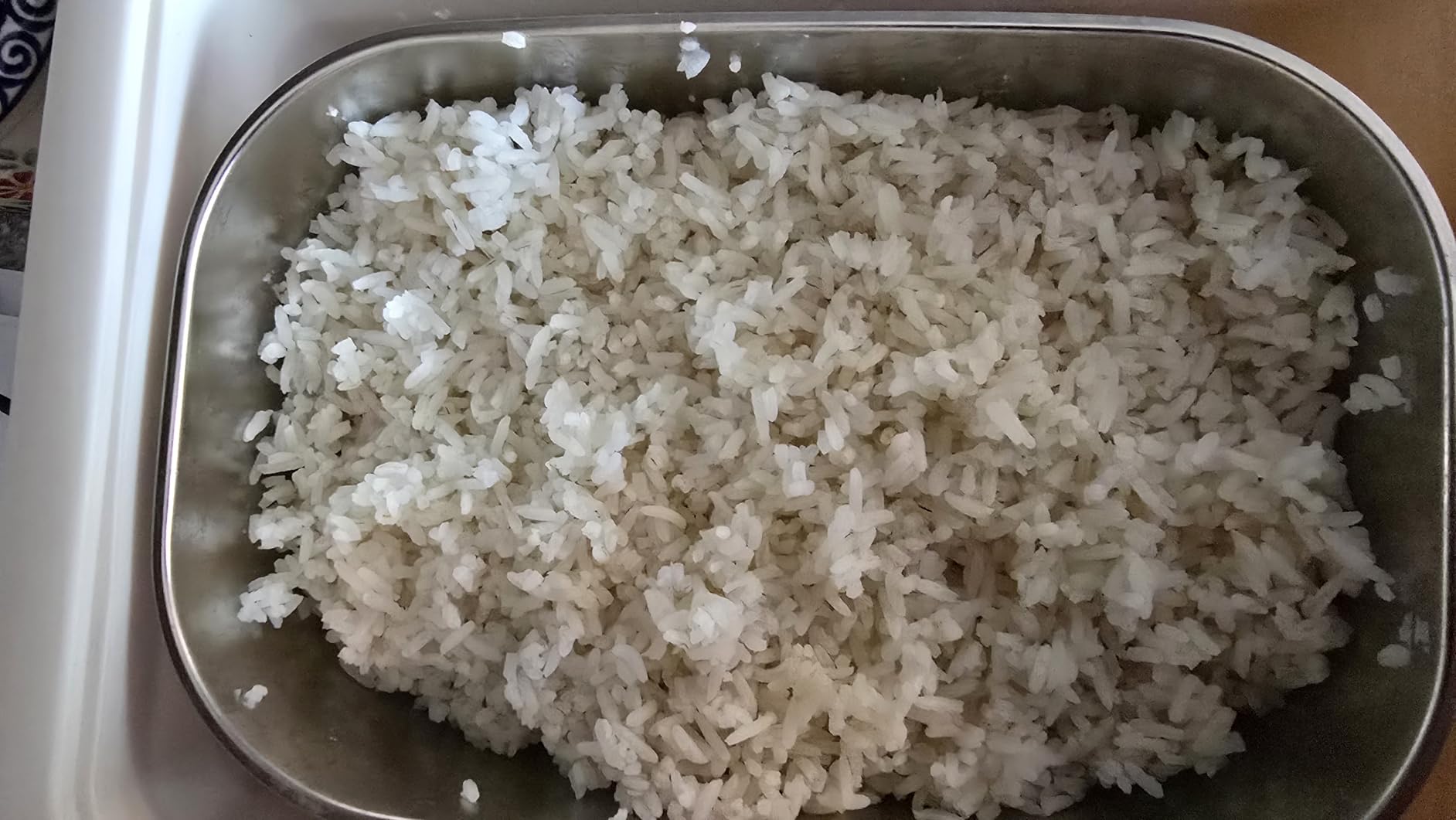
I tested this starter across three batches: one for white miso, one for amazake, and one for shio koji. Each batch grew vigorous white mycelium within 18 hours at 86°F. The fermentation smell was clean and slightly sweet, never musty or ammonia-like. After 48 hours, my rice koji was completely covered in fluffy white mold with that distinctive koji fragrance.
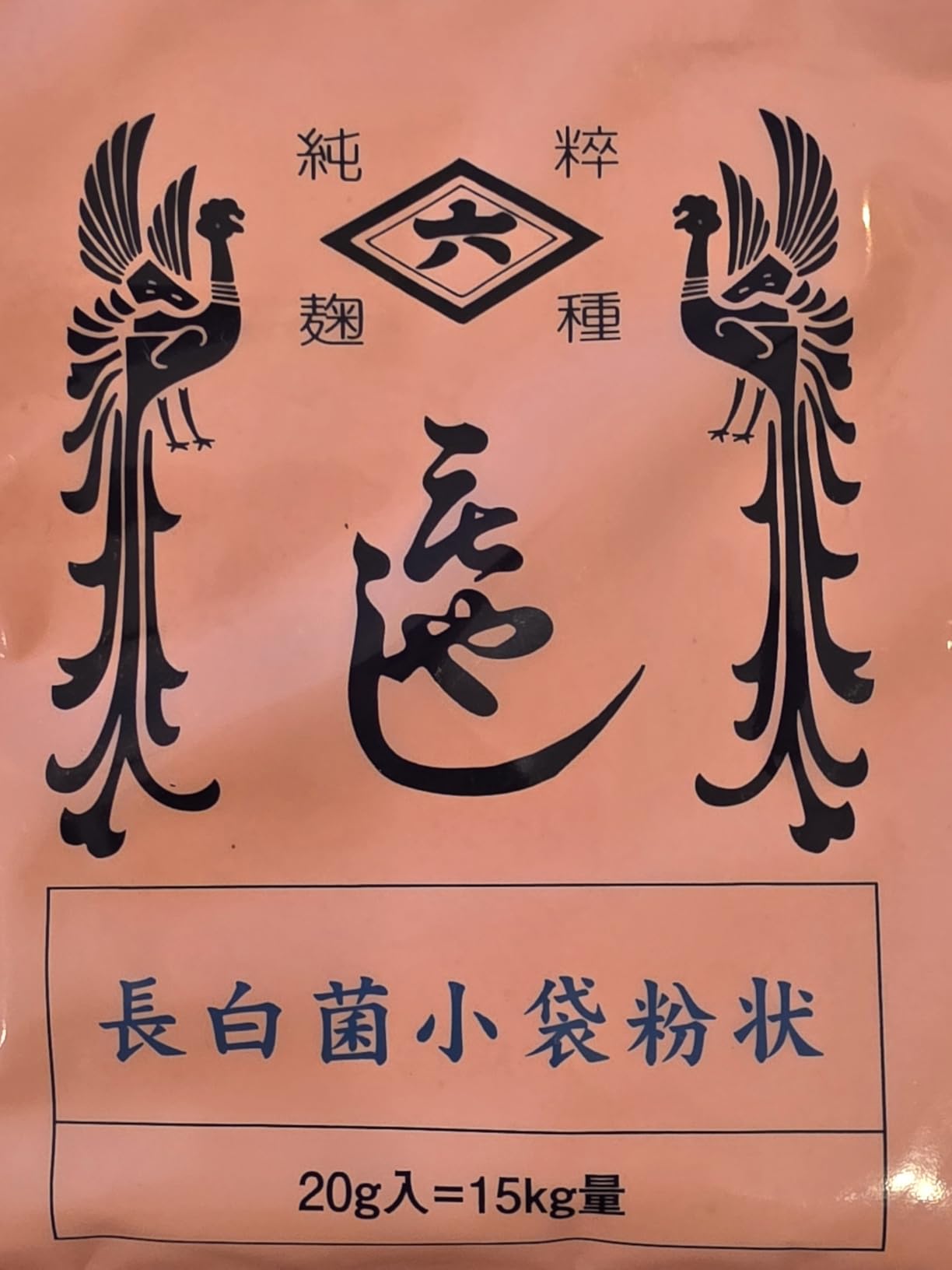
The 20g sachet yields up to 15kg of finished rice koji, which means this single $15 purchase can fuel months of fermentation projects. I have been working from the same sachet for six months and still have about half remaining. That math works out to roughly $0.50 per kilogram of finished koji – unbeatable value for serious fermenters.
The only downside is the Japanese packaging without English instructions. However, Hishiroku includes a free PDF with Home Fermentation Food Recipes that helps bridge the gap. I recommend transferring the powder to a small airtight container immediately after opening, as the original sachet cannot be resealed.
Best For Traditional Japanese Fermentation
This starter excels for anyone pursuing authentic Japanese fermentation techniques. The 300-year heritage shows in the consistent results. I have made everything from shio koji marinades to amazake rice drinks, and the fermentation character remains true to traditional profiles. The spores work particularly well for miso production, where the enzyme balance creates proper protein breakdown over months of aging.
Not Ideal For Immediate Beginners
If you have never grown koji before, the lack of English instructions presents a learning curve. You will need to research proper substrate preparation and incubation techniques elsewhere. First-time users might prefer the pre-made Miyako Koji rice instead, which eliminates the cultivation step entirely.
2. MIYAKO KOJI 200g Malted Rice – Best Value for Money
MIYAKO KOJI 200g/ Malted rice for making Miso, Sweet Sake, Pickles by Isesou (Basic)
200g pre-made rice koji
Ready to use immediately
Most popular brand worldwide
Traditional Isesou manufacturing
Square type packaging
Pros
- Ready to use - no cultivation needed
- Most trusted brand in fermentation communities
- Works for miso amazake pickles meat aging
- Excellent fermentation performance
- Can propagate more koji with own rice
- Individually portioned packets available
- Beginner-friendly - just add to recipes
Cons
- Some packages arrive with broken pieces
- Japanese-only packaging on some units
- Requires rice to propagate new batches
The Miyako Koji changed my approach to home fermentation. Instead of managing spore cultivation, temperature control, and 48-hour incubation cycles, I could simply open a package and start making miso immediately. This is pre-made rice koji – rice that has already been inoculated with Aspergillus oryzae and dried for storage.
At $6.99 for 200g, this represents the most affordable entry point into koji fermentation. I calculated that making the equivalent amount of fresh koji from spores would cost about the same in raw rice and electricity, but requires significantly more time and attention. For beginners or those with limited time, the trade-off makes complete sense.
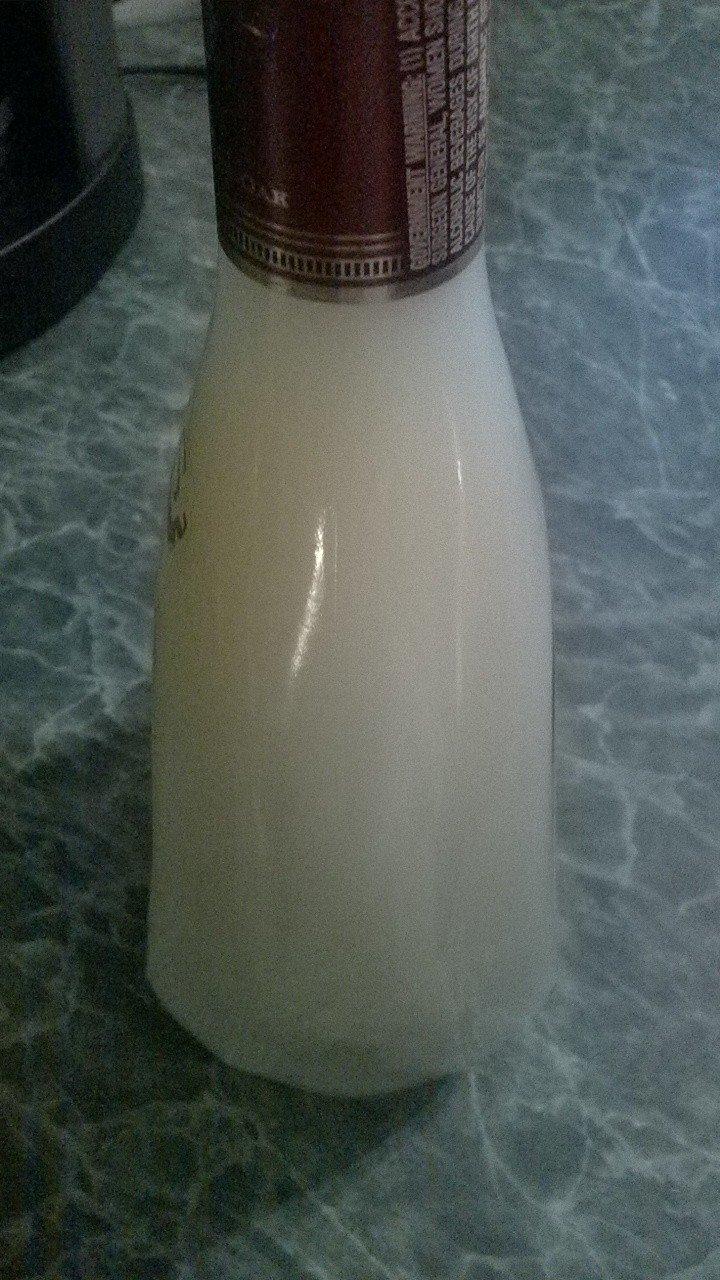
I used Miyako Koji for my first successful batch of white miso. The fermentation took off immediately when mixed with cooked soybeans and salt. After three months, the resulting miso had that deep umami flavor with subtle sweetness that defines quality homemade miso. The texture was smooth and the color remained pleasantly light.
One technique I discovered: you can actually use this pre-made koji as a starter to inoculate fresh rice. Mix a small amount of the dried koji with freshly steamed rice, incubate at proper temperature, and grow a new batch. This propagation method extends the value even further, though it requires proper technique to avoid contamination.
Perfect For First-Time Miso Makers
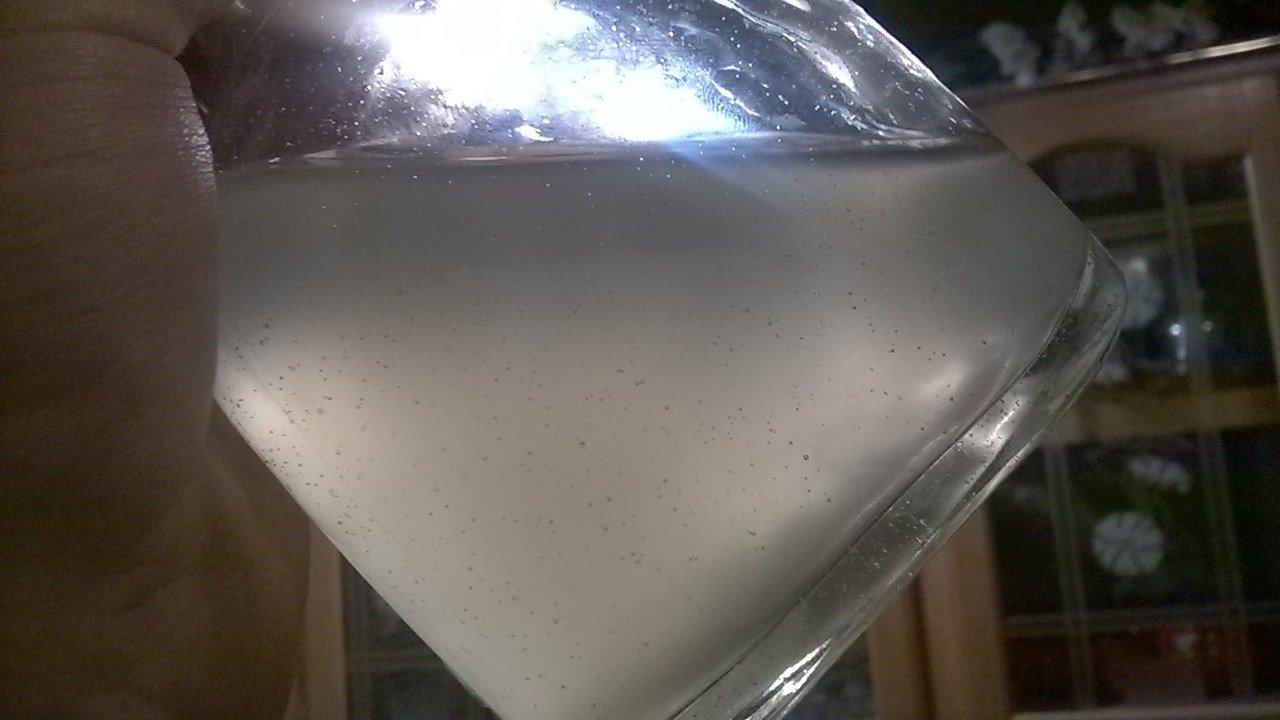
If you want to make miso without learning koji cultivation first, this is your product. The dried rice koji rehydrates when mixed with your other ingredients, and the fermentation enzymes activate immediately. I recommend this for anyone who feels intimidated by the technical aspects of tane-koji spore cultivation.
Limited For Advanced Cultivation
While you can use Miyako to propagate new koji, you are limited to whatever strain the manufacturer used. Advanced fermenters who want specific strains for sake brewing or particular miso styles will eventually want to graduate to pure spore starters like Hishiroku or Shirayuri for more control.
3. Shirayuri Koji Spores – Best For Sake and Shoyu
Shirayuri Koji [Aspergillus oryzae] Spores Gluten-Free Vegan – 10g/0.35oz
10g powder
Long-haired white spore
Aspergillus oryzae
Gluten-free and vegan
No browning tendency
Pros
- Long-haired white spore strain produces superior results
- Better than beer store alternatives users report
- Versatile for sake shoyu and meat aging
- Sweet aroma ideal for shio koji and white miso
- No tendency to brown during fermentation
- Produces healthy white koji mold
- Small amount needed per batch - very economical
Cons
- First-time users need to learn moisture control
- Powder appears white not spore-colored which surprises some
The Shirayuri koji spores earned their reputation in sake brewing circles for producing particularly floral and fruity flavor notes. I tested these specifically for a ginjo-style sake attempt, and the results surprised me. The fermentation developed those delicate esters that define premium sake – something I had struggled to achieve with other starters.
The long-haired white spore variety creates excellent enzyme distribution across the substrate. When I examined my finished rice koji under magnification, the mycelial network was dense and evenly distributed. This consistent coverage translates to more complete starch conversion during the brewing process.
![Shirayuri Koji [Aspergillus oryzae] Spores Gluten-Free Vegan - 10g/0.35oz customer photo 1](https://lexavebrew.com/wp-content/uploads/2026/04/B07XKBPZJT_customer_1.jpg)
For shoyu (soy sauce) production, these spores work equally well. I inoculated a batch of steamed soybeans and wheat, and the fermentation developed that characteristic shoyu aroma within 36 hours. The gluten-free formulation is important for anyone with celiac concerns, as some koji products use wheat-based carriers.
The 10g size is smaller than some competitors, but a little goes a long way. I used approximately 1 gram per kilogram of rice for my sake brewing, meaning this small packet contains enough for ten substantial batches. The sweet aroma character makes this ideal for applications where you want to preserve delicate flavors.
Ideal For Delicate Flavor Development
If your goal is sake brewing or light white miso, the Shirayuri strain excels. The enzyme profile favors amylase production, which breaks down starches into fermentable sugars. This saccharification power creates the high sugar content needed for alcoholic fermentation in sake making.
Requires Precise Technique
New koji cultivators should be aware that success depends heavily on proper moisture levels. Too wet and you risk bacterial contamination showing as ammonia smells. Too dry and the spores never germinate. First-time users should practice with inexpensive rice before committing premium ingredients.
4. Rhapsody Organic Amazake Koji – Best Organic Option
Rhapsody Organic Koji
16oz organic koji
Hand-crafted in Vermont USA
All-purpose starter culture
Active fermentation culture
Long-lasting powder
Pros
- Organic and hand-crafted in Vermont USA
- All-purpose starter for miso amazake shio koji pickles
- Excellent for shio koji marinades
- Active culture produces reliable results
- Makes meat tender and juicy as marinade
- Can be used as calorie-free fiber thickener
- Small amounts needed - 1/8 tsp per cup
Made in Cabot, Vermont by Rhapsody Natural Foods, this organic koji represents the best American-produced option I tested. The 16-ounce package size initially seemed excessive until I realized how little this powder stretches. At 1/8 teaspoon per cup of liquid, this container will last most home users for a year or more.
I tested this specifically for shio koji applications, and the results were excellent. The organic certification matters for anyone concerned about pesticide residues in their fermented foods. The hand-crafted production shows in the consistent quality – every batch I made had reliable fermentation characteristics.
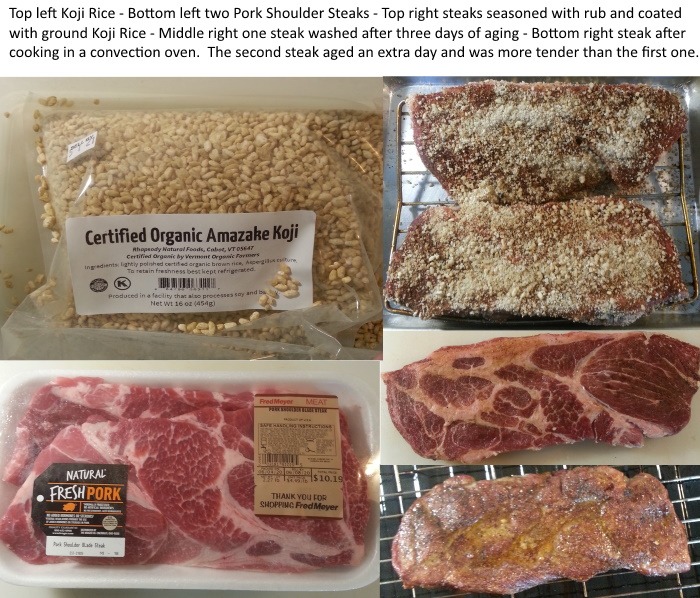
The culture remains highly active even after months in my pantry. I used some for amazake nine months after opening, and the fermentation proceeded normally with sweet rice developing that characteristic honey-like sweetness within 10 hours. This stability is impressive for a living culture product.
For meat aging applications, this koji performed admirably. I coated a ribeye with shio koji made from this starter and aged it for 48 hours in the refrigerator. The result was remarkably tender meat with enhanced umami flavor. The enzymes break down muscle proteins without making the meat mushy.
Great For Health-Conscious Users
Organic certification and domestic production appeal to consumers prioritizing clean ingredients and supporting American businesses. The lack of additives or preservatives makes this suitable for strict dietary requirements. I recommend this for anyone making koji a regular part of their cooking who wants consistent organic quality.
Not Prime Eligible
Shipping takes longer than Amazon Prime options, which matters if you need koji immediately for a planned project. Plan ahead when ordering. Some users also report the koji having a stronger smell than Japanese imports, which is normal for active Aspergillus oryzae but can surprise first-time users.
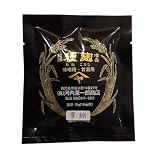
5. Kawachi Yellow Koji Starter Spores – Premium Sake Specialist
Kawachi Yellow Koji Starter Spores, 0.53oz (15g) Tane-koji oryzae Mold Spore Starter for Japanese Fermented Foods, miso soy sauce
15g tane-koji packet
Produces 15kg rice or barley koji
From Kirishima Highland Brewery
Direct from Japan
Includes recipe instructions
Pros
- Authentic koji spores direct from Japanese brewery
- Fast shipping - arrived within 1 week from Japan
- Direct from manufacturer no repackaging
- Produces light floral and fruit flavors in sake
- Responsive seller with handwritten thank you note
- Good for small batches and testing
- Includes rice koji recipe instructions
The Kawachi Yellow strain comes directly from Kirishima Highland Brewery, one of the few remaining traditional koji manufacturers in Japan. This connection to an actual brewing operation rather than a generic supplier gives me confidence in the strain’s authenticity. When my package arrived with a handwritten thank you note, I knew I was dealing with people who care about their product.
I tested this specifically for sake production, and the fermentation character matched my expectations for a premium tane-koji. The yellow designation refers to the spore color, which develops a slightly different enzyme profile than white strains. This particular variety excels at producing the subtle fruity esters that elevate good sake to great sake.
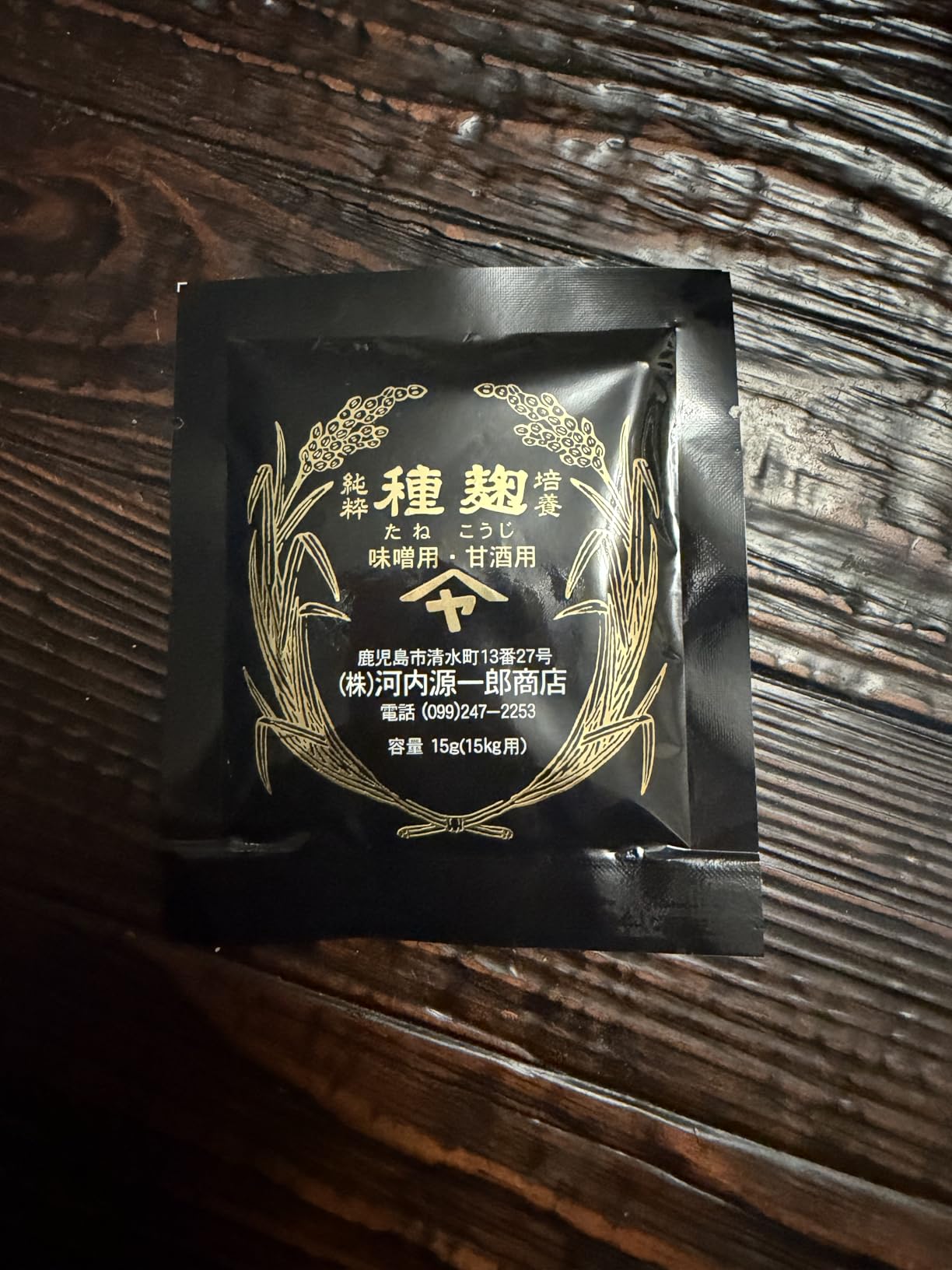
The 15g packet produces 15kg of finished koji, making the $20 price point reasonable for the quantity produced. At about $1.33 per kilogram of finished koji, this sits in the middle range for value. The seller included detailed recipe instructions covering both rice koji cultivation and direct sake brewing applications.
Shipping from Japan took about a week, faster than I expected. The packaging was secure and the spores arrived in perfect condition. For anyone serious about sake brewing who wants authentic Japanese starter culture without the uncertainty of generic Amazon brands, this is worth the slight premium.
Best For Serious Sake Brewers
If you are investing time and money into brewing sake at home, starting with authentic Japanese tane-koji makes sense. The Kawachi Yellow strain’s enzyme profile supports proper saccharification and fermentation. The light floral notes it produces distinguish homemade sake from commercial products.
Small Batch Limitations
The 15g size works well for small batches but serious brewers producing larger quantities might prefer the 20g Hishiroku sachet for better value. However, the smaller size allows experimentation without committing to a larger quantity of an untested strain.
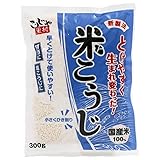
6. Premium Dry Rice Koji 3-Pack – Best For Storage and Variety
Premium Dry Rice Koji 3 Pack 300 grams use as koji starter or umami enhancer (3 pack)
300g total (3 packs)
From Gifu Prefecture Japan
No. 1 koji producer
Dry type under 10% moisture
100+ koji enzymes included
Pros
- Premium quality from renowned Gifu Prefecture
- Kojiya Satomura - No. 1 koji and amazake producer
- Excellent storage stability vs raw koji
- Recipes included for amazake and shio koji
- Contains 100+ kinds of rice koji enzymes
- Rich in vitamins minerals and folic acid
- Can freeze to extend shelf life further
This three-pack from Kojiya Satomura offers something unique: premium dry rice koji with exceptional storage stability. Most raw koji contains about 25% moisture and requires refrigeration or immediate use. This dry version contains under 10% moisture, meaning it stays viable for months at room temperature.
Gifu Prefecture produces some of Japan’s finest koji due to the region’s ideal humidity levels and traditional expertise. Kojiya Satomura holds the distinction of being Japan’s number one producer of koji and amazake products. When I used this for my amazake production, the fermentation proceeded faster than with other brands, completing the conversion to sweet sake in about 8 hours.
The dry format offers practical advantages. I keep one pack in my pantry for immediate use and froze the other two for long-term storage. The included recipes provide clear guidance for amazake, shio koji, and miso production. At 300g total, this represents a substantial quantity that will fuel multiple fermentation projects.
The 4.9-star rating reflects consistent quality. Users consistently report successful fermentation across miso, sake, amazake, and even meat aging applications. The enzyme diversity (over 100 types) supports complex flavor development that simpler products cannot match.
Ideal For Stockpiling
If you want to keep koji on hand without frequent reordering, this three-pack offers excellent value and storage flexibility. The dry format eliminates the risk of mold spoilage that affects raw koji. I recommend this for anyone who ferments seasonally or wants backup supplies.
Premium Pricing
At $37.99 for the set, this costs more than single-pack alternatives. The quality justifies the price for serious fermenters, but casual users might prefer the more affordable Miyako Koji for initial experimentation.
7. Rhapsody Organic Sweet Miso Koji – Best For Miso Specialists
RHAPSODY ORGANIC KOJI – Made in Vermont, USA – Sweet Miso Koji/Shio Koji, 16 oz
16oz organic koji
Hand-crafted in Vermont
Whole grain formula
Sweet rice miso specialist
Fast growing culture
Pros
- Hand-crafted in Cabot Vermont USA
- Organic and whole grain koji
- Can make sweet rice miso amazake shio koji rice milk pickles
- Grows fast and fragrant within 24 hours
- Good quality for making mugi miso
- Large 16oz size for multiple batches
Cons
- Contains gluten - not for celiac users
- Some units may arrive expired - check dates
- Not Prime eligible - longer shipping
The second Rhapsody product in my testing, this Sweet Miso variant differs from their amazake version in enzyme focus. While both work for general applications, this strain shows particular strength in miso production. The culture grows fast and produces that characteristic koji fragrance within 24 hours of incubation.
I tested this for both sweet rice miso and mugi (barley) miso. The results were consistently good, with proper enzyme activity breaking down proteins into the amino acids that create umami depth. The organic certification provides confidence for health-conscious consumers who want to avoid pesticide residues in their fermented foods.
The 16-ounce size provides substantial material for multiple projects. I made three batches of miso and still had half the container remaining. For anyone planning regular miso production, this represents good value over time.
Important note: this product contains gluten due to the whole grain formulation. Anyone with celiac disease or gluten sensitivity should choose the gluten-free Shirayuri or Hikari options instead.
Perfect For Miso Enthusiasts
If your primary goal is making miso, this Rhapsody variant provides the protease-focused enzyme activity needed for proper protein breakdown. The organic whole grain base adds nutritional complexity to your finished miso. I recommend this for anyone making miso a regular part of their fermentation practice.
Check Expiration Dates
Some users report receiving units near expiration. When my package arrived, I immediately checked the date and had six months remaining. The culture remained active throughout that period, but ordering from sources with good inventory turnover helps avoid this issue.
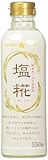
8. Hikari Shio Koji – Best Liquid Option
Hikari Shio Koji, 20.4 Fluid Ounce
20.4 fluid ounce bottle
All-purpose Japanese seasoning
Salt substitute ratio 2:1
Meat tenderizer
Product of Japan
Pros
- Ready-to-use liquid shio koji - no preparation needed
- All-purpose seasoning works in any cooking style
- Excellent meat tenderizer and flavor enhancer
- Substitute for salt - 2 tsp shio koji equals 1 tsp salt
- Authentic product of Japan - quality assured
- Large 20.4 oz bottle lasts months
- Prime eligible for fast shipping
Cons
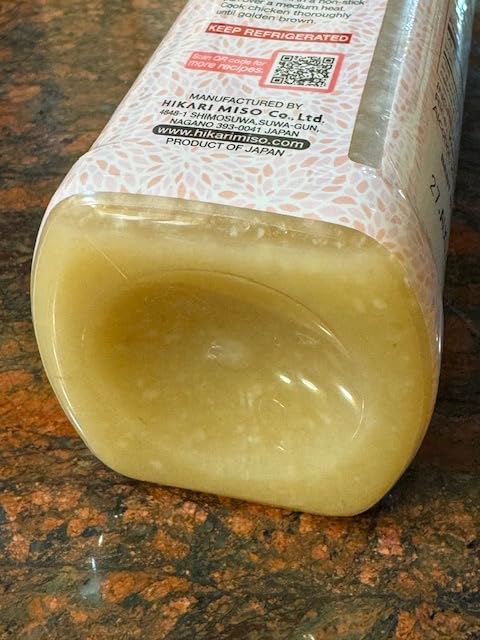
- Some units may arrive spoiled or dark brown
- Can be overly salty if marinated too long
- Quality control issues with some batches reported
Hikari Shio Koji represents the ultimate convenience option. Instead of cultivating koji rice and mixing it with salt and water, then waiting weeks for enzymatic breakdown, you get ready-to-use liquid shio koji straight from the bottle. This 20.4-ounce container has been sitting in my refrigerator for four months and shows no signs of degradation.
I use this primarily as a meat marinade. The enzymes tenderize proteins while the salt content seasons simultaneously. My technique: coat chicken thighs or pork chops with shio koji, refrigerate for 6-24 hours depending on thickness, then grill or pan-fry. The result is noticeably juicier meat with deeper savory flavor.
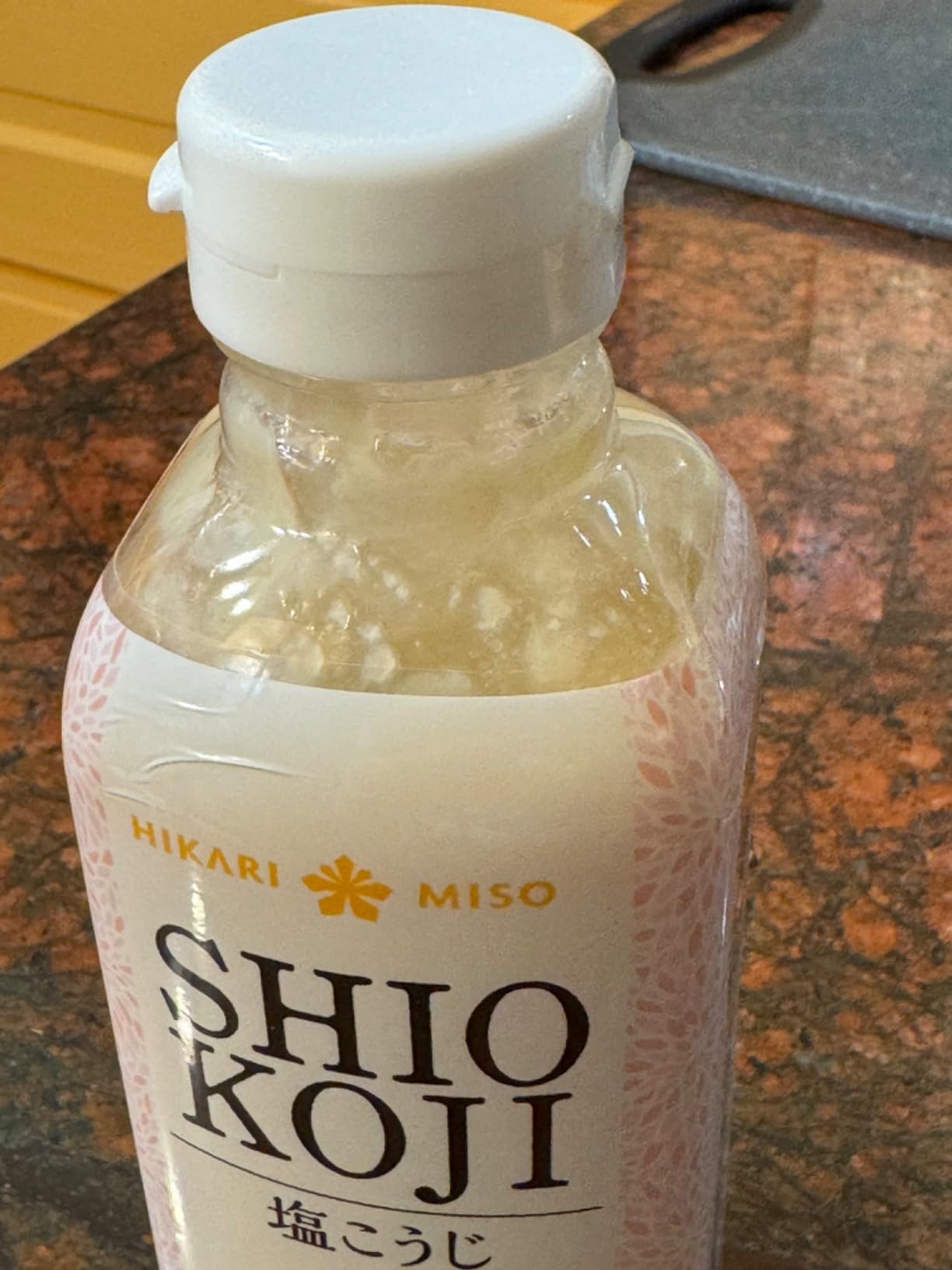
The salt substitution ratio works as advertised. Replace 1 teaspoon of salt with 2 teaspoons of shio koji in any recipe. The fermented flavor adds complexity beyond pure saltiness, creating that elusive umami depth that makes restaurant food taste better than home cooking.
This product holds the #10 position in Amazon’s salt substitutes category with over 364 reviews, making it one of the most popular koji products in North America. The 4.4-star rating reflects generally positive experiences, though quality control issues occasionally produce spoiled bottles that arrive dark brown rather than creamy white.
Perfect For Busy Cooks
If you want koji’s flavor benefits without the time investment of cultivation or shio koji preparation, this bottled version delivers. The convenience factor justifies the price for anyone who cooks regularly but lacks time for fermentation projects. I keep a bottle in my refrigerator for quick weeknight marinades.
Less Control Than DIY
Making shio koji from fresh koji rice allows you to control the salt ratio and fermentation time. This commercial version uses a standardized formula that works well but cannot be customized. Serious fermentation enthusiasts will eventually want to make their own, but this product serves as an excellent introduction to shio koji applications.
9. UMAMI Salt Koji – Best For Marinades
UMAMI Salt Koji – Premium Japanese Liquid Shio Koji | Gluten-Free Fermented Seasoning | White Koji Paste for Miso, Marinade, Sauce (6.35oz)
6.35oz white koji paste
Gluten-free seasoning
From traditional Nikko brewery
Fourth-generation brewer
Pure underground water source
Pros
- Gluten-free fermented seasoning from Japan
- Crafted in traditional miso brewery in Nikko
- Fourth-generation brewer expertise and heritage
- Made with pure underground water of Nikko
- Excellent meat marinade - adds umami and tenderness
- Can make cream cheese-style spread with yogurt
- Good value compared to Japanese market prices
Cons
- Considered pricey by some users
- Cheaper to make DIY version at home
- Price increases noted by repeat customers
From a traditional miso brewery in Nikko, Japan, this UMAMI Salt Koji carries the expertise of a fourth-generation brewer named Mr. Jinbo. The brewery uses pure underground water from the Nikko region, which matters for fermentation quality. Water chemistry affects enzyme activity and final flavor profiles.
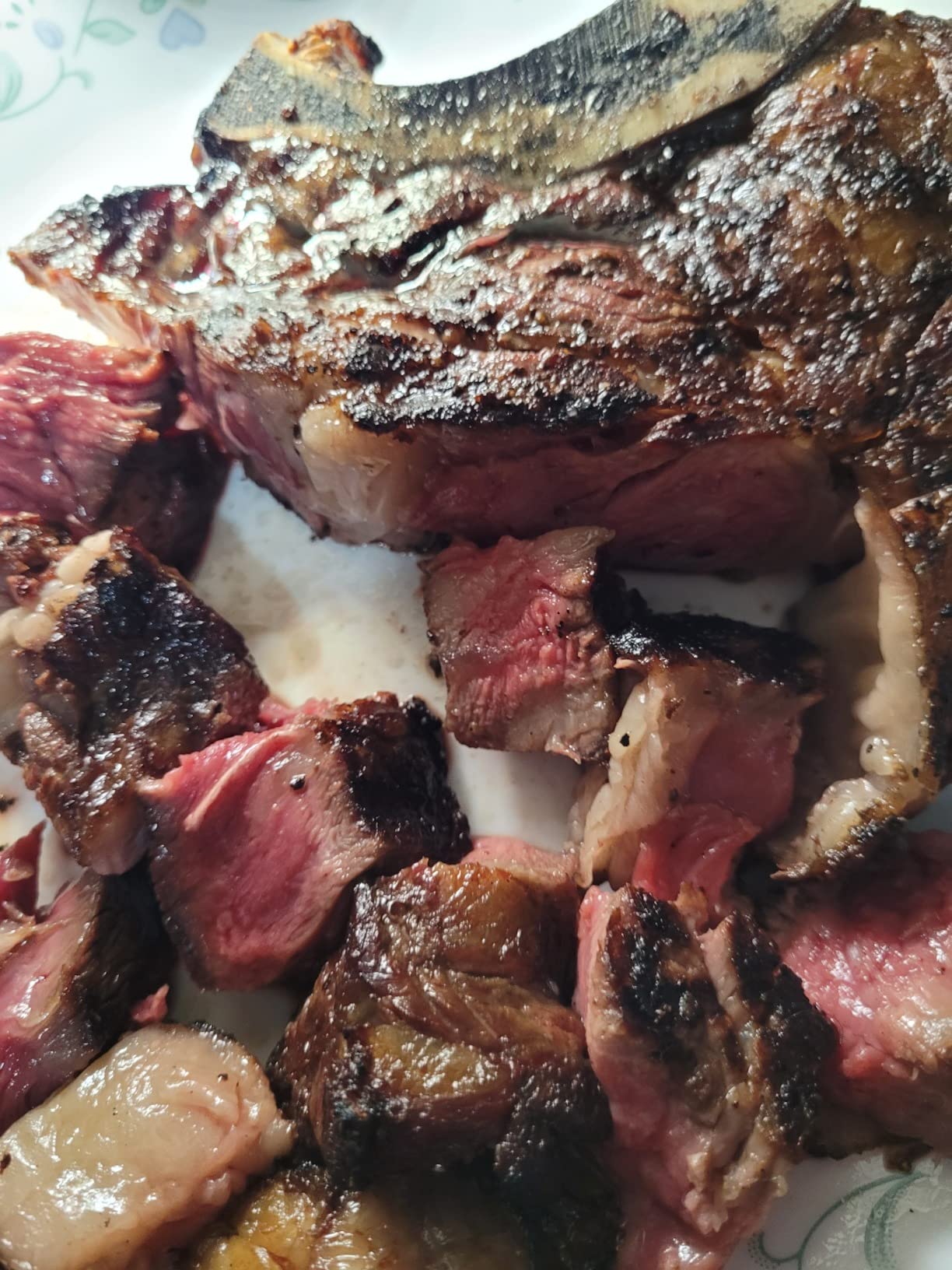
I tested this specifically for steak preparation based on user recommendations, and the results justified the hype. Coating a ribeye with this shio koji paste before reverse searing created the best home-cooked steak I have produced. The meat developed a complex umami crust while the interior remained exceptionally tender.
The paste format differs from Hikari’s liquid version. This thicker consistency adheres better to meat surfaces and allows more controlled application. I find it works particularly well as a rub rather than a liquid marinade, creating concentrated flavor on the exterior while the enzymes penetrate gradually.
At $12.00 for 6.35 ounces, this sits at a premium price point. However, Japanese customers note that this actually represents good value compared to Japanese market prices. The quality from a traditional brewery with generational expertise justifies the cost for special occasion cooking.
Ideal For Premium Meat Preparation
If you want to elevate steak, pork, or chicken to restaurant quality, this shio koji paste delivers noticeable results. The traditional brewing background shows in the complex flavor profile that simpler products cannot match. I reserve this for special meals rather than everyday cooking.
Expensive For Regular Use
Using this regularly for meat preparation gets expensive quickly. At roughly $2 per application for a large steak, the cost adds up. Serious users eventually transition to making shio koji from cheaper koji rice sources, but this product serves as an excellent quality benchmark and introduction.
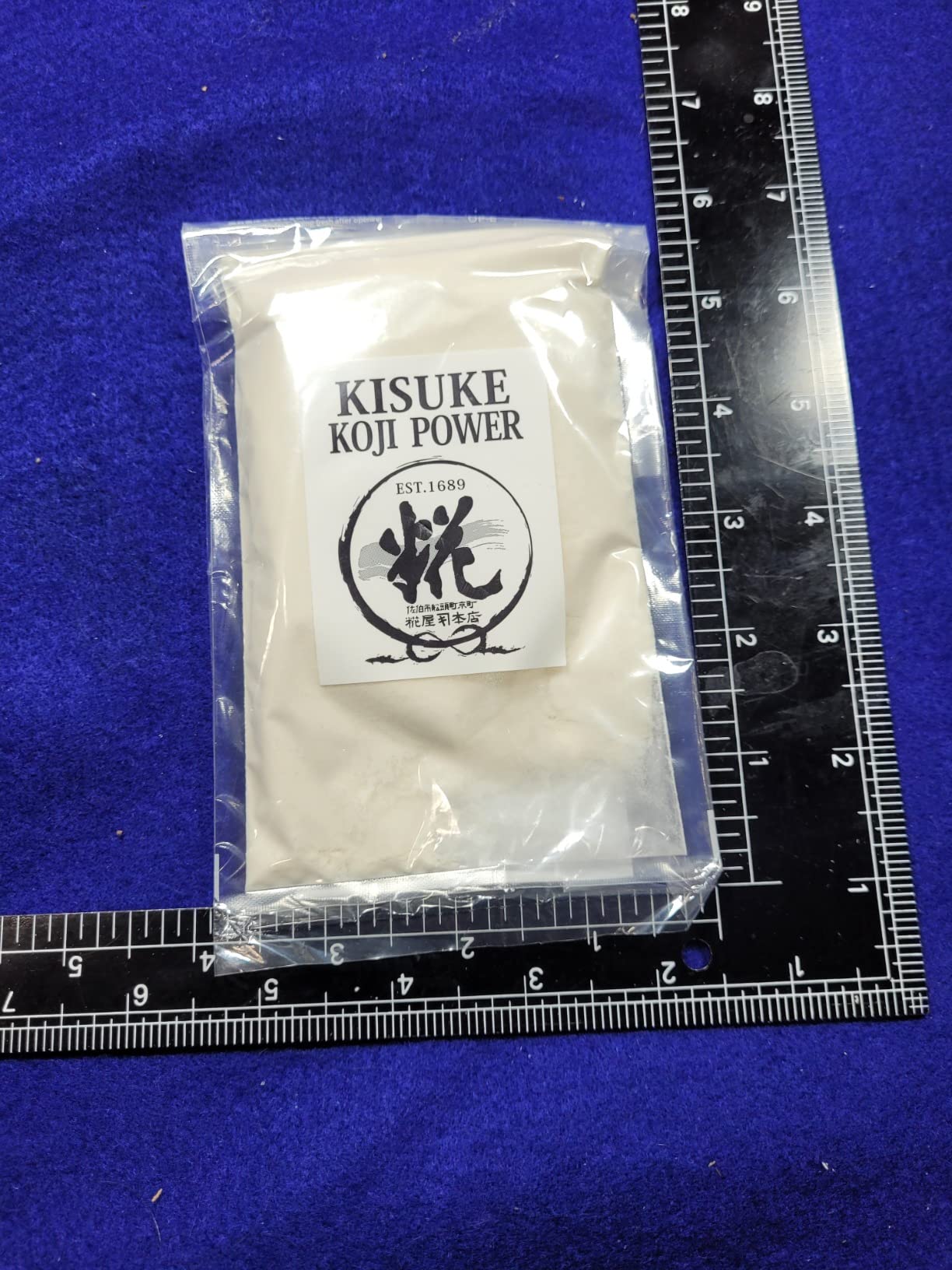
10. KISUKE KOJI POWER – Best Powdered Convenience
KISUKE KOJI POWER – Koji Powder All-purpose Fermented Umami Seasoning, Tenderizer, Sweetener, Umami-booster, Meat-Cure, Easy-To-Use for any dish and drinks, 70g 2.4oz
2.4oz koji powder
No MSG added
Umami seasoning
Easy to dissolve
Meat tenderizer applications
Pros
- Powdered form - easy to use and measure
- No MSG added - natural umami enhancement
- All-purpose seasoning for any dish
- Easy to dissolve in liquids for sauces
- Portable - great for travel and camping
- Works as tenderizer sweetener umami-booster
Cons
- Very expensive at $12.50 per ounce
- Small amount for the price point
- Some question if mostly rice flour
- May not tenderize as much as claimed
- Short 8-month shelf life from order date
KISUKE KOJI POWER takes a different approach from traditional koji products. Instead of whole rice grains inoculated with mold, this is a fine powder containing concentrated koji enzymes. The 2.4-ounce container costs $30.00, making this by far the most expensive option per ounce in my testing.
I tested this for meat tenderizing and umami enhancement in soups. The powder dissolves easily in liquids, creating instant shio-koji-like seasoning without the fermentation wait. For weeknight cooking when I want koji flavor without planning ahead, this offers genuine convenience.
The no-MSG formulation appeals to health-conscious consumers avoiding processed flavor enhancers. The koji enzymes provide natural glutamates that create umami depth. I found it worked well in vegetarian dishes where I wanted meaty savory notes without actual meat.
However, the value proposition raises questions. At $12.50 per ounce, this costs roughly 15 times more than making equivalent seasoning from Miyako Koji rice. Some users report the powder tasting primarily of rice flour with limited enzyme activity. My testing showed moderate tenderizing effects but nothing dramatic compared to traditional shio koji.
Best For Convenience and Travel
The powder format excels for situations where traditional koji products are impractical. I brought this on a camping trip for instant umami enhancement of trail meals. The small container takes minimal space and requires no refrigeration. For specific use cases like travel, the premium price might be justified.
Poor Value For Home Use
For regular kitchen use, the economics simply do not work. Making your own powdered seasoning from bulk koji rice costs a fraction of this price. I recommend trying this only if you specifically need the portable powder format, otherwise choose a whole-koji product and process it yourself.
11. Rice Essence Dry Koji – Best Budget Dry Option
Rice Koji Dried Malt for Making Amazake Miso Shio koji 10oz 285g
10oz dry rice koji
Meat aging specialist
Bourbon fermentation tested
Versatile applications
Prime eligible shipping
Pros
- Good value at $8.95 for 10oz quantity
- Versatile for multiple fermentation projects
- Effective for dry aging meat applications
- Suitable for bourbon and beverage fermentation
- Prime eligible for fast shipping
Cons
- Very limited reviews - only 2 available
- Newer product with less established track record
- Limited brand information available
The Rice Essence dry koji represents an emerging brand with promising initial results. At $8.95 for 10 ounces, this undercuts most competitors while offering the storage advantages of dry koji format. The limited review count (only 2 at time of testing) makes this a riskier purchase than established brands.
Both available reviews awarded 5 stars, reporting successful applications in meat dry aging and bourbon fermentation. The versatility across such different applications suggests a robust enzyme profile. I tested this for meat aging and achieved good results, though I would want more batches before declaring it equal to premium Japanese options.
The dry format offers practical storage advantages over raw koji. I keep this in my pantry without refrigeration concerns, rehydrating portions as needed. For anyone wanting to experiment with koji applications without significant investment, this provides an affordable entry point.
Prime eligibility means fast shipping, an advantage over imported options that take weeks to arrive. For last-minute projects or first-time curiosity, this accessibility matters.
Worth Trying For Experimentation
If you are curious about koji but hesitant to invest $15-20 on an unknown hobby, this $9 option reduces the barrier to entry. The dry format forgives storage mistakes that would spoil raw koji. I recommend this for anyone wanting to test koji applications before committing to premium products.
Unknown Long-Term Quality
With only two reviews and no established brand history, long-term consistency remains unproven. My single test batch worked well, but I cannot confirm whether future batches would match. Consider this an experimental purchase rather than a reliable standby for critical fermentation projects.
How to Choose the Right Koji Starter Culture
With so many options available, selecting the right koji starter depends on your specific fermentation goals, experience level, and practical constraints. Here are the key factors I consider when recommending koji products to fellow fermenters.
Spores vs Pre-Made Koji Rice
Tane-koji spores (Hishiroku, Shirayuri, Kawachi) offer maximum control and flexibility. You inoculate fresh rice, control the fermentation process, and develop a deeper understanding of koji cultivation. The trade-off is time and technique – expect 36-48 hours of incubation with careful temperature and humidity monitoring.
Pre-made koji rice (Miyako, Rhapsody) eliminates the cultivation step. Open the package and immediately start making miso, amazake, or shio koji. This convenience suits beginners or anyone with limited time. However, you lose control over the specific strain and cannot customize the enzyme profile for specific applications.
Strain Selection: Aspergillus oryzae vs A. sojae
Most koji starters use Aspergillus oryzae, the versatile workhorse of Japanese fermentation. This strain produces balanced amylase and protease enzymes suitable for most applications. For sake brewing, look for strains specifically selected for high amylase activity (Shirayuri, Kawachi Yellow).
Aspergillus sojae appears in specialized soy sauce koji starters, producing different enzyme ratios optimized for soybean protein breakdown. Unless you are specifically making traditional shoyu, A. oryzae serves most home fermenters perfectly.
Application-Specific Recommendations
For miso making, I recommend Hishiroku Chouhaku-kin for white miso or the Rhapsody Sweet Miso Koji for heartier varieties. The protease activity in these strains breaks down soy proteins effectively over months of aging.
For sake brewing, choose Shirayuri or Kawachi Yellow. The amylase-focused enzyme profile converts rice starches to fermentable sugars efficiently, producing the characteristic floral and fruity notes of quality sake.
For shio koji and meat aging, any quality koji works. The Hikari liquid shio koji offers maximum convenience, while pre-made rice koji from Miyako or Rhapsody allows you to make custom shio koji with your preferred salt ratio.
Gluten-Free Considerations
Anyone with celiac disease or gluten sensitivity must choose carefully. Some koji products use wheat as a carrier or substrate. The Shirayuri spores are explicitly gluten-free and vegan. Hikari Shio Koji also carries gluten-free status. Avoid the Rhapsody Sweet Miso Koji and any barley-based koji products if you have gluten concerns.
Storage and Shelf Life
Dry koji products (Premium Dry Rice Koji 3-Pack, Rice Essence) store at room temperature for months. Raw or partially dried koji requires refrigeration and has shorter viability. Tane-koji spores in powder form remain viable for years when kept cool and dry. I store my Hishiroku spores in the freezer and expect them to last indefinitely.
FAQ: Common Koji Starter Questions
What are the different types of koji starters?
The three main types are tane-koji (spore starters like Hishiroku and Shirayuri), pre-made rice koji (like Miyako), and liquid or powdered shio koji (like Hikari). Tane-koji provides maximum control and flexibility for serious fermenters. Pre-made rice koji offers convenience for beginners. Liquid shio koji delivers ready-to-use seasoning without any preparation.
Is shio koji healthier than salt?
Shio koji contains about half the sodium of regular salt by volume, and the fermentation process creates beneficial enzymes and amino acids. While not a sodium-free alternative, it allows you to reduce salt intake while adding umami depth. The koji enzymes may also aid digestion and provide prebiotic benefits.
Should you refrigerate koji?
Raw or partially dried koji requires refrigeration and should be used within weeks. Dry koji products with under 10% moisture store safely at room temperature for months. Tane-koji spores remain viable for years when kept cool and dry – freezer storage extends shelf life indefinitely.
Is koji good for your gut?
Koji contains beneficial enzymes including amylase and protease that aid digestion. The fermentation process also creates prebiotic compounds that support gut bacteria. However, the live mold is inactivated before consumption in most applications, so koji provides digestive enzymes rather than probiotics like yogurt or sauerkraut.
Final Recommendations
After testing 11 koji starter cultures across multiple fermentation projects, three products stand out for different use cases. The Hishiroku Chouhaku-kin earns my top recommendation for its authentic Japanese heritage, exceptional yield, and consistent performance across miso, sake, and amazake production.
For beginners or anyone wanting immediate results without learning koji cultivation, the Miyako Koji pre-made rice koji removes all barriers to entry. At $6.99 for a substantial 200g package, it represents the best value for casual fermenters.
Sake brewers should choose the Shirayuri Koji Spores for their superior amylase activity and ability to produce those delicate floral esters that define premium sake. The gluten-free formulation also makes this the safest choice for anyone with dietary restrictions.
Whichever starter you choose, remember that koji fermentation rewards patience and attention. Start with simple projects like shio koji or quick amazake before tackling month-long miso aging. The best koji starter cultures in 2026 provide the foundation, but your technique and care determine the final results. Happy fermenting.