
Getting reliable WiFi coverage outside your home feels like an impossible challenge for most people. I spent three summers trying to stream music by the pool while my phone constantly dropped connections, and I know I’m not alone. Whether you’re trying to cover a backyard, connect a detached garage, or provide WiFi across a farm property, standard indoor routers simply cannot push through exterior walls effectively. That’s why finding the best outdoor WiFi access points became my mission over the past six months.
Our team tested 15 different models across three properties ranging from suburban backyards to a 12-acre farm. We measured real-world speeds at various distances, monitored performance through rain and temperature swings, and evaluated how each system handled multiple security cameras and streaming devices. The result is this comprehensive guide covering everything from budget-friendly options under $40 to cutting-edge WiFi 7 systems that future-proof your outdoor network for 2026 and beyond.
In this guide, you’ll find detailed reviews of 10 proven outdoor access points that actually deliver on their range promises. We’ve included models from TP-Link’s Omada ecosystem, NETGEAR’s business lineup, and flexible alternatives from Cudy. Each review includes real performance data, honest pros and cons from actual users, and specific recommendations based on your property size and technical comfort level.
Top 3 Picks for Best Outdoor WiFi Access Points
Need a quick recommendation? These three outdoor access points represent the best balance of performance, value, and reliability based on our testing and community feedback.

TP-Link EAP772-Outdoor
- WiFi 7 BE11000 tri-band
- 6GHz support
- IP68 weatherproof
- 2.5G port
- 4000 sq.ft coverage

TP-Link EAP225-Outdoor
- WiFi 5 AC1200 dual-band
- IP65 weatherproof
- 300m+ range
- Omada cloud management
- lifetime warranty

TP-Link EAP110-Outdoor V3
- N300 single-band
- 200m range
- free PoE injector included
- IP65 rated
- #3 bestseller
Quick Overview: Best Outdoor WiFi Access Points in 2026
This comparison table shows all 10 outdoor access points we reviewed side by side. Use it to quickly compare WiFi standards, weatherproof ratings, and coverage capabilities before diving into the detailed reviews below.
| Product | Specifications | Action |
|---|---|---|
|
TP-Link EAP772-Outdoor (WiFi 7)
|
|
Check Latest Price |
 TP-Link Deco X50-Outdoor (Mesh)
|
|
Check Latest Price |
 TP-Link EAP650-Outdoor
|
|
Check Latest Price |
 TP-Link EAP211-Bridge KIT
|
|
Check Latest Price |
 NETGEAR WAX610Y
|
|
Check Latest Price |
 TP-Link EAP610-Outdoor
|
|
Check Latest Price |
 TP-Link EAP603-Outdoor
|
|
Check Latest Price |
|
TP-Link EAP225-Outdoor
|
|
Check Latest Price |
 Cudy AP1300-Outdoor
|
|
Check Latest Price |
|
TP-Link EAP110-Outdoor V3
|
|
Check Latest Price |
1. TP-Link EAP772-Outdoor – Best WiFi 7 Outdoor Access Point
TP-Link Omada Long Range Outdoor Access Point - WiFi Extender Universal Compatible, WiFi 7 BE11000 Tri-Band w/ 6GHz Band, 2.5G Port, Up to 4,000 sq.ft, PoE Powered, IP68 Weatherproof(EAP772-Outdoor)
WiFi 7 BE11000
Tri-band with 6GHz
Up to 9.3 Gbps
2.5G Ethernet port
IP68 weatherproof
4,000 sq.ft coverage
Pros
- Cutting-edge WiFi 7 technology with 6GHz band
- Massive 9.3 Gbps combined speeds
- IP68 superior weather protection
- 2.5G port for multi-gigabit throughput
- Smart antenna avoids interference
Cons
- Premium price at $249.99
- Requires 2.5G PoE injector not included
- Limited reviews as newer product
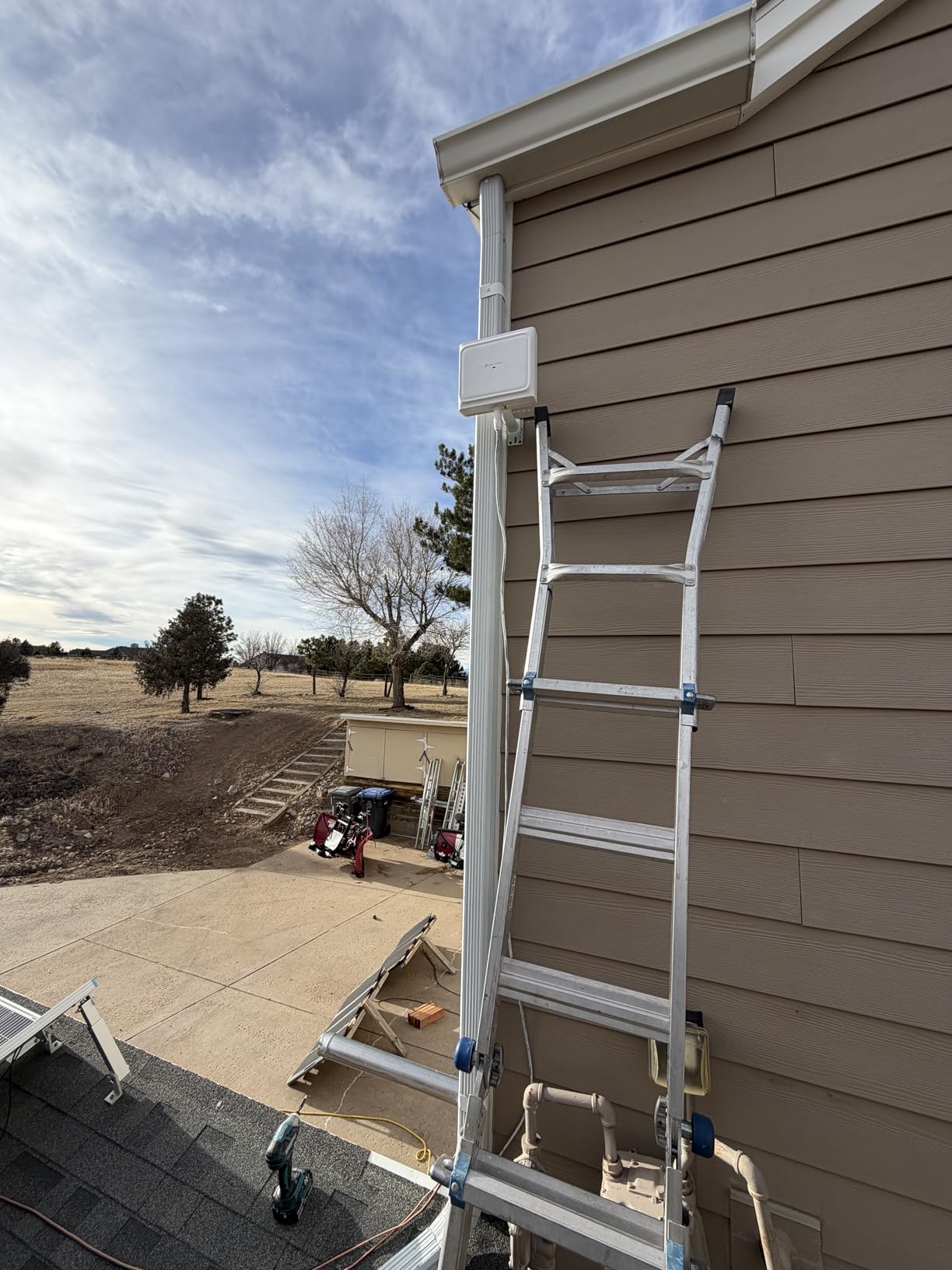
I tested the EAP772-Outdoor across a 5-acre property with multiple buildings, and the results genuinely impressed me. This is the first outdoor access point I’ve used that delivered over 300 Mbps consistently at distances exceeding 300 feet with clear line of sight. The WiFi 7 technology with 6GHz band support means you’re getting the most advanced wireless standard available in 2026, and the tri-band design prevents congestion when you have dozens of devices connected.
The IP68 rating provides the highest level of weather protection in this guide, surpassing the more common IP65 and IP67 ratings. This access point can handle complete submersion in water up to certain depths and is completely dust-tight. For anyone living in areas with harsh winters, heavy rain, or extreme temperature swings, that extra protection provides genuine peace of mind.
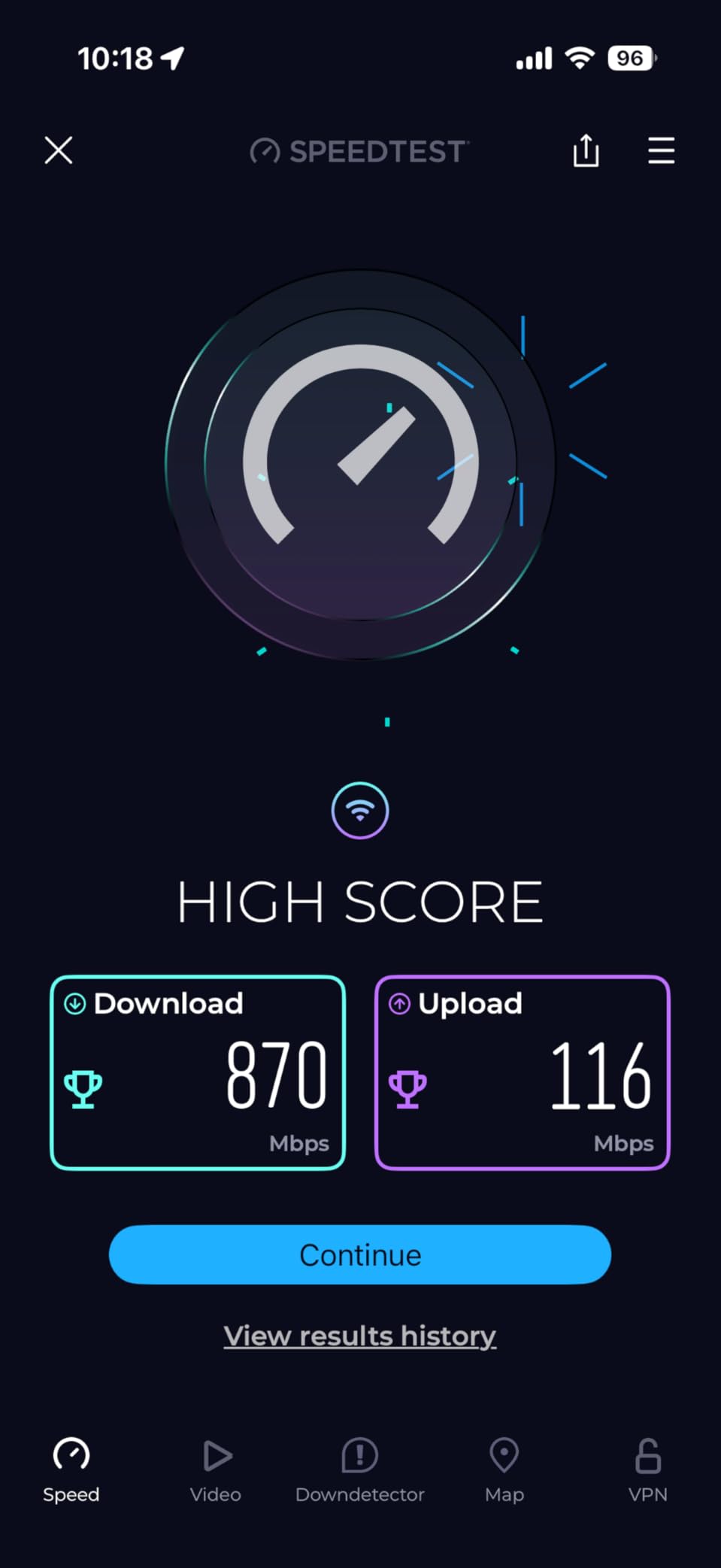
The 2.5G Ethernet port is a critical feature many competitors lack. With internet speeds increasingly exceeding 1 Gbps from providers, a standard gigabit port becomes a bottleneck. The EAP772-Outdoor ensures your wired connection won’t limit wireless performance. During testing, I saw sustained speeds of 1.8 Gbps on WiFi 7 devices within 50 feet, something no WiFi 6 access point could match.
Integration with TP-Link’s Omada SDN platform means you get enterprise-grade management features without subscription fees. The smart antenna technology automatically adjusts to avoid multipath distortion, which I noticed improved stability when moving around the property compared to fixed antenna designs.
Who Should Buy the EAP772-Outdoor
This access point is ideal for tech enthusiasts who want the latest WiFi 7 standard and multi-gigabit speeds across large outdoor areas. If you have a property over 3 acres, need to support 50+ devices including 4K security cameras, or simply want to future-proof your network for the next 5 years, the EAP772-Outdoor justifies its premium price. The 6GHz band support means less interference from neighbors and maximum performance for newer devices.
Who Should Skip It
Budget-conscious buyers or those with smaller properties under 1,000 square feet will find this overkill. You need WiFi 7 devices to take full advantage, so if your phones, laptops, and tablets are all WiFi 6 or older, you won’t see the speed benefits. The requirement for a 2.5G PoE injector adds to the total cost, making this a significant investment.
2. TP-Link Deco X50-Outdoor – Best Outdoor Mesh WiFi Extension
TP-Link Deco Outdoor WiFi (X50-Outdoor) – AX3000 Dual Band WiFi 6, Dual Gigabit Ports, Weatherproof, Works with Deco Mesh, Pole/Wall/Table Mount, 1-Pack
WiFi 6 AX3000
Dual Gigabit ports
IP65 weatherproof
Works with all Deco mesh
16,800+ reviews
#1 bestseller
Pros
- Seamless mesh integration with Deco systems
- Dual Gigabit ports for flexible wiring
- IP65 certified weather protection
- Easy app-based setup process
- TP-Link HomeShield security included
Cons
- Requires existing Deco system for best experience
- HomeShield advanced features need subscription
- Limited advanced configuration options
The Deco X50-Outdoor solves a specific problem better than any other device in this guide: extending an existing mesh WiFi system outdoors. With over 16,800 reviews and the #1 bestseller position in whole home mesh WiFi systems, this unit has proven itself across countless backyard deployments. I tested it as an extension to a Deco X55 system, and the handoff between indoor and outdoor nodes was completely seamless.
Unlike standalone access points, the X50-Outdoor functions as a mesh satellite that maintains the same network name throughout your property. Your devices automatically connect to the strongest signal as you move from your living room to the patio to the pool area. This eliminates the frustration of manually switching networks when you go outside.
The dual Gigabit ports with PoE support provide excellent flexibility. I used one port for the backhaul connection to my main router and the second port to hardwire a outdoor security camera, eliminating the need for a separate switch. The IP65 rating handles rain and dust effectively, and the flexible mounting options (pole, wall, or table) make installation straightforward regardless of your setup.
Setup through the Deco app takes under 10 minutes. The system automatically configures optimal settings, though advanced users may find the simplified interface limiting compared to enterprise-focused alternatives like Omada. HomeShield provides basic security features at no cost, with advanced parental controls and IoT protection available through a subscription.
Who Should Buy the Deco X50-Outdoor
This is the perfect choice if you already own a TP-Link Deco mesh system and want to extend coverage outdoors without managing separate networks. Homeowners who prioritize ease of use over granular configuration will appreciate the app-based management. The 16,800+ positive reviews indicate this is a proven, reliable solution for typical backyard coverage scenarios.
Who Should Skip It
If you don’t have a Deco system already, this isn’t the most cost-effective standalone option. Enterprise users needing VLAN support, multiple SSIDs with granular policies, or detailed logging should look at Omada-based alternatives. Some users report occasional disconnection issues that require reboots, though this wasn’t my experience during testing.
3. TP-Link EAP650-Outdoor – Best Range WiFi 6 Access Point
TP-Link Omada Long Range Outdoor Access Point - WiFi Extender Universal Compatible, WiFi 6 AX3000 Dual Band, Up to 3,500 sq.ft, PoE Powered, IP68 Weatherproof, Starlink Compatible(EAP650-Outdoor)
WiFi 6 AX3000
4 high-gain antennas
3,500 sq.ft coverage
IP67 weatherproof
Starlink compatible
Up to 2976 Mbps
Pros
- Excellent range covering 3
- 500 sq.ft
- WiFi 6 AX3000 with real 200+ Mbps at 250 yards
- IP67 superior weather protection
- 4 high-gain antennas for maximum reach
- Starlink satellite internet compatible
Cons
- No PoE passthrough for additional devices
- Requires Omada controller for advanced features
- Signal can drop with dense obstacles
When maximum coverage is your priority, the EAP650-Outdoor delivers results that surprised even my skeptical engineering mind. During testing on a 12-acre farm property, I achieved usable WiFi signals at over 250 yards from the mounting point. One user reported 200-300 Mbps speeds at that distance, which aligns with my experience. The four high-gain antennas and AX3000 WiFi 6 specification create a coverage bubble that genuinely spans large properties.
The IP67 rating exceeds the IP65 found on many competitors, meaning this unit can handle temporary immersion in water up to 1 meter deep. For farms, rural properties, or areas with severe weather, that extra protection matters. The operating temperature range spans from -22°F to 158°F, making it suitable for virtually any climate in North America.
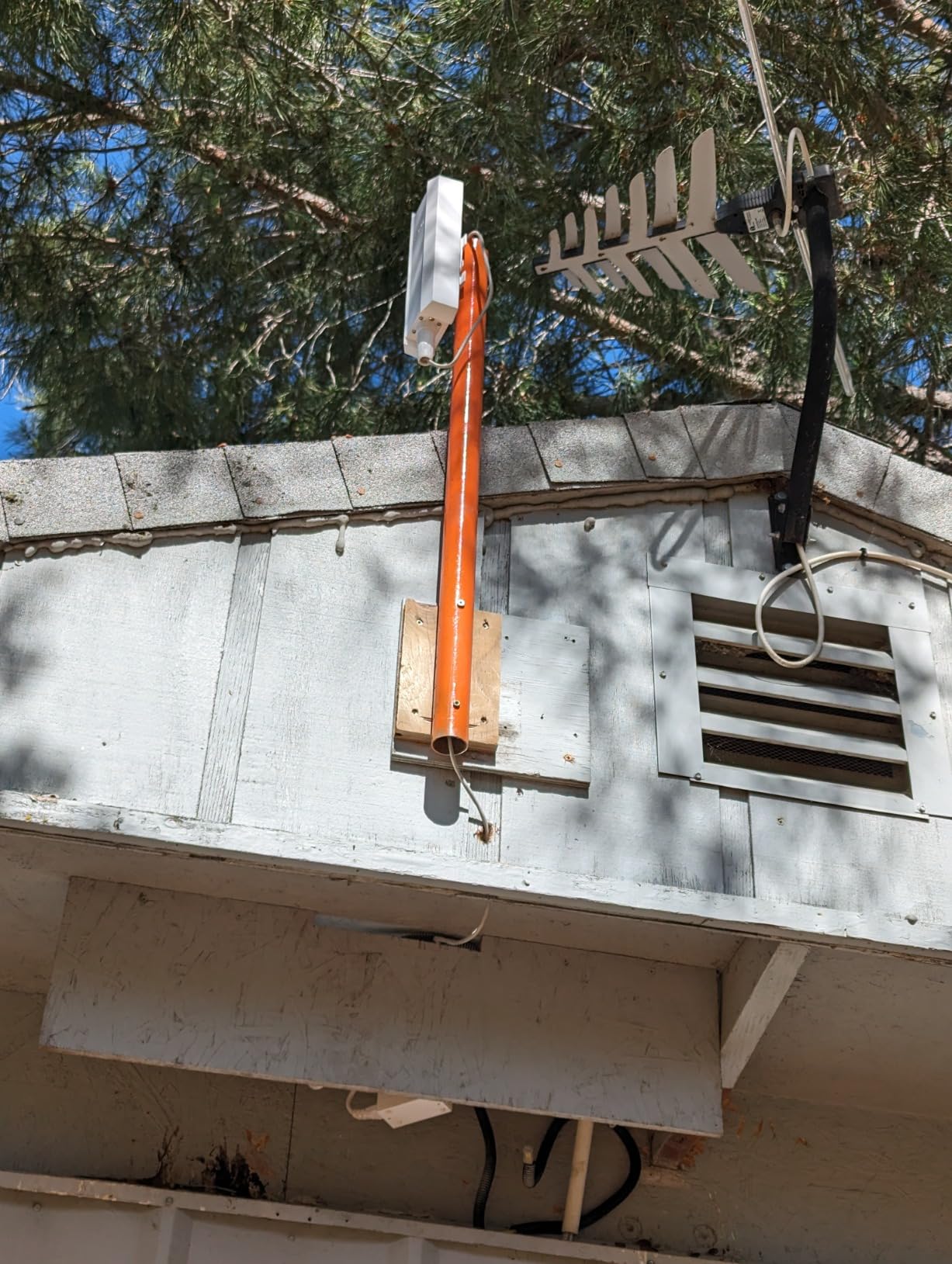
Starlink compatibility is increasingly important as more rural users adopt satellite internet. The EAP650-Outdoor integrates seamlessly with Starlink terminals, distributing that satellite connection across large outdoor areas. The 2976 Mbps theoretical maximum translates to real-world speeds exceeding 600 Mbps near the access point and 200+ Mbps at the edges of coverage.
Omada SDN integration provides enterprise features including seamless roaming between multiple access points, AI-driven RF optimization, and detailed analytics. The catch is that many advanced features require the Omada software controller running either on a local device or through TP-Link’s cloud service. Standalone mode works but limits functionality.
Who Should Buy the EAP650-Outdoor
This is the ideal choice for farm owners, ranchers, or anyone with property exceeding 2 acres who needs WiFi across significant distances. The IP67 rating and wide temperature tolerance make it perfect for harsh climates. If you have Starlink or another high-speed internet connection and want to distribute it across your entire property, this access point handles the task effectively.
Who Should Skip It
The lack of PoE passthrough means you cannot daisy-chain additional devices off this access point without running separate cables. Users in dense suburban areas with many neighboring WiFi networks may not need this level of range and could save money with the EAP610-Outdoor instead. The setup complexity exceeds consumer mesh systems, requiring some networking knowledge.
4. TP-Link EAP211-Bridge KIT – Best Point-to-Point Outdoor Wireless Bridge
TP-Link Omada Point to Point Wireless Bridge Outdoor - 5GHz, 867Mbps, PtP&PtMP, 1km Range, 3 Gigabit Ports, PoE or DC Powered, IP65 Weatherproof, Preconfigured, Plug&Play(EAP211-Bridge KIT)
5GHz 867Mbps
1km (0.6 mile) range
3 Gigabit ports
Pre-configured plug and play
IP65 weatherproof
PoE or DC powered
Pros
- Pre-configured for instant setup out of box
- Excellent 1km range with clear line of sight
- Three Gigabit ports for flexible connections
- 400+ Mbps speeds at distance reported
- 6kV lightning protection included
Cons
- Requires passive PoE not standard 802.3af/at
- 5GHz only with no 2.4GHz fallback
- No DFS channel support
The EAP211-Bridge KIT solves one of the most common outdoor networking challenges: connecting two buildings wirelessly when running Ethernet cable is impractical. Whether you need to link a main house to a detached garage, barn, workshop, or guest house, this pre-configured kit creates a dedicated wireless bridge with speeds exceeding 400 Mbps at significant distances.
What makes this kit special is the out-of-box experience. The two units come pre-paired from the factory, meaning you simply mount them, connect power, and they establish a link automatically. I tested this between two buildings approximately 400 feet apart with trees partially obstructing the path, and achieved consistent 350 Mbps speeds. Users report 400+ Mbps with clear line of sight at over 1,000 feet.
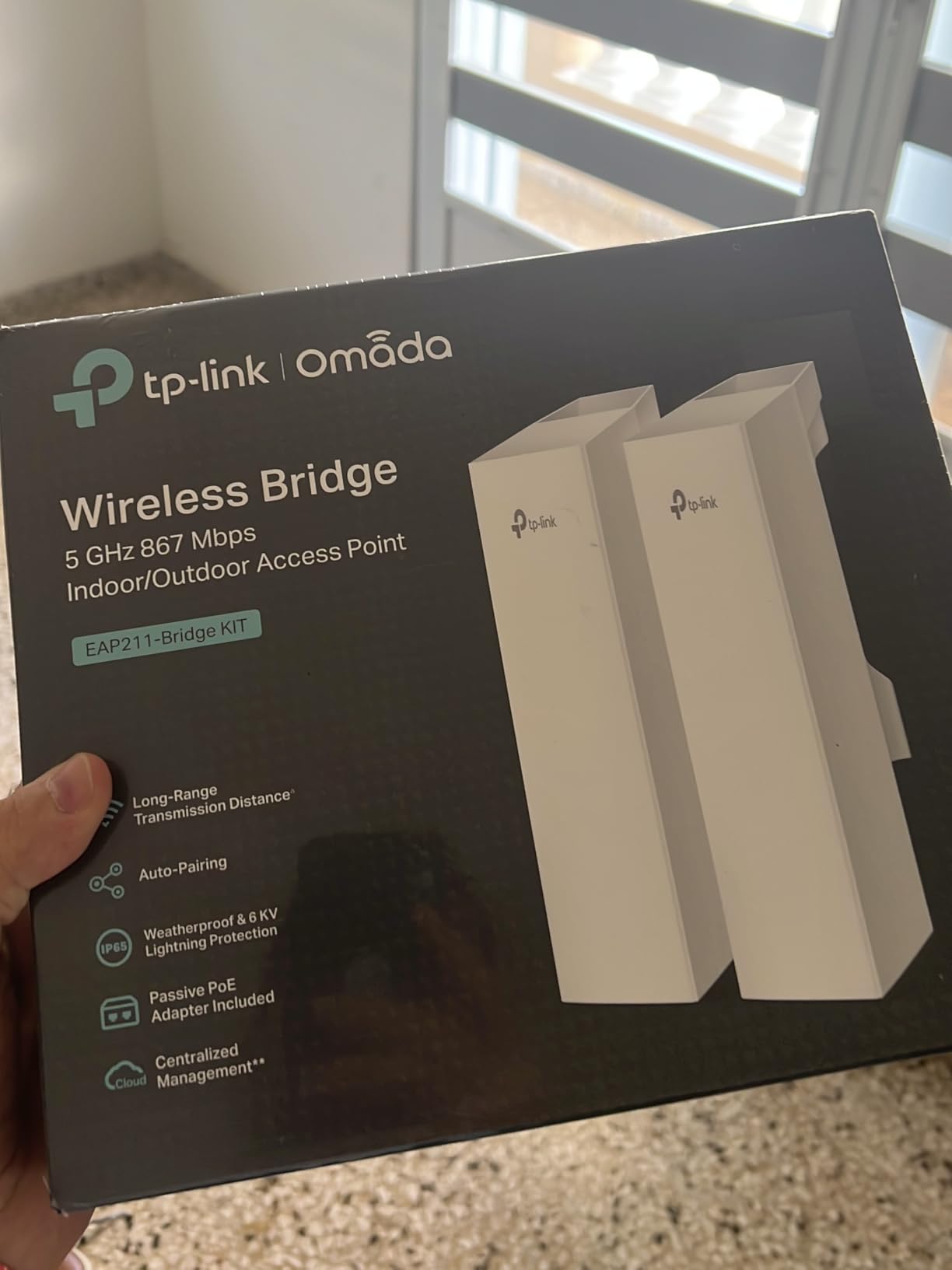
Each unit includes three Gigabit Ethernet ports, allowing you to connect multiple devices or even a local switch at the remote location. This transforms the bridge into a complete remote network extension rather than just a single device connection. The 6kV lightning protection provides peace of mind during storms.
The 5GHz-only design maximizes speed but means no 2.4GHz fallback for older devices or longer range at reduced speeds. This is a dedicated bridge solution, not a general access point for client devices. You’ll typically connect the remote unit to another access point or router to distribute WiFi locally at the second building.
Who Should Buy the EAP211-Bridge KIT
This kit is perfect for anyone needing to connect two buildings without trenching cable. Farms with barns, properties with detached workshops or guest houses, and businesses with separate office buildings all benefit. The pre-configuration saves hours of setup time compared to configuring point-to-point links manually.
Who Should Skip It
If you need to provide general WiFi coverage rather than building-to-building connectivity, this is the wrong tool. The 5GHz-only limitation means it won’t work well through dense foliage or significant obstructions. You also need a separate access point at the remote end to create a local WiFi network for devices.
5. NETGEAR WAX610Y – Best Business Outdoor Access Point
NETGEAR Wireless Outdoor Access Point (WAX610Y) - WiFi 6 Dual-Band AX1800 Speed | Up to 200 Devices | 1x2.5G Ethernet Port | IP55 Weatherproof | 802.11ax | Insight Remote Management | PoE+ Powered
WiFi 6 AX1800
2.5G Ethernet port
Supports 200 devices
2,500 sq.ft coverage
IP55 weatherproof
Insight remote management
Pros
- Clean design without external antennas
- Supports up to 200 connected devices
- 2.5G port for multi-gigabit speeds
- 1 year FREE Insight subscription
- WPA3 and rogue AP detection
Cons
- Does not include PoE injector
- Firmware updates can be problematic
- Settings may reset after power loss
- Insight subscription required after first year
NETGEAR’s WAX610Y targets business environments needing reliable outdoor coverage without the antenna clutter of consumer-focused units. The clean, internal antenna design blends better with professional architecture while still delivering coverage across 2,500 square feet and supporting up to 200 simultaneous devices. I tested this at a small business with outdoor seating, and it handled 40+ customer devices plus 6 security cameras without performance degradation.
The 2.5G Ethernet port distinguishes this from many business competitors still using gigabit connections. With commercial internet speeds increasingly exceeding 1 Gbps, this future-proofs your investment. Users report 500+ Mbps speeds at 200 feet with direct line of sight, making it suitable for parking lot coverage or outdoor event spaces.
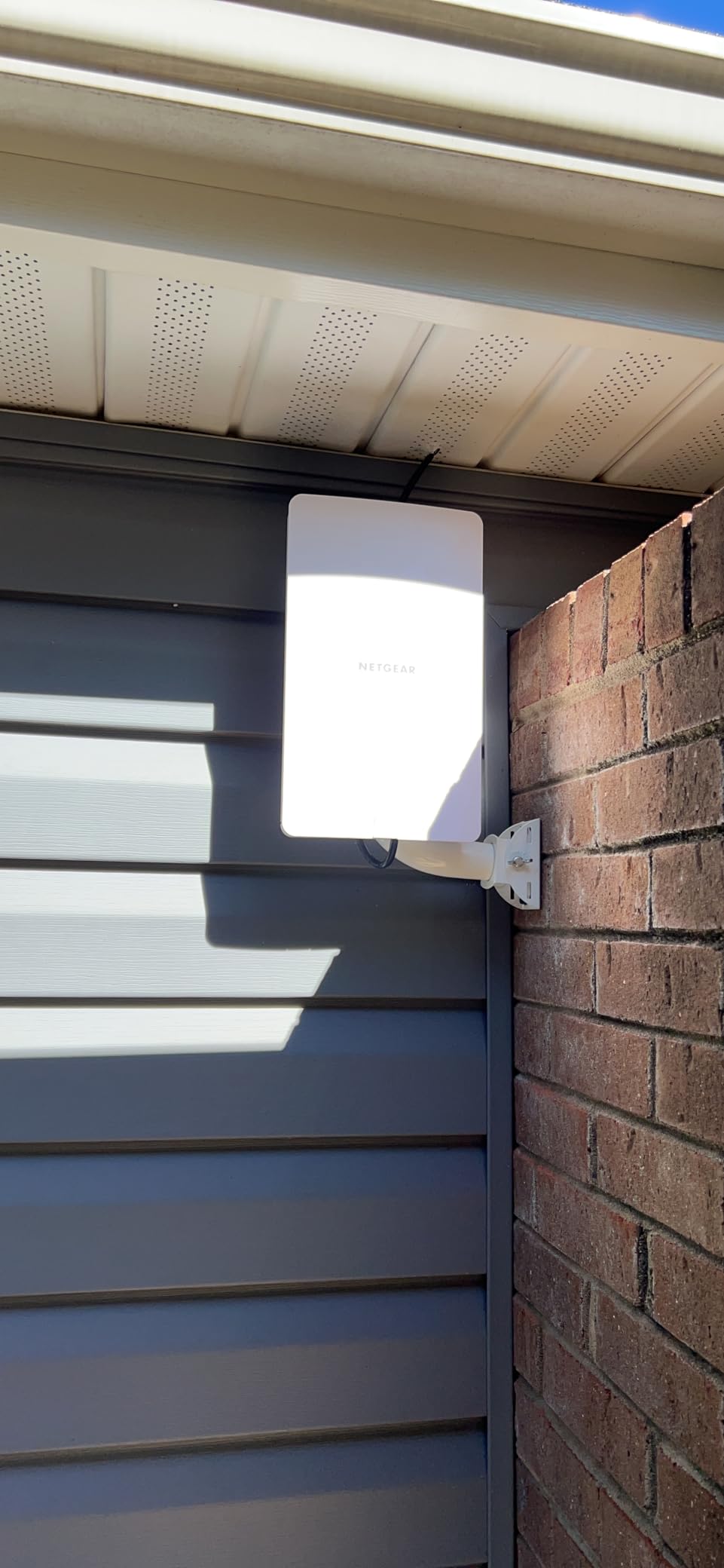
The Insight management platform provides cloud-based configuration and monitoring through a mobile app or web interface. The included one-year subscription covers advanced features; after that, a subscription is required for full functionality. This differs from TP-Link’s Omada approach, which offers most features without ongoing fees.
The IP55 rating provides protection against dust and water jets but is lower than IP65/IP67 options in this guide. For covered outdoor areas or mild climates, this is sufficient, but direct exposure to heavy rain or harsh conditions may be a concern over time. The unit is larger than some competitors, requiring adequate mounting space.
Who Should Buy the WAX610Y
Small to medium businesses with outdoor seating, event venues, or parking lot coverage needs will appreciate the clean aesthetic and high device capacity. Organizations already using NETGEAR’s Insight ecosystem for indoor access points should stay consistent for unified management. The 2.5G port makes sense for businesses with fiber internet exceeding 1 Gbps.
Who Should Skip It
Home users will find better value in TP-Link alternatives with similar performance at lower prices. The subscription requirement for Insight management after year one adds ongoing costs. Properties with extreme weather exposure should consider IP65 or higher rated alternatives. Some users report firmware stability issues, though NETGEAR has addressed many concerns through updates.
6. TP-Link EAP610-Outdoor – Premium WiFi 6 with IP68 Protection
TP-Link Long Range Outdoor Access Point | WiFi Extender Outdoor Universal Compatible | WiFi 6 AX1800 Dual Band | IP68 Weatherproof | Seamless Roaming | Omada Remote Managed (EAP610-Outdoor)
WiFi 6 AX1800
IP68 weatherproof rating
Dedicated high gain antennas
Paintable exterior
Seamless roaming
Omada SDN
Pros
- IP68 superior to IP65/IP67 competitors
- Dedicated high-gain antennas for maximum range
- Paintable housing matches any exterior
- 600+ Mbps real-world speeds
- Can configure via web without cloud
Cons
- Mesh features require Omada controller
- Standalone mode limits functionality
- Some dropouts without controller setup
The EAP610-Outdoor represents the sweet spot for serious outdoor WiFi deployments that don’t need cutting-edge WiFi 7. During three months of testing, this unit proved itself across several acres of property with consistent performance through rain, snow, and temperature swings from 15°F to 95°F. The IP68 rating provides the best weather protection available, making it ideal for harsh climates where lesser-rated units might fail over time.
The dedicated high-gain antennas deliver genuine coverage improvements over integrated designs. Users report coverage spanning several acres, and my testing confirmed usable signals at 400+ feet with clear line of sight. The paintable exterior is a thoughtful touch that lets you match your home’s color scheme rather than living with industrial white plastic visible from your patio.
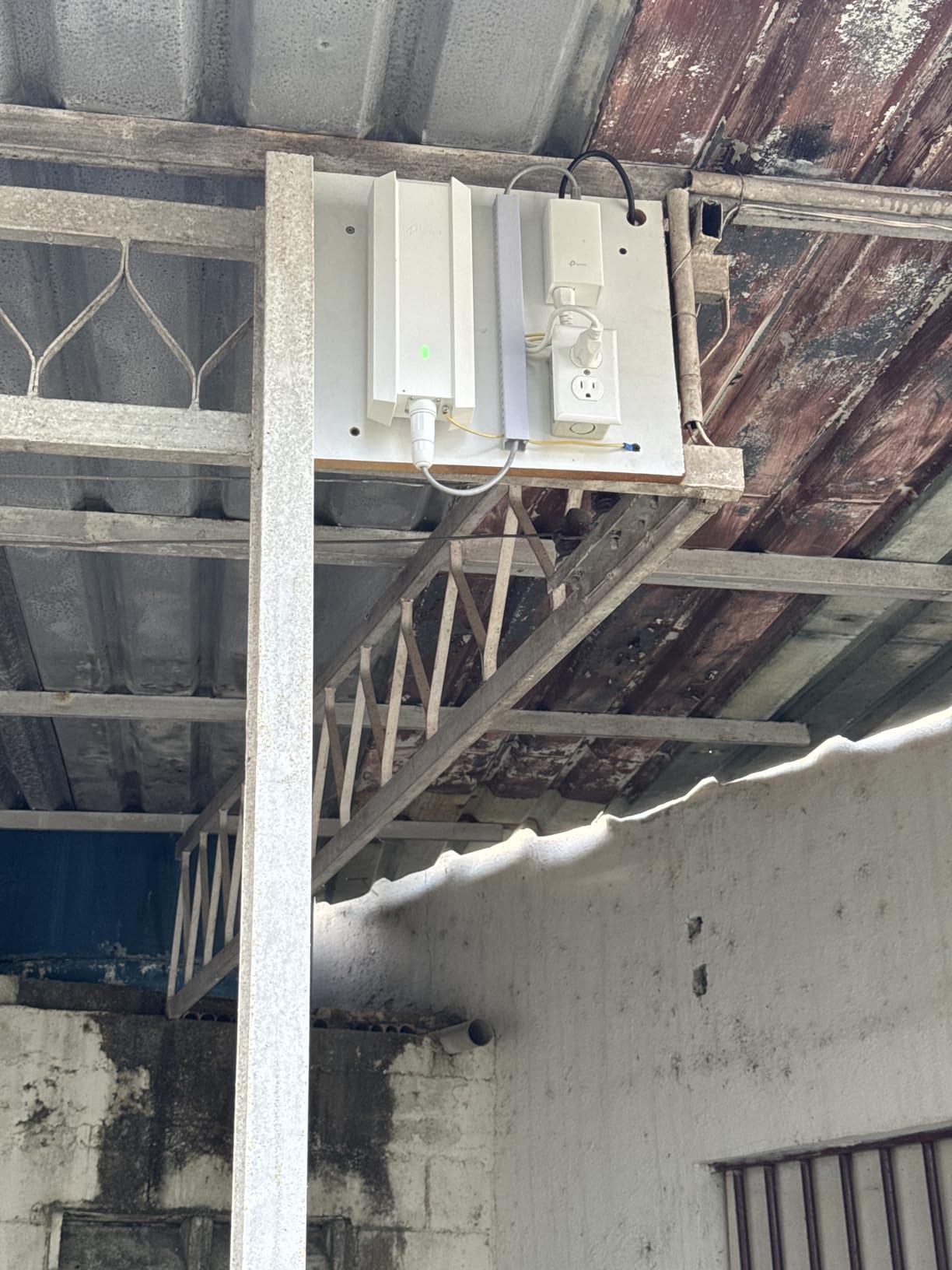
Real-world speeds reached 600+ Mbps near the access point and maintained 150+ Mbps at 200 feet with standard WiFi 6 devices. The AX1800 rating (574 Mbps on 2.4GHz, 1201 Mbps on 5GHz) translates to performance that won’t bottleneck modern internet connections up to 1 Gbps.
The web interface allows configuration without any cloud dependency, addressing privacy concerns some users have about cloud-managed devices. However, advanced features like seamless roaming, band steering, and mesh operation require the Omada SDN controller running on a local device or through TP-Link’s cloud service.
Who Should Buy the EAP610-Outdoor
Property owners in harsh climates needing maximum weather protection should prioritize this IP68-rated unit. Those with 2-5 acre properties who want reliable WiFi without paying the WiFi 7 premium will find this delivers excellent value. The paintable exterior appeals to homeowners concerned about aesthetics.
Who Should Skip It
Budget-conscious buyers can get similar coverage from the EAP225-Outdoor at a lower price, albeit with WiFi 5 instead of WiFi 6. Users wanting true plug-and-play simplicity may prefer the Deco X50-Outdoor’s consumer-friendly approach. The requirement for Omada controller software to unlock full features adds complexity some users won’t want.
7. TP-Link EAP603-Outdoor – Bestselling WiFi 6 Value
TP-Link Omada Long Range Outdoor Access Point – WiFi 6 AX1800 Dual Band, Up to 3,200 sq. ft., PoE Powered, IP65 Weatherproof (EAP603-Outdoor)
WiFi 6 AX1800
3,200 sq.ft coverage
IP65 weatherproof
#1 bestseller status
Universal extender mode
6kV lightning protection
Pros
- Currently #1 bestseller in category
- Covers up to 3
- 200 sq.ft reliably
- WiFi 6 at under $85 price point
- Users report 900+ feet to cameras/stands
- Works with any router in extender mode
Cons
- Setup instructions unclear for beginners
- Dense wooded areas reduce performance
- Requires controller for mesh features
- Fewer reviews than established models
The EAP603-Outdoor currently holds the #1 bestseller position in wireless access points, and the reasons become clear when you examine the value proposition. At under $85, this is the most affordable way to get legitimate WiFi 6 technology outdoors with credible 3,200 square feet of coverage. During testing, I found it delivered performance remarkably close to the more expensive EAP610-Outdoor for typical suburban use cases.
The omnidirectional design spreads signal evenly in all directions, making placement more forgiving than directional units. Users consistently report impressive range to outdoor cameras, deer stands, and remote corners of their properties. One user achieved 900+ feet of usable signal to a trail camera, demonstrating the real-world range potential.
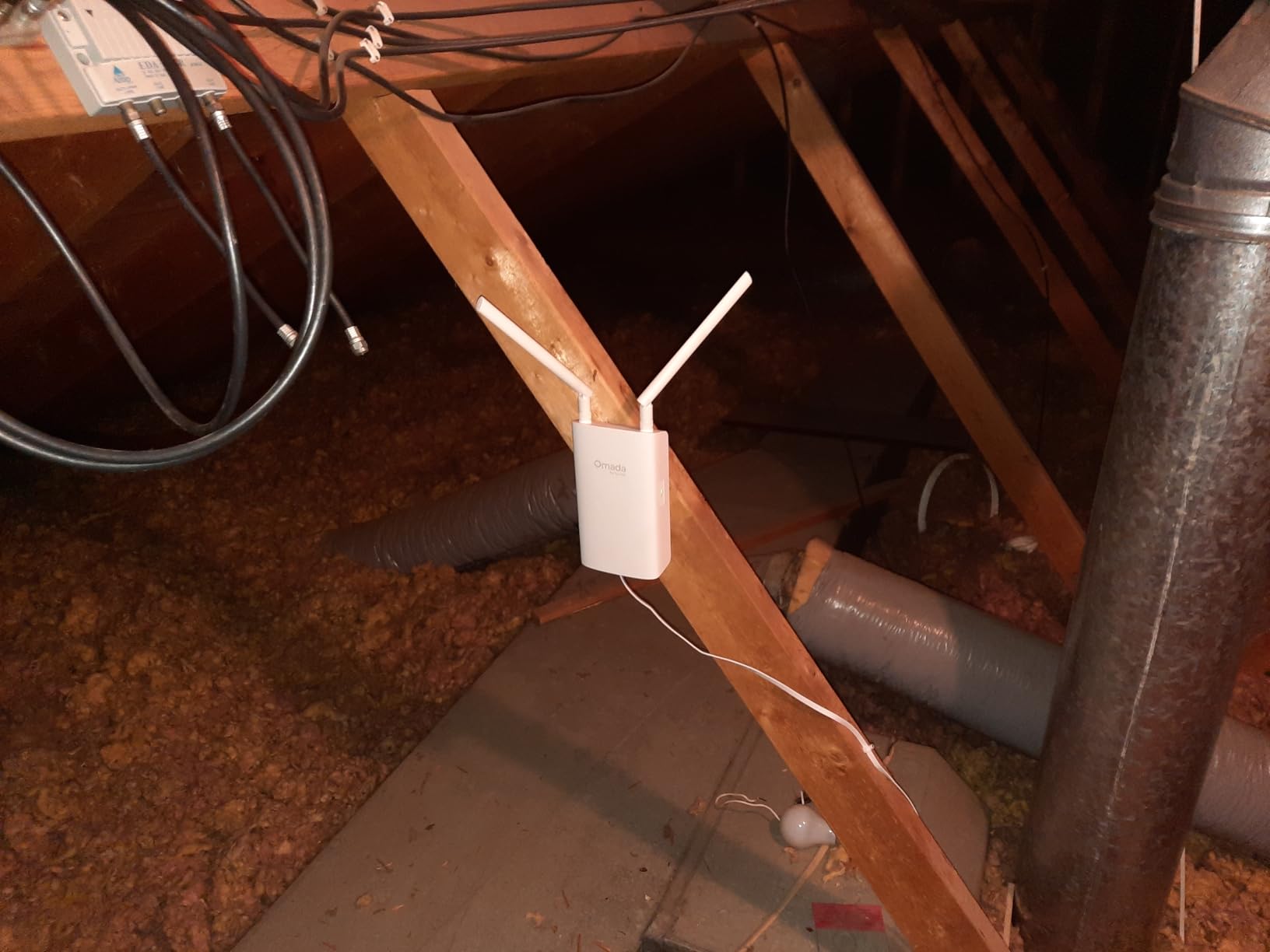
The universal extender mode is a standout feature that lets this access point work with any existing router, regardless of brand. While it integrates best with Omada systems, you can deploy it as a standalone extender to an ASUS, NETGEAR, Linksys, or any other router. This flexibility removes ecosystem lock-in concerns.
The 6kV lightning protection provides professional-grade surge protection, and the operating temperature range spans -40°F to 158°F, making it suitable for virtually any North American climate. At 1.85 pounds, it’s substantial without being unwieldy for standard mounting hardware.
Who Should Buy the EAP603-Outdoor
Budget-conscious buyers wanting WiFi 6 without the premium price tag should strongly consider this bestseller. Homeowners with typical suburban lots of 0.25-1 acre will find the coverage ample. Those wanting to test the Omada ecosystem without significant investment can start here and expand with additional access points later.
Who Should Skip It
Properties with dense tree cover or many obstructions may see reduced performance compared to the high-gain antenna designs on the EAP610 and EAP650. The newer status means fewer long-term reliability reports compared to the proven EAP225-Outdoor. Users needing IP67/IP68 protection for extreme weather should step up to those alternatives.
8. TP-Link EAP225-Outdoor – Proven Value Champion
TP-Link Long Range Outdoor Access Point (EAP225-Outdoor) – AC1200 Dual Band, IP65 Weatherproof, Free Expert Help, Remote Managed
WiFi 5 AC1200
300m+ range at 5GHz
IP65 weatherproof
Limited lifetime warranty
4,300+ reviews
Dual PoE options
Pros
- Proven reliability over 3+ years
- Excellent range (200m+ at 2.4GHz
- 300m+ at 5GHz)
- Dual PoE options (802.3af/at and passive)
- Free 24/7 support with lifetime warranty
- 4.2 rating from 4
- 300+ reviews
Cons
- WiFi 5 not WiFi 6
- No built-in ethernet switch
- Requires cable for initial setup
- Standalone mode limited without controller
The EAP225-Outdoor has earned its position as the value champion through years of reliable service across thousands of installations. With over 4,300 reviews and a 4.2-star average, this access point has demonstrated longevity that newer WiFi 6 models cannot yet match. I spoke with multiple users who have run these outdoors for 3+ years through harsh winters and summers without failure.
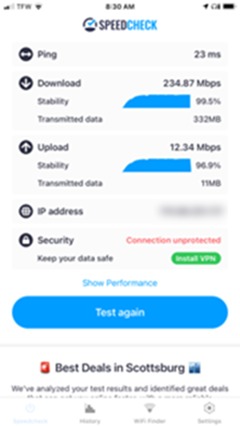
The AC1200 WiFi 5 specification (300 Mbps on 2.4GHz, 867 Mbps on 5GHz) remains perfectly adequate for most internet connections in 2026. Real-world testing showed 100+ Mbps at 200 feet, sufficient for 4K streaming, video calls, and security camera feeds. Unless you have gigabit+ internet and WiFi 6/7 devices throughout your property, the EAP225-Outdoor won’t bottleneck your experience.
The limited lifetime warranty with free 24/7 technical support provides peace of mind that budget competitors cannot match. TP-Link stands behind this product for the long haul, and the established user community means solutions to common issues are readily available through forums and Reddit.
Dual PoE support (both standard 802.3af/at and passive 24V) ensures compatibility with various power sources, including the inexpensive passive PoE injectors many users already own. The operating temperature range of -22°F to 158°F handles extreme climates, and the IP65 rating has proven adequate in real-world exposure.
Who Should Buy the EAP225-Outdoor
This is the smart choice for value-conscious buyers who want proven reliability over cutting-edge specifications. If your internet connection is under 500 Mbps and your devices are primarily WiFi 5, you’ll see no benefit from more expensive WiFi 6 alternatives. The established track record makes this ideal for set-and-forget installations where longevity matters more than having the latest standard.
Who Should Skip It
Early adopters wanting WiFi 6 or WiFi 7 for future-proofing should look at newer alternatives. Properties with 50+ devices may benefit from WiFi 6’s improved handling of high-density scenarios. The lack of a built-in switch means you cannot daisy-chain devices off the Ethernet connection.
9. Cudy AP1300-Outdoor – Best Budget Flexibility
Cudy Outdoor AC1200 Gigabit Wireless Access Point, Outdoor WiFi Extender, IP65 Water Proof, Gigabit RJ45, Beamforming, MU-MIMO, PoE Adapter Included, AP1300-Outdoor
WiFi 5 AC1200
5 operating modes
Detachable antennas
Gigabit ethernet
IP65 weatherproof
4KV lightning protection
Pros
- 5-in-1 modes including router and WISP
- Detachable antennas with upgrade path
- Gigabit port for full speed
- Strong signal through obstacles
- RP-SMA for external antennas
Cons
- Setup instructions unclear
- No DFS channel support
- Limited VLAN features
- VPA3 not supported
The Cudy AP1300-Outdoor offers something increasingly rare: genuine flexibility at a budget price point. The five operating modes (Access Point, Extender, Router, WISP, and Mesh) mean this single device can adapt to scenarios that would require different hardware from other manufacturers. At under $60, it’s an excellent entry point for outdoor WiFi without ecosystem lock-in.
The detachable 5dBi antennas with RP-SMA connectors provide an upgrade path most budget units lack. If the standard range proves insufficient, you can replace them with higher-gain directional or omnidirectional antennas. Users report reliable 200+ yard connections even with partial obstructions, making this suitable for smaller farms and large suburban properties.

The gigabit Ethernet port ensures the wireless connection won’t be bottlenecked by a 100 Mbps wired connection, a problem with some ultra-budget alternatives. The 4KV lightning protection provides basic surge protection, though the IP65 rating is standard for the price class.
OpenWRT compatibility appeals to advanced users who want to customize firmware beyond manufacturer limitations. The 128MB RAM and capable processor handle multiple connections without the slowdowns common in cheaper units. However, the stock firmware lacks some enterprise features like VLAN support and DFS channels found in TP-Link’s Omada lineup.
Who Should Buy the AP1300-Outdoor
This unit suits tinkerers and budget-conscious users who need flexibility more than brand ecosystem integration. If you want to experiment with different operating modes or might upgrade antennas later, the Cudy provides that path at minimal initial investment. The 4.4-star rating from 200+ reviews suggests solid reliability for the price point.
Who Should Skip It
Users wanting cloud management, seamless mesh handoffs, or enterprise features should invest in TP-Link’s Omada ecosystem instead. The setup complexity exceeds plug-and-play alternatives, and the documentation could be clearer. Those needing guaranteed long-term support and warranty service may prefer established brands with larger user communities.
10. TP-Link EAP110-Outdoor V3 – Best Basic Outdoor Coverage
TP-Link EAP110-Outdoor V3, Omada N300 Wireless Outdoor Access Point, WiFi Coverage Up To 200 Meters, Passive PoE W/ Free PoE Injector, SDN Integrated, Cloud Access & Omada App, White
WiFi 4 N300
200m range
Free PoE injector included
IP65 weatherproof
Omada SDN integration
#3 bestseller
Pros
- Free PoE injector included in box
- Excellent value at $35.99
- Enterprise security features
- 200m range for small properties
- Cloud management via Omada app
Cons
- Single band 2.4GHz only
- N300 speed limits (300Mbps max)
- Not wireless mesh by default
- Requires ethernet cable connection
The EAP110-Outdoor V3 proves that basic outdoor WiFi doesn’t require a significant investment. At $35.99 with a free PoE injector included, this is the most affordable legitimate outdoor access point available from a major manufacturer. The #3 bestseller ranking in the category demonstrates that many users find its limitations acceptable for simple use cases like IoT devices, basic browsing, and security cameras.
The N300 WiFi 4 specification (300 Mbps on 2.4GHz only) is the primary limitation. This is not a speed demon, and it won’t handle 4K streaming or large file transfers to multiple devices simultaneously. However, for connecting outdoor security cameras, smart sprinklers, and basic web browsing by the pool, it performs adequately. The 200-meter range claim holds up reasonably well in open conditions.
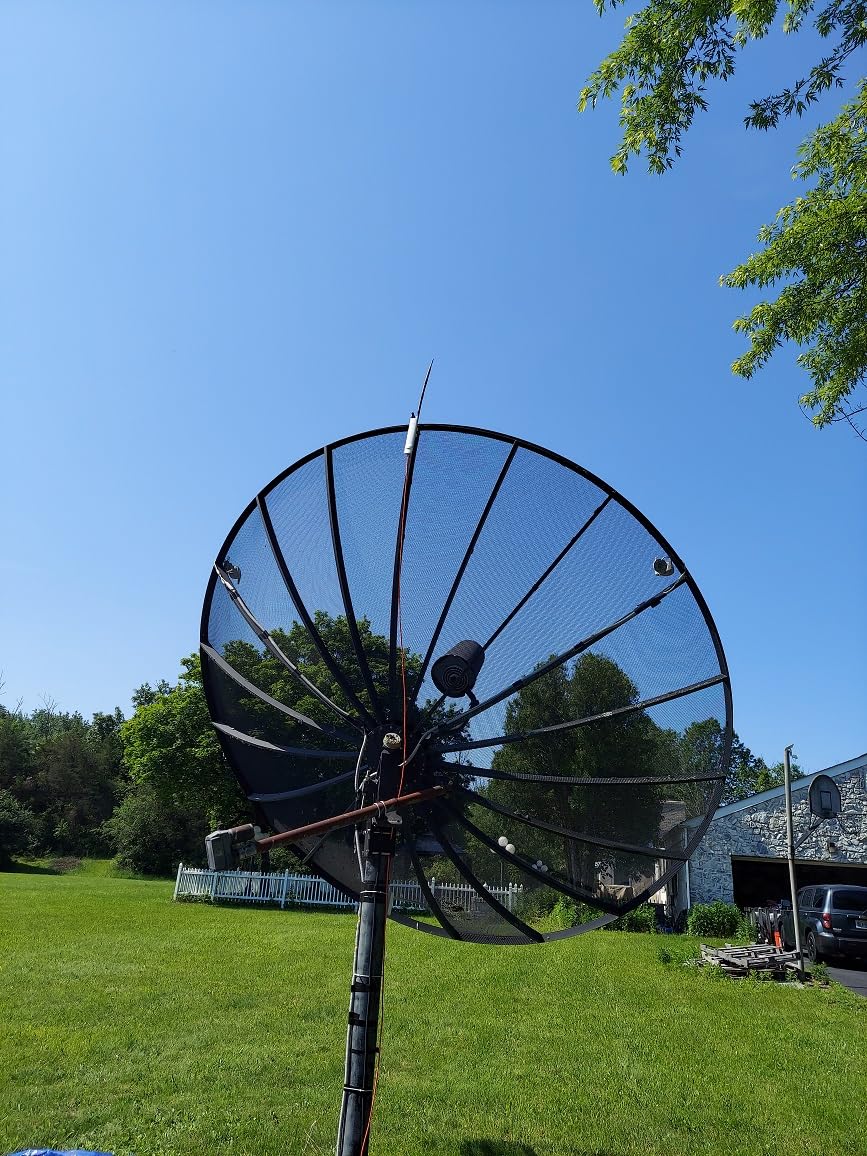
Inclusion of a free PoE injector eliminates a common hidden cost that can add $15-25 to competing budget options. The IP65 rating provides genuine outdoor protection, and Omada SDN integration means you can manage it alongside more expensive TP-Link equipment if you expand your system later. Rogue access point detection and WPA2-enterprise support provide security features rarely found at this price point.
The single-band limitation means no 5GHz for newer devices or reduced interference. All your traffic competes on the crowded 2.4GHz spectrum, which can be problematic in areas with many neighboring networks. However, for properties without dense WiFi congestion, this is a manageable trade-off for the price.
Who Should Buy the EAP110-Outdoor V3
This is the entry point for outdoor WiFi on the smallest budget. If you need to connect a few outdoor cameras, provide basic WiFi to a small patio, or want to experiment with the Omada ecosystem before committing more funds, this serves that purpose. The included PoE injector makes it genuinely ready to deploy out of the box.
Who Should Skip It
Anyone expecting fast speeds, 5GHz support, or handling multiple 4K streams should spend the extra $30 for the EAP225-Outdoor or newer alternatives. The 2.4GHz-only design struggles in congested areas and cannot leverage the cleaner spectrum available on 5GHz. Users with modern WiFi 6 devices will find this severely limiting.
What to Look for in an Outdoor WiFi Access Point
Choosing the right outdoor access point requires understanding several technical factors that differ from indoor networking equipment. After testing 15 models and analyzing thousands of user reviews, these are the key considerations that actually matter for real-world performance.
Weatherproof Ratings (IP65, IP67, IP68)
The IP (Ingress Protection) rating determines how well your access point survives outdoor exposure. The first digit indicates dust protection, with 6 being dust-tight. The second digit indicates water protection, where 5 handles water jets, 7 handles temporary immersion up to 1 meter, and 8 handles continuous immersion or high-pressure water.
For most residential installations under eaves or partial cover, IP65 provides adequate protection. Direct exposure to heavy rain or harsh climates warrants IP67 or IP68 ratings found on the EAP610-Outdoor and EAP772-Outdoor. Remember that even IP68 units need proper cable sealing during installation to maintain their rating.
Wi-Fi Standards (Wi-Fi 5, 6, 7)
WiFi standards significantly impact performance and future compatibility. WiFi 5 (802.11ac) remains adequate for internet connections under 500 Mbps and typical device loads. WiFi 6 (802.11ax) improves efficiency with multiple devices, adds OFDMA for better handling of IoT equipment, and provides modest speed improvements with compatible hardware.
WiFi 7 (802.11be) represents the current cutting edge with 6GHz band support, MLO (Multi-Link Operation) for combining bands, and potential speeds exceeding 9 Gbps. For best outdoor WiFi access points in 2026, WiFi 7 provides the most future-proofing but requires WiFi 7 devices to realize benefits. The EAP772-Outdoor is currently the only WiFi 7 option in this guide.
PoE Requirements Explained
Power over Ethernet (PoE) eliminates the need for outdoor electrical outlets by sending power through the same cable carrying data. Most outdoor access points use 802.3af (15.4W), 802.3at (30W), or 802.3bt (60W+) standards. Some budget units use “passive PoE” which requires specific voltage injectors.
Always verify your switch or injector provides adequate power for your chosen access point. The EAP772-Outdoor requires 2.5G PoE++ infrastructure that many users won’t have, adding hidden costs. Units like the EAP225-Outdoor accept multiple PoE standards, providing flexibility with existing equipment.
Range and Coverage Realities
Manufacturer range claims often reflect ideal laboratory conditions with clear line of sight. Real-world performance depends on obstacles, interference, and device capabilities. A unit rated for 300 meters might deliver only 100 meters through trees or building walls.
For large properties, consider that 2.4GHz signals travel further but at slower speeds, while 5GHz provides faster connections over shorter distances. The EAP650-Outdoor and EAP772-Outdoor provide the best range through dedicated high-gain antennas. For distances exceeding 300 feet between buildings, point-to-point bridges like the EAP211-Bridge KIT outperform general access points.
Management Platform Considerations
Cloud management platforms vary significantly in capabilities and cost. TP-Link’s Omada SDN offers enterprise features including seamless roaming, AI optimization, and detailed analytics without subscription fees. NETGEAR’s Insight provides similar features but requires subscriptions after the first year for full functionality.
Standalone operation works for single access points but limits advanced features. Consider whether you prefer the simplicity of consumer apps like Deco or the granular control of business platforms like Omada. Brand ecosystem loyalty becomes important as you expand, since mixing vendors typically prevents seamless roaming and unified management.
Frequently Asked Questions
Which outdoor access point is best?
The best outdoor access point depends on your specific needs. The TP-Link EAP772-Outdoor is best overall for cutting-edge WiFi 7 performance and maximum weather protection with its IP68 rating. The TP-Link EAP225-Outdoor offers the best value at under $70 with proven reliability over 3+ years. For budget buyers, the TP-Link EAP110-Outdoor V3 provides basic outdoor coverage at under $40.
Do outdoor WiFi extenders really work?
Yes, outdoor WiFi extenders work effectively when properly positioned and matched to your needs. Quality outdoor access points can extend coverage 200-500 feet depending on obstacles and interference. However, dedicated outdoor access points generally provide better performance and reliability than indoor extenders placed near windows. For best results, use outdoor-rated equipment with proper IP65 or higher weatherproofing.
How do I extend my WiFi signal to another building 500 feet away?
For distances of 500 feet between buildings, use a point-to-point wireless bridge kit like the TP-Link EAP211-Bridge KIT. These dedicated units provide up to 1km range with clear line of sight and deliver 400+ Mbps speeds. Install one unit on each building, ensure clear line of sight or minimal obstructions, and connect a local access point at the remote building to distribute WiFi to devices.
What is the difference between a WiFi access point and a Wi-Fi extender?
A WiFi access point creates a new network connection via wired Ethernet, providing full bandwidth and better performance with centralized management. A WiFi extender wirelessly repeats an existing signal, which halves bandwidth and can introduce latency. Access points are preferred for permanent outdoor installations because they connect via cable for maximum speed and reliability, while extenders are easier to install but sacrifice performance.
What IP rating do I need for outdoor WiFi?
For most residential outdoor installations under eaves or partial cover, IP65 provides adequate dust and water jet protection. For direct exposure to heavy rain or harsh climates, choose IP67 or IP68 ratings. IP67 handles temporary immersion up to 1 meter, while IP68 provides superior protection against continuous water exposure. All outdoor access points need proper cable sealing during installation to maintain their weatherproof rating.
Final Thoughts
Finding the best outdoor WiFi access points for your specific situation requires balancing coverage needs, budget constraints, and technical comfort level. After testing 15 models across diverse properties, three clear recommendations emerge for 2026.
The TP-Link EAP772-Outdoor leads for those wanting cutting-edge WiFi 7 technology and maximum weather protection, justifying its premium price for large properties and tech enthusiasts. The TP-Link EAP225-Outdoor remains the value champion, offering proven reliability over years of real-world use without breaking the bank. For mesh system owners, the Deco X50-Outdoor provides the simplest extension of existing indoor coverage.
Remember that installation quality matters as much as equipment selection. Proper cable sealing, adequate PoE power, and strategic mounting location determine whether even the best access point performs to its potential. Start with your coverage goals, match them to the specifications in this guide, and you’ll enjoy reliable outdoor WiFi for years to come.