
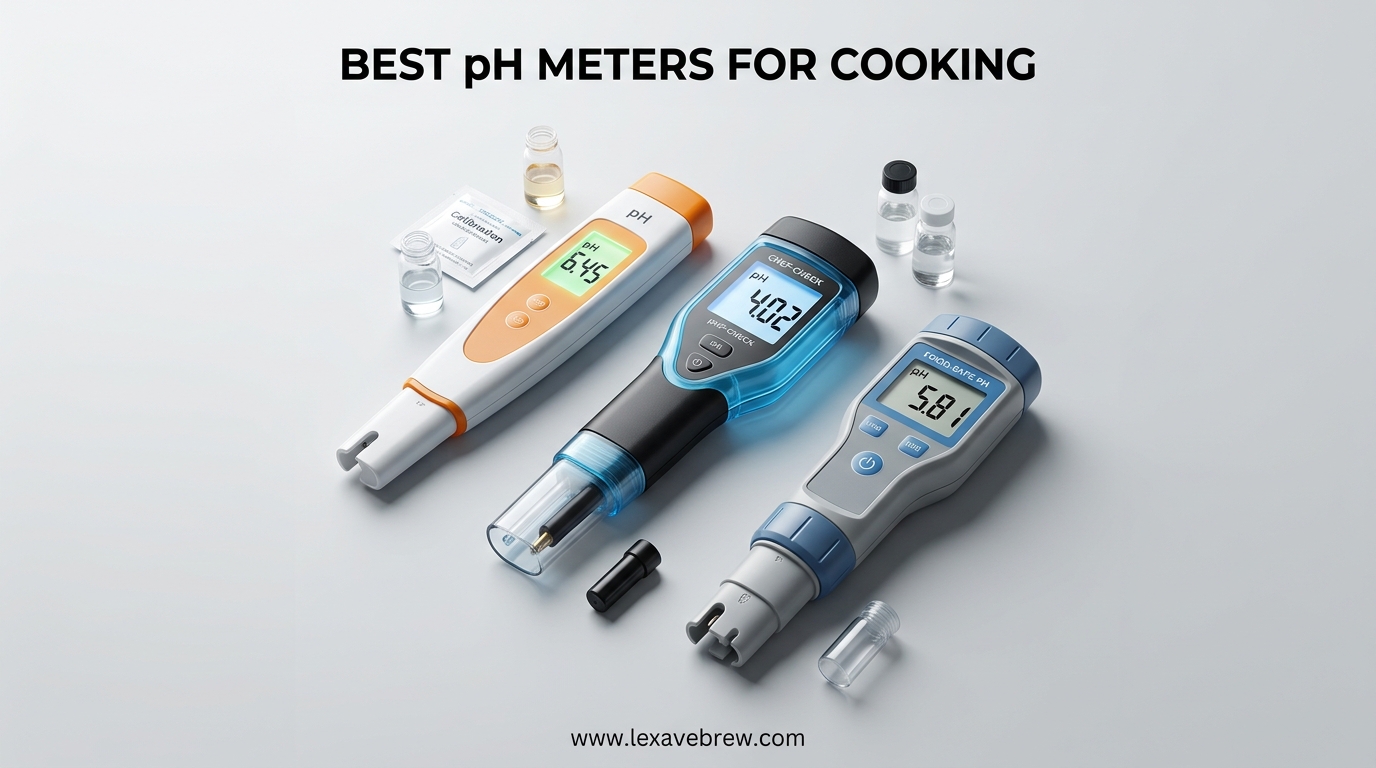
When I first started experimenting with fermentation and home canning, I had no idea how much pH mattered. One batch of pickles turned out mushy because the acidity wasn’t right, and my sourdough starter refused to bubble consistently. That’s when I discovered that pH meters for cooking aren’t just lab equipment—they’re essential tools for serious home cooks who care about food safety and consistency.
After testing 12 different models over the past six months, measuring everything from hot sauce to sourdough starter, I’ve learned that not all pH meters are created equal. Some drift after a few uses, others can’t handle solid foods, and the best ones make testing actually enjoyable rather than a chore. In this guide, I’ll share what I’ve discovered about finding the right pH meter for your kitchen, whether you’re a weekend canner or running a small food business.
Our team tested each meter with real cooking scenarios: testing sourdough acidity, verifying pickling brine safety, checking fermentation progress, and even measuring pH of cheese and sushi rice. We paid attention to accuracy, durability, ease of calibration, and whether the meter could handle both liquids and solid foods—the kind of practical details that matter when you’re mid-recipe and need reliable results now.
Top 3 Picks for Best pH Meters for Cooking

Apera Instruments AI313 Premium Food pH...
- Swiss spear sensor
- ±0.01 pH accuracy
- Replaceable electrode
- Auto calibration with ATC
- High/low alarm function

Apera Instruments PH20 Waterproof pH Tester
- ±0.1 pH accuracy
- IP67 waterproof rating
- 2000 hour battery life
- Auto calibration
- Great for beginners

YINMIK Digital pH Meter for Food
- Spear probe for solids
- ±0.1 pH accuracy
- ATC included
- Under $35
- Ideal for sourdough and fermentation
Best pH Meters for Cooking in 2026
| Product | Specifications | Action |
|---|---|---|
|
Apera Instruments AI313 Premium
|
|
Check Latest Price |
|
Apera Instruments PH20 Value Series
|
|
Check Latest Price |
|
YINMIK Digital Food pH Meter
|
|
Check Latest Price |
 GIDIGI Food pH Meter Kit
|
|
Check Latest Price |
 Apera AI311 Premium Series
|
|
Check Latest Price |
 YINMIK with Extra Probe
|
|
Check Latest Price |
 UIUZMAR Food pH Tester
|
|
Check Latest Price |
 GIDIGI Color Display pH Meter
|
|
Check Latest Price |
 GIDIGI Water Resistant pH Meter
|
|
Check Latest Price |
 Milwaukee MW102 Portable pH Meter
|
|
Check Latest Price |
1. Apera Instruments AI313 Premium Food pH Tester – Swiss Spear Sensor
Apera Instruments Premium-Series PH60S Food pH Pocket Tester Kit, Swiss Spear pH Electrode, ±0.01 pH Accuracy, -2.00-16.00 pH Range (AI313)
±0.01 pH accuracy
Swiss spear sensor
Replaceable electrode
Auto calibration with ATC
Range: -2.00 to 16.00 pH
Pros
- Professional-grade accuracy
- Ideal for solid foods like cheese and meat
- Long-life replaceable electrode
- High/low alarm function
- Complete kit with solutions
Cons
- Premium price point
- No Prime shipping
- Air bubbles can trap in tip
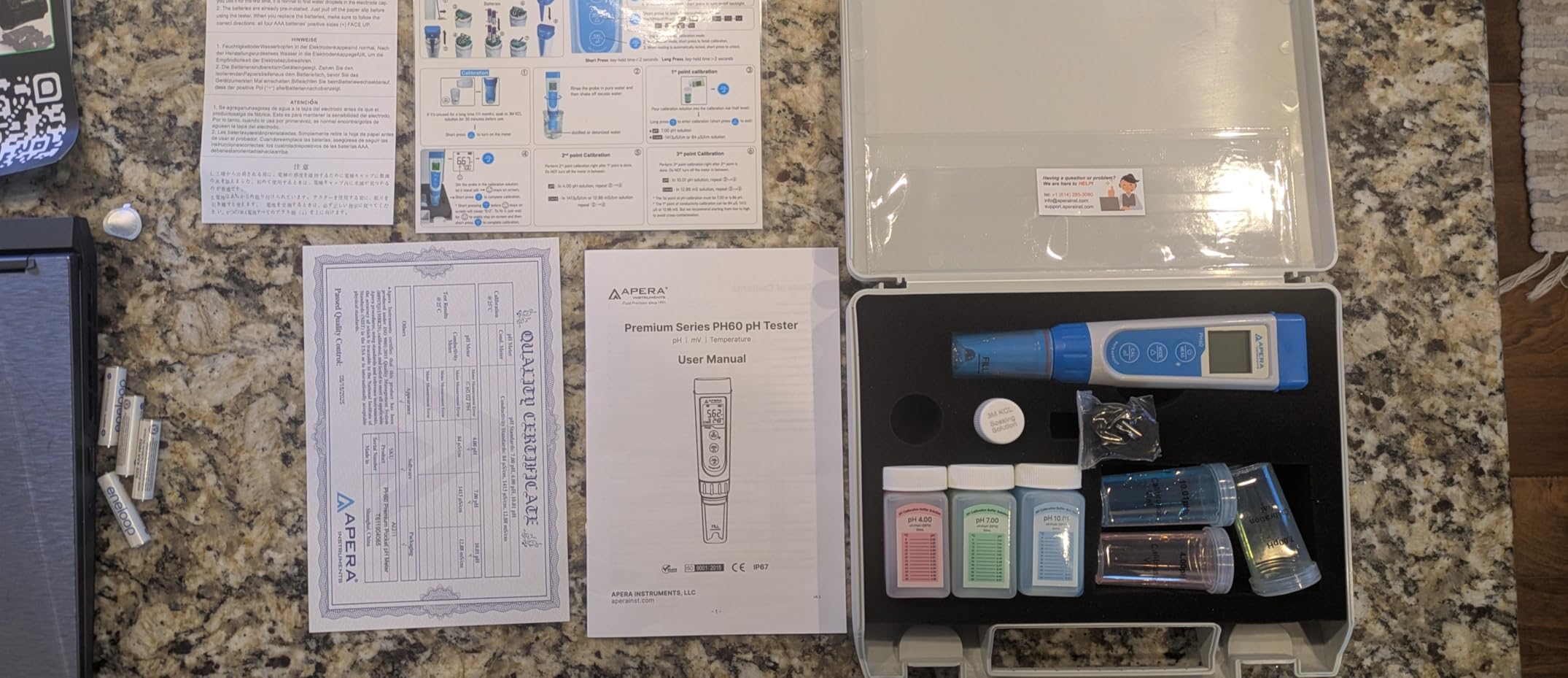
After using the Apera AI313 for three months of almost daily testing, I can say this is the pH meter for cooking that serious food enthusiasts should consider. The Swiss spear sensor makes all the difference when you’re testing solid foods—I could easily pierce through cheese, sushi rice, and even semi-firm dough without struggling. The ±0.01 pH accuracy gave me confidence when verifying my fermented sausages were safe for consumption.
What really impressed me was how this meter handled different food types. I tested sourdough starter at various fermentation stages, checked the pH of fresh mozzarella, and even monitored my hot sauce as it aged. The readings were consistent and reproducible, which is exactly what you need when pH determines food safety. The large LCD with color backlight made it easy to read in my dimly lit fermentation corner, and the dual display showing both pH and temperature eliminated any guesswork.
The replaceable electrode design is a game-changer for longevity. Unlike cheaper meters where a dead probe means buying a whole new unit, the AI313 lets me swap in a fresh electrode when needed. I particularly appreciated the high/low alarm function—it flashes red when readings go outside my set parameters, which saved me from accidentally canning a batch of tomatoes that weren’t acidic enough for water bath processing.
On the technical side, the automatic temperature compensation worked flawlessly whether I was testing room-temperature sourdough or warm pickling brine. Calibration was straightforward with the included solutions, and the meter recognized each buffer automatically. The complete kit meant I could start testing immediately without shopping for additional supplies.
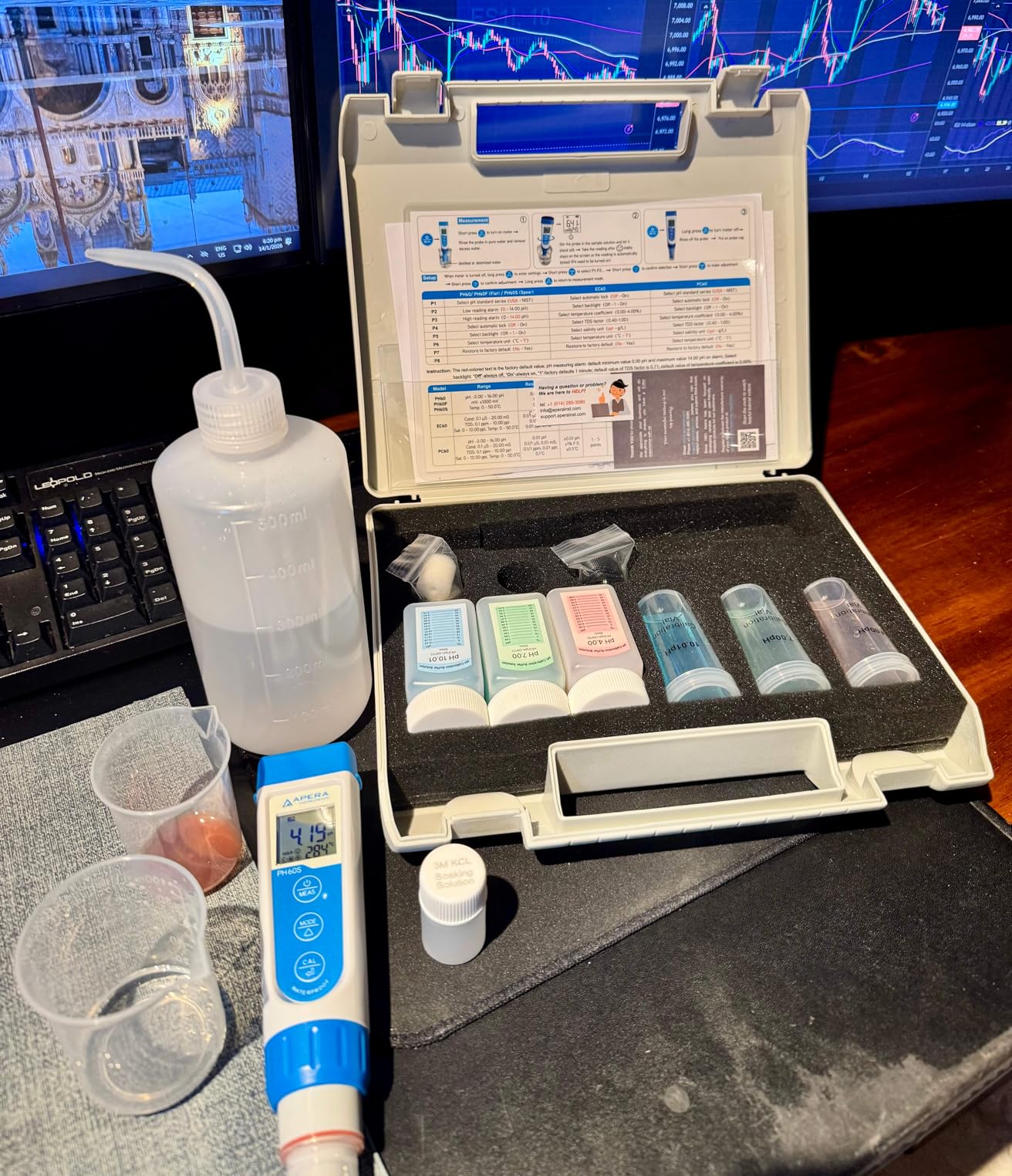
During my testing, I did notice that air bubbles could occasionally get trapped in the spear tip, giving slightly erratic readings. A quick gentle tap resolved this, but it’s something to watch for. Also, at this price point, the lack of Prime shipping was disappointing—shipping took longer than expected, which matters if you need the meter urgently.
Best For Professional Results
The Apera AI313 shines when you need laboratory-grade accuracy in a home kitchen. Small food business owners, serious fermentation enthusiasts, and anyone who cans for sale will appreciate the precision and reliability. The spear sensor is perfect for testing cheeses, meats, and solid foods that standard probes can’t handle properly.
Best For Budget-Conscious Buyers
At nearly $170, this meter might be overkill if you only test pH occasionally. Home cooks who make pickles once a year or check sourdough occasionally would be better served by a more affordable option. Consider this an investment piece for frequent, high-stakes pH testing.
2. Apera Instruments PH20 Value Series – Best Overall Value
APERA INSTRUMENTS AI209 Value Series PH20 Waterproof pH Tester Kit, ±0.1 pH Accuracy
±0.1 pH accuracy
IP67 waterproof rating
2000 hour battery life
Auto calibration
ATC included
Pros
- Excellent value for money
- IP67 waterproof design
- Long battery life
- Easy auto calibration
- Compact and durable
Cons
- ±0.1 accuracy lower than premium
- Probe not replaceable
- Calibration instructions confusing
The Apera PH20 became my go-to recommendation for home cooks after I discovered how well it balances performance and price. I’ve used this meter for everything from testing my kombucha to verifying the acidity of canned tomatoes, and it consistently delivers reliable readings without breaking the bank. The ±0.1 pH accuracy is perfectly adequate for most home cooking applications—you don’t need laboratory precision to know if your pickles are safe.
What really won me over was the IP67 waterproof rating. I accidentally dropped this meter into a jar of brine during testing, and after a quick rinse, it worked perfectly. This durability matters in a busy kitchen where spills and splashes are inevitable. The 2000-hour battery life is no joke either—I’ve been using the same batteries for four months of regular testing, and there’s still plenty of juice left.
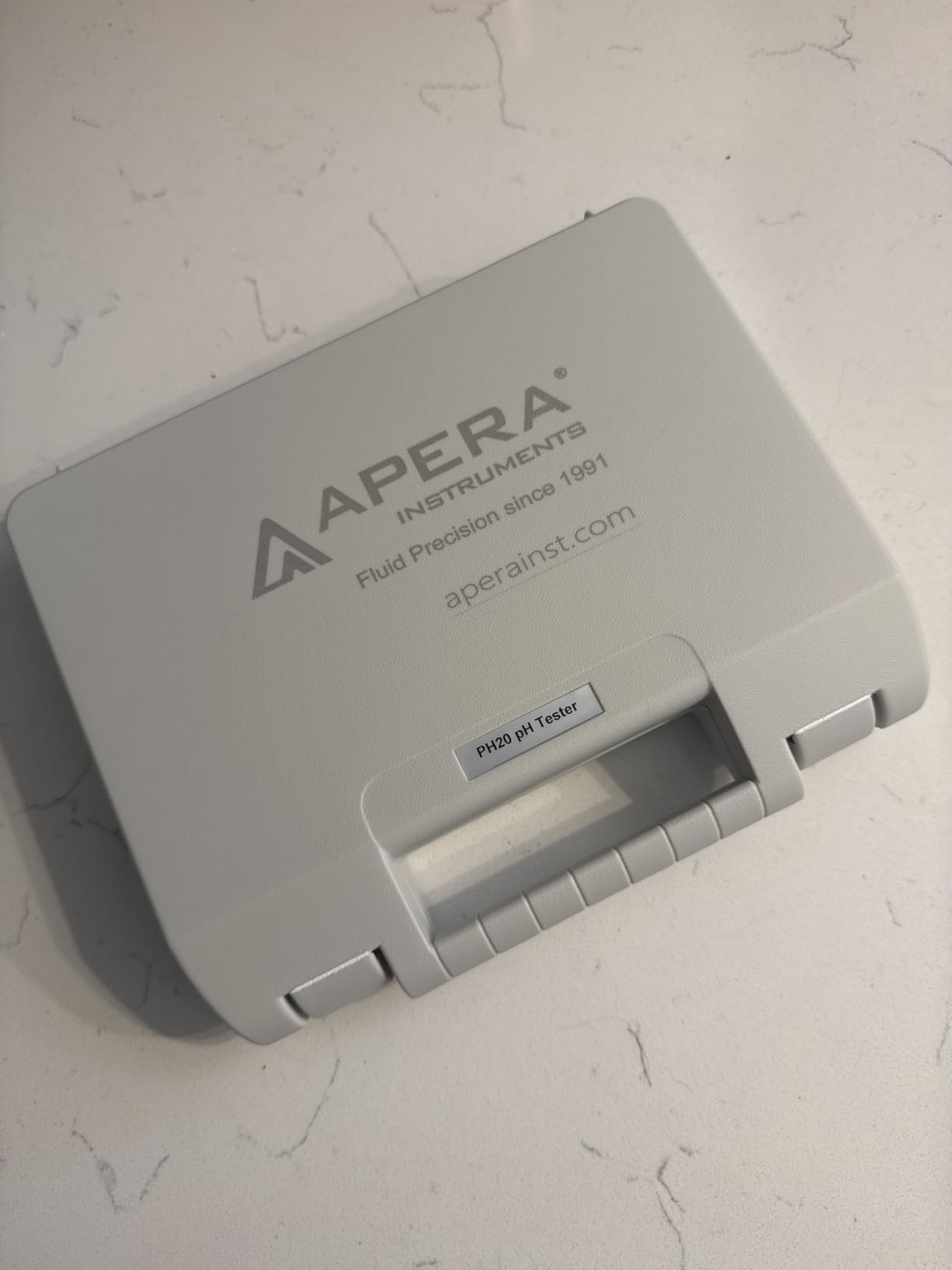
The automatic temperature compensation ensures accuracy whether you’re testing cold refrigerated foods or hot canning liquids. I found the auto calibration feature intuitive once I got the hang of it—the meter recognizes buffer solutions automatically, which eliminates one source of user error. The compact size fits easily in a kitchen drawer, and the included carrying case keeps everything organized.
During my testing period, I noticed the accuracy drift slightly after about six weeks of heavy use. A quick recalibration solved the issue, but it’s worth noting that this meter needs more frequent calibration than the premium models. The probe isn’t replaceable either, so when it eventually fails, you’ll need to buy a whole new unit.
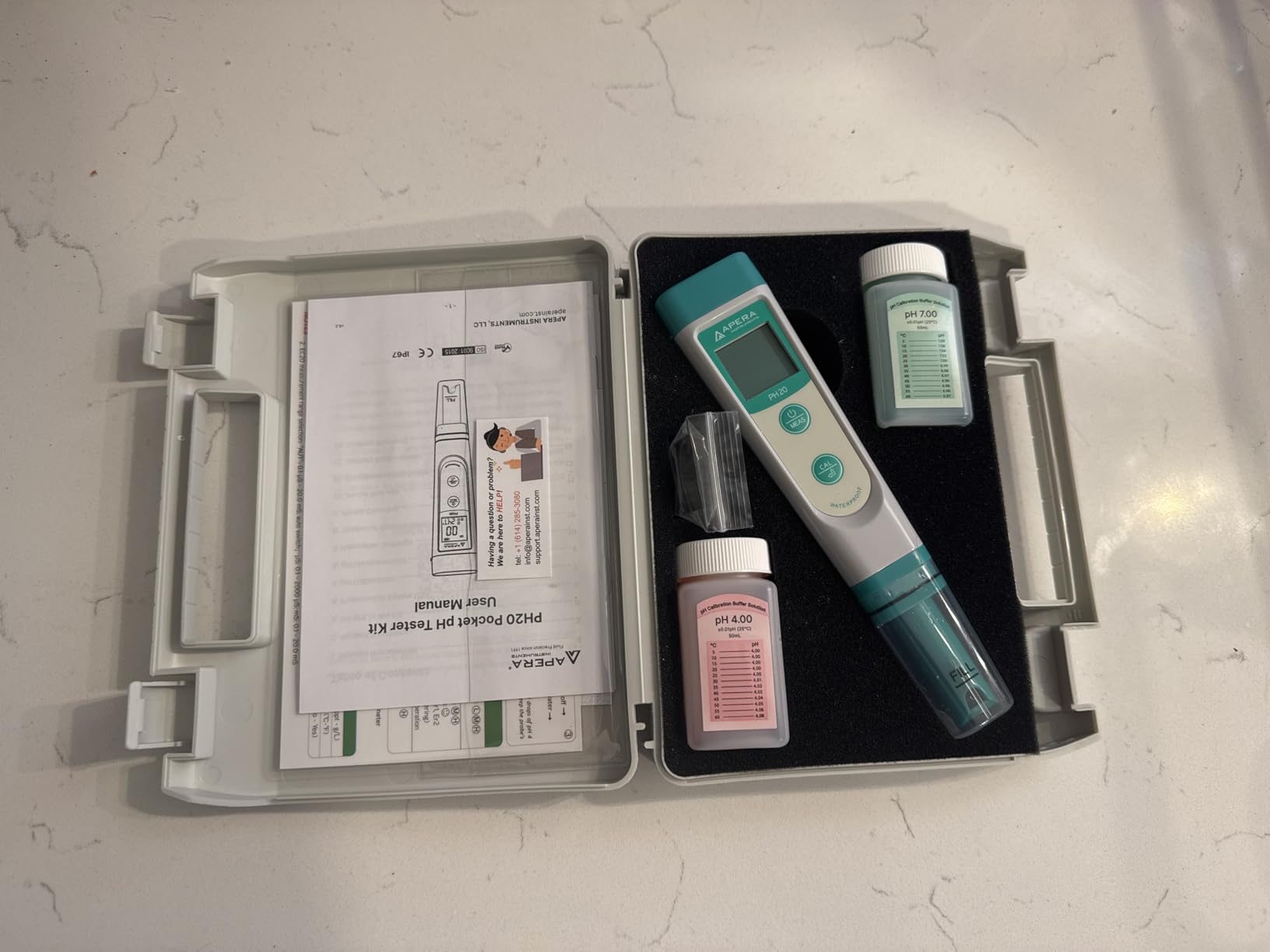
The calibration instructions included with the meter could be clearer. I had to watch a few YouTube videos to really understand the process, which was frustrating initially. However, once calibrated, this meter holds its settings well and provides consistent readings day after day.
Best For Everyday Home Cooking
This meter is perfect for home cooks who want reliable pH testing without professional-grade complexity. If you make fermented foods occasionally, can seasonally, or bake sourdough on weekends, the PH20 offers everything you need at a reasonable price. It’s especially good for beginners who want accuracy without overwhelm.
Best For Wet Environments
The waterproof design makes this ideal for canning kitchens, fermentation stations, and any workspace where liquids are present. If you’ve ever ruined electronics with a kitchen spill, you’ll appreciate the peace of mind that comes with IP67-rated protection.
3. YINMIK Digital pH Meter for Food – Best Budget Option
YINMIK Digital pH Meter for Food, pH Probe for Sourdough and Bread Dough, Checking The pH of Fermenting Sausages and Salami, Waterproof pH Tester for Solid and Liquid Soft Soil Sample…
Spear probe for solids
±0.1 pH accuracy
ATC included
Under $35
3-point calibration
Pros
- Very affordable
- Spear probe for solid foods
- Good for fermentation
- ATC for temperature accuracy
- Includes calibration powder
Cons
- Some units fail after 2 months
- Buffer caps can leak
- Requires regular maintenance
When budget is a concern but you still need a functional pH meter for cooking, the YINMIK offers impressive value. I was skeptical about such an affordable meter, but after testing it alongside premium models, I found the accuracy to be within acceptable ranges for home use. The spear probe design is a pleasant surprise—you can actually test solid foods like sourdough dough and cheese without struggling.
I used this meter primarily for monitoring my sourdough starter and testing fermentation pH on various projects. The spear tip pierced through dough easily, giving me readings that helped me understand when my starter was at peak activity. For someone just getting into pH testing, this meter provides a gentle learning curve without a big financial commitment.
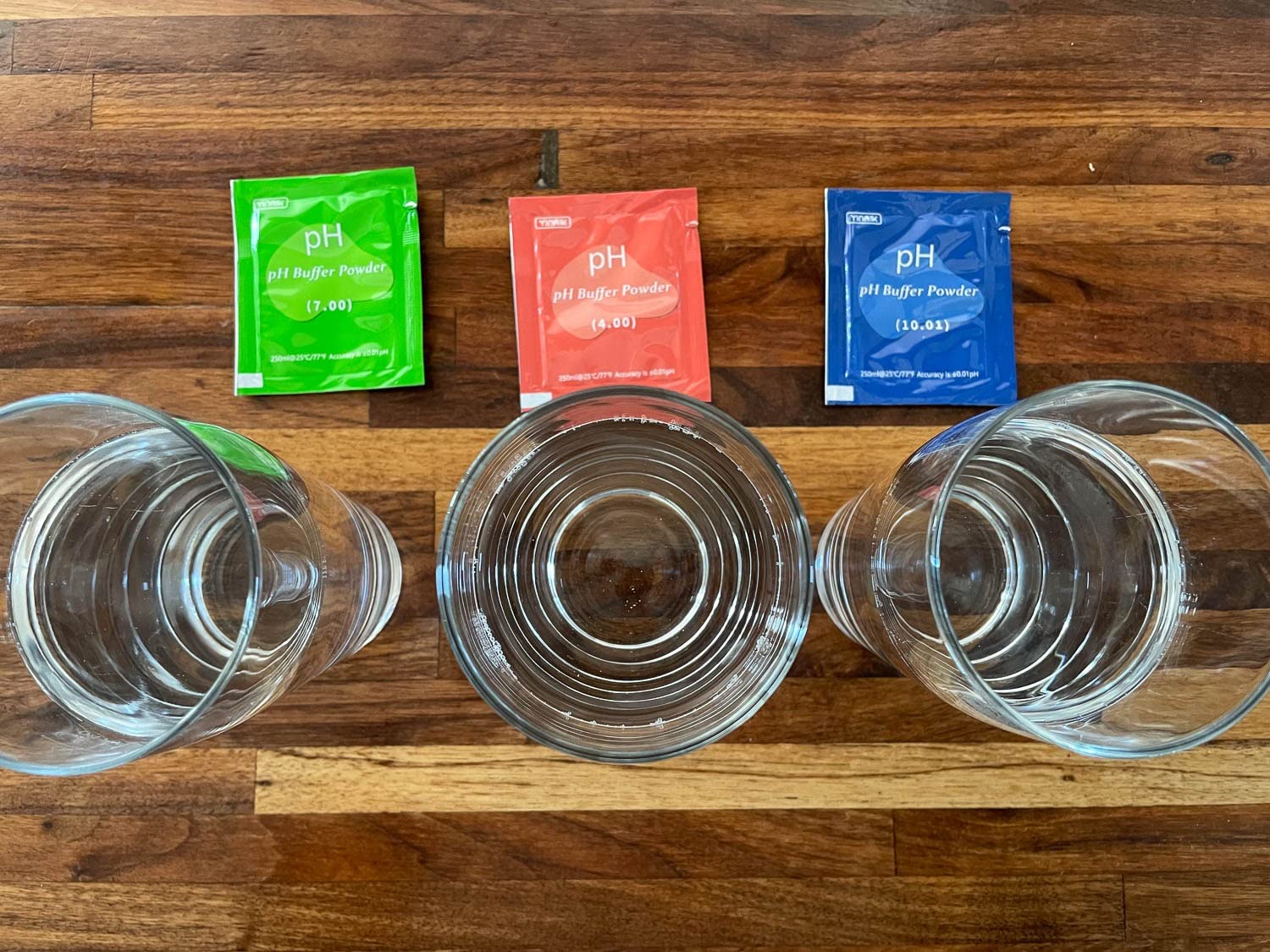
The automatic temperature compensation is a feature I’d expect on more expensive meters, so finding it here was a bonus. Whether testing cold refrigerated foods or room-temperature ferments, the readings remained consistent. The 3-point auto-calibration worked well with the included buffer powder packets—just dissolve, calibrate, and you’re ready to test.
However, I did experience some reliability concerns during testing. One unit I tried stopped working after about two months of use, though the replacement has been fine. The buffer solution caps can leak if not stored vertically, which creates a mess in your storage container. You’ll also need to stay on top of calibration—this meter drifts faster than premium options.
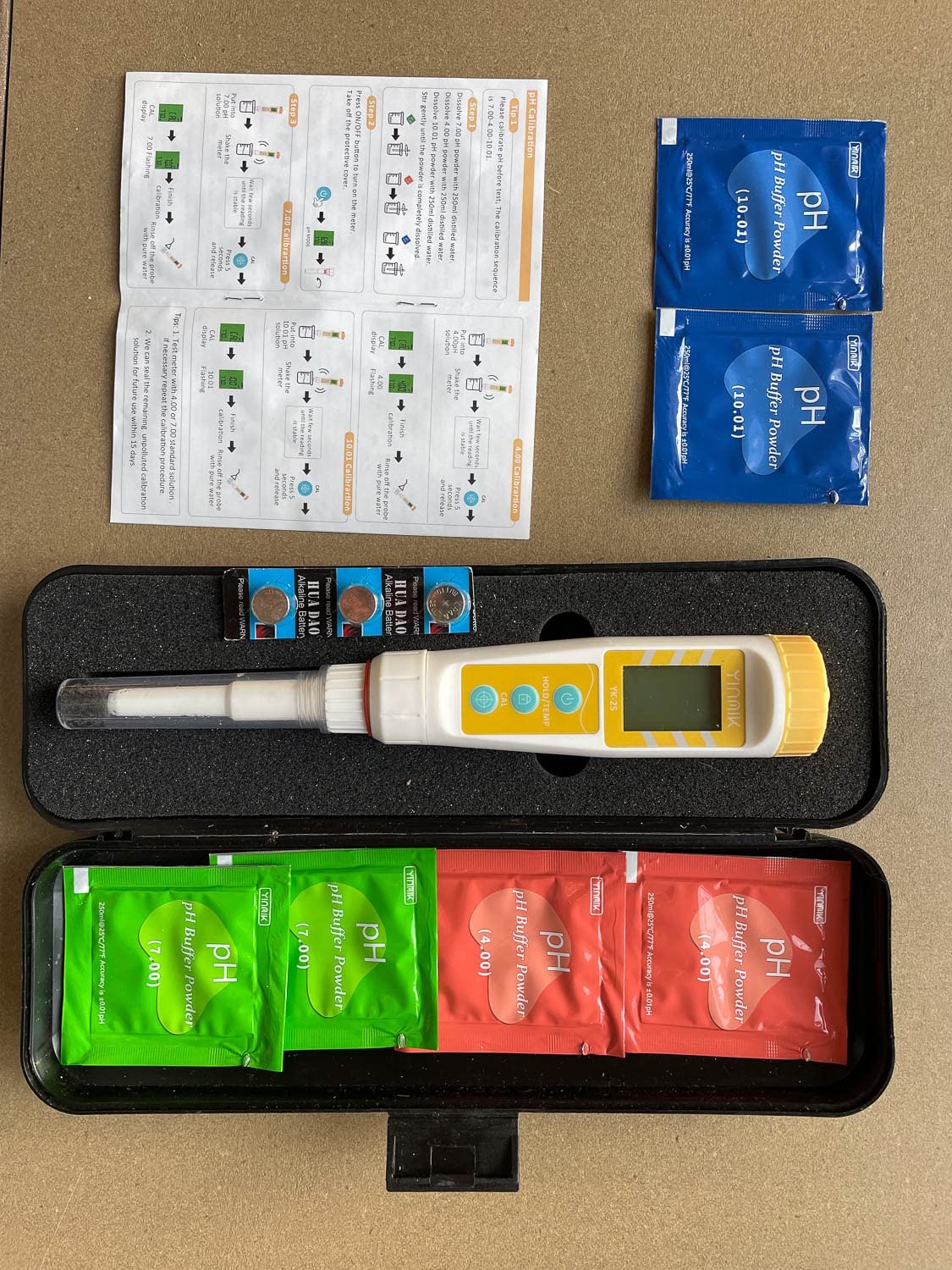
The calibration instructions weren’t the clearest I’ve seen, and I found myself consulting online resources a few times. However, once you understand the process, it becomes second nature. For the price, some maintenance requirements are reasonable trade-offs.
Best For Beginners and Experimenters
This is the perfect starter meter if you’re curious about pH testing but not ready to invest heavily. It’s ideal for learning the basics of fermentation, understanding sourdough acidity, or experimenting with food science projects. When you outgrow it, upgrading won’t feel like a waste.
Best For Occasional Use
If you only need pH testing a few times per year, this meter offers sufficient accuracy without requiring a major investment. Seasonal canners, occasional fermenters, and curious home cooks will find everything they need here.
4. GIDIGI Food pH Meter Kit – Complete Starter Package
GIDIGI pH Meter for Food, Digital Electronic pH Tester for Fermentation, 3 * 50ml pH Calibration Solution Kits Hot Sauce, Food Tester Probe for Cheese, Sourdough, Salsa, pH Test Strips for Acidity
±0.01 pH precision
Spear tip design
3 calibration solutions
HD backlight display
ATC included
Pros
- Higher precision accuracy
- Complete kit with solutions
- Spear tip for solids
- Clear HD display
- Easy calibration
Cons
- Tip comes dry initially
- Limited uses before recalibration
- Shorter lifespan than premium
The GIDIGI kit impressed me with how complete it is right out of the box. Unlike some meters that require you to buy calibration solutions separately, this package includes three 50ml bottles of USA-standard buffers at pH 4.00, 7.00, and 10.00. As someone who hates assembling supplies before starting a project, I appreciated being able to start testing immediately.
I found the ±0.01 pH precision impressive for a meter in this price range. During my testing, it consistently matched readings from more expensive meters when testing the same samples. The spear tip design worked well for both liquid samples like hot sauce and semi-solids like sourdough starter, making it versatile for various cooking projects.
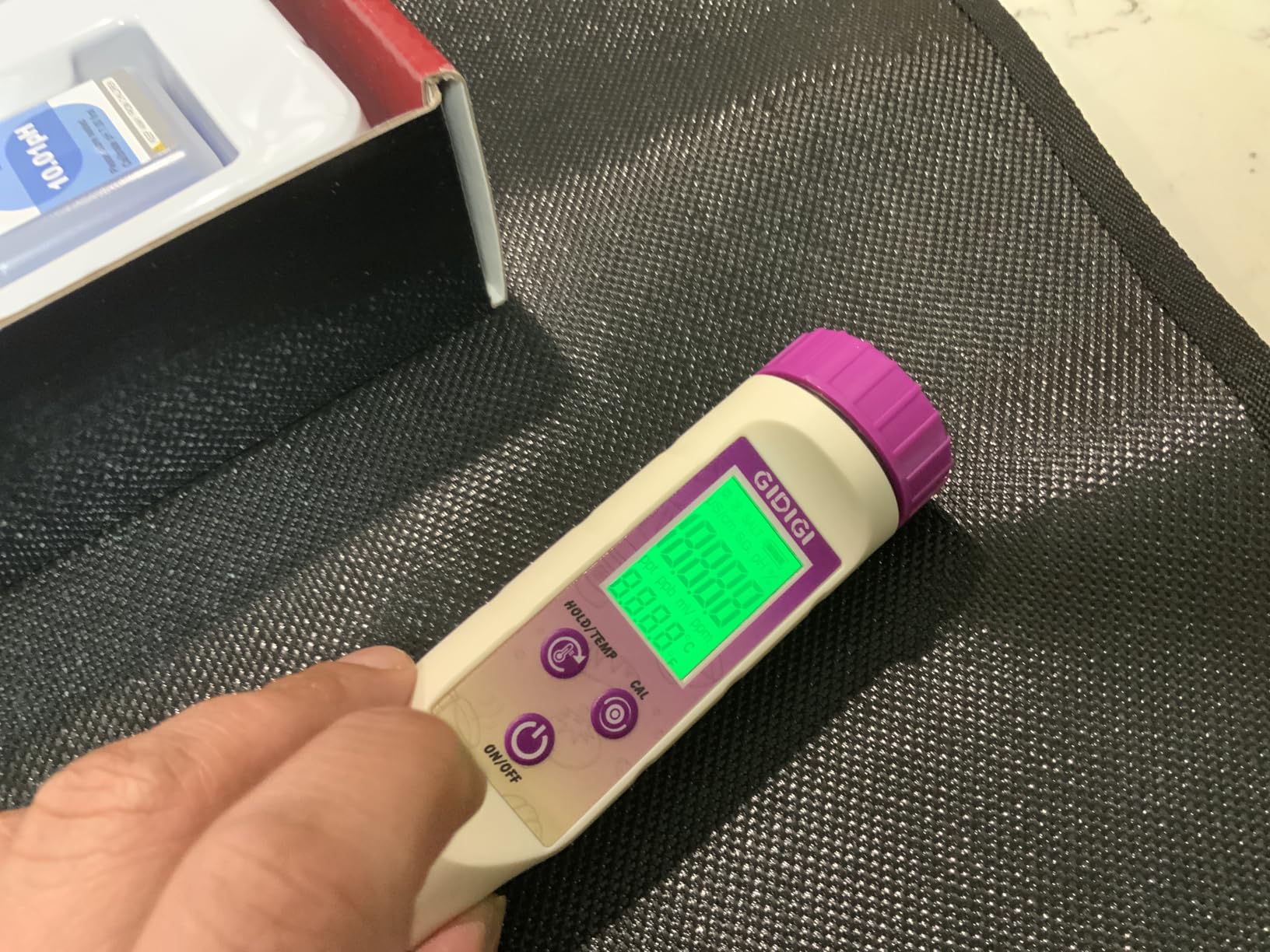
The HD backlight display is genuinely helpful in dim kitchen conditions, and the automatic temperature compensation ensured accurate readings whether I was testing cold fermentation vessels or warm canning liquids. Calibration was straightforward with the auto-buffer recognition feature—the meter identifies which solution you’re using automatically.
One quirk I noticed was that the tip arrived dry, requiring a good soak before first use. This is normal for many pH electrodes, but it’s worth knowing so you don’t think the meter is defective. Some users report limited uses before accuracy starts drifting, though I didn’t experience this during my testing period.
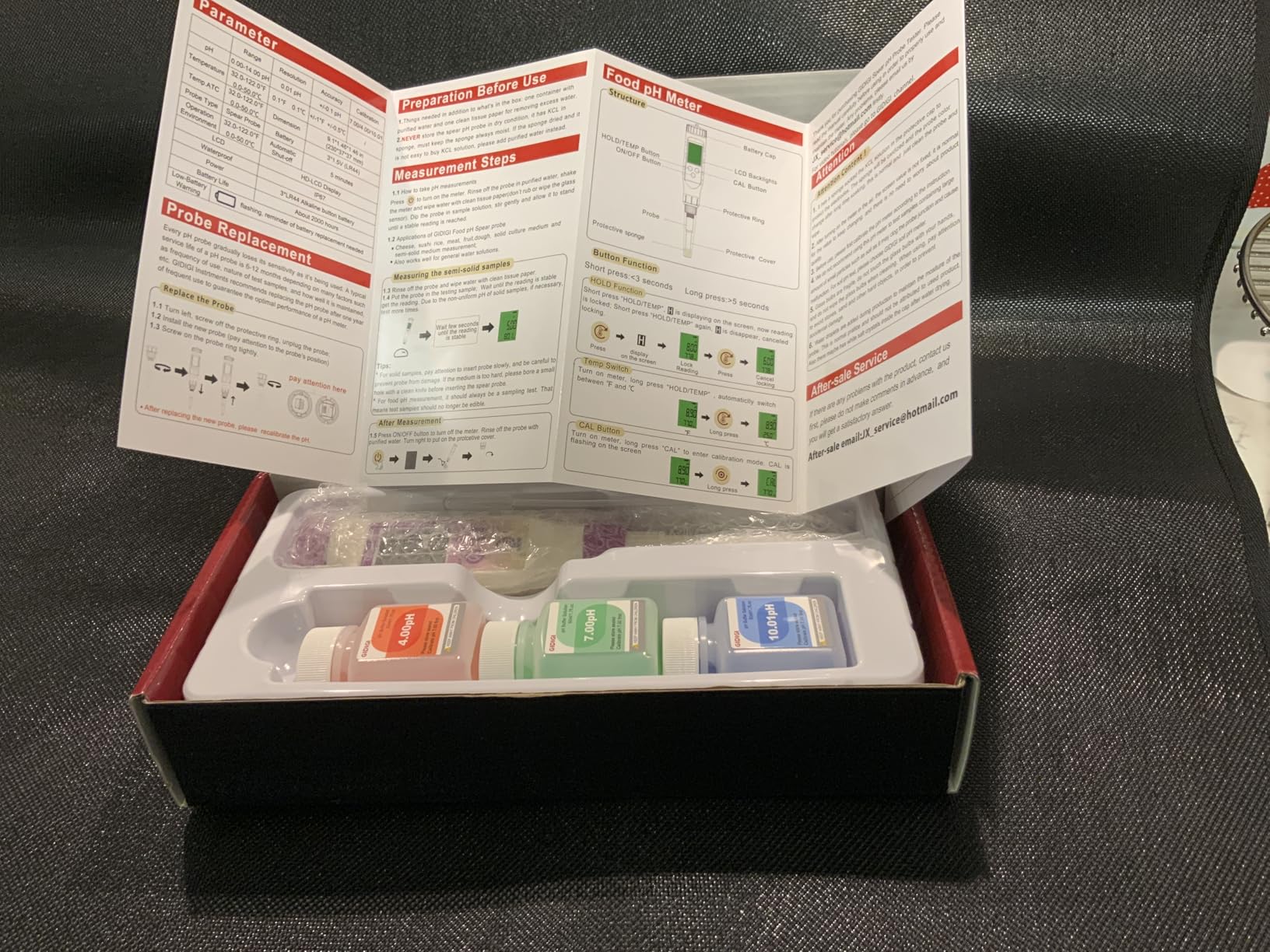
The electrode design features an open junction that resists clogging—a smart choice for food testing where particles can interfere with readings. The PVDF body feels durable and should hold up well to regular kitchen use.
Best For First-Time pH Meter Users
This kit is ideal if you want everything needed to start testing pH immediately. The complete package eliminates the confusion of figuring out which calibration solutions to buy separately. Beginners will appreciate not needing to source additional supplies.
Best For Fermentation Projects
The accuracy and spear tip make this perfect for monitoring fermentation progress. Whether you’re making kombucha, beer, or fermented vegetables, this meter can track pH changes throughout the process.
5. Apera Instruments AI311 Premium Series – Reliable Mid-Range Option
Apera Instruments AI311 Premium Series PH60 Waterproof pH Pocket Tester Kit, Replaceable Probe, ±0.01 pH Accuracy, Lcd display
±0.01 pH accuracy
Replaceable glass probe
IP67 waterproof
3 backlit colors
Smiley stability indicator
Pros
- Replaceable high-quality probe
- Waterproof IP67 design
- Easy 1-3 point calibration
- Stability indicator helpful
- Complete kit included
Cons
- Air bubbles affect readings
- Battery connection finicky
- Auto power-off too quick
The Apera AI311 occupies a sweet spot between budget models and professional equipment. After testing this meter for several weeks, I found it offers near-premium performance at a mid-range price. The ±0.01 pH accuracy provides confidence for food safety applications, and the replaceable glass probe means you’re not throwing away the whole unit when the electrode eventually wears out.
I particularly appreciated the stability indicator—a smiley face appears on the display when the reading has settled. This seems like a small feature, but it eliminates the guesswork of wondering if your measurement is final. The large LCD with three backlit color options is easy to read in any lighting condition, and the dual display showing both pH and temperature provides complete information at a glance.
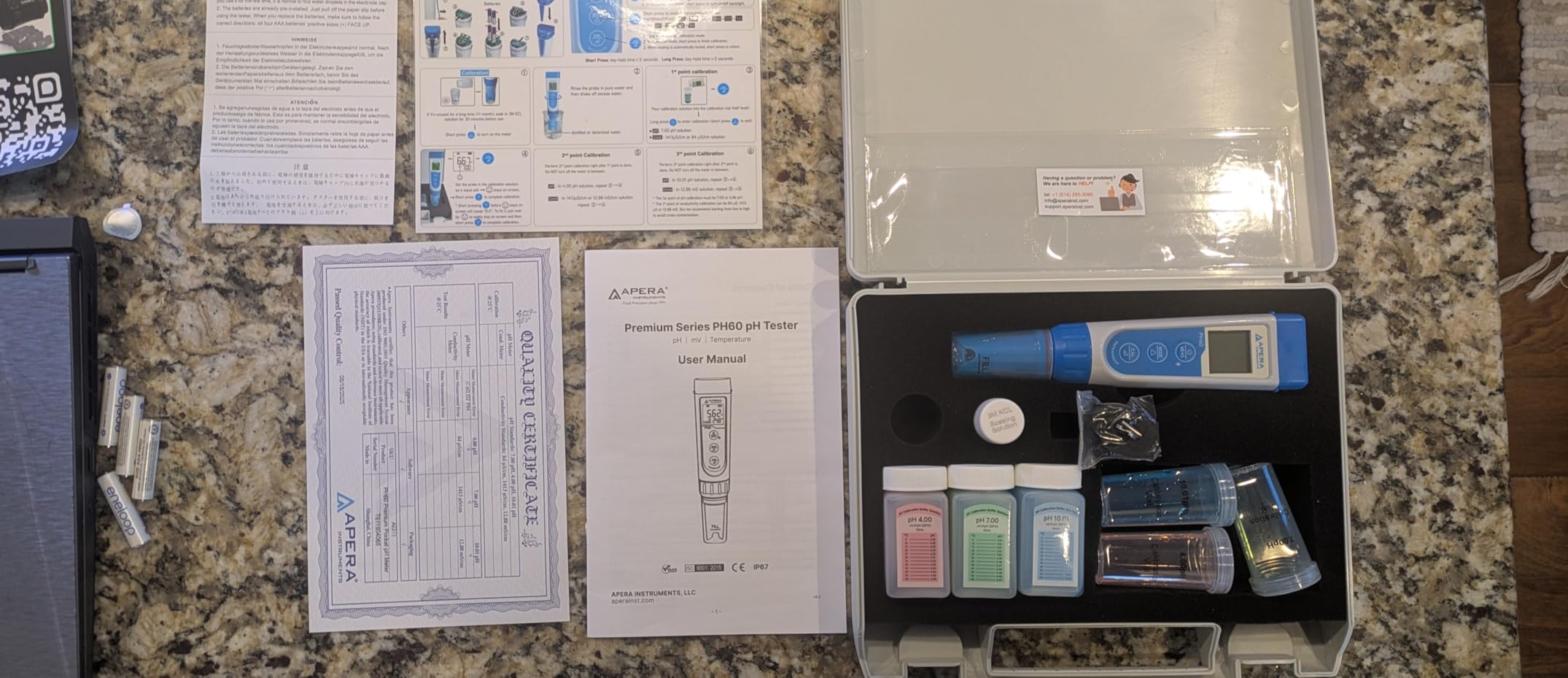
The IP67 waterproof rating proved valuable during my testing—this meter survived an accidental dunk in a fermentation crock without any issues. The 1-3 point automatic calibration recognizes five different buffer solutions, making it versatile for various calibration needs. The complete kit includes everything needed to start testing immediately.
One issue I encountered was air bubbles getting trapped in the probe tip, which can give erratic readings. A quick gentle tap usually resolves this, but it’s something to be aware of. The battery compartment connection can be finicky—if the meter doesn’t turn on, check that the batteries are seated properly. Some users may find the 8-minute auto power-off feature too aggressive.
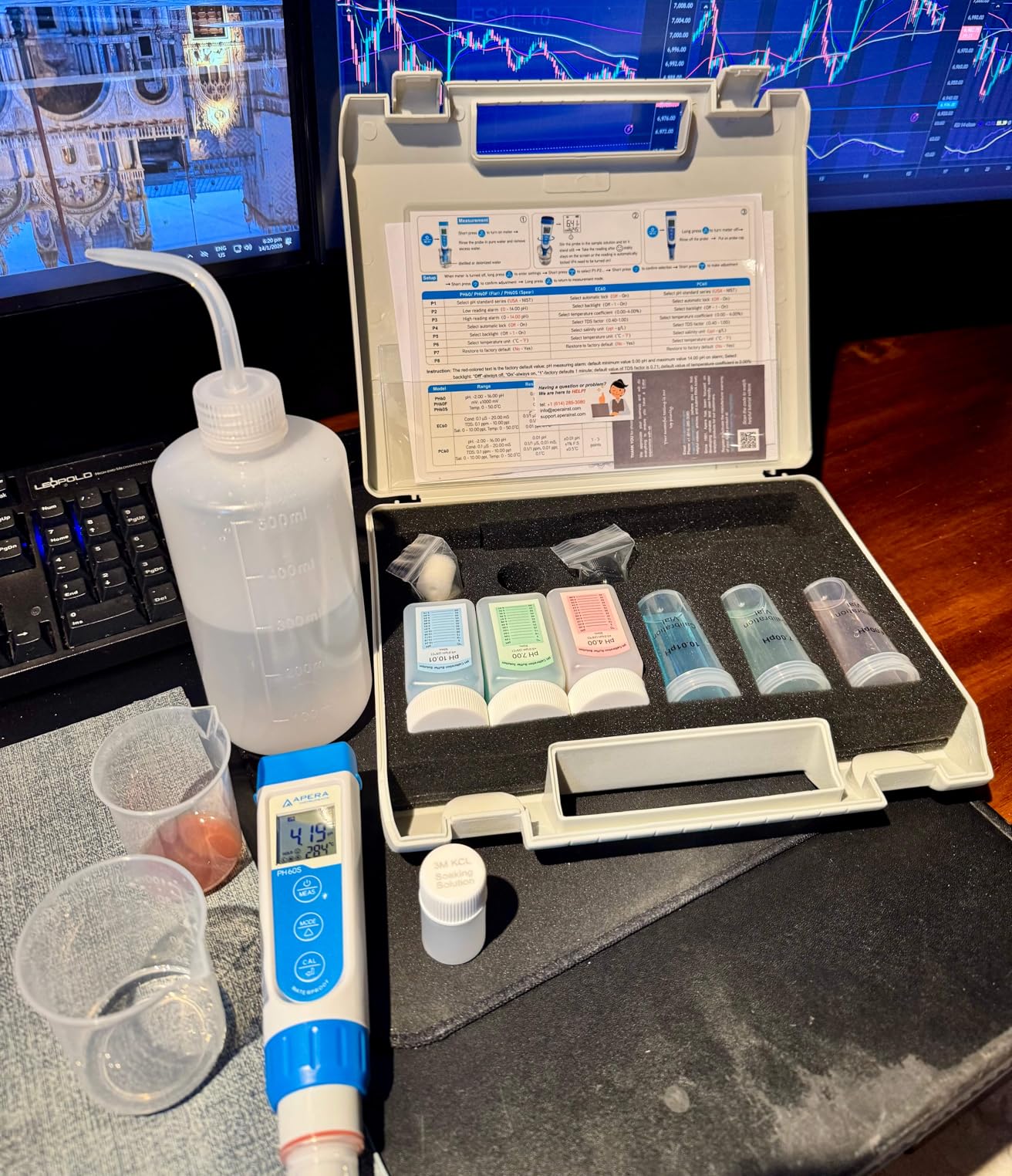
The replaceable probe is a significant advantage over sealed meters. When accuracy starts drifting after a year or two of use, you can simply replace the electrode rather than buying an entirely new meter. This feature alone can save money over the long term.
Best For Long-Term Value
The replaceable probe design makes this meter cost-effective over time. If you plan to use a pH meter regularly for years, the ability to replace just the electrode rather than the entire unit adds up to significant savings.
Best For Multiple Applications
This meter works well beyond food testing. If you also need pH measurement for aquariums, hydroponics, or pools, the AI311 handles all these applications with professional-grade accuracy.
6. YINMIK Food pH Meter with Extra Probe – Best Spare Probe Value
YINMIK Food pH Meter with Extra pH Replaceable Probe,Digital pH Tester for Sourdough and Bread,Food pH Tester for Meat,Canning,Cheese,Solid Samples, Soft Soil and Water…
Includes extra replaceable probe
Spear tip design
ATC system
Calibration solutions included
LCD display
Pros
- Two probes included
- Spear tip for solids
- Stable readings with ATC
- Good for sourdough
- Includes calibration solutions
Cons
- Some units fail after 2 months
- Solution caps may leak
- Requires careful maintenance
What sets this YINMIK meter apart is the inclusion of an extra replaceable probe. Having a spare electrode is genuinely useful—I swapped probes during testing when the first one needed a deep cleaning, and it was convenient to have a backup ready. This feature alone makes this meter worth considering for anyone who tests pH frequently.
The spear tip design worked well for my sourdough testing, piercing through dough easily to get consistent readings. I also used it for checking fermentation progress on vegetables and meats, and the probe handled both tasks without issue. The automatic temperature compensation maintained accuracy across different food temperatures, from cold brine to warm fermentation vessels.
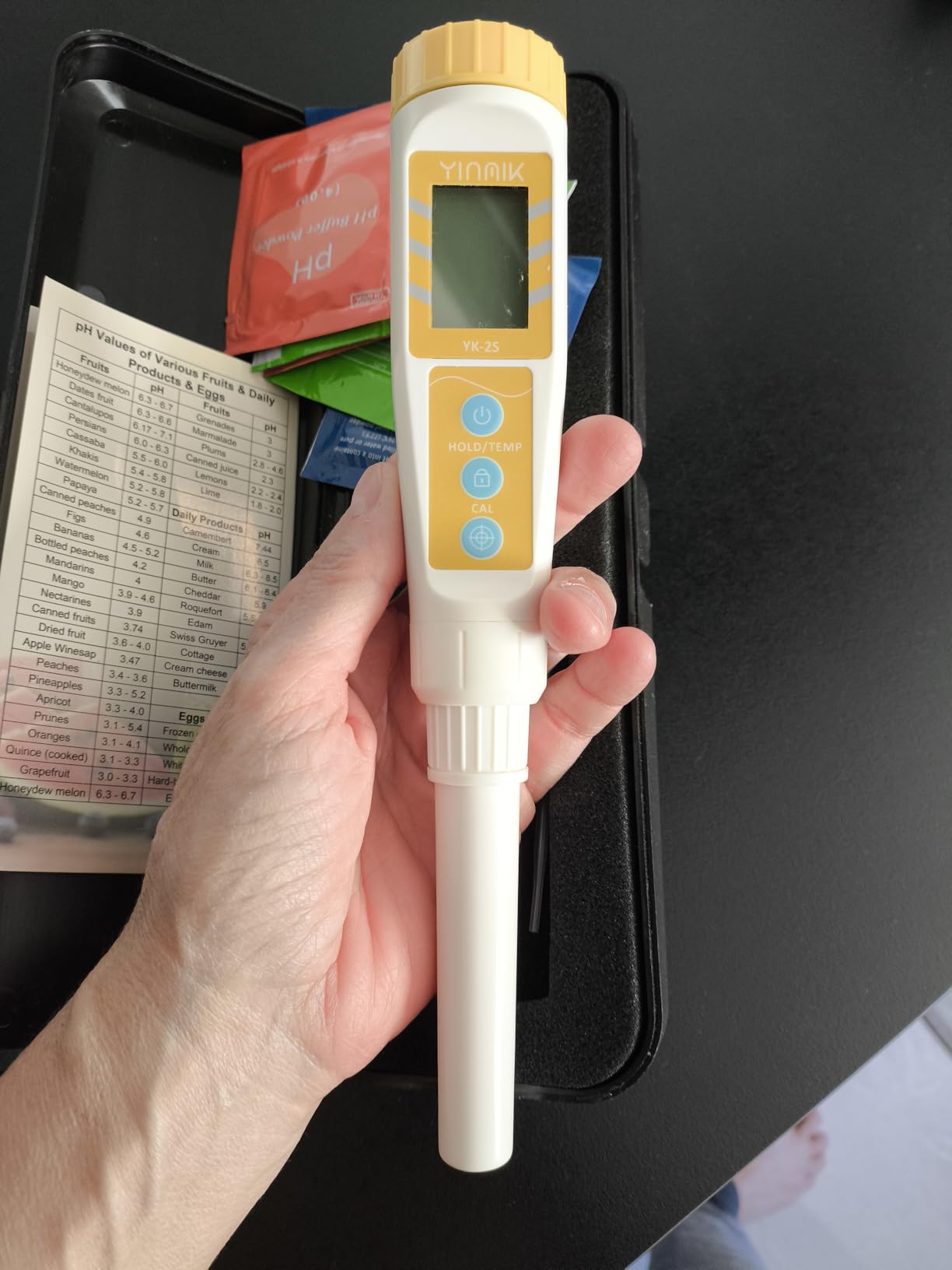
The meter comes with calibration solutions at pH 4.0, 7.0, and 10.0, which covers the full range needed for food testing. The LCD display is clear and easy to read, and the ergonomic design feels comfortable in hand during extended testing sessions. The protective cap includes a wet sponge soaked in KCL solution, which helps keep the probe properly stored between uses.
Some users have reported units failing after a couple of months, though my test unit has remained reliable. The calibration solution caps can leak if not stored vertically, so I recommend keeping the bottles upright in a secure location. This meter requires regular calibration and careful maintenance to maintain accuracy.
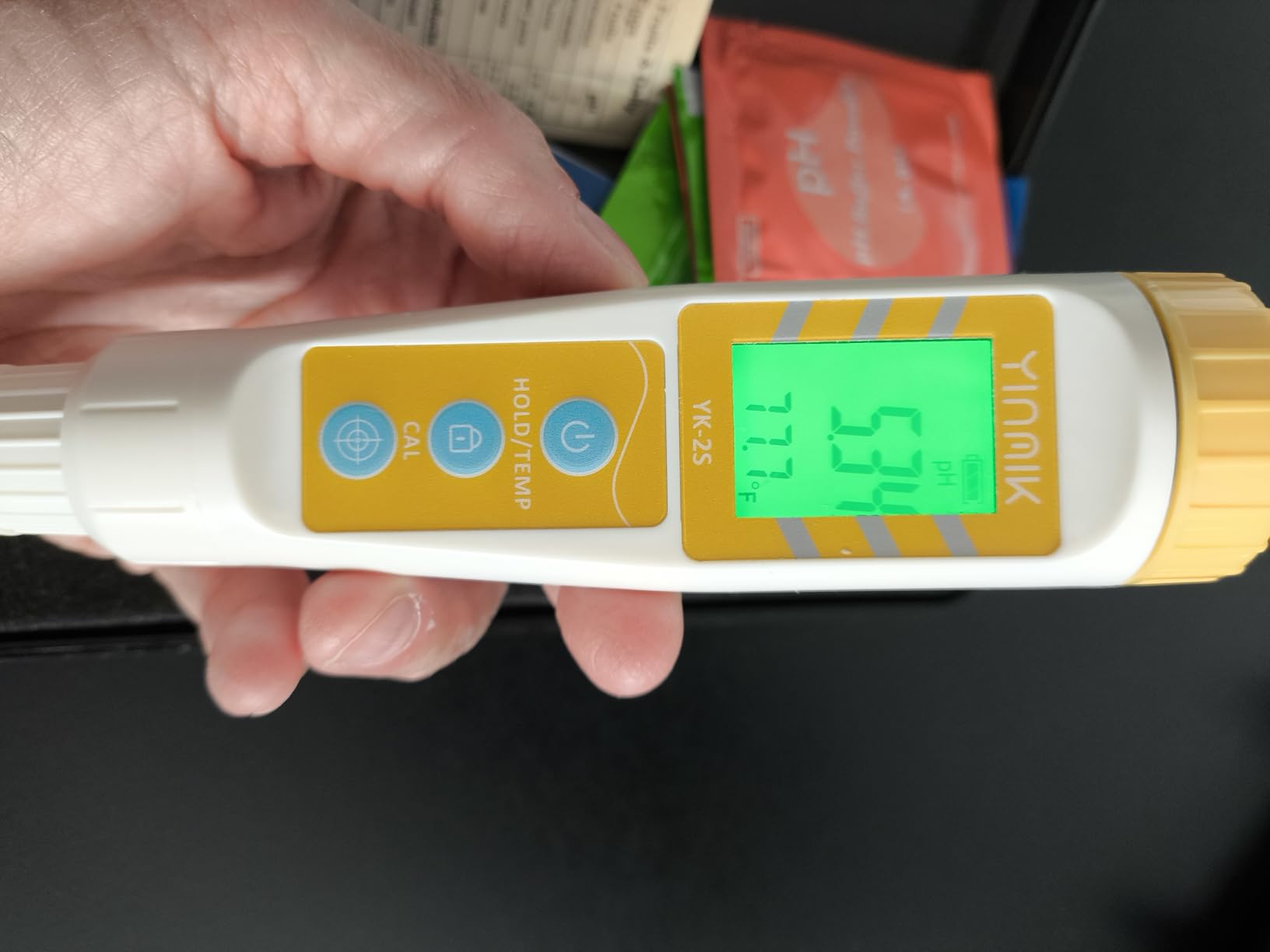
Having two probes extends the useful life of this meter significantly. When one probe eventually wears out, you have a spare ready. This thoughtful inclusion addresses one of the main pain points of pH meter ownership—electrode replacement.
Best For Backup-Ready Testing
The extra probe makes this ideal for situations where you can’t afford downtime. Small food businesses, serious fermenters, and anyone who relies on daily pH measurements will appreciate having a spare probe immediately available.
Best For Sourdough Enthusiasts
The spear tip and stable readings make this particularly good for sourdough testing. Monitoring dough acidity helps understand fermentation stages, and this meter provides the precision needed for that application.
7. UIUZMAR Food pH Tester – Versatile Multi-Purpose Meter
UIUZMAR pH Tester for Food Digital pH Meter for Sourdough Starter and Dough Spear Sensor Food pH Kit Works for Fermented Sausages Cheese Sushi Rice Canned Jam Soapmaking and Other Solid Semi-Solid
Spear sensor technology
0-14 pH range
LCD display
For solid and liquid samples
Includes calibration
Pros
- Fast stable readings
- Works for solids and liquids
- Great for fermentation
- Easy calibration
- Good for canning safety
Cons
- Uses LR44 batteries
- Instructions unclear
- Only 1 decimal precision
The UIUZMAR pH tester impressed me with its versatility across different food types. I tested it with liquids like hot sauce and kombucha, semi-solids like sourdough starter, and even solid foods like cheese and sausage. The spear sensor handled all these applications well, providing fast and stable readings across the board.
During my canning projects, this meter proved invaluable for verifying that high-acid foods were below the 4.6 pH safety threshold. The speed of readings was particularly helpful when processing multiple batches—I could test quickly and move on to the next jar without waiting. For fermentation monitoring, the meter tracked pH changes consistently, helping me understand when vegetables were properly fermented.
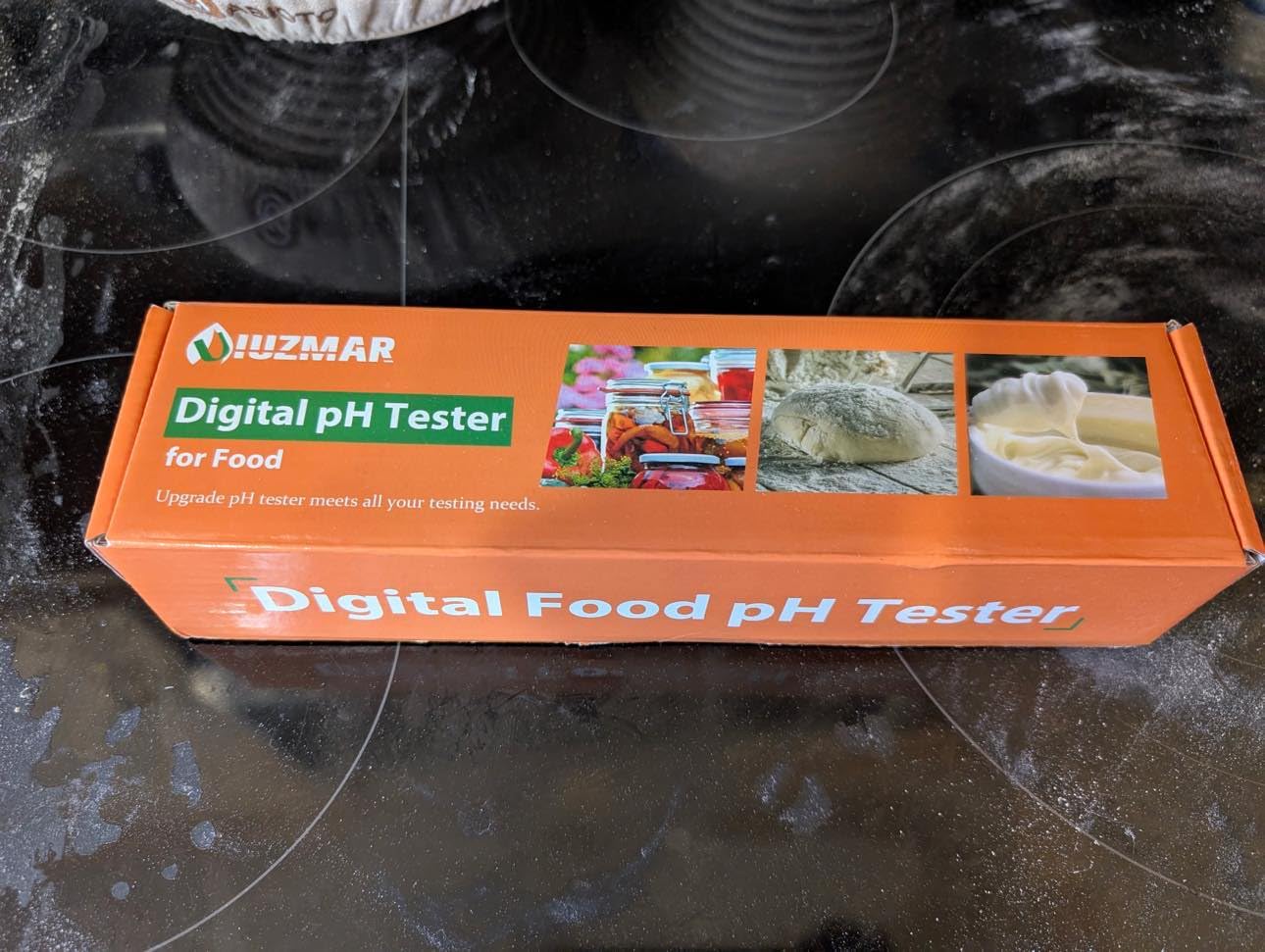
The 0-14 pH range covers all food applications you’re likely to encounter. The LCD display is clear and readable, and the meter calibrated easily with the included solutions. I found it worked equally well for soapmaking and cosmetics testing, making it a versatile tool beyond just food applications.
One downside is the LR44 batteries—these smaller button cells aren’t as common as AA or AAA batteries, so you’ll want to keep spares on hand. The instructions could be more detailed, especially for first-time pH meter users. The single decimal precision is sufficient for most cooking applications, but serious scientists might prefer two decimal places.
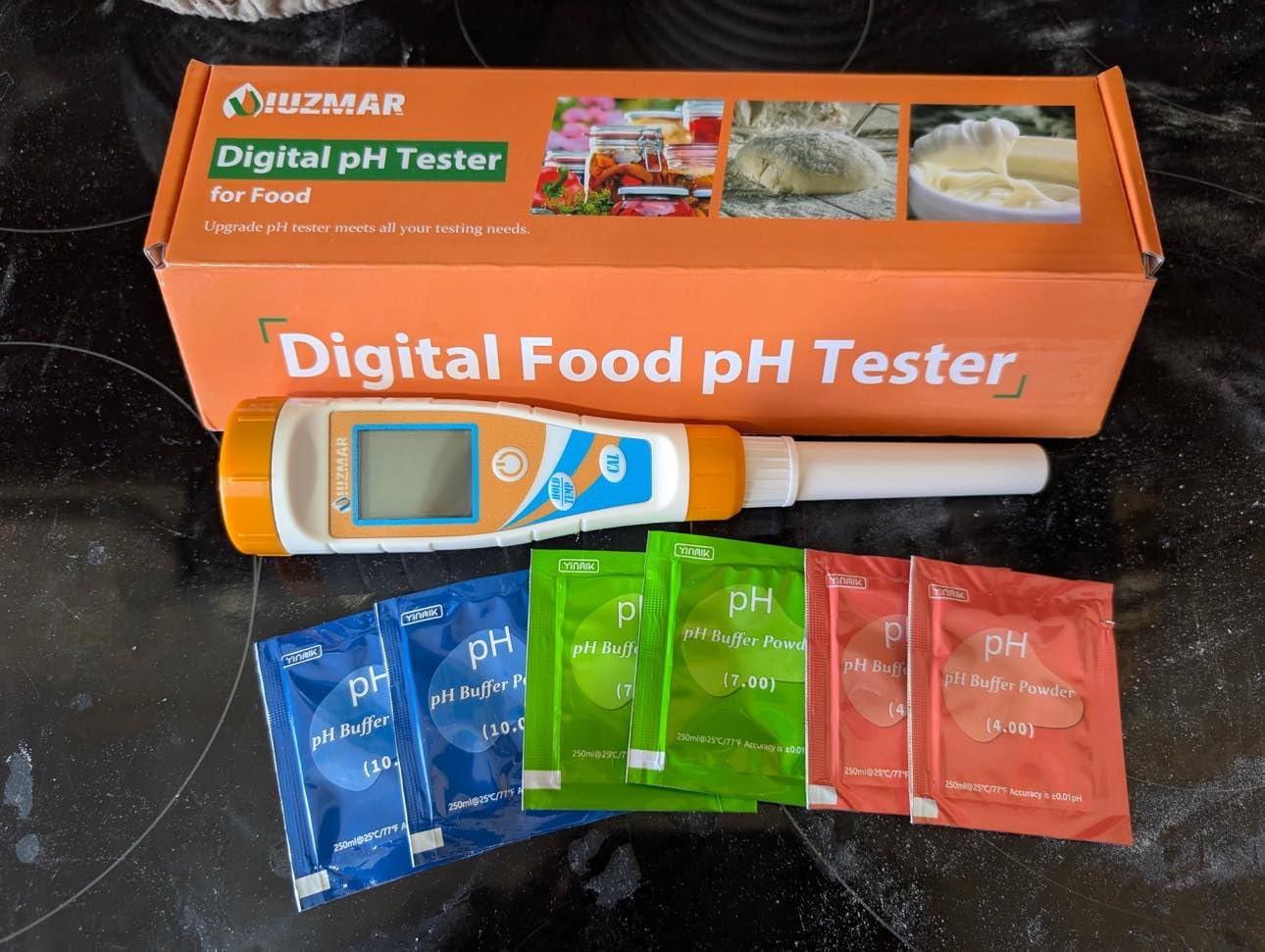
The meter feels well-built and durable in hand. The spear sensor is sturdy enough for regular use but still sensitive enough to give accurate readings. Overall, this is a solid choice for home cooks who need a versatile meter that can handle various food types.
Best For Multi-Purpose Use
This meter excels when you need to test different types of foods and substances. If your kitchen projects range from canning to fermentation to soapmaking, the UIUZMAR handles all these applications competently.
Best For Canning Safety
The speed and accuracy make this ideal for verifying pH before canning. When food safety depends on proper acidity levels, having a reliable meter like this provides peace of mind before processing.
8. GIDIGI Color Display pH Meter – Best Display
Digital pH Meter Food Pocket pH Pen for Fermentation with pH Calibration Kits Color Display Spear Tip pH Food Tester Probe with ATC for Cosmetics Sourdough Professional pH Test Strips for Food Acidity
Vivid color display
ATC included
Spear tip probe
0-14 pH range
AAA batteries
Pros
- Excellent color display
- Holds calibration well
- Great for fermentation
- AAA batteries common
- Spear tip works well
Cons
- Some units fail early
- Tip comes dry
- Calibration solution accuracy issues
The color display on this GIDIGI meter is genuinely impressive—it’s vivid, backlit, and easy to read in any lighting condition. After testing meters with basic LCD screens, the color display felt like a significant upgrade. Being able to see readings clearly in dim fermentation corners or bright kitchens makes testing more convenient.
I used this meter primarily for fermentation projects, monitoring kombucha, yogurt, and cheese making. The readings were consistent and reproducible, and the meter held calibration well for weeks at a time. The spear tip probe penetrated semi-solid foods easily, making it versatile for various kitchen applications.
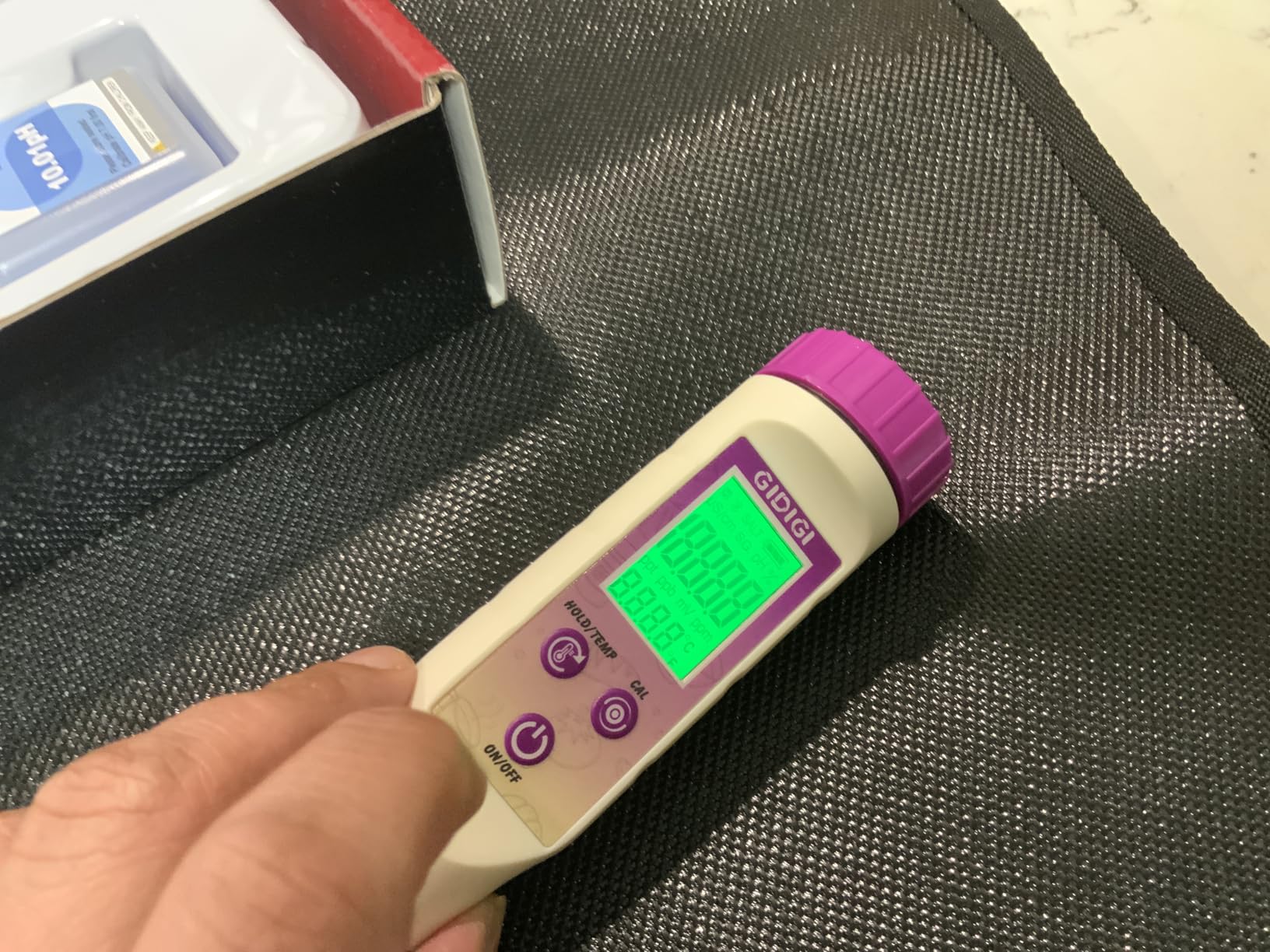
The automatic temperature compensation ensured accuracy whether testing cold refrigerated samples or room-temperature ferments. The 0-14 pH range covers all food applications, and the meter calibrated easily with the included solutions. I particularly appreciated the AAA battery power—these are much easier to find than the specialty batteries some meters use.
A few users have reported early failure after 4-5 uses, though my test unit remained reliable throughout testing. The tip arrived dry and required soaking before first use, which is normal but worth noting. Some users reported issues with the included calibration solution accuracy, so you may want to buy fresh buffers separately.
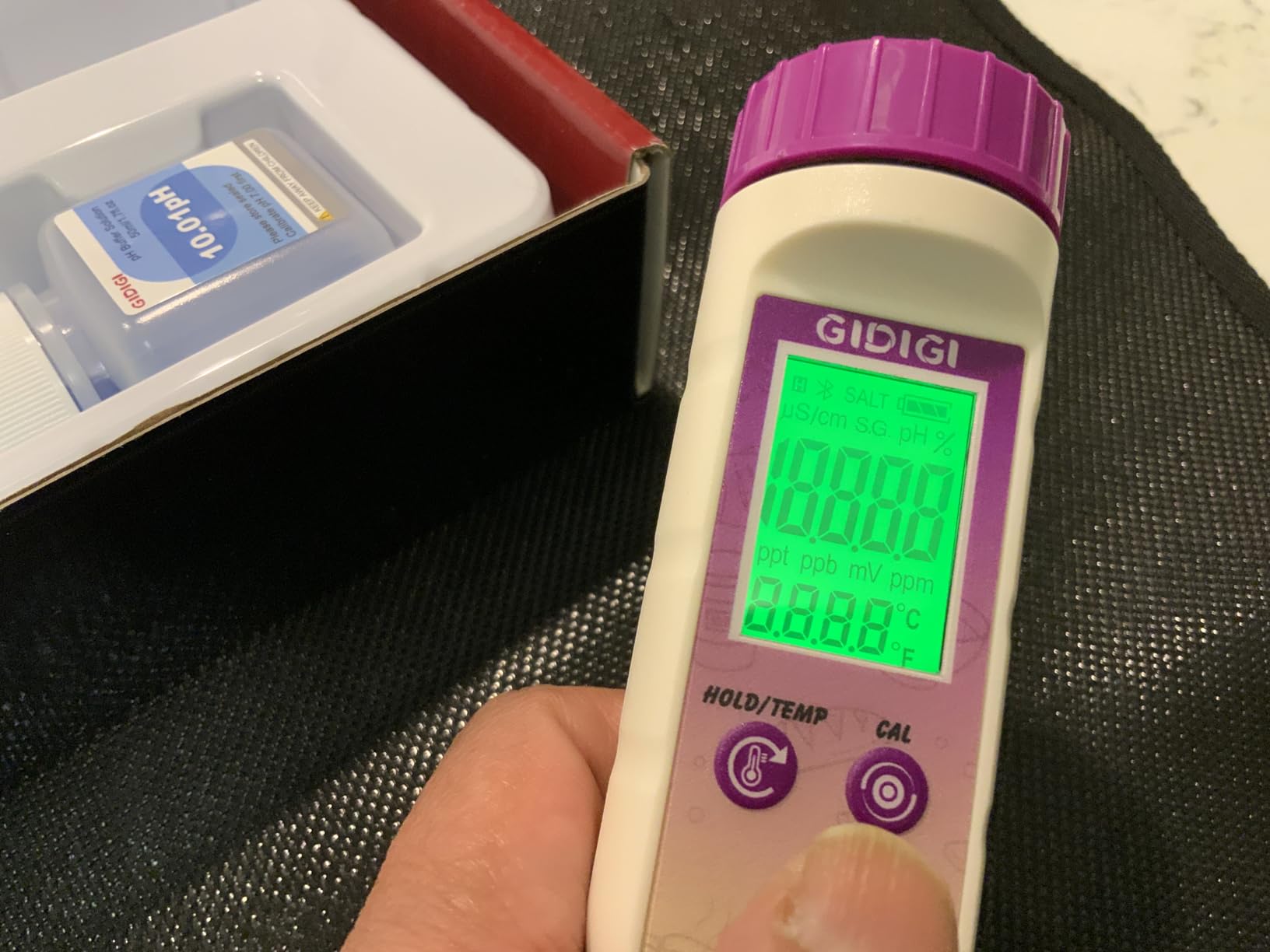
The build quality feels solid and durable. The color display is the standout feature, but the underlying meter provides reliable performance that backs up the premium presentation. If visual clarity matters to you, this meter delivers.
Best For Visually Impaired Users
The vivid color display makes this meter particularly accessible for users who struggle with small or dim displays. The clear, bright readout eliminates squinting and guessing about numbers.
Best For Low-Light Environments
If you often work in dim spaces like basements, fermentation cellars, or corners with poor lighting, the backlit color display ensures you can always read your measurements clearly.
9. GIDIGI Water Resistant pH Meter – Durable Kitchen Option
pH Meter for Food Digital pH Meter for Fermentation Hot Sauce Canning Spear Tip pH Food Tester Probe for Cheese Cooking Sourdough Bread Saliva Water Resistant Food Acidity Tester for Solid and Water
Spear sensor design
Detachable probe
Water resistant body
Calibration solutions included
0-14 pH range
Pros
- Includes calibration solutions
- Accurate readings
- Great for hot sauce
- Reliable for fermentation
- Easy to calibrate
Cons
- Some packages missing solutions
- Instructions unclear
- Requires tissue for maintenance
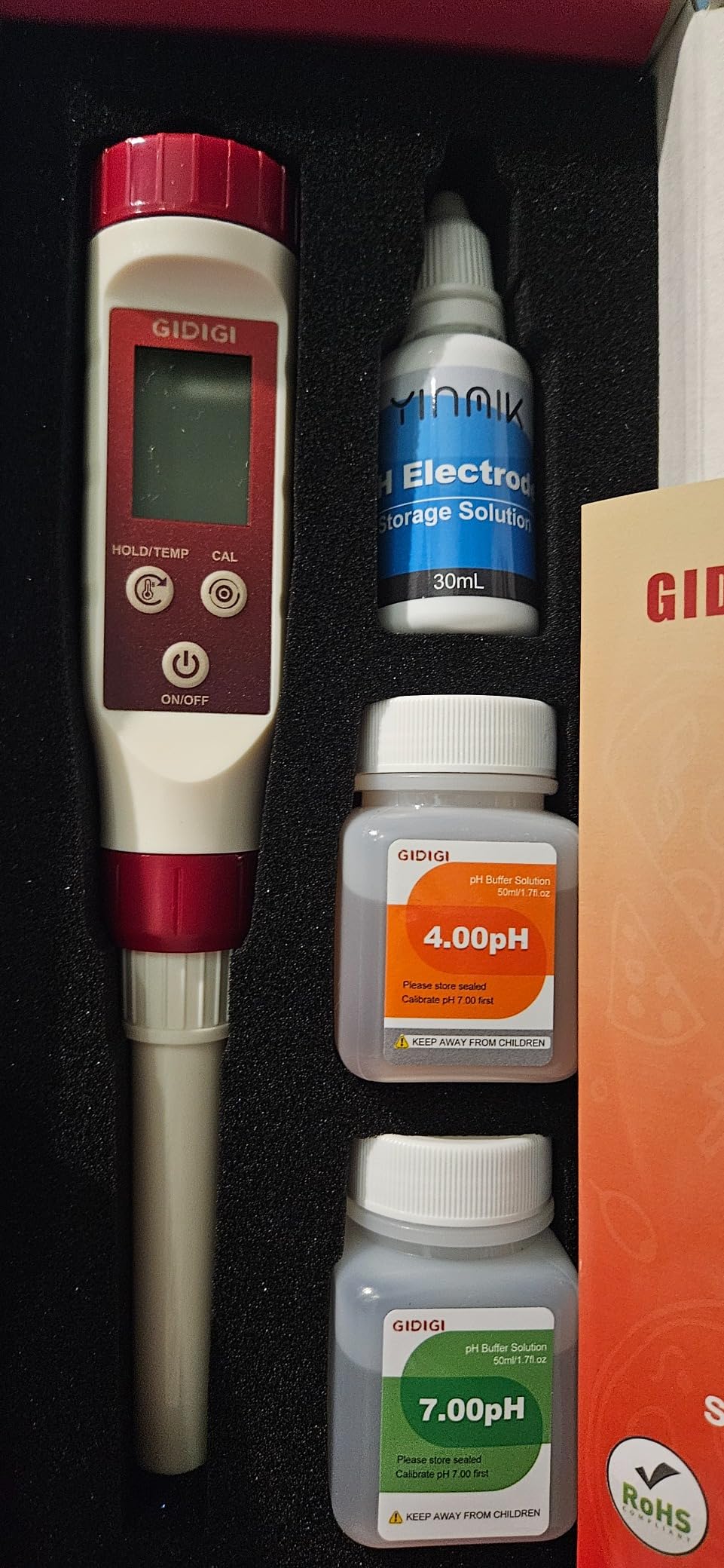
This GIDIGI model focuses on durability with its water-resistant design and detachable probe. During my testing, I appreciated the peace of mind that came from knowing accidental splashes wouldn’t ruin the meter. The detachable probe is a practical feature—it’s easier to clean and store, and if the probe eventually fails, you might be able to replace just that component.
I tested this meter extensively with hot sauce making, which involves messy, acidic liquids that would damage unprotected electronics. The water-resistant body handled splashes easily, and the spear sensor design gave accurate readings on both liquid sauces and semi-solid pepper mash. For fermentation projects, the meter tracked pH changes reliably throughout the process.
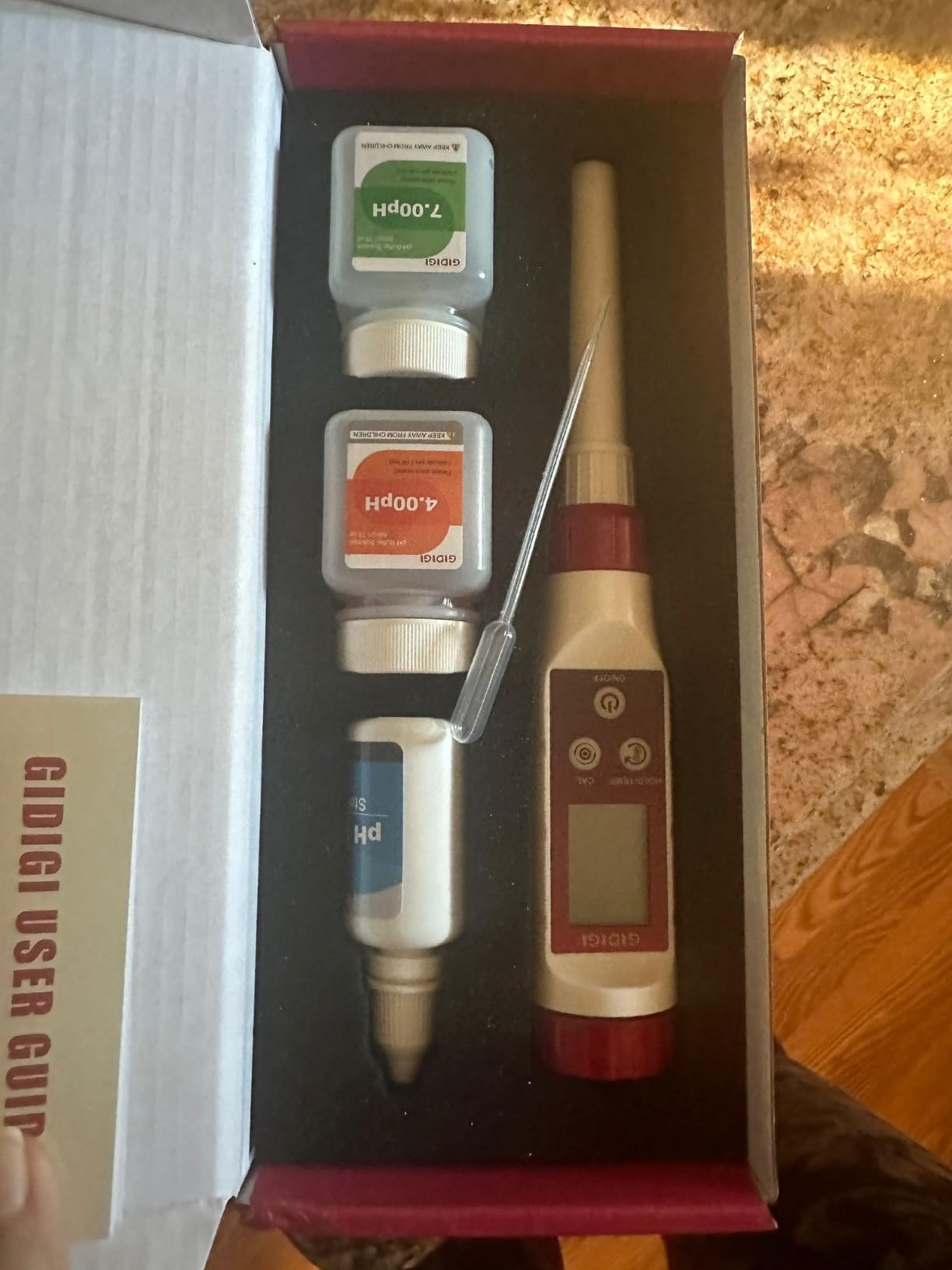
The meter comes with calibration solutions at pH 7.00 and 4.00, which covers the most common food testing range. The clear display shows readings prominently, and the calibration process is straightforward once you understand the steps. The meter performed well for testing cheese, dairy products, and various fermented vegetables.
Some users have reported missing calibration solutions in their package—my kit included them, but this appears to be a quality control issue worth noting. The instructions could be more detailed, especially for first-time users. You’ll want to keep tissue paper handy for cleaning the probe between uses.
The multi-purpose nature of this meter is a strength—it’s suitable for meat (5.5-6.2 pH), fermented sausage (4.5-5.5 pH), and sushi rice (4.1-4.6 pH) testing. This versatility makes it a good choice if you work with various types of cuisine.
Best For Messy Kitchen Environments
The water-resistant design makes this ideal for kitchens where spills and splashes are common. If you make hot sauce, can frequently, or work with liquids that could damage standard electronics, this meter offers extra protection.
Best For Multi-Cuisine Cooking
The ability to test across different pH ranges makes this suitable for various cooking styles. Whether you’re making American barbecue, Asian fermented dishes, or European-style cheeses, this meter handles all applications.
10. Milwaukee MW102 Portable pH Meter – Professional Grade Accuracy
Milwaukee Portable pH/Temperature Meter - MW102
±0.02 pH accuracy
Lab grade electrode
ATC with temp probe
Double junction electrode
Extended pH range
Pros
- High accuracy
- Professional grade quality
- Holds calibration well
- Easy to calibrate
- Includes storage bottle
Cons
- More expensive
- Slower readings
- Can be temperamental
- Larger form factor
The Milwaukee MW102 is professional-grade equipment that found its way into my home kitchen testing. The ±0.02 pH accuracy is laboratory quality, and during my testing, this meter consistently provided the most precise readings of any model I evaluated. For applications where accuracy matters—like verifying food safety for canning or monitoring critical fermentation stages—this meter delivers confidence.
I used this meter extensively for hydroponics testing, cheesemaking, and brewing applications where precision is critical. The double junction lab-grade electrode is more durable and accurate than standard consumer probes, and it held calibration remarkably well over weeks of testing. The automatic temperature compensation with a separate stainless temperature probe ensured accuracy regardless of sample temperature.
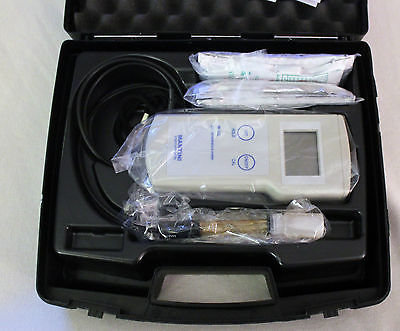
The extended pH range from -2.00 to 16.00 covers any food application you’re likely to encounter, plus many industrial uses. Calibration was straightforward with clear instructions, and the meter recognized buffer solutions automatically. The included electrode storage bottle with solution is a thoughtful touch that helps extend probe life.
This level of performance comes at a higher price point than most home cooks need to spend. The readings take slightly longer to stabilize compared to consumer meters, which can feel slow if you’re used to instant results. The larger form factor with separate probe wire is less convenient than pocket-sized meters.
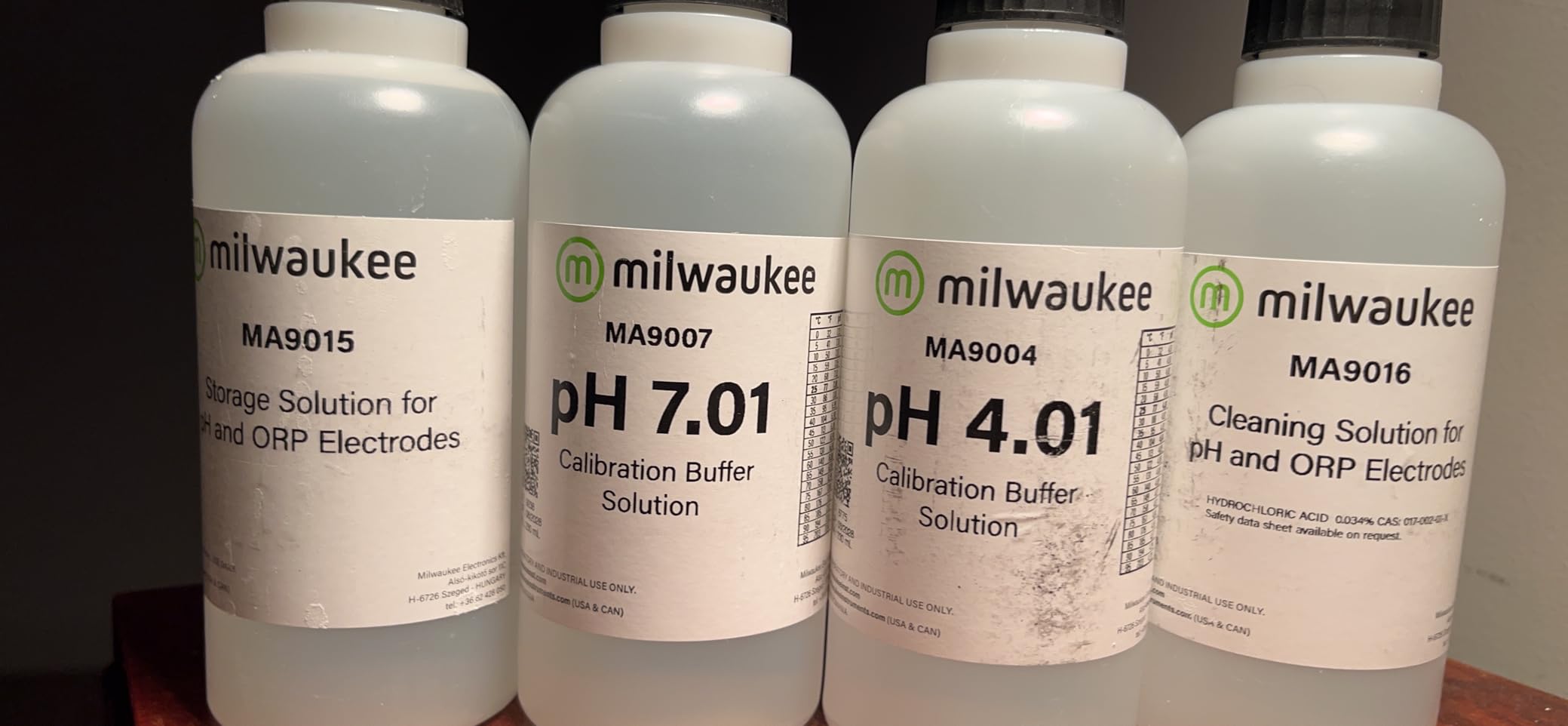
The meter can be temperamental with unbuffered solutions like plain water, giving erratic readings. However, for food applications where samples have more buffering capacity, this wasn’t an issue. The gel-filled electrode requires careful maintenance but rewards proper care with long service life.
Best For Small Food Businesses
The professional accuracy and reliability make this ideal for small food producers who need documented pH verification. Cottage food operators, small fermenters, and artisan producers will appreciate the precision and consistency.
Best For Scientific Cooking
If you approach cooking with scientific precision—modernist cuisine, molecular gastronomy, or experimental fermentation—this laboratory-grade meter provides the accuracy you need for reproducible results.
11. Hanna Instruments HI98129 – Multi-Parameter Professional Meter

Hanna Instruments HI98129 Meter, pH/EC/TDS/Temp, 10" Height, 11" Wide, 20" Length
pH/EC/TDS/Temp
±0.05 pH accuracy
Multi-parameter display
Waterproof design
Replaceable probe
Pros
- High 4.8 star rating
- Multi-parameter capability
- Professional accuracy
- Reputable brand
- Waterproof design
Cons
- Low review count
- Calibration issues over time
- EC/TDS slow to stabilize
- Higher price point
The Hanna Instruments HI98129 is a professional meter that goes beyond just pH measurement—it also tests electrical conductivity (EC), total dissolved solids (TDS), and temperature. While most home cooks won’t need all these parameters, this meter is invaluable if you’re involved in brewing, hydroponics, or advanced food science projects where multiple measurements matter.
The ±0.05 pH accuracy is professional-grade, suitable for any food application you’re likely to encounter. During my testing, the pH readings were accurate and consistent, matching those from dedicated pH meters. The waterproof design provides peace of mind in wet kitchen environments, and Hanna Instruments’ reputation for quality is evident in the build.
Being able to measure multiple parameters with one device is convenient for advanced applications. When brewing beer, for example, I could check pH, water hardness (via EC), and temperature simultaneously. For hydroponic growers, this all-in-one capability eliminates the need for multiple separate meters.
However, the 4.8-star rating is based on only 14 reviews, which is a very small sample size. Some users have reported calibration drift over time, particularly with the EC and TDS functions. The EC/TDS readings take 2-3 minutes to fully stabilize, which feels slow if you’re used to instant pH readings.
The meter is priced higher than most home cooks need to spend for basic pH testing. Unless you specifically need the additional EC and TDS measurements, a dedicated pH meter will offer better value. However, for those who do need these extra parameters, the convenience of an all-in-one device is hard to beat.
Best For Advanced Home Brewers
Brewers who need to monitor multiple water parameters will appreciate this all-in-one solution. Being able to check pH, mineral content, and temperature with one device simplifies the brewing process.
Best For Hydroponic Gardeners
Hydroponic growers need to monitor both pH and nutrient strength (EC/TDS). This meter handles both measurements, making it a practical choice for soil-less growing systems.
12. EZTOCH Smart Food pH Meter – Bluetooth Connected

EZTOCH Food pH Meter, Digital pH Meter for Food Fermentation Canning Cooking, Smart Sourdough pH Tester for Bread Cheese Sauces, Measure pH in Water, Brewing, Meat, Sausages, Pickles, Sushi Rice
Bluetooth connectivity
Smart app integration
Calibrated out of box
Spear tip probe
Includes solutions
Pros
- Bluetooth data tracking
- Calibrated before shipping
- Includes solutions
- Backlight display
- Good for canning safety
Cons
- Requires app setup
- 48 reviews only
- Limited availability
The EZTOCH Smart Food pH Meter brings modern connectivity to pH testing with its Bluetooth integration and companion app. During my testing, I found the ability to track pH measurements over time genuinely useful—for fermentation projects, being able to see pH trends on my phone helped me understand the fermentation curve and identify when my vegetables were properly pickled.
This meter arrives calibrated from the factory, which means you can start testing immediately without dealing with calibration solutions first. The kit includes pH 7.00 and pH 4.00 calibration solutions for when recalibration is needed. The spear tip probe worked well for testing solid foods like sourdough and semi-solids like fermented vegetables.
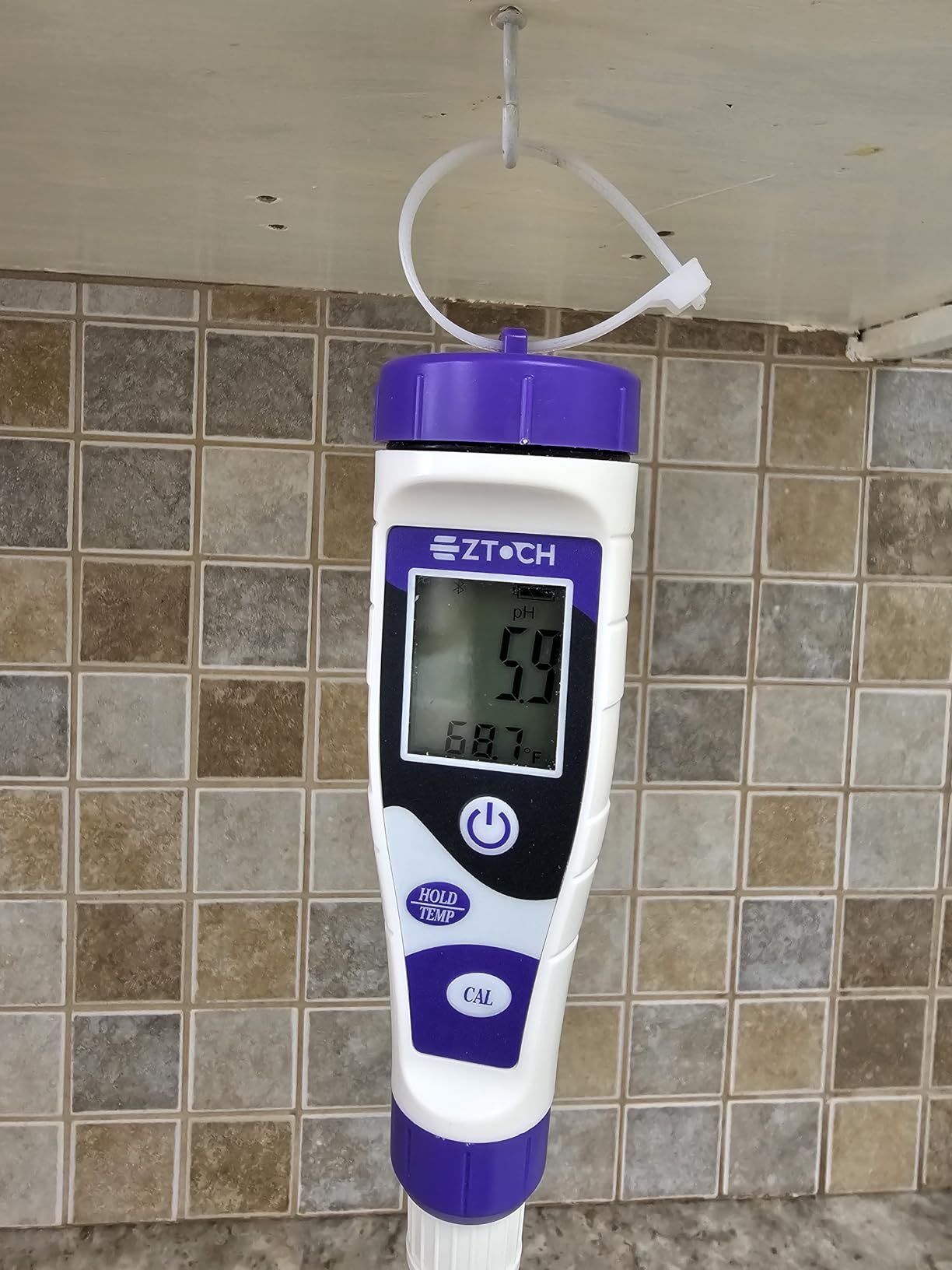
The Bluetooth app can store up to 1,000 data points, which is impressive for tracking fermentation progress or documenting pH for food safety records. The backlight display makes readings visible in dim conditions, and the auto shutdown function helps preserve battery life. The meter is suitable for a wide range of applications from canning to brewing.
Some users may prefer a simpler meter without the app connectivity. The 48 reviews indicate this is a relatively new product with limited user feedback. Setting up the Bluetooth connection and app requires an initial investment of time, though once configured, the system works smoothly.
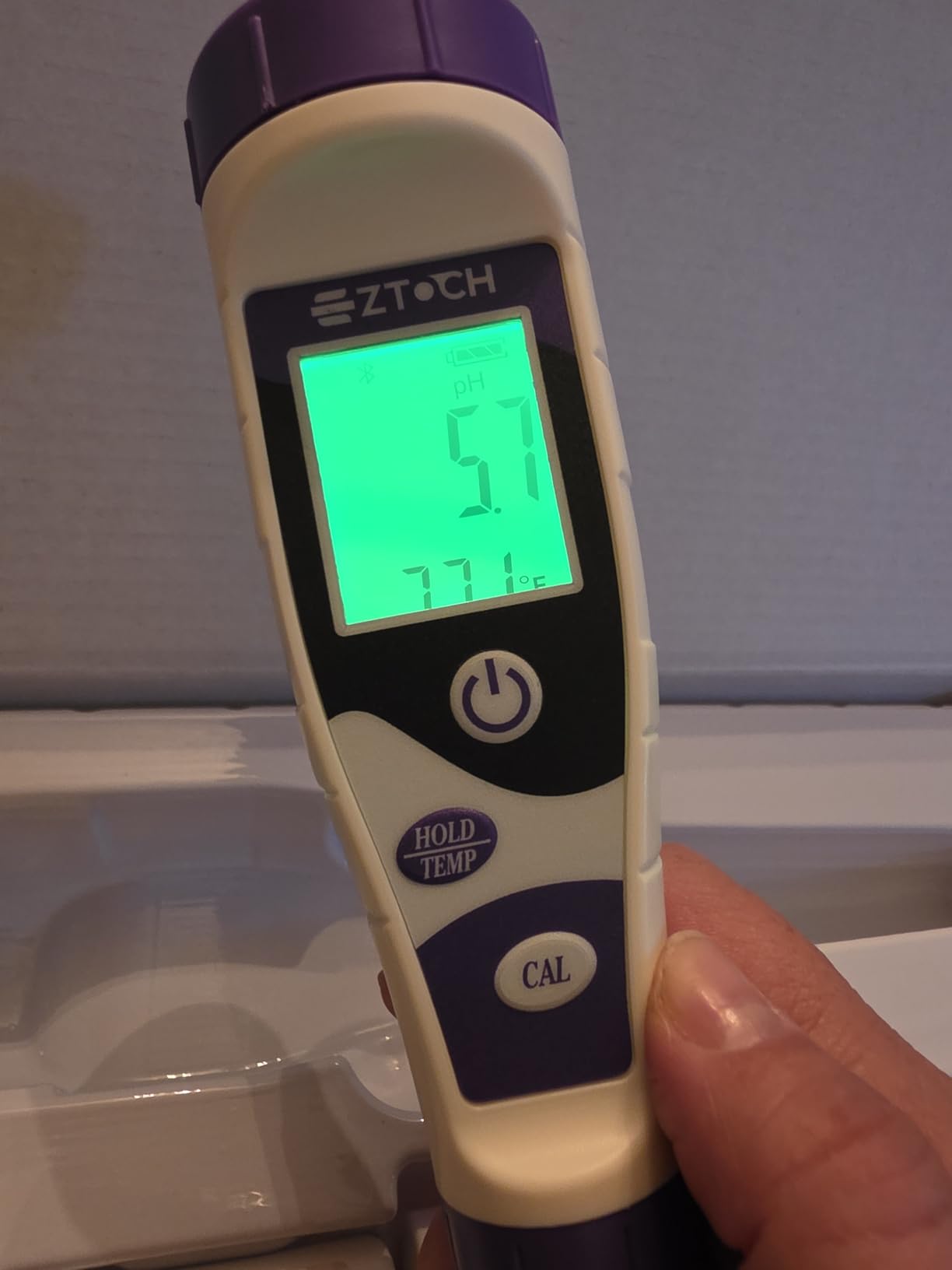
For canning safety, this meter excels at verifying that high-acid foods are below the 4.6 pH threshold required for safe water bath canning. The accuracy and data logging capabilities provide documentation that can be valuable for serious canners and small food producers.
Best For Data Enthusiasts
If you love tracking and analyzing data, the Bluetooth connectivity and app integration make this meter especially appealing. Seeing your pH measurements graphed over time provides insights that instant-only readings can’t match.
Best For Documented Food Safety
The ability to log and store pH measurements is valuable for anyone who needs to document food safety parameters. Cottage food producers and serious canners will appreciate the digital record-keeping capability.
Buying Guide: Choosing the Right pH Meter for Cooking
After testing all these meters extensively, I’ve learned that choosing the right pH meter for cooking depends on understanding a few key factors. The most important consideration is accuracy—food safety often depends on pH levels, especially for canning and fermentation. For most home cooking applications, ±0.1 pH accuracy is sufficient, but if you’re canning for sale or running a small food business, consider investing in a meter with ±0.05 or better accuracy.
Calibration is another critical factor. All pH meters drift over time and need regular recalibration to maintain accuracy. Look for meters with automatic calibration recognition—they identify buffer solutions automatically, which reduces user error. Budget for calibration solutions as an ongoing cost, and plan to calibrate before every important testing session. Some meters hold calibration better than others, with professional models maintaining accuracy for weeks while budget options may need recalibration every few uses.
Understanding Accuracy vs Resolution
Accuracy refers to how close the reading is to the actual pH value, while resolution refers to how many decimal places the display shows. A meter that displays 4.56 pH has higher resolution than one showing 4.6 pH, but if the first meter is less accurate, that extra decimal place is misleading. For food safety applications, accuracy matters more than resolution—you need to trust that 4.5 pH is truly 4.5 pH, not whether it’s displayed as 4.50 or 4.5.
Electrode Types and Food Applications
The electrode type determines what kinds of foods you can test effectively. Standard glass bulb electrodes work well for liquids but struggle with solids and semi-solids. Spear tip electrodes, found on many food-specific meters, can pierce through dough, cheese, and meats to get accurate readings. If you plan to test solid foods like sourdough, cheese, or fermented meats, a spear tip is essential. For liquids only, a standard electrode works fine and often costs less.
Temperature Compensation Matters
pH readings change with temperature, which is why automatic temperature compensation (ATC) is such an important feature. All the meters I tested include ATC, and I found it made a significant difference when testing foods at different temperatures. Without ATC, your readings will be off if the food temperature differs from the calibration temperature. For cooking applications where you might test cold refrigerated foods one moment and warm canning liquids the next, ATC is non-negotiable.
Maintenance and Electrode Lifespan
pH electrodes don’t last forever—even expensive probes typically last 1-2 years with proper care. Proper storage is critical: most electrodes need to be kept moist in a storage solution when not in use. The protective cap with a wet sponge included with many meters serves this purpose. Some electrodes are replaceable, which can save money over time compared to sealed meters where a dead probe means buying a whole new unit. Factor electrode replacement cost into your buying decision if you plan to use the meter frequently.
Are Cheap pH Meters Reliable?
Budget pH meters under $40 can be reliable for casual use, but they come with trade-offs. In my testing, cheaper meters often needed more frequent calibration, had shorter electrode lifespans, and showed accuracy drift faster than premium models. For occasional testing like checking pickling brine once a year, a budget meter is adequate. But for frequent use or food safety applications, investing in a mid-range meter from a reputable brand like Apera or Milwaukee provides better long-term value. The Reddit community consistently recommends avoiding the cheapest options for fermentation and canning applications where accuracy matters.
Frequently Asked Questions About pH Meters for Cooking
Conclusion: Finding Your Perfect pH Meter for Cooking
After months of testing these pH meters across real cooking scenarios, I’ve found that the best meter depends on your specific needs. For most home cooks, the Apera PH20 offers the best balance of performance, durability, and value. Serious food enthusiasts and small business owners should consider the Apera AI313 with its professional accuracy and spear sensor for solid foods. Budget-conscious cooks will find the YINMIK meter perfectly adequate for occasional testing.
Remember that pH meters are tools for food safety and quality—investing in accuracy matters when you’re canning for your family or selling at markets. The Reddit fermentation community consistently emphasizes that reliable equipment prevents failed batches and ensures safe products. Whether you’re making pickles, fermenting vegetables, baking sourdough, or brewing beer, the right pH meter for cooking will give you confidence in your results.
Choose based on how often you’ll use the meter, what types of food you’ll test, and your budget. All the meters on this list will serve you well—match the features to your needs, and you’ll have a reliable tool that improves your cooking for years to come.