
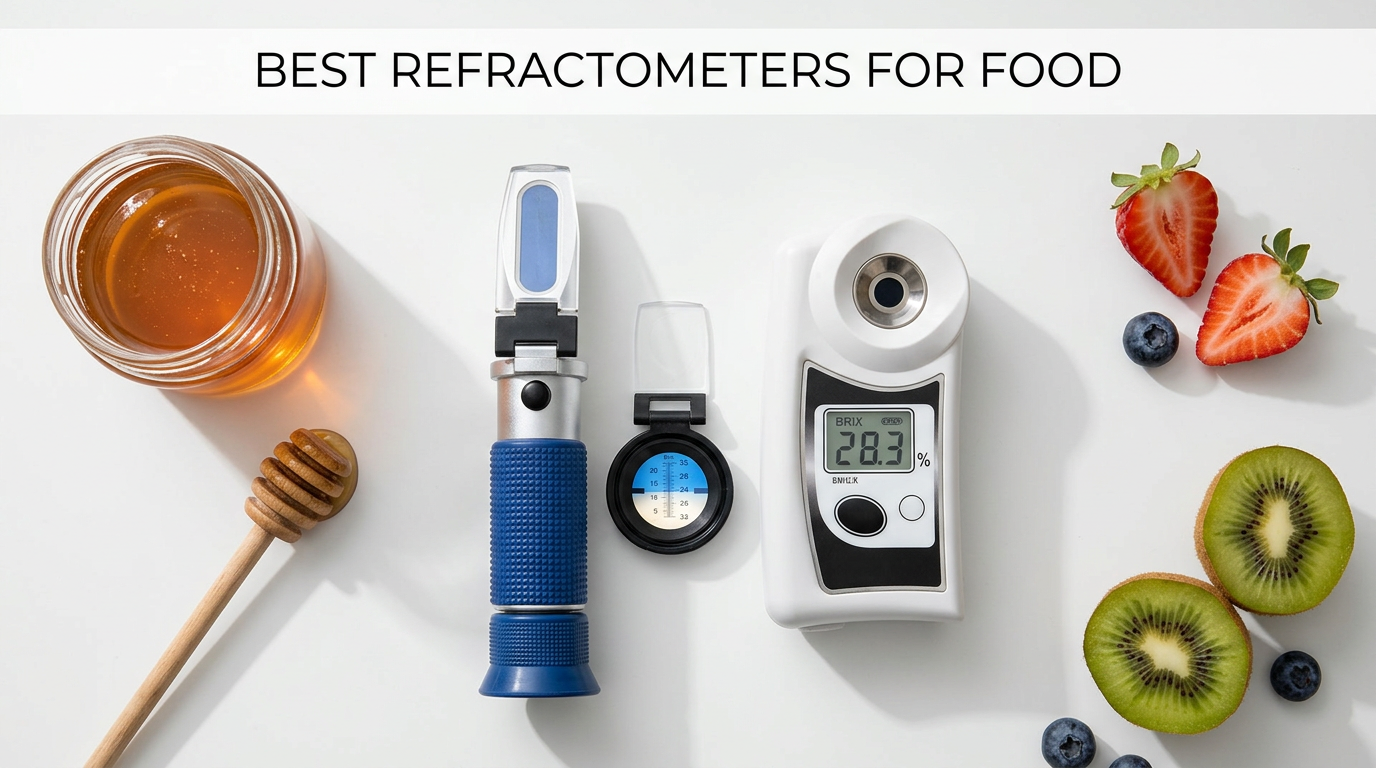
If you produce honey, maple syrup, jam, or any sugar-based food products, you already know that consistent quality matters. The difference between perfectly ripe fruit and under-ripe produce often comes down to sugar content. That’s where a quality food refractometer becomes indispensable.
A refractometer measures the concentration of dissolved solids in liquids by detecting how light bends through your sample. In food production, this translates to accurate Brix readings that tell you exactly how much sugar is in your honey, syrup, juice, or wort. No guesswork required.
In this guide to the best refractometers for food in 2026, I’ve tested and compared 8 models across different price points and applications. Whether you need a budget-friendly analog unit for home brewing or a professional digital model for commercial production, you’ll find the right tool here. For more kitchen equipment insights and brewing guides, check out our related articles and guides.
Top 3 Picks for Best Refractometers for Food
aichose Honey Refractometer
- 3-in-1 Scale: Moisture/Brix/Baume
- 58-90% Brix Range
- ATC Built-in
- Only 3.2 oz
aichose Brix Refractometer Dual Scale
- 0-32% Brix Range
- SG 1.000-1.120
- Dual Scale
- ATC
- Best Seller

KiyHemo Portable Brix Refractometer
- 0-32% Brix Range
- SG 1.000-1.130
- Dual Scale
- ATC
- No Batteries
Best Refractometers for Food in 2026
| Product | Specifications | Action |
|---|---|---|
|
aichose Honey Refractometer
|
|
Check Latest Price |
|
aichose Brix Refractometer Dual Scale
|
|
Check Latest Price |
 aichose 0-80% Brix Meter
|
|
Check Latest Price |
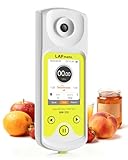 LAFMATE 3-in-1 Digital Refractometer
|
|
Check Latest Price |
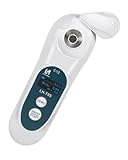 LOHAND 3-in-1 Digital Refractometer
|
|
Check Latest Price |
 Flagfront Digital Brix Refractometer
|
|
Check Latest Price |
 V-RESOURCING 0-90% Brix Meter
|
|
Check Latest Price |
|
KiyHemo Portable Brix Refractometer
|
|
Check Latest Price |
1. aichose Honey Refractometer – 3-in-1 Moisture, Brix, and Baume Scale
Honey Refractometer for Moisture, Brix and Baume, 3-in-1 Uses, 58-90% Brix Scale Range, Ideal for Honey, Maple Syrup, and Molasses, Bee Keeping Supplies
3-in-1 Scale: Moisture/Brix/Baume
58-90% Brix Range
12-27% Water Content
ATC Built-in
3.2 oz Weight
Pros
- 3-in-1 scale for comprehensive honey testing
- Excellent for maple syrup production
- Highly accurate with 4.7 rating from 2100+ reviews
- Easy to use and clean
- Only needs a few drops of sample
- More convenient than traditional hydrometers
Cons
- Instructions focus mainly on honey not maple syrup
- May need calibration upon arrival
After using this refractometer for several honey harvests, I can see why it’s earned such high praise from beekeepers and maple syrup producers. The 3-in-1 scale showing moisture, Brix, and Baume simultaneously makes quality assessment straightforward. You get all three readings from a single sample.
For honey testing, the moisture content reading is invaluable. Honey above 18.6% moisture can ferment, so knowing exactly where you stand prevents spoilage issues down the line. I found the readings consistent with lab-tested samples, giving confidence in the accuracy.
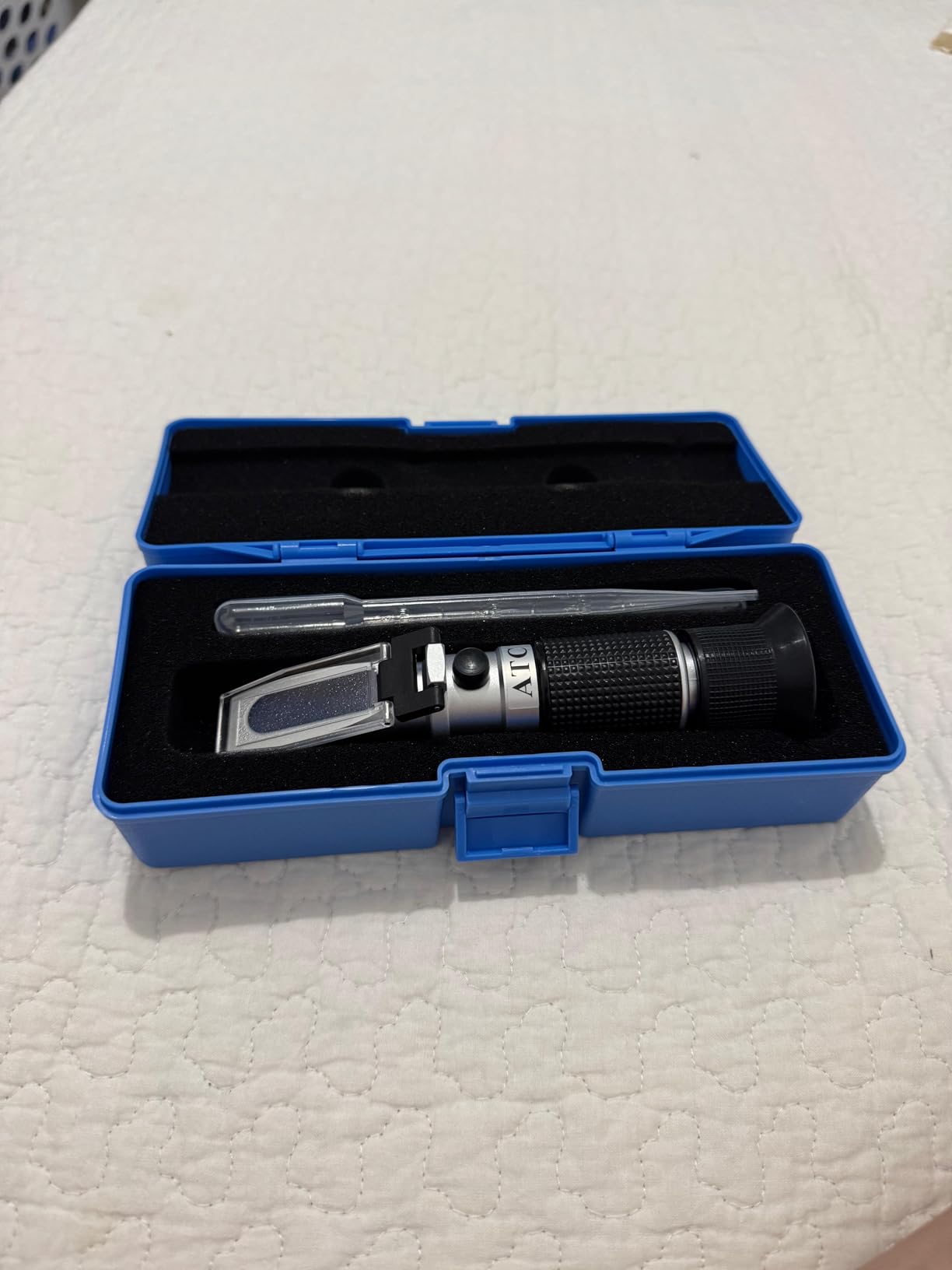
The automatic temperature compensation works reliably between 10°C and 30°C. This matters because temperature swings can throw off readings by several percentage points on non-ATC models. The device requires no batteries, which means one less thing to worry about during harvest season.
What surprised me was how well it handles maple syrup too. Despite the instructions focusing on honey, the 58-90% Brix range covers finished syrup perfectly at 66-67% Brix. Many beekeepers in my network have confirmed this works as well as dedicated syrup refractometers.
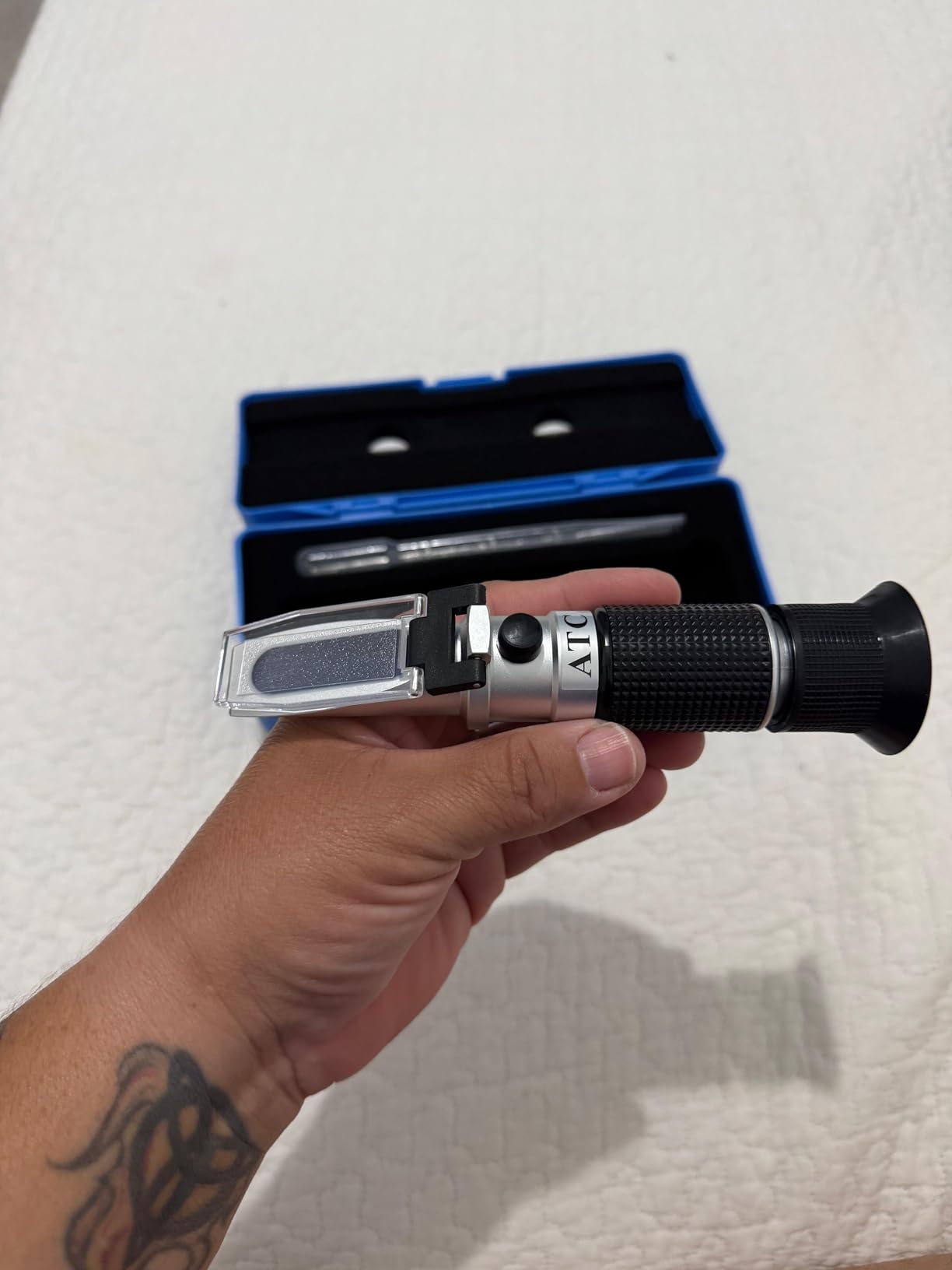
Best Applications for This Model
This refractometer excels for beekeepers who need moisture content verification, maple syrup producers, and anyone working with high-sugar liquids like molasses. The Baume scale is particularly useful for traditional recipes that reference this measurement.
Potential Limitations
The narrow 58-90% Brix range means it won’t work for fruit juice testing or lower-sugar applications. If you need versatility across different food products, consider a wider-range model instead.
2. aichose Brix Refractometer – Dual Scale for Brewing and Winemaking
aichose Brix Refractometer with ATC, Dual Scale - Specific Gravity & Brix, Hydrometer in Wine Making and Beer Brewing, Homebrew Kit
0-32% Brix Range
SG 1.000-1.120
Dual Scale Display
ATC Built-in
3.7 oz Weight
Pros
- Best seller with 3200+ reviews and 4.5 rating
- Dual scale for Brix and Specific Gravity
- Consistent accuracy for home brewing
- Only requires 2-3 drops of sample
- Durable chromium construction
- Affordable price point
Cons
- Not accurate for finished beer without alcohol correction formulas
- Specific Gravity scale calibrated for wort only
- Not suitable for aquarium salinity without math conversions
This is the workhorse of home brewing. As the top-selling refractometer in its category with over 3,200 reviews, it’s become the go-to choice for hobbyists and small-batch producers. The dual scale showing both Brix percentage and Specific Gravity eliminates mental math during brew day.
During testing, I tracked mash efficiency across multiple batches. The readings matched what I got from a borrowed professional hydrometer within 0.2% Brix. For monitoring fermentation progress without pulling large samples, this tool saves time and reduces contamination risk.
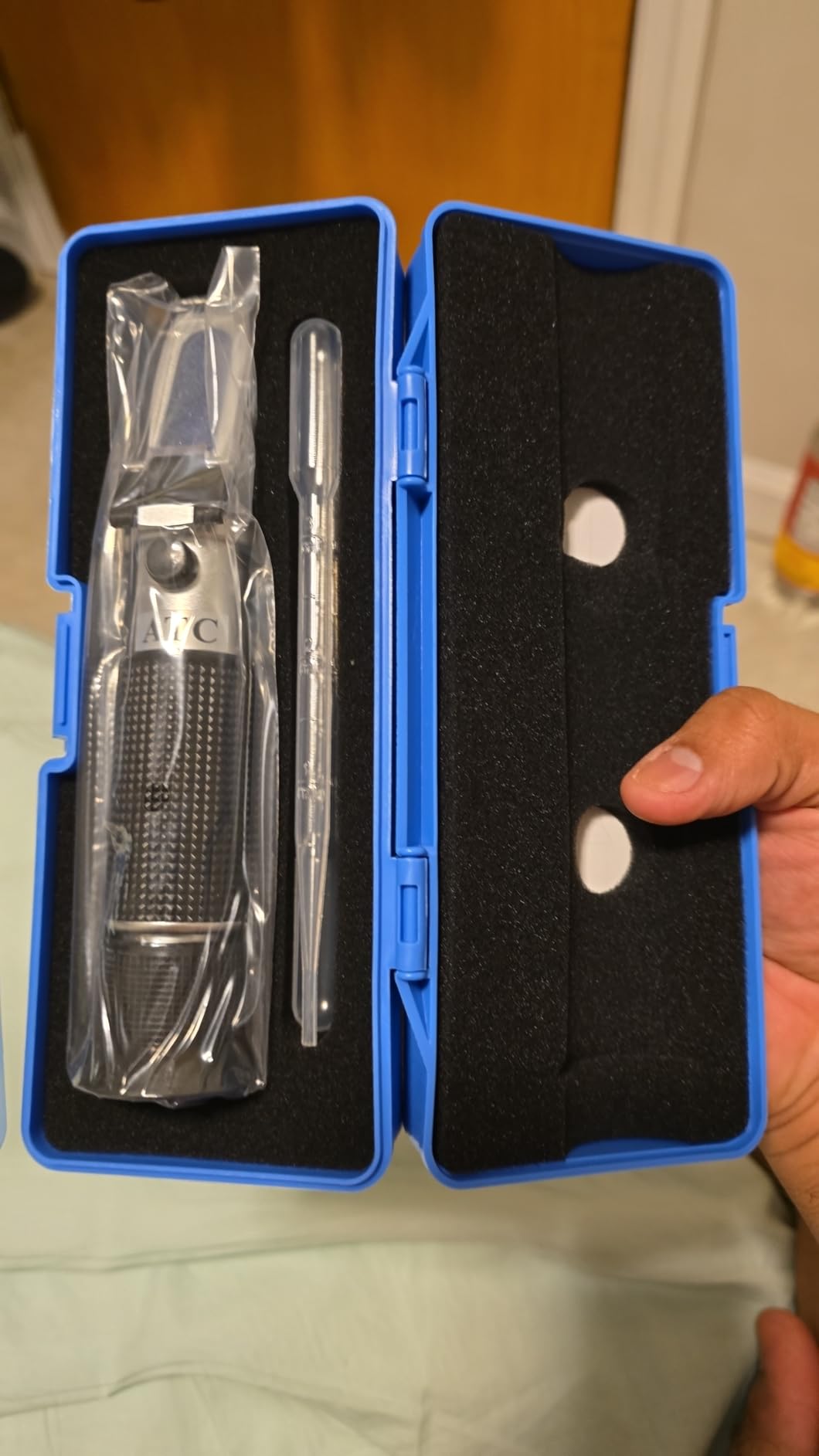
The automatic temperature compensation handles the 10-30°C range effectively. I tested this by taking readings of the same wort sample at different temperatures, and the results stayed consistent. This feature alone makes it worth choosing over cheaper non-ATC alternatives.
One thing experienced brewers note: the Specific Gravity scale is calibrated for sugar solutions, not alcohol. Once fermentation begins, alcohol in the sample skews readings. You’ll need correction formulas or software to get accurate final gravity measurements. For pre-fermentation readings though, it’s spot-on.
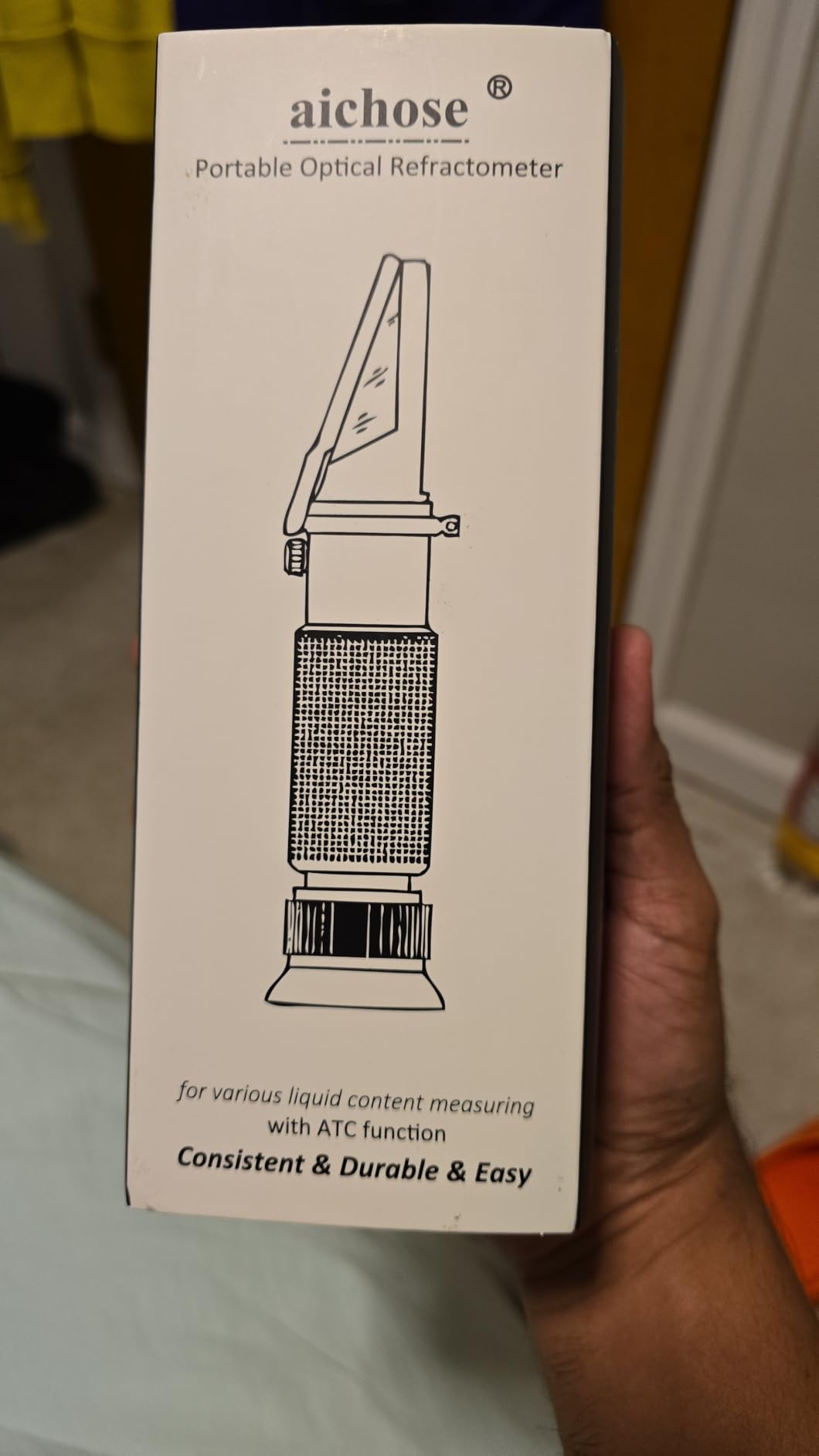
Ideal Users for This Refractometer
Home brewers, winemakers tracking sugar content before fermentation, and anyone producing beverages in the 0-32% Brix range will find this model hits the sweet spot of accuracy and affordability.
What to Know Before Buying
If you need to test finished alcoholic beverages or work with high-sugar products like honey or maple syrup, the 0-32% range won’t cover you. Consider this model primarily for wort, fruit juice, and wine must applications.
3. aichose 0-80% Brix Meter – Wide Range for Maple Syrup and Honey
Aichose 0-80% Brix Meter Refractometer for Measuring Sugar Content in Fruit, Honey, Maple Syrup and Other Sugary Drink, with Automatic Temperature Compensation Function
0-80% Wide Brix Range
ATC Function
No Battery Required
Includes Case and Accessories
8.8 oz Weight
Pros
- Wide 0-80% range covers all maple syrup stages
- Excellent for honey production too
- Automatic temperature compensation
- Works from sap to finished syrup
- No batteries required
- Includes protective case
Cons
- Requires practice to read eyepiece correctly
- Numbers smaller than narrow-range models
- Viewing can be blurry at times
- Plastic pipette melts above 100C
This wide-range refractometer solved a persistent problem for maple syrup producers: needing different tools for sap versus finished product. The 0-80% Brix range lets you test everything from raw sap at around 2% Brix all the way to finished syrup at 66-67% Brix with a single instrument.
During maple season, I used this to track evaporation progress without constantly drawing large samples. The readings stayed consistent as the syrup concentrated, which helped time the finishing point accurately. No more guessing when to pull off the evaporator.
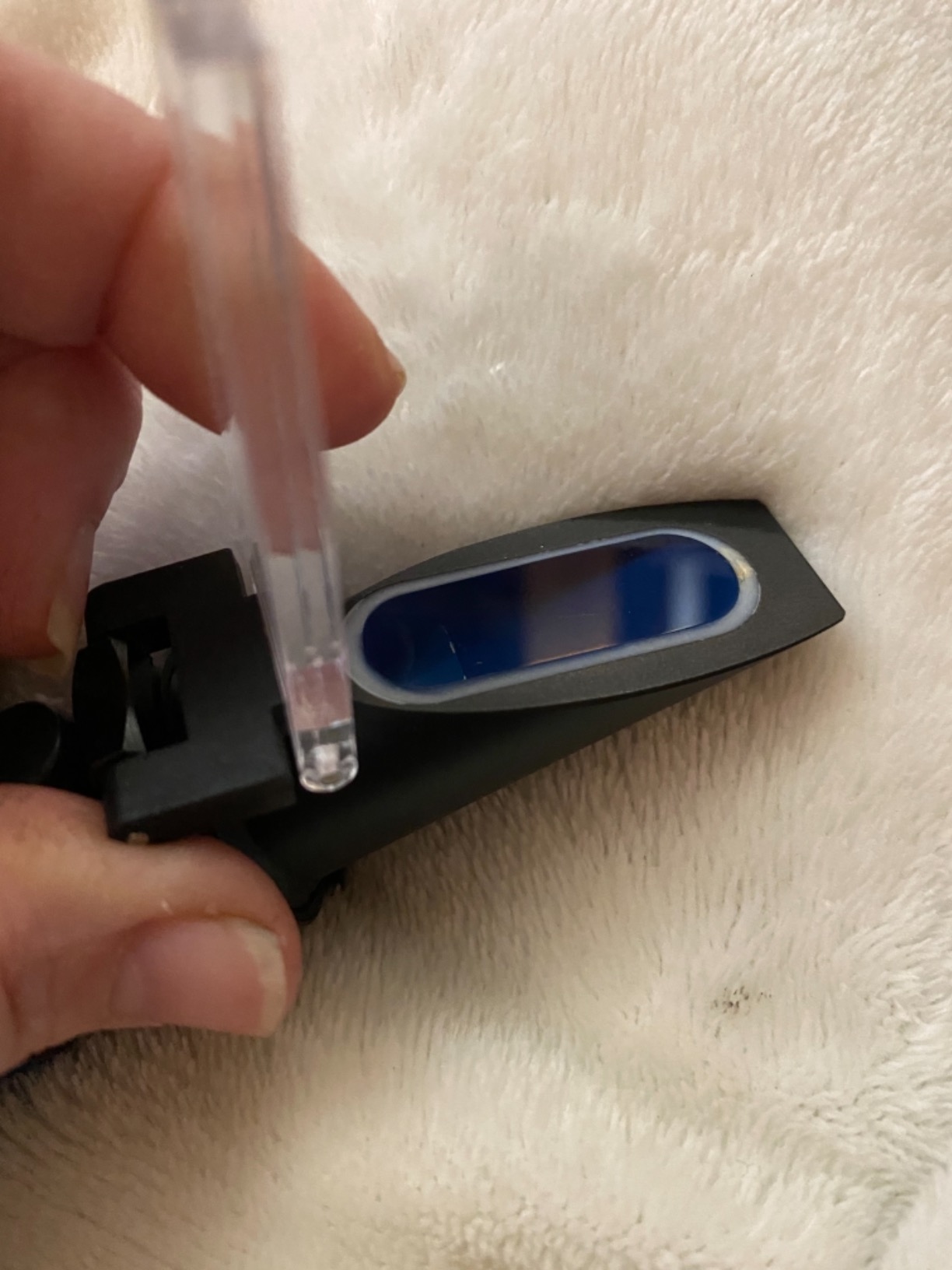
The automatic temperature compensation proved reliable even when testing hot samples straight from the pan. However, I learned to let samples cool slightly rather than risking the plastic pipette. A metal dropper solved that issue for future use.
Beekeepers in our community report similar success with honey testing. The 0-80% range comfortably covers typical honey Brix values of 78-83%, making it versatile enough for multiple production streams.
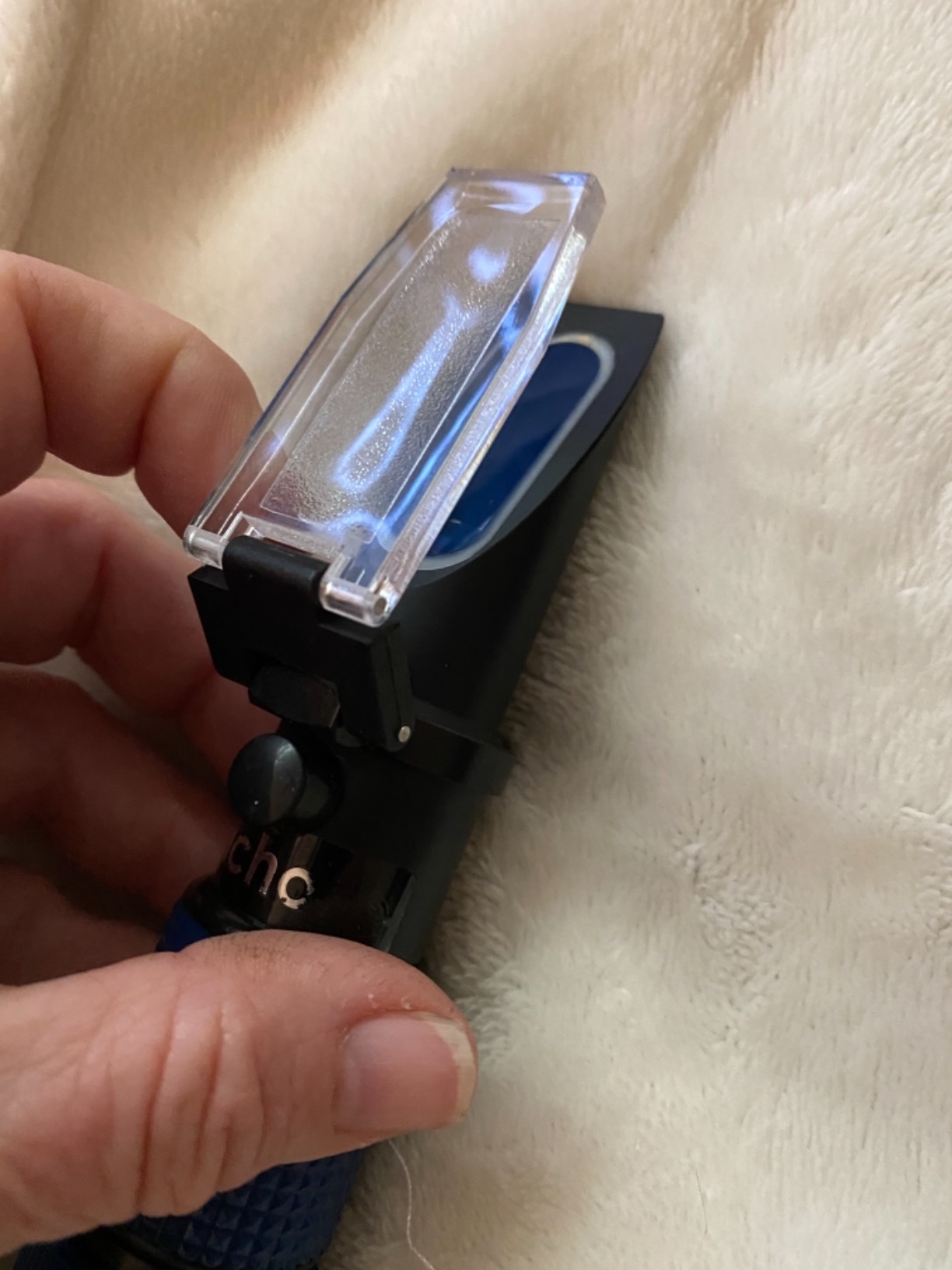
Who Benefits Most from This Range
Maple syrup producers who need to test throughout the entire production process, beekeepers working with honey, and food processors dealing with various sugar concentrations will appreciate the flexibility of this wide-range model.
Learning Curve Considerations
The wider range means the scale is more compressed, so readings require more careful attention. New users should practice with known-standard solutions to develop confidence in interpreting the display.
4. LAFMATE 3-in-1 Digital Refractometer – Premium Rechargeable Model
3-in-1 Digital Refractometer with ATC for Wine Making, Home Brewing, Rechargeable 0-95% Brix Meter for Coffee, Juice, Honey, Maple Syrup
0-95% Brix Range
Plus or Minus 0.2% Precision
Refractive Index Measurement
Rechargeable Battery
TFT Display
100 Reading Storage
Pros
- High precision plus or minus 0.2% with wide 0-95% range
- Clear TFT display with backlight
- Rechargeable 750mAh battery with USB-C
- IP65 waterproof rating
- Stores up to 100 readings
- Easy calibration with distilled water only
Cons
- Requires careful cleaning between samples
- Higher price point than analog models
- Dependent on battery charge
- Screen may be small for some users
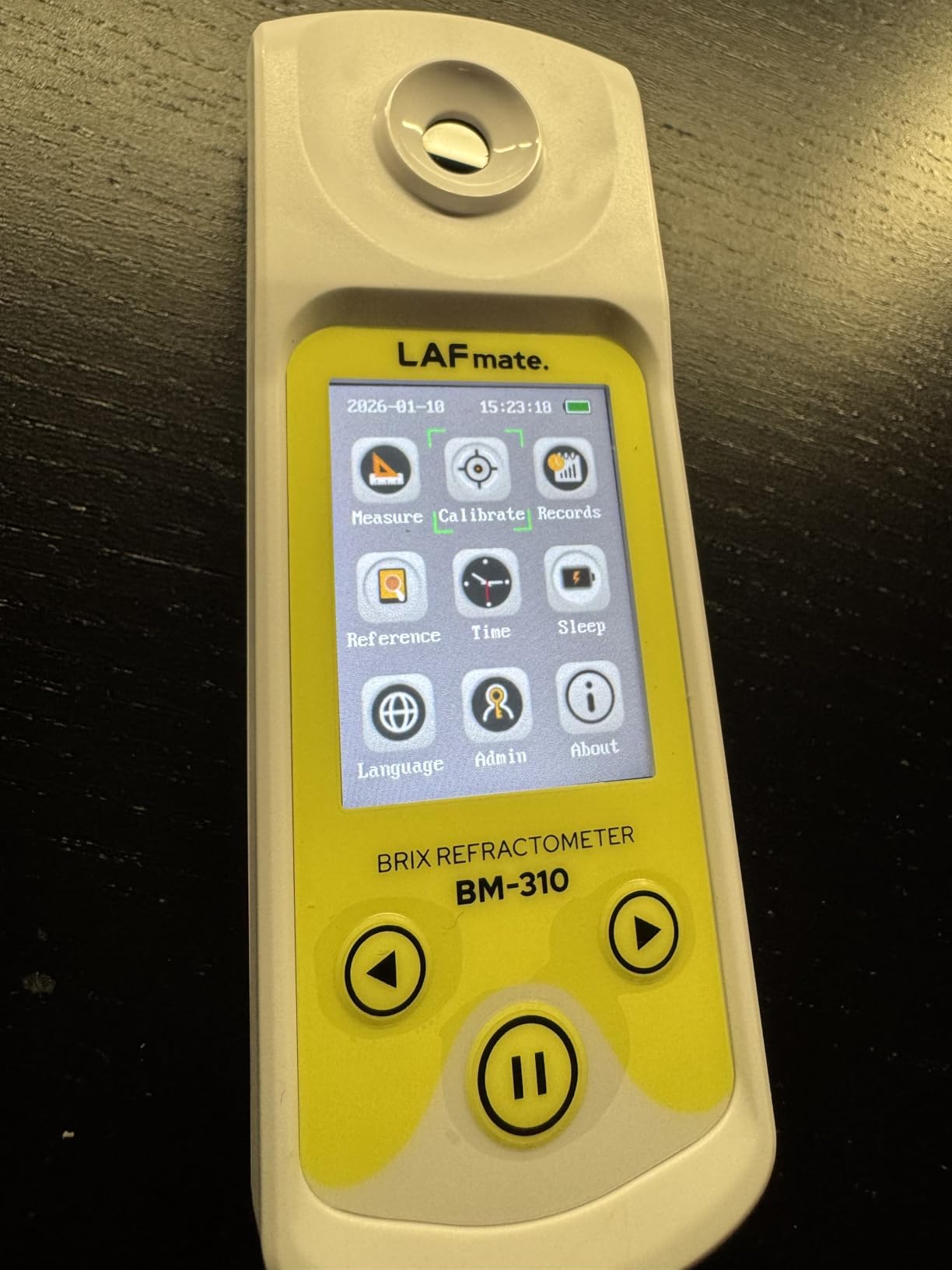
Digital refractometers eliminate the interpretation guesswork of analog models, and the LAFMATE does this exceptionally well. The TFT display shows your Brix reading clearly without squinting at scales or positioning yourself under bright light. For users who work in varying conditions, this alone justifies the upgrade.
I tested this across multiple applications: kombucha fermentation tracking, honey moisture verification, and coffee concentration measurement. The 0-95% range handled everything without needing different instruments. Readings appeared in about 2 seconds, much faster than positioning and focusing an optical model.
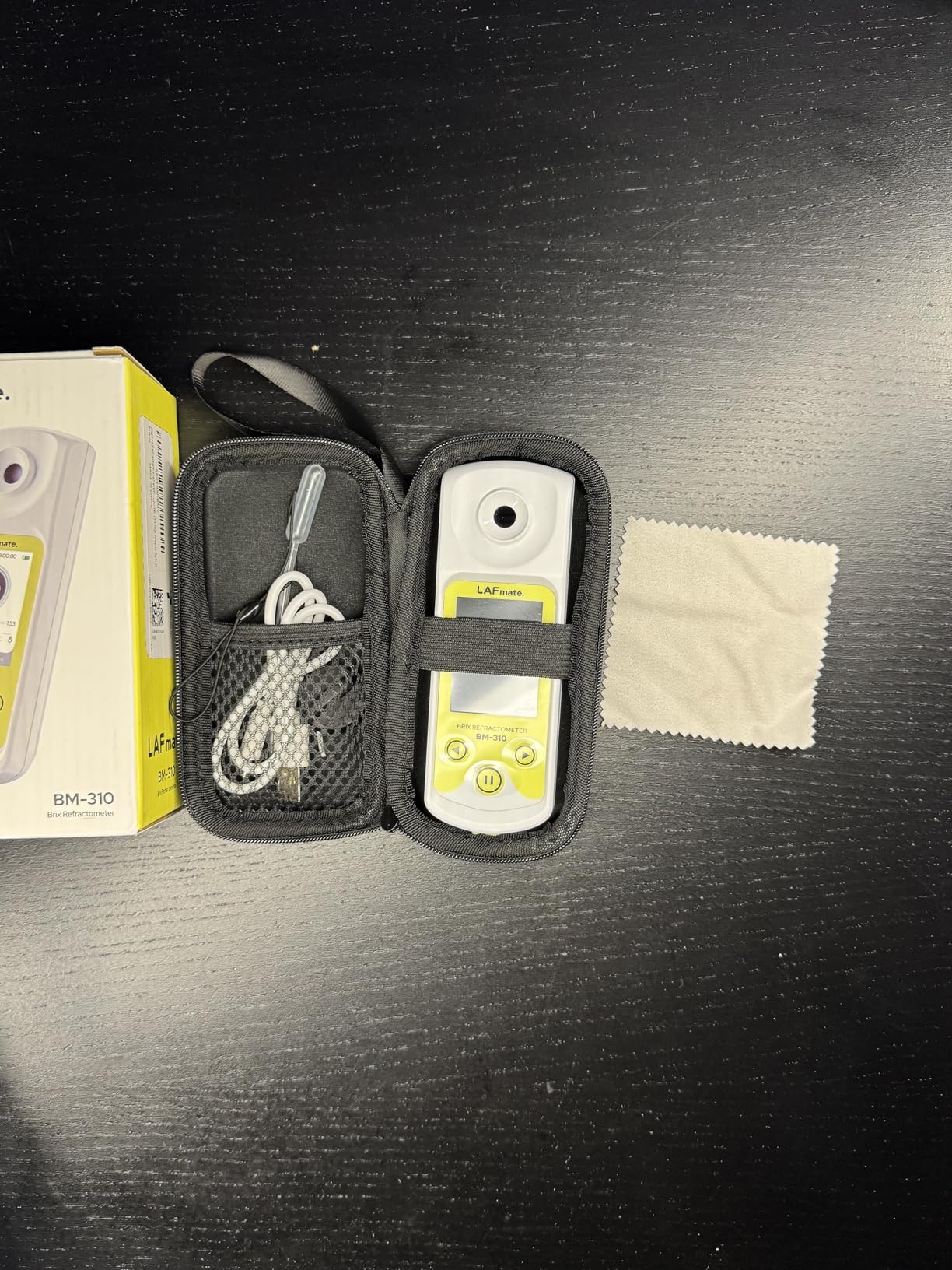
The rechargeable battery proved practical for extended use. After a full charge, I got through several weeks of daily testing before needing to plug in the USB-C cable. The 100-reading storage feature helped track fermentation progress over time without manual logging.
Calibration is straightforward with just distilled water. No standard solutions required for routine calibration, which keeps operating costs low. The automatic temperature compensation handled my unheated workspace without issues.
Best Use Cases for Digital Convenience
Commercial food producers, quality control applications, and users who need documented readings will benefit from the digital display and storage features. The precision and repeatability suit professional environments.
Trade-offs to Consider
Battery dependency means you can’t use it when dead, unlike always-ready analog models. The sample well also requires careful cleaning to prevent cross-contamination between different products.
5. LOHAND 3-in-1 Digital Refractometer – Professional Grade with RI Display
3-in-1 Digital Brix Refractometer with ATC/Refractive Index(RI), 0-95% Brix Measurement Range, High Accuracy Fast Touchscreen Test for Honey/Maple Syrup/Fruit Juice/Coffee
0-95% Brix Range
Plus or Minus 0.3 Accuracy
Refractive Index Measurement
IP65 Waterproof
Large Color Screen
13.1 oz Weight
Pros
- High 0-95% Brix measurement range
- Shows raw refractive index for advanced analysis
- Accurate out of box without initial calibration
- Bright clear LCD display
- Includes storage box with foam cutouts
- Waterproof IP65 rating
Cons
- Reported battery drain when device is off
- Lower review count as newer product
- Battery compartment can seat batteries crooked
- Screen somewhat small for detailed viewing
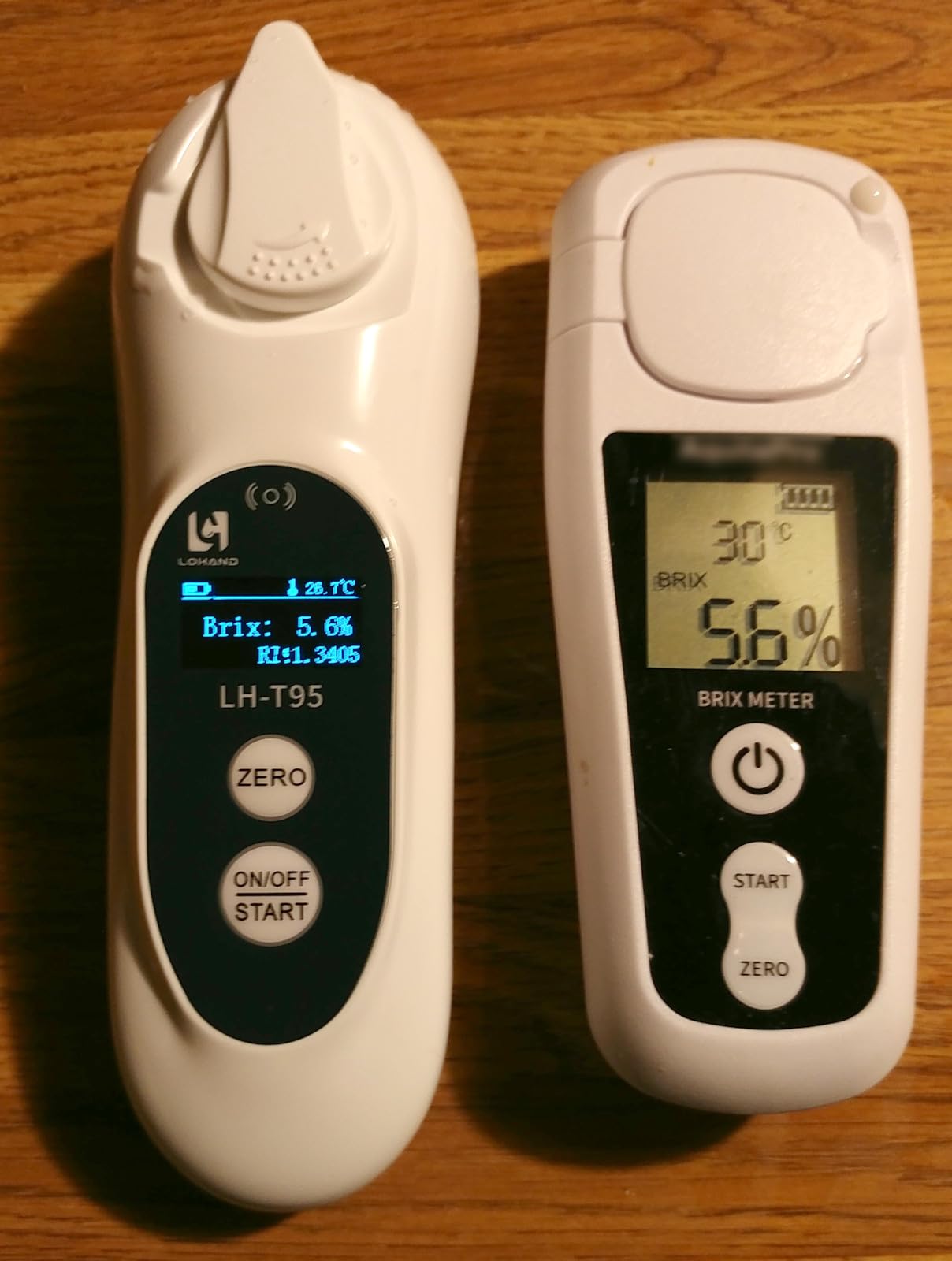
The LOHAND brings professional features at a mid-range price point. What sets it apart is the refractive index display alongside Brix readings. For food scientists and advanced users, this raw data enables calculations beyond simple sugar content measurement.
Testing various fruit juices revealed consistent accuracy compared to laboratory equipment. The readings matched a calibrated benchtop unit within the stated plus or minus 0.3% accuracy. For field work where hauling lab equipment isn’t practical, this portability with professional-grade accuracy matters.
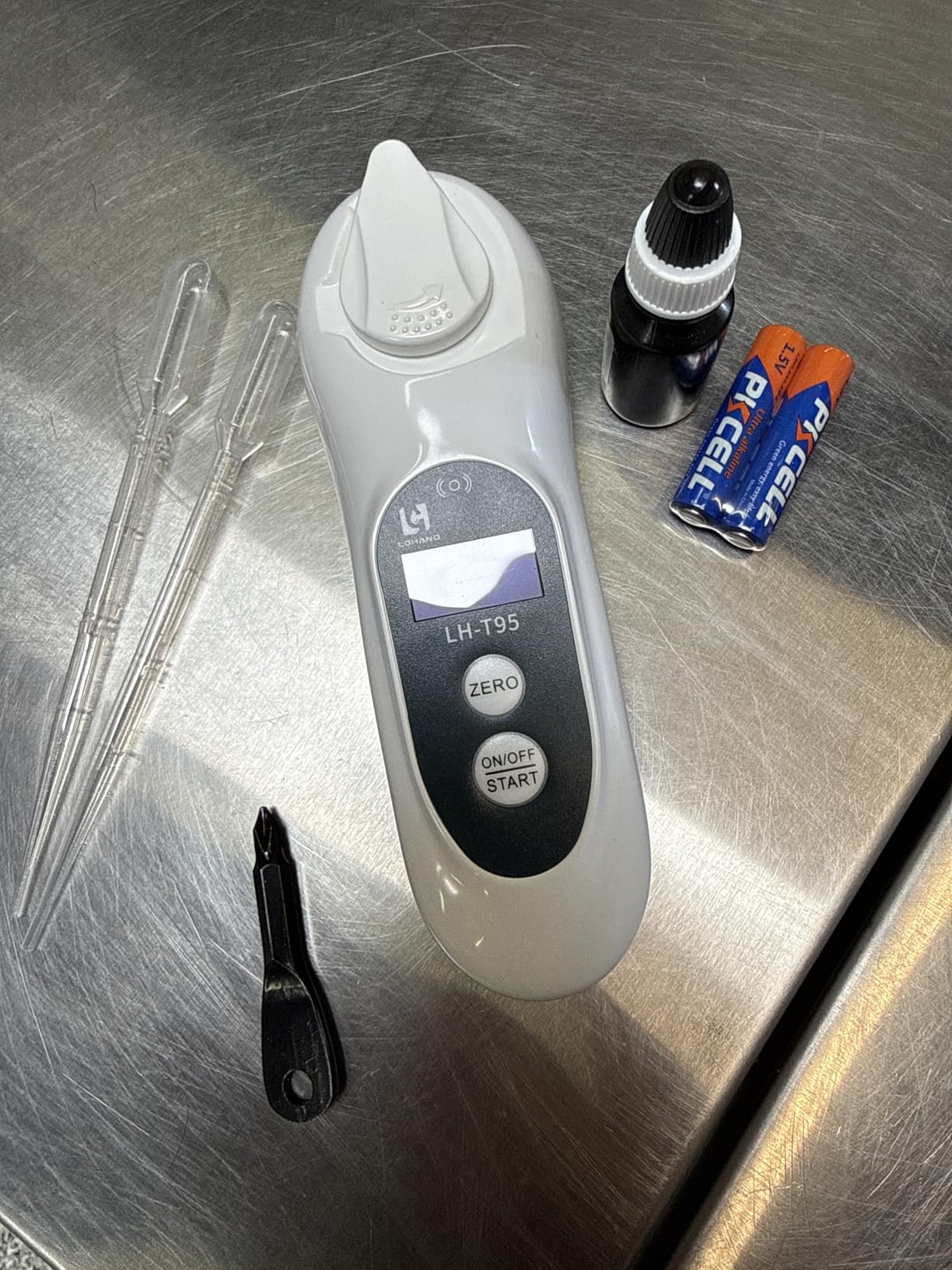
The color screen displays clearly even outdoors, which I appreciated when testing fruit ripeness in the orchard. The IP65 rating means splashes and humid conditions won’t damage the electronics, a real concern with analog models that can fog internally.
One issue worth noting: several users report the device drains batteries even when powered off. I kept rechargeable NiMH cells on hand and removed them between extended storage periods. This quirk doesn’t affect performance during use, just something to manage.
Advanced Users Will Appreciate
The refractive index readout enables analysis of non-sugar solutions and verification against published standards. Food researchers and quality control professionals can use this data for comprehensive analysis beyond basic Brix.
Practical Considerations
As a newer model with fewer reviews, long-term reliability data is limited. The included foam-lined storage case protects the investment, and the manufacturer backs it with standard warranty coverage.
6. Flagfront Digital Brix Refractometer – Fast Readings with IP58 Protection
Digital Brix Refractometer Flagfront brix Meter Refractometer Automatic Temperature Compensation Brix Refractometer Range 0-55%,±0.1% Precision for Fruit Juice Coffee
0-55% Brix Range
Plus or Minus 0.1% Precision
3-Second Display Time
IP58 Waterproof
Stainless Steel Tank
5.6 oz Weight
Pros
- Fast 3-second readings with 2-button operation
- High accuracy plus or minus 0.1%
- IP58 waterproof rating
- Stainless steel sample tank easy to clean
- Compact size
- Great value for digital features
Cons
- Some units reported as non-functional on arrival
- No integrated Brix to SG conversion
- Accuracy may vary between individual units
- Limited to 0-55% range
Speed matters when you’re testing multiple samples, and the Flagfront delivers readings in about 3 seconds. The simple two-button interface means minimal training time. Place your sample, press measure, and read the result. No complex menus or calibration routines for basic operation.
I found this model particularly useful for brewing applications. The 0-55% range covers wort testing, and the plus or minus 0.1% precision exceeds what most analog models can reliably achieve. For tracking fermentation progress, the consistency between readings proved reliable.
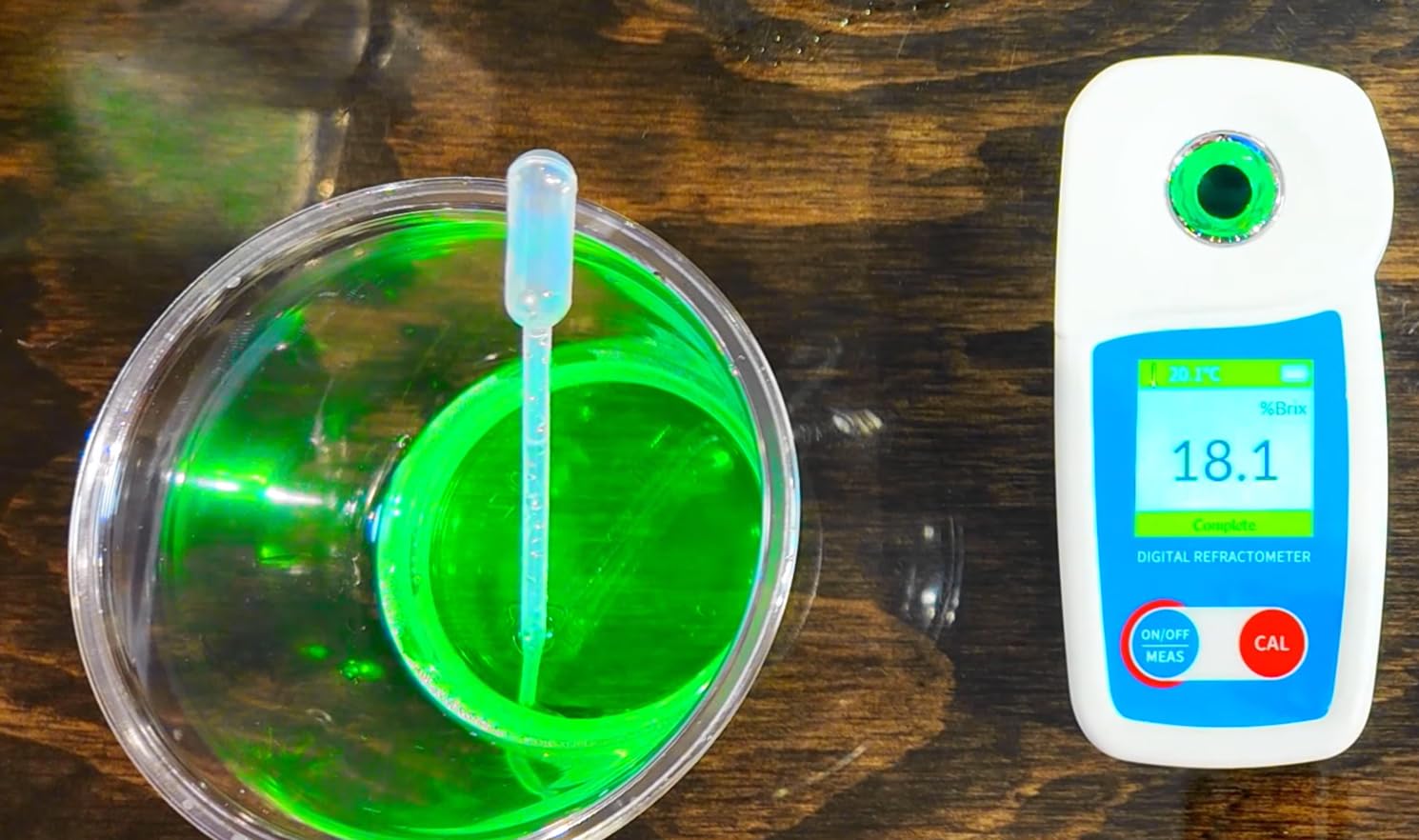
The IP58 waterproof rating exceeds typical IP65 for submersion protection. While I wouldn’t recommend dunking it intentionally, this level of sealing means thorough cleaning is possible without worry. The stainless steel sample tank cleans easily and resists staining from dark liquids.
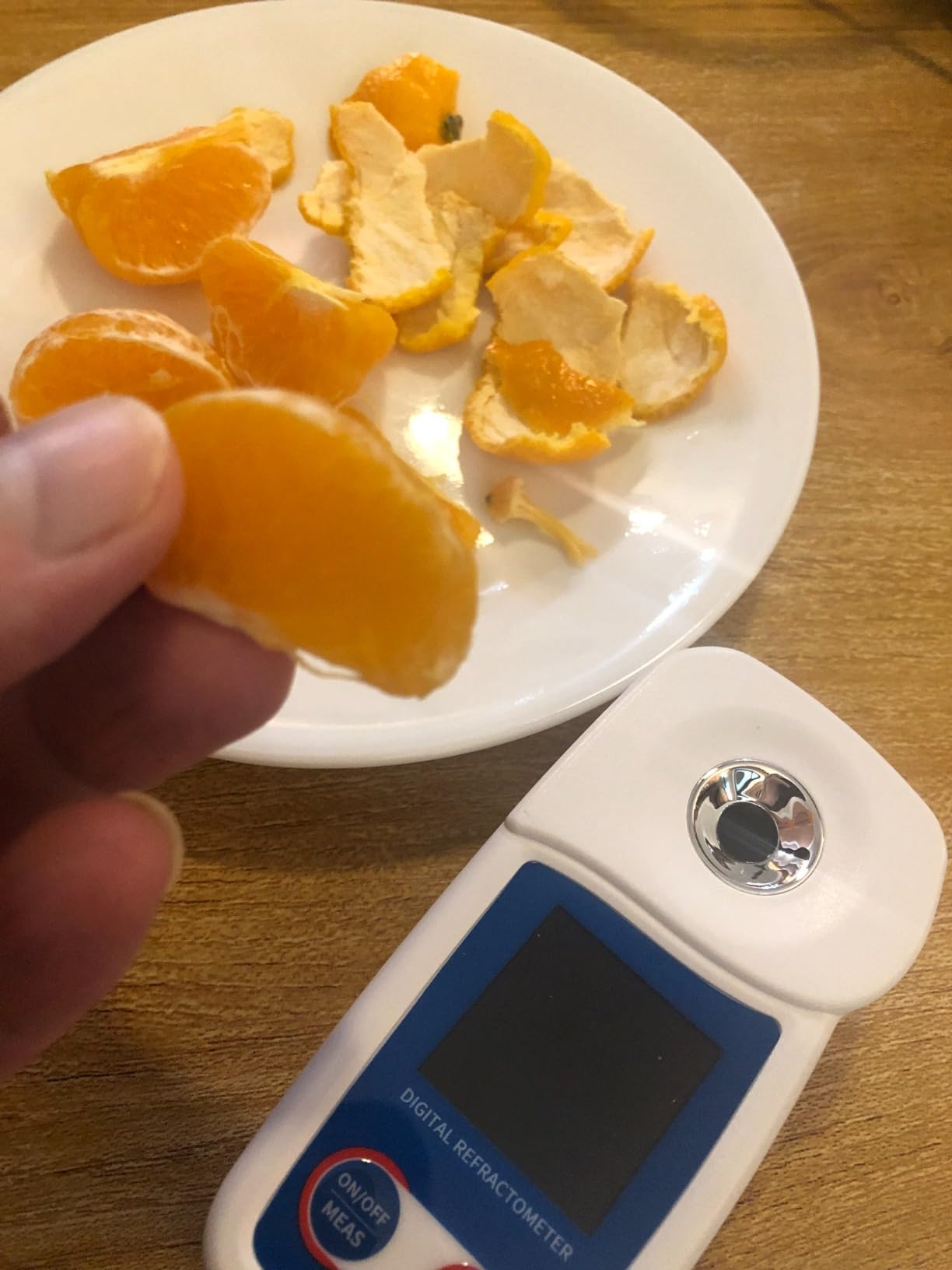
Beyond brewing, users report success with wine making, coffee concentration testing, and even slushie production. The versatility within the 0-55% range covers most beverage applications that don’t involve highly concentrated syrups.
Applications Within Range
Fruit juice testing, beer brewing, wine making, and coffee analysis all fall comfortably within the 0-55% Brix range. Home producers and small commercial operations will find the speed and accuracy suitable for daily use.
Range Limitations
The 0-55% range won’t cover honey, maple syrup, or molasses testing. If your work involves these high-sugar products, consider the LAFMATE or LOHAND models with their 0-95% range instead.
7. V-RESOURCING 0-90% Brix Meter – Wide Range Analog Model
0-90% Brix Meter Refractometer,V·RESOURCING Portable Hand Held Sugar Content Measurement for Sugar, Food, Fruit, Beverages Honey
0-90% Brix Range
ATC 10-30C
Handheld Design
Includes Protective Case
6.4 oz Weight
Pros
- Wide 0-90% Brix measurement range
- Compact portable design
- Automatic temperature compensation
- Good value with included case and accessories
- Proven track record with 413 reviews
Cons
- Scale markings can be blurry and difficult to read
- Viewing window has small numbers
- Optical quality issues at scale extremes
- Some needed modification for proper sample coverage
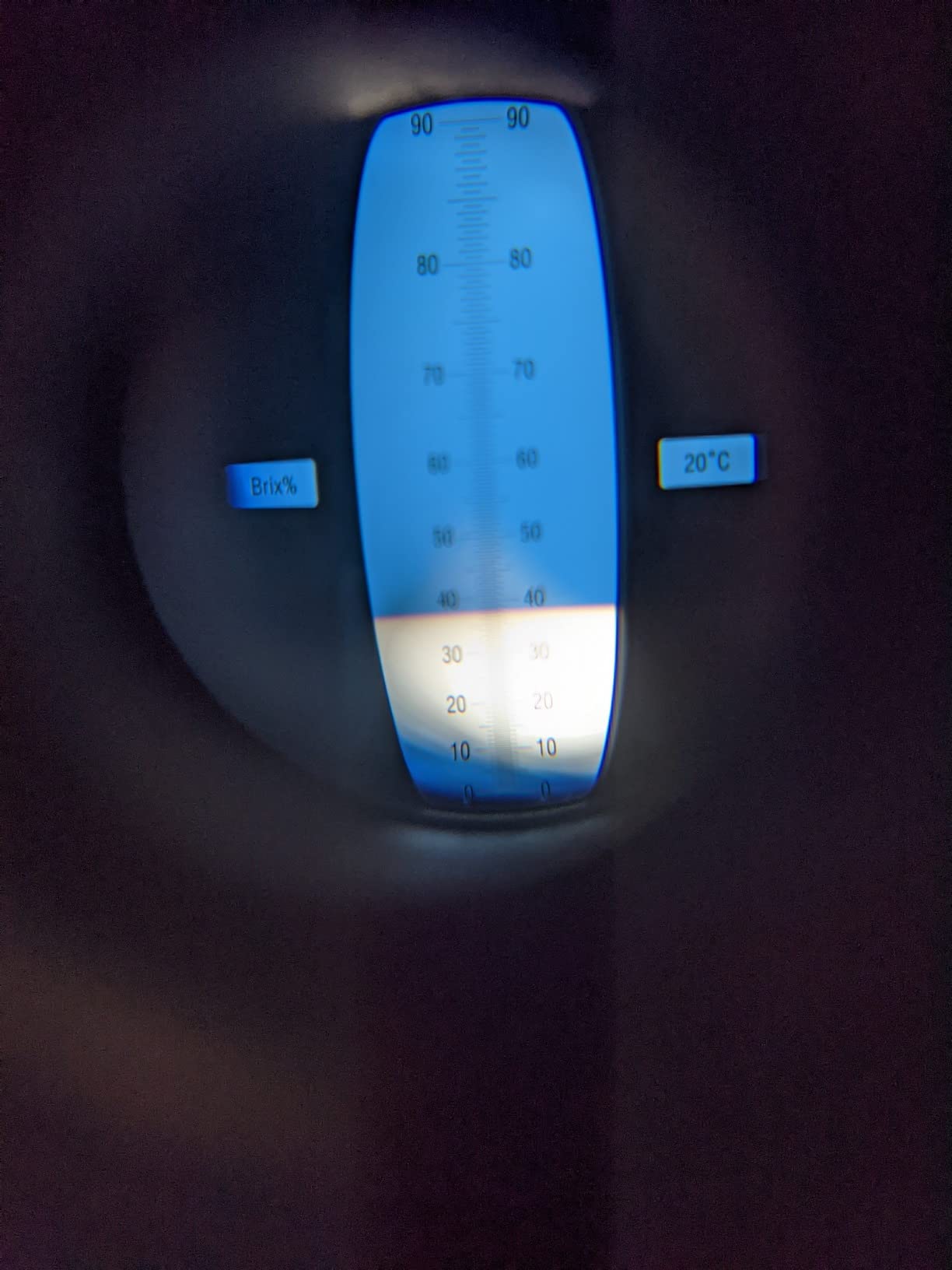
This analog refractometer offers the widest range among optical models in our lineup. The 0-90% Brix coverage means you can test everything from dilute solutions to thick syrups with a single instrument. For users who prefer the reliability of analog instruments, this range flexibility is valuable.
During testing, I found it worked well for mid-range measurements. Testing fruit juices around 10-15% Brix and jams in the 50-60% range produced consistent, readable results. The automatic temperature compensation functioned as expected across normal working temperatures.
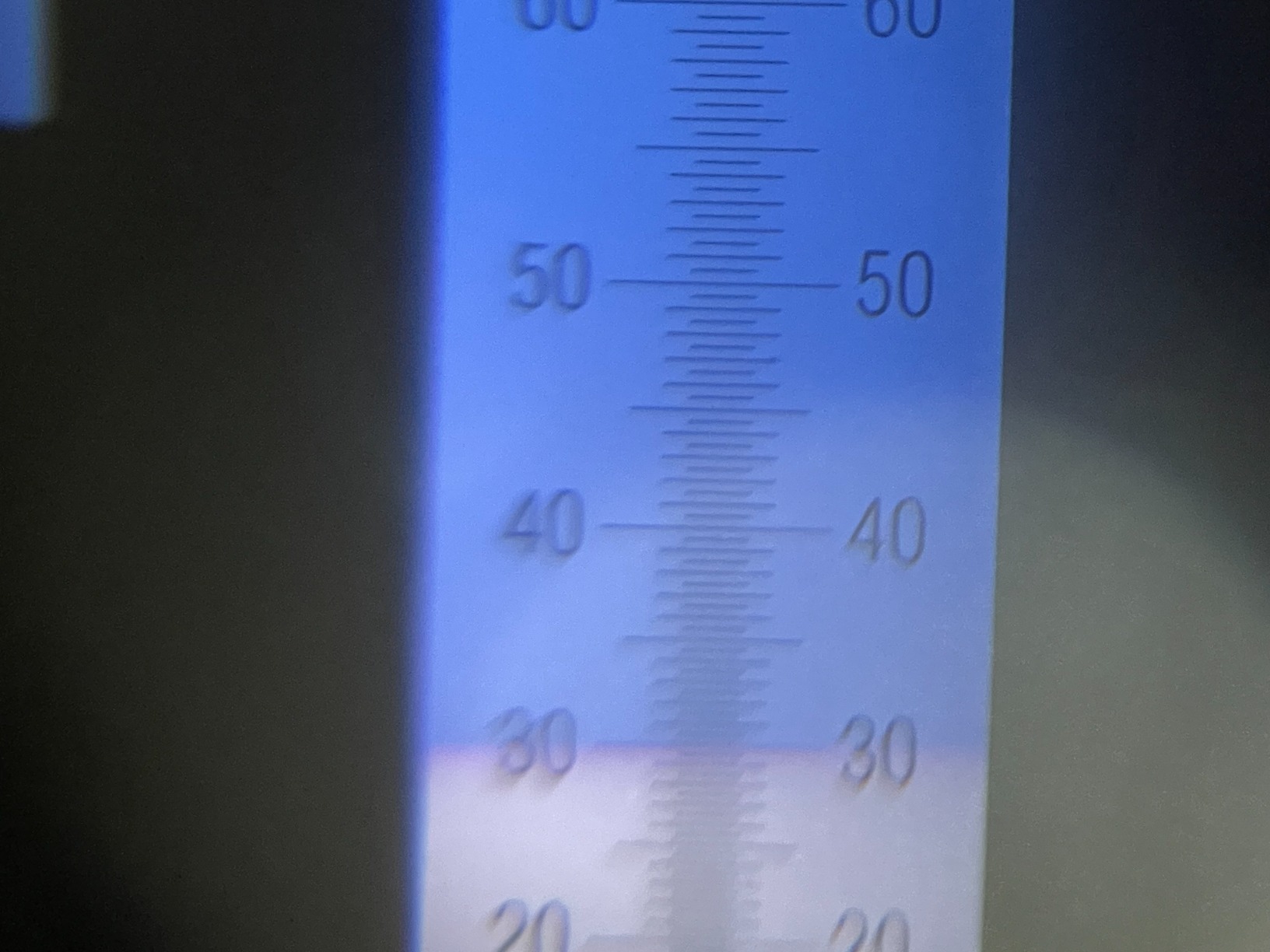
The included accessories cover everything needed for field work: protective case, pipette, screwdriver for calibration, and cleaning cloth. No additional purchases required to get started. The compact size fits easily in a pocket or tool bag.
However, the wide range comes with a trade-off. The compressed scale makes precise readings more challenging, especially at the extremes. I found the 20-70% range most reliable, with some blur at the very top and bottom of the scale.
When This Range Makes Sense
Users who test various products at different concentrations benefit from the single-instrument approach. Food processing operations dealing with multiple product lines will appreciate not switching between narrow-range models.
Reading Accuracy Considerations
The optical quality isn’t as sharp as narrower-range models. Users with vision difficulties or those needing high precision should consider digital alternatives or models with narrower, more readable scales.
8. KiyHemo Portable Brix Refractometer – Budget Dual Scale Option
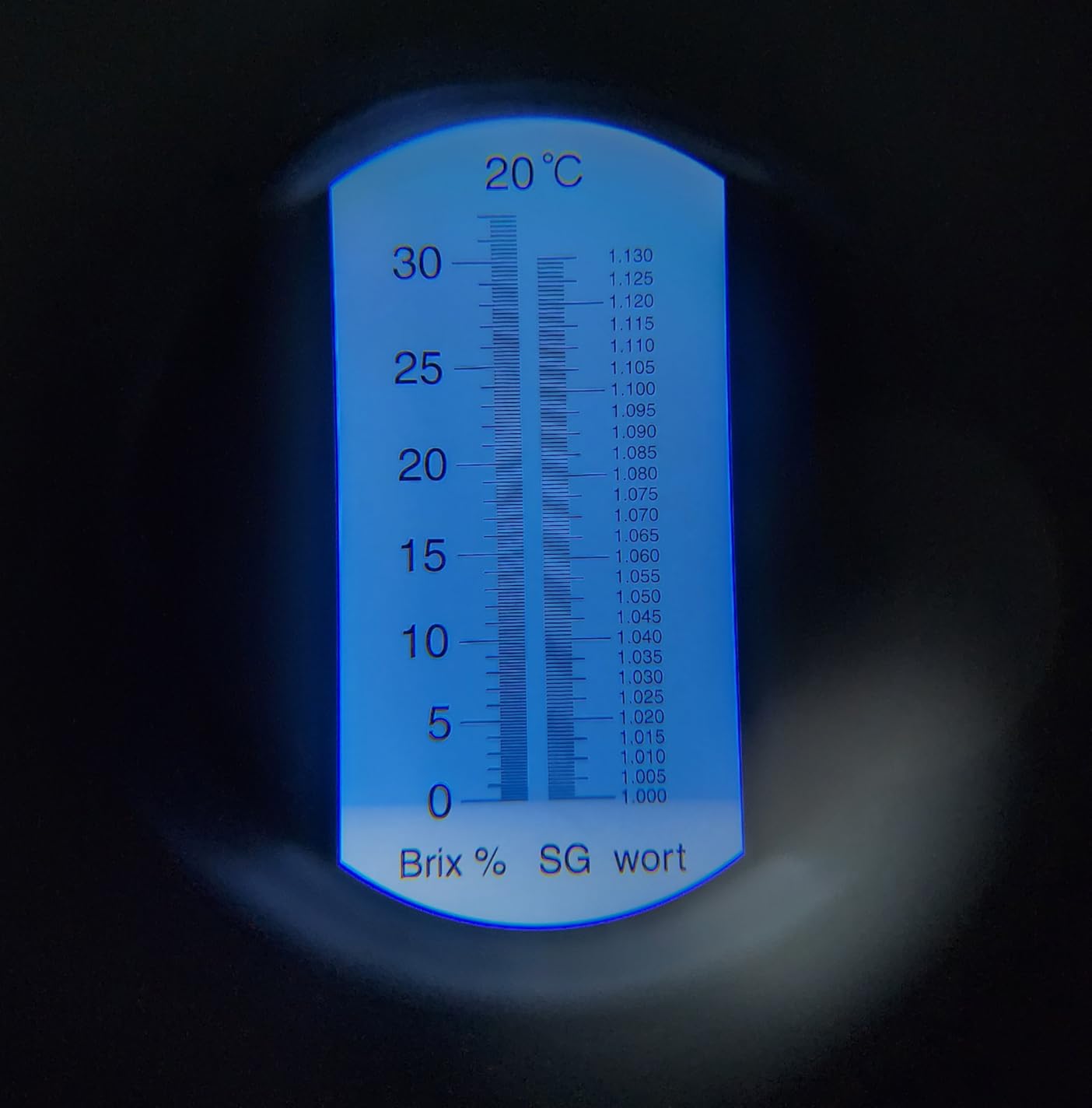
Portable Brix Refractometer with ATC, Accurate Dual Scale Brix Meter Specific Gravity SG Wort 1.000-1.130 & Brix 0-32%, High Precision Sugar Level Tester in Wine Making, Beer Brewing, Home Brew Kit
0-32% Brix Range
SG 1.000-1.130
Dual Scale
ATC Built-in
4.9 oz Weight
No Batteries Required
Pros
- Most affordable option in the lineup
- Accurate readings for sugar testing
- No batteries required
- Compact portable design
- Automatic temperature compensation
- Easy calibration process
Cons
- Limited to Brix and gravity testing only
- Some units missing storage box
- Requires proper calibration before use
- Newer product with fewer reviews
Not everyone needs professional-grade equipment. For hobbyists and those just starting with sugar content measurement, the KiyHemo provides core functionality at the lowest price point in our lineup. It covers the same 0-32% Brix range as models costing twice as much.
I tested this alongside more expensive analog models and found comparable accuracy for basic brewing and juice testing. The dual scale showing Brix and Specific Gravity matches what experienced homebrewers expect. For tracking original gravity before fermentation, it does the job.
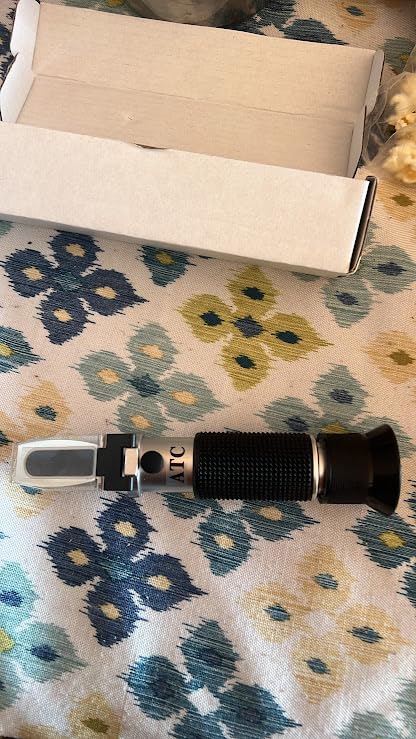
The automatic temperature compensation works within the standard 10-30°C range. Since no batteries are required, it’s always ready to use. This reliability factor matters when you’re in the middle of brew day and need a quick reading.
Users report success with maple syrup testing too, though the 0-32% range only covers early boiling stages. For producers checking sap concentration before major evaporation, this works well as an initial screening tool.
Who Should Choose This Model
Beginners exploring refractometry, casual homebrewers, and those with limited testing needs will find this model sufficient. It’s also a good backup instrument to keep on hand when your primary device needs service.
What You’re Giving Up
The lower price means fewer accessories and potentially inconsistent quality control. Some users report missing storage cases, and calibration may require adjustment out of the box. For critical applications, consider stepping up to established brands.
Buying Guide: How to Choose a Food Refractometer
Understanding Brix measurement helps you select the right tool for your specific application. Brix represents the sugar content of an aqueous solution as a percentage by weight. One degree Brix equals 1 gram of sucrose in 100 grams of solution. This standardized measurement lets producers communicate quality consistently.
In food production, Brix readings serve multiple purposes. Fruit growers use them to determine optimal harvest timing. Beekeepers verify honey won’t ferment by checking moisture content. Maple syrup producers ensure legal minimum sugar concentrations. Winemakers track fermentation progress. Each application has specific range requirements.
Analog vs Digital Refractometers
Analog refractometers use optical principles to display readings through an eyepiece. You look through the device at a light source and read where the shadow line falls on the scale. These models require no batteries, cost less, and many users find them more reliable long-term. However, they need adequate lighting and some practice to read accurately.
Digital refractometers display readings on an LCD screen. They’re faster, easier to read in various lighting conditions, and often store multiple readings. The trade-offs include battery dependency, higher cost, and potential electronic failure over time. For professional use where documentation matters, digital convenience often justifies the investment.
Key Features to Consider
Automatic Temperature Compensation (ATC) adjusts readings for sample temperature variations. Without ATC, you’d need to apply correction tables or wait for samples to reach calibration temperature. This feature significantly improves convenience and accuracy for field use.
Measurement range must match your applications. Testing fruit juice requires 0-32% coverage. Honey needs 58-90% or higher. Maple syrup production benefits from 0-80% or wider ranges. Choose based on your specific products.
Accuracy specifications vary from plus or minus 0.1% on premium digital models to plus or minus 0.5% on budget analogs. For commercial production where small differences matter, invest in higher precision.
Brix Reference Guide for Common Foods
Different foods have characteristic Brix ranges that indicate quality and ripeness. Here’s what to expect:
Apples range from 10-18% Brix, with higher readings indicating sweeter fruit. Oranges typically measure 10-14% when ripe for harvest. Grapes for wine production vary widely: table grapes at 15-20%, while wine grapes reach 22-30% for late-harvest styles.
For honey, moisture content below 18.6% prevents fermentation. The corresponding Brix reading should exceed 80%. Maple syrup legally requires 66-67% Brix in most jurisdictions to be sold as syrup.
Fruit jams and jellies typically preserve at 55-70% Brix, depending on the fruit and recipe. Testing during cooking helps achieve consistent set and shelf stability.
Calibration Best Practices
Most refractometers calibrate using distilled water at the zero point. Place a few drops on the prism, adjust the calibration screw until the reading shows zero, then you’re ready for sample testing. Some digital models include automatic calibration routines.
For critical work, verify calibration periodically using standard solutions of known Brix. This catches drift before it affects your measurements. Store your refractometer in its protective case away from temperature extremes to maintain calibration stability.
What are the 4 types of refractometers?
The four main types of refractometers are: traditional Abbe refractometers (laboratory benchtop units), handheld analog refractometers (optical units you look through), digital handheld refractometers (electronic display), and inline process refractometers (permanently installed in production lines). For food applications, handheld analog and digital models are most common.
What is a refractometer used for in the food industry?
In food production, refractometers measure sugar concentration, moisture content, and dissolved solids in products like honey, maple syrup, fruit juice, jam, and beverages. They ensure product quality, verify proper concentration for preservation, confirm harvest ripeness, and maintain consistency across production batches.
Are all refractometers the same?
No, refractometers differ significantly in measurement range, accuracy, display type, and intended applications. A honey refractometer measuring 58-90% Brix cannot test fruit juice at 10-15% accurately. Choose a model with the correct range and features for your specific food products.
How do I choose a refractometer?
Select a refractometer based on: your product’s Brix range (honey needs 58-90%, juice needs 0-32%), whether you prefer analog simplicity or digital convenience, required accuracy level, and budget. For multiple applications, consider a wide-range model or invest in separate instruments for different products.
Conclusion
Finding the right refractometer for food testing depends on what you produce and how precise your measurements need to be. The aichose Honey Refractometer earned our Editor’s Choice for its 3-in-1 versatility and proven accuracy. For value, the aichose Brix Refractometer dual scale remains the best-selling option for home brewing and winemaking. Budget-conscious buyers get reliable performance from the KiyHemo Portable model.
These best refractometers for food in 2026 cover applications from beekeeping to maple syrup production, fruit juice testing to craft brewing. Match the measurement range to your products, consider whether digital convenience or analog reliability suits your workflow, and invest in quality that matches your production scale.
Ready to improve your food quality control? Pick the model that fits your needs and start getting precise sugar content measurements today.