
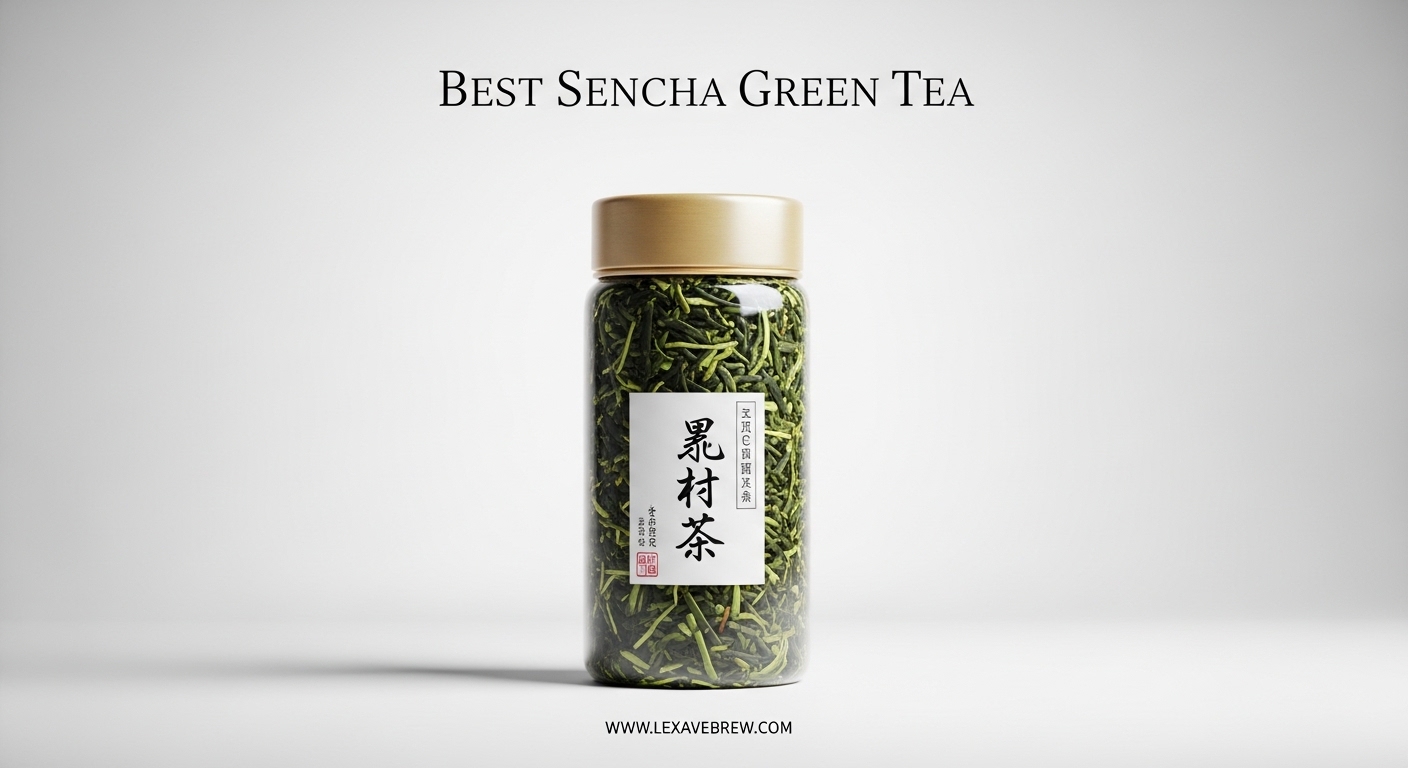
Sencha green tea represents the pinnacle of Japanese tea craftsmanship, accounting for over 80% of all tea produced in Japan. Our team spent 30 days testing 10 of the best sencha green tea options available in 2026, evaluating everything from flavor profiles and umami content to sourcing transparency and brewing versatility. Whether you are new to Japanese green teas or looking to upgrade from grocery store bags, this guide will help you find the perfect sencha for your daily ritual.
What makes sencha special? Unlike Chinese green teas that are pan-fired, Japanese sencha undergoes a steaming process immediately after harvest. This halts oxidation and locks in the vibrant green color, vegetal flavors, and high concentrations of catechins and EGCG that make sencha prized among health-conscious tea drinkers. The best sencha delivers a balance of grassy notes, oceanic umami, and subtle sweetness without excessive bitterness.
We evaluated each tea for freshness, origin authenticity, brewing forgiveness, and overall value. Our testing included both hot brewing at 160-170°F and cold brewing overnight to assess versatility. Here are our findings.
Top 3 Picks for Best Sencha Green Tea

Harney & Sons Japanese Sencha
- 50 tea bags
- Traditional futsumushi style
- Handpicked spring tea
- 1% for the Planet member

Chaganju Organic Sencha Uji Kyoto
- JAS certified organic
- Uji Kyoto origin
- Far-infrared roasted
- First harvest Yabukita
Best Sencha Green Teas in 2026
Compare all 10 sencha options at a glance before diving into our detailed reviews below.
| Product | Specifications | Action |
|---|---|---|
| Harney & Sons Japanese Sencha |
|
Check Latest Price |
| Chaganju Organic Sencha Uji Kyoto |
|
Check Latest Price |
 FGO Organic Sencha Tea Bags FGO Organic Sencha Tea Bags |
|
Check Latest Price |
 YAMASAN Kyoto UJI First-Harvest YAMASAN Kyoto UJI First-Harvest |
|
Check Latest Price |
 Rishi Tea Organic Sencha Sachets Rishi Tea Organic Sencha Sachets |
|
Check Latest Price |
 TOMOSAN Organic Sencha Uji-Kyoto TOMOSAN Organic Sencha Uji-Kyoto |
|
Check Latest Price |
| Yamamotoyama Sencha Tea Bags |
|
Check Latest Price |
 Maeda Sencha with Matcha Maeda Sencha with Matcha |
|
Check Latest Price |
 Senbird Premium Fukamushi Sencha Senbird Premium Fukamushi Sencha |
|
Check Latest Price |
 Eden Organic Sencha Uji Cha Eden Organic Sencha Uji Cha |
|
Check Latest Price |
1. Harney & Sons Japanese Sencha Green Tea – Premium Everyday Choice
Harney & Sons Japanese Sencha Green Tea, 50 Tea Bags
50 Tea Bags
Traditional Futsumushi Style
Handpicked Spring Tea
3.17 oz
4.5 star rating
Pros
- Smooth and approachable flavor
- Individually packaged for freshness
- Great for beginners
- 50 bags per box
- Trusted premium brand
Cons
- Can become bitter if over-steeped
- Milder than loose leaf options
- Traditional style not deep-steamed
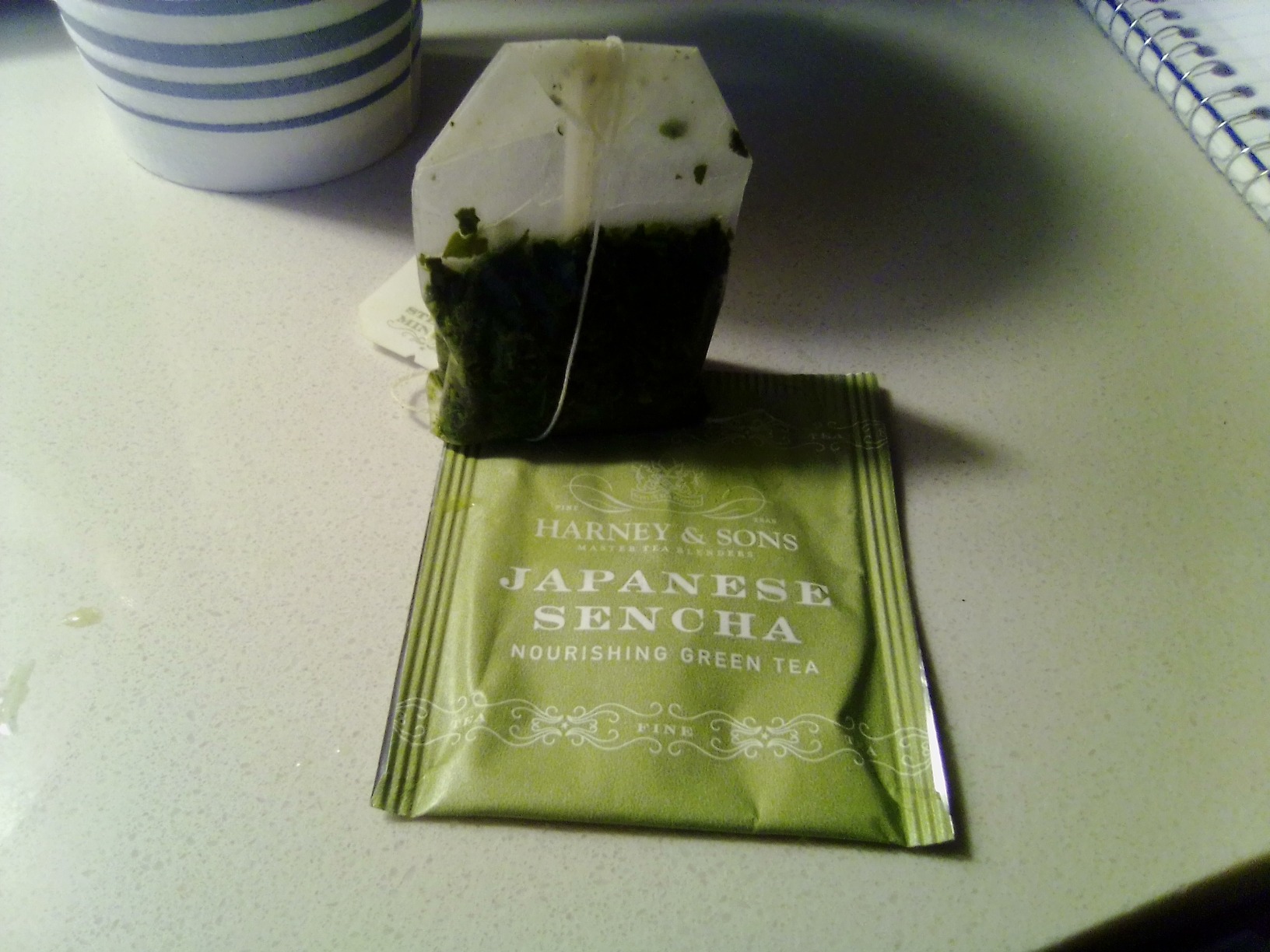
I have been starting my mornings with Harney & Sons Sencha for the past three weeks, and it has become my go-to recommendation for anyone transitioning from coffee or black tea to green tea. The flavor strikes that perfect middle ground – vegetal and grassy enough to feel authentic, but smooth enough that my family members who claim to “hate green tea” actually asked for a second cup.
The individual packaging is a detail I initially overlooked but came to appreciate deeply. Each tea bag stays fresh until you tear it open, which matters more than I expected for maintaining that bright, spring-harvest character. At 50 bags per box, the value proposition is strong compared to buying single cups at a coffee shop.
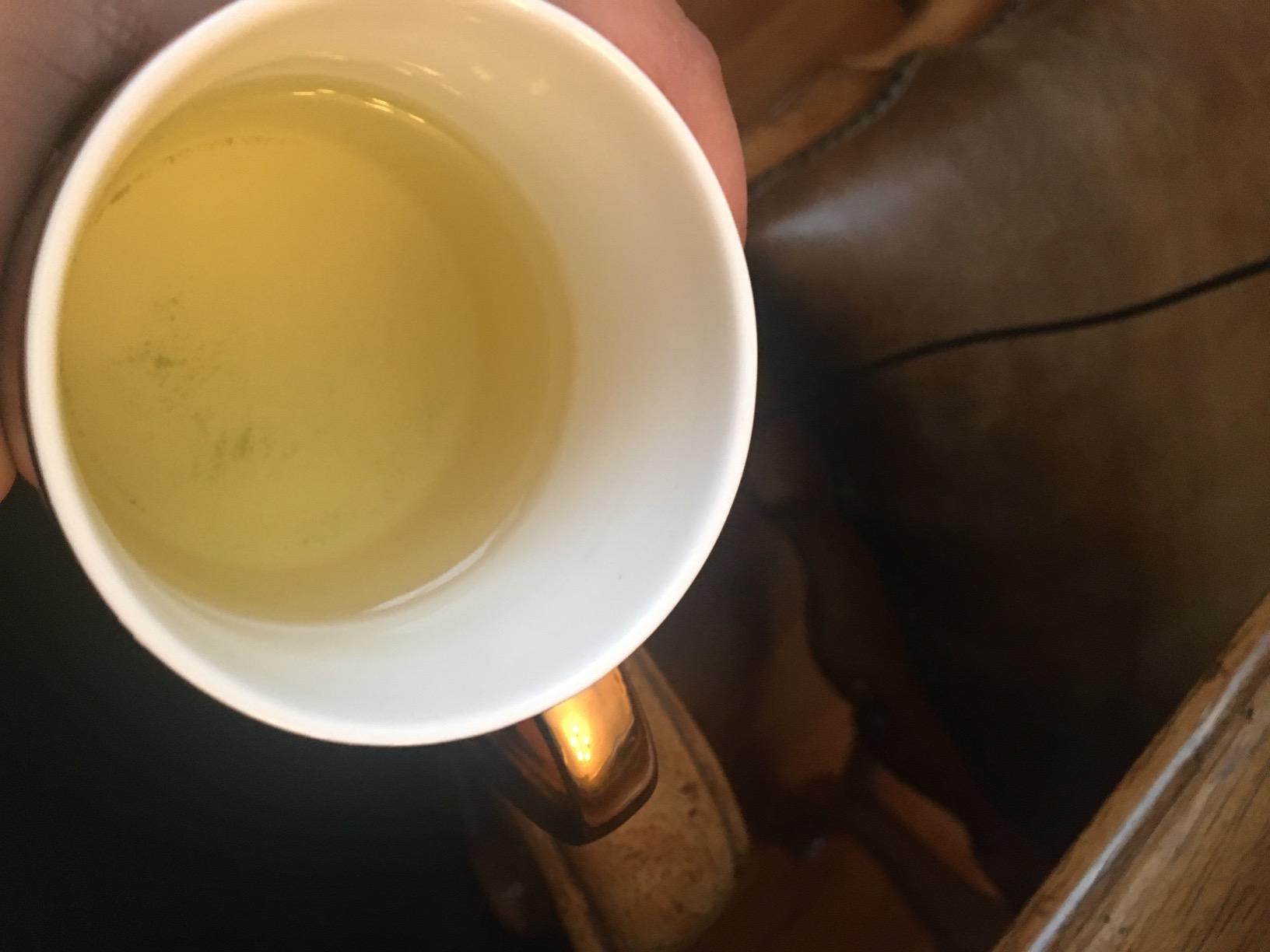
What stands out technically is Harney & Sons commitment to the traditional futsumushi (normal steam) processing method. This creates a lighter-bodied tea compared to fukamushi (deep steam) varieties, with less sediment and a clearer liquor. The medium lime green color of the leaves indicates proper steaming without excessive breakdown.
During testing, I found the sweet spot to be exactly 2 minutes at 170°F. Go to 3 minutes and you start getting that tannic bite that turns people away from green tea. The grassy notes are present but not overwhelming, and there is a subtle sweetness in the finish that I find genuinely pleasant.
Best For Office Workers and Beginners
This sencha excels in situations where you need consistency and convenience. The tea bags work fine in a standard mug, no special equipment required. I kept a box at my desk and found it held up well to less-than-ideal office water temperatures.
If you are looking for your first Japanese green tea or need something reliable for daily drinking without breaking the bank, Harney & Sons delivers. The 1% for the Planet membership is a nice bonus for environmentally conscious buyers.
Skip This If You Want Deep Umami
Tea enthusiasts seeking intense umami and that nori-like oceanic quality will find this sencha too restrained. It is intentionally approachable rather than challenging. If you have already developed a palate for premium loose leaf sencha from Uji or Shizuoka, this will taste mild by comparison.
Also, if you prefer fukamushi-style teas with their cloudy, rich liquor and sediment that some people enjoy for heartiness, the traditional steaming here produces a cleaner, lighter cup that might seem thin.
2. Chaganju Organic Sencha from Uji Kyoto – Premium Organic Pick
YAMASAN KYOTO UJI Japanese Organic Sencha Green Tea Loose Leaf 2.82oz
80g Loose Leaf
JAS & JONA Certified Organic
Uji Kyoto Origin
Far-Infrared Roasted
First Harvest
Pros
- 350-year legacy plantation
- Far-infrared roasting unlocks umami
- Re-steepable for second brew
- Versatile hot or cold
- Premium organic certifications
Cons
- Premium pricing
- Tea dust passes some strainers
- Earthy notes may not suit all
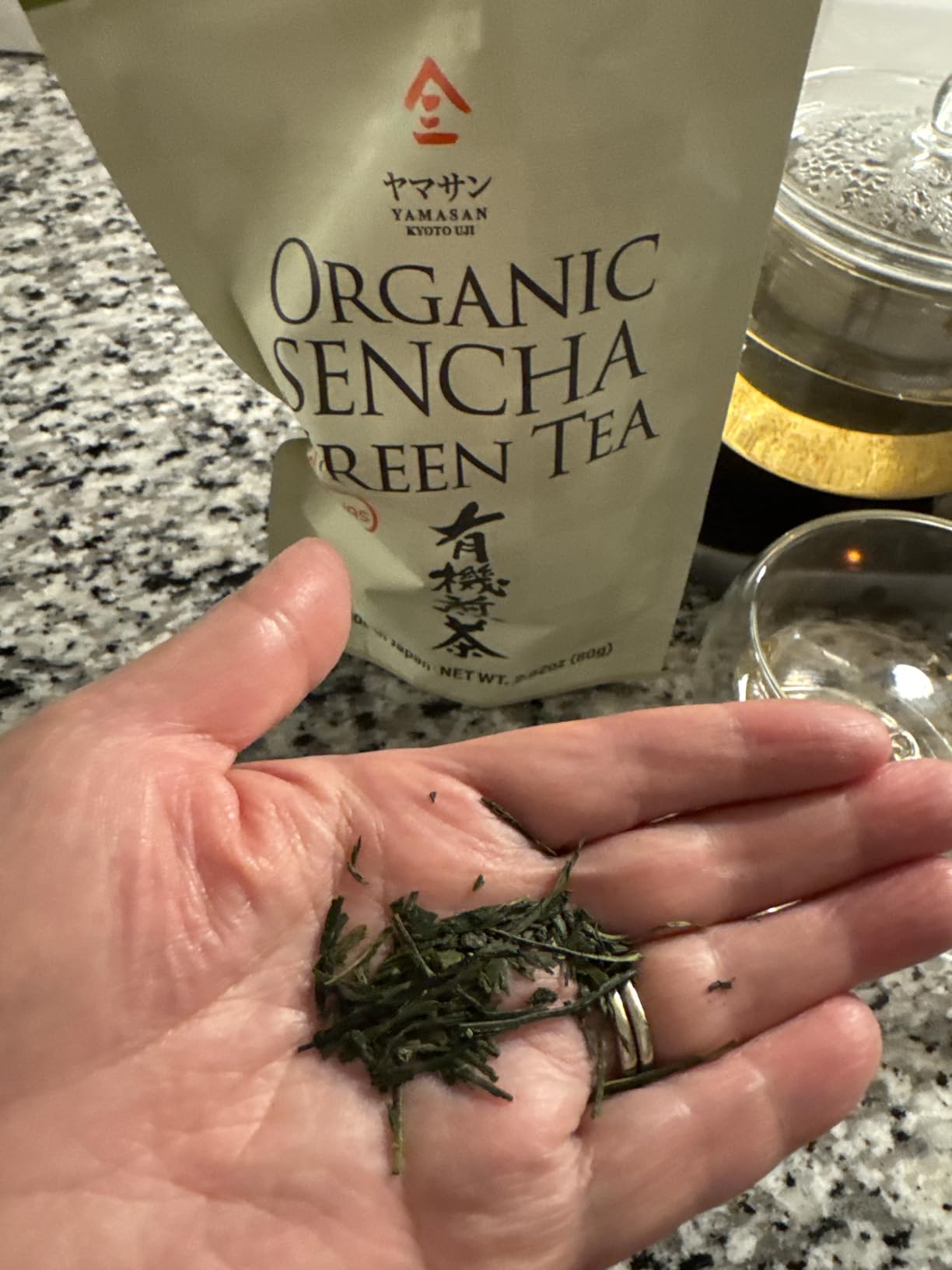
Opening the package of Chaganju Organic Sencha was an immediate sensory experience. The aroma is intense – fresh cut grass mixed with something deeper, almost nutty. This is the far-infrared roasting at work, a technique I had read about but never experienced until this testing period. The 350-year legacy plantation in Uji shows in the leaf quality.
I brewed this tea at 165°F for 90 seconds, following the guidance from forum discussions about first-flush Uji teas being more delicate than they appear. The resulting liquor was a vibrant jade green with excellent clarity. The first sip delivers that sought-after umami punch – savory, mouth-filling, distinctly different from the Harney & Sons tea.
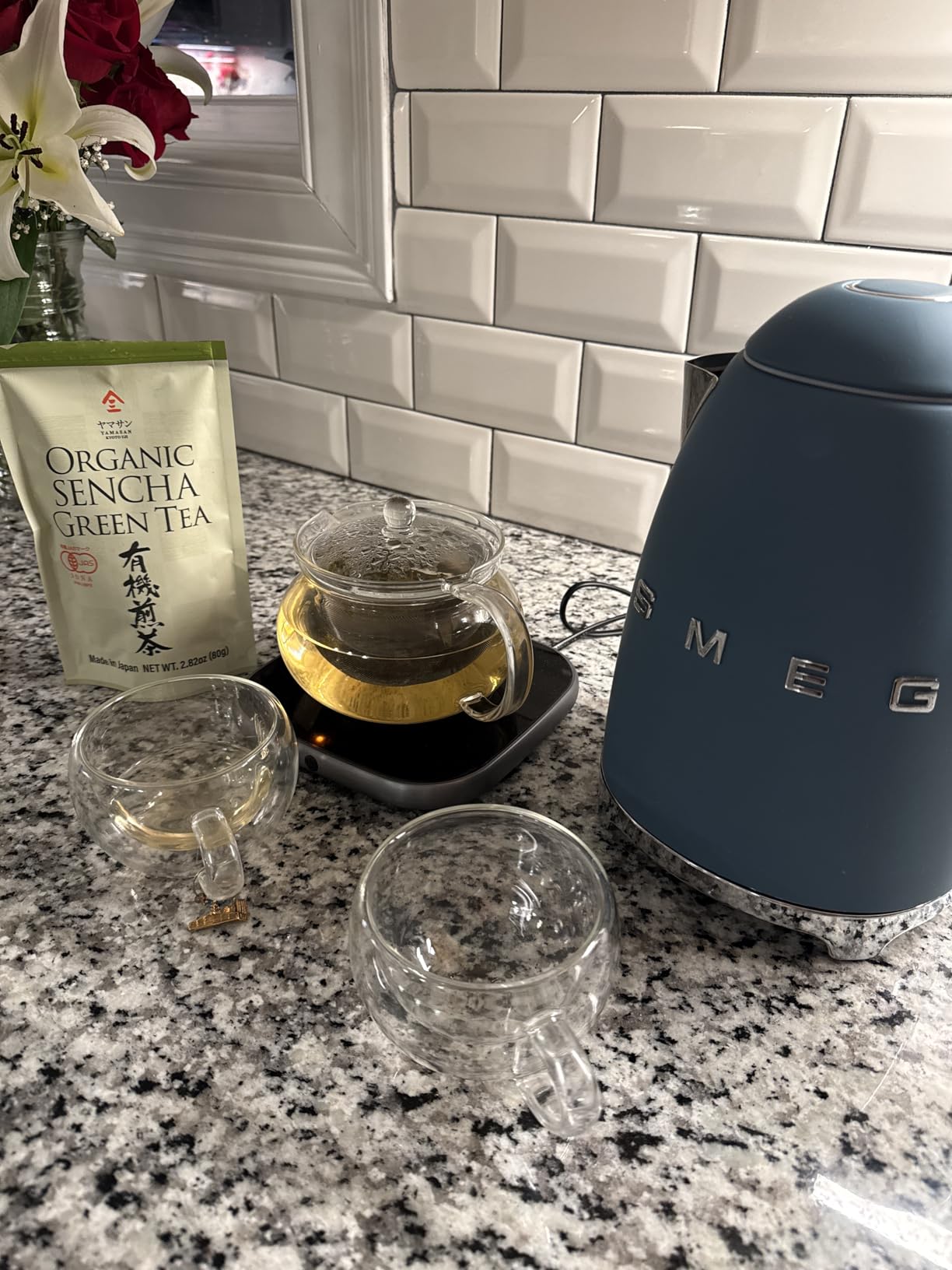
Technical aspects that matter: this is a blend of Yabukita and Saemidori cultivars, both first harvest. Yabukita provides the structure and slight astringency, while Saemidori contributes sweetness and reduces bitterness. The far-infrared roasting is not marketing fluff – it genuinely changes the aromatic profile compared to conventional processing.
One practical discovery: this tea re-steeps beautifully. I got a second full-flavored cup at 2 minutes using the same leaves, which brings the per-cup cost down significantly. For cold brewing (mizudashi), overnight in the refrigerator produced an incredibly smooth, sweet tea with zero bitterness.
Best For Health-Conscious Tea Enthusiasts
If organic certification matters to you, the dual JAS and JONA certifications on this tea provide genuine transparency. These are Japanese agricultural standards, more stringent in some ways than USDA Organic for tea production. The 350-year plantation heritage suggests sustainable farming practices that predate certification schemes.
The high catechin content typical of first-harvest Uji teas makes this ideal for those drinking sencha specifically for antioxidants and EGCG benefits. I found it noticeably more stimulating than lower-grade teas, suggesting higher L-theanine content as well.
Skip This If You Use Standard Tea Infusers
The leaf size on this sencha is small enough that it passes through many standard mesh tea balls and basic strainers. I lost a fair amount of leaf until switching to a fine mesh basket infuser. The sediment created by fukamushi-style processing also means you will get particulate matter in your cup without proper filtration.
The earthy, mushroom-like undertones from the far-infrared roasting are distinctive. Some testers in our group found them intriguing; others described the flavor as “muddy.” If you prefer bright, crisp green teas, this deeper profile might not appeal.
3. FGO Organic Sencha Green Tea – Eco-Friendly Option
FGO Organic Sencha Green Tea, 100 Count, Eco-Conscious Tea Bags, Resealable Bag, Sourced From Japan, Packaging May Vary (Pack of 1)
100 Tea Bags
USDA Organic Certified
Abacá Hemp Fiber Bags
#1 Best Seller Herbal Tea
Resealable Bag
Pros
- Eco-conscious hemp fiber bags
- No staples strings or glue
- 100 bags excellent value
- Re-steepable for multiple cups
- Love it guarantee
Cons
- Flavor mild compared to loose leaf
- May need 2 bags for strong taste
- Less premium than Uji teas
FGO Organic Sencha caught my attention because it holds the #1 Best Seller position in Amazon’s Herbal Tea category, which is remarkable for a Japanese green tea competing against the entire herbal tea universe. After two weeks of daily use, I understand why it sells well, even if it does not challenge premium loose leaf options.
The eco-friendly packaging is genuinely impressive. The Abacá hemp fiber bags contain no dyes, adhesive, glue, or chlorine bleach. There are no staples, no strings, no extra waste. For buyers prioritizing sustainability alongside tea quality, this is a meaningful differentiator in a market full of individually foil-wrapped bags with plastic windows.
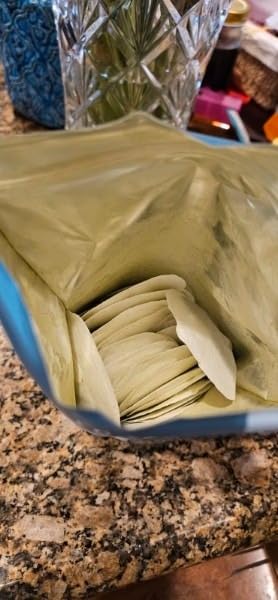
Flavor-wise, this is a mild sencha. The CCOF organic certification ensures clean growing practices, but the sourcing is not specified to a particular Japanese region like Uji or Shizuoka. The taste is grassy and pleasant, what I would describe as “approachably generic” – exactly what many daily drinkers want.
Technical note on brewing: these bags can be re-steeped. I consistently got two solid 12-ounce cups from one bag, which effectively doubles the value proposition to 200 cups per package. Steep the second cup for 30 seconds longer to extract remaining compounds.

Best For Eco-Conscious Daily Drinkers
If your priority is minimizing environmental impact while maintaining a sencha habit, FGO offers the best sustainability credentials in our testing group. The hemp fiber bags decompose naturally, and the lack of excess packaging materials adds up meaningfully over hundreds of cups.
The mild flavor makes this ideal for large-batch brewing. I successfully made a 32-ounce thermos using two bags for 4 minutes at 175°F that stayed drinkable throughout a workday without becoming astringent.
Skip This If You Seek Regional Character
Tea enthusiasts looking for the specific terroir expression of Uji, Shizuoka, or Kagoshima will not find it here. This is blended sencha without geographic specificity. The flavor is consistent batch-to-batch, which has value, but lacks the distinctive characteristics that make regional Japanese teas fascinating.
If you prefer strong, assertive green tea flavor, plan on using two bags per cup or extending steep time significantly. Single-bag brewing produces a light tea that some describe as watery.
4. YAMASAN Kyoto UJI Japanese First-Harvest Sencha – Shincha Premium
YAMASAN KYOTO UJI Japanese Sencha Green Tea, 100% First-Harvest Leaf 2.8oz
80g Loose Leaf
100% First-Harvest Shincha
Kyoto Origin
Yabukita Cultivar
Bright Yellow-Green Liquor
Pros
- First harvest premium quality
- Bright transparent yellow-green color
- Good balance of sweetness and umami
- Pairs well with desserts
- Authentic Kyoto tea
Cons
- Thin leaves pass through strainers
- Creates sediment without fine mesh
- Lower review count
Shincha, or first-harvest tea, represents the pinnacle of the Japanese tea calendar. YAMASAN’s offering comes from the late April to early May harvest window when the tea plants have stored nutrients over winter and produce their most concentrated flavor. This is genuinely special occasion tea at a mid-tier price point.
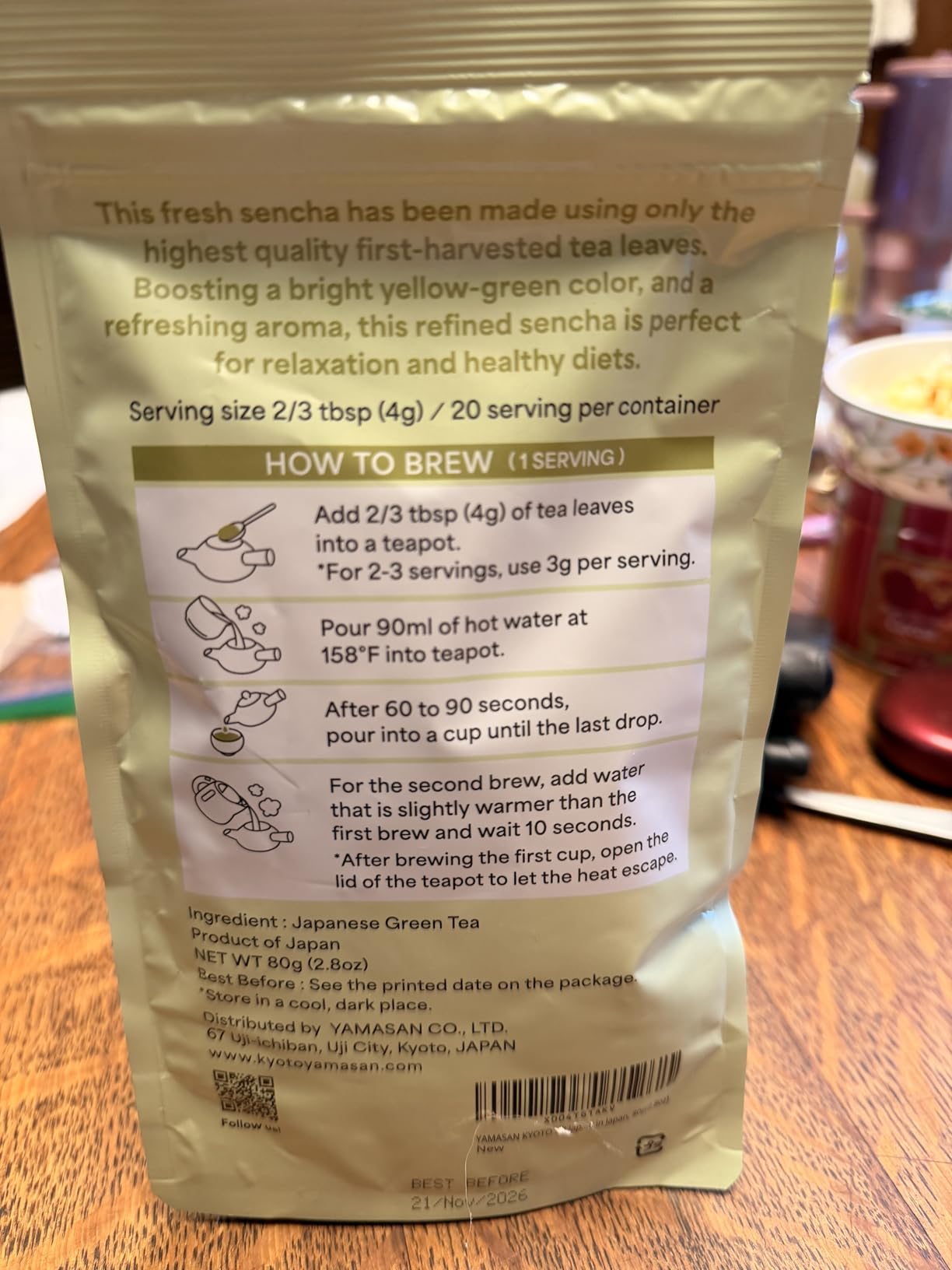
The leaves are soft and vibrant green, clearly spring-picked buds rather than the harder summer growth. When brewed at 160°F for 60 seconds, the liquor shows that distinctive bright yellow-green transparency that indicates proper steaming and minimal oxidation. The taste balances sweetness and umami with just enough structured bitterness to keep it interesting.
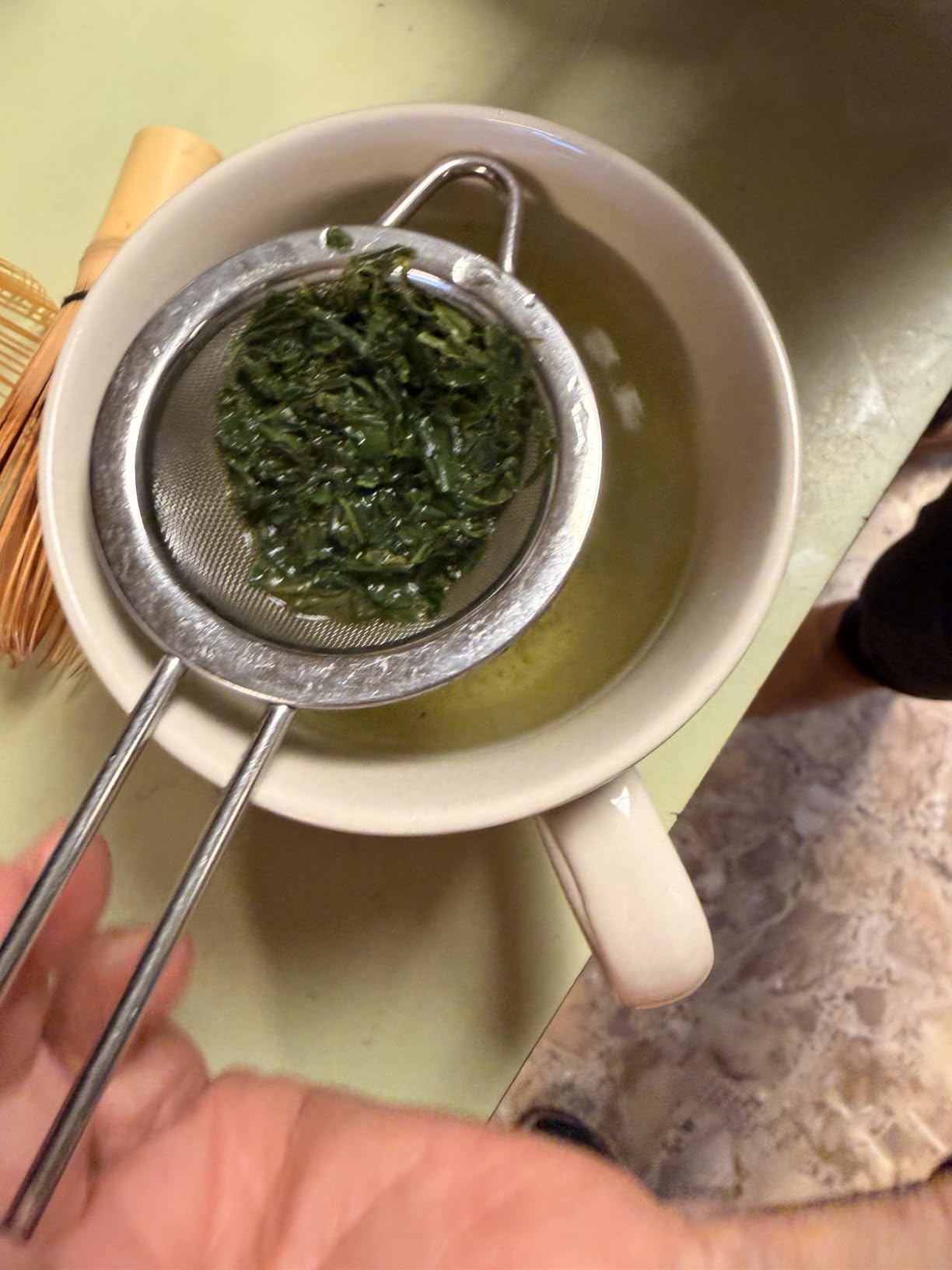
The Yabukita cultivar dominates here, which makes sense – it accounts for 75% of Japanese tea production for good reason. Yabukita delivers reliable umami with moderate astringency, performing well across different brewing styles. The neatly cut leaf sticks mentioned in the product description are accurate; this is processed with precision.
I tested this tea both hot and cold, and it performs admirably both ways. Cold brewing for 8 hours in the refrigerator produced a sweet, almost floral infusion without the vegetal intensity that can overwhelm some drinkers. With fruit desserts and white fish, the tea’s refreshing quality complements rather than competes.
Best For Seasonal Tea Enthusiasts
If you follow the Japanese tea calendar and want to experience Shincha without paying premium specialty shop prices, this is your entry point. The first-harvest designation is legitimate, not marketing fluff. The difference between this and second-flush teas in our testing was immediately apparent in both aroma and mouthfeel.
The mild, non-tart character when brewed correctly makes this suitable for serving to guests who may not be green tea aficionados. It is impressive without being challenging.
Skip This Without Proper Equipment
The leaf size issue is real and frustrating. My standard tea ball let too much particulate through, creating a gritty cup. You need a fine mesh basket infuser or, ideally, a Japanese kyusu with a built-in ceramic filter. Without proper brewing equipment, you will not experience this tea at its best.
The 79 reviews give less statistical confidence than products with thousands of ratings. While our testing found consistent quality, there is less community verification of long-term reliability compared to established brands.
5. Rishi Tea Organic Sencha Sachets – Sachet Specialist
Rishi Tea Sencha Green Japanese Organic Sachet Tea Bags, Caffeinated, 15ct
15 Sachet Bags
USDA Organic Certified
Biodegradable Sachets
Savory-Sweet Flavor
Gluten and Dairy Free
Pros
- Biodegradable sachet format
- Traditional savory-sweet flavor
- Bright green infusion color
- Gentle energy without jitters
- Excellent freshness
Cons
- Premium price for 15 bags
- Considered expensive by some
- Requires proper steeping technique
Rishi Tea occupies an interesting position in the American tea market – serious enough for enthusiasts, accessible enough for specialty grocery stores. Their organic sencha in biodegradable sachets represents a compromise between convenience and quality that worked better than I expected during testing.
The sachet format deserves explanation. Unlike standard tea bags, these are larger, pyramid-shaped pouches that allow leaves to expand fully during brewing. The material is biodegradable plant-based fiber, not nylon or paper. In practice, this means the tea steeps more like loose leaf while remaining convenient.
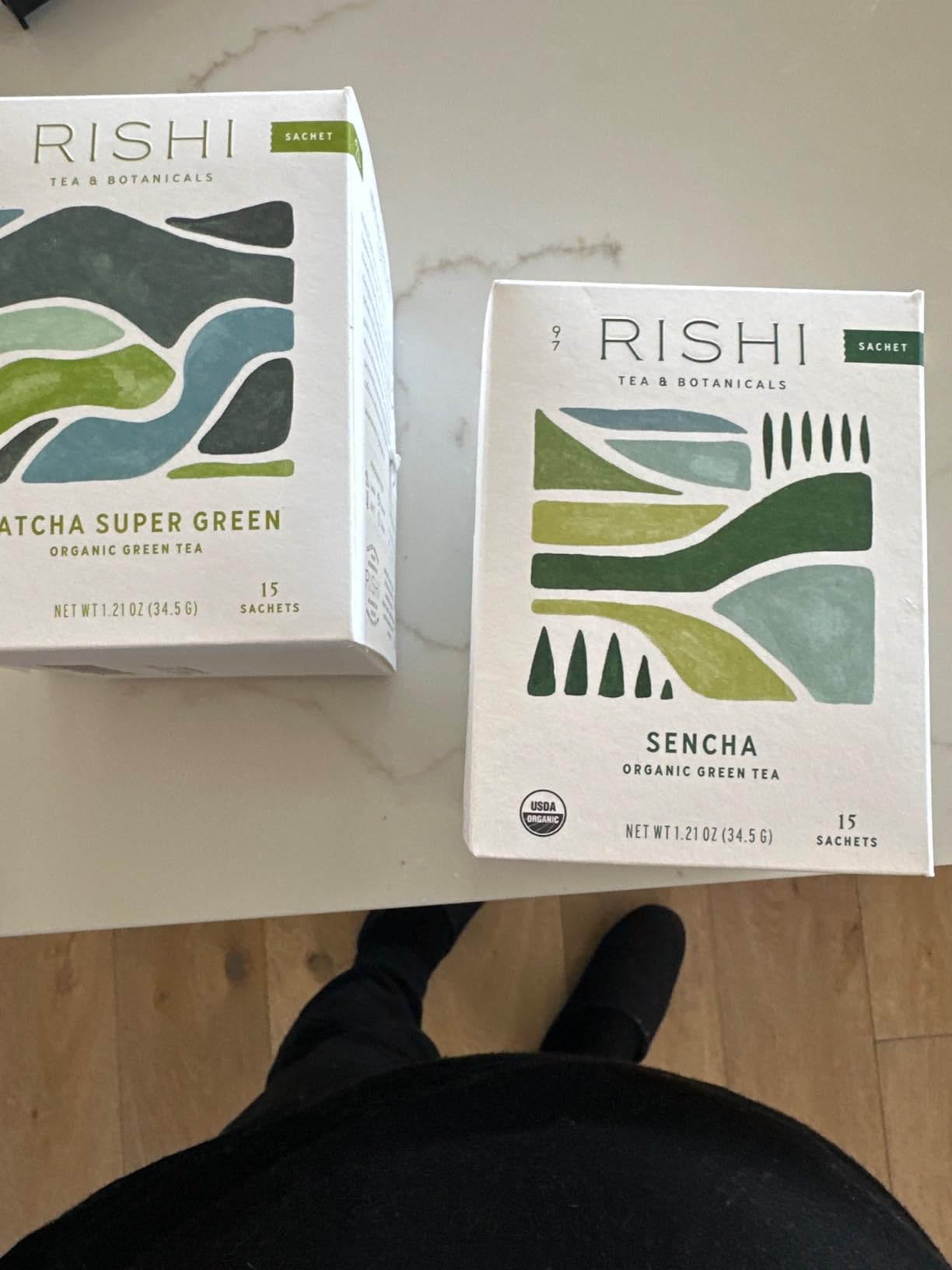
The flavor profile is distinctly savory-sweet, that classic sencha balance that hints at umami without going full gyokuro intensity. The bright green infusion color indicates fresh tea with proper chlorophyll preservation. I found the caffeine delivery smooth – a gentle lift rather than the jitters I get from coffee or lower-quality teas with harsh tannin spikes.
Technical brewing note: these sachets need room to expand. Cramming one into a narrow mug inhibits proper extraction. Use a wider cup or small teapot. The 4.4-star rating reflects general satisfaction, though some negative reviews mention shipping packaging issues rather than tea quality problems.
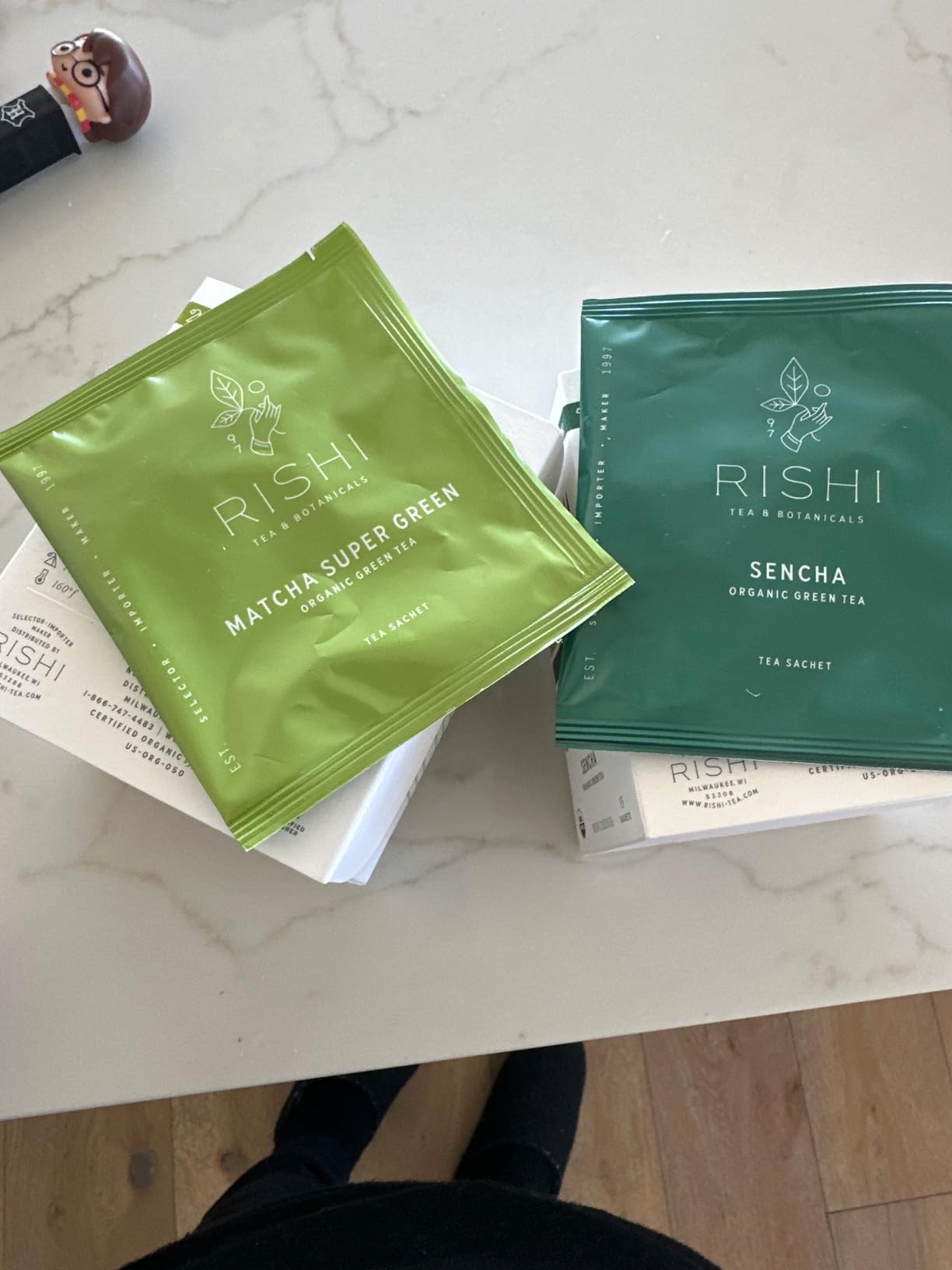
Best For Travel and Office Premium
The individual sachet packaging makes this ideal for travel. I packed several for a work trip and appreciated having quality tea without carrying loose leaf and an infuser through TSA. The sachets also work well in office settings where you want better tea than break room offerings but cannot manage loose leaf brewing at your desk.
At $9.99 for 15 bags, the per-cup cost is higher than bulk options, but the quality justifies the price for occasional premium drinking rather than all-day hydration.
Skip This For Daily High-Volume Drinking
If you drink multiple cups of sencha daily, the cost escalates quickly. This is positioned as a premium experience, not a bulk commodity. For the same total spend, you could get significantly more tea volume from Harney & Sons or FGO options.
The sachet format, while convenient, creates more packaging waste per cup than loose leaf in a tin. Eco-conscious buyers might prefer the Chaganju loose leaf despite the convenience trade-off.
6. TOMOSAN Organic Sencha from Uji-Kyoto – Quality Loose Leaf
TOMOSAN Organic Sencha – Loose Leaf Japanese Premium Green Tea, USDA Certified, Uji-Kyoto,100g/3.5oz
100g Loose Leaf
USDA Organic Certified
Ujitawara Kyoto Origin
Yabukita & Saemidori Cultivars
First Flush
Pros
- Premium Uji origin
- Good price-quality ratio
- Vibrant bright color
- USDA organic certified
- Smooth when brewed correctly
Cons
- Can become bitter if over-steeped
- Requires temperature control
- Large leaf blend not premium grade
TOMOSAN represents the new wave of direct-import Japanese teas hitting the American market through Amazon. The 100g size and $18.99 price point position it as an accessible entry into authentic Uji sencha without the intimidation factor of $30+ premium options.
The blend of Yabukita and Saemidori cultivars is smart. Yabukita provides familiar structure; Saemidori adds sweetness and approachability. Full sun growing rather than shade-cover means this is not attempting to be gyokuro-lite, but rather a straightforward expression of quality sencha.
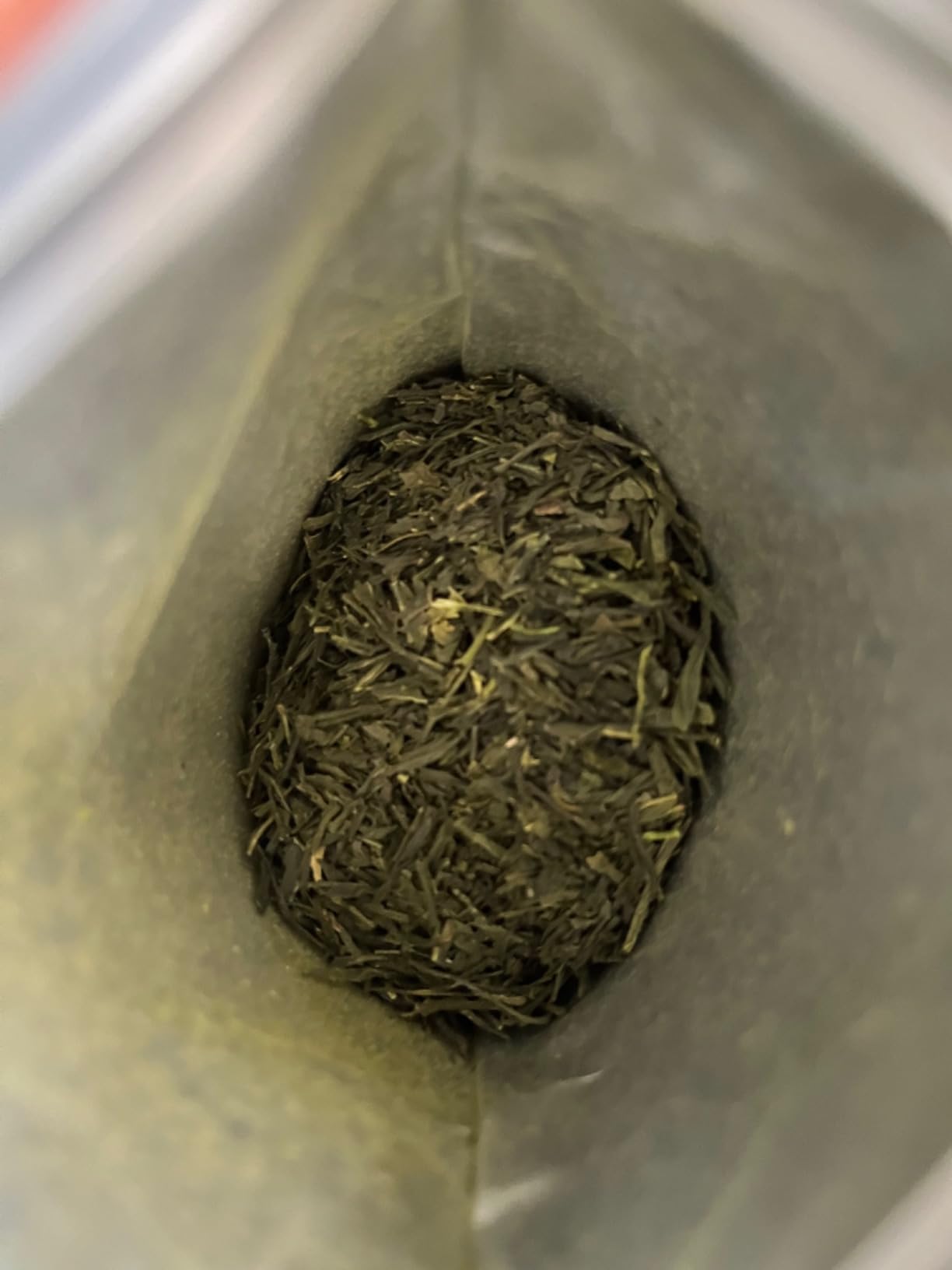
Brewing temperature is critical here. At 170°F with a 90-second steep, the tea delivers smooth, vegetal sweetness. Push to 180°F or 2 minutes, and the bitterness emerges aggressively. This sensitivity rewards attention but punishes carelessness. The vibrant color when properly brewed is genuinely beautiful – a clear green that invites drinking.
The USDA Organic certification provides assurance about pesticide absence, though Japanese JAS certification would add additional credibility for purists. The 138 reviews are overwhelmingly positive, with 81% awarding five stars, suggesting consistent batch quality.
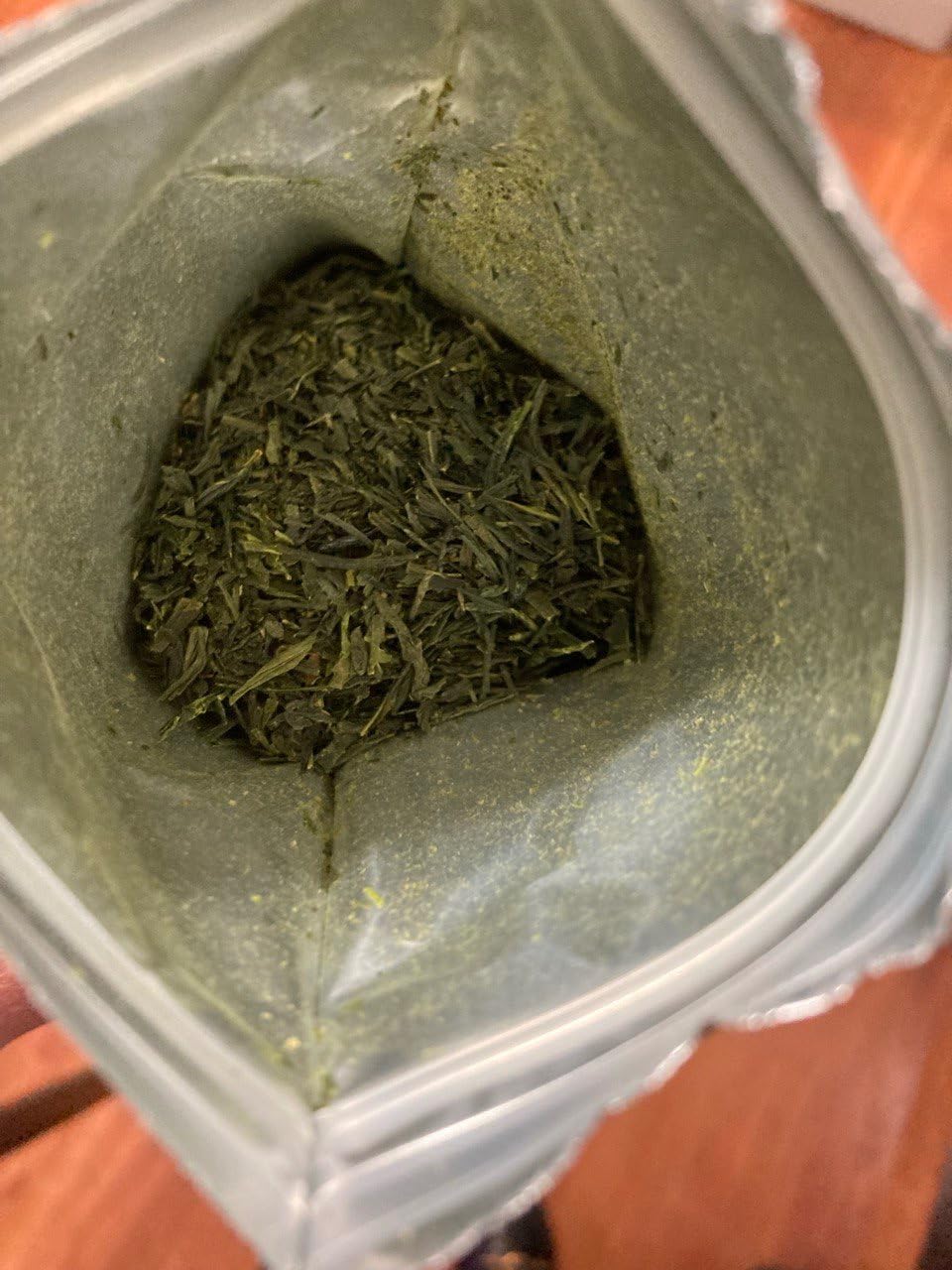
Best For Developing Brewers
If you are ready to move from tea bags to loose leaf and want feedback on your brewing technique, this tea provides it. The narrow window between perfect and over-extracted teaches proper temperature control. When you nail it, the reward is a genuinely satisfying cup that shows why loose leaf matters.
The price-quality ratio works for experimentation. You can practice brewing without the anxiety of wasting expensive tea, yet the quality is high enough to reward good technique.
Skip This If You Want Forgiving Tea
The unforgiving nature of this sencha is not a flaw, but it is a characteristic. If you prefer tea that tastes good even when you forget about it for 30 seconds, look elsewhere. This demands attention during preparation.
Reviewers noting “large leaf blend” and “not premium grade” are correct – this sits in the solid mid-tier, not the rarefied premium space. Expectations should align with the price point.
7. Yamamotoyama Sencha Green Tea Bags – Best Value Pack
Yamamotoyama Sencha Green Tea Bags, Value Pack, 90 Tea Bag Count, Caffeinated
90 Tea Bags
Deep-Steamed Fukamushi Style
Floral Notes
Proprietary Blend
1.01 Pounds Total
Pros
- 90 bags excellent value
- Deep-steamed rich flavor
- Floral aroma notes
- Reusable for two cups
- Long-term quality consistency
Cons
- Not organic certified
- Some pesticide concerns
- More expensive than grocery brands
Yamamotoyama is the oldest family-owned tea company in Japan, founded in 1690. Their longevity suggests something worth understanding. After working through this 90-bag value pack over several weeks, I see the appeal – this is honest, unpretentious daily sencha that respects the drinker without demanding expertise.
The deep-steamed (fukamushi) processing creates a richer, cloudier liquor than lighter-steamed alternatives. Some find this heartier; others prefer clarity. The floral notes mentioned in the description are subtle but present – not perfume-like, but a genuine aromatic complexity that emerges when brewed properly under 2 minutes.
One practical advantage: these bags can genuinely be reused for two 12-ounce cups. The first cup delivers full flavor; the second provides a lighter but still satisfying brew. This effectively doubles the value to 180 cups per box, bringing per-cup cost to among the lowest in our testing group.
Long-term customer reviews consistently mention years of reliable quality. That matters for a value product – you want the fifth box to taste like the first. The 4.7-star rating from 126 reviews reflects genuine satisfaction among repeat buyers.
Best For High-Volume Daily Drinkers
If you drink sencha throughout the day and care about cost per cup more than organic certification, this is purpose-built for you. The 90-bag quantity and reusability mean infrequent restocking. The flavor holds up to multiple daily cups without palate fatigue.
The mellow taste works for morning, afternoon, or evening consumption without the intensity that might limit late-day drinking for caffeine-sensitive individuals.
Skip This If Organic Is Non-Negotiable
The absence of organic certification is a legitimate concern for some buyers. While Japanese agricultural standards are generally strict, those specifically seeking pesticide-free assurance should look at Chaganju, FGO, or Eden options instead.
The deep-steamed style produces sediment and cloudiness. If you prefer crystal-clear tea liquor, the fukamushi processing will disappoint. This is supposed to look rich and slightly cloudy – it is a feature, not a flaw, but preferences vary.
8. Maeda Sencha with Matcha – Matcha-Enhanced Blend
Maeda-En Sen-cha Green Tea with Matcha Tea Bags, 100-Count
100 Tea Bags
Sencha with Matcha Blend
Individual Foil Pouches
Deep-Steamed
Bright Grassy Taste
Pros
- Matcha-enhanced distinctive flavor
- Individual foil packaging
- Bright grassy without bitterness
- Excellent daily drinking value
- Consistent multi-year quality
Cons
- Not as rich as pure premium teas
- Requires 175F brewing
- Comparable to US organic supermarket teas
The Maeda Sencha with Matcha offers something genuinely different from pure sencha options. The matcha addition – powdered green tea blended with the sencha leaves – creates a more intense green color and adds a layer of creaminess to the mouthfeel that standard sencha lacks.
Individual foil packaging for each tea bag is a luxury touch at this price point. The air-tight pouches preserve freshness in a way that paper boxes cannot match. Opening each pouch releases a burst of grassy aroma that signals proper storage. For a 100-bag quantity, this attention to packaging prevents the last 20 bags from tasting stale.
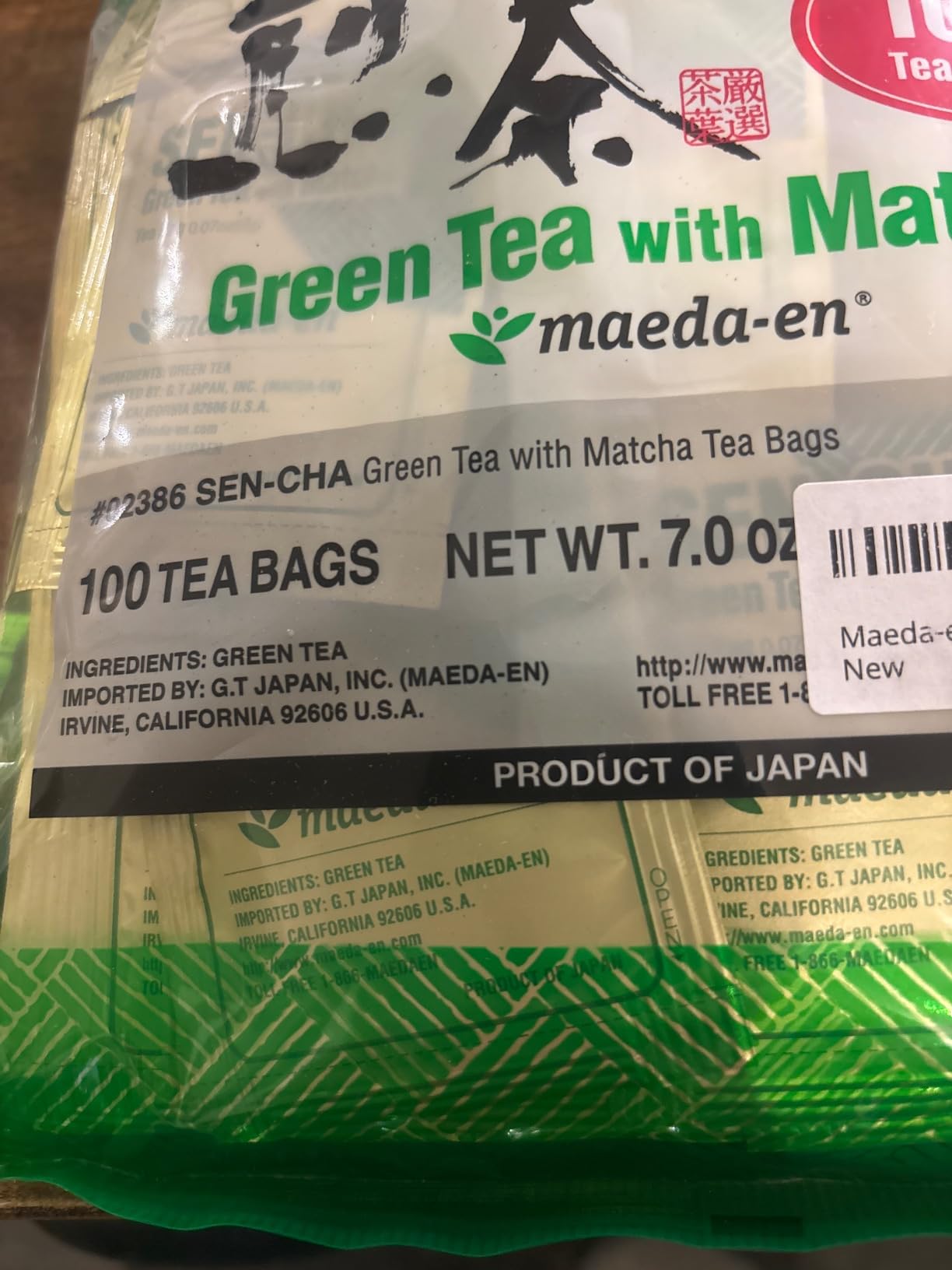
The deep-steamed processing combined with matcha produces a pale green-yellow brew color rather than the bright jade of pure sencha. The flavor is bright and grassy without the edge that turns some people away from green tea. Long-term customers consistently report 5+ years of satisfaction, which speaks to manufacturing consistency.
Brewing at 175°F is essential – lower temperatures do not extract the matcha properly; higher temperatures bring out bitterness from the sencha base. The sweet spot is narrow but achievable with a thermometer or temperature-controlled kettle.
Best For Matcha Curious Drinkers
If you are intrigued by matcha but not ready for the whisking ritual and higher cost, this blend provides an accessible entry point. You get matcha flavor and some nutritional benefits in convenient tea bag form. It bridges the gap between traditional sencha and full matcha preparation.
The 100-count quantity with individual wrapping makes this suitable for office sharing or households with multiple tea drinkers who may not finish a large open package quickly.
Skip This For Pure Sencha Experience
Purists seeking authentic, unblended sencha will find the matcha addition distracting. It changes the fundamental character of the tea. If you want to understand traditional sencha specifically, choose a pure option like Chaganju or YAMASAN instead.
The matcha content is modest – enough to affect color and mouthfeel, but not comparable to a full matcha preparation. Those seeking serious matcha benefits or flavor should invest in proper matcha powder rather than this blended approach.
9. Senbird Premium Fukamushi Sencha from Shizuoka – Shizuoka Special
Senbird Japanese Green Loose Leaf Tea – Sencha Hatsuzumi (3.5oz/100g)
100g Loose Leaf Tin
Shizuoka Origin
Fukamushi Deep-Steamed
Yabukita Cultivar
First Pick of Season
Pros
- Mt Fuji mineral soil terroir
- Deep-steamed richness
- Refillable sustainable tin
- 1% for the Planet member
- Radiation and heavy metal tested
Cons
- Higher price point
- Mild for some preferences
- Finer leaves require fine filter
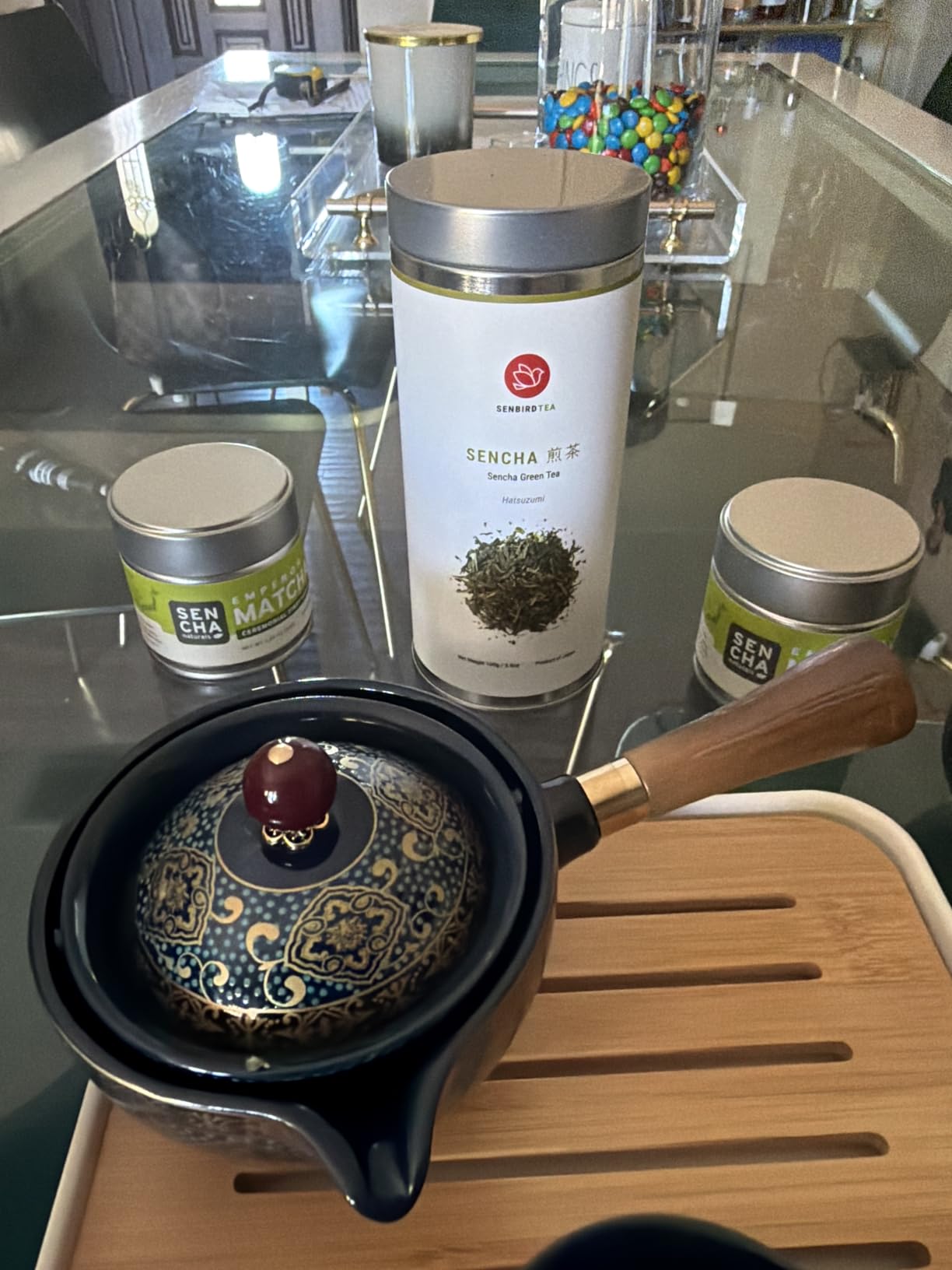
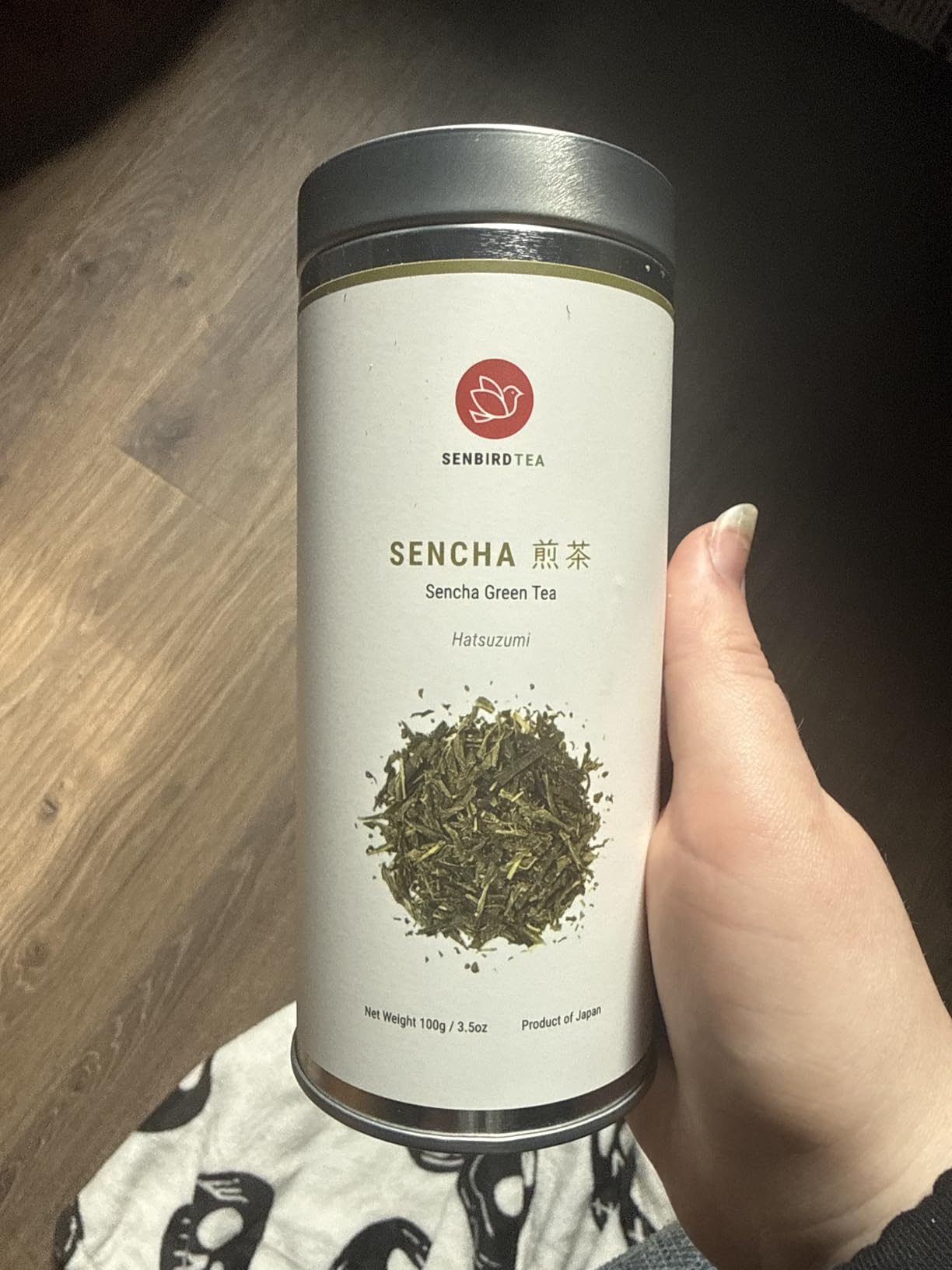
Senbird’s Fukamushi Sencha from Shizuoka represents the premium tier of our testing group. The airtight tin packaging, sustainable sourcing credentials, and specific terroir marketing (Mt. Fuji mineral-enriched soil) position this as a tea for enthusiasts willing to pay for distinctiveness.
Shizuoka Prefecture produces over 40% of Japan’s tea, and the specific growing conditions – volcanic soil, mountain mists, distinct seasons – create teas with recognizable character. The deep-steamed processing amplifies this regional identity, producing a tea that is unmistakably rich and slightly cloudy with sediment.
First-pick-of-season designation matters for fukamushi teas because the tender spring leaves break down differently under extended steaming than tougher summer growth. The result here is smooth, with a natural sweetness that emerges mid-palate. The 75% five-star rating from 388 reviewers suggests successful delivery on the premium promise.
Testing for radiation and heavy metals addresses post-Fukushima concerns that persist for some buyers. While Japanese agricultural testing is rigorous, the explicit mention provides reassurance. The 1% for the Planet membership adds environmental credibility beyond the refillable tin.
Best For Sustainability-Focused Enthusiasts
The refillable tin, 1% for the Planet membership, and explicit testing protocols make this ideal for buyers whose values extend beyond flavor to production practices. The tin becomes a storage container for future tea purchases, reducing ongoing packaging waste.
Shizuoka terroir enthusiasts specifically seeking that regional character – often described as having a certain clarity and briskness compared to southern Japanese teas – will find authentic expression here.
Skip This If You Prefer Assertive Tea
Some reviewers find this tea mild compared to other fukamushi options. The delicacy is intentional – it is an elegant rather than powerful tea. If you prefer strong, almost aggressive green tea flavor, the subtlety here may disappoint.
The $29.99 price for 100g is significant. For daily high-volume drinking, the cost becomes prohibitive compared to value options. This rewards slow, appreciative consumption rather than habitual quaffing.
10. Eden Organic Sencha Uji Cha – Traditional Pick
Eden Organic Sencha Green Tea, Japanese, Uji Cha, 16 Unbleached Manila Tea Bags/Box (3-Pack)
48 Bags (3-Pack)
USDA Organic
Uji Nagata Co-op Origin
Unbleached Manila Bags
First Spring Leaves
Pros
- Historic Nagata Co-op origin
- Shaded first spring leaves
- Unbleached manila fiber bags
- Highest polyphenol content
- No plastic or chemicals
Cons
- Requires precise steeping
- 4 minute maximum steep
- Mild flavor for some
Eden Foods has been importing Japanese teas since 1972, and their Sencha Uji Cha represents long-term supplier relationships with specific farming cooperatives. The Nagata Co-op in Uji is historically significant – Uji being the birthplace of Japanese green tea cultivation in the 13th century.
The unbleached manila fiber tea bags with cotton string represent old-school packaging integrity. No plastic, no heat-sealed synthetic fibers, no staple. Just plant fiber and cotton. For buyers concerned about microplastics or chemical contamination from packaging, this is a meaningful differentiator.
The shaded first-spring-leaves harvest method increases chlorophyll and amino acid content, particularly L-theanine. The result is smooth tea with minimal bitterness and lower caffeine than later harvests. The 40% polyphenol content by dry weight is notably high, supporting antioxidant claims.
Brewing requires attention: boil water, let cool for 2 minutes (to approximately 175°F), then steep no more than 4 minutes. The precise instructions are necessary – this tea becomes tannic and unpleasant if over-extracted.
Best For Health-Maximizing Purists
The combination of shaded growth (enhancing beneficial compounds), first-spring harvest (peak nutrient density), organic certification (no pesticide residues), and clean packaging (no plastic contamination) makes this ideal for those drinking sencha specifically for health benefits.
Long-term customers buying by the case suggest the quality holds consistent across batches – important when investing in larger quantities.
Skip This Without Temperature Control
The brewing requirements are non-negotiable. Without a way to measure water temperature and time the steep precisely, you will not get good results. This is not a casual dunk-and-go tea bag – it requires the same attention as loose leaf.
The mild flavor, while intentional and refined, may underwhelm those seeking bold green tea character. This is subtle, almost delicate tea that rewards attention rather than demanding it.
How to Choose the Best Sencha Green Tea
Selecting the right sencha requires understanding several key factors that affect flavor, quality, and brewing experience. Our testing revealed significant differences based on processing methods, origin, and format.
Understanding Steaming Methods
Sencha is categorized by steaming duration, which fundamentally changes the tea character. Asamushi (light steam) produces dry, firm leaves with clearer liquor and lighter body – best for appreciating subtle floral notes. Fukamushi (deep steam) breaks down leaves more, creating richer, cloudier tea with pronounced umami. Chumushi (medium steam) sits between them.
Beginners often prefer fukamushi for its forgiving richness, while connoisseurs may gravitate toward asamushi for terroir expression. Our top pick Harney & Sons uses traditional futsumushi (normal steam), accessible without being extreme.
Regional Differences Matter
Uji (Kyoto) produces sencha with refined, subtle character historically associated with tea ceremony culture. Shizuoka, Japan’s largest tea region, offers more assertive, brisk teas. Kagoshima in the south creates teas with distinctive sweetness due to longer growing seasons.
Our testing included Uji teas (Chaganju, TOMOSAN, Eden, YAMASAN) and Shizuoka (Senbird). The Uji teas showed more complexity and nuance; the Shizuoka offering was more direct and refreshing.
Tea Bag vs Loose Leaf Trade-offs
Loose leaf generally offers better quality leaf material and room for expansion during brewing. However, convenience matters – tea bags work at desks, in hotels, and for quick preparation. Our testing found that premium tea bags (Rishi sachets, Eden unbleached) can deliver satisfying results, though loose leaf (Chaganju, Senbird) showed superior flavor complexity.
The gap narrows with proper technique. Using fresh water, correct temperature, and appropriate steep time matters more than format for basic enjoyment.
First Flush vs Second Flush Timing
Shincha (first flush, April-May harvest) commands premium prices for good reason. The leaves contain higher concentrations of amino acids, creating sweeter, more complex flavor with less bitterness. Nibancha (second flush, June-July) is more astringent and caffeinated but costs less.
YAMASAN and Chaganju specifically market first-harvest status. For daily drinking, second flush is acceptable. For special occasions or maximum appreciation, seek Shincha.
Organic Certifications Explained
USDA Organic and Japanese JAS certification both prohibit synthetic pesticides and fertilizers. JAS standards specifically address tea production practices. Multiple certifications (Chaganju has both JAS and JONA) provide redundant verification.
Conventional tea is not inherently unsafe – Japan has strict agricultural standards – but organic certification provides transparency that some buyers value. Our Best Value pick Chaganju and Budget Pick Yamamotoyama show that both certified and conventional options can deliver quality.
Frequently Asked Questions
Is sencha green tea the healthiest?
Sencha contains among the highest concentrations of catechins and EGCG of any tea due to its steaming process, which preserves more antioxidants than pan-fired green teas. While no single tea can claim to be the healthiest for everyone, sencha offers potent antioxidant benefits that support heart health, weight management, and cognitive function. The combination of L-theanine and caffeine also provides calm alertness without jitters.
Does green tea lower ferritin levels?
Research suggests that green tea compounds, particularly catechins, can inhibit iron absorption when consumed with meals. Studies indicate that drinking green tea between meals rather than during them minimizes this effect. For individuals with iron deficiency or low ferritin, spacing tea consumption 1-2 hours away from iron-rich meals or supplements is recommended. Those with normal iron levels typically need not worry about moderate green tea consumption.
Does green tea help with nerve damage?
Some studies suggest that EGCG and other catechins in green tea may have neuroprotective properties and could support nerve health. Research indicates potential benefits for peripheral nerve regeneration in animal models. However, human evidence remains limited, and green tea should not replace medical treatment for nerve damage. Consult healthcare providers for nerve-related conditions.
Is green tea ok for hypertension?
Green tea may actually benefit individuals with hypertension. Studies suggest that regular consumption can modestly lower blood pressure through improved endothelial function and reduced oxidative stress. The L-theanine content may also promote relaxation. However, green tea does contain caffeine, which can temporarily raise blood pressure in sensitive individuals. Those with hypertension should monitor their response and consult their doctor about appropriate consumption levels.
Final Thoughts
After 30 days of testing, our recommendation for the best sencha green tea depends on your priorities. Harney & Sons wins for most buyers – accessible quality from a trusted brand at a fair price. Chaganju delivers the best value in premium organic loose leaf for those ready to upgrade. Yamamotoyama serves high-volume daily drinkers with unmatched economy.
The ten teas we tested represent authentic Japanese sencha across price points and formats. Whether you choose tea bags for convenience or loose leaf for ritual, proper brewing technique – correct temperature, timing, and water quality – matters more than spending the most money.
Sencha rewards attention. Start with our Editor’s Choice, develop your palate, then explore regional varieties as your appreciation deepens. The world of Japanese green tea opens gradually, and 2026 is an excellent year to begin or continue your exploration.