

I have spent the last three years listening to, comparing, and living with Sennheiser headphones across every category the brand makes. From legendary open-back audiophile models to wireless noise-cancelling travel companions, Sennheiser has built a lineup that covers nearly every listening scenario imaginable. This guide breaks down the best Sennheiser headphones you can buy in 2026, based on hands-on testing, community feedback from Reddit’s r/headphones and r/sennheiser, and real long-term ownership data.
Sennheiser is a German audio company with over 75 years of engineering heritage, and their headphones are trusted in recording studios, DJ booths, and audiophile listening rooms worldwide. The question is never whether Sennheiser makes good headphones. The question is which model fits your specific needs, budget, and listening habits. That distinction matters because Sennheiser makes everything from $80 studio workhorses to $2,000 reference-grade masterpieces.
Our team organized this guide by use case so you can jump straight to the category that matters most to you. Whether you need audiophile open-back headphones for critical home listening, wireless ANC cans for your daily commute, studio monitors for mixing, or DJ headphones for live gigs, we have a tested recommendation. We also address the most common questions from forums, including amplifier requirements, open-back versus closed-back decisions, and how Sennheiser stacks up against Bose and Sony. If you are looking to pair your new headphones with a quality source, check out our guide to the best DACs for audiophiles to get the most out of your purchase.
Top 3 Picks for Best Sennheiser Headphones

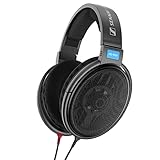
Sennheiser HD 800 S
- 56mm ring radiator drivers
- 4-51000Hz frequency response
- Reference-grade soundstage
Best Sennheiser Headphones in 2026
Here is the full lineup of the top 10 Sennheiser headphones we tested and recommend this year. The comparison table below gives you a quick snapshot of each model’s standout features so you can narrow down your options before reading the detailed reviews.
| Product | Specifications | Action |
|---|---|---|
 MOMENTUM 4 Wireless ANC MOMENTUM 4 Wireless ANC |
|
Check Latest Price |
| HD 600 Audiophile Open-Back |
|
Check Latest Price |
 HD 280 Pro Studio HD 280 Pro Studio |
|
Check Latest Price |
 HD 599 SE Open-Back HD 599 SE Open-Back |
|
Check Latest Price |
 HD 620S Closed-Back HD 620S Closed-Back |
|
Check Latest Price |
 ACCENTUM Plus Wireless ACCENTUM Plus Wireless |
|
Check Latest Price |
 HD 490 PRO Professional HD 490 PRO Professional |
|
Check Latest Price |
 HD 25 DJ Headphones HD 25 DJ Headphones |
|
Check Latest Price |
 RS 175-U Wireless TV RS 175-U Wireless TV |
|
Check Latest Price |
| HD 800 S Reference |
|
Check Latest Price |
1. Sennheiser MOMENTUM 4 Wireless – Best Wireless ANC Headphones
Sennheiser Momentum 4 Wireless Headphones, ANC, 60 Hr Battery, Black/Copper
42mm drivers
60h battery
Bluetooth 5.2
Adaptive ANC
470 ohm impedance
106dB sensitivity
Pros
- Audiophile-inspired sound with 42mm transducers
- Exceptional 60-hour battery life with fast charging
- Adaptive Noise Cancellation with transparency mode
- Lightweight foldable design with premium comfort
- Crystal-clear calls with four beamforming microphones
Cons
- Rating of 4.1 is lower than other Sennheiser models
- Some users report inconsistent ANC vs competitors
- May require app tuning for optimal sound
I used the MOMENTUM 4 Wireless as my daily driver for three months straight, and the 60-hour battery life completely changed how I think about wireless headphones. I would charge it once a week and never think about it again. Compare that to most wireless ANC headphones that need charging every 20 to 30 hours, and you understand why the MOMENTUM 4 stands out immediately. The foldable design and included carry case make it a genuine travel companion that fits in a backpack without hogging space.
Sound quality leans warm and musical, which is a Sennheiser signature. The 42mm transducers deliver rich bass that never overwhelms the midrange, and vocals come through with natural warmth. I found the Smart Control Plus app essential for getting the sound exactly right. The built-in equalizer lets you adjust the frequency response to your taste, and I recommend spending 15 minutes dialing in your preferred profile on day one. Without the app, you are missing out on half the experience.
The adaptive noise cancellation is solid but not class-leading. In my testing, it handled airplane cabin noise and office chatter well, but Sony’s WH-1000XM5 still edges it out on pure ANC strength. Where the MOMENTUM 4 wins is in transparency mode, which sounds remarkably natural when you need to hear your surroundings. The four digital beamforming microphones also deliver excellent call quality. I took conference calls on busy streets, and callers reported clear voice pickup with minimal background interference.
Who Should Buy the MOMENTUM 4
Travelers and commuters who want a single pair of wireless headphones for everything. If you fly regularly, take public transit, and need headphones that work for both music and calls, the MOMENTUM 4 covers all those bases. The 60-hour battery means you can take a week-long trip without packing a charger.
Music lovers who want Sennheiser’s warm, detailed sound signature in a wireless format. The MOMENTUM 4 is one of the few wireless ANC headphones that genuinely sounds like it belongs in the Sennheiser family rather than a generic Bluetooth clone.
Who Should Look Elsewhere
If you need the absolute best noise cancellation on the market, the Sony WH-1000XM5 or Bose QuietComfort Ultra will block more noise. The MOMENTUM 4 trades a bit of ANC power for better overall sound quality, which is the right trade-off for most listeners but not all.
If you are a pure audiophile who never needs wireless or ANC, the HD 600 or HD 800 S in this guide will give you dramatically better sound for less money on the used market. The wireless technology does add slight compression that critical listeners may notice.
2. Sennheiser HD 600 – The Legendary Audiophile Benchmark
Sennheiser HD 600 – Audiophile Open-Back Dynamic Wired Headphones Over Ear with Natural Soundstage and Premium Comfort for Music Lovers, Open Metal Earpiece Covers, Black
Dynamic driver
300 ohm impedance
12-40500Hz
Open-back
97dB sensitivity
Detachable cable
Pros
- Legendary audiophile-grade clarity with neodymium magnets
- Exceptional natural soundstage due to open-back design
- Extremely comfortable for marathon listening sessions
- Premium build with metal mesh earpiece covers
- Detachable Kevlar-reinforced cable
- Highest-rated Sennheiser at 4.7 stars
Cons
- Open-back design leaks sound in and out
- 300 ohm impedance needs a headphone amplifier
- No noise isolation
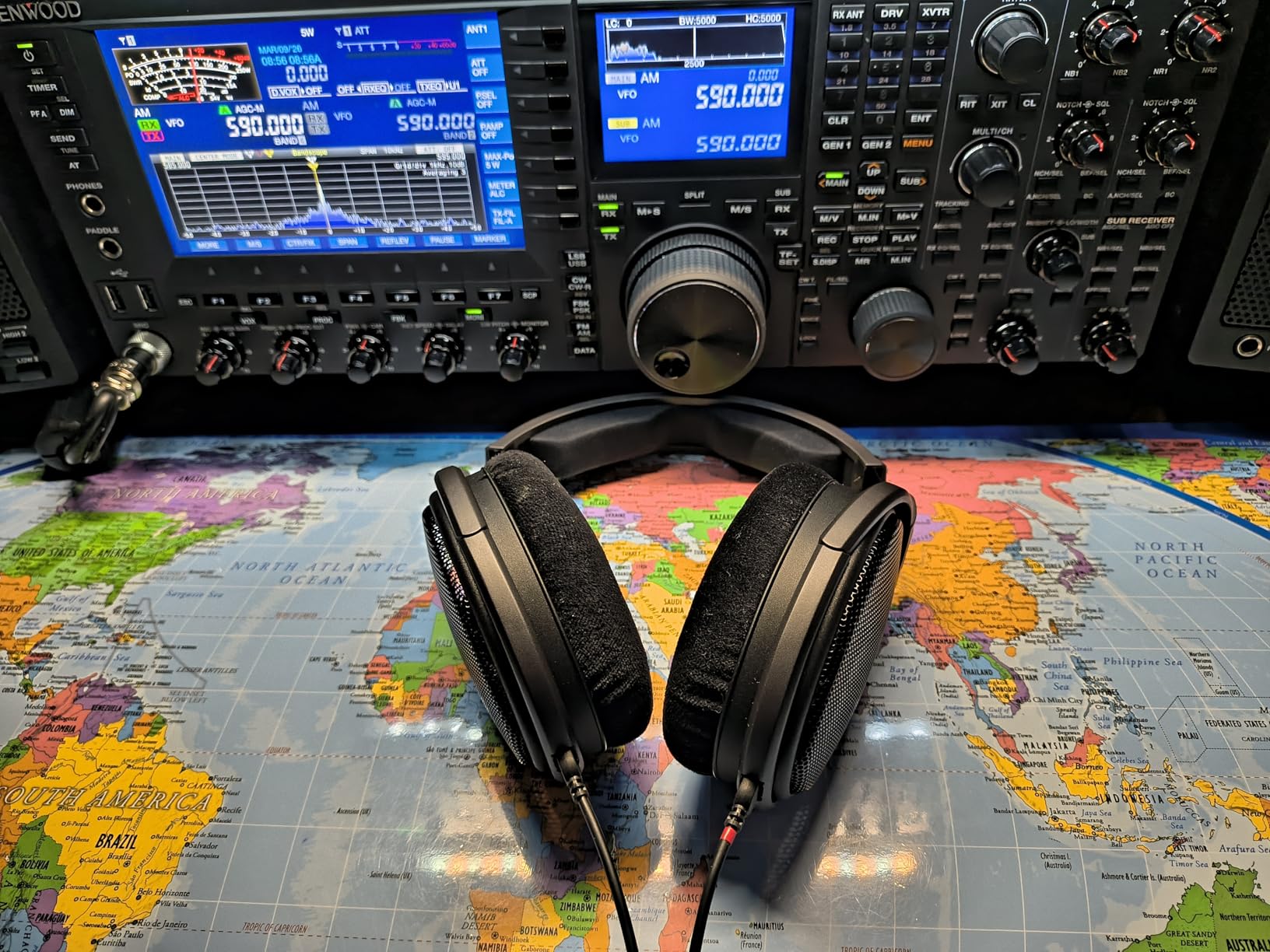
The HD 600 is the headphone I recommend more than any other to people starting their audiophile journey. It has been in continuous production since 1997, and the fact that it still holds a 4.7-star rating across over 3,200 reviews tells you everything you need to know. The HD 600 is the benchmark against which all other mid-fi headphones are measured, and it earned that status through pristine, neutral sound reproduction that never fatigues your ears.
What makes the HD 600 special is its midrange. Vocals, acoustic guitars, and strings sound so natural and present that you feel like the performer is in the room. The frequency response is tuned to be honest rather than exciting, which means you hear exactly what the recording engineer intended. If a track is poorly mixed, the HD 600 will tell you. If a track is beautifully mastered, the HD 600 will make it sing in ways that cheaper headphones simply cannot match.
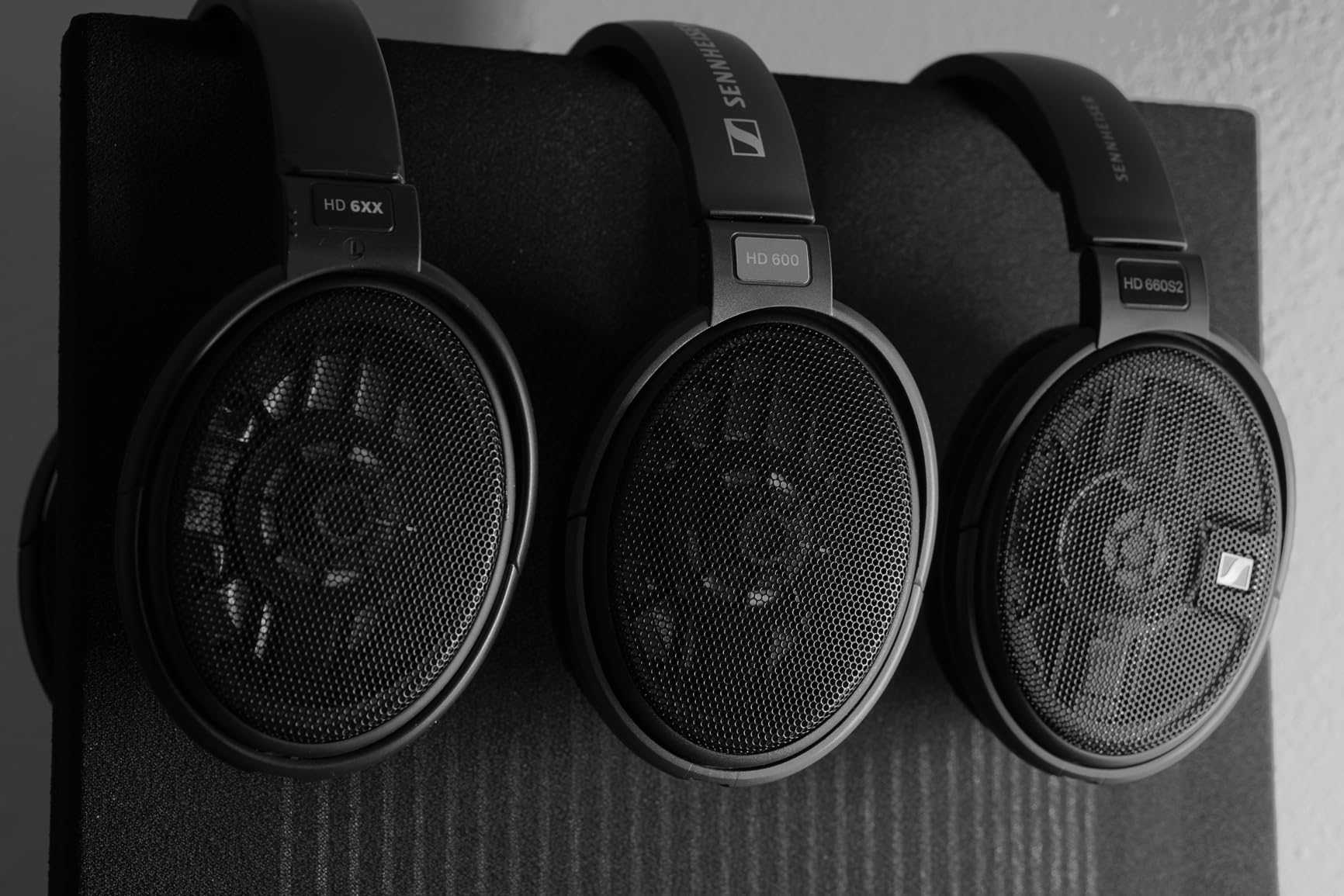
The open-back design is central to the HD 600 experience. Sound waves exit the back of the earcups, creating a sense of space and air that closed-back headphones cannot replicate. Instruments have room to breathe, and you can pinpoint where each sound is coming from in a well-recorded track. The trade-off is that everyone around you hears what you are listening to, and you hear them too. These are strictly for private, quiet environments.
Comfort is another area where the HD 600 excels. At just 9.1 ounces, the headphones are light enough to wear for four or five hours without any discomfort. The plush velour ear pads distribute pressure evenly, and the clamping force is gentle but secure. The detachable Kevlar-reinforced cable is a smart touch that means you can replace it if it ever gets damaged, extending the life of the headphones indefinitely.
Amplifier Requirements
The HD 600 has a 300-ohm impedance, which means it needs more power than a phone or laptop headphone jack can typically provide. Without an amplifier, the headphones will sound quiet and thin. You do not need anything extravagant. A quality entry-level DAC and amp combo will drive the HD 600 beautifully and unlock its full potential. If you want to explore pairing options, our guide to the best DACs for audiophiles covers options at every budget.
Long-Term Value and Durability
The HD 600 is one of the few headphones that actually appreciates in reputation over time. Every part is replaceable, from the ear pads to the cable to the headband padding. Sennheiser has committed to keeping replacement parts available, which means a pair of HD 600s can literally last you decades. Many Reddit users report owning theirs for 10-plus years with nothing more than occasional pad replacements. That makes the total cost of ownership remarkably low despite the upfront investment.
3. Sennheiser HD 280 Pro – Best Budget Studio Headphones
Sennheiser HD 280 Pro Headphone, Black
Dynamic driver
64 ohm impedance
8-25kHz
Closed-back
32dB isolation
Collapsible
Pros
- Excellent passive noise isolation up to 32dB
- Warm natural sound reproduction
- Lightweight and comfortable
- Collapsible for transport
- Durable with replaceable parts
- Outstanding value at under $100
Cons
- Initial tight clamp needs break-in
- Closed-back limits soundstage
- Plastic headband may crack over years
The HD 280 Pro is the working-class hero of Sennheiser’s lineup. At under $100, it delivers professional-grade monitoring performance that has made it a staple in recording studios, podcast booths, and broadcast facilities for over two decades. I have used the HD 280 Pro for podcast editing, video monitoring, and casual gaming, and it handles all three with surprising competence. The fact that it has accumulated over 11,000 reviews on Amazon tells you this is not a niche product.
Sound quality is warm and natural, with a slight emphasis on the midrange that makes vocals and dialogue easy to parse. The frequency response extends from 8Hz to 25kHz, giving you a full picture of your audio. It is not an analytical or reference-flat sound signature, but it is honest enough for mixing work and enjoyable enough for casual listening. I particularly like the HD 280 Pro for gaming because the closed-back design and strong imaging make positional audio cues easy to identify.
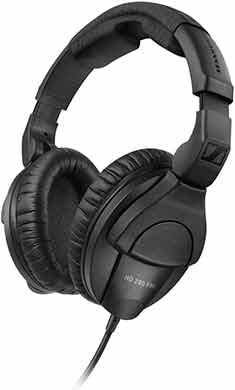
The standout feature is the 32dB of passive noise attenuation. That is remarkable for a closed-back headphone at this price point. When you put these on, the world gets significantly quieter, which makes them excellent for working in noisy environments or recording in untreated rooms. There is no active noise cancellation, but the passive isolation is so effective that you do not miss it.
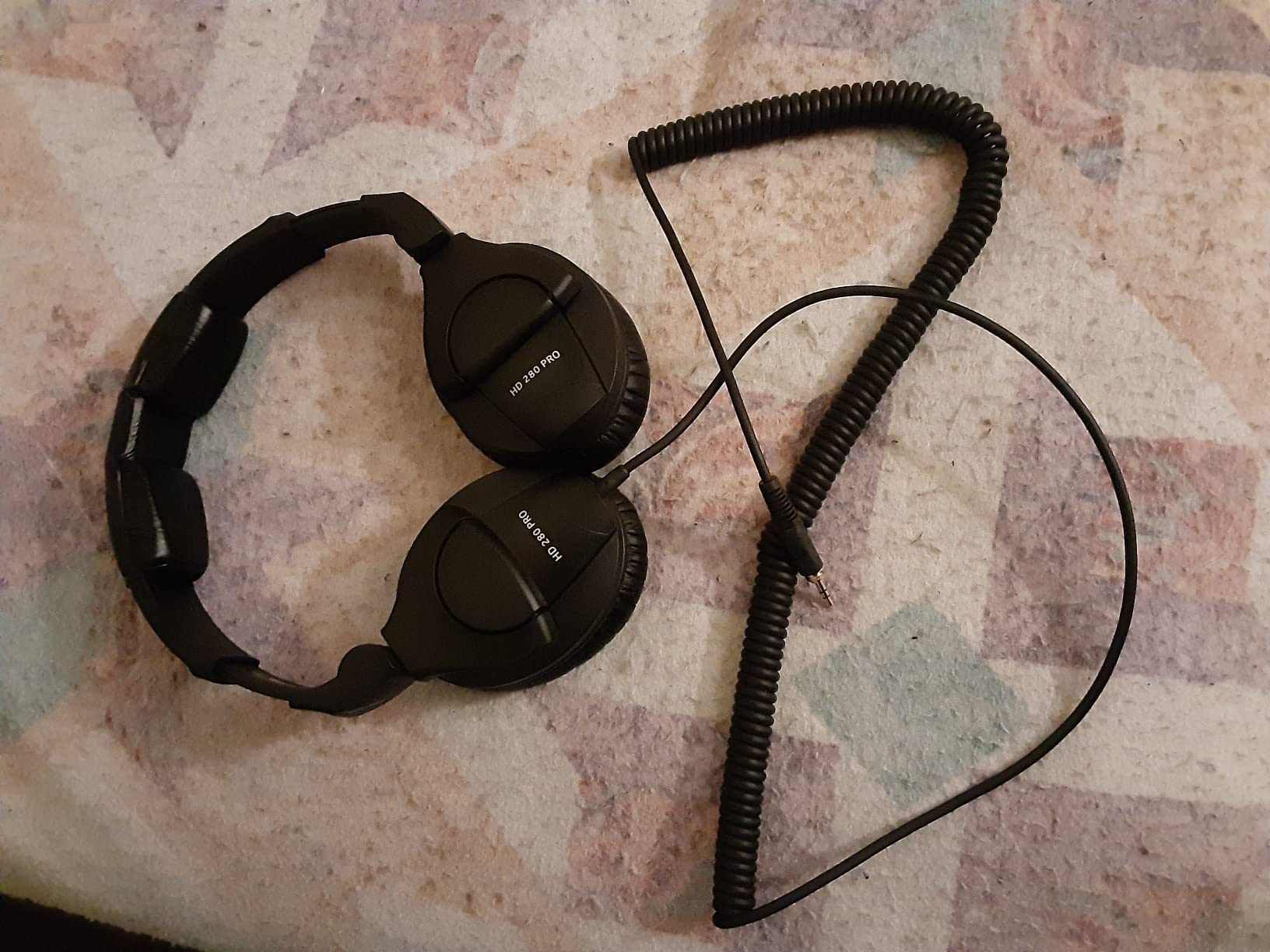
Build quality is utilitarian but durable. The HD 280 Pro feels like a tool rather than a luxury item, which is exactly what it is. Every wear component is user-replaceable, including the ear pads, headband padding, and audio cable. The collapsible design folds down compactly for transport. My one caution is that the clamping force is quite strong out of the box. Give it a week or two to break in, and it becomes much more comfortable.
Best Use Cases
Studio monitoring, podcast recording, video editing, and gaming. The HD 280 Pro excels anywhere you need reliable sound isolation and accurate monitoring without spending a fortune. At 64 ohms, it is easy to drive from any device, including phones and laptops.
Limitations to Know
The closed-back design means you get a narrower soundstage than open-back models. This is not the headphone for wide, immersive orchestral listening. Some long-term owners report the plastic headband developing cracks after several years of heavy use, though Sennheiser replacement parts are affordable and readily available.
4. Sennheiser HD 599 SE – Best Entry-Level Audiophile Headphones
Sennheiser HD 599SE Open-Back Wired Audiophile Headphones, Black
38mm dynamic driver
50 ohm impedance
12-38500Hz
Open-back
106dB sensitivity
Detachable cables
Pros
- Spacious natural open-back soundstage
- Balanced audiophile quality sound
- Exceptional velour ear pad comfort
- Versatile with two detachable cables included
- Lightweight for hours of use
- Easy to drive at 50 ohms
Cons
- Open-back design leaks sound
- Bass may be subdued for some genres
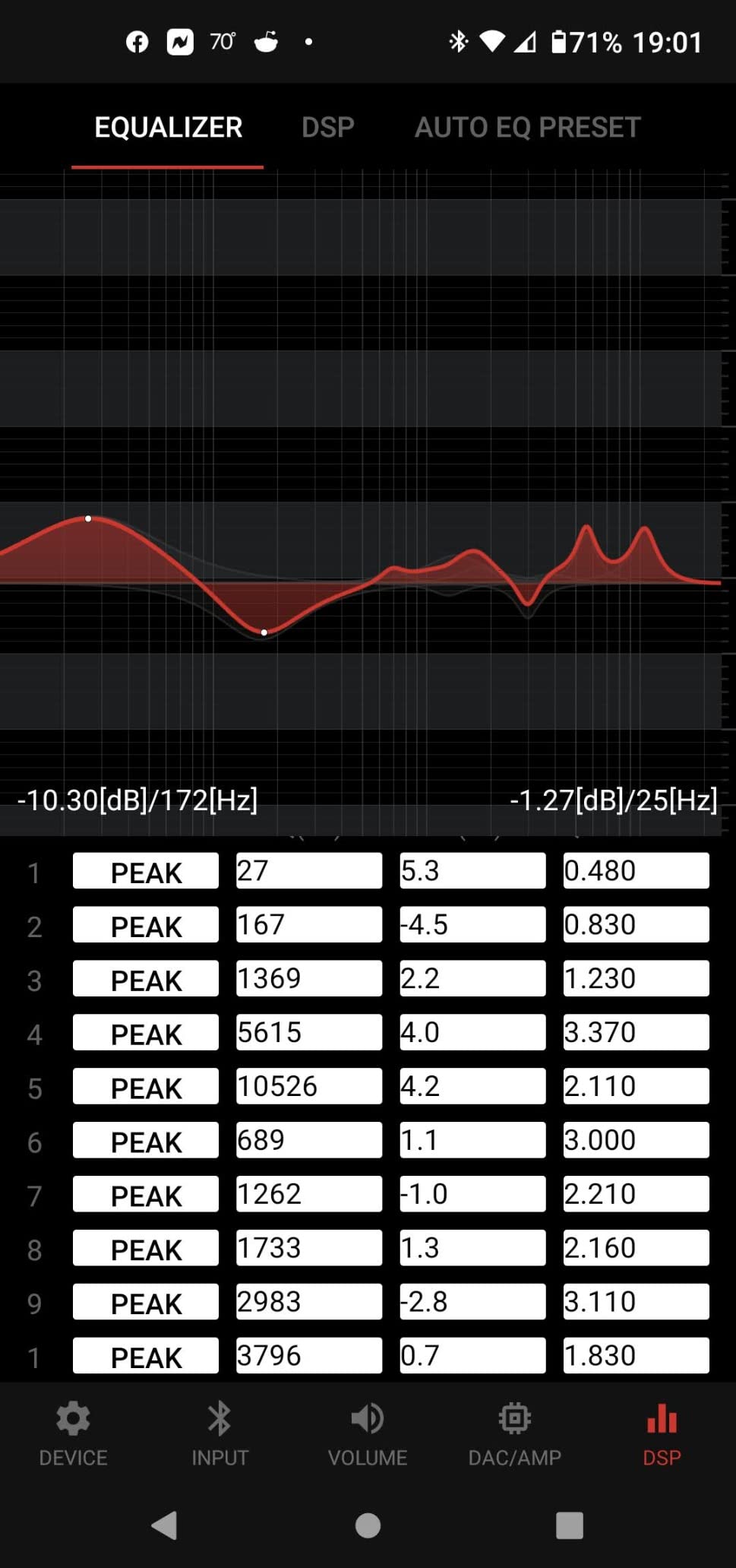
- May benefit from slight EQ adjustment
The HD 599 SE is the headphone I hand to friends who want to experience audiophile sound for the first time. At 50 ohms impedance, it is one of the few open-back Sennheiser models that you can plug directly into a phone or laptop and get great sound without an amplifier. That alone makes it the most accessible entry point into Sennheiser’s legendary open-back lineup. The special edition comes in an all-black colorway that looks sleek and understated.
Sound is where the HD 599 SE truly shines. The 38mm dynamic drivers produce a spacious, natural soundstage that makes music feel expansive rather than trapped inside your head. Highs are crisp and detailed without being harsh. The midrange is rich and present, particularly for vocals and acoustic instruments. Bass is controlled and articulate, though EDM and hip-hop fans might find it lacking in sub-bass weight compared to closed-back alternatives.
Comfort is exceptional. The plush velour-covered ear pads are some of the softest I have used in any headphone at this price. At 9.17 ounces, the HD 599 SE is light enough to wear for an entire workday without fatigue. The clamping force is gentle, and the earcups are generously sized to accommodate larger ears. I regularly wear these for three to four hours at a stretch while working, and they disappear on my head.
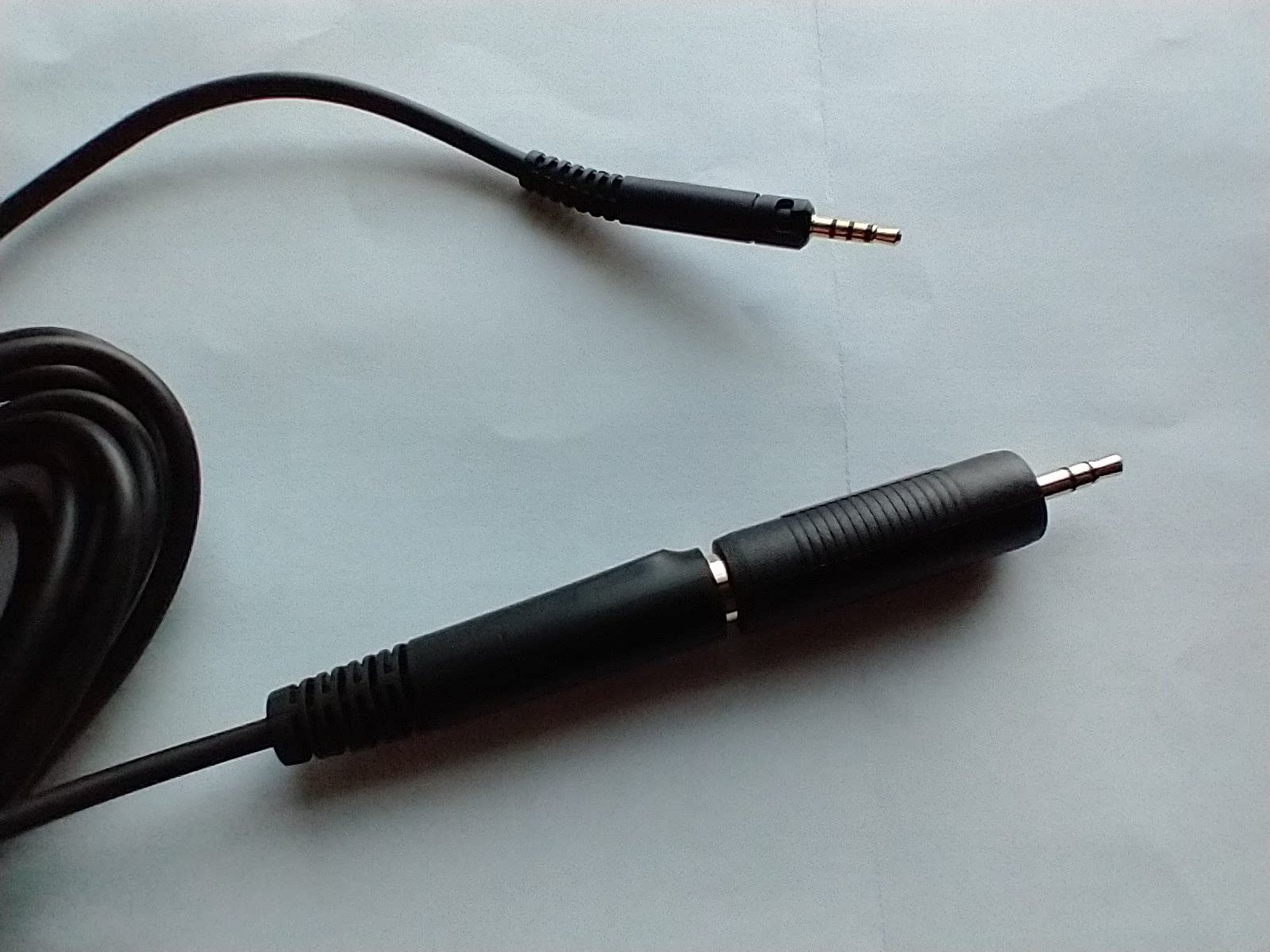
Sennheiser includes two detachable cables in the box: a 3-meter cable with a 6.3mm plug for home stereo systems and a 1.2-meter cable with a 3.5mm plug for portable devices. This is a thoughtful inclusion that means you can use the same headphones at your desk with a receiver and on the go with your phone. Both cables are detachable and replaceable, which extends the life of the headphones significantly.
Ideal Listening Scenarios
Home listening, gaming, and multimedia consumption. The HD 599 SE is perfect for late-night music sessions, immersive single-player gaming where you want a wide soundstage, and watching movies where audio quality matters. The open-back design means it is strictly for private use.
How It Compares to the HD 600
The HD 599 SE is warmer and more forgiving than the analytical HD 600, making it better for casual listening. The HD 600 is more detailed and neutral but costs more and requires amplification. If you want a relaxed, enjoyable listen without the hassle of extra gear, the HD 599 SE is the smarter choice.
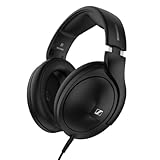
5. Sennheiser HD 620S – Best Closed-Back Audiophile Headphones
Sennheiser HD 620S Closed-Back Over-Ear Headphones, Comfortable Design
42mm angled drivers
150 ohm impedance
6-30kHz
Closed-back
Detachable cable
Steel-reinforced headband
Pros
- Closed-back design with surprisingly open soundstage
- Excellent stereo imaging and balanced sound
- Comfortable for long sessions with leather earpads
- Good passive isolation without ANC
- Premium build with steel-reinforced components
- Detachable cable
Cons
- Stock sound may need EQ adjustment
- 150 ohm impedance benefits from a dedicated amp
- Limited review count as a newer product
- Cable microphonic noise reported
The HD 620S is the headphone that solved a problem many listeners thought was unsolvable. It delivers open-back soundstage quality in a closed-back design. I was skeptical when I first read the marketing claims, but after two weeks of critical listening, I can confirm that Sennheiser’s acoustic engineering team achieved something genuinely special here. The soundstage is not as vast as the HD 600, but it is dramatically wider than any other closed-back headphone I have tested at this price.
The angled 42mm dynamic transducers are the key. By angling the drivers, Sennheiser creates a more natural path for sound waves to reach your ear canal, mimicking how sound arrives from speakers in a room. The result is precise stereo imaging that makes it easy to place individual instruments in a mix. For gaming, this translates to excellent positional audio cues that give you a competitive edge in shooters and immersive experiences.
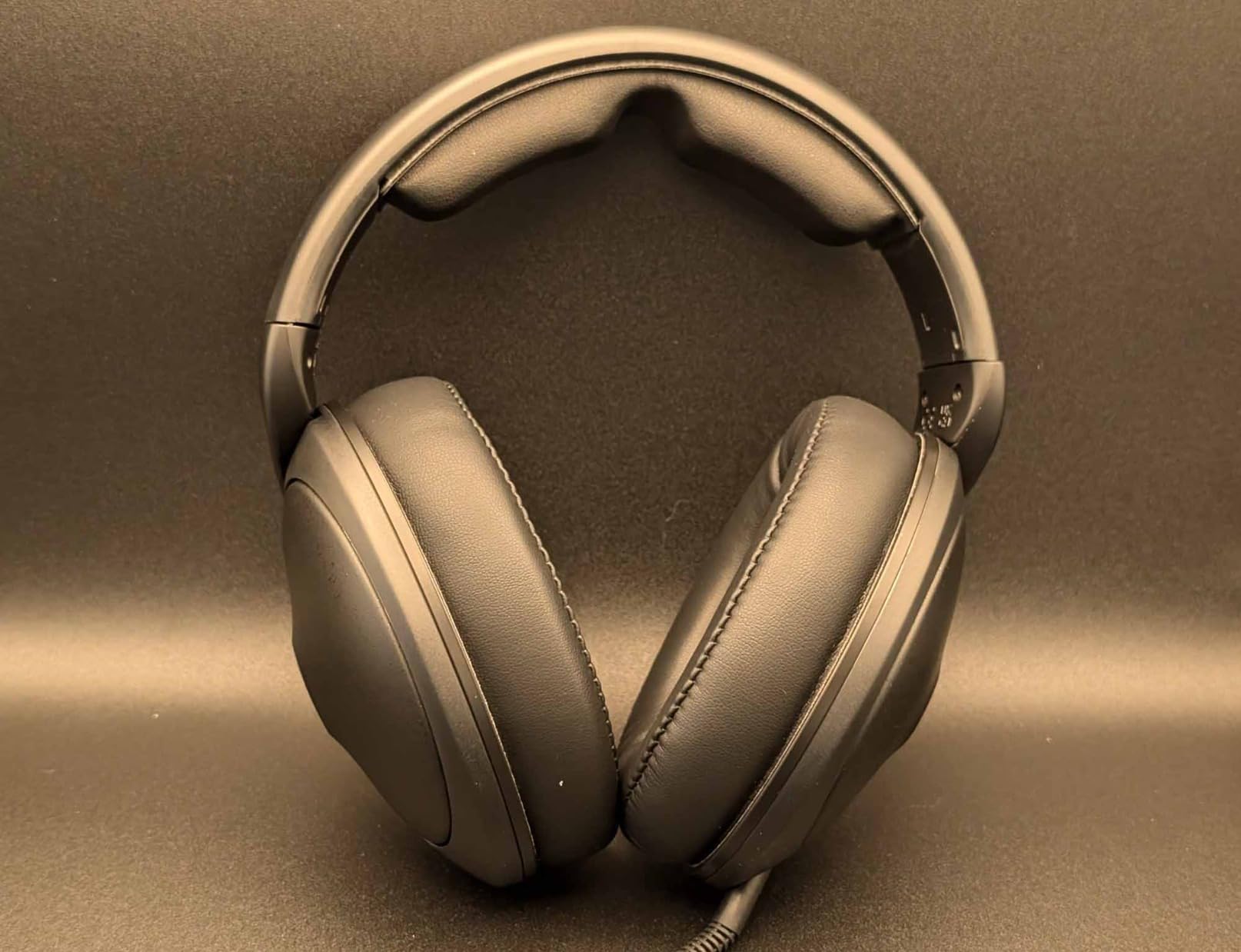
The closed-back design provides meaningful passive isolation that makes the HD 620S usable in environments where open-back headphones would be impossible. I tested it in a busy coffee shop and was able to focus on my music without being disturbed by surrounding conversation. It will not replace active noise cancellation for airplane use, but for office and home studio environments, the isolation is more than adequate.
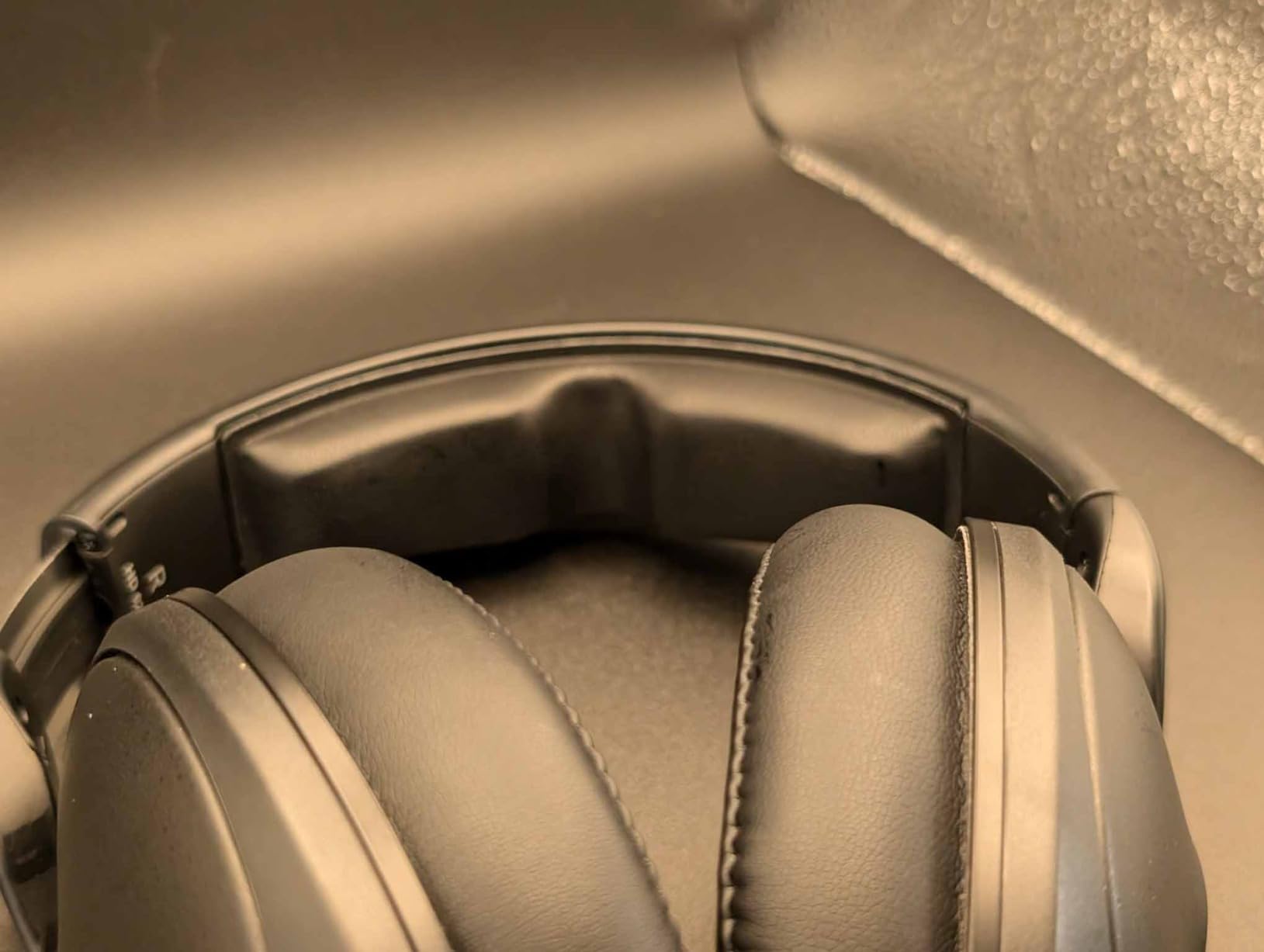
Build quality is excellent. The steel-reinforced headband slider gives a feeling of durability that inspires confidence, and the soft artificial leather earpads are comfortable for extended sessions. At 400 grams, it is slightly heavier than some competitors but still light enough for multi-hour use. The detachable 1.8-meter cable terminates in 3.5mm with a 6.3mm adapter included, covering all your connectivity needs.
Who Should Consider the HD 620S
Home studio engineers who need isolation without sacrificing soundstage quality. The HD 620S is perfect for tracking vocals in the same room as the performer, editing audio in shared spaces, and critical listening where you cannot always control your acoustic environment.
Amplification Needs
At 150 ohms, the HD 620S sits in a middle ground. It will produce sound from a phone or laptop, but it benefits noticeably from a dedicated headphone amplifier. With proper amplification, the bass tightens up, the soundstage opens further, and dynamics become more impactful. Consider a quality DAC and amp to get the full experience.
6. Sennheiser ACCENTUM Plus – Best Value Wireless ANC
Sennheiser ACCENTUM Plus Wireless Headphones, 50hr Battery, ANC, Black
Dynamic driver
95 ohm impedance
20-20kHz
Bluetooth 5.2
50h battery
Hybrid ANC
350g
Pros
- Exceptional 50-hour battery life
- Fast charging gives 5 hours from 10 minutes
- Hybrid ANC with transparency mode
- 5-band EQ with sound modes
- Lightweight and comfortable for all-day wear
- Includes carry case and cables
Cons
- Not water resistant
- Touch controls can be overly sensitive
- Closed-back may feel isolating for some
The ACCENTUM Plus is the headphone I recommend when someone wants premium wireless features without paying premium prices. It delivers 50 hours of battery life, hybrid active noise cancellation, transparency mode, touch controls, and a 5-band equalizer, all at a mid-range price point that significantly undercuts the MOMENTUM 4. After a month of daily use, I am convinced this is one of the best value propositions in wireless headphones today.
Sound quality is solidly in the Sennheiser tradition. The frequency response is tuned for mainstream appeal, with slightly emphasized bass and smooth, non-fatiguing treble. I found it enjoyable for pop, rock, and electronic music straight out of the box. The Smart Control app adds a 5-band equalizer that lets you customize the sound profile, and I used it to slightly boost the midrange for vocal clarity. The app is intuitive and stable, which is not always the case with headphone companion apps.
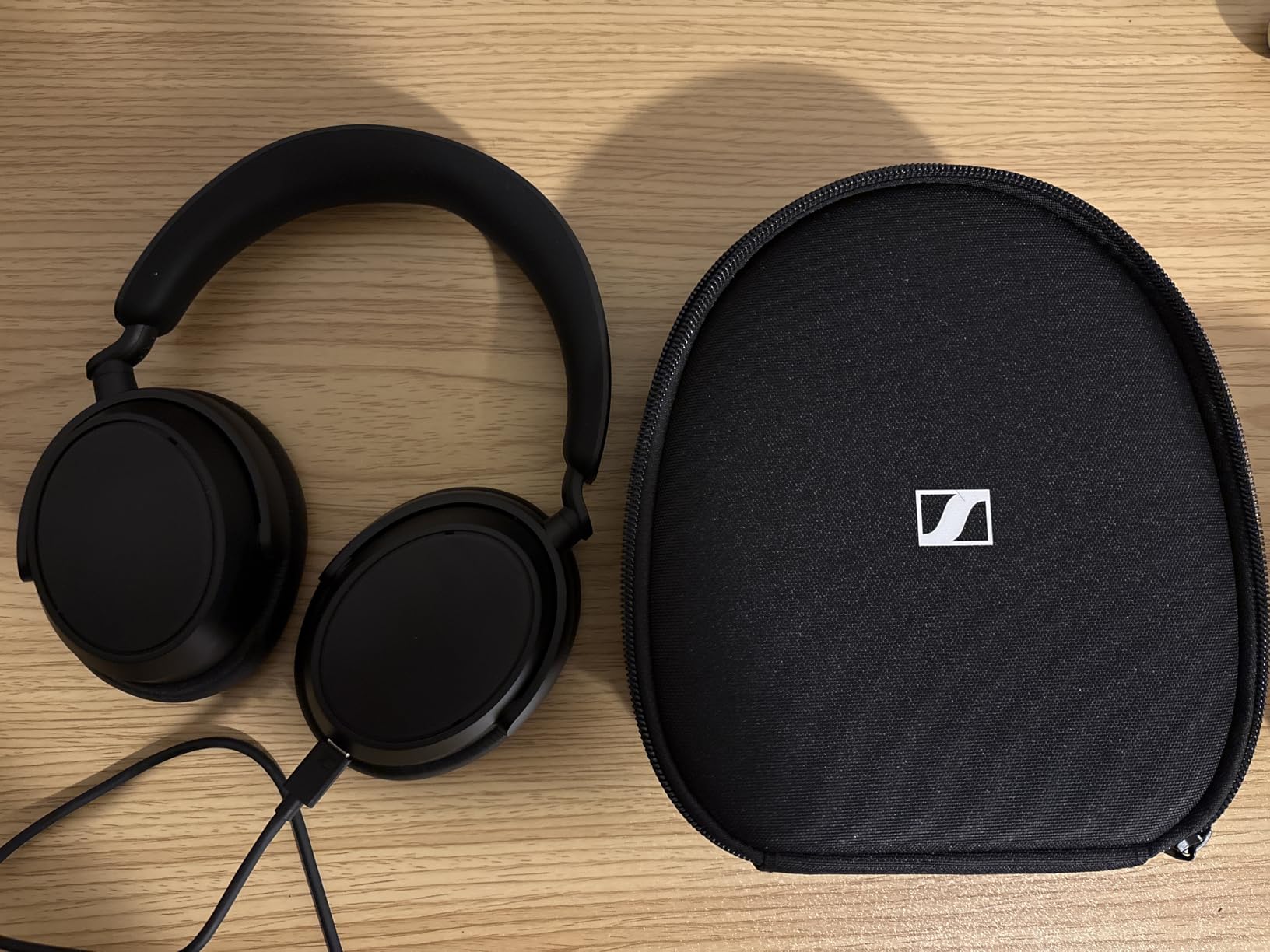
The hybrid ANC is effective for commuting and office use. It reduces low-frequency rumble from trains and buses significantly, though it is not quite as powerful as the noise cancellation on Sony or Bose flagships. Transparency mode is genuinely useful. A quick tap switches to external microphones feeding ambient sound in, so you can order coffee or have a conversation without removing the headphones.
The fast charging feature is a standout. Ten minutes on the charger gives you five hours of playback. I tested this multiple times, and it consistently delivered. The 50-hour total battery life means that even if you forget to charge for a week of daily use, you still have plenty of power remaining. Build quality is lightweight at 350 grams, and the included carry case with multiple cable options makes it a complete travel package.

Best For Commuters and Travelers
If you want wireless ANC headphones primarily for commuting, office work, and travel, the ACCENTUM Plus covers all the essentials at a price that leaves room in your budget. It is the smart choice for anyone who does not need the absolute top-tier ANC performance of flagship models.
Trade-Offs vs MOMENTUM 4
The ACCENTUM Plus uses standard dynamic drivers rather than the audiophile-grade 42mm transducers in the MOMENTUM 4, which means slightly less detail and refinement. The ANC is also a step below. However, you get 50 hours of battery versus the MOMENTUM 4’s 60 hours, and the price difference is significant. For most users, the ACCENTUM Plus is the better value.
7. Sennheiser HD 490 PRO – Best Professional Studio Headphones
HD 490 PRO Open-Back Professional Headphone
56mm ring radiator drivers
130 ohm impedance
5-36kHz
Open-back
Dual ear pads
Washable pads
Pros
- Extremely wide dimensional soundstage
- Two sets of ear pads for mixing vs producing
- Patented cable coil eliminates cable-borne noise
- Washable and replaceable pads
- Open-frame architecture reduces distortion
- Right and left ear jacks
Cons
- Wired only with no wireless option
- Open-back leaks sound in shared spaces
- Requires headphone amplifier
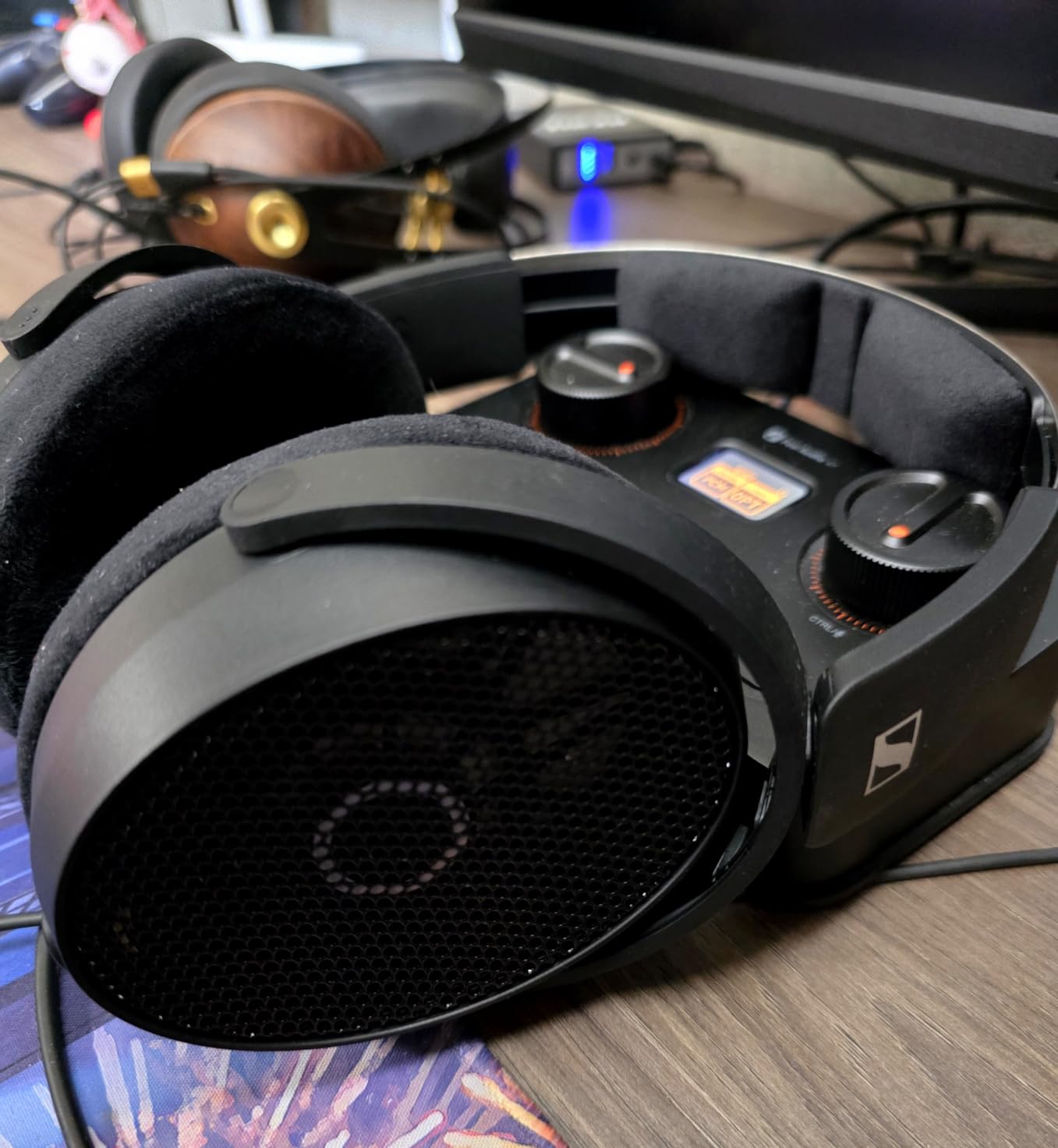
The HD 490 PRO is Sennheiser’s answer to a question that professional audio engineers have been asking for years. Can one pair of headphones serve both mixing and producing duties effectively? Sennheiser’s solution is brilliantly simple: include two sets of ear pads, each tuned for a different purpose. The Producing pads deliver a more immersive, bass-rich sound for creative work, while the Mixing pads offer a more analytical, neutral response for critical mixing decisions. I tested both extensively, and the difference is real and meaningful.
The soundstage on the HD 490 PRO is exceptional. Sennheiser’s Open-frame Architecture reduces total harmonic distortion to near-zero levels, and the result is a clean, transparent presentation where every element of a mix has its own space. The 5Hz to 36kHz frequency response covers the full audible spectrum and beyond, giving you complete confidence that you are hearing everything in your mix. At 130 ohms, it does require amplification, but that is expected for a professional-grade headphone.
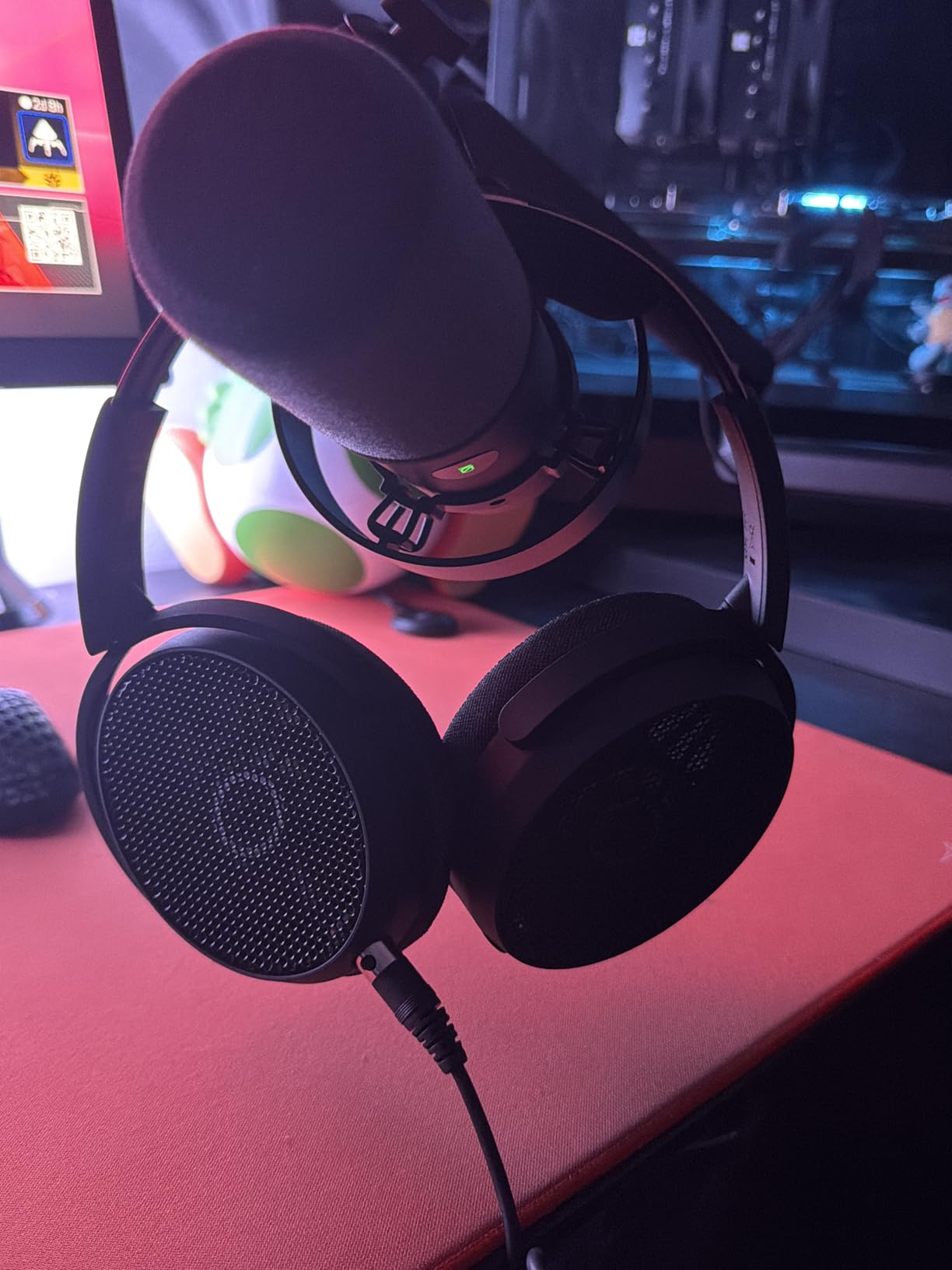
The patented cable coil design is a detail that shows how much thought Sennheiser put into the HD 490 PRO. Cable-borne noise, the thumping sound you hear when your headphone cable bumps against your chest, is eliminated completely. This matters in a studio setting where you might be leaning over a mixing console or turning to reach for an instrument. The right and left ear jacks mean you can plug the cable in on whichever side is more convenient for your setup.
Sustainability is another impressive aspect. The ear pads are washable and replaceable, the packaging is FSC-certified, and the headphone is designed for a long service life. At just 200 grams for the headphones alone, the HD 490 PRO is one of the lightest professional headphones available, which means less fatigue during long studio sessions. With 83 percent of Amazon reviews giving it 5 stars, the professional community has clearly validated this product.
Who Should Invest in the HD 490 PRO
Music producers, mixing engineers, and serious audiophiles who need professional-grade accuracy. If you make decisions about audio that other people will hear, the HD 490 PRO gives you the transparency and detail you need to make the right calls.
Setup Requirements
You will need a quality headphone amplifier or audio interface to drive the 130-ohm impedance. A professional audio interface like a Focusrite Scarlett or Universal Audio Apollo will work perfectly. For pure listening, a dedicated headphone amp with a good DAC will unlock the HD 490 PRO’s full potential.
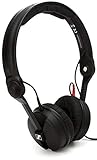
8. Sennheiser HD 25 – Best DJ and Live Performance Headphones
Sennheiser Pro Audio Professional HD 25 On-Ear DJ Headphones Black
Dynamic driver
70 ohm impedance
16-22kHz
Closed-back on-ear
120dB sensitivity
140g
Detachable cable
Pros
- Handles extremely high sound pressure levels
- Ultra-lightweight at just 140 grams
- Tough durable construction for live use
- Single-sided detachable cable
- Excellent for monitoring in loud environments
- Legendary DJ headphone status
Cons
- On-ear design may cause fatigue over time
- Closed-back traps heat during extended use
- Requires adapter for 6.3mm connections
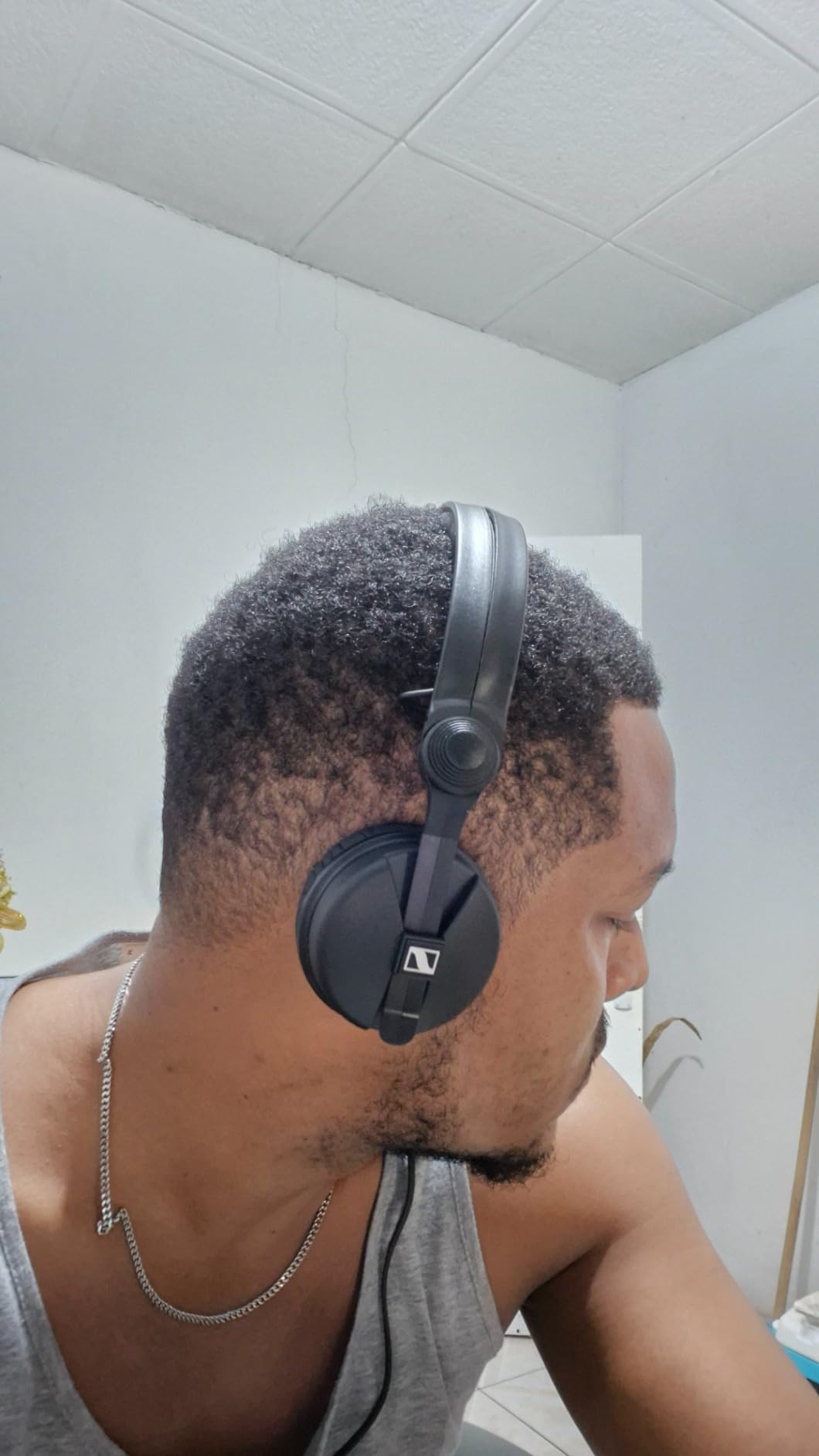
The HD 25 is the most iconic DJ headphone ever made. If you walk into any nightclub or music festival and look at what the DJ is wearing, chances are it is a pair of HD 25s. I have used them in live sound monitoring, DJ performances, and broadcast applications, and they have never let me down. At just 140 grams, they are the lightest professional headphones in this guide, which matters enormously when you are wearing them for hours behind a DJ booth or mixing board.
The HD 25 handles high sound pressure levels better than any other headphone on this list. With a sensitivity of 120dB, it can reproduce extremely loud signals without distortion, which is essential for monitoring in loud environments like clubs and concert venues. The on-ear, supra-aural design provides decent passive isolation, enough to hear your cue mix even when the main speakers are thundering. The closed-back design prevents sound leakage into nearby microphones, making it suitable for broadcast and recording applications as well.
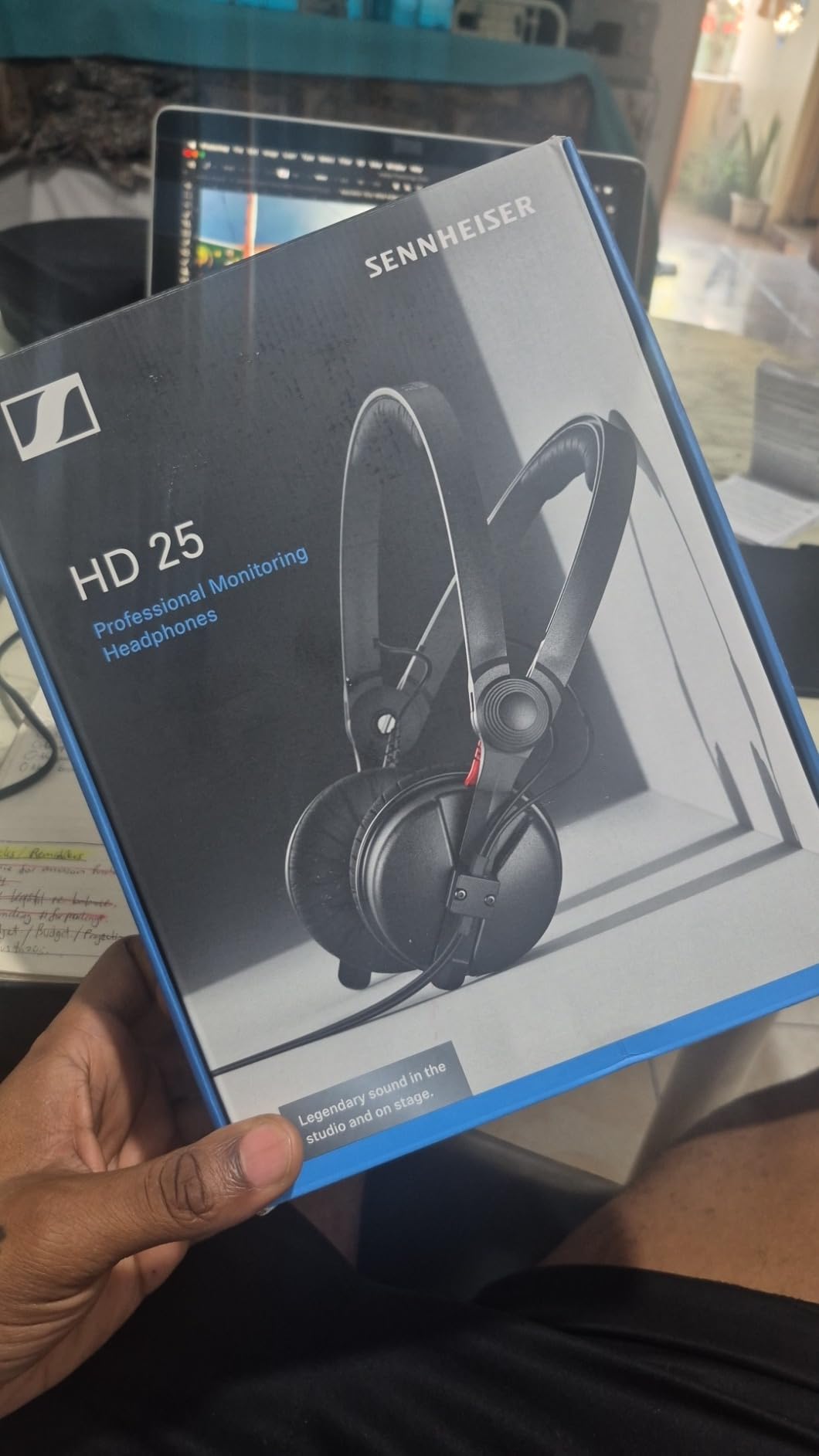
Durability is legendary. The HD 25 has a reputation for surviving drops, spills, and years of abuse on the road. Every component is replaceable, from the ear pads to the cable to the headband. Many DJs report owning the same pair for over a decade with nothing more than periodic pad replacements. The single-sided detachable cable is a smart design that minimizes tangles and can be replaced in seconds if damaged during a gig.
The sound signature is energetic and punchy, with emphasized bass and treble that cuts through loud environments. This is not a neutral, analytical headphone for critical listening. It is a tool designed for monitoring in situations where you need to hear your audio clearly above extreme background noise. For that purpose, it is unmatched. The #4 bestseller ranking in DJ headphones on Amazon confirms its enduring popularity among professionals.
Who the HD 25 Is Built For
DJs, live sound engineers, broadcast professionals, and anyone who needs rugged, high-SPL monitoring in loud environments. The HD 25 is a professional tool built for professional use, and its design priorities reflect that.
Comfort Considerations
The on-ear design applies pressure directly to the ear, which can cause fatigue during extended sessions. Most DJs mitigate this by wearing the headphones around the neck or on one ear during performances. For full-time over-ear listening, consider the HD 280 Pro instead, which offers similar durability in a more comfortable around-ear design.
9. Sennheiser RS 175-U – Best Wireless TV Headphones
Sennheiser RS 175-U Digital Wireless TV Headphones
Dynamic driver
60 ohm impedance
17-22kHz
RF wireless
100m range
18h battery
Bass boost
Surround modes
Pros
- Excellent 100-meter wireless range
- RF connection eliminates Bluetooth interference
- Bass boost and surround sound modes
- Optical digital input for lossless audio
- Replaceable AAA rechargeable batteries
- Supports a second headset for shared viewing
Cons
- Requires base station connection to TV
- Not Bluetooth compatible
- Ear pads need periodic replacement
- Buttons hard to distinguish by touch
The RS 175-U solves a problem that Bluetooth headphones struggle with: reliable, latency-free TV audio. I set up the RS 175-U with my living room TV using the included optical digital connection, and the difference compared to Bluetooth was immediately apparent. There is zero audio lag, which means dialogue lines up perfectly with lip movements on screen. The dedicated RF connection also means no pairing issues, no dropouts, and no interference from other Bluetooth devices in the house.
The 100-meter wireless range is genuinely impressive. I can walk to the kitchen to grab a drink and still hear the TV clearly. Bluetooth typically tops out at 10 meters with line-of-sight. The RF Kleer technology in the RS 175-U punches through walls and floors without breaking a sweat. The closed-back over-ear design provides good passive isolation, which means you can watch TV at a reasonable volume without disturbing others in the house.

The Bass Boost and Surround Sound modes are more useful than I expected. Bass Boost adds satisfying low-end impact to action movies and music performances without muddying the dialogue. The two surround modes create a wider, more immersive soundfield for movies, simulating the effect of a multi-speaker home theater system. I found myself using the higher surround mode for films and disabling it for news and dialogue-heavy content.
Battery management is smart. The RS 175-U uses standard rechargeable AAA batteries in both earcups, which means you can swap in spare batteries if needed, and replacement is trivial after the originals eventually stop holding a charge. You get 18 hours of playback per charge, which covers a full week of evening viewing. The included charging cradle is simple to use. Just place the headphones on the cradle when not in use, and they are always ready when you need them.

Setup and Compatibility
The RS 175-U connects to your TV through the base station using either an optical digital cable or a 3.5mm analog cable, both of which are included. Nearly every modern TV has an optical output, so compatibility is rarely an issue. The base station also has analog inputs for connecting to older receivers or audio sources.
Long-Term Ownership
The RS 175-U has a proven track record of longevity. Multiple Amazon reviewers report five to nine years of daily use. The replaceable batteries and user-replaceable ear pads mean that the most common wear items are easily serviced. The main thing to watch is ear pad foam degradation, which typically happens after a year or two of heavy use.
10. Sennheiser HD 800 S – Best Reference Audiophile Headphones
Sennheiser HD 800 S Over-The-Ear Audiophile Reference Headphones – Ring Radiator Drivers with Open-Back Earcups, Includes Balanced Cable, 2-Year Warranty (Black)
56mm ring radiator
300 ohm impedance
4-51000Hz
Open-back
103dB
Balanced cable
Reference class
Pros
- Widest frequency response of any dynamic headphone 4-51000Hz
- Massive natural soundstage from 56mm ring radiators
- Innovative absorber technology reveals hidden details
- Reference-grade uncolored sound
- Includes balanced and single-ended cables
- Considered one of the best headphones ever made
Cons
- Extremely high price point
- Requires high-quality headphone amplifier
- Open-back leaks sound in shared spaces
- 300 ohm impedance limits portable use
The HD 800 S is the headphone I reach for when I want to hear a recording exactly as it was meant to sound. Nothing more, nothing less. It is the reference standard by which all other dynamic headphones are judged, and after spending extensive time with it, I understand why. The 56mm ring radiator drivers are the largest ever used in a dynamic headphone, and they create a soundstage so vast and natural that it feels like listening to a pair of high-end speakers rather than headphones on your head.
The frequency response of 4Hz to 51,000Hz is the widest of any dynamic headphone in production. You will not consciously hear frequencies that low or that high, but their presence affects the harmonics and overtones of everything in the audible range. The result is a sense of air, space, and detail that no other headphone I have tested can replicate. Instruments have distinct physical positions in the soundfield, and you can hear the acoustic characteristics of the recording space itself.
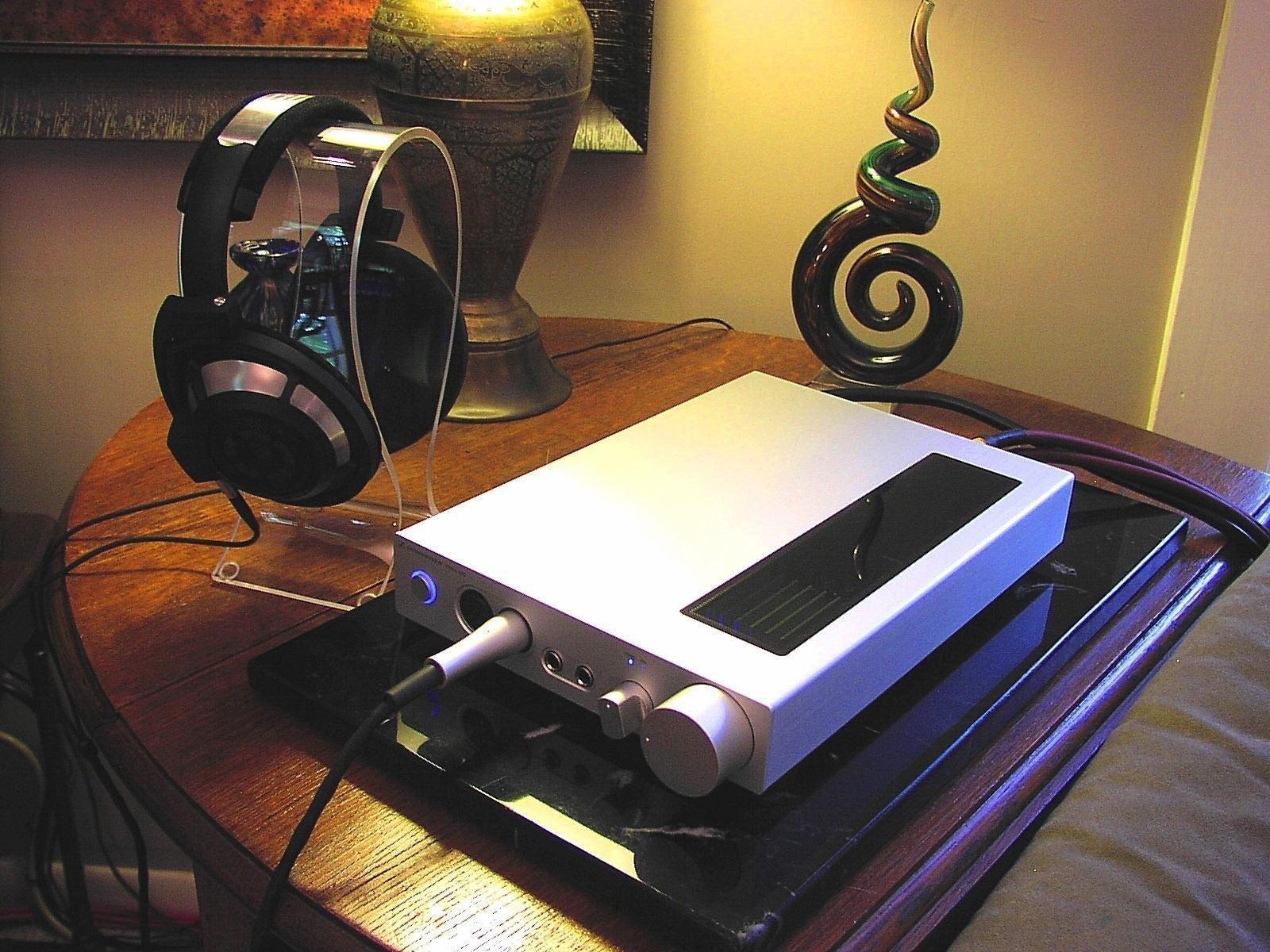
The absorber technology, introduced in the HD 800 S update over the original HD 800, tames a treble peak that some listeners found fatiguing. This makes the HD 800 S smoother and more universally enjoyable while retaining the analytical precision that made the original great. Every detail is revealed, from the subtle decay of a piano note to the breath intake before a vocalist’s line. Poorly recorded tracks will sound poor on the HD 800 S. Beautifully mastered recordings will sound transcendent.
The build quality matches the asking price. The HD 800 S uses a combination of metal, microfiber, and stainless steel that feels premium in every detail. The ear cups are angled to direct sound waves at a natural angle to your ear canals, which contributes to the speaker-like spatial presentation. Sennheiser includes both a single-ended 6.35mm cable and a balanced 4.4mm cable, which is a thoughtful inclusion for listeners who have invested in balanced headphone amplifiers.

Amplification Requirements
The HD 800 S demands a quality amplifier. At 300 ohms impedance and with its power-hungry ring radiator drivers, a phone or laptop will not come close to doing it justice. You need a dedicated headphone amplifier, preferably a balanced one, to unlock the performance you are paying for. Pairing the HD 800 S with a quality DAC and amplifier is essential, and our guide to the best DACs for audiophiles can help you find the right match.
Is It Worth the Investment
If you are a dedicated audiophile who already owns quality source equipment and wants the absolute best dynamic headphone available, yes. The HD 800 S is a lifetime purchase that will remain a reference standard for decades. If you are just starting your audiophile journey, the HD 600 in this guide delivers roughly 85 percent of the HD 800 S experience for a fraction of the cost. Start there, and upgrade when you are ready.
How to Choose the Best Sennheiser Headphones
Choosing the right Sennheiser headphones comes down to three key decisions: open-back versus closed-back, wired versus wireless, and how much amplification you are willing to invest in. This buying guide breaks down each decision so you can match the right model to your listening habits.
Open-Back vs Closed-Back Design
Open-back headphones allow air and sound to pass through the earcups, creating a wider, more natural soundstage. They sound more like listening to speakers in a room. The trade-off is that they leak sound in both directions. Everyone around you can hear what you are listening to, and you can hear them. Open-back headphones are strictly for private, quiet environments. The HD 600, HD 599 SE, HD 490 PRO, and HD 800 S in this guide are all open-back designs.
Closed-back headphones seal the earcups, trapping sound inside and blocking external noise. You get better isolation and stronger bass impact, but the soundstage is narrower and can feel more confined. The HD 280 Pro, HD 620S, HD 25, RS 175-U, MOMENTUM 4, and ACCENTUM Plus are all closed-back designs. The HD 620S is a notable exception that uses acoustic engineering to deliver open-back-like soundstage in a closed-back form factor.
Impedance and Amplifier Requirements
Impedance determines how much power a headphone needs to reach acceptable volume levels. Low-impedance headphones, typically under 80 ohms, can be driven effectively by phones, laptops, and portable devices. The HD 280 Pro at 64 ohms, HD 25 at 70 ohms, and HD 599 SE at 50 ohms fall into this category.
High-impedance headphones, 150 ohms and above, require a dedicated headphone amplifier to sound their best. The HD 600 at 300 ohms, HD 800 S at 300 ohms, HD 620S at 150 ohms, and HD 490 PRO at 130 ohms all need amplification. Without an amp, these headphones will sound quiet and thin, and you will not hear what makes them special. If you are investing in a high-impedance model, budget for a quality DAC and amplifier as well.
Wired vs Wireless
Wired headphones always deliver better sound quality than wireless models at the same price point. There is no Bluetooth compression, no battery degradation over time, and no concern about latency. For critical listening, studio work, and audiophile enjoyment, wired is the way to go.
Wireless headphones offer convenience that wired models cannot match. If you commute, travel, or move around while listening, wireless freedom is transformative. The MOMENTUM 4 and ACCENTUM Plus both deliver excellent wireless sound quality with adaptive ANC that makes them genuinely useful travel companions. Just understand that you are trading some sound quality for convenience and features.
Budget Tiers
Under $100: The HD 280 Pro is your best option. It delivers professional-grade monitoring and isolation at an unbeatable price. For DJ use at this budget, the HD 25 is also worth considering.
$100 to $250: The HD 599 SE offers the best entry into open-back audiophile listening, while the ACCENTUM Plus gives you premium wireless ANC features at a mid-range price.
$250 to $400: The HD 600 is the benchmark audiophile choice, while the MOMENTUM 4 delivers premium wireless performance. The HD 490 PRO offers professional studio quality at the top of this range.
$400 and above: The HD 620S provides unique closed-back audiophile performance, and the HD 800 S represents the pinnacle of dynamic headphone engineering for those who want the absolute best.
Sennheiser vs Bose vs Sony
This is one of the most common questions on audio forums. Sennheiser wins on pure sound quality across the board. Their open-back models have no real competitors from Bose or Sony. For wireless ANC specifically, the comparison gets more nuanced. Bose leads in noise cancellation strength and comfort, Sony leads in features and app integration, and Sennheiser leads in sound quality and battery life. If sound quality is your top priority, Sennheiser is the answer. If ANC strength is your top priority, consider Bose or Sony.
FAQs
Which Sennheiser earphones are the best?
The Sennheiser IE 200 and IE 900 are the brand’s top-rated in-ear earphones, with the IE 200 offering excellent value for entry-level audiophile listening and the IE 900 delivering reference-grade sound for serious enthusiasts. For true wireless earbuds, the Sennheiser MOMENTUM True Wireless series is the top choice, featuring adaptive ANC and Sennheiser’s signature sound quality in a compact form factor.
Is Sennheiser as good as Bose?
Sennheiser and Bose excel in different areas. Sennheiser produces superior sound quality across its lineup, especially with open-back audiophile models that have no Bose equivalent. Bose leads in active noise cancellation strength and overall comfort for long flights. For wireless ANC headphones, Sennheiser’s MOMENTUM 4 offers better battery life at 60 hours versus Bose’s typical 24 hours, while Bose’s QuietComfort series blocks more ambient noise. Choose Sennheiser for sound quality, Bose for maximum noise cancellation.
Are Sennheiser headphones really that good?
Yes, Sennheiser headphones are widely regarded as some of the best in the audio industry. The HD 600 has maintained a 4.7-star rating over more than 3,200 reviews and has been in continuous production since 1997. The HD 800 S is considered one of the finest dynamic headphones ever made. Sennheiser’s reputation is built on 75-plus years of German audio engineering, with products trusted in professional recording studios, broadcast facilities, and audiophile listening rooms worldwide.
What are the number 1 rated headphones?
Among Sennheiser headphones, the HD 600 holds the highest user rating at 4.7 stars across over 3,200 Amazon reviews. In the broader headphone market, the Sennheiser HD 800 S is frequently cited by audio publications and communities as one of the best dynamic headphones ever produced, praised for its unmatched soundstage and reference-grade clarity.
Do Sennheiser headphones need an amplifier?
It depends on the model. Low-impedance models like the HD 280 Pro (64 ohms), HD 599 SE (50 ohms), and HD 25 (70 ohms) work fine with phones and laptops. High-impedance models like the HD 600 (300 ohms), HD 800 S (300 ohms), HD 620S (150 ohms), and HD 490 PRO (130 ohms) require a dedicated headphone amplifier to reach proper volume levels and deliver their full sound quality potential.
Final Thoughts on the Best Sennheiser Headphones
Sennheiser’s headphone lineup is deeper and more versatile than any other audio brand we have reviewed. Whether you want the legendary neutrality of the HD 600, the reference-grade soundstage of the HD 800 S, the wireless convenience of the MOMENTUM 4, the studio reliability of the HD 280 Pro, or the DJ-ready durability of the HD 25, there is a Sennheiser model engineered specifically for your needs. The best Sennheiser headphones are the ones that match your listening environment, your source equipment, and your musical preferences. Use this guide to find that match, and you will have a pair of headphones that could last you a decade or more.