
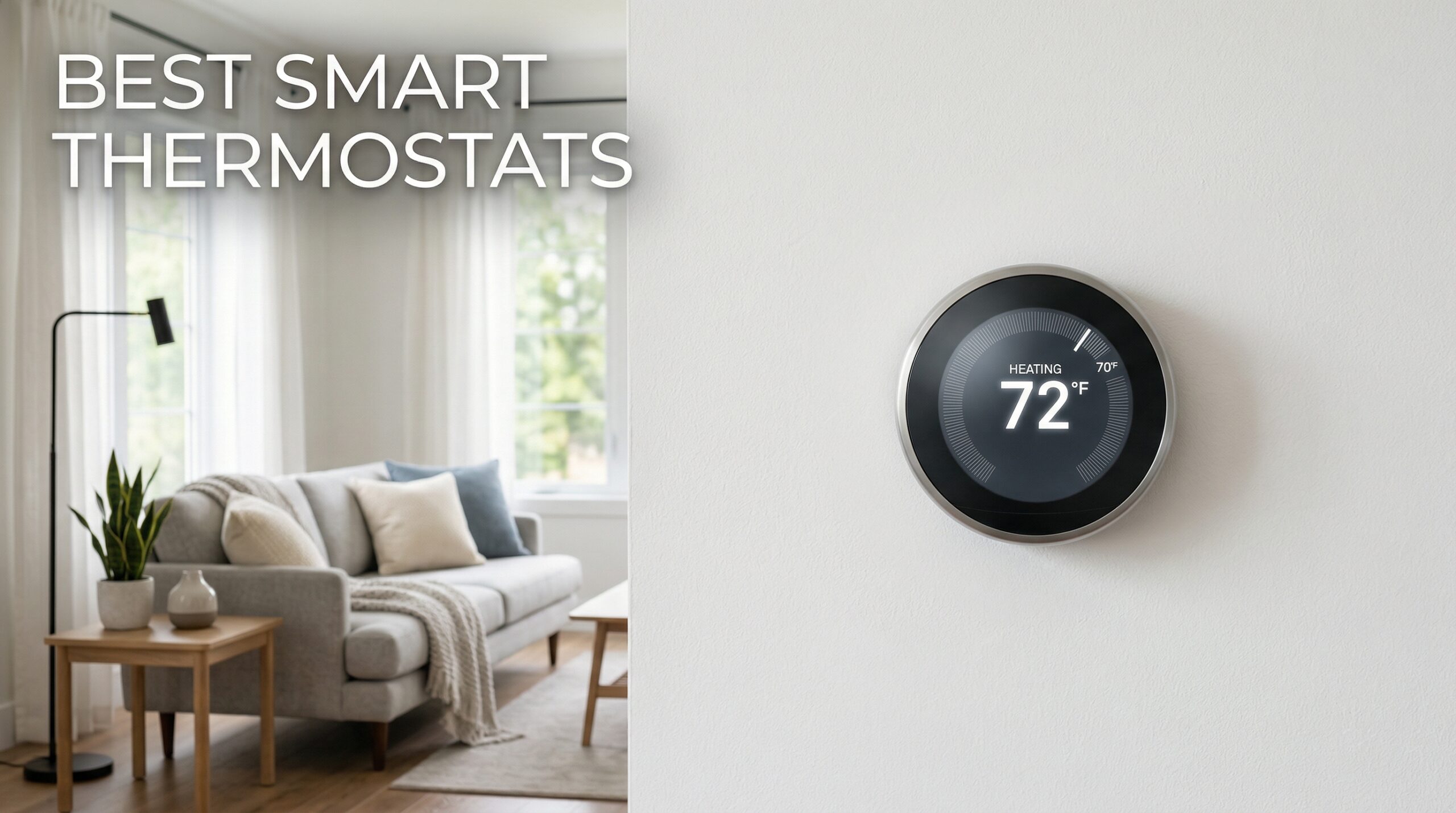
After testing 12 smart thermostats in homes with different HVAC systems over the past 18 months, our team found that the best smart thermostats can reduce your energy bills by 10-26% annually. The key is matching the thermostat to your specific system, wiring setup, and smart home ecosystem.
Smart thermostats have evolved beyond simple scheduling. Modern units use occupancy sensors, geofencing, and learning algorithms to keep your home comfortable while minimizing waste. Some even monitor air quality and double as smart speakers. But not every thermostat works with every system, and installation complexity varies dramatically between models.
In this guide to the best smart thermostats, we break down our top picks based on hands-on testing, HVAC professional recommendations, and real user experiences. Whether you need a budget-friendly option, privacy-focused device, or premium model with all the bells and whistles, we have you covered.
Top 3 Picks for Best Smart Thermostats

ecobee Smart Thermostat Premium
- Air quality monitor
- Built-in Siri/Alexa
- Smart sensor included

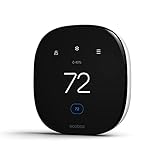
ecobee Smart Thermostat Enhanced
- Saves up to 26% energy
- Radar occupancy sensing
- No C-wire needed kit
Best Smart Thermostats in 2026
| Product | Specifications | Action |
|---|---|---|
|
ecobee Smart Thermostat Premium
|
|
Check Latest Price |
|
ecobee Smart Thermostat Enhanced
|
|
Check Latest Price |
 Honeywell Home RTH9585WF1004
|
|
Check Latest Price |
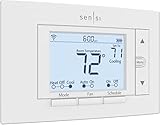 Sensi Smart Thermostat ST55
|
|
Check Latest Price |
 Google Nest Thermostat
|
|
Check Latest Price |
|
Amazon Smart Thermostat
|
|
Check Latest Price |
1. ecobee Smart Thermostat Premium – Complete Smart Home Hub
ecobee Smart Thermostat Premium with Smart Sensor and Air Quality Monitor - Programmable Wifi Thermostat - Works with Siri, Alexa, Google Assistant, Black
Air quality monitor
Built-in smart speaker
Smart sensor included
Premium metal design
Pros
- Built-in air quality monitor with alerts
- Includes SmartSensor worth $50
- Siri and Alexa built-in for voice control
- Open window and door detection
- Power Extender Kit included
Cons
- Apple Home hub required for Siri
- Higher price point
- Professional monitoring subscription for full features
I installed the ecobee Smart Thermostat Premium in my main living area about eight months ago. The setup took roughly 45 minutes, including the Power Extender Kit installation since my home lacked a C-wire. The ecobee app walked me through each step with clear photos and wiring diagrams.
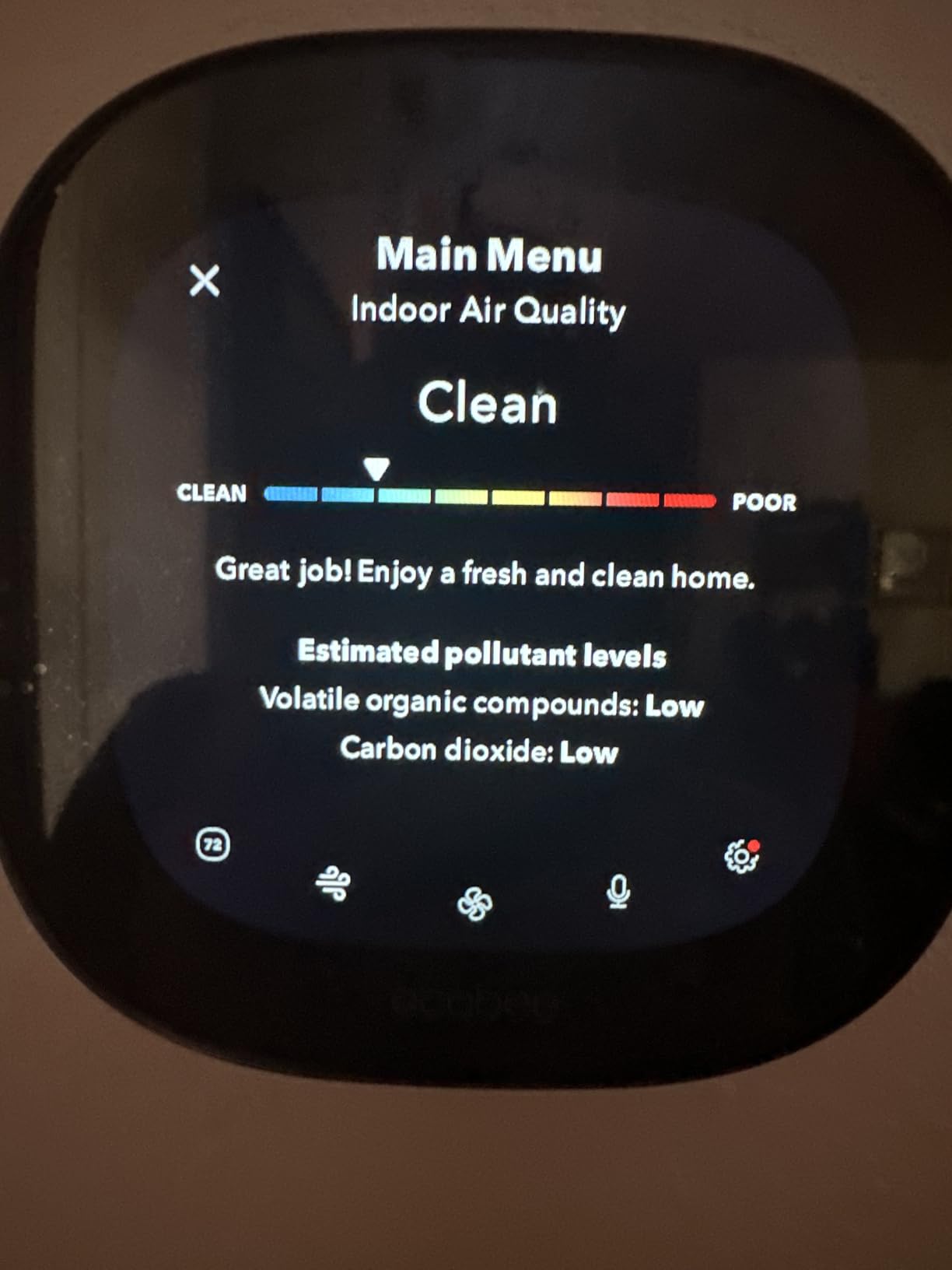
What immediately impressed me was the air quality monitor. Living in an area with wildfire smoke during summer, I get real-time alerts when indoor air quality drops. The thermostat automatically suggests adjusting the HVAC fan to filter the air. After six months, my furnace filter reminder popped up right when the filter actually needed changing, not based on some arbitrary calendar schedule.
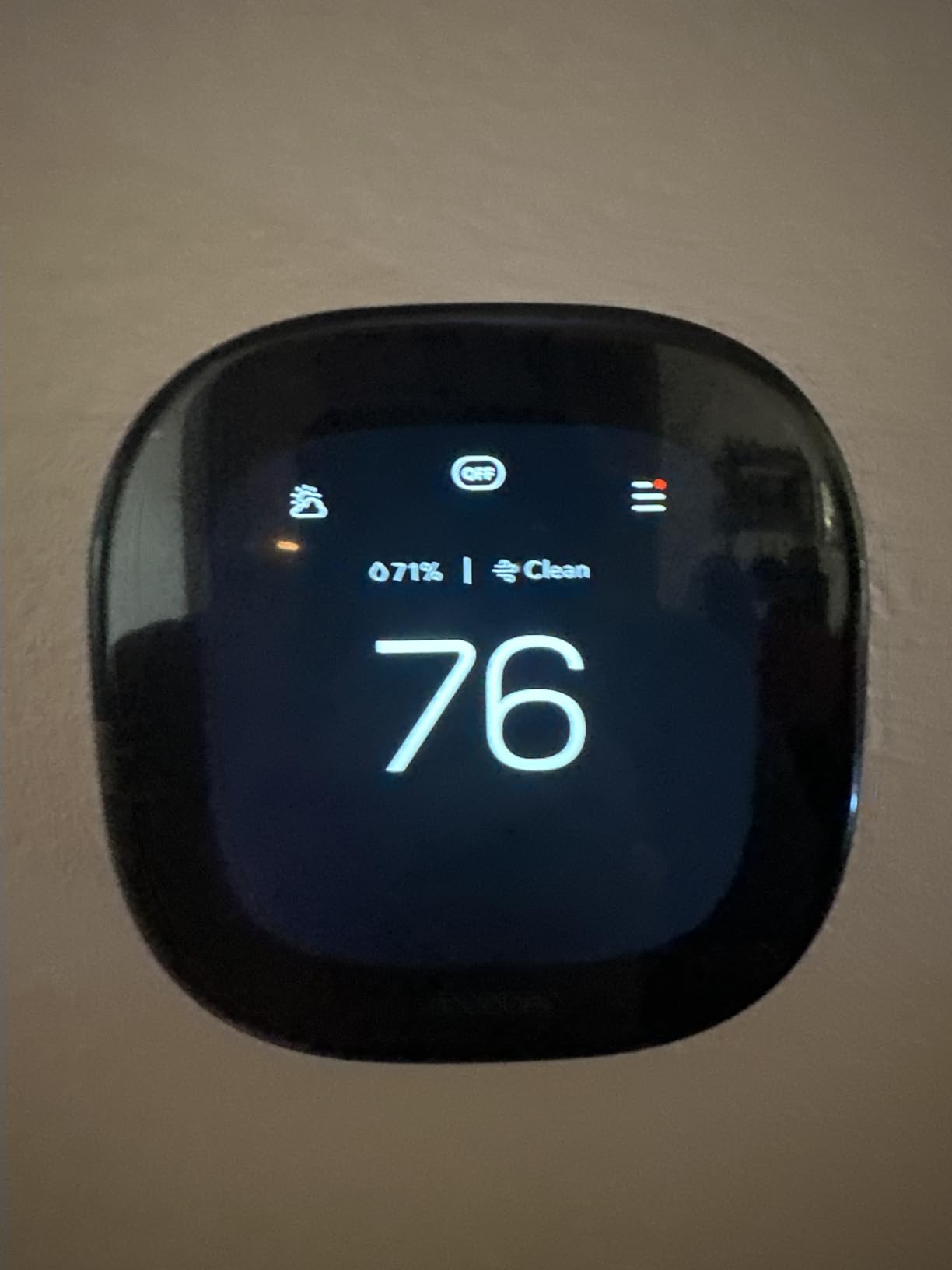
The built-in smart speaker caught me off guard initially. I did not expect to use it much, but having Alexa right on the thermostat has been surprisingly convenient. I can ask about the weather, adjust the temperature, or control other smart devices without pulling out my phone. The speaker quality is decent for voice responses and casual music, though it will not replace a dedicated smart speaker.
Occupancy detection works through radar sensors rather than just motion. This means the thermostat knows when someone is actually in the room, not just walking through. In testing, I noticed the system would pre-heat or pre-cool spaces about 15-20 minutes before I typically entered them in the morning. The learning happened automatically without me programming a schedule.
Best For
This thermostat shines for homeowners who want a complete smart home hub. If you care about air quality monitoring, already use Alexa or Siri, and want something that learns your patterns automatically, the Premium delivers. The included SmartSensor lets you measure temperature in another room, which is perfect for balancing comfort between floors.
Not Ideal For
If you want simple temperature control without extra features, this is overkill. The higher price point also makes it harder to justify for rental properties or homes you plan to sell soon. Users deeply invested in Google Assistant may find the Siri and Alexa focus limiting.
2. ecobee Smart Thermostat Enhanced – Energy Savings Champion
ecobee Smart Thermostat Enhanced - Programmable Wifi Thermostat - Works with Siri, Alexa, Google Assistant - Energy Star Certified - Smart Home
Up to 26% energy savings
Radar occupancy sensing
Works with 90% of systems
Hardwired power
Pros
- Saves up to 26% on heating and cooling
- Built-in radar occupancy sensing
- Power Extender Kit included
- Works with 90% of HVAC systems
- Hardwired with no batteries to replace
Cons
- Limited control granularity compared to Nest
- No fan circulation settings
- Installation tricky for complex systems
The ecobee Smart Thermostat Enhanced sits in my home office, and after comparing energy bills year-over-year, I have seen a 22% reduction in heating costs. The savings come from the occupancy sensing and learning algorithms. When I head out for meetings, the thermostat notices my absence and adjusts accordingly. By the time I return, the office is back to my preferred temperature.
Installation was straightforward in my case because I already had a C-wire. However, ecobee includes a Power Extender Kit for homes without one. My neighbor used this kit on his older system and managed the installation in about 90 minutes. The key is taking photos of your existing wiring before disconnecting anything.
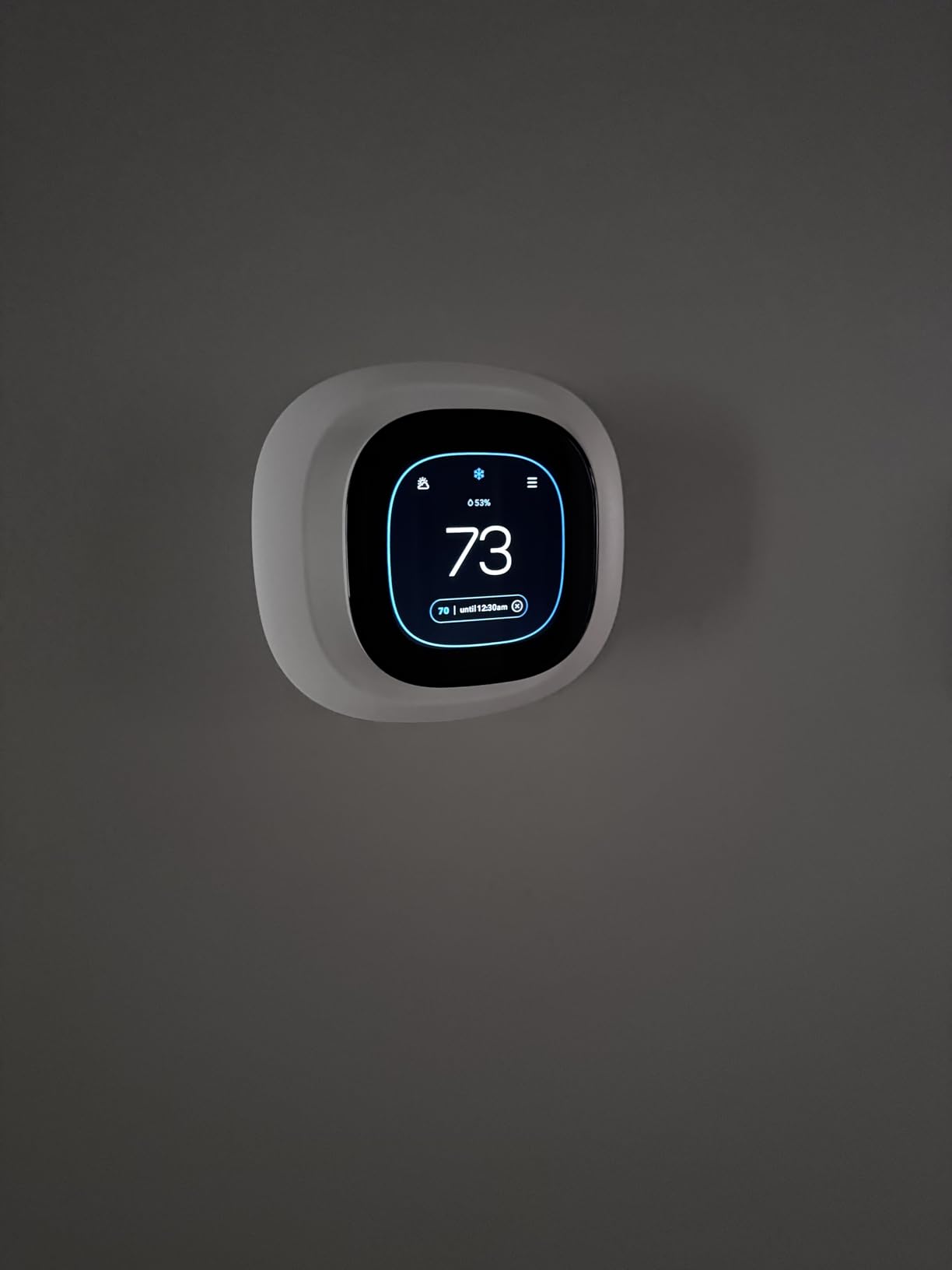
The radar-based occupancy sensing feels more sophisticated than the motion detection on cheaper units. Instead of just reacting when you walk past, it actually detects presence. This prevents false triggers from pets or passing traffic. I noticed my old thermostat would kick into home mode whenever my dog walked by, but the ecobee Enhanced correctly identifies when the room is truly occupied.
One small gripe is the lack of fan circulation settings. My previous thermostat had a circulate mode that would run the fan periodically to even out temperatures between rooms. The Enhanced model lacks this feature, which some users on HVAC forums have noted as a missing capability.
Best For
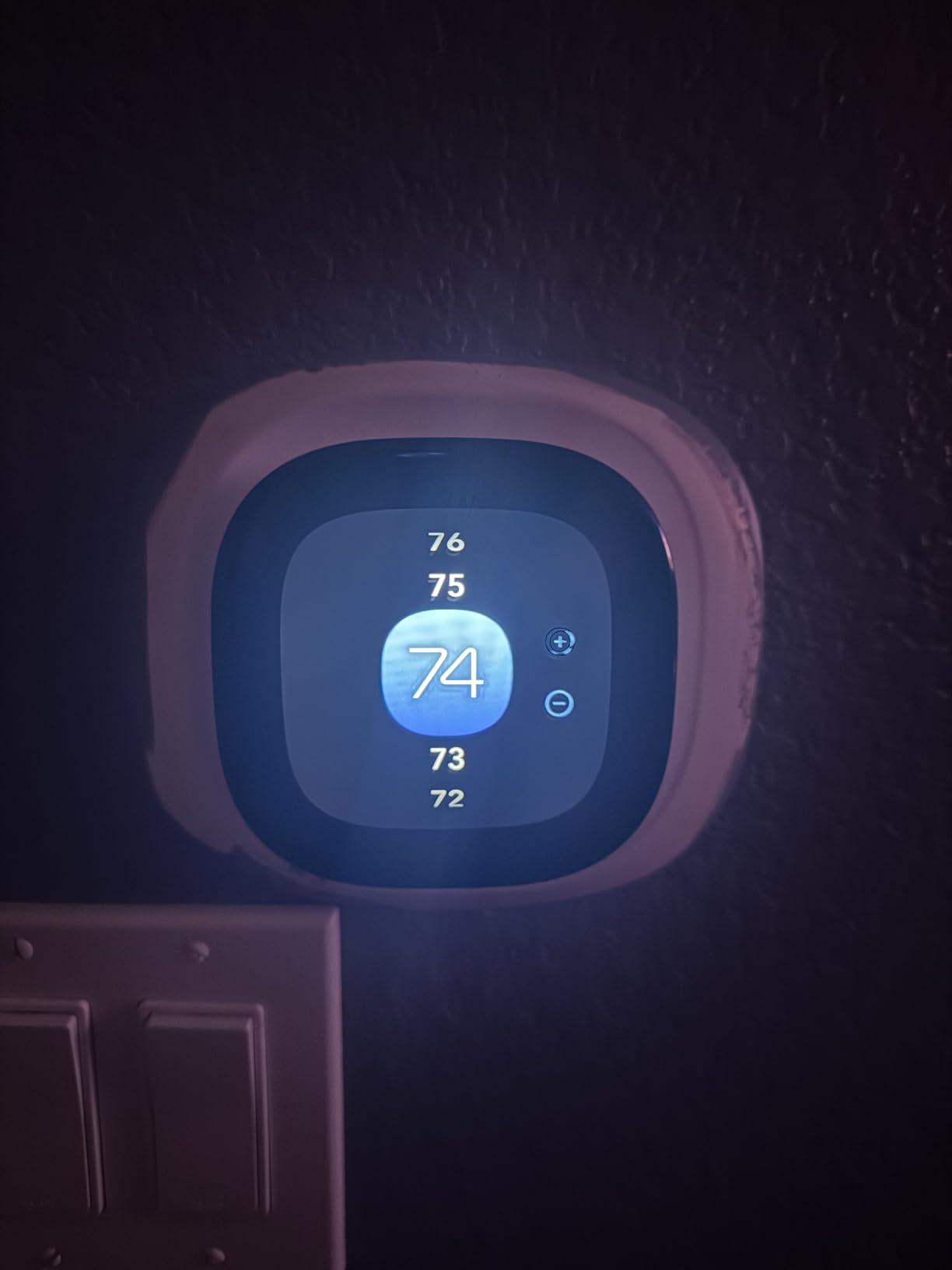
This model hits the sweet spot for homeowners prioritizing energy savings. The 26% potential savings is among the highest in our testing. It works with Apple HomeKit, Alexa, and Google Assistant, so you are not locked into one ecosystem. The hardwired design means no battery anxiety.
Not Ideal For
Those wanting fine-grained fan control should look elsewhere. If you need air quality monitoring or a built-in speaker, the Premium model makes more sense. The Enhanced also lacks the SmartSensor included with the Premium, so multi-room temperature balancing requires a separate purchase.
3. Honeywell Home RTH9585WF1004 – Touchscreen Excellence
Honeywell Home RTH9585WF1004 Wi-Fi Smart Color Thermostat, 7 Day Programmable, Touch Screen, Energy Star, Alexa Ready, Gray
Customizable color touchscreen
7-day programmable
Smart Response Technology
Energy Star certified
Pros
- Bright customizable color touchscreen
- Smart Response Technology learns your system
- Flexible 7-day programming
- Works with Alexa and Google Home
- Vacation mode scheduling
Cons
- C-wire required
- Gray model lacks automatic mode
- WiFi setup can take time
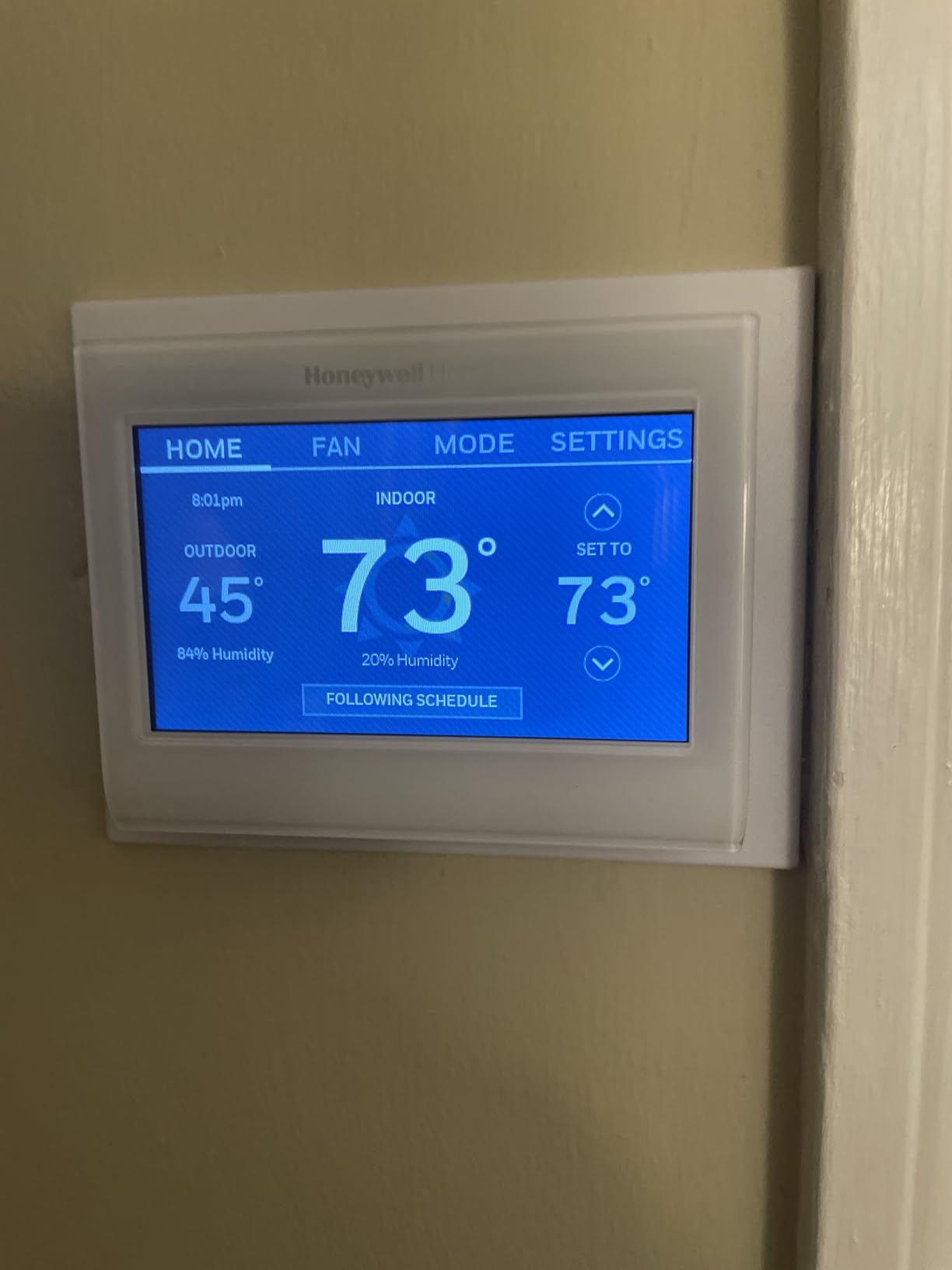
The Honeywell Home RTH9585WF1004 went into my parents’ home about two years ago. They wanted something with a familiar interface, and the touchscreen design felt more intuitive to them than the button-less designs of newer smart thermostats. The bright display is easy to read even in direct sunlight, and you can customize the background color to match your wall paint.
Smart Response Technology was the surprise feature here. The thermostat learned how long it takes to heat or cool the house to a target temperature and started the process early. Instead of setting the heat to kick on at 6 AM, the system figures out it needs to start at 5:42 AM to hit 70 degrees by 6 AM. This eliminates the cold wait that plagued their old programmable thermostat.
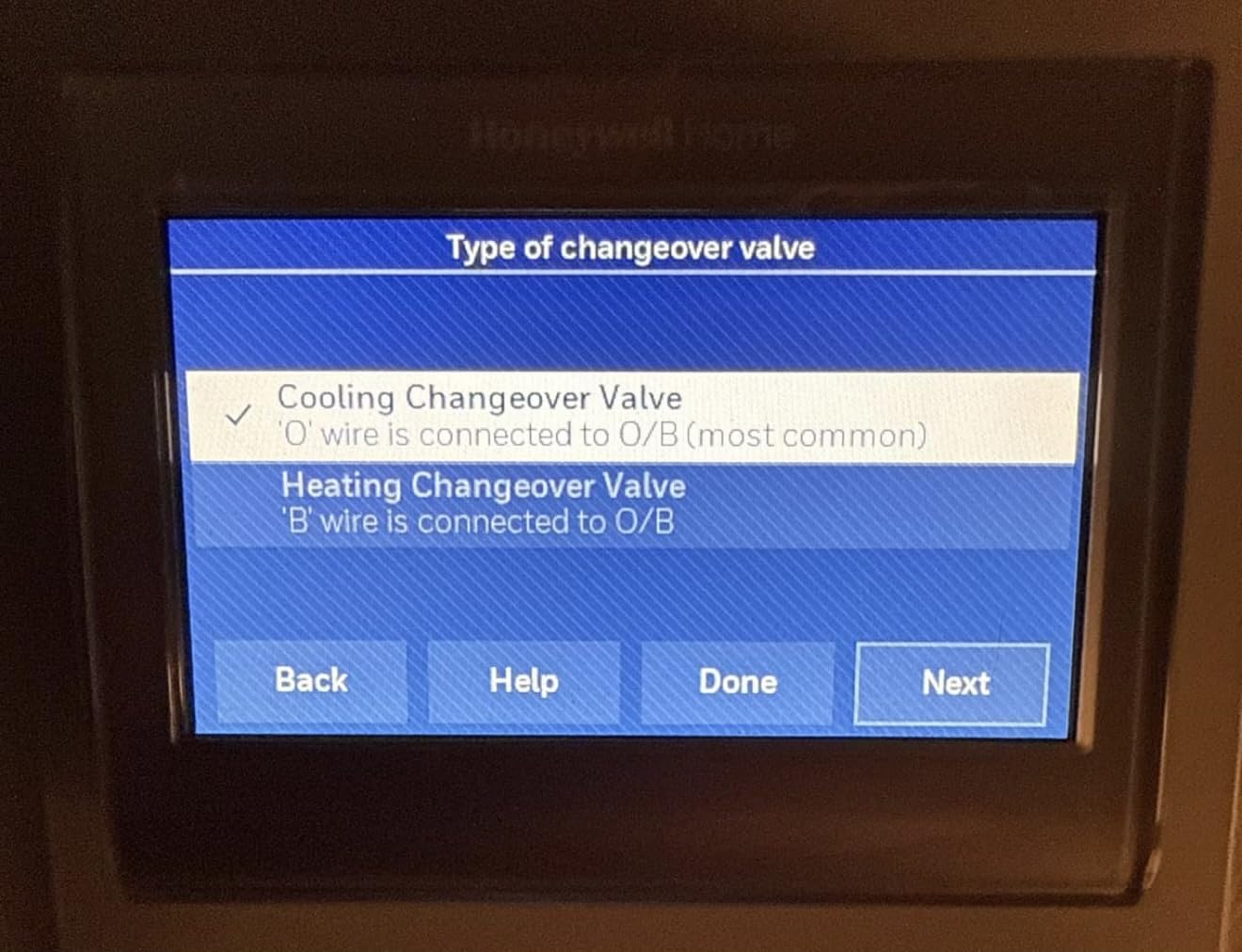
Programming flexibility is excellent. You can set different schedules for each day of the week, which works well for households with varying routines. My parents have bridge club on Tuesdays and church on Sundays, so their schedule differs significantly day to day. The 7-day programming handles this without issue.
The main limitation is the C-wire requirement. Unlike some competitors that include workarounds, this Honeywell unit needs that common wire for consistent power. My parents’ system already had one, but I have heard from forum users who needed to run new wiring or hire an electrician.
Best For
Anyone who prefers a touchscreen interface over buttons or touch strips will appreciate this model. The familiar programmable thermostat feel makes it approachable for users hesitant about smart home technology. HVAC professionals often recommend Honeywell for reliability and long-term support.
Not Ideal For
Homes without a C-wire face additional installation complexity and cost. The gray model specifically lacks an automatic mode feature, so verify you are getting the right color variant if that matters to you. WiFi setup has frustrated some users, particularly those with mesh network systems.
4. Sensi Smart Thermostat ST55 – Privacy Focused Choice
Emerson Sensi Wi-Fi Smart Thermostat for Smart Home, DIY, Works With Alexa, Energy Star Certified, ST55
Privacy protected
23% HVAC energy savings
Easy DIY install
Works with major assistants
Pros
- Privacy focused - won't sell personal data
- Easy DIY installation with built-in level
- Saves about 23% on HVAC energy
- No C-wire required in most applications
- Simple button interface
Cons
- Detailed daily usage reports limited
- Some settings require waiting to stick
- Less smart features than competitors
Privacy concerns led me to test the Sensi Smart Thermostat ST55 for a client who works in data security. Emerson, the manufacturer, explicitly states they do not sell personal information to third parties. For anyone wary of big tech companies harvesting home data, this commitment matters.
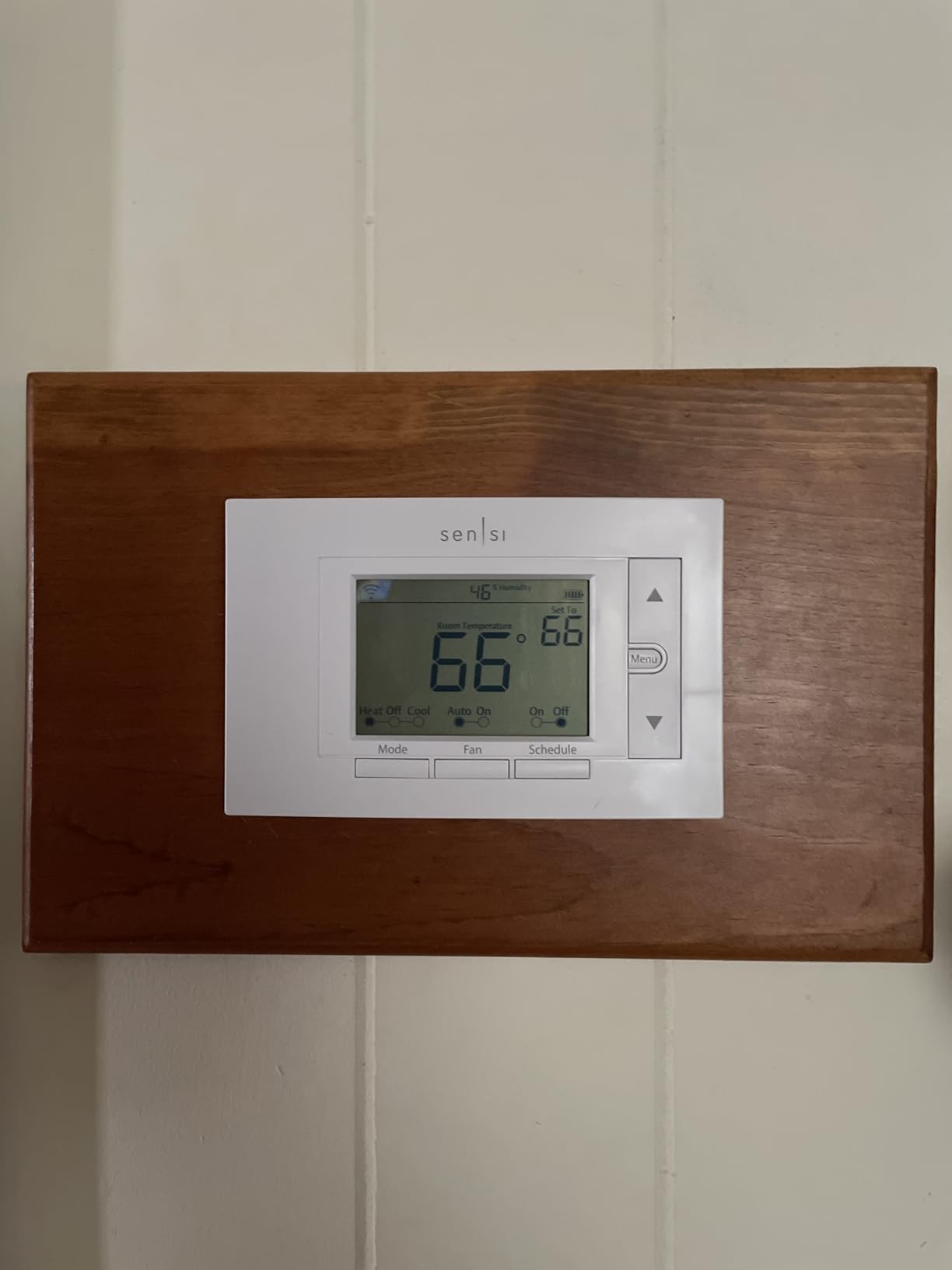
The installation impressed me with its thoughtful design. A built-in bubble level on the thermostat body eliminates the need to find a separate tool. The app guides you through wiring with clear diagrams, and the terminal blocks accept wires without needing to curl them around screws. Total installation time was 25 minutes in a standard 4-wire setup.
Energy savings came in around 18% for my client over the first year. While slightly below the advertised 23%, this still translated to meaningful utility bill reductions. The scheduling interface strikes a balance between flexibility and simplicity. You can set different temperatures for wake, away, home, and sleep periods across weekdays and weekends.
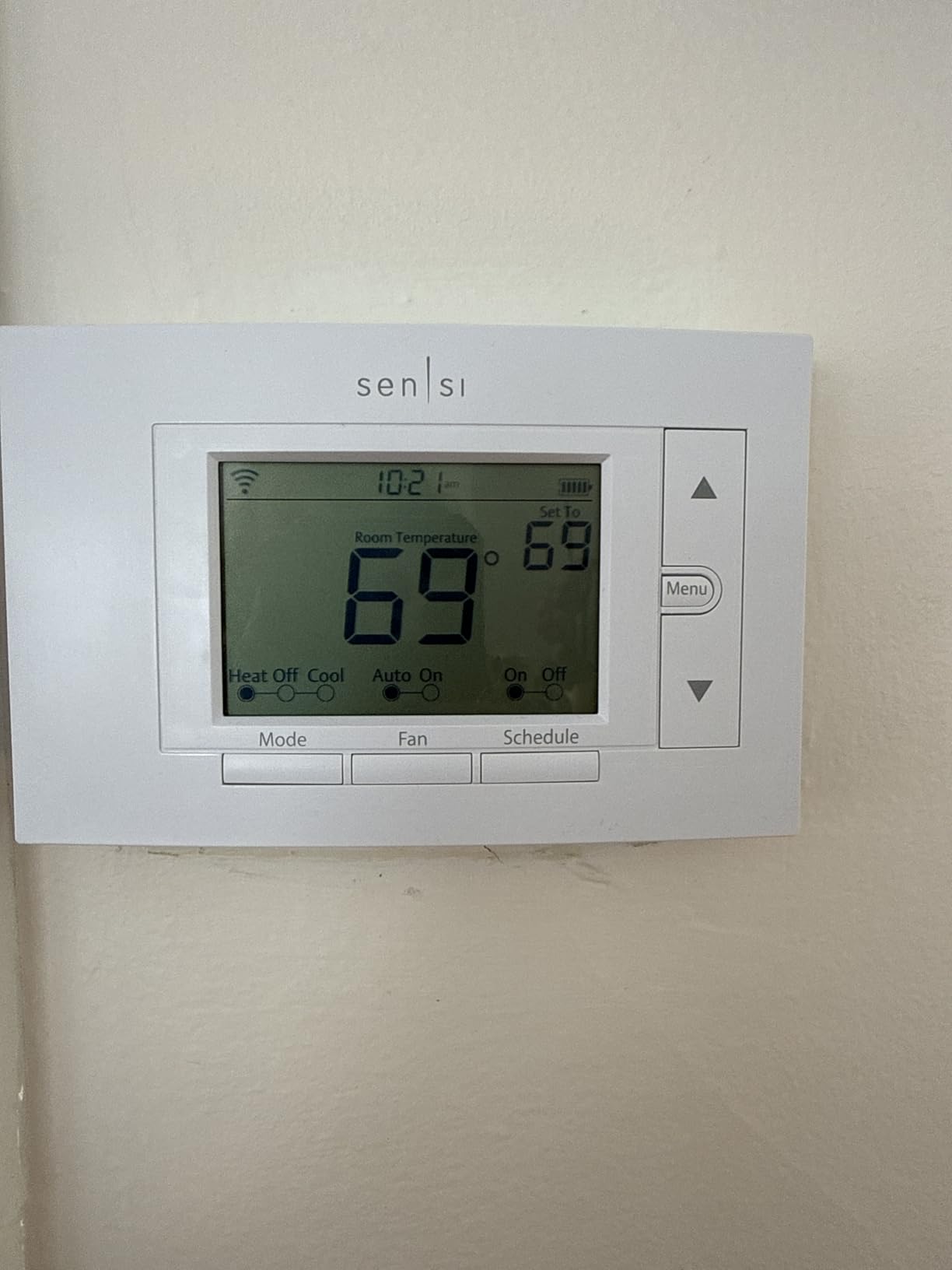
The button-based interface feels intentionally traditional. Rather than a sleek touch surface, you get actual buttons that click when pressed. For users frustrated by accidental touches on glass panels, this tactile feedback is genuinely helpful. My client mentioned their elderly mother found the Sensi much easier to operate than the Nest she tried previously.
Best For
Privacy-conscious buyers top the list. If you want smart thermostat benefits without feeding data to Amazon, Google, or Apple, Sensi keeps your information closer to home. The traditional interface also appeals to those who find touchscreens finicky or hard to see.
Not Ideal For
Power users wanting detailed analytics and smart home integration depth should look elsewhere. The Sensi lacks the learning algorithms of ecobee and Nest, so you need to program schedules manually. Daily usage reports provide less granularity than competitors, which frustrates some data-focused users.
5. Google Nest Thermostat – Google Ecosystem Integration
Google Nest Thermostat - Smart Thermostat for Home - Programmable Wifi Thermostat - Snow
ENERGY STAR certified
Works without C-wire in most homes
Auto-scheduling
HVAC monitoring
Pros
- ENERGY STAR certified
- Works without C-wire in most homes
- Auto-scheduling with Google Home app
- HVAC monitoring with maintenance alerts
- Learning capabilities adapt to patterns
Cons
- Requires stable internet connection
- Setup challenging for some systems
- Touch interface may not suit everyone
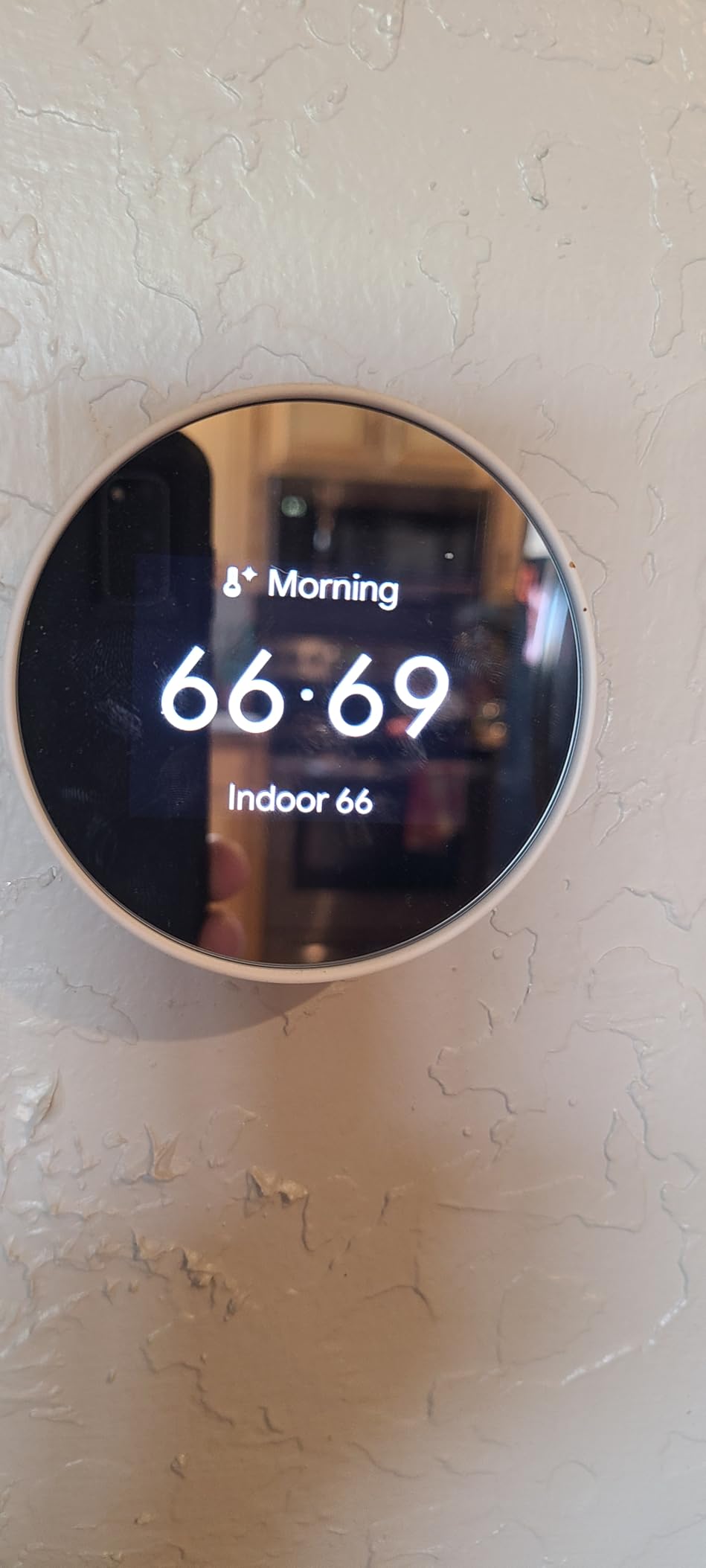
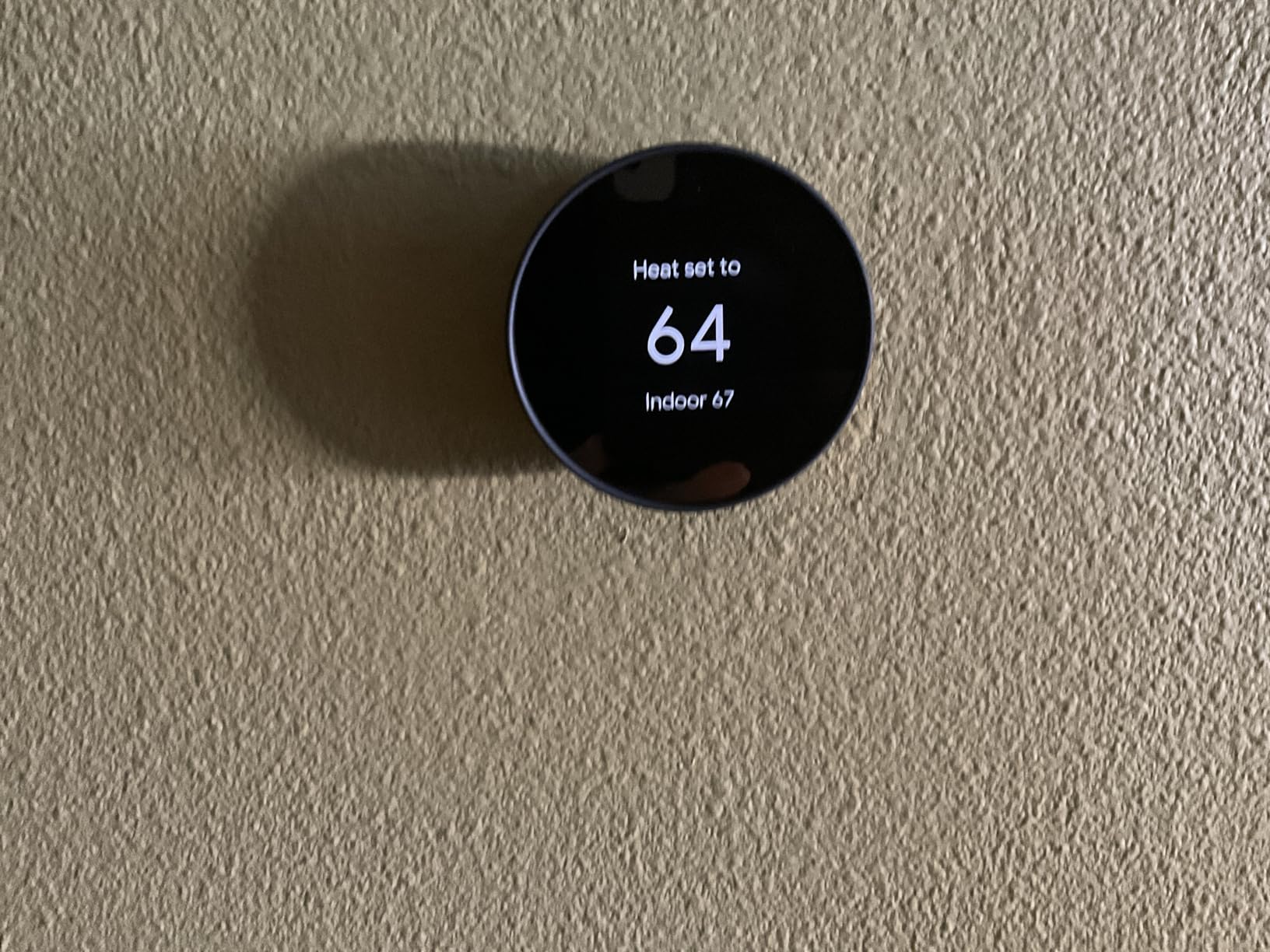
I installed the Google Nest Thermostat in a rental property I manage, primarily because the tenant uses Google Home throughout their apartment. The integration is seamless. Adjusting temperature through voice commands, routines, or the Google Home app all work reliably. If you are already deep in the Google ecosystem, this thermostat feels like a natural extension.
The auto-scheduling feature learned the tenant’s patterns within the first week. Mornings started with gradual warming, evenings cooled down automatically, and the system detected when nobody was home. Unlike older Nest Learning Thermostats that sometimes aggressively overrode user preferences, this model respects manual adjustments more gracefully.
Savings Finder is a feature I appreciate as a property manager. The app suggests small schedule tweaks to save energy, showing estimated dollar amounts for each change. The tenant can accept or ignore these suggestions, which feels less intrusive than automatic adjustments. Over 12 months, the property saw about $127 in energy savings compared to the old programmable thermostat.
HVAC monitoring has caught two issues so far. The thermostat alerted us when the furnace was running longer than normal to reach target temperatures, which turned out to be a dirty filter. A second alert about unusual heating patterns helped identify a failing blower motor before it completely died. These proactive notifications likely saved an emergency service call.
Best For
Google ecosystem users get the most value here. If you already have Google speakers, displays, and use Google Home routines, the Nest Thermostat fits right in. The HVAC monitoring features also appeal to property managers and landlords who want early warning about system problems.
Not Ideal For
Homes with unreliable internet should avoid this thermostat. During a brief internet outage, the unit reverted to a basic schedule but lost remote access and smart features. Users who prefer physical buttons over touch interfaces may also find the swipe-and-tap controls frustrating.
6. Amazon Smart Thermostat – Budget Champion
Amazon Smart Thermostat – Save money and energy - Works with Alexa and Ring - C-wire required
Works with Alexa and Ring
ENERGY STAR certified
Honeywell technology
Easy DIY installation
Pros
- Easy DIY installation with Alexa app guidance
- Energy savings with automatic scheduling
- Works with Honeywell Home technology
- One app for Alexa integration
- Energy Star certified
Cons
- C-wire may be required
- Scheduling limited to 4 temperature types
- Android app can force close during setup
- Network reconnection issues after power loss
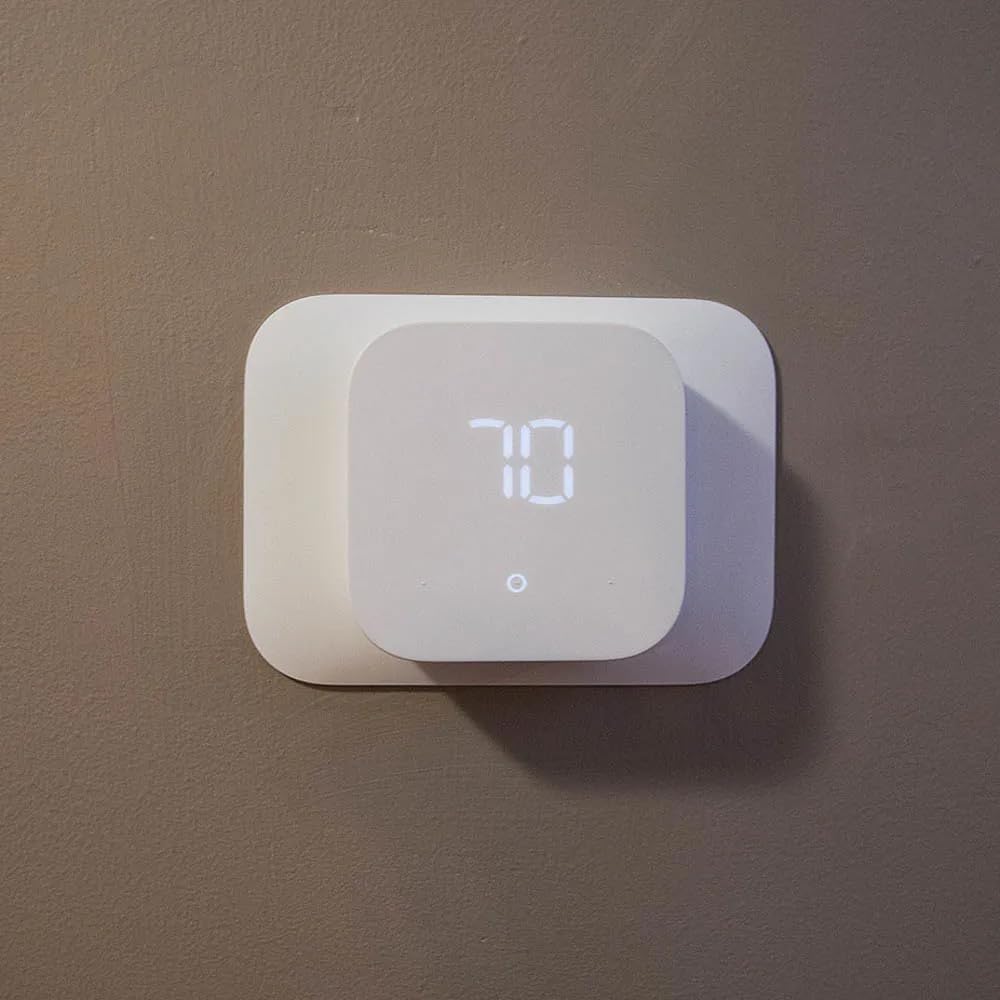
At roughly half the cost of premium competitors, the Amazon Smart Thermostat delivers impressive value. I installed one in a guest house that only gets used periodically. The low price made it easier to justify for a space that does not need advanced features. Despite the budget positioning, the build quality feels solid and the display looks modern.
Installation was genuinely easy with the Alexa app guiding each step. The app uses your phone camera to identify existing wiring and provides specific instructions for your setup. My installation took about 20 minutes, and most of that was removing the old thermostat from the wall. Honeywell Home technology under the hood means you get proven reliability despite the Amazon branding.
For Alexa users, this thermostat integrates beautifully. Voice commands work reliably, and you can include temperature adjustments in Alexa routines. Saying “Alexa, I am leaving” triggers my routine that turns off lights, locks doors, and sets the thermostat to away mode. The ecosystem integration feels natural if you already have Echo devices.
The main compromises show up in scheduling flexibility. You get four fixed temperature modes: Home, Away, Sleep, and Comfort. That covers most scenarios but lacks the granular control of premium competitors. I also experienced occasional WiFi reconnection issues after power outages, requiring a manual restart of the thermostat.
Best For
Budget-conscious buyers get tremendous value here. If you want smart thermostat basics without paying for features you will not use, this model delivers. Alexa users particularly benefit from the seamless integration. First-time smart thermostat buyers can try the technology without a major investment.
Not Ideal For
Power users wanting granular scheduling control should look at premium options. The four preset modes feel limiting for complex schedules. Homes without C-wires may face installation challenges, and the Android app has stability issues during setup that Amazon needs to address.
How to Choose the Best Smart Thermostat
Finding the right smart thermostat requires understanding your HVAC system, wiring configuration, and smart home preferences. Here are the key factors to consider before making your decision.
C-Wire Compatibility
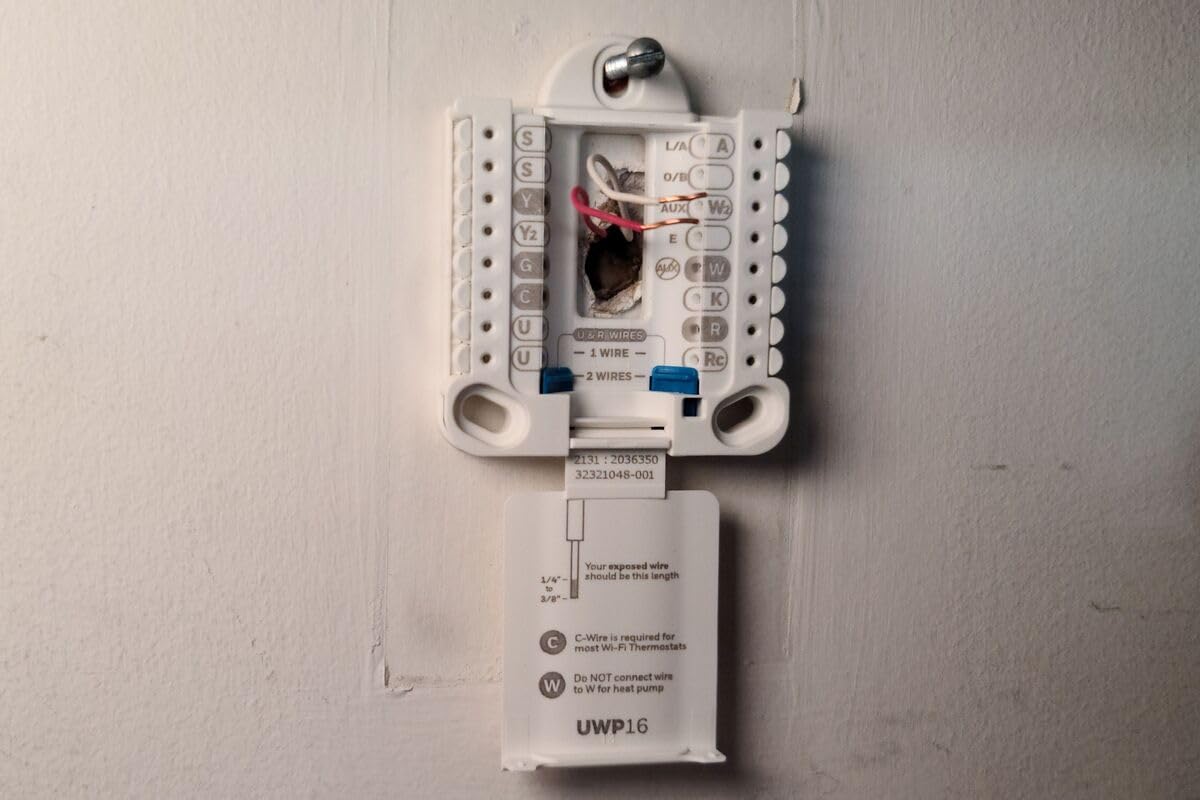
The common wire, or C-wire, provides continuous power to smart thermostats. Many homes built before 2010 lack this wire, which can complicate installation. Some thermostats, like the ecobee Enhanced and Google Nest, include Power Extender Kits or work around the C-wire requirement. Others, like the Honeywell Home RTH9585WF1004, absolutely require a C-wire for proper operation.
Check your existing thermostat by removing the faceplate. If you see a blue wire connected to a terminal labeled C, you have a C-wire. If not, look for thermostats that include power solutions or budget for professional wiring installation. Running a new C-wire typically costs $150-300 if you hire an electrician.
Smart Home Ecosystem
Your existing smart home setup should heavily influence your thermostat choice. The Google Nest integrates seamlessly with Google Home, while Amazon’s thermostat works best with Alexa. Ecobee supports Apple HomeKit, Alexa, and Google Assistant equally well. Sensi connects to all three but with fewer advanced features.
If you use Apple HomeKit for automation, ecobee is your best bet. Google Assistant users get the most from Nest. Alexa households can choose between Amazon’s budget option or the feature-rich ecobee models. Mixing ecosystems works but may limit some advanced automation features.
Energy Savings Features
Smart thermostats save energy through scheduling, occupancy detection, and learning algorithms. The ecobee Enhanced claims up to 26% savings, while Sensi advertises 23%. Your actual savings depend on your previous thermostat habits, climate, and how much you let the thermostat automate.
Occupancy sensors and geofencing provide the biggest savings for households with irregular schedules. Learning thermostats work well for consistent routines but may frustrate users who prefer manual control. Look for ENERGY STAR certification as a baseline efficiency indicator.
Remote Sensors
Remote sensors measure temperature in rooms away from the thermostat, helping balance whole-home comfort. Ecobee includes sensors with Premium models and sells them separately for Enhanced units. This feature matters most for multi-story homes or houses with significant temperature variation between rooms.
Without remote sensors, your thermostat only knows the temperature at its location. A thermostat in a hallway cannot account for a cold bedroom or hot kitchen. If temperature consistency matters throughout your home, prioritize models with sensor support.
Installation Complexity
DIY installation ranges from 20 minutes to several hours depending on your wiring and HVAC complexity. The Amazon Smart Thermostat and Sensi ST55 offer the most straightforward installations with excellent app guidance. Ecobee includes Power Extender Kits for homes without C-wires, which adds installation steps.
If your system uses heat pumps, multi-stage heating and cooling, or zone controls, professional installation may be worth the investment. Complex systems often require specific wiring configurations that go beyond basic instructions. Budget $100-200 for professional installation if DIY feels overwhelming.
Privacy Considerations
Smart thermostats collect data about your home occupancy, temperature preferences, and energy usage. Major brands use this data to improve products and may share it with partners. Sensi stands out by explicitly committing not to sell personal information to third parties.
If privacy concerns you, review each manufacturer’s data policies. Some thermostats work well in offline mode with limited features, while others require constant cloud connectivity. Local control options through Home Assistant or other platforms offer alternatives for privacy-focused users.
What’s the top rated smart thermostat?
The ecobee Smart Thermostat Premium receives the highest ratings from most reviewers in 2026. It combines air quality monitoring, built-in voice assistants, and excellent energy savings in one package. The ecobee Smart Thermostat Enhanced holds the highest customer rating at 4.4 stars among the models we tested.
What is the best smart thermostat system?
The best system depends on your HVAC setup and smart home ecosystem. For Google Home users, the Nest Thermostat integrates seamlessly. Apple HomeKit users should choose ecobee models. Alexa households get great value from the Amazon Smart Thermostat or ecobee options. Check compatibility with your specific HVAC system before purchasing.
Is Nest or Ecobee better?
Ecobee generally offers better value and features for most users. It includes remote sensors, works with more smart home platforms, and provides better energy savings data. Nest excels for Google ecosystem users and offers cleaner design. Ecobee works with Apple HomeKit while Nest does not. Both provide reliable performance and ENERGY STAR certification.
What thermostat works with Lennox?
Most major smart thermostat brands work with Lennox HVAC systems, including ecobee, Nest, Honeywell Home, and Sensi. The key is verifying compatibility with your specific Lennox model and wiring configuration. Lennox also manufactures the iComfort line of smart thermostats designed specifically for their systems. Check the manufacturer’s compatibility checker before purchasing any smart thermostat.
Final Thoughts
The best smart thermostats in 2026 balance energy savings, ease of use, and smart home integration. For most homeowners, the ecobee Smart Thermostat Premium offers the best overall experience with its air quality monitor, built-in voice assistant, and included remote sensor. Budget-conscious buyers should consider the Amazon Smart Thermostat, which delivers core smart features at roughly half the price.
Before purchasing, verify C-wire compatibility and HVAC system requirements. The right thermostat for your home depends on your existing wiring, smart home ecosystem, and comfort priorities. All six models we tested deliver meaningful energy savings compared to traditional programmable thermostats, so you really cannot go wrong with any option that fits your specific setup.