
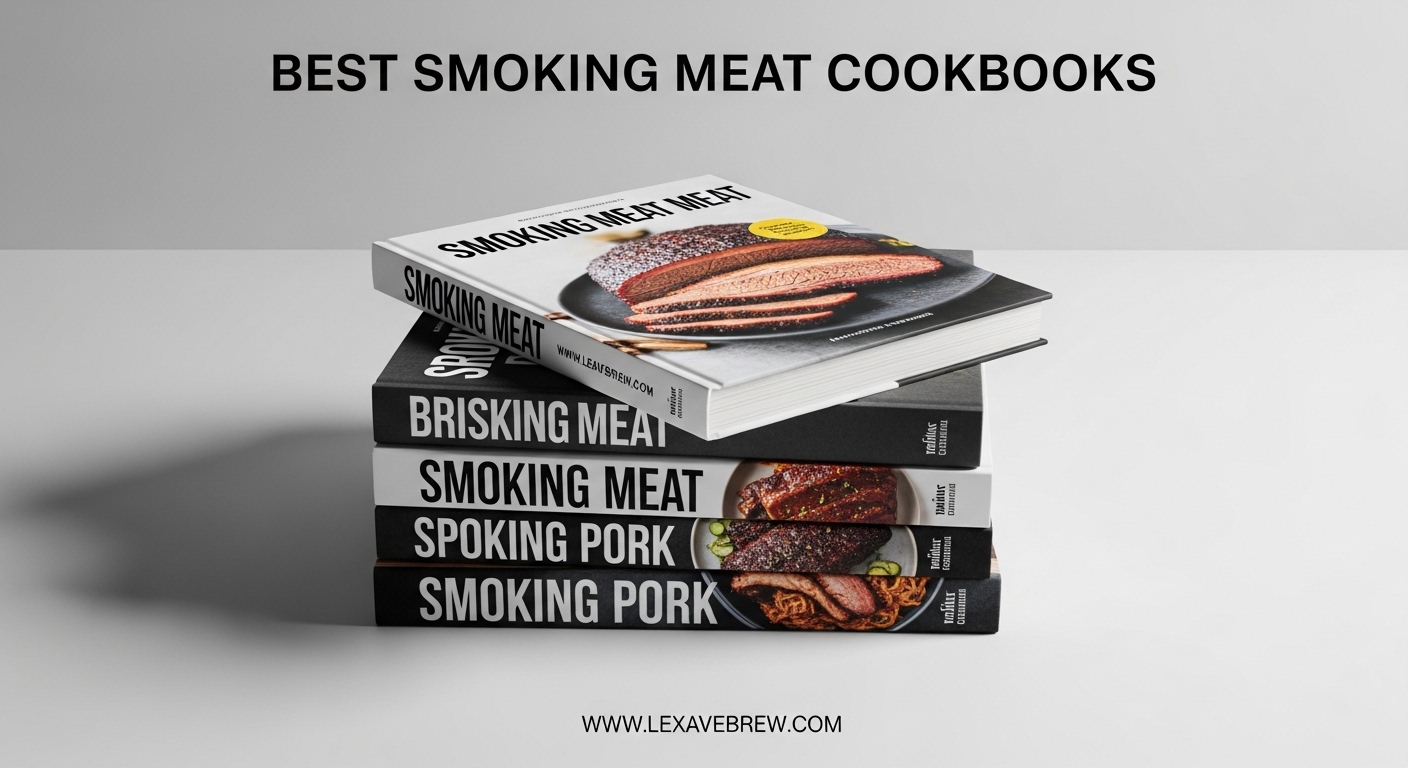
There’s something magical about the combination of wood smoke, low heat, and time that transforms tough cuts of meat into tender, flavorful masterpieces. I’ve spent years perfecting my smoking technique, and I can tell you that having the right cookbook makes all the difference between good barbecue and great barbecue.
When I first started smoking meat, I made every mistake in the book. I ruined briskets, dried out ribs, and created more smoke bombs than edible meals. What changed everything for me was investing in quality smoking meat cookbooks written by people who had already made those mistakes and figured out the solutions.
In this guide to the best smoking meat cookbooks for 2026, I’ll share the books that transformed my backyard smoking from hit-or-miss to consistently delicious. Whether you’re a complete beginner wondering how to light your first offset smoker, or an experienced pitmaster looking to refine your competition techniques, there’s a cookbook here that will level up your game.
Top 3 Picks for Best Smoking Meat Cookbooks
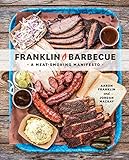
Franklin Barbecue: A Meat-Smoking Manifesto
- Offset smoker mastery
- Wood selection guide
- Texas BBQ techniques
- Meat science
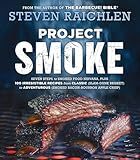
Project Smoke: Seven Steps to Smoked Food...
- 100 diverse recipes
- All smoker types covered
- Time and temp charts
- Regional wood guides

Smoking Meat 101: The Ultimate Beginner's...
- 75 easy recipes
- Quick reference tables
- Spiral-bound format
- Beginner focused
Best Smoking Meat Cookbooks in 2026
| Product | Specifications | Action |
|---|---|---|
|
Franklin Barbecue
|
|
Check Latest Price |
|
Project Smoke
|
|
Check Latest Price |
|
Smoking Meat 101
|
|
Check Latest Price |
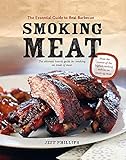 Smoking Meat Essential Guide
|
|
Check Latest Price |
 Meathead Science
|
|
Check Latest Price |
 Smokin' with Myron Mixon
|
|
Check Latest Price |
 Franklin Smoke
|
|
Check Latest Price |
 Complete Guide to Smoking
|
|
Check Latest Price |
1. Franklin Barbecue: A Meat-Smoking Manifesto – The Texas BBQ Bible
Franklin Barbecue: A Meat-Smoking Manifesto [A Cookbook]
224 pages
Offset smoker focus
Wood selection guide
Fire management
Pros
- Detailed fire management techniques
- Comprehensive wood types coverage
- Scientific temperature approach
- Texas restaurant-quality methods
Cons
- Only 4 main recipes
- Offset smoker focus only
- Not for quick weeknight cooking
I remember the first time I read Aaron Franklin’s manifesto. I had been struggling with my offset smoker for months, fluctuating temperatures and white smoke instead of the thin blue I was chasing. Franklin broke down fire management in a way that finally clicked – it wasn’t about constant tinkering, it was about understanding the relationship between air, fuel, and heat.
This book changed how I approach smoking meat cookbooks forever. Instead of just giving recipes, Franklin teaches you the WHY behind every technique. His explanation of post oak versus mesquite, his simple salt and pepper philosophy, and his detailed walkthrough of trimming a brisket helped me understand that great barbecue is about fundamentals, not complicated recipes.
The technical depth in this best smoking meat cookbook is incredible. Franklin covers meat science and aging techniques that most books gloss over. I learned why letting meat rest after smoking matters at a cellular level, how to properly develop bark, and why his minimalist approach to seasoning produces better results than complicated spice rubs.
What sets this apart from other smoker cookbooks is Franklin’s restaurant background. He shares the exact techniques he uses at his famous Austin restaurant, scaled for home cooks. The fire management section alone is worth the price – I finally understood how to set up my fire for long burns without constant attention.
Who This Book Is Perfect For
If you own an offset smoker or dream of owning one, this is your must-have resource. Franklin’s techniques translate directly to horizontal smokers, though the principles apply to any smoker. Serious smoking enthusiasts who want to understand the science and craft of Texas-style barbecue will find this book invaluable. It’s especially good for cooks who appreciate detailed technical explanations over simple recipe collections.
Who Should Skip It
Casual cooks looking for quick weeknight recipes won’t find much here. With only four main barbecue recipes, this isn’t a comprehensive cookbook. If you use a pellet smoker or electric smoker exclusively, much of the offset-specific content won’t apply. Beginners who want lots of recipes to choose from should look at Project Smoke or Smoking Meat 101 instead.
2. Project Smoke: Seven Steps to Smoked Food Nirvana – Most Comprehensive
Project Smoke: Seven Steps to Smoked Food Nirvana, Plus 100 Irresistible Recipes from Classic (Slam-Dunk Brisket) to Adventurous (Smoked Bacon-Bourbon ... (Steven Raichlen Barbecue Bible Cookbooks)
336 pages
100 recipes
All smoker types
Reference charts
Pros
- Comprehensive technique coverage
- Beautiful photography
- All smoker types included
- Excellent reference tables
Cons
- Can feel overwhelming for beginners
- Pellet smoker content limited
Steven Raichlen’s Project Smoke became my go-to reference when I wanted to expand beyond brisket and ribs. I’d been smoking the same cuts for years using the same techniques, and this book opened my eyes to the incredible variety of foods that benefit from smoking – from vegetables to cheese to desserts. The seven-step methodology Raichlen presents provides a framework that works for literally anything you want to smoke.
What impressed me most was the 35-page smoker type comparison. I had been considering adding a pellet grill to my collection, and Raichlen’s detailed breakdown of how to adapt recipes across different smoker types helped me understand how pellet smoking differs from offset smoking. The time and temperature reference tables alone saved me from overcooking countless meals.
This smoker cookbook shines in its diversity. One week I was smoking classic brisket using Raichlen’s slam-dunk method, the next I was experimenting with smoked bacon-bourbon cocktails. The regional wood smoking guides helped me understand why hickory works better with some meats while fruitwoods complement others. I finally felt confident experimenting instead of strictly following recipes.
The photography in Project Smoke is incredible. Raichlen doesn’t just tell you what good smoked food looks like – he shows you. The visual guides for smoke rings, bark development, and proper slicing helped me identify when my meat was ready without constantly checking temperatures. These visual cues are something most BBQ cookbooks miss.
Ideal Reader For This Book
Project Smoke is perfect for intermediate smokers who have mastered the basics and want to expand their repertoire. If you’re comfortable smoking brisket and ribs but want to explore new frontiers, this book will keep you busy for years. It’s especially valuable for households with multiple smoker types, as Raichlen shows how to adapt any recipe for any equipment. The comprehensive charts make it an excellent reference you’ll return to constantly.
Who Might Want Something Different
Absolute beginners might feel overwhelmed by the sheer volume of information. If you’re still figuring out your first smoker, Smoking Meat 101 provides a gentler introduction. Pellet grill owners should note that while pellet smoking is covered, it’s not the primary focus. Cooks who prefer focused, specialized books rather than encyclopedic references might find this meat smoking book too broad.
3. Smoking Meat 101: The Ultimate Beginner’s Guide – Best for New Smokers
Smoking Meat 101: The Ultimate Beginner's Guide
206 pages
75 recipes
Quick reference tables
Spiral-bound
Pros
- ADHD-friendly readable format
- Excellent quick reference tables
- 75 consumable recipes
- Spiral-bound for kitchen use
Cons
- Limited advanced techniques
- Less depth for experienced smokers
When my brother got his first smoker, he was intimidated by the technical depth of books like Franklin Barbecue. I gifted him Smoking Meat 101, and within a month he was producing better ribs than I had after years of trial and error. Bill West designed this book specifically for people who want to learn without wading through pages of theory.
The quick reference tables are genius. Instead of hunting through chapters to find smoking times, West puts everything in easy-to-scan charts. I still keep these tables handy even as an experienced smoker – they cover meat types, target temperatures, wood pairings, and estimated cooking times at a glance. The format makes it impossible to mess up basic smokes.
West’s 75 recipes are designed to actually get cooked. Each recipe has just enough context to understand what you’re doing, then gets straight to the point. I appreciate that the recipes don’t require exotic ingredients or specialized equipment beyond a basic smoker. The homemade sauce recipes alone became family favorites – his Kansas City style sauce is now our go-to for summer cookouts.
The spiral binding is a detail that shows West understands how people actually cook. This book lies flat on your prep table, staying open to the right page while you work. It seems minor until you’ve tried to wrestle with a hardcover cookbook with messy hands. The paper quality holds up to kitchen splatters, making this a practical working cookbook rather than a coffee table book.
Perfect Match For These Readers
If you’re brand new to smoking or buying this as a gift for someone just starting, this is the best smoking meat cookbook to begin with. The accessible format and lack of intimidating jargon make it welcoming rather than overwhelming. People with ADHD or who prefer quick, scannable information will love West’s layout. Budget-conscious shoppers get tremendous value here without sacrificing quality instruction.
Consider Other Options If
Experienced smokers who have mastered the basics will find this book too elementary. If you’re looking for advanced techniques, competition secrets, or deep dives into meat science, Franklin Barbecue or Meathead provide more depth. Cooks who want comprehensive recipe collections rather than focused fundamentals might prefer Project Smoke’s 100 recipes. Those seeking specialized techniques like whole hog cooking should look elsewhere.
4. Smoking Meat: The Essential Guide to Real Barbecue – Solid Fundamentals
Smoking Meat: The Essential Guide to Real Barbecue
224 pages
3-2-1 rib method
Wood types
Rubs and marinades
Pros
- Beginner-friendly explanations
- Covers wood and smoker types
- Popular 3-2-1 rib method
- Good recipe variety
Cons
- Less advanced competition content
- Some international delivery issues
Jeff Phillips brings his years of running Smoking-Meat.com to this comprehensive guide that bridges the gap between absolute beginner and confident pitmaster. I discovered Phillips’s website when I first started smoking, and his book extends that same clear, encouraging teaching style. The 3-2-1 rib method he teaches became my standard for competition-style ribs that consistently impress.
What stands out about this essential guide is how Phillips anticipates beginner mistakes. He doesn’t just tell you what to do – he explains what goes wrong when you cut corners. His section on wood selection saved me from using mesquite on everything (overpowering) and helped me discover the subtle sweetness of fruitwoods with pork. The smoker type comparisons helped me choose my first vertical water smoker.
The rub and sauce recipes are practical and delicious. Unlike some books that call for ingredients you’ll use once, Phillips’s recipes become staples in your kitchen. His basic BBQ rub is now my default seasoning for almost everything I smoke. The marinade section opened my eyes to how proper preparation dramatically improves the final product – something I had previously skipped.
Phillips covers all the fundamentals without overwhelming beginners. The step-by-step instructions for your first brisket, first pork shoulder, and first rack of ribs provide confidence-building success early. I’ve given this book to three friends who bought smokers, and all three are still cooking successful BBQ months later. That success rate speaks to how well Phillips teaches.
Who Gets The Most From This Book
Beginners who want comprehensive coverage of smoking fundamentals will find this book ideal. If you’re just starting out and want one reference that covers equipment selection, wood types, basic techniques, and reliable recipes, this delivers everything needed. Cooks who appreciate learning both technique and recipes in equal measure will appreciate Phillips’s balanced approach. Backyard smokers feeding family and friends rather than competing will get the most value.
Look Elsewhere If
Competition BBQ cooks looking for advanced techniques and edge-of-the-edge methods won’t find them here. If you’re already comfortable with the basics and want to push into competitive-level smoking, Myron Mixon’s or Meathead’s books better suit your needs. International buyers should check delivery availability first, as some customers reported shipping issues. Those seeking photographic-heavy cookbooks should note this has fewer photos than Project Smoke.
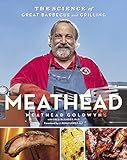
5. Meathead: The Science of Great Barbecue and Grilling – The Science Choice
Meathead: The Science of Great Barbecue and Grilling
400 pages
Myth debunking
Equipment guide
Meat science
Pros
- Scientific explanations
- Debunks common BBQ myths
- Comprehensive equipment coverage
- Reliable recipes
Cons
- Some copies arrive scratched
- Dated layout to some readers
Meathead Goldwyn changed how I think about barbecue forever. This isn’t just a cookbook – it’s a myth-busting, science-based guide to why barbecue works. When I read Goldwyn’s explanation of why marinades don’t penetrate deeply, supported by actual research, I realized how much bad information I’d been following. This book taught me to understand barbecue at a fundamental level.
The 400 pages are packed with information you won’t find elsewhere. Goldwyn and physicist Greg Blonder explain the science behind smoke rings (and why they don’t indicate quality), why resting meat matters, and what actually happens during the cooking process. I finally understood why my briskets varied so much – temperature control matters more than I realized, and Goldwyn explains exactly why.
What makes this science book different is how accessible the writing is. You don’t need a chemistry background to understand the explanations – Goldwyn makes complex concepts clear and practical. The equipment guide is comprehensive, helping me understand why different smokers work the way they do and which features actually matter. I stopped chasing gadgets after reading this book and focused on technique instead.
The recipes are thoroughly tested and reliable. Goldwyn’s approach is to teach you principles rather than just give instructions, so you understand how to adapt recipes for your situation. His brisket method became my go-to, producing consistently excellent results. The rub collection is outstanding, and I’ve never found a barbecue sauce recipe in this book that didn’t work perfectly.
Ideal Reader Profile
Cooks who want to understand WHY barbecue works rather than just follow recipes will love this book. If you’re the type who enjoys understanding the science behind cooking, you’ll find Goldwyn’s approach fascinating. Experienced smokers who’ve hit a plateau will appreciate the myth-busting content that eliminates bad habits. This is especially valuable for cooks who’ve been frustrated by inconsistent results and want to finally understand what’s really happening.
Who Should Consider Other Options
Casual cooks who just want recipes without the science might find this book too detailed. If you prefer straightforward instructions without explanations, Smoking Meat 101 better matches your style. Readers sensitive to book condition should note some copies arrive with cosmetic damage. Those seeking competition-specific techniques should look at Myron Mixon’s book instead. Cooks wanting primarily photographic inspiration should consider Franklin Smoke.
6. Smokin’ with Myron Mixon: Recipes Made Simple – Competition Champion’s Guide
Smokin' with Myron Mixon: Recipes Made Simple, from the Winningest Man in Barbecue: A Cookbook
192 pages
Award-winning recipes
Rubs and injections
Competition tips
Pros
- Recipes actually work
- Simple ingredients
- Great rub and injection recipes
- Competition insights
Cons
- Boisterous personality style
- Limited smoking basics
- Time-consuming recipes
Myron Mixon brings world championship barbecue expertise to the home cook in this practical, recipe-focused cookbook. What impressed me immediately was how reliably his recipes work – unlike some competition cookbooks that don’t translate to home equipment, Mixon’s methods adapt easily to backyard smokers. I’ve served his competition-style ribs at dozens of gatherings, and they never fail to impress.
The basic BBQ rub recipe alone is worth the price. After trying countless rub recipes from various BBQ cookbooks, Mixon’s became my instant favorite. It’s balanced, versatile, and creates the kind of bark that makes people ask for your recipe. The injection recipes opened up a whole new technique for me – injecting brisket with Mixon’s mixture produces consistently moist, flavorful meat.
Mixon’s personality comes through in his writing. Some readers find his style boisterous, but I appreciate the confidence that comes from genuine expertise. The competition tips and circuit insights provide fascinating context even for backyard cooks who never plan to compete. Understanding how champions approach BBQ helps elevate your own game, regardless of whether you’re cooking for judges or family.
The recipes use simple, accessible ingredients. Unlike some chef-driven cookbooks that call for specialty items, Mixon’s recipes work with what you can find at any grocery store. This practicality makes the book immediately useful – you can cook from it tonight without special shopping trips. I’ve made most recipes in this book, and they’ve all worked as advertised.
Best For These Cooks
Competition BBQ enthusiasts or those curious about the competitive circuit will find this book invaluable. Cooks who want reliable, tested recipes that produce championship-quality results will appreciate Mixon’s no-nonsense approach. If you enjoy learning from champions and understanding their techniques, this delivers exactly that. Backyard smokers who want to impress guests with professional-quality results will get tremendous value here.
Consider Alternatives If
Beginners looking for comprehensive smoking fundamentals should start with Smoking Meat 101 or Jeff Phillips’s book. If you prefer humble, understated writing over boisterous champion confidence, you might prefer Franklin’s approach. Cooks seeking vegetarian options or non-meat recipes won’t find them here. Those wanting extensive technique instruction before diving into recipes should consider Meathead’s science-based approach first.
7. Franklin Smoke: Wood. Fire. Food. – Visual Masterpiece
Franklin Smoke: Wood. Fire. Food. [A Cookbook]
224 pages
Wood-fired cooking
Science and recipes
Excellent photography
Pros
- Amazing photography
- Great science and recipe combination
- Informative history
- Good for all levels
Cons
- Not a traditional cookbook
- Some Franklin book repetition
- Higher pricing
- Limited topic depth
Aaron Franklin’s second book expands on his first with gorgeous photography and deeper exploration of wood-fired cooking. While Franklin Barbecue focused intensely on offset smokers and Texas brisket, Franklin Smoke covers the broader world of live-fire cooking including grilling, smoking, and everything in between. The visual presentation makes this as much a coffee table book as a working cookbook.
The photography is stunning. Franklin doesn’t just show finished dishes – he captures the fire, the smoke, the process in ways that make you understand the craft. When he explains how different woods burn, the photos show exactly what he means. Visual learners will appreciate how Franklin demonstrates techniques that are hard to grasp from text alone. The pictures of brisket trimming alone are worth studying.
This book balances science, recipes, and history beautifully. Franklin covers the evolution of barbecue and his own journey, providing context that makes the recipes meaningful. The science sections explain fire management and temperature control in practical terms. The recipes range from classics to creative applications of smoking techniques – I’ve especially enjoyed his approach to vegetables and sides.
What sets Franklin Smoke apart is the comprehensive coverage of different grill and smoker types. While his first book focused on offset smokers, this explores how to achieve great results across various equipment. The fuel explanations help you understand charcoal, wood, and gas options and how to choose what works for your situation. I learned new techniques for my kettle grill that improved all my outdoor cooking.
Perfect Reader For This Book
Visual learners who appreciate beautiful food photography will love this book. If you enjoyed Franklin’s first book and want more of his expertise presented differently, this complements it well. Cooks who use multiple types of outdoor cooking equipment will value the broader coverage beyond just smoking. Anyone interested in both the craft and culture of barbecue will find Franklin’s storytelling and technique exploration satisfying.
You Might Prefer Other Books If
Cooks looking for a traditional recipe-heavy cookbook should consider Project Smoke instead. If you already own Franklin Barbecue and want completely new information rather than expanded coverage, you might find some repetition. Budget-conscious buyers might find the premium pricing challenging. Those seeking deep technical dives into specific topics should consider specialized books. Absolute beginners wanting fundamentals first should start with Smoking Meat 101.
8. The Complete Guide to Smoking Meat: 100 Smokin’ Good Recipes – Best Value
The Complete Guide to Smoking Meat: 100 Smokin' Good Recipes for BBQ and More
196 pages
100 recipes
Beginner friendly
Recent publication
Pros
- 100 diverse recipes
- Great for beginners
- Simple delicious recipes
- Good value pricing
Cons
- Newer with limited reviews
- Less advanced content
- Fewer customer images
Derrick Riches and Sabrina Baksh deliver exactly what the title promises – 100 accessible recipes for smokers of all types. As one of the newer publications in this roundup (2026 release), this book brings current perspectives and modern recipes that reflect today’s smoking trends. I appreciate how the recipes cover BBQ classics while including creative dishes that show smoking’s versatility beyond traditional barbecue.
The beginner-friendly instructions make this an excellent entry point. Riches breaks down each recipe into clear steps that novice cooks can follow successfully. I’ve recommended this book to several people who bought their first smoker during the pandemic, and all reported success with their early cooks. The progression from simple to more complex recipes lets you build confidence gradually.
What surprised me was the recipe variety. Beyond the expected brisket, ribs, and pork shoulder, you’ll find smoked appetizers, sides, and even desserts that expand what’s possible with your smoker. The smoked mac and cheese recipe became a family favorite, and the vegetable section opened up options for non-meat eaters at cookouts. This variety makes the book useful year-round, not just for summer barbecue season.
At the price point, this smoker cookbook offers exceptional value. You get 100 tested recipes with reliable instructions for less than many cookbooks with half the content. The detailed explanations help beginners understand not just WHAT to do but WHY each step matters. This educational approach means you’re learning skills that apply across all your cooking, not just following specific recipes.
Ideal For These Readers
Beginners and intermediate smokers looking for recipe variety will find this book perfect. If you want one cookbook that covers the full range of smoking possibilities without overwhelming complexity, this delivers. Budget-conscious shoppers get excellent value here. Cooks who appreciate modern recipes and current perspectives will enjoy the contemporary approach. Anyone who wants to explore beyond traditional barbecue into creative smoking applications will find inspiration.
Consider Other Options If
Advanced pitmasters seeking competition-level techniques won’t find them here. If you’re looking for deep technical explanations of meat science and fire management, Meathead provides more depth. Readers who value extensive photography should consider Project Smoke or Franklin Smoke instead. Cooks who want specialized focus on specific regional styles might prefer more targeted books. Those seeking extensively reviewed, time-tested classics should consider the longer-established titles.
Buying Guide: How to Choose the Right Smoking Meat Cookbook
After testing and reviewing the best smoking meat cookbooks on the market, I’ve identified key factors that determine which book will work best for your situation. The right choice depends on your experience level, equipment, cooking goals, and learning style.
Skill level matters most. Beginners should start with Smoking Meat 101 or Jeff Phillips’s Essential Guide – both build confidence with fundamentals and reliable recipes. Intermediate cooks ready to expand will get more from Project Smoke’s comprehensive coverage or Meathead’s scientific approach. Advanced pitmasters aiming for competition results should focus on Myron Mixon’s championship techniques or Franklin’s mastery methods.
Match your smoker type to the book’s focus. Offset smoker owners benefit most from Franklin’s offset-specific expertise. Pellet grill users should check Project Smoke’s pellet coverage. Electric smoker enthusiasts might find fewer dedicated resources but can adapt most techniques. If you use multiple equipment types, choose books that cover various smokers like Project Smoke or Franklin Smoke.
Decide between technique versus recipe focus. Some books teach you HOW to smoke (Franklin Barbecue, Meathead), while others focus on WHAT to smoke (Project Smoke, Riches & Baksh). The best libraries include both types – technique books for foundational knowledge and recipe books for meal inspiration. Consider your current collection and fill gaps accordingly.
Author credentials signal quality. Books from competition champions (Mixon), James Beard winners (Franklin), or established experts (Raichlen, Meathead) consistently deliver reliable information. Their reputations depend on accuracy, unlike internet recipes that may not be tested. Forum discussions consistently praise books from recognized authorities.
Visual elements affect usability. If you learn by seeing, prioritize books with excellent photography (Franklin Smoke, Project Smoke). Cooks who prefer reference tables and quick guides will appreciate Smoking Meat 101’s scannable format. Consider how you’ll actually use the book – spiral bindings lie flat, hardcovers protect better, paper quality affects durability.
Format influences practical use. Hardcover books like Meathead make handsome references but can be awkward during cooking. Spiral-bound options like Smoking Meat 101 work better as working cookbooks. Digital versions offer searchability but lose the tactile experience. Think about whether this will be a reference book, working kitchen tool, or coffee table display.
Budget considerations include value over price. Higher-priced books like Meathead deliver more comprehensive content that replaces multiple cheaper books. Specialized titles like Franklin Barbecue provide deep expertise in narrow areas. Beginners get more value from comprehensive guides like Project Smoke. Consider cost per use – a book you reference constantly is worth more than a cheap book that sits on the shelf.
Frequently Asked Questions About Smoking Meat Cookbooks
What is the 4 hour rule for smoking meat?
The 4 hour rule refers to food safety guidelines for smoking meat. When meat is between 40F and 140F (the danger zone where bacteria grow rapidly), it should not remain there longer than 4 hours total. This includes prep time, smoking time to reach safety temperature, and resting time. Properly managed smokers get meat through the danger zone quickly by maintaining adequate temperatures. Most professional pitmasters aim to get meat above 140F within 2-3 hours of putting it on the smoker.
What is the best meat cookbook?
The best smoking meat cookbook depends on your experience level. For serious enthusiasts, Franklin Barbecue: A Meat-Smoking Manifesto is the undisputed bible of Texas-style smoking. Beginners should start with Smoking Meat 101 for accessible fundamentals. The most comprehensive choice is Project Smoke with 100 recipes and all smoker types covered. If you want to understand the science, Meathead: The Science of Great Barbecue and Grilling is unmatched. Each book serves different needs – match the book to your goals.
What is considered the best meat to smoke?
Brisket is widely considered the ultimate smoking challenge and reward. Its transformation from tough, connective-tissue-heavy cut to tender, flavorful masterpiece showcases smoking’s magic perfectly. Pork shoulder (also called Boston butt) is the best starter meat – forgiving, economical, and consistently delicious. Ribs offer relatively quick satisfaction with excellent results. Once you master these fundamentals, you can explore more challenging cuts like beef plate ribs, whole hog, or exotic meats. All the cookbooks in this guide cover these classic cuts extensively.
Which cookbook should beginners buy first?
Beginners should start with Smoking Meat 101: The Ultimate Beginner’s Guide. Its accessible format, quick reference tables, and focus on fundamentals build confidence without overwhelming. Jeff Phillips’s Smoking Meat: The Essential Guide to Real Barbecue is another excellent starting point with comprehensive coverage of basics. After mastering fundamentals from either of these, progress to more specialized books like Franklin Barbecue for offset smokers or Project Smoke for recipe variety. The key is building confidence with reliable early success before tackling advanced techniques.
Choosing from among the best smoking meat cookbooks comes down to matching your current skills and goals with the right author’s approach. After testing these books extensively, I can confidently recommend specific paths based on where you are in your smoking journey.
For complete beginners just starting out, Smoking Meat 101 provides the most accessible entry point. Its friendly format and focus on fundamentals build confidence without overwhelming. Once you’ve mastered the basics, Franklin Barbecue or Project Smoke will take you to advanced levels depending on your smoker type and interests. Competition-bound cooks should add Myron Mixon’s championship techniques to their library.
The most serious pitmasters I know build a collection over time rather than relying on a single book. Start with one comprehensive guide, then add specialized titles as your skills and interests develop. A good BBQ library includes technique books for understanding and recipe books for inspiration. Invest in the books that match your equipment and goals – they pay dividends in every meal you smoke.