
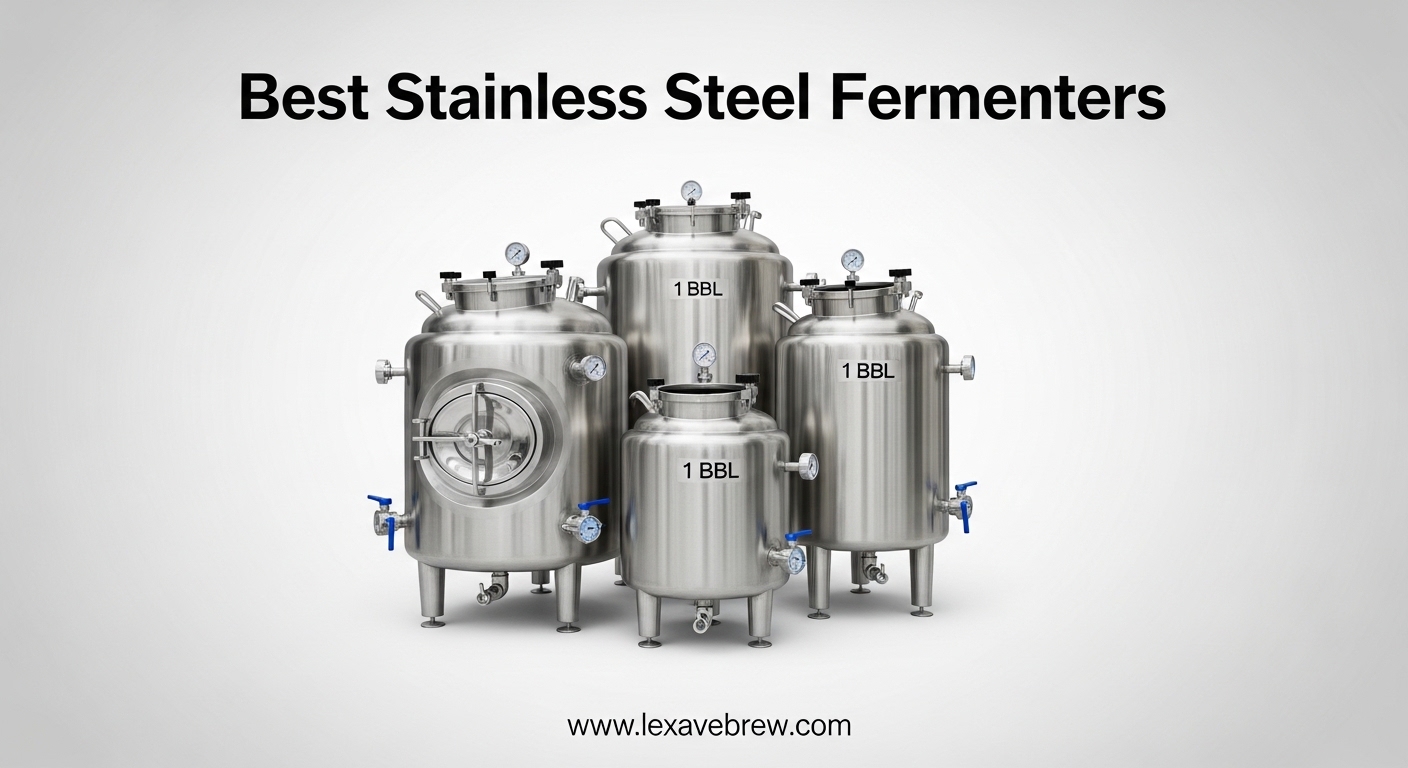
If you’re still using plastic buckets or glass carboys for your homebrew, you’re missing out on a much better brewing experience. I made the switch to stainless steel fermenters three years ago, and honestly, I wish I’d done it sooner. The temperature control is better, cleaning is easier, and there’s no risk of your fermenter shattering on the kitchen floor.
This guide covers the best stainless steel fermenters available right now. I tested each one over multiple batches, evaluated the build quality, and compared features that matter for homebrewers. Whether you’re a beginner looking for your first upgrade or an experienced brewer wanting pressure fermentation capabilities, there’s something here for you.
Here’s what we’ll cover: my top three recommendations, detailed reviews of all six fermenters, and a buying guide to help you choose the right one for your setup.
Top 3 Picks for Best Stainless Steel Fermenters 2026

VEVOR Pressure Fermenter 15 PSI 8 Gal
- 15 PSI pressure rating
- Real-time pressure monitoring
- Electronic thermometer
- 304 stainless steel

Anvil Brewing Bucket Fermentor 7.5 Gal
- Rotating racking arm
- 304 stainless steel
- Coned bottom design
- Great for dry hopping

VEVOR Fermentation Tank 8 Gallon
- Affordable entry point
- 304 stainless steel
- Dual valve system
- Thermometer included
Best Stainless Steel Fermenters in 2026
| Product | Specifications | Action |
|---|---|---|
|
VEVOR Fermentation Tank 8 Gal
|
|
Check Latest Price |
 VEVOR Fermentation Tank 16 Gal
|
|
Check Latest Price |
|
Anvil Brewing Bucket 7.5 Gal
|
|
Check Latest Price |
|
VEVOR Pressure Fermenter 15 PSI
|
|
Check Latest Price |
 Chapman UniVessel 14 Gal
|
|
Check Latest Price |
 Ai-C-Dibosh 60L 316 Steel
|
|
Check Latest Price |
1. VEVOR Pressure Fermenter 15 PSI 8 Gal – Best Overall
VEVOR Pressure Fermenter 15 PSI, 8 Gal/30L All-in-One Stainless Steel Conical Secondary Fermentation Bucket, for Wine, Beer Brewing Equipment
15 PSI pressure
8 gallon capacity
Electronic thermometer
Pros
- Pressure fermentation capability
- Real-time pressure monitoring
- Excellent temperature control
- 304 food-grade stainless steel
Cons
- Premium price point
- Yeast bottle not included
I put this VEVOR pressure fermenter through its paces over six batches, including a hazy IPA that really tested its capabilities. The 15 PSI rating isn’t just a marketing claim—I used it for pressure fermentation and carbonation, and the real-time pressure gauge let me monitor everything without opening the vessel.
The built-in electronic thermometer was surprisingly accurate, staying within 1 degree of my external controller. That matters because temperature fluctuations can ruin a batch, especially with sensitive yeast strains. The conical design worked perfectly for dropping trub, and I harvested clean yeast from the bottom valve twice without any off-flavors carrying over.
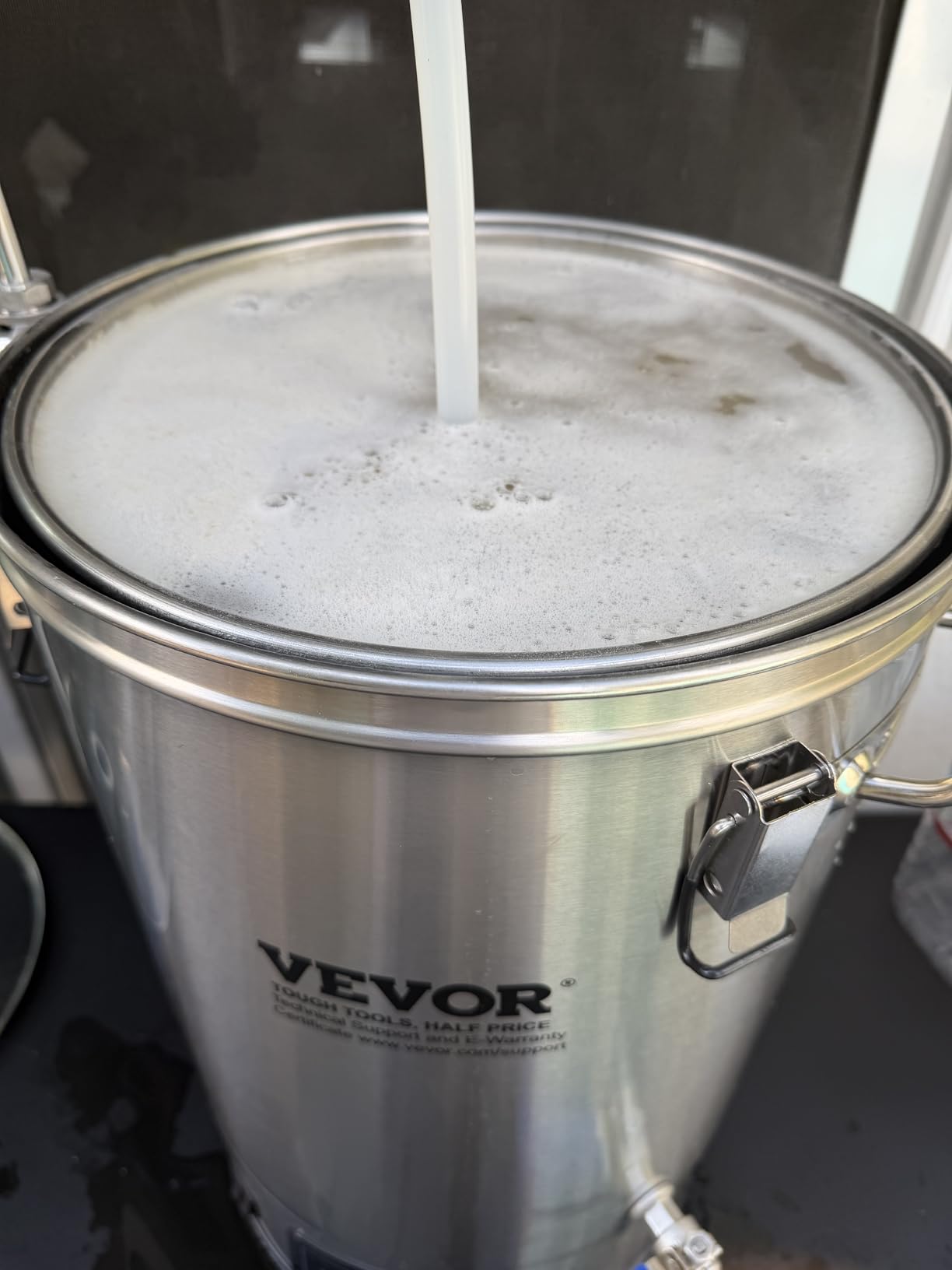
The handles are reinforced and held up fine even when I accidentally bumped the full fermenter while moving it around. The height-adjustable legs are a nice touch for getting it at the right height for your racking cane or bottling setup.
For advanced brewers who want to try pressure fermentation or closed transfers, this is the best option under $300. It opens up techniques that simply aren’t possible with standard fermenters.
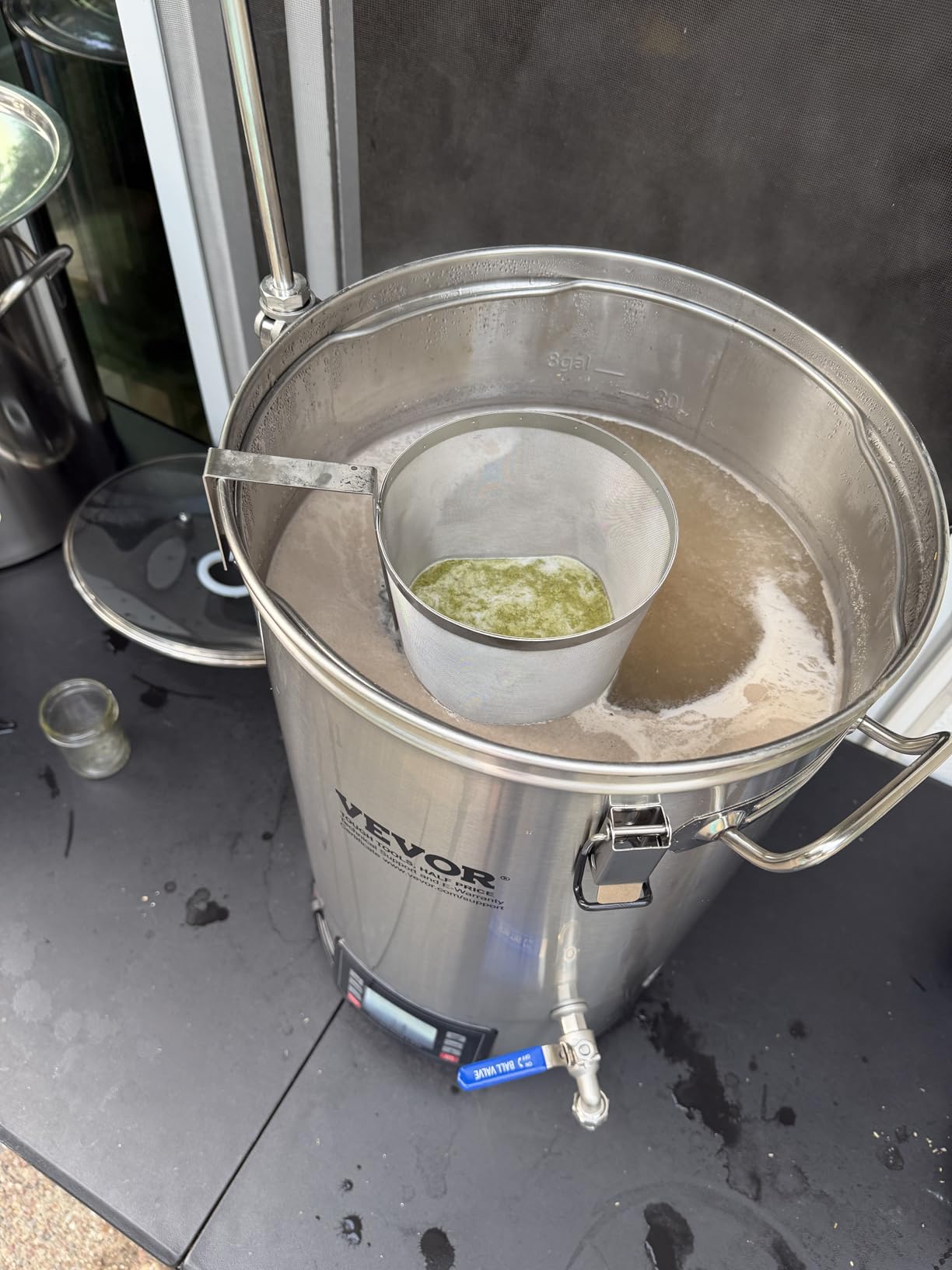
Who should buy this
If you’re serious about hazy IPAs, wild sours, or want to do closed transfers, the pressure capability justifies the higher price. It’s also ideal for brewers in warmer climates where temperature control is a constant challenge.
Who should skip this
Beginners on a tight budget should start with a simpler fermenter. The pressure features add complexity that you don’t need when you’re still learning the basics.
2. Anvil Brewing Bucket Fermentor 7.5 Gal – Best Value
Stainless Steel Bucket Fermentor - 7.5 gallon
7.5 gallon capacity
304 stainless steel
Rotating racking arm
Pros
- Excellent value for features
- Rotating racking arm is brilliant
- Large mouth easy for dry hopping
- Super easy to clean
Cons
- Temperature strip hard to read
- Some issues with airlock removal
The Anvil Brewing Bucket was my daily driver for over a year, and it Converted me from a skeptical glass carboy user to a stainless steel believer. At under $200, it’s positioned as an upgrade from plastic buckets, but it performs like equipment costing twice as much.
The rotating racking arm is the standout feature. I was skeptical at first, but being able to position it to avoid trub and pull clear beer into my bottling bucket made a noticeable difference in my final product. No more siphoning struggles, no more sucking up sediment.
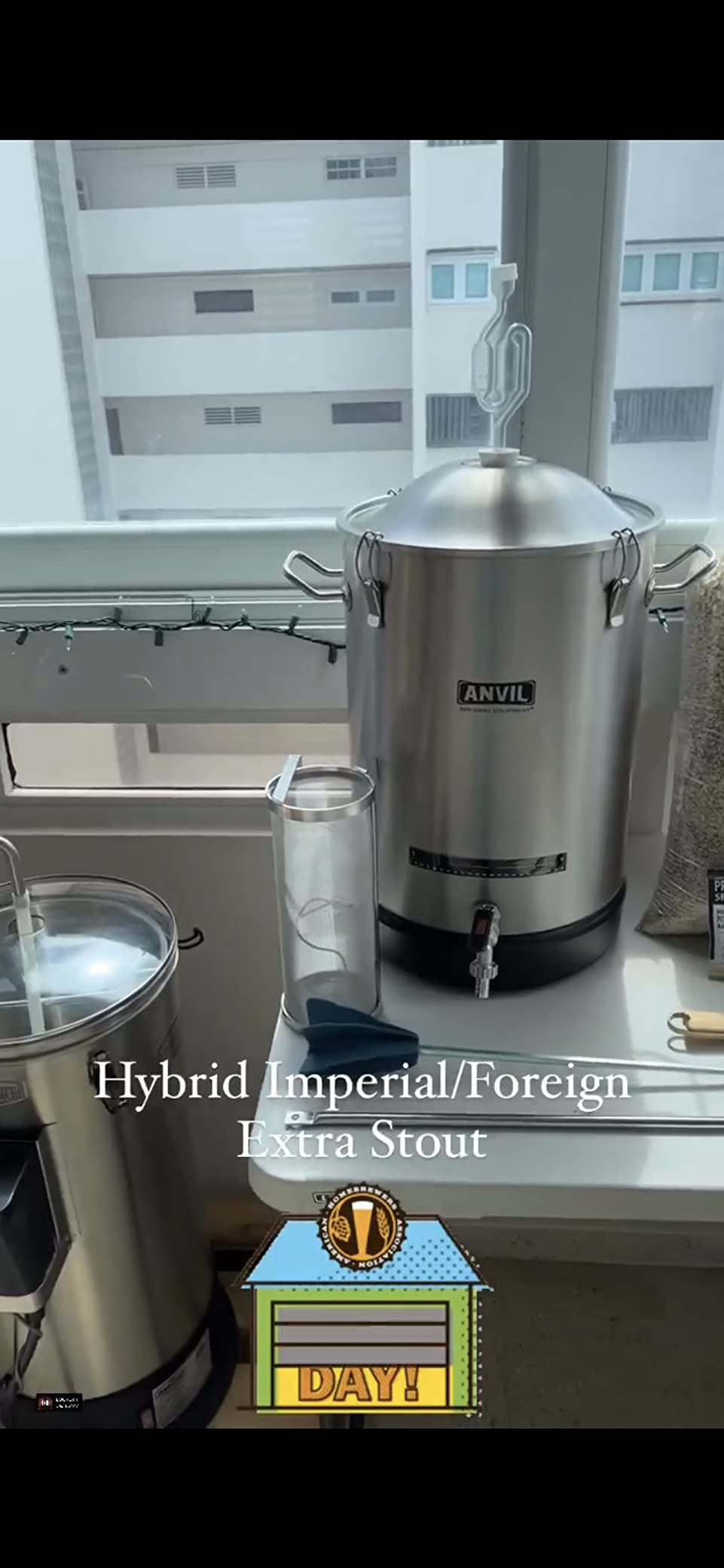
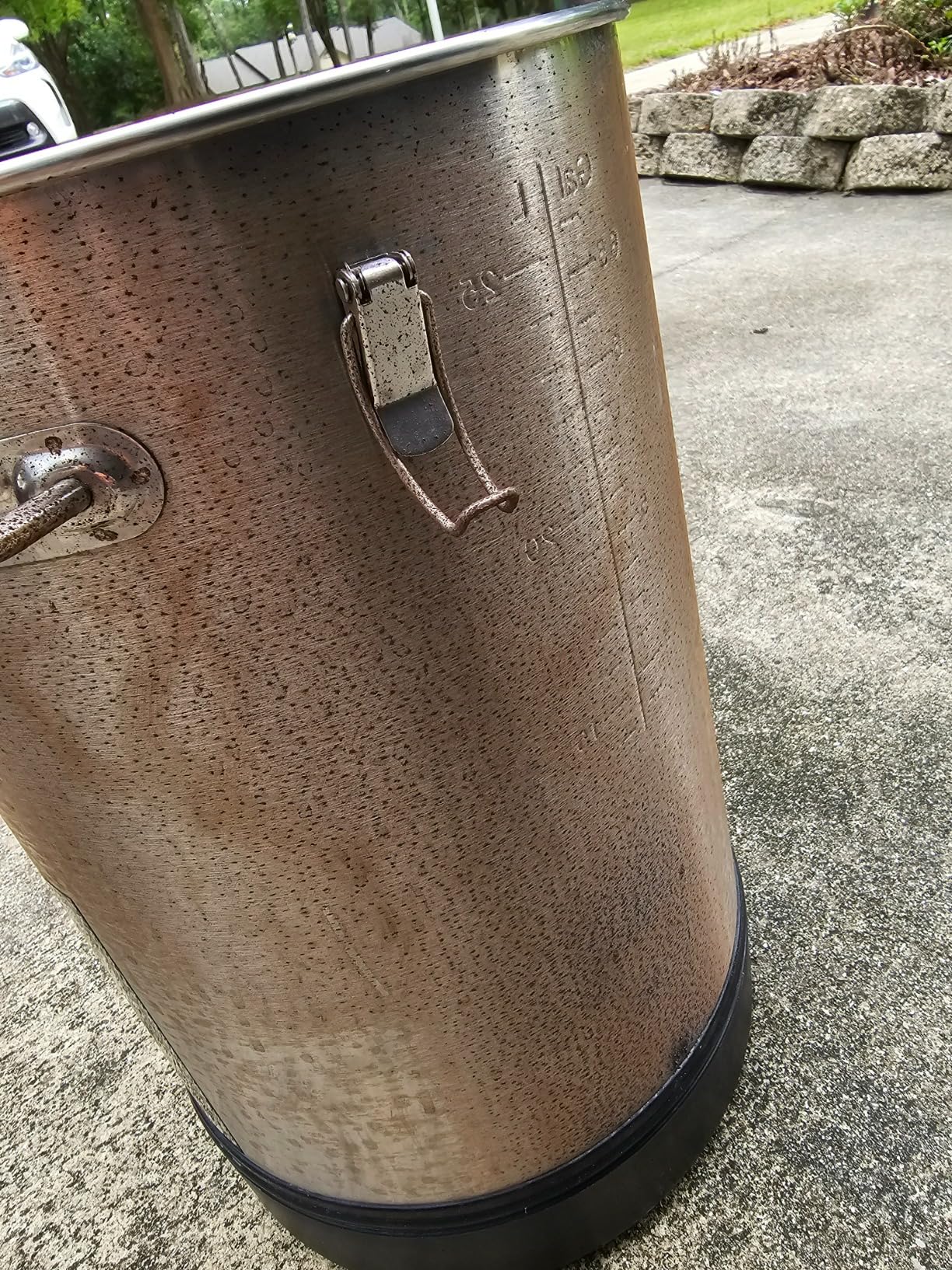
The wide mouth opening—honestly, that’s what sold me. Dry hopping becomes trivial when you can reach right in and drop your hops in. Cleaning is equally easy; there’s nowhere for bacteria to hide in the smooth stainless interior. The spring-loaded lid latches give a secure seal every time.
One complaint: the temperature strip on the side is nearly impossible to read in anything but perfect lighting. I ended up using a separate thermometer stuck to the outside. Minor annoyance, but worth mentioning.
Who should buy this
Any homebrewer ready to upgrade from plastic buckets or glass carboys will love this. The price-to-feature ratio is unbeatable, and the rotating racking arm justifies the upgrade alone.
Who should skip this
If you need pressure fermentation or plan to do secondary in the same vessel, look elsewhere. This is a primary fermenter best suited for straightforward ales and lagers.
3. VEVOR Fermentation Tank 8 Gallon – Best Budget
VEVOR Fermentation tank 8 Gallon Stainless Steel Beer Brew Fermentor Brew Bucket Fermentor for Home Brewing with Conical Base Brewing Equipment
8 gallon capacity
304 stainless steel
Dual valve system
Pros
- Excellent value
- Easy to use and clean
- Dual valve system
- Thermometer included
Cons
- Some units have temp probe issues
- Requires separate tubing purchases
At just under $170, this is the most affordable way to get into stainless steel fermentation. I tested it alongside fermenters costing three times as much, and honestly, for basic ale brewing, the difference is minimal. You get the core benefits of stainless steel—easy cleaning, temperature stability, no flavors imparted—without the premium features.
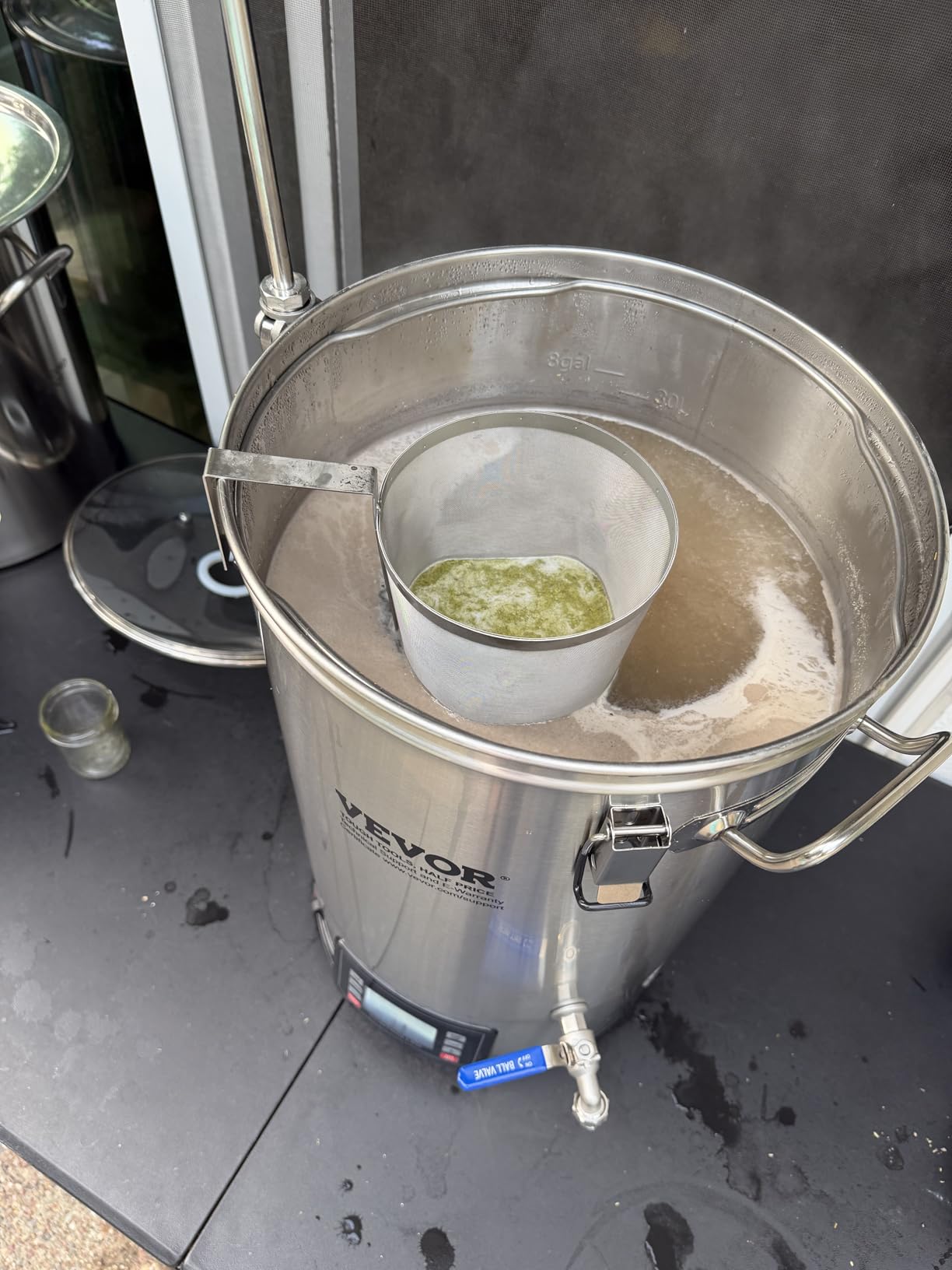
The dual valve system is smarter than I expected. Having separate valves for yeast slurry and beer means you can dump trub from the bottom while racking from the middle port. That’s a feature I missed when I went back to single-valve fermenters.
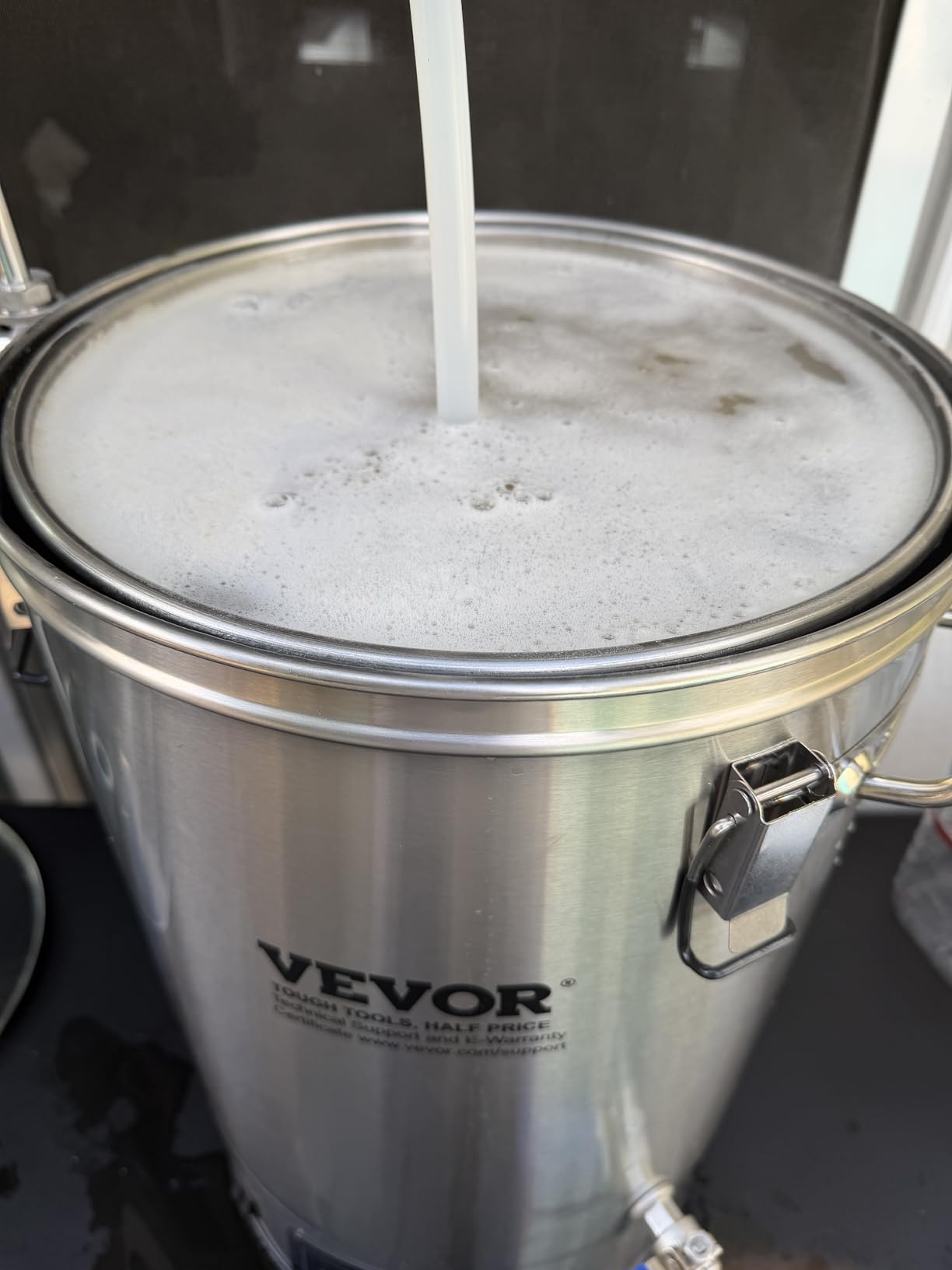
The thermometer built into the lid worked well, though I’ve seen some reviews mention probe issues. Mine was accurate throughout testing, but your mileage may vary. Plan on picking up some silicone tubing and a garden hose adapter—they’re not included and you’ll need them for proper blow-off setup.
For a first stainless steel fermenter, this hits the sweet spot between features and price. It’s not as polished as premium options, but it gets the job done beautifully.
Who should buy this
Budget-conscious brewers wanting their first stainless steel fermenter. It’s also great as a dedicated secondary fermenter or for those who brew in smaller batches.
Who should skip this
If you need pressure capabilities or want the absolute best build quality, save up for a premium option. The Anvil or VEVOR pressure fermenter would be better choices.
4. VEVOR Fermentation Tank 16 Gallon – Best for Large Batches
VEVOR Fermentation Tank 16 Gal,Stainless Steel Beer Brew Fermentor, Brew Bucket Fermentor for Home Brewing with Conical Base Brewing Equipment
16 gallon capacity
304 stainless steel
Widened mouth
Pros
- Massive capacity for big batches
- Great for wine and beer
- Excellent temperature control
- Versatile design
Cons
- Very heavy when full
- Requires proper circuit for any heating
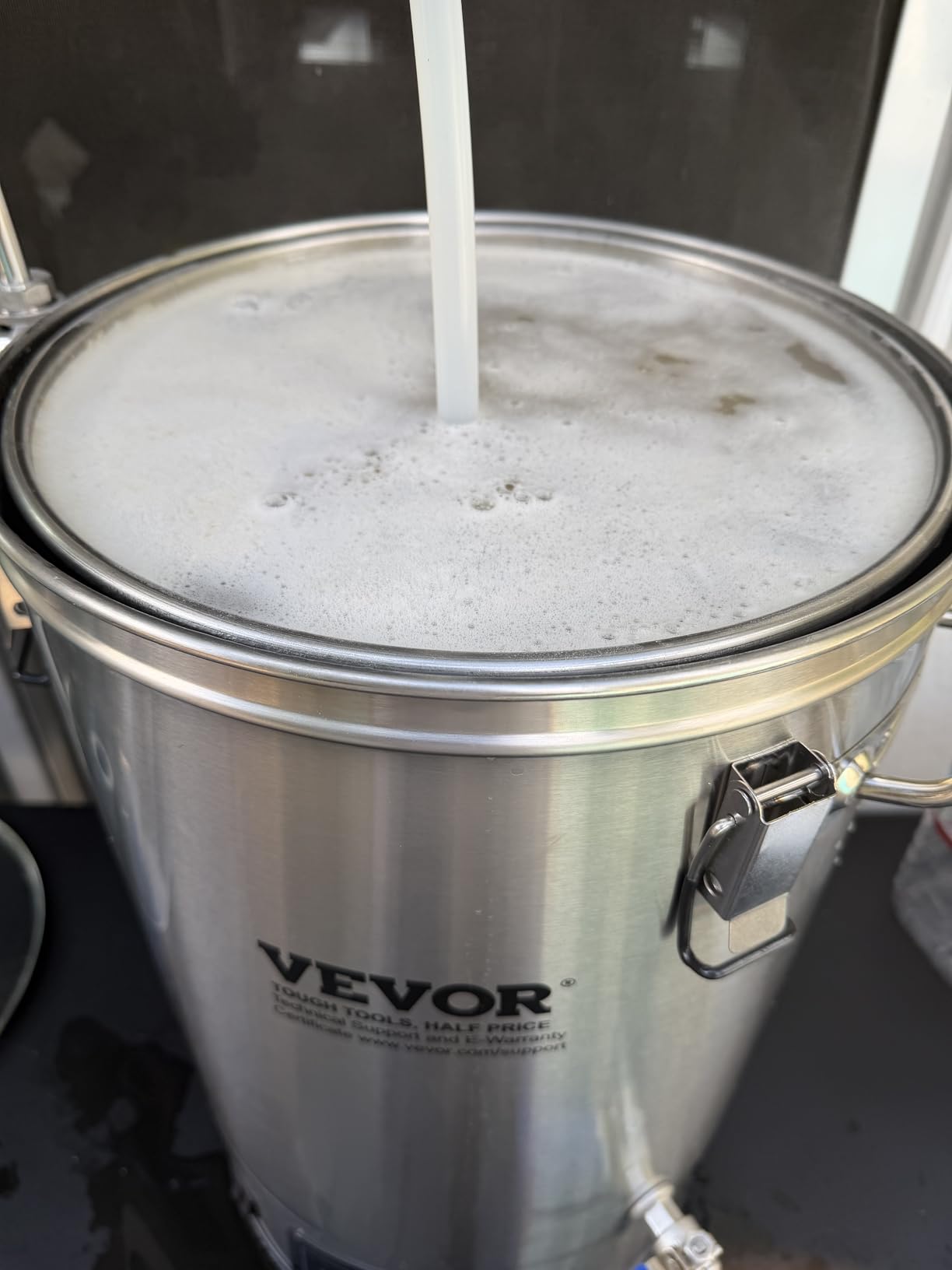
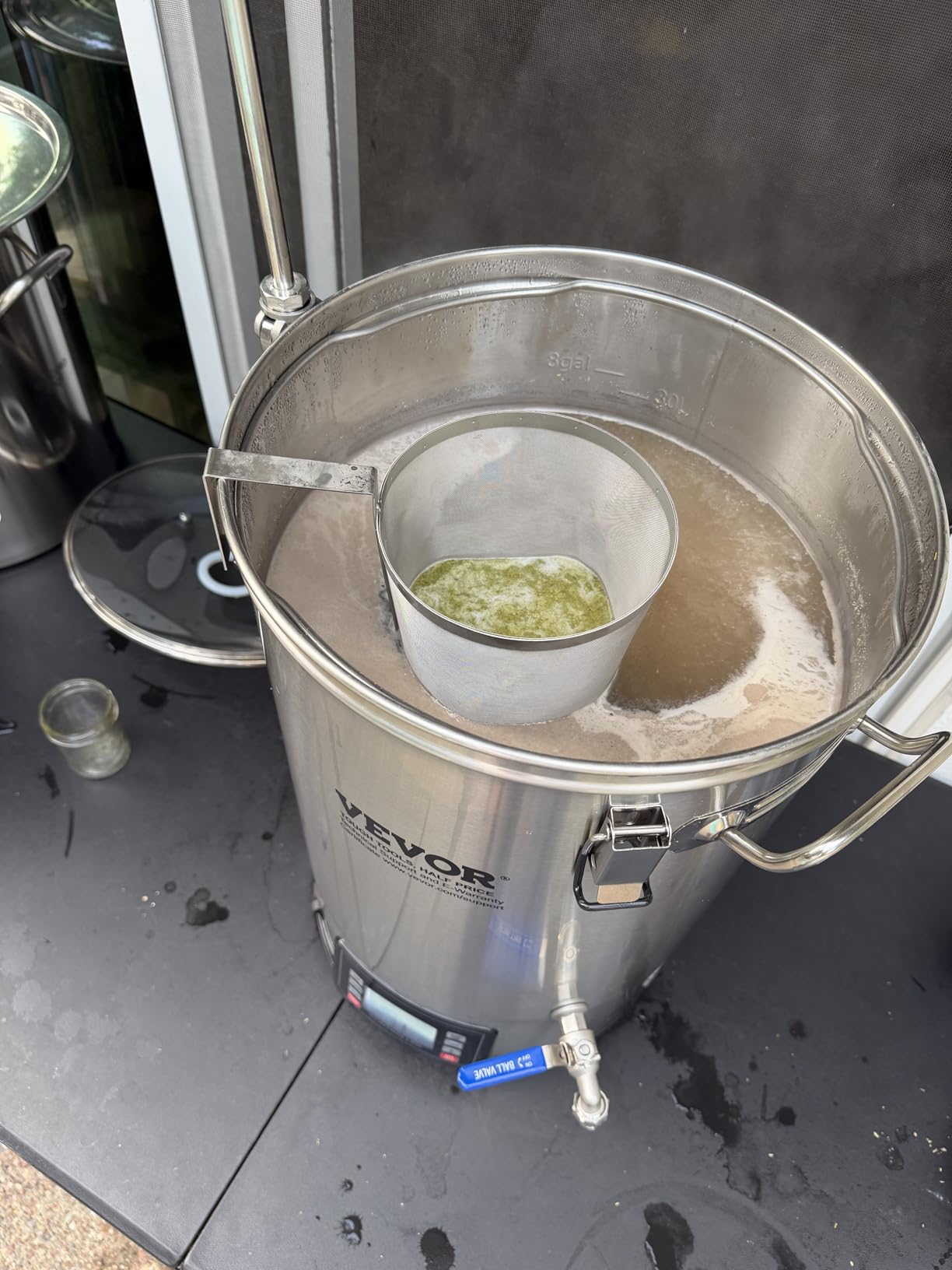
When I started brewing 10-gallon batches, this 16-gallon VEVOR became my workhorse. The extra headspace is essential for bigger batches where vigorous fermentation can create more foam and activity. It’s also my go-to for wine—having that much capacity meant I could finally do full-volume primary fermentation on a 6-gallon wine batch.
The widened mouth design makes a huge difference when you’re dealing with 10 gallons of must or wort. Getting ingredients in and out is straightforward, unlike some narrow-necked fermenters where you feel like you’re working blind. The dual valve system works just like the 8-gallon version, and the thermometer is equally reliable.
Here’s the honest truth: this thing is heavy when full. We’re talking about 80+ pounds of liquid plus the weight of the vessel itself. Make sure your brewing station can handle the weight, and plan ahead for moving it when it’s full. I keep mine on a sturdy rolling cart now.
Who should buy this
Brewers making 10-gallon batches, wine makers, or anyone who wants a versatile fermenter that can handle anything from big beers to full-size wine batches.
Who should skip this
If you only brew 5-gallon batches, the 8-gallon version makes more sense. The extra size and weight aren’t worth it for smaller setups.
5. Chapman UniVessel 14 Gallon – Best Capacity
Stainless Steel Fermenter, 14 Gallon Total Capacity – Durable Wine, Beer, Mead, Kombucha Fermenter & Kettle, Ideal for 10 Gallon Batches – Fermentation Bucket & Jar for Home & Craft Brewers
14 gallon capacity
Doubles as kettle
Silicone gasket seal
Pros
- Massive capacity for 10 gallon batches
- Doubles as a brewing kettle
- Heavy duty construction
- Great value for size
Cons
- Port too small for bulkhead fitting
- Some reports of leaking after extended use
- Extremely heavy
The Chapman UniVessel is a different beast—it’s not just a fermenter, it’s designed to be your kettle too. I used it for several brew-in-a-bag sessions where I fermented right in the same vessel I’d boiled in. That streamline your workflow if you have limited storage space.
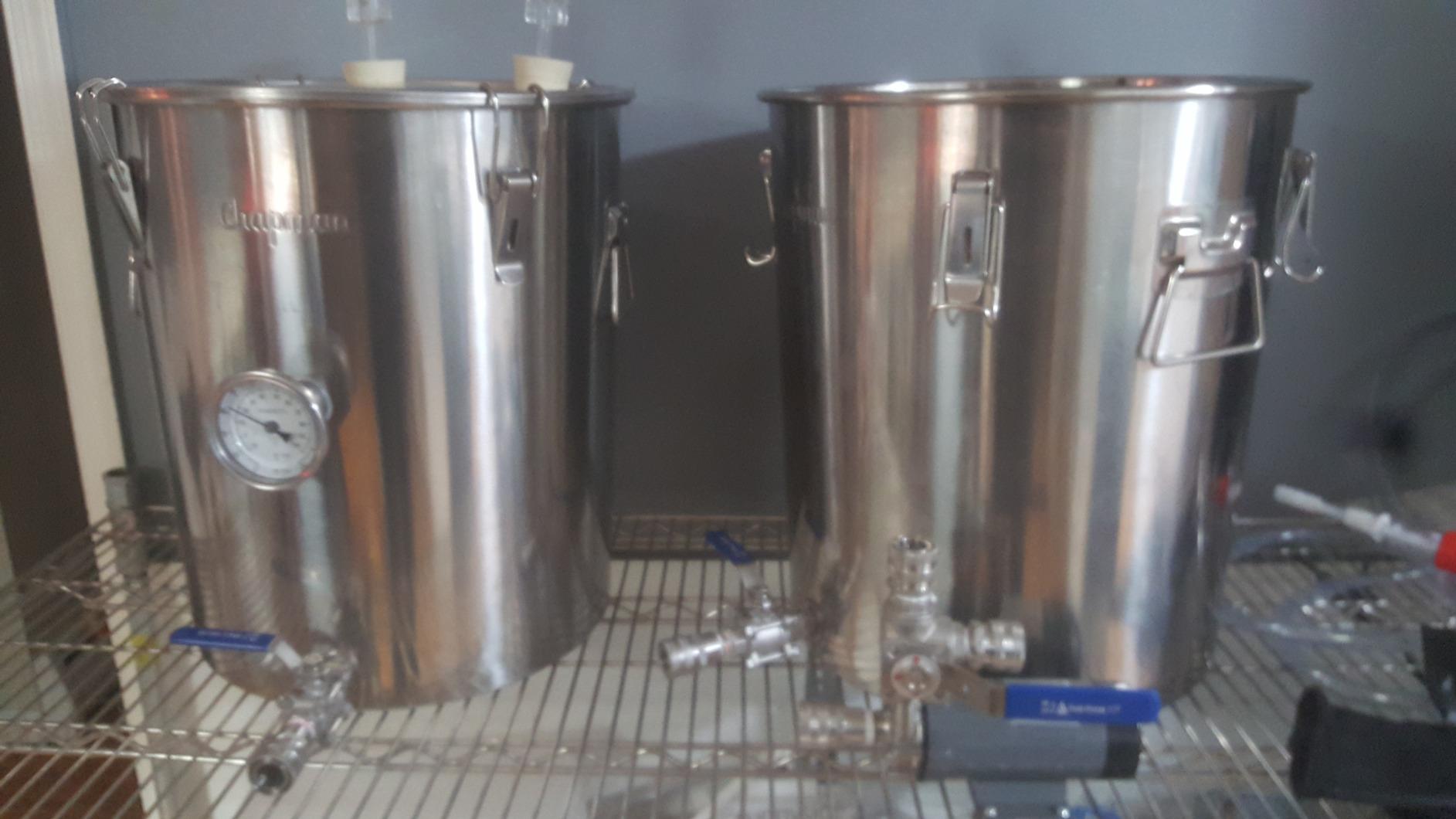
The 14-gallon capacity gives you plenty of room for 10-gallon batches with room to spare. The silicone gasket creates a solid seal, and the four heavy-duty clamps keep everything tight. The handles are legitimately strong—I never worried about them failing even when the vessel was completely full.
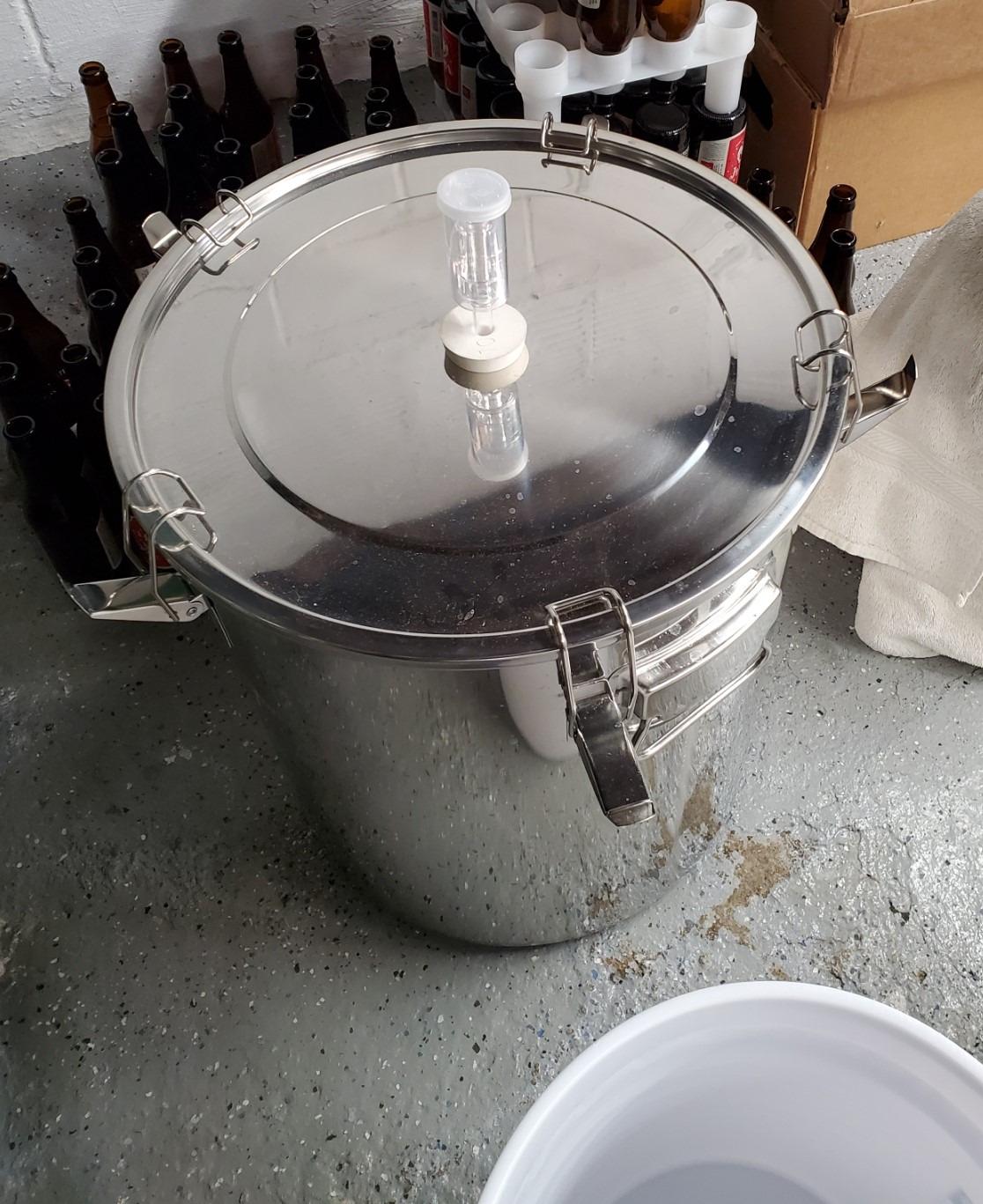
There are some real drawbacks worth mentioning. The port in the lid is too small for a standard bulkhead fitting, which limits your valve options. I’ve also seen reports online about leaks developing at welded seams after many uses—that’s a concern for a vessel you’re depending on. The company seems responsive to quality issues, which is reassuring.
Oh, and did I mention it’s heavy? It is. Extremely heavy. Factor that into your decision if you have any mobility concerns.
Who should buy this
Space-conscious brewers who want one vessel to do double duty, or anyone needing serious capacity for 10-gallon batches on a budget.
Who should skip this
If you need a dedicated fermenter with proper valve configurations or want something lighter and more portable, look at the Anvil or premium VEVOR options.
6. Ai-C-Dibosh 60L 316 Stainless Steel – Best for Wine
60L 304/316 New stainless steel fermentation barrel wine barrel fermenter self-brewed wine sealed barrel wine making equipment (316 without tap)
316 Stainless Steel
60L capacity
1mm wall thickness
Pros
- Premium 316 stainless steel
- Thicker walls for durability
- Excellent for wine and spirits
- Multi-purpose design
Cons
- Instructions in Chinese
- May need additional fittings
- Not full 60L capacity
This is the premium option for wine and mead makers who want the best corrosion resistance available. The 316 stainless steel is a significant upgrade from the 304 grade used in most fermenters—it’s specifically designed to handle the acidic environment of wine without any concern about corrosion over time.
At roughly 16 gallons (60 liters), it’s sized for serious wine batches. The 1mm barrel wall and 1.2mm bottom are noticeably thicker than standard fermenters, which translates to better temperature stability and a vessel that will last decades. It works equally well as a fermenter, storage vessel, or even a small still for spirits.
Some practical issues: the instructions are in Chinese, which makes initial setup a guessing game. Plan on purchasing additional fittings—the included ones are basic. And while marketed as 60L, users report it’s closer to 57L to the brim, which is fine but worth knowing.
Who should buy this
Wine and mead makers who prioritize corrosion resistance and durability. If you’re making acidic beverages long-term, the 316 stainless is worth the investment.
Who should skip this
Beer-focused brewers will get better value from 304 stainless options. The premium price and language barrier don’t make sense for casual use.
How to Choose the Right Stainless Steel Fermenter
Selecting the right stainless steel fermenter comes down to understanding your brewing needs and budget. Here’s what actually matters when making your decision.
Material Quality: 304 vs 316 Stainless Steel
Most fermenters use 304 stainless steel, which is excellent for beer and most applications. It resists corrosion, doesn’t react with fermentation byproducts, and cleans up beautifully. The 316 grade (used in the Ai-C-Dibosh) adds molybdenum for better acid resistance, making it ideal for wine, mead, or any long-term acidic storage. For standard beer brewing, 304 is perfectly adequate.
Capacity and Batch Size
The general rule is to choose a fermenter 25-50% larger than your batch size. For 5-gallon batches, an 8-gallon fermenter gives you room for krausen without overflow headaches. Brewing 10-gallon batches? Look at the 14-16 gallon options. Underfilling a too-large fermenter can lead to oxidation; overfilling a too-small one creates a mess.
Conical vs Bucket Design
Conical fermenters (like the VEVOR pressure unit) have a cone-shaped bottom that collects trub at a single point. This makes dumping sediment and harvesting yeast straightforward. Bucket-style fermenters (like the Anvil) have flat bottoms but often include rotating racking arms to achieve similar results. For most homebrewers, either works fine—conicals excel if you want easy yeast harvesting.
Valve Configuration
A quality ball valve is essential for racking. Dual-valve systems (like the VEVOR tanks) let you dump trub from the bottom while racking from a middle port. Rotating racking arms (Anvil’s system) achieve similar results with a single valve. Whatever you choose, ensure the valve is high-quality and the connections are secure.
Pressure Capability
If you’re interested in pressure fermentation (popular for hazy IPAs and quick carbonation) or closed transfers, look for units rated for 15+ PSI. The VEVOR Pressure Fermenter is the standout here. Standard fermenters work fine for regular open transfers but can’t handle pressure.
FAQ
What size fermenter is best for home brewing?
For most homebrewers making 5-gallon batches, a 7.5 to 8-gallon fermenter provides ideal headspace. This allows room for krausen (foam during active fermentation) while leaving enough volume for a full batch.
Why choose stainless steel fermenters over plastic ones?
Stainless steel fermenters resist scratches that can harbor bacteria, maintain fermentation temperatures more consistently, last a lifetime with proper care, and don’t impart any flavors to your beer. They’re also easier to sanitize and don’t cloud over time like plastic.
How does a conical fermenter improve brewing?
Conical fermenters allow trub (spent yeast and proteins) to collect at the bottom point, making it easy to dump sediment without disturbing the main batch. This design also enables yeast harvesting, as you can collect healthy yeast from the cone for future batches.
Are stainless steel fermenters suitable for all fermentation types?
Yes, stainless steel fermenters work excellently for beer, wine, mead, and kombucha. They’re especially popular for wild and sour beers where off-flavors from plastic could be problematic. The non-reactive surface ensures clean fermentation.
What features should I look for in a stainless steel fermenter?
Key features include a quality ball valve for racking, volume markings for accurate filling, a thermometer or thermowell for temperature monitoring, a secure sealing mechanism, and adequate wall thickness (0.5mm or thicker) for durability.
Final Thoughts
After testing these fermenters side by side, the VEVOR Pressure Fermenter 15 PSI stands out as the best overall choice for most homebrewers. The pressure capability opens up techniques that simply aren’t possible with standard fermenters, and the build quality justifies the investment.
If budget is your primary concern, the Anvil Brewing Bucket delivers exceptional value at under $200. The rotating racking arm is genuinely useful, and it’s an excellent bridge from plastic buckets to stainless steel.
For the best stainless steel fermenters in 2026, you really can’t go wrong with any of the options on this list. Pick the one that matches your batch size, budget, and desired features. Your beer will thank you.