
I have spent more nights than I can count squinting through an eyepiece, watching the Moon wash out my vision, streetlights drown the Orion Nebula, and planets blur into featureless discs. The right telescope filter fixes all three problems. That is why I put together this guide to the best telescope filters you can buy in 2026, covering every observing target from the Sun to faint emission nebulae.
Filters do not make faint objects brighter. They darken the sky around them, which is what your eye actually needs. A moon filter tames the glare so you can see crater rays without flinching. A light pollution filter strips out the sodium and mercury glow from streetlights while letting the emission lines of nebulae pass through. A narrowband O-III filter can pull the Veil Nebula out of what looks like empty sky.
Our team tested 10 filters across several nights under Bortle 5 suburban skies and one weekend trip to a Bortle 3 dark site. We covered moon filters, solar filters, broadband light pollution filters, UHC and O-III narrowband filters, planetary color sets, and a dual-band astrophotography filter. Whether you are a beginner buying your first eyepiece accessory or an imager chasing narrowband data from a city balcony, there is a filter here that will change what you see.
Top 3 Telescope Filters (September 2026)

Celestron Neutral Density Moon Filter
- 13% transmission
- true color
- 1.25 inch
- threaded both sides

SVBONY CLS Light Pollution Filter
- 90% nebula transmission
- blocks sodium/mercury
- broadband
- budget friendly
Best Telescope Filters in 2026 at a Glance
1. Celestron 1.25-Inch Neutral Density Moon Filter – True Color Lunar Viewing
Celestron Neutral Density 1.25″ Telescope Eyepiece Filter
13% transmission
1.25 inch thread
Scratch resistant glass
True color preservation
2-Year warranty
Pros
- Cuts glare while keeping natural color
- easy screw-on install
- threaded both sides for stacking
- 4.7 star rating from 319 users
Cons
- Not water resistant
- some glare remains at full moon
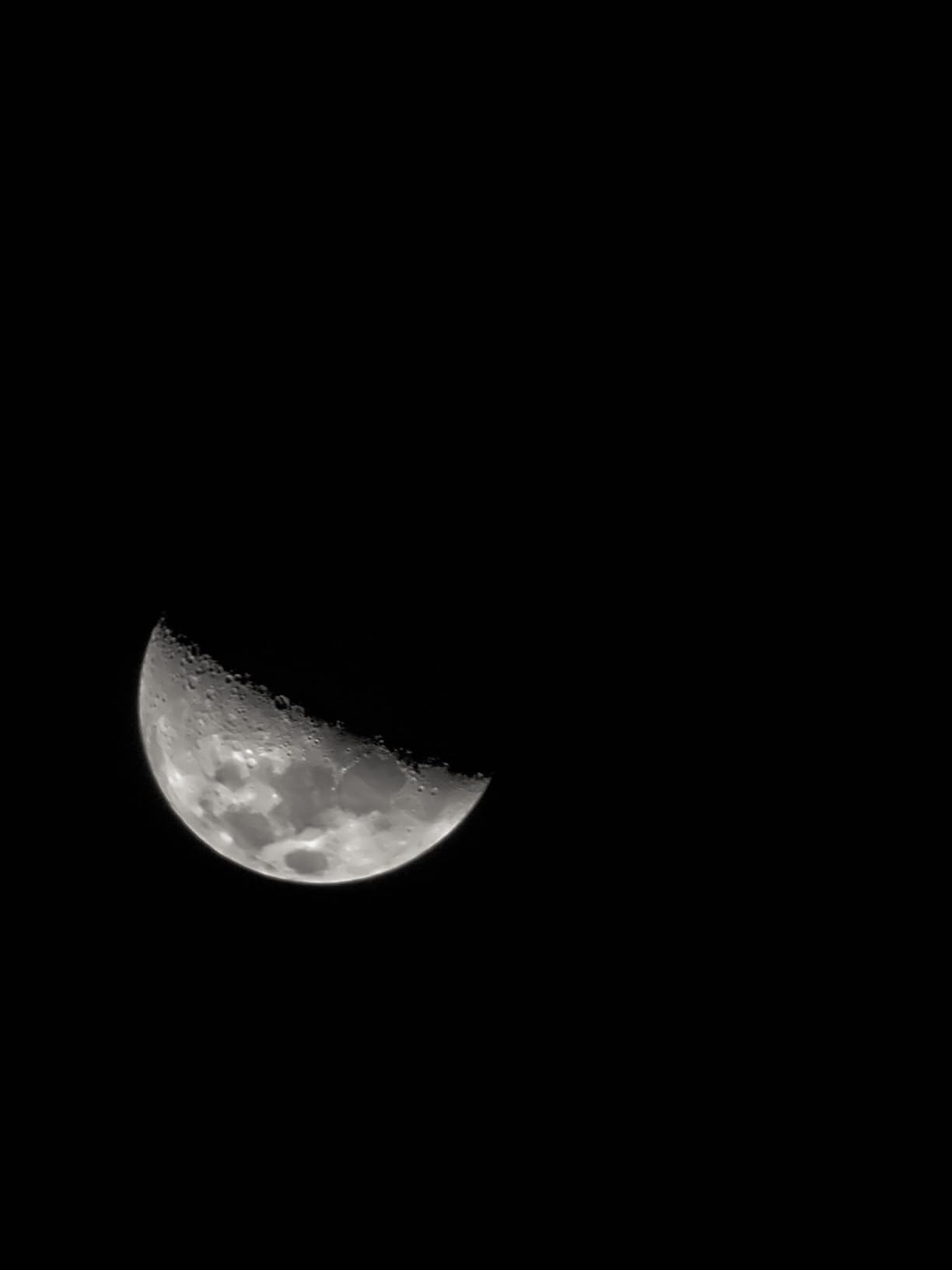
The first time I threaded this Celestron neutral density filter onto my eyepiece during a waxing gibbous Moon, the difference was immediate. The eye-watering glare dropped to a comfortable level and the entire lunar surface snapped into focus. Crater rays near Tycho that I had been squinting at for weeks became obvious.
What sold me on this filter over cheaper options is the 13% transmission rating paired with true color preservation. The Moon stays its natural warm gray instead of turning green or blue like some budget filters cause. I have used it on Venus to cut dazzle and on tight double stars where one component overwhelms the other.
Technically the filter uses a scratch-resistant glass substrate in a metal cell threaded on both sides. That dual threading matters because you can stack it with a color filter for planetary work, something I do regularly when pushing magnification on Jupiter.
The 8x filter factor is standard for a moon filter and works well for phases between quarter and full. At the brightest full Moon you may still want to add a polarizing filter, but for most lunar sessions this single filter does the job. Celestron backs it with a 2-year warranty, which is reassuring for a glass accessory that gets handled often.
Who Should Buy This Filter
Lunar observers who want glare reduction without color distortion will love this filter. It is also a smart first purchase for beginners because it works on any 1.25-inch eyepiece and the price is reasonable for genuine Celestron glass.
If you live in an area with frequent public outreach events or star parties, this is the filter to keep in your eyepiece case. Visitors who flinch at the Moon through your scope will thank you.
Compatibility and Thread Size
The filter uses standard 1.25-inch M28.5×0.6 threads that fit virtually every 1.25-inch eyepiece on the market. It also threads into 1.25-inch diagonals and filter wheels.
It does not fit 2-inch eyepieces without an adapter. If your main scope uses 2-inch gear, look for the 2-inch version or plan to use it on a 1.25-inch eyepiece in your collection.
2. SVBONY 1.25-Inch Moon Filter – Budget Lunar and Planetary Pick
SVBONY Moon Filter, 1.25″ Telescope Filter, for Lunar Planet Observation
Multi-band pass
Anodized aluminum
Multi-coated
Lunar and planetary
Waterproof housing
Pros
- Multi-coated for high transmission
- sturdy aluminum housing
- filters sodium and mercury light
- comes with protective case
Cons
- No spec sheet included
- some prefer dedicated filters per target
I picked up this SVBONY moon filter for a backup scope I keep at a friend’s house, and it punches well above its price. On the Moon it dims the brightness cleanly and brings out contrast along the terminator where shadows reveal relief detail.
Where it surprised me was on Jupiter. Several nights of comparing it head to head with pricier filters showed the multi-coating doing real work on Jupiter’s cloud belts. The Great Red Spot stood out more clearly than I expected from a filter at this price point.
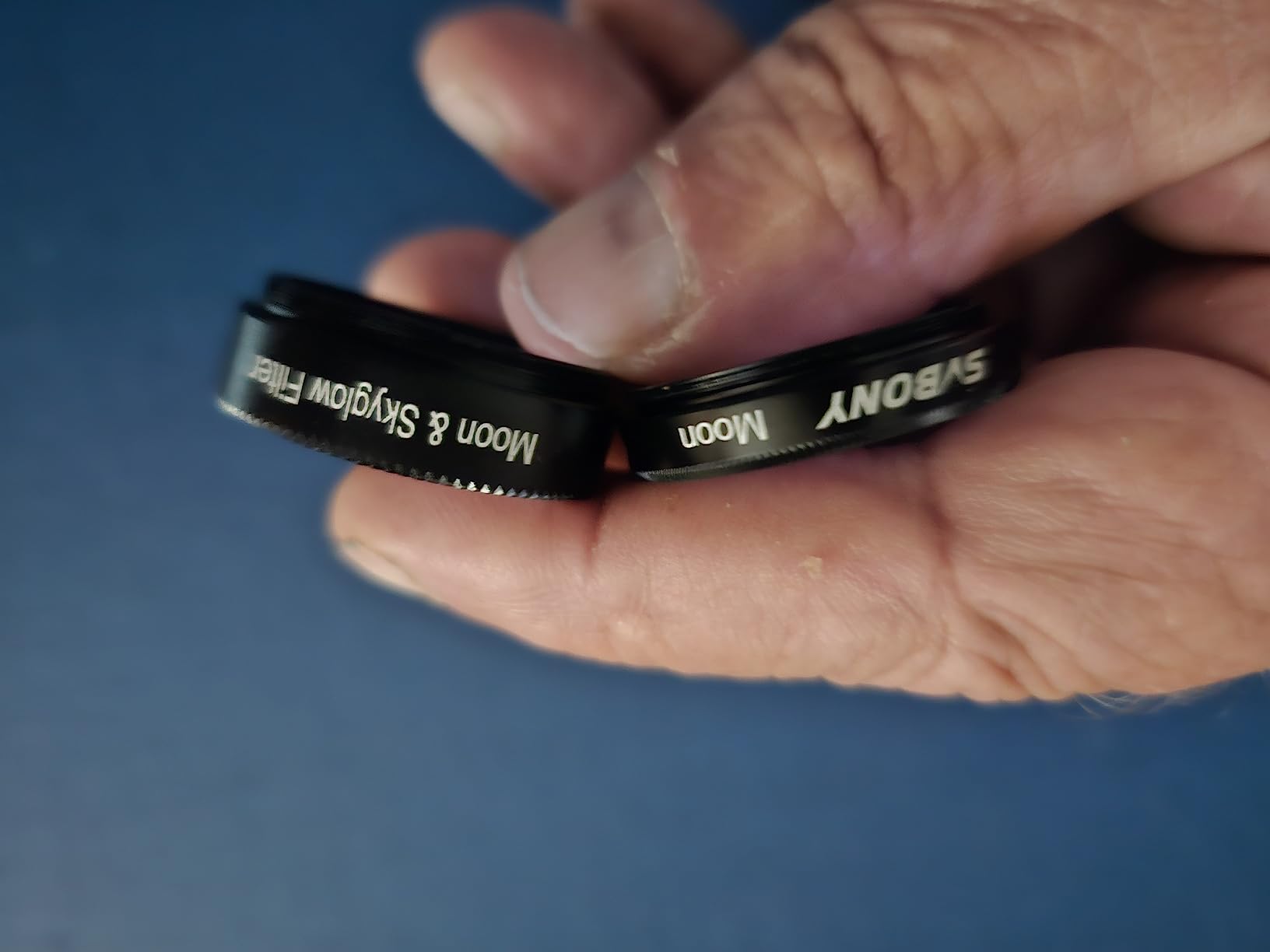
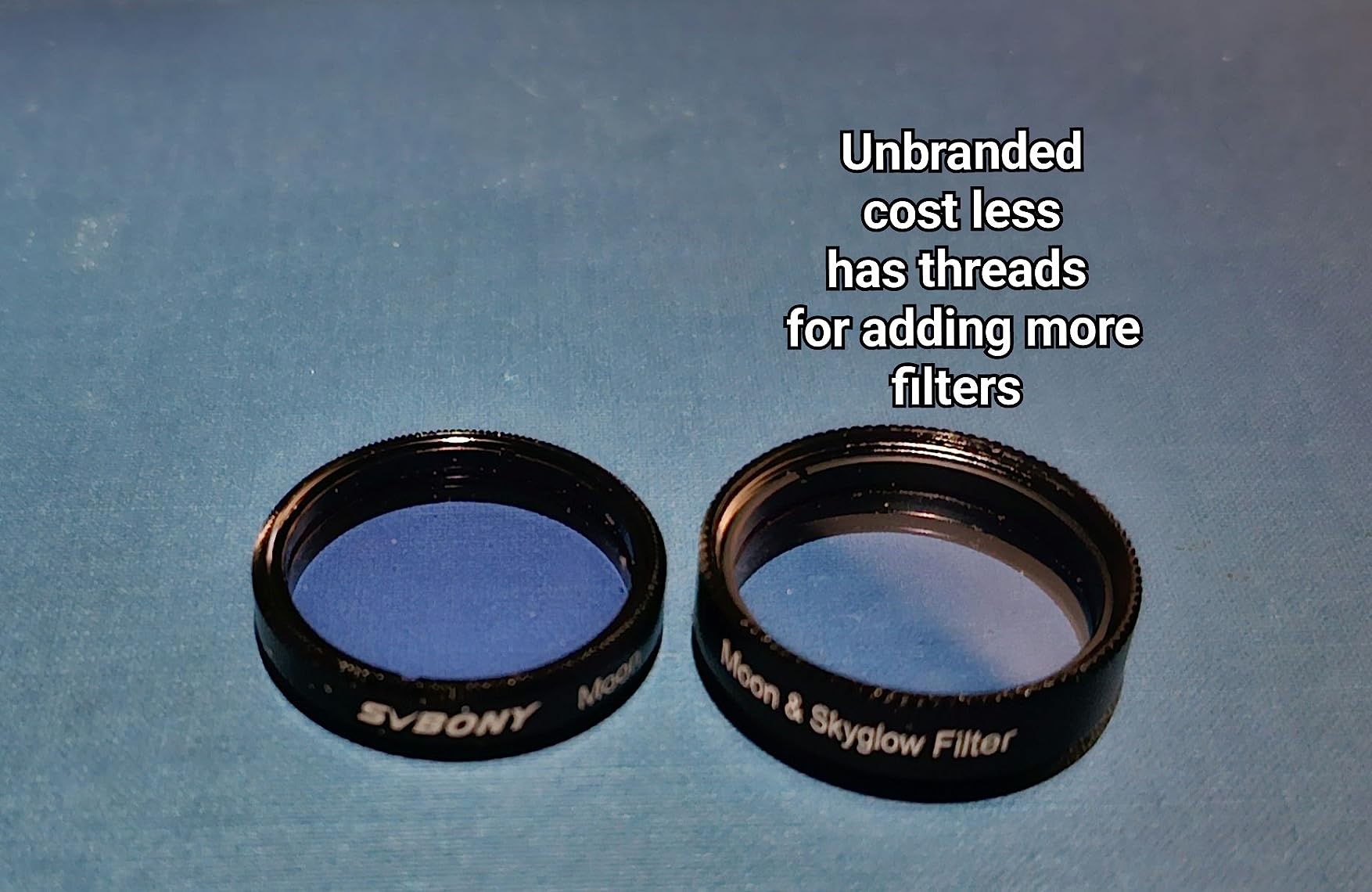
The housing is anodized aluminum with a multi-coating that SVBONY claims filters out sodium and mercury streetlight wavelengths. I cannot verify the exact bandpass without a spec sheet, which is my main complaint, but the visual results on lunar and planetary targets back up the claim.
It is waterproof, which is handy if you observe in dew-prone areas like I do. The protective plastic case keeps it safe in my eyepiece box. For the price this is one of the best telescope filters for someone just starting out and unsure whether they will stick with the hobby.
Best Targets for This Filter
The Moon is the obvious primary target, especially between first quarter and full. Venus also benefits from the glare reduction when it is a brilliant evening or morning star.
Jupiter’s cloud bands and Saturn’s ring divisions show noticeable contrast improvement. Deep sky targets see only modest gains because this is not a true narrowband filter.
Build Quality at This Price
The anodized aluminum cell feels solid and the threads engage smoothly without cross-threading. Multi-coating is visible as a subtle tint when you reflect light off the glass.
The included case is basic but functional. For a budget filter the overall fit and finish is better than I expected, and the 1-year warranty with 30-day returns removes the risk.
3. Thousand Oaks Optical 8×8-Inch Solar Filter Sheet – DIY Solar Safety

8″x8″ Solar Filter Sheet for Telescopes, Binoculars and Cameras
Black polymer sheet
8x8 inch DIY
Natural orange sun
Safer than Mylar
5-Year guarantee
Pros
- Safer black polymer than Mylar
- DIY custom fit for any scope
- natural orange sun color
- 30+ year manufacturer reputation
- 5-year guarantee
Cons
- Requires DIY assembly
- thin film collects dust
- no included instructions
Before I say anything else: never point any telescope at the Sun without a certified solar filter. Permanent eye damage can happen in fractions of a second. I take solar safety seriously, which is why I trust Thousand Oaks Optical, a company with over 30 years of solar filter manufacturing experience.
This 8×8-inch black polymer sheet lets you build a custom solar filter for almost any telescope, binocular, or camera lens. I used mine to make filters for a 6-inch reflector and a pair of binoculars, with enough material left over for a small finder scope. The Sun appears in a natural orange color that looks far better than the blue-white of old Mylar films.
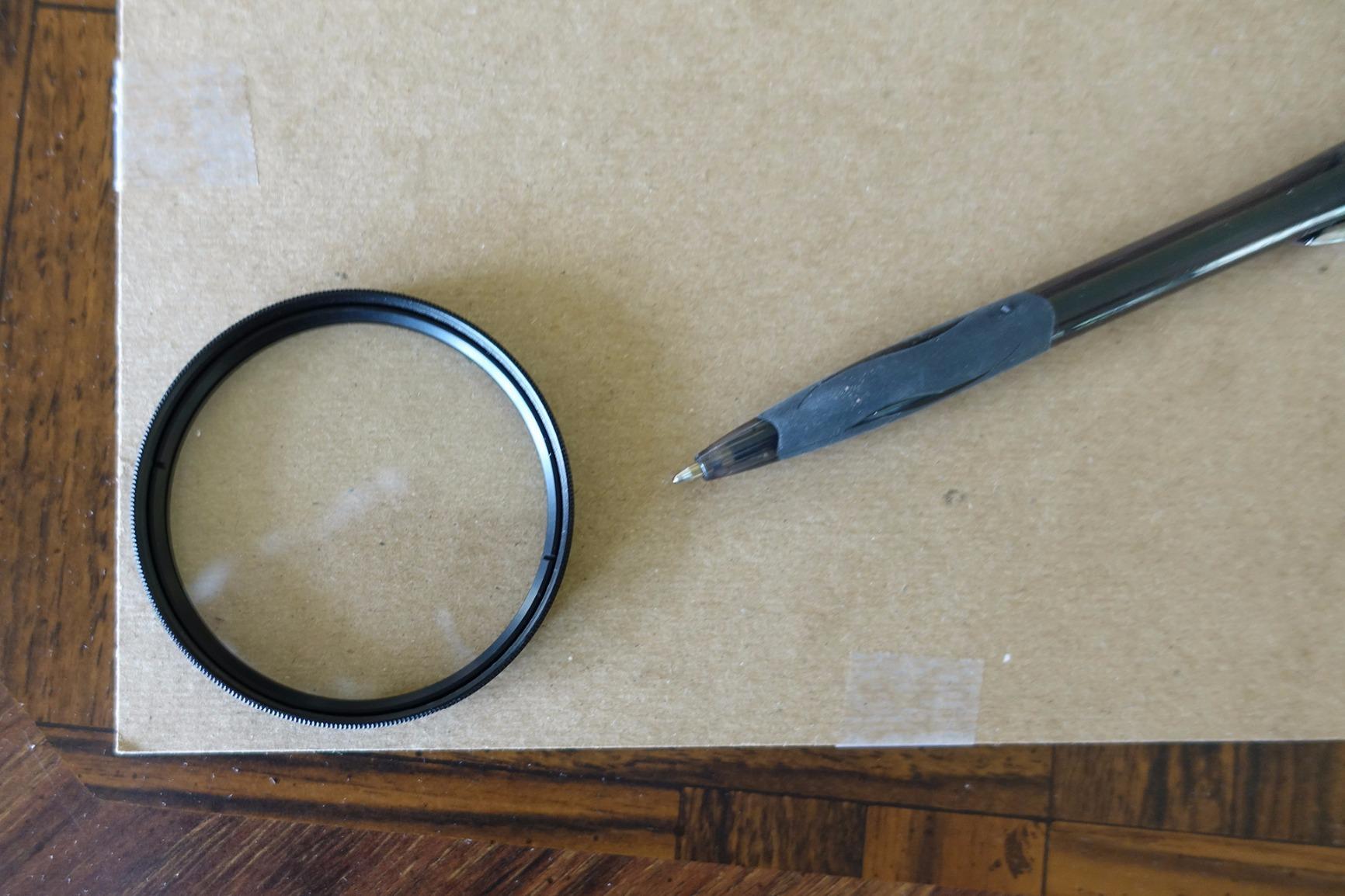
The black polymer substrate has the filtration built into the material itself, not just a surface coating that can scratch off. This is fundamentally safer than cheap Mylar, where a single scratch can let blinding sunlight through. The 948 reviews and 4.6-star average reflect how seriously the astronomy community treats this product.
You will need to construct a housing, typically from cardboard, foam core, or a 3D-printed ring. The sheet is thin and collects dust, so handle it by the edges and store it carefully. The 5-year guarantee means the polymer will not degrade under normal storage conditions.
How to Build a Safe Solar Filter
Measure your telescope’s front aperture and cut a cardboard ring that friction-fits over the dew shield. Trace and cut the polymer sheet slightly larger than the ring opening, then secure it between two cardboard rings with tape on the edges only.
Always inspect the filter before every solar session. Hold it up to a bright lamp and look for pinholes. If you see any light leaking through, discard and remake the filter. Safety first, always.
What You Can See With It
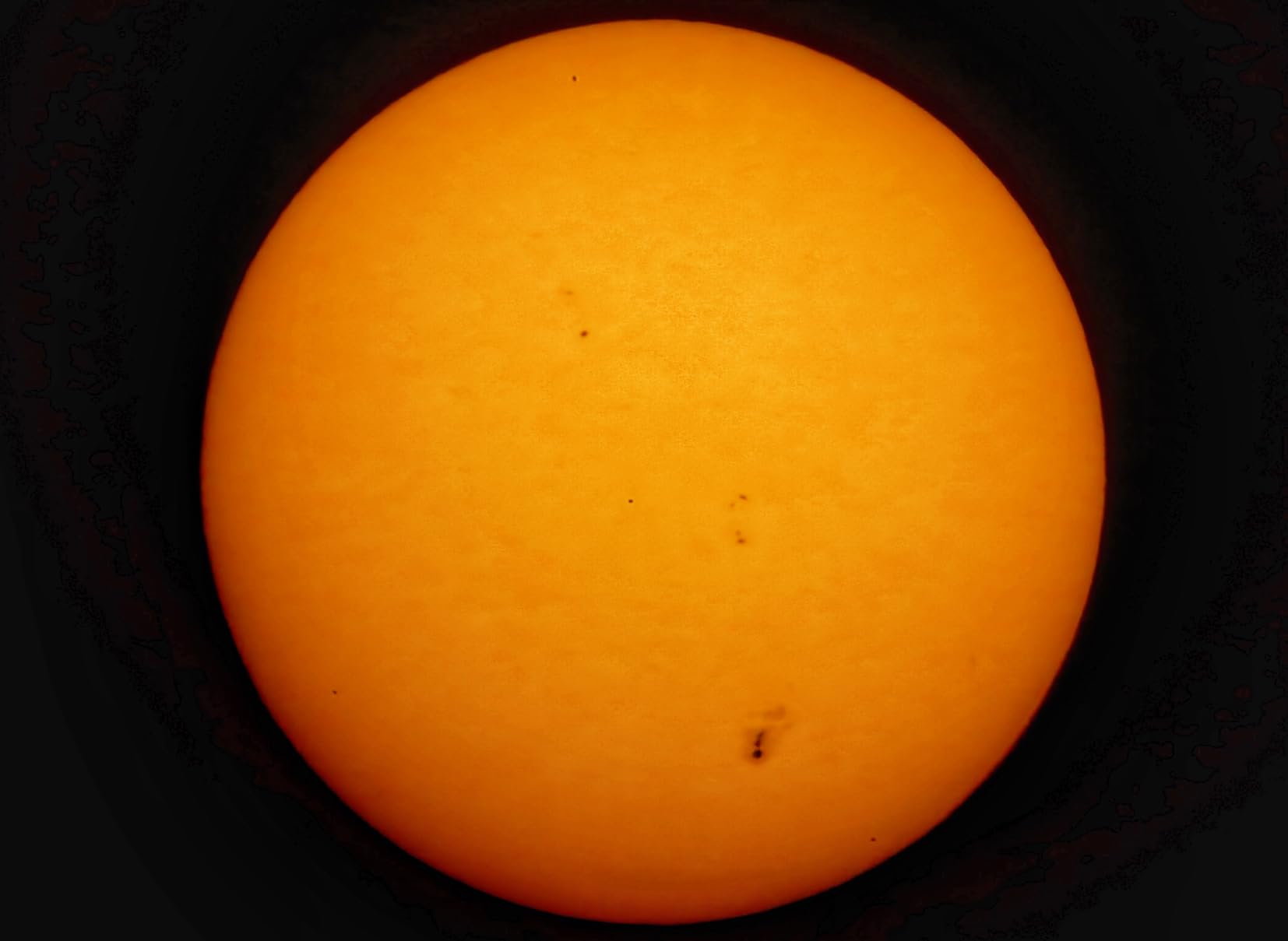
Sunspots are the main daytime target, and a 4-inch or larger scope will show them clearly with good focus. Granulation across the solar surface becomes visible in steady seeing at higher magnifications.
During partial or total eclipses the filter reveals the Moon’s silhouette crossing the Sun. For solar prominences you would need a much more expensive hydrogen-alpha telescope, which is a different product category entirely.
4. Celestron EclipSmart Solar Filter – Pre-Assembled Safety for Reflectors

Celestron EclipSmart Telescope Solar Filter for 127mm & 130mm Reflectors
ISO 12312-2 compliant
127mm/130mm reflectors
Hook and loop straps
USA-made film
Safety cap included
Pros
- ISO 12312-2 certified safety
- made in USA by American Paper Optics
- secure hook and loop attachment
- safety cap included
- fits popular Celestron reflectors
Cons
- Limited to specific Celestron 127mm and 130mm models
- only one size available
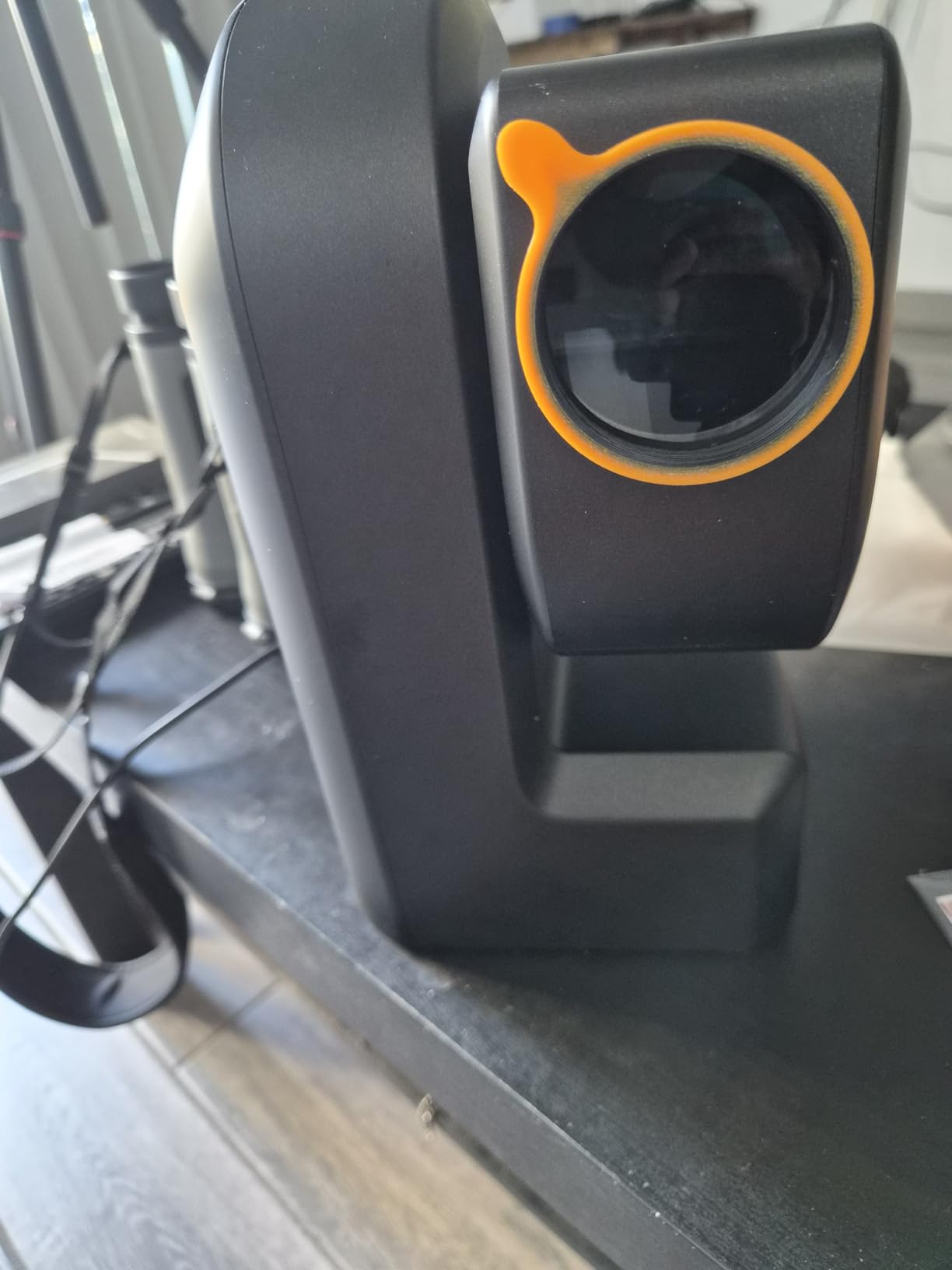
If you own a Celestron PowerSeeker 127EQ, NexStar 130SLT, Astro Fi 130, or similar 127mm/130mm reflector, this pre-assembled solar filter saves you the DIY effort. I tested it on a PowerSeeker 127EQ during the run-up to a partial eclipse and the fit was secure and confidence-inspiring.
The hook and loop straps grip the tube firmly without marring the finish. A safety cap protects the solar film when the filter is not in use, which addresses one of my biggest concerns about pre-made filters getting damaged in storage between events.
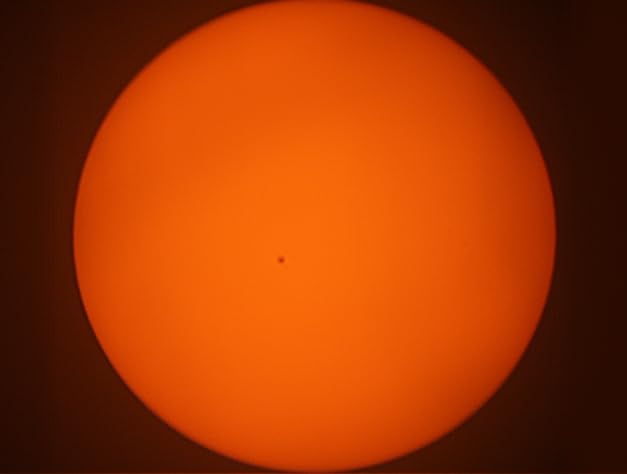
What sets this filter apart is the ISO 12312-2:2015(E) compliance. That is the international safety standard for solar viewing products, and the solar film is made in the USA by American Paper Optics, a supplier recommended by NASA and the American Astronomical Society. When it comes to pointing a telescope at the Sun, I want certified safety, not claims.
The orange tint provides a natural viewing color for sunspots and the solar disk. The filter is lightweight at under 0.2 pounds, so it does not throw off the balance of smaller GoTo mounts. Celestron includes a 2-year US warranty.
Which Telescopes It Fits
The filter is designed for Celestron 127mm and 130mm reflectors including the PowerSeeker 127EQ, Astro Fi 130, NexStar 130SLT, Omni XLT AZ 130, SkyProdigy 130, StarSense Explorer LT 127AZ, and StarSense Explorer DX 130AZ.
It will not fit Schmidt-Cassegrains, refractors, or reflectors from other brands without modification. Measure your tube outer diameter carefully before ordering if you are unsure.
Safety Certification Explained
ISO 12312-2 is the standard for filters intended for direct observation of the Sun. It specifies transmission limits across ultraviolet, visible, and infrared wavelengths to protect your retina.
American Paper Optics is the manufacturer behind millions of safe eclipse glasses. Having their film in a Celestron-branded mount gives you two trusted names standing behind the safety of your eyes.
5. SVBONY CLS Broadband Light Pollution Filter – City Astronomer’s Workhorse
SVBONY Telescope Filters, CLS 1.25″, Light Pollution Broadband Filter
90% nebula transmission
0.1% pollution blocking
CLS broadband
1.25 inch
Multi-coated aluminum
Pros
- 90% transmission of nebula emission lines
- blocks sodium and mercury light
- ion-assisted coating
- budget alternative to premium brands
- dual visual and astrophotography use
Cons
- May cause halos around bright stars
- not water resistant
- may need IR block for some DSLRs
This is the filter that lives in my eyepiece case when I observe from my Bortle 5 backyard. The SVBONY CLS broadband filter transmits 90% of the key nebula emission lines including H-alpha at 656nm, O-III at 496nm and 500nm, S-II at 672nm, and H-beta at 486nm, while crushing light pollution wavelengths to 0.1% transmission.
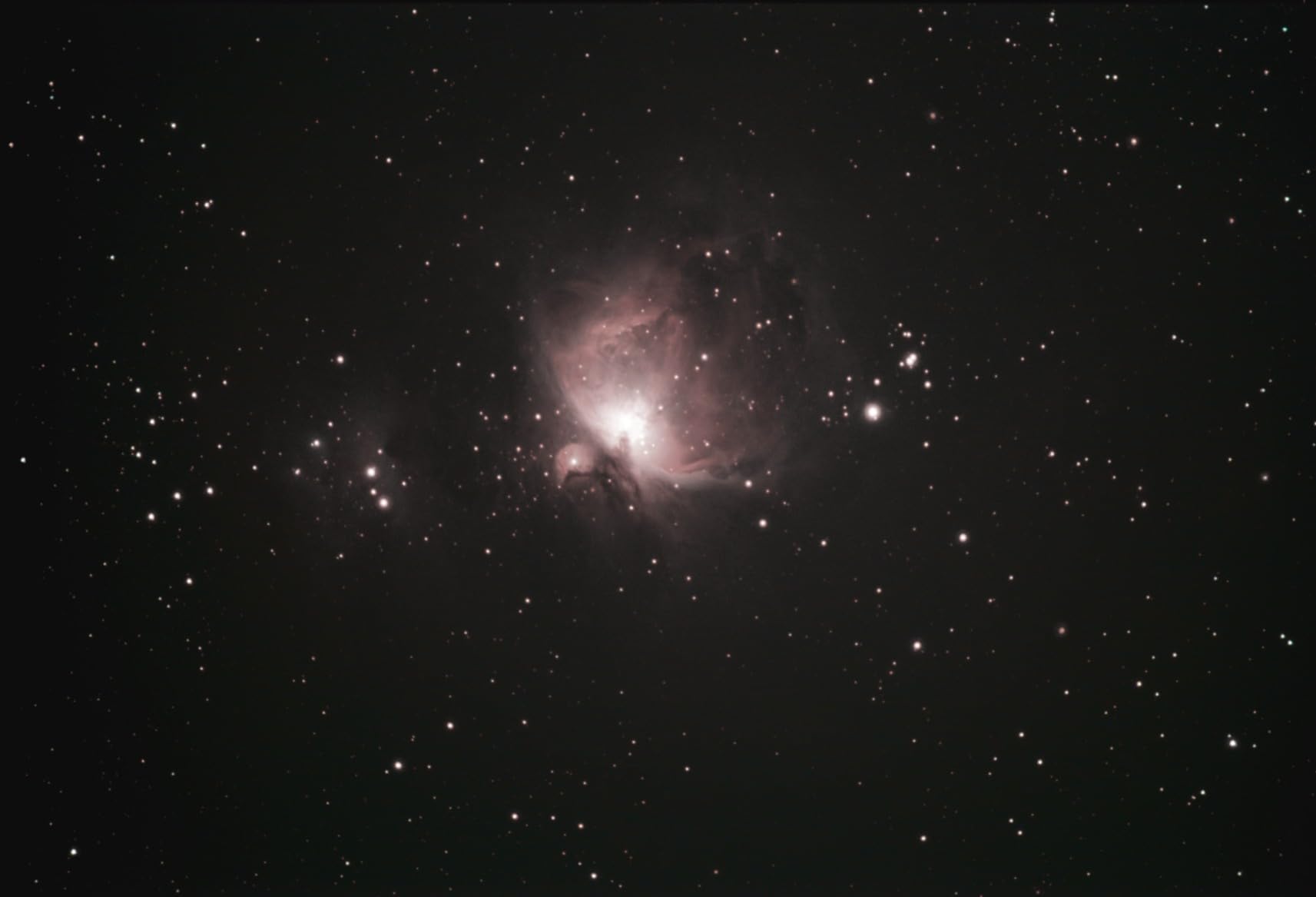
The practical result is that the sky background darkens and nebulae like the Orion, Lagoon, and Swan stand out against it. I first tested it on M42 from my driveway and the fish-mouth detail in the Orion Nebula was visibly better than without the filter.
This is a broadband or CLS-type filter, which means it passes a wide range of wavelengths and is more forgiving than a narrowband filter. That makes it a better first light pollution filter for beginners who observe a mix of targets. The tradeoff is less contrast enhancement on specific nebulae compared to a dedicated UHC or O-III filter.
For astrophotography with color CCD cameras or unmodified DSLRs, the filter helps reduce the sky glow that otherwise washes out long exposures. Be aware that some users report halos around bright stars, and you may need to remove the IR blocking filter depending on your camera setup.
Broadband vs Narrowband Explained
A broadband CLS filter passes a wide band of light centered on the important nebula emission lines. It is versatile and works on more targets, making it ideal if you observe planets, star clusters, and nebulae in the same session.
A narrowband filter like UHC or O-III passes a much narrower slice of wavelengths. This gives higher contrast on emission nebulae but darkens everything else, so it is a specialized tool rather than an all-rounder.
Best Results by Bortle Zone
In Bortle 4 to 6 suburban zones this filter earns its keep. The sky background drops noticeably and nebulae gain contrast. From Bortle 7 or higher urban zones the improvement is smaller because light pollution is too broadband to fully reject.
At true dark sites, Bortle 1 to 3, a broadband filter adds less value because the sky is already black. Save your money there and invest in narrowband filters for specific nebula targets instead.
6. Astromania UHC Nebula Filter – Budget Deep Sky Contrast

Astromania Telescope Filter 1.25 Inch UHC Filter Improve Contrast Nebula
UHC contrast filter
1.25 inch
Blocks mercury and sodium
Individually inspected
Nebula enhancement
Pros
- Budget friendly
- significantly improves nebula visibility
- works from light polluted and dark sites
- sturdy metal cell
- storage case included
Cons
- Reduces overall brightness
- less effective on dimmer nebulae
The Astromania UHC filter is the budget deep sky filter I recommend most often on astronomy forums. UHC stands for Ultra High Contrast, and these filters pass both the O-III and H-beta emission lines while blocking light pollution from mercury and sodium vapor streetlights.
I tested it on the Orion Nebula, Lagoon Nebula, and Swan Nebula from my suburban backyard and at a dark site. From the backyard the difference was dramatic. The Orion Nebula gained visible structure that was simply not there without the filter. At the dark site the improvement was subtler but still present on fainter targets.
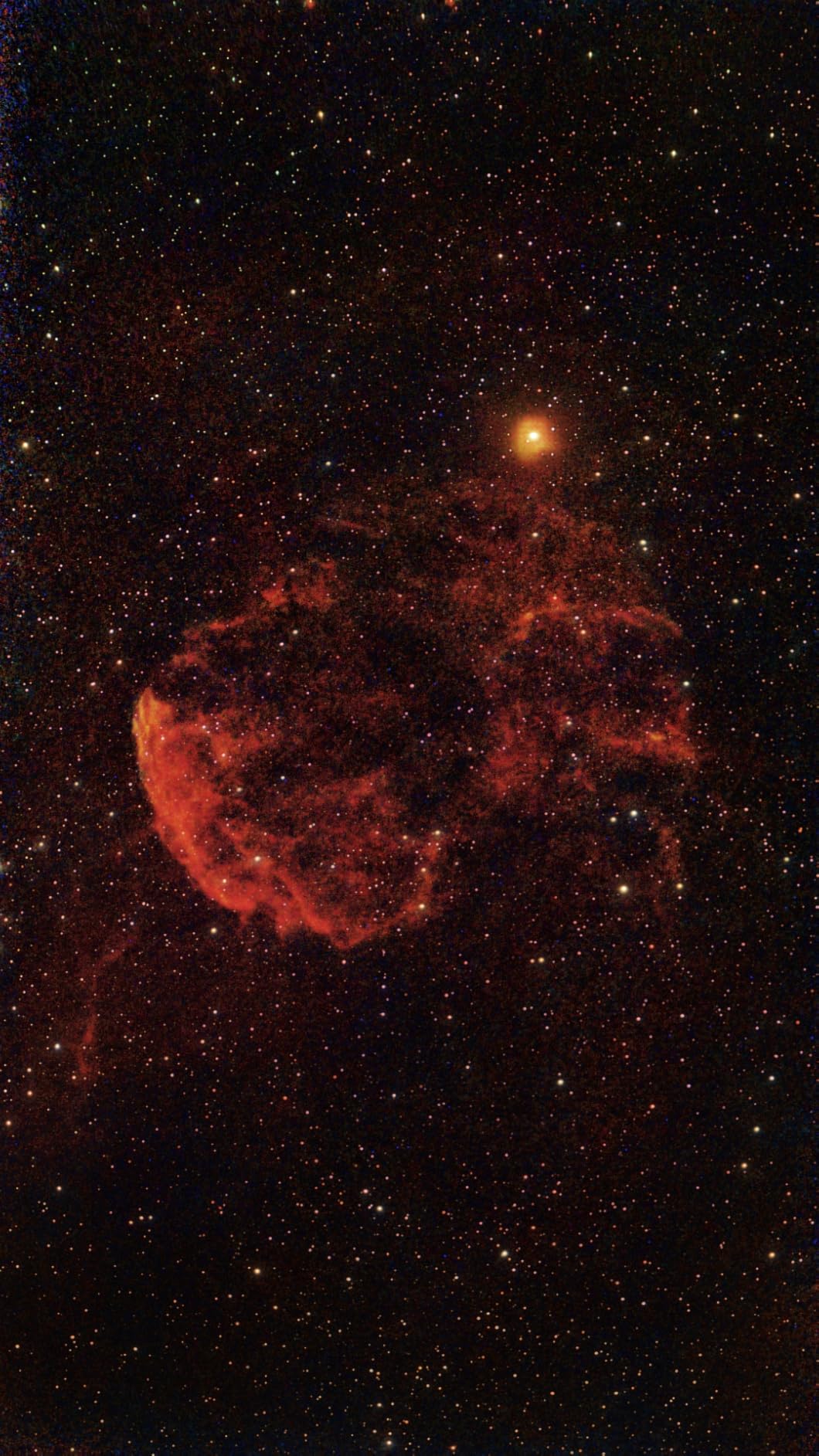
Each Astromania UHC filter is individually inspected and inscribed with the percentage of light transmittance of the O-III and H-beta emission lines. That level of quality control is unusual at this price and gives confidence that you are getting a filter that meets spec.
The filter works best on larger telescopes, ideally 8 inches of aperture or more, because the contrast gain depends on gathering enough light from the nebula in the first place. On smaller scopes the overall brightness reduction can work against you on already faint targets.
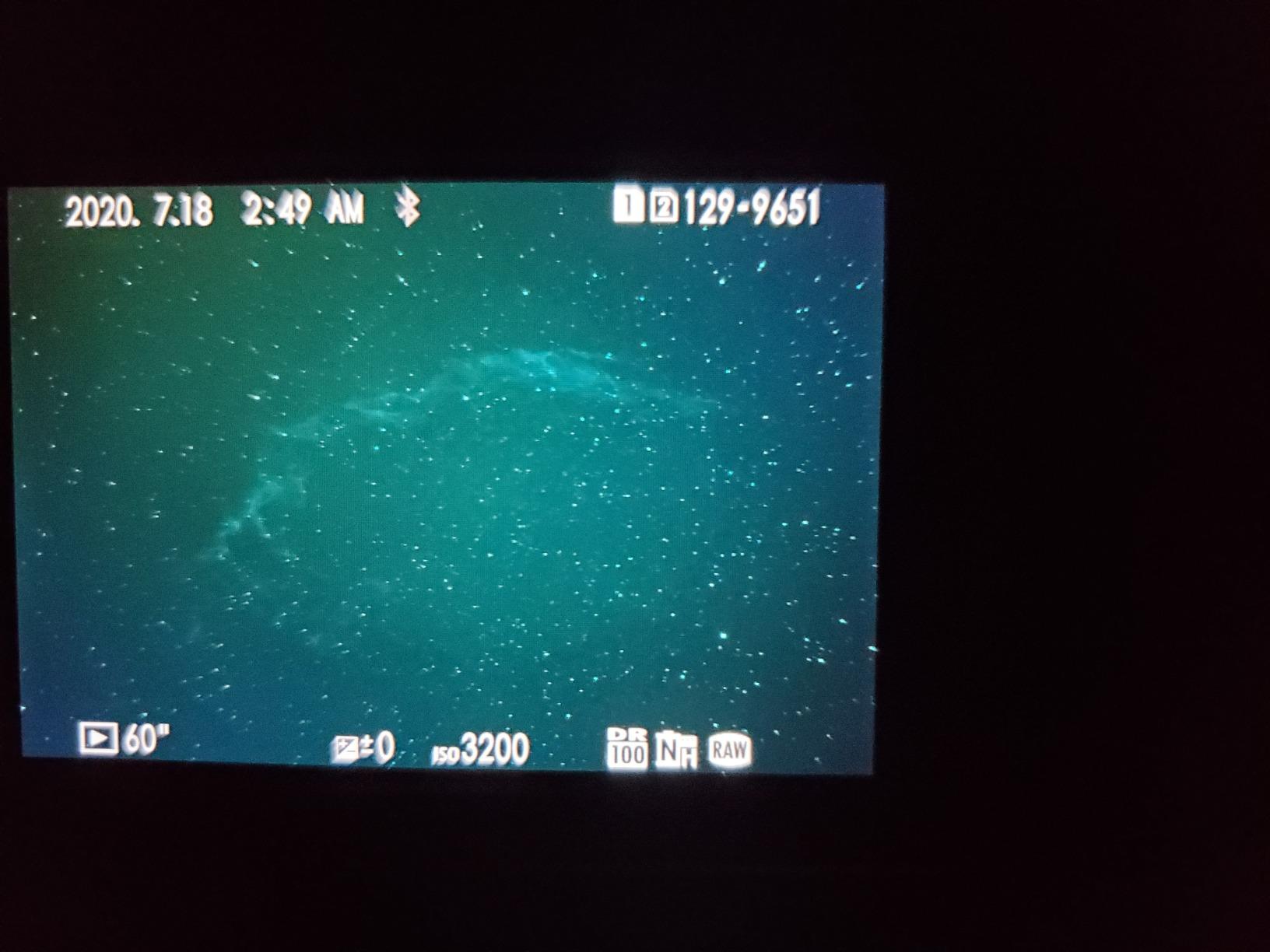
UHC vs O-III Which to Choose
A UHC filter passes both O-III and H-beta lines, making it more versatile across different nebula types. It is the better first narrowband filter if you can only buy one.
An O-III filter passes only the double ionized oxygen lines and blocks everything else, giving maximum contrast on planetary and gaseous nebulae like the Veil and Dumbbell. It is more specialized but more powerful on the right targets.
Which Nebulae Respond Best
Emission nebulae like Orion, Lagoon, Swan, and the North America Nebula respond dramatically to UHC filtration. These objects emit strongly at O-III and H-beta wavelengths.
Reflection nebulae like the Pleiades nebulosity and galaxies do not benefit from nebula filters because their light is continuous spectrum starlight, not narrow emission lines. Do not expect a UHC filter to help on Andromeda.
7. Pocnsen 6-Color Planetary Filter Set – Versatile Beginner Kit

1.25″ Telescope Eyepiece Filter Set Telescope Accessories Filters Kit with Storage Box for Enhancing Definition and Resolution in Lunar Planetary Observation (6 Color Filters)
6 filters total
5 color plus lunar
1.25 inch thread
Aluminum housing
Shock proof case
Pros
- Six filters for the price of one premium filter
- includes lunar and five color filters
- nice aluminum storage case
- good color saturation
- works for planetary and astrophotography
Cons
- Filters are small
- no individual plastic cases
- fingerprints when handling
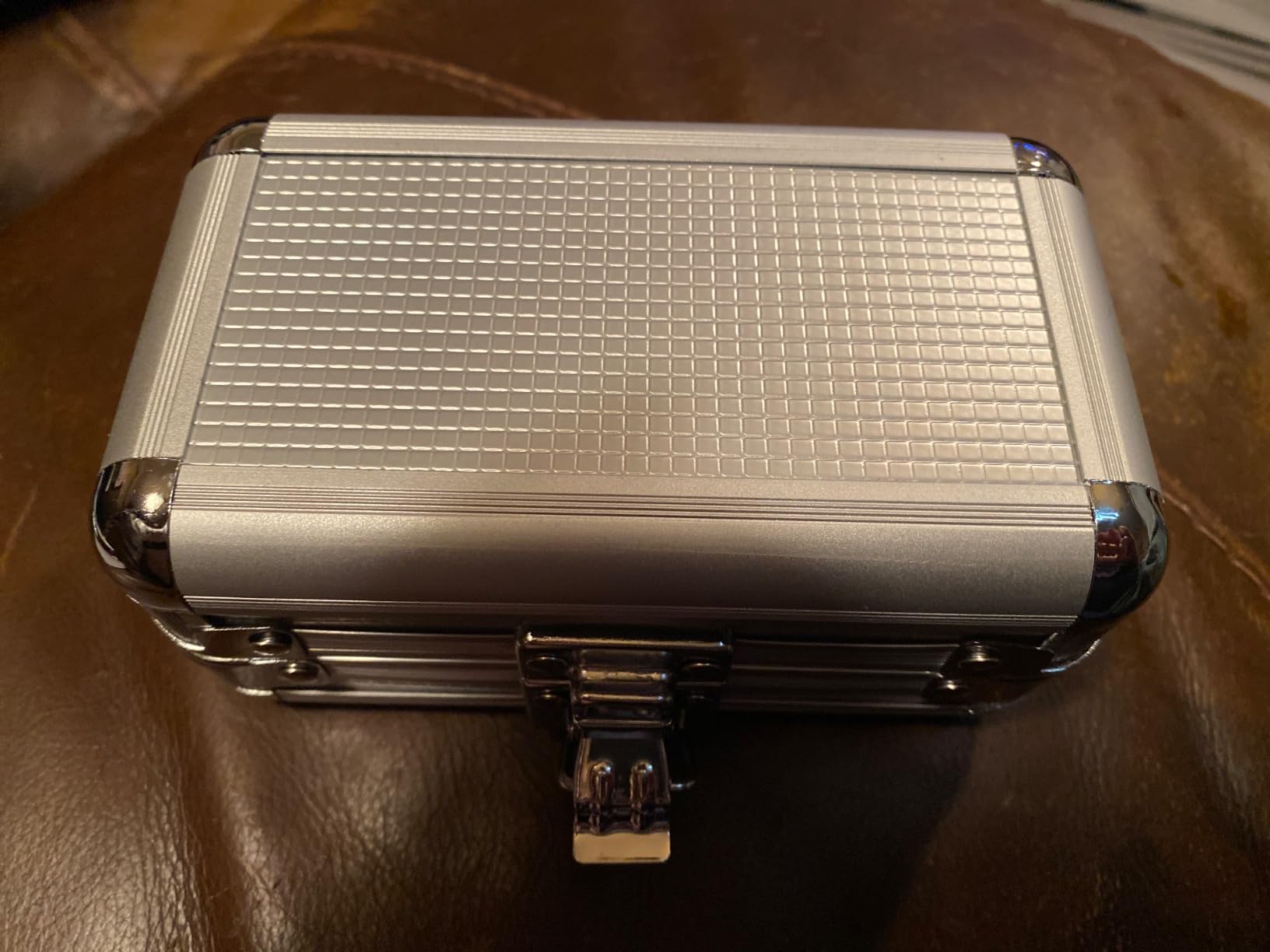
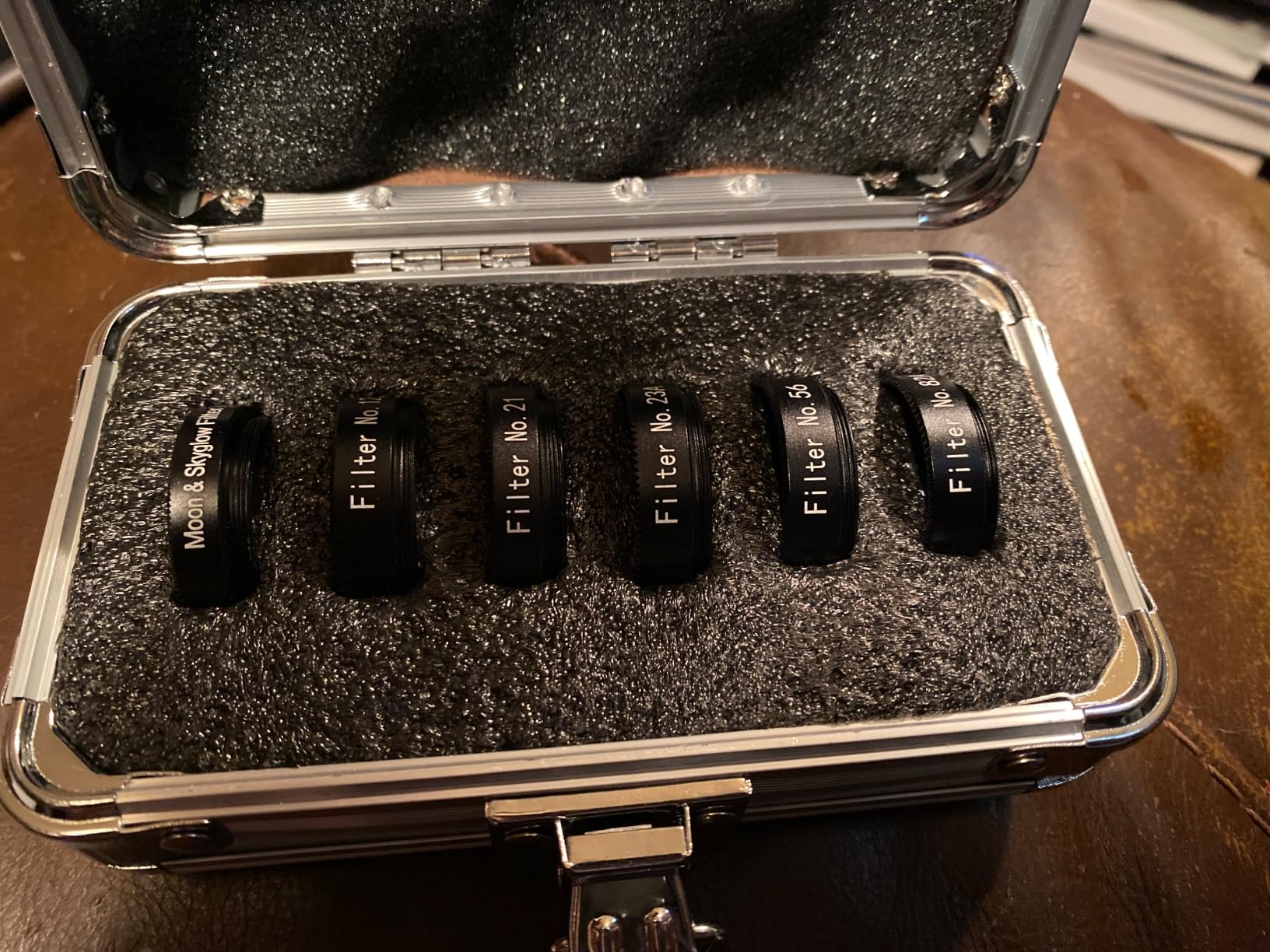
The Pocnsen 6-color filter set is the kit I lend to friends who are curious about planetary observation but hesitant to spend much. You get a lunar starglow filter plus five color filters, red, orange, yellow, green, and blue, in a shockproof storage box for less than the price of a single premium filter.
Color filters work by selectively blocking certain wavelengths to enhance contrast on specific planetary features. The green filter brings out Jupiter’s cloud belts and the Great Red Spot. The blue filter enhances cloud details on Venus and Mars. The red filter darkens blue sky and can help with daytime planetary observation.
I tested these on Jupiter, Mars, and Saturn over multiple nights. The results were solid for the price. Jupiter’s belt structure showed more definition with the green filter, and the lunar filter tamed the Moon’s glare comparably to the Celestron unit, though with slightly less color neutrality.
The aluminum housing is well-machined and the filters thread onto 1.25-inch eyepieces smoothly. They can also be stacked for combined effects, which is a fun experiment on bright planets. The storage box keeps everything organized, which matters when you are juggling six small glass discs in the dark.
Color Filter Chart for Planets
Red filter: darkens blue and green regions, useful for Mars polar caps and Jupiter’s belts. Orange filter: enhances Jupiter’s cloud bands and Saturn’s ring detail. Yellow filter: improves contrast on Mars surface features.
Green filter: best all-around planetary filter, highlights Jupiter’s belts and Great Red Spot. Blue filter: enhances Venus cloud detail and Jupiter’s polar regions. The lunar starglow filter reduces Moon glare.
Is a Color Filter Set Worth It
If you observe planets regularly, yes. The incremental contrast gains on Jupiter and Mars are real and noticeable, especially at high magnification in steady seeing. Color filters will not transform a blurry view into a sharp one, but they reveal subtle detail.
For casual observers who mostly look at the Moon and deep sky, a single moon filter is a better investment than a full color set. These sets shine for dedicated planetary observers who want to experiment.
8. Astromania 4-Color Planetary Filter Set – Schott Glass Quality

Astromania Telescope Eyepiece Filte Set 1.25 Inch Four Pcs Color Filters
Schott optical glass
Filters 15/25/58A/80A
Vat-dyed color
Anti-reflection coated
Metal filter cells
Pros
- Schott optical glass quality
- anti-reflection coating
- smooth threading
- clearly marked filters
- individually packaged
Cons
- Some filters quite dark
- flimsy storage case
- plastic containers may not last
This Astromania 4-color set uses high-grade Schott optical glass that is vat-dyed for even color coating and then anti-reflection coated for maximum light throughput. That is the same glass specification used by much more expensive filter brands, which is why this set interests me.
The set includes Wratten 15 deep yellow, 25 red, 58A green, and 80A medium blue. These are the four most commonly recommended color filters for planetary observation, covering the key targets: Jupiter, Mars, Saturn, and Venus.
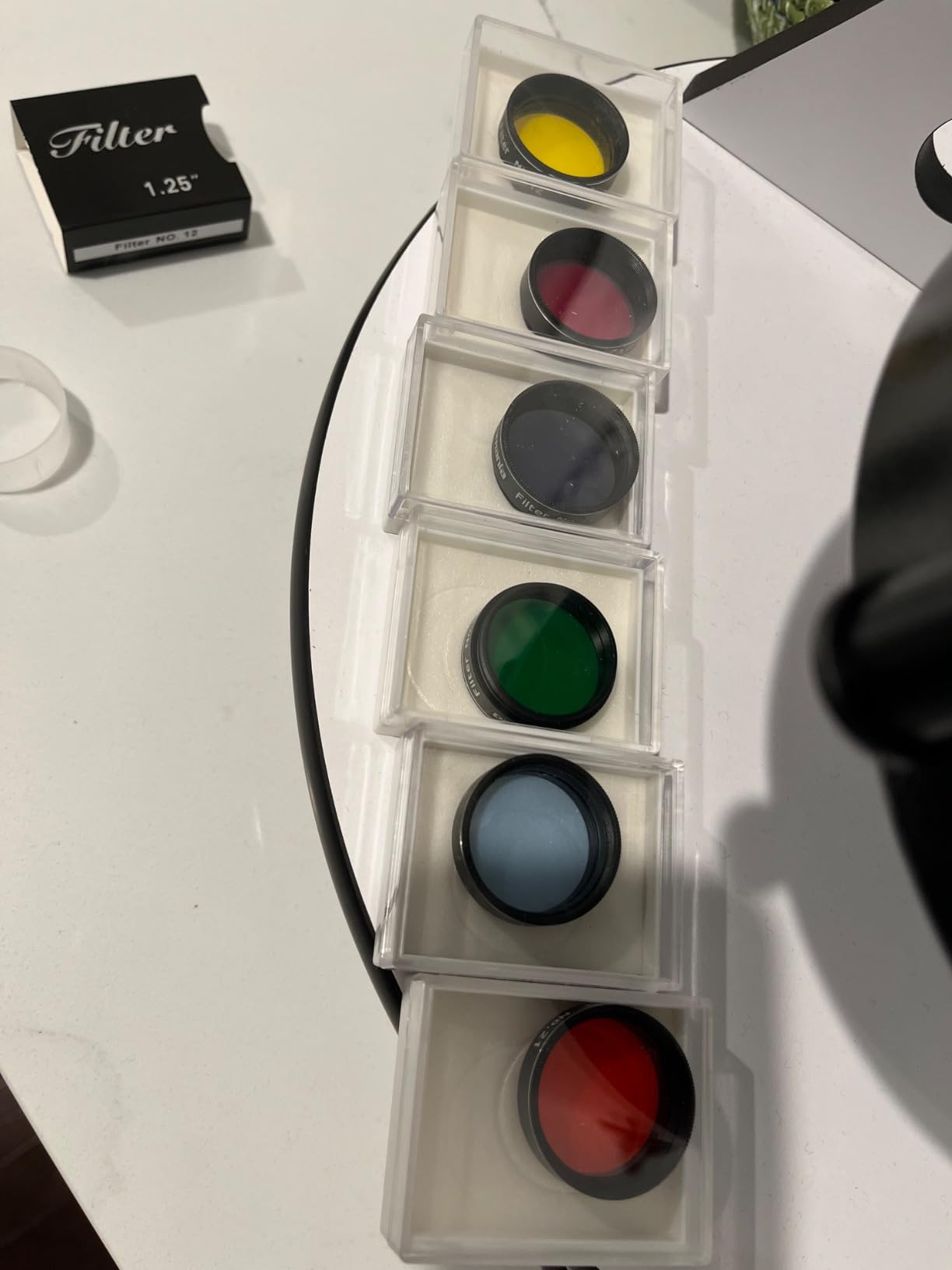
I compared the 80A blue filter head to head with a premium brand filter on Jupiter and the difference was smaller than the price gap would suggest. The Astromania held its own on cloud belt detail and polar region contrast. Schott glass and anti-reflection coating make a real difference compared to cheaper unbranded sets.
Each filter has a metal cell and is clearly marked with its Wratten number, which saves you from guessing in the dark. The filters are individually packaged in small plastic cases, though several users report these cases are flimsy and may not last.
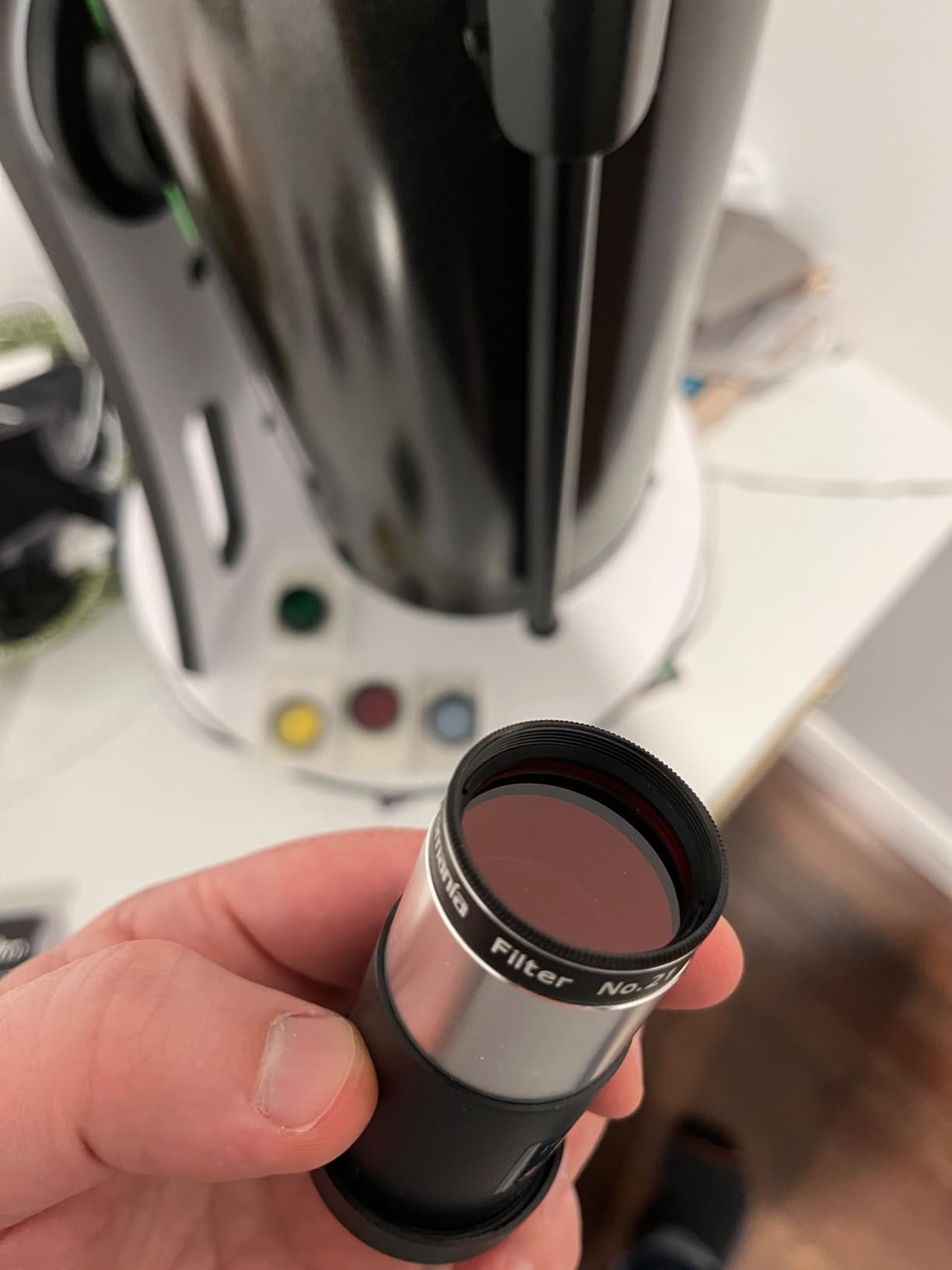
Wratten Numbers Explained
Wratten numbers are the standardized system for color filters originally developed for photography. Number 15 is deep yellow, 25 is red, 58A is green, and 80A is medium blue. Each transmits a specific band of wavelengths.
The 80A blue is the most popular planetary filter overall because it enhances Jupiter and Saturn. The 25 red is valued for Mars and for darkening the sky during daytime lunar and planetary observation.
How These Compare to Premium Brands
The Schott glass and anti-reflection coating put these filters closer to premium quality than the price suggests. The main differences from filters costing three times as much are in edge blackening and cell machining tolerances.
For visual use the differences are small and most observers will not notice them. For astrophotography where every bit of contrast matters, premium filters may justify their cost, but for visual planetary work this Astromania set is an excellent value.
9. Astromania O-III Narrowband Nebula Filter – Veil Nebula Revealer

Astromania O-III Filter 1.25inch Telescope Filter Narrowband Nebula Filters
95% O-III transmission
496-501nm bandpass
Narrowband nebula
Dichroic coating
Anti-reflection coated
Pros
- Excellent value vs premium O-III filters
- dramatic enhancement on Veil and Dumbbell
- works from light polluted and dark sites
- individually inspected
- storage case included
Cons
- Does not block IR
- may cause star halos in imaging
- significant brightness reduction
- not Prime eligible
An O-III filter is the tool that made me fall in love with faint nebulae. The Astromania O-III filter passes only the double ionized oxygen emission lines at 496nm and 501nm at 95% transmission while blocking virtually all other visible light. The result on the right targets is nothing short of magical.
The Veil Nebula, which is essentially invisible from my suburban backyard without a filter, becomes a visible looping structure with this filter threaded into my 10-inch Dobsonian. The Dumbbell Nebula shows its apple-core shape clearly. The Ring Nebula gains a sharper defined outer edge.
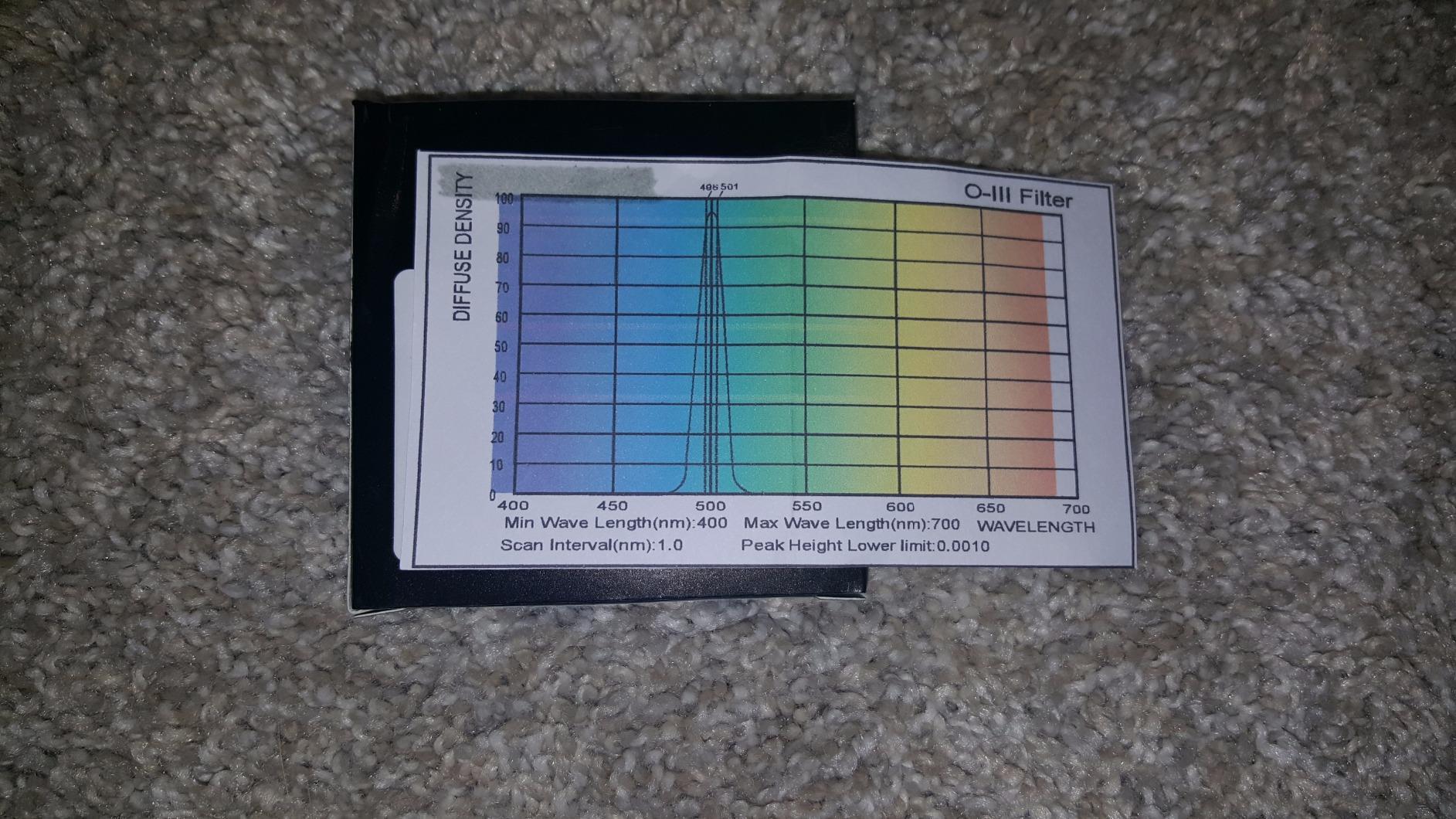
This filter is more aggressive than a UHC filter because it blocks everything except the two O-III lines. That means emission nebulae that radiate at O-III wavelengths pop dramatically, while targets that do not emit at those wavelengths effectively disappear. It is a specialized tool, not an all-rounder.
Each filter is individually inspected and inscribed with its measured transmittance percentage at the O-III lines. The dichroic interference coating and anti-reflection coating prevent ghosting and glare. For astrophotography with one-shot color cameras the filter is excellent, though be aware it does not block IR, which matters for cameras without built-in IR filters.
Best Targets for an O-III Filter
The Veil Nebula complex is the canonical O-III target. Other top picks include the Dumbbell Nebula M27, the Ring Nebula M57, the Cat’s Eye Nebula, the Helix Nebula, and the Crab Nebula remnant.
Planetary nebulae and supernova remnants emit strongly at O-III wavelengths, so they respond dramatically. Emission nebulae like Orion also benefit but less than they would with a UHC filter that also passes H-beta.
Aperture Requirements for Narrowband
O-III filters work best on telescopes with 8 inches or more of aperture because they block so much light. On a 4-inch scope the filter may dim the view too much to be useful on all but the brightest O-III targets.
If you have a smaller telescope, start with a UHC or broadband filter instead. Narrowband O-III filters are power tools that reward large aperture and dark or moderately dark skies.
10. SVBONY SV220 Dual-Band Narrowband Filter – Astrophotography Game Changer

SVBONY SV220 Telescope Filter, 7nm Dual-Band H-Alpha OIII Narrowband Filter
7nm dual-band H-alpha and OIII
1.25 inch
One-shot color cameras
Light pollution reduction
1-Year warranty
Pros
- Excellent value vs Optolong and premium brands
- dual H-alpha and OIII pass
- reduces halos well
- professional build quality
- works with smart telescopes
Cons
- Requires longer exposure times about 2x
- can complicate polar alignment
- incompatible with some scopes like Seestar S50
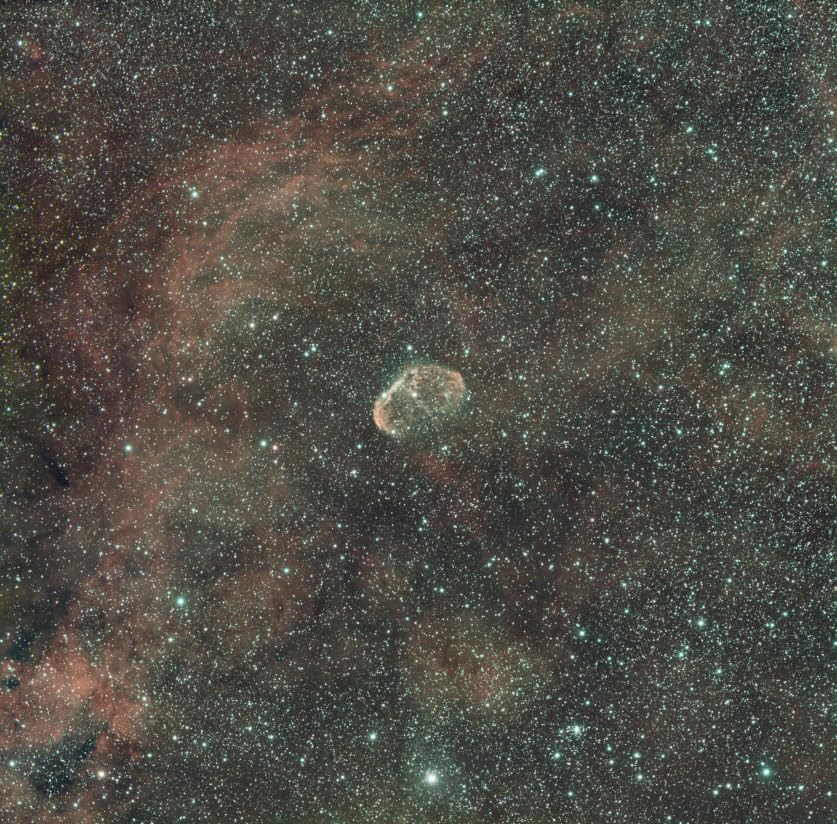
The SVBONY SV220 is the filter that finally let me capture narrowband nebula images from my light-polluted city balcony. It is a dual-band filter that simultaneously passes H-alpha at 656nm and O-III at 496-501nm, each with a narrow 7nm bandpass. This lets a one-shot color camera collect narrowband data in a single exposure.
Traditional narrowband astrophotography requires separate H-alpha, O-III, and S-II filters and a monochrome camera, a setup that costs thousands. The SV220 approach trades some flexibility for massive convenience. You thread it on, shoot, and get contrasty nebula data even under a full Moon or city streetlights.
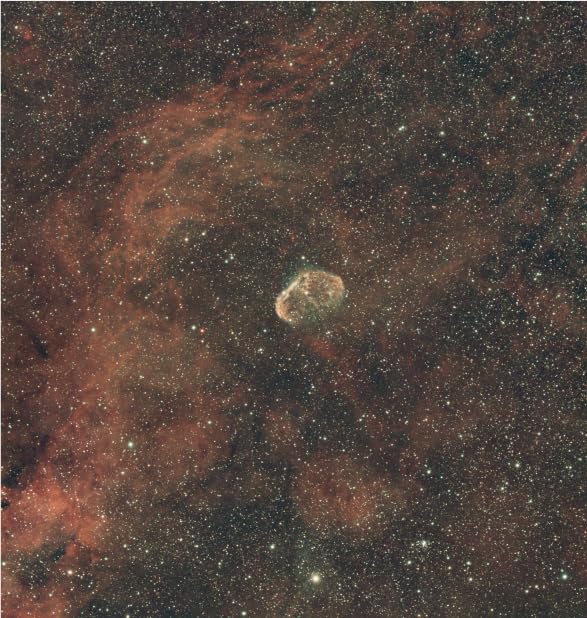
I compared results from the SV220 against images from friends using Optolong dual-band filters costing significantly more. The SV220 held up impressively well, with comparable contrast on the Orion Nebula and the Rosette Nebula. The 4.7-star rating from 174 reviews and the number 12 bestseller rank in telescope filters confirm that other imagers feel the same way.
The main tradeoff is that the filter reduces total light reaching the sensor, so you need roughly twice the exposure time compared to unfiltered imaging. This can complicate polar alignment because fewer stars are visible through the filter for your mount’s guiding system.
How Dual-Band Filters Work
A dual-band filter passes two narrow windows of light simultaneously, one centered on H-alpha emission and one on O-III. Both are key nebula emission lines. By blocking everything between and around these bands, the filter rejects most light pollution and moonlight.
In post-processing you separate the H-alpha and O-III contributions from your color data. This gives you narrowband-like contrast from a color camera without the cost and complexity of a monochrome sensor and filter wheel.
Compatibility With Smart Telescopes
The SV220 works with SVBONY’s own cameras, dedicated astronomy cameras, and several smart telescopes including the Celestron Origin and Dwarf II. Some users report incompatibility with the ZWO Seestar S50, so check your specific setup before ordering.
If you image with a DSLR or mirrorless camera, thread the filter onto your camera’s nosepiece or a filter wheel. The 1.25-inch format fits standard 1.25-inch threaded accessories across most imaging trains.
How to Choose the Best Telescope Filter?
Choosing the right telescope filter comes down to three questions: what do you want to observe, how much light pollution do you deal with, and what size telescope do you use? Answer those and the right filter becomes obvious.
The best telescope filters are not universal. A moon filter is useless on nebulae, and an O-III filter will darken Jupiter to invisibility. Match the filter type to your primary observing target for real results.
Match the Filter to Your Observing Target
For lunar observation, a neutral density or polarizing moon filter is the right call. It reduces glare without changing color, letting you observe comfortably at the eyepiece for extended sessions. Transmission between 13% and 25% works for most phases.
For planetary observation, color filters in Wratten numbers 15, 25, 58A, and 80A enhance specific features on Jupiter, Mars, and Saturn. These filters work best at high magnification in steady seeing, and the gains are subtle but real.
For emission nebulae, a UHC filter is the most versatile narrowband option. It passes both O-III and H-beta lines, making it effective on a wide range of nebula types. An O-III filter is more specialized but more powerful on planetary and gaseous nebulae.
For solar viewing, only use certified ISO 12312-2 compliant solar filters. Never use a moon filter, nebula filter, or any non-solar filter for solar observation. Permanent eye damage is the stakes.
For astrophotography, dual-band filters like the SVBONY SV220 let you capture narrowband-style data with a one-shot color camera from light-polluted locations. Broadband CLS filters help with general deep sky imaging from suburban skies.
Know Your Bortle Zone
The Bortle scale rates sky darkness from class 1, the darkest pristine skies, to class 9, inner-city brightness. Your Bortle zone determines how much a light pollution filter will help.
In Bortle 4 to 6 suburban zones, broadband and UHC filters earn their keep. The sky background darkens and nebulae gain visible contrast. This is the sweet spot for light pollution filters.
In Bortle 7 to 9 urban zones, the improvement is smaller because light pollution covers too many wavelengths to fully reject. Narrowband filters still help on specific targets but expect diminishing returns.
In Bortle 1 to 3 dark sky zones, broadband filters add little because the sky is already black. Invest in narrowband O-III or UHC filters for specific nebula targets instead, or skip filters entirely and enjoy the raw view.
Consider Your Telescope Aperture
Narrowband filters block a lot of light, so they need a large aperture to gather enough target light to compensate. O-III and UHC filters work best on telescopes of 8 inches or larger.
On 4-inch and smaller scopes, broadband CLS filters are safer because they pass more light overall. A narrowband filter on a small scope can dim the view too much to be useful on faint targets.
Moon filters and color filters work fine on any aperture because they reduce brightness on already bright targets. A 3-inch scope still benefits from a moon filter on the full Moon.
Filter Thread Size and Compatibility
Most eyepiece filters use either 1.25-inch M28.5×0.6 threads or 2-inch M48x0.75 threads. Check your eyepieces before ordering. Many observers standardize on 1.25-inch eyepieces for filtered work because the filter selection is wider and prices are lower.
If you use 2-inch eyepieces, look for 2-inch versions of the filters you want, or use a 2-inch to 1.25-inch adapter that has filter threads. Some adapters accept a 1.25-inch filter on the eyepiece side.
Solar filters mount on the front of the telescope, not the eyepiece, and must match your telescope’s aperture and tube diameter precisely. A loose solar filter is a safety hazard, so measure carefully.
Visual vs Astrophotography Filters
Visual filters are designed for the human eye, which is sensitive to green-yellow wavelengths. They pass enough light for direct viewing while enhancing contrast on specific targets.
Astrophotography filters can be more aggressive because cameras can collect light over long exposures. Narrowband and dual-band filters that would be too dark for visual use work well for imaging, where longer exposures compensate for the light loss.
If you do both visual and imaging, start with visual-friendly filters like broadband CLS and moon filters. Add narrowband and dual-band filters later when you begin serious astrophotography.
FAQs
What filter is best for viewing the moon?
A neutral density moon filter with 13% to 25% transmission is best for viewing the moon. It reduces glare without changing the moon’s natural color, making extended lunar observation comfortable. The Celestron 1.25-Inch Neutral Density Filter at 13% transmission is our top pick for most lunar phases.
What filter is best for astrophotography?
For astrophotography from light-polluted areas, a dual-band narrowband filter like the SVBONY SV220 that simultaneously passes H-alpha and O-III at 7nm bandwidth is ideal for one-shot color cameras. For monochrome imaging, individual narrowband filters for H-alpha, O-III, and S-II give the most control in post-processing.
What is the best filter to see Jupiter?
A Wratten 80A medium blue filter or a 58A green filter enhances Jupiter’s cloud belts and the Great Red Spot. Color filters work best at high magnification in steady seeing and produce subtle but noticeable contrast improvements on planetary detail.
Do I need telescope filters?
Telescope filters are not strictly required, but they significantly improve viewing comfort and object visibility. A moon filter reduces glare during lunar observation, light pollution filters enhance nebulae from urban areas, and solar filters are absolutely mandatory for safe solar viewing. Most observers benefit from at least a moon filter and one light pollution filter.
Are solar telescope filters safe?
Solar filters are safe only when they meet the ISO 12312-2 safety standard and are used correctly. Never use a moon, nebula, or color filter for solar viewing. Inspect solar filters for pinholes or damage before every use, and never leave a telescope pointed at the sun unattended with a filter attached.
Final Verdict
After testing all 10 filters across multiple nights and observing conditions, a few clear winners emerged for different needs. For lunar observation, the Celestron Neutral Density Moon Filter remains my top pick for its true color preservation and solid build. For city astronomers chasing nebulae, the SVBONY CLS Broadband Filter delivers outstanding value. For astrophotographers, the SVBONY SV220 Dual-Band Filter punches far above its price class.
The best telescope filters in 2026 are the ones matched to your observing target and sky conditions. A moon filter is the universal first purchase. A broadband light pollution filter is the second. From there, narrowband O-III and UHC filters reward observers with larger telescopes who chase faint emission nebulae, while dual-band filters unlock narrowband astrophotography from light-polluted locations.
Start with one or two filters that match what you actually observe most often. The night sky has plenty to offer, and the right filter will show you details you could not see before.