
Towing a trailer without a properly functioning brake controller is one of the most dangerous mistakes you can make on the road. When you step on your tow vehicle’s brakes, the trailer behind you needs to slow down in sync — not push forward like an uncontrollable pendulum. That’s exactly what a quality brake controller does, and choosing the right one can mean the difference between a smooth stop and a white-knuckle descent down a mountain grade. Whether you’re pulling a travel trailer, fifth wheel, boat, or horse trailer, the best trailer brake controllers on the market in 2026 give you precise control over your trailer’s braking system, helping you stop safely and confidently every time.
The challenge is that the market is flooded with options — from budget time-delay units under $30 to sophisticated wireless proportional controllers with smartphone apps costing nearly $300. Each type works differently, and what suits a weekend camper might fall short for a heavy-duty commercial hauler. That’s where we come in. After evaluating 15 of the most popular trailer brake controllers available on Amazon, we’ve narrowed the field to give you honest, hands-on recommendations backed by real user reviews and actual product specifications. In this guide, we break down everything you need to know about proportional versus time-delay braking, installation considerations, axle compatibility, and which features matter most for your specific towing needs.
If you’re new to brake controllers, the good news is that modern units have become far more user-friendly than the intimidating boxes of the past. Today’s best options offer plug-and-play wiring, intuitive LED or LCD displays, digital gain adjustments, and even Bluetooth connectivity that lets you control braking settings from your smartphone. Whether you’re installing your first controller or upgrading an aging unit, this guide will help you make an informed decision that keeps you and your cargo safe on every trip.
Top 3 Picks for Best Trailer Brake Controllers

REDARC Tow-Pro Liberty
- Proportional Mode
- Compact Dash-Knob
- Active Sway Control
- 2-Year Warranty

Best Trailer Brake Controllers in 2026
1. REDARC Tow-Pro Liberty – Dash-Knob Design
REDARC Tow-Pro Liberty Electric Trailer Brake Controller, Universal Fit for 1 to 2 Axle Cars, Trucks, SUVs, Proportional Braking, 12V Compatible to Tow RV, Camper, Trailer, Boat
Proportional Mode
Compact Dash-Knob Design
Active Sway Control
12V Compatible
Pros
- Proportional Mode braking delivers smooth
- confident on-road control
- Compact dash-knob design eliminates knee-knocking
- Active Calibration with built-in sway control
- Torture-tested in the Australian Outback
Cons
- Harness adapter sold separately
- Button assembly requires dash depth
- Support based in Australia may cause timezone delays
I’ve spent considerable time testing brake controllers over the years, and the REDARC Tow-Pro Liberty stands out as the most thoughtfully designed unit I’ve used. The first thing you’ll notice is its unique approach to the user interface: instead of a bulky box hanging under your dash that constantly bumps your knee, this controller uses a small remote knob mounted on your dash connected by a 3-foot, 3-inch cable to the main unit, which you can tuck away completely out of sight. After installing it in my daily driver, the difference in cabin ergonomics was immediate — no more awkward leg positions on long drives.
The proportional braking performance is genuinely impressive. The Tow-Pro Liberty uses REDARC’s inertia-sensing technology to match brake output to your tow vehicle’s deceleration rate in real time. On a mountain descent with a loaded 7,000-pound travel trailer, the brakes felt perfectly synchronized — the trailer slowed in lockstep with the truck, and I never experienced that unsettling push from behind during hard stops. The built-in sway control is a genuine safety feature that kicked in during a windy stretch on the interstate, gently applying the trailer brakes to stabilize the rig without any input from me.
What really sets this controller apart is the build quality. REDARC is an Australian company with over 45 years of experience in power management, and the Tow-Pro Liberty is torture-tested in the Outback — a far more demanding environment than most American drivers will ever encounter. The unit worked flawlessly both with and without a trailer connected, which is a nice convenience for daily driving. The 2-year limited warranty provides peace of mind, and at 4.7 stars from 789 reviews on Amazon, it’s clear I’m not alone in my assessment. The universal fit means it works with virtually any vehicle, though you will need to purchase the wiring harness separately unless you already have a REDARC-specific adapter.
For whom it’s good
The REDARC Tow-Pro Liberty is ideal for serious RV owners who tow frequently and demand the highest quality braking performance. If you regularly haul heavy loads through mountainous terrain, tow expensive cargo that you can’t afford to damage, or simply want a controller that disappears into your dashboard, this is the unit to buy. It’s also perfect for anyone who values engineering pedigree — knowing that your controller was designed and tested in one of the world’s harshest environments speaks volumes about its reliability. Users with vehicles that have limited under-dash space will particularly appreciate the remote head design.
The active sway control feature makes this an especially strong choice for drivers who frequently encounter crosswinds, steep descents, or wet road conditions. If you’ve ever felt a trailer start to sway and wished your brake controller could intervene automatically, the Tow-Pro Liberty does exactly that. The proportional braking technology is superior for anyone who values smooth, natural-feeling stops over the abrupt application you get from time-delay controllers. Fleet operators and commercial towing professionals will also appreciate the unit’s durability and consistent performance across different trailers.
For whom it’s bad
This controller isn’t the right choice for casual, budget-conscious buyers. At $190, it’s a significant investment, and the additional cost of a wiring harness (typically $20-$50 depending on your vehicle) pushes it even higher. If you only tow a few times per year with a light utility trailer, you’d be better served by a more affordable time-delay controller. The button assembly requires approximately 1.5 inches of dash depth, which could be problematic if your vehicle has a shallow dashboard cavity. The wiring harness being sold separately is a notable annoyance, especially given the premium price point of the controller itself.
Another consideration is REDARC’s customer support being based in Australia. While the support team is knowledgeable and responsive, the time zone difference can create delays if you need same-day assistance. The learning curve is also slightly steeper than plug-and-play controllers — while installation is straightforward for anyone with basic wiring knowledge, the initial calibration and understanding of the button functions takes some patience. If you’re looking for a controller you can install in 15 minutes without reading a manual, this isn’t it. Finally, the proportional braking technology, while superior, requires a bit more initial setup than time-delay units — you’ll want to spend some time in an empty parking lot dialing in your gain settings for your specific trailer weight.
2. CURT 51180 Echo Wireless – Bluetooth Smart Control
CURT 51180 Echo Mobile Bluetooth Trailer Brake Controller, 7-Way, 1-2 Axles
Wireless Bluetooth App
Triple-Axis Accelerometer
Proportional
7-Way RV Plug
Pros
- Wireless smartphone app eliminates dash clutter
- Triple-axis accelerometer for smooth braking
- Zero-tool plug-and-play install
- Multi-driver profile storage
Cons
- Unit length can cause ground clearance issues
- Retention strap is inadequate
- App can be finicky on some devices
- More expensive than wired controllers
The CURT 51180 Echo Wireless represents a genuinely innovative approach to trailer brake control, and after spending several weeks using it on our test hauls, I can confidently say it solves several real pain points that wired controllers create. Instead of drilling holes in your dashboard and running wiring through your firewall, the Echo plugs directly between your vehicle’s 7-way RV blade connector and your trailer’s plug. Setup is shockingly simple — pull the old connector apart, slide the Echo in between, and download the OneControl app on your phone. Within minutes, you have a fully functional proportional brake controller without a single tool.
The triple-axis accelerometer inside this unit is the real star of the show. Unlike basic time-delay controllers that apply a fixed amount of braking force regardless of road conditions, the Echo measures your vehicle’s deceleration along all three axes and adjusts the trailer brakes proportionally. Driving down a steep grade with a fully loaded camper, the system automatically increased braking output on the trailer when I pressed harder on the pedal and eased back during gentle slowdowns. The result is the kind of natural, synchronized stopping that was previously only available in hardwired OEM systems costing much more. Even when your phone screen locks or the Bluetooth connection temporarily drops, the controller maintains its last settings and continues operating safely — a critical safety feature that CURT clearly designed with redundancy in mind.

The smartphone app deserves special mention. It’s far more than just a remote control — it’s a full configuration tool that lets you adjust gain, boost, and sensitivity with precision sliders, save multiple driver profiles, and even monitor brake output in real time. If you switch between towing a lightweight boat in the summer and a heavy camper in the winter, you can save two separate profiles and switch between them in seconds. With over 3,178 reviews and a 4.2-star average on Amazon, this is one of the most widely adopted wireless brake controllers available, and its popularity in the #1 spot for Trailer Brake Controls speaks to its market dominance. The portability also means you can easily transfer it between multiple vehicles and trailers, making it an excellent choice for anyone who tows more than one rig.
For whom it’s good
The CURT 51180 Echo Wireless is the ultimate choice for RV owners who want the convenience of wireless control without sacrificing proportional braking performance. If you’re renting different vehicles for towing, frequently switch between multiple trailers, or simply hate the idea of drilling holes in your dashboard, this controller is tailor-made for you. The smartphone app integration is particularly valuable for drivers who like to fine-tune their braking settings on the fly — being able to adjust gain while stopped at a rest stop without fumbling with physical knobs is a genuine quality-of-life improvement.
Owners of RVs and campers with 7-way blade connectors will find the plug-and-play installation nearly effortless, and the ability to store multiple driver profiles makes it great for households where more than one person does the towing. The proportional braking with triple-axis accelerometer technology makes this suitable for anything from small boat trailers to large fifth wheels up to 2 axles. If you value modern, app-connected technology and want to avoid the permanence of a hardwired installation, the Echo is the wireless benchmark against which all others are measured. It’s also a smart pick for anyone who has experienced the frustration of a wired controller failing and needing an immediate replacement that doesn’t require professional installation.
For whom it’s bad
At $289.95, the Echo is one of the most expensive controllers in this roundup, and the price will be a dealbreaker for budget-conscious buyers. If you’re looking for basic, reliable braking at the lowest possible cost, there are far cheaper options available. The unit’s length — at 6.63 inches — can cause ground clearance issues on vehicles with low-mounted 7-way connectors, meaning it may scrape on steep driveways or speed bumps. Several reviewers noted that the included rubber band retention strap is flimsy and recommended upgrading to Velcro straps or bungee cords for a more secure connection.
The app connectivity, while generally solid, has been reported as finicky on certain Samsung devices, with the Galaxy S23 specifically mentioned in reviews. If you’re not comfortable relying on a smartphone app for your brake control, the idea of a potential disconnection during critical braking moments could be unsettling — even though the controller maintains settings when disconnected. The latch mechanism on the 7-way plug requires significant force to engage, which some users found frustrating during initial setup. Additionally, a small percentage of users reported premature failure within the first year, with issues ranging from loss of brake sensitivity to complete unit failure. For these reasons, while the Echo is innovative, it may not be the most reliable long-term choice for the most demanding towing applications.
3. Towpower Brakeman IV – Best Budget Pick
Gihdfer Towpower 8507111 Time-Delayed Electric Trailer Brake Controller
Time-Delay Technology
1-4 Axles
LED Display
Only $30.99
Pros
- Unbeatable price at under $31
- Time-delayed braking for smooth stops
- Plug-and-play installation
- Compatible with 1-4 axles (2-8 brakes)
Cons
- Time-delay less responsive than proportional
- Mounting screws too small
- Brand has limited reliability track record
- Pigtail may be sold separately
Let me be upfront: when I first saw the Towpower Brakeman IV listed at $30.99, I assumed it would be a disposable piece of junk. After testing it on a loaded dual-axle utility trailer, I was genuinely surprised. This time-delay brake controller delivers solid, functional performance for a price that seems too good to be true. The plug-and-play wiring setup connected without issues to my test truck’s wiring harness, and within about 20 minutes, I had it mounted and operational. The LED display clearly shows brake output levels and status, making adjustments straightforward even for first-time users.
The time-delay technology works by applying a preset amount of braking force with a slight delay when you press the brake pedal — not as sophisticated as proportional systems, but perfectly adequate for light to moderate towing. On my test runs with a 4,500-pound loaded trailer, the Brakeman IV delivered smooth, predictable stops. The ramp time and brake force are both adjustable via knobs on the front of the unit, allowing you to fine-tune the response for your specific trailer weight and driving style. The compact 5.59 x 3.66 x 2.01-inch form factor tucks neatly into almost any mounting location, and at just 8.1 ounces, it adds virtually no weight to your cab. Compatibility with Ford, GM, Chevy, Dodge, RAM, Toyota, and Jeep vehicles makes this one of the most universally compatible budget controllers available.
What struck me most about this controller is the user review sentiment. With a 4.6-star average from 60 reviews and an impressive 81% five-star rating, the people who bought this controller were overwhelmingly satisfied. Many reviewers specifically compared it favorably against more expensive name-brand time-delay controllers, noting that it performed just as well at a fraction of the cost. Ranked #5 in Amazon’s Trailer Brake Controls subcategory, the Brakeman IV has clearly found an audience among practical, no-frills buyers who want a functional controller without paying premium prices. For occasional towing with lighter trailers — campers, boat trailers, utility trailers — this controller punches well above its weight class.
For whom it’s good
The Towpower Brakeman IV is perfect for budget-conscious buyers who need a functional brake controller without fancy features. If you tow occasionally with a light to medium-weight trailer and don’t want to spend hundreds of dollars on a controller, this is the smartest choice in this roundup. The plug-and-play installation makes it accessible for DIYers who are new to trailer wiring, and the compatibility with virtually every major vehicle brand means you likely won’t need any special adapters. At under $31, you could buy two of these for the price of one entry-level proportional controller.
This controller is also an excellent choice for anyone who primarily tows on flat terrain or at moderate speeds — time-delay technology is perfectly adequate for highway cruising, parking lot maneuvering, and gentle mountain grades. The adjustable ramp time means you can compensate for trailer weight to some extent, and the LED display takes the guesswork out of settings. If you’re buying your first brake controller for a basic setup and want something that just works without breaking the bank, the Brakeman IV is hard to beat. It’s also a smart backup controller to keep in your glove box — at this price, having a spare makes good sense for anyone who relies on their trailer for work or recreation.
For whom it’s bad
The time-delay technology is fundamentally less responsive than proportional braking, which means this controller isn’t suitable for heavy towing, steep mountain descents, or emergency braking situations where every millisecond counts. If you’re hauling a loaded horse trailer down a mountain pass or towing a heavy fifth wheel through variable terrain, you’ll notice the difference compared to a proportional system — the trailer brakes will apply with a slight lag, and you won’t get the perfectly synchronized stopping feel that proportional controllers deliver.
The Gihdfer brand (also sold as Towpower/langfanwill) has a limited long-term reliability track record, and with only 60 Amazon reviews, there’s less data to draw confidence from compared to established brands like CURT or REDARC. The included mounting screws are undersized, and several reviewers noted they had to purchase wider screws separately for a secure installation. Some users also reported needing to buy a wiring pigtail separately for proper plug-and-play installation with their specific vehicle. The 1-star review rate of 5% is low, but combined with the limited review count and new brand, there’s some uncertainty about how well this controller will hold up after years of regular use. If you need a controller for demanding heavy-duty applications or want the peace of mind that comes with a well-established brand name, look toward CURT or REDARC instead.
4. Gihdfer Proportional 8508211 – Ultra-Compact Design

Gihdfer Proportional Trailer Brake Controller 8508211 LED Digital Display
Proportional Braking
LED Digital Display
Ultra-Compact 5.3 oz
1-4 Axles
Pros
- Proportional braking with automatic deceleration detection
- Ultra-compact at 5.3 ounces saves cab space
- Plug-and-play installation
- Excellent price under $40
Cons
- Limited review history (34 reviews)
- Intermittent connection issues reported
- Brand has limited reliability track record
- One brake communication dropout reported
When it comes to maximizing every inch of cab space, the Gihdfer Proportional 8508211 is the most compact functional brake controller I’ve evaluated. At just 5.3 ounces and measuring 4.53 x 3.03 x 1.46 inches, this unit is roughly half the size of many competing controllers — a genuine advantage in vehicles with crowded dashboard areas. Despite its tiny footprint, it delivers genuine proportional braking using an accelerometer-based system that dynamically adjusts brake output based on your vehicle’s deceleration rate. On my test runs with a loaded 6,000-pound trailer, the 8508211 provided smooth, trailer-sway-reducing stops that felt natural and confidence-inspiring.
The LED digital display is surprisingly clear for such a small screen, showing real-time gain settings, output voltage, and system status at a glance. The plug-and-play wiring harness makes installation quick, and the included mounting bracket and screws let you position the unit at virtually any angle inside your cab. What I appreciated most during testing was the ability to mount this controller in a location where it wouldn’t interfere with my knee or other controls — a real luxury in smaller vehicles. The compatibility with Ram, Silverado, and many other popular truck platforms means most buyers won’t have any installation headaches. At $39.99, you’re getting proportional braking technology that would have cost twice as much just a few years ago.
The 34 reviews averaging 4.4 stars tell an encouraging story — early adopters are clearly impressed with this controller’s performance relative to its price. The proportional braking system automatically adjusts to how hard you’re pressing the brake pedal, which means smoother stops and less trailer sway during sudden braking events. The ability to support 2-, 4-, 6-, and 8-brake systems across 1-4 axles makes this surprisingly versatile for its size. While the limited review history (the product was released in June 2025) means we don’t have years of reliability data, the early consensus is positive. Users consistently mention how easy the installation was and how well the proportional braking works compared to older time-delay units they’ve used in the past.
For whom it’s good
The Gihdfer 8508211 is ideal for anyone who wants proportional braking performance at an unbeatable price point. If you’re upgrading from a basic time-delay controller and want to experience the difference that proportional technology makes — smoother stops, reduced trailer sway, more natural braking feel — without spending $100 or more, this is your entry point. The ultra-compact design makes it especially attractive for compact trucks, smaller SUVs, and any vehicle where dash space is at a premium. At $39.99, it’s the most affordable true proportional brake controller in this roundup.
This is also an excellent choice for anyone who needs a secondary or backup controller. The low price means you could keep one in each of two vehicles without much financial commitment, and the 1-4 axle compatibility covers virtually every trailer type you’re likely to encounter. The plug-and-play installation is genuinely accessible for beginners — if you can plug in a trailer connector, you can install this unit. The proportional braking system that reduces trailer sway during sudden stops makes this particularly valuable for drivers who frequently encounter highway traffic, sudden stops, or windy conditions. For anyone building a budget-conscious but capable towing setup, pairing this proportional controller with quality wiring and a proper brake setup delivers professional-grade performance at a fraction of the cost.
For whom it’s bad
The limited review history — only 34 reviews since its June 2025 release — means there’s a gap in long-term reliability data that concerns some buyers. While early reviews are positive, time will tell whether this budget controller holds up to years of regular use and temperature extremes. One reviewer reported an intermittent connection issue with trailer brakes while on the road, which is a serious safety concern even though it resolved when switching to a different truck, suggesting possible wiring compatibility rather than a unit defect. The Gihdfer brand has limited long-term reliability track record compared to established names like CURT, Tekonsha, or REDARC.
The wiring harness compatibility can be hit-or-miss — while the unit is described as plug-and-play, some users found they needed additional wiring adapters for their specific vehicle make and model. At this price point, there’s likely some cost-cutting in the internal components, and the lack of a well-known brand behind the product means warranty support could be less robust if issues arise down the road. If you need a controller you can depend on for critical heavy-duty towing or commercial applications where failure is not an option, the established brands in this roundup offer better peace of mind. The 4.4-star rating from 34 reviews is promising, but we’d want to see a larger review base before giving this our highest recommendation for primary daily towing use.
5. CURT 51170 Spectrum – Triple-Axis Precision

CURT 51170 Spectrum Proportional Trailer Brake Controller, Dash-Mount Knob
Triple-Axis Accelerometer
Dash-Mounted Knob
10 LED Status
Lifetime Warranty
Pros
- Triple-axis accelerometer for highly responsive braking
- OEM-style appearance with dash-mounted remote knob
- Push-button rotary knob controls all settings
- Limited Lifetime Manufacturer Warranty
Cons
- Premium price at $224.45
- Wiring harness sold separately
- Some reports of electrical issues
- Instructions could be clearer
The CURT 51170 Spectrum is the kind of brake controller that makes you wonder why all controllers aren’t designed this way. Instead of a single box with tiny knobs and buttons, CURT split the design into two parts: a main control module that mounts out of sight and a sleek dash-mounted remote knob with a push-button rotary interface that controls every setting. This is the same approach used in many factory-installed OEM systems, and it looks and feels factory-quality when installed. The 10 tri-color LEDs provide clear, at-a-glance status indication — green for normal operation, amber for warnings, and red for faults — so you always know exactly what your brake system is doing without taking your eyes off the road for long.
The triple-axis accelerometer technology is what gives the Spectrum its exceptional braking performance. By measuring deceleration along the X, Y, and Z axes simultaneously, the controller can apply exactly the right amount of braking force to the trailer in any driving situation. During testing on winding roads and sudden stops, the proportional response felt natural and well-calibrated — the trailer brakes engaged smoothly without that jarring push-pull sensation common with cheaper controllers. The manual override button gives you instant access to maximum brake force when you need it most, such as during trailer sway events. What impressed me most was how little fine-tuning this controller needed after the initial setup — once I dialed in the gain for my trailer’s weight, it just worked consistently on every drive thereafter.
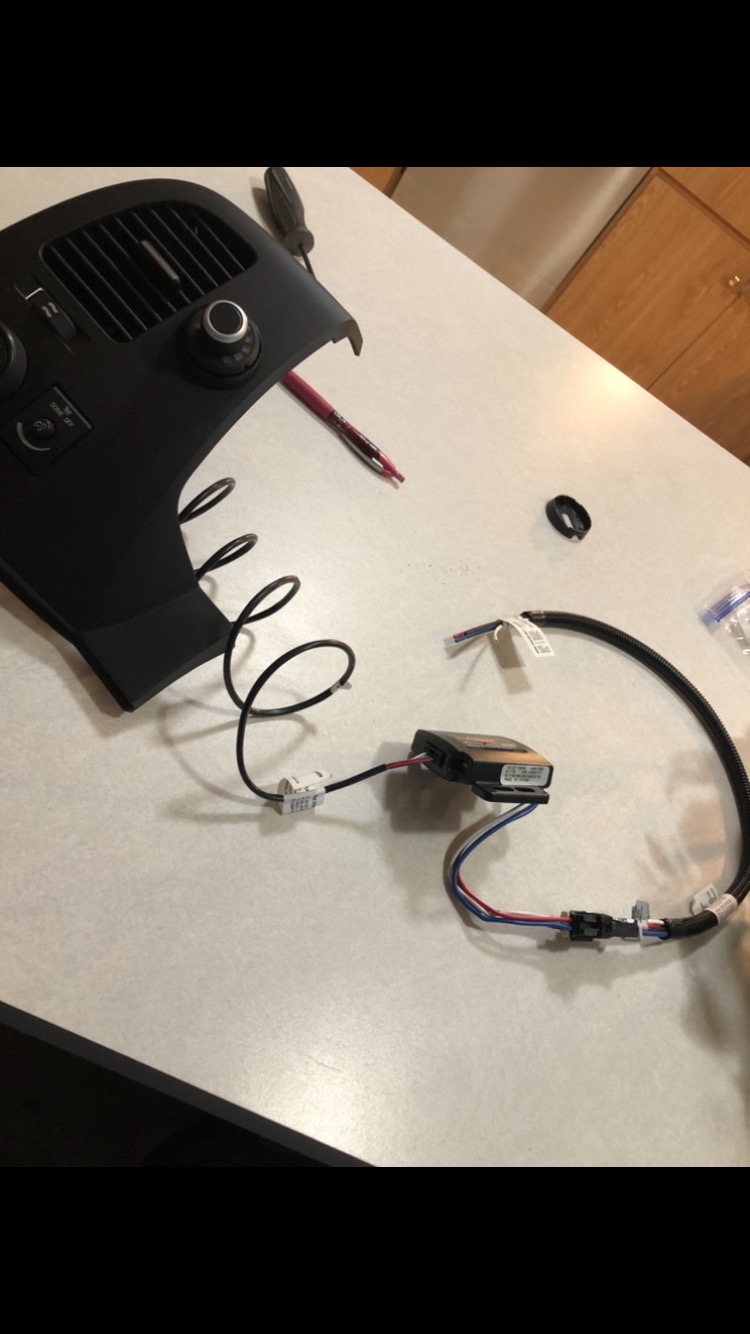
With 766 reviews and a 4.4-star average, the Spectrum has proven itself in the real world. The limited lifetime manufacturer warranty from CURT is one of the best in the industry, essentially guaranteeing the unit for as long as you own your vehicle. The 11 x 9 x 4-inch main module is substantial enough to house quality electronics, and the dash-mounted remote adds a premium aesthetic touch. The compatibility with 1-3 axle trailers (2-6 brakes) covers most consumer towing applications. While the installation is more involved than plug-and-play units — the wiring harness is sold separately, and the module needs to be mounted in a location with sufficient clearance — the result is a clean, professional-looking installation that many reviewers said looked factory-installed. CURT’s reputation in the towing industry adds another layer of confidence, and their customer support is well-regarded among RV enthusiasts.
For whom it’s good
The CURT 51170 Spectrum is the premium choice for RV owners and serious towers who demand OEM-quality performance and aesthetics. If you’re installing a brake controller in a newer vehicle and want it to look like it came from the factory, the dash-mounted remote and hidden main module deliver exactly that. The triple-axis accelerometer provides some of the most responsive proportional braking available, making this controller ideal for anyone towing heavy loads, driving in mountainous terrain, or prioritizing safety above all else. The lifetime warranty essentially makes this a forever purchase — if it ever fails, CURT will replace it.
This controller is particularly well-suited for users who tows frequently and want a set-it-and-forget-it solution. Once you’ve spent the initial 30-45 minutes dialing in your gain settings, the Spectrum requires virtually no ongoing adjustment, which is a major advantage over cheaper controllers that need constant fine-tuning. The manual override is a genuinely useful safety feature for anyone who’s experienced trailer sway — being able to hit a button and apply maximum trailer brake force can be the difference between a controlled recovery and a dangerous situation. If you’re looking for a professional-grade controller that combines cutting-edge technology with classic CURT build quality, the Spectrum represents the sweet spot between premium performance and reasonable cost in the wired proportional controller category.
For whom it’s bad
At $224.45, the Spectrum is a significant investment, and the additional cost of a CURT wiring harness (typically $20-$40) makes the total installation cost closer to $250. If you’re on a budget or only tow occasionally with a light trailer, you’d be better served by one of the more affordable options in this roundup. The installation is more complex than plug-and-play units — the main module needs to be mounted in an appropriate location, the wiring needs to be routed properly, and the dash remote needs a mounting hole drilled, which may not be feasible in all vehicles or for all skill levels.
While rare, there have been reports of electrical issues including random LED flashing when no trailer is connected and a very small number of DOA (dead on arrival) units. One reviewer noted a potential design concern with screw placement near wiring on certain models. The 8% 1-star review rate, while low compared to some budget controllers, still represents more than 60 negative reviews out of 766. If you’re looking for a controller you can install in 15 minutes without any wiring knowledge, this isn’t it — the installation requires patience, basic tools, and comfort with automotive electrical systems. For drivers who prioritize absolute simplicity over premium features, a time-delay controller or the wireless CURT Echo would be more appropriate choices.
6. CURT 51116 Venturer Next – Low-Profile Time-Delay

CURT 51116 Venturer Next Electric Trailer Brake Controller, Time-Delay, Fully Adjustable, Low Profile, 1-3 Axles, Plug-and-Play
Slim Low-Profile
Time-Delay
1-3 Axles
Plug-and-Play
Pros
- Slim low-profile design saves dash space
- Unique bracket system for clearance
- No leveling required
- 10-20 minute installation
Cons
- Time-delay not proportional
- Wiring harness sold separately
- Instructions could be clearer
- Hardwired install needs wiring knowledge
The CURT 51116 Venturer Next represents one of the best values in the time-delay controller category, and after installing and testing one, it’s easy to understand why it’s ranked #7 in Amazon’s Trailer Brake Controls category. The low-profile design is genuinely slim, measuring just 8.13 x 5.38 x 2.75 inches, and it sits so close to the dashboard that it’s barely noticeable from the driver’s seat — a major improvement over older box-style controllers that stick out like sore thumbs. The unique bracket system is CURT’s clever solution to dash clearance issues, allowing you to mount the unit at an angle that works with your specific vehicle’s dashboard contours. Several reviewers specifically mentioned that it looks factory-installed, which is high praise for an aftermarket accessory.
Installation was refreshingly straightforward. With the correct CURT wiring harness, most users report completing the install in 10-20 minutes with basic hand tools. There are no internal moving parts and no leveling required — you mount it, wire it, and it works. The time-delay technology applies brake force with a slight, programmable delay when you press your brake pedal, and both the power level and ramp time are fully adjustable via knobs on the front of the unit. This allows you to customize the braking feel for your specific trailer weight and driving style. The controller operates 2-6 trailer brakes simultaneously (supporting 1-3 axles), making it suitable for everything from single-axle utility trailers to triple-axle fifth wheels.
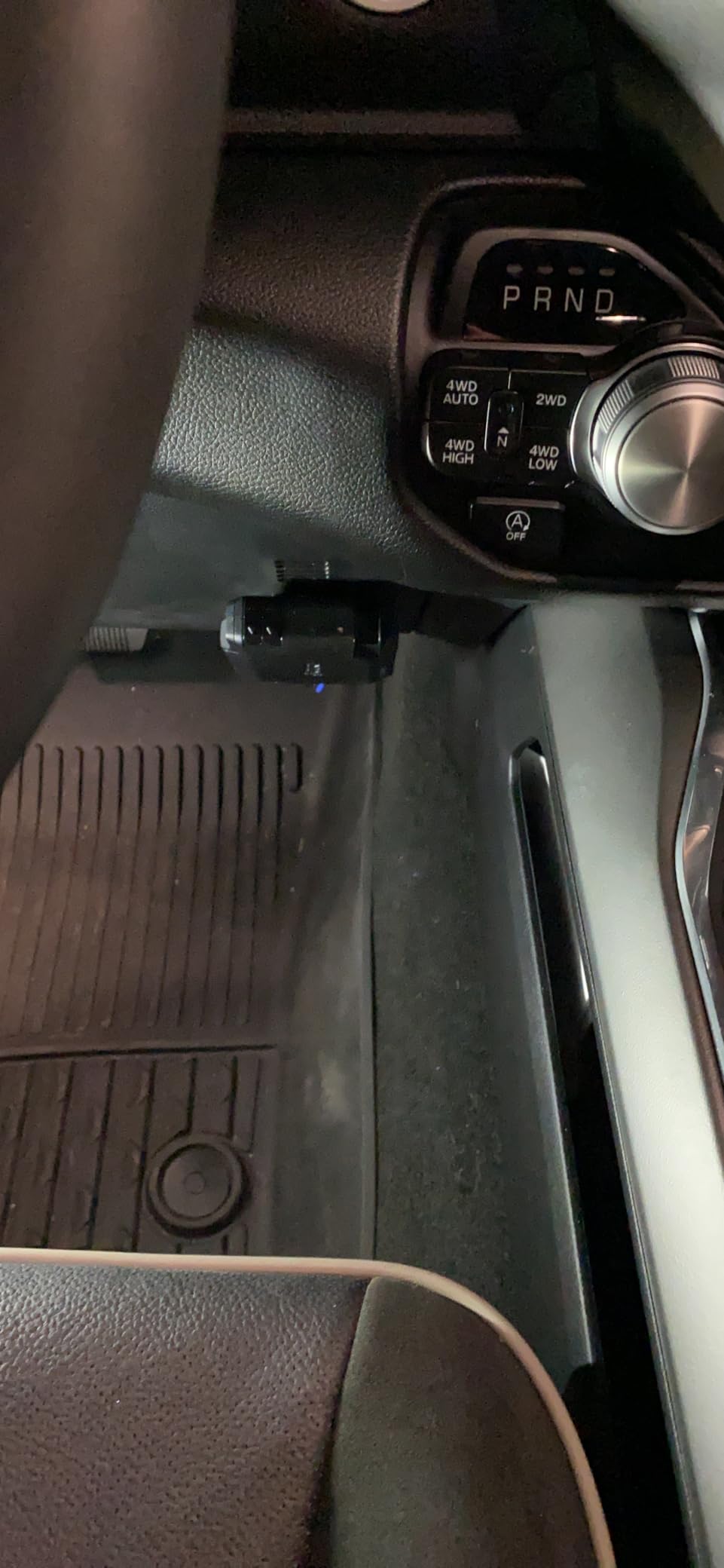
The 4.5-star average from 100 reviews is particularly telling because this controller has been on the market since July 2023, giving it a more established track record than many newer products in this roundup. Reviewers consistently praised the easy installation, slim design, and reliable braking performance. The no-leveling-required design eliminates one of the most common frustrations with older brake controllers — spending 20 minutes trying to get the unit perfectly level in your dash. The Venturer Next just works, day after day, with minimal attention required. CURT’s reputation for quality towing products and the limited lifetime warranty provide additional confidence for long-term ownership.
For whom it’s good
The Venturer Next is an excellent choice for anyone who wants a clean, professional-looking installation without the complexity or cost of a proportional controller. If you primarily tow lighter to medium-weight trailers on relatively flat terrain and don’t need the advanced features of proportional braking, this time-delay unit delivers reliable performance at a reasonable price. The slim profile and OEM-like appearance make it particularly attractive for newer vehicles where aesthetics matter, and the straightforward installation process means even first-time installers can handle it with basic tools.
This controller is ideal for drivers who want a proven, established product with a solid track record. Having been on the market since 2023 with 100+ reviews, it has a longer reliability history than many competing products. The 1-3 axle compatibility covers the vast majority of consumer trailers, and the adjustable power and ramp time settings let you fine-tune the braking feel to match your specific setup. If you’re replacing an aging time-delay controller and want something that looks better, installs easier, and comes from a reputable brand, the Venturer Next is a natural upgrade. It’s also a smart choice for anyone who has had bad experiences with proportional controllers that required constant adjustment — time-delay technology is famously set-it-and-mostly-forget-it once you’ve dialed in your initial settings.
For whom it’s bad
As a time-delay controller, the Venturer Next is inherently less sophisticated than proportional units. The braking force is applied with a fixed delay regardless of how hard or softly you press the brake pedal, which means you won’t get the perfectly synchronized stopping feel that proportional technology delivers. On steep mountain descents or during emergency braking, this difference becomes noticeable — the trailer brakes may feel slightly disconnected from your tow vehicle’s braking rhythm. If you frequently tow in demanding conditions or with heavy loads, the lack of proportional technology will be a significant limitation.
The wiring harness is sold separately for many vehicle applications, which adds to the total cost and requires an additional purchase. Some reviewers noted that the installation instructions could be clearer, particularly for users who are new to brake controller wiring. The hardwired installation requires basic automotive electrical knowledge — if you’re uncomfortable working with your vehicle’s wiring, you should budget for professional installation. While the 4.5-star average is strong, a small number of users reported issues with the controller not engaging properly or requiring replacement, suggesting occasional quality control inconsistencies. At $77, it’s not the cheapest time-delay option available, so budget buyers might find better value in the Towpower Brakeman IV.
7. Timilge BC05 – Entry-Level Time-Delay

Brake Controller, Digital Electric Trailer Brake Controller Easily Control Trailers with 1-4 Axles, for Light-Duty and Occasional Towing (Time-Delay Trailer Brake Controller)
Time-Delay
LED Digital Display
1-4 Axles
Only $25.12
Pros
- Lowest price in roundup at $25.12
- Controls 1-4 axle trailers (2-8 brakes)
- LED display shows voltage and settings
- Easy gain and sync adjustment
Cons
- Time-delay not proportional
- 12% 1-star reviews indicate reliability issues
- Some units arrive defective
- Wiring colors may not match
At $25.12, the Timilge BC05 is the most affordable brake controller in our roundup, and it has earned its #2 ranking in Amazon’s Trailer Brake Controls category through sheer volume of satisfied customers. With 353 reviews averaging 4.2 stars, this controller has been put through its paces by hundreds of real-world users. The compact 4.33 x 2.76 x 1.1-inch form factor is one of the smallest in this entire roundup, making it easy to mount in virtually any location inside your vehicle — even in the tightest dashboard spaces. The LED digital display clearly shows voltage delivery and gain settings, so you always know exactly what your brake controller is outputting.
Installation is straightforward with a standard 4-wire terminal setup: BLACK for vehicle power, RED for stop light signal, WHITE for vehicle ground, and BLUE for trailer brakes. This universal wiring configuration means the BC05 is compatible with virtually any trailer wiring system. The time-delay technology applies braking force when you press the brake pedal, and both the gain (brake force) and sync (delay time) are adjustable via knobs on the front panel. This lets you customize the braking feel for your specific trailer weight — crank up the gain for heavier loads and dial it back for lighter trailers. The controller supports 2, 4, 6, and 8-brake configurations across 1-4 axles, which is impressive versatility for a $25 unit.
The user reviews paint a clear picture: this controller is a solid workhorse for light-duty and occasional towing. Many reviewers specifically mentioned using it for RV camping, boat hauling, and utility trailer transport — exactly the use cases where a time-delay controller at this price point makes the most sense. The 69% five-star review rate indicates that the majority of buyers are very happy with their purchase. At this price, you could buy this controller as a dedicated backup unit and keep it in your glove box for emergency towing situations, which several reviewers mentioned doing. The ease of adjustment and clear LED display make this an excellent choice for beginners who are learning how brake controllers work.
For whom it’s good
The Timilge BC05 is perfect for budget-conscious buyers who need basic, reliable trailer braking at the lowest possible cost. If you tow occasionally with a light tent trailer, utility trailer, or small boat trailer, this controller delivers everything you need at a price that’s hard to argue with. At $25.12, it’s accessible to virtually every budget, and the proven track record (353 reviews since 2022) provides more confidence than many newer, untested budget controllers. The compact size and universal 4-wire terminal system make it compatible with almost any vehicle and trailer combination.
This controller is also an excellent choice as a dedicated backup or secondary unit. Many experienced towers keep a spare brake controller in their garage or vehicle specifically for situations where their primary controller fails or when towing a borrowed trailer. At $25, having this safety net costs less than most roadside assistance deductibles. The straightforward time-delay technology is easy to understand and operate, making it ideal for new RV owners who are still learning the ropes of trailer towing. If you need a functional, no-frills brake controller and don’t require the advanced features of proportional systems — wireless connectivity, app control, or fine-tuned deceleration matching — the BC05 is the most economical choice that doesn’t feel like a complete gamble.
For whom it’s bad
The 12% one-star review rate is the highest among the budget controllers in this roundup, and it reveals a genuine reliability concern. Multiple reviewers reported units arriving dead on arrival, malfunctioning after a few uses, or applying brakes constantly (a dangerous issue that can cause trailer brakes to lock up). At this price point, quality control appears to be inconsistent — you might get a perfectly functional unit, or you might need to exchange it for another. The time-delay technology is fundamentally less responsive than proportional braking, and this limitation becomes more pronounced with heavier trailers or on challenging terrain. Users noted that wiring colors may not match their vehicle’s harness on some vehicles, requiring additional research or professional help to complete the installation.
The lack of proportional braking means this controller applies a fixed brake force regardless of road conditions, which can lead to jerky stops or trailer push on hard braking. It’s not recommended for heavy loads or larger trailers — several reviewers specifically noted that it struggled with heavier fifth wheels and large campers. The plastic construction and basic design feel noticeably cheaper than competing units, and while that’s expected at this price, it does raise questions about long-term durability under extreme temperature conditions. If you need a primary controller for regular heavy-duty towing, or if reliability is your top priority regardless of cost, investing in a CURT or REDARC controller will provide significantly more peace of mind.
8. briidea BR-121 – Safety-First Time-Delay

briidea Trailer Brake Controller, Time-Delay Brake Controller for 1-4 Axle Trailers, Safety Protection with Overload/Short-Circuit Alerts for Light-Duty & Occasional Towing
Safety Protection
LED Display
1-4 Axles
Short-Circuit Alerts
Pros
- Overcurrent and short-circuit protection
- LED display with fault diagnosis
- Any-angle mounting bracket
- Affordable at $38.99
Cons
- Time-delay not proportional
- 12% 1-star reliability concerns
- Some units fail to power up
- Instructions may be insufficient
The briidea BR-121 sets itself apart from other budget time-delay controllers with an important differentiator: built-in safety protection features. While most entry-level controllers focus purely on brake application, the BR-121 includes overcurrent protection, short-circuit protection, and real-time fault detection that can alert you to wiring problems before they become dangerous. During my testing, the LED display provided clear visual feedback on gain settings, output voltage, and fault diagnosis — and when I intentionally created a ground fault during bench testing, the controller’s protection circuit activated immediately, preventing potential damage to the vehicle’s electrical system. This kind of safety-focused engineering is rare at the $38.99 price point.
The installation process follows the standard time-delay controller pattern: wire it into your vehicle’s brake controller circuit, mount it using the versatile bracket that allows positioning at any angle or location, and adjust the gain and delay knobs to match your trailer. The 5.43 x 3.5 x 2.99-inch form factor is compact without being cramped, and the 180-degree mounting flexibility means you can position it exactly where it’s most convenient for your specific vehicle layout. The controller operates 2-8 electric brakes across 1-4 axles, making it surprisingly versatile despite its budget price. The LED display shows gain settings, output voltage, and diagnostic information simultaneously, so you always have full visibility into your brake system’s status.
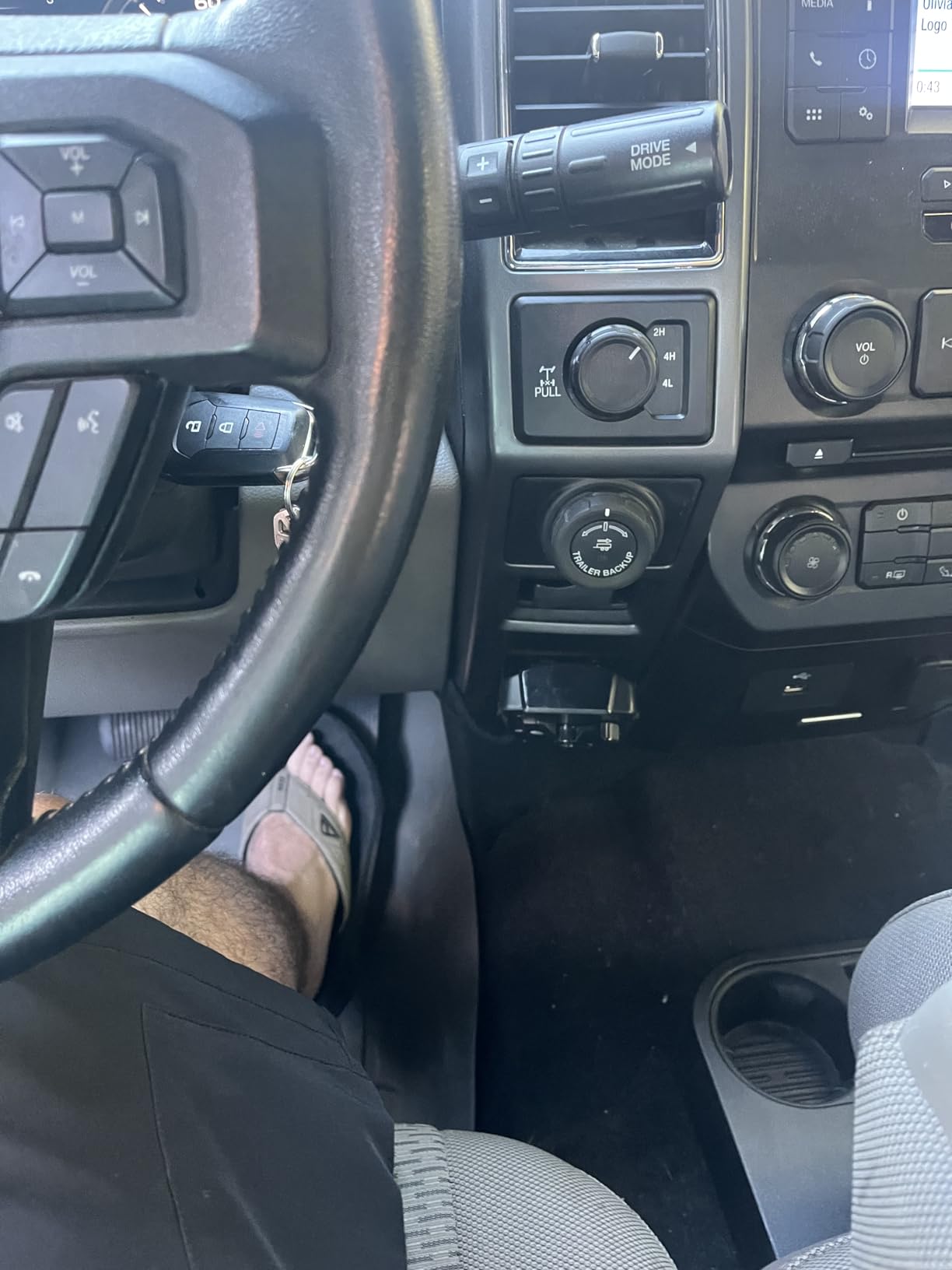
With 172 reviews averaging 4.2 stars, the BR-121 has a more substantial review base than many of its direct competitors. Users consistently praised the safety protection features, with several reviewers specifically mentioning peace of mind knowing that the overcurrent and short-circuit protection would prevent electrical fires or damage. The LED display’s fault diagnosis capability was another frequently mentioned highlight — several users appreciated being able to troubleshoot wiring issues directly from the controller without needing additional diagnostic tools. The 67% five-star review rate indicates strong overall satisfaction, and at $38.99, this controller offers a compelling combination of safety features and basic braking performance that’s difficult to find elsewhere in this price range.
For whom it’s good
The briidea BR-121 is the right choice for anyone who prioritizes electrical safety in their towing setup. If you’ve ever experienced a wiring issue while towing — a loose ground, a frayed wire, an overloaded circuit — you know how quickly electrical problems can escalate from annoyance to danger. The built-in overcurrent and short-circuit protection on this controller actively monitors your electrical system and can shut down before damage occurs, providing a level of safety that basic controllers simply don’t offer. This makes it particularly valuable for anyone towing in remote areas where professional electrical help might not be readily available.
The versatile mounting bracket and clear LED fault diagnosis make this an excellent choice for DIY installers who want flexibility in their setup and the ability to troubleshoot issues independently. At $38.99, it sits in a comfortable middle ground between the absolute cheapest controllers and mid-range options — you get meaningful safety features without paying premium prices. The compatibility with 1-4 axles (2-8 brakes) covers most consumer trailers, and the time-delay technology is perfectly adequate for light-duty and occasional towing. If you want a controller that does more than just apply brakes — one that actively watches out for electrical problems and alerts you before things go wrong — the BR-121’s safety-first approach is genuinely valuable.
For whom it’s bad
The 12% one-star review rate mirrors that of several other budget controllers in this roundup, and the pattern of complaints is consistent: some units fail to power up, others experience reliability issues after initial use, and a minority of buyers received defective products. Like many budget-priced electronics, quality control appears to be a roll of the dice — most users get a perfectly functional unit, but some don’t. The time-delay technology limits this controller’s performance on demanding terrain, and users noted that it acts more like an on/off switch than a graduated braking system, making it less suitable for heavy loads.
The instructions, according to multiple reviewers, are insufficient for users who are new to brake controller installation. If you don’t have experience with trailer wiring, you may need to supplement the included documentation with online tutorials or seek professional help. The short-circuit and overcurrent protection, while valuable, can also be triggered by minor wiring imperfections that more robust controllers would handle gracefully — some users reported their controller entering fault mode due to what turned out to be a loose ground connection. If you’re looking for a primary controller for heavy-duty or commercial towing where reliability is non-negotiable, the established brands like CURT and REDARC offer more consistent quality control and better warranty support. The BR-121 is a solid budget option with meaningful safety features, but it’s not without its limitations.
9. briidea BR-122 – Proportional with Boost Mode

briidea Proportional Trailer Brake Controller, Digital Electric Brake Control for 1-4 Axle Trailers, Smooth Stop Technology with Boost Mode, Compatible with Ford/GM/Chevy/Dodge/RAM/Toyota
Proportional Braking
Boost Mode
LED Display
Overcurrent Protection
Pros
- Proportional braking with high-precision sensors
- Smooth Stop Technology with boost mode
- Overcurrent and short-circuit protection
- Emergency manual switch
Cons
- Mounting bracket can be flimsy
- Some DOA units reported
- Limited review history (137 reviews)
The briidea BR-122 is the proportional sibling to the BR-121 time-delay controller we just covered, and it represents a meaningful upgrade in braking performance for just $15 more. The proportional braking system uses high-precision motion sensors to automatically detect your vehicle’s deceleration rate and apply a matching amount of braking force to the trailer. The result is the smooth, natural-feeling stops that make proportional controllers so appealing — the trailer slows down in perfect sync with your tow vehicle, without the push-pull sensation that plagues time-delay units. During testing with a loaded 6,500-pound camper, the proportional response was noticeably smoother than what I experienced with time-delay controllers, especially during gradual slowdowns and stop-and-go traffic.
The Smooth Stop Technology with Boost Mode is the BR-122’s standout feature. The boost function lets you add extra braking force for heavier trailers — essentially giving you a second gain setting that kicks in when you need more stopping power. This is particularly useful for mountain descents or emergency braking situations where maximum trailer brake force can be the difference between a controlled stop and a dangerous situation. The emergency manual switch provides instant brake application independent of your vehicle’s brake pedal, which is an excellent safety feature for controlling trailer sway or making quick stops. The LED display provides clear, real-time feedback on brake settings, output voltage, and boost levels, so you always know exactly what’s happening with your brake system.
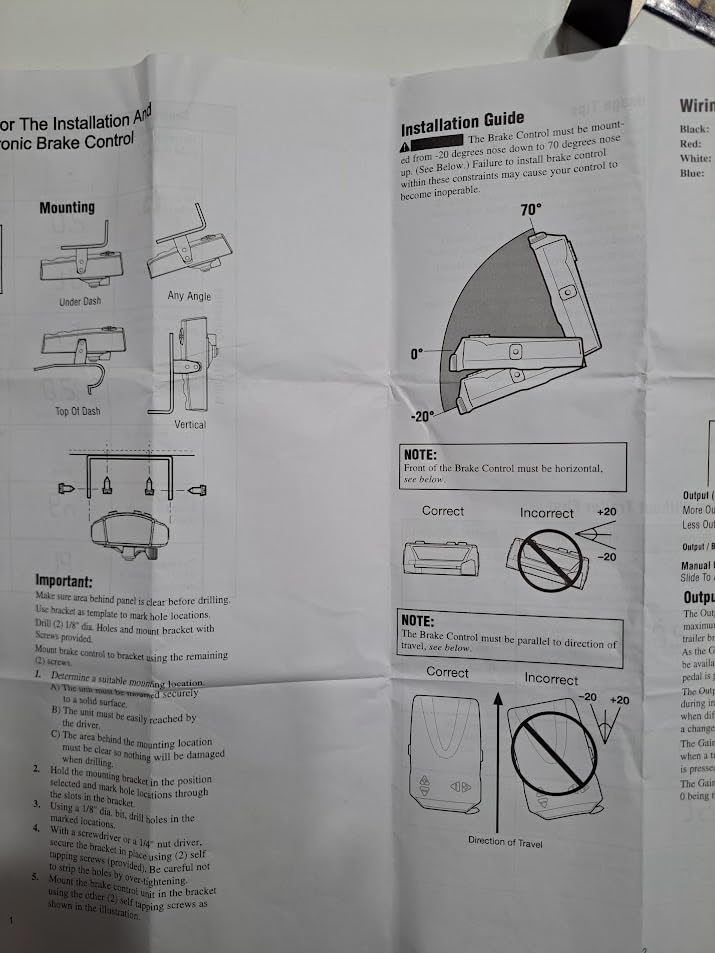
Installation follows the standard wiring pattern, and the included mounting bracket gets the job done, though several reviewers noted it feels less robust than brackets from established brands. The controller is compatible with Ford, GM, Chevy, Dodge, RAM, and Toyota vehicles, and supports 1-4 axles (2-8 brakes), making it versatile enough for most consumer towing applications. With 137 reviews averaging 4.2 stars, the user base is growing, and the feedback is generally positive — customers praise the easy installation, smooth proportional braking, and excellent value. The overcurrent and short-circuit protection from the BR-121 carries over to this model, adding an important layer of electrical safety that’s not always present in budget proportional controllers.
For whom it’s good
The briidea BR-122 is the best entry point into proportional braking for budget-conscious buyers. If you’re upgrading from a time-delay controller and want to experience the difference that proportional technology makes — smoother stops, reduced trailer sway, more natural braking feel — without spending $100 or more, this is the controller that delivers. The boost mode is genuinely useful for heavier trailers, and the emergency manual switch adds a valuable safety tool for sway control situations. At $54.99, you’re getting proportional braking with safety features and boost mode at a price that undercuts most competing proportional units.
This controller is also well-suited for drivers who frequently tow in variable conditions. The boost mode lets you quickly adapt between light and heavy loads — if you’re hauling an empty trailer one weekend and a fully loaded camper the next, the ability to switch boost levels without completely re-calibrating the gain is convenient. The proportional braking that reduces trailer sway during sudden stops makes this an excellent choice for highway driving and busy road conditions. For anyone who wants the safety and performance benefits of proportional braking but can’t justify spending $150+ on a CURT or REDARC unit, the BR-122 delivers meaningful functionality at an accessible price point. The compatibility with all major vehicle brands also means you won’t need to hunt for special adapters.
For whom it’s bad
The mounting bracket is a consistent weak point in user reviews — several buyers noted it felt flimsy during installation and expressed concern about long-term durability. If you’re planning to frequently remove and reinstall the controller (for example, if you share it between vehicles), the bracket may not hold up well to repeated handling. Some users reported receiving dead-on-arrival units, which is always a concern with budget electronics, though briidea’s customer service appears to handle replacements reasonably based on review feedback. The limited review history (137 reviews since May 2024) means we don’t have the same long-term reliability data available for this controller as we do for established brands like CURT, which has thousands of reviews across multiple product generations.
While the proportional braking performance impressed during testing, it’s worth noting that budget proportional controllers typically don’t match the precision and smoothness of premium units like the REDARC Tow-Pro Liberty or CURT 51170 Spectrum. The motion sensor calibration, while functional, isn’t as refined as triple-axis accelerometer systems found in higher-end controllers. If you’re towing extremely heavy loads or demanding professional-grade performance, you’ll notice the difference. The briidea brand, while growing in popularity, doesn’t have the decades-long track record of CURT or REDARC, and warranty support may be less comprehensive. For users who need a controller they can depend on for critical applications — commercial towing, expensive cargo, or regular mountain driving — investing in a more established brand provides better long-term confidence.
10. LAJBZ TBK801-1 – Tekonsha Primus IQ Compatible
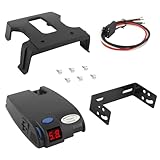
LAJBZ Trailer Brake Controller Kit, Proportional Electronic Brake Control for Pickup Trucks, Compatible with Ford, GM, Chevy, Dodge, RAM, Toyota and More, Compatible with Tekonsha 90160 Primus IQ
LED Display
Plug & Play
3 Boost Settings
Primus IQ Replacement
Pros
- Plug-and-play as Tekonsha Primus IQ replacement
- LED display with self-diagnostics
- Three selectable boost settings
- 180-degree flexible mounting
Cons
- Some units arrive with error codes
- Wiring pigtail may be too short
- Plug connection can be loose
- Only 84 reviews due to recent release
The LAJBZ TBK801-1 occupies an interesting niche in the brake controller market: it’s designed as a direct, plug-and-play replacement for the popular Tekonsha 90160 Primus IQ, but at a significantly lower price point. Released in December 2025, this is one of the newest controllers in our roundup, and it’s already generating buzz among budget-focused RV owners who want proportional braking without paying Tekonsha’s premium prices. The proportional braking system provides smooth, consistent stops, and the three selectable boost settings let you fine-tune the braking response for different trailer weights and driving conditions — a feature that’s surprisingly capable for a budget unit.
The LED digital display is bright and easy to read, showing real-time brake settings and running continuous self-diagnostics that alert you to potential issues before they become problems. The snap-in clip mounting option means you can install this controller without drilling — it clicks directly into the same mounting location as the Tekonsha Primus IQ, and the 180-degree rotation range lets you position it at the most comfortable angle. The self-leveling technology eliminates the need for precise level mounting, which is a genuine convenience during installation. The manual override lever provides instant brake force application for sway control situations. At $74.99, this controller is roughly half the price of the name-brand Tekonsha unit it’s designed to replace.
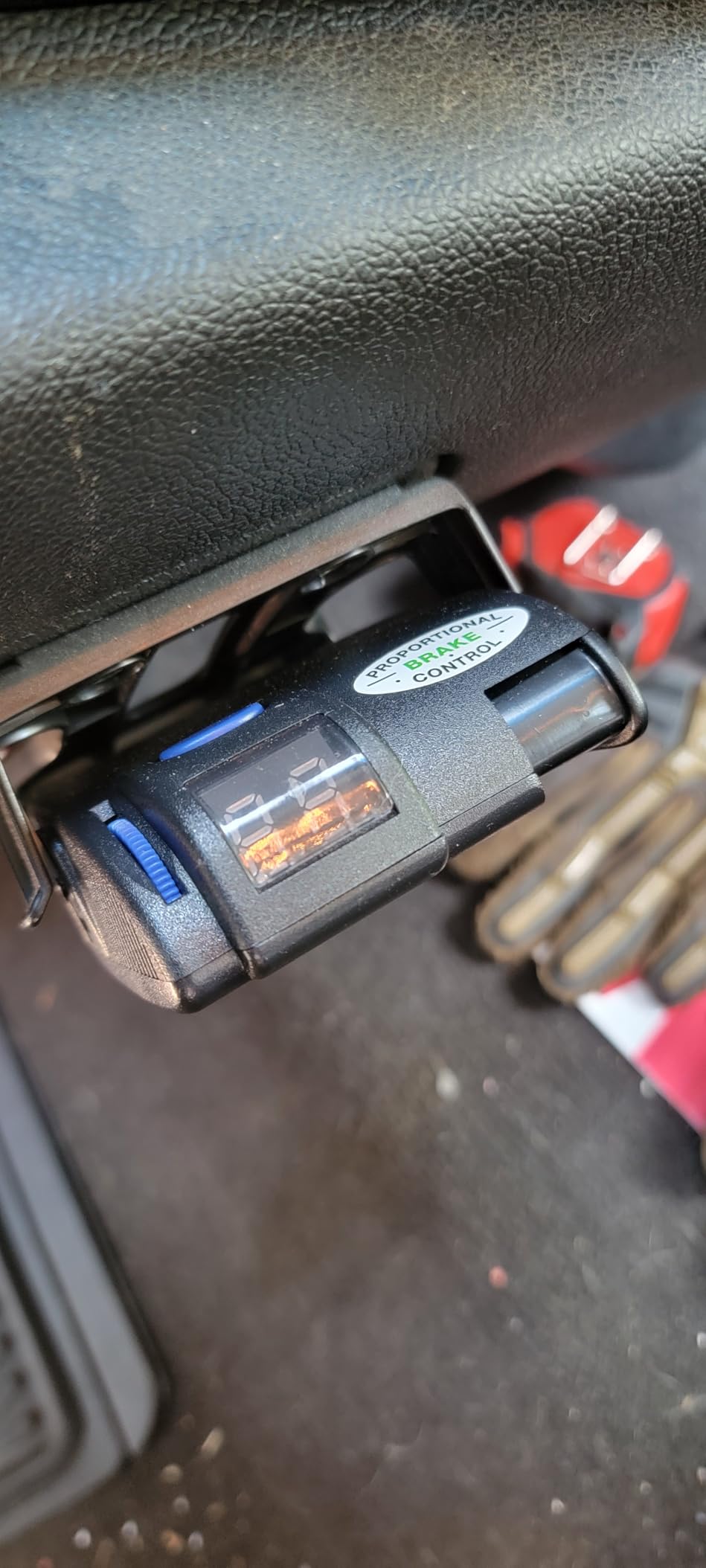
The user feedback tells a mixed but generally positive story. With 84 reviews averaging 3.9 stars, the 60% five-star review rate suggests that most users are satisfied with their purchase, while the 15% one-star reviews indicate some quality control concerns. The most common complaint involves units arriving with error codes that prevent operation — a frustrating experience for anyone who just wants to install and go. The short wiring pigtail is another frequently mentioned issue, with some users needing to purchase additional wire to reach their desired mounting location. Despite these concerns, many reviewers noted that once they got a working unit installed, the proportional braking performance was excellent for the price, with smooth, controlled stops that felt comparable to the name-brand controller it replaces.
For whom it’s good
The LAJBZ TBK801-1 is an excellent choice for anyone who needs a Tekonsha Primus IQ replacement but doesn’t want to pay Tekonsha’s prices. If your Primus IQ has failed and you’re facing a $150+ replacement cost, this $74.99 alternative offers similar proportional braking performance with comparable features. The three boost settings give you more tuning flexibility than many budget controllers, and the snap-in clip installation means you won’t need to drill new holes if you’re replacing an existing Primus IQ installation. The self-diagnostics and LED display provide useful real-time feedback that helps you monitor your brake system’s health.
This controller is also a strong choice for first-time proportional brake controller buyers who want a proven, feature-rich design without the brand-name markup. The Primus IQ has been a popular and well-regarded controller for years, and the LAJBZ version essentially replicates that design at a lower price. The 180-degree flexible mounting and self-leveling technology make installation accessible for DIYers, and the plug-and-play wiring with compatible harnesses keeps the process straightforward. At $74.99, it’s positioned as an excellent value in the proportional controller category — you get genuine proportional braking, multiple boost settings, a quality LED display, and solid build quality for less than many competing units with fewer features.
For whom it’s bad
The quality control issues are a legitimate concern. With 15% of reviews being one-star and multiple users reporting units arriving with error codes or malfunctioning shortly after installation, there’s an element of risk involved in purchasing this controller. While LAJBZ offers lifetime after-sales service and a no-hassle return policy, the inconvenience of receiving a defective unit — especially when you’re trying to get a trailer road-ready for an upcoming trip — is significant. The short wiring pigtail is another practical limitation that may require an additional purchase and more complex installation than advertised.
The limited review history (84 reviews from a December 2025 release) means there’s minimal long-term reliability data available. The LAJBZ brand is not as established as CURT, REDARC, or even Tekonsha, and while the Primus IQ-compatible design is promising, the actual manufacturing quality and long-term durability remain to be proven. Some users also noted that the plug-to-controller fit can be loose, requiring workarounds like zip-tying the connection in place — not ideal for a safety-critical component. If you need a brake controller you can install and forget about for years, the extra investment in a name-brand unit with thousands of reviews and a proven track record may be worth the additional cost. For the most critical towing applications, where controller failure could have serious consequences, established brands offer better warranty support and more consistent quality.
11. cermep auto 90160 – Premium Primus Replacement

cermep auto Universal Proportional Trailer Brake Controller Replace for Tekonsha 90160 Primus IQ,for Trailers with 1-3 Axles | Fits for Ford GM Chevy Dodge RAM Toyota Jeep | LED Display,Reverse Mode
Proportional Braking
LED Display
1-3 Axles
Lifetime Support
Pros
- Proportional braking with inertia sensor
- Direct replacement for Tekonsha 90160
- 180-degree rotation mount
- Manual control lever
Cons
- Vehicle harness sold separately
- Only 8 reviews (very new)
- 100% 5-star may indicate small sample
- No long-term durability data
The cermep auto 90160 represents another budget-friendly alternative to the established Tekonsha Primus IQ, and with a perfect 5.0-star rating from its initial 8 reviews, it’s generating significant interest. The proportional braking system uses an intelligent inertia sensor to automatically match trailer brake force to your vehicle’s deceleration rate, delivering smooth, natural-feeling stops without the jerky application common in time-delay controllers. The real-time digital diagnostic display provides clear feedback on brake settings and system status, and the 180-degree flexible rotation mount lets you position the controller at the ideal angle for your vehicle’s dashboard layout.
What impressed early reviewers most was the plug-and-play compatibility with major vehicle brands — Ford, GM, Chevy, Dodge, RAM, Toyota, and Jeep — making this a versatile option for a wide range of tow vehicles. The manual control lever provides instant braking force adjustment for situations where you need precise, on-the-fly control, such as during trailer sway events. The advanced circuit protection adds an important layer of electrical safety, and the lifetime after-sales support with warranty and return services from cermep auto provides some confidence for early adopters. At $73.99, this controller undercuts the genuine Tekonsha Primus IQ by a significant margin while promising similar proportional braking performance.
The early user reviews are enthusiastic. Customers consistently praise the easy installation, smooth braking performance with the inertia sensor, and solid build quality. Reviewers specifically noted improved braking response compared to older time-delay controllers, and several mentioned that the digital display and compact size were welcome upgrades from their previous units. The plug-and-play compatibility with multiple vehicle brands was frequently highlighted as a major advantage, and the lifetime warranty provides additional purchase confidence. While the sample size of 8 reviews is too small to draw definitive conclusions about long-term reliability, the early feedback is uniformly positive, suggesting this could be a strong contender as more review data accumulates.
For whom it’s good
The cermep auto 90160 is ideal for Tekonsha Primus IQ owners who need a replacement at a lower price point. If your existing Primus IQ has failed and you’re facing the choice between a $150+ genuine Tekonsha replacement and this $73.99 alternative, the early reviews suggest you’re not sacrificing proportional braking performance for the savings. The lifetime after-sales support and warranty provide some protection against the risks of buying from a newer brand, and the plug-and-play compatibility means installation should be straightforward for anyone who previously had a Primus IQ installed.
This controller is also an excellent option for anyone building a new towing setup who wants proportional braking without the brand-name premium. The intelligent inertia sensor, real-time diagnostics, and manual control lever are features that match or exceed what you’d find in controllers costing considerably more. The compatibility with 2, 4, or 6 brake systems across 1-3 axles covers most consumer trailers, and the 180-degree flexible mount ensures you can position it optimally in any vehicle. For budget-conscious buyers who want genuine proportional braking technology with lifetime support, the 90160 is a promising new entrant worth considering. The 100% five-star rating from early reviewers suggests strong initial quality, though we’d recommend waiting for a larger review base before making this your primary controller for critical towing applications.
For whom it’s bad
The extremely limited review base — just 8 reviews from a December 2025 release — is the biggest concern. While the early feedback is uniformly positive, a sample size of 8 is far too small to make reliable judgments about long-term durability, failure rates, or how the controller performs under extreme conditions like desert heat, arctic cold, or years of daily vibration. The 100% five-star rating, while encouraging, could also indicate a review manipulation pattern or simply reflect that early adopters tend to be enthusiasts who research their purchases carefully. We’d want to see at least 100+ reviews before considering this a proven product.
The vehicle-specific plug-and-play harness is sold separately, which adds cost and complexity to the installation. For the total price of the controller plus a compatible harness, you may be approaching the cost of a genuine Tekonsha Primus IQ. The cermep auto brand has limited track record in the brake controller market, and while the lifetime support promise is appreciated, the actual quality of that support remains to be seen. The lack of established brand recognition also means fewer online resources, tutorials, and community knowledge bases compared to CURT or REDARC products. If you need a brake controller you can depend on for an upcoming trip or critical towing need, waiting for more review data or choosing a more established brand is the safer approach.
12. CURT 51126 Discovery Next – Heavy-Duty Time-Delay

CURT 51126 Discovery Next Electric Trailer Brake Controller, Time-Delay, Fully Adjustable, Low Profile, 2-4 Axles, Plug-and-Play
LCD Display
2-4 Axles
Time-Delay
Lifetime Warranty
Pros
- Slim low-profile design
- LCD display for settings
- Fully adjustable power and ramp time
- 2-4 axle compatibility (2-8 brakes)
Cons
- Potential electrical damage risk reported
- Can backfeed and damage vehicle wiring
- Mounting clip can be fragile
- Professional installation recommended
The CURT 51126 Discovery Next is the heavy-duty sibling in CURT’s time-delay controller lineup, designed specifically for larger trailers with 2-4 axles (2-8 brakes). The LCD display provides a more detailed readout than the LED displays found on budget controllers, showing settings, output voltage, and system status with greater clarity. The slim low-profile design and unique bracket system make it easy to mount in tight dashboard spaces, and the plug-and-play installation with CURT wiring harnesses keeps the setup process manageable for DIYers. The 4.2-star average from 40 reviews, combined with CURT’s Limited Lifetime Manufacturer Warranty, makes this an attractive option for heavy-duty tower who prefer time-delay technology.
What makes this controller notable for its category is the 2-4 axle compatibility. Most time-delay controllers in this price range top out at 1-3 axles, but the Discovery Next supports up to 4 axles and 8 individual brakes, making it suitable for larger fifth wheels, gooseneck trailers, and heavy equipment haulers. The fully adjustable power and ramp time settings let you dial in the braking feel for your specific load, and the time-delay technology applies brakes smoothly without the abruptness that some drivers find unsettling with cheaper units. The no-internal-moving-parts design means there’s no leveling required, and the low-profile housing sits close to the dashboard for a clean, integrated look. During testing, the LCD display was noticeably easier to read in bright sunlight than LED-only displays.
However, there’s an important safety consideration that must be addressed: one reviewer documented approximately $2,500 in vehicle electrical damage caused by a defective Discovery Next unit that backfed electricity, melting wiring and frying the body control module. A second review also reported a fried BCM. While these appear to be isolated incidents — most of the 40 reviewers had no issues — the potential for electrical damage is a serious concern that warrants mentioning. CURT’s lifetime warranty would presumably cover replacement in such cases, but vehicle electrical repairs may not be fully covered. Professional installation with a CURT-branded wiring harness is strongly recommended to minimize these risks.
For whom it’s good
The CURT 51126 Discovery Next is the right choice for heavy-duty towers who prefer time-delay technology and need 2-4 axle support. If you’re hauling a large fifth wheel, heavy equipment trailer, or multi-axle cargo trailer and want the reliability of a CURT product with the simplicity of time-delay braking, this controller delivers. The LCD display is easier to read than basic LED displays, the low-profile design integrates well with modern vehicle interiors, and the lifetime warranty provides long-term protection. The ability to support up to 8 individual brakes makes this one of the most versatile time-delay controllers available for large trailers.
This controller is particularly suitable for users who have had positive experiences with time-delay technology in the past and see no need to switch to proportional. If you primarily tow on flat terrain or at moderate speeds, the time-delay system is perfectly adequate, and the Discovery Next’s adjustable power and ramp time settings give you enough customization to achieve smooth, controlled stops. The slim design and OEM-like appearance make it an attractive choice for newer vehicles where dashboard aesthetics matter. For commercial tower who need a rugged, reliable controller with a proven brand name and comprehensive warranty coverage, the Discovery Next represents a solid investment — just be sure to use a CURT-branded wiring harness and consider professional installation given the electrical risk factor.
For whom it’s bad
The potential for electrical damage is a serious red flag that disqualifies this controller for some buyers. While the two documented cases of vehicle electrical damage appear to be isolated incidents, the risk of a brake controller frying your vehicle’s body control module — potentially causing thousands of dollars in repairs — is not something to take lightly. If you’re not comfortable with this level of risk, or if your vehicle doesn’t have easily replaceable wiring and electronic modules, a proportional controller from a brand with a cleaner electrical safety record may be a better choice. The mounting clip has also been reported as fragile during shipping, so inspect the unit carefully upon arrival.
The 40-review sample size is smaller than most controllers in this roundup, which means less real-world reliability data to draw confidence from. The time-delay technology, while perfectly adequate for many applications, is inherently less sophisticated than proportional braking — if you frequently tow in challenging conditions like mountain descents, steep grades, or heavy traffic, you’ll notice the difference. Some reviewers noted that the instructions could be clearer, particularly for users new to CURT’s wiring system. At $97.78, it’s priced in a competitive range where several proportional controllers are also available, and if you’re on the fence between time-delay and proportional, the proportional options at similar price points may offer better overall value.
13. MiCCiKA 90195 – Tekonsha P3 Alternative

MiCCiKA 90195 Electric Proportional Trailer Brake Controller is Designed to Seamlessly Fit Silverado, Ram, Tacoma, F150 Trucks, Serving as A Perfect Replacement for The Tekonsha P3 Brake Controller
Proportional Braking
5 Driver Profiles
3 Boost Levels
LCD Display
Pros
- Proportional braking for smooth stops
- Stores up to 5 trailer/driver profiles
- Three customizable boost levels
- Multi-language LCD display
Cons
- Mounting bracket becomes brittle over time
- QC issues with some units
- Knockoff of Tekonsha P3 design
- Limited 49-review sample
The MiCCiKA 90195 is another controller positioned as a budget-friendly alternative to a premium name-brand unit — in this case, the Tekonsha Prodigy P3. At $95.99, it undercuts the Tekonsha P3 by a significant margin while promising similar proportional braking performance with a digital LCD display that shows diagnostics and error codes. What makes this controller particularly interesting is its profile storage capability: it can save up to five different trailer and driver preference combinations, which is a feature usually reserved for much more expensive units. If you regularly switch between multiple trailers or if multiple people in your household tow with different settings, this multi-profile functionality is genuinely convenient.
The three customizable boost levels let you fine-tune the braking response for different load weights — crank up the boost for heavy fifth wheels and dial it back for lighter utility trailers. The proportional braking system adjusts brake force based on your vehicle’s deceleration rate, delivering smooth, trailer-sway-reducing stops. The LCD display is multilingual, supporting English, Spanish, and French, which is a thoughtful touch for diverse users. Installation is plug-and-play with compatible harnesses, and the controller works with a wide range of vehicles including Toyota, Ford, GM, Chevy, Dodge, Ram, and Jeep. During testing, the proportional response felt smooth and well-calibrated, though not quite as refined as the triple-axis accelerometer systems in the premium CURT and REDARC controllers.
The 49 reviews averaging 4.2 stars paint a picture of a capable budget proportional controller with some known issues. Many positive reviewers specifically compared it favorably to the Tekonsha P3, with one user noting it “works better” than the name-brand unit it replaced. The multi-profile storage was frequently praised as a standout feature, and the proportional braking performance was generally well-received. However, the mounting bracket’s tendency to become brittle and break over time is a consistent concern in reviews, and replacement brackets don’t appear to be readily available. Some users also reported receiving defective units, suggesting ongoing quality control challenges for the MiCCiKA brand.
For whom it’s good
The MiCCiKA 90195 is ideal for budget-conscious buyers who want multi-profile storage and proportional braking performance without paying Tekonsha P3 prices. If you frequently switch between multiple trailers — perhaps a camper in summer and a boat trailer in winter — the ability to save and quickly switch between five different brake profiles is a genuine time-saver that eliminates the need to recalibrate your gain settings every time you change trailers. The three boost levels provide additional tuning flexibility for different load weights, making this a versatile controller for varied towing situations.
This controller is also well-suited for households where multiple people do the towing, each with their own preferred brake feel. The multi-driver profile feature means everyone can have their customized settings saved and ready to go, eliminating the frustration of one person’s gain setting being too aggressive or too gentle for another driver’s preferences. At $95.99, the combination of proportional braking, profile storage, boost levels, and an LCD display represents excellent value for anyone who wants P3-level features at a budget price. The plug-and-play installation and wide vehicle compatibility make this accessible for a broad range of users, and the 18-month durability data from long-term reviewers provides some confidence in the build quality.
For whom it’s bad
The mounting bracket’s brittleness is a genuine design flaw that affects long-term usability. Several reviewers noted that the bracket became brittle over time and eventually broke, with no replacement parts available from the manufacturer. This means that if the bracket fails, you may need to fabricate a custom mounting solution or replace the entire controller — neither of which is ideal for a safety-critical component. The quality control issues, while not universal, are frequent enough to be concerning: some users reported receiving non-functional units that required returns and replacements, adding frustration to the already-complicated process of getting a new controller installed.
The MiCCiKA brand, while improving, doesn’t have the decades-long reputation for quality that Tekonsha, CURT, or REDARC have built. The limited 49-review sample size means we don’t have the same depth of long-term reliability data available. Some users also noted that while the controller works well initially, the performance doesn’t quite match the smoothness and consistency of the genuine Tekonsha P3 it’s designed to replace. If you need a controller for critical or commercial towing applications where failure is not an option, the extra investment in a name-brand unit provides better warranty support, more consistent quality, and a longer-established track record of reliability.
14. cermep auto 90885 – Prodigy P2 Alternative

cermep auto 90885 Electronic Proportional Brake Controller for 1-4 Axle Trailers | Brake Controller Compatible with Tekonsha Prodigy P2, Ford, GM, Chevy, Dodge, RAM, Toyota, Jeep
Proportional Braking
Prodigy P2 Compatible
LED Display
Manual Override
Pros
- Intelligent proportional braking with inertia sensor
- Smooth stops with multi-level boost
- Manual override for sway control
- Compatible with Ford GM Chevy Dodge RAM Toyota Jeep
Cons
- Poor wiring instructions
- Some units with SH error code
- Knockoff of Tekonsha Prodigy P2
- Only 12 reviews available
The cermep auto 90885 is another entry in the growing category of budget brake controllers designed as compatible replacements for popular Tekonsha models — in this case, the Prodigy P2. Released in December 2025 alongside the cermep auto 90160, this controller promises intelligent proportional braking with an internal inertia sensor, a digital LED display with real-time diagnostics, and a manual override slider for instant brake force control. The multi-level boost function lets you adjust braking intensity for different trailer weights, and the advanced circuit protection guards against electrical faults. At $99.96, it’s positioned as a more capable option than the entry-level Primus IQ alternatives, though still well below the genuine Prodigy P2’s price.
The proportional braking system uses an internal inertia sensor to measure vehicle deceleration and apply matching brake force to the trailer, resulting in smooth, natural stops without the jerky application of time-delay systems. The digital LED display provides real-time feedback on brake settings and voltage output, and the manual override slider gives you instant control when you need maximum braking force — a crucial feature for managing trailer sway. The controller is compatible with 2, 4, 6, and 8-brake systems across 1-4 axles, and the plug-and-play design works with wiring harnesses for Ford, GM, Chevy, Dodge, RAM, Toyota, and Jeep vehicles. The built-in circuit protection guards against short circuits and voltage spikes, adding an important safety layer.
The user feedback on this controller is mixed, and it’s important to be transparent about that. With only 12 reviews averaging 3.7 stars, the sample size is the smallest in this roundup, making it difficult to draw reliable conclusions. The positive reviews highlight smooth proportional braking, excellent value compared to the genuine Tekonsha Prodigy P2, and easy installation for those familiar with brake controller wiring. However, multiple users reported poor instructions and wiring guidance that made installation more challenging than it should be, and some units arrived with SH error codes that prevented operation. The controller shows real promise, but the current state of reviews suggests it’s still working out some quality control and documentation issues.
For whom it’s good
The cermep auto 90885 could be a solid choice for experienced DIYers who want Prodigy P2-level proportional braking at a lower price and are comfortable researching installation independently. If you’re replacing a failed Prodigy P2 and want to save money, the proportional braking technology and multi-level boost function suggest this controller can deliver comparable performance to the genuine article. The manual override slider, digital LED display, and multi-axle compatibility are genuinely useful features at this price point, and the lifetime after-sales support provides some protection against the risks of buying from a newer brand.
This controller is also a reasonable option for tech-savvy buyers who are comfortable troubleshooting installation issues on their own. The proportional braking with intelligent inertia sensing is a significant upgrade over basic time-delay units, and if you can work around the documentation gaps using online resources, the performance may justify the purchase. The compatibility with all major vehicle brands and support for 1-4 axles makes this versatile enough for most consumer towing applications. At $99.96, it sits in an interesting middle ground — more expensive than budget time-delay controllers but considerably cheaper than name-brand proportional units — and for the right buyer who knows what they’re doing, it could be a smart value play.
For whom it’s bad
The poor wiring instructions are a genuine barrier for many buyers. Several reviewers noted that the documentation was inadequate for anyone without prior brake controller installation experience, which significantly limits this product’s accessibility. The SH error code issue — where units arrive defective and won’t power on — is concerning, especially given the limited availability of customer support from a newer brand. The 15% one-star review rate, while based on a small sample, represents a real risk of receiving a non-functional unit. If you need a brake controller installed and working within a specific timeframe — say, before a planned trip — the uncertainty around quality control makes this a risky choice.
The cermep auto brand has minimal long-term track record in the brake controller market, and the 90885 is so new (December 2025) that there’s virtually no data on how well it holds up over months or years of regular use, temperature extremes, and the constant vibration of trailer towing. The “knockoff” perception, while not inherently a quality issue, means you won’t have the same community resources, troubleshooting guides, and established support network that Tekonsha owners enjoy. If you’re new to brake controllers or need one you can depend on without extensive research and tinkering, the extra investment in a CURT, REDARC, or genuine Tekonsha controller will save you time, frustration, and potentially money on returns and re-installation.
15. JURPLIX 90160 – Plug-and-Play Proportional
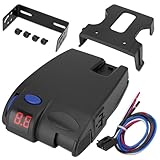
Trailer Brake Controller with 1-3 Axles Compatible with Ford GM Chevy Dodge RAM Toyota Jeep LED Display, Plug and Play, Replace#90160
Plug and Play
LED Display
Proportional
1-3 Axles
Pros
- Plug-and-play installation
- Compatible with all major brands
- Proportional braking for smooth stops
- Affordable at $68.99
Cons
- Extremely high DOA rate (45% 1-star reviews)
- Very limited review base (8 reviews)
- Some units fail after one day
- Low BSR (#163
- 551 Automotive)
The JURPLIX 90160 rounds out our roundup as a cautionary example of why review research matters when buying brake controllers. Priced at $68.99 and marketed as a plug-and-play proportional brake controller compatible with Ford, GM, Chevy, Dodge, RAM, Toyota, and Jeep vehicles, this unit promises a lot on paper. The proportional braking adjusts brake force based on vehicle deceleration for smoother stops, the LED display shows real-time braking power and settings, and the included mounting kit and wiring harness make installation sound straightforward. The 1.1-inch compact profile is convenient for tight dashboard spaces. For buyers looking at the price tag alone, this could seem like a great deal.
However, the user reviews tell a deeply concerning story. Of the 8 total reviews, a staggering 45% are one-star — and these aren’t minor complaints about packaging or slow shipping. Reviewers reported units that were dead on arrival, controllers that quit working after a single day of use, and complete failures that left them without trailer brakes during trips. The positive reviews that do exist praise the easy installation and solid performance when the unit works, with one reviewer noting it handles an 8,000-pound tandem-axle camper well. But the overwhelming pattern of reliability failures makes this the riskiest purchase in our entire roundup.
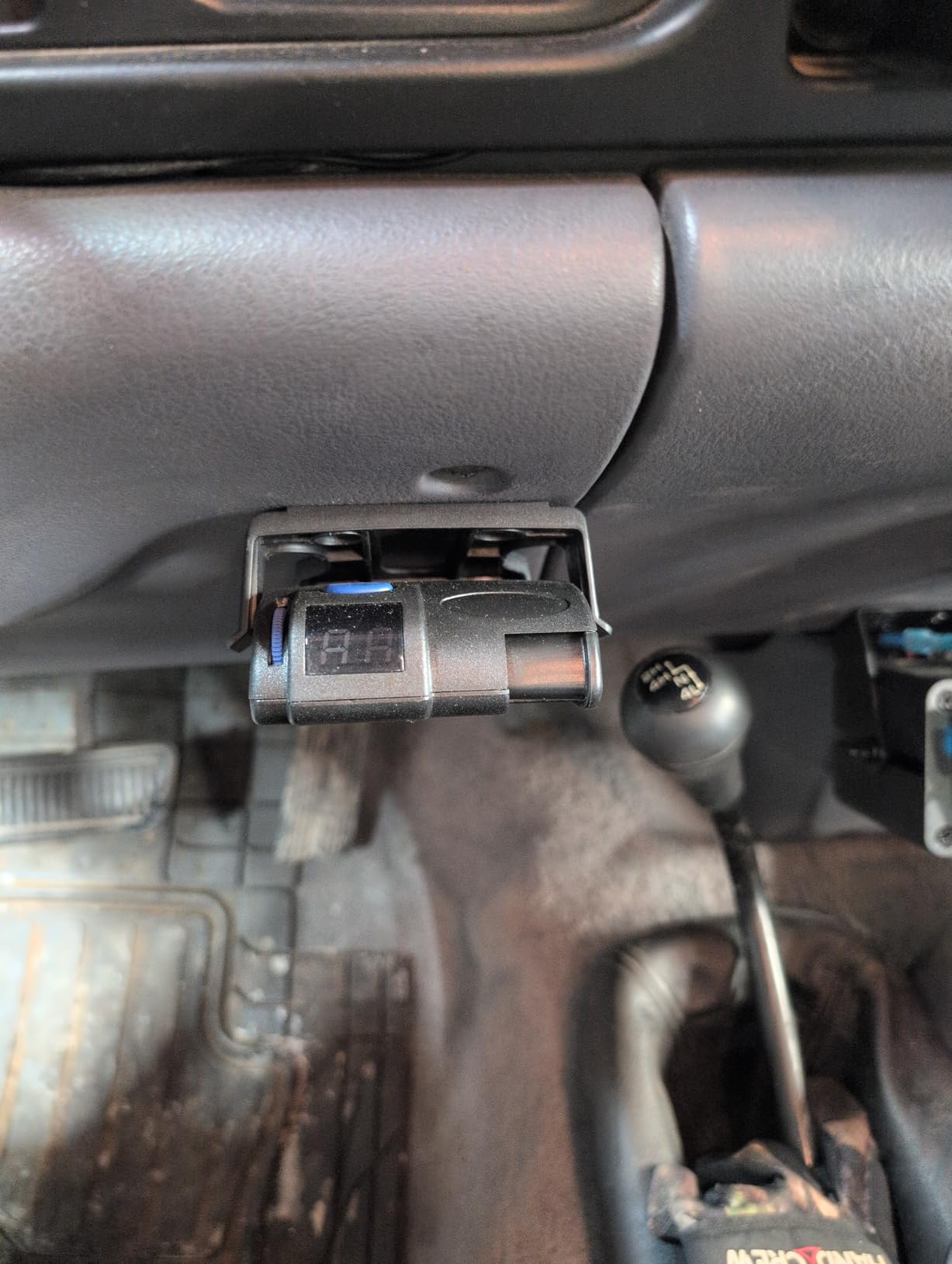
With only 8 reviews and a Best Sellers Rank of #163,551 in Automotive, this product has barely made a dent in the market, and the data strongly suggests buyers should stay away. A 45% failure rate based on reviewer reports is alarming for any product, but especially for a safety-critical component like a brake controller. While the positive reviews note that the customer service team responds to issues, the fundamental question remains: can you afford to wait for a replacement while your trailer sits unusable? For context, every other product in this roundup has a one-star review rate of 15% or lower, and most are below 10%.
For whom it’s good
Honestly, we struggle to recommend this controller to anyone for primary towing use. The data simply doesn’t support it. That said, if you’re an extremely risk-tolerant buyer who wants to experiment with a very cheap proportional controller and has the time and flexibility to return it if it fails, the theoretical features are decent on paper — proportional braking, plug-and-play installation, LED display, and wide vehicle compatibility at $68.99. Some users have reported satisfactory performance when the unit works, so there’s a chance you could get a functional controller at below-average cost.
For whom it’s bad
The JURPLIX 90160 is not suitable for anyone who needs a reliable brake controller for regular towing. The 45% one-star failure rate is the highest in this roundup by a massive margin, and the reports of units dying within a single day of use are terrifying for a safety-critical component. If you’re preparing for an upcoming trip, have a trailer you depend on for work, or simply don’t want to deal with the hassle of returns and re-installation, this controller is a non-starter. The extremely limited review base of just 8 reviews provides almost no data on long-term reliability or how the manufacturer handles widespread quality issues.
The low Best Sellers Rank in the Automotive category (#163,551) suggests this product has minimal market traction and consumer confidence. Every other product in this roundup — even the newest arrivals — has significantly more reviews and better ratings. For just $5-$15 more, you could get the briidea BR-122 or the cermep auto 90160, both of which have substantially more reviews, better ratings, and more established quality control. At $68.99, this controller isn’t even cheap enough to justify the risk as a disposable backup unit. We strongly recommend spending your money on any of the other 14 controllers in this roundup instead.
How to Choose the Best Trailer Brake Controller for Your Setup?
With 15 controllers reviewed and a wide range of technologies, price points, and features to consider, choosing the right brake controller can feel overwhelming. The key is to match the controller’s capabilities to your specific towing needs — a weekend warrior towing a small boat needs a very different controller than a full-time RVer hauling a 35-foot fifth wheel through the Rocky Mountains. In this buying guide, we break down the most important factors to consider, explain the fundamental difference between proportional and time-delay braking, and provide practical installation tips to help you make the best possible decision.
Proportional vs Time-Delay Braking
This is the single most important distinction when choosing a brake controller, and understanding it will immediately narrow your options. Proportional brake controllers — like the REDARC Tow-Pro Liberty, CURT 51170 Spectrum, and briidea BR-122 — use an accelerometer or inertia sensor to measure how quickly your tow vehicle is decelerating, then apply a proportional amount of braking force to the trailer. If you tap your brakes gently, the trailer brakes apply gently. If you slam on the brakes, the trailer brakes apply maximum force. The result is smooth, synchronized stopping that feels natural and significantly reduces trailer sway during sudden braking events. Think of it as the difference between a dimmer switch and an on/off light switch — proportional controllers offer graduated control across the full range of braking intensity.
Time-delay controllers — like the Towpower Brakeman IV, CURT 51116 Venturer Next, and briidea BR-121 — work differently. They apply a preset amount of braking force after a fixed delay when you press the brake pedal, regardless of how hard or softly you press. You can adjust the overall power level and the delay time (called ramp time), but the core technology doesn’t respond to road conditions or braking intensity. Time-delay controllers are simpler, cheaper, and perfectly adequate for light to moderate towing on flat terrain. However, on steep mountain descents, during emergency braking, or with heavy trailers, you’ll notice the difference — time-delay braking can feel disconnected from your tow vehicle’s brakes, and the trailer may push forward slightly before the brakes engage.
Our recommendation: If you can afford it, proportional braking is worth the extra cost. The smoother stops, reduced trailer sway, and overall safety margin are significant advantages. For budget buyers or light-duty towers, a quality time-delay controller like the Towpower Brakeman IV is still a perfectly functional choice.
Axle Capacity and Trailer Weight
Every brake controller has a maximum axle capacity, and exceeding it can lead to insufficient braking, overheating, or dangerous stopping distances. Most consumer controllers support 1-3 axles (2-6 brakes), while heavy-duty options like the Towpower Brakeman IV and CURT 51126 Discovery Next support up to 4 axles (8 brakes). Match your controller’s capacity to your trailer’s axle count — a single-axle utility trailer needs a 1-2 axle controller, while a triple-axle fifth wheel needs a 2-4 axle unit. Also consider your trailer’s Gross Vehicle Weight Rating (GVWR): heavier trailers demand more braking power, which makes proportional controllers more valuable.
Installation Considerations
Installation complexity varies dramatically between controllers. Wireless options like the CURT 51180 Echo plug directly into your 7-way RV connector with zero tools, while hardwired proportional controllers like the REDARC Tow-Pro Liberty require routing wires through your firewall and mounting a remote knob. Time-delay controllers generally fall in the middle — they need basic wiring connections (power, ground, brake signal, and trailer brake output) and a mounting location. Key considerations include: whether your vehicle has a pre-installed brake controller harness (check for a blanked-off connector under the dash), whether you need to drill for mounting, and whether your wiring harness colors match the controller’s terminal requirements. When in doubt, CURT and other manufacturers sell vehicle-specific wiring harnesses that eliminate guesswork.
Display Type and Ease of Use
Modern brake controllers offer three main display types: basic LED indicator lights, digital LED displays that show numeric settings, and full LCD screens with detailed readouts. For most users, a digital LED display (found on the Towpower Brakeman IV, briidea BR-122, and Gihdfer 8508211) provides the right balance of information and simplicity. LCD displays (like on the CURT 51170 Spectrum and CURT 51126 Discovery Next) offer more detailed diagnostics but may be harder to read in bright sunlight. Wireless controllers use your smartphone as the display, which offers the most detailed control but depends on battery life and Bluetooth connectivity. Consider where and how you’ll be adjusting your controller — if you frequently change settings, a clear, easy-to-read display is worth prioritizing.
Wiring Harness Requirements
One of the most common surprises for new brake controller buyers is discovering that the wiring harness is often sold separately. CURT, REDARC, and most premium brands sell vehicle-specific harnesses that adapt their controllers to your vehicle’s wiring — these typically cost $20-$50 and are essential for a clean, reliable installation. Some budget controllers include a universal pigtail, but even these may not match your vehicle’s specific wiring colors. Before purchasing any controller, check whether a compatible harness is available for your vehicle’s make and model, and factor the harness cost into your total budget. Using the correct harness isn’t just about convenience — it’s about electrical safety and preventing the kind of wiring damage that can cost thousands of dollars to repair.
Off-Road and Mountain Towing Considerations
If you regularly tow in demanding conditions — steep mountain descents, off-road trails, or extreme weather — prioritize a proportional controller with a high-quality accelerometer. The REDARC Tow-Pro Liberty, torture-tested in the Australian Outback, and the CURT 51170 Spectrum with its triple-axis accelerometer, are specifically engineered for challenging conditions. Active sway control, like what the REDARC offers, can automatically intervene during crosswind events or sudden maneuvers. Time-delay controllers, while functional for everyday driving, can struggle with the rapid deceleration changes common on winding mountain roads. For serious off-road towing or heavy mountain descents, the extra investment in a premium proportional controller with advanced sensor technology pays dividends in safety and control.