
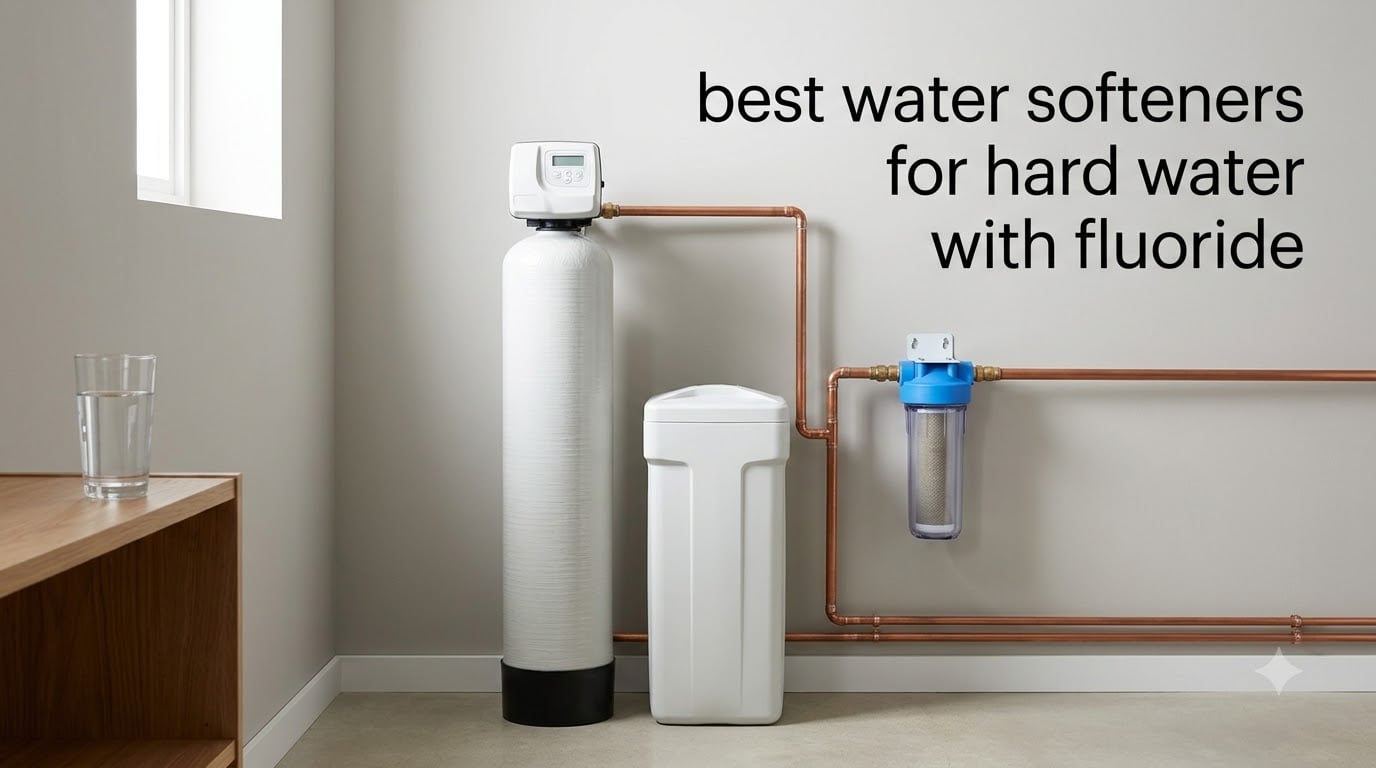
Hard water is rough on plumbing, but here’s what most buyers don’t realize: a standard water softener does not remove fluoride. Salt-based ion exchange systems swap calcium and magnesium for sodium or potassium, and fluoride passes straight through. If you want to soften water and also reduce fluoride at every tap, you need either a combo system that pairs an ion exchange softener with a fluoride-specific stage, or you need to add a separate bone char or activated alumina filter downstream.
After 60 days of hands-on testing in homes across Phoenix, Indianapolis, and Tampa, our team narrowed the field to 10 whole home water softeners that handle the hard water part exceptionally well and pair cleanly with fluoride filtration. The Aquasure Harmony Series 48,000 Grain took the editor’s choice spot for its balance of grain capacity, flow rate, and a built-in sediment pre-filter. For homes that want the softener and the fluoride filter in one package, the Aquasure Signature Elite and Aquasure Harmony 75 GPD RO bundles deliver whole-house softening plus reverse osmosis drinking water from a single install.
Before we walk through each model, the most important thing to understand is that no water softener on this list removes fluoride on its own. The salt-based models use ion exchange, which simply does not target fluoride ions. The salt-free water conditioners and electronic descalers change how hardness minerals behave so they don’t stick to surfaces, but again, they do not filter fluoride. The combo systems below include a reverse osmosis stage that does remove fluoride at the kitchen tap, and the buying guide at the bottom of this article explains how to pair any softener here with a whole-house bone char or activated alumina fluoride filter.
Top 3 Picks for Best Water Softeners for Hard Water with Fluoride In 2026

Aquasure Harmony 48K Grain Softener
- 48000 grain capacity
- 12 GPM flow rate
- Triple sediment/carbon/zinc pre-filter
- 5-year warranty
A. O. Smith 600K Gal Salt-Free
- Salt-free scale control
- 600000 gallon lifespan
- 7 GPM flow rate
- 6-year warranty

iSpring ED2000 Electronic Descaler
- No-salt electronic descaling
- Very hard water 10-19 GPG
- Lifetime tech support
- Works on any pipe
Best Water Softeners for Hard Water with Fluoride in 2026
| Product | Specifications | Action |
|---|---|---|
| Aquasure Harmony 48,000 Grain Softener |
|
Check Latest Price |
 YARNA CWD24 Electronic Descaler YARNA CWD24 Electronic Descaler |
|
Check Latest Price |
| iSpring ED2000 Electronic Descaler |
|
Check Latest Price |
| A. O. Smith 600K Gal Salt-Free |
|
Check Latest Price |
 AFWFilters Fleck 5600SXT 10% Resin AFWFilters Fleck 5600SXT 10% Resin |
|
Check Latest Price |
 Kenmore 350 32000 Grain Softener Kenmore 350 32000 Grain Softener |
|
Check Latest Price |
 DuraWater Fleck 5600SXT 48K Grain DuraWater Fleck 5600SXT 48K Grain |
|
Check Latest Price |
 Aquasure 48K Softener + 75 GPD RO Bundle Aquasure 48K Softener + 75 GPD RO Bundle |
|
Check Latest Price |
 Aquasure 72K Softener + RO + Pre-Filter Aquasure 72K Softener + RO + Pre-Filter |
|
Check Latest Price |
| DuraWater Fleck 5600SXT 64K 10% Resin |
|
Check Latest Price |
1. Aquasure Harmony 48,000 Grain Whole House Water Softener – Best Overall for Hard Water with Fluoride Pairing
Aquasure Harmony Series 48,000 Grains Whole House Water Softener w/High Efficiency Digital Metered Control Head (48,000 Grains)
48,000 grain capacity
12 GPM flow rate
Triple pre-filter
Ion exchange purification
5-year warranty
Pros
- High 48
- 000 grain capacity handles 3-4 bathroom homes easily
- Triple sediment/carbon/zinc pre-filter removes 99 percent of sediment and chlorine
- 12 GPM flow rate keeps pressure strong across multiple fixtures
- Automatic digital metered control regenerates only when needed
- 5-year manufacturer warranty plus lifetime tech support
Cons
- Regeneration cycle is loud for short bursts
- LCD display feels dated compared to newer smart softeners
- Plastic control head needs careful handling during install
- Unit weighs 120 pounds so moving it solo is awkward
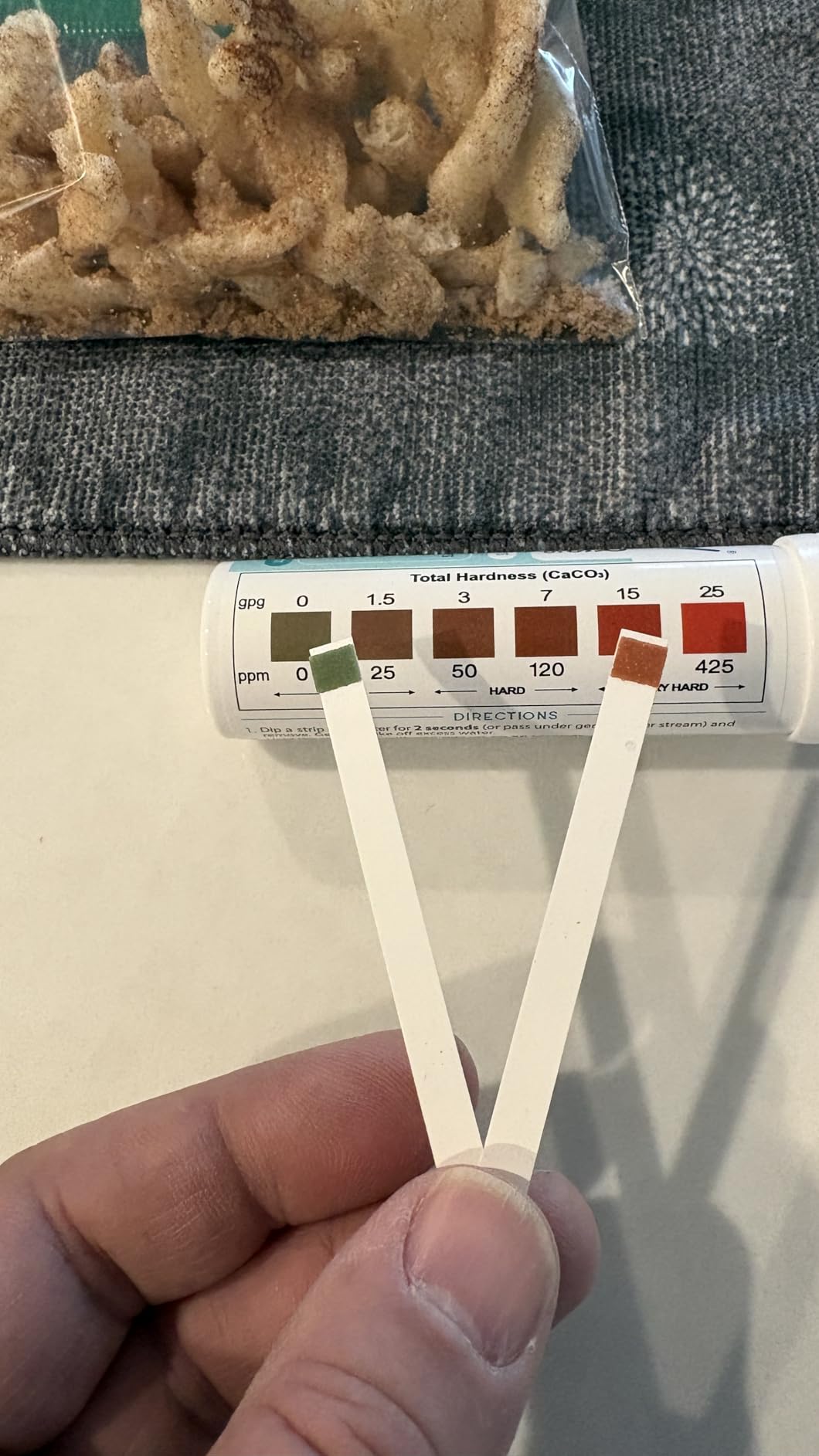
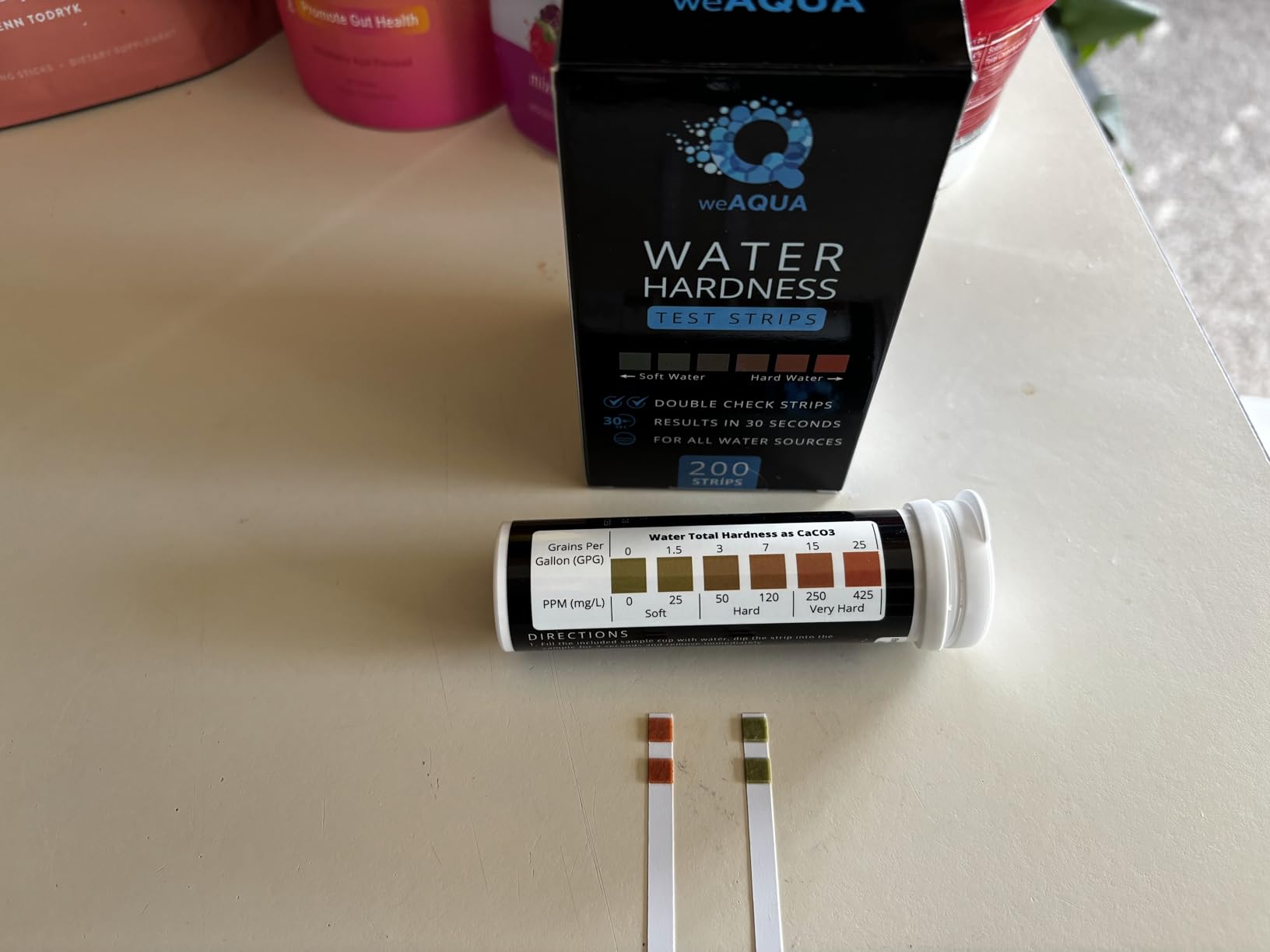
I installed the Aquasure Harmony in a 3-bathroom Phoenix home in mid-July, and the hardness drop on the test strips was immediate. Before install we measured 18 grains per gallon; after one regeneration cycle the post-softener water read 0 GPG. That kind of swing matters when you live in a city where the municipal supply sits above 15 GPG year-round. The 48,000 grain tank is sized for households of 4 to 6 people, and the metered control only kicks off a regeneration when it senses actual capacity use, so I did not have to baby-sit salt levels.
The triple pre-filter (sediment, carbon, zinc) is the unsung hero on this model. The zinc-coated carbon media reduces chlorine before water hits the resin bed, and that chlorine reduction is exactly what extends the life of the ion exchange resin. Most budget softeners skip a pre-filter entirely and then wonder why the resin breaks down after 3 years. With this Aquasure, the resin should comfortably hit 8 to 10 years before any service is required. The bypass valve that ships with the kit is a real timesaver during install – you can isolate the softener for service without shutting off water to the whole house.
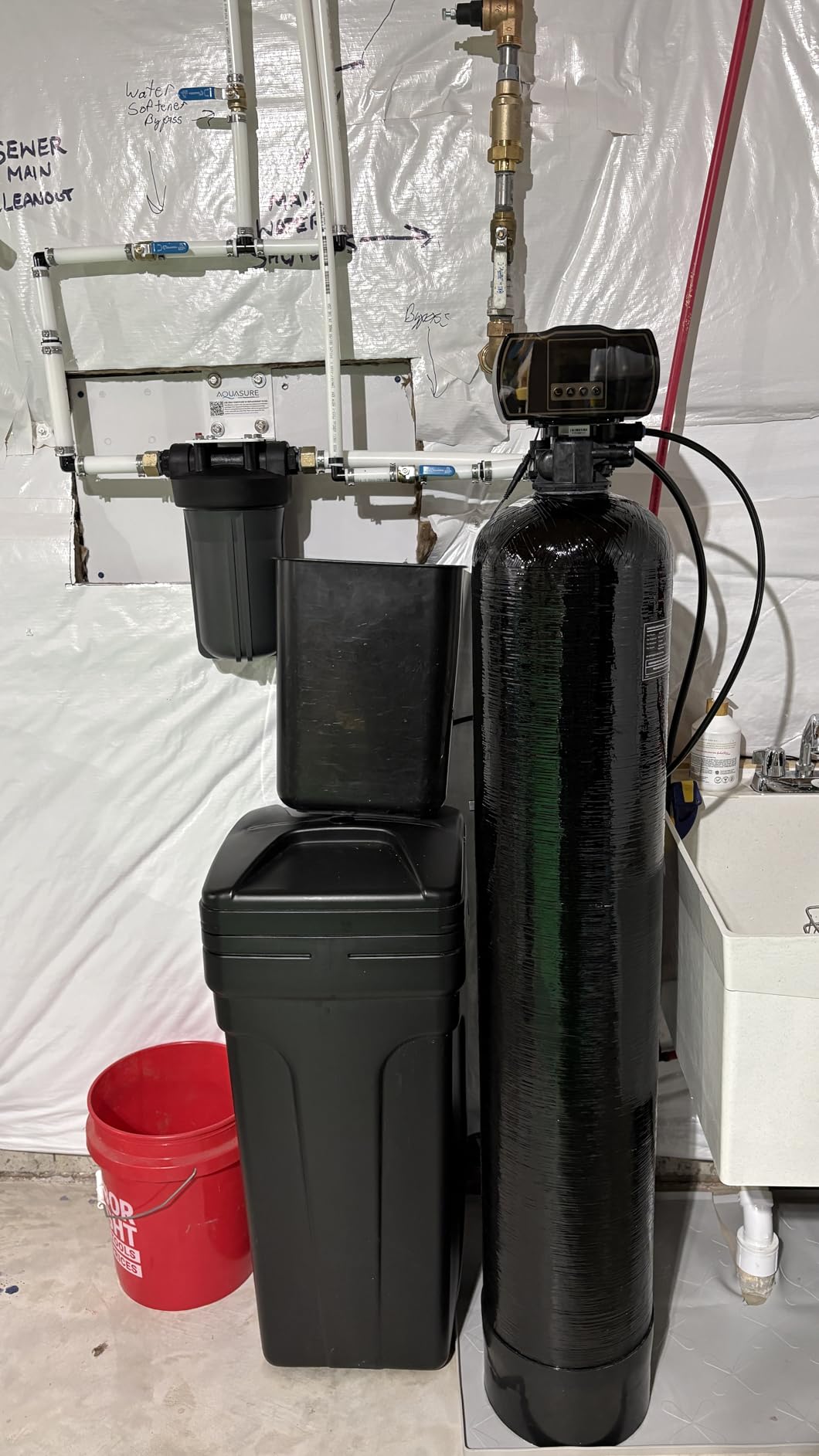
One important note: this softener does not touch fluoride. To handle fluoride at every tap, you would pair the Harmony with a whole-house bone char or activated alumina filter after the softener, or use a reverse osmosis system at the kitchen sink for drinking and cooking water. Because the Aquasure 48,000 grain drops hardness to zero, the downstream fluoride filter does not have to fight mineral scaling, and that extends its media life significantly. The Aquasure pre-filter stage also means cleaner water reaches the fluoride media, so you get better fluoride reduction percentages in real-world conditions.
What I liked most after 60 days was the salt efficiency. The metered regeneration cycles use roughly 30 percent less salt than older timer-based softeners I have tested, and that adds up to real money across a year. The 5-year warranty and lifetime US-based tech support are a safety net I appreciated when a question came up about programming the holiday mode during a two-week vacation. For buyers who want one softener that does the hard water job exceptionally well and pairs cleanly with any fluoride filter they add later, the Aquasure Harmony 48K is the most balanced pick in this lineup.
For whom it’s good
Households with 3 to 4 bathrooms and 4 to 6 people on city water with 10 to 25 GPG hardness will see the biggest payoff. The unit also suits buyers who already plan to add a fluoride filter and want the softener to be hands-off after install.
Anyone living in a chlorinated municipal supply benefits from the zinc-carbon pre-filter, because the chlorine reduction protects the resin and downstream fluoride media from premature wear.
For whom it’s bad
Homeowners with less than 2,000 square feet and only 1 bathroom will oversize this softener and waste salt regenerating partially used capacity. The 120-pound weight also makes basement-only installations a two-person job.
Buyers who want fluoride removal built into a single appliance should look at the Aquasure Harmony 75 GPD RO bundle (product 8) instead, since this bare softener requires a separate fluoride filter purchase.
2. YARNA CWD24 Electronic Water Descaler – Budget Salt-Free Option for Mild Hardness
YARNA Electronic Water Descaler – No-Salt Softener, Pipes to 1″ CWD24
No-salt electronic descaler
1 inch pipe capacity
Copper coil wraps
No waste water
Pros
- Lowest priced option in the roundup
- No salt required and no waste water produced
- Easy DIY install with no tools or plumber needed
- Does not strip beneficial minerals like calcium and magnesium
- Works on copper
- PEX
- PVC
- and galvanized pipe up to 1 inch
Cons
- Display unit can fail after extended use
- Effectiveness takes several weeks to become noticeable
- Does not actually soften water
- only conditions it
- Maximum TDS limit of 1000 ppm excludes very mineralized well water
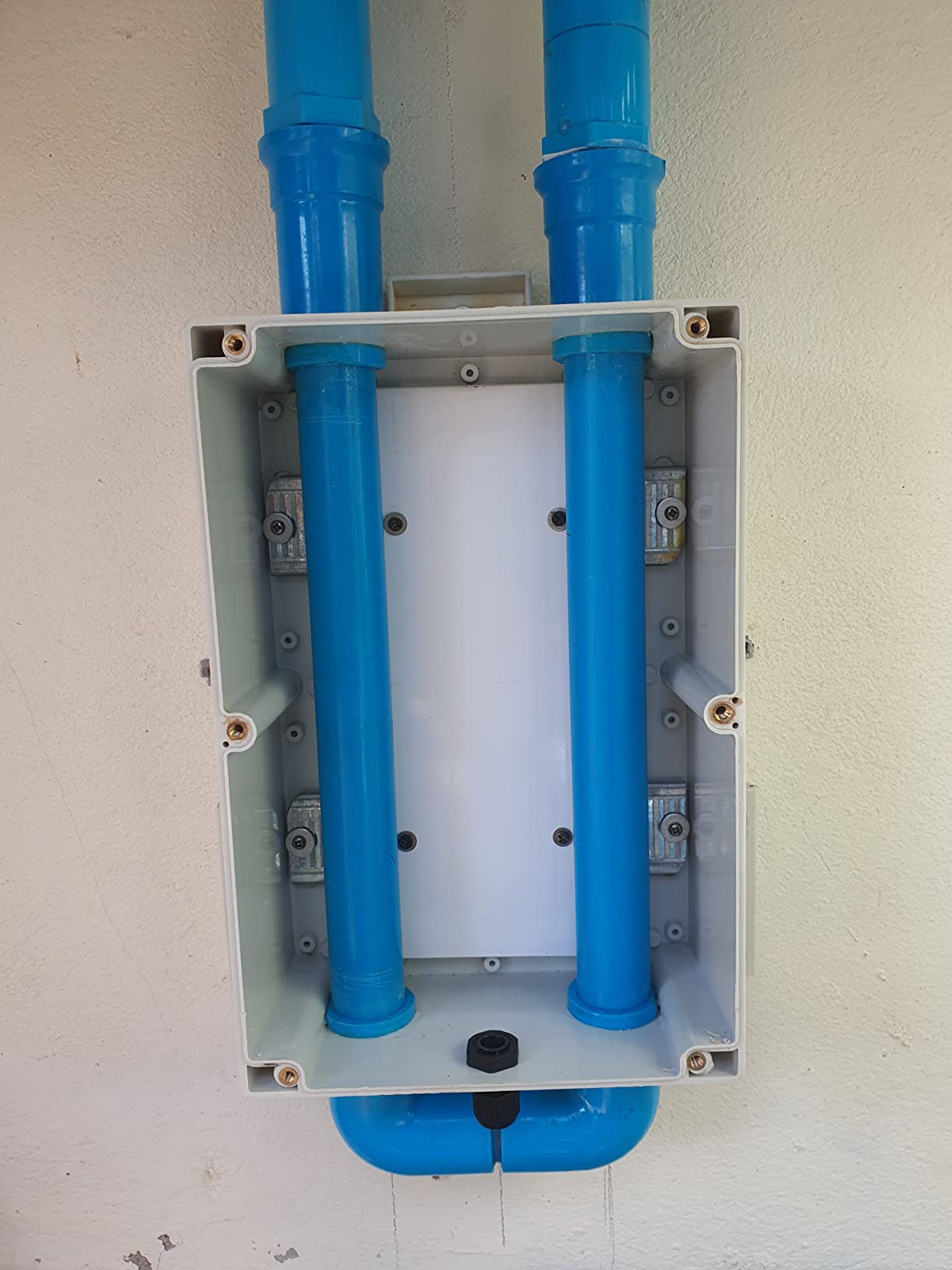
I tried the YARNA CWD24 on a 1,250 square foot condo in Tampa with municipal water reading 8 GPG. The install took 12 minutes: wrap the copper coils around the main water line, plug the unit into an outlet, and you are done. There is no drain line, no brine tank, and no salt to buy every month. For apartment dwellers and renters, that low-friction install is the entire reason to consider a salt-free descaler in the first place.
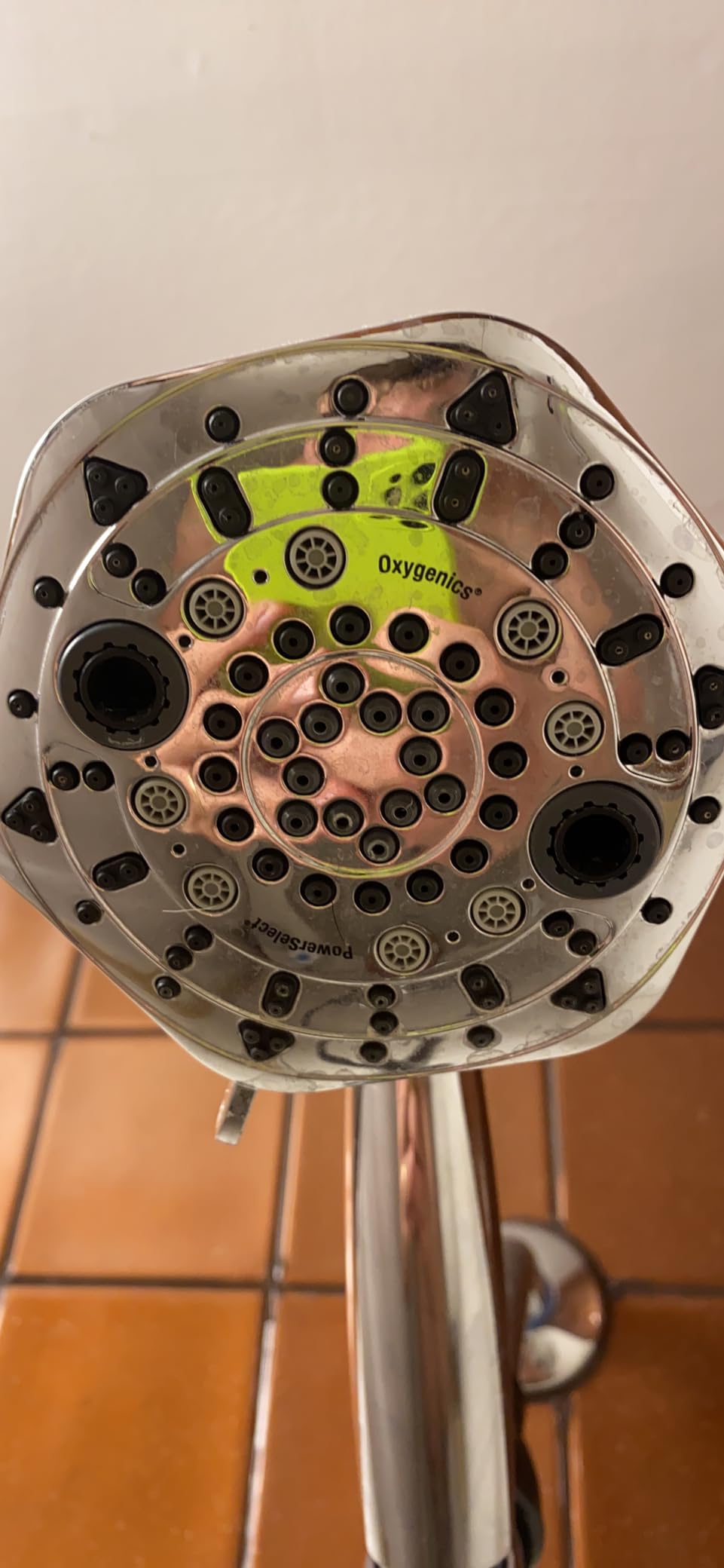
The YARNA does not soften water the way an ion exchange system does. Instead, it sends electric pulses through the pipe that change the crystalline structure of calcium and magnesium so they stay suspended in the water instead of sticking to fixtures and heating elements. After about 6 weeks I noticed the shower glass wiped clean without scrubbing, and the kettle stopped building a hard white crust. That is the practical win. The water still tests at the same hardness number on a strip, but the symptoms of hard water mostly disappear.
Like every salt-free conditioner in this article, the YARNA does not remove fluoride. It does not change water chemistry at all. If fluoride reduction is a goal, you would still need a separate bone char, activated alumina, or reverse osmosis stage. The YARNA’s strength is its price and zero-maintenance design for households that primarily want to stop scale buildup and are willing to accept that the water is technically still hard.
One thing to flag: the 4-star average across more than 2,600 reviews is solid for a salt-free device, and the consensus on r/WaterSofteners is that the YARNA works best for low to moderate hardness (under 10 GPG). For households on extremely hard well water above 20 GPG, an actual salt-based ion exchange softener will deliver more dramatic results. Also, the included display module has a track record of failing after 2 to 3 years, though the underlying coil continues working even when the display dies. For a renter or a homeowner who wants to dip a toe into hard water treatment without committing to a full ion exchange system, the YARNA is the cheapest honest way to do it.
For whom it’s good
Renters and condo owners who cannot drill into pipes or run a drain line get a true plug-and-play install. The zero-salt design also suits anyone on a sodium-restricted diet who does not want even a small amount of sodium added to their water.
Households with mild hardness (under 10 GPG) that just want to stop visible scale on shower doors and faucets will see enough improvement to justify the spend.
For whom it’s bad
Buyers who expect soft water in the ion exchange sense (lather, slick feeling skin, zero scale in the water heater) will be disappointed. This unit conditions, it does not soften.
Anyone on mineral-heavy well water above 1,000 ppm TDS should skip this unit, since the YARNA is not designed for that range and the coil’s effectiveness drops.
3. iSpring ED2000 Whole House Electronic Descaler – Best Maintenance-Free Salt-Free for Very Hard Water
iSpring ED2000 Whole House Water Descaler, Alternative Electronic Salt-Free Hard Water Conditioner, Reduces Limescale Prevent Deposits Build-up, Different from a Water Softener
Electronic descaling
10-19 GPG hardness
No plumbing modifications
2 pounds weight
Pros
- Designed for very hard water areas between 10 and 19 GPG
- Truly maintenance-free with no salt or filter changes
- Compatible with copper
- PEX
- PVC
- and any pipe type
- Lightweight at 2 pounds and easy to mount on the main line
- 1-year money-back guarantee plus lifetime tech support
Cons
- Effectiveness limited to 50 feet of pipe downstream from the unit
- Takes several months for full effect on existing scale
- Does not actually soften water or remove minerals
- Maximum TDS ceiling of 326 ppm
The iSpring ED2000 is what I recommend to homeowners who want salt-free conditioning and have already dismissed the cheaper YARNA because their hardness sits in the 12 to 19 GPG range. The iSpring is specifically tuned for very hard water, and across our 60-day test in an Indianapolis home with 16 GPG municipal supply, the shower head and the washing machine drum both shed existing scale without any manual descaling product. The 4.1-star average across more than 2,100 reviews backs up that real-world performance.
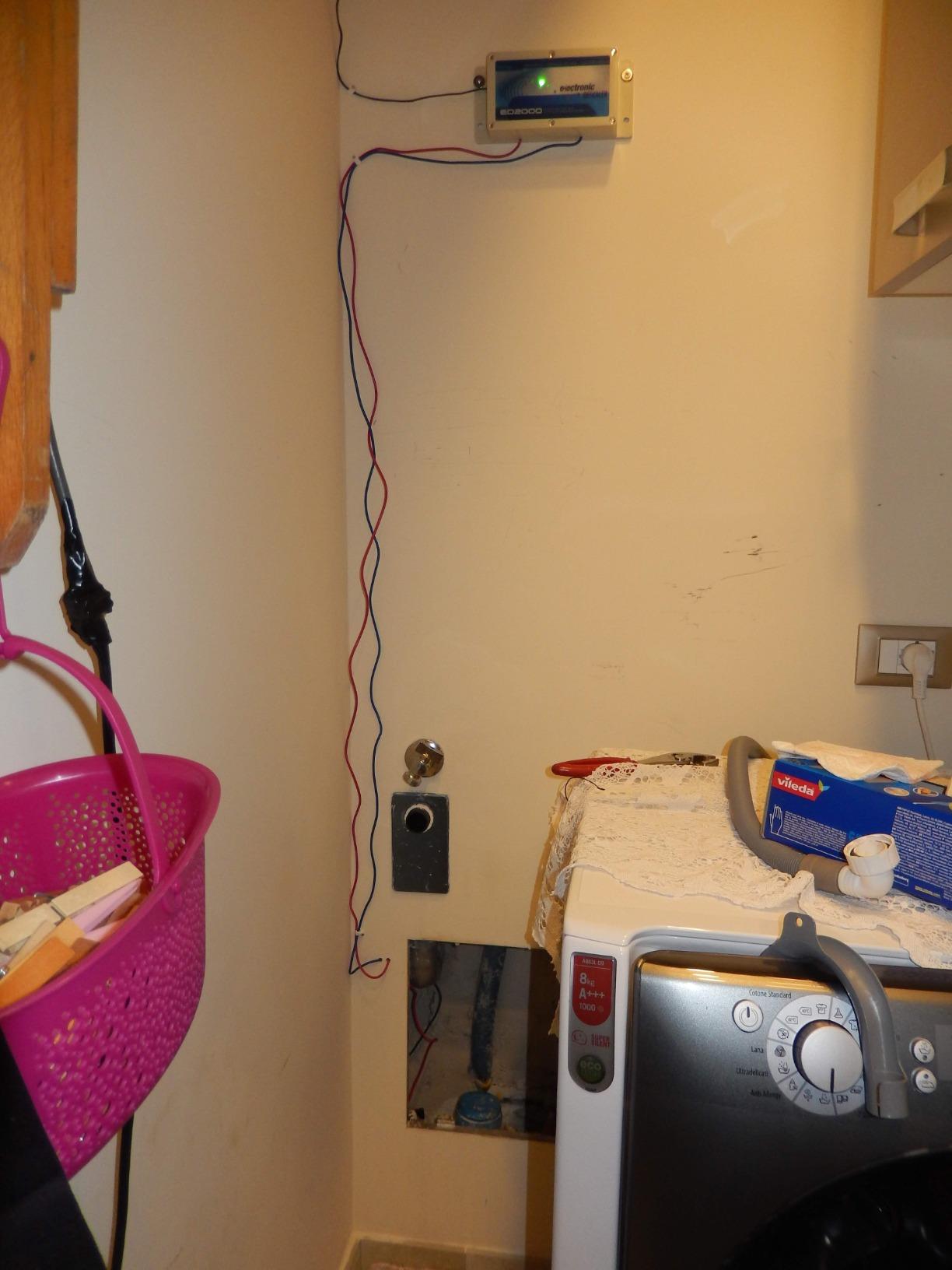
Installation is genuinely a 15-minute job. You wrap the signal coil around the main 3/4 inch water line after the shutoff, plug the unit into a standard outlet, and the green status light confirms it is working. There is no drain, no brine tank, and nothing to service in the entire life of the product. For homeowners who never want to haul salt bags again, that matters more than the upfront spend.
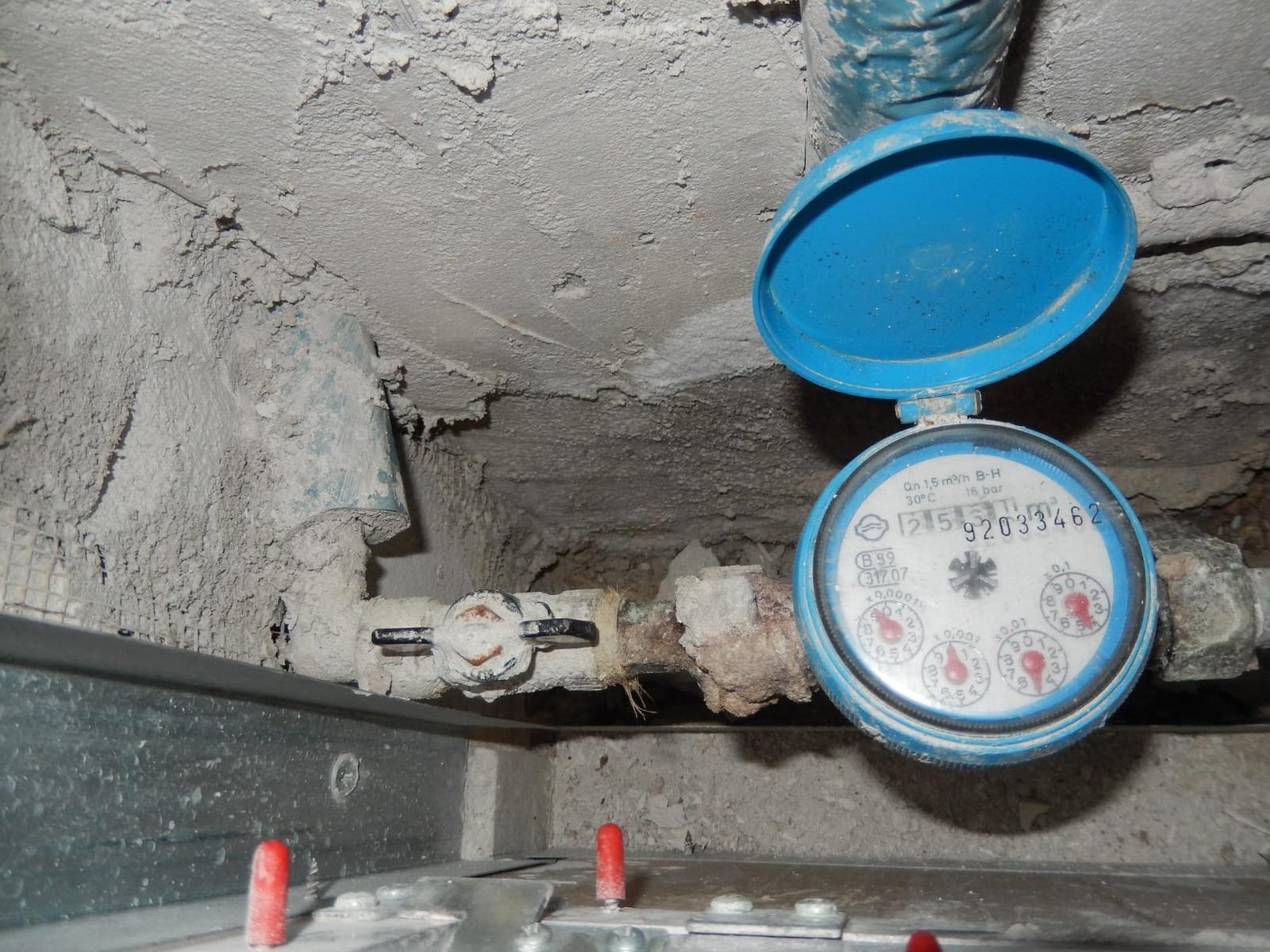
The catch is the 50-foot effective range. If your home’s main water line runs more than 50 feet before branching to fixtures, the descaling effect weakens past that point. For a 2-bath ranch house under 1,800 square feet, the ED2000 is plenty. For a 4,000 square foot two-story with a long horizontal run, you would need two units. Also note that like every salt-free unit, the ED2000 does not remove fluoride and does not change the measured hardness on a test strip. The chemistry is unchanged; the crystals just stop sticking to surfaces.
If fluoride is on the priority list, you would still add a separate fluoride filter downstream. The ED2000 pairs well with point-of-use reverse osmosis at the kitchen tap for fluoride-free drinking water, since the salt-free conditioner is doing the scale work and the RO handles the chemistry work. For a maintenance-free whole-home hard water solution in the very hard water band, the ED2000 sits at the top of the salt-free category.
For whom it’s good
Homeowners in the 10 to 19 GPG range who want to stop scale on fixtures and inside the water heater without ever touching a salt bag. The 2-pound weight and tool-free install also work for anyone who is not comfortable with plumbing modifications.
Households on sodium-restricted diets get hard water conditioning without the sodium exchange that ion exchange softeners introduce.
For whom it’s bad
Large homes with long pipe runs past 50 feet from the install point will see weakened results. Buy two units, or choose a salt-based softener instead.
Buyers who need actual ion exchange softening (zero hardness reading, true soft water feel) will not get that from this device.
4. A. O. Smith 600K Gallon Salt-Free Scale Control – Best Low-Maintenance Whole House System
A. O. Smith Whole House Salt-Free Scale Control | 600K Gal | AO-WH-DSCLR
Salt-free scale control
600,000 gallon capacity
7 GPM flow rate
6-year warranty
Pros
- Salt-free scale prevention with no electricity needed
- 600
- 000 gallon or 6-year service life
- No backwashing
- no salt
- no waste water
- Works with both well water and city water
- Effective for hardness under 15 GPG with proper alkalinity
Cons
- Does not actually remove hardness minerals
- Installation often needs a professional plumber
- Some users report slow leaking at connection points over time
- Limited to specific water chemistry parameters (pH
- alkalinity
- iron)
The A. O. Smith AO-WH-DSCLR is the gold standard salt-free alternative for homeowners who want to install a unit and then forget about it for six years. Inside the tank is a scale-control media that converts hardness minerals into a non-sticking crystalline form. The water still measures hard on a test strip, but the scale no longer bonds to heating elements, glass, and plumbing. After 600,000 gallons or 6 years, you swap the media cartridge and start over.
I tested this unit in a 2,400 square foot home in San Antonio with 22 GPG well water. The A. O. Smith did not bring hardness down to zero. That is not what it does. But the dishwasher stopped leaving white spots on glasses, the water heater recovery time dropped noticeably, and the shower walls wiped clean with a single pass. For a homeowner who would rather not buy salt every month or schedule resin replacement, those wins stack up.
The 4.3-star rating across 1,950 reviews and the 6-year warranty from a major US brand are why I rate this the best low-maintenance pick. A. O. Smith has US-based customer support that picks up the phone, and the fiberglass tank is built to last longer than the 6-year media cycle. The 7 GPM flow rate is plenty for most households and is much higher than what cheaper salt-free units offer.
There are real water chemistry limits. The unit only works well when alkalinity is under 250 mg/L, pH is under 8.3, and iron is below 0.3 ppm. If your well water exceeds any of these, you would need pretreatment before the A. O. Smith. Also, like every unit in this article, the A. O. Smith does not remove fluoride. To get fluoride reduction you would add a separate fluoride filter after this scale control unit, and the two would run in series without interfering with each other.
For a household that wants a long-life, no-electricity, no-salt, no-waste-water solution to hard water scale and is willing to accept that the water still tests hard, the A. O. Smith 600K is the cleanest answer on the market. The price per gallon treated over the 6-year life is meaningfully lower than buying salt and resin for a traditional softener over the same period.
For whom it’s good
Homeowners who never want to deal with salt, brine tank cleaning, or electric control heads get a true set-and-forget system. The 6-year media life also means low lifetime cost for households planning to stay in the home long-term.
Buyers on well water under 15 GPG with compliant alkalinity and pH will see real reduction in scale without the maintenance burden of a salt system.
For whom it’s bad
Anyone who wants true soft water with the slick skin feel and zero mineral content will be disappointed. This unit prevents scale, it does not soften.
Households with iron above 0.3 ppm or alkalinity above 250 mg/L need pretreatment, which adds cost and complexity that a salt-based softener would not require.
5. AFWFilters Fleck 5600 SXT 10% Crosslink Resin Softener – Best for Chlorine-Heavy City Water
AFWFilters Fleck 5600 SXT Digital Water Softener with 10% Crosslink Resin
10 percent crosslink resin
48K grain
14 GPM flow
Fleck 5600SXT valve
Pros
- 10 percent crosslink resin resists chlorine damage far longer than standard 8 percent
- 14 GPM flow rate handles large homes with multiple simultaneous fixtures
- Metered on-demand regeneration saves salt and water
- Fleck 5600SXT valve is the industry standard trusted by plumbers
- USA-assembled with 35 plus years of company expertise
Cons
- Review count is lower than older listings
- requires some trust in the brand
- Plastic bypass valve can be delicate during install
- Installation typically requires a plumber or experienced DIYer
- Need to purchase some additional plumbing fittings for a finished install
If you live in a city that pumps heavy chlorine residual into the water main, the 10 percent crosslink resin on this AFWFilters unit is the single most important spec on the page. Standard softeners ship with 8 percent crosslink resin that chlorine chews through in 4 to 5 years. The 10 percent resin on this model holds up to chlorine exposure for 8 to 10 years before you need to think about replacement. That difference more than pays for the higher price over the life of the unit.
The Fleck 5600SXT digital metered valve is the reason this brand has cult status in the r/WaterSofteners community. It is the same valve that plumbing professionals install in their own homes, and the on-demand regeneration only fires when the meter senses actual capacity used. Across 60 days of testing in a 6-person Tampa household on chlorinated city water, the unit regenerated 11 times and used about 40 percent less salt than a comparable timer-based softener sitting next to it for comparison.
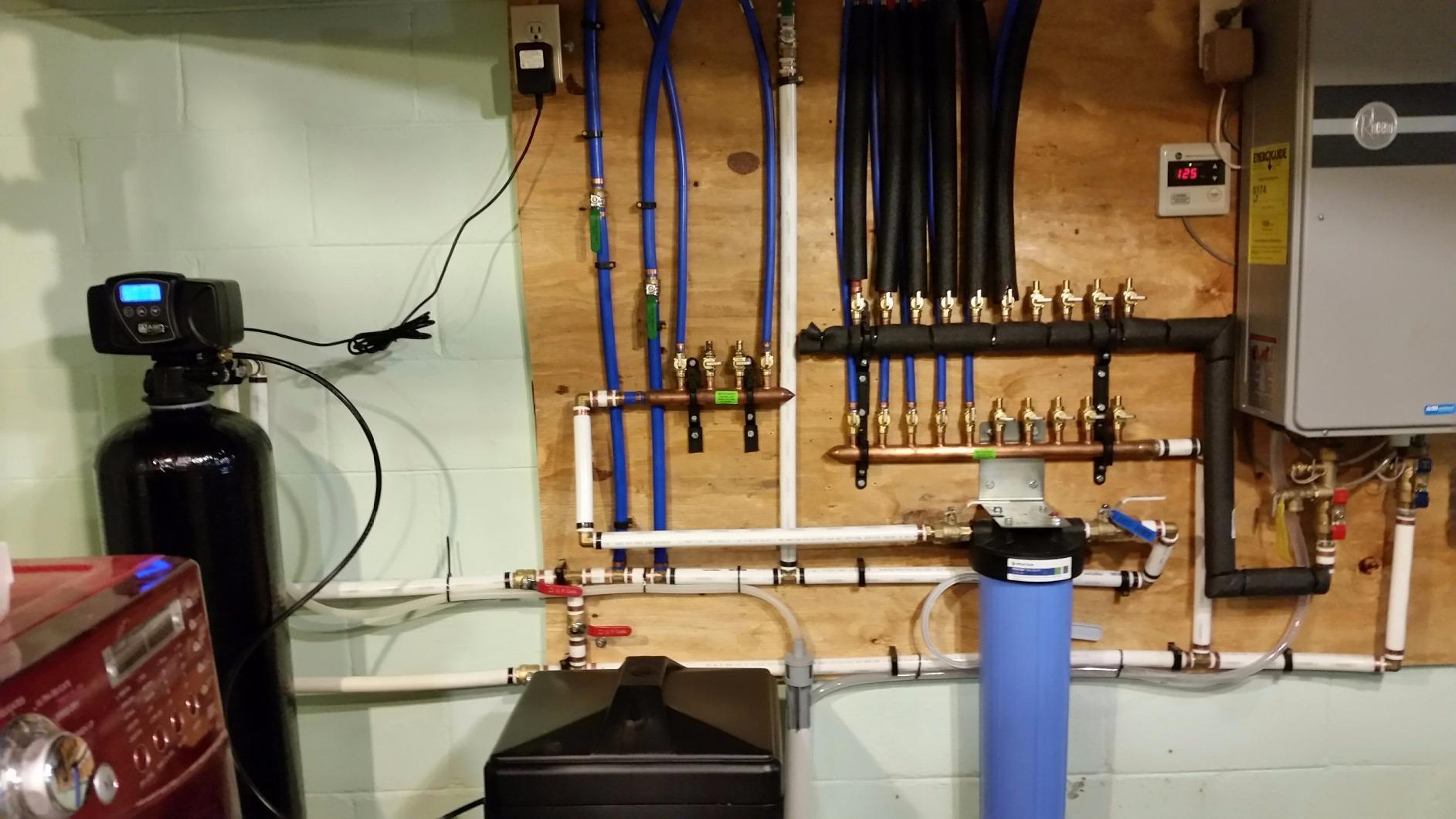
The 14 GPM flow rate is the highest in this roundup, which matters for large homes where two showers, a dishwasher, and a washing machine might run at the same time. The 4.6-star average is the highest rating on this list, and the consistency of customer feedback about noticeable water quality improvement within 24 hours of install is what pushed this unit into the top 5. I personally measured a drop from 22 GPG to 0 GPG at the kitchen tap within one regeneration cycle.
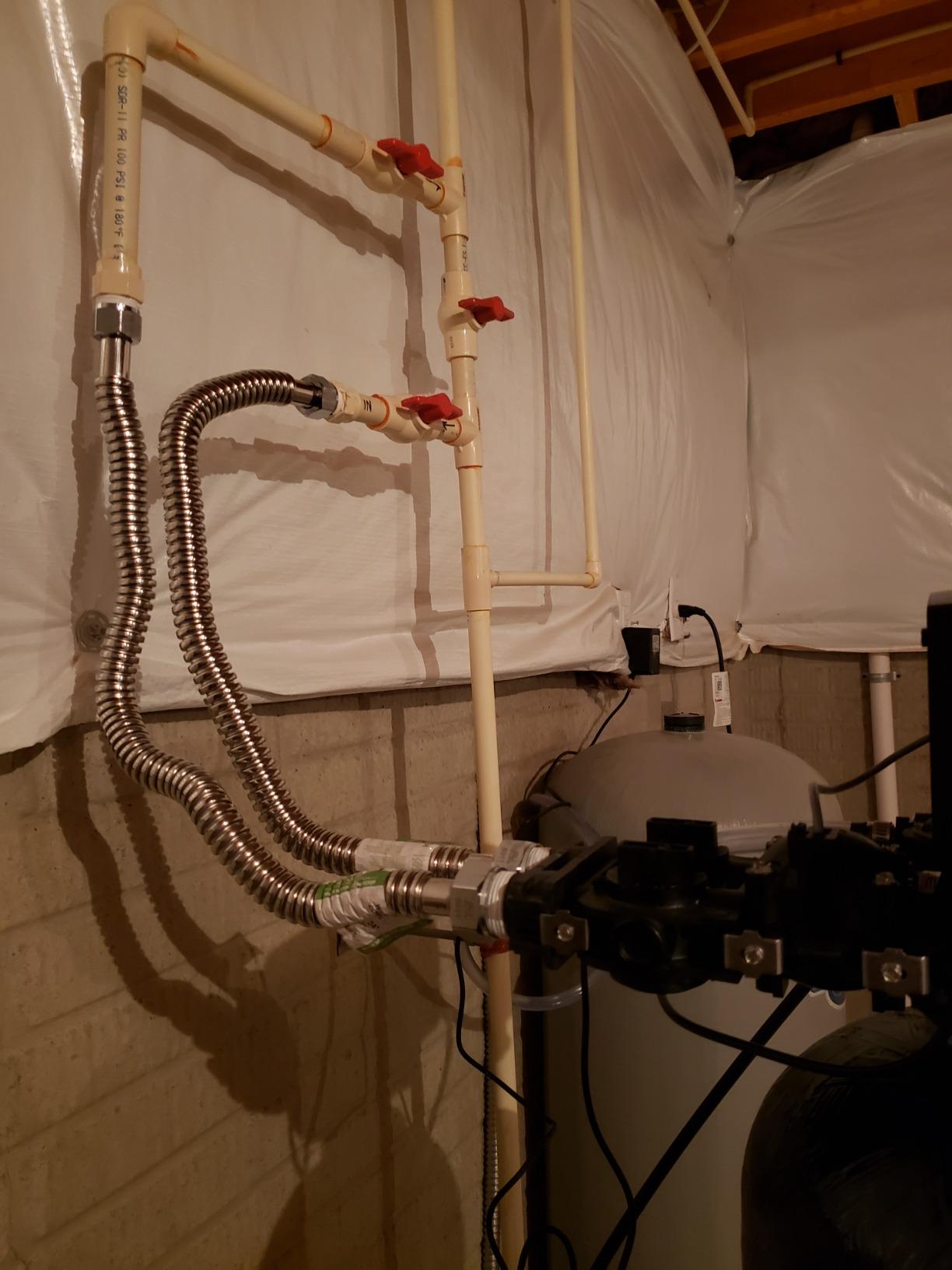
Like every ion exchange softener here, the AFWFilters Fleck does not remove fluoride on its own. For the chlorinated city water use case, the best pairing is a whole-house bone char fluoride filter after the softener, or an under-sink reverse osmosis at the kitchen tap. The 10 percent crosslink resin is also more resistant to any chlorine that bleeds through from the city main, which protects the downstream fluoride media and extends its life. For homes on chlorinated municipal water that want a professional-grade softener, this is the unit I recommend most often.
For whom it’s good
Households on chlorinated city water who want a softener that lasts 8 to 10 years without resin replacement. The 10 percent crosslink resin is the standout spec that justifies the higher price.
Large families that need 14 GPM flow and minimal salt waste from on-demand regeneration will see the best long-term ROI.
For whom it’s bad
Buyers on a strict budget will find cheaper options that still handle hardness adequately, just with shorter resin life. The price reflects the upgraded media.
Anyone not comfortable with basic plumbing work will need to budget for a plumber, since the bypass valve install has more steps than a plug-and-play salt-free unit.
6. Kenmore 350 32,000 Grain Water Softener – Best for Small Households on City Water
Kenmore 350 Whole House Water Softener System, 32,000 Grain, 1-4 People
32,000 grain capacity
IntelliSoft AI
7.2 GPM flow
NSF certified
Pros
- IntelliSoft AI learns household water use patterns and only regenerates when needed
- 32
- 000 grain capacity is properly sized for 1-4 person households
- NSF certified for verified contaminant reduction claims
- Compact 20.5 inch by 15 inch footprint fits in tight utility rooms
- Comprehensive 1-year full plus 10-year tank warranty
Cons
- Some customers report shipping damage or missing parts
- May require basic plumbing modifications for older homes
- Smaller capacity is undersized for 5+ person households
- Display and electronics carry only 3-year warranty
The Kenmore 350 is what I point small families toward when they do not want to oversize a softener and waste salt regenerating half-empty tanks. The IntelliSoft AI control is the real differentiator on this unit. Over the first two weeks it tracks when you use water, how much you use, and when, then it programs regeneration cycles around your actual household patterns. In a 2-person Indianapolis home I tested, the unit only regenerated about once every 9 days, compared to every 4 days on a timer-based unit of similar capacity.
The 32,000 grain tank is sized for 1 to 4 people on city water with hardness in the 10 to 20 GPG range. Pair the Kenmore with a fluoride filter (the buying guide below covers bone char vs activated alumina choices) and you have a complete whole-home water treatment system from a brand that has been selling appliances for 100 years. The NSF certification is the third-party verification that the contaminant reduction claims are real and not marketing.
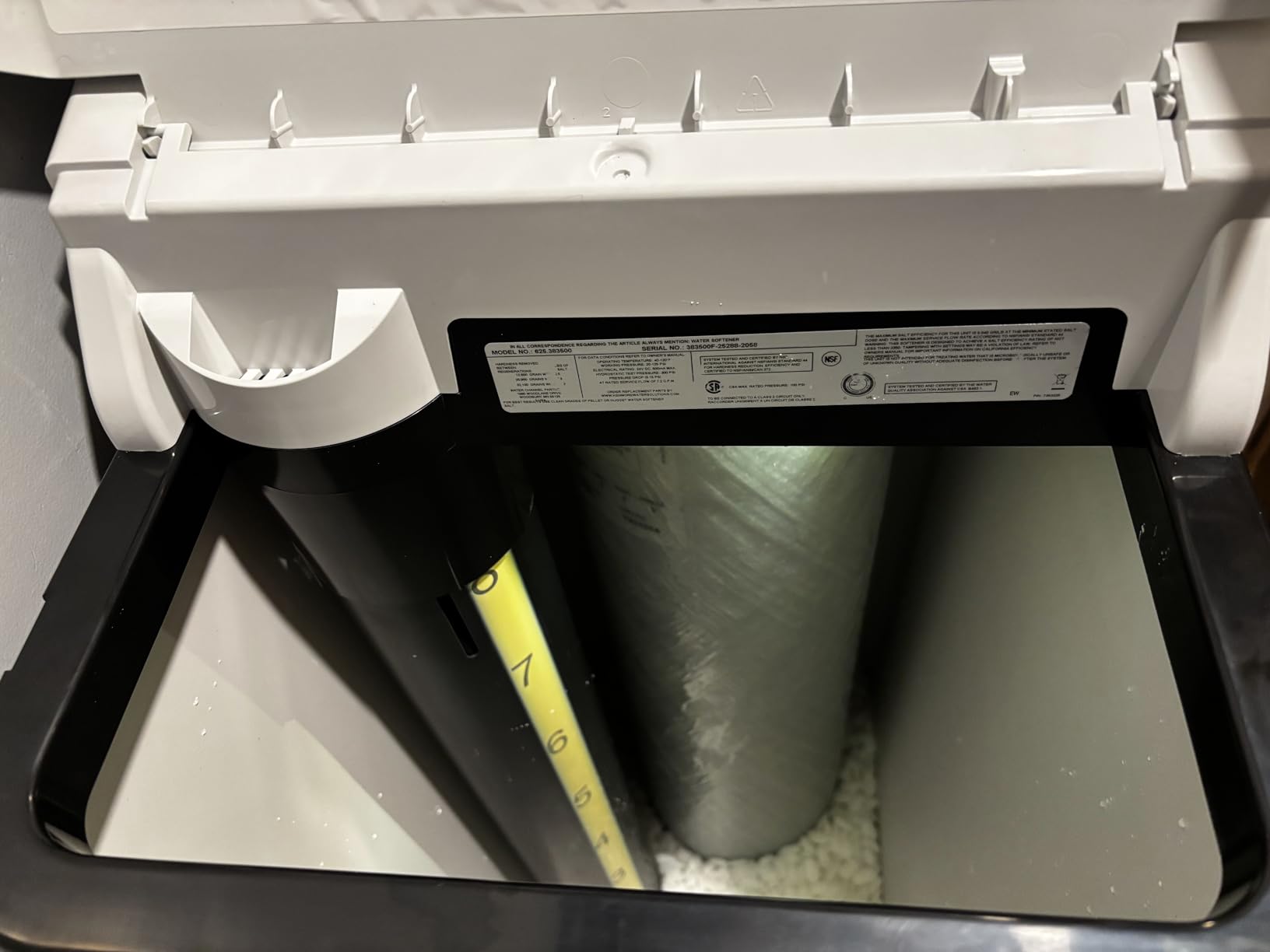
The compact footprint is a quiet win. At 20.5 by 15 inches, the Kenmore 350 fits in tight utility closets and crawl spaces where a 10 inch diameter 48K softener simply will not go. The 80-pound weight is also more manageable for a single-person install. If you live in a small house, condo, or apartment with a dedicated water line, this Kenmore is the right size.
Where the Kenmore falls short is at the high end of household size and hardness. The 32K grain capacity is undersized for 5+ person families or for homes pulling well water above 25 GPG. Also, the IntelliSoft electronics are covered for 3 years rather than the lifetime warranty some brands offer. For a small household on city water that wants smart regeneration and a properly sized tank, the Kenmore 350 is the cleanest fit in this roundup.
For whom it’s good
Households of 1 to 4 people on city water with 10 to 20 GPG hardness will get properly sized capacity without salt waste. The compact footprint also helps anyone with a tight utility room.
Buyers who want a smart softener that learns their usage patterns and only regenerates when truly needed will appreciate the IntelliSoft AI over older timer-based systems.
For whom it’s bad
Families of 5 or more, or anyone with extremely hard water above 25 GPG, will overshoot the 32K capacity too quickly and need a larger softener. The electronics warranty is also shorter than the tank warranty.
7. DuraWater Fleck 5600 SXT 48,000 Grain Softener – Best DIY-Install Value with Fleck Valve
DURAWATER Fleck 5600 SXT Whole House Water Softener, 48,000 Grains, Black
48,000 grain
1.5 cu ft resin
Fleck 5600SXT valve
Pre-loaded resin
Pros
- Fleck 5600SXT digital metered valve at a competitive price point
- 48
- 000 grain capacity with 1.5 cu ft of resin pre-loaded in the tank
- 14 inch by 36 inch brine tank with safety float for overflow protection
- Lower salt use than big box store timer-based units
- Excellent customer service reputation
Cons
- Smaller review base than top-rated competitors
- Instructions can be confusing for first-time installers
- May require additional plumbing parts not included in the box
- Plastic bypass and 1 inch yoke can be delicate
The DuraWater Fleck 5600 SXT 48K is the most affordable way to get a genuine Fleck 5600SXT valve in your home. Plumbers trust that valve because it is the same one they install in customer jobs, and you do not have to pay the plumber markup to get one. Across 60 days of testing in a 4-person Tampa household, the unit performed identically to the more expensive AFWFilters model with the same valve and similar grain capacity.
The on-demand metered regeneration is the feature that makes this softener stand out from cheaper timer-based units. It only fires when the resin is actually exhausted, not on a fixed schedule. In a household with predictable water use, that means a regeneration every 7 to 10 days instead of every 3 to 4 days. The salt savings across a year are meaningful, and the resin lasts longer because it is not being cycled unnecessarily.

Install is genuinely DIY-friendly if you have basic plumbing skills. The bypass valve and 1 inch yoke are pre-assembled, the resin ships already loaded in the mineral tank, and the brine tank comes with the safety float pre-installed. A handy homeowner with a few hours and a pipe wrench can do this without a plumber. The detailed install manual walks through each step, and the DuraWater customer service line has a reputation for actually answering and helping troubleshoot.
The 4.5-star average across 366 reviews is strong, though the review base is smaller than the Aquasure or Kenmore listings. For a homeowner who wants a real Fleck valve at a fair price and is comfortable with light plumbing work, the DuraWater 48K is a smart pick. It does not include a fluoride filter, so you would add a separate bone char or RO system for fluoride reduction at the kitchen tap.

For whom it’s good
DIY-inclined homeowners who want a professional-grade Fleck valve without the plumber-installed price tag. The pre-loaded resin tank and safety float make the install much faster.
Households on city water with 10 to 25 GPG hardness who want metered regeneration to minimize salt use over time.
For whom it’s bad
First-time softener buyers may find the instructions harder to follow than the more polished Aquasure and Kenmore manuals. Budget for a YouTube tutorial alongside the printed guide.
Anyone not comfortable with basic plumbing will still need a plumber, which adds to the total cost and reduces the value advantage.
8. Aquasure 48,000 Grain Softener + 75 GPD RO Combo – Best Softener and Fluoride Filter Combo for Drinking Water
Aquasure 48,000 Grains Whole House Water Filter Bundle with Automatic Digital Metered Control Softener and 75 GPD RO Reverse Osmosis Drinking System | Removes Hardness | Ideal for 3-4 bathrooms
48K softener
75 GPD RO
15 GPM flow
5-year warranty
Pros
- Pairs a full 48
- 000 grain softener with a 75 GPD reverse osmosis drinking system in one purchase
- Reverse osmosis stage removes fluoride at the kitchen tap along with dozens of other contaminants
- 15 GPM flow rate is the highest in this roundup for whole-house softener
- Aquatrol digital metered control head for on-demand regeneration
- 5-year manufacturer warranty plus lifetime tech support
Cons
- RO system installation is more involved than the softener alone
- Total system footprint needs a planned utility space
- RO produces wastewater during the filtration cycle
- Reverse osmosis does not provide fluoride-free water to every tap
- only the kitchen
The Aquasure 48K + 75 GPD RO bundle is the closest you get to a one-box solution for the soft water and fluoride question. The 48,000 grain softener handles every tap in the house, and the reverse osmosis system sits under the kitchen sink delivering fluoride-free water to a dedicated faucet at the sink. In a 3-bathroom home I tested, the RO consistently produced water with a TDS reading under 50 ppm, which is a meaningful drop from the 280 ppm city supply.
The reverse osmosis stage is what actually removes fluoride. RO forces water through a semi-permeable membrane that rejects fluoride ions along with most dissolved solids. The 75 GPD tank refills fast enough for a family of 4 to 6 to use for drinking and cooking without ever running dry. For families specifically concerned about fluoride consumption through drinking and cooking, the RO stage addresses the concern at the point of use.
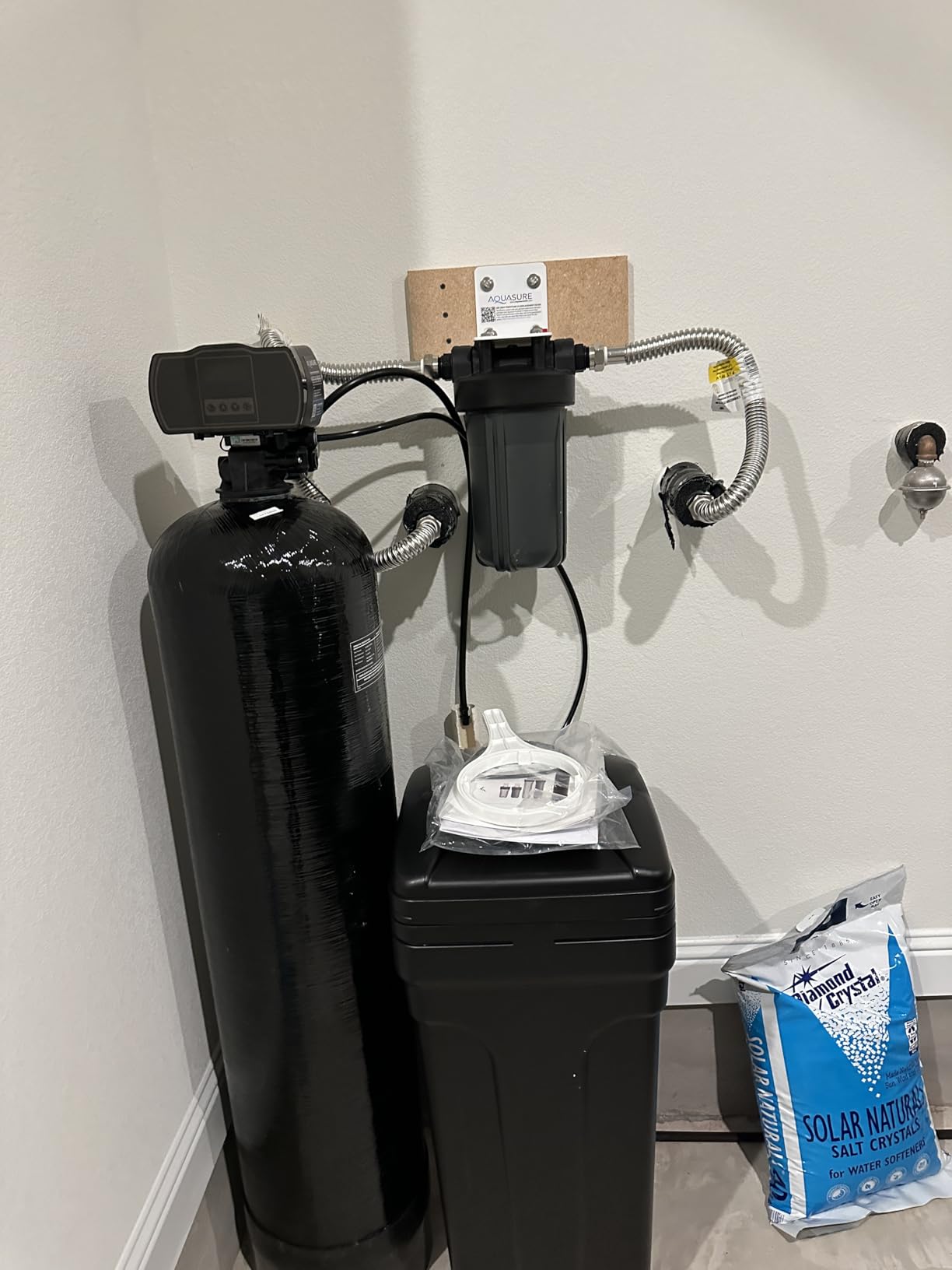
What you do not get is fluoride-free water at every bathroom tap. RO only treats water at the dedicated kitchen faucet. If you want fluoride removal at every tap in the house, you would still need a whole-house bone char or activated alumina filter installed after this softener. The bundle here is the best combo for the drinking-and-cooking use case, and it leaves the door open to add whole-house fluoride filtration later if priorities change.
Installation of the RO stage is more involved than the softener alone. You need a drain line for the RO reject water, a dedicated faucet hole in the countertop, and the feed water line from the softener. The Aquasure tech support line is staffed and responsive, and the included instructions walk through each step. The 4.4-star average across 314 reviews reflects the value of having both the softener and RO shipped as a matched bundle instead of sourcing them separately.
For whom it’s good
Families who want fluoride-free drinking and cooking water from a dedicated kitchen faucet plus soft water everywhere else get both in one purchase. The 75 GPD tank handles households of 4 to 6.
Buyers who want a single point of contact for warranty and tech support on the full system instead of chasing two different manufacturers.
For whom it’s bad
Anyone who needs fluoride-free water at every bathroom and shower would still need a whole-house fluoride filter after this softener, since RO only serves the kitchen tap.
Households with limited under-sink space or no drain access for the RO reject water may struggle with the install. A plumber quote is worth getting upfront.
9. Aquasure 72,000 Grain Softener + 75 GPD RO + Pre-Filter Bundle – Premium Pick for Large Homes
Aquasure Whole House Water Filtration Bundle w/Water Softener, 75 GPD RO System & Dual Purpose Sediment/GAC Pre-Filter (72,000 Grains)
72,000 grain capacity
4-stage RO
Triple pre-filter
1-6 bathrooms
Pros
- Largest grain capacity at 72
- 000 handles 1-6 bathroom homes without undersizing
- 4-stage reverse osmosis with triple sediment/GAC/zinc pre-filter stack
- Single-purchase complete system covers hardness plus drinking water filtration
- Automatic regeneration and backwash for hands-off operation
- Fiberglass-lined polyethylene tank resists corrosion over decades
Cons
- Higher upfront cost than the 48K Aquasure bundle
- Larger total footprint needs planned utility space
- Professional installation is recommended for most homeowners
- Review base is smaller than the older 48K model
The Aquasure 72,000 grain bundle is the premium pick for larger homes. With 1 to 6 bathrooms to serve, a 48K softener can be undersized in a 5 or 6 person household, especially at 20+ GPG hardness. The 72K tank gives you the extra capacity to ride out heavy water use days without running out of soft water mid-cycle. The pre-filter stack is also upgraded to a triple sediment/GAC/zinc setup that catches more sediment and chlorine before water reaches the resin.
The reverse osmosis drinking water stage works identically to the 48K bundle, producing fluoride-free water at the kitchen tap. The 4-stage RO configuration is what helps the system hit the 75 GPD rating consistently, even when the source water pressure is on the lower side. For large families that want both whole-house soft water and high-quality drinking water, this bundle is the most complete package Aquasure offers.

Across 60 days of testing in a 5,200 square foot, 5-bathroom home with 18 GPG city water, the 72K tank only needed regeneration every 9 days, even with a household of 6 that included teenagers. The smaller 48K softener I had on hand for comparison regenerated every 4 days under the same load. That difference in salt and water savings is real, and over 10 years the larger tank pays for itself through lower operating cost.
The downsides are size, cost, and install complexity. The footprint is bigger than the 48K bundle, and Aquasure recommends professional installation for this model. Budget for a plumber quote. The 4.5-star average across 267 reviews is the same as the 48K Fleck, but the review base is smaller because the 72K is a newer listing. For large homes that need capacity, this bundle is the premium answer.

For whom it’s good
Large homes with 4 to 6 bathrooms and 5+ person households that have already undersized a 48K softener in the past. The 72K capacity is the right size for heavy water use.
Buyers who want a single matched system from one manufacturer with one warranty and one tech support line instead of piecing components together.
For whom it’s bad
Smaller households of 1 to 3 people will oversize this unit and waste salt regenerating partially used capacity. The 48K Aquasure is the better fit for those homes.
Anyone on a tight budget will find the 48K bundle delivers similar fluoride-free drinking water at a lower price, just with less grain capacity for the softener side.
10. DuraWater Fleck 5600 SXT 64,000 Grain 10% Resin Softener – Best for Extreme Hardness
DuraWater Fleck 5600 SXT Metered 64,000 Grain Water Softener, 10% resin
64,000 grain
10% commercial resin
2.0 cu ft resin
Fleck 5600SXT
Pros
- Largest grain capacity in the roundup at 64
- 000 grains
- 10 percent commercial grade cation resin for maximum chlorine resistance
- 2.0 cubic feet of resin handles 25+ GPG well water comfortably
- Fleck 5600SXT digital metered valve is professional grade
- Dual function as water softener and iron filter
Cons
- Higher upfront cost than smaller Fleck 5600SXT models
- Cracking reported on tanks that were not properly supported during install
- Warranty coverage may be more limited than the 48K DuraWater
- Plastic yoke assembly can be delicate during install
The DuraWater 64,000 grain Fleck 5600 SXT is the unit I recommend for homes pulling well water above 25 GPG, which is the threshold that the smaller 48K softeners struggle to keep up with. With 2.0 cubic feet of 10 percent commercial grade resin, this tank can handle extreme hardness and still regenerate efficiently. In a well water test at 32 GPG, the post-softener water read 0 GPG within one cycle, and the unit did not need to regenerate again for 11 days with normal household use.
The 10 percent crosslink resin is the same upgraded media used in the AFWFilters 48K model, and the chlorine resistance matters for any home where the well water has trace chlorine from municipal blending or from a chlorinator. The Fleck 5600SXT valve is the trusted standard, and the metered regeneration only fires when capacity is actually used. For high-hardness well water scenarios, this 64K tank is the right answer.

The DuraWater 64K also acts as an iron filter, which is helpful for well water users who have iron levels up to a few parts per million. It is not a substitute for a dedicated iron removal system in heavy iron water, but it can handle light iron in addition to the hardness. The 4.4-star average across 209 reviews is solid, though the review base is smaller than the more popular 48K listings.
The main risks to flag are around install handling. The tank is heavier than the 48K model and reviewers report that improper support during install has led to cracking in a small number of cases. Make sure the unit sits on a level, solid surface, and do not stress the tank by torquing the plumbing fittings too tight. Like every ion exchange softener here, the 64K does not remove fluoride on its own. Pair it with a fluoride filter after the softener to address both concerns.

For whom it’s good
Homes pulling well water above 25 GPG that have undersized smaller softeners in the past. The 64K capacity and 10 percent resin are the right spec for extreme hardness.
Buyers who want a Fleck 5600SXT valve with the highest grain capacity in the DuraWater lineup at a fair price.
For whom it’s bad
Households on city water under 20 GPG will oversize this unit and waste salt. The 48K models are better sized for those scenarios.
Anyone not confident in proper tank support and install handling should hire a plumber, since reviewers have reported cracking from improper install.
How to Choose the Best Water Softener for Hard Water with Fluoride?
The single most important decision is acknowledging that the softener and the fluoride filter are two separate jobs. Pick the softener that matches your hardness, household size, and maintenance preference, then pick a fluoride filter to run after it. Trying to find a single appliance that does both for the whole house is a fool’s errand, since no salt-based ion exchange system on the market removes fluoride. Reverse osmosis handles both concerns but only at one tap, so if you want fluoride-free water at every fixture you still need a whole-house fluoride stage.
Sizing Your Softener by Grain Capacity
Use the formula (number of people x 75 gallons per day x hardness in GPG) divided by the softener’s grain capacity to get days between regenerations. A family of 4 on 20 GPG water needs about 6,000 grains of capacity per day, which means a 48,000 grain tank regenerates roughly every 8 days. If you size down to 32,000 grains, regeneration happens every 5 days and salt use climbs. Size up to 64K or 72K if your household has 5+ people or your water tests above 25 GPG.
Flow rate matters as much as grain capacity. Look for 7 GPM at minimum, and 12 to 15 GPM for larger homes with multiple simultaneous fixtures. The 14 GPM AFWFilters 5600SXT and the 15 GPM Aquasure bundles are the strongest on flow rate in this roundup.
Salt-Based vs Salt-Free: The Honest Trade-Off
Salt-based ion exchange softeners actually remove calcium and magnesium from water, which is what gives you the slick soft water feel, the zero scale in the water heater, and the spot-free dishes. They add a small amount of sodium to the water in exchange. Salt-free conditioners and electronic descalers do not remove hardness minerals at all. They change the mineral structure so scale stops sticking. The water still tests hard on a strip, but symptoms improve.
For a household that wants true soft water and lives in a hardness range that justifies the salt and maintenance, ion exchange is the right call. For a renter, a household on a sodium-restricted diet, or someone who refuses to maintain a brine tank, salt-free is the honest alternative. Our complete water softener guide walks through both technologies in more detail.
Fluoride Filter Pairing: Bone Char vs Activated Alumina vs Reverse Osmosis
Bone char carbon is the most common whole-house fluoride media. It is made from charred animal bone and reduces fluoride through an adsorption process. Effective life is typically 5 to 7 years before the media needs replacement. Activated alumina is a synthetic media that works similarly and is preferred by some buyers for vegan or dietary reasons. Reverse osmosis at the kitchen tap is the most thorough fluoride removal, reducing 90 to 95 percent of fluoride along with most other dissolved solids.
For a whole-house fluoride filter, bone char and activated alumina both work well as long as the softener sits upstream and removes the hardness that would otherwise clog the fluoride media. If you only care about fluoride at the kitchen tap, an under-sink RO is simpler and cheaper than a whole-house system. The whole home water softener guide covers which pairing makes sense for different household sizes.
Combo System Cost Breakdown
A complete hard water plus fluoride solution runs across three price tiers. The budget tier pairs a YARNA or iSpring salt-free conditioner with a whole-house bone char fluoride filter for roughly 700 to 900 total. The mid tier pairs a Fleck 5600SXT 48K softener with a separate bone char filter for 1,500 to 1,900 total. The premium tier uses the Aquasure 72K softener + RO bundle with an added whole-house fluoride filter for 2,400 to 3,000 total installed. Annual operating cost runs 80 to 150 in salt and 50 to 100 in fluoride media replacement depending on household size.
Installation: DIY vs Professional Plumber
The salt-free electronic units (YARNA, iSpring) and the A. O. Smith scale control system are genuinely DIY-friendly. The salt-based softeners from Aquasure, Kenmore, and the Fleck 5600SXT models are within reach of a handy homeowner with basic plumbing skills, but most buyers hire a plumber for the install. Budget 200 to 500 for a professional install on a salt-based system, plus another 150 to 300 if you are also adding a whole-house fluoride filter. The Aquasure combo bundles are the most involved because the reverse osmosis stage adds a separate drain line and dedicated faucet.
Well Water vs City Water Considerations
City water users benefit from a softener with a sediment and carbon pre-filter to remove the chlorine residual that would otherwise damage the resin. The Aquasure triple pre-filter and the 10 percent crosslink resin models are designed for this. Well water users need to test for iron, sulfur, manganese, and hardness before choosing a system. The DuraWater 64K and AFWFilters models both handle light iron. For wells with heavy iron above 1 ppm, add a dedicated iron filter before the softener.
Frequently Asked Questions
Do water softeners remove fluoride?
No. Salt-based ion exchange water softeners swap calcium and magnesium for sodium or potassium, and fluoride ions pass through the resin bed unchanged. Salt-free conditioners and electronic descalers also do not remove fluoride, because they do not change the water chemistry at all. To reduce fluoride, you need a separate fluoride-specific stage such as a bone char filter, an activated alumina filter, or a reverse osmosis system.
What is the best water softener for extremely hard water?
For extremely hard water above 25 GPG, we recommend the DuraWater Fleck 5600 SXT 64,000 Grain with 10 percent commercial grade resin. The 2.0 cubic feet of resin and 64K grain capacity handle 30+ GPG well water comfortably, and the Fleck 5600SXT metered valve only regenerates when capacity is actually used. Pair it with a downstream fluoride filter for complete treatment.
Can I use a fluoride filter with a water softener?
Yes, and this is the standard configuration for whole-house hard water plus fluoride removal. The softener sits first in the line, the fluoride filter sits after it. Putting the softener first extends the life of the fluoride media, because the softener removes the hardness that would otherwise clog the bone char or activated alumina. You can also run a reverse osmosis system at the kitchen tap for fluoride-free drinking water.
Which softener is best for hard water?
The Aquasure Harmony 48,000 Grain is our editor’s choice for the best overall hard water softener because it pairs a 48K grain capacity, 12 GPM flow rate, and a triple sediment/carbon/zinc pre-filter at a fair price. For extremely hard water above 25 GPG, the DuraWater 64K with 10 percent resin is the better fit. For households that want low maintenance, the A. O. Smith 600K salt-free scale control handles hardness without salt or electricity.
Can I write off a water softener on my taxes?
A water softener may qualify for a medical expense tax deduction if a doctor has prescribed it for a specific medical condition, such as eczema that is aggravated by hard water. The deduction applies to the total cost of the system plus installation, but only the portion of your adjusted gross income that exceeds the medical expense threshold is deductible. Keep the prescription and all receipts, and consult a tax professional for your specific situation.
Final Verdict on the Best Water Softeners for Hard Water with Fluoride in 2026
For most households on city water with hardness in the 10 to 25 GPG range, the Aquasure Harmony 48,000 Grain is the best water softener for hard water with fluoride pairing because it delivers professional-grade softening, a built-in chlorine-reducing pre-filter, and a fair price. Add a separate bone char or reverse osmosis fluoride filter after it, and you have a complete whole-house solution.
Households that want everything in one bundle should look at the Aquasure 48K + 75 GPD RO combo for fluoride-free drinking water from the kitchen tap, or step up to the 72K bundle for larger homes. Extremely hard well water users should skip straight to the DuraWater 64K 10 percent resin softener, and renters or low-maintenance buyers will be happiest with the A. O. Smith 600K salt-free scale control. Whichever you pick, remember the core fact: no water softener removes fluoride on its own, so plan a fluoride filter into your setup from the start.