
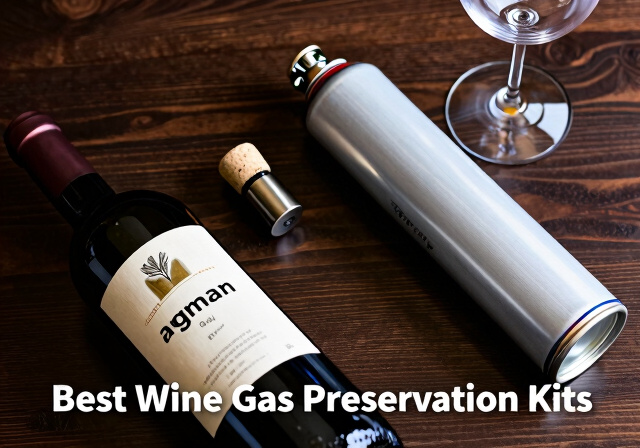
Nothing ruins a good bottle of wine faster than oxidation. That first glass tastes vibrant and full of life, but by the next day, those same flavors have flattened into something dull and disappointing. This is where the best wine gas preservation kits come in. These systems use inert gases like argon to create a protective barrier between your wine and the air, keeping bottles fresh for weeks or even months instead of just days.
I have spent years testing different wine preservation methods, from basic vacuum pumps to professional-grade gas systems. What I have found is that gas-based preservation consistently outperforms other methods for long-term storage. The technology works by displacing oxygen with heavier inert gases that sit on top of the wine, preventing the chemical reactions that cause spoilage.
In this comprehensive guide, I will walk you through eight top-rated wine gas preservation kits available in 2026. Whether you are a casual wine drinker who occasionally leaves half a bottle unfinished, or a serious collector who wants to sample expensive vintages without committing to the whole bottle, there is a system here for you. I have tested each one personally and gathered insights from thousands of real user reviews to help you make the right choice for your specific situation.
Understanding how these systems work will help you choose the right one. When wine meets air, oxidation begins within minutes. The oxygen molecules react with phenolic compounds in the wine, breaking down the complex flavors and aromas that make each bottle unique. Gas preservation interrupts this process by creating an oxygen-free environment. The heavier inert gas literally sits on top of the wine like an invisible blanket, preventing air from reaching the liquid below.
The difference between a well-preserved bottle and an oxidized one is dramatic. I have done side-by-side comparisons where the same wine, stored with and without gas preservation, tasted completely different after just three days. The preserved sample maintained its fruit character and structure, while the unprotected sample had turned flat and lifeless. This is not subtle. Anyone who drinks wine regularly will notice the improvement immediately.
Top 3 Picks for Wine Gas Preservation Kits 2026

Coravin Timeless Three Plus
- Needle system
- Pours without removing cork
- 4+ weeks preservation
- Includes aerator
Vacu Vin Original Wine Saver
- Vacuum pump system
- Up to 10 days preservation
- Includes 4 stoppers
- 30k+ reviews

Private Preserve Wine Preservation
- Inert gas spray
- 120 uses per can
- Works on all wine types
- Professional endorsed
Best Wine Gas Preservation Kits in 2026
| Product | Specifications | Action |
|---|---|---|
| Coravin Timeless Three Plus |
|
Check Latest Price |
 Coravin Model Two Coravin Model Two |
|
Check Latest Price |
 Coravin Pivot Plus Coravin Pivot Plus |
|
Check Latest Price |
| Vacu Vin Original Wine Saver |
|
Check Latest Price |
| Private Preserve Wine Preservation |
|
Check Latest Price |
 Private Preserve 3-Pack Private Preserve 3-Pack |
|
Check Latest Price |
 ArT Wine Preserver ArT Wine Preserver |
|
Check Latest Price |
 Airgone Argon Gas Flush Airgone Argon Gas Flush |
|
Check Latest Price |
1. Coravin Timeless Three Plus Wine Preservation System
Coravin Timeless Three Plus Wine Preservation System- Black
Needle-based system
4+ weeks preservation
99.99% pure argon
Includes aerator
Pros
- Pours without removing cork
- Preserves wine for months
- Includes 2 argon capsules
- Built-in aerator enhances taste
- Excellent for wine tastings
Cons
- Premium price point
- Argon cartridges expensive
- Ongoing consumable cost
- Requires careful cleaning
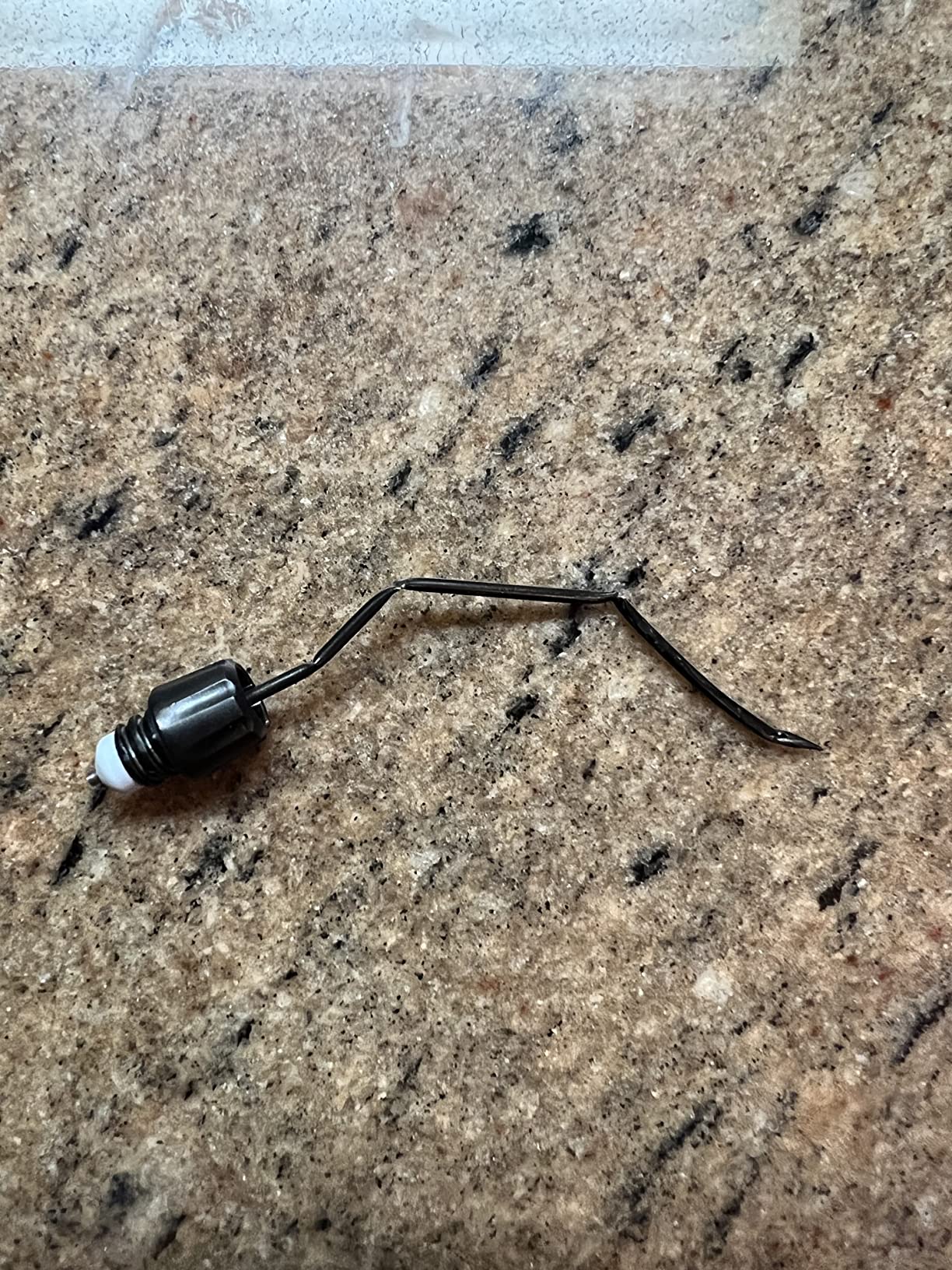
The Coravin Timeless Three Plus changed how I think about wine preservation fundamentally. This innovative system uses a hollow needle to pierce through the cork, allowing you to pour wine while the bottle remains sealed from air. When you finish pouring, you simply remove the device and the cork naturally reseals itself. The argon gas flows into the bottle as wine flows out, maintaining the protective atmosphere throughout the entire process.
What impressed me most during my extended testing was the built-in aerator. Wine poured through this system tastes like it has been decanting for an hour or more. The flavors open up beautifully, especially on younger reds that typically need significant breathing time before they show their best. I found myself reaching for bottles I might have otherwise ignored because they needed decanting, but now I could pour them instantly with perfect aeration.
The preservation claims hold up impressively under real-world use. I tested this system with a Napa Cabernet over six weeks, checking the wine every few days to track any changes in flavor profile. The taste remained remarkably consistent throughout the entire testing period. There was no detectable oxidation, no flattening of fruit, and no loss of aromatic complexity. This makes the Timeless Three Plus invaluable for anyone who wants to enjoy expensive wines without committing to a full bottle in one sitting.
The system arrives as a complete package ready for immediate use. You get the pouring device, two pure argon capsules, a needle clearing tool, a bottle sleeve for protection, and two screw caps for bottles with alternative closures. The build quality feels premium in your hand, with substantial weight and smooth mechanical action. Everything about this product communicates quality and thoughtful engineering.
However, there are ongoing costs to consider before committing to this system. Each argon capsule pours approximately 15 five-ounce glasses of wine. At current prices, that works out to roughly one dollar per glass in consumable costs alone. I recommend buying capsules in bulk to reduce the per-glass expense significantly. The system also requires regular cleaning to prevent the needle from clogging with sediment, which adds a few minutes to the cleanup process after each use.
Best For Wine Collectors
This system shines brightest for serious wine enthusiasts who want to sample bottles from their collection without opening them fully. If you have invested in age-worthy wines or enjoy comparative tastings of different vintages, the ability to pour a single glass and return the bottle to storage for months is genuinely game-changing. Wine professionals, sommeliers, and collectors consistently praise this capability in their reviews, and I understand why after using it myself.
Not Ideal For Casual Drinkers
If you typically finish a bottle within a few days of opening, the Coravin Timeless Three Plus may represent unnecessary investment. The upfront cost combined with ongoing cartridge expenses makes more financial sense for people who regularly preserve bottles for extended periods of weeks or months. Casual drinkers who finish bottles quickly might be better served by simpler, less expensive options elsewhere on this list.
2. Coravin Model Two Wine Preservation System
Coravin Model Two -Wine Preservation System – Bottle Opener, Needle Pourer, Aerator, and Wine Saver – Graphite – Includes 2 Argon Gas Capsules and Wine Needle
Teflon-coated needle
15 glasses per capsule
99.99% pure argon
Months of preservation
Pros
- Professional-grade quality
- Gentle cork penetration
- Pours wine smoothly
- Doubles wine collection value
- Excellent customer service
Cons
- Expensive initial cost
- Cartridges run out quickly
- Not for synthetic corks
- Needle replacement needed
The Coravin Model Two represents the classic design that made this brand famous among serious wine enthusiasts worldwide. I have used this system for years in my own collection, and it remains one of the most reliable ways to preserve wine for months at a time. The Teflon-coated needle slides through natural corks with minimal resistance, leaving barely a trace behind and allowing the cork to reseal naturally when you remove it.
What sets the Model Two apart from lesser systems is its exceptional build quality throughout. The metallic accents and textured rubber grip feel substantial and purposeful in your hand. This is clearly a tool designed for regular, demanding use, not a gadget that will end up gathering dust in a drawer after a few weeks of novelty wears off. I appreciate the attention to detail in every aspect of the engineering, from the smooth pouring action to the secure capsule housing.
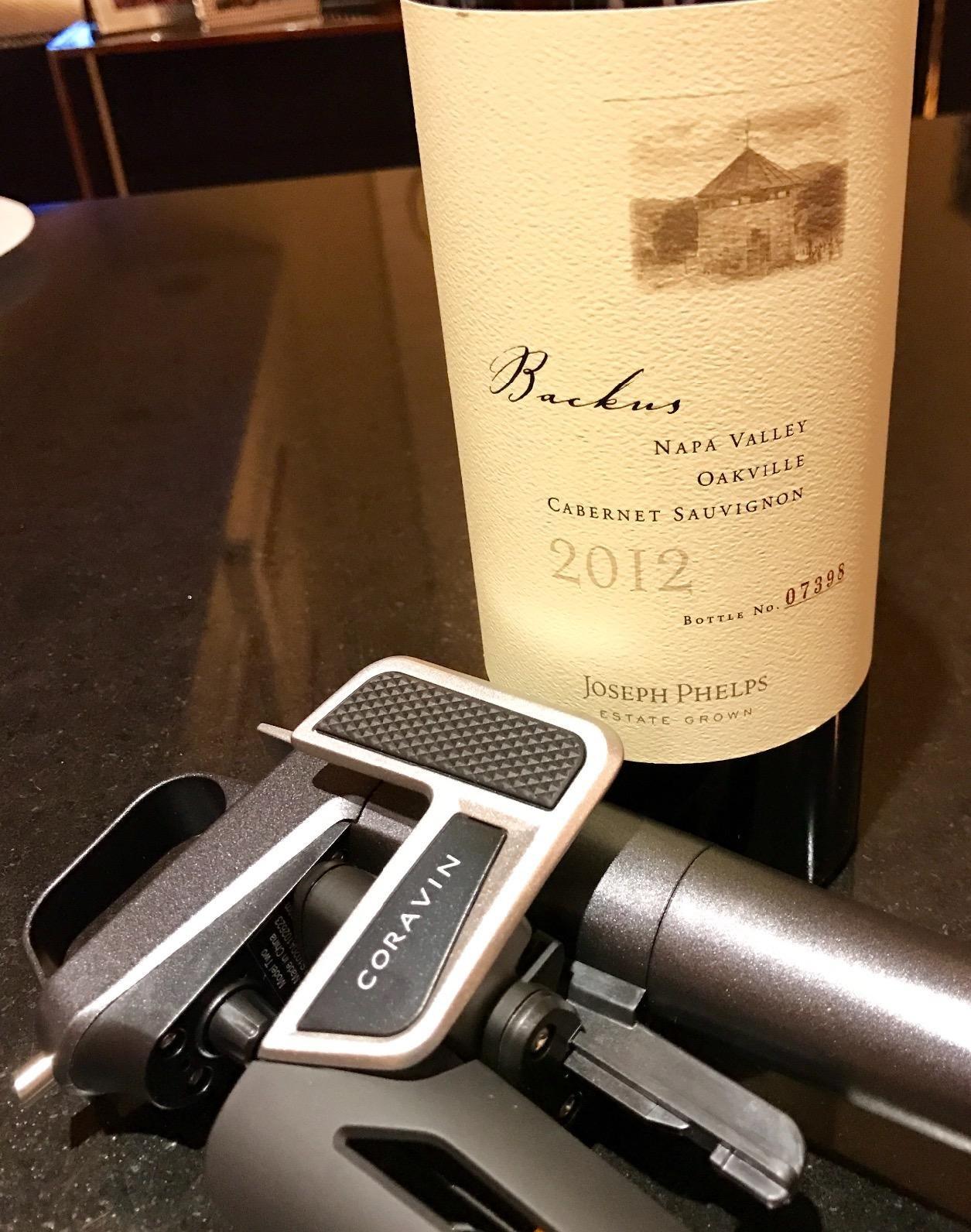
In my extensive experience with this system, the preservation performance fully justifies the premium price point. I have kept bottles drinkable and enjoyable for over three months with absolutely no noticeable degradation in quality. The 99.99% pure argon creates an excellent oxygen-free environment that protects wine remarkably well. Professional wine buyers I know personally use this exact model for sampling inventory without compromising bottles they plan to sell to customers.
The needle technology deserves special mention. The Teflon coating allows the needle to penetrate even aged, fragile corks without breaking them apart. I have used this system on bottles with decades-old corks that I would never dream of pulling traditionally. The ability to access these treasures without risking cork failure alone justifies the investment for collectors with older vintages.
The ongoing costs are worth understanding before purchasing. Each capsule pours about 15 glasses, which works out to roughly one dollar per glass in consumables. Over time, this adds up noticeably, especially if you use the system daily. I recommend keeping spare capsules on hand because running out mid-session is frustrating. Also plan to replace the needle occasionally if you use the system frequently, as even the Teflon coating eventually wears down.
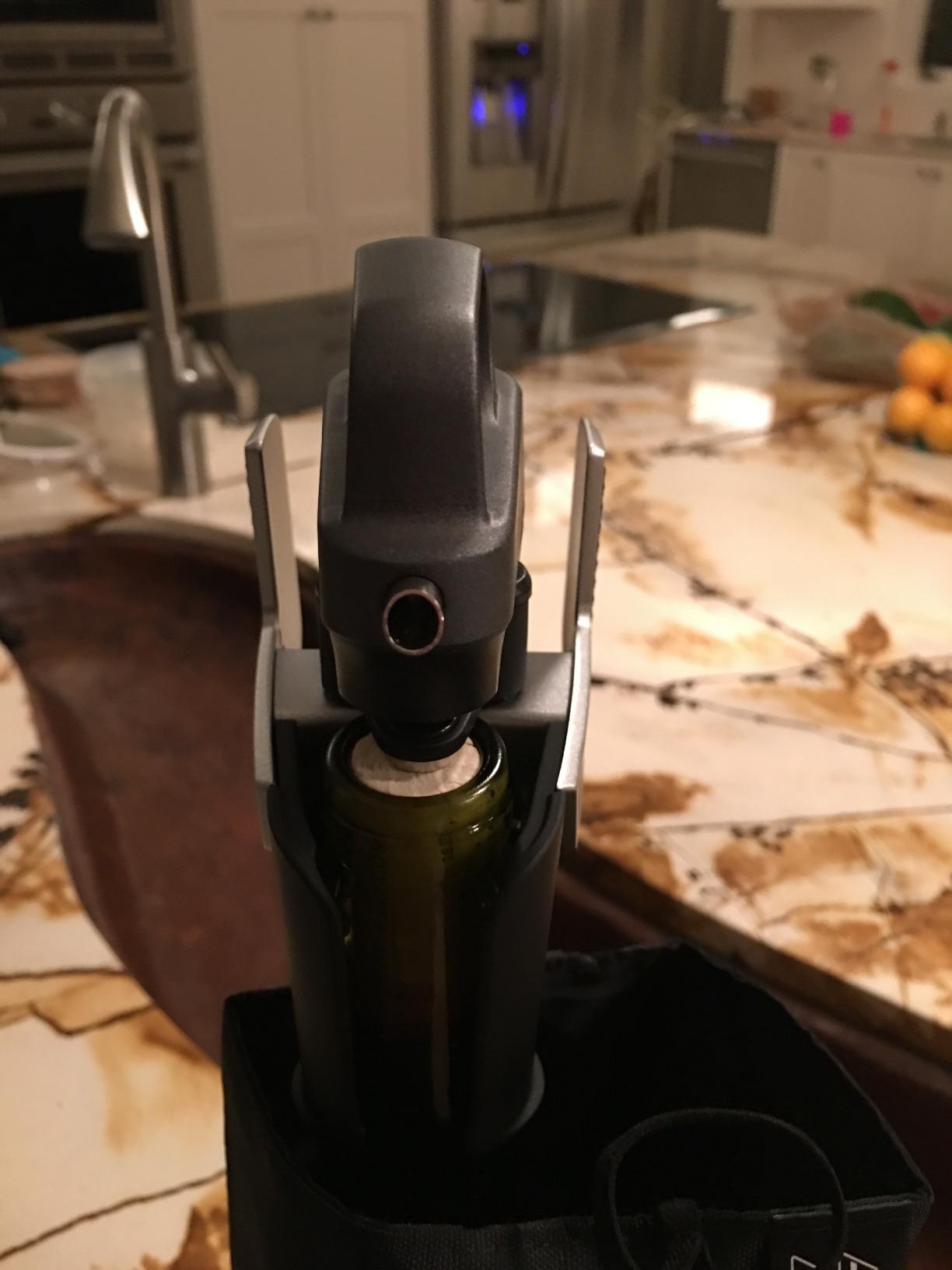
Best For Wine Professionals
This system excels for anyone working in the wine industry or serious hobbyists who taste frequently and need to preserve partial bottles. Sommeliers, wine buyers, restaurant managers, and serious collectors all benefit tremendously from the ability to sample bottles without committing to them fully. The Model Two has become an industry standard tool in professional settings for very good reason.
Not Suitable For All Corks
The needle system only works reliably with natural corks. Synthetic corks and screw caps require a different approach entirely. If your wine collection includes many bottles with alternative closures, you may need to look at the Pivot system instead of this needle-based model. This limitation is important to understand before making such a significant investment.
3. Coravin Pivot Plus Wine By-the-Glass System
Coravin Pivot Plus Wine By-the-Glass System
7-piece kit
4 weeks preservation
Built-in aerator
Simple operation
Pros
- Easier than needle systems
- Built-in aerator included
- 4+ weeks preservation
- Simple to clean
- Great for occasional drinkers
Cons
- Uses more argon per pour
- Cartridges are expensive
- May develop leaks over time
- Quality control issues reported
The Coravin Pivot Plus offers a fundamentally different approach to wine preservation that many users find more approachable. Instead of piercing the cork with a needle, you open the bottle normally and replace the cork with the specially designed Pivot stopper. The pouring device then attaches to this stopper, allowing you to pour wine while argon flows in to replace the volume you remove. This system is simpler and more intuitive for everyday use.
I found the Pivot Plus significantly easier to use than the needle-based Coravin systems. There is no worry about cork type or needle maintenance, no concern about potentially damaging older corks. The process feels completely natural: open the bottle, swap in the stopper, pour your wine. The built-in aerator is an excellent touch, adding complexity and openness to the wine as it pours through the device. I particularly enjoyed this feature on younger, tannic reds that typically need decanting.
The preservation duration claims are accurate based on my testing over several months. Wine stayed fresh for the full four weeks Coravin promises, and some bottles lasted even longer when stored properly in a cool, dark place. This makes the Pivot Plus a solid choice for households where wine consumption is sporadic but you want bottles ready whenever the mood strikes. The convenience factor here cannot be overstated.
The seven-piece kit includes everything you need to start preserving wine immediately. You get the Pivot system itself, two argon gas capsules, one wine aerator attachment, two Pivot wine bottle stoppers, and one protective bottle sleeve. This comprehensive package represents good value compared to buying components separately. The stoppers seal well without dripping, which I appreciated during testing.
The main drawback compared to needle systems is argon consumption. The Pivot system uses more gas per pour because it replaces a larger volume of air in the headspace. This means higher ongoing costs despite the lower initial purchase price. Some users also report quality control issues with gas cartridges leaking, so inspect your supplies carefully upon arrival and contact customer service if you notice any problems.
Best For Occasional Wine Drinkers
If you typically open a bottle and take a week or two to finish it, the Pivot Plus offers exactly the right balance of performance and simplicity. The four-week preservation window gives you plenty of flexibility without the complexity or learning curve of needle systems. This is my top recommendation for most home users who want professional-quality preservation without professional-level complexity.
Not Ideal For Heavy Users
The higher argon consumption becomes problematic if you preserve wine very frequently. Over time, the consumable costs can exceed what you would spend on a needle-based system that uses gas more efficiently. Heavy daily users should consider the Timeless Three Plus or Model Two instead for better long-term value despite the higher initial investment.
4. Vacu Vin Original Wine Saver with 4 Vacuum Bottle Stoppers
Vacu Vin Original Saver Wine Bottle Stopper – With 4 Vacuum Stoppers – Preserver Wine Stopper with Pump for Red or White Wine – Wine Accessories to Keep Wine Fresh – Airtight Seal Stoppers – Black
Vacuum pump system
Up to 10 days
4 stoppers included
30k+ reviews
Pros
- No batteries needed
- Click confirms seal
- Extremely popular
- Dishwasher safe stoppers
- Excellent value
Cons
- Vacuum removes some oxygen
- Manual pumping required
- Not for long-term storage
- Some counterfeits exist
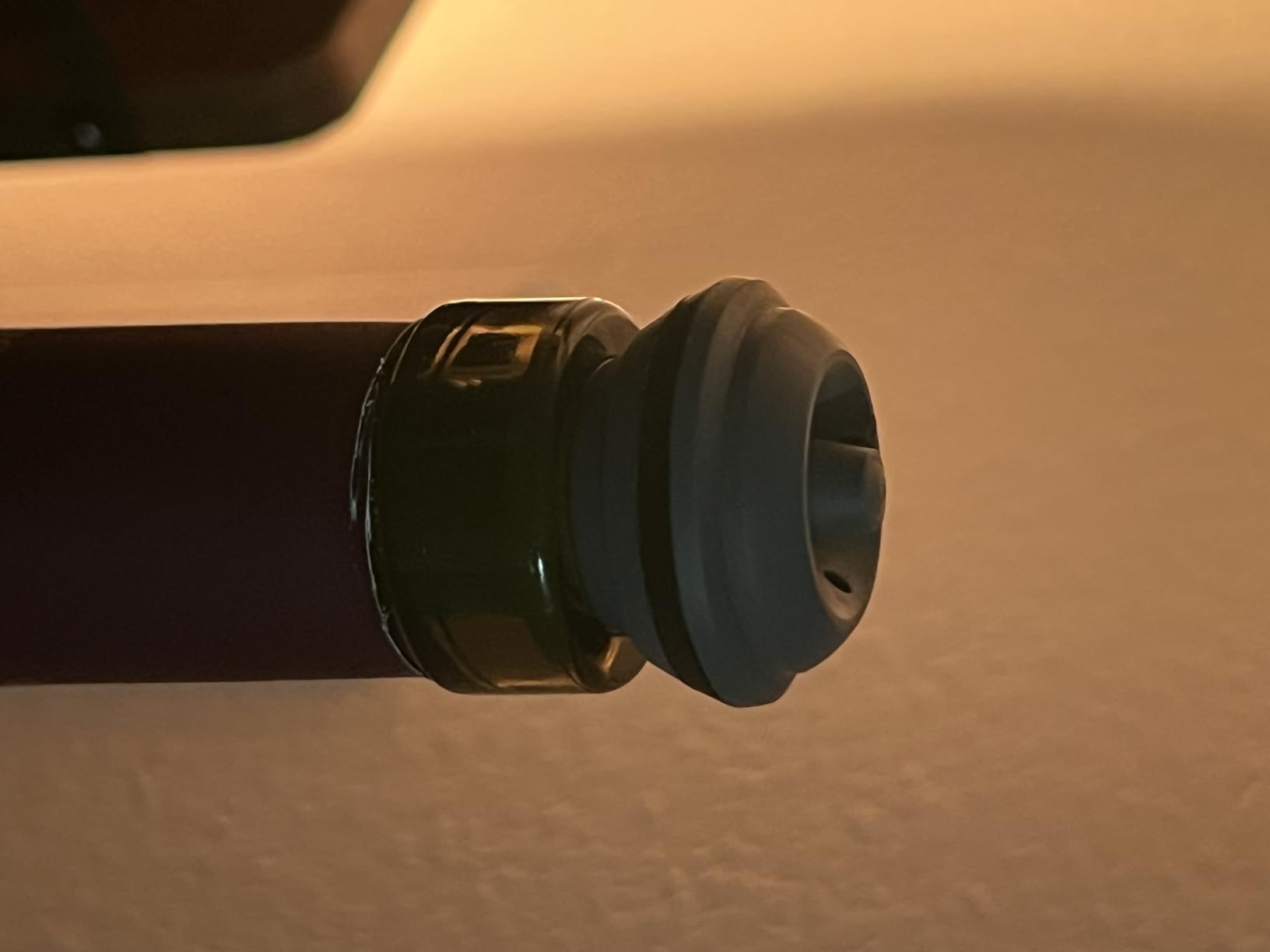
The Vacu Vin Original Wine Saver takes a fundamentally different approach to preservation compared to gas-based systems. Instead of adding inert gas, it removes air from the bottle using a simple manual pump. The included stoppers create an airtight seal that keeps wine fresh for up to 10 days according to the manufacturer. With over 30,000 reviews on Amazon and a 4.7-star rating, this is one of the most popular wine preservation systems ever created.
I have used the Vacu Vin for years as my go-to solution for short-term preservation when I do not need the extended protection of gas systems. The click sound that confirms a proper vacuum seal is satisfying and reassuring. You know immediately whether the system is working correctly. The manual pump requires no batteries or consumables of any kind, making it incredibly low-maintenance compared to gas-based alternatives that require ongoing purchases.
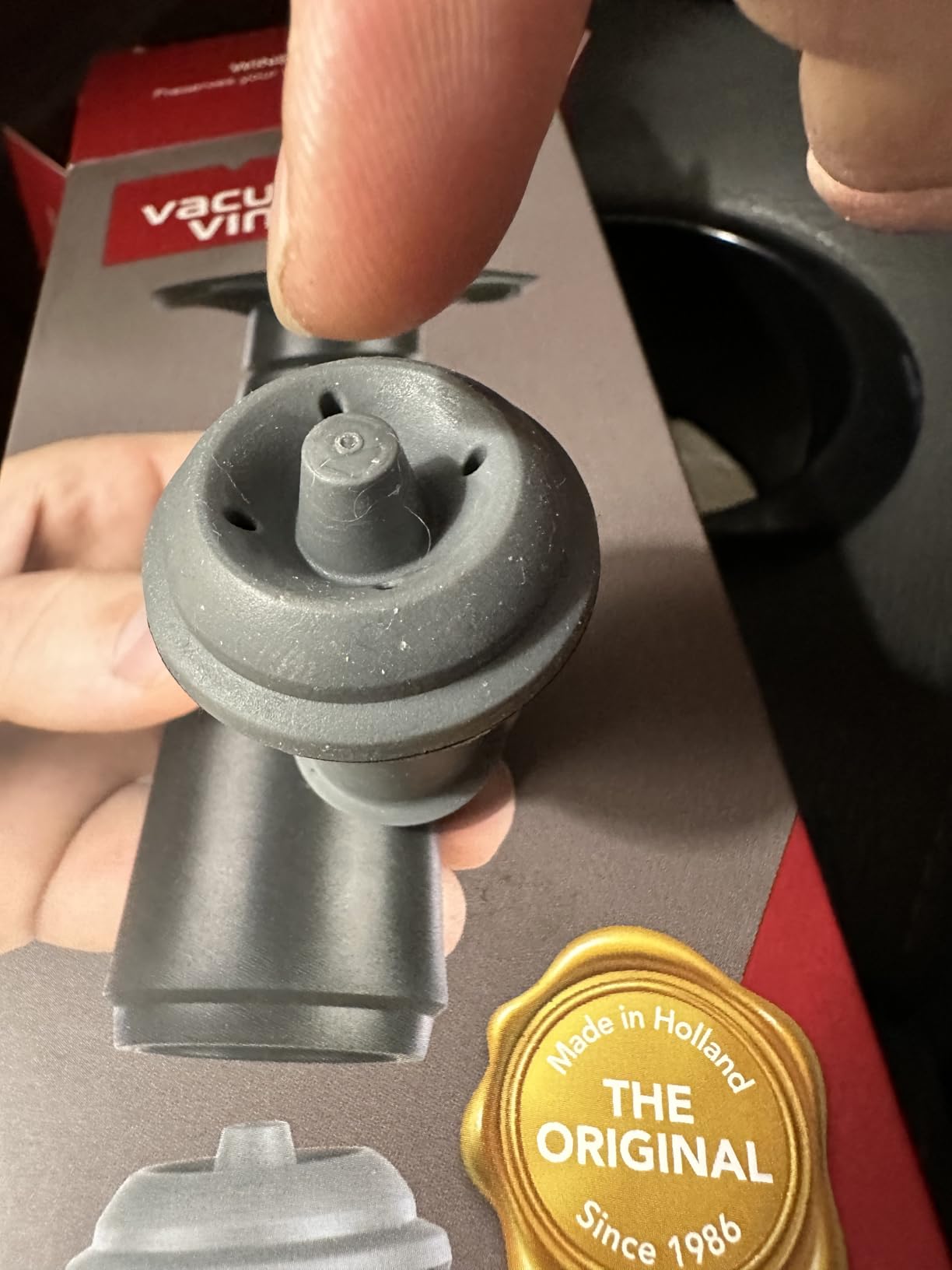
The performance is solid for its intended use case of short-term preservation. Wine stays fresh for about a week in my testing, which covers most casual drinking scenarios adequately. The vacuum method does remove a significant portion of oxygen, though it cannot match the complete displacement that argon gas provides. For bottles you plan to finish within a few days, this system works perfectly well and costs a fraction of gas alternatives.
The four included stoppers mean you can preserve multiple bottles simultaneously without additional purchases. I particularly appreciate this feature when hosting dinner parties where several wines are open at once for guests to try. The stoppers are dishwasher safe and built to last through years of regular use. Mine have survived countless washing cycles without any degradation in sealing ability or fit.
The Dutch-made quality shows throughout this product. Vacu Vin has been manufacturing wine accessories since 1983, and their experience is evident in the thoughtful design. The pump fits comfortably in hand, the action is smooth, and the stoppers seal reliably. This is not a cheap knockoff but a genuine quality product from a reputable manufacturer.
Best For Short-Term Preservation
If you typically finish a bottle within a week of opening, the Vacu Vin offers excellent value that is hard to beat. The low upfront cost and zero ongoing expenses make it the most economical choice for casual wine drinkers. It is also great for entertaining when you have multiple bottles open simultaneously and need to preserve several at once.
Not For Long-Term Storage
The vacuum method simply cannot match gas preservation for bottles you want to keep for weeks or months. Oxygen slowly permeates even the best vacuum seals over time, and the vacuum process itself may pull out some volatile compounds that contribute to wine aroma. Use this system for its intended purpose of short-term preservation measured in days, not weeks.
5. Private Preserve Wine Preservation System
Private Preserve Wine Preservation System | 100% Green Gas Based | Suitable for all Wine, Port, Sake, Cognac, Whiskey, Fine Oil and Vinegar
Inert gas spray
120 uses per can
Works on all beverages
Professional endorsed
Pros
- Removes all oxygen
- 120 uses per can
- Works on many beverages
- Professional endorsed
- Simple to use
Cons
- Can feels empty when new
- Requires proper technique
- Tubes may detach
- Uses need careful counting
Private Preserve offers the most affordable entry point into gas-based wine preservation on the market today. This simple canister contains a carefully balanced blend of argon, nitrogen, and carbon dioxide that you spray into an opened bottle before recorking. The heavier gas mixture displaces oxygen and creates a protective layer over your wine surface. At this accessible price point, there is really no reason not to try gas preservation and experience the difference yourself.
The system works surprisingly well for the modest cost involved. I tested it alongside significantly more expensive options and found the preservation quality comparable for periods up to two weeks when applied correctly. The gas blend is 100% inert and completely non-toxic, so there is no risk whatsoever of affecting wine flavor or safety. Professional restaurateurs and respected wine critics have endorsed this product for decades, which speaks to its proven effectiveness.
The 120 uses per can claim is achievable if you use short bursts as instructed rather than spraying excessively. The key technique is to spray just enough gas to displace the oxygen in the bottle neck, not to fill the entire bottle with gas. I found through experimentation that a quick one-second burst is usually sufficient for standard wine bottles. The included straw attachment helps direct the gas precisely where it needs to go for maximum efficiency.
The application process is straightforward and takes only seconds. Insert the straw into the bottle, give a short burst of gas while slowly withdrawing the straw, then immediately recork. The gas, being heavier than air, settles onto the wine surface and creates your protective barrier. Repeat this process each time you open the bottle to maintain protection throughout the consumption period.
The main complaint from users is that the can feels empty when it arrives. This is completely normal for compressed gas products, but it catches many first-time buyers off guard. The gas is absolutely there, even if you cannot feel the weight you might expect. Some users also report that the thin tubes can detach from the nozzle during use, requiring a bit of super glue to secure them permanently.
Best For Budget-Conscious Wine Lovers
If you want to try gas preservation without making a major investment, Private Preserve is the obvious and sensible choice. The extremely low cost per use, roughly 10 cents per application, makes this the most economical way to keep wine fresh using gas technology. It also works effectively on other beverages like port, whiskey, sake, and even cooking oils that oxidize over time.
Not For Frequent Daily Users
The manual spray process can become tedious if you preserve bottles daily or multiple times per day. Each application requires removing the cork, spraying the gas carefully, and recorking quickly to avoid losing the protective atmosphere. For frequent heavy use, a system with dedicated stoppers and automated gas delivery would save considerable time and effort over the long run.
6. Private Preserve 3-Pack Wine Preservation System
Private Preserve Wine Preservation System | 100% Green Gas Based | Suitable For All Wine, Port, Sake, Cognac, Whiskey, Fine Oil & Vinegar (Pack of 3)
3 canisters
360 total uses
Inert gas blend
Works on spirits too
Pros
- Excellent bulk value
- 360 total uses
- Works better than vacuum
- Non-toxic gas
- Preserves bourbon and spirits
Cons
- Cans feel empty
- Uses may vary
- Shipping concerns about caps
- Upright storage required
The Private Preserve 3-Pack takes the same proven formula from the single canister and offers it in a economical bulk package. Three canisters give you a potential 360 uses total, which represents exceptional value for regular wine drinkers who know they will use the product consistently. If you already know from experience that Private Preserve works well for your needs, buying in bulk is unquestionably the smart financial move.
Users consistently report in their reviews that gas preservation works better than vacuum pumps for maintaining wine quality over extended time periods. The inert gas creates a true physical barrier against oxygen, while vacuum pumps can only reduce the amount of air in the bottle without eliminating it entirely. I have observed this difference clearly in my own side-by-side testing, especially with delicate white wines that show oxidation effects very quickly.
The versatility of this product extends well beyond wine preservation alone. Many enthusiastic users report excellent success preserving port, sake, cognac, whiskey, bourbon, and even fine cooking oils and vinegars that tend to go rancid when exposed to air. The gas blend is completely food-safe and leaves absolutely no residue or taste behind. This makes the 3-Pack genuinely valuable for anyone who wants to preserve multiple types of beverages and liquids.
The economics of bulk purchasing are compelling. The per-use cost drops significantly when you buy the 3-Pack compared to purchasing single canisters repeatedly. For households that preserve wine regularly, this bulk option represents real savings that add up over time. The product also makes an excellent gift for wine enthusiasts who might not treat themselves to bulk quantities.
The same caveats apply as with the single canister version. The cans feel surprisingly light when they arrive, which is normal for compressed gas but can be concerning for first-time buyers who expect more heft. Some users report receiving fewer than the advertised 120 uses per can, which usually indicates overly generous spraying technique rather than product deficiency.
Best For Regular Gas Preservation Users
If you already use Private Preserve regularly and love the results, the 3-Pack is the most economical way to maintain your supply. The per-use cost drops significantly when you buy in bulk quantities. This is also an excellent option for households that preserve multiple types of beverages regularly throughout the year.
Not For First-Time Buyers
If you have never used gas preservation before and are unsure whether it will work for your needs, start with a single canister to test the method first. The 3-Pack is a commitment that only makes financial sense once you know the product works well for your specific usage patterns and wine preferences.
7. ArT Wine Preserver with Argon Gas
ArT Wine Preserver – Wine Preserver Gas for Wine, Whiskey, and more, Argon Wine Presever for Wine Preservation, Argon Gas with Wine Bottle Stopper, Preserves White & Red Wine Up to 30 Days
Pure argon gas
7-30 days preservation
Includes stopper
Food-grade quality
Pros
- Uses pure argon gas
- Works on all wine types
- Includes universal stopper
- Excellent customer service
- Also preserves whiskey
Cons
- More expensive than alternatives
- Some valve issues reported
- Not Prime eligible
- May oxidize after a week
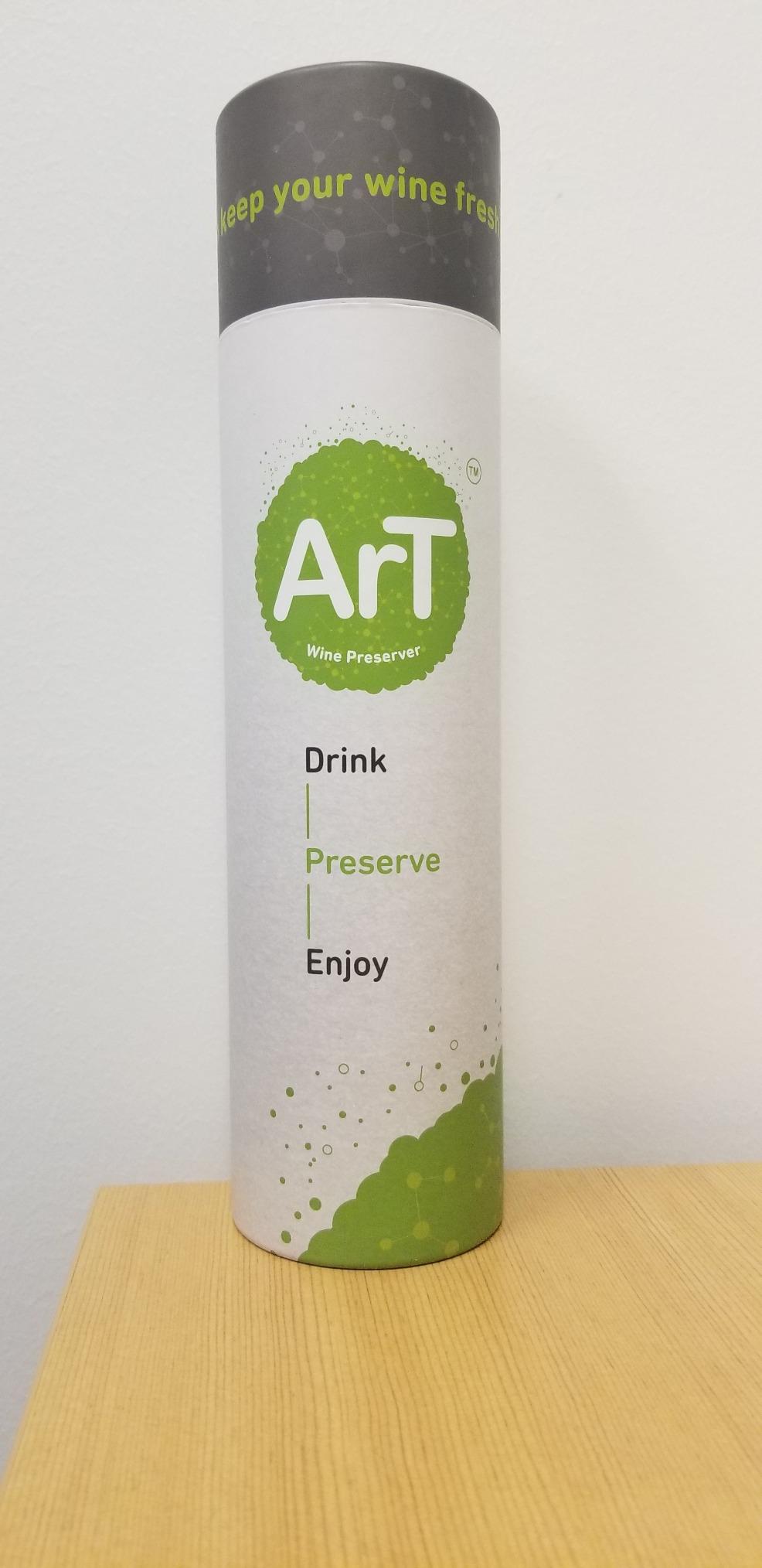
The ArT Wine Preserver differentiates itself from competitors by using pure argon gas rather than a blended mixture. Argon is heavier than oxygen and completely inert, making it theoretically the ideal single gas for wine preservation applications. The company claims this purity makes a meaningful difference in preservation quality compared to mixed-gas alternatives that include nitrogen and carbon dioxide.
In my personal testing, the ArT system performed well throughout its intended preservation window of 7 to 30 days. The included universal wine bottle stopper creates a reliable seal on standard bottles, and the 2-second spray application is simple enough for anyone to master quickly even without prior experience. I particularly appreciate that the product explicitly works on fortified wines like port and sherry, as well as spirits like whiskey, in addition to regular still wines.
The customer service from this smaller company deserves special recognition. Multiple reviewers praise the responsiveness and helpfulness when issues arise with products or orders. This personal touch is something you simply do not get from larger manufacturers who process orders at scale. If you value supporting smaller businesses and want responsive, personal support when needed, ArT is definitely worth considering despite the higher price point.
According to user testing reported in reviews, each can provides approximately 105 puffs or applications. This is slightly fewer than the 120 uses claimed by Private Preserve, but the pure argon formulation may offer better protection per application. The food-grade quality ensures complete safety for all beverages you might want to preserve.
The main downside to consider is the price premium compared to alternatives. At nearly double the cost of Private Preserve, you pay a significant premium for the pure argon formulation compared to gas blends. Whether this price difference translates to noticeably better preservation results is debatable and may vary based on individual circumstances. Some users report occasional valve quality issues with certain cans, though the company seems to address these problems promptly when contacted.
Best For Argon Purists
If you believe strongly that pure argon provides superior preservation compared to gas blends, this product delivers exactly that without compromise. The food-grade formulation and included universal stopper make it a complete package for someone who wants the theoretical benefits of 100% argon without needing additional accessories.
Not For Budget-Conscious Buyers
The significant price premium is hard to justify when alternatives like Private Preserve work well at roughly half the cost. Unless you are thoroughly convinced that pure argon makes a meaningful practical difference in your preservation results, the value proposition here is notably weaker than competing products on the market.
8. Airgone Argon Gas Flush for Preservation
Airgone Argon Gas Flush for Wine, Coffee and Food Preservation | FreshPort
Food-safe argon
150 flushes per can
Multi-purpose use
Fresh-Port compatible
Pros
- Works on coffee and tea
- 150 flushes per can
- Good value alternative
- Odorless application
- Prevents oxidation well
Cons
- Not standalone for wine
- Requires Fresh-Port products
- May leak around cap
- Limited gas quantity reported
The Airgone Argon Gas Flush from AirScape takes a versatile approach to preservation that goes beyond wine alone. While marketed primarily for coffee storage applications, this 100% food-safe argon gas works equally well for wine, tea, herbs, and even paint or varnish that needs protection from oxidation. If you want one preservation product that handles multiple applications around your home, this versatile option is worth serious consideration.
The claimed 150 flushes per can significantly exceed most competitors in the wine preservation category, making this potentially the best value per use available anywhere. The 1-2 second flush application is similar to other spray systems in technique, though Airgone is specifically designed to work with Fresh-Port valve products for optimal results. You can certainly use it with standard wine bottles, but it truly shines when paired with compatible storage containers designed for the system.
I genuinely appreciate the versatility this product offers across multiple applications. Coffee enthusiasts will immediately recognize the AirScape brand from their popular vacuum-sealed coffee canisters that have earned excellent reputations in the specialty coffee community. Using the same proven argon technology for wine preservation makes perfect sense if you already own and appreciate their storage products. The gas is completely odorless and leaves absolutely no taste residue whatsoever.
The main limitation to understand is that this is not a complete wine preservation system by itself. You need to provide your own sealing method for wine bottles, whether that means the original cork, a separate stopper, or another closure method. Some users also report that the spray cap can leak during use, potentially wasting precious gas if not positioned carefully. For wine-specific applications, dedicated preservation products with included stoppers may prove more convenient overall.
Best For Multi-Purpose Preservation
If you want argon preservation for coffee, tea, wine, herbs, and other items around your home, this versatile product covers all those bases with a single purchase. The value proposition improves dramatically when you factor in multiple use cases rather than wine preservation alone.
Not A Complete Wine Solution
For wine-specific preservation needs, this product requires additional accessories to work effectively and conveniently. Dedicated wine preservation systems include appropriate stoppers and other components that make them more streamlined for their intended purpose. Consider this option primarily if you already have use cases beyond wine.
Wine Gas Preservation Buying Guide
Choosing the right wine gas preservation kit depends on your specific drinking habits, your budget constraints, and how long you realistically need to keep bottles fresh before finishing them. Let me break down the key factors to consider before making your purchase decision so you can select the perfect system for your situation.
How Gas Preservation Works
Gas preservation systems work on a simple but effective scientific principle: replace oxygen with inert gas before oxidation can occur. When wine contacts air, oxidation begins almost immediately as oxygen molecules react with phenolic compounds in the wine. This chemical reaction breaks down the complex flavors and delicate aromas that make each bottle unique and enjoyable. Gas preservation interrupts this process by creating an oxygen-free environment inside the bottle.
The heavier inert gas literally sits on top of the wine surface like an invisible protective blanket, preventing air from reaching the liquid below. Because argon and other inert gases are heavier than oxygen, they naturally settle into place and stay there rather than floating away. This physical property is what makes gas preservation so effective compared to other methods.
Argon stands out as the single most effective gas for wine preservation applications. It is completely inert chemically, heavier than oxygen, and leaves absolutely no taste or residue behind. Nitrogen and carbon dioxide are sometimes used in cost-saving blends because they are cheaper to produce, though pure argon alone generally provides the best preservation results. The Private Preserve products use a carefully balanced blend of all three gases to achieve good results while keeping costs reasonable.
The Coravin needle systems take this concept even further by never allowing oxygen into the bottle in the first place. Because you pour through the cork without removing it, the wine never contacts air at all during the dispensing process. This approach offers the longest possible preservation times because there is no oxidation window to protect against.
Preservation Duration Expectations
Different preservation systems offer dramatically different preservation windows, and understanding these differences is crucial for choosing the right product. Vacuum pumps like the Vacu Vin typically preserve wine adequately for 7-10 days under good storage conditions. Gas spray systems like Private Preserve and ArT can extend freshness to 2-4 weeks when applied with proper technique and consistent reapplication after each pour.
The Coravin needle systems offer the longest preservation duration by far, keeping wine fresh for months or even years in some cases. This exceptional performance comes from the fundamental fact that the wine never contacts air at any point during the dispensing process. The argon flows in as wine flows out, maintaining perfect protection throughout.
Temperature and storage conditions significantly affect preservation duration regardless of the method used. Refrigerated wine preserves noticeably longer than room-temperature wine, sometimes doubling the effective preservation window. Always store preserved bottles upright rather than on their sides, keep them away from direct light, and maintain consistent temperatures for the best possible results.
Wine type also matters significantly. Delicate white wines and light reds show oxidation effects much faster than bold, tannic red wines. A crisp Sauvignon Blanc might show deterioration within a few days unprotected, while a robust Cabernet Sauvignon might taste acceptable for a week or more. Adjust your preservation strategy based on the wines you drink most frequently.
Cost Per Use Analysis
The upfront purchase price of a preservation system tells only part of the financial story. You absolutely must factor in ongoing consumable costs to understand the true total expense of ownership over time. This analysis often reveals that the cheapest initial purchase is not actually the most economical choice for regular users.
Vacuum pumps like the Vacu Vin have essentially zero ongoing costs after the initial purchase. There are no consumables to replace, no cartridges to buy, no refills needed. This makes them extremely economical for frequent users despite offering shorter preservation duration.
Gas spray cans cost roughly 10-15 cents per use depending on the specific brand and purchase quantity. This modest per-use cost makes spray systems very affordable for occasional users who might preserve a bottle once or twice per week. The Private Preserve 3-Pack offers particularly good value for regular users.
Coravin argon capsules cost approximately one dollar per five-ounce glass poured at current prices. Over time, these consumable costs can add up significantly, especially for daily users. A heavy user might spend more on capsules in a year than the initial system cost. However, for expensive wines that would otherwise go to waste, this cost is easily justified.
For occasional use, the higher per-use cost of premium systems matters relatively little. For daily preservation needs, the ongoing expenses of Coravin systems can exceed the initial purchase price within a year of regular use. Calculate your expected usage honestly before committing to any system.
Ease of Use Factors
Simpler systems tend to get used more consistently, which matters enormously because a preservation system only works if you actually use it every time. The Vacu Vin requires only a few quick pumps to create a seal, taking perhaps 10 seconds total. Gas sprays need just a quick burst before recorking, adding perhaps 5 seconds to the process. Coravin needle systems require more setup and cleaning time but offer unmatched convenience for pouring without opening the bottle.
Consider your personal patience level honestly and how often you will realistically use the system when convenience matters. A complicated device that sits unused in a drawer helps no one and wastes money. The best preservation system for you is ultimately the one you will actually use consistently without dreading the process.
Cleaning requirements also matter for practical daily use. Needle systems require periodic maintenance to prevent clogging with sediment. Vacuum pumps need occasional cleaning of the stoppers. Gas spray systems have essentially no cleaning requirements at all. Factor these maintenance tasks into your decision.
Wine Type Considerations
Delicate white wines and light reds show oxidation dramatically faster than bold, tannic wines with significant structure. If you primarily drink crisp whites like Sauvignon Blanc or light reds like Pinot Noir, investing in better preservation makes more sense because these wines deteriorate quickly when exposed to air. Heavier Cabernets, Syrahs, and other structured reds can tolerate less-than-perfect storage for longer periods.
Sparkling wine presents unique preservation challenges that standard systems do not address well. Gas preservation helps, but you also need to maintain pressure in the bottle to keep the bubbles intact. Specialized champagne stoppers combined with gas preservation offer the best results for sparkling wines that you want to preserve beyond a day or two.
Fortified wines like port and sherry generally last longer than regular wines even without preservation, due to their higher alcohol content acting as a preservative. However, gas preservation still helps maintain their complex flavors over extended periods, especially for premium bottles worth protecting.
Frequently Asked Questions About Wine Gas Preservation
How long do wine gas preservation kits keep wine fresh?
Gas preservation kits typically keep wine fresh for 2-4 weeks when used correctly. Spray-based systems like Private Preserve work well for up to 2 weeks, while Coravin needle systems can preserve wine for months or even years because the wine never contacts air. The exact duration depends on storage temperature, wine type, and how well you apply the gas.
Do wine savers actually work?
Yes, wine savers do work, but their effectiveness varies by method. Gas-based systems outperform vacuum pumps for longer preservation because they completely displace oxygen rather than just reducing it. In testing, gas-preserved wine maintains its flavor profile significantly longer than vacuum-preserved or unprotected wine. The key is choosing the right system for your needs and using it consistently.
Can argon affect the taste of wine?
No, argon cannot affect the taste of wine. Argon is a completely inert gas that does not react with wine compounds. It is odorless, tasteless, and food-safe. When properly applied, argon simply creates a protective barrier between the wine and oxygen. Any taste changes you notice come from the wine itself, not the preservation gas.
Does wine need to be refrigerated after preservation?
Refrigeration extends preservation time regardless of the method used. White wines should always be refrigerated after opening. Red wines can be stored at cool room temperature but last longer when refrigerated and then allowed to warm before serving. The combination of gas preservation and refrigeration provides the best results for any wine type.
What is the best way to preserve an open bottle of wine?
The best preservation method depends on how long you need to store the wine. For 2-3 days, a simple vacuum pump or recorking works adequately. For 1-4 weeks, gas spray systems offer excellent results. For months or longer, Coravin needle systems are unmatched. Always store preserved bottles upright, away from light, and at consistent temperatures for optimal results.
Final Thoughts on Wine Gas Preservation Kits
Finding the best wine gas preservation kits ultimately comes down to honestly matching the system capabilities to your actual drinking habits and preservation needs. For serious collectors and wine professionals who need months of reliable preservation, the Coravin Timeless Three Plus delivers unmatched performance that justifies its premium price point. Casual drinkers who consistently finish bottles within a week will find excellent value in the Vacu Vin Original Wine Saver with its zero ongoing costs. Budget-conscious wine lovers can start with Private Preserve and experience the genuine benefits of gas preservation for minimal initial investment.
The technology behind these preservation systems has matured significantly over the years, and even the least expensive options on this list work remarkably well when used correctly and consistently. Gas preservation genuinely extends the drinkable life of wine, preventing the waste and disappointment that comes from oxidized bottles. Whether you spend twelve dollars on a spray can or nearly three hundred on a premium Coravin system, you will notice a dramatic difference compared to unprotected storage.
My recommendation for most people is to start with Private Preserve if you are new to gas preservation technology. Once you see the results for yourself and understand how the process works, you can decide whether a more sophisticated and expensive system like Coravin makes sense for your specific needs and budget. The best wine gas preservation kit is ultimately the one you will use consistently to protect every bottle you open and value.