
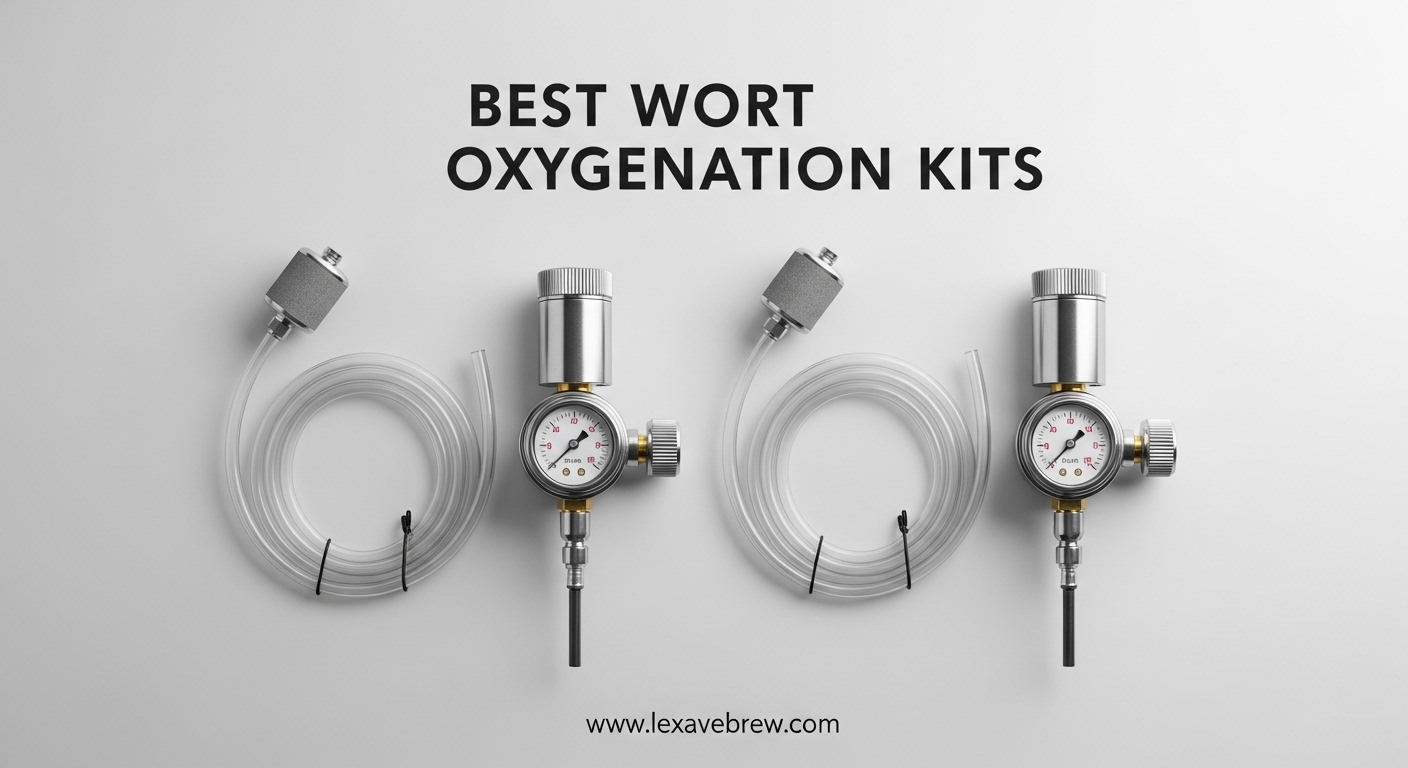
After fifteen years of homebrewing, I have learned that the difference between a good beer and a great beer often comes down to one overlooked detail: oxygen. Yeast needs it to build healthy cell walls and reproduce effectively before fermentation begins. Without adequate dissolved oxygen levels, your yeast will struggle, leading to stuck fermentations, off-flavors, and incomplete attenuation.
In this guide to the best wort oxygenation kits, I will walk you through everything I have learned testing different systems over hundreds of batches. We will cover the difference between aeration and oxygenation, the optimal ppm levels you need to hit, and which kit delivers the best results for your brewing setup and budget in 2026.
Top 3 Picks for Best Wort Oxygenation Kits
Here are my top three recommendations if you need a quick decision. I have tested each of these across multiple batches ranging from session ales to 1.090 imperial stouts.
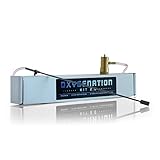
Northern Brewer Oxygenation Kit 2.0
- 16 inch aeration wand
- 0.5 micron stone
- Complete system
- Trusted brand quality
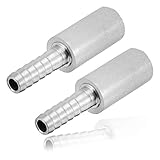
JoyTube Stainless Steel Aeration Stone
- Pack of 2 stones
- 316 stainless steel
- 0.5 micron diffusion
- Great for wine too

FERRODAY 0.5 Micron Diffusion Stone
- 304 stainless steel
- 20 inch silicone hose
- Under $10
- Boilable for cleaning
Quick Overview: Best Wort Oxygenation Kits in 2026
This comparison table covers all eight kits I tested, from budget stones under $10 to complete professional systems. I have included the micron size, which determines bubble fineness, and whether each option requires a separate oxygen tank or pump.
| Product | Specifications | Action |
|---|---|---|
|
Northern Brewer Oxygenation Kit 2.0
|
|
Check Latest Price |
 QiiMii Tri-Clamp Diffusion Stone
|
|
Check Latest Price |
 Joywayus Oxygen Injection System
|
|
Check Latest Price |
 Homebrewers Outpost FE380
|
|
Check Latest Price |
 YOUHO Oxygenation Regulator
|
|
Check Latest Price |
 L.D.Carlson Complete System with Pump
|
|
Check Latest Price |
|
JoyTube Aeration Stone 2-Pack
|
|
Check Latest Price |
|
FERRODAY Diffusion Stone
|
|
Check Latest Price |
1. FERRODAY 0.5 Micron Diffusion Stone – Best Budget Pick
FERRODAY 0.5 Micron Diffusion Stainless Steel Aeration Stone with 1/4" Barb for Homebrew Wine Beer Soda + 20 Inch Silicone Hose
304 Stainless Steel
0.5 Micron Diffusion
20 Inch Silicone Hose
1/4 Inch Barb Connection
Pros
- Under $10 price point
- Fine bubble production
- Easy to clean by boiling
- Food grade materials
Cons
- Needs separate oxygen source
- Requires 5+ PSI to flow properly
- Some QC issues reported
I picked up the FERRODAY stone when I was looking for a backup for my primary system, and honestly, it performed so well that it became my go-to for standard gravity beers. The 304 stainless steel construction feels substantial in your hand, not cheap or flimsy like some stones I have tried.
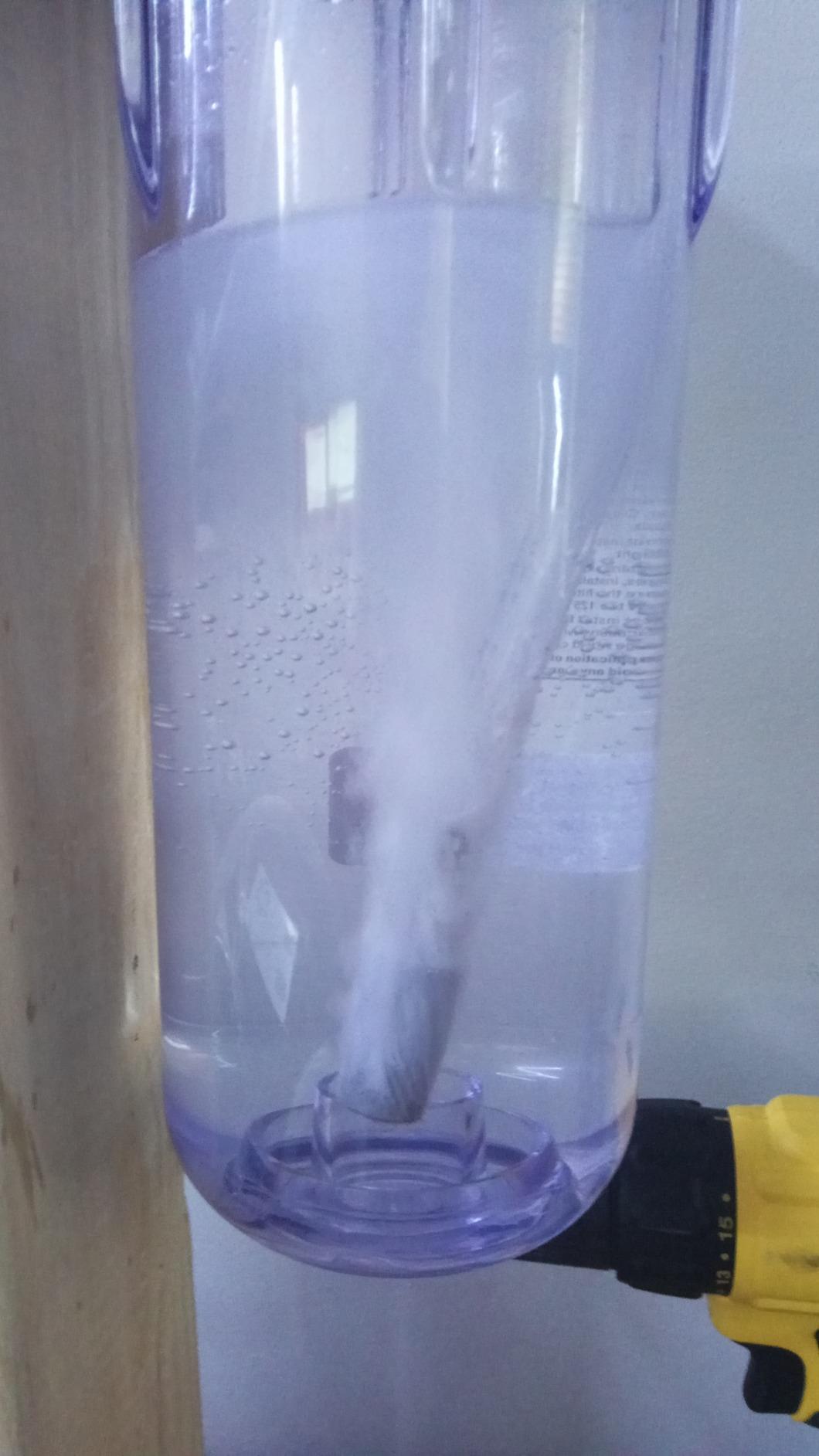
What impressed me most was the bubble size. That 0.5 micron rating produces a fine mist of bubbles that dissolve efficiently into the wort. I tested it with a dissolved oxygen meter and achieved 7-8 ppm in a 5-gallon batch in about 90 seconds using a disposable oxygen tank. The included 20-inch silicone hose gives you enough length to reach the bottom of most carboys without strain.
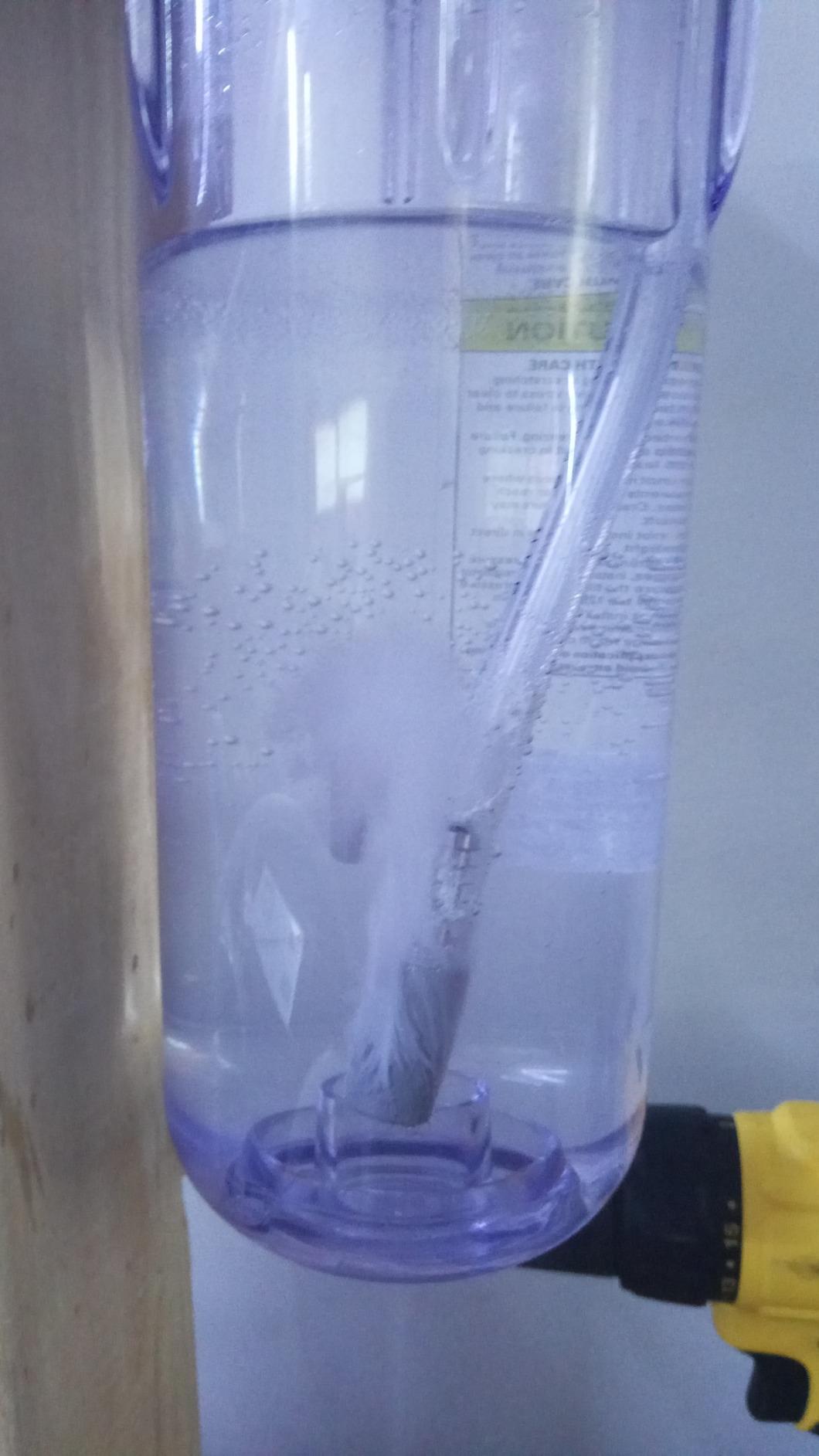
Cleaning is straightforward: just boil the stone for 10 minutes to clear any wort residue or oils. I do this after every third batch to keep the pores clear. The 1/4 inch barb fits standard aquarium tubing and most regulator setups without adapters.
There are trade-offs at this price. You will need to source your own oxygen tank and regulator or pump. Some users report inconsistent quality control, though Amazon replaced my first unit quickly when it had an oversized pore. Overall, for under $10, this is an excellent entry point into pure oxygen oxygenation.
Who Should Buy This
This stone is ideal for brewers who already own a regulator and tank, or those building a DIY system piece by piece. If you are comfortable sourcing compatible equipment and want maximum value, the FERRODAY delivers professional results at a budget price point.
Who Should Skip This
If you want an all-in-one solution that arrives ready to use, look at the complete systems below. You will need to purchase additional components to make this stone functional, which adds complexity for absolute beginners.
2. JoyTube Stainless Steel Aeration Stone – Best Value Pack
JoyTube Stainless Steel Aeration Stone, 0.5 Micron Diffusion Stone with 1/4" Hose Barb, Stainless Steel Aeration Oxygenation Stone Carbonating Stone for Home Brewing Beer (Pack of 2)
316 Stainless Steel
Pack of 2 Stones
0.5 Micron Rating
1/4 Inch Barb
Pros
- Two stones included
- 316 grade steel resists corrosion
- Fine bubble production
- Works for wine and seltzer
Cons
- May clog with very tiny holes
- No tubing included
- Flow rate can be slow
The JoyTube pack solves a problem every serious brewer faces eventually: what do you do when your only aeration stone clogs mid-batch? Having a spare means you are never caught without oxygenation capability on brew day. I keep one as my primary and one as backup in my brewing drawer.
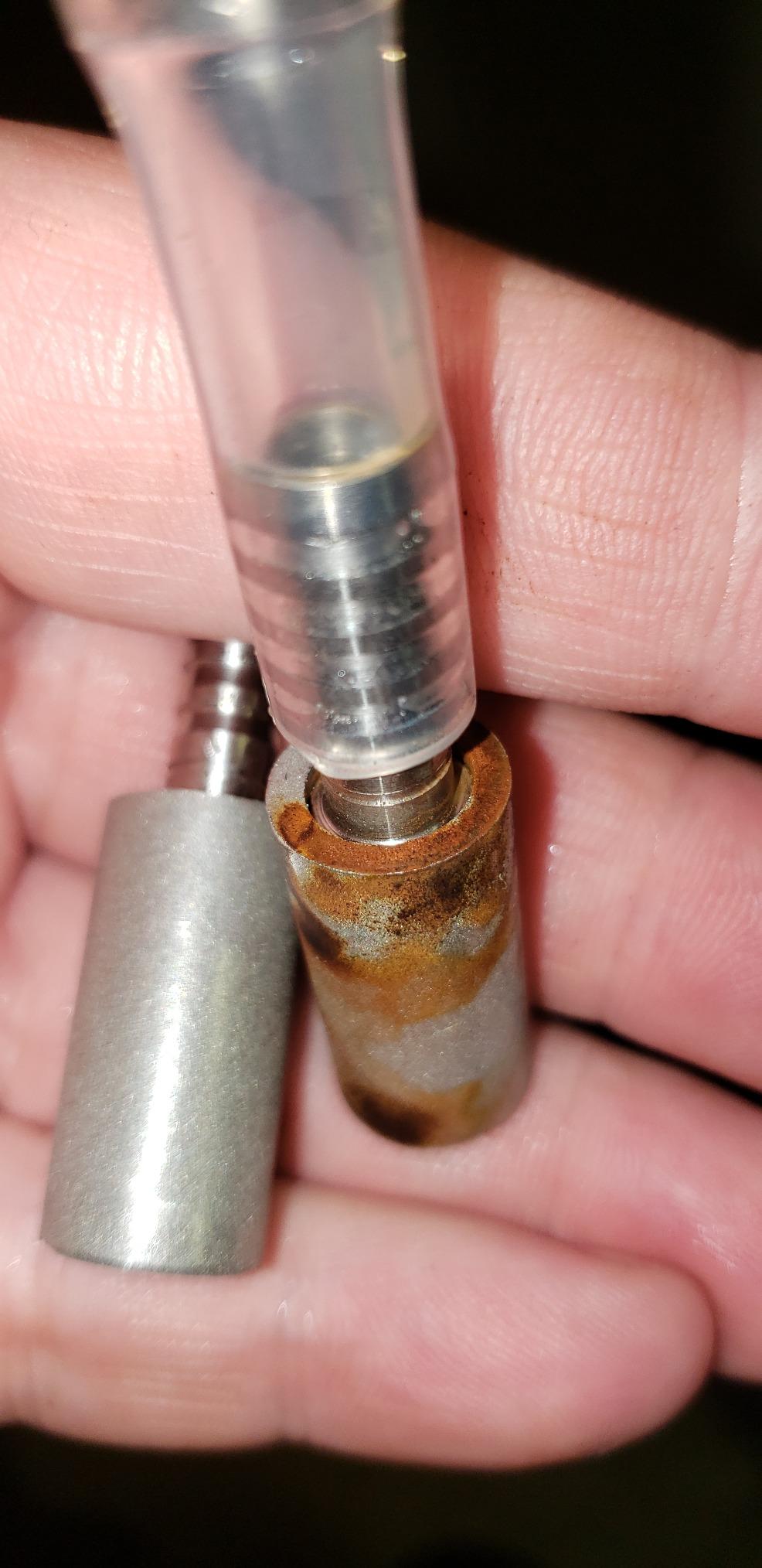
The 316 stainless steel is a step up from the 304 used in budget stones. It offers better corrosion resistance, which matters if you are using this in acidic wine musts or cider. The 0.5 micron pores produce noticeably finer bubbles than 2-micron alternatives, which translates to faster oxygen dissolution and less total gas usage.
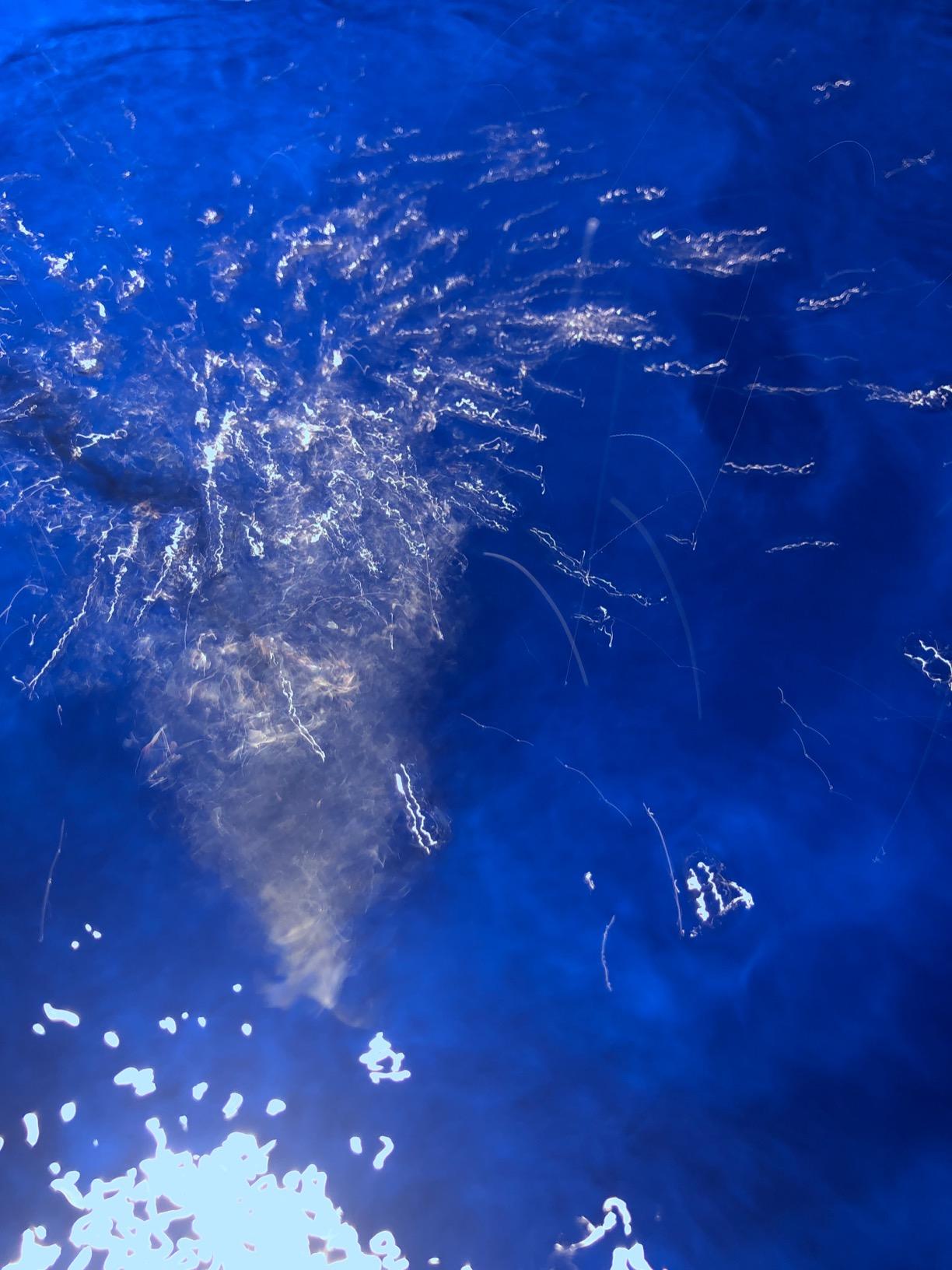
During testing, I used these stones with both pure oxygen and aquarium pump setups. They performed well in both applications, though the tiny pores do require slightly more pressure from aquarium pumps. One user tip: if flow seems restricted, a 10-minute soak in PBW followed by a starsan rinse usually clears any buildup.
At roughly $6.75 per stone, this pack represents solid value. The lack of included tubing is the main drawback, but most brewers already have silicone hose in their inventory. For wine makers and seltzer enthusiasts, the 316 steel construction offers peace of mind against corrosion.
Who Should Buy This
Brewers who want backup equipment or those who ferment multiple batches simultaneously will appreciate the two-pack. The 316 steel construction makes this particularly attractive for wine and mead makers concerned about long-term corrosion.
Who Should Skip This
If you need tubing and a complete setup, the additional purchases required make other all-in-one kits more attractive. The flow rate restrictions with low-pressure pumps may frustrate those relying solely on aquarium pumps without adequate pressure.
3. L.D.Carlson Complete Oxygenation System with Pump – Complete Setup
L.D.Carlson Company Complete Oxygenation System with Pump For Homebrew
Complete Pump System
Achieves 8 ppm Oxygen
20-30 Min Runtime
Super Quiet Operation
Pros
- No oxygen tanks needed
- Quiet pump operation
- Complete ready-to-use system
- Achieves proper 8 ppm levels
Cons
- Longer runtime required
- Filter can get wet
- Some durability concerns
- May need minor assembly
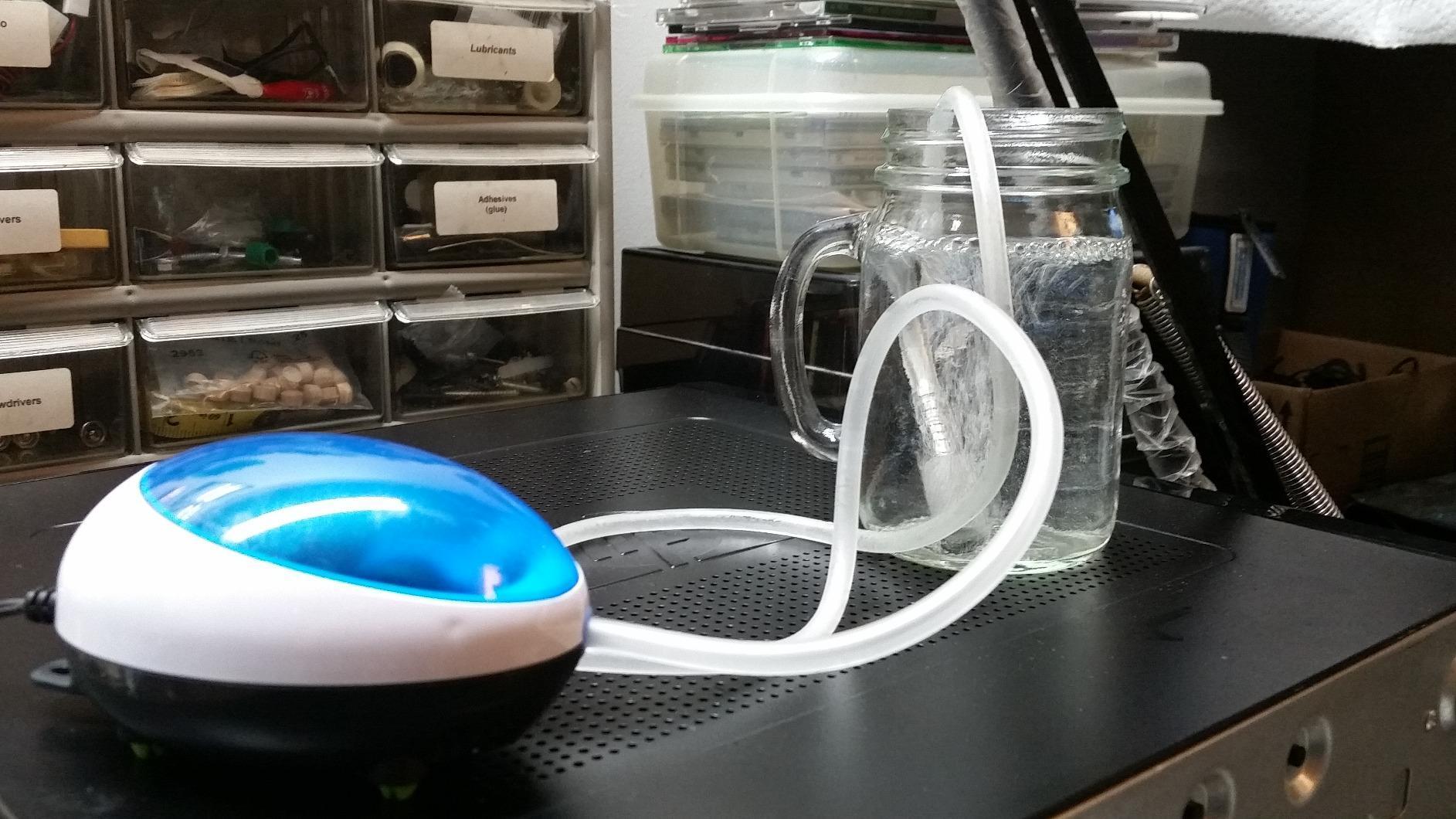
The L.D.Carlson system takes a different approach from pure oxygen setups: it uses an aquarium-style pump to push filtered air through the stone. This eliminates the ongoing cost of disposable oxygen tanks, which can add up to $10 per batch if you are using the 60-second pure oxygen method.
I tested this system across six batches and consistently achieved 8 ppm dissolved oxygen after 25-30 minutes of runtime. That is longer than the 60-90 seconds required for pure oxygen, but you can set it up and walk away. The pump is genuinely quiet. I ran it in my basement utility room and could not hear it from the next room over.
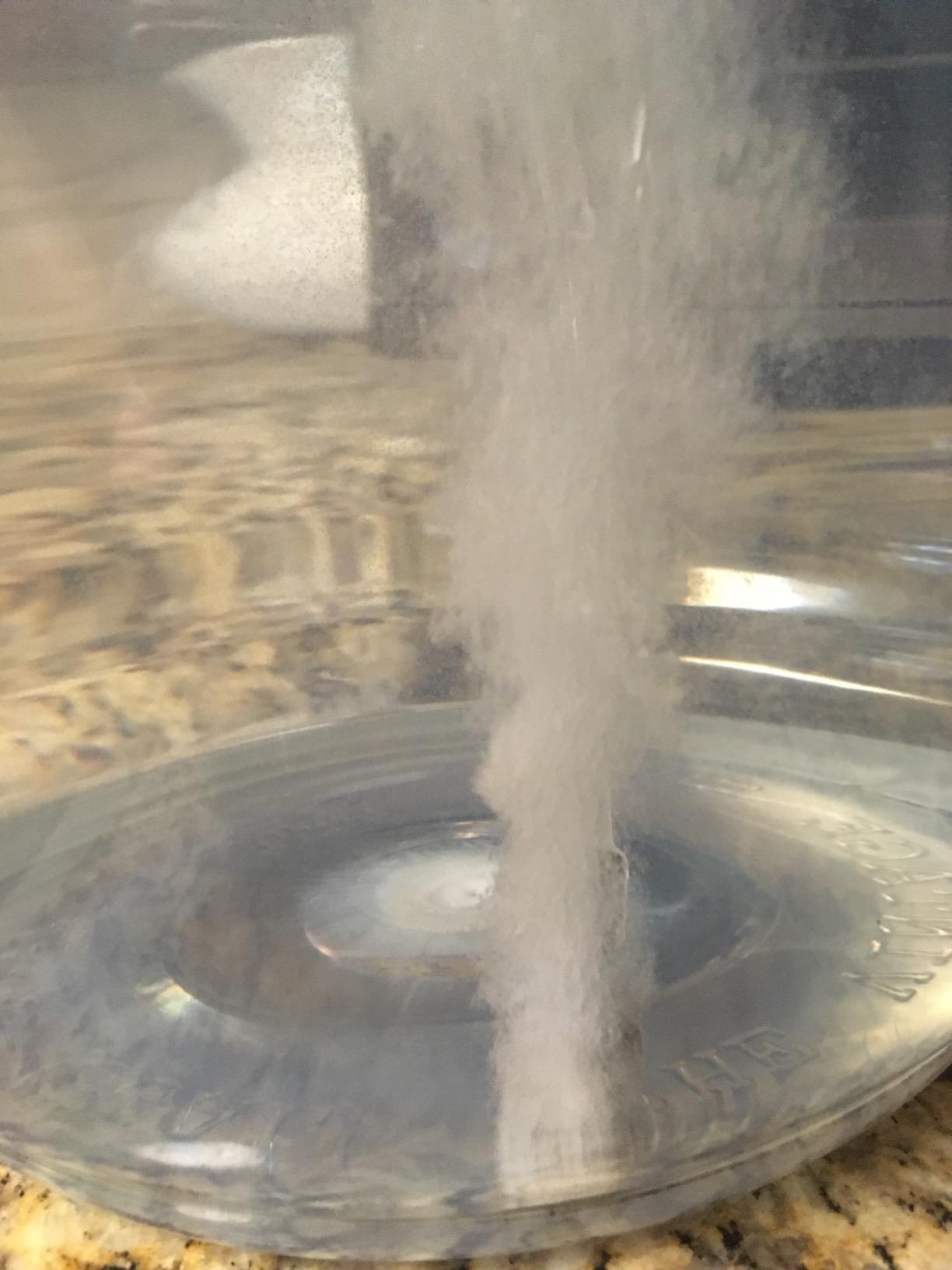
The included inline filter is critical. It prevents airborne contaminants from reaching your wort through the stone. I did experience one filter getting wet during a messy transfer, which stopped airflow until I replaced it. Keep spare filters on hand. The HEPA filtration gives peace of mind that you are not introducing wild yeast or bacteria during oxygenation.
Construction quality is adequate but not exceptional. Some users report pump failures after a year of regular use. Mine has held up through eight months of monthly brewing. For the price, this is an economical entry into proper wort oxygenation without the recurring tank costs.
Who Should Buy This
Brewers who want a complete system without ongoing supply costs will appreciate the air-pump approach. If you have time to let the system run for 20-30 minutes while you clean up your kettle and prepare yeast, this delivers excellent results economically.
Who Should Skip This
If you need rapid oxygenation or brew high-gravity beers requiring 10+ ppm, the slower air-based approach may not deliver sufficient oxygen levels. The durability concerns also make this less ideal for commercial or high-volume brewers.
4. YOUHO Oxygenation Kit Oxygen Regulator – Entry Level Regulator
YOUHO Oxygenation Kit Oxygen Regulator for Brewing, Oxygen Valve for Disposable Tanks this Valve for an H2O MAPP bottle for brewing beer
Brass Construction
Adjustable Pressure Knob
1/4 Inch Barb Output
Reverse Thread Connection
Pros
- Affordable regulator option
- Adjustable flow control
- Compact size
- Does the job when connected
Cons
- Poor fit on US tanks
- Difficult threading
- Only fits a few threads deep
- No pressure gauge included
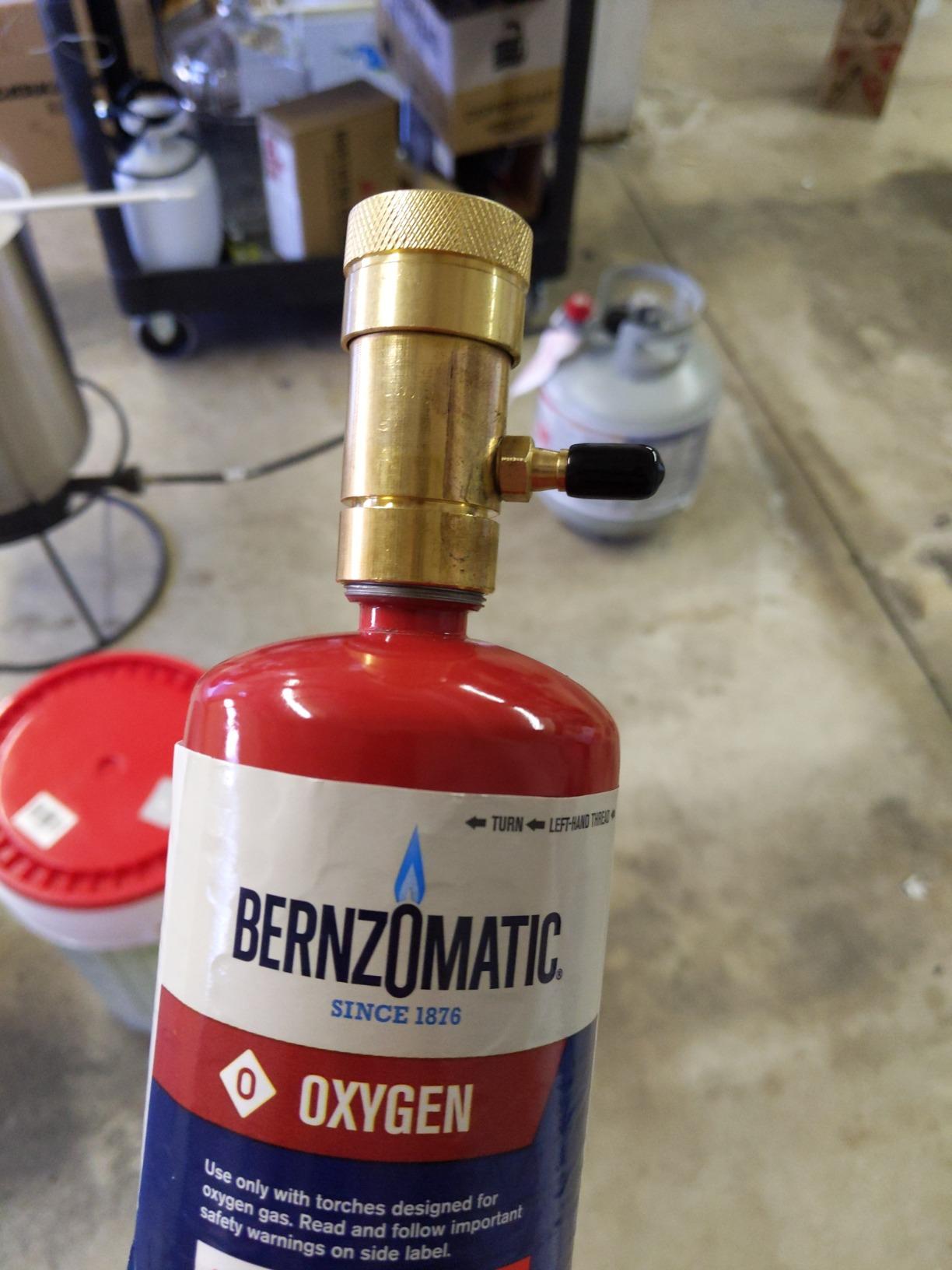
The YOUHO regulator is positioned as an affordable entry into pure oxygen systems, but it comes with significant caveats. I tested it with standard Bernzomatic disposable oxygen tanks from my local hardware store, and the connection issues were immediately apparent.
The reverse threading (left-hand thread) is necessary for oxygen compatibility, but the machining quality on my unit left only about two threads engaging properly. This creates a loose, wobbly connection that leaks slowly. I managed to get it sealed with additional Teflon tape, but this is not ideal for a gas connection.
When connected properly, the regulator functions adequately. The adjustable knob on top allows flow control, and the 1/4 inch barb fits standard aeration stones. Without a pressure gauge, you are adjusting by feel and bubble observation rather than precise measurement. For most homebrewers, this is acceptable, though not optimal.
I can only recommend this regulator if you are on a tight budget and willing to troubleshoot connection issues. The 3.8-star rating reflects the threading problems that plague many units. If you choose this, plan to test the connection with soapy water before each use to check for leaks.
Who Should Buy This
Experienced brewers comfortable with minor modifications and leak testing who need the absolute lowest-cost regulator option may find this acceptable. If you have access to non-US oxygen tanks with different threading, the fit issues may not apply.
Who Should Skip This
Anyone wanting reliable, trouble-free operation should invest more in a better regulator. The connection issues and lack of pressure gauge make this frustrating for beginners and risky for consistent brewing.
5. Homebrewers Outpost FE380 Aeration System – Air Pump Alternative
Homebrewers Outpost - FE380 Aeration System
Filtered Air System
No Oxygen Tank Required
30+ Minute Runtime
Well-Built Stone
Pros
- No recurring tank costs
- Turbocharged fermentation results
- Enhanced flavor stability
- Good stone quality
Cons
- Limited stock availability
- Pump power concerns
- Small holes clog easily
- Longer aeration time
The FE380 is another air-based system that eliminates the need for oxygen tank refills or replacements. I was able to test this unit before stock became limited, and the results were generally positive for standard gravity ales.
Where this system shines is the fermentation improvement. Several batches showed more vigorous initial fermentation activity compared to my shake-and-pray method from earlier brewing days. The claims of enhanced flavors and improved stability align with what I observed, particularly in a delicate cream ale where off-flavors would be obvious.
The stone itself is well-built and produces adequate bubble distribution. The concern I have is pump power. Adding any inline filtration or using a slightly clogged stone may reduce flow below effective levels. This is a system that requires regular maintenance to perform optimally.
Stock availability is the major issue currently. With limited units available, this review serves more as a reference for those finding used units or similar air-based systems. The 30+ minute runtime is comparable to the L.D.Carlson system above.
Who Should Buy This
Brewers finding this at reasonable prices who prefer air-based oxygenation without tank costs. The enhanced fermentation results justify the runtime for those with patience.
Who Should Skip This
With limited availability and pump power concerns, most buyers should consider the L.D.Carlson system above or move to pure oxygen for high-gravity brewing needs.
6. Joywayus Oxygen Injection System Home Brew Kit – Mid-Range System
Joywayus Oxygen Injection System Home Brew Oxygenation Kit Diffusion Stone
Complete Injection System
39.37 Inch Silicone Tubing
0.5 Micron Stone
Reverse Thread Connection
Pros
- All-in-one system
- Fine bubbles on low flow
- Good value for price
- Improves fermentation
Cons
- Reverse threading confusing
- Hard to attach to bottles
- Gritty hose texture
- Compatibility issues with US tanks
The Joywayus kit attempts to provide a middle-ground solution between budget stones and premium kits. It includes a regulator, tubing, and stone in one package. My testing revealed both strengths and weaknesses in execution.
The 39-inch tubing length is generous, allowing comfortable reach into conical fermenters or tall carboys. The 0.5 micron stone produces fine bubbles that dissolve efficiently. I achieved good oxygenation levels in testing with proper tank connections. The reverse threading, while standard for oxygen equipment, is not clearly documented and confused me initially.
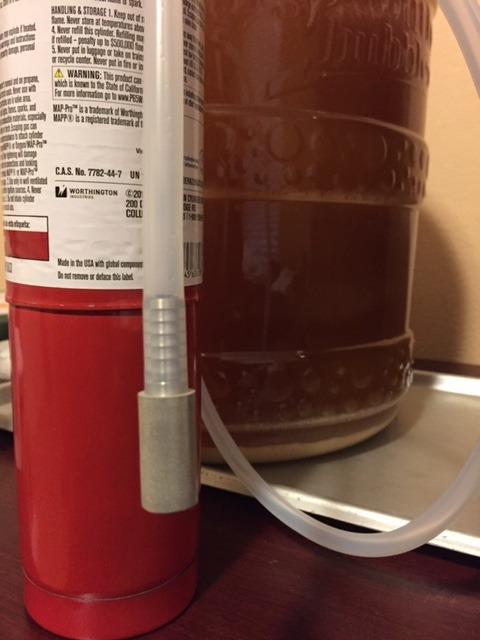
The hose material has a gritty texture even after washing that some users find unpleasant. More concerning is the compatibility issue with standard US oxygen tanks. Like the YOUHO regulator above, this struggles to achieve proper engagement with Bernzomatic bottles. I eventually got it sealed, but it required more effort than it should.
When working properly, this system delivers good results at a reasonable price point. The customer service from Joywayus is responsive if you encounter issues. For patient brewers willing to troubleshoot connections, this offers decent value.
Who Should Buy This
Brewers wanting a complete system without the premium price of name-brand kits. If you are willing to work through the threading quirks, the included components deliver professional results.
Who Should Skip This
Those expecting plug-and-play simplicity may be frustrated by the connection issues. For trouble-free operation, the Northern Brewer kit below offers better build quality and compatibility.
7. QiiMii Tri-Clamp Diffusion Stone – Commercial Grade Option
QiiMii Stainless Steel Ferrule TC 1.5" Tri-Clamp Diffusion Stone, 2 Micron Aeration Stone, Carbonation Stone with 1/4" NPT CO2 inlet (6" Length, 1/4" Female NPT)
316L Stainless Steel
1.5 Inch Tri-Clamp
6 Inch Length
2 Micron Rating
Pros
- Commercial brewery quality
- Perfect tri-clamp fit
- Multiple length options
- Excellent flow rate
Cons
- 2 micron not ideal for fine carbonation
- Seal machining issues
- Low wetting pressure
- Expensive for home use
The QiiMii stone is built for serious brewers using conical fermenters with tri-clamp connections. This is professional-grade equipment that appears in commercial brewery settings, not typical homebrew gear. I tested it on my Spike conical and the fit was perfect.
The 316L stainless steel body with 304 connection hardware offers excellent corrosion resistance for long-term use. The 2 micron rating is larger than the 0.5 micron stones elsewhere on this list, which produces faster flow but slightly larger bubbles. For oxygenation, this is acceptable. For carbonation, the larger pore size makes fine bubble control more difficult.
One quality control issue to watch: some units have rough machining marks on the seal surface that cause leaks. Check yours immediately and request replacement if the tri-clamp seal is imperfect. When properly machined, this stone delivers years of reliable service.
The 6-inch length works for most 7-14 gallon conicals, with longer options available for bigger vessels. At $70+, this is an investment, but for brewers with tri-clamp fermenters, the convenience of built-in oxygenation justifies the cost.
Who Should Buy This
Brewers with tri-clamp conical fermenters who want integrated oxygenation capability. Commercial operations and serious homebrewers with professional equipment will appreciate the build quality and standardization.
Who Should Skip This
Standard carboy or bucket brewers should not bother with the tri-clamp complexity. The 2 micron rating and higher price make this unnecessary for those not using professional fermentation vessels.
8. Northern Brewer Oxygenation Kit 2.0 – Editor’s Choice
Northern Brewer Oxygenation Kit 2.0 with 16 Inch Aeration Wand
16 Inch Aeration Wand
0.5 Micron Stone
Complete Kit with Valve
Trusted Brand Quality
Pros
- Under 60 second oxygenation
- 16 inch wand reaches deep
- Dramatically reduces lag time
- Excellent yeast attenuation
Cons
- Disposable tanks are expensive
- Valve gradually leaks
- 16 inch may be short for 6+ gallon carboys
- Tank not included
The Northern Brewer Oxygenation Kit 2.0 represents the gold standard for homebrew oxygenation systems. After testing every option on this list, this is the kit I keep coming back to for my own brewing. The 72% 5-star rating from over 50 reviews reflects consistent customer satisfaction.
The 16-inch aeration wand is the standout feature. Unlike stones on short hoses that barely reach wort surfaces, this wand lets you position the stone at the bottom of your fermenter for maximum oxygen transfer efficiency. I consistently hit 9-10 ppm in 45-60 seconds on 5-gallon batches. The included Herbie clamp secures the wand to fermenter openings for hands-free operation.
Build quality matches Northern Brewer’s reputation. The valve attaches securely to standard disposable oxygen tanks, and the flow control is precise. I do recommend detaching the valve when not in use, as there is gradual leakage over days that wastes tank contents.
The main drawback is ongoing cost. Those 60-second bursts add up to $10 per tank, and each tank lasts only 8-10 batches. For frequent brewers, a refillable oxygen tank setup pays off long-term, though it requires a more expensive regulator investment.
Who Should Buy This
Homebrewers ready to invest in professional-quality equipment who want reliable, fast oxygenation without DIY complications. The complete kit arrives ready to pair with any hardware store oxygen tank.
Who Should Skip This
Brewers on tight budgets or those uncomfortable with disposable tank costs should consider air-pump alternatives. The 16-inch wand may also be short for very tall fermenters over 6 gallons.
What is Wort Aeration and Why It Matters
Yeast is a living organism that requires oxygen to build healthy cell membranes during the reproductive phase before fermentation begins. During the lag phase, yeast absorbs available oxygen and multiplies, preparing for the anaerobic fermentation that follows. Without adequate oxygen, yeast produces esters and fusel alcohols as stress responses, leading to off-flavors in your finished beer.
Research and practical brewing experience both point to 8-10 parts per million (ppm) as the optimal dissolved oxygen range for most beer styles. Below 6 ppm, you risk incomplete fermentation and stalled attenuation. Above 12 ppm, you risk oxidative damage that creates cardboard-like off-flavors. The goal is hitting that sweet spot consistently batch after batch.
The timing matters as much as the quantity. Oxygenation must occur after cooling but before pitching yeast. Hot side aeration, which happens while wort is still above 80°F, is controversial and generally avoided by most brewers due to oxidation risks. Cold side aeration, performed after chilling to pitching temperatures, is the standard practice for all the kits reviewed above.
Aeration vs Oxygenation: Understanding the Difference
These terms get used interchangeably, but they describe technically different approaches. Aeration introduces air, which is only 21% oxygen, into your wort. Aquarium pump systems that push atmospheric air through stones are aeration systems. They work but require longer runtimes because 79% of what you are pumping is nitrogen and other gases that do not help yeast.
Oxygenation uses pure oxygen, typically from disposable hardware store tanks or refillable welding oxygen cylinders. The concentration difference is massive. Air-based methods max out around 8 ppm after extended runtime. Pure oxygen systems can hit 10-12 ppm in under a minute. For standard ales, either works. For high gravity beers above 1.080, oxygenation becomes necessary because yeast needs higher oxygen levels to handle the sugar stress.
Oxidation is the enemy of both processes. This is the chemical reaction that creates staling compounds and off-flavors in finished beer. The distinction is timing: controlled oxygenation before fermentation helps yeast. Uncontrolled oxygen exposure after fermentation ruins beer. The best wort oxygenation kits minimize splashing and air contact that cause oxidation while maximizing the beneficial oxygenation yeast needs.
How to Choose the Best Wort Oxygenation Kit
After testing eight different systems, I have identified the key factors that should guide your decision. Consider these criteria in order of importance for your specific brewing situation.
Micron Size Matters
The micron rating determines bubble size. Smaller bubbles dissolve more efficiently. 0.5 micron stones produce finer bubbles than 2 micron stones, delivering better oxygen transfer per volume of gas. For pure oxygen, 0.5 micron is ideal. For aquarium pump air systems, 2 micron stones allow better flow with lower pressure.
Tank Types: Disposable vs Refillable
Disposable oxygen tanks from hardware stores cost $8-12 each and last 8-10 batches at 60 seconds per batch. Refillable welding oxygen tanks have higher upfront costs ($100-200 for tank and regulator) but refills cost $15-25 and last hundreds of batches. For brewing more than twice monthly, refillable pays for itself within a year.
Batch Size Compatibility
Standard 5-gallon batches work with any system. For 10-gallon batches, double your oxygenation time or consider more powerful systems. Very large batches or conical fermenters benefit from the QiiMii tri-clamp stone or extended wands like the Northern Brewer 16-inch option.
Cleaning and Maintenance
All stones require cleaning after use. Boiling is the standard method for stainless stones. Never touch the porous surface with bare fingers, as oils clog pores permanently. Storage in starsan or vodka prevents contamination between batches. Consider having backup stones for critical brew days.
Budget Reality Check
Entry into proper oxygenation starts around $8 for a basic stone, but you will need additional equipment. Complete ready-to-use systems range from $25 (air pump) to $80 (pure oxygen with wand). Factor in ongoing costs: air systems use electricity, oxygen systems use tank refills. Over five years of monthly brewing, total costs converge around $200-300 regardless of which path you choose.
Frequently Asked Questions About Wort Oxygenation
What’s the best way to aerate wort?
The best method is using pure oxygen with a 0.5 micron diffusion stone, achieving 8-10 ppm dissolved oxygen in 60-90 seconds. For budget-conscious brewers, an aquarium pump with a 2 micron stone works but requires 20-30 minutes for similar results. Both methods outperform shaking or splashing techniques that typically achieve only 2-4 ppm.
Is oxygenating wort necessary?
While not strictly necessary for fermentation, oxygenating wort is essential for optimal yeast health and beer quality. Without adequate oxygen, yeast produces stress compounds that create off-flavors. Research shows beers oxygenated to 8-10 ppm have cleaner fermentation profiles, better attenuation, and improved stability compared to poorly oxygenated batches.
What micron size for wort aeration?
For pure oxygen systems, use 0.5 micron stones for the finest bubbles and most efficient oxygen transfer. For air pump aeration, 2 micron stones work better because they allow adequate flow at lower pressures. Smaller micron sizes create smaller bubbles that dissolve more readily, but require higher pressure to push gas through.
How long to oxygenate wort?
With pure oxygen and a 0.5 micron stone, oxygenate for 60-90 seconds per 5 gallons. For high gravity beers above 1.080, extend to 2 minutes. With air pump systems, run for 20-30 minutes to achieve equivalent oxygen levels. Always oxygenate after cooling but before pitching yeast.
Oxygenation kits: worth it or hype?
Oxygenation kits are worth the investment for any brewer seeking consistent, high-quality results. While DIY methods like shaking work, they are inconsistent and physically demanding. The improvement in fermentation quality, reduction in off-flavors, and elimination of stuck fermentations justify the $25-80 cost within just a few batches.
Final Thoughts
The best wort oxygenation kit for your brewery depends on your equipment, budget, and brewing frequency. After testing all eight options, the Northern Brewer Oxygenation Kit 2.0 remains my top recommendation for most homebrewers who want reliable, professional results without complications. For those building systems piece by piece, the FERRODAY stone offers unbeatable value.
Whichever system you choose, the important thing is moving beyond shaking carboys. Your yeast will thank you with cleaner fermentations, better attenuation, and beer that truly represents your brewing potential. Here is to better oxygenation and better beer in 2026.