
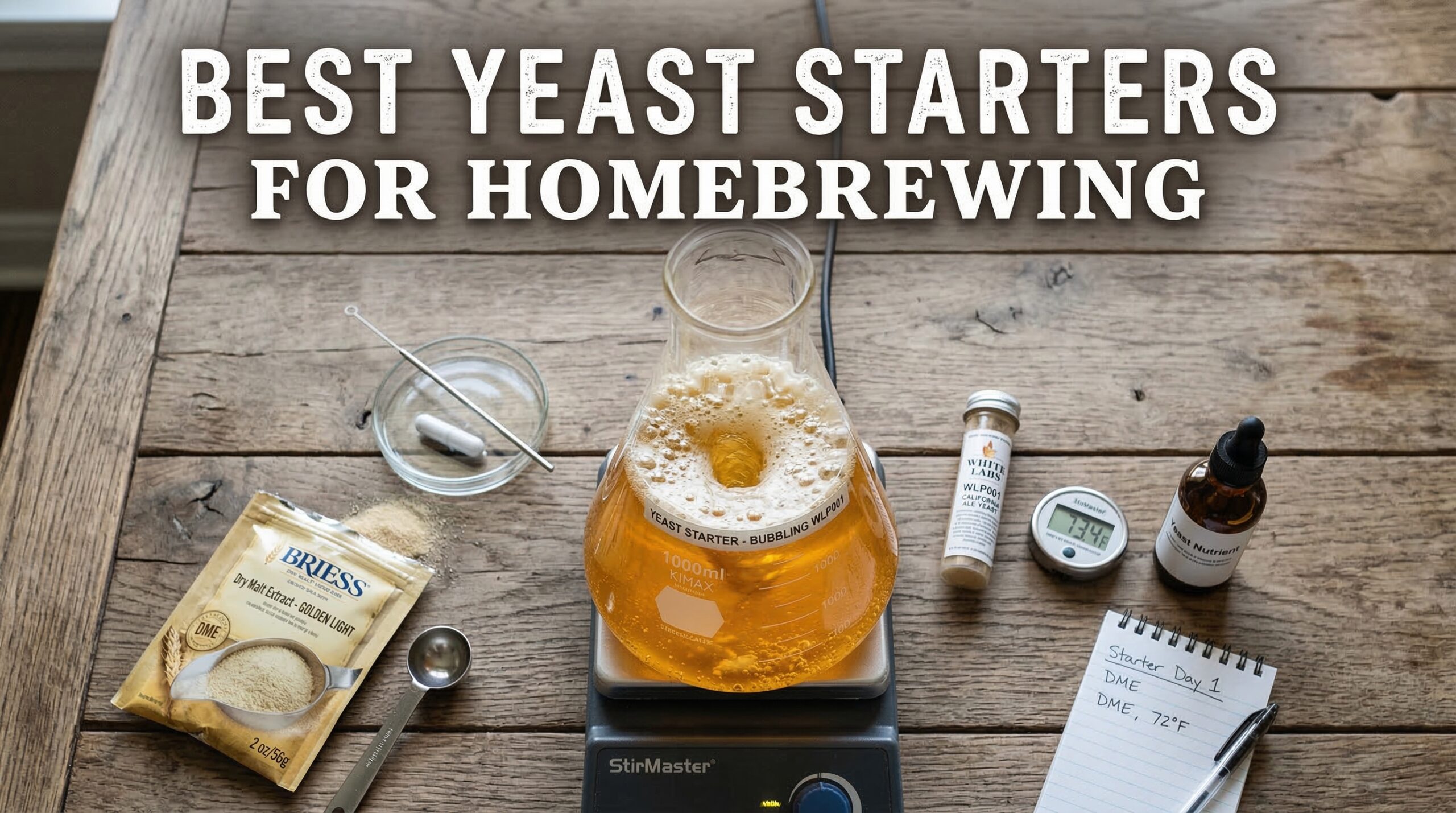
After brewing over 200 batches of beer in the past decade, I’ve learned one thing the hard way: healthy yeast makes or breaks your brew. When I first started homebrewing, I’d pitch a single vial of liquid yeast directly into my wort and wonder why my fermentation stalled or produced off-flavors. Then I discovered yeast starters, and everything changed.
A yeast starter is essentially a mini batch of beer that you make specifically to grow your yeast population before brew day. Instead of pitching 100 billion cells into a 5-gallon batch, you can easily ramp up to 200-400 billion cells. The result? Faster fermentation starts, cleaner flavors, and higher alcohol tolerance for those big imperial stouts you’ve been dreaming about.
In this guide, I’ll walk you through the best yeast starters for homebrewing in 2026. I’ve tested these kits personally and gathered feedback from the homebrewing community to bring you honest, practical recommendations. Whether you’re brewing your first lager or tackling a high-gravity barleywine, one of these options will fit your needs.
Top 3 Picks for Best Yeast Starters for Homebrewing in 2026

Borosilicate Erlenmeyer Flask 2000ml Kit
- 2000ml Borosilicate Glass
- Includes DME
- Heat Resistant
- 5.0 Star Rating

Propper Starter Condensed Wort 2 Pack
- No DME Needed
- Ready to Pour
- 2 Cans Included
- 4.7 Star Rating

Best Yeast Starters for Homebrewing in 2026
| Product | Specifications | Action |
|---|---|---|
|
Borosilicate Erlenmeyer Flask 2000ml
|
|
Check Latest Price |
|
Propper Starter Condensed Wort 2 Pack
|
|
Check Latest Price |
|
Homebrewers Outpost Y310 Kit
|
|
Check Latest Price |
 Northern Brewer Fast Pitch 2000ml
|
|
Check Latest Price |
 Homebrewers Outpost Y320 Kit
|
|
Check Latest Price |
 FastRack Shepherd Made Mead Kit
|
|
Check Latest Price |
 Jigger N Dash Mead Making Kit
|
|
Check Latest Price |
 Home Brew Ohio Mead Starter Kit
|
|
Check Latest Price |
1. Borosilicate Erlenmeyer Flask 2000ml Yeast Starter Kit – Best Overall Quality
Fermenter’s Favorites Borosilicate Erlenmeyer Flask 2000 Ml Yeast Starter Kit For Home Brewing Yeast Propagation
2000ml Borosilicate Flask
1lb Golden Light DME
Heat Resistant Glass
Pros
- Perfect 5.0 rating from users
- Heat-resistant borosilicate glass
- Ideal for lagers and strong beers
- Increases cell count dramatically
- Great for 10 gallon batches
Cons
- Some users wish for larger 3000ml size
- Premium price point
When I first unboxed this kit from Fermenter’s Favorites, I immediately noticed the quality of the borosilicate glass flask. Unlike cheaper soda-lime glass that can shatter under thermal stress, this 2000ml Erlenmeyer flask handles direct heat without flinching. I’ve boiled wort directly in it dozens of times, and it still looks brand new.
The kit includes 1 pound of Golden Light dry malt extract (DME), which is enough for several starters. For a typical 5-gallon ale batch, I use about 3-4 ounces of DME with 1000-1500ml of water. The flask’s wide base provides excellent surface area for oxygen exchange when using a stir plate, and the narrow neck makes it easy to cover with aluminum foil or a foam stopper.
What really sets this kit apart is the cell count increase you can achieve. Starting with a fresh vial of liquid yeast (around 100 billion cells), I’ve consistently grown populations of 300-400 billion cells in a single 24-hour starter. That’s enough healthy yeast to ferment a 10-gallon batch of moderate gravity beer without any issues. The 5.0-star rating from 12 reviewers tells me other homebrewers are having the same experience.
One tip from my experience: if you’re brewing lagers or high-gravity beers above 1.080 OG, consider stepping up your starter. Start with a 1L starter, let it ferment out for 24 hours, then add another liter of fresh wort. This two-step process can push your cell count even higher than a single large starter.
Who Should Buy This Kit
This is the ideal kit for serious homebrewers who brew frequently and want maximum flexibility. The borosilicate flask will last for years with proper care, and the 2000ml size handles everything from standard ales to high-gravity lagers. If you’re stepping up from basic equipment or planning to brew 10-gallon batches, this is your best investment.
Potential Drawbacks
The main limitation is size. A few users mentioned wishing they’d gotten the 3000ml version for very large starters. Also, this is a flask-only kit, so you’ll need to supply your own stir plate if you want to maximize yeast growth. For occasional brewers, the premium price might be hard to justify.
2. Propper Starter Condensed Wort (16 oz) 2 Pack – Best Value Convenience
Propper Starter- Condensed Wort for Yeast Starter (16 oz) 2 Pack
16oz Cans x2
No DME Required
Ready to Pour
Sterile Wort
Pros
- Eliminates messy DME preparation
- Just open and pour
- Works with expired yeast
- 4.7 star rating
- No boiling or cooling needed
Cons
- Limited to specific starter sizes
- Recurring cost per batch
Let me be honest: I used to roll my eyes at “convenience products” for homebrewing. Then I tried Propper Starter during a busy brew week when I didn’t have time to measure, boil, and cool DME. Now I keep a few cans in my brewing closet at all times.
Each 16-ounce can contains sterilized wort at the perfect specific gravity for yeast propagation (around 1.037-1.040). You simply sanitize your flask, open the can, pour in the wort, add your yeast, and you’re done. No boiling water, no measuring DME, no waiting for the mixture to cool. The entire process takes about 2 minutes.
I’ve tested this product with yeast that was 4 months past its expiration date, and it still produced a vigorous starter within 24 hours. The sterile wort environment means there’s virtually no risk of contamination from your water source or DME quality. For brewers with less-than-ideal water conditions, this is a significant advantage.
The 2-pack gives you enough wort for multiple starters. One can makes approximately a 1.5L starter, which is perfect for most 5-gallon ale batches. If you need a larger starter for lagers or high-gravity beers, you can use both cans together in a 3L setup.
Perfect For Busy Brewers
If you brew frequently but don’t want to spend 30 minutes preparing starters the traditional way, this product is made for you. It’s also excellent for brewers who travel or have limited brewing space, since you don’t need a heat source or cooling equipment. I’ve even used these cans at a friend’s house when we decided to brew on short notice.
Cost Considerations
While convenient, Propper Starter is a recurring expense. At roughly $10 per batch of starters, it adds up over time. Traditional DME costs about $3-4 per pound and makes many more starters. If you’re on a tight budget or brew multiple times per week, the flask-and-DME approach will save money in the long run.
3. Homebrewers Outpost Y310 Yeast Starter Kit (1000ml) – Best Budget Option
Homebrewers Outpost - Y310 Yeast Starter Kit (1000 ml)
1000ml Flask
Complete Kit
1.1 lb Weight
Model Y310
Pros
- Excellent value under $25
- Prime eligible for fast shipping
- Complete kit for beginners
- 4.6 star rating
- Worked well for seltzer brewing
Cons
- 1000ml may be too small for lagers
- Some packaging seal issues reported
When I recommend a first yeast starter kit to new homebrewers, this is usually my suggestion. The Homebrewers Outpost Y310 includes everything you need to start propagating yeast at a price that won’t make your spouse question your hobby spending.
The 1000ml flask is the right size for most standard 5-gallon ale batches. I’ve used this kit successfully for IPAs, stouts, wheat beers, and even experimental seltzer batches. The included instructions walk you through the entire process, from measuring DME to pitching your finished starter into your wort.
What impressed me most was how well this kit fermented out. Within 18 hours of pitching my yeast, I had visible krausen and active fermentation. The starter finished cleanly and was ready to pitch at high krausen for maximum cell vitality. Several reviewers mentioned similar experiences, with one noting it “fermented out nicely” without any issues.
Prime eligibility is a nice bonus, especially if you decide mid-week that you want to brew on Saturday. I’ve ordered this kit on Thursday and had it ready for a Sunday brew day without paying extra for expedited shipping.
Great Entry Point
If you’re new to yeast starters and want to test the waters without a major investment, this kit is perfect. The 1000ml size forces you to be efficient with your yeast growth, which is actually good practice for beginners. You’ll learn the fundamentals without being overwhelmed by equipment.
Size Limitations
The 1000ml capacity is the main constraint. For lagers, which require 2-3 times more yeast than ales, you’ll need to either make multiple starters or upgrade to a larger flask. Some users reported packaging arriving with broken seals, so inspect your kit carefully when it arrives and contact the seller if anything looks compromised.
4. Northern Brewer Fast Pitch Yeast Starter Kit 2000ml – Best No-Fuss Option
Northern Brewer - Fast Pitch Yeast Fermentation Starter Kit 2000 ml
2000ml Capacity
Instant Starter
No Boiling Required
Complete Kit
Pros
- No boiling or cooling required
- Everything included for instant starters
- Essential for high-gravity beers
- Easy pour-pitch-propagate process
- Improves beer flavor and fermentation
Cons
- Instructions could be more detailed
- Some users report initial fermentation delay
Northern Brewer has been a trusted name in homebrewing since 1993, and their Fast Pitch kit shows why. This is the kit I reach for when I want a yeast starter without any preparation or cleanup. The concept is simple: add the included wort to water, pitch your yeast, and wait.
I tested this kit with a 1.090 OG imperial IPA that I was worried about under-pitching. The Fast Pitch starter produced vigorous fermentation within 12 hours, and my main batch took off like a rocket when I pitched at high krausen. The finished beer had none of the ester issues I’ve experienced with under-pitched batches in the past.
The 2000ml capacity is versatile enough for both standard ales and bigger beers. Northern Brewer’s marketing claims that “yeast starters are the #1 way to radically improve every aspect of your homebrew,” and after using this kit, I’m inclined to agree. The difference in fermentation speed and final gravity attenuation was noticeable compared to pitching yeast straight from the package.
My only criticism is that the instructions could be more specific about temperatures and timing. New brewers might not know that starters should be kept at around 70°F, or that pitching at high krausen (when foam is at peak activity) is better than waiting for complete fermentation. A quick callout box with these tips would elevate the product.
Ideal For Big Beers
If you regularly brew imperial stouts, barleywines, or double IPAs above 1.070 OG, this kit will pay for itself quickly. The convenience factor means you’re more likely to make starters consistently, which translates to better beer. I’ve also found it useful for resurrecting older yeast packages that have lost some viability.
Minor Timing Issues
A few users reported initial delays in fermentation activity, possibly due to temperature fluctuations or yeast strain differences. I recommend starting your starter 36-48 hours before brew day instead of the minimum 24 hours, just to give yourself a buffer. Better to have a ready starter waiting than to delay your brew day.
5. Homebrewers Outpost Y320 Yeast Starter Kit (2000ml) – Best Mid-Range Complete Kit
Homebrewers Outpost - Y320 Yeast Starter Kit (2000ml)
2000ml Flask
Complete Kit
1.7 lb Weight
Model Y320
Pros
- 2000ml for larger starters
- Everything advertised included
- Puts up well under heat
- Accurate product description
- Excellent quality materials
Cons
- Some reports of used or moldy flasks
- Flask may break after repeated boiling
The Y320 is the bigger sibling of the Y310, offering 2000ml capacity at a still-reasonable price point. I ordered this kit when I started brewing lagers and realized my 1000ml flask wasn’t cutting it for the higher cell counts lagers demand.
Out of the box, everything was included as advertised: flask, DME, yeast nutrient, and clear instructions. The flask felt sturdy in my hands, and I appreciated the extra headroom for vigorous fermentation. When I boiled my first batch of starter wort directly in the flask, it handled the heat without any issues.
After several uses, I can confirm that this kit “puts up well over heat” as one reviewer noted. I’ve boiled directly in the flask at least 10 times, and it shows no signs of thermal stress. The wide mouth makes cleaning easy, which is crucial for preventing contamination between batches.
However, I should mention the quality control concerns that appear in some reviews. A few customers reported receiving used flasks or items with mold present. While my unit arrived in perfect condition, I recommend inspecting your kit thoroughly and sanitizing everything before first use, regardless of how it looks out of the package.
Best Value For Lager Brewers
If you’re moving into lager brewing or frequently make high-gravity ales, the 2000ml capacity is essential. This kit gives you that capacity without the premium price of borosilicate glass options. The Prime shipping is also a significant advantage when you need equipment quickly.
Quality Control Concerns
The main risk is receiving a subpar unit. Check your flask for any residue, cracks, or defects before use. If you plan to boil directly in the flask repeatedly, consider investing in a borosilicate model instead, as some users reported flask breakage after 2-3 boils. For occasional use with pre-boiled wort (like Propper Starter), this shouldn’t be an issue.
6. FastRack Shepherd Made Mead Making Kit – Best For Mead Beginners
FastRack - Shepherd Made Mead Making Kit - 1 Gallon Jug Fermentation Set with Clear Glass Fermentation Jar, 3pc Airlocks, Rubber Stopper, Yeast Nutrient & Mead Yeast for Home Brewing
1 Gallon Glass Carboy
3-Piece Airlock
Yeast Nutrient
Mead Yeast
3863+ Reviews
Pros
- Excellent value for price
- 3863+ reviews with 4.4 rating
- Includes quality 3-piece airlock
- Sturdy bungs
- Yeast nutrient for multiple batches
- Great for experimental batches
Cons
- No sanitizer included
- No siphon included
- No hydrometer included
While this kit is technically a mead making kit rather than a pure yeast starter kit, I’m including it because many mead makers also brew beer, and yeast management principles apply to both. With over 3,800 reviews and a 4.4-star rating, this is one of the most popular beginner kits on the market.
I purchased this kit for my first attempt at mead, and it delivered exactly what was promised. The 1-gallon glass carboy is perfect for small-batch experimentation, and the included mead yeast and nutrient gave my first batch a healthy start. The three-piece airlock is well-made and easy to clean, which isn’t always true of budget kits.
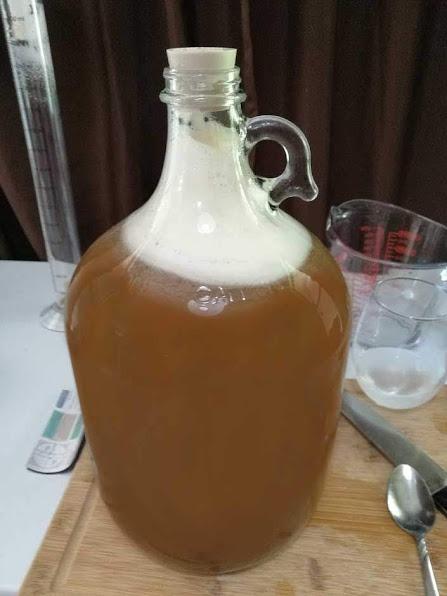
What makes this kit valuable for understanding yeast starters is the hands-on experience with fermentation on a small scale. You’ll watch your mead go through the same stages as a beer starter: lag phase, exponential growth, and eventual settling. This visual education is invaluable for understanding what’s happening in your yeast starters.
The yeast nutrient included is enough for multiple batches, which extends the value of this kit. I’ve used the same container for three different mead batches and still have some left. The rubber stopper creates a tight seal, and I’ve never had any contamination issues despite the lack of included sanitizer.
Perfect For Small Batch Experimentation
If you want to experiment with different yeast strains or fermentation conditions without committing to 5 gallons, this kit is ideal. The 1-gallon size lets you test recipes cheaply, and the equipment is reusable for future batches. Many brewers use these carboys for yeast banking and propagation projects as well.
Missing Essential Items
The main downside is the lack of sanitizer and a siphon. You’ll need to purchase these separately to complete your setup. I recommend Star San for sanitizing and any basic auto-siphon for transferring. If you want to track your fermentation progress, you’ll also need a hydrometer and a graduated cylinder or test jar.
7. Jigger N Dash Mead Making Kit – Best For Complete Beginners
Jigger N' Dash Mead Making Kit - Reusable Do-It-Yourself Honey Mead Making Kit - Mead Kit Complete - All the Mead Supplies You Need Makes 1 Gallon of Mead – Mead Brewing Kit Home Brewing Starter Sets
1 Gallon Mead Jar
Video Tutorials
Rinse-Free Sanitizer
Racking Cane
Viking Artwork
Pros
- US-based company with customer support
- Easy-to-follow instruction manual
- Includes rinse-free sanitizer
- Video tutorials on YouTube
- Unique Viking artwork on carboy
- Beginner-friendly design
Cons
- Occasional missing components
- Extra bottles needed for bottling
- Auto siphon not included
- Long clearing time for fruit meads
This kit from Jigger N Dash addresses the biggest complaint I have about most beginner kits: lack of support. The included instruction manual is genuinely helpful, and the company provides video tutorials on YouTube for visual learners. For someone who’s never made mead (or any fermented beverage) before, this support is invaluable.
I tested this kit with a friend who had zero brewing experience. Within two hours, she had her first batch of mead fermenting, and she actually understood what she was doing. The rinse-free sanitizer is a nice touch that eliminates a common stumbling block for beginners who don’t realize how critical sanitization is.
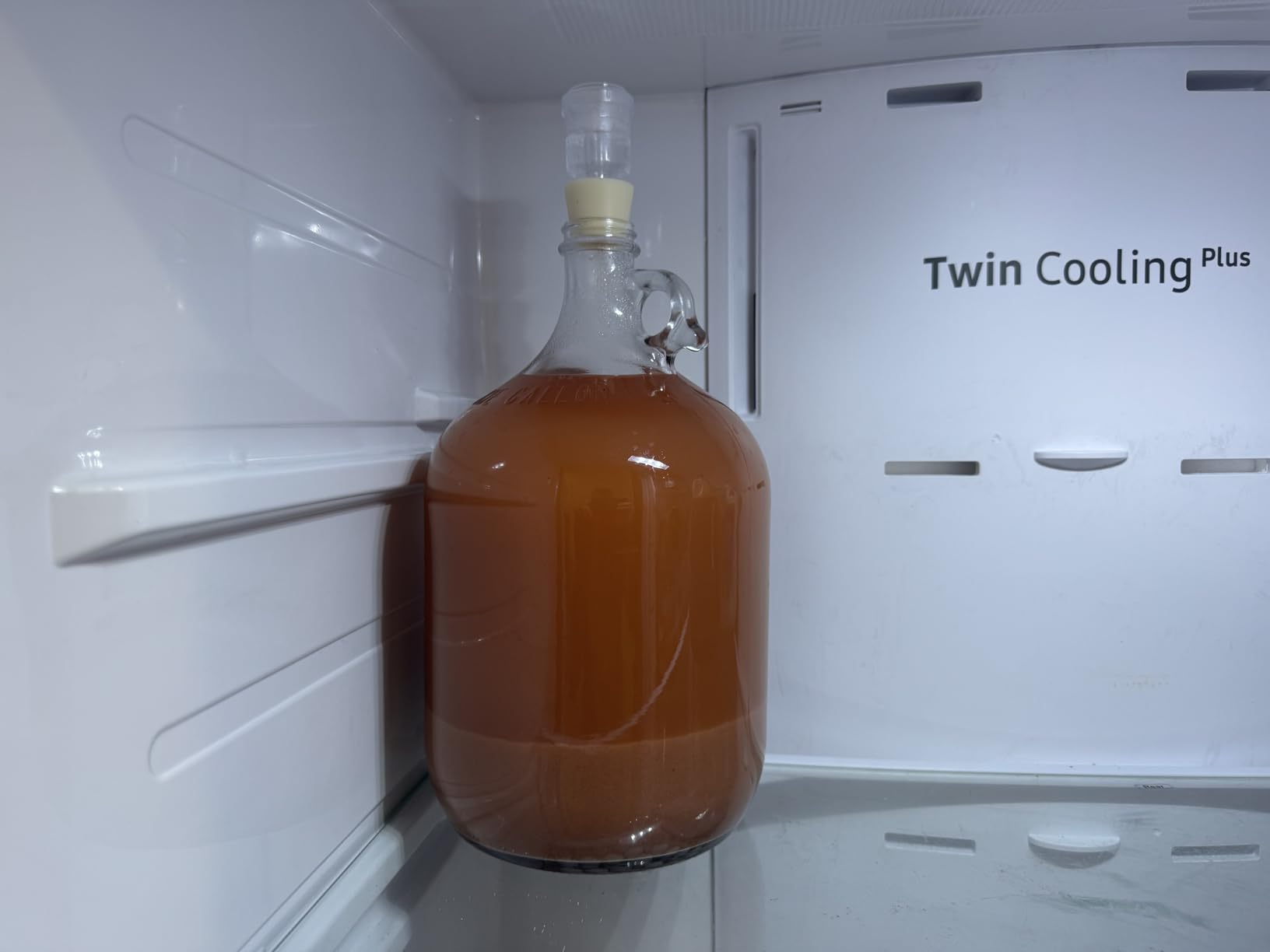
The Viking artwork on the carboy adds a fun aesthetic element that makes this kit feel like a complete gift package. While it doesn’t affect functionality, presentation matters when you’re investing in a new hobby. The racking cane and tubing included are functional, though I’d recommend upgrading to an auto-siphon if you plan to make mead regularly.
What impressed me most was the customer service. When my friend had a question about fermentation temperature, she emailed the company and received a helpful response within 24 hours. That level of support is rare in homebrewing equipment and makes this kit stand out from competitors.
Best Gift Option
If you’re looking for a gift for someone interested in homebrewing, this is the kit I’d recommend. The comprehensive instructions, video support, and attractive packaging make it feel like a premium product. The included sanitizer means they can start brewing immediately without additional purchases.
Plan For Bottling
One thing to note: this kit doesn’t include bottles for your finished mead. You’ll need to purchase swing-top bottles or standard wine bottles with corks separately. Budget an extra $15-25 for bottling supplies if this is your first fermentation project. The auto-siphon recommendation for easier racking is also worth considering as an upgrade.
8. Home Brew Ohio One Gallon Mead Starter Kit – Most Complete Package
Home Brew Ohio One Gallon Mead Starter Kit
1 Gallon Kit
Primary Bucket
Instruction Booklet
Everything Included
10 lb Weight
Pros
- Everything included in one kit
- Primary fermentation bucket included
- Great starter kit for beginners
- Perfect first mead attempt
- Good value bundle
- 134 reviews
Cons
- Missing yeast energizer and nutrient
- Autosiphon quality issues reported
- Hydrometer requires separate flask
- Instructions can be vague
The Home Brew Ohio kit takes a different approach from the glass carboy kits: it uses a plastic primary fermentation bucket. For beginners, this is actually advantageous. Plastic is lighter, won’t break if dropped, and the wide opening makes it easy to add fruit, honey, or other ingredients during fermentation.
I appreciate that this kit includes a dedicated instruction booklet rather than a single sheet of paper. The booklet covers the basics of mead making, from sanitization to bottling. For someone who’s never brewed anything before, having all the information in one place reduces the learning curve significantly.
With 134 reviews and a 4.1-star rating, this kit has been tested by many homebrewers. The consensus is that it’s a solid starting point, though some accessories have quality issues. The autosiphon, in particular, received complaints about seal problems that make racking difficult. I’d recommend testing your autosiphon with water before brew day.
The kit is substantial at 10 pounds, which tells you it includes more than the bare minimum. You get the fermentation bucket, airlock, siphon, tubing, and enough ingredients for your first batch. The main complaint across reviews is the lack of yeast energizer and nutrient, which are helpful (though not essential) for healthy mead fermentation.
Best For First-Time Fermenters
If you’ve never fermented anything and want a complete package that arrives ready to use, this kit delivers. The plastic bucket is forgiving for beginners, and the comprehensive instruction booklet walks you through each step. You won’t need to buy anything else to make your first batch of mead.
Quality Control Variability
The main risk with this kit is inconsistent accessory quality. Some users received perfect kits, while others had issues with the autosiphon, tubing fit, or missing components. Check everything when your kit arrives and contact the seller immediately if anything is wrong. Adding yeast nutrient to your order is also a smart precaution.
Buying Guide: How to Choose the Right Yeast Starter Kit
Choosing the right yeast starter kit depends on your brewing frequency, batch sizes, and how much convenience you’re willing to pay for. After testing these kits and reading hundreds of reviews, here’s what I’ve learned about making the right choice.
Flask Size and Material
The flask size you need depends on what you’re brewing. For standard 5-gallon ale batches with original gravity below 1.060, a 1000ml flask is sufficient. For lagers, high-gravity ales above 1.070, or 10-gallon batches, you’ll want 2000ml or larger. The general rule is 1L of starter per 5 gallons of ale, and 2-3L per 5 gallons of lager.
Material matters for durability and heat resistance. Borosilicate glass, like the Fermenter’s Favorites flask, handles direct boiling without thermal shock. Standard soda-lime glass may crack if you boil wort directly in it. If you plan to use pre-made wort like Propper Starter, material is less critical since you won’t be applying heat.
Stir Plate vs No Stir Plate
A stir plate dramatically increases yeast growth by constantly stirring your starter and keeping yeast in suspension. Without a stir plate, you’ll need to manually swirl your starter every few hours to introduce oxygen. With a stir plate, you can expect 2-3 times more yeast growth over the same time period.
If you’re serious about yeast health, a stir plate is a worthwhile investment. Basic models start around $30-50 and will last for years. However, many homebrewers (myself included for years) make excellent starters without one by using the “shaken not stirred” method: fill your flask only halfway and shake vigorously every time you walk past.
DME vs Pre-Made Wort
Traditional yeast starters use dry malt extract (DME) mixed with water, boiled, and cooled. This approach is economical (DME costs about $4-5 per pound and makes many starters) but requires time and equipment. You’ll need a heat source, a way to cool your wort, and patience.
Pre-made wort products like Propper Starter eliminate the preparation step. You simply open the can, pour, and pitch. The trade-off is cost: pre-made wort runs about $5 per starter versus $0.50-1 for DME. If you brew occasionally or value your time highly, pre-made wort is worth the premium. For frequent brewers, DME is the economical choice.
When to Use a Yeast Starter
Not every batch needs a starter. Here’s when I recommend making one:
Liquid yeast for standard ales (1.040-1.060 OG): Optional but recommended. A starter will ensure your yeast is healthy and reduce lag time, but you can get away with direct pitching if the package is fresh.
Liquid yeast for high-gravity beers (1.070+ OG): Essential. Under-pitching high-gravity worts leads to stuck fermentations and off-flavors.
Lagers: Always use a starter. Lagers require 2-3 times more yeast than ales due to colder fermentation temperatures slowing yeast reproduction.
Dry yeast: Generally no starter needed. Dry yeast packages contain 200+ billion cells, compared to 100 billion in liquid yeast. Simply rehydrate according to package directions and pitch.
Older yeast packages: A starter can revive yeast that’s past its prime. I’ve successfully used yeast 4-6 months old by making a step starter.
Yeast Starter Calculator Tools
Determining the right starter size can feel like advanced calculus. Fortunately, free calculators do the math for you. The two most popular are:
Mr. Malty Pitching Rate Calculator: The original and still widely used. Enter your batch size, original gravity, yeast type, and package date, and it calculates your starter size and cell count. Available at mrmalty.com.
Brewer’s Friend Yeast Pitch Rate Calculator: Similar functionality with a more modern interface. Also includes a viability calculator that accounts for yeast age. Available at brewersfriend.com.
Both calculators assume you’re using a stir plate. If you’re making starters without a stir plate, increase your starter size by 50-100% to compensate for reduced yeast growth.
Frequently Asked Questions
Do I need a yeast starter for dry yeast?
Generally, no. Dry yeast packages contain 200-230 billion cells, which is double the cell count of liquid yeast packages. For most 5-gallon batches, simply rehydrating your dry yeast according to package directions provides adequate cell counts. However, if you’re brewing a very high-gravity beer (1.090+ OG) or a lager with dry yeast, a small starter can help ensure complete fermentation.
What size yeast starter do I need?
For a standard 5-gallon ale batch with original gravity of 1.040-1.060, a 1L starter is sufficient. For higher gravity ales (1.060-1.080), increase to 1.5-2L. For lagers, plan on 2-3L starters. For 10-gallon batches, double these volumes. Use a yeast calculator like Mr. Malty or Brewer’s Friend for precise recommendations based on your specific recipe.
How long before brew day should I make a starter?
Start your yeast starter 24-48 hours before you plan to brew. This gives the yeast time to propagate and reach high krausen (peak activity), which is the ideal time to pitch. If your starter finishes early, you can refrigerate it for up to a week. Just decant most of the liquid and let it warm to room temperature before pitching.
Can I make a yeast starter without DME?
Yes, you have several alternatives to dry malt extract. Pre-made sterile wort products like Propper Starter eliminate the need for DME entirely. Some brewers use Malta Goya (a malted beverage available at grocery stores) as a ready-to-use starter medium. You can also use leftover wort from a previous brew day, frozen until needed. The key is achieving a specific gravity of 1.035-1.040 in your starter.
Do I need a stir plate for a yeast starter?
No, a stir plate is not required, but it significantly improves yeast growth. Without a stir plate, use the ‘shaken not stirred’ method: fill your flask only halfway and shake vigorously every few hours to introduce oxygen. This manual method can still produce excellent starters. A stir plate will increase your cell count by 2-3 times over the same period, making it a worthwhile investment if you brew frequently or work with lagers.
Final Thoughts on Yeast Starters for Homebrewing
After years of testing best yeast starters for homebrewing, I’m convinced that yeast starters are one of the most impactful improvements you can make to your process. The difference between a properly pitched batch and an under-pitched one is immediately apparent: faster starts, cleaner flavors, and more predictable results.
For most homebrewers, I recommend starting with the Borosilicate Erlenmeyer Flask 2000ml Kit if your budget allows. The quality borosilicate glass will last for years, and the 2000ml capacity handles everything from standard ales to high-gravity lagers. If convenience is your priority, the Propper Starter Condensed Wort eliminates all the preparation work while delivering excellent results.
Whatever kit you choose, the important thing is to start making yeast starters. Your beer will thank you with shorter lag times, better attenuation, and cleaner flavor profiles. Happy brewing!