
After spending 15 years brewing beer at home and testing countless brewing guides, I’ve learned that having the right reference library makes all the difference between mediocre and exceptional beer. The best beer brewing books don’t just teach you recipes, they explain the science behind why certain ingredients and techniques work the way they do.
When I first started brewing in 2008, I relied on a single basic guide that left me guessing when problems arose. Now my brewing shelf holds 12 carefully selected books that cover everything from extract basics to advanced yeast propagation techniques. Through this article, I’ll share which books deserve a permanent spot in your brewing library and why each one serves a specific purpose in your brewing journey.
What I’ve discovered is that the universal consensus among homebrewers points to one book as the essential foundation: “How to Brew” by John Palmer. This isn’t just my opinion, it’s echoed across Reddit, Homebrew Talk, and every brewing forum I’ve visited. But beyond this brewing bible, there are specialized guides that address specific skills like water chemistry, recipe design, and yeast management that take your beer from good to outstanding.
Top 3 Picks for Best Beer Brewing Books
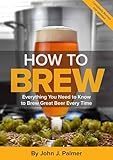
How To Brew
- Comprehensive guide for all skill levels
- Covers extract and all-grain brewing
- 582 pages of detailed brewing science
- Equipment building instructions included
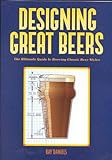
Designing Great Beers
- Recipe formulation from scratch
- Style-by-style analysis guidelines
- Formula-based brewing approach
- Covers grain bills and IBU calculations

The Complete Joy of Homebrewing
- Beginner-friendly approach
- Famous relax don't worry philosophy
- Great recipe collection
- Humorous and engaging writing
Best Beer Brewing Books in 2026
| Product | Specifications | Action |
|---|---|---|
|
How To Brew
|
|
Check Latest Price |
|
Designing Great Beers
|
|
Check Latest Price |
|
The Complete Joy of Homebrewing
|
|
Check Latest Price |
 Radical Brewing
|
|
Check Latest Price |
 Brewing Classic Styles
|
|
Check Latest Price |
 The Beer Bible
|
|
Check Latest Price |
 Yeast: Practical Guide
|
|
Check Latest Price |
 Water: Comprehensive Guide
|
|
Check Latest Price |
 Brew Your Own Clone Recipes
|
|
Check Latest Price |
 Malt: Field to Brewhouse
|
|
Check Latest Price |
1. How To Brew: Everything You Need to Know to Brew Great Beer Every Time – The Homebrewing Bible
How To Brew: Everything You Need to Know to Brew Great Beer Every Time
582 pages
Covers extract & all-grain
Equipment building plans
Pros
- Comprehensive guide from beginner to advanced
- Step-by-step instructions with pictures
- Independent chapters - read by topic
- Detailed coverage of all-grain brewing
Cons
- Some chapters very technical
- Recipe selection somewhat basic
I’ve owned every edition of this book since 2006, and it’s the one reference I never brew without. John Palmer’s “How to Brew” earns its reputation as the homebrewing bible because it takes you from your first extract kit to advanced all-grain techniques in a way that makes sense regardless of your experience level. What sets it apart is how Palmer explains not just what to do, but why each step matters.
When I made the jump from extract to all-grain brewing in 2010, this book was my constant companion. The water chemistry chapter alone saved me from dozens of failed batches when I learned how my local water was affecting my hoppy IPAs. The independent chapter structure means you can dive deep into specific topics without wading through information you already know.
The 4th edition published in 2017 includes updated information on modern hop varieties and brewing techniques that weren’t covered in earlier versions. I appreciate how Palmer maintains an objective approach, separating brewing science from homebrewing myths that have persisted for decades. The appendices include equipment building instructions that helped me construct my own mash tun for under $100.
What truly makes this book essential is how it grows with you as a brewer. The early chapters provide everything a beginner needs for successful extract brewing, while later sections cover advanced topics like yeast propagation, decoction mashing, and water chemistry adjustment. This progression means you won’t outgrow this book even after you’ve brewed for decades.
Perfect For New Brewers Learning the Fundamentals
This book excels at teaching first-time brewers the core concepts without overwhelming them with technical jargon. Palmer’s writing style is clear and methodical, building each concept on previous information in a way that makes complex processes accessible. If you’re just starting out, the extract brewing chapters alone are worth the investment and will give you a solid foundation for your first 20-30 batches.
Essential For Experienced Brewers Seeking Deeper Knowledge
Advanced brewers will find the technical chapters invaluable for troubleshooting problems and refining their processes. The sections on yeast management, water chemistry, and mash pH control include mathematical formulas and scientific explanations that help experienced brewers understand the biochemical processes happening in their fermenters. This depth of information is why professional brewers often recommend this book to serious homebrewers.
2. Designing Great Beers: The Ultimate Guide to Brewing Classic Beer Styles – Recipe Formulation Masterclass
Designing Great Beers: The Ultimate Guide to Brewing Classic Beer Styles
404 pages
Recipe design formulas
Style-specific chapters
Pros
- Teaches recipe design from scratch
- Covers grain bill selection
- IBU calculation guidance
- Detailed style definitions
Cons
- Dated (published 1998)
- Heavy on formulas
- Not for complete beginners
Ray Daniels’ “Designing Great Beers” transformed how I approach recipe creation. Before finding this book, I was simply following other people’s recipes without understanding the reasoning behind ingredient choices. This book taught me how to design original recipes that hit specific style guidelines and flavor targets by understanding the mathematical relationships between malt, hops, and yeast.
The style-by-style analysis chapters are invaluable for competition brewers or anyone interested in brewing authentic beer styles. Each major beer category gets a detailed breakdown covering historical context, ingredient selection, brewing techniques, and flavor profiles. I used this approach to design my award-winning English IPA that took first place at the 2019 State Fair.
While the book was published in 1998 and doesn’t include modern hop varieties, the formula-based approach remains timeless. Daniels teaches you how to calculate target gravity, IBU, and color using grain bill selection and hop schedules. This foundation lets you adapt the principles to any new hop variety or yeast strain that hits the market.
The heavy emphasis on formulas and calculations might intimidate some readers, but this mathematical approach is what makes the book so powerful. Once you understand how to calculate IBU contributions from different hop additions and how malt selection affects final gravity, you gain control over every aspect of your beer’s character. This is the book that bridges the gap between following recipes and creating your own.
Ideal For Brewers Moving Beyond Kit Recipes
If you’ve been brewing for a year or two and want to start creating original recipes rather than following others, this book is your next step. The formula-based approach gives you the tools to understand how each ingredient affects your final beer. You’ll learn how to reverse-engineer commercial beers and design recipes that hit specific flavor targets consistently.
Essential For Competition Brewers and Style Purists
Brewers interested in competition or historically accurate beer styles will find the style-specific chapters invaluable. Daniels provides detailed analysis of classic beer styles with target gravities, IBU ranges, and ingredient selections that align with BJCP guidelines. This depth of style knowledge helps competition brewers design entries that score well by hitting category expectations precisely.
3. The Complete Joy of Homebrewing: Fully Revised and Updated – The Beginner-Friendly Classic
The Complete Joy of Homebrewing: Fully Revised and Updated
496 pages
Beginner approach
Recipe collection
Pros
- Laid-back encouraging approach
- Relax don't worry philosophy
- Easy to follow instructions
- Great recipes for all styles
Cons
- Kindle version poor formatting
- Links problematic on e-readers
Charlie Papazian’s “The Complete Joy of Homebrewing” holds a special place in brewing history as the first comprehensive homebrewing book that made the hobby accessible to everyone. I received this book as a gift in 2009, and its famous “relax, don’t worry, have a homebrew” philosophy helped me overcome my early anxiety about making mistakes. Papazian’s humorous and encouraging writing style makes brewing feel approachable rather than intimidating.
The book shines in its beginner-friendly approach. Papazian assumes no prior knowledge and walks readers through extract brewing with clear explanations of equipment, ingredients, and processes. The recipe section includes excellent extract recipes for every major beer style, giving new brewers plenty of options to explore while developing their skills.
What makes this book special is how it emphasizes the joy of brewing rather than getting bogged down in technical details. While some advanced brewers criticize its lack of scientific depth, this approach is exactly what many beginners need. The focus on having fun and experimenting encourages new brewers to keep brewing rather than abandoning the hobby after a few imperfect batches.
The updated edition includes modern brewing techniques and ingredients that weren’t available when the book was first published. While the Kindle version has formatting issues with tables, the physical book remains a beautiful reference that many brewers keep on their shelf for nostalgia even after they’ve moved on to more technical texts.
Perfect For Absolute Beginners Wanting Encouragement
If you’re just starting out and feel intimidated by the technical aspects of brewing, this book is your perfect starting point. Papazian’s relaxed approach and humor make the learning process enjoyable rather than stressful. You’ll learn enough to brew excellent beer without getting overwhelmed by chemistry and mathematics that can wait until you have more experience.
Excellent For Extract Brewers Wanting Classic Recipes
The recipe collection includes time-tested extract recipes that have produced countless award-winning homebrews. If you prefer extract brewing or are brewing on a smaller system, these recipes provide a solid foundation. The recipes are designed to be approachable while still producing authentic beer styles that showcase proper ingredient balance.
4. Radical Brewing: Recipes, Tales and World-Altering Meditations in a Glass – Creative Brewing Inspiration
Radical Brewing: Recipes, Tales and World-Altering Meditations in a Glass
350 pages
Historical recipes
Creative brewing
Pros
- Creative adventurous brewing
- Historical recipes and context
- Covers herbs spices fruits
- Humorous engaging writing
Cons
- Not for absolute beginners
- Some instructions unclear
- Step mash guidance unclear
Randy Mosher’s “Radical Brewing” opened my eyes to the creative possibilities of homebrewing when I first read it in 2012. Unlike the structured approach of other brewing books, this one encourages experimentation with unusual ingredients and forgotten historical styles. Mosher’s witty writing style combines brewing knowledge with historical context, making each chapter feel like a conversation with a passionate brewer.
The book shines in its coverage of historical beer styles that have been lost to time. I’ve brewed recipes from this book using ingredients like spruce tips, heather, and ancient grain varieties that resulted in some of the most unique beers I’ve ever made. The section on herbs, spices, and fruits taught me how to incorporate these ingredients without creating medicinal or off-flavors.
What sets “Radical Brewing” apart is how it inspires creativity rather than just teaching techniques. Mosher’s philosophy is that brewing should be an artistic expression, not just following formulas to recreate commercial styles. This approach helped me develop my own house recipes that reflect my personal taste rather than simply cloning commercial beers.
The book assumes basic brewing knowledge, so it’s not ideal for someone who hasn’t completed at least a few extract batches. But for intermediate brewers feeling stuck in a rut of brewing the same recipes repeatedly, this book provides the inspiration to break out and try something completely different. The historical context also makes fascinating reading even when you’re not actively brewing.
Ideal For Creative Brewers Wanting to Experiment
If you’ve brewed the same styles repeatedly and want to break out of your comfort zone, this book provides endless inspiration for experimentation. The unusual ingredient combinations and historical approaches will help you develop unique recipes that express your creativity. Mosher’s emphasis on brewing as art rather than science encourages experimentation without fear of failure.
Perfect For Brewers Interested in Historical Styles
Brewers fascinated by beer history will find this book a treasure trove of forgotten styles and traditional techniques. The historical recipes are thoroughly researched and presented with context about their cultural significance. Brewing these historical beers connects you to centuries of brewing tradition while expanding your understanding of what beer can be.
5. Brewing Classic Styles: 80 Winning Recipes Anyone Can Brew – Competition-Proven Recipes
Brewing Classic Styles: 80 Winning Recipes Anyone Can Brew
317 pages
80 award-winning recipes
Extract & all-grain
Pros
- Award-winning competition recipes
- Extract and all-grain versions
- BJCP style guidelines covered
- Detailed process instructions
Cons
- Not for novice brewers
- Recipes for 7-gallon boils
- Dated missing modern varieties
Jamil Zainasheff and John Palmer collaborated on “Brewing Classic Styles” to provide homebrewers with competition-winning recipes that work reliably. I’ve brewed over 30 recipes from this book since 2013, and every one has produced excellent beer that accurately represents its target style. The book’s strength is that each recipe includes both extract and all-grain versions, making it accessible regardless of your brewing setup.
The BJCP style guidelines coverage is invaluable for anyone interested in competition brewing or authentic beer styles. Each recipe includes detailed notes explaining why specific ingredients and techniques were chosen to hit style characteristics. This taught me more about beer styles than any other resource I’ve used.
What makes these recipes special is that they’re not just theoretical formulations, they’re actual award-winning recipes that have proven themselves in competition. Zainasheff’s expertise in recipe design shines through in the thoughtful ingredient selections and precise process instructions. The yeast pitching rate guide alone helped me eliminate many fermentation problems I was experiencing.
While the book was published in 2007 and doesn’t include modern hop varieties, the underlying principles remain sound. The recipes are designed for 7-gallon boils which requires scaling for most homebrew systems, but this is a minor inconvenience for access to such well-tested recipes. This is the book I turn to when I want to brew a classic style with confidence that it will turn out well.
Essential For Brewers Interested in Competition
If you’re entering homebrew competitions or want to brew authentic styles that match category expectations, this book is essential. The recipes are designed to hit BJCP style guidelines precisely, giving you the best chance of scoring well. The detailed style notes explain what judges look for in each category, helping you understand how to brew to style.
Perfect For Brewers Wanting Reliable Base Recipes
Every brewer needs a collection of reliable base recipes that work consistently. These competition-winning recipes provide exactly that, giving you confidence that your brew day will produce excellent beer. Once you’ve brewed these recipes as written, you can use them as starting points for developing your own variations with the assurance that the foundation is solid.
6. The Beer Bible: Second Edition – Comprehensive Beer Styles Encyclopedia
The Beer Bible: Second Edition (The Workman Bible Series)
656 pages
All beer styles
Visual examples
Pros
- Comprehensive guide covering all styles
- Accessible to lay readers
- Organized by major categories
- Interesting sidebars and statistics
Cons
- Can be overwhelming for beginners
- Full of technical terms
Jeff Alworth’s “The Beer Bible” occupies a unique space in my brewing library as both a comprehensive reference and an enjoyable read. Unlike technical brewing manuals, this book focuses on beer styles themselves rather than the brewing process. The 656 pages cover virtually every beer style in existence with enough depth to satisfy both beer lovers and brewing enthusiasts.
The organization by major categories (ales, wheat beers, lagers, tarts and wild ales) makes it easy to dive into whatever style you’re currently interested in. I’ve used this book extensively for research when designing new recipes, and the “Beers to Know” sections have introduced me to commercial examples that illustrate style characteristics perfectly.
What makes this book special is how it balances accessibility with depth. Alworth writes in a way that welcomes newcomers to beer culture while providing enough detail to satisfy seasoned beer geeks. The visual examples and pictures help illustrate packaging, glassware, and appearance characteristics that text alone can’t convey.
The second edition published in 2021 includes updated information on modern beer styles and emerging trends that weren’t covered in the first edition. This current information ensures the book remains relevant as the beer landscape continues evolving. While not a brewing manual per se, understanding beer styles deeply will inevitably improve your brewing by helping you target authentic flavor profiles.
Ideal For Beer Enthusiasts Wanting Comprehensive Style Knowledge
If you love beer culture and want to understand every beer style in depth, this book provides the most comprehensive coverage available. The detailed descriptions of history, ingredients, brewing techniques, and flavor profiles will deepen your appreciation for every beer you drink. This knowledge transfers directly to your brewing by helping you understand what makes each style authentic.
Perfect For Brewers Designing Style-Accurate Recipes
When you’re designing a recipe for a specific beer style, this book provides the context needed to make authentic ingredient and technique choices. Understanding the history and traditional methods of a style helps you brew something that respects tradition while still being your own creation. The “Beers to Know” recommendations give you commercial examples to analyze as you develop your recipes.
7. Yeast: The Practical Guide to Beer Fermentation – Fermentation Mastery
Yeast: The Practical Guide to Beer Fermentation (Brewing Elements)
300 pages
Yeast management
Fermentation science
Pros
- Excellent for yeast culturing
- Step-by-step with photographs
- Covers washing harvesting storing
- Teaches isolation of unique strains
Cons
- Some content for professional brewers
- May be too advanced for extract brewers
Chris White and Jamil Zainasheff’s “Yeast” book revolutionized how I approach fermentation. Before reading this comprehensive guide, I treated yeast as a commodity ingredient that simply turned sugar into alcohol. This book taught me that yeast management is the single most important factor in brewing consistent, high-quality beer.
The practical approach to yeast culturing is invaluable for serious homebrewers. The step-by-step instructions with photographs show exactly how to wash yeast from previous batches, create proper starters, and even isolate unique strains from commercial beers. I’ve saved hundreds of dollars on yeast purchases by harvesting and reusing yeast following the protocols in this book.
What sets this book apart is how it makes complex yeast biology accessible to homebrewers. The explanations of yeast metabolism, propagation, and fermentation byproducts helped me understand why certain fermentation temperatures and pitching rates produce specific flavor profiles. This knowledge directly improved the quality and consistency of my beer.
The focus on the “cold side” of brewing addresses what happens after boiling wort, which is where many brewers lose control of their process. The emphasis on repeatability through proper yeast management resonated with me after years of inconsistent fermentation results. This book is essential reading for any brewer ready to take their fermentation practices seriously.
Essential For Intermediate Brewers Improving Fermentation
If you’ve experienced inconsistent fermentation results or off-flavors that you can’t explain, this book will transform your brewing. The systematic approach to yeast management eliminates the guesswork that causes many common fermentation problems. Proper yeast handling is the difference between amateur and professional-level beer, and this book shows you exactly how to achieve professional results.
Ideal For Brewers Wanting to Save Money on Yeast
Commercial yeast costs add up quickly, especially if you brew frequently or use multiple strains. This book teaches you how to harvest, store, and reuse yeast across multiple batches without sacrificing quality. The investment in this book pays for itself quickly in yeast cost savings alone, not to mention the improvement in beer quality from using healthy, properly propagated yeast cultures.
8. Water: A Comprehensive Guide for Brewers – Water Chemistry Mastery
Water: A Comprehensive Guide for Brewers (Brewing Elements)
300 pages
Water chemistry
pH control
Pros
- Exhaustive water chemistry coverage
- Mathematical formulas for ingredients
- Works through famous brand examples
- Troubleshooting water adjustments
Cons
- Very technical with math
- Can be a dry read
- Some chapters for professional brewers
- Requires chemistry knowledge
Colin Kaminski and John Palmer’s “Water” book tackles the most complex aspect of brewing chemistry in a way that serious brewers can understand and apply. Before reading this comprehensive guide, I treated water as an afterthought, unaware that my local water profile was limiting the quality of my beer. This book transformed how I approach water treatment.
The mathematical formulas for each water chemistry ingredient take the mystery out of water adjustment. Rather than blindly following recipes, I now understand exactly how much gypsum, calcium chloride, or baking soda to add to achieve specific water profiles. The worked examples using famous commercial beer brands show how to reverse-engineer water profiles for authentic reproductions.
What makes this book valuable is how it explains how water adjustments affect each other. Adding calcium to reach a target level affects residual alkalinity, which in turn impacts mash pH. Understanding these relationships prevents the common mistake of over-adjusting water and creating new problems while trying to solve existing ones.
The recommendation to start with reverse osmosis water as a blank canvas is game-changing advice. RO water eliminates the variables in source water, allowing precise control over your brewing water profile. This approach has consistently improved my beer quality by removing the inconsistencies of municipal water that varies seasonally.
Essential For All-Grain Brewers Wanting Complete Control
If you brew all-grain and want to eliminate water as a variable affecting your beer quality, this book is essential. The ability to dial in your water profile for specific styles helps you brew authentic examples that showcase proper ingredient balance. Pale ales need different water than stouts, and this book teaches you exactly how to achieve those differences.
Ideal For Brewers Troubleshooting Water-Related Issues
Many brewers struggle with mash pH problems, hop harshness, or muted flavors that trace back to water chemistry. This book provides the troubleshooting framework to identify and correct water-related issues through proper adjustment rather than band-aid solutions. Understanding water chemistry is the final frontier for many brewers seeking consistency and authenticity in their beer.
9. The Brew Your Own Big Book of Clone Recipes – Commercial Beer Replication
The Brew Your Own Big Book of Clone Recipes: Featuring 300 Homebrew Recipes from Your Favorite Breweries
272 pages
300 clone recipes
All styles covered
Pros
- 300 clone recipes from breweries
- Covers all beer styles
- Extract substitutions included
- Good starting point for development
Cons
- Instructions somewhat basic
- Requires all-grain experience
- Some recipes difficult to follow
The “Brew Your Own Big Book of Clone Recipes” is a massive collection of commercial beer recipes that I’ve turned to countless times when wanting to recreate a favorite commercial brew. The 300 recipes cover virtually every style and include everything from macro lagers to barrel-aged imperial stouts. Having this resource means I can brew my favorite commercial beers at a fraction of the cost.
The inclusion of extract substitutions for all-grain recipes makes this collection accessible regardless of your brewing setup. I appreciate this flexibility since I still brew extract batches when time is limited. The extract versions are thoughtfully designed to produce similar results to their all-grain counterparts.
What makes this book valuable is the insight into commercial brewing techniques and ingredient choices that the recipes provide. Analyzing these clone recipes has taught me more about how professional brewers achieve specific flavor profiles than any other resource. The recipe format with ingredients, steps, and tips provides enough information to brew successfully while leaving room for personal interpretation.
The book works particularly well as a recipe development reference. Rather than brewing the clone recipes exactly as written, I use them as starting points for creating my own versions. Understanding how commercial brewers approach ingredient selection and process techniques helps me design more original recipes that still showcase authentic style characteristics.
Perfect For Brewers Wanting to Recreate Favorites
If you’ve ever wanted to brew your favorite commercial beer at home, this book provides the recipes to do it. Having access to clone recipes for 300 different commercial beers means you can brew whatever style you’re currently craving without relying on store availability. The recipes are designed to produce faithful reproductions that capture the essence of the original beers.
Ideal For Brewers Learning From Commercial Examples
Analyzing commercial clone recipes is one of the best ways to improve your recipe design skills. These recipes show how professional brewers achieve specific flavor targets through ingredient selection and process techniques. Studying these examples helps you understand the principles behind good recipe design, knowledge you can apply to creating your own original recipes.
10. Malt: A Practical Guide from Field to Brewhouse – Malt Science Deep Dive
Malt: A Practical Guide from Field to Brewhouse (Brewing Elements)
300 pages
Malt science
Barley to brewhouse
Pros
- College-level textbook depth
- Covers barley field to malting
- Explains flavors of different malts
- Great starting point for all-grain
Cons
- Could include more grain blending
- Some wanted practical working advice
- Poor binding quality reported
John Mallett’s “Malt” book completes the Brewing Elements series by providing the most comprehensive guide to malt available to homebrewers. Before reading this book, I viewed malt as a simple ingredient defined by color and potential extract. This comprehensive guide transformed my understanding of how malt selection fundamentally shapes beer character.
The college-level textbook depth is exactly what serious brewers need to truly understand malt. The coverage from barley field through the malting process explains why different malts contribute specific flavors and characteristics. This knowledge helped me select base and specialty malts more intelligently rather than simply following recipe specifications.
What makes this book exceptional is the passionate writing that makes technical malt science engaging rather than dry. Mallett’s enthusiasm for malt is infectious, and his ability to explain complex biochemical processes in accessible language helps readers absorb the material without getting bogged down in overly technical language.
The practical information for brewers about malt characteristics and selection is invaluable for all-grain brewers looking to design their own recipes. Understanding how different malts contribute flavor, color, and body allows for more intentional ingredient choices rather than treating malt as a generic source of fermentable sugars. This book has fundamentally improved my grain bill formulation.
Essential For All-Grain Brewers Designing Recipes
If you’re designing your own all-grain recipes, this book provides the foundational knowledge needed to make intelligent malt selections. Understanding how different base malts and specialty malts contribute to beer character helps you create balanced recipes with intentional flavor profiles. This depth of malt knowledge is what separates recipe followers from recipe designers.
Ideal For Brewers Wanting Deeper Ingredient Knowledge
Serious brewers who want to understand their ingredients at a professional level will find this book essential. The comprehensive coverage of malting biochemistry, malt varieties, and flavor contributions provides the knowledge needed to troubleshoot problems and refine recipes through intelligent ingredient selection rather than trial and error.
11. Mastering Homebrew: The Complete Guide to Brewing Delicious Beer – Comprehensive Illustrated Reference

Mastering Homebrew: The Complete Guide to Brewing Delicious Beer
Complete guide
Illustrated
Recipe formulation
Pros
- Comprehensive reference
- Excellent illustrations charts
- Explains WHY not just WHAT
- Covers essentially all beer styles
Cons
- Recipe section not beginner-friendly
- Some editorial errors
- Advanced recipes complex
Randy Mosher’s “Mastering Homebrew” represents the most comprehensive single-volume brewing reference I own. The book covers virtually every aspect of homebrewing with exceptional illustrations, diagrams, and charts that make complex concepts accessible. I’ve owned this book since 2015 and continue to reference it regularly for both technical information and recipe inspiration.
What sets this book apart is how Mosher explains the WHY behind brewing techniques rather than just the WHAT. Understanding the scientific principles behind processes like mashing, fermentation, and conditioning helps brewers make informed decisions rather than blindly following recipes. This depth of explanation creates more competent, confident brewers.
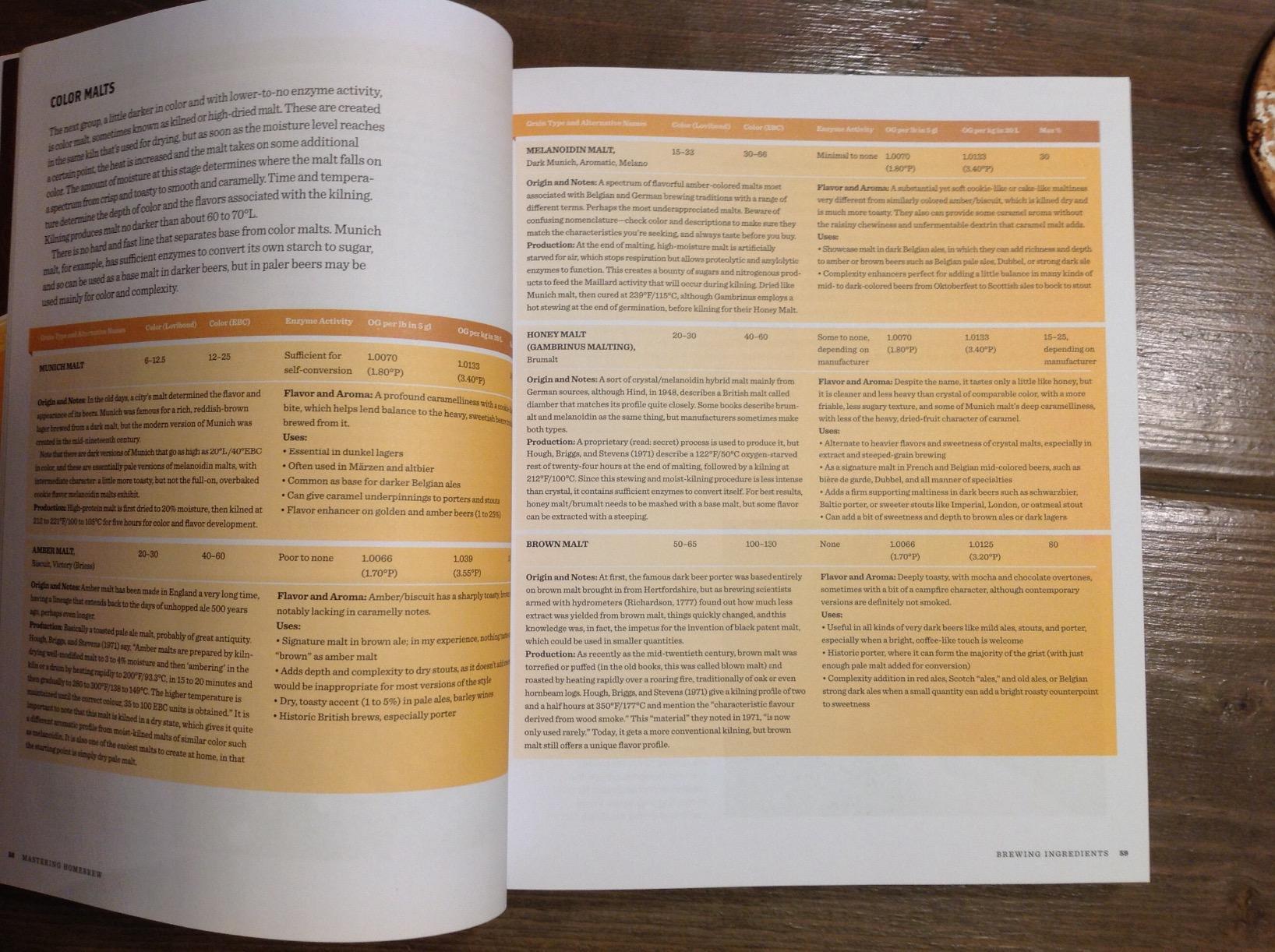
The illustrations and diagrams throughout the book are exceptional and worth the price of admission alone. Complex processes like yeast propagation, water chemistry adjustment, and mashing techniques become clear through the visual aids. This visual approach makes the book accessible to different learning styles and reinforces the written explanations.
The recipe formulation instruction is some of the best available, teaching brewers to design their own recipes rather than simply copying others. Mosher’s approach balances technical precision with creative freedom, helping brewers develop their own house recipes that reflect their personal taste. This emphasis on recipe independence creates more capable brewers.
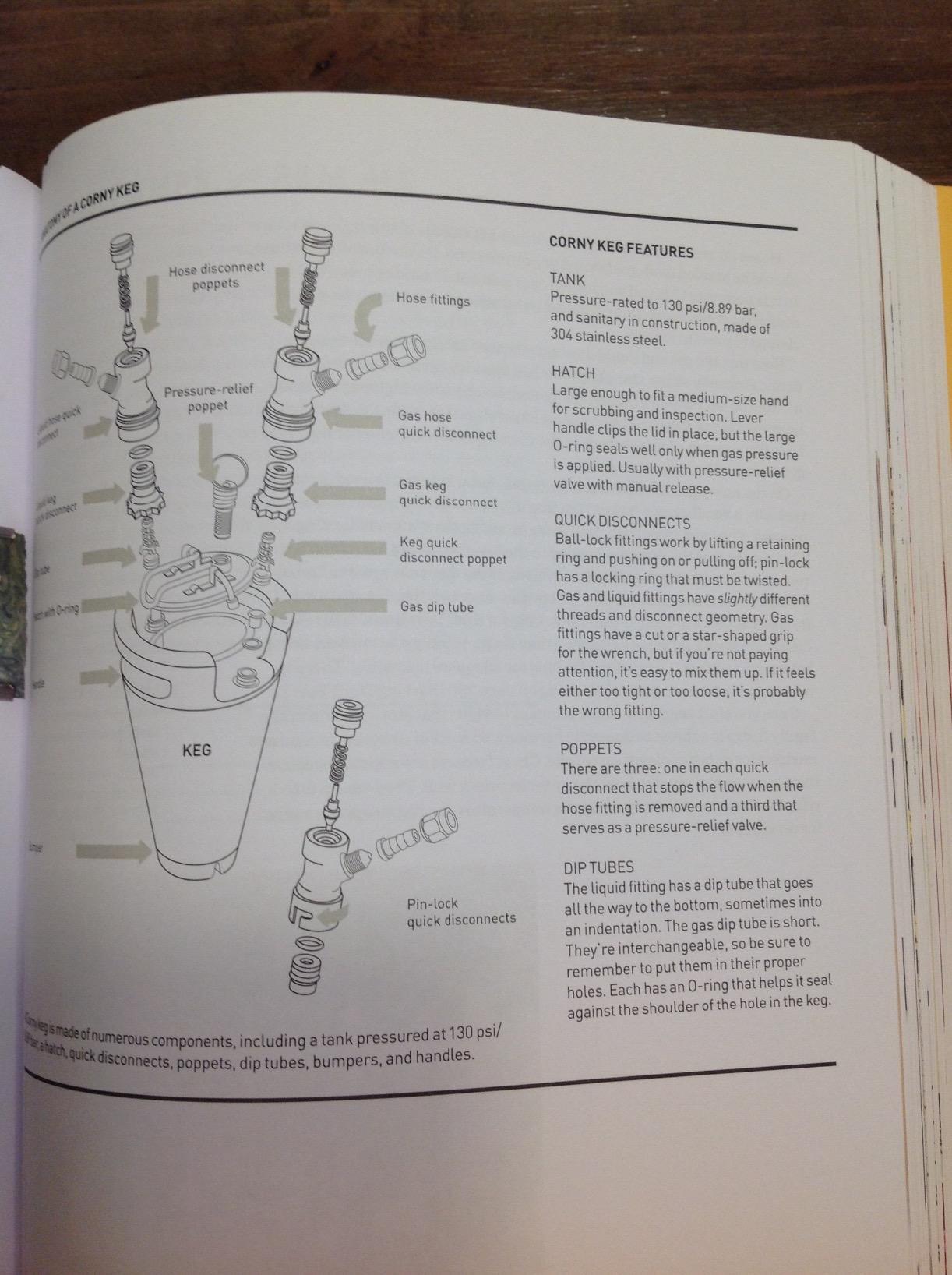
Perfect For Brewers Wanting a Single Comprehensive Reference
If you want one book that covers everything from beginner basics to advanced techniques, this is that book. The comprehensive approach means you won’t outgrow this reference regardless of how experienced you become. The detailed troubleshooting section alone makes this book worth owning, helping you solve problems quickly when they arise.
Ideal For Visual Learners Who Want Detailed Illustrations
The exceptional illustrations and diagrams make this book particularly valuable for visual learners who grasp concepts better through images than text alone. Complex processes become clear through the visual representations, and the charts provide quick reference information that’s easy to absorb at a glance. This visual approach complements the thorough written explanations perfectly.
12. Beer Brewing 101: A Beginner’s Guide to Homebrewing – Extract Brewing Fundamentals

Beer Brewing 101: A Beginner's Guide to Homebrewing for Craft Beer Lovers
180 pages
Beginner focus
30 recipes included
Pros
- Excellent beginner introduction
- 30 different recipes
- Covers equipment with explanations
- Helpful troubleshooting chart
Cons
- Focuses on malt extract brewing
- May be too basic for experienced brewers
- Limited advanced coverage
Gregory Z. Zain’s “Beer Brewing 101” provides exactly what the title promises: a focused introduction to extract-based homebrewing for absolute beginners. At just 180 pages, this concise guide doesn’t overwhelm newcomers with excessive information while still covering everything needed to brew excellent extract beer. I recommend this book to friends who are curious about brewing but intimidated by comprehensive technical manuals.
The 30 included recipes provide plenty of variety for new brewers to explore different styles while developing their skills. These recipes are designed specifically for extract brewing with specialty grains, making them accessible to beginners who haven’t invested in all-grain equipment. The recipe customization instructions help brewers start developing their own variations once they’ve mastered the basics.
What makes this book work well for beginners is how it explains not just what equipment is needed, but why each piece is important. This understanding helps new brewers make informed decisions about equipment purchases and upgrades as they progress. The troubleshooting chart is particularly valuable for diagnosing and fixing common problems that plague first-time brewers.
The author’s respectful, non-condescending tone creates a welcoming introduction to the hobby. Many brewing books talk down to beginners or assume knowledge they haven’t yet acquired, but Zain treats readers as intelligent adults who simply need clear explanations. This approach builds confidence and reduces the anxiety that many new brewers feel about making mistakes.
Perfect For Absolute Beginners Starting with Kits
If you’re brewing your first batch or considering starting with extract kits, this book provides the perfect foundation. The focus on malt extract brewing matches how most beginners start, and the clear instructions ensure your first brew day goes smoothly. The 30 recipes give you plenty of options to explore without overwhelming you with technical details that can wait until you have more experience.
Ideal For Brewers Wanting a Quick Accessible Introduction
Some brewers want to learn the basics quickly without wading through hundreds of pages of technical information. This book delivers exactly that, covering everything needed to brew great extract beer in a concise format that can be read in a few hours. The quick, accessible approach gets you brewing immediately rather than spending months studying before your first batch.
How to Choose the Right Beer Brewing Book for Your Skill Level
After reading through the best beer brewing books available, you might be wondering which ones deserve a spot on your shelf. The reality is that different books serve different purposes, and the right choice depends on your current skill level, brewing goals, and learning preferences. Let me share how I’ve seen brewers build their libraries over time.
Skill Level Considerations
Beginners benefit most from books that focus on extract brewing and fundamental techniques without overwhelming technical details. “The Complete Joy of Homebrewing” and “Beer Brewing 101” both excel in this regard, providing encouraging introductions that build confidence through clear explanations and reliable recipes. These books teach you to brew excellent beer while avoiding the paralysis that can come from too much information too soon.
Intermediate brewers who have mastered extract brewing and are transitioning to all-grain need books that explain the science behind brewing processes. “How to Brew” and “Mastering Homebrew” both provide comprehensive coverage of all-grain techniques with the technical depth needed to understand why each step matters. These references grow with you as your skills advance from basic all-grain to advanced techniques.
Advanced brewers seeking to perfect specific aspects of their beer benefit from specialized books that dive deep into particular topics. The Brewing Elements series (Yeast, Water, Malt) provides professional-level knowledge that transforms good homebrew into exceptional beer through precise control of fermentation, water chemistry, and ingredient selection. These specialized references aren’t for beginners, but they’re invaluable for brewers chasing perfection.
Learning Style Preferences
Your preferred learning style should influence which books you prioritize. Visual learners often appreciate “Mastering Homebrew” for its exceptional illustrations and diagrams that make complex processes clear through images rather than just text. The charts and graphs provide quick reference information that’s easy to absorb at a glance.
Readers who prefer mathematical precision and formula-based approaches will love “Designing Great Beers” with its systematic method for creating recipes through calculation rather than intuition. The formula-heavy approach appeals to analytical thinkers who want to understand the mathematical relationships between ingredients and beer characteristics.
Brewers who learn through storytelling and historical context enjoy “Radical Brewing” and “The Beer Bible” for their narrative approaches that connect brewing to broader cultural traditions. These books teach through stories and examples rather than just technical instructions, making the learning process more engaging for right-brained thinkers.
Building a Brewing Library Over Time
I recommend building your brewing library gradually rather than trying to purchase everything at once. Start with one comprehensive beginner book that covers extract brewing fundamentals, then add more specialized references as your skills advance and interests develop. This approach prevents information overload while ensuring you have the right references when you need them.
A typical progression might start with “The Complete Joy of Homebrewing” or “Beer Brewing 101” for extract basics, then add “How to Brew” when transitioning to all-grain brewing. As you develop specific interests like recipe design or competition brewing, books like “Designing Great Beers” and “Brewing Classic Styles” provide targeted guidance for those goals. Finally, the specialized Brewing Elements books address advanced topics as you strive for continuous improvement.
Remember that the best beer brewing books are ones you’ll actually read and reference regularly. A simple, accessible book that you use frequently is more valuable than a comprehensive technical manual that sits on the shelf because it’s too intimidating to open. Choose books that match both your current skill level and your brewing aspirations.
Frequently Asked Questions About Beer Brewing Books
What is the best book to learn about beer?
The universal consensus among homebrewers is that ‘How to Brew’ by John Palmer is the essential foundation for learning about beer and brewing. This comprehensive book covers everything from beginner extract brewing to advanced all-grain techniques with clear explanations of the science behind each process. For those interested in beer styles rather than brewing, ‘The Beer Bible’ by Jeff Alworth provides excellent coverage of beer varieties, history, and culture.
What are the 3 C’s of beer?
The 3 C’s of beer refer to the three primary ingredients that define beer character: Condition, Cleanliness, and Consistency. Condition refers to proper fermentation and serving conditions that allow beer to reach its full potential. Cleanliness is absolutely critical since even minor contamination can ruin a batch. Consistency in process and ingredients produces reproducible results that allow brewers to refine their recipes systematically.
Why was homebrewing illegal?
Homebrewing was illegal in the United States from 1920 until 1978 due to Prohibition, which banned the production and sale of alcoholic beverages. While commercial brewing was legalized after Prohibition ended in 1933, homebrewing remained illegal until President Carter signed legislation legalizing it on February 1, 1979. This created a lost generation of homebrewing knowledge, which is why modern brewing books play such an important role in preserving and passing on brewing techniques.
What is the hardest beer to brew?
The consensus among experienced brewers is that light lagers are among the most challenging styles to brew successfully. Their clean flavor profile leaves nowhere for off-flavors or process errors to hide, requiring impeccable technique and precise control over fermentation conditions. Other challenging styles include high-gravity beers like barleywines, which stress yeast and require careful temperature management, and sour beers which demand specialized equipment and lengthy aging processes to develop character without contamination.
Final Thoughts on Building Your Brewing Library
The best beer brewing books serve different purposes at different stages of your brewing journey. Starting with a comprehensive beginner text like “How to Brew” provides a solid foundation, while adding specialized references as your skills advance ensures you always have the right information when you need it. The universal consensus on “How to Brew” as the essential starting point is well-deserved, but the other books in this roundup all fill valuable niches in a well-rounded brewing library.
Building your collection gradually allows you to absorb information without becoming overwhelmed. Focus on mastering the fundamentals from one or two comprehensive books before diving into specialized topics like water chemistry or yeast management. This measured approach has served me well over 15 years of brewing, and I’m still learning from these references every time I crack them open.
Whether you’re just starting your brewing journey or looking to refine specific techniques, the books in this guide provide the knowledge needed to brew exceptional beer at home. The right brewing book is more than just a reference, it’s a brewing companion that will help you avoid mistakes, solve problems, and continuously improve your beer for years to come. If you’re interested in other beverage guides, check out our Best Tea Books for more inspiration.
Happy brewing, and may your fermentations never stick!