
Whiskey has been called the “water of life” for centuries, and for good reason. There’s always something new to learn about this complex spirit, whether you are just starting your journey or have been collecting rare bottles for years. The right book can completely transform how you approach whiskey, teaching you to identify tasting notes, understand regional differences, and make smarter purchasing decisions.
We spent weeks reviewing whiskey literature, reading through forum discussions on Reddit and Connosr, and comparing what the experts recommend against what readers actually say in their reviews. This guide covers 10 books that span every skill level and interest area, from affordable introductions to comprehensive collector references. By the end, you will know exactly which book belongs on your shelf.
Here is our curated list of the best whiskey books available right now.
Top 3 Picks for Best Whiskey Books

A Field Guide to Whisky
- Encyclopedia-style format
- Covers all whiskey types
- 320 pages
- 4.8 rating

The World Atlas of Whisky 3rd Edition
- 500+ distilleries profiled
- 480 expressions tasted
- 352 pages
- 4.5 rating
Best Whiskey Books in 2026
| Product | Specifications | Action |
|---|---|---|
|
A Field Guide to Whisky
|
|
Check Latest Prices |
|
The World Atlas of Whisky 3rd Ed.
|
|
Check Latest Prices |
|
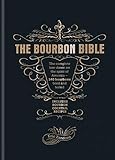
The Bourbon Bible
|
|
Check Latest Prices |
 Whiskey: A Tasting Course
|
|
Check Latest Prices |
 Bourbon: Rise, Fall, and Rebirth
|
|
Check Latest Prices |
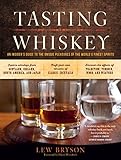 Tasting Whiskey
|
|
Check Latest Prices |
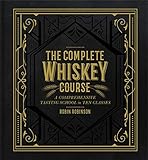 The Complete Whiskey Course
|
|
Check Latest Prices |
 American Whiskey Master Class
|
|
Check Latest Prices |
 The World Atlas of Whisky (New Ed.)
|
|
Check Latest Prices |
 Big Whiskey
|
|
Check Latest Prices |
1. A Field Guide to Whisky – Best All-Around Whiskey Reference
A Field Guide to Whisky: An Expert Compendium to Take Your Passion and Knowledge to the Next Level (Revised and Updated)
Hans Offringa
320 pages
May 2, 2017
Published by Artisan
Pros
- Encyclopedia-style format for easy reference
- Covers distillation and all whiskey types worldwide
- Beautiful design with great photos
- Clear and concise discussion of the production process
- Excellent gift potential
Cons
- Some binding quality issues reported
I picked up A Field Guide to Whisky when I wanted something between a quick introduction and an academic text. What struck me immediately was how Hans Offringa writes with the enthusiasm of someone who has actually spent time in distilleries rather than just reading about them. The encyclopedia-style layout means you can flip directly to Scotch whisky regions or bourbon mash bills without reading sequentially, which is exactly how most people actually use reference books.
The book covers distillation process in clear, jargon-free language while still satisfying readers who want technical depth. Each whiskey type gets its own section with history, regional context, and tasting notes. I found myself returning to the Japanese whisky section repeatedly after trying my first bottle from Hokkaido. The photographs throughout are beautiful without being overly promotional, showing real distillery scenes and bottle photography that helps when you are trying to identify bottles on shelf.
The updated revision brings the book current with changes in the whiskey landscape, including expanded coverage of craft distilleries that have popped up globally. Offringa maintains an objective voice even when discussing controversial topics like the Jim Murray Whisky Bible controversies, which forums like Reddit frequently debate. At 320 pages, it covers enough ground to feel comprehensive without overwhelming beginners or experienced collectors looking for a reliable daily reference.
For Whom It Is Good
Anyone who wants one definitive whiskey reference that works as both a learning tool and an ongoing resource. Beginners appreciate the accessible writing while collectors value the breadth of coverage. It makes an especially good gift for people just starting to explore whiskey beyond mass-market bottles.
For Whom It Is Not Ideal
If you want deep-dive regional expertise, the more specialized books in this guide offer greater detail for specific areas like bourbon or Scotch whisky. This book intentionally provides broader but shallower coverage, which may frustrate readers seeking exhaustive treatment of a single whiskey type.
2. The World Atlas of Whisky 3rd Edition – Most Comprehensive Distillery Guide
The World Atlas of Whisky 3rd edition: More than 500 distilleries profiled and 480 expressions tasted
Dave Broom
352 pages
Nov 26, 2024
Published by Mitchell Beazley
Pros
- 500+ distilleries profiled in detail
- 480 expressions personally tasted
- Beautiful regional photographs
- Excellent reference for serious collectors
- Comprehensive global coverage
Cons
- Some shipping damage reports
- Occasional cover quality issues
Dave Broom is one of the most respected voices in whisky writing, and The World Atlas of Whisky 3rd Edition shows exactly why this book appears in virtually every forum discussion about whiskey literature. I have both the older edition and this updated version, and the expansion in coverage is noticeable, particularly for Japanese and Taiwanese whisky that has exploded in popularity since the first edition. Broom writes with authority that only comes from decades of tasting and visiting distilleries worldwide.
The atlas format organizes whiskies by region, which makes it incredibly useful when planning your tasting journey or researching before a distillery visit. Each distillery entry includes history, core expression details, and Broom’s personal tasting notes. Reading his descriptions of Speyside distilleries versus those in Islay helps you understand why environment and production methods create such different flavor profiles. The 480 expressions Broom personally tasted provide a credibility that aggregated reviews simply cannot match.
At 352 pages with the large format of Mitchell Beazley publications, this book earns its coffee table space both visually and intellectually. The third edition retails around $33, which represents strong value given the production quality and depth of content. Forum discussions on Reddit consistently cite this as the most recommended book for enthusiasts who want to move beyond surface-level whiskey knowledge into genuine expertise. The index of whiskies by taste type at the back is something I use constantly when trying to predict what I might enjoy based on previous tastings.
For Whom It Is Good
Collectors and enthusiasts who want to understand whiskey at a deeper level will find this indispensable. If you are planning distillery visits or building a serious whiskey collection, the regional organization and detailed distillery profiles make this the clear choice. It works as both a planning guide and a reference you will consult for years.
For Whom It Is Not Ideal
Complete beginners might find the sheer volume of information intimidating. If you want quick answers or simple introductions, start with Tasting Whiskey or A Field Guide to Whisky and work up to this one. The price point also puts it in the investment category rather than casual reading.
3. The Bourbon Bible – Best Bourbon-Specific Guide
The Bourbon Bible
Eric Zandona
224 pages
May 1, 2018
Published by Mitchell Beazley
Pros
- Affordable bourbon coverage at around $13
- Excellent cocktail recipes included
- Great bourbon history and making process explanations
- Helpful tasting notes for beginners
- Tasting notes section loved by enthusiasts
Cons
- Information can become outdated quickly
- Recipe section considered weak by some
Eric Zandona has written the most practical bourbon guide available at any price point. The 2,001 customer reviews on Amazon with a 4.8 rating speak for themselves, but what impressed me most was how consistently beginners and experienced bourbon drinkers both report learning from this book. Zandona strikes a rare balance between accessibility and genuine expertise that many whiskey writers struggle to achieve.
The bourbon history section provides just enough context to understand why American whiskey developed differently than Scotch, without getting bogged down in academic treatment. The making process explanation covers mash bills, distillation methods, and aging requirements clearly enough that you will finally understand why Kentucky bourbon has legal requirements that Tennessee whiskey does not. The cocktail recipe section rounds out the practical value, though forum comments suggest the recipes lean toward classic preparations rather than innovative mixes.
At $12.89, this is genuinely the best value in bourbon literature. The 224 pages feel denser than their page count suggests, and Zandona’s writing avoids the padding that makes some whiskey books feel like expensive coasters. The tasting notes section receives particular praise in community discussions, with readers noting that Zandona describes flavors in ways that map directly to what you actually experience in the glass rather than using esoteric descriptors that confuse newcomers.
For Whom It Is Good
Anyone focused specifically on American whiskey, bourbon, or rye will get the most value here. Beginners appreciate the clear organization while experienced drinkers find enough depth to justify ownership alongside more comprehensive references. It makes an excellent gift for bourbon lovers on a budget.
For Whom It Is Not Ideal
If you want global whiskey coverage including Scotch, Irish, or Japanese whisky, you need a broader reference book. The cocktail recipe section is functional but not exceptional, so those primarily interested in whiskey cocktails might prefer a dedicated cocktail book.
4. Whiskey: A Tasting Course – Best Interactive Tasting Guide
Whiskey: A Tasting Course: A new way to Think-and Drink-Whiskey
Eddie Ludlow
224 pages
Oct 15, 2019
Published by DK
Pros
- Interactive approach with 20 themed tastings
- Excellent for beginners with structured learning
- Covers Scotch
- bourbon
- rye
- and global varieties
- Beautiful layout with infographics and tasting notes
- Great gift presentation
Cons
- Some binding issues with pages printed upside down
- No tasting journal included despite structure
Eddie Ludlow designed Whiskey: A Tasting Course around the concept that you learn whiskey by tasting it systematically rather than just reading about it. The 20 thematic tastings progress from simple flavor recognition to comparative sessions between whiskey styles, which mirrors how actual whiskey education programs structure their curriculum. I found the structured approach particularly valuable because it gave me a framework for building my own tasting notes rather than just borrowing expert assessments.
The DK publishing production quality shines throughout, with vivid color photography and infographics that make complex concepts like still types or aging chemistry accessible to visual learners. The global coverage means you get Scotch whisky regions alongside bourbon recipes and Japanese whisky production methods in one volume, which competitors like The Whiskey Wash also recommend for readers who want breadth without sacrificing depth in any single area.
The book works particularly well as a self-guided course you can work through at your own pace, which Reddit discussions highlight as a key advantage over more reference-heavy books. Each tasting includes suggested whiskey selections at various price points, which directly addresses the forum pain point about not wanting to waste money on bottles that do not match your skill level. The infographic showing how to nose whiskey without burning your nostrils changed how I approach every glass.
For Whom It Is Good
Complete beginners who want hands-on learning rather than passive reading will get the most from this book. The structured format also appeals to organized learners who prefer clear progression in their education. It works as both a self-study tool and a reference guide you return to over time.
For Whom It Is Not Ideal
Experienced collectors seeking exhaustive reference material will find this too introductory. The binding quality issues reported by some readers are concerning for a book you handle frequently during tastings.
5. Bourbon: The Rise, Fall, and Rebirth of an American Whiskey – Best Bourbon History
Bourbon: The Rise, Fall, and Rebirth of an American Whiskey
Fred Minnick, Sean Brock
240 pages
Oct 1, 2016
Published by Voyageur Press
Pros
- Well-researched bourbon history with objective approach
- Great coffee table book with visual appeal
- Entertaining and educational narrative
- Perfect gift for bourbon enthusiasts
- Investigative approach to bourbon origins
Cons
- First half considered somewhat scattered
- Writing style criticism from some readers
- Occasional shipping damage
Fred Minnick and Sean Brock approach bourbon history as investigative journalists rather than reverent enthusiasts, which makes Bourbon: The Rise, Fall, and Rebirth stand out among bourbon books that often trend toward hagiography. The book traces bourbon’s 200-year American history from early frontier distilling through Prohibition’s devastation and into the current bourbon renaissance, with enough scandal and intrigue to satisfy readers who normally find history dry.
The investigative angle means the book does not shy away from uncomfortable truths about bourbon’s origins and the economic systems that shaped its development. Brock, as a working chef and restaurateur, brings practical perspective to how bourbon was used in American kitchens and culture rather than treating it purely as a collectible investment. Forum discussions on straightbourbon.com frequently cite this book as essential reading for understanding why American whiskey developed the way it did.
At 240 pages in an illustrated format, the book prioritizes narrative momentum over exhaustive reference details. The coffee table production quality means it earns its display space while remaining substantive enough to read cover to cover. The Prohibition chapter is particularly well-crafted, explaining the political and economic forces behind temperance movements that readers on Reddit bourbon forums often cite as the most transformative period in American whiskey history.
For Whom It Is Good
Anyone who wants to understand bourbon as part of American cultural history rather than just learning tasting notes will appreciate this book. It works well for readers who enjoy narrative non-fiction and want context for why certain distilleries and styles matter. Gift-givers should note the strong visual presentation.
For Whom It Is Not Ideal
Readers seeking practical tasting guidance or bottle recommendations will not find them here. The narrative focus means less reference utility compared to books like The Bourbon Bible or World Atlas of Whisky.
6. Tasting Whiskey – Best for Beginners and Enthusiasts Alike
Tasting Whiskey: An Insider's Guide to the Unique Pleasures of the World's Finest Spirits
Lew Bryson, David Wondrich
256 pages
Oct 21, 2014
Published by Storey Publishing
Pros
- Accessible writing for beginners and experienced tasters
- Covers American
- Canadian
- Scotch
- Irish and Japanese whiskey
- Non-judgmental approach to whiskey appreciation
- Excellent production process explanations
- Conversational and non-intimidating tone
Cons
- Some readers noted occasional snobbery in other whiskey books (not this one)
Lew Bryson and David Wondrich are both recognized whiskey authorities, and Tasting Whiskey shows exactly why their collaboration works so well. Bryson’s writing style, frequently praised in Reddit discussions, makes complex whiskey chemistry accessible without talking down to readers. The book covers all major whiskey-producing regions with enough depth to satisfy curious enthusiasts while remaining approachable for beginners who might otherwise feel intimidated by whiskey culture.
What distinguishes Tasting Whiskey from competitors is the non-elitist approach to whiskey appreciation. Rather than prescribing correct ways to enjoy whiskey, Bryson offers guidance while respecting that different drinkers have different preferences. The production chapters explaining grain selection, distillation, and aging chemistry gave me a framework for understanding why certain choices create certain flavors, which has made me a more confident whiskey shopper over time.
At 256 pages with good illustrations, the book represents a middle ground between quick introductions and comprehensive references. The recipes and cocktails section provides practical applications for the knowledge gained in earlier chapters, and Wondrich’s historical expertise adds dimension to the cultural context throughout. Connosr forum members frequently recommend this as the book to buy when starting a whiskey library because it works for readers at any experience level.
For Whom It Is Good
Beginners who feel overwhelmed by whiskey culture and more advanced readers who want a comprehensive but readable reference will both find value here. The non-judgmental tone makes it particularly good for people who have been intimidated by whiskey discussions in bars or shops.
For Whom It Is Not Ideal
Those specifically seeking bourbon-only or Scotch-only content will get more focused books. The 2014 publication date means some newer distilleries and whiskey regions receive less attention than in updated editions.
7. The Complete Whiskey Course – Best Structured Learning Experience
The Complete Whiskey Course: A Comprehensive Tasting School in Ten Classes - A Cocktail Book
Robin Robinson
304 pages
Oct 1, 2019
Published by Union Square & Co.
Pros
- Comprehensive tasting school structured in ten classes
- Beautiful design with high-quality current and historic photographs
- Easy-to-read charts and graphs
- Covers how to read whiskey labels
- Compares whiskey styles globally
Cons
- Some reports of binding issues and shipping damage
- Occasional print quality complaints in some copies
Robin Robinson structured The Complete Whiskey Course around ten progressive classes that take readers from whiskey fundamentals through advanced tasting techniques and global style comparisons. The coffee table book format with high-quality paper stock and stunning photography makes the learning experience feel like a luxury rather than a chore, which explains why forum members consistently describe it as the book they display prominently while actually reading regularly.
The label-reading guidance alone justifies the price for anyone who has stood confused in a liquor store trying to decode whiskey terminology. Robinson explains what all those technical terms actually mean in practical terms, from age statements to cask types. The ten-class structure means you can work through sequentially or jump to specific topics as needed, which Reddit whiskey forums recommend for readers who want structured education without committing to a multi-book curriculum.
The global style comparisons in the later classes tie together everything learned in earlier sections, helping you understand how climate, regulations, and traditions create the distinct regional characters you taste in different whiskies. Robinson’s approach to adding water while tasting addresses one of the most practical questions beginners ask, with clear guidance on when and how dilution opens up whiskey flavors.
For Whom It Is Good
Readers who want a comprehensive whiskey education in one beautifully designed volume will find this delivers on its promise. The structured format works for self-study, and the visual quality makes it suitable for display in living rooms or offices where whiskey enthusiasts gather.
For Whom It Is Not Ideal
Those seeking the cheapest entry point into whiskey literature should look at The Bourbon Bible or A Field Guide to Whisky. The premium pricing and large format mean this is an investment purchase rather than casual acquisition.
8. American Whiskey Master Class – Best Premium American Whiskey Guide
American Whiskey Master Class: The Ultimate Guide to Understanding Bourbon, Rye, and Other American Whiskeys
Lew Bryson
288 pages
Sep 23, 2025
Published by Harvard Common Press
Pros
- Elegant leather-like finish with embossed fonts
- High-quality thick glossy paper with illustrations and photos
- Lew Bryson's deep expertise and refreshing honesty
- Broad appeal from beginner to expert
- Recommended text for The Council of Whiskey Masters exams
Cons
- Limited reviews due to recent publication (16 reviews at time of review)
Lew Bryson brings the same accessible expertise from Tasting Whiskey to American Whiskey Master Class, but in a premium format that feels worthy of the expert-level content inside. The leather-like binding with embossed fonts signals that this is meant to be a permanent addition to your whiskey library rather than a disposable introduction. At 288 pages with high-quality glossy paper throughout, the production values match books costing significantly more.
The book covers bourbon and rye whiskey with the depth expected from someone whose expertise is recognized by organizations like The Council of Whiskey Masters, which recommends this text for their certification exams. Bryson’s refreshing honesty about industry practices and whiskey marketing claims cuts through the noise that confuses most readers, according to community discussions on bourbon forums. This critical perspective makes the book valuable for readers who want to make informed decisions rather than following hype.
For Whom It Is Good
Readers seeking a premium reference book on American whiskey will appreciate both the content depth and the production quality. The Council of Whiskey Masters exam recommendation adds credibility for those considering professional involvement in the whiskey industry. Gift-givers looking for a high-end present will find this fits the bill perfectly.
For Whom It Is Not Ideal
The premium pricing puts this in the collector or gift category rather than casual reading. Those wanting quick introductions should look at The Bourbon Bible or Tasting Whiskey instead.
9. The World Atlas of Whisky: New Edition – Best Atlas Reference on a Budget
The World Atlas of Whisky: New Edition
Dave Broom
336 pages
Oct 14, 2014
Published by Mitchell Beazley
Pros
- Great reference for learning about smaller distilleries
- Beautifully printed with comprehensive images
- Wonderful gift for whiskey enthusiasts
- Comprehensive distillery coverage worldwide
- Index of whisky by taste types very helpful
Cons
- Some complaints about books arriving in used or damaged condition
- Not primarily a tasting guide
- more of an atlas/fact book
Dave Broom’s original World Atlas of Whisky remains one of the most cited books in whiskey forum discussions, and the new edition at $14.49 offers exceptional value for readers who want the atlas format but cannot justify the third edition price. The comprehensive distillery coverage includes smaller producers often ignored by more selective guides, which enthusiasts on Reddit Scotch forums specifically praise as making this a valuable resource for discovering new whiskies.
The focus on distillery facts and history rather than subjective tasting notes makes this book more of a reference atlas than a tasting guide. Broom’s writing throughout remains authoritative and engaging, making the factual content accessible even when covering technical subjects like distillation methods or aging requirements. The taste-type index at the back provides a practical way to explore whiskies based on flavor profiles rather than geography, which Reddit whiskey discussions highlight as a unique feature compared to competitors.
The large format with beautiful Mitchell Beazley production standards makes this suitable for display while remaining functional as a serious reference. At 336 pages and under $15, this represents the best value in comprehensive whiskey reference materials available. The coverage of global whisky regions including Scotland, bourbon, Japan, Canada, and emerging producers makes it useful for readers whose interests span multiple styles.
For Whom It Is Good
Readers who want comprehensive distillery information and global whiskey coverage at an affordable price will find this delivers. It works as both an introduction to Dave Broom’s approach and a standalone reference for readers who want facts over opinions. Gift-givers on a budget should note the combination of value and visual appeal.
For Whom It Is Not Ideal
Those seeking primarily tasting notes or bottle recommendations should look at Tasting Whiskey or Whiskey: A Tasting Course instead. This book intentionally prioritizes factual reference content over subjective assessments.
10. Big Whiskey – Best for Bourbon Trail Planning
Big Whiskey (The Revised Second Edition): Featuring Kentucky Bourbon, Tennessee Whiskey, the Rebirth of Rye, and the Distilleries of America's Premier Spirits Region
Carlo DeVito, Richard Thomas, John Whalen
640 pages
Jul 20, 2021
Published by Cider Mill Press
Pros
- Perfect for planning Bourbon Trail trips with practical guidance
- Well written and easy to read for such a large volume
- Educational content with warm writing style
- Good for beginners and experienced bourbon drinkers
- Great coffee table book with lots of pictures
Cons
- Some incorrect distillery location information noted
- Not detailed descriptions of individual whiskeys
- International delivery issues reported
Big Whiskey stands apart from every other book in this guide by focusing specifically on planning your actual whiskey journeys rather than just reading about whiskey from your armchair. At 640 pages covering Kentucky bourbon, Tennessee whiskey, and the rebirth of rye across Americas premier spirits region, this book functions as both travel guide and historical reference. The combination of distillery stories, master distiller profiles, and practical visit guidance makes it uniquely practical compared to purely educational books.
The three-author approach brings different perspectives that forum readers on straightbourbon.com appreciate, with DeVito’s publishing experience, Thomas’s travel writing background, and Whalen’s industry connections creating a rounded resource. The warm writing style makes the substantial page count approachable rather than intimidating, and readers consistently report finishing it in single sessions before planning their Bourbon Trail trips. The coffee table production with hundreds of photographs earns this book prominent display space in any whiskey enthusiasts home.
For Whom It Is Good
Anyone planning Bourbon Trail visits or wanting to understand American whiskey production in its geographic context will find this indispensable. The 640-page depth makes it a comprehensive resource that rewards repeated reading as your whiskey knowledge grows. Beginners and experienced drinkers alike will discover new distilleries and stories that enhance their appreciation.
For Whom It Is Not Ideal
Those seeking primarily tasting notes, cocktail recipes, or global whiskey coverage will not find them here. The book intentionally focuses on travel and history rather than being a general whiskey reference.
How to Choose the Best Whiskey Book for You
Selecting the right whiskey book depends heavily on where you are in your whiskey journey and what you want to get from reading. Forum discussions consistently reveal that readers who match books to their skill level get much more value than those who grab whatever is most popular or cheapest.
Match the Book to Your Experience Level
Complete beginners should start with Tasting Whiskey by Lew Bryson or Whiskey: A Tasting Course. Both books provide structured frameworks for learning that prevent the overwhelm caused by jumping into comprehensive references too early. The interactive approach in Eddie Ludlow’s book works particularly well for people who learn by doing rather than reading. Forums show that starting with accessible books builds confidence that makes later advanced reading more productive.
Intermediate readers who already know basic tasting notes and regional differences should focus on comprehensive references like A Field Guide to Whisky or The World Atlas of Whisky. These books add depth to existing knowledge without retreading fundamentals. The Dave Broom atlases receive specific praise from Reddit Scotch forums for helping readers understand why distilleries produce different styles rather than just cataloging what those styles are.
Collectors and serious enthusiasts will get the most from premium references like The Complete Whiskey Course or the third edition of The World Atlas of Whisky. These books assume baseline knowledge while adding the kind of expert-level detail that transforms casual drinking into informed appreciation. The Council of Whiskey Masters exam recommendation for American Whiskey Master Class signals professional-level content suitable for those considering industry involvement.
Consider Geographic Focus
Whiskey books vary significantly in regional emphasis, and forums show readers often regret purchasing globally-focused books when they primarily drink bourbon or vice versa. The Bourbon Bible and Bourbon: Rise, Fall, and Rebirth focus exclusively on American whiskey with enough depth to satisfy serious bourbon enthusiasts. The World Atlas series provides the opposite approach, covering all major whisky regions comprehensively but without the regional depth of specialized books.
Format and Edition Considerations
The price range from $12 to $35 reflects significant differences in production quality and content depth rather than just brand premiums. Illustrated editions with quality photography cost more but serve double duty as reference books and display pieces. Newer editions like The World Atlas 3rd Edition and American Whiskey Master Class (September 2025) include updated industry information that older editions lack, which matters for fast-changing whiskey markets like Japanese whisky.
Think About How You Will Use It
Reference books you consult repeatedly need durable bindings and good indexing. Coffee table books you read cover to cover need engaging writing and logical progression. Gift books need strong visual presentation and broad appeal. Asking yourself how you actually use books before purchasing prevents the common forum complaint about expensive books gathering dust on shelves.
What is the best book about whiskey?
The best all-around whiskey book is A Field Guide to Whisky by Hans Offringa, which earned our Editor’s Choice award for its encyclopedia-style format covering all whiskey types worldwide. It provides the right balance of accessibility for beginners and depth for experienced enthusiasts.
What is the best bourbon book?
The Bourbon Bible by Eric Zandona offers exceptional value at around $13 while covering bourbon history, production, and cocktails comprehensively. For readers wanting deeper history, Bourbon: The Rise, Fall, and Rebirth provides an investigative look at bourbon’s 200-year American journey.
What whiskey book should a beginner start with?
Tasting Whiskey by Lew Bryson is consistently recommended in whiskey forums as the most approachable introduction, praised for its non-intimidating style that works for complete beginners while remaining valuable for experienced tasters. Whiskey: A Tasting Course offers a more interactive approach with structured tastings for hands-on learners.
Are whiskey books worth the investment?
Quality whiskey books save money by helping readers make informed purchasing decisions and avoid bottles that do not match their taste preferences. For collectors, a single book that prevents one poor bottle purchase easily pays for itself many times over. The knowledge gained also accelerates the learning curve that makes whiskey appreciation more rewarding over time.
Our Final Recommendations
The best whiskey books transform how you experience this remarkable spirit, whether you are just discovering your first single malt or building a collection of rare bourbons. After reviewing forum discussions, customer feedback, and expert recommendations, our top pick remains A Field Guide to Whisky for its unmatched combination of accessibility, comprehensiveness, and lasting reference value.
If you want the most comprehensive distillery guide available, The World Atlas of Whisky 3rd Edition delivers the depth serious collectors need with beautiful presentation. Budget-conscious readers cannot do better than The Bourbon Bible, which provides more practical bourbon value per dollar than any competitor.
Whatever book you choose from our list of the 10 best whiskey books, you are investing in knowledge that makes every glass more meaningful. The water of life has been shared around countless fires and bars for centuries, and the right book adds dimension to that tradition that no bottle alone can provide.