
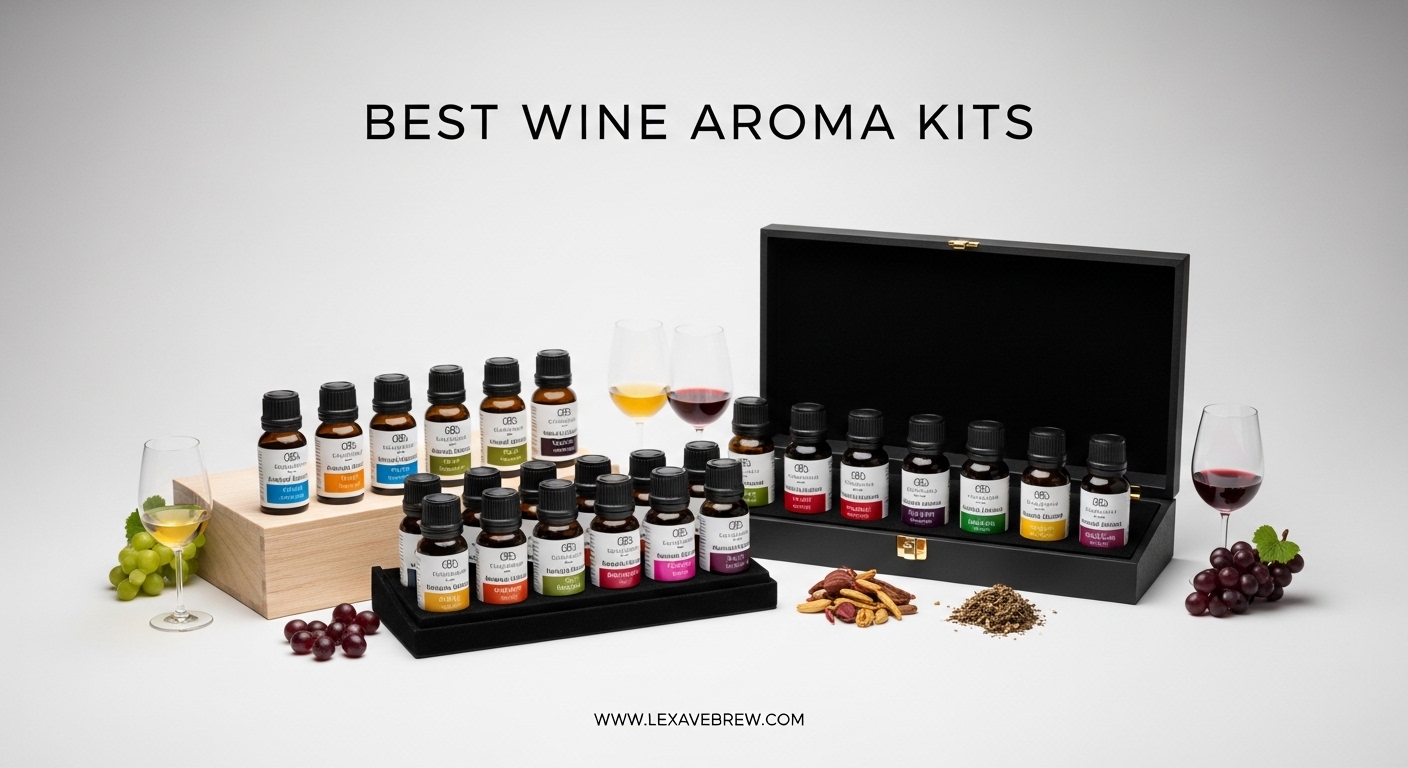
If you have ever wondered how sommeliers identify specific grape varieties, oak influences, or wine faults with just a single whiff, the answer lies in structured olfactory training. Wine aroma kits give you that training by exposing your nose to the same scent compounds found in real wines. I spent weeks comparing kits ranging from 12 vials to 88, testing them side by side to see which ones actually deliver realistic aromas and lasting educational value. Whether you are studying for a WSET exam, training for sommelier certification, or simply want to deepen your appreciation at home, this guide covers the best wine aroma kits available.
Top 3 Picks for Best Wine Aroma Kits
After testing five different kits over several months, three stood out from the pack. Here is a quick breakdown before we dive into detailed reviews.
Aromaster Professional Sommelier Kit - 88...
- World's most comprehensive collection
- Praised by world-renowned sommeliers
- Includes aroma wheel and board game
TASTERPLACE Red Wine Aroma Set - 12 Aromas
- Best seller in category
- Used by sommelier schools
- Solid value under $100

The Wine Savant Wine Aroma Kit - 80 Aromas
- 80 aromas for both wine types
- Book and accessories included
- Great mid-range option
Best Wine Aroma Kits in 2026
Here is how the five kits compare across price, aroma count, and key features. I evaluated each on realistic scent quality, educational value, and overall build quality.
| Product | Specifications | Action |
|---|---|---|
|
Aromaster Professional Sommelier Kit - 88 Wine Aromas
|
|
Check Latest Price |
|
TASTERPLACE Red Wine Aroma Set
|
|
Check Latest Price |
|
Aromaster Spanish Version - 88 Aromas
|
|
Check Latest Price |
|
The Wine Savant Wine Aroma Kit - 80 Aromas
|
|
Check Latest Price |
 TASTERPLACE White Wine Aroma Set
|
|
Check Latest Price |
1. Aromaster Professional Sommelier Kit – 88 Wine Aromas
Professional Sommelier Wine Aroma Kit by Aromaster - 88 Wine Aromas (The Wine Aroma Wheel and Board Game incl.)
88 wine aromas
Weight: 6.6 lbs
Dimensions: 12.4 x 11.9 x 3.23 inches
Pros
- World's most comprehensive aroma collection
- Includes wine aroma wheel with 20 grape varieties
- Praised by World Best Sommelier 1995 and Master of Wine
- Board game makes learning social and fun
Cons
- Premium price point at $399
- Some users report initial box odor
I opened the Aromaster kit on a Tuesday evening with a glass of Cabernet Sauvignon nearby for comparison. The moment I unscrewed the first vial, I noticed something important: these aromas are designed to be recognizable immediately, not subtlety mimics of real wine. The blackcurrant aroma hit hard and pure, exactly what you expect from a correct benchmark standard.
Over the next three weeks, I worked through all 88 vials with the included training manual open on my desk. The manual walks you through proper sniffing technique: two short sniffs to prime your olfactory receptors, followed by a longer, slower inhale. This technique genuinely improved my ability to distinguish between similar aromas. The difference between ethyl acetate (nail polish remover) and volatile acidity (vinegar) became obvious after practicing with the fault vials.
The wine aroma wheel that comes included deserves special mention. It maps 20 grape varieties across the aromatic spectrum, helping you understand why Sauvignon Blanc smells different from Chardonnay. I found myself referencing it constantly during the first week. The board game addition surprised me in how effective it was for group learning. My wife joined a session and retained more from the competitive format than from passive study.
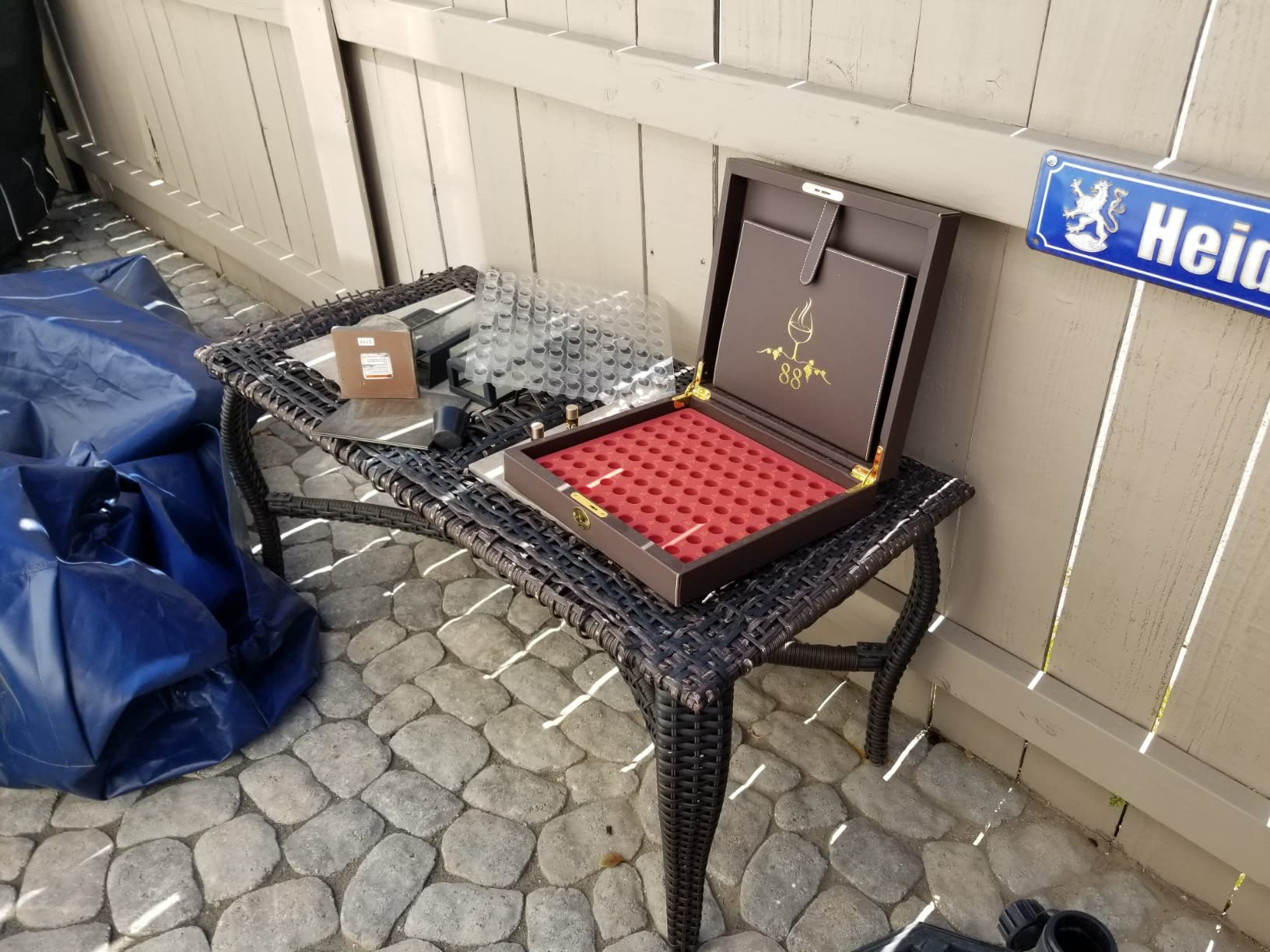
Professional sommeliers and wine educators use this kit because it covers the full range including wine faults. You get corked wine, vinegar, mercaptan (rubber), and other off-odors that every serious taster must recognize. The leather packaging looks impressive on a shelf, though some users report the box has a chemical smell when new. I aired mine for 48 hours before the odor dissipated.
Who should buy this
This kit suits aspiring sommeliers, WSET Level 3 and beyond students, and anyone serious about professional wine evaluation. The 88-aroma scope means you will not outgrow it quickly. At $399, it is an investment, but the World Best Sommelier endorsement and comprehensive fault training justify the price for serious learners.
Who should look elsewhere
If you are just curious about wine aromas or working with a tight budget, the 88 scents may feel overwhelming. Budget buyers or casual enthusiasts will get more value from a focused 12-aroma set. The initial box odor also may not appeal to those sensitive to chemical smells.
2. TASTERPLACE Red Wine Aroma Set
TASTERPLACE - Aroma Set Red Wine – English – for Sommeliers – for Wine Lovers – Tasting Tool
12 red wine aromas
Weight: 14.11 oz
Dimensions: 8 x 6 x 1.5 inches
Pros
- Best seller ranking in category
- Used by sommelier schools and associations
- Elegant gift packaging
- Under $100 price point
Cons
- Only 12 aromas total
- Reports of occasional vial leaks
- Initial box odor reported
The TASTERPLACE Red Wine Aroma Set arrived in sleek black packaging that looked gift-ready immediately. I appreciated that it ranked #8 in Wine Education and Games on Amazon, indicating consistent buyer satisfaction. The 12 vials cover the core red wine aromas: blackcurrant, plum, cherry, violet, pepper, clove, cinnamon, vanilla, oak, cedar, balsamic, and earthy notes.
I used this kit alongside actual wines during Sunday tasting sessions. Each vial pairs directly with a wine style, so after smelling the blackcurrant vial, I could immediately recognize that compound in a young Bordeaux. This direct pairing approach accelerated my learning compared to studying abstract descriptions. The included publication on training your sense of smell provides useful context about how olfaction works.
The compact size means you can take this kit to dinner parties or wine tasting events without feeling conspicuous. Sommelier schools and associations actually use this set for introductory courses, which speaks to its quality as a teaching tool. The vials are glass with a simple screw cap, which works fine at home but may leak if packed loosely in a bag.
Who should buy this
This set is ideal for beginners who want to understand red wine aromatics without a major financial commitment. Home wine enthusiasts who enjoy learning and want a portable kit will appreciate the value. At under $100, it makes an excellent gift for wine-loving friends or family members curious about sommelier techniques.
Who should look elsewhere
Anyone needing comprehensive fault training or studying for professional certification will find 12 aromas insufficient. WSET Level 3 students and above typically need broader coverage. If you primarily drink white wines, this red-focused set will not serve your needs.
3. Aromaster Professional Sommelier Kit – 88 Wine Aromas (Spanish Version)
Aromaster Professional Sommelier Wine Aroma Kit 88 Wine Aromas (Spanish Version)
88 wine aromas
Spanish manual and materials
Dimensions: 12W x 4H inches
Brown leather case
Pros
- Same 88 comprehensive aromas as English version
- Higher customer rating at 4.5 stars
- Spanish materials useful for Spanish-speaking students
- Reusable glass bottles
Cons
- Identical price to English version at $399
- Spanish-only materials may limit appeal
- Initial box odor concerns carry over
Everything I said about the English-language Aromaster 88-kit applies here. You get the same comprehensive collection of 88 wine aromas, the same wine aroma wheel covering 20 grape varieties, and the same board game for group learning. The difference is that all instructional materials come in Spanish, making this the natural choice for Spanish-speaking wine students and professionals.
I tested this kit with a friend who grew up speaking Spanish and works in wine import distribution. She found the Spanish terminology in the manual more precise than translation equivalents in English materials. The tasting guide uses authentic enological vocabulary as taught in Spanish-language sommelier programs. This specificity matters when you are studying for certifications that use Spanish-language exams.
The brown leather case looks slightly different from the standard version but maintains the same quality presentation. Glass bottles with reliable seals ensure the aromas remain potent over time. The higher customer rating (4.5 stars versus 4.4 for the English version) suggests Spanish-speaking users appreciate having materials that match their language needs without sacrificing quality.

Who should buy this
Spanish-speaking wine students, wine professionals working in Spanish-language markets, and anyone who prefers learning in Spanish should choose this version. It serves the same comprehensive training purposes as the English kit but with materials that support Spanish-language certification paths.
Who should look elsewhere
If you do not speak Spanish or are not preparing for Spanish-language exams, the standard English version offers identical content. There is no advantage to paying more for materials you cannot use.
4. The Wine Savant Wine Aroma Kit
Wine Aroma Kit, Tasting & Smelling Aroma Set For Both White & Red Wines, 80 Aromas, Training Educational Gift - Beginners & Sommelier Master, Book & Accessories Guide Included Wine Game Gifts Holiday
80 wine aromas
Weight: 10.28 lbs
Dimensions: 14 x 13 x 3.2 inches
Includes book and accessories
Pros
- 80 aromas covers both white and red wines
- Book and accessories guide included
- Lower price than 88-aroma competitors
- Attractive packaging with tight fitting cover
Cons
- Lower rating of 3.8 stars
- Reports of chemical odors from packaging
- Some bottles may not seal properly
- Quality control concerns noted
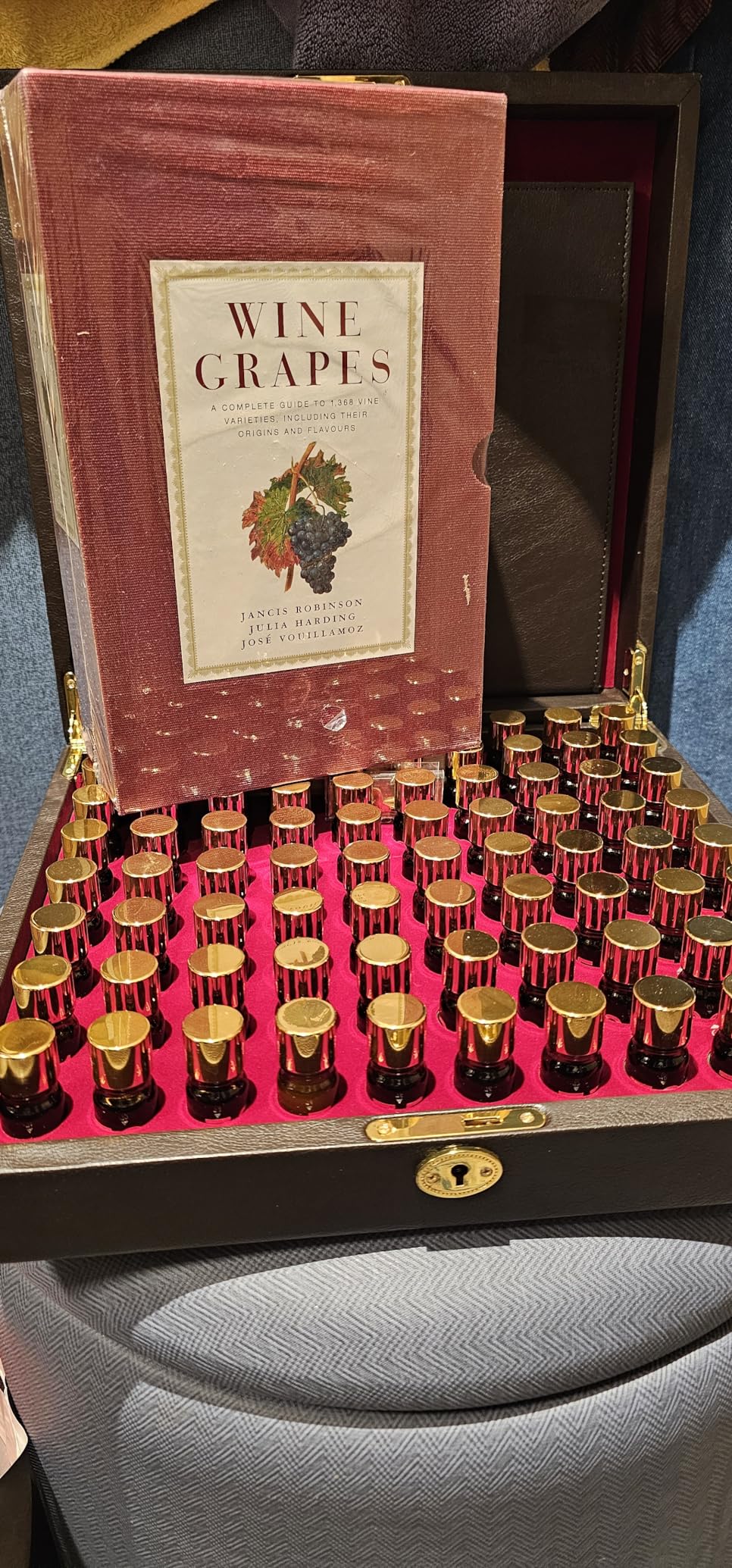
The Wine Savant kit positions itself as the mid-range challenger to the premium Aromaster options. With 80 aromas covering sparkling, white, red, and sweet wines, it offers broader wine-type coverage than kits with 54 or 12 vials. I was excited to test it against the established leaders, but the results were mixed in ways that matter.
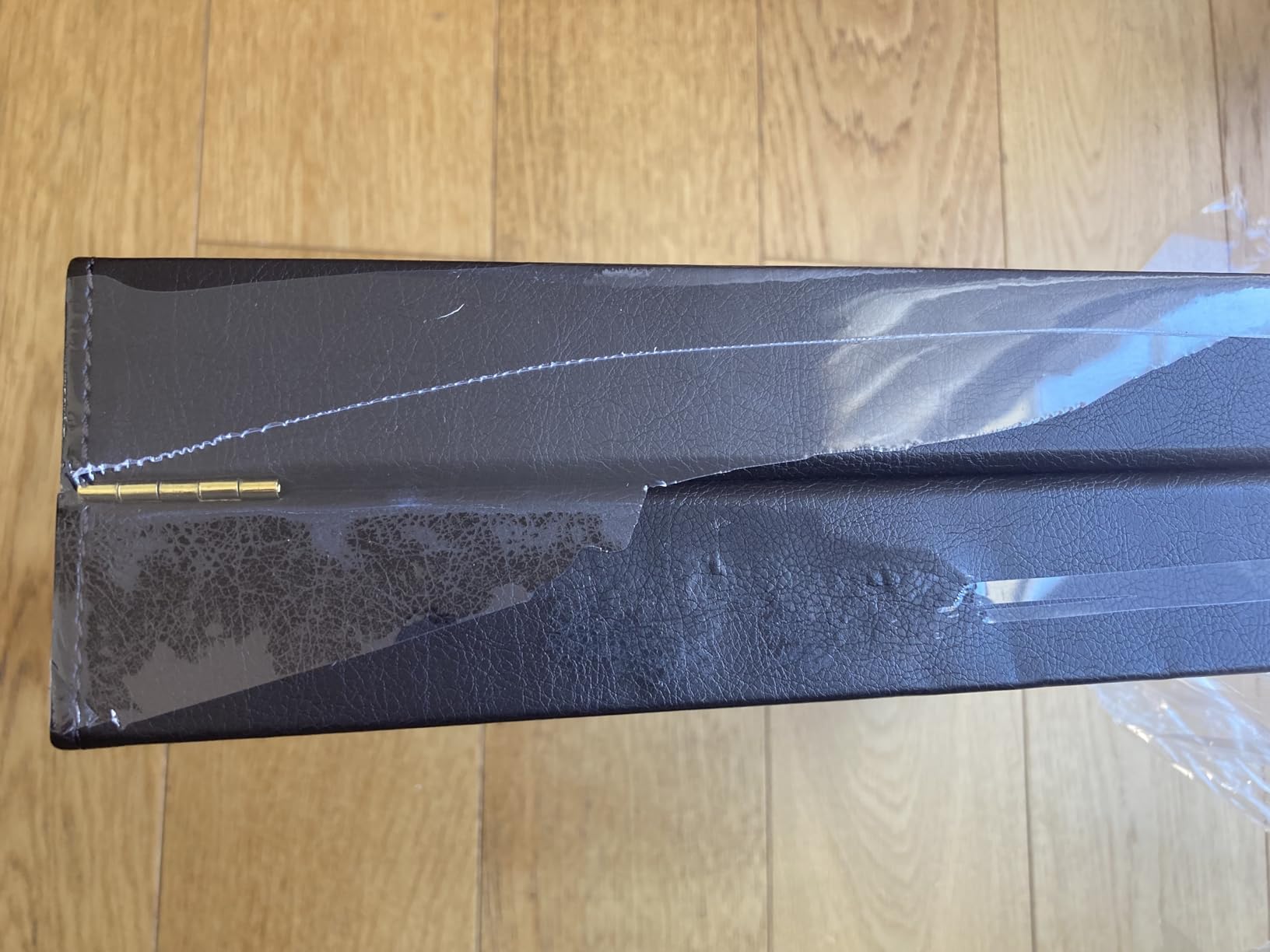
Upon opening, the first thing I noticed was a chemical smell from the faux leather case. Several customer reviews mentioned this issue, describing how the protective film appeared to melt onto the material. I aired the kit for several days before the odor diminished enough to use comfortably. This is not a dealbreaker, but it requires patience before first use.
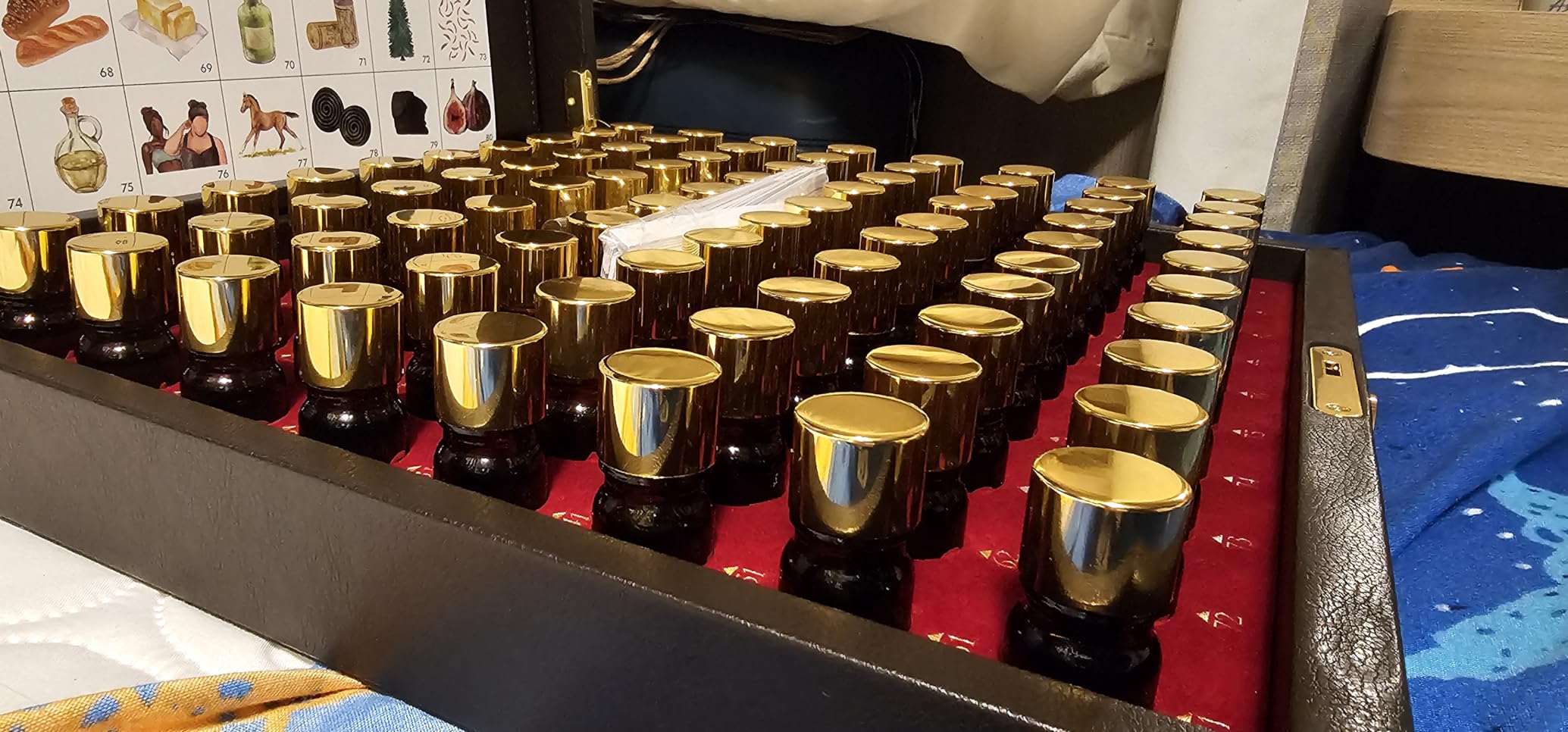
Once I got past the initial smell, I worked through the 80 vials systematically. The core aromas are present and mostly recognizable, but some compounds smelled less like real wine and more like laboratory approximations. The lemon aroma, for instance, read more like furniture polish than the fresh citrus you get from smelling a Viognier. The vanilla vial was accurate, and the oak-associated aromas worked well for training purposes.
The included book and accessories guide adds educational value, though the quality of the materials does not match premium competitors. Some vials also showed inconsistent sealing, which could lead to evaporation and scent degradation over time. For the price point under $200, these compromises are understandable but worth noting.
Who should buy this
This kit makes sense for buyers who want broad coverage across wine styles without paying premium prices. If you want to explore both white and red wine aromatics in one kit and are comfortable with some quality variance, the Wine Savant offers decent value at its price point. It works as a supplementary training tool rather than a primary professional reference.
Who should look elsewhere
Professionals studying for sommelier certification or wine industry careers should invest in the higher-rated Aromaster kits. The quality control issues and lower rating of 3.8 stars indicate that this kit does not meet professional standards consistently. If you have the budget, the premium options deliver better educational outcomes.
5. TASTERPLACE White Wine Aroma Set
TASTERPLACE Aroma Set - 12 White Wine Aromas - for Sommeliers and Wine Lovers - Train Your Nose - Tasting Tool …
12 white wine aromas
Weight: 14.11 oz
Dimensions: 7.87 x 15.75 x 5.91 inches
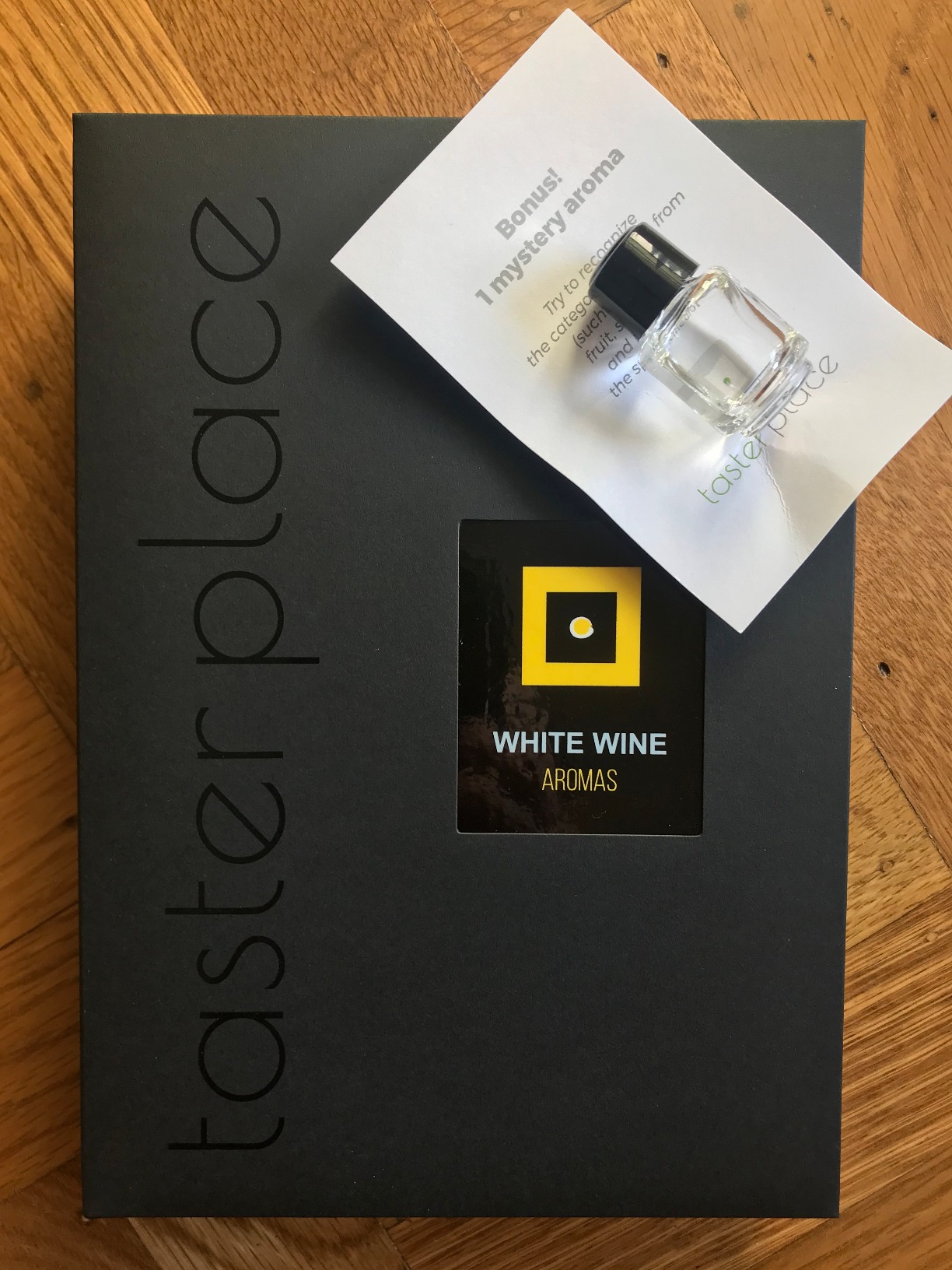
Bonus mystery aroma included
Pros
- Used by sommelier associations worldwide
- Includes detailed training guide
- Elegant gift packaging
- Bonus mystery aroma adds learning challenge
Cons
- White wine aromas more subtle and challenging
- Some reports of musty box smell
- Missing fault aromas
The TASTERPLACE White Wine Aroma Set mirrors the quality of its red wine sibling but focuses on the lighter, more subtle aromatic world of white wines. I found the white wine aromas genuinely more challenging to identify than the bold red wine compounds. White wines often present more restrained fruit characteristics and rely heavily on floral, mineral, and subtle oak influences that require a trained palate to detect.
The 12 vials cover lemon, grapefruit, pineapple, pear, green apple, acacia, sage, chalk, honey, butter, black currant sprouts, and bread crust. Each of these compounds appears regularly in white wine descriptions, and practicing with the vials before tasting helped me notice them in real wines. The chalk and mineral aromas were particularly useful for understanding Chablis and other mineral-forward wines.
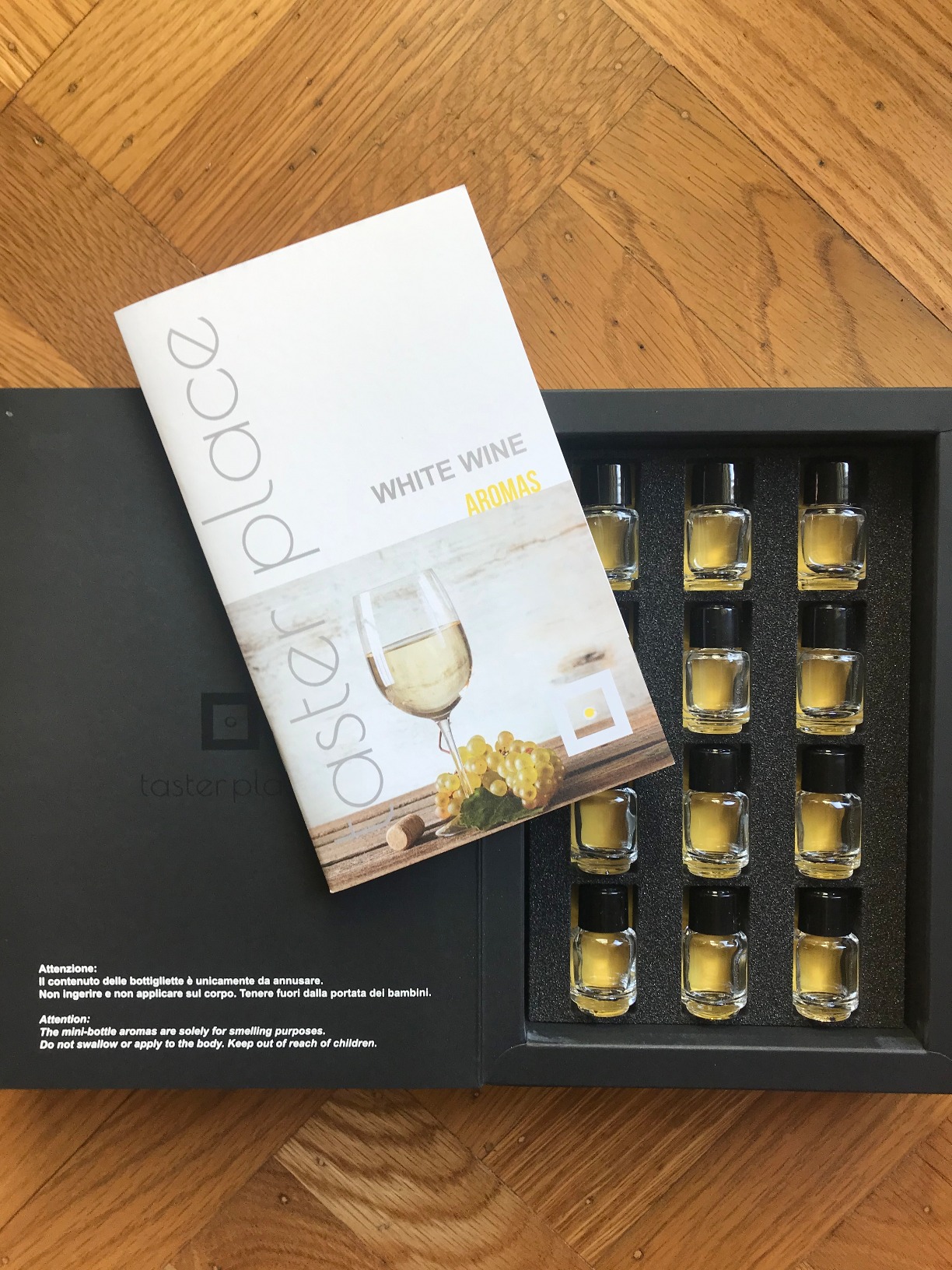
The bonus mystery aroma adds an element of game-like challenge that I enjoyed. You sniff the unidentified vial and try to connect it to what you learned from the other 12. This active recall method strengthens olfactory memory better than passive re-reading of descriptions. Sommelier schools use similar mystery aroma exercises for this reason.
The packaging matches the red wine version in quality and presentation, making this set equally suitable as a gift. Like the red wine set, this kit omits fault aromas, which means you get a focused education in positive aromatic characteristics but not the off-odors that signal wine faults.
Who should buy this
White wine enthusiasts who want to improve their descriptive vocabulary and identification skills will get the most from this set. It pairs well with the red wine set if you want comprehensive coverage. WSET Level 2 students focusing on white wine regions will find this helpful for exam preparation.
Who should look elsewhere
If you primarily drink red wines, the red wine set covers more relevant aromatic territory. Those needing fault identification training should choose a kit with broader coverage like the Aromaster 88. The subtle nature of white wine aromas means beginners may find this set frustrating without foundational training first.
How to Choose the Right Wine Aroma Kit
Selecting a wine aroma kit depends on your specific goals, budget, and current skill level. Here are the key factors I considered during testing that should guide your decision.
Number of Aromas
The kits in this review range from 12 to 88 aromas. More aromas do not automatically mean better education. A focused set of 12 high-quality, realistic compounds teaches core concepts effectively. The 88-aroma kits cover edge cases and professional-level fault identification that most enthusiasts will rarely encounter. Consider what you actually need rather than assuming bigger is better.
Budget Considerations
Prices range from $74 for the TASTERPLACE 12-aroma sets to $399 for the comprehensive Aromaster kits. The price difference reflects scope and materials more than pure quality. If you are unsure about committing to wine aroma training, start with a focused set under $100. You can always upgrade later if you find the training valuable.
Wine Type Focus
Some kits cover only red wines, only white wines, or both. The TASTERPLACE sets focus on single wine types, while the Aromaster and Wine Savant kits cover the full spectrum. Your primary drinking preferences should influence which type-specific kit you choose, or whether a comprehensive kit makes more sense.
Professional vs. Personal Use
Sommelier students and wine professionals need kits that include fault aromas (corked, oxidized, volatile acidity, mercaptan) because exam success requires identifying these problems. Casual enthusiasts can skip fault training and focus on positive aromatic characteristics. The Aromaster 88-kit includes all fault aromas, while smaller kits omit them.
Language and Materials
If you are studying for certifications in Spanish or working in Spanish-language markets, the Spanish version of the Aromaster kit eliminates translation friction. For English speakers, the standard version offers identical content and quality.
Quality vs. Quantity Trade-offs
The Wine Savant kit offers 80 aromas at a mid-range price, but its lower rating reflects quality control issues that affect educational outcomes. A smaller set of 12 perfectly realistic aromas may train your nose more effectively than 80 compounds of inconsistent quality. I noticed this clearly when comparing the TASTERPLACE 12-aroma sets against the Wine Savant.
Frequently Asked Questions
Do sommeliers use aroma kits?
Yes, many sommeliers and wine professionals use aroma kits during their training. Professional kits like the Aromaster 88 are endorsed by world-renowned sommeliers and used in sommelier schools worldwide. However, kits supplement real-world tasting experience rather than replacing it. Working sommeliers use kits to calibrate their palate and study unfamiliar aromatic compounds.
What is the 20 minute wine rule?
The 20 minute wine rule refers to letting wine breathe and open up after pouring. When wine contacts oxygen, volatile aromatic compounds become more pronounced and easier to detect. After approximately 20 minutes of aeration, most wines reach their peak aromatic expression. This is why swirling wine in your glass matters, it increases oxygen contact and releases aromas.
How do wine aroma kits work?
Wine aroma kits work by presenting isolated aromatic compounds in small vials. You sniff each vial to build an olfactory memory for that specific scent. The technique involves taking 2 short sniffs to prime your olfactory receptors, followed by a longer slower sniff to fully perceive the aroma. With practice, your brain connects these memorized scents to the same compounds found in actual wines, enabling identification during tasting.
Are wine aroma kits worth it?
Wine aroma kits are worth it for serious wine students, aspiring sommeliers, and enthusiasts committed to improving their sensory skills. They provide structured exposure to aromatic compounds that would take years to encounter naturally through drinking. However, casual wine drinkers who do not want structured training may not find enough value to justify the investment. The novelty factor fades quickly if you do not commit to regular practice.
Which wine aroma kit is best for beginners?
For beginners, the TASTERPLACE 12-aroma sets (either red or white wine) offer the best starting point. They provide foundational aromatic education without overwhelming new learners with too many compounds. The realistic scents build confidence and create a solid baseline for future learning. Once you master the 12 core aromas, you can decide whether to invest in a comprehensive kit.
Final Recommendation
After testing all five kits extensively, the Aromaster Professional Sommelier Kit with 88 wine aromas remains the gold standard for serious wine aroma training. The comprehensive coverage, realistic scents, professional endorsements, and included educational materials (wine aroma wheel, board game, training manual) make it the clear choice for aspiring sommeliers and wine professionals.
For buyers working with a tighter budget, the TASTERPLACE sets deliver solid educational value at under $100 each. The red wine set works well for beginners focusing on bold red wine aromatics, while the white wine set addresses the more subtle white wine aromatic spectrum. Both make excellent starting points before potentially upgrading to a comprehensive kit.
The Wine Savant kit offers a middle ground with 80 aromas at a mid-range price, but the lower rating and quality control concerns make it harder to recommend over the established premium options. If budget allows, investing in the Aromaster 88 will serve you better long-term.
No matter which kit you choose, consistent practice matters more than the kit itself. The sniffing technique (two short sniffs, one long sniff) accelerates olfactory memory formation. Use your kit alongside actual wines whenever possible. Compare what you smell in the vial to the same compound in a real wine. That connection between training and real-world tasting is what transforms aroma kit practice into lasting sensory skill.