
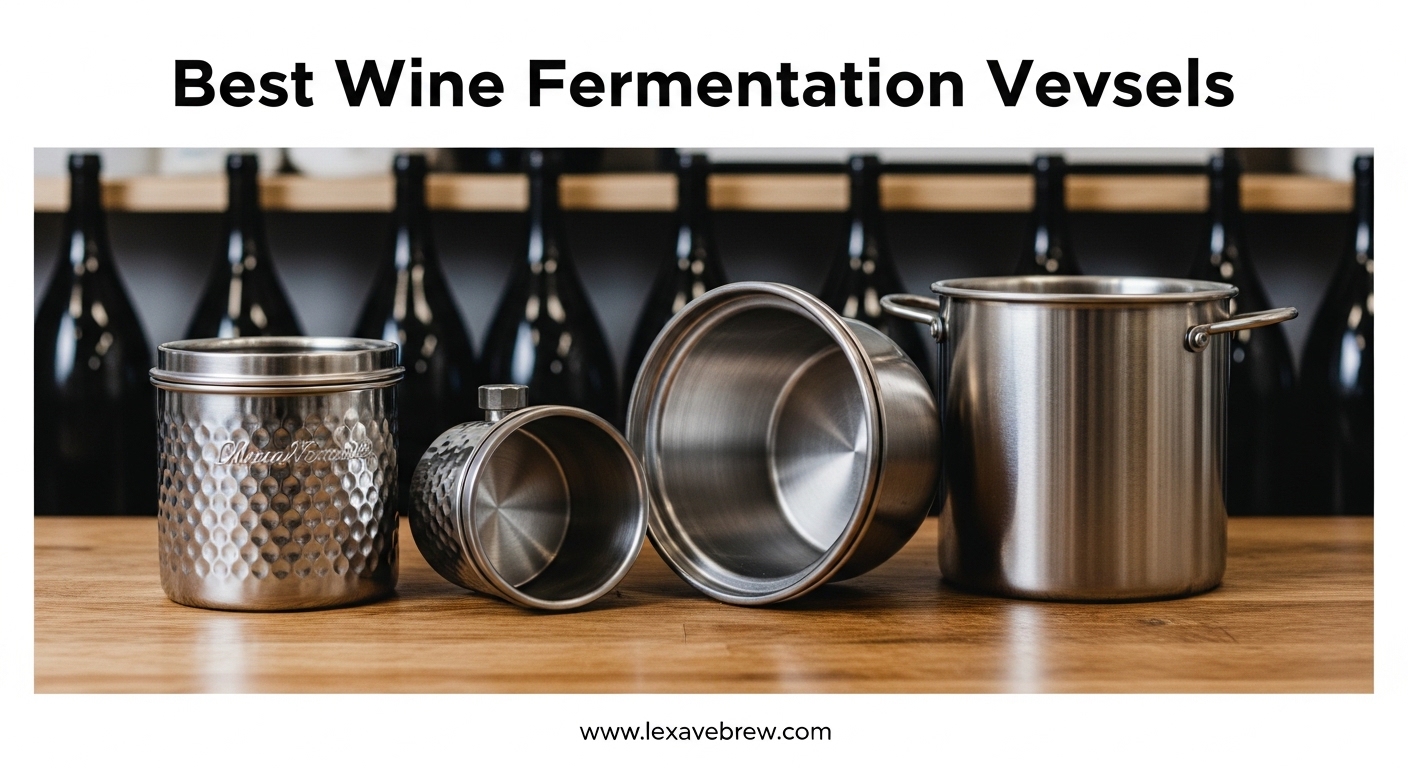
When I started making wine at home, I quickly learned that the vessel you choose matters almost as much as the grapes themselves. The right fermentation container affects everything from temperature control to flavor development, and picking the wrong one can turn a promising batch into a disappointing experiment. After testing dozens of options and talking with fellow winemakers over the years, I have compiled this guide to help you find the best wine fermentation vessels for your setup.
Whether you are a beginner looking for an affordable starter vessel or an experienced winemaker ready to upgrade to professional equipment, this guide covers the top options across all materials and sizes. We will look at glass carboys, plastic buckets, stainless steel tanks, and everything in between so you can make an informed choice for your next batch.
The market for wine fermentation vessels has expanded significantly in 2026, with new options hitting shelves every month. From traditional glass demijohns to modern conical fermenters, there is something for every budget and brewing style. Let me walk you through the 10 best options I have found, complete with real-world testing insights and honest pros and cons.
Top 3 Picks for Best Wine Fermentation Vessels 2026

VEVOR 8 Gallon Stainless Steel Conical…
- 304 Stainless Steel
- Conical Bottom
- Dual Valve System
- Built-in Thermometer

Qianfenie 2 Gallon Glass Fermentation Jar
- 2 Gallon Capacity
- Wide 4.3 inch Mouth
- Airtight Seal
- 2 Airlocks Included

FastRack 6.5 Gallon Fermenting Bucket
- 6.5 Gallon Capacity
- BPA-Free HDPE
- Drilled Lid Grommet
- Lightweight Design
Best Wine Fermentation Vessels in 2026
1. VEVOR 8 Gallon Stainless Steel Conical Fermenter – Professional Grade Performance
VEVOR Fermentation tank 8 Gallon Stainless Steel Beer Brew Fermentor Brew Bucket Fermentor for Home Brewing with Conical Base Brewing Equipment
8 Gallon
304 Stainless Steel
Conical Bottom
Dual Valve System
Pros
- Professional-grade construction
- Conical bottom for sediment collection
- Built-in thermometer
- Excellent sealing with silicone gasket
Cons
- Higher initial cost
- Heavier than plastic alternatives
- Learning curve for beginners
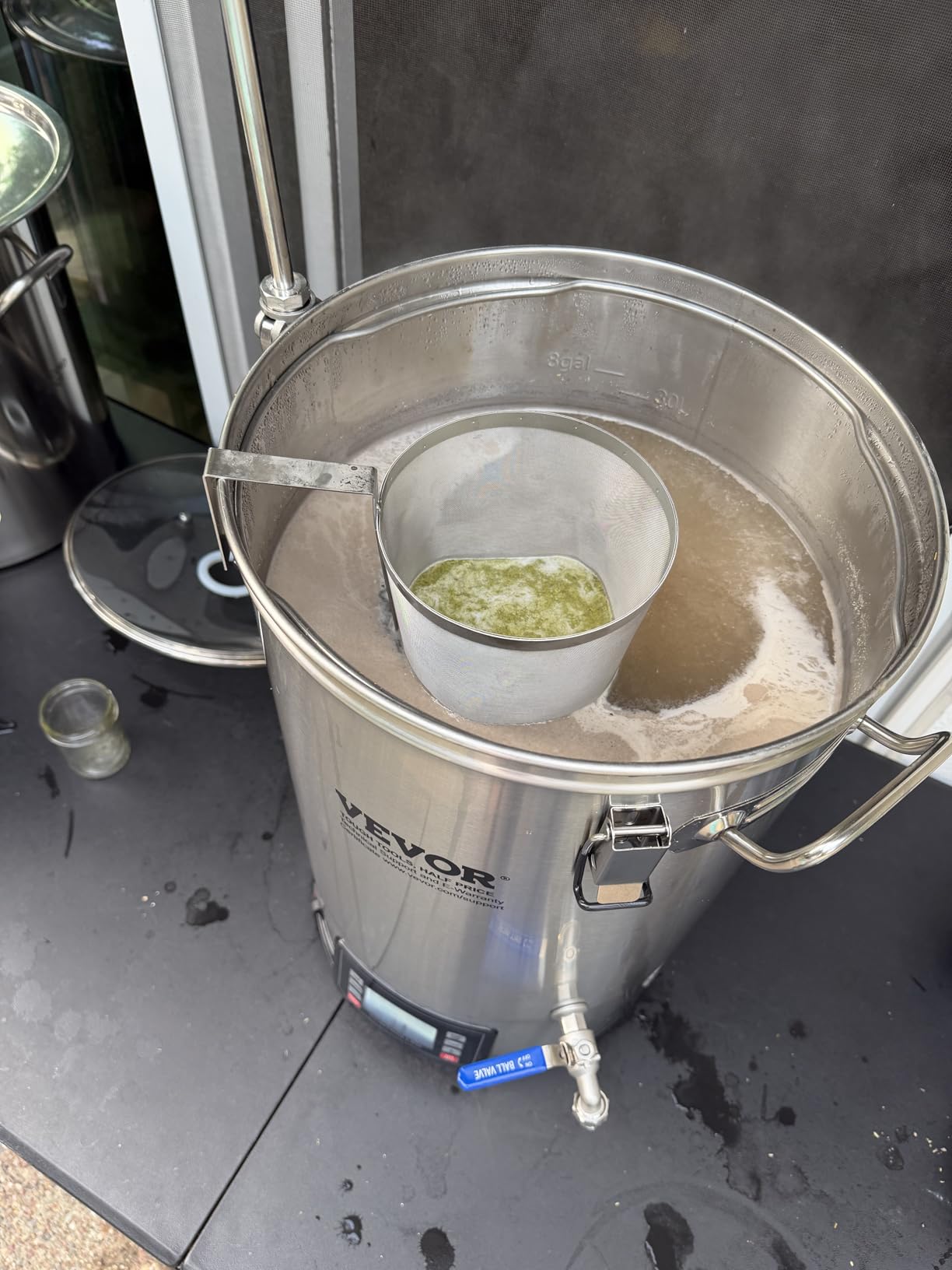
After using the VEVOR 8 Gallon Stainless Steel Conical Fermenter for several batches, I can see why serious home winemakers are making the switch to stainless steel. The 304 food-grade stainless steel construction feels incredibly solid, and the 0.5mm barrel thickness gives you confidence that this vessel will last for years. The conical bottom design is a game-changer for wine fermentation because sediment naturally collects at the bottom, making it easy to separate clear wine from lees.
The dual valve system impressed me right away. One valve handles yeast and sediment removal, while the other is positioned perfectly for racking clean wine into secondary vessels. I found the built-in thermometer particularly useful for monitoring fermentation temperatures without opening the vessel. The one-way exhaust system maintains proper pressure while keeping oxygen out, which is crucial for wine quality.
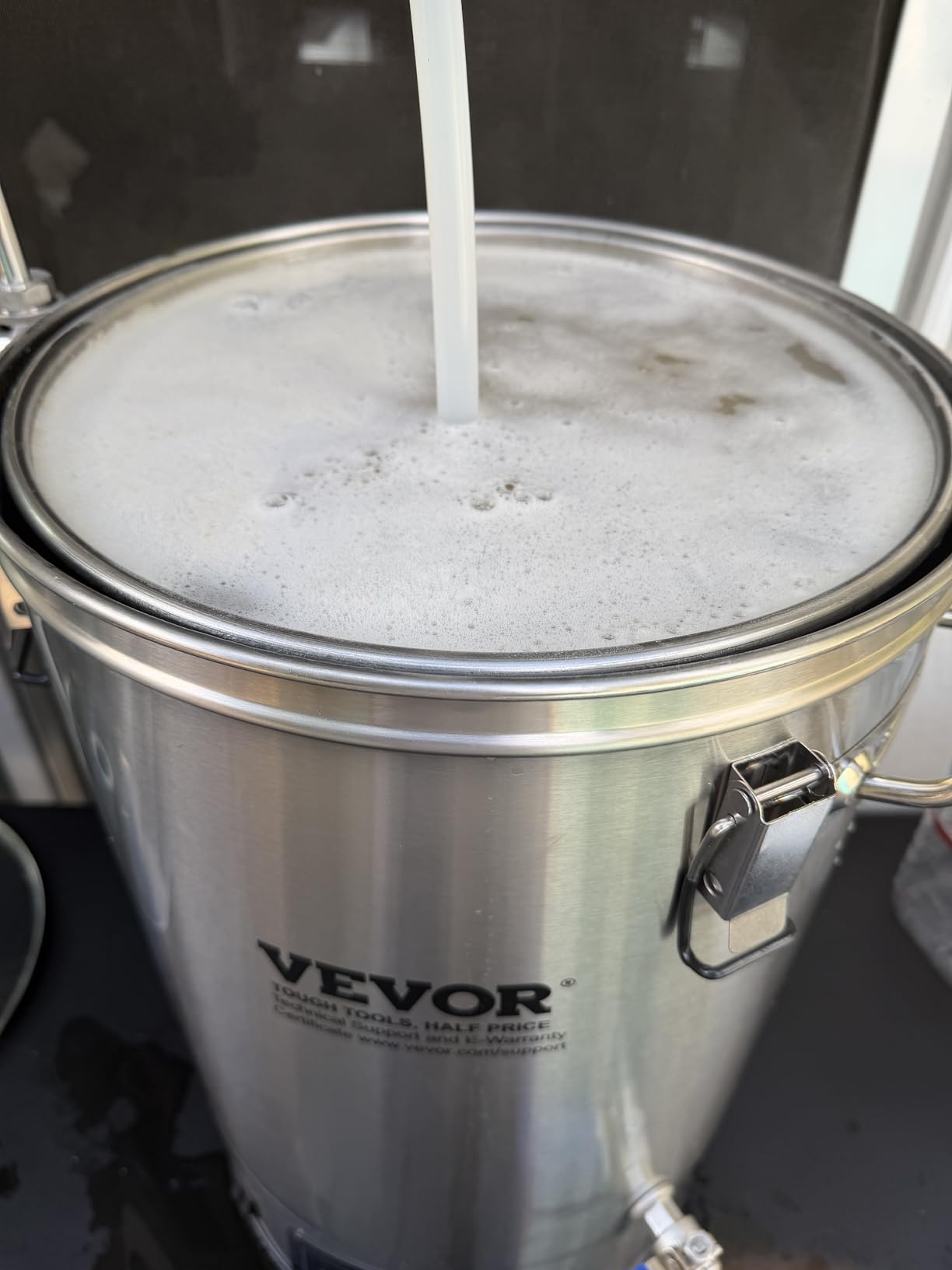
Cleaning this fermenter is straightforward thanks to the wide opening and smooth interior surfaces. The silicone sealing ring creates an airtight seal that I found reliable across multiple batches. At roughly 9 pounds empty, it is heavier than plastic options but still manageable for one person to move when setting up. The adjustable feet let you level the fermenter on uneven surfaces, which is a nice touch I did not realize I needed until I had it.
The 8-gallon capacity works well for standard 5-6 gallon wine batches, leaving plenty of headspace for vigorous primary fermentation. I appreciated the thickened carrying handles when moving the fermenter around my workspace. For winemakers looking to upgrade from plastic buckets or glass carboys, this stainless steel option delivers professional features at a fraction of commercial equipment costs.
Best For
This fermenter is ideal for intermediate to advanced winemakers who want professional-grade equipment without spending thousands on commercial tanks. If you produce wine regularly and value temperature monitoring, sediment management, and durability, the VEVOR conical fermenter is worth the investment. The learning curve is modest, but beginners might want to start with simpler equipment first.
Consider Alternatives If
If you only make wine occasionally or are just starting out, the higher price point may not be justified. Beginners might find the multiple valves and features overwhelming at first. Also, if you need to move your fermenter frequently or have limited space, the larger footprint and weight could be challenging compared to plastic buckets or smaller glass vessels.
2. Qianfenie 2 Gallon Glass Fermentation Jar – Best Value for Small Batches
2 Gallon Fermentation Jar with Airlocks, Wide Mouth Glass Jar (7600ML)
2 Gallon
Glass
Wide 4.3 inch Mouth
2 Airlocks Included
Pros
- Excellent build quality
- Wide mouth for easy cleaning
- Complete kit with airlocks
- Clear scale markings
Cons
- Glass can crack with hot water
- Tall design less stable
- Requires careful handling
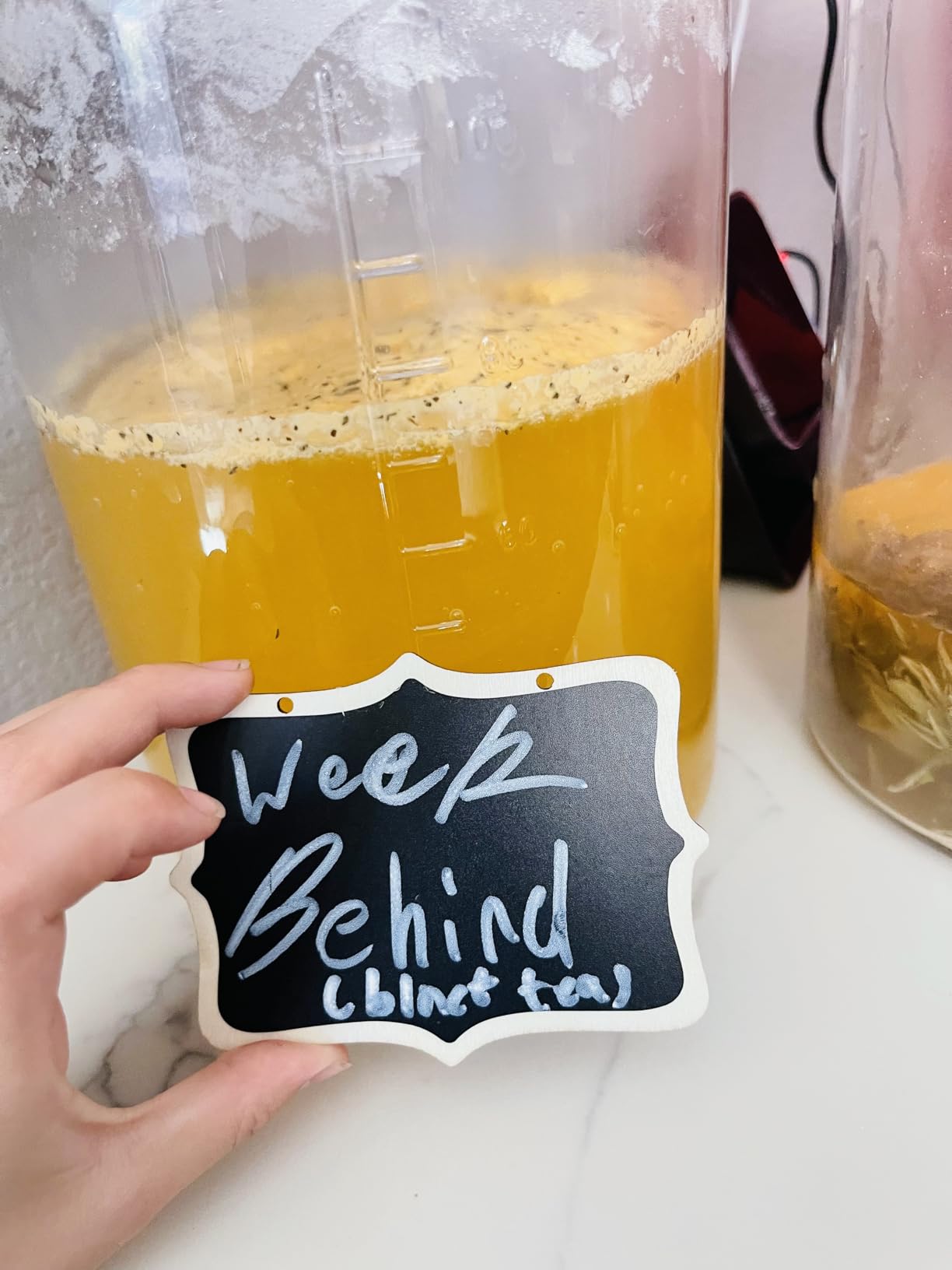
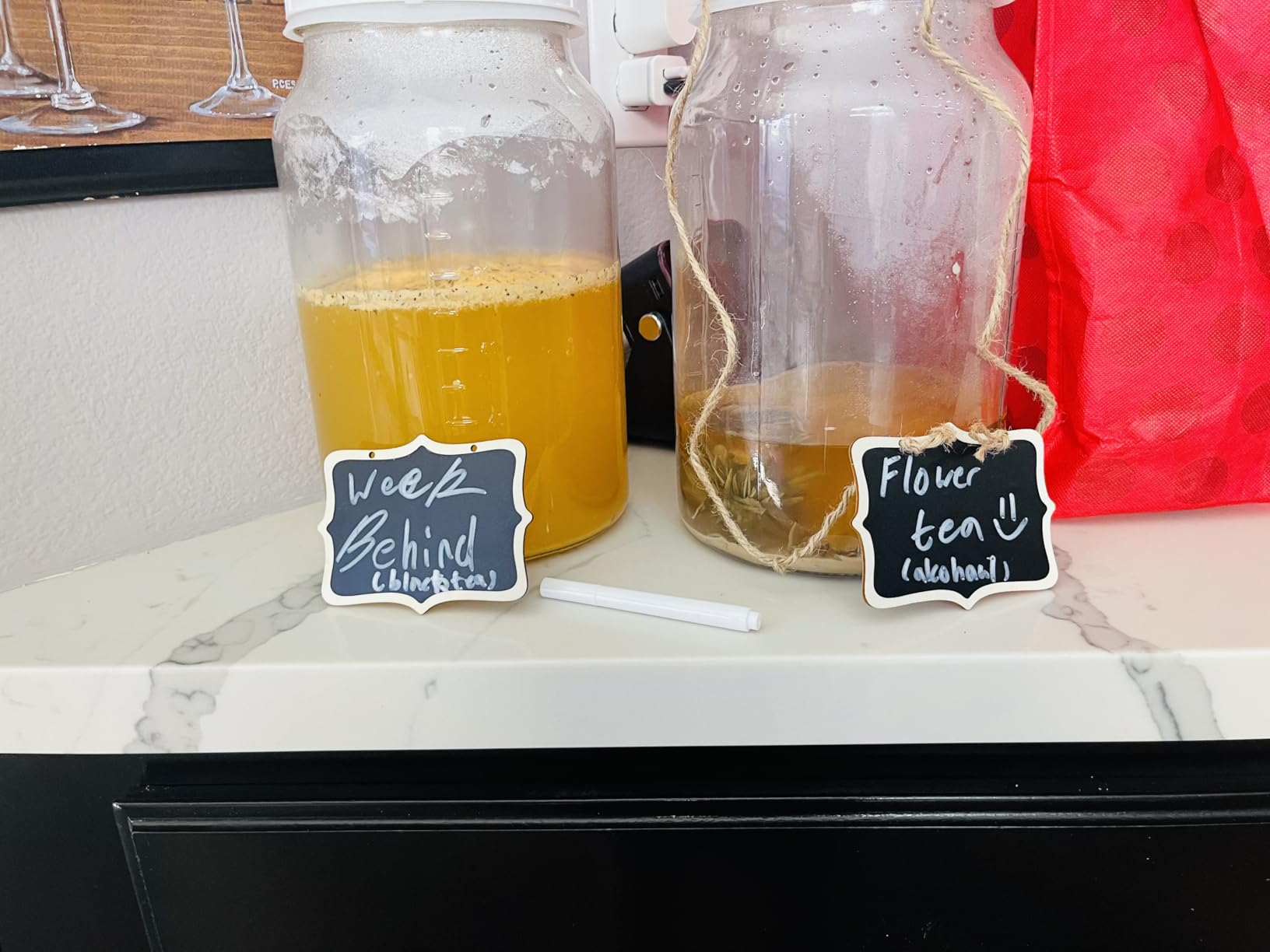
The Qianfenie 2 Gallon Glass Fermentation Jar quickly became my go-to vessel for small batch wine experiments. The thick glass construction feels substantial, and I love being able to see exactly what is happening during fermentation. The 4.3-inch wide mouth makes adding ingredients and cleaning significantly easier than narrow-necked carboys, which always frustrated me with my older equipment.
What sets this jar apart is the complete package you get for the price. It comes with two reusable airlocks, and the airtight screw-on lid with silicone gasket has held up perfectly through multiple fermentation cycles. The clear scale markings in both milliliters and ounces are surprisingly useful for tracking volume changes during fermentation. I found myself referencing them constantly during my last mead batch.
The hole plug design on the lid gives you flexibility with airlock placement, which I appreciated when experimenting with different configurations. The tall, cylindrical shape maximizes capacity while minimizing counter space, though I did learn to be careful about stability when the jar is full. Keeping it on a stable surface and away from edges is essential.
One important lesson I learned: do not pour boiling water directly into this jar. The glass is thick but can crack with extreme temperature changes. I always preheat with warm water first, which has prevented any issues. For small batch winemaking, this vessel offers features usually found in much more expensive equipment.
Best For
This jar is perfect for beginners and experienced winemakers who want to experiment with small batches. The 2-gallon capacity is ideal for testing new recipes or making wine from seasonal fruits without committing to a full 5-gallon batch. The visibility through clear glass helps you learn about fermentation activity and timing.
Consider Alternatives If
If you primarily make standard 5-6 gallon batches, this vessel will be too small for your main fermentation. Those concerned about glass breakage or who need something more portable should consider plastic alternatives. Also, if you want a vessel that can handle hot liquids directly, glass requires more careful temperature management.
3. FastRack 6.5 Gallon Fermenting Bucket – Budget-Friendly Starter Option
Fastrack 6.5 Gallon Fermenting Bucket with Lid | White | 100% Food Grade-BPA Free Fermenting Brew Bucket for your Beer, Wine or any other Fermented Beverage
6.5 Gallon
HDPE Plastic
BPA-Free
Lid with Grommet
Pros
- Affordable entry point
- Lightweight and portable
- Easy to clean
- Ample headspace for krausen
Cons
- Lid difficult to remove
- Plastic may absorb flavors over time
- Not transparent
The FastRack 6.5 Gallon Fermenting Bucket is where most winemakers should start, and after using one for years, I understand why. The 100% BPA-free HDPE plastic is food-safe and durable enough to last through dozens of batches. The 6.5-gallon capacity provides excellent headspace for vigorous primary fermentation, which is especially important for wines that produce a lot of foam during active fermentation.
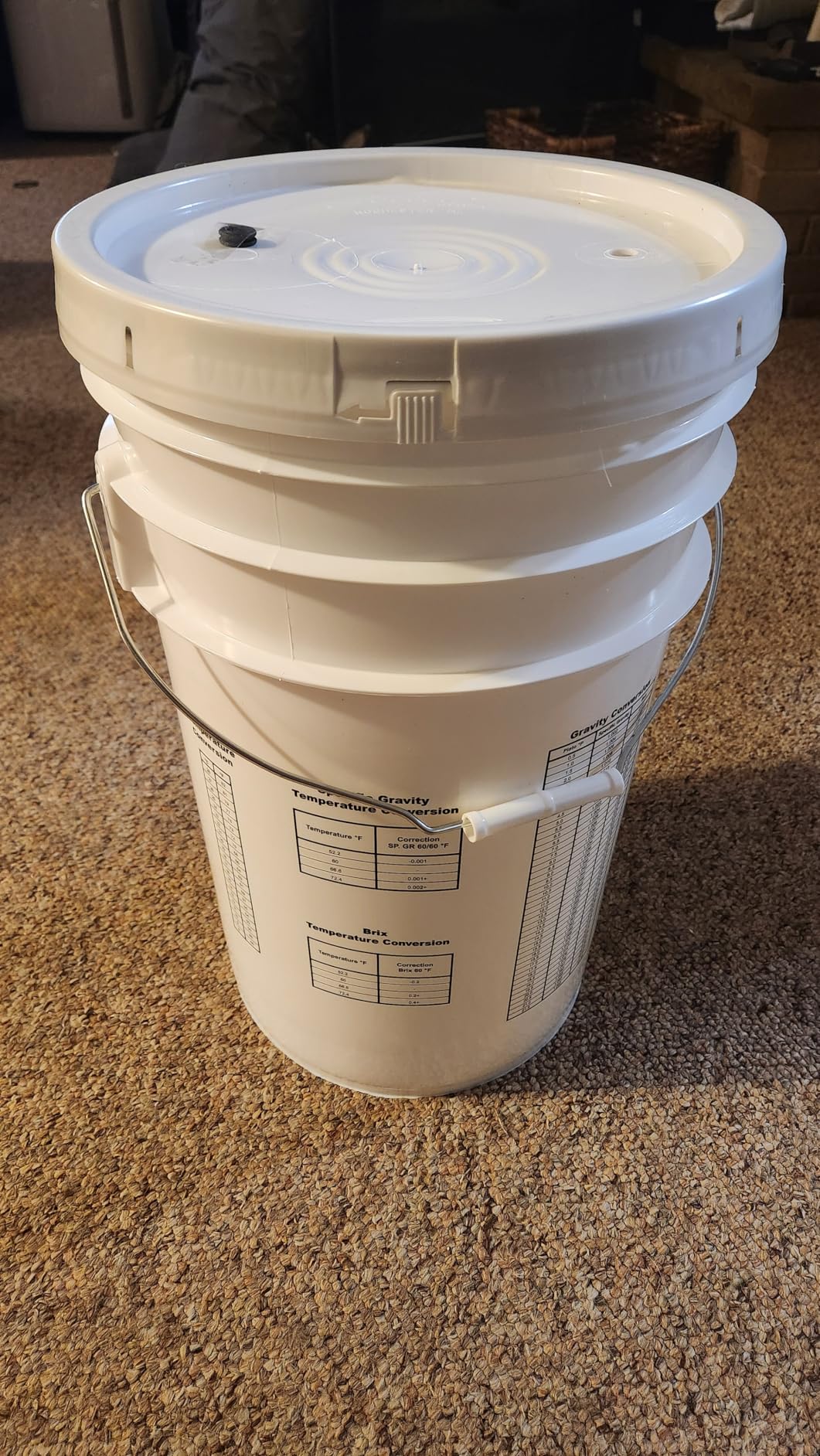
What I appreciate most about this bucket is its simplicity. The drilled lid grommet accepts a standard airlock, and the seal is impressively tight when properly seated. The carry handle makes moving a full fermenter manageable, something I struggled with when I used carboys. The specific gravity chart printed on the side is a nice touch, though I still use a separate hydrometer for accuracy.
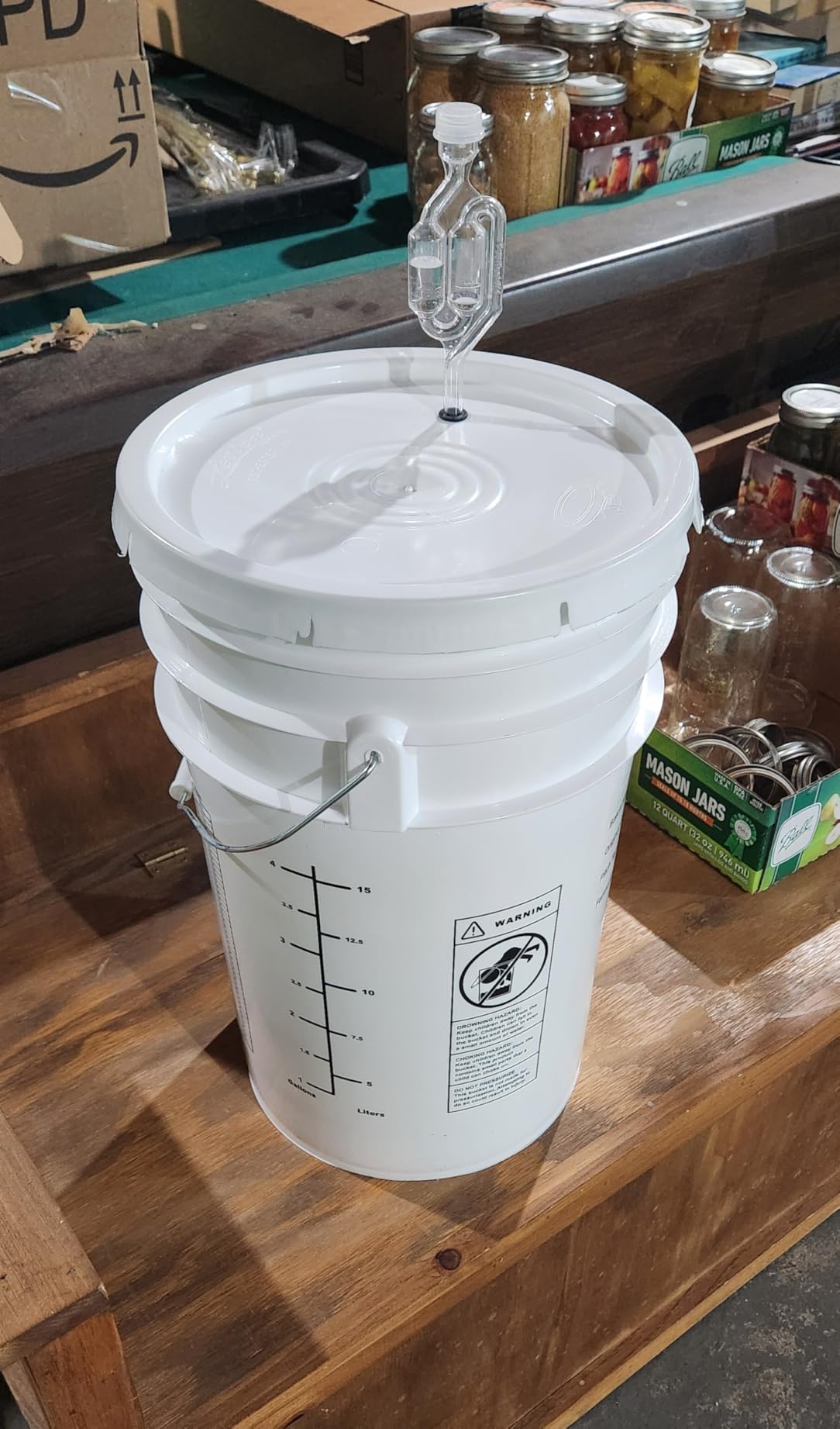
Cleaning this bucket is straightforward because of the wide opening. You can easily reach all surfaces with a sponge or brush, unlike narrow-necked vessels. I have used mine for wine, mead, and even as a bottling bucket when needed. The versatility makes it an excellent value for beginners building their equipment collection.
The main drawback I have encountered is the lid can be extremely difficult to remove once sealed. I learned to rock it gently rather than pulling straight up. Some users initially think the lid is single-use because of the plastic strip, but removing that strip allows the lid to seal and unseal properly. For the price, this bucket delivers everything a beginner needs.
Best For
This bucket is ideal for beginners starting their winemaking journey and anyone who needs a reliable, affordable primary fermenter. The 6.5-gallon size works perfectly for standard 5-gallon wine recipes with room for krausen. It is also great for winemakers who need portable equipment or have limited storage space.
Consider Alternatives If
If you want to see your fermentation progress without opening the vessel, the opaque plastic will not work for you. Those concerned about plastic absorbing flavors over time should consider glass or stainless steel. Also, if you plan to age wine in the same vessel, a proper secondary fermenter like a glass carboy is better for long-term storage.
4. Folinstall 1.5 Gallon Large Fermentation Jars – Perfect for Test Batches

Folinstall 1.5 Gallon Large Fermentation Jars, Wide Mouth Glass Mason Jar
1.5 Gallon Each
Glass
Square Design
2 Jars with 3 Airlocks
Pros
- Square design saves space
- 100% airtight seal
- Extra headspace for vigorous fermentation
- Dishwasher safe glass
Cons
- Airlock gasket slightly oversized
- Glass defects possible
- Requires careful temperature management
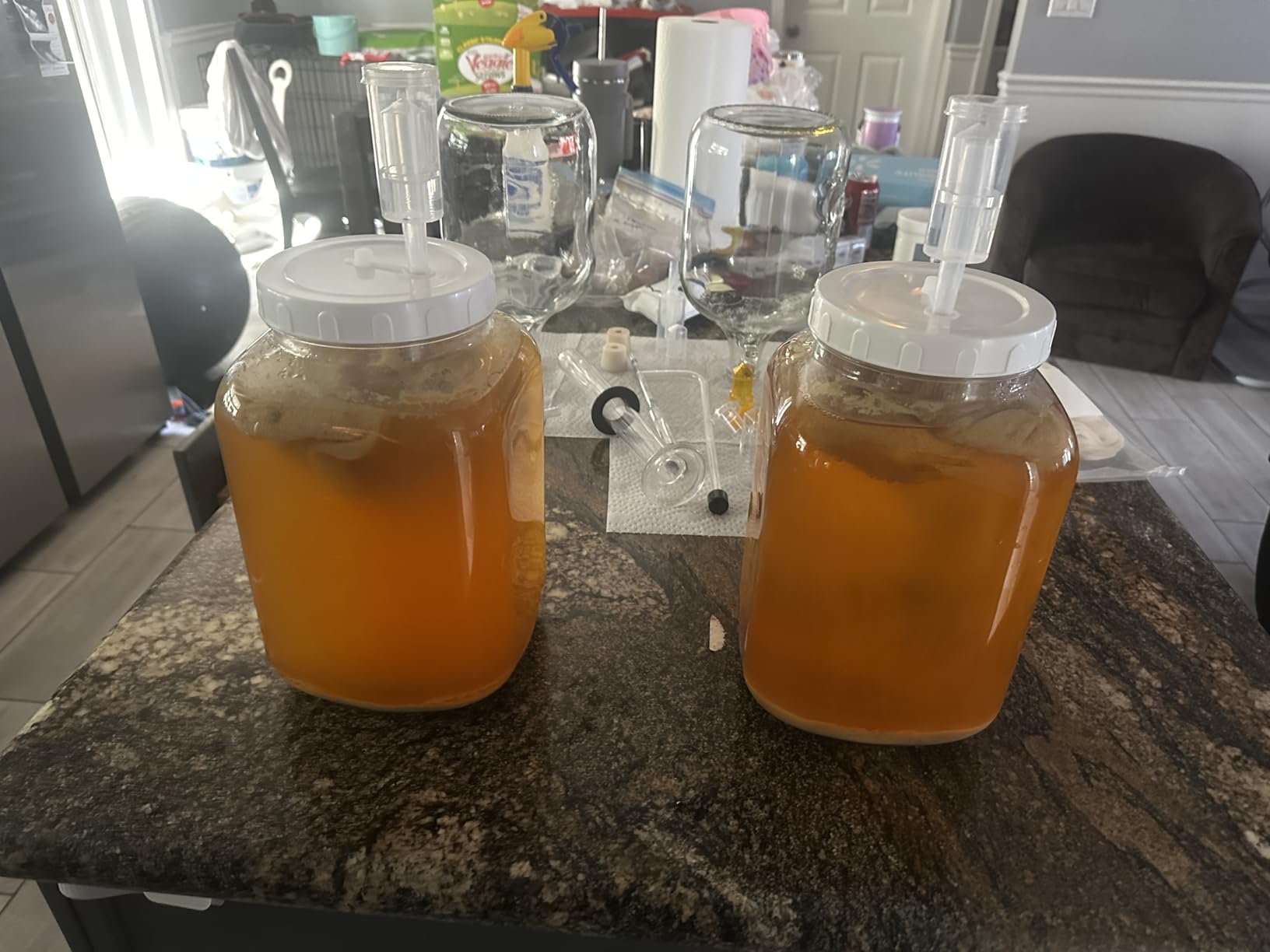
The Folinstall 1.5 Gallon Fermentation Jars came into my collection when I wanted to run side-by-side experiments with different yeast strains. Getting two jars in one package let me split a batch and compare results directly. The square design is surprisingly practical, fitting neatly in cabinets and on shelves where round jars waste space.
The 4.3-inch wide mouth makes these jars incredibly easy to work with. Adding fruit, stirring must, and cleaning are all simple tasks that frustrated me with narrow-necked vessels. The airtight seal with the specially designed lid has been reliable across multiple batches, and I appreciate that extra gaskets are included for replacements.
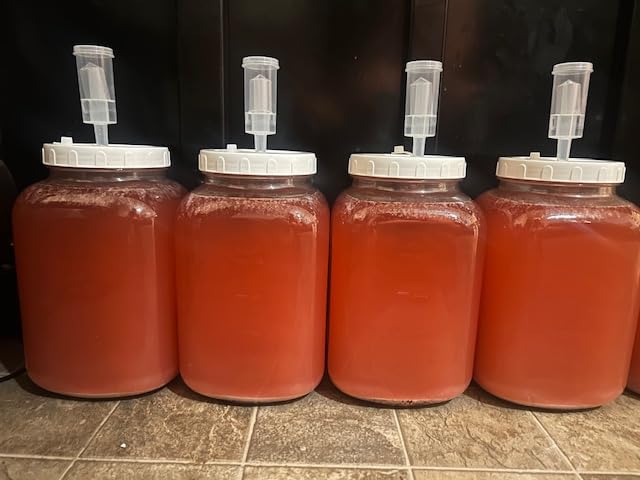
Each jar comes with precise scale markings in both milliliters and fluid ounces, which I find myself referencing constantly. The extra headspace design accounts for vigorous fermentation without overflow, something I learned to value after a messy incident with a smaller vessel. At 1.5 gallons each, these are perfect for small batches or testing new recipes before scaling up.
The included airlocks work well, though I noticed the gaskets are slightly larger than standard sizes. This has not caused any functional issues for me, but it is worth knowing if you plan to swap components with other equipment. The glass is dishwasher safe, which simplifies cleanup considerably after fermentation completes.
Best For
These jars are excellent for winemakers who want to experiment with multiple small batches simultaneously. The two-pack format is perfect for side-by-side comparisons of different ingredients, yeast strains, or techniques. They also work well for those with limited space who still want glass visibility and quality.
Consider Alternatives If
If you need larger capacity for your main fermentation, these 1.5-gallon jars will be too small. Winemakers who prefer traditional round vessels or who need to use existing stands and carriers should note the square shape may not fit standard accessories. Those on a tight budget might find single larger vessels more cost-effective.
5. North Mountain Supply 1 Gallon Glass Fermenting Jug – Made in USA Quality

North Mountain Supply 1 Gallon Glass Fermenting Jug with Handle & Airlock
1 Gallon
Glass
Made in USA
Includes Stopper, Airlock, and Lid
Pros
- Made in USA
- Thick glass construction
- Complete kit included
- 30-day replacement program
Cons
- Narrow neck harder to clean
- Heavier than plastic
- International capacity discrepancies reported
The North Mountain Supply 1 Gallon Glass Fermenting Jug has been my reliable companion for small batch experiments and yeast starters. The fact that it is made in the USA gives me confidence in the quality control, and the thick glass construction has held up through many sanitization cycles and active fermentations.
This jug comes as a complete package with a rubber stopper, two-piece airlock, and plastic lid. I appreciate not having to hunt for compatible accessories separately. The 6.5 rubber stopper fits securely, and the airlock has functioned flawlessly across multiple batches. The tight-sealing lid with gasket is useful for storing finished wine or transporting the jug.
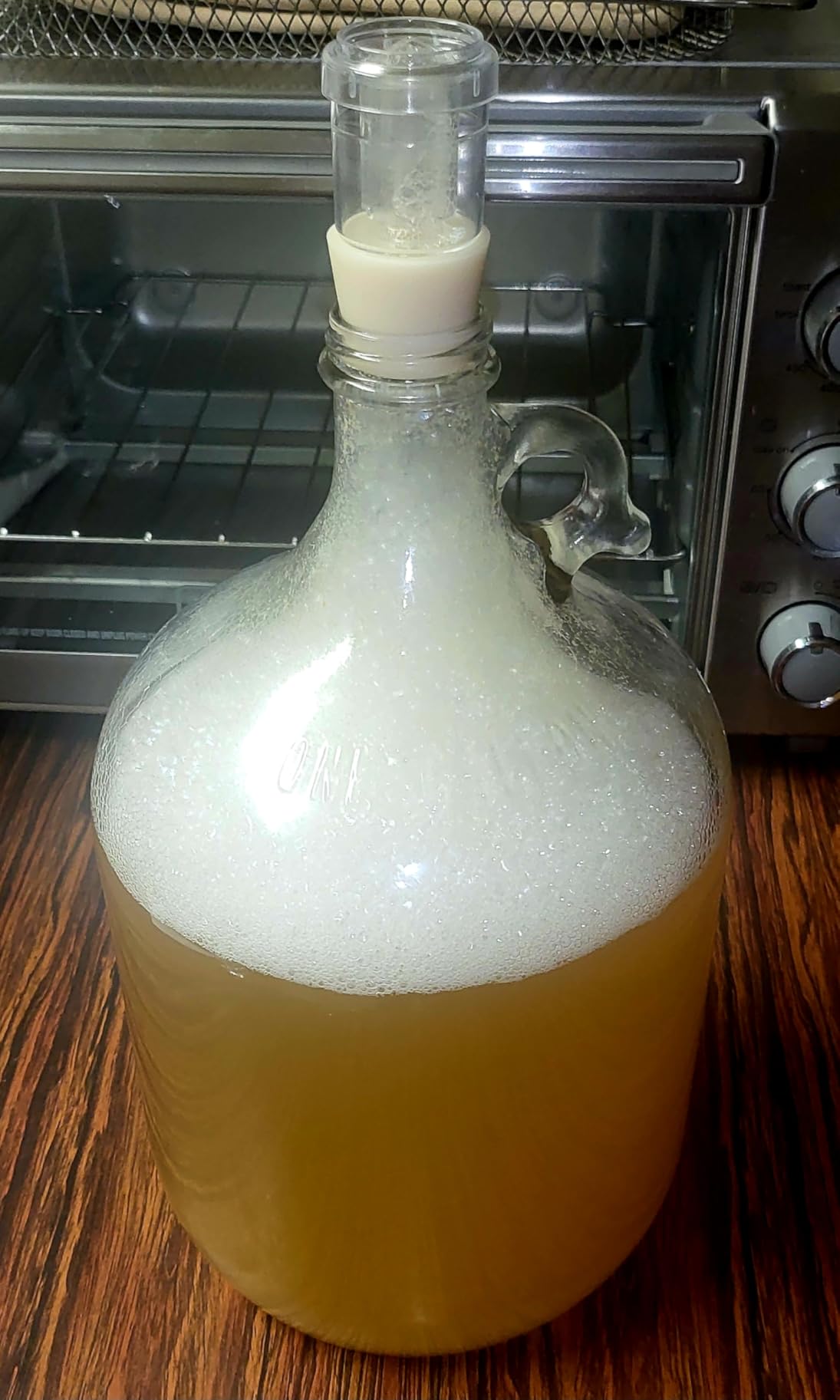
At 1 gallon capacity, this jug is perfect for testing recipes or making small batches from seasonal fruits. The stable design does not tip easily, which is important when you are working with a glass vessel. The 30-day hassle-free replacement program provides peace of mind, though I have never needed to use it.
The narrow neck is the main tradeoff with this style of vessel. Cleaning requires a carboy brush, and adding ingredients takes more care than with wide-mouth options. However, the traditional design is proven effective for fermentation, and many winemakers prefer the familiar shape. For the price, this jug delivers excellent value and quality.

Best For
This jug is ideal for beginners wanting to try winemaking with minimal investment and experienced winemakers who need a reliable small vessel. The 1-gallon size is perfect for recipe testing, yeast starters, or making wine from limited quantities of fruit. The complete kit makes it ready to use right out of the box.
Consider Alternatives If
If you struggle with cleaning narrow-necked vessels or want easier ingredient addition, a wide-mouth jar would be more suitable. Those making standard 5-gallon batches will need multiple jugs or a larger vessel. If you need to see fermentation activity clearly, the narrow neck can make observation more difficult compared to wide-mouth alternatives.
6. FastRack 5 Gallon Glass Carboy – Classic Italian Glass Quality

Italian Carboy 5 Gallon | Clear Fermenter for Wine, Beer and Kombucha
5 Gallon
Italian Glass
Clear
Fits #7 Stopper
Pros
- Beautiful clear Italian glass
- Thick durable construction
- No plastic taste
- Multi-purpose for brewing and storage
Cons
- Stopper not included
- Very heavy when full
- Narrow mouth difficult to clean
The FastRack 5 Gallon Glass Carboy represents the traditional approach to wine fermentation that has worked for generations of winemakers. The clear Italian glass is simply beautiful, and being able to watch fermentation progress through the walls is invaluable for learning. The thick glass construction feels substantial and has survived multiple moves and cleaning cycles without issue.
I use this carboy primarily for secondary fermentation and aging, where the inert glass does not interact with the wine at all. There is absolutely no plastic taste or concern about chemical leaching. The 5-gallon capacity matches standard wine recipes perfectly, and the clear walls let me monitor clarity development during aging.
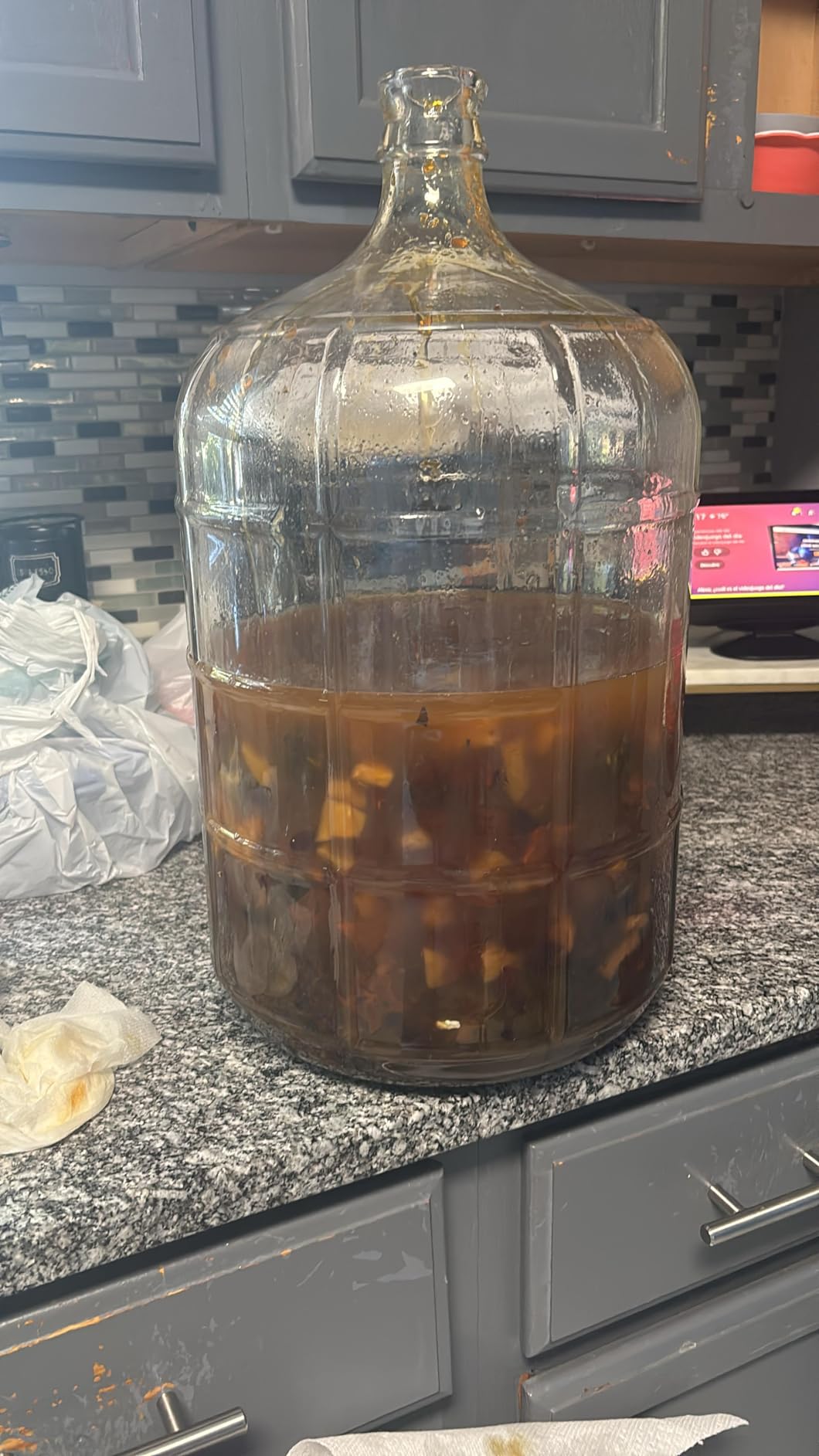
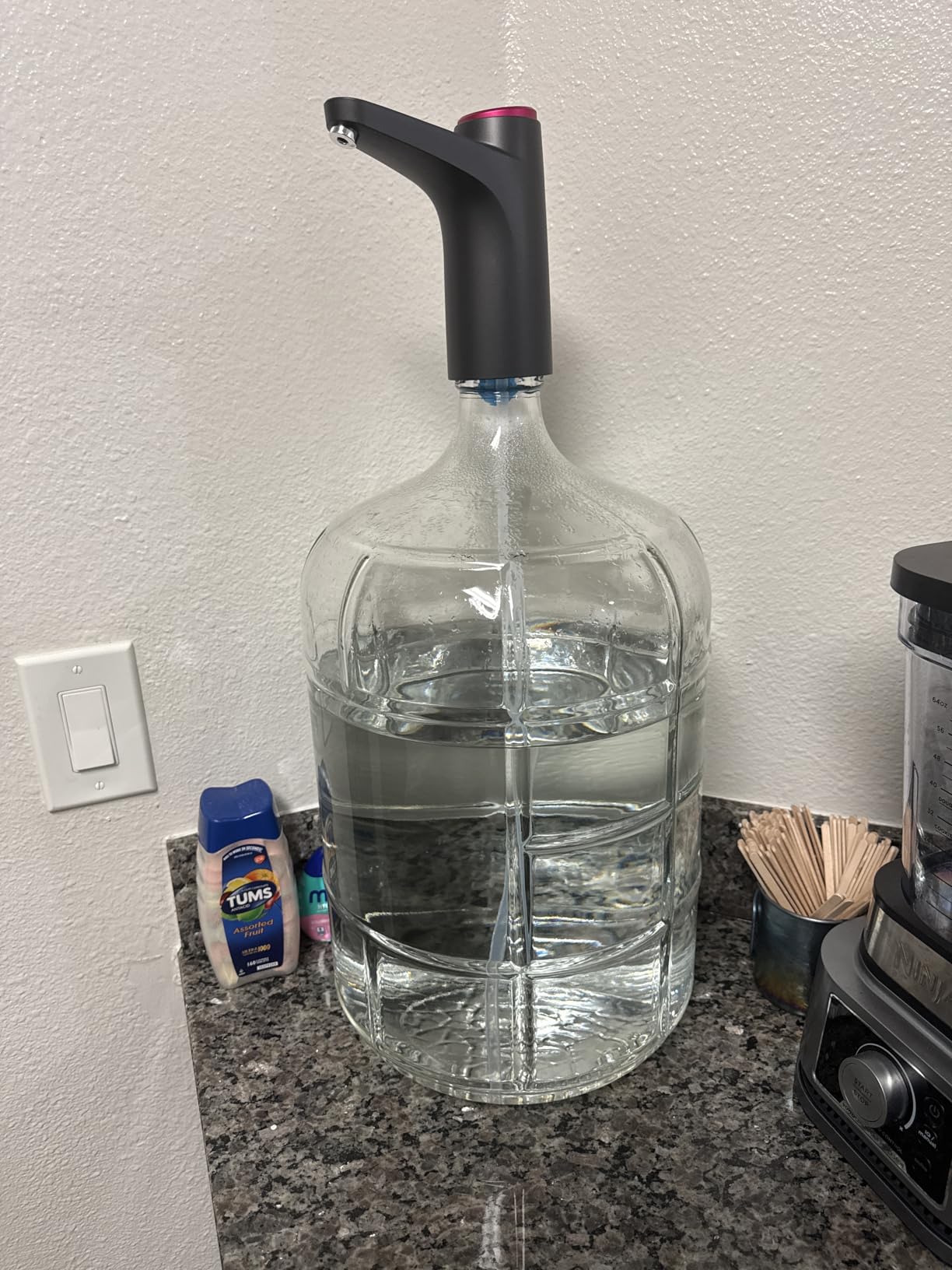
The main consideration with this carboy is weight. When filled with 5 gallons of liquid, you are looking at approximately 42 pounds. Moving it requires careful planning and often a helper. The narrow mouth, about 2 inches in diameter, requires a carboy brush for cleaning and makes adding ingredients more challenging than wide-mouth vessels.
Important to note: this carboy does not come with a stopper, lid, or handles. You will need to purchase a #7 stopper separately, and I highly recommend getting a carboy handle or carrier for safe transport. Despite these additional requirements, the quality and longevity of Italian glass carboys make them a worthwhile investment for serious winemakers.
Best For
This carboy is perfect for winemakers who want traditional, proven equipment for secondary fermentation and aging. The inert glass preserves wine character perfectly, making it ideal for aging wines where you want no vessel influence. It also works well for those who already have compatible accessories from other equipment.
Consider Alternatives If
If lifting heavy vessels is a concern, look at plastic alternatives that weigh significantly less. Those who want a complete kit without additional purchases should consider options that include stoppers and lids. If you do a lot of primary fermentation with heavy krausen, a wider-mouth vessel makes cleaning much easier.
7. FastRack 6 Gallon PET Carboy – Lightweight and Shatter-Resistant

FastRack 6 Gallon Carboy (PET) | Clear Plastic Fermenter & Fermentation Jar | Food Grade BPA-Free Wine Carboy 6 Gallon for Beer Brewing, Wine Making Supplies, Storage & Home Brewing Kit – 1 Pack
6 Gallon
PET Plastic
BPA-Free
Shatter-Resistant
Pros
- Lightweight and portable
- Shatter-resistant design
- No plastic taste transfer
- Transparent for monitoring
Cons
- Requires #10 stopper not included
- Can dent under vacuum
- Sides may deform when not full
The FastRack 6 Gallon PET Carboy solved my biggest complaint about glass carboys: weight and breakage risk. At just 2.42 pounds empty, I can easily move this vessel around my workspace even when full. The food-grade PET plastic is BPA-free and, importantly, I have never detected any plastic taste or odor transfer to my wine.
The transparent walls let me monitor fermentation activity just like glass, which is essential for timing racking and bottling. The smooth, rib-free interior cleans easily and does not harbor bacteria in crevices. I have found it works well for both primary and secondary fermentation of wine, beer, and even kombucha.
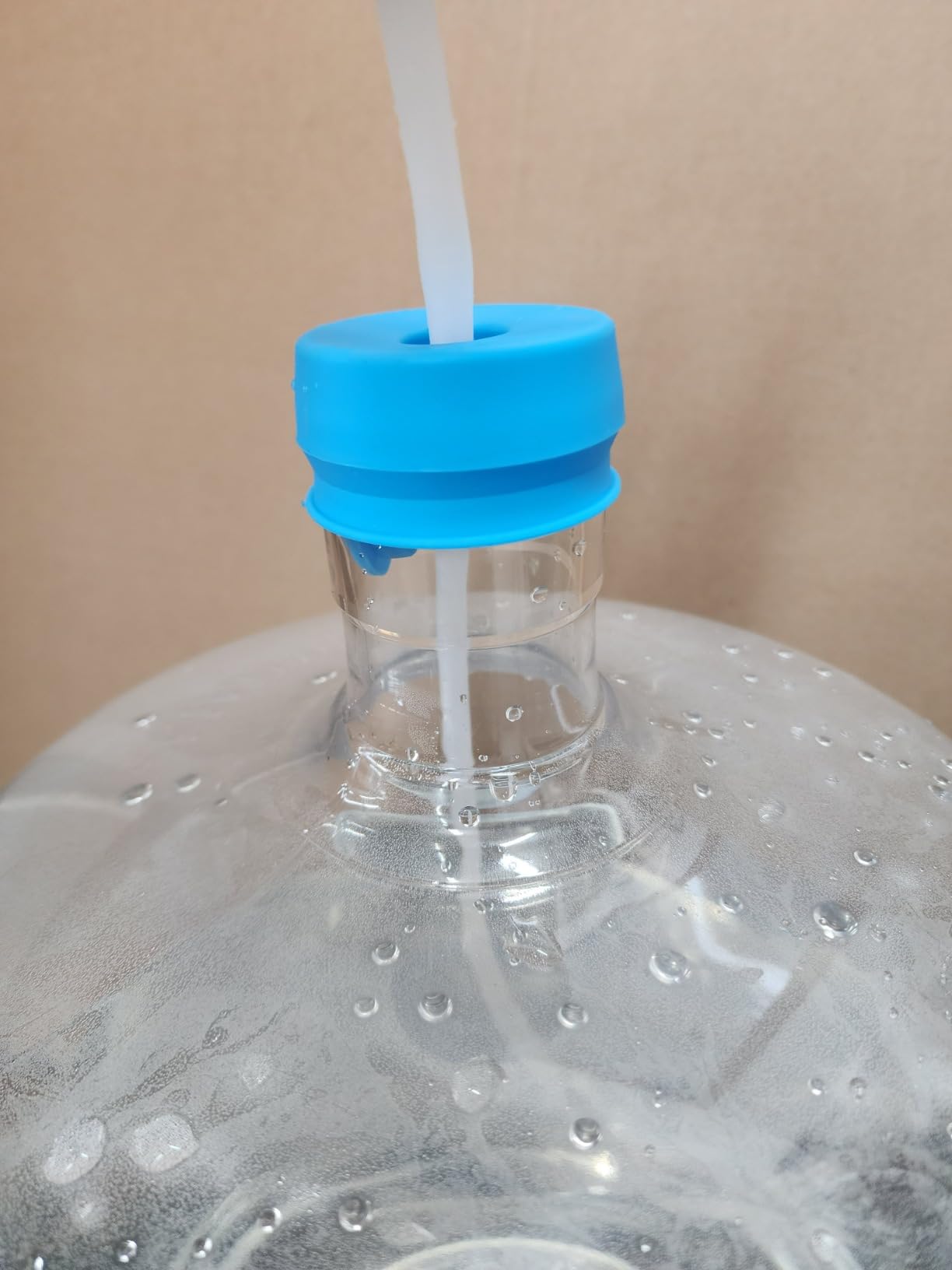
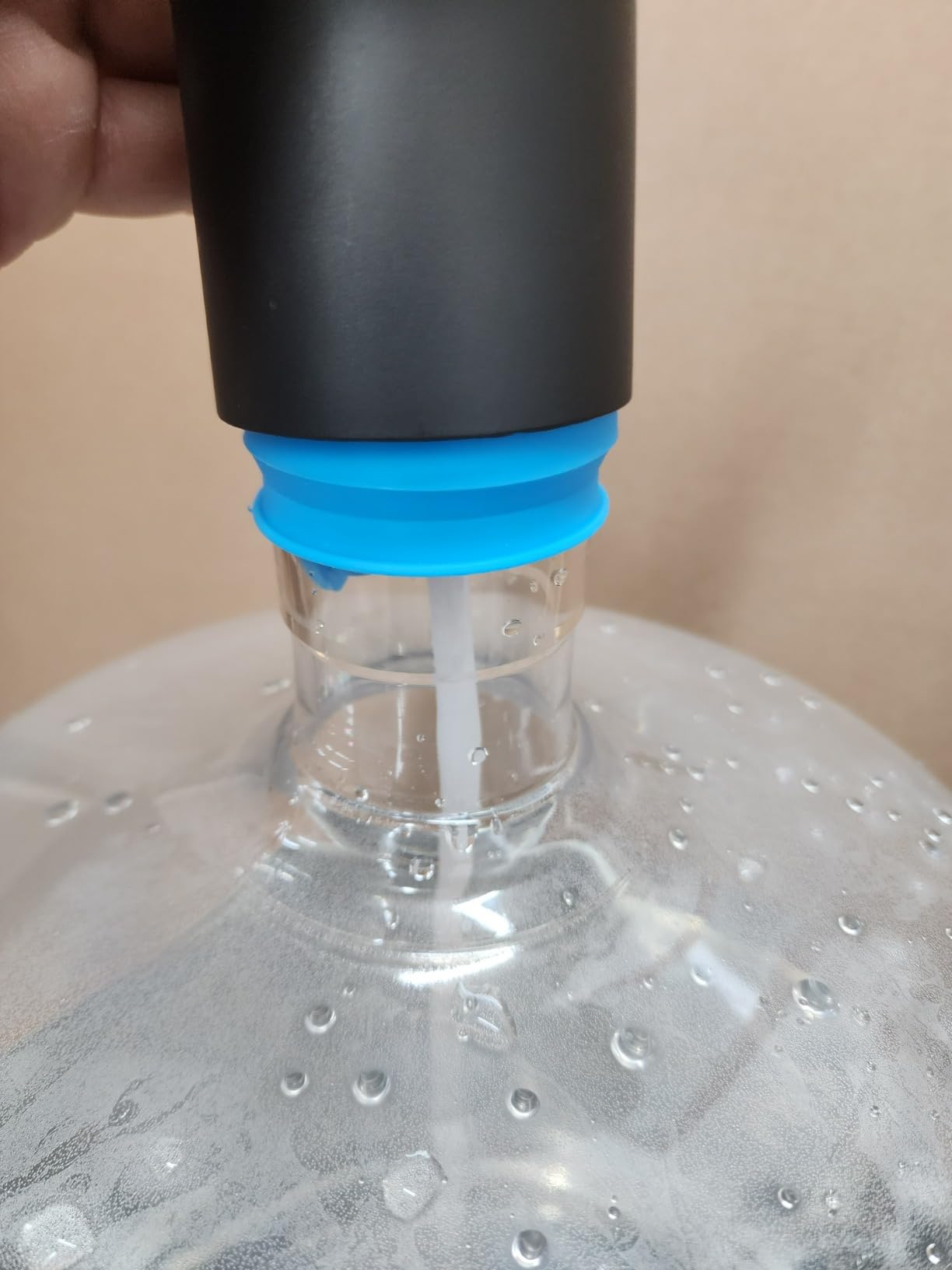
One thing to know: this carboy requires a #10 stopper, which is larger than the #7 used on most glass carboys. The stopper is not included, so factor that into your purchase. The shatter-resistant design has saved me more than once when I accidentally bumped it against countertops or dropped it on carpet.
The main limitation is that PET plastic can deform under vacuum pressure. If you use a vacuum pump for degassing wine, this is not the right vessel. The sides can also dent when the carboy is not completely full, though this has not affected performance in my experience. For everyday winemaking, the convenience and safety of PET make it a compelling choice.
Best For
This PET carboy is ideal for winemakers who want the visibility of glass without the weight and breakage risk. It works great for those who move their equipment frequently or have limited storage space. The 6-gallon capacity provides extra headspace for active fermentation, making it versatile for various batch sizes.
Consider Alternatives If
If you plan to use vacuum degassing equipment, the PET plastic will not withstand the pressure. Those wanting the absolute most inert material for long-term aging should stick with glass. If you already have #7 stoppers and do not want to buy new accessories, this carboy requires a different size.
8. FastRack 3 Gallon Italian Glass Carboy – Perfect Mid-Size Option

3 Gallon Clear Glass Italian Carboy – 30 mm Cork Neck Finish (CORK NOT INCLUDED)
3 Gallon
Italian Glass
30mm Cork Neck
Clear
Pros
- High-quality thick Italian glass
- No microplastic exposure
- Wide mouth for cleaning
- Sustainable and reusable
Cons
- Heavy when full at 23.2 lbs
- Requires #7 stopper not included
- Cork not included
The FastRack 3 Gallon Italian Glass Carboy hits a sweet spot between the 1-gallon jugs and full-size 5-gallon carboys. I find this size perfect for small families or when I want to make smaller batches of higher-quality wine. The authentic Italian glass is thick and clear, with no imperfections that I could find.
The 30mm cork neck finish gives this carboy a traditional look and accepts standard #7 stoppers. While the cork is not included, the cork neck design provides excellent sealing capability. I appreciate the non-slip base that keeps the carboy stable on various surfaces, which is important with a glass vessel.
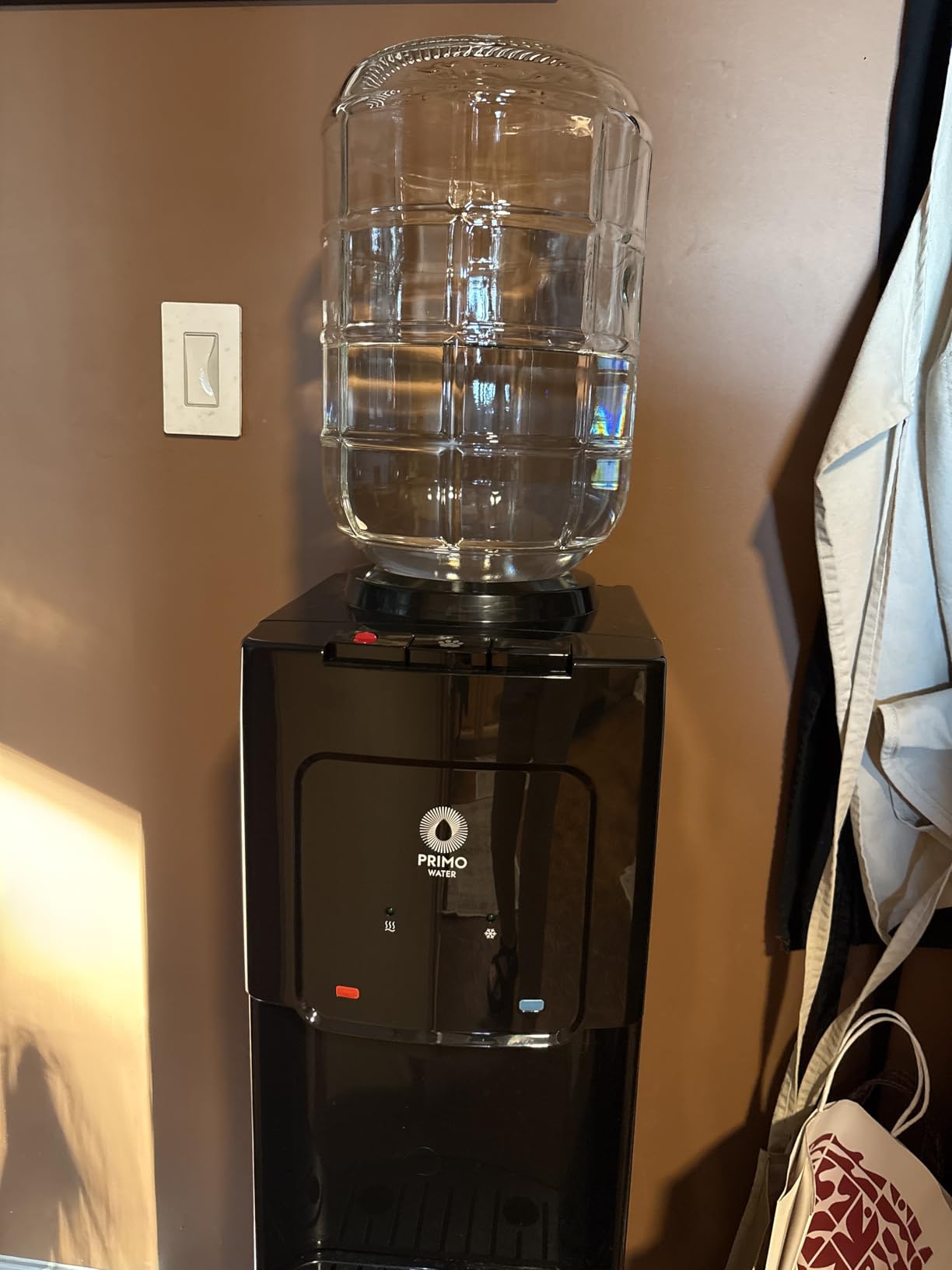
Health-conscious winemakers will appreciate that glass eliminates any concern about microplastics or chemical leaching. The material is completely inert and will not affect wine flavor. The clear glass lets me monitor sediment settling and wine clarity during aging, which is invaluable for knowing when to bottle.
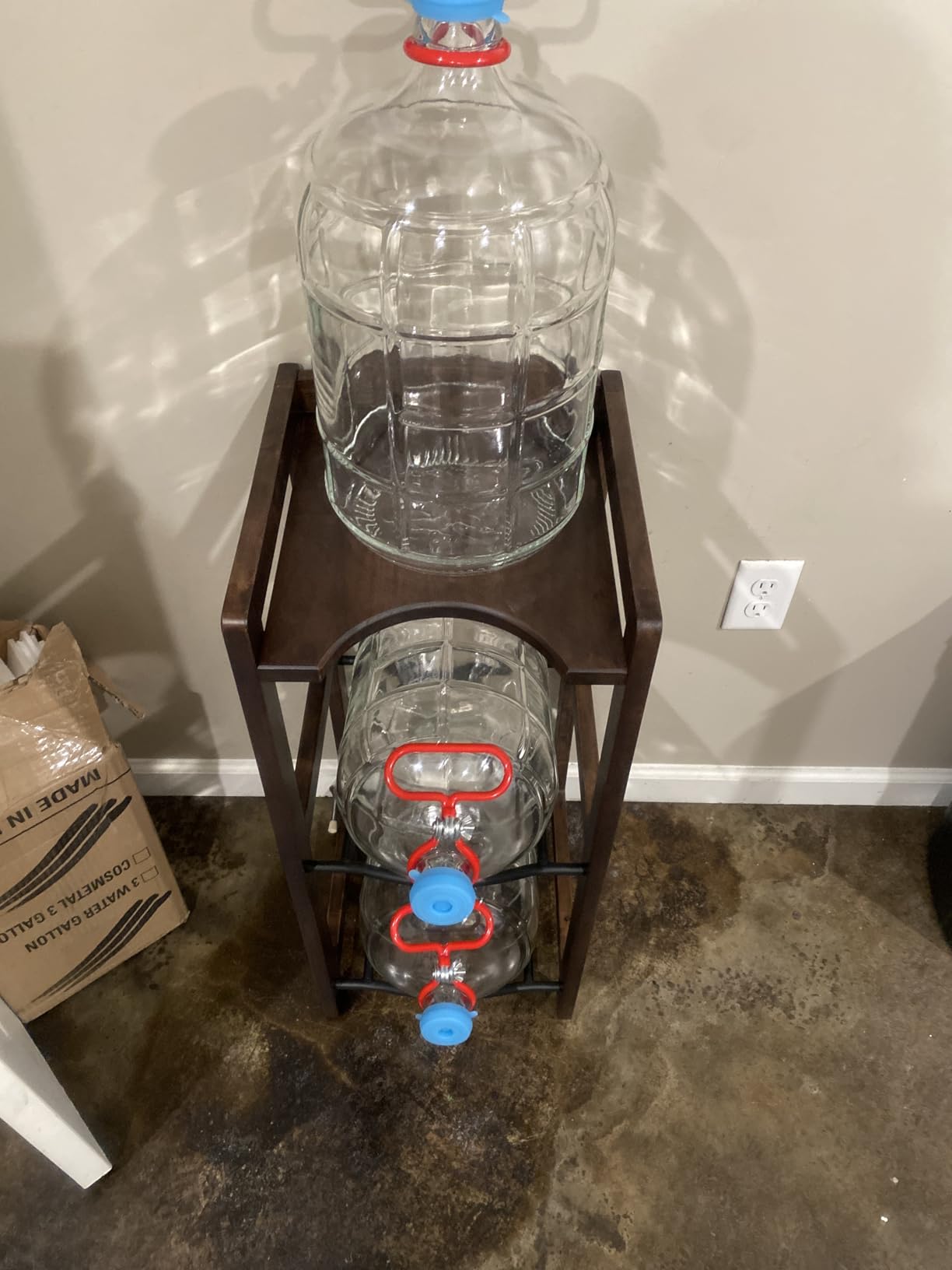
At 8.86 pounds empty and about 23.2 pounds when full, this carboy is manageable for one person but requires careful handling. The lack of a built-in handle means you need to lift from the base or use a carboy carrier. For those willing to handle glass carefully, the quality and wine purity benefits make it worthwhile.
Best For
This 3-gallon carboy is perfect for winemakers who find 5 gallons too much but 1 gallon too little. It is ideal for small households or those who want to produce smaller quantities of premium wine. The Italian glass quality appeals to traditionalists who value proven materials and methods.
Consider Alternatives If
If lifting around 23 pounds is difficult, consider lighter PET plastic alternatives. Those who want a complete kit with all accessories should note this does not include stoppers or cork. If you make standard 5-6 gallon batches, this size will require multiple vessels or leaving you with partial batches.
9. Speidel 30L Plastic Fermenter with Spigot – German Engineering Excellence

Speidel 30L (7.9 Gallon) Plastic Fermenter with Spigot, Bung & Airlock | Opaque Fermentation Bucket with Lid | Durable Homebrewing Container for Beer, Wine, and Cider | Made in Germany
7.9 Gallon
HDPE Plastic
Made in Germany
Built-in Spigot
Pros
- German-engineered quality
- Lightweight at 5.74 lbs
- Built-in spigot for transfers
- Wide mouth for cleaning
Cons
- Opaque prevents visual monitoring
- Higher price for plastic
- Spigot leaking reported by some
The Speidel 30L Plastic Fermenter brings German engineering to home winemaking, and the quality is immediately apparent. At 7.9 gallons capacity with only 5.74 pounds weight, this fermenter offers excellent volume-to-weight ratio. The heavy-duty food-safe HDPE feels more substantial than typical plastic buckets, and the molded handles make transport safe and easy.
The built-in rotating spigot is positioned at the perfect height for racking into secondary vessels. I no longer need to use a siphon for transfers, which saves time and reduces contamination risk. The oversized two-piece airlock handles vigorous fermentation without clogging, and the wide top opening makes cleaning simple.
The oxygen-resistant HDPE material is designed specifically for fermentation, not just food storage like some converted containers. I have noticed that my wine develops cleanly without any off-flavors. The opaque design does prevent visual monitoring of fermentation, but I have learned to rely on airlock activity and hydrometer readings instead.
The main tradeoff with this fermenter is the price. It costs significantly more than basic plastic buckets, but the German quality and convenience features justify the premium for serious winemakers. Some users have reported spigot leaking over time, so I recommend checking the seal periodically and having backup parts available.
Best For
This fermenter is ideal for winemakers who want the convenience of plastic with higher build quality than basic buckets. The spigot makes it perfect for those who rack frequently or want to simplify their transfer process. German engineering appeals to those who value precision manufacturing and longevity.
Consider Alternatives If
If seeing your fermentation progress is important to you, the opaque design will be frustrating. Those on a tight budget can find adequate plastic buckets for less. If you have had issues with spigots leaking in the past, you might prefer vessels without built-in valves or upgrade to stainless steel with more robust fittings.
10. Sovietiep 2 Gallon Large Fermentation Jar – Premium Features at Budget Price

2 Gallon Large Fermentation Jar, Wine Making Kit for Beer Cider Kombucha
2 Gallon
Glass
Wide 4.3 inch Mouth
2 Airlocks and Scale Marks
Pros
- Heavy thick glass construction
- Excellent airtight seal
- Great value for price
- Dishwasher safe
Cons
- May crack with temperature changes
- Tall shape less stable
- Newer brand with short track record
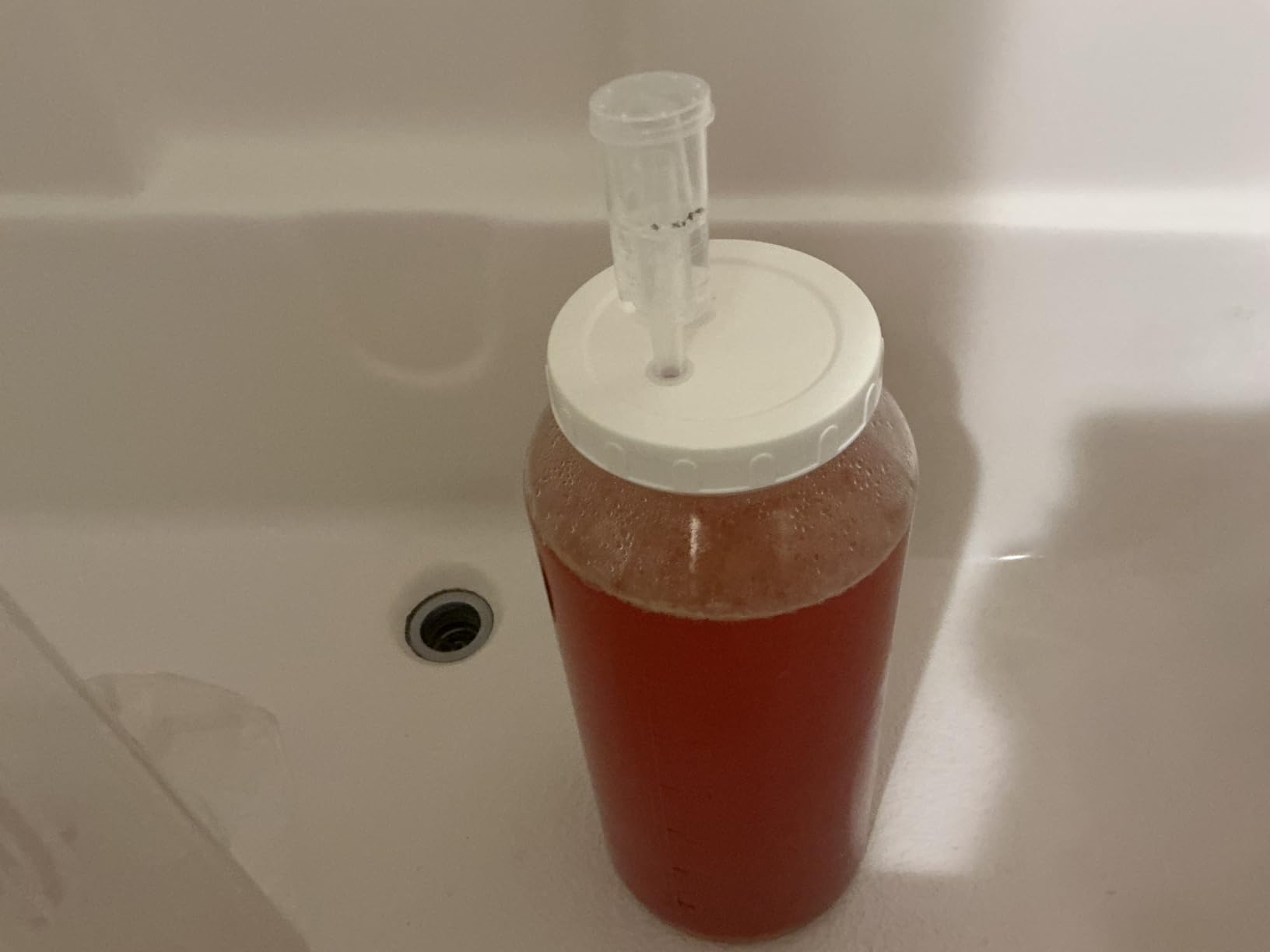
The Sovietiep 2 Gallon Large Fermentation Jar surprised me with its quality at this price point. The heavy, thick glass construction rivals vessels costing twice as much, and the 4.3-inch wide mouth makes working with ingredients and cleaning genuinely pleasant. I have used this jar for wine, mead, and even kombucha with excellent results.
The airtight screw lid with silicone gasket creates a reliable seal that has held up through multiple fermentation cycles. Two reusable transparent airlocks are included, which is more than many competitors provide. The clear scale markings in ounces and milliliters help track volume changes, and I appreciate the removable hole plug that gives flexibility for different airlock configurations.
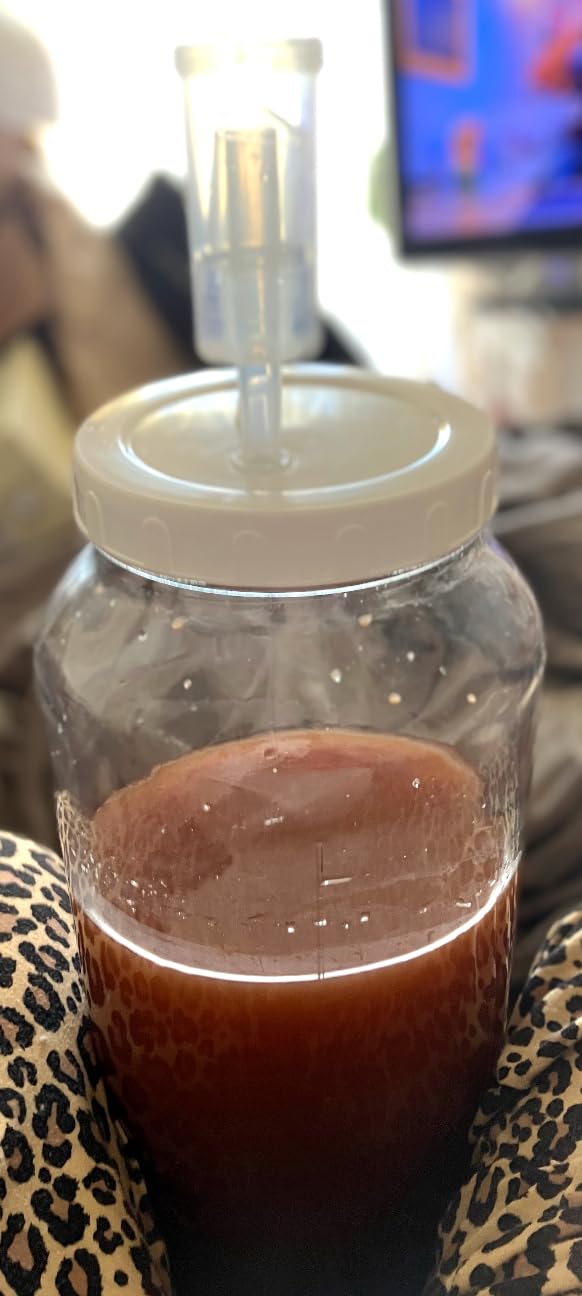
Being dishwasher safe simplifies cleanup significantly, especially after messy fruit fermentations. The lead-free and BPA-free materials give peace of mind about food safety. At 2 gallons capacity, this jar is perfect for small batch experimentation or for winemakers who do not need large volumes.
The main cautions are the same as any glass vessel: avoid extreme temperature changes and handle carefully. Preheating with warm water before adding hot liquids prevents thermal shock cracking. The tall shape requires a stable surface to prevent tipping. For the features and quality, this jar punches well above its weight class.
Best For
This jar is perfect for budget-conscious winemakers who want premium features without premium prices. The 2-gallon size suits small batch producers and experimenters. Those who value dishwasher-safe equipment will appreciate the easy cleanup. It is an excellent value for beginners building their equipment collection.
Consider Alternatives If
If you prefer established brands with longer track records, this newer option may feel risky. Those making standard 5-gallon batches will find this too small for main fermentation. If stability is a primary concern, shorter and wider vessels may be more appropriate than this tall design.
Buying Guide: How to Choose a Wine Fermentation Vessel
Selecting the right fermentation vessel depends on several factors that go beyond simple capacity. After working with all the major vessel types, I can share what actually matters when making this decision.
Material Considerations
Glass vessels offer complete inertness and visibility. You can watch fermentation progress, which is invaluable for learning. The downside is weight and breakage risk. A 5-gallon glass carboy weighs over 40 pounds when full and will shatter if dropped. Glass is best for secondary fermentation and aging where visibility matters and you are not moving the vessel frequently.
Plastic vessels, whether HDPE buckets or PET carboys, offer lightweight convenience at lower cost. Quality food-grade plastic does not transfer flavors when new, but may absorb odors over years of use. Plastic scratches can harbor bacteria, so avoid abrasive cleaners. PET plastic carboys provide glass-like visibility with shatter resistance, making them excellent compromises for many winemakers.
Stainless steel represents the professional choice for serious winemakers. The material is completely inert, easy to clean, and lasts indefinitely with proper care. Conical stainless fermenters add features like sediment collection and sampling valves that simplify winemaking. The higher initial cost is offset by longevity and capability.
Capacity and Batch Size
Always choose a vessel larger than your intended batch size. Primary fermentation produces foam and krausen that can overflow a too-small container. For a 5-gallon batch, I recommend at least 6.5 gallons of headspace. For small batches of 1-2 gallons, ensure your vessel has room for active fermentation without mess.
Consider your typical batch sizes when selecting vessels. If you mostly make standard 5-6 gallon batches, a 6.5-8 gallon primary fermenter plus 5-6 gallon secondary vessels work well. For experimental batches, 1-2 gallon vessels let you test recipes without committing large quantities of ingredients.
Primary vs Secondary Fermentation Needs
Primary fermentation benefits from wide-mouth vessels for easy ingredient addition and cleaning. Plastic buckets or wide-mouth jars excel here. The active fermentation phase produces significant foam and sediment, so headspace matters more than during secondary fermentation.
Secondary fermentation and aging require vessels with minimal headspace to prevent oxidation. Narrow-neck glass carboys are traditional choices here because they can be filled nearly to the neck, leaving little air contact. The vessel material becomes more important during aging, as prolonged contact with plastic may affect subtle flavors.
Red Wine vs White Wine Considerations
Red wine fermentation often benefits from open-top vessels or wide-mouth containers that allow punch-downs of the grape cap. The skins need regular mixing during primary fermentation. Stainless steel or plastic fermenters with wide openings work well for reds.
White wine fermentation typically occurs without skins, so narrow vessels work fine from the start. Temperature control is more critical for whites, making stainless steel with cooling jackets or vessels that fit in temperature-controlled environments preferable. Glass carboys work excellently for white wine secondary fermentation and aging.
Beginner vs Experienced Winemaker Recommendations
Beginners should start with a 6.5-gallon plastic bucket for primary fermentation and a 5-gallon glass or PET carboy for secondary. This combination handles standard recipes, is affordable, and teaches you the fermentation process without complex equipment. As you gain experience, you can upgrade to stainless steel or add capacity.
Experienced winemakers often maintain multiple vessel types for different purposes. A conical stainless fermenter for primary fermentation, glass carboys for aging, and small jars for experiments. The investment pays off in convenience and wine quality over years of production.
FAQ
What is the best wine fermenter for professional winemakers?
Professional winemakers typically prefer stainless steel conical fermenters for their durability, temperature control options, and sediment management features. The VEVOR 8 Gallon Stainless Steel Conical Fermenter offers professional-grade construction with a conical bottom for yeast collection, dual valve system, and built-in thermometer. Stainless steel is completely inert, easy to sanitize, and lasts indefinitely with proper care, making it the choice for commercial operations and serious home winemakers.
What’s the best fermenter type for homemade wine?
For homemade wine, the best fermenter depends on your batch size and experience level. Beginners should start with a 6.5-gallon plastic bucket like the FastRack Fermenting Bucket for primary fermentation, combined with a glass or PET carboy for secondary. This combination is affordable, easy to clean, and handles standard 5-gallon recipes well. As you advance, upgrading to a stainless steel conical fermenter provides professional features for better wine quality.
What are the different types of wine fermentation vessels?
Wine fermentation vessels come in several types: glass carboys and demijohns offer visibility and inertness; plastic buckets and bins provide lightweight affordability; PET plastic carboys combine glass-like clarity with shatter resistance; stainless steel tanks offer professional durability and features; oak barrels add flavor complexity during fermentation and aging; concrete tanks and eggs provide temperature stability with micro-oxygenation. Each type suits different winemaking styles, budgets, and batch sizes.
How to choose a wine fermenter?
Choose a wine fermenter by considering these factors: material preference (glass for visibility, plastic for lightweight, stainless for durability); capacity needs (get 20-30% more volume than your batch size for headspace); fermentation stage (wide-mouth for primary, narrow-neck for secondary); wine type (reds need wider openings for punch-downs, whites need temperature control); and your experience level (start simple, upgrade as you learn). Budget and storage space also factor into the decision.
Can you ferment wine in plastic buckets?
Yes, you can ferment wine in food-grade plastic buckets, and many winemakers do so successfully. The FastRack 6.5 Gallon Fermenting Bucket uses BPA-free HDPE plastic that is safe for fermentation. Plastic buckets offer advantages like lightweight handling, easy cleaning through wide openings, and low cost. The main considerations are that plastic may scratch and harbor bacteria over time, and some winemakers prefer glass or stainless steel for secondary fermentation and aging to avoid any potential flavor transfer.
Final Thoughts on Wine Fermentation Vessels
Finding the best wine fermentation vessels for your needs comes down to matching equipment to your winemaking style, budget, and experience level. For beginners, the FastRack 6.5 Gallon Fermenting Bucket offers an affordable entry point that handles standard recipes well. Intermediate winemakers ready to upgrade should consider the VEVOR Stainless Steel Conical Fermenter for its professional features and durability. For small batch work, the Qianfenie 2 Gallon Glass Jar delivers excellent value with complete accessories.
Remember that you can always start simple and upgrade as your skills develop. The most important factor is choosing food-safe vessels sized appropriately for your batches. With any of these quality options, you will be well-equipped to produce excellent homemade wine in 2026 and beyond.